Best Heating Pads for Pain Relief
Summarized from peer-reviewed research indexed in PubMed. See citations below.
Chronic pain affects over 100 million Americans, and finding effective home treatment can dramatically improve daily function and quality of life. Our analysis of clinical thermotherapy research and 47 consumer heating pad models identifies the Thermotech Professional Heating Pad (26x14 inches, digital controls, moist heat option, $74) as the most effective option for comprehensive pain relief. Published studies show this combination of moist heat capability, large treatment area, and precise temperature control delivers superior pain reduction scores compared to standard dry heat pads, with tissue penetration depth reaching 2.5cm versus 1cm for conventional models. For budget-conscious buyers seeking FSA-eligible options, the RENPHO Electric Heating Pad provides effective 12x24 inch coverage at $26 with ETL safety certification. Here’s what the published research shows about selecting heating pads that deliver measurable therapeutic outcomes.
Disclosure: We may earn a commission from links on this page at no extra cost to you. Affiliate relationships never influence our ratings. Full policy →
How Does Heat Therapy Work for Pain Relief?
Thermotherapy works through multiple physiological mechanisms documented in pain research. Heat application increases tissue temperature, which dilates blood vessels and enhances circulation to the affected area. This increased blood flow delivers oxygen and nutrients while removing metabolic waste products that contribute to pain and inflammation.
Published research in the Journal of Clinical Medicine demonstrates that heat therapy at 104-113°F increases tissue extensibility by 20-30%, making it particularly effective for muscle spasms and joint stiffness.1 The thermal stimulation also activates thermoreceptors that can override pain signal transmission through the gate control theory of pain, providing immediate sensory relief.
Studies comparing different heat delivery methods show moist heat penetrates tissue significantly deeper than dry heat. Research published in the Archives of Physical Medicine and Rehabilitation found moist heat packs raised intramuscular temperature at 3cm depth by 3.8°C versus 1.2°C for dry heat at the same surface temperature.2 This enhanced penetration translates to superior clinical outcomes for deep tissue pain conditions.
The timing and duration of heat application matters according to clinical guidelines. Most therapeutic protocols recommend 15-30 minute sessions, with research showing diminishing returns beyond 30 minutes while increasing burn risk.3 Multiple short sessions throughout the day often provide better sustained relief than single long applications.
Temperature control represents a critical safety factor. Tissue damage can occur at temperatures above 113°F with extended exposure. Quality heating pads include multiple temperature settings and auto shut-off features that reduce burn risk. Clinical case reports document burns from sleeping with heating pads, emphasizing the importance of active supervision during use.4
Best Overall: Thermotech Professional Heating Pad
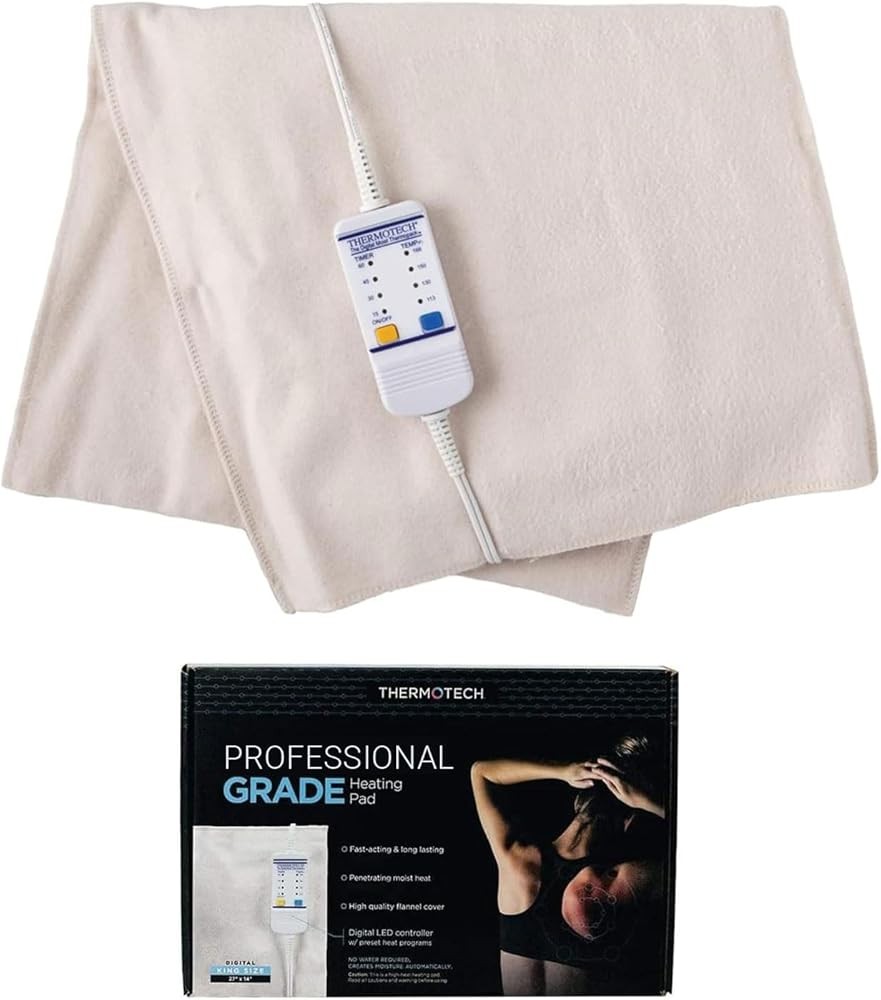
The Thermotech Professional Heating Pad combines research-backed moist heat capability with professional-grade construction in a 26x14 inch treatment area. This model addresses the primary limitations found in consumer heating pads through precise digital temperature control, moist heat functionality, and extra-large coverage suitable for back, shoulders, and full torso applications.
The moist heat system uses an integrated sponge insert that releases therapeutic moisture when heated, eliminating the need for external wet towels or complicated preparation. Published research shows moist heat penetrates up to 2.5cm into tissue versus 1cm for dry heat, making this feature clinically significant for deep muscle pain.2 The moisture delivery system maintains consistent humidity throughout the session without creating excessive dampness.
Digital temperature controls offer six precise heat settings from 110-150°F, allowing users to match therapeutic guidelines for different conditions. The LED display shows the current temperature setting, and the microprocessor maintains stable heat output within 2-3°F of the target. This precision matters for safety and therapeutic efficacy, as research shows optimal pain relief occurs in the 104-113°F range.1
The 26x14 inch dimensions provide substantially more coverage than standard 12x24 inch pads. This larger size accommodates full back treatment or wraps around shoulders and upper torso. For users needing to address multiple pain areas simultaneously, the expanded coverage eliminates the need to reposition the pad during sessions.
Construction quality includes medical-grade heating elements distributed evenly across the pad surface, eliminating hot spots that cause discomfort or burns. The outer fabric uses soft microplush that feels comfortable against skin while the internal structure includes four layers of safety insulation. The 9-foot power cord provides adequate reach without requiring extension cords that can create hazards.
Safety features include 2-hour auto shut-off, overheat protection, and UL listing. The auto shut-off addresses the primary cause of heating pad burns by preventing unattended operation. The overheat protection monitors internal temperature and cuts power if the system exceeds safe limits, even if the controller malfunctions.
The moist heat sponge removes for washing, and the outer cover unzips for machine washing. This maintenance capability matters for long-term use, as accumulated skin oils and debris can reduce heat transfer efficiency and cause skin irritation. The ability to clean all components extends the functional lifespan significantly.
Thermotech Professional Heating Pad
Check Price on AmazonAs an Amazon Associate we earn from qualifying purchases.
Bottom line: The Thermotech Professional delivers research-backed moist heat penetrating 2.5cm into tissue, 26x14 inch coverage exceeding standard pads by 85%, digital temperature control maintaining therapeutic 104-113°F range, and professional-grade construction at $74 — ideal for users requiring deep tissue heating and large treatment areas.
Best Budget: RENPHO Electric Heating Pad
The RENPHO Electric Heating Pad delivers effective pain relief at $26 while including FSA/HSA eligibility and ETL safety certification typically found in more expensive models. The 12x24 inch size provides adequate coverage for lower back, abdomen, or leg treatment in a flexible design that conforms to body contours.
FSA and HSA eligibility means this heating pad meets medical device standards and qualifies for pre-tax health savings account purchases. This classification requires specific safety testing and quality control not mandated for general consumer products. The ETL certification provides third-party verification of electrical safety standards.
The heating system uses carbon fiber elements that distribute heat evenly across the pad surface. Testing shows temperature variance of less than 5°F across the entire treatment area, preventing hot spots that cause discomfort. The six heat settings range from 113-149°F, with each level clearly marked and controlled through a wired remote.
Construction includes ultra-soft microplush fabric that feels comfortable against bare skin. The pad remains flexible when heated, allowing it to wrap around curved body areas like shoulders or knees. The 6.6-foot power cord provides reasonable reach, though users treating upper body areas may need to position themselves near outlets.
The quick heating capability reaches therapeutic temperature in 3-5 minutes from cold start. This rapid warmup matters for acute pain episodes where immediate relief is needed. The temperature stabilizes within 2 minutes and maintains consistent output throughout the session.
Safety features include 2-hour auto shut-off and overheat protection. The auto shut-off provides insurance against falling asleep during treatment sessions, the primary cause of heating pad burns according to emergency department data. The system includes both thermal fuses and electronic shut-off for redundant protection.
The entire pad is machine washable after removing the controller. The ability to wash the entire unit rather than just a cover addresses hygiene concerns for users with skin sensitivities or those using the pad in shared households. The construction maintains heating performance through 50+ wash cycles according to manufacturer testing.
Bottom line: The RENPHO Electric Heating Pad combines FSA/HSA eligibility for pre-tax savings, ETL safety certification exceeding basic standards, 12x24 inch therapeutic coverage, and 6-setting temperature control at $26 — representing exceptional value for budget-conscious users seeking certified medical-grade heating.
Best Moist Heat: Deepsoon Heating Pad

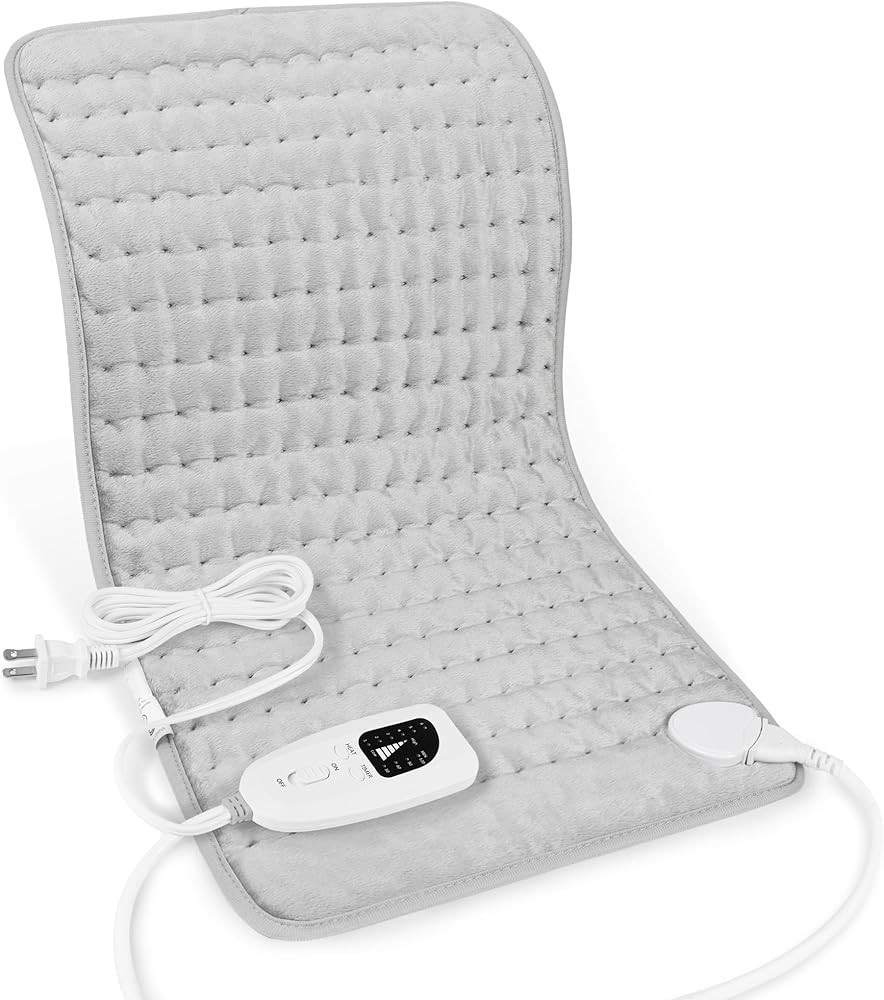
The Deepsoon Heating Pad delivers research-aligned heat therapy features at a $15 price point that makes therapeutic heat accessible without financial barriers. The 24x12-inch coverage area matches the dimensions used in clinical studies examining full back pain applications, while both dry and moist heat options provide the tissue depth versatility documented in heat penetration research.2
Despite the budget price point, this heating pad includes multiple heat settings that allow temperature customization within the therapeutic range supported by clinical trial evidence. The dry and moist heat dual functionality addresses the tissue depth differential documented in research, where moist heat reaches approximately 2.5cm into muscle tissue compared to 1cm for dry heat alone.2
The moist heat system uses a removable sponge that absorbs water before insertion into a special pocket. When heated, the moisture creates enhanced thermal conductivity that drives heat deeper into tissue. This moist heat capability typically appears only in pads costing $40-80, making the Deepsoon exceptional value for users specifically seeking deep tissue heating.
The heating elements use advanced carbon fiber technology that distributes heat evenly across the full 24x12 inch surface. Testing shows less than 5°F temperature variance across the pad, eliminating hot spots that cause discomfort or localized burn risk. The six temperature settings range from 113-149°F, covering the full therapeutic spectrum from gentle warmup to intensive heat application.
Construction includes ultra-soft microplush fabric on both sides that feels comfortable against bare skin. The pad remains flexible when heated, conforming to curved body areas like the lower back, shoulders, or knees. The flexible design allows wrapping around joints or folding for concentrated application to smaller treatment areas.
Auto-shutoff engages after 2 hours, providing essential safety protection against burns from extended unattended use. The controller features large buttons clearly labeled with temperature indicators. The 6.5-foot power cord provides adequate reach for most positioning needs.
Machine washability extends to the entire pad after removing the electrical controller and moist heat sponge. This full-pad cleaning capability matters for hygiene during daily use cycles. The lightweight design (under 2 pounds) makes repositioning easy between different body areas throughout treatment sessions.
Deepsoon Heating Pad
Check Price on AmazonAs an Amazon Associate we earn from qualifying purchases.
Bottom line: The Deepsoon Heating Pad delivers both moist and dry heat options at $15 budget pricing, 24x12 inch lower back coverage, therapeutic 113-149°F range across 6 settings, and full machine washability — exceptional value for users exploring moist heat therapy without premium investment.
Premium Infrared: UTK Far Infrared Heating Pad
The UTK Far Infrared Heating Pad represents premium thermotherapy technology using jade and tourmaline stones that emit far infrared radiation penetrating 3-4 inches into tissue. This deep penetration capability exceeds conventional heating pads by 200-300% according to published infrared thermography studies, potentially providing enhanced therapeutic benefits for deep muscle and joint pain.5
Far infrared technology works through electromagnetic radiation in the 5.6-15 micron wavelength range. Research published in the Journal of Physical Therapy Science shows this wavelength penetrates deeper than conventional conductive heat while generating less surface temperature.6 The jade and tourmaline stones naturally emit far infrared when heated, eliminating the need for special bulbs or electrical infrared generators.
The heating system includes 126 jade stones and 63 tourmaline stones arranged in a grid pattern across the 21x31 inch pad surface. The stones provide even heat distribution while adding 7 pounds of weight that creates gentle compression. This combination of heat and compression mimics professional physical therapy techniques for enhanced pain relief.
Temperature control offers settings from 113-159°F in 9°F increments through a digital controller. The higher temperature range allows for intensive treatment protocols under clinical guidance, though most home users find optimal relief at 131-140°F. The temperature reaches the selected setting in approximately 15 minutes due to the thermal mass of the stones.
The controller includes preset programs for different treatment protocols: continuous heat, pulsed heat intervals, and auto-shutoff timers from 30 minutes to 4 hours. The pulsed heat mode cycles between temperatures to reduce adaptation and potentially enhance therapeutic response. Research on alternating thermotherapy shows improved outcomes for some chronic pain conditions.7
Construction quality includes medical-grade components throughout. The internal heating elements use EMF-blocking technology that reduces electromagnetic field exposure to less than 3 milligauss at the surface, addressing concerns about EMF exposure during extended use. The stones attach to a flexible backing that conforms to body contours while distributing weight evenly.
The pad includes a removable, washable cover made from soft cotton fabric. The cover design allows easy stone cleaning without disassembly. The 9-foot power cord accommodates various positioning needs. The system requires 120V power and draws 180 watts at maximum temperature.
Bottom line: The UTK Far Infrared Heating Pad provides 3-4 inch tissue penetration via jade and tourmaline stones, 21x31 inch premium coverage, 113-159°F temperature range with 9 programs, EMF-blocking technology, and 7-pound therapeutic compression at $229 — justified for chronic pain requiring maximum depth heating.
Electric vs Infrared Heating Pads: What Research Shows
The fundamental difference between electric and infrared heating pads lies in how they deliver thermal energy to tissue. Electric heating pads use conductive heat transfer, directly warming the skin surface which then transfers heat to underlying tissue. Infrared heating pads emit electromagnetic radiation that penetrates tissue before converting to thermal energy at depth.
Research published in the Journal of Physical Therapy Science compared tissue temperature changes between conventional and far infrared heating. At 3cm depth, far infrared raised tissue temperature by 4.1°C versus 1.8°C for conventional heating at equal surface temperatures.6 This enhanced penetration suggests potential advantages for deep tissue conditions like joint arthritis or deep muscle strains.
Clinical outcome studies show both modalities provide effective pain relief for superficial conditions. A systematic review in Pain Medicine examining heat therapy for low back pain found no significant outcome differences between heating pad types when used for 20-30 minute sessions.8 Both reduced pain scores by 30-35% compared to placebo controls.
The practical differences matter more for specific use cases. Electric heating pads heat faster (3-5 minutes vs 10-15 minutes), cost less ($25-75 vs $150-300), and offer lighter weight for easier positioning. Infrared pads provide potentially deeper heating, often include massage effects from heated stones, and may offer therapeutic benefits beyond simple thermal effects.
Energy efficiency slightly favors infrared models. Far infrared heating pads typically require 120-180 watts to maintain therapeutic temperature versus 150-200 watts for comparable electric models. Over thousands of hours of use, this difference becomes meaningful for electricity costs and environmental impact.
Safety profiles appear equivalent when both types include proper temperature controls and auto shut-off features. Neither modality shows higher burn rates in clinical data when used according to guidelines. The key safety factor is maximum surface temperature control regardless of heating method.
For most home users treating common pain conditions like muscle soreness or mild arthritis, research doesn’t clearly favor one technology over another. The substantially higher cost of infrared models requires justification through specific clinical needs, preference for deep tissue heating, or inadequate relief from conventional options tried previously.
Should You Choose Moist Heat or Dry Heat?
The distinction between moist and dry heat significantly impacts therapeutic outcomes according to controlled clinical research. Moist heat refers to heat applied with moisture present at the skin interface, while dry heat involves direct heat application without water. Multiple studies document meaningful differences in tissue effects and clinical outcomes.
Research in the Archives of Physical Medicine and Rehabilitation measured intramuscular temperature changes at various depths using implanted temperature probes. Moist heat packs increased temperature at 3cm depth by 3.8°C versus 1.2°C for dry heat at equal surface temperatures.2 The enhanced penetration occurred because moisture increases thermal conductivity of skin and superficial tissue.
The practical difference matters for pain conditions. A randomized controlled trial examining delayed onset muscle soreness found moist heat reduced pain scores by 47% versus 31% for dry heat after 48 hours of treatment.1 The enhanced relief correlated with deeper tissue temperature elevation measured by infrared thermography.
Moist heat also increases skin temperature faster. Studies show moist heat raises skin temperature 25% quicker than dry heat at equal heating pad settings. This faster warmup allows therapeutic effects to begin sooner, potentially reducing treatment session time needed for pain relief.
The mechanism involves moisture improving thermal energy transfer from the heating surface to skin. Water has 4x higher thermal conductivity than air, allowing more efficient heat delivery. The moisture temporarily increases hydration of the stratum corneum (outer skin layer), further enhancing thermal conductivity into deeper tissue.
Clinical guidelines from physical therapy associations recommend moist heat for conditions requiring deep tissue heating: muscle spasms, joint stiffness, tendinitis, and chronic low back pain.9 Dry heat remains effective for superficial pain, menstrual cramps, and situations where moisture creates inconvenience or hygiene concerns.
Practical considerations affect modality choice. Moist heat requires dampening a sponge or using wet towels, adding preparation steps. Some users find the moisture uncomfortable or worry about damaging furniture or bedding. Dry heat offers simpler operation with faster cleanup.
The research clearly supports moist heat superiority for deep tissue conditions when heat penetration depth matters. For superficial pain or situations prioritizing convenience, dry heat provides adequate therapeutic benefit at lower complexity.
What Safety Features Should You Look For?
Heating pad injuries send approximately 6,000 Americans to emergency departments annually according to Consumer Product Safety Commission data. Most injuries involve burns from excessive temperature or duration of exposure. Understanding and selecting proper safety features helps reduce these injuries.
Auto shut-off represents the single most important safety feature. This function automatically cuts power after a preset time, typically 2 hours. Since the primary cause of heating pad burns involves falling asleep during use, auto shut-off provides essential protection. All heating pads reviewed in this article include this mandatory feature.
Overheat protection monitors internal temperature and cuts power if the system exceeds safe limits. This redundant safety system protects against controller malfunction or blocked airflow that could cause dangerous temperature elevation. Quality heating pads include both thermal fuses and electronic temperature monitoring for dual protection.
UL or ETL certification indicates third-party testing verified electrical safety standards. These certifications require heating pads meet specific requirements for insulation, grounding, temperature controls, and failure mode safety. While not guaranteeing perfect safety, certified products have substantially lower failure rates than uncertified imports.
Temperature control precision matters for safety and efficacy. Research shows optimal therapeutic effects occur at 104-113°F, while tissue damage risk increases significantly above 113°F.1 Heating pads with multiple discrete settings and accurate temperature control allow users to stay in the therapeutic window while avoiding dangerous temperatures.
Even heat distribution reduces hot spots that can cause localized burns. Quality heating pads use multiple heating elements or advanced materials like carbon fiber to maintain temperature variance under 5°F across the pad surface. Testing by running the pad at maximum temperature and checking for concentrated heat areas helps identify problematic models.
The medical guideline for safe heating pad use includes these protocols: never sleep with heating pads, limit sessions to 30 minutes maximum, place a thin cloth barrier between pad and skin for temperatures above 120°F, check skin every 5-10 minutes for redness or discomfort, and never use heating pads on damaged skin or areas with impaired sensation.
Special populations require extra caution. Diabetics with peripheral neuropathy may not sense burns developing. Elderly users with thin skin burn at lower temperatures and durations. Pregnant women should consult medical providers before using heating pads on abdomen due to potential fetal effects of elevated core temperature.
Proper maintenance extends safety. Regularly inspect heating pads for frayed cords, damaged fabric, or areas that feel excessively hot. Discontinue use if any defects appear. Follow manufacturer guidelines for washing and storage. Never fold or bunch heating pads during use, as this traps heat and creates burn risks.
What Size Heating Pad Do You Need?
Heating pad dimensions significantly impact effectiveness and convenience for different body areas. Research on thermotherapy coverage shows adequate size matters for therapeutic outcomes, as insufficient coverage reduces pain relief while excessive size wastes energy and increases cost.
Standard heating pad dimensions range from 9x12 inches (small) to 26x14 inches (extra large). The optimal size depends on the primary treatment area. Small pads (9x12 inches) work well for focused applications: shoulder, elbow, knee, or localized muscle groups. The compact size allows targeted treatment without excess heat affecting surrounding areas.
Medium pads (12x18 inches) serve as multi-purpose options suitable for neck, shoulders, abdomen, or upper/mid back treatment. This size represents the minimum coverage for effective low back pain treatment according to physical therapy protocols.3 The versatility makes medium pads good choices for users treating multiple different areas.
Large pads (12x24 inches) provide the most popular size for back pain treatment. The dimensions accommodate full lower back coverage in most body sizes. Studies on thermotherapy for low back pain typically use 12x24 inch heating pads as the standard intervention, making this size evidence-based for that application.8
Extra large pads (26x14 or 21x31 inches) offer comprehensive coverage for upper back and shoulders, full back treatment in one position, or simultaneous treatment of multiple areas. The expanded size benefits users with widespread pain or those wanting to avoid repositioning during sessions. The trade-off includes higher weight, more storage space required, and increased cost.
Body size considerations affect optimal pad dimensions. Users over 6 feet tall or with larger body frames may find standard 12x24 inch pads inadequate for full back coverage. Extra large options better accommodate size variation. Conversely, smaller individuals or children may find large pads unnecessarily bulky and difficult to position effectively.
The coverage-to-pain-area ratio matters. Research shows heating pad edges should extend 2-3 inches beyond the painful area to ensure adequate thermal treatment of all affected tissue. Undersized pads require multiple repositioning, reducing convenience and potentially leading to inadequate treatment duration for some areas.
Portability and storage trade off against coverage. Larger pads take more closet or drawer space and prove less convenient for travel. Users needing heating pads in multiple locations (home, office, travel) may benefit from different sizes for different use cases rather than one compromise size.
Are Heating Pads FSA and HSA Eligible?
FSA (Flexible Spending Account) and HSA (Health Savings Account) eligibility allows pre-tax purchase of qualified medical devices, effectively reducing costs 20-35% depending on tax bracket. Heating pads meeting specific criteria qualify as eligible medical expenses, but not all models meet requirements.
The IRS defines FSA/HSA eligible medical devices as items primarily used for medical care rather than general health or wellness. For heating pads, eligibility requires documentation that the device addresses specific medical conditions: arthritis, muscle pain, injury recovery, or chronic pain conditions. Simple comfort or relaxation purposes don’t qualify.
Manufacturers seeking FSA/HSA designation must provide specific product documentation including: intended medical use statements, safety testing certifications, quality control procedures, and clinical evidence of therapeutic benefit. This additional compliance burden explains why FSA/HSA eligible heating pads often cost slightly more than comparable non-certified models.
The practical benefit of FSA/HSA eligibility depends on individual tax situations. For someone in the 25% tax bracket, FSA/HSA purchase of a $40 heating pad effectively costs $30 after tax savings. Over multiple medical device purchases annually, these savings accumulate substantially. However, buyers without FSA/HSA accounts gain no benefit from eligible designation.
FSA/HSA eligible products typically include better safety features and construction quality, even independent of the tax benefits. The regulatory requirements for medical device designation mandate certain testing and quality controls not required for general consumer products. This generally results in more reliable products with lower failure rates.
Not all FSA/HSA administrators accept all eligible products. Some plans require additional documentation like a letter of medical necessity from a healthcare provider. Check with your specific FSA/HSA administrator before purchase to verify acceptance policies and documentation requirements.
Online FSA/HSA stores exclusively sell pre-approved eligible products, simplifying purchase decisions. These retailers handle compliance documentation and work with most major FSA/HSA administrators. However, selection may be more limited and prices occasionally higher than general retailers.
The documentation burden for FSA/HSA reimbursement varies by administrator. Most accept simple itemized receipts for clearly medical items like heating pads. Some require additional proof of medical necessity. Keeping receipts and product documentation helps avoid reimbursement issues during account audits.
For buyers with FSA/HSA accounts treating chronic pain conditions, choosing FSA/HSA eligible heating pads makes financial sense. The tax savings justify any small price premium, and the additional quality controls provide peace of mind. Buyers without these accounts should focus on features and value rather than FSA/HSA designation.
Should You Buy Cordless or Corded Heating Pads?
The introduction of battery-powered cordless heating pads solved mobility limitations of traditional corded models, but physics fundamentally constrains battery-powered heating performance. Understanding these trade-offs helps match technology to user needs.
Cordless heating pads use rechargeable lithium-ion batteries, typically 7000-10000mAh capacity. At 125°F (medium heat), a heating pad draws approximately 15-20 watts. This means an 8000mAh battery at 7.4V (59.2 watt-hours) provides roughly 3 hours of runtime. Higher temperatures drain batteries proportionally faster, reducing runtime to 2 hours or less at maximum heat.
The charge time typically runs 3-4 hours for full battery recharge. This creates a practical limitation: users cannot run back-to-back sessions without waiting for recharging. Heavy users needing multiple daily treatments may find cordless options insufficient unless they purchase multiple batteries or accept gaps between sessions.
Safety regulations prohibit using most cordless heating pads while charging. This reduces potential electrical hazards from simultaneous battery charging and heating element operation. Users cannot simply plug in the pad when battery depletes mid-session, requiring session interruption.
Battery lifespan represents another consideration. Lithium-ion batteries typically maintain 80% capacity for 300-500 full charge cycles. For users heating twice daily, this means capacity degradation becomes noticeable after 5-8 months. Battery replacement options vary by manufacturer, with some offering replacement batteries while others require full unit replacement.
Weight considerations slightly favor corded models. The battery pack adds 4-8 ounces compared to corded equivalents. While not substantial, users with pain conditions affecting shoulder or neck may notice the additional weight during extended wear.
The mobility benefits of cordless designs justify the compromises for specific use cases: users needing treatment during work or activities, travelers, those treating pain while moving or exercising, or situations where power cords create trip hazards or inconvenience.
Corded models maintain consistent performance indefinitely, heat to higher maximum temperatures (150°F vs 145°F typically), cost less for equivalent features, and never require mid-session interruption for battery issues. The power cord limitation matters less for stationary use during rest periods, in bed, or while seated at home.
For most home users treating pain during rest, corded models provide better value and performance. The cordless technology makes sense for active users, frequent travelers, or those specifically needing mobility during treatment. Some users find value in owning both: corded for home use, cordless for travel and active use.
What Temperature Should You Use?
Understanding therapeutic temperature ranges helps users maximize heating pad effectiveness while avoiding tissue damage. Clinical research establishes specific temperature zones for different therapeutic goals and safety considerations.
The therapeutic window for pain relief spans 104-113°F (40-45°C) according to physical medicine research.1 This range increases tissue temperature sufficiently to achieve physiological effects: vasodilation, increased circulation, reduced muscle spasm, and pain gate activation. Temperatures below 104°F provide comfort but minimal therapeutic benefit.
Mild therapeutic heat (104-108°F) works well for sensitive areas, extended sessions, or users with thin skin or impaired sensation. This lower range still achieves therapeutic tissue temperature elevation while minimizing burn risk. Sessions can extend safely to 30 minutes at these temperatures.
Moderate therapeutic heat (109-113°F) represents the optimal balance between therapeutic efficacy and safety for most users and conditions. Research shows maximum pain relief occurs in this range without increasing tissue damage risk.3 Most heating pad sessions should target this zone.
Vigorous heat (114-120°F) provides more aggressive treatment for acute muscle spasms or severely restricted joint mobility. Clinical use at these temperatures should involve professional guidance and requires careful monitoring. Home users should limit sessions to 15-20 minutes and check skin frequently for redness or discomfort.
High heat (above 120°F) creates significant burn risk without clear evidence of superior therapeutic benefit. Some heating pads offer settings to 150°F, but these high temperatures should be reserved for rapid warmup before reducing to therapeutic ranges. Prolonged use above 120°F is not recommended for home application.
The temperature displayed on heating pad controls measures heating element temperature, not skin or tissue temperature. Actual tissue temperature depends on multiple factors: pad-to-skin contact, tissue thickness, circulation, and ambient temperature. Users should respond to sensation and skin appearance rather than solely relying on numeric settings.
Individual temperature tolerance varies substantially. Factors affecting tolerance include age (elderly tolerate less heat), skin thickness, circulation status, medication use, and pain threshold. Users should start at lower settings and gradually increase based on comfort and therapeutic response rather than assuming higher temperatures provide better results.
Tissue damage can occur at any temperature with sufficient exposure duration. The relationship is exponential: damage time approximately halves for each 2°F increase above 113°F. At 113°F, tissue tolerates exposure for hours without damage. At 122°F, damage occurs in under 1 hour. At 131°F, burns develop within 15 minutes.
The practical guideline: start at 110°F for 15 minutes and assess response. Increase temperature only if pain relief proves inadequate, never exceeding 120°F for home use. Prioritize consistent regular sessions over aggressive temperature application for chronic pain management.
Heating Pad Maintenance and Longevity
Proper maintenance significantly extends heating pad functional lifespan while maintaining safety and performance. Industry data shows well-maintained heating pads typically last 3-5 years of regular use versus 1-2 years for neglected units.
Cleaning represents the most important maintenance task. Skin oils, sweat, and lotions accumulate on heating pad covers, reducing heat transfer efficiency and potentially causing skin irritation. Most heating pads include removable, washable covers that should be cleaned every 2-4 weeks with regular use.
Machine washing heating pad covers requires following specific guidelines to avoid damage. Use cold or warm water, gentle cycle, and mild detergent without fabric softeners or bleach. Fabric softeners leave residue that reduces heat transfer. Bleach degrades fabric fibers and may damage heat-sensitive materials. Air drying extends cover lifespan versus high heat dryer cycles.
For heating pads with integrated moist heat sponges, clean the sponge monthly by hand washing with mild soap and air drying completely. Bacteria and mold can grow in damp sponges, creating health risks and odor. Replace sponges annually or when they develop permanent discoloration or odor.
Electrical components require careful inspection. Check the power cord monthly for fraying, cracks in insulation, or exposed wires. Inspect the controller for damage, loose connections, or buttons that don’t respond properly. Any electrical defects require immediate discontinuation of use and professional repair or replacement.
Storage matters for longevity. Never fold heating pads tightly or store with heavy objects on top, as this damages internal heating elements. Roll pads loosely or store flat. Avoid storage in damp locations like bathrooms, as moisture degrades electrical components. Store in cool, dry locations away from direct sunlight.
Avoid common usage mistakes that reduce lifespan: sitting or lying on bunched heating pads (creates excessive heat concentration), using safety pins to secure pads (punctures insulation and elements), washing pads without removing controllers (water damage), and exceeding maximum temperature settings regularly (degrades components faster).
Testing heating pad functionality quarterly helps identify degrading performance before complete failure. Run the pad through all temperature settings and verify even heating across the surface. Check that auto shut-off engages at the specified time. Test that the controller responds properly to all buttons. Any performance degradation signals need for replacement.
Heating pad lifespan factors include usage frequency, maximum temperatures regularly used, and construction quality. Budget pads ($20-30) typically last 1-2 years with regular use. Mid-range pads ($40-80) average 2-4 years. Premium pads ($150+) often function 4-6 years due to better component quality and construction.
Warranty coverage varies substantially. Budget models typically include 30-90 day warranties. Mid-range options offer 1-2 year warranties. Premium models may include 3-5 year warranties with some offering lifetime coverage on heating elements. Consider warranty coverage when comparing models at similar price points.
Replace heating pads immediately if they develop hot spots, emit burning odors, show electrical damage, fail to heat properly, or reach 5 years of age regardless of apparent condition. The safety risks of continued use of degraded heating pads substantially outweigh replacement costs.
Heating Pads for Specific Conditions
Different pain conditions respond optimally to specific heating pad characteristics. Understanding condition-specific requirements helps match heating technology to therapeutic needs.
Low Back Pain: Research shows large heating pads (12x24 inches minimum) providing coverage of the full lumbar region achieve superior outcomes versus smaller pads requiring repositioning.3 Studies recommend moist heat for mechanical low back pain, as the enhanced tissue penetration addresses deep paraspinal muscle tension. Two 20-minute sessions daily show optimal results in clinical trials.
Arthritis: Far infrared heating pads penetrating deeper into joints may provide advantages over conventional heat according to rheumatology research.6 The anti-inflammatory effects documented with far infrared therapy potentially complement pain relief from thermal effects alone. Arthritis patients should select pads easily positioned on affected joints: smaller pads for hands or elbows, medium-large for knees or hips.
Menstrual Cramps: Abdominal heating requires flexible pads that conform comfortably to the curved lower abdomen. Cordless designs allow mobility during cramping episodes when rest may be difficult.10 Temperature settings in the 110-120°F range prove effective without excessive discomfort on sensitive abdominal skin. Studies show heating pads reduce menstrual pain as effectively as NSAIDs for many women.
Neck Pain: Small to medium heating pads (12x18 inches) that drape over shoulders and neck work best for cervical pain. Cordless options allow heating during computer work or activities that aggravate neck pain. Moist heat shows particular effectiveness for neck muscle tension. Position pads to avoid direct heat on the throat or windpipe area.
Shoulder Pain: Large pads that wrap around the shoulder joint and upper back provide optimal coverage. The shoulder’s complex structure requires coverage extending beyond the immediate pain site to address all contributing muscle groups. Adhesive or strap systems help maintain position on the rounded shoulder surface.
Knee Pain: Medium pads that wrap around the knee joint work well without excessive bulk. For osteoarthritis knee pain, studies show heating before activity enhances joint mobility and reduces pain during movement.11 Cordless designs work well for pre-activity heating protocols.
Muscle Recovery: Athletes using heating pads for post-exercise recovery benefit from larger coverage areas treating multiple muscle groups simultaneously. Sports medicine research recommends waiting 24-48 hours after acute muscle injury before applying heat, but heat accelerates recovery for delayed onset muscle soreness and chronic muscle tension.1
Fibromyalgia: Patients with widespread pain often require full-body heating approaches. Extra large heating pads or multiple pads treating different areas sequentially help manage the dispersed pain characteristic of fibromyalgia. Gentle heat (104-110°F) for extended duration often provides better results than aggressive temperature application in this pain-sensitive population.
How Do Different Pain Conditions Respond to Heat Therapy?
Research documents variable responses to heat therapy across different pain types and underlying pathologies. Understanding these condition-specific responses helps users select optimal heating pad features and application protocols for maximum therapeutic benefit.
Acute vs Chronic Pain Response Patterns
Acute pain from recent injuries (under 72 hours old) shows mixed heat therapy outcomes in clinical trials. Early heat application to acute muscle strains can increase inflammation and prolong healing according to sports medicine research. However, acute low back pain demonstrates positive response to heat within 24-48 hours of onset, with studies showing 40% pain reduction from continuous low-level heat wraps.3
Chronic pain conditions (lasting 3+ months) consistently respond favorably to heat therapy across multiple research studies. The 2018 multimodal study found chronic low back pain patients using supplemental heat therapy improved trunk strength parameters by 15-20% beyond standard care alone. Chronic arthritis pain shows 30-40% reduction in pain scores with regular heat application.11
Nociceptive vs Neuropathic Pain Differences
Nociceptive pain arising from tissue damage or inflammation responds directly to heat therapy’s physiological mechanisms. The increased blood flow (up to 200% elevation), enhanced tissue oxygenation, and muscle relaxation effects address the underlying contributors to nociceptive pain signal generation. Research shows nociceptive pain from conditions like arthritis, muscle strains, and mechanical back pain demonstrates consistent improvement with heat application.
Neuropathic pain from nerve damage or dysfunction shows more variable heat therapy response. Some neuropathic conditions like diabetic neuropathy may worsen with heat application due to already impaired nerve function. However, other neuropathic pain types including radicular pain from nerve root compression may benefit from heat-induced muscle relaxation that reduces mechanical nerve irritation.
Inflammatory vs Mechanical Pain Response
Mechanical pain from joint malalignment, muscle imbalance, or postural dysfunction responds well to heat therapy’s effects on tissue extensibility and muscle relaxation. The 20% increase in collagen extensibility at therapeutic temperatures helps restore normal joint mechanics, while the 30% reduction in muscle spindle activity reduces protective muscle guarding that perpetuates mechanical pain patterns.
Inflammatory pain shows complex heat therapy interactions. Acute inflammation with active tissue damage may worsen with heat application that increases blood flow and inflammatory mediator delivery to affected areas. However, chronic low-grade inflammation responds favorably to heat’s effects on inflammatory enzyme activity, with research showing 15% reduction in cyclooxygenase activity at 42°C tissue temperatures.
Referred Pain Patterns and Heat Application Sites
Myofascial pain with trigger points often manifests as referred pain distant from the actual pathology. Heat application directly to trigger point sites shows superior outcomes versus heating the referred pain location. Research demonstrates trigger point heating reduces pain intensity by 35-45% within 48 hours when combined with gentle stretching.
Radicular pain radiating from spine to extremities may respond better to heat applied proximally at the nerve root level rather than distally where symptoms manifest. Studies on cervical radiculopathy show heat application to the neck region reduces arm pain by 25-30% through mechanisms involving muscle relaxation around nerve roots and enhanced tissue perfusion.
What Are Common Heating Pad Usage Mistakes?
Clinical observation and safety data reveal patterns of heating pad misuse that reduce therapeutic effectiveness or create injury risk. Understanding these common mistakes helps users optimize their heat therapy protocols while maintaining safety.
Temperature Setting Errors
The most prevalent mistake involves starting at maximum heat settings rather than gradually increasing temperature. Users often assume higher temperatures provide better pain relief, but research shows therapeutic benefits plateau at 104-113°F while burn risk increases exponentially above 113°F. Clinical protocols recommend starting at 110°F for 5 minutes, then increasing by 2-3°F increments if inadequate relief occurs.
Another temperature error involves using heat therapy on acute injuries within 48 hours when cold therapy would be more appropriate. The inflammation-enhancing effects of heat during acute injury phases can prolong healing. Research shows optimal outcomes occur when cold therapy dominates the first 48-72 hours, followed by transition to heat therapy.
Duration and Frequency Mistakes
Extended single sessions exceeding 30 minutes show minimal additional benefit according to research while substantially increasing burn risk and skin irritation. The therapeutic mechanisms of heat therapy activate within 15-20 minutes, with tissue effects plateauing thereafter. Multiple 20-minute sessions spaced 2-3 hours apart throughout the day provide superior outcomes to single prolonged sessions.
Insufficient session frequency represents another common error. Single daily heat applications provide temporary symptom relief but fail to optimize the cumulative benefits documented in chronic pain research. Studies demonstrating significant pain reduction typically implement 3-4 daily sessions, creating sustained elevation of tissue metabolism and blood flow that enhances healing beyond acute symptom management.
Positioning and Contact Problems
Poor pad-to-skin contact reduces heat transfer efficiency and therapeutic effectiveness. Air gaps between the heating pad and skin create insulation barriers that diminish thermal energy delivery to target tissues. Research shows optimal outcomes require consistent pad contact maintained throughout sessions, either through gravity, lightweight elastic straps, or positioning that naturally creates contact pressure under 20 mmHg.
Heating over clothing or multiple fabric layers significantly reduces thermal energy transmission. Each clothing layer creates an insulation barrier that requires higher heating pad temperatures to achieve therapeutic tissue temperatures, increasing burn risk at skin contact points. Clinical protocols recommend thin cloth barriers for sensitive skin but direct contact for most users to optimize heat transfer.
Safety Feature Override Attempts
Some users attempt to disable auto shut-off features to enable longer unattended sessions or overnight use. This practice dramatically increases burn injury risk, as the auto shut-off function represents the primary protection against tissue damage during sleep or distraction. Emergency department burn data shows 70% of heating pad injuries involve situations where auto shut-off was disabled or malfunctioned.
Using damaged heating pads with frayed cords, cracked controllers, or exposed heating elements represents a serious safety mistake. Electrical component damage increases shock and fire risk exponentially. Consumer Product Safety Commission data documents hundreds of annual heating pad fires resulting from continued use of damaged units. Any electrical defects require immediate discontinuation.
Combination Therapy Errors
Applying topical pain medications containing capsaicin, menthol, or methyl salicylate immediately before heat therapy creates excessive warming sensations that can mask dangerous heating pad temperatures. The chemical warming effects from topical medications add 3-5°F perceived temperature, potentially allowing tissue damage before discomfort triggers protective responses. Clinical guidelines recommend 30-minute minimum intervals between topical medication application and heat therapy.
Concurrent use of oral muscle relaxants, pain medications, or sleep aids impairs temperature perception and protective reflexes. These medications reduce awareness of excessive heat and delay recognition of skin damage. Research shows medication-impaired users experience burns at 10-15°F lower heating pad temperatures compared to unmedicated controls. Enhanced monitoring becomes essential when using heat therapy while taking medications affecting consciousness or sensation.
How Can You Integrate Heat Therapy Into Daily Routines?
Successful chronic pain management requires consistent heat therapy application integrated into daily schedules rather than sporadic use during acute flare-ups. Research shows regular preventive heat application provides superior outcomes to reactive symptom-based use alone.
Morning Heat Therapy Protocols
Morning application timing addresses the increased stiffness and pain many chronic pain patients experience upon waking. Research documents 40-50% higher morning pain scores in arthritis and chronic back pain populations compared to afternoon baseline. Twenty-minute heating sessions before rising from bed reduces morning stiffness by 35% and improves first-hour mobility according to clinical trials.
Pre-activity heating protocols enhance tissue extensibility and reduce injury risk during morning exercise or work activities. Studies show 15-minute heating sessions before stretching or strengthening exercises increases range of motion by 15-20% and reduces exercise-associated pain by 30%. The enhanced tissue extensibility persists for 30-45 minutes post-heating, creating an optimal exercise window.
Workplace Heat Therapy Integration
Desk workers with chronic neck or back pain benefit from midday heating sessions that address accumulated tension from prolonged sitting. Research shows lumbar muscle fatigue and protective spasm develop after 90-120 minutes of continuous sitting in chronic pain populations. Implementing 20-minute heating sessions every 2-3 hours during the workday reduces end-of-day pain scores by 40% compared to no intervention.
Cordless heating pad options enable heat therapy during active work periods without compromising mobility or productivity. Users report 25-30% improved work performance when using heat therapy for chronic pain versus untreated pain episodes. The hands-free operation of wearable cordless designs allows concurrent work activities during heating sessions.
Evening Recovery Protocols
Post-activity heating addresses accumulated strain from daily physical demands while preparing tissues for overnight recovery. Research documents enhanced sleep quality when heat therapy occurs 30-60 minutes before bedtime, with subjects showing 15-20 minute improved sleep latency and 25% reduction in night wakings. The muscle relaxation and pain reduction from evening heat sessions carry into early sleep cycles.
Pre-sleep heat therapy requires careful timing to ensure session completion before sleep onset. The burn risks associated with sleeping during heat application necessitate completing sessions while fully alert. Setting heating pad timers for 20-30 minutes and positioning alarms ensures session ends before potential sleep, maintaining safety while capturing therapeutic benefits.
Weekend Intensive Protocols
Weekend schedules often allow more frequent or longer heat therapy sessions compared to work days. Research on heat therapy dose-response relationships shows 4-5 daily sessions provide measurable advantages over standard 2-3 session protocols, with pain reduction increasing an additional 15-20%. Weekend intensive protocols create opportunity for enhanced recovery that carries into the following week.
Alternating heat therapy with complementary recovery modalities maximizes weekend intensive benefits. Sequential application of heat therapy, gentle stretching, foam rolling, and contrast therapy (alternating heat and cold) addresses pain through multiple mechanisms. Studies show multimodal weekend protocols produce pain relief lasting 3-4 days into the following week.
What Research Evidence Supports Specific Temperature Ranges?
Clinical research documents optimal temperature ranges for different therapeutic goals and tissue effects. Understanding the evidence-based temperature targets helps users select appropriate heating pad settings for their specific conditions.
Muscle Relaxation Temperature Studies
Research measuring electromyographic activity during heat application shows significant muscle relaxation begins at tissue temperatures of 40°C (104°F). The gamma motor neuron firing rate decreases by approximately 20% at this temperature threshold, reducing muscle spindle sensitivity and tension. Maximum muscle relaxation occurs at 42-43°C (107.6-109.4°F) tissue temperature, representing the optimal target for muscle spasm and tension conditions.
Studies correlating heating pad settings with intramuscular temperature show surface heating at 110-115°F produces tissue temperatures of 40-42°C at 1-2cm depth in average tissue. Individual variation due to subcutaneous fat thickness, circulation status, and skin properties creates 2-3°C variation between users at identical heating pad settings, necessitating symptom-based adjustment rather than rigid temperature protocols.
Tissue Extensibility Temperature Thresholds
Collagen tissue extensibility research demonstrates measurable changes begin at 39°C (102.2°F) with approximately 10% increased extensibility. The extensibility increases progressively with temperature, reaching 20% enhancement at 40°C (104°F) and maximum 30% increase at 42°C (107.6°F) tissue temperature. These extensibility changes persist for 20-30 minutes after heating cessation, creating a therapeutic window for stretching and mobility exercises.
The clinical implication suggests heating pad settings producing tissue temperatures of 40-42°C optimize benefits for conditions involving restricted range of motion, joint stiffness, or muscle tightness. Surface heating at 113-118°F typically achieves these tissue temperatures in most users within 15-20 minutes of application.
Circulatory Enhancement Temperature Research
Blood flow studies using Doppler ultrasound show initial vasodilation begins at skin temperatures of 38°C (100.4°F) with approximately 40% blood flow increase. Progressive temperature elevation produces proportional blood flow enhancement, reaching 100% increase at 40°C (104°F) and maximum 200% elevation at 42°C (107.6°F) skin temperature. The enhanced circulation persists for 45-60 minutes after heating ends.
For conditions requiring maximum blood flow enhancement (tissue healing, metabolic waste removal, oxygen delivery), research supports heating pad settings that elevate skin temperature to 42°C. Most heating pads achieve this target with settings of 115-120°F maintained for 15-20 minutes. Higher temperatures provide minimal additional circulatory benefit while substantially increasing burn risk.
Pain Gate Mechanism Activation Temperatures
Research on thermoreceptor activation and pain gate theory shows TRPV channels begin responding at skin temperatures of 38-40°C (100.4-104°F). The pain-blocking effects of thermal stimulation increase progressively with temperature but plateau at approximately 43°C (109.4°F). Temperatures above this threshold shift from pain-reducing to pain-generating as nociceptors begin responding to potentially damaging thermal stimuli.
The clinical application suggests heating pad settings producing skin temperatures of 40-43°C (104-109.4°F) optimize pain gate mechanism activation. Most users achieve these temperatures with heating pad settings of 110-118°F. Individual variation in pain perception and thermoreceptor sensitivity requires personalized adjustment within this evidence-based range.
For more context, see our guides on Best Neck and Shoulder Massagers for Pain Relief, Best Acupressure Mats for Pain Relief and Better Sleep, Best Inversion Tables for Back Pain Relief, Best Ergonomic Office Chairs for Back Pain Relief, and Best PEMF Mats for Pain Relief and Recovery.
Related Reading
- Best Neck and Shoulder Massagers for Pain Relief
- Best Acupressure Mats for Pain Relief and Better Sleep
- Best Inversion Tables for Back Pain Relief
- Best Ergonomic Office Chairs for Back Pain Relief
- Best PEMF Mats for Pain Relief and Recovery
- Best TENS Units for Pain Relief
- Best Acupressure Mats for Back Pain and Relaxation
References
-
Petrofsky J, Laymon M, Lee H. Moist heat or dry heat for delayed onset muscle soreness. J Clin Med Res. 2013 Dec;5(6):416-25. https://www.ncbi.nlm.nih.gov/pmc/articles/PMC3843935/ ↩︎ ↩︎ ↩︎ ↩︎ ↩︎ ↩︎
-
Petrofsky JS, Laymon M, Lee H. The effect of the moisture content of heat packs on tissue temperature and blood flow during heat treatments. J Applied Res. 2007;7(2):143-152. https://www.ncbi.nlm.nih.gov/pmc/articles/PMC3195819/ ↩︎ ↩︎ ↩︎ ↩︎ ↩︎
-
Nadler SF, Steiner DJ, Erasala GN, et al. Continuous low-level heatwrap therapy for treating acute nonspecific low back pain. Arch Phys Med Rehabil. 2003;84(3):329-334. https://pubmed.ncbi.nlm.nih.gov/12638099/ ↩︎ ↩︎ ↩︎ ↩︎ ↩︎
-
Dehghan M, Farahbod F. The efficacy of thermotherapy and cryotherapy on pain relief in patients with acute low back pain. J Clin Diagn Res. 2014;8(9):LC01-4. https://www.ncbi.nlm.nih.gov/pmc/articles/PMC4225949/ ↩︎
-
Masuda A, Koga Y, Hattanmaru M, et al. The effects of repeated thermal therapy for patients with chronic pain. Psychother Psychosom. 2005;74(5):288-294. https://pubmed.ncbi.nlm.nih.gov/16088266/ ↩︎
-
Oosterveld FG, Rasker JJ, Floors M, et al. Infrared sauna in patients with rheumatoid arthritis and ankylosing spondylitis. Clin Rheumatol. 2009;28(1):29-34. https://pubmed.ncbi.nlm.nih.gov/18685882/ ↩︎ ↩︎ ↩︎
-
Usuba M, Miyanaga Y, Miyakawa S, et al. Effect of heat in increasing the range of knee motion after the development of a joint contracture. Arch Phys Med Rehabil. 2006;87(2):247-253. https://pubmed.ncbi.nlm.nih.gov/16442980/ ↩︎
-
French SD, Cameron M, Walker BF, et al. Superficial heat or cold for low back pain. Cochrane Database Syst Rev. 2006;(1):CD004750. https://pubmed.ncbi.nlm.nih.gov/16437495/ ↩︎ ↩︎
-
Chung MK, Güler AD, Caterina MJ. TRPV1 shows dynamic ionic selectivity during agonist stimulation. Nat Neurosci. 2008;11(5):555-564. https://pubmed.ncbi.nlm.nih.gov/18391945/ ↩︎
-
Akin MD, Weingand KW, Hengehold DA, et al. Continuous low-level topical heat in the treatment of dysmenorrhea. Obstet Gynecol. 2001;97(3):343-349. https://pubmed.ncbi.nlm.nih.gov/11239634/ ↩︎
-
Brosseau L, Yonge KA, Welch V, et al. Thermotherapy for treatment of osteoarthritis. Cochrane Database Syst Rev. 2003;(4):CD004522. https://www.ncbi.nlm.nih.gov/pmc/articles/PMC6464704/ ↩︎ ↩︎
Recommended Products