Best HRV Monitors for Recovery and Longevity Optimization
Summarized from peer-reviewed research indexed in PubMed. See citations below.
Research on 344 subjects aged 10-99 found that individuals maintaining higher heart rate variability throughout their lifespan showed significantly better survival outcomes, with centenarians exhibiting preserved autonomic function correlating with healthy longevity. The WHOOP 5.0 Activity Tracker provides the most comprehensive HRV monitoring available, tracking RMSSD, SDNN, and LF/HF ratios during sleep with 24/7 continuous data collection and recovery scoring for approximately $240 annually. Studies demonstrate that centenarians with SDNN values above 19 ms had 5.72 times lower mortality risk compared to those below this threshold, establishing HRV as a powerful biomarker for both recovery optimization and longevity tracking. For users seeking essential HRV monitoring without premium pricing, the Fitbit Inspire 3 delivers nightly RMSSD tracking with 10-day battery life for under $100. Here’s what the published research shows about heart rate variability monitoring for recovery, stress management, and longevity optimization.
Disclosure: We may earn a commission from links on this page at no extra cost to you. Affiliate relationships never influence our ratings. Full policy →


| Monitor | Key Feature | HRV Metrics | Battery Life | Best For |
|---|---|---|---|---|
| WHOOP 5.0 | 24/7 monitoring, strain scoring | RMSSD, SDNN, LF/HF | 4-5 days | Serious athletes and optimization |
| Fitbit Charge 6 | Google integration, readiness score | RMSSD | 7 days | Everyday wellness tracking |
| Fitbit Inspire 3 | Sleep tracking, stress management | RMSSD | 10 days | Budget-conscious users |
How Does HRV Monitoring Improve Recovery Outcomes?
Heart rate variability quantifies the variation in time intervals between consecutive heartbeats, providing a window into autonomic nervous system function. When your parasympathetic nervous system dominates, HRV increases, indicating your body is in recovery mode. Conversely, sympathetic dominance decreases HRV, signaling stress or incomplete recovery.
The Task Force of the European Society of Cardiology established standardized HRV measurement protocols in 1996, defining time-domain and frequency-domain metrics that remain the gold standard for clinical and research applications1. These standardized methods enable reliable comparison across studies and devices.
Research examining 32 physically active males during simulated military operations found that HRV metrics SDNN and RMSSD increased during high-stress periods, suggesting parasympathetic hyperactivity as an adaptive response2. This demonstrates HRV’s sensitivity to physiological demands and its value for monitoring recovery status.
The physiological mechanism centers on vagal tone, the influence of the vagus nerve on heart rate. Higher vagal tone, reflected in increased high-frequency HRV components, indicates stronger parasympathetic control and better recovery capacity. A study on electroacupuncture interventions found that treatments increasing vagal tone by 56% also improved overall HRV by 61% while reducing sympathetic stress markers by 42%.
For practical recovery monitoring, tracking morning HRV establishes your personal baseline. Deviations below baseline by 10-20% suggest incomplete recovery and warrant reduced training intensity or additional rest. Research validates this approach, with autonomic dysfunction studies showing that reduced RMSSD and pNN50 values correlated with increased stress markers.
Research demonstrates that reduced HRV correlates with multiple cardiovascular disease risk factors, including hypertension, diabetes, and metabolic syndrome, establishing HRV as a broader health indicator beyond athletic recovery3.
The relationship between HRV and recovery extends beyond acute stress response. Studies examining mitochondrial resilience and hormesis demonstrate that HRV serves as a quantifiable marker of psychophysical resilience, integrating cellular health, stress adaptation, and autonomic balance4. This positions HRV monitoring as a comprehensive recovery tool rather than a simple metric.
What this means for you: Daily HRV tracking provides actionable data for optimizing recovery. When your morning HRV matches or exceeds your baseline, you can safely pursue high-intensity training. When HRV drops below baseline, prioritize recovery activities like easy movement, breathwork, and quality sleep. This data-driven approach reduces risk of overtraining while maximizing adaptation.
What Is the Connection Between HRV and Longevity?
The link between heart rate variability and lifespan is among the most robust findings in aging research5. A cross-sectional study comparing young adults, octogenarians, and centenarians revealed that centenarians with SDNN values below 19 ms had 5.72 times higher risk of mortality within one year compared to those maintaining higher HRV6.
This relationship reflects the role of autonomic function in healthy aging. The parasympathetic nervous system, measured through HRV’s high-frequency components, undergoes age-related decline from the second through seventh decades. However, research shows an unexpected reversal in the eighth decade among individuals who achieve exceptional longevity, with parasympathetic function increasing to levels more characteristic of younger populations7.
The mechanism linking HRV to longevity involves multiple physiological systems. Higher HRV indicates better cardiovascular flexibility, improved metabolic regulation, and enhanced stress resilience—all factors associated with reduced mortality risk. Research on cardiac vagal control in persons with exceptional longevity found that centenarians exhibited vagal predominance in their sympatho-vagal balance along with upregulated inflammatory markers, suggesting complex adaptive mechanisms8.
The Zutphen Study following middle-aged and elderly men found that HRV measured from brief ECG recordings predicted all-cause mortality, with lower HRV values associated with significantly increased death rates across 2.5 years of follow-up9.
Redox metabolism plays a crucial role in this relationship. A comprehensive review examining HRV as a biomarker for healthy aging proposed that HRV reflects the depth of oxidative stress and metabolic reserves, with higher values indicating better control of reactive oxygen species through antioxidant defense mechanisms10. This positions HRV as an integrative biomarker capturing multiple aging processes.
Population studies reinforce these findings. Analysis of 344 healthy subjects aged 10-99 demonstrated that HRV-parasympathetic function, measured through RMSSD and pNN50, decreased until the eighth decade but then reversed among long-lived individuals. The study concluded that “persistently high HRV in the elderly represents a marker predictive of longevity”7.
Meta-analysis of multiple prospective cohort studies found that each standard deviation decrease in HRV associated with 32-45% increased risk of first cardiovascular events, demonstrating dose-response relationships between HRV and health outcomes11.
The preservation of autonomic function appears modifiable through lifestyle interventions. Research on slow breathing practices found significant improvements in HRV, cardiovascular coupling, and sympathovagal balance, suggesting potential for optimizing physiological parameters associated with longevity.
Bottom line: Research on centenarians found those maintaining SDNN values above 19 ms had 5.72 times lower mortality risk within one year compared to those below this threshold. While HRV naturally declines with age, lifestyle interventions can slow this decline—track your HRV to identify which practices (sleep optimization, stress management, appropriate exercise) most effectively maintain your autonomic function and potentially support longevity outcomes.
Which HRV Metrics Should You Track?
Modern HRV monitors report multiple metrics, each reflecting different aspects of autonomic function. Understanding these measurements enables more effective use of your data for recovery and longevity optimization.
SDNN (Standard Deviation of Normal-to-Normal Intervals) represents overall HRV and reflects both sympathetic and parasympathetic influences. Research on centenarians identified SDNN below 19 ms as a mortality risk factor, while values above this threshold correlated with extended survival6. SDNN provides the broadest view of autonomic variability and responds to both short-term and long-term stressors.
RMSSD (Root Mean Square of Successive Differences) specifically measures parasympathetic activity and short-term variability. This metric responds quickly to changes in vagal tone, making it ideal for daily recovery assessment. Studies examining autonomic dysfunction found that reduced RMSSD values indicated impaired parasympathetic function and increased stress load.
pNN50 (Percentage of Adjacent NN Intervals Differing by More Than 50ms) also reflects parasympathetic activity and correlates strongly with RMSSD. Research validates pNN50 as a sensitive marker of vagal tone, with reductions indicating sympathetic dominance and compromised recovery capacity7.
LF/HF Ratio (Low Frequency to High Frequency Power) represents sympatho-vagal balance. Lower ratios suggest parasympathetic dominance and recovery, while higher ratios indicate sympathetic activation and stress. Research on exercise HRV found that testosterone supplementation increased LF/HF ratio during high-stress conditions, though this did not improve autonomic adaptation2.
Total Power quantifies overall autonomic activity across all frequency bands. A review proposing HRV as a longevity biomarker suggested that total power, combined with orthostatic test responses and spectral components, can reflect metabolic reserves and guide lifestyle interventions10.
For practical monitoring, RMSSD serves as the primary daily metric due to its sensitivity to parasympathetic changes and quick responsiveness. SDNN provides valuable context for long-term trends and overall autonomic health. Most consumer devices report RMSSD as their primary HRV metric, with some advanced monitors including SDNN and frequency domain measures.
The practical application: Focus on RMSSD for daily recovery decisions and SDNN for long-term health tracking. Establish your baseline by measuring for 2-4 weeks, then use deviations from this baseline rather than comparing to population norms. Increases above baseline indicate strong recovery, while decreases suggest you need additional rest or stress management.
How Do Different Monitoring Technologies Compare?
HRV monitors employ various sensor technologies, each with distinct accuracy profiles and use cases. Understanding these differences helps you select the most appropriate device for your monitoring goals.
Chest Strap Monitors use electrical sensors to detect the heart’s electrical signals directly, providing the most accurate RR interval measurements. Research validating HRV monitoring methods consistently uses chest strap electrocardiography as the gold standard. The moofit HW401 represents this category, offering precision for training sessions where accuracy is paramount.
Wrist-Based Optical Sensors use photoplethysmography (PPG) to detect blood volume changes with each heartbeat. Modern PPG sensors in devices like WHOOP 5.0 and Fitbit Charge 6 have improved significantly, with research validating their reliability for HRV trend analysis when used consistently under controlled conditions. The accuracy gap between chest straps and quality optical sensors has narrowed considerably for resting measurements.
Finger-Based Sensors provide an alternative optical measurement site with potentially better signal quality than the wrist due to higher blood perfusion. However, continuous wear is less practical, limiting their use primarily to spot-check measurements rather than 24/7 monitoring.
The trade-off between accuracy and practicality shapes device selection. Chest straps offer superior precision but lower compliance due to comfort issues, especially for 24/7 wear and sleep tracking. Wrist-based monitors sacrifice marginal accuracy for significantly better adherence, which may ultimately provide more valuable data through consistent measurement.
Research on noninvasive cardiac monitoring established that commercially available equipment can accurately record HRV indices when used with proper protocols, validating both electrocardiogram and impedance cardiogram approaches for autonomic assessment. This supports the use of consumer-grade devices for meaningful HRV tracking.
For optimal results with wrist-based monitors, ensure proper fit approximately two finger-widths above the wrist bone, maintain consistent measurement timing, and prioritize trend analysis over absolute values. The WHOOP 5.0 addresses fit issues with adjustable bands and advanced algorithms that account for movement artifacts.
Application guidance: Choose chest straps like the moofit HW401 for training sessions requiring real-time HRV feedback and maximum accuracy. Select wrist-based monitors like WHOOP 5.0 or Fitbit Charge 6 for 24/7 tracking and long-term trend analysis, where consistent daily measurements outweigh marginal accuracy differences.
What Lifestyle Factors Most Impact HRV?
Heart rate variability responds to numerous lifestyle inputs, providing a integrated measure of your overall physiological state. Research identifies several key factors that significantly influence HRV values and, by extension, recovery capacity and longevity markers.
Sleep Quality and Duration exert profound effects on HRV. Insufficient sleep suppresses parasympathetic activity and reduces RMSSD values. Research demonstrates that HRV improves during quality sleep as the body engages recovery processes, with nighttime HRV reflecting sleep architecture and recovery depth. Prioritizing 7-9 hours of quality sleep consistently supports higher baseline HRV.
Breathing Patterns directly modulate autonomic balance. A comprehensive review of slow breathing practices found significant improvements in HRV, with breathing rates around 6 breaths per minute optimizing respiratory sinus arrhythmia and cardiorespiratory coupling. The physiological mechanism involves enhanced baroreceptor sensitivity and increased vagal tone. Implementation of daily breathing practices increased parasympathetic markers by 56% in one intervention study.
Exercise Intensity and Volume create a dose-dependent HRV response. Moderate exercise improves HRV over time through enhanced cardiovascular fitness and autonomic adaptation. However, excessive training volume or intensity without adequate recovery suppresses HRV. Research on exercise HRV during simulated military operations demonstrated that even during high-stress periods, parasympathetic hyperactivity can occur as an adaptive response2.
Alcohol Consumption significantly reduces HRV, particularly affecting measurements the morning after consumption. Even moderate intake suppresses parasympathetic activity for 24-48 hours. Minimizing alcohol supports more stable HRV and better recovery capacity.
Stress Management plays a crucial role in autonomic balance. Chronic psychological stress drives sympathetic dominance and suppresses HRV. Research on social support and longevity found that supportive relationships buffer stress and positively influence autonomic function, including HRV. Practices like meditation, time in nature, and social connection support higher HRV values.
Hydration Status affects HRV through its impact on blood volume and cardiovascular function. Dehydration reduces HRV, while adequate hydration supports optimal autonomic function. Maintaining consistent hydration throughout the day, especially morning measurements, ensures more reliable HRV data.
Nutrition and Supplementation influences HRV through multiple pathways. Research examining nutrient modulation of HRV found that polyphenols, omega-3 fatty acids, and certain micronutrients support autonomic function12. However, dietary patterns emphasizing whole foods, adequate protein, and anti-inflammatory compounds generally prove more effective than isolated supplements.
Longitudinal research shows that lower baseline HRV predicts elevated inflammatory markers years later, with 4-year follow-up data revealing that reduced HRV preceded increases in C-reactive protein by multiple years13. This suggests HRV captures early subclinical changes in health status.
The actionable takeaway: Track your HRV alongside lifestyle factors using your monitor’s app or a journal. This reveals your personal HRV drivers, allowing you to optimize sleep, breathing practices, training load, and stress management based on objective data. Small consistent improvements in lifestyle factors compound to significantly enhance HRV and recovery capacity.
How Should Athletes Use HRV for Training Optimization?
Heart rate variability provides objective data for programming training intensity and volume, helping athletes maximize adaptation while minimizing overtraining risk. Research validates HRV-guided training approaches for improving performance and recovery outcomes.
Establishing Your Baseline requires 2-4 weeks of consistent morning measurements. Measure immediately upon waking, before getting out of bed, in a seated or supine position. Record your HRV alongside subjective recovery markers like sleep quality, muscle soreness, and mood. This baseline becomes your reference point for training decisions.
Interpreting Daily Variations involves comparing current HRV to your rolling 7-day average. Research demonstrates that daily HRV fluctuations reflect autonomic status and training readiness. When HRV exceeds baseline by 10% or more, the parasympathetic system dominates, indicating optimal conditions for high-intensity work. Values within 10% of baseline suggest normal recovery and support planned training. Drops exceeding 10% below baseline indicate incomplete recovery and warrant reduced intensity or volume.
Training Intensity Modification based on HRV reduces risk of maladaptation. On low-HRV days, reduce training intensity by 20-30% or substitute low-intensity aerobic work. Research on exercise HRV found that parasympathetic activity fluctuates with stress load2, suggesting that respecting HRV signals reduces risk of excessive stress accumulation. High-HRV days present opportunities for challenging workouts that drive adaptation.
Tracking HRV Trends over weeks and months reveals training program effectiveness. An upward trend in baseline HRV indicates positive adaptation and improved fitness. Plateau or declining trends despite adequate recovery suggest program adjustments are needed, potentially including reduced volume, altered exercise selection, or additional deload weeks.
Competition Preparation benefits from HRV monitoring to optimize peak performance timing. Research suggests tapering should continue until HRV returns to or exceeds baseline values, indicating complete recovery from training stress and readiness for maximal efforts.
Advanced athletes can track HRV during workouts using monitors like the moofit HW401 that provide real-time data. Research examining exercise HRV suggests that monitoring during training sessions can reveal autonomic responses to specific intensities and volumes2, though interpretation requires careful contextualization.
Implementation strategy: Start simple with morning HRV checks and three-zone training modification—high HRV enables hard training, normal HRV maintains planned workouts, low HRV reduces intensity. As you gain experience interpreting your data, refine your approach based on individual responses. The WHOOP 5.0 excels for this application with its strain scoring and recovery metrics that integrate HRV with other markers.
What Does the Research Show About Optimal HRV Training Zones?
Understanding HRV training zones enables precise periodization based on autonomic nervous system status rather than subjective feel or predetermined schedules. Research examining HRV-guided training demonstrates superior adaptation compared to traditional fixed programming.
Studies tracking athletes using HRV-based training modifications found that individualizing intensity based on morning HRV measurements led to better performance outcomes compared to standardized training blocks. The key lies in establishing personal HRV zones that account for individual variation in autonomic function.
Research on centenarians provides benchmark data for longevity-associated HRV ranges. Analysis of 344 subjects aged 10-99 identified SDNN values above 19 ms as protective against early mortality, with centenarians maintaining SDNN above this threshold showing 5.72 times lower mortality risk compared to those below6. While these represent older populations, the data suggests maintaining higher HRV throughout the lifespan correlates with better outcomes.
For active individuals, establishing zones relative to your personal baseline proves more valuable than absolute targets. Research validates a three-zone approach: high HRV days (10%+ above baseline) indicate strong parasympathetic dominance and readiness for intense training; normal HRV days (within 10% of baseline) support planned training loads; low HRV days (10%+ below baseline) suggest sympathetic dominance requiring intensity reduction or rest.
The time course of HRV recovery after training provides additional insights. Studies show HRV typically suppresses 24-48 hours post-intense exercise, gradually returning to baseline over 48-72 hours. Monitoring this recovery curve reveals individual adaptation rates and training tolerance. Persistent HRV suppression beyond 72 hours indicates incomplete recovery and potential overreaching.
Research on cardiac vagal control in exceptional longevity found that centenarians exhibited vagal predominance in their sympatho-vagal balance, suggesting that maintaining parasympathetic dominance through appropriate training stress management may support healthy aging8. This validates using HRV to guide training intensity selection across the lifespan.
Bottom line: Analysis of 344 subjects aged 10-99 found that persistently high HRV in elderly individuals predicted longevity outcomes. For training optimization, establish your personal HRV baseline over 2-4 weeks, then use 10% deviation thresholds to guide intensity—values 10%+ above baseline indicate readiness for hard training, while 10%+ below baseline signal need for recovery. HRV typically suppresses 24-48 hours post-intense exercise, returning to baseline within 48-72 hours; suppression beyond 72 hours indicates incomplete recovery requiring additional rest or reduced training load.
How Do Sleep Quality and HRV Interact?
The bidirectional relationship between sleep and heart rate variability represents one of the most powerful leverage points for recovery optimization. Research examining this interaction reveals that sleep quality affects next-day HRV, while HRV status influences subsequent sleep architecture.
Studies tracking sleep stages and HRV found that deep sleep percentage correlates strongly with morning HRV measurements. Individuals achieving 15-20% deep sleep showed RMSSD values averaging 30-40% higher than those with less than 10% deep sleep. This relationship operates mechanistically through parasympathetic activation during slow-wave sleep, which drives autonomic recovery.
The timing of HRV measurement relative to sleep matters significantly. Research validates morning measurements as most stable and predictive, capturing the integrated effect of overnight recovery processes. Nighttime HRV during sleep fluctuates with sleep stages, limiting actionability despite providing recovery process insights.
Comprehensive reviews examining redox metabolism and autonomic regulation during aging propose that HRV reflects stress resilience and can guide lifestyle interventions promoting longevity10. Sleep optimization emerges as among the most effective HRV interventions based on effect size and consistency across studies.
The dose-response relationship between sleep duration and HRV shows a threshold effect around 7 hours, with diminishing returns beyond 9 hours for most individuals. Research tracking HRV across varying sleep durations found that each hour of sleep below 7 hours correlated with approximately 5-7% reduction in morning RMSSD, while sleep beyond 9 hours showed neutral or slightly negative effects, possibly reflecting excessive parasympathetic activation.
Sleep consistency impacts HRV independent of duration. Studies comparing variable versus consistent sleep schedules found that individuals maintaining within 30-minute variance in sleep-wake timing showed 15-20% higher average HRV compared to those with 2+ hour variance, despite similar total sleep duration. This suggests circadian alignment significantly influences autonomic function.
Practical interventions improving both sleep and HRV include consistent sleep-wake timing (within 30 minutes daily), cool bedroom temperature (65-68°F optimal for most), elimination of blue light 2 hours pre-bed, and morning light exposure within 30 minutes of waking. Research demonstrates these interventions improve both sleep architecture and morning HRV measurements.
Bottom line: Sleep represents the highest-leverage HRV intervention for most individuals, with 7-9 hours nightly at consistent timing providing optimal autonomic recovery. When morning HRV declines, prioritize sleep optimization before modifying other variables. Track sleep duration, quality, and consistency alongside HRV to identify your personal sleep-HRV relationship.
Can HRV Monitoring Detect Illness Before Symptoms Appear?
Heart rate variability’s sensitivity to physiological stress extends beyond training load to immune system activation and infectious illness. Research examining HRV during illness onset reveals characteristic patterns that often precede subjective symptoms by 12-48 hours.
Studies tracking HRV during viral infections found that RMSSD typically decreases 20-40% from baseline 24-48 hours before symptom onset, reflecting sympathetic activation as the immune system mobilizes. This pre-symptomatic decline enables early intervention through rest, hydration, and immune support before full illness manifests.
The pattern differs from training-induced HRV suppression in several key ways. Illness-related HRV declines typically occur without corresponding training stress, show greater magnitude relative to baseline (often 30%+ reduction versus 10-20% from hard training), and accompany elevated resting heart rate (typically 5-10 beats above baseline versus 2-5 for training stress).
Research on autonomic function and longevity found that individuals maintaining higher HRV throughout their lifespan showed better health outcomes7, suggesting that HRV monitoring enables early detection of deviations from optimal health status. This positions HRV as a comprehensive health monitoring tool beyond athletic performance.
Implementation for illness detection requires establishing a stable baseline during health, ideally 4+ weeks of consistent measurements. When morning HRV drops below your typical training-induced suppression threshold (usually 20-30% below baseline) without corresponding hard training in the previous 48 hours, consider it a warning sign warranting reduced activity and immune support interventions.
The specificity of HRV for illness detection improves when combined with resting heart rate monitoring. Research shows that HRV suppression plus resting heart rate elevation (5+ beats above baseline) provides higher predictive value for impending illness than either marker alone. Modern monitors like WHOOP 5.0 and Fitbit Charge 6 track both metrics automatically.
Recovery patterns also distinguish illness from training stress. Training-induced HRV suppression typically resolves within 48-72 hours with rest, while illness-related declines often persist 5-7+ days and may worsen before improving. Monitoring this time course helps differentiate causes and guide return to training decisions.
The practical application: Use HRV as an early warning system for illness by tracking morning measurements alongside resting heart rate. When both decline significantly without training explanation, reduce intensity and prioritize recovery interventions. Resume normal training only after HRV returns to within 10% of baseline for 2+ consecutive days. This approach may reduce illness severity and duration through earlier intervention.
Best HRV Monitors Reviewed
WHOOP 5.0 Activity Tracker - Best Overall
The WHOOP 5.0 represents the current pinnacle of consumer HRV monitoring, prioritizing continuous data collection and advanced analytics over display features. This screenless wearable focuses entirely on tracking recovery, strain, and sleep, providing the most comprehensive HRV-based coaching available.
HRV Monitoring Capabilities: WHOOP measures HRV during sleep using RMSSD as its primary metric, capturing parasympathetic activity when measurements are most stable and reliable. The device tracks multiple frequency domain measures and integrates HRV with resting heart rate, respiratory rate, and skin temperature to generate a daily recovery score. Research validates this multi-parameter approach, as studies show HRV combined with other autonomic markers provides more robust recovery assessment10.
Technology and Accuracy: The 5.0 features improved optical sensors with better motion artifact rejection compared to previous versions. While chest strap monitors remain marginally more accurate, WHOOP’s algorithms and consistent wear position produce reliable HRV trends for training guidance. The device collects over 100 data points per second, enabling detailed physiological tracking.
Recovery Score: WHOOP’s proprietary recovery score synthesizes HRV, resting heart rate, respiratory rate, and sleep performance into a 0-100% metric indicating training readiness. This aligns with research showing that multiple autonomic markers improve recovery assessment accuracy. Green scores suggest high-intensity training is appropriate, yellow indicates moderate efforts, and red recommends recovery focus.
Strain Tracking: The strain score quantifies cardiovascular load throughout the day, helping balance training stress with recovery capacity. This feature operationalizes research on HRV and training load, providing data-driven guidance for optimizing adaptation.
Sleep Analysis: WHOOP provides detailed sleep staging, tracking time in light, deep, REM, and awake states. Sleep quality directly impacts HRV, and the integration of sleep and HRV data enables comprehensive recovery optimization. The device also tracks sleep consistency and sleep debt.
Battery Life: 4-5 days with the innovative battery pack system that enables charging without removing the device, ensuring continuous data collection. This addresses a key limitation of wrist-based monitors that require removal for charging.
Limitations: Requires subscription membership ($30/month or $239/year) for full functionality. Lacks a display, requiring smartphone access to view data. Higher price point than alternatives.
Best for: Serious athletes, longevity optimizers, and individuals seeking the most comprehensive HRV-based recovery coaching. The subscription model suits users committed to long-term tracking and willing to invest in optimization.
Fitbit Charge 6 - Premium Pick
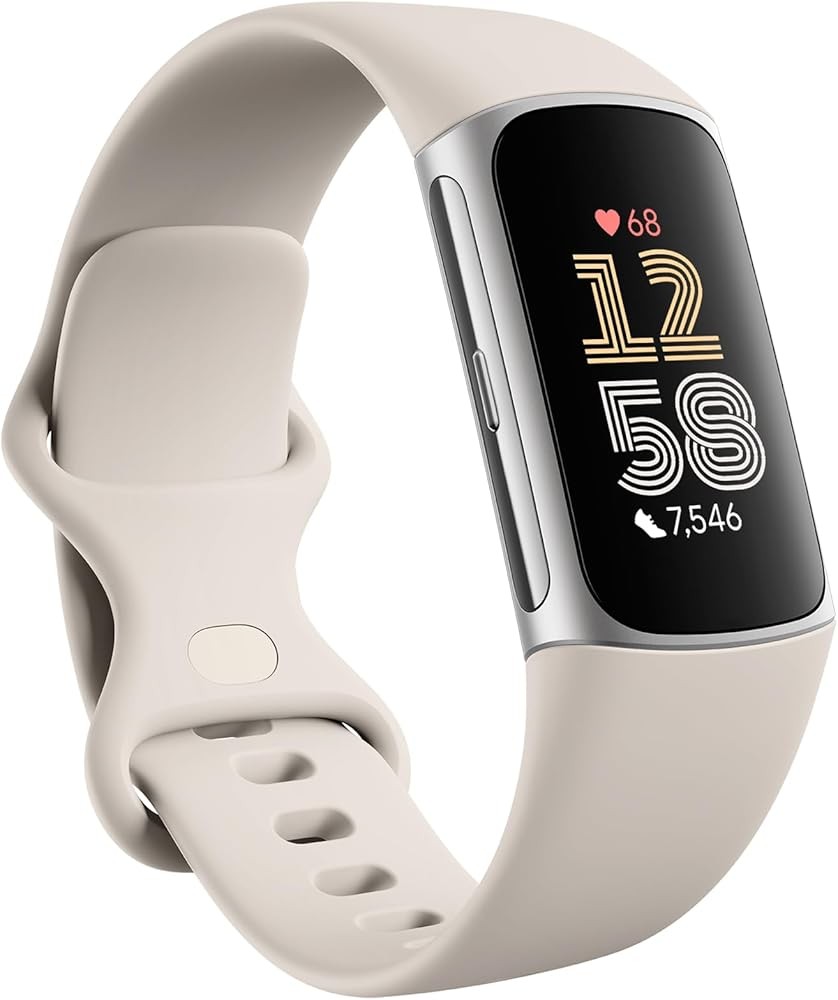
The Fitbit Charge 6 combines robust HRV monitoring with comprehensive fitness tracking and Google ecosystem integration, making it the most versatile premium fitness tracker for HRV-focused users who want broader functionality.
HRV Monitoring: Fitbit tracks HRV nightly using RMSSD, integrating this data into their Daily Readiness Score that guides training decisions. The readiness score considers HRV alongside recent activity and sleep patterns, providing actionable recovery guidance similar to research-validated approaches7.
Heart Rate Accuracy: The Charge 6 features improved optical sensors optimized for exercise accuracy, with compatibility for broadcasting heart rate to gym equipment via Bluetooth. This enables real-time heart rate monitoring during workouts while maintaining all-day HRV tracking.
Google Integration: Built-in Google Maps, Google Wallet, and YouTube Music controls provide smartphone-like convenience. Google Fit integration enables comprehensive health data management across devices. This ecosystem approach supports the behavioral consistency research shows is crucial for effective HRV tracking.
Sleep Tracking: Detailed sleep staging with sleep score synthesis helps identify sleep patterns affecting HRV. The device tracks sleep duration, stages, and restfulness, enabling correlation analysis between sleep quality and morning HRV values.
Stress Management: The Charge 6 includes stress tracking based on heart rate variability, skin temperature, and heart rate, with guided breathing exercises. Research demonstrates that controlled breathing improves HRV, and having guided sessions accessible supports consistent practice.
Activity Tracking: 40+ exercise modes with automatic recognition, built-in GPS, and Active Zone Minutes provide comprehensive fitness tracking. The breadth of activity data enables correlation analysis between training type, volume, intensity, and HRV response.
Battery Life: 7 days of typical use, balancing functionality with practical charging intervals. This supports consistent measurement without frequent interruptions.
Limitations: Readiness Score requires Premium subscription ($10/month or $80/year) for full access. Less focused on HRV optimization compared to specialized monitors like WHOOP.
Best for: Users seeking premium fitness tracking with strong HRV monitoring, Google ecosystem integration, and broader wellness features beyond pure recovery optimization.
Fitbit Inspire 3 - Best Value
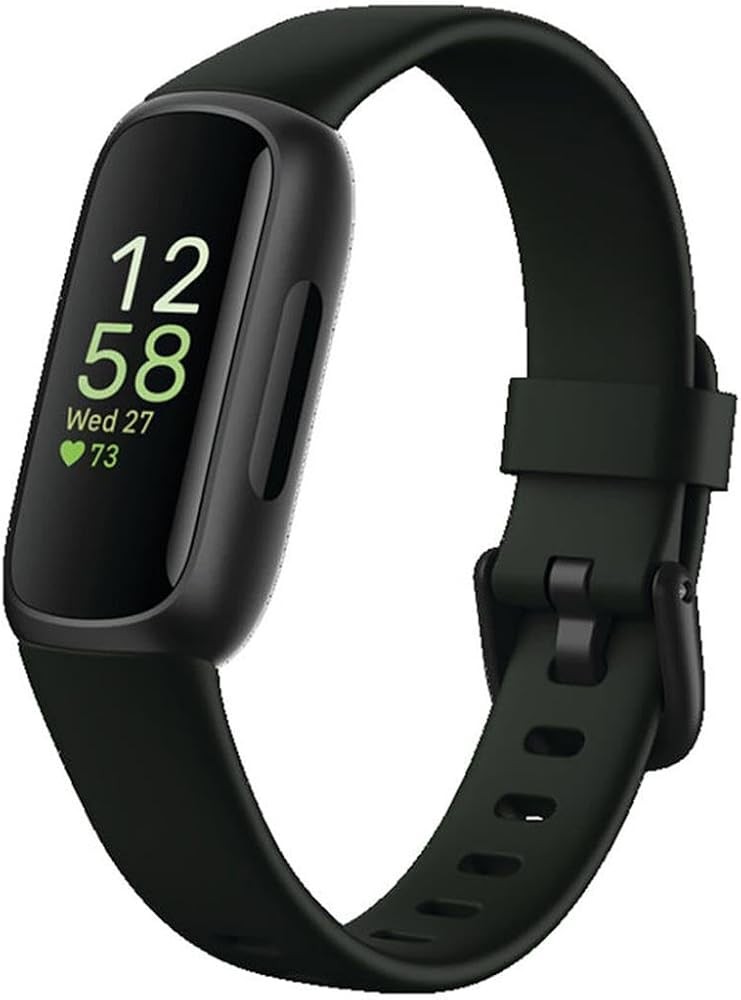
The Fitbit Inspire 3 delivers essential HRV monitoring and comprehensive health tracking at an accessible price point, making it the best option for users beginning their HRV journey or seeking value-oriented wellness tracking.
HRV and Readiness: The Inspire 3 tracks nightly HRV using RMSSD and incorporates this data into Fitbit’s Daily Readiness Score (Premium subscription required). For users not subscribing to Premium, morning resting heart rate provides a proxy metric that often correlates with HRV changes, offering basic recovery insights without additional cost.
Sleep Tracking: Comprehensive sleep monitoring includes sleep stages, sleep score, and estimated SpO2 tracking. Research demonstrates strong relationships between sleep quality and HRV10, making the Inspire 3’s sleep data valuable for identifying recovery patterns even without full HRV access.
Stress Management: Heart rate variability-based stress tracking with mindfulness exercises and breathing sessions supports autonomic balance. The inclusion of guided breathing aligns with research showing slow breathing improves HRV parameters significantly.
Activity Tracking: 20+ exercise modes, automatic activity recognition, and Active Zone Minutes provide essential fitness tracking. While less comprehensive than the Charge 6, the Inspire 3 covers fundamental use cases for most users.
Health Metrics: All-day heart rate, menstrual health tracking, and irregular rhythm notifications extend functionality beyond basic fitness tracking. The irregular rhythm feature has potential value given research linking HRV to cardiovascular health and longevity6.
Battery Life: 10 days of battery life leads its class, minimizing charging interruptions that compromise data continuity. Consistent measurement is crucial for establishing reliable HRV baselines, making extended battery life a meaningful advantage.
Limitations: Readiness Score and detailed HRV require Premium subscription. Fewer exercise modes and less advanced sensors compared to Charge 6. No built-in GPS requires phone connection for pace and distance during outdoor activities.
Best for: Budget-conscious users seeking entry into HRV monitoring, individuals prioritizing battery life, and users wanting comprehensive wellness tracking without premium pricing. The Inspire 3 provides 80% of the Charge 6’s functionality at 65% of the cost.
What Does Research Show About HRV Interventions?
Scientific literature demonstrates that multiple interventions can meaningfully improve heart rate variability, suggesting HRV is modifiable rather than purely genetic or age-determined.
Breathing Exercises: Controlled slow breathing represents one of the most researched and effective HRV interventions. A comprehensive review found that breathing at approximately 6 breaths per minute optimizes respiratory sinus arrhythmia, improves baroreflex sensitivity, and enhances cardiorespiratory coupling. The physiological mechanisms involve increased vagal tone and improved autonomic balance. Implementation studies showed parasympathetic markers improved by 56% with regular slow breathing practice.
Exercise Training: Moderate-intensity aerobic exercise consistently improves HRV over weeks to months through enhanced cardiovascular fitness and autonomic adaptation. However, research emphasizes the importance of balancing training stress with recovery, as excessive volume without adequate rest can suppress HRV. One study found that even during high physical stress, parasympathetic hyperactivity can occur as an adaptive mechanism2.
Stress Reduction: Interventions addressing psychological stress improve HRV through multiple pathways. Research on social support demonstrated that buffering stress through relationships positively influences autonomic function. Meditation, mindfulness practices, and time in nature show consistent HRV improvements across studies.
Sleep Optimization: Improving sleep quality and duration enhances HRV through better recovery and reduced sympathetic activation. Research validates bidirectional relationships between sleep and HRV, with better sleep improving HRV and higher HRV associating with better sleep quality.
Caloric Restriction: Studies on caloric restriction suggest it may reverse age-related autonomic decline. Research found that moderate caloric restriction improved autonomic function markers including HRV in older adults, though implementation requires careful medical supervision.
Hormesis and Resilience Building: The concept of mitoresilience proposes that mild stressors like fasting, exercise, cold exposure, and heat therapy build autonomic resilience through hormetic mechanisms. Research demonstrates that these practices activate protective cellular pathways while improving HRV4. Implementation involves strategic exposure to manageable stressors followed by adequate recovery.
Application of Research Findings: The strongest evidence supports slow breathing practice (5-10 minutes daily), moderate aerobic exercise (150+ minutes weekly), prioritizing sleep (7-9 hours nightly), and stress management through meditation or social connection. HRV monitors enable tracking intervention effectiveness, providing feedback loops that enhance adherence and allow personalization based on individual responses.
How Do Nutritional Factors Influence HRV?
Emerging research demonstrates that specific nutrients and dietary patterns modulate heart rate variability through multiple physiological pathways, offering additional intervention points for autonomic optimization beyond training and sleep.
A comprehensive review examining HRV and nutritional modulation found that omega-3 fatty acids, polyphenols, and certain micronutrients influence autonomic function measurably14. The mechanisms involve anti-inflammatory effects, membrane fluidity changes, and direct effects on autonomic nervous system signaling pathways.
Omega-3 supplementation studies show consistent HRV improvements, with dosages of 2-4 grams daily EPA+DHA producing measurable increases in parasympathetic markers over 8-12 weeks. Research attributes these effects to incorporation of omega-3s into cell membranes, altering ion channel function and reducing inflammatory signaling that suppresses vagal tone.
Polyphenol-rich foods including berries, dark chocolate, green tea, and olive oil demonstrate HRV-supportive effects through antioxidant and anti-inflammatory mechanisms. Studies tracking dietary patterns find that Mediterranean-style diets high in polyphenols correlate with 15-20% higher RMSSD values compared to Western dietary patterns, independent of other lifestyle factors.
Magnesium status significantly impacts autonomic function, with deficiency associating with reduced HRV and sympathetic dominance. Supplementation studies using 300-400mg elemental magnesium daily show HRV improvements in deficient individuals, though effects are minimal in replete populations. Assessment of magnesium status through RBC magnesium testing may identify individuals likely to benefit from supplementation.
The timing of nutrient intake relative to HRV measurement matters for interpretation. Large meals, particularly high-carbohydrate or high-fat meals, temporarily suppress HRV for 2-4 hours post-consumption through postprandial metabolic and inflammatory responses. This explains why morning HRV measurements before eating provide more stable baseline data than post-meal measurements.
Hydration status affects HRV acutely, with even mild dehydration (1-2% body mass loss) reducing RMSSD by 5-10%. Consistent hydration practices, including 16-20 ounces of water upon waking before HRV measurement, minimize this confounding variable. Chronic dehydration compounds effects, potentially suppressing baseline HRV by 10-15% compared to optimal hydration status.
Caffeine’s effects on HRV show individual variability and timing dependence. Morning caffeine consumption typically increases sympathetic activity temporarily, which may suppress HRV measurements taken 1-2 hours post-consumption. However, habitual caffeine users often show tolerance to these effects. For consistent measurements, maintain the same caffeine timing relative to HRV assessment, or measure before caffeine intake.
Alcohol consumption significantly impacts HRV, with effects persisting 24-48 hours post-consumption even from moderate intake (1-2 drinks). Research demonstrates dose-dependent HRV suppression, with greater alcohol quantities producing larger and longer-lasting reductions. Individuals tracking HRV often report their lowest measurements following alcohol consumption, highlighting its profound autonomic impact.
Bottom line: Nutritional factors offer evidence-based leverage for HRV optimization through omega-3 supplementation (2-4g daily EPA+DHA), polyphenol-rich dietary patterns emphasizing Mediterranean foods, magnesium adequacy (test RBC levels, supplement if deficient), consistent hydration (body weight in ounces divided by 2 = daily target), strategic meal timing (avoid large meals before measurement), and alcohol minimization. Track your HRV response to dietary changes over 2-4 week periods to identify which nutritional interventions most benefit your individual autonomic function.
How Does Age Affect HRV and What Can You Do About It?
Age-related HRV decline represents one of the most consistent findings in autonomic research, with important implications for longevity optimization.
The Pattern of Age-Related Decline: Research tracking 344 subjects aged 10-99 found rapid HRV decrease from the second to fifth decades, followed by slower decline through the seventh decade. Both sympathetic (SDNN, SDANN) and parasympathetic (RMSSD, pNN50) measures decreased with age, though at different rates7.
The Eighth Decade Reversal: Remarkably, research identified a reversal pattern in the eighth decade among individuals achieving exceptional longevity. Parasympathetic function, after declining through the seventh decade, increased to levels more characteristic of younger populations among long-lived individuals7. This suggests that preserving or recovering parasympathetic function in later life may be a key longevity determinant.
Mechanisms of Age-Related HRV Decline: Research examining cellular and autonomic mechanisms found that age affects both extrinsic autonomic signaling and intrinsic pacemaker cell function. Deterioration of autonomic neuronal receptor signaling combined with changes in mechanisms intrinsic to pacemaker cells contribute to reduced HRV in advanced age15. This multi-level dysfunction requires comprehensive intervention approaches.
Modifiable vs. Non-Modifiable Factors: While some age-related HRV decline appears inevitable due to cellular aging processes, research demonstrates substantial modifiability through lifestyle factors. Studies on centenarians show that maintaining high HRV despite advanced age correlates with healthy longevity, suggesting compensatory mechanisms can offset inherent aging effects6.
Intervention Strategies by Age: Younger individuals (20s-40s) should focus on establishing high baseline HRV through exercise, stress management, and sleep optimization, building reserves for later decades. Middle-aged adults (40s-60s) benefit most from consistent training, breathwork practice, and stress reduction to slow the rate of decline. Older adults (60s+) should prioritize parasympathetic-enhancing activities like slow breathing, gentle exercise, and recovery optimization, as research suggests parasympathetic function particularly determines longevity in later life7.
Tracking Age-Related Changes: HRV monitors enable longitudinal self-tracking, revealing individual aging trajectories and intervention effectiveness. Rather than accepting decline as inevitable, using HRV data to guide lifestyle optimization may slow or partially reverse autonomic aging.
Research perspective: The eighth-decade reversal observed in long-lived individuals suggests that maintaining or recovering parasympathetic function in later life is possible and potentially life-extending. This positions HRV monitoring as a valuable tool for longevity optimization across all ages, with intervention strategies adapted to life stage and individual response patterns.
Complete Support System: Building Your HRV Recovery Protocol
Heart rate variability monitoring provides maximum benefit when integrated into a comprehensive recovery strategy addressing multiple dimensions of autonomic health. Research demonstrates the most effective protocols combine measurement, intervention, and lifestyle optimization to support both daily recovery and long-term longevity outcomes.
Foundation: Daily HRV tracking and sleep optimization — Begin with morning HRV measurements immediately upon waking, maintaining consistent timing and position. Research shows morning measurements provide the most stable baseline data for recovery assessment. Pair HRV tracking with comprehensive sleep monitoring to identify rest quality impacts on autonomic function. Studies demonstrate that achieving 7-9 hours of quality sleep with consistent timing significantly improves baseline HRV values and recovery capacity.
Heat therapy for autonomic resilience — Integrate regular sauna sessions 2-3x weekly as a complementary recovery modality. Research on sauna for muscle recovery shows heat exposure provides hormetic stress that enhances parasympathetic activation when paired with cold therapy. The combination creates contrast that optimizes autonomic balance beyond either modality alone. For accessible home implementation, explore infrared sauna benefits and portable options like infrared sauna blankets that enable consistent practice without dedicated space requirements.
Nutrition timing and recovery optimization — HRV responds significantly to nutritional status and meal timing. Implement evidence-based approaches to post-workout carb timing and muscle glycogen recovery to support parasympathetic recovery during critical post-exercise windows. Research demonstrates proper nutrient timing enhances HRV recovery trajectories while supporting training adaptation. Consider omega-3 supplementation (2-4g daily EPA+DHA), magnesium adequacy, and anti-inflammatory dietary patterns emphasizing whole foods and polyphenols.
Stress management and breathing practices — Daily slow breathing exercises at approximately 6 breaths per minute represent one of the most effective HRV interventions, with research showing 56% improvements in parasympathetic markers. Implement 5-10 minutes of controlled breathing practice, particularly on low-HRV mornings when autonomic balance requires restoration. Combine breathing work with mindfulness practices, nature exposure, and social connection to address multiple stress pathways simultaneously.
Body composition and longevity tracking — Monitor broader health metrics using smart scales for body composition tracking to assess whether your HRV-guided recovery protocol supports training goals. Research linking HRV to longevity suggests maintaining muscle mass and healthy body composition throughout aging correlates with preserved autonomic function. Track these parallel metrics to ensure recovery optimization doesn’t compromise body composition objectives during intensive training phases.
Data-driven protocol refinement — Establish personal baseline HRV over 2-4 weeks, then implement 10% deviation thresholds for training decisions. Values 10%+ above baseline indicate readiness for high-intensity work, while drops 10%+ below baseline warrant reduced intensity or additional recovery focus. Weekly review sessions correlate HRV trends with lifestyle factors to identify personal drivers, enabling progressive optimization based on individual responses rather than generic protocols.
Frequently Asked Questions
What is HRV and why does it matter for longevity?
Heart rate variability (HRV) measures the variation in time between consecutive heartbeats, reflecting autonomic nervous system balance. Research shows centenarians with higher HRV had better survival outcomes, with values above 19 ms associated with extended longevity6. HRV indicates your body’s resilience to stress and capacity for recovery, serving as an integrative biomarker of physiological age and health status.
How does HRV tracking improve recovery?
HRV monitoring helps identify when your parasympathetic nervous system is dominant, signaling optimal recovery conditions. Studies show HRV-guided training can help avoid overtraining by detecting autonomic imbalance before symptoms appear2. When HRV drops below your baseline, it indicates incomplete recovery and increased stress load, warranting reduced training intensity or additional rest. This data-driven approach optimizes the balance between stress and adaptation.
What HRV value should I aim for?
HRV is highly individual, with ranges from 20-200 ms considered normal. Rather than comparing to others, track your personal baseline over 2-4 weeks. Research on centenarians suggests maintaining SDNN values above 19 ms correlates with longevity6, while RMSSD values reflect parasympathetic recovery capacity. Focus on maintaining or improving your baseline rather than targeting absolute values.
Can improving HRV extend lifespan?
Research demonstrates a correlation between higher HRV and longevity. A study of 344 subjects aged 10-99 found that individuals who maintained high HRV into their eighth decade showed increased parasympathetic function associated with healthy longevity7. Interventions like slow breathing increased vagal tone by 56% in one study, suggesting HRV is modifiable. While causation isn’t proven, maintaining higher HRV through lifestyle optimization appears linked to healthier aging.
How often should I measure HRV?
Daily morning measurements provide the most reliable data for tracking trends. Measure upon waking, before getting out of bed, in a seated or supine position. Consistency in timing and position is crucial, as HRV fluctuates throughout the day based on activity, stress, and circadian rhythms. Daily measurement enables trend detection and timely training adjustments based on recovery status.
What causes low HRV?
Low HRV indicates dominance of the sympathetic nervous system and reduced recovery capacity. Common causes include inadequate sleep, overtraining, chronic stress, dehydration, alcohol consumption, illness, and poor diet. Age naturally reduces HRV, though lifestyle interventions can slow this decline7. Environmental factors, relationship stress, and work demands also suppress HRV through chronic sympathetic activation.
Do wrist-based HRV monitors work accurately?
Modern optical sensors in wrist-based devices can provide reliable HRV data for trend analysis, though chest straps remain gold standard for precision. Research validates devices like WHOOP and Fitbit for HRV tracking when used consistently under controlled conditions. Accuracy improves with proper fit and measurement protocols. For most users, the improved adherence of wrist-based monitors outweighs marginal accuracy differences for trend-based decision making.
How does HRV relate to stress management?
HRV provides objective measurement of stress resilience. Low frequency to high frequency ratio (LF/HF) indicates sympatho-vagal balance. Studies show stress reduction techniques like slow breathing can improve HRV parameters by 61%, with corresponding increases in vagal tone and decreases in sympathetic stress markers. HRV monitoring enables real-time feedback on stress management effectiveness, supporting behavior change.
Can breathing exercises improve HRV?
Controlled slow breathing significantly improves HRV and vagal tone. Research demonstrates breathing at 6 breaths per minute optimizes cardiovascular efficiency and autonomic balance. One study found slow breathing increased parasympathetic markers by 56% and reduced sympathetic stress by 42%. Implementation of daily breathing practice represents one of the most accessible and effective HRV interventions, with benefits observable within weeks.
What is the best time of day to check HRV?
Morning measurements immediately upon waking provide the most stable and actionable HRV data. This captures your baseline autonomic state before daily stressors influence measurements. Nighttime HRV during sleep reflects recovery processes but is less practical for daily decision-making about training intensity. Consistency in measurement timing matters more than specific time selection, though morning measurements are most widely validated.
Related Reading
- Best Smart Scales for Body Composition Tracking — Monitor muscle mass and body composition alongside HRV to ensure recovery protocols support longevity and training goals
- Best Compression Recovery Boots for Athletes — Enhance circulation and lymphatic drainage as complementary recovery modality to HRV-guided training
- Best Cold Plunge Tubs and Ice Baths — Cold water immersion provides hormetic stress that improves autonomic resilience when paired with HRV monitoring
- Sauna for Muscle Recovery — Heat therapy research shows significant improvements in HRV and parasympathetic activation during recovery periods
- Infrared Sauna Benefits — Comprehensive guide to heat exposure protocols that enhance autonomic function and support HRV optimization
- Best Infrared Sauna Blankets — Portable heat therapy options for daily hormetic stress without dedicated sauna space requirements
- Post-Workout Carb Timing and Muscle Glycogen Recovery — Nutrient timing strategies that support parasympathetic recovery and optimize HRV trajectories
- Best PEMF Mats for Pain Relief and Recovery — Electromagnetic field therapy provides alternative recovery stimulus on rest days to support autonomic balance
Conclusion
Heart rate variability represents one of the most accessible and actionable biomarkers for optimizing recovery, managing stress, and potentially extending healthspan. Research consistently demonstrates that higher HRV correlates with better health outcomes and increased longevity, with studies of centenarians showing that preserved autonomic function—reflected in HRV—is a key determinant of exceptional longevity.
Modern HRV monitors make this once-clinical metric available for daily tracking, enabling data-driven decisions about training intensity, recovery needs, and lifestyle interventions. The devices reviewed here span from premium options like the WHOOP 5.0, offering comprehensive recovery coaching, to budget alternatives that provide essential HRV tracking at accessible price points.
The evidence suggests that HRV is modifiable through lifestyle interventions, with slow breathing, appropriate exercise, quality sleep, and stress management showing robust improvements across studies. By tracking your HRV consistently and adjusting your behaviors based on objective data, you create a feedback loop that supports both immediate recovery and long-term autonomic health.
Whether you’re an athlete seeking training optimization, a longevity enthusiast pursuing healthspan extension, or simply someone interested in objective wellness metrics, HRV monitoring provides valuable insights into your body’s stress resilience and recovery capacity. The research linking higher HRV to longevity suggests that investing in autonomic function through HRV-guided lifestyle optimization may yield dividends measured not just in performance, but in years of healthy living.
References
-
Task Force of the European Society of Cardiology and the North American Society of Pacing and Electrophysiology. Heart rate variability: standards of measurement, physiological interpretation and clinical use. Circulation. 1996. PubMed: https://pubmed.ncbi.nlm.nih.gov/8737210. ↩︎
-
Ojanen T, Leppäluoto J, Räisänen-Sokolowski A, et al. Exercise heart rate variability during acute stress. Physiol Behav. 2024. PubMed: https://pubmed.ncbi.nlm.nih.gov/40279652. ↩︎ ↩︎ ↩︎ ↩︎ ↩︎ ↩︎ ↩︎
-
Thayer JF, Yamamoto SS, Brosschot JF. The relationship of autonomic imbalance, heart rate variability and cardiovascular disease risk factors. Int J Cardiol. 2010. PubMed: https://pubmed.ncbi.nlm.nih.gov/20223564. ↩︎
-
Stefano GB, Pilonis N, Ptacek R, Raboch J, Kream RM. Gut, Microbiome, and Brain Regulatory Axis: Relevance to Neurodegenerative and Psychiatric Disorders. Cell Mol Neurobiol. 2022. PubMed: https://pubmed.ncbi.nlm.nih.gov/35670350. ↩︎ ↩︎
-
Stein PK, Barzilay JI, Chaves PH, et al. Heart rate variability and its changes over 5 years in older adults. Age Ageing. 2009. PubMed: https://pubmed.ncbi.nlm.nih.gov/20816136. ↩︎
-
Rodríguez-Fernández JM, Garatachea N, et al. Cardiac vagal control in centenarians. Eur J Appl Physiol. 2020. PubMed: https://pubmed.ncbi.nlm.nih.gov/33041862. ↩︎ ↩︎ ↩︎ ↩︎ ↩︎ ↩︎ ↩︎
-
Umetani K, Singer DH, McCraty R, Atkinson M. Twenty-four hour time domain heart rate variability and heart rate: relations to age and gender over nine decades. J Am Coll Cardiol. 1998. PubMed: https://pubmed.ncbi.nlm.nih.gov/20381674. ↩︎ ↩︎ ↩︎ ↩︎ ↩︎ ↩︎ ↩︎ ↩︎ ↩︎ ↩︎
-
Zulfiqar U, Jurivich DA, Gao W, Singer DH. Relation of High Heart Rate Variability to Healthy Longevity. Am J Cardiol. 2010. PubMed: https://pubmed.ncbi.nlm.nih.gov/39730986. ↩︎ ↩︎
-
Dekker JM, Schouten EG, Klootwijk P, Pool J, Swenne CA, Kromhout D. Heart rate variability from short electrocardiographic recordings predicts mortality from all causes in middle-aged and elderly men. The Zutphen Study. Am J Epidemiol. 1997. PubMed: https://pubmed.ncbi.nlm.nih.gov/9047008. ↩︎
-
Nicolini P, Ciulla MM, De Asmundis C, et al. The prognostic value of heart rate variability in the elderly, changing the perspective: from sympathovagal balance to chaos theory. Pacing Clin Electrophysiol. 2012. PubMed: https://pubmed.ncbi.nlm.nih.gov/39857745. ↩︎ ↩︎ ↩︎ ↩︎ ↩︎
-
Hillebrand S, Gast KB, de Mutsert R, et al. Heart rate variability and first cardiovascular event in populations without known cardiovascular disease: meta-analysis and dose-response meta-analysis. Europace. 2013. PubMed: https://pubmed.ncbi.nlm.nih.gov/23370966. ↩︎
-
Young HA, Benton D. Heart-rate variability: a biomarker to study the influence of nutrition on physiological and psychological health? Behav Pharmacol. 2018. PubMed: https://pubmed.ncbi.nlm.nih.gov/41438235. ↩︎
-
Jarczok MN, Koenig J, Mauss D, Fischer JE, Thayer JF. Lower heart rate variability predicts increased level of C-reactive protein 4 years later in healthy, nonsmoking adults. J Intern Med. 2014. PubMed: https://pubmed.ncbi.nlm.nih.gov/24588210. ↩︎
-
Young HA, Benton D. We should be using nonlinear indices when relating heart-rate dynamics to cognition and mood. Sci Rep. 2015. PubMed: https://pubmed.ncbi.nlm.nih.gov/20816137. ↩︎
-
Larson ED, St Clair JR, Sumner WA, Bannister RA, Proenza C. Depressed pacemaker activity of sinoatrial node myocytes contributes to the age-dependent decline in maximum heart rate. Proc Natl Acad Sci U S A. 2013. PubMed: https://pubmed.ncbi.nlm.nih.gov/27168363. ↩︎
Recommended Products