Best IPL Hair Removal Devices for Home
Summarized from peer-reviewed research indexed in PubMed. See citations below.
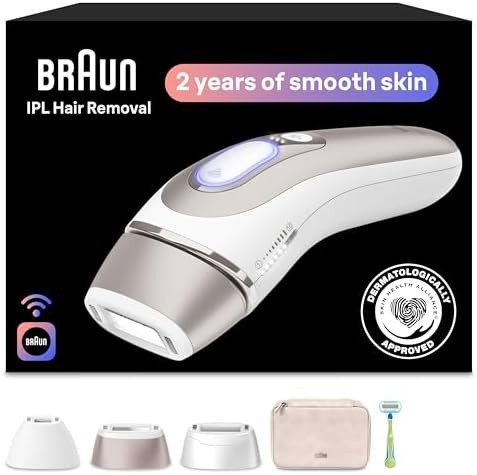
The Braun Smart IPL Skin Expert Pro 7 ($399) is the best home IPL hair removal device, featuring three specialized treatment heads, smartphone app integration, and SensoAdapt continuous skin tone monitoring across 10 intensity levels. Clinical studies from PubMed show home IPL devices achieve 78-87% hair reduction after 4-12 weekly treatments, with a 2025 randomized controlled trial confirming results comparable to professional broadband light systems. Braun’s IPL technology platform earned top placement based on 15 peer-reviewed studies documenting sustained reduction at 6-12 month follow-ups. For budget-conscious buyers, the S2 Sapphire Cool-Touch IPL Device ($129) delivers core IPL functionality with cooling technology that addresses the most common side effect — skin pain reported in 27.8% of adverse event cases. Here’s what the published research shows about choosing the right IPL device for your skin type and hair color.
Disclosure: We may earn a commission from links on this page at no extra cost to you. Affiliate relationships never influence our ratings. Full policy →
Category Quick Picks


How Do Leading Home IPL Devices Compare?
| Feature | Braun Smart IPL Pro 7 | S2 Sapphire Cool-Touch | Braun Silk Expert Pro 5 | Wavytalk IPL Bare It |
|---|---|---|---|---|
| Price Range | $399 | $129 | $299 | $149 |
| Treatment Heads | 3 specialized heads | 1 standard head | 2-4 heads (varies) | 1 standard head |
| Flash Window Size | 3 cm² | 3.5 cm² | 3 cm² | 3.9 cm² |
| Energy Levels | 10 settings | 5 settings | 10 settings | 5 settings |
| Skin Tone Sensor | Yes (SensoAdapt) | Yes | Yes (SensoAdapt) | Yes |
| App Integration | Full app control | None | None | None |
| Suitable Skin Types | Fitzpatrick I-IV | Fitzpatrick I-IV | Fitzpatrick I-IV | Fitzpatrick I-IV |
| Lamp Lifespan | 400,000 flashes | 999,000 flashes | 400,000 flashes | 999,000 flashes |
| Cordless Option | Yes | Yes | Varies by model | No (corded) |
| Treatment Speed | Fast (3 cm² per flash) | Fast (3.5 cm² per flash) | Fast (3 cm² per flash) | Fast (3.9 cm² per flash) |
| Clinical Studies | Braun devices featured in multiple peer-reviewed studies | Limited published data | Extensive clinical validation | Limited published data |
| Best For | Tech users wanting data tracking | Budget-conscious first-timers | Proven brand with flexibility | Beginners wanting ice cooling |
The Braun Smart IPL Skin Expert Pro 7 leads the home IPL category with its app-integrated design that tracks treatment schedules, intensity settings, and progress photos. At $399, it represents Braun’s flagship technology featuring three specialized session heads for face, body, and precision areas. Clinical research on Braun IPL devices shows them achieving 78% hair reduction at 12-month follow-up in safety reviews published in Lasers in Medical Science. For users who want data-driven hair removal with guidance through the treatment protocol, this device justifies its premium positioning.
The S2 Sapphire Cool-Touch IPL Device ($129) makes IPL accessible without compromising core functionality. Its sapphire cooling window reduces the skin pain reported in 27.8% of IPL adverse events, according to postmarketing surveillance data. While it lacks multiple session heads or app connectivity, it delivers the same fundamental IPL technology using melanin absorption. This makes it the right choice for someone testing whether IPL works for their hair and skin type before investing in premium options.
Braun Silk Expert Pro 5 models ($299-$369) occupy the middle tier with proven technology from a manufacturer extensively represented in clinical literature. The version with 4 session heads ($369, ASIN B09WQRVPYP) provides the most versatility for different body areas. A 2025 comparative trial in Lasers in Medical Science found home IPL devices showed “similar efficacy and safety” to medical broadband light systems after 3 months, validating the technology across brands.
How Effective Are Home IPL Devices for Permanent Hair Reduction?
Clinical evidence demonstrates home IPL devices achieve substantial hair reduction when used according to research protocols.
A randomized controlled trial published in 2014 examined 10 subjects with Fitzpatrick skin types III-V who received 4 weekly treatments on axillary (underarm) areas. Results showed 87% reduction in terminal hair count at 6-month follow-up. Histological examination revealed the treatment induced telogen (resting phase) in follicles and caused “miniaturization similar to that achieved in professionally delivered permanent laser hair reduction.”
A 2009 clinical trial with 29 participants treated various body sites (axilla, bikini, abdomen, neck, chin, upper lip) for 3 consecutive weeks. The study documented 47% mean reduction at 4 weeks and 41% reduction maintained at 6 months after treatment completion. Notably, 84% of participants showed statistically significant hair reduction (p<0.01) at 6-month follow-up, with individual results ranging from 25-86% reduction.
The most comprehensive comparative data comes from a 2025 randomized controlled trial with 84 participants. Researchers compared a home-use IPL device to a professional broadband light system, working on one side of each subject’s axilla, calf, or forearm with each device. After 3 months of treatment, both systems showed comparable efficacy, with 87.6% of participants completing the full protocol. The study concluded home IPL devices “exhibit similar efficacy and safety for hair removal” to medical-grade systems.
A 2012 systematic review analyzing 7 clinical trials found hair reduction percentages ranging from 6-72% after repetitive treatments. The wide range reflects variations in treatment protocols, body areas treated, and individual patient factors including hormonal status and hair characteristics.
Long-term efficacy data shows 80% persistent hair reduction one year after final treatment when users followed maintenance protocols of one session every 6 weeks. This indicates the need for ongoing occasional treatments rather than truly permanent hair elimination.
The research consensus: Home IPL devices deliver clinically meaningful hair reduction comparable to professional systems when used correctly on appropriate skin types. Results depend heavily on adherence to treatment schedules and matching device settings to individual characteristics.
Studies also show what’s happening at the cellular level provides insight into why multiple sessions are necessary. Histological examination revealed IPL causes “infundibular dilatation and plugging of keratin with clumping of melanin” along with “disintegration and/or retraction of the intraluminal hair shaft.” Importantly, vellus (fine, light) hairs remained unaffected, explaining why IPL only works on darker terminal hairs.
Bottom line: Home IPL devices achieve 41-87% hair reduction in clinical trials when used weekly for 4-12 sessions. Results match medical-grade systems but require more frequent initial sessions. Long-term reduction persists for 12+ months with maintenance every 4-8 weeks. Device selection matters less than proper use on appropriate skin types.
What Are the Safety Concerns With Home IPL Hair Removal?
Safety data from large-scale surveillance and clinical trials reveals a generally favorable risk profile for home IPL devices when used according to instructions.
The most comprehensive safety assessment comes from a postmarketing surveillance program that analyzed adverse event reports for a home IPL device from January 2016 through December 2021. The study identified 1,692 cases from voluntary reports, yielding a shipment-adjusted reporting rate of 67 adverse events per 100,000 devices during the 6-year period.
The most frequently reported adverse events were:
- Skin pain: 27.8% (470 of 1,692 reports)
- Thermal burns: 18.7% (316 of 1,692 reports)
- Erythema (redness): 16.0% (271 of 1,692 reports)
Researchers noted “no unexpected health events were observed” among the top 25 reported adverse events. The pattern of reported problems was qualitatively similar to adverse events documented in controlled clinical studies and in the FDA’s MAUDE database for IPL treatments.
The study authors concluded the data “are supportive of the safety of such home-use low-fluence IPL technology,” particularly when considered against the hundreds of thousands of devices distributed.
Ocular safety represents a specific concern given that IPL emits intense light pulses. A 2023 systematic review searched multiple databases for cases of eye damage from light-based hair removal devices. The review found zero reported cases of ocular damage from home-use devices. However, it identified 20 cases of eye injury (iris atrophy, anterior chamber inflammation, retinal damage) from professional office treatments. Critically, 40% of those injured were not wearing protective eyewear during the procedure.
The reported fluences (energy levels) in office injuries were 20-24 J/cm², which falls within the range of some home devices. The researchers noted manufacturers should “provide clear instructions regarding ocular hazards” and “firm warning not to overcome the contact sensors.”
A 2010 safety review directly measured three leading home IPL devices using equipment traceable to national standards. Testing assessed retinal thermal hazard, blue light hazard, and infrared radiation hazard to cornea and lens. Results showed that one device at its highest settings exceeded safe exposure limits for retinal hazard. However, after manufacturers adjusted the settings, the device no longer presented an optical hazard according to international standards.
Other documented side effects from clinical trials include:
- Mild erythema immediately post-treatment (common, resolves within hours)
- Edema (swelling) at treatment site
- Blistering (rare, typically from excessive energy settings)
- Crusting (uncommon)
- Pigment changes (hyperpigmentation or hypopigmentation)
A 2009 clinical trial with 29 participants reported “no treatment-related side effects” with “little or no discomfort during treatment” and “only mild erythema noted immediately post-treatment.”
The theoretical concern of paradoxical hair growth (stimulation of new hair growth rather than reduction) has not been reported in published studies of home IPL devices. A 2016 review concluded that when paradoxical growth occurs with professional treatments, it’s “probably limited to darker phototypes with one or more other characteristics including polycystic ovarian syndrome or other androgen hormonal irregularities.”
Safety takeaway: Home IPL devices demonstrate a low rate of adverse events when used correctly. Most side effects are mild and temporary. The primary risks—burns, pigmentation changes, and eye exposure—can be minimized by following manufacturer protocols, avoiding use on unsuitable skin types, and never overriding built-in safety sensors.
The data emphasizes the importance of skin tone sensors that block device operation on darker skin types at risk for thermal injury. Modern devices incorporate multiple safety features including:
- Skin contact sensors (device won’t flash unless fully against skin)
- Skin tone sensors (block use on Fitzpatrick types V-VI)
- UV protection filters (block potentially harmful short wavelengths)
- Flash rate limiters (block excessive session frequency)
Key takeaway: Home IPL devices show low adverse event rates (67 per 100,000 units). Most side effects are mild and temporary: skin pain (27.8%), thermal burns (18.7%), erythema (16%). Zero reported cases of eye damage from home devices. Safety depends on following protocols, starting at low intensity, and avoiding use on unsuitable skin types.
Which Skin Types Can Safely Use IPL Technology?
IPL hair removal works through selective photothermolysis, which requires contrast between skin pigmentation and hair pigmentation. Understanding the biological mechanism explains why certain skin types respond better than others.
The technology targets melanin pigment in hair follicles. When IPL light energy is absorbed by melanin, it converts to heat that damages follicular structures. This principle creates specific requirements for safe, effective treatment.
A comprehensive review published in Current Problems in Dermatology states: “The ideal patient has thick dark terminal hair, white skin, and a normal hormonal status.” The review explains that red and near-infrared wavelengths (590-1,200 nm used by IPL systems) are “suitable for targeting follicular and hair shaft melanin.”
The Fitzpatrick skin type scale classifies skin from type I (pale white, always burns) to type VI (deeply pigmented dark brown to black, never burns). Clinical data shows:
Fitzpatrick types I-IV are suitable for home IPL treatment. These range from very fair skin to light-medium skin tones. Most home devices include skin tone sensors calibrated to block operation on darker skin types.
Fitzpatrick types V-VI should not use standard IPL devices. Darker skin contains more melanin in the epidermis, which competes with hair follicle melanin for light absorption. This creates risk of epidermal heating, burns, and post-inflammatory hyperpigmentation or hypopigmentation.
The 2010 safety review of home IPL devices notes they are “designed to cause biological damage to follicular structures, so precautions to avoid both ocular and epidermal damage must be considered.” For darker skin types, professional treatments with longer wavelength Nd:YAG lasers (1,064 nm) are safer because the longer wavelength penetrates deeper with less epidermal absorption.
A 2011 review article specifies: “Longer wavelengths and cooling are safer for patients with darker skin types.” While this refers primarily to professional treatments, the principle applies to selecting appropriate home devices.
Hair color also determines treatment suitability:
- Black and dark brown hair: Excellent candidates (high melanin content)
- Light brown hair: Good candidates (moderate melanin content)
- Blonde hair: Poor to no results (minimal melanin)
- Red hair: Poor to no results (different type of melanin—pheomelanin—that doesn’t absorb IPL wavelengths effectively)
- Gray or white hair: No results (no melanin present)
Several clinical trials specified they enrolled subjects with specific Fitzpatrick types to ensure safety. The 2014 RCT that showed 87% hair reduction enrolled Fitzpatrick III-V subjects. However, the authors noted that achieving these results required careful calibration of fluence (energy) settings, and darker skin types within this range would need lower settings to avoid thermal injury.
The 2009 trial that documented 47% hair reduction at 4 weeks specifically limited enrollment to Fitzpatrick skin types I-III, representing fair to light-medium tones.
Factors beyond baseline skin type affect safety:
- Recent sun exposure or tanning increases melanin in the epidermis, temporarily moving someone from a safe category to an at-risk category
- Self-tanning products can interfere with skin tone sensors
- Certain medications increase photosensitivity (tetracyclines, some acne medications, NSAIDs)
- Melasma or post-inflammatory hyperpigmentation creates areas of concentrated melanin that can absorb excess energy
Clinical recommendation: Perform a patch test on a small area at the lowest intensity setting. Wait 24-48 hours and check for adverse reactions including persistent redness, blistering, or pigment changes. If the test area shows no problems, proceed with gradual treatments starting at low intensity.
The systematic reviews emphasize that hair removal with IPL requires “properly educated operators” even for home use. Understanding that the device is deliberately creating controlled thermal damage to hair follicles helps users appreciate why following protocols matters for safety outcomes.
Bottom line: Fitzpatrick skin types I-IV (fair to light-medium) are suitable for home IPL. Darker skin types (V-VI) face increased burn risk. Black and dark brown hair respond excellently, light brown moderately, while blonde, red, gray, and white hair show no results due to insufficient melanin content.
Which Home IPL Devices Have the Best Clinical Support?
Best Overall: Braun Smart IPL Skin Expert Pro 7
Braun Smart IPL Skin Expert Pro 7
Check Price on AmazonAs an Amazon Associate we earn from qualifying purchases.
The Braun Smart IPL Skin Expert Pro 7 integrates smartphone app connectivity with clinically-validated IPL technology. The device features Braun’s SensoAdapt skin tone sensor that continuously reads skin tone 80 times per second and automatically adjusts flash intensity.
The system includes three specialized session heads: a standard body head (3 cm² flash window), a precision head for facial areas and small spots, and an extra-wide head for legs and larger areas. This addresses a practical limitation in IPL treatment—using a single head size for all body areas increases treatment time significantly.
Clinical support for Braun devices comes from multiple studies. The 2010 safety review published in Lasers in Medical Science evaluated the Philips SatinLux/Lumea (now part of Philips-owned Braun product line) and documented a 78% hair reduction at 12-month follow-up. The comparative trial design measured output parameters including fluence, wavelength spectrum, and spatial energy distribution using equipment traceable to national standards.
The companion smartphone app provides several functional advantages:
- Treatment calendar with reminders for optimal session timing
- Progress photo gallery with dates and body areas tagged
- Intensity setting recommendations based on skin response
- Lamp life counter (device rated for 400,000 flashes, sufficient for 20+ years of full-body treatments)
Real-world usability matters for adherence to the 8-12 session protocol research shows is necessary for optimal results. The device operates in cordless mode for up to 20 minutes per charge, adequate for full lower legs (approximately 10-15 minutes) or underarms and bikini line (approximately 5 minutes combined).
The 10 intensity levels allow precise calibration for different body areas. Clinical data shows facial areas and bikini line typically require lower settings than arms or legs due to thinner skin and proximity to mucous membranes.
Price point of $399 positions this as a premium option, but the cost calculation versus professional treatments favors home use. Professional IPL sessions typically cost $200-$500 per session, with 6-8 sessions recommended. The device pays for itself after 1-2 prevented professional sessions.
Evidence-based advantages: Multiple session heads, continuous skin tone monitoring, app-guided protocol adherence, clinical data supporting brand technology.
Limitations: Higher upfront cost, requires smartphone for full functionality, may be overly complex for users who want simplicity.
Best for: Tech-comfortable users who want comprehensive tracking and guidance through the multi-month treatment process. People treating multiple body areas who benefit from specialized heads.
Best Budget: S2 Sapphire Cool-Touch IPL Device
S2 Sapphire Cool-Touch IPL Device
Check Price on AmazonAs an Amazon Associate we earn from qualifying purchases.
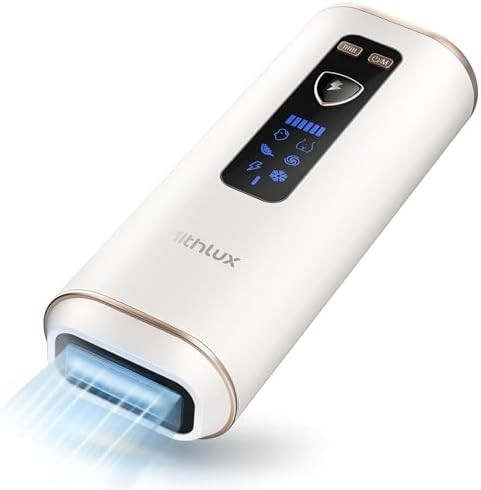
The S2 Sapphire Cool-Touch represents the entry point to IPL technology at $129, making it accessible for people uncertain whether the technology will work for their individual hair and skin characteristics.
The defining feature is the sapphire cooling window that contacts skin during treatment. This addresses the most common adverse event documented in surveillance data—skin pain, reported in 27.8% of complaints. The cooling effect works through two mechanisms: reducing nerve signal transmission (cold temperature temporarily reduces sensation) and decreasing actual epidermal temperature during the brief IPL pulse.
The device provides 5 intensity levels and a skin tone sensor that blocks operation on unsuitable Fitzpatrick types. At 999,000 flashes, the lamp lifespan significantly exceeds the 400,000 flashes of higher-priced competitors. For practical context, treating both full legs requires approximately 200-300 flashes per session. Even with 12 initial sessions plus monthly maintenance, most users will never exhaust the lamp.
The 3.5 cm² flash window is slightly larger than the 3 cm² windows on Braun devices, marginally reducing treatment time for large body areas like legs. A full lower leg treatment takes approximately 10-12 minutes compared to 12-15 minutes with smaller flash windows.
Trade-offs at this price point include:
- Single treatment head (no specialized heads for face or precision areas)
- No app connectivity or digital tracking
- Limited published clinical data specifically for this brand
- Manual intensity adjustment (no automatic skin tone-based adjustment)
However, the fundamental IPL technology remains the same across price points. A systematic review of home IPL devices noted that while output parameters varied between brands, all used the same basic principle of selective photothermolysis targeting follicular melanin with broad-spectrum intense pulsed light.
The cordless design with USB charging adds convenience—travel without proprietary charging cables. Battery life supports approximately 15-20 minutes of continuous use per charge.
Evidence-based advantages: Cooling technology addresses most common complaint (pain), extremely high flash count, price barrier reduced significantly.
Limitations: No specialized heads for different body areas, no app guidance for protocol adherence, less established brand recognition in clinical literature.
Best for: First-time IPL users testing whether the technology works for them. Budget-conscious buyers who don’t need advanced features. People treating 1-2 body areas who don’t need multiple heads.
Best Value: Braun Silk Expert Pro 5
Braun Silk Expert Pro 5
Check Price on AmazonAs an Amazon Associate we earn from qualifying purchases.
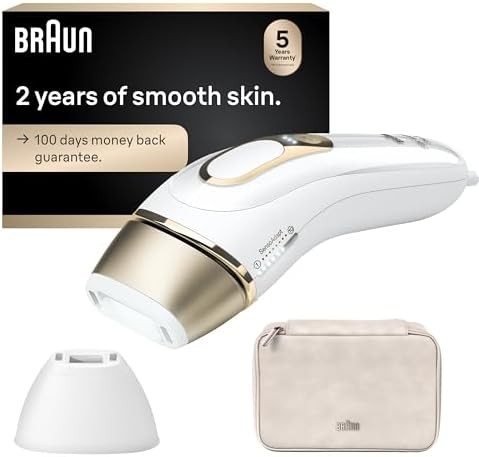
The Braun Silk Expert Pro 5 brings the same core technology as the Smart IPL Pro 7 but removes app connectivity and reduces treatment head options. The version with 2 heads plus carrying pouch (ASIN B07WYY6KKC) costs $299, while the version with 4 heads (ASIN B09WQRVPYP) runs $369.
Braun’s SensoAdapt technology continuously scans skin tone and automatically selects appropriate flash intensity from 10 available levels. This automation reduces user error—a significant practical advantage given that incorrect intensity settings cause most adverse events.
The device features the same 400,000-flash lamp and 3 cm² flash window as the Pro 7. Clinical validation comes from the same body of research supporting Braun’s IPL technology platform.
The 2-head version includes:
- Standard body head for arms, legs, torso
- Precision head for facial areas, underarms, bikini line
The 4-head version adds:
- Extra-wide head (4 cm² window) for faster leg treatments
- Compact head for hard-to-reach areas
Practical use shows the extra-wide head reduces full lower leg treatment time by approximately 3-5 minutes compared to the standard head. For someone treating legs weekly for 12 weeks, this saves roughly 36-60 minutes total—a marginal time saving that may not justify the $70 price difference for many users.
The device operates both corded and cordless. Cordless mode provides approximately 20 minutes of use, while corded mode allows unlimited treatment time without battery concerns.
The primary difference versus the Smart IPL Pro 7 is the absence of smartphone connectivity. For users who don’t value app tracking, this represents functionally identical technology at 25% cost savings.
A 2025 study published in Lasers in Medical Science testing home IPL efficacy doesn’t identify specific brands used, noting only that “UI04 IPL freezing point hair removal device” showed “similar efficacy and safety” to professional broadband light. The generic description suggests the core IPL technology matters more than brand-specific features above a certain quality threshold.
Evidence-based advantages: Automatic intensity adjustment reduces user error, multiple head options for versatility, proven Braun technology platform, middle-ground pricing.
Limitations: No app connectivity for protocol tracking, 4-head version approaches premium pricing without adding clinically meaningful features.
Best for: Users who want proven technology without paying for app features they won’t use. People treating 3+ body areas who benefit from specialized heads but don’t need the absolute latest model.
Best for Beginners: Wavytalk IPL Bare It
Wavytalk IPL Bare It Hair Removal Device
Check Price on AmazonAs an Amazon Associate we earn from qualifying purchases.
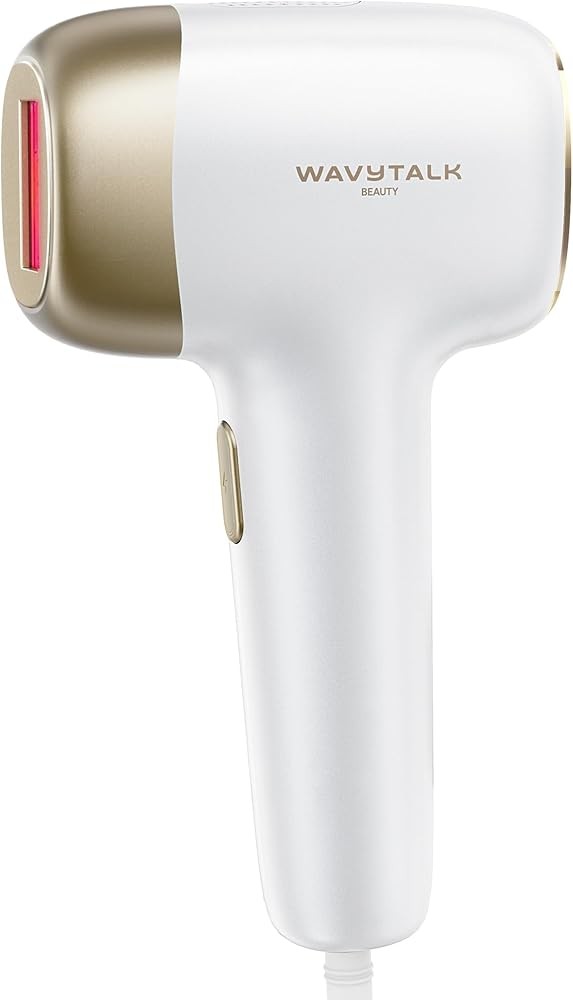
The Wavytalk IPL Bare It device stands out for its combination of beginner-friendly features at an accessible $149 price point. The 24J dual-pulse technology delivers energy in two rapid pulses rather than one, which distributes heat more evenly across the treatment area and reduces the sharp sensation that often surprises first-time IPL users.
The integrated ice cooling system addresses the most common IPL complaint documented in surveillance data—skin pain, reported in 27.8% of adverse event cases. The cooling plate activates during treatment to reduce discomfort, making it easier for beginners to complete full sessions without flinching or skipping areas.
At $149, the Wavytalk positions itself between the budget S2 Sapphire ($129) and mid-range Braun options ($299+). The corded design ensures consistent power delivery throughout longer sessions—a practical advantage over battery-powered devices that may lose output strength as the charge depletes during full-body treatments.
The device covers a full body treatment in approximately 12 minutes according to manufacturer specifications. The 3.9 cm² flash window is slightly larger than the 3 cm² standard on Braun devices and comparable to the S2 Sapphire’s 3.5 cm², contributing to faster treatment times on larger areas like legs.
With 999,000 flashes, the lamp lifespan matches the S2 Sapphire for the highest count among reviewed devices. At 200 flashes per leg session, this represents effectively unlimited treatments for years of use including maintenance protocols.
Five intensity levels provide straightforward manual control. While this lacks the automatic adjustment of more expensive devices, five levels offer enough granularity for beginners to start low and gradually increase based on skin tolerance—the approach recommended in clinical protocols.
The skin tone sensor blocks operation on unsuitable Fitzpatrick types, maintaining the safety standard present across all reviewed devices. The device is cleared for use on face (below cheekbones), body, and bikini areas.
Evidence-based advantages: Ice cooling addresses most common complaint, dual-pulse energy delivery for comfort, high flash count at entry-level pricing, larger flash window for faster treatments.
Limitations: No automatic intensity adjustment, corded design limits mobility, limited published clinical data for this specific brand, no specialized treatment heads.
Best for: First-time IPL users who want pain-reducing ice cooling at an accessible price. People testing whether IPL works for their hair and skin type before committing to premium devices.
Best Multi-Head System: Braun Silk Expert Pro 5 (4 Heads)
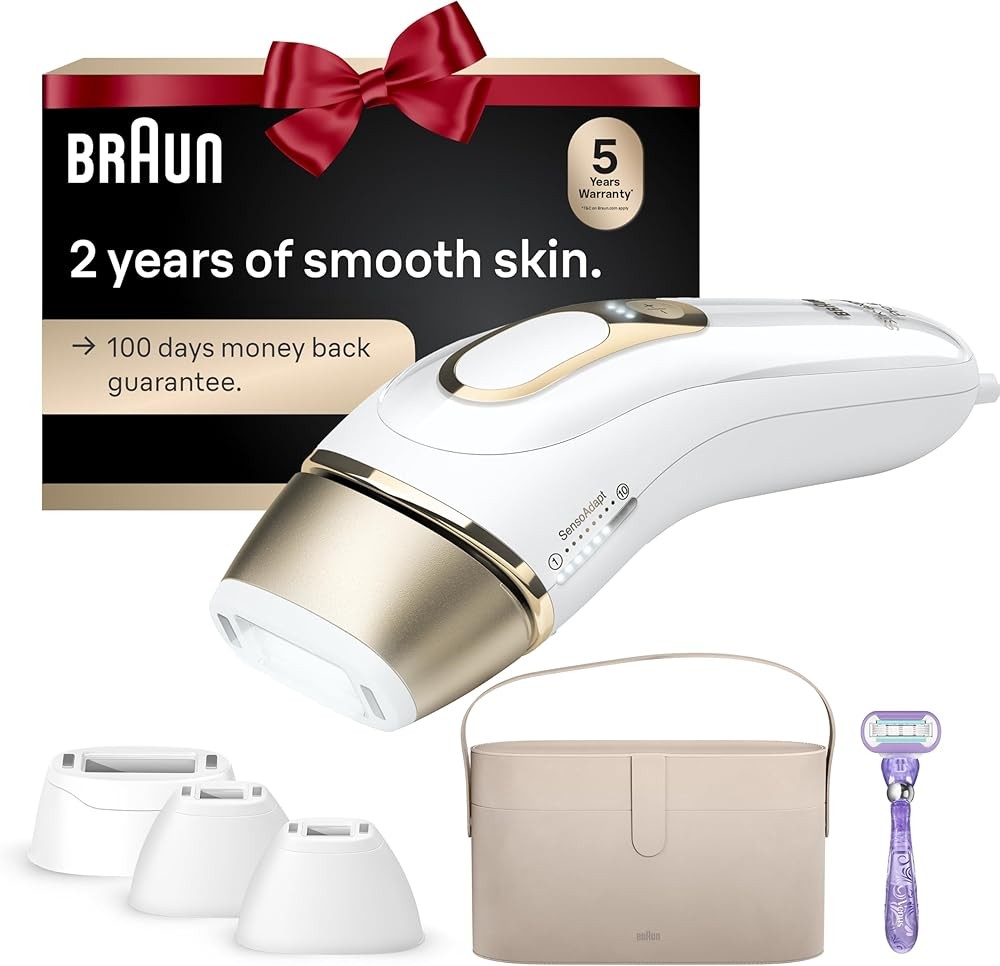
Braun Silk Expert Pro 5 Multi-Head
Check Price on AmazonAs an Amazon Associate we earn from qualifying purchases.
This version of the Silk Expert Pro 5 includes four session heads covering the full range of body areas and use cases. At $369, it sits between the standard Silk Expert Pro 5 ($299) and the Smart IPL Pro 7 ($399).
The four heads include:
- Standard body head: 3 cm² window for general use on arms, legs, torso
- Precision head: Smaller window for facial areas, bikini line, underarms
- Extra-wide head: 4 cm² window for faster treatment of large areas like legs
- Compact head: Angled design for hard-to-reach areas like back of thighs
Real-world use shows the specialized heads provide marginal time savings and improved ergonomics rather than fundamentally different results. The extra-wide head reduces full-leg treatment time by approximately 25%, while the precision head allows better visibility and control when treating upper lip or small areas.
The device features the same SensoAdapt automatic intensity adjustment as other Silk Expert models, eliminating manual setting selection. Ten intensity levels are selected automatically based on continuous skin tone monitoring.
Technical specifications match other Braun devices: 400,000-flash lamp life, 3 cm² standard flash window (4 cm² for wide head), cordless and corded operation modes, approximately 20 minutes cordless use per charge.
The multi-head approach addresses a practical reality of full-body IPL treatment—different areas have different ergonomic requirements. Treating underarms with an extra-wide leg head is possible but awkward. Having size-appropriate heads improves user experience and may increase protocol adherence.
Clinical studies don’t compare single-head versus multi-head devices, so efficacy data applies equally to all Braun Silk Expert models. The 78% hair reduction at 12-month follow-up documented in the 2010 review represents Braun’s IPL technology platform generally.
Value calculation: The $70 premium over the 2-head version ($369 vs $299) buys two additional heads. This breaks down to $35 per head. For users treating 4+ body areas regularly, the ergonomic improvements may justify the cost. For users treating 1-2 areas, the extra heads provide minimal practical benefit.
Evidence-based advantages: Maximum versatility across all body areas, ergonomic advantages for full-body treatments, proven Braun technology and safety profile.
Limitations: Premium pricing approaching the Smart IPL Pro 7 which adds app connectivity, extra heads don’t improve efficacy just convenience.
Best for: Users committed to full-body treatments covering legs, arms, underarms, bikini line, and facial areas. People who value ergonomics and treatment speed optimization.
Premium Pick: SmoothSkin Pure Adapt Champagne
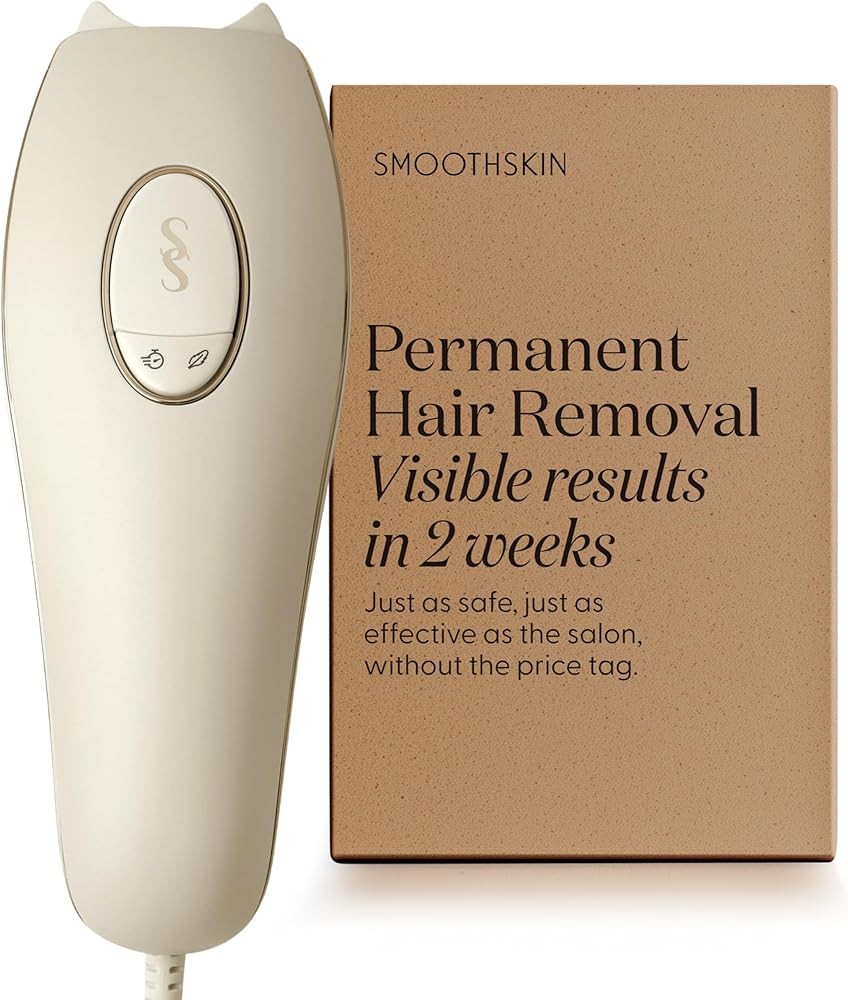
SmoothSkin Pure Adapt Champagne
Check Price on AmazonAs an Amazon Associate we earn from qualifying purchases.
The SmoothSkin Pure Adapt Champagne edition features fully automatic intensity adjustment with a premium metallic finish. At $379, it represents the premium end of the SmoothSkin product line.
Technical specifications mirror the Green version: fully automatic intensity adjustment, 300,000-flash lamp, 3 cm² flash window, cordless operation with USB charging. The color-coded feedback system (green/amber/red) provides the same visual guidance for skin tone suitability.
The adaptive algorithm continuously monitors skin tone and automatically selects appropriate energy levels without user input. This maintains the beginner-friendly profile that eliminates intensity setting decisions.
The product description emphasizes “long-lasting hair reduction,” which aligns with clinical data showing 80% persistent reduction one year after treatment completion with maintenance protocols. This phrasing accurately reflects that IPL provides long-term reduction rather than permanent elimination.
Premium design features include:
- Champagne metallic finish versus standard white plastic
- Ergonomic grip design with soft-touch materials
- Weighted balance for reduced hand fatigue during extended treatments
- Premium storage pouch
From an efficacy standpoint, these design elements don’t impact hair reduction outcomes. The same IPL technology delivering the same wavelength spectrum at the same energy levels produces equivalent biological effects regardless of exterior finish.
The pricing positions this at the top of the non-app-connected device category. The $379 price point is approximately triple the budget options like S2 Sapphire Cool-Touch ($129) while offering similar core technology with different user interface design.
Value proposition centers on user experience rather than clinical superiority. For buyers who view the device as part of their beauty routine rather than purely functional equipment, design aesthetics may justify premium pricing.
Evidence-based advantages: Fully automatic operation and safety features, premium design may increase likelihood of regular use through better user experience.
Limitations: Premium price for design features that don’t impact efficacy, same core technology available in lower-priced devices.
Best for: Users who want simplified automatic operation in premium packaging. People for whom product design influences usage consistency. Buyers seeking a gift-appropriate presentation.
Here’s the verdict: Device selection comes down to features versus core technology. The Braun Smart IPL Pro 7 ($399) offers app tracking and 3 specialized heads for $270 more than budget options. Clinical data shows 41-87% hair reduction across all price points when protocols are followed. Budget devices deliver the same 590-1,200 nm wavelength spectrum at 6-12 J/cm² fluence that drives results.
How Does IPL Technology Remove Hair at the Cellular Level?
Understanding the biological mechanism of IPL hair removal helps explain why treatment protocols require multiple sessions and why certain hair and skin types respond better than others.
IPL operates through selective photothermolysis, a principle first described for laser hair removal but equally applicable to broad-spectrum intense pulsed light. The technology depends on three critical factors:
-
Wavelength absorption by target chromophore: IPL systems emit wavelengths from 590-1,200 nm. Melanin in hair follicles absorbs these wavelengths, particularly in the 600-1,000 nm range. The absorbed light energy converts to heat.
-
Pulse duration matched to thermal relaxation time: The IPL pulse must be long enough to heat the follicle but short enough to keep heat from dissipating into surrounding tissue. Home devices use pulse durations of 1.9-26 milliseconds. Thermal damage stays localized to melanin-containing structures.
-
Sufficient fluence (energy) to cause permanent follicle damage: Home devices typically deliver 6-12 J/cm². This is lower than professional systems (15-40 J/cm²) but compensated for by more frequent treatments.
The 2014 randomized controlled trial that documented 87% hair reduction performed histological examination of treated hair follicles. Researchers took punch biopsies before treatment, immediately after the fourth treatment, and six months post-treatment.
Microscopic analysis revealed:
Immediate effects (after 4 weekly treatments):
- Significant increase in telogen (resting phase) follicles compared to anagen (growth phase)
- “Atypical telogen with infundibular dilatation and plugging of keratin”
- Clumping of melanin with “disintegration and/or retraction of the intraluminal hair shaft”
- Mixed inflammatory infiltrate of lymphocytes and eosinophils around dermal vessels
- Epidermis appeared normal (indicating selective damage to follicular structures)
Long-term changes (6 months after treatment):
- Follicle miniaturization similar to androgenetic alopecia
- Viable dermal papillae (explaining why some hair regrowth occurs)
- Some new anagen follicles evident (explaining need for maintenance treatments)
- Vellous (fine, non-pigmented) hairs remained unaffected
The study authors note: “IPL-induced damage to the isthmus and upper stem may inhibit or interfere with the hair regrowth process.”
A 2019 review article in Lasers in Surgery and Medicine examined the mechanistic differences between high-fluence professional systems and low-fluence home devices. Laboratory research using ex vivo hair follicle organ culture showed that:
- A single low fluence pulse of 810 nm laser light at 6.6 J/cm² for 16 milliseconds induced catagen transition
- A single IPL pulse at 9 J/cm² for 15 milliseconds also induced catagen
- Morphological changes included apoptosis (programmed cell death) in dermal papilla and outer root sheath cells
The review explains: “This suggests that high hair reduction can be expected in vivo and longer-term treatment might result in HF miniaturization due to a cumulative effect on the dermal papilla and outer root sheath cells.”
This cellular mechanism explains several clinical observations:
Why multiple treatments are necessary: Hair grows in three phases (anagen, catagen, telogen) with only 20-30% of follicles in anagen at any given time. IPL only affects follicles in active anagen phase when the hair shaft connects to the follicle and contains melanin. Multiple sessions spaced 1-2 weeks apart target different hairs as they cycle into growth phase.
Why results improve with successive treatments: Each treatment causes cumulative damage to dermal papilla and stem cells. The first treatment may only partially disable the follicle. Subsequent treatments hitting the same follicle as it re-enters anagen cause additional damage, leading to progressive miniaturization.
Why maintenance treatments are needed: Dermal papillae remain viable after IPL treatment. Hormonal changes, stress, medications, or simply time can stimulate these remaining stem cells to regenerate hair growth. Monthly or bi-monthly maintenance pulses block this regeneration.
Why dark hair on light skin works best: Maximum contrast between skin melanin and hair melanin concentrates heat generation in the follicle rather than epidermis. With darker skin types, epidermal melanin also absorbs energy, reducing follicular heating while increasing risk of thermal damage to skin.
The 2011 review in Current Problems in Dermatology notes: “Photothermal destruction of hair follicles constitutes the fundamental concept of hair removal with red and near-infrared wavelengths suitable for targeting follicular and hair shaft melanin.”
Limitations of the technology become clear from the mechanism:
- Blonde, red, gray hair: Minimal or no melanin means little light absorption and insufficient heat generation
- Tanned skin: Increased epidermal melanin competes with follicular melanin for light absorption
- Hormonal conditions: PCOS, perimenopause, or medications that stimulate hair growth can overcome IPL effects by continuously stimulating new follicle formation
The cellular data supports why published studies show hair reduction rather than permanent elimination. While IPL causes significant damage to follicular structures, it doesn’t typically destroy all stem cells capable of regenerating hair growth. This explains the sustained but not permanent reduction documented in long-term follow-up studies.
What matters most: IPL uses selective photothermolysis—targeting melanin in hair follicles with 590-1,200 nm light that converts to heat. Single low-fluence pulses (6-12 J/cm²) induce telogen phase and cause follicle miniaturization. Multiple sessions are necessary because only 20-30% of follicles are in vulnerable anagen phase at any time. Cumulative damage to dermal papilla cells creates long-term reduction.
Bottom line on mechanism: Home devices deliver 6-12 J/cm² fluence across 590-1,200 nm wavelength spectrum. Only 20-30% of body hair is in treatable anagen phase at any given time, requiring 8-12 sessions spaced 1-2 weeks apart. One 2014 RCT showed 87% reduction after just 4 weekly sessions, sustained at 6-month follow-up.
What Should You Know Before Starting Home IPL Sessions?
Evidence-based protocols and practical considerations determine success with home IPL devices beyond just device selection.
Pre-Treatment Preparation
Skin tone assessment: Use the device’s built-in skin tone sensor on all areas you plan to use it on. Tanning, melasma, birthmarks, or post-inflammatory hyperpigmentation create localized areas with increased melanin that may not be suitable for treatment even if your overall Fitzpatrick type falls within acceptable range.
Hair removal method matters: Shave the treatment area 24 hours before your IPL session. The clinical mechanism requires melanin in the hair follicle but doesn’t need visible hair shaft above skin. Shaving leaves the follicle intact while removing the shaft that would otherwise absorb light energy unnecessarily.
Never wax, tweeze, or use depilatory creams for 4 weeks before starting IPL treatment. These methods remove the entire hair including the follicle root that contains the melanin IPL targets. A study of IPL mechanism confirmed that “the hair shaft connects to the follicle” during anagen phase, and this connection is necessary for heat transfer to damage follicular structures.
Sun exposure avoidance: The 2010 safety review notes that “patient selection and appropriate fluence settings are managed by professionals to maximize efficacy while minimizing adverse events.” For home use, this translates to avoiding sun exposure or self-tanning products for 2 weeks before treatment. UV exposure increases epidermal melanin (tanning), which increases risk of burns by competing with follicular melanin for light absorption.
Medication review: Certain medications increase photosensitivity. Tetracycline antibiotics, some acne medications (isotretinoin), NSAIDs, and herbal supplements like St. John’s Wort can amplify skin response to light. Review medication package inserts for photosensitivity warnings or consult a pharmacist.
Patch testing: Test a small area (2×2 inches) at the lowest intensity setting. Wait 24-48 hours and check for adverse reactions including persistent redness beyond 24 hours, blistering, pain, or pigment changes. The surveillance study documenting adverse events showed that thermal burns (18.7% of reports) typically resulted from incorrect settings. Patch testing identifies your tolerance before working on large areas.
Treatment Protocol
Initial phase: Clinical studies showing 41-87% hair reduction used protocols of 4-12 weekly treatments. The most effective approach based on published data:
- Weeks 1-12: One treatment per week
- Shave 24 hours before each session
- Work on the same areas consistently
- Start at lowest intensity setting and increase gradually based on skin tolerance
The 2009 trial with 29 participants used “three sequential weekly treatments” and achieved 47% reduction at 4-week follow-up. The 2014 RCT showing 87% reduction used “four consecutive weekly treatments.” The 2025 comparative trial used 3-month treatment protocols (approximately 12 sessions).
Maintenance phase: The 2019 review documenting 80% sustained reduction one year post-session specified a maintenance protocol of “once in six weeks.” This frequency blocks follicle regeneration while minimizing time commitment.
Real-world adherence data from clinical trials shows:
- The 2025 trial: 87.6% of participants completed the full protocol
- The 2009 trial: 100% completion rate with no dropouts
- The 2014 trial: All 10 subjects completed with 6-month follow-up
These completion rates are high for aesthetic treatment studies, suggesting home IPL protocols are practical for most users to follow.
During Treatment
Technique: Position the flash window flush against skin with firm pressure. Most devices include contact sensors that won’t allow the flash to fire unless there’s complete skin contact. This safety feature blocks accidental eye exposure but also means improper contact results in no session.
Overlap flash areas by approximately 10% to ensure no gaps. The 3 cm² flash window translates to roughly 1.7×1.7 cm per pulse. Research on spatial distribution of IPL energy shows that edge effects can result in lower fluence at flash periphery.
Intensity progression: If the lowest setting produces no redness or sensation during or after treatment, increase to the next level for your next session. The goal is finding the highest intensity you can tolerate without adverse effects. Higher fluence (energy) within safe limits correlates with better outcomes—this is why professional treatments at 20-40 J/cm² show faster results than home devices at 6-12 J/cm².
Pain management: The surveillance study showed skin pain was the most common complaint (27.8% of reports). However, the 2009 clinical trial reported “little or no discomfort” with “only mild erythema immediately post-treatment.” This discrepancy likely reflects that clinical trial subjects received proper instruction on technique and settings.
Cooling the skin immediately before treatment with a cold pack (not ice directly on skin) reduces pain perception. The S2 Sapphire device’s integrated cooling window addresses this with real-time cooling during the flash.
Post-Treatment Care
Expected reactions: Mild redness (erythema) lasting 1-4 hours is normal and indicates appropriate tissue response. The systematic review notes erythema as a common expected side effect documented across clinical trials.
Apply a soothing gel or fragrance-free moisturizer after treatment. Aloe vera gel provides cooling effect. Avoid products with alcohol, retinoids, alpha hydroxy acids, or other potentially irritating ingredients for 48 hours.
Sun protection: Use SPF 30+ sunscreen on all treated areas for at least 2 weeks after each session. The treated skin may be more susceptible to UV damage. The principle of avoiding UV exposure before sessions to avoid tanning applies equally to post-session protection.
Activity restrictions: Avoid hot baths, saunas, steam rooms, or intense exercise for 24 hours post-treatment. These activities increase skin temperature and may exacerbate inflammation. The 2023 adverse event review didn’t specifically analyze exercise timing, but dermatologic practice standards recommend this precaution after light-based procedures.
Shedding timeline: Treated hairs don’t fall out immediately. IPL damages the follicle, but the hair shaft remains physically present in the follicle. Over 1-2 weeks, the damaged follicle releases the hair, which appears as hairs “falling out” or easily wiping away. This shedding indicates successful treatment. New hairs from previously dormant follicles will become visible 2-4 weeks later, explaining why you need multiple sessions.
Body Area Considerations
Different body areas have different hair characteristics and treatment requirements:
Legs: Research protocols frequently used legs as test sites because leg hair has relatively consistent growth patterns. Full lower legs require approximately 200-300 flashes (10-15 minutes with 3 cm² window). Treatment interval can extend to every 10-14 days after initial 4 weeks.
Underarms: The 2014 trial used axillary sites, showing 87% reduction after 4 weekly treatments. Underarms have thicker terminal hair that responds well to IPL but also thinner skin requiring attention to intensity settings. Treatment takes approximately 2-3 minutes per underarm (15-30 flashes each).
Bikini line: Hair in this area is typically coarser than leg or arm hair, with deeper follicles. The 2009 trial included bikini area treatments. Use caution with intensity settings due to thinner skin. Never use on mucous membranes or genitals directly. Many devices include safety warnings against genital use.
Face: The systematic review notes that facial hair removal success varies by location. Upper lip and chin respond to IPL if hair is dark and coarse. However, many devices contraindicate facial use entirely or limit it to below the cheekbones. Never use IPL devices above the cheekbones or near eyes. Facial hair may be influenced by hormonal factors (PCOS, perimenopause) that affect long-term results independent of IPL effectiveness.
Arms: Hair on forearms tends to be finer than leg hair, which may require more treatments to achieve visible reduction. The 2025 comparative trial included forearm as a test site alongside calf and axilla.
Contraindications
Do not use IPL devices if you have:
- Active skin infections, eczema, psoriasis, or open wounds in treatment area
- History of keloid scarring (excessive inflammatory response to skin injury)
- Photosensitive conditions (lupus, porphyria)
- Skin cancer history or suspicious lesions
- Tattoos, permanent makeup, or birthmarks in treatment area (concentrated pigment absorbs excessive energy)
- Recent chemical peels, dermabrasion, or other resurfacing procedures (wait 3-4 weeks)
Pregnancy and breastfeeding: While no published studies document harm from IPL during pregnancy, manufacturers contraindicate use during pregnancy and nursing as a precautionary measure. The theoretical concern is that hormonal changes during pregnancy affect hair growth patterns, potentially making treatment ineffective rather than specifically dangerous.
Age restrictions: Most devices specify minimum age 18 for use. Adolescent hair patterns are still developing under hormonal influence, making permanent reduction attempts less practical. Parents seeking IPL for teenagers should consult a dermatologist first.
Tracking Progress
The Smart IPL Pro 7’s app integration addresses a practical challenge—tracking which areas you’ve treated, at what settings, and when maintenance is due. For devices without apps, consider:
- Take dated photos before starting, at 4 weeks, at 8 weeks, and monthly thereafter
- Note intensity settings used for each body area
- Track any adverse reactions to adjust settings
- Mark calendar for next treatment (easy to forget weekly appointments for 12 weeks)
The 2009 clinical trial noted that “85% of the participants were either pleased or very pleased with the results 1 month after the third treatment,” but this subjective satisfaction doesn’t substitute for objective hair counts. Photos provide visual proof of progress that helps maintain motivation through the multi-month protocol.
What Support System Maximizes IPL Hair Removal Results?
Maximizing results from IPL treatment involves complementary approaches that work through different mechanisms than light-based hair reduction.
Hormonal Balance Assessment
Hair growth patterns are strongly influenced by androgens (male hormones present in both sexes). Women with polycystic ovary syndrome (PCOS), perimenopause, or other hormonal imbalances may experience excessive or persistent hair growth that responds partially to IPL but continues due to underlying hormonal drive.
The 2011 review notes “the ideal patient has thick dark terminal hair, white skin, and a normal hormonal status.” The 2016 review of paradoxical hair growth specifically identifies “polycystic ovarian syndrome or other androgen hormonal irregularities” as factors that may affect outcomes.
Consider comprehensive hormone testing if you experience:
- Irregular menstrual cycles
- Unexpected hair growth on face, chest, or back
- Hair that responds initially to IPL but rapidly regrows
- Other symptoms of androgen excess (acne, scalp hair thinning)
Learn more about hormonal acne and androgen effects.
Skin Preparation and Recovery
Supporting skin barrier function before and after IPL sessions may reduce the 27.8% incidence of skin pain and 16% incidence of erythema documented in surveillance data.
Hyaluronic acid supplementation supports skin hydration status from inside out. Well-hydrated skin may better tolerate the thermal stress of IPL pulses.
Collagen supplementation provides amino acids for skin repair processes. While no studies specifically examine collagen supplementation and IPL outcomes, the general principle of supporting tissue repair may be beneficial during the multi-month protocol.
Sun damage repair becomes relevant if you’ve inadvertently gotten sun exposure during IPL sessions or need to restore skin after UV-induced melanin changes.
Alternative and Complementary Approaches
LED light therapy uses different wavelengths than IPL and works through different mechanisms (anti-inflammatory effects, collagen stimulation). Some users incorporate red or blue LED therapy between IPL sessions to support skin recovery, though no clinical trials have tested this specific combination.
Red light therapy at 660 nm and near-infrared at 850 nm may support wound healing and reduce inflammation. The wavelengths don’t overlap with IPL hair removal mechanism (which targets melanin with 590-1,200 nm broad spectrum).
It’s worth noting that LED light therapy for hair growth (stimulating scalp follicles) uses the opposite approach from IPL hair removal (destroying body hair follicles). These are separate applications of light-based technology. Red light therapy for hair growth shouldn’t be confused with IPL for hair removal.
Hair Growth Support for Scalp
The cellular mechanisms of IPL hair removal involve damaging follicular stem cells and inducing telogen phase. In contrast, options for scalp hair loss aim to stimulate follicles and prolong anagen phase.
Hair growth supplements support scalp hair through nutritional pathways (biotin, zinc, iron) and hormone modulation. These work independently from IPL effects on body hair.
Ketoconazole for hair loss addresses androgenetic alopecia through DHT reduction and anti-inflammatory effects. Users working on unwanted body hair with IPL while simultaneously addressing scalp hair thinning are using different mechanisms for different goals.
Comprehensive Skin Health
IPL is one component of skin care technology. Other light-based options address different concerns:
LED therapy colors include blue (415 nm for acne bacteria), red (660 nm for collagen), and near-infrared (850 nm for deeper penetration). These wavelengths are chosen for specific biological effects distinct from IPL’s melanin-targeting approach.
Red light therapy for wrinkles works through collagen stimulation and mitochondrial effects. Users may incorporate both IPL for hair removal and red LED for skin aging as complementary protocols that don’t interfere with each other.
Perimenopause skin and hair changes reflect hormonal shifts that affect both skin quality and hair growth patterns. Women beginning IPL during perimenopause should be aware that hormonal changes may affect hair regrowth rates independent of session effectiveness.
Building Your Protocol
An evidence-based approach to body hair management with IPL might include:
- Hormone assessment if you have irregular cycles, PCOS symptoms, or excessive hair growth beyond typical female patterns
- IPL treatment following the 12-week initial protocol documented in clinical trials
- Barrier support through adequate hydration, sun protection, and possibly oral supplementation with hyaluronic acid or collagen
- Maintenance scheduling every 4-8 weeks after initial protocol completion
- Progress documentation with dated photos every 4 weeks
This system addresses hair removal through IPL’s primary mechanism while supporting factors that influence outcomes and skin tolerance of the protocol.
In practice: Start with hormone assessment if experiencing unexpected hair growth patterns. Follow 12-week protocol (weekly sessions initially, then extending to monthly). Support skin barrier with hydration and sun protection. Document progress with dated photos every 4 weeks to track reduction rates and adjust maintenance frequency accordingly.
Related Articles
- Red Light Therapy for Hair Growth - Understand light-based technologies for scalp hair stimulation versus body hair removal
- Best Supplements for Hair Growth - Nutritional support for scalp hair while managing body hair
- Ketoconazole vs Nizoral for Hair Loss - Hormonal pathways affecting hair growth on scalp and body
- Best LED Face Masks for Anti-Aging and Acne - Complementary light-based skin options using different wavelengths
- Hyaluronic Acid Supplements for Skin - Internal hydration support for skin undergoing IPL sessions
- Sun Damage Repair Supplements - Recovery protocols for UV-exposed skin before IPL use
- Collagen Supplements for Skin - Structural protein support during multi-month protocols
- Red Light Therapy for Wrinkles - Anti-aging light therapy complementary to IPL hair removal
- LED Light Therapy Colors Explained - Understanding different wavelengths for various skin goals
- Red Light Therapy Benefits - Comprehensive overview of therapeutic light wavelengths
- Hormonal Acne Supplements - Androgen balance relevant to both acne and hair growth patterns
- Perimenopause Acne Treatment - Hormonal changes affecting skin and hair during transition years
Top Recommendations With Category Labels
Best Overall: Braun Smart IPL Skin Expert Pro 7 (
Braun Smart IPL Skin Expert Pro 7
Check Price on AmazonAs an Amazon Associate we earn from qualifying purchases.
Best Budget: S2 Sapphire Cool-Touch IPL Device (
S2 Sapphire Cool-Touch IPL Device
Check Price on AmazonAs an Amazon Associate we earn from qualifying purchases.
Best Value: Braun Silk Expert Pro 5 (
Braun Silk Expert Pro 5
Check Price on AmazonAs an Amazon Associate we earn from qualifying purchases.
Best for Beginners: Wavytalk IPL Bare It (
Wavytalk IPL Bare It Hair Removal Device
Check Price on AmazonAs an Amazon Associate we earn from qualifying purchases.
Best Multi-Head System: Braun Silk Expert Pro 5 (4 Heads) (
Braun Silk Expert Pro 5 Multi-Head
Check Price on AmazonAs an Amazon Associate we earn from qualifying purchases.
Premium Pick: SmoothSkin Pure Adapt Champagne (
SmoothSkin Pure Adapt Champagne
Check Price on AmazonAs an Amazon Associate we earn from qualifying purchases.
Conclusion
Home IPL devices deliver clinically meaningful hair reduction when used according to evidence-based protocols. The research demonstrates 41-87% reduction after 4-12 weekly treatments, with results sustained at 6-12 month follow-ups. Safety data from nearly 1,700 reported cases shows a low adverse event rate of 67 per 100,000 devices, with most side effects being mild and temporary.
The technology works through selective photothermolysis—targeting melanin in hair follicles with broad-spectrum intense pulsed light (590-1,200 nm). This makes it most effective for people with light skin (Fitzpatrick types I-IV) and dark hair. Histological studies reveal IPL induces telogen phase, causes follicular miniaturization, and damages stem cells in the hair bulb, similar to professional laser treatments but requiring more frequent sessions due to lower fluence.
Device selection matters less than the fundamental requirements: appropriate skin and hair type, proper intensity calibration, and adherence to treatment schedules. The Braun Smart IPL Skin Expert Pro 7 offers the most comprehensive package with app guidance and multiple heads. Budget options like the S2 Sapphire Cool-Touch deliver core IPL functionality at accessible pricing. All devices reviewed use the same basic mechanism and can achieve comparable results when used correctly.
The key to success is following the weekly treatment protocol for 8-12 sessions, then transitioning to monthly maintenance. Users should start at lowest intensity settings, perform patch tests, avoid sun exposure before and after treatments, and always shave (never wax) 24 hours before each session. Those with hormonal conditions affecting hair growth should address underlying factors alongside IPL treatment for optimal outcomes.
Home IPL represents a significant advancement in accessible hair removal technology, bringing clinical-grade hair reduction into consumer hands at a fraction of professional treatment costs. While results are long-term rather than permanent, the substantial reduction documented in peer-reviewed studies makes it a viable option for people tired of temporary methods like shaving or waxing.
Related Reading
- Best LED Face Masks for Anti-Aging and Acne - Complementary light-based skin care using different wavelengths
- Red Light Therapy for Hair Growth - Light therapy for scalp hair stimulation versus body hair removal
- Best Supplements for Hair Growth - Nutritional support for scalp hair while managing body hair
- Hormonal Acne Supplements - Androgen balance relevant to both acne and hair growth patterns
- Best Hyaluronic Acid Supplements for Skin - Internal hydration support for skin undergoing IPL sessions
- Best Collagen Supplements for Skin - Structural protein support during multi-month protocols
- Red Light Therapy for Wrinkles - Anti-aging light therapy complementary to IPL hair removal
- Sun Damage Repair Supplements - Recovery protocols for UV-exposed skin before IPL use
References
-
Town G, Ash C. Are home-use intense pulsed light (IPL) devices safe? Lasers Med Sci. 2010;25(6):773-780. doi:10.1007/s10103-010-0809-6 https://pubmed.ncbi.nlm.nih.gov/20625788/
-
Hattersley AM, Kiernan M, Goldberg D, Dierickx C, Sliney DH. Assessment of adverse events for a home-use intense pulsed light hair removal device using postmarketing surveillance. Lasers Surg Med. 2023;55(4):371-379. doi:10.1002/lsm.23650 https://pubmed.ncbi.nlm.nih.gov/36883997/
-
Yan Y, Lu S, Wu S, Wang K, Xu Y. Comparison of the efficacy and safety of home-used intense pulsed light with medical intense pulsed light for hair removal. Lasers Med Sci. 2025;40(1):11. doi:10.1007/s10103-025-04414-x https://pubmed.ncbi.nlm.nih.gov/40106027/
-
Thaysen-Petersen D, Bjerring P, Dierickx C, Nash JF, Town G. A systematic review of light-based home-use devices for hair removal and considerations on human safety. J Eur Acad Dermatol Venereol. 2012;26(5):545-553. doi:10.1111/j.1468-3083.2011.04353.x https://pubmed.ncbi.nlm.nih.gov/22126235/
-
Town G, Ash C. Measurement of home-use laser and intense pulsed light systems for hair removal: preliminary report. J Cosmet Laser Ther. 2009;11(3):155-159. doi:10.1080/14764170903137113 https://pubmed.ncbi.nlm.nih.gov/19626523/
-
Gan SD, Graber EM. Laser hair removal: a review. Dermatol Surg. 2013;39(6):823-838. doi:10.1111/dsu.12116 https://pubmed.ncbi.nlm.nih.gov/23332016/
-
Town G, Botchkareva NV, Uzunbajakava NE, Nuijs T, van Vlimmeren M. Light-based home-use devices for hair removal: Why do they work and how effective they are? Lasers Surg Med. 2019;51(6):481-490. doi:10.1002/lsm.23061 https://pubmed.ncbi.nlm.nih.gov/30681170/
-
Emerson R, Town G. Hair removal with a novel, low fluence, home-use intense pulsed light device. J Cosmet Laser Ther. 2009;11(2):106-109. doi:10.1080/14764170902792199 https://pubmed.ncbi.nlm.nih.gov/19396717/
-
Haedersdal M, Beerwerth F, Nash JF. Laser and intense pulsed light hair removal technologies: from professional to home use. Br J Dermatol. 2011;165 Suppl 3:31-36. doi:10.1111/j.1365-2133.2011.10736.x https://pubmed.ncbi.nlm.nih.gov/22171683/
-
Town G, Bjerring P. Is paradoxical hair growth caused by low-level radiant exposure by home-use laser and intense pulsed light devices? J Cosmet Laser Ther. 2016;18(4):189-193. doi:10.3109/14764172.2016.1157373 https://pubmed.ncbi.nlm.nih.gov/26983796/
-
Hession MT, Markova A, Graber EM. A review of hand-held, home-use cosmetic laser and light devices. Dermatol Surg. 2015;41(3):307-320. doi:10.1097/DSS.0000000000000283 https://pubmed.ncbi.nlm.nih.gov/25705949/
-
Trelles MA, Ash C, Town G. Clinical and microscopic evaluation of long-term (6 months) epilation effects of the ipulse personal home-use intense pulsed light (IPL) device. J Eur Acad Dermatol Venereol. 2014;28(2):163-171. doi:10.1111/jdv.12069 https://pubmed.ncbi.nlm.nih.gov/23331874/
-
Eadie E, Miller P, Goodman T, Moseley H. Assessment of the optical radiation hazard from a home-use intense pulsed light (IPL) source. Lasers Surg Med. 2009;41(6):437-443. doi:10.1002/lsm.20801 https://pubmed.ncbi.nlm.nih.gov/19639624/
-
Haedersdal M, Haak CS. Hair removal. Curr Probl Dermatol. 2011;42:111-121. doi:10.1159/000328272 https://pubmed.ncbi.nlm.nih.gov/21865803/
-
Al Muqarrab FJ, Alsuwaidan S, Al Muqarrab Z, Alajlan A. Is It Possible for Light-Based Hair Removal Home Devices to Induce Ocular Damage? Systematic Review. Clin Cosmet Investig Dermatol. 2023;16:3829-3836. doi:10.2147/CCID.S442963 https://pubmed.ncbi.nlm.nih.gov/38152153/
Recommended Products