Best Light Therapy Lamps for SAD
Summarized from peer-reviewed research indexed in PubMed. See citations below.
Research shows that people with seasonal affective disorder experience a 50-90% reduction in depressive symptoms with consistent light therapy use. The Carex Day-Light Classic Plus delivers clinically validated 10,000 lux at 12 inches with adjustable height and brightness levels for $119. Published studies demonstrate that morning light therapy produces remission rates up to 53%, significantly outperforming evening exposure and requiring no UV radiation for effectiveness. For those seeking an affordable option, the Theralite Aura Bright provides the same 10,000 lux output with four brightness settings for $45. Here’s what the published research shows about light therapy for seasonal affective disorder.
Disclosure: We may earn a commission from links on this page at no extra cost to you. Affiliate relationships never influence our ratings. Full policy →
Understanding Seasonal Affective Disorder and Light Therapy
Seasonal affective disorder affects between 1.5% and 9% of the population depending on latitude, with higher prevalence in northern regions experiencing shorter winter days. SAD is characterized by recurrent major depressive episodes that typically begin in autumn or winter and remit in spring. Unlike other forms of depression, SAD follows a predictable seasonal pattern that researchers have linked to disruptions in circadian rhythms and reduced light exposure during darker months.
The therapeutic use of bright artificial light for SAD has been studied extensively since the 1980s. A landmark multicenter analysis of 332 patients across 14 research centers found that 2,500-lux light exposure for at least 2 hours daily resulted in significant symptom reduction, with morning administration producing remission rates of 53% compared to 38% for evening and 32% for midday exposure. All three timing options significantly outperformed dim light controls, which achieved only 11% remission rates.
Light therapy works by stimulating specialized cells in the retina that send signals to brain regions regulating mood, sleep, and circadian rhythms. Unlike early theories suggesting that UV exposure was necessary, modern research confirms that UV-filtered bright white light is both safe and effective for treating SAD symptoms. The mechanism appears to involve phase-shifting circadian rhythms and potentially affecting neurotransmitter systems involved in mood regulation.
Clinical guidelines generally recommend 10,000-lux light exposure for 30 minutes daily, typically in the morning. This dosage has been validated in numerous randomized controlled trials showing significant improvements in depression scores, often comparable to antidepressant medications but with fewer side effects. Some researchers also note that omega-3 fatty acids may support brain health through complementary mechanisms when used alongside light therapy.
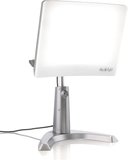
Best Overall: Carex Day-Light Classic Plus
The Carex Day-Light Classic Plus represents the clinical standard for home light therapy, delivering 10,000 lux at 12 inches with a large therapy surface that allows comfortable positioning during morning routines. This lamp uses LED technology to provide the full-spectrum bright white light validated in clinical studies, with adjustable height settings from 17 to 23 inches to accommodate different seating arrangements.
The device features multiple brightness levels, allowing users to start at lower intensities and gradually increase to full therapeutic strength as their eyes adapt. This flexibility addresses one of the most common complaints about light therapy: initial discomfort with bright light exposure, particularly in people with light sensitivity or those just waking up.
Research on light therapy timing shows that morning use between 7-9 AM provides the highest response rates, and the Day-Light Classic Plus is designed for this application. The large 12.5 x 17 inch illuminated surface ensures adequate light reaches your peripheral vision while you read, work, or eat breakfast. Published studies indicate that light must enter the visual field to be therapeutic, though you don’t need to stare directly at the lamp.
The adjustable height feature proves particularly valuable for achieving the correct distance from the light source. Most 10,000-lux specifications assume a distance of 12-20 inches from the lamp, and sitting too far significantly reduces the actual lux exposure you receive. The ability to raise or lower the lamp helps maintain optimal positioning whether you’re sitting at a desk, breakfast table, or in a comfortable chair.
Build quality and durability matter for a device intended for daily use throughout fall and winter months. The Day-Light Classic Plus uses a stable base design with stable design that houses the LED array behind a diffusing screen to provide even light distribution without harsh glare or visible bulbs. LED technology offers longer lifespan than older fluorescent light therapy lamps while consuming less energy.
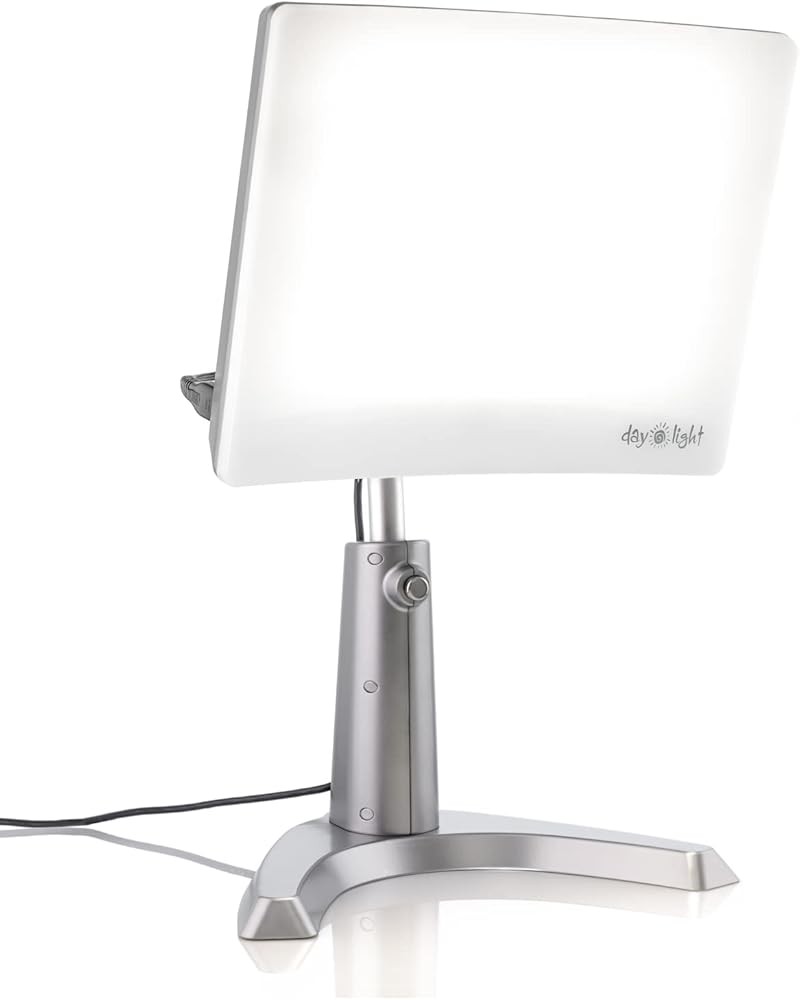
Carex Day-Light Classic Plus
Check Price on AmazonAs an Amazon Associate we earn from qualifying purchases.

Best Budget: Theralite Aura Bright
The Theralite Aura Bright delivers clinical-strength 10,000 lux light therapy at an accessible price point without sacrificing the essential features needed for effective SAD treatment. This compact unit measures significantly smaller than traditional light boxes while still providing the full-spectrum bright white light validated in research studies.
Four brightness settings allow users to customize their light exposure, starting with lower intensities during initial sessions and increasing to full power as comfort develops. This graduated approach helps minimize common side effects like initial eye strain or headaches that sometimes occur when people begin light therapy. Published data on adverse effects shows these symptoms typically resolve within a few days of continued use.
The compact design makes the Aura Bright practical for smaller spaces or for users who want to position the lamp on a nightstand for morning wake-up routines. Despite its smaller size, the unit maintains the necessary lux output when used at the specified distance. Research on light therapy effectiveness emphasizes that achieving the stated lux level requires maintaining proper distance from the lamp, so users should measure and mark their optimal positioning.
Studies comparing light therapy to antidepressant medication found response rates of 67% for both treatments, with light therapy showing faster initial response (significant improvement within one week) and fewer treatment-emergent adverse events. The Aura Bright provides access to this evidence-based treatment at a price point that removes cost as a barrier to trying light therapy.
The lamp uses modern LED technology rather than older fluorescent bulbs, providing flicker-free illumination that reduces eye strain during the 30-minute daily sessions recommended in clinical protocols. LEDs also generate less heat than fluorescent lamps, making extended use more comfortable and reducing fire risk if the lamp is accidentally left on.
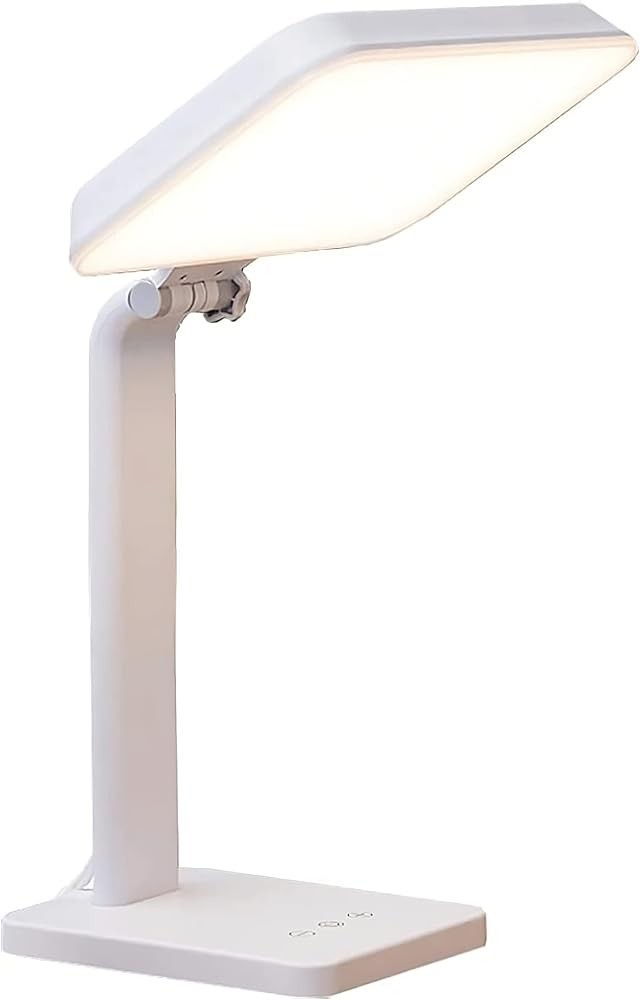
Theralite Aura Bright
Check Price on AmazonAs an Amazon Associate we earn from qualifying purchases.
Comparing Top Light Therapy Lamps for SAD
| Feature | Carex Day-Light Classic Plus | Theralite Aura Bright | Theralite Carex Radiance | DayBright | GLOWRIUM Smart |
|---|---|---|---|---|---|
| Price | $119 | $45 | $46 | $199 | $94 |
| Lux Output | 10,000 at 12 in | 10,000 | 10,000 | 10,000 | 10,000 |
| Light Surface Size | 12.5 x 17 in | Compact | Medium | Large | Medium |
| Adjustable Height | Yes (17-23 in) | No | No | Yes | Yes |
| Brightness Levels | Multiple | 4 | Multiple | Adjustable | Stepless |
| Light Type | LED White | LED White | LED White | Full Spectrum | 2700-6500K |
| Special Features | Clinical design | Budget price | Alarm, charging | Wood frame | App control, timer |
| Timer Function | No | No | Yes | No | Yes |
| UV Filtered | Yes | Yes | Yes | Yes | Yes |
| Best For | Clinical standard | Budget buyers | Multitaskers | Premium aesthetics | Tech features |

Best for Multitasking: Theralite Carex Radiance
The Theralite Carex Radiance combines therapeutic 10,000-lux light output with practical features that integrate light therapy into your morning routine. This unit functions as an alarm clock, wireless charging station, and USB port in addition to delivering clinical-strength light exposure, making it an efficient use of nightstand space.
The integrated alarm clock addresses one of the practical challenges of morning light therapy: remembering to use the lamp consistently at the same time each day. Research on light therapy effectiveness shows that timing consistency matters for entraining circadian rhythms, and having the alarm built into the therapy lamp creates a natural reminder system.
Workplace studies have demonstrated that light therapy can be effectively administered while performing other activities. One trial found that 2,500-lux light therapy in office settings significantly improved mood, energy, alertness and productivity in people with subsyndromal SAD, with no difference between morning and afternoon administration. The Radiance’s design supports this multitasking approach by combining therapy with phone charging and time display.
The wireless charging pad on top of the unit allows you to charge compatible smartphones during your therapy session, eliminating one source of morning cord clutter. The USB port provides additional charging capability for devices without wireless charging, making the Radiance a practical nightstand hub rather than a single-purpose medical device.
Adjustable brightness levels allow customization of light intensity, which proves valuable for matching your individual sensitivity and the recommendations from clinical studies. Some research suggests that lower lux levels (2,500 lux for 2 hours) can be as effective as higher intensities for shorter durations, though 10,000 lux for 30 minutes remains the most commonly studied protocol.
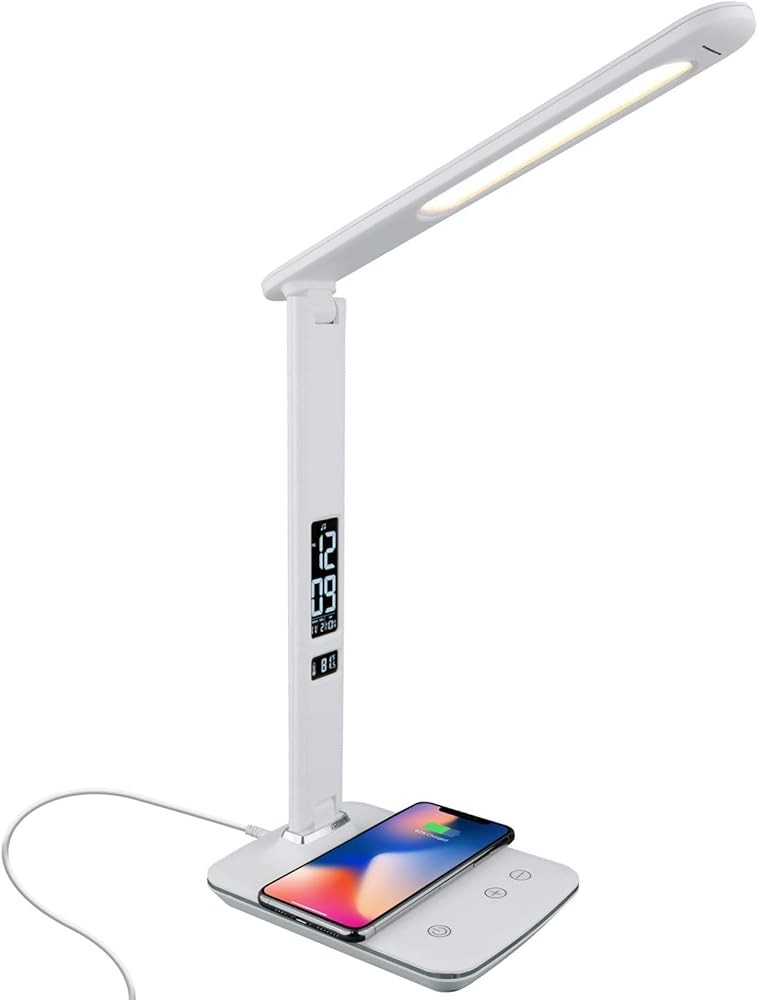
Theralite Carex Radiance
Check Price on AmazonAs an Amazon Associate we earn from qualifying purchases.

Premium Pick: DayBright Light Therapy Lamp
The DayBright Light Therapy Lamp distinguishes itself through premium construction featuring a solid wood frame and emphasis on delivering full-spectrum light that more closely mimics natural outdoor sunlight. This approach reflects research findings that natural morning light exposure (a 1-hour outdoor walk) improved all depression self-ratings in SAD patients while low-dose artificial light primarily served as placebo.
The full-spectrum light output includes the range of wavelengths present in daylight, potentially offering advantages beyond the bright white light used in most clinical studies. While research confirms that UV-free light is both safe and effective, some studies have explored whether specific wavelengths within the visible spectrum provide enhanced therapeutic benefits.
One randomized controlled trial investigated blue LED light (469 nm peak) versus blue-enriched white LED light for SAD treatment. Both sources provided substantial short-wavelength light but the white source emitted seven-fold more lux. Surprisingly, both treatments reduced depression ratings by 82% from baseline, suggesting that wavelength composition may matter as much as total lux for some people.
The adjustable design allows users to position the lamp at the optimal angle and distance for their specific setup. Published protocols typically specify 10,000 lux at 12-24 inches, but individual variation in light sensitivity and environmental factors like room lighting can affect the therapeutic dose received. The ability to fine-tune positioning helps account for these variables.
Solid wood construction provides aesthetic appeal for users who want their light therapy lamp to integrate with home decor rather than looking like medical equipment. This consideration may seem superficial, but research on treatment adherence shows that people are more likely to use devices consistently when they don’t create visual clutter or require hiding the device when not in use.
The larger therapy surface area ensures that light reaches peripheral vision even when your gaze is directed elsewhere, such as when reading, working on a computer, or eating breakfast. Clinical studies emphasize that the light must enter the visual field for therapeutic effect, achieved through either direct viewing or peripheral exposure.
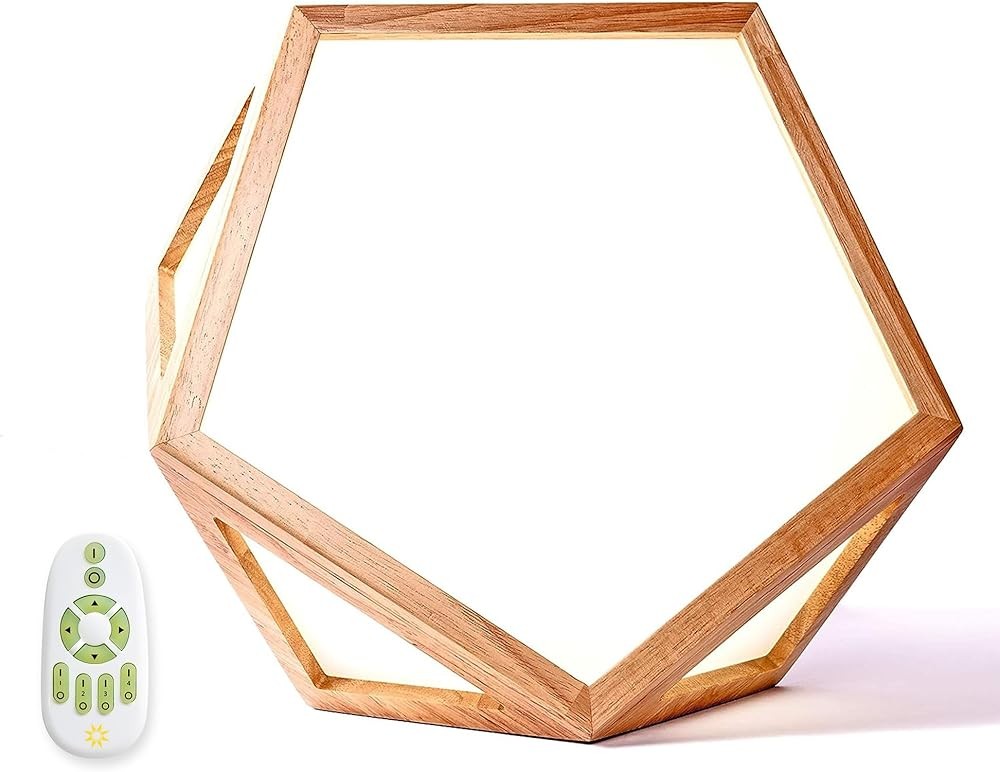
DayBright Light Therapy Lamp
Check Price on AmazonAs an Amazon Associate we earn from qualifying purchases.

Best Smart Features: GLOWRIUM Smart Light Therapy Lamp
The GLOWRIUM Smart Light Therapy Lamp integrates modern smart home technology with clinical-strength light therapy, offering app control, timer functions, and adjustable color temperature from 2700K to 6500K. This versatility allows the lamp to serve dual purposes: therapeutic bright light in the morning and warmer ambient lighting in the evening.
The adjustable color temperature feature addresses an interesting aspect of light therapy research. While most clinical studies use bright white light (approximately 5000-6500K color temperature), some research has explored whether cooler versus warmer light affects therapeutic outcomes. The ability to customize color temperature allows users to match their preferences while maintaining therapeutic lux output.
App control and programmable timers support consistency in light therapy administration, one of the key factors for successful treatment. Research shows that response rates improve when people use light therapy at the same time each day, and smartphone reminders combined with automatic lamp activation can help maintain this consistency.
The stepless dimming capability allows precise adjustment of light intensity rather than fixed brightness levels. This granular control proves useful during the adaptation period when some users need to gradually increase intensity over several days to minimize side effects like eye strain. Published data indicates these side effects are generally mild and resolve with continued use.
Floor lamp design offers positioning advantages over desktop units for some users. Standing height places the light source at eye level without requiring desk space, and the ability to position the lamp near a favorite chair or reading spot may increase treatment adherence. Workplace studies confirm that light therapy can be effectively administered during other activities like reading or working.
The 10,000-lux UV-free output at specified distance meets the clinical standard established by decades of research. Multiple randomized controlled trials have validated this dosage for treating SAD, showing response rates comparable to antidepressant medication (67% for both treatments) but with faster initial response and fewer adverse events.
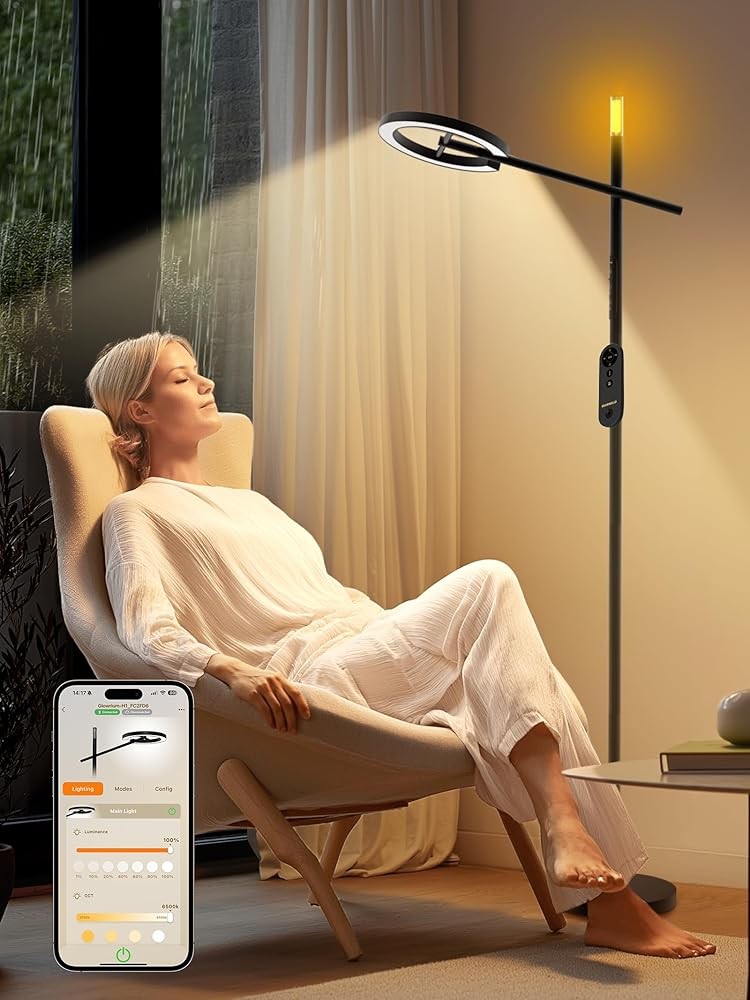
GLOWRIUM Smart Light Therapy Lamp
Check Price on AmazonAs an Amazon Associate we earn from qualifying purchases.
Best Adjustable: UV-Free Light Therapy Lamp with 3 Color Temperatures
This adjustable light therapy lamp offers three color temperature modes and stepless brightness adjustment, allowing users to customize their light exposure beyond the standard bright white therapy setting. The UV-free 10,000-lux output at specified distance maintains the clinical standard while providing flexibility in how the therapeutic light is delivered.
The three color temperature options span the range from warm (approximately 3000K) to cool white (approximately 6500K), with a neutral white option between them. While most clinical research uses cool white light in the 5000-6500K range that mimics midday outdoor light, some users find warmer tones more comfortable during early morning sessions when eyes are still adjusting to being awake.
Adjustable brightness allows gradual ramping of light intensity over the course of a session, potentially mimicking dawn simulation. Some research has explored dawn simulation as a light therapy approach, using gradual light increase over 30-90 minutes before waking rather than abrupt bright light exposure. While standard bright light therapy remains the most validated approach, dawn simulation shows promise in some studies.
The built-in timer function addresses one of the practical challenges of light therapy: remembering to turn off the lamp after the recommended 30-minute session. Research protocols typically specify 30 minutes at 10,000 lux or 2 hours at 2,500 lux, and a timer avoids excessive exposure and the inefficiency of forgetting to turn off the device.
Compact design makes this lamp suitable for smaller spaces or travel, though users should verify that they can maintain the specified distance for achieving 10,000 lux when space is limited. Published studies emphasize that sitting too far from the lamp significantly reduces the actual lux exposure, potentially diminishing therapeutic benefit.
The budget-friendly price point makes this lamp accessible for people wanting to try light therapy without major financial commitment. Research comparing light therapy to medication found comparable effectiveness, and with fewer side effects, making light therapy a reasonable first-line treatment option for SAD when cost is a consideration.
Clinical Evidence: What the Research Shows
The evidence base for light therapy in seasonal affective disorder includes decades of clinical trials, systematic reviews, and comparative effectiveness studies. Understanding this research helps inform decisions about whether light therapy is appropriate and how to implement it for best results.
Effectiveness Compared to Medication
A landmark randomized controlled trial directly compared 10,000-lux light therapy to fluoxetine (20 mg daily) in 96 patients with SAD over 8 weeks. The study found no significant difference in clinical response rates (67% for both treatments) or remission rates (50% for light therapy, 54% for fluoxetine). However, light-treated patients showed significantly greater improvement at one week, indicating faster onset of action. Light therapy was also associated with fewer treatment-emergent adverse events, particularly agitation, sleep disturbance, and palpitations.
Another major randomized controlled trial compared cognitive-behavioral therapy specifically developed for SAD (CBT-SAD) to light therapy in 177 adults with current major depression with seasonal pattern. Both treatments involved 6 weeks of intervention and showed comparable effectiveness. Remission rates did not differ significantly between CBT-SAD (47.6%) and light therapy (47.2%) based on structured interviews, or between CBT-SAD (56.0%) and light therapy (63.6%) based on self-report measures. Both treatments produced clinically significant and comparable improvements in depression severity.
Optimal Timing and Duration
A pooled analysis of 332 patients from 14 research centers found that 2,500-lux light exposure for at least 2 hours daily for one week resulted in significantly more remissions when administered in the morning (53%) compared to evening (38%) or midday (32%). All three timings significantly outperformed dim light controls (11% remission). Morning-evening crossover analysis showed that 62% achieved remission under morning light alone versus 28% under evening light alone, with 59% of morning responders showing differential response compared to only 10% of evening responders.
However, other research has questioned whether timing is critical. A randomized controlled trial of 39 patients found that both morning light therapy (7 AM) and evening light therapy (10 PM) improved depressive symptoms in 70% of participants, with no significant difference between timings. Phase position of circadian rhythms was not correlated with depth of depression or preferential response to morning versus evening light, arguing against a circadian phase-delay hypothesis as the sole mechanism.
A workplace study of 30 patients with subsyndromal SAD compared morning and afternoon bright light (2,500 lux) administration and found both timings significantly decreased depression ratings and improved mood, energy, alertness and productivity, with no significant difference between morning and afternoon exposure. These findings suggest more flexible scheduling options may be practical for some individuals.
Light Intensity and Wavelength
Most clinical studies use 10,000 lux as the standard therapeutic dose, but research has explored whether lower intensities or specific wavelengths might be equally effective. One study comparing blue-appearing LED light versus blue-enriched white LED light found that both sources reduced depression ratings by 82% from baseline despite the white source emitting seven-fold more lux. Both devices emitted equivalent short-wavelength (blue) photons, suggesting wavelength composition may be as important as total lux for some applications.
Light-emitting diode (LED) devices with concentrated short-wavelength output have been specifically tested in randomized controlled trials. A study of the Litebook LED device delivering 1,350 lux white light with spectral peaks at 464 nm and 564 nm found significantly greater remission rates compared to inactive negative ion generator controls. Depression scores decreased significantly more with active LED treatment than placebo, supporting the hypothesis that LED therapy is effective for SAD.
However, standard bright white light at 10,000 lux remains the most extensively validated approach with the largest evidence base. While emerging research on wavelength-specific effects is promising, consumers should prioritize devices that meet established clinical standards unless they have specific reasons to experiment with alternative approaches.
Natural Light Exposure
An interesting controlled trial compared a daily 1-hour morning walk outdoors (natural light) versus low-dose artificial light (0.5 hours at 2,800 lux). The outdoor walk significantly improved all depression self-ratings, with 50% of participants achieving remission compared to 25% with low-dose artificial light. The morning walk also phase-advanced melatonin secretion, though individual clinical improvement could not be correlated with specific phase-shifts.
These findings suggest that natural outdoor light exposure may be a viable alternative or adjuvant to artificial light therapy, though practical considerations like weather, geographic location, and morning darkness during winter months may limit this approach for many people with SAD. The research does support incorporating outdoor time during brighter parts of the day when possible, particularly for individuals who find artificial light therapy uncomfortable or inconvenient.
Early Intervention Use
One randomized controlled trial investigated early intervention use of bright light therapy in 46 people with history of SAD, starting before symptom onset in early fall. The study compared bright white light (2,500 lux via visors), infrared light (0.18 lux via visors), and no light treatment. Both forms of early light therapy numerically reduced SAD incidence compared to no treatment: 43% in the bright light group, 33% in the infrared group, and 67% in the no-treatment group developed SAD. However, confidence intervals were very broad, precluding firm conclusions about effectiveness for early intervention.
A Cochrane systematic review on light therapy for early intervention with SAD concluded that evidence is limited, with methodological limitations and small sample size reaching definitive conclusions. The decision for or against early intervention treatment should be strongly based on patient preferences given the uncertain evidence base.
Safety and Side Effects
Light therapy is generally well-tolerated with mild, transient side effects. A study specifically examining side effects of short-term 10,000-lux light therapy documented that the most common adverse events were headache, eye strain, and nausea, typically resolving within a few days of continued use. Serious adverse events are rare with properly designed UV-filtered light therapy devices.
Comparative studies with antidepressant medication consistently show that light therapy produces fewer treatment-emergent adverse events. In the Can-SAD study comparing light therapy to fluoxetine, medication was associated with significantly greater rates of agitation, sleep disturbance, and palpitations, though both treatments were generally well-tolerated overall.
Light Therapy Protocol: Practical Implementation
Understanding the clinical research helps translate evidence into effective personal use. The following recommendations are based on published study protocols and guidelines from light therapy researchers.
Starting Light Therapy
Begin light therapy in early autumn before symptoms become severe, if you have a history of seasonal depression and can anticipate when symptoms typically start. Research on baseline severity suggests that people with milder symptoms (Hamilton Depression Scale scores of 10-16) achieve higher remission rates (67%) compared to those with moderate-to-severe symptoms (approximately 40% remission). Earlier intervention may therefore be more effective.
Position the light therapy lamp at the manufacturer-specified distance to achieve the stated lux output, typically 12-24 inches for 10,000-lux devices. Use a measuring tape to verify this distance rather than estimating, as sitting too far significantly reduces the actual light exposure received.
Start with shorter sessions (15 minutes) at lower brightness if available, gradually increasing to the full 30-minute protocol at maximum brightness over several days. This graduated approach helps minimize initial side effects like eye strain or headaches that sometimes occur when beginning light therapy.
Use the lamp at the same time each day to help entrain circadian rhythms. Most research supports morning use between 7-9 AM immediately after waking, though evidence also supports effectiveness at other times for some individuals. Consistency in timing appears more important than the specific time chosen. For people with SAD who also struggle with sleep onset, magnesium glycinate or threonate supplements may help support healthy sleep cycles alongside morning light therapy.
During Light Therapy Sessions
Position the lamp so light enters your field of vision without staring directly at the light source. The therapeutic effect requires retinal light exposure, achieved through either direct viewing or peripheral vision. Research shows that light therapy can be administered effectively while reading, eating, working, or performing other morning activities.
Sit at a comfortable distance with the light source positioned slightly above eye level and directed downward toward your face. This mimics the angle of outdoor sunlight and helps ensure even light distribution across the visual field.
Do not use sunglasses or wear tinted contact lenses during light therapy, as these filter out the therapeutic wavelengths. Regular prescription glasses or contact lenses are fine and do not interfere with treatment effectiveness.
Continue other activities during your session rather than dedicating 30 minutes solely to sitting in front of the lamp. Workplace studies confirm that light therapy administered during routine tasks is effective, and this multitasking approach may improve adherence by making treatment more convenient.
Monitoring Response
Track your mood and energy levels daily using a simple 1-10 scale to help identify when improvements begin and whether the treatment is effective. Clinical studies typically show initial response within one week, with continued improvement over 2-4 weeks of consistent use.
If you experience persistent side effects (headaches, eye strain, nausea) that don’t resolve after a few days, try reducing session duration or brightness and gradually increasing as tolerance develops. If side effects persist, consult with a healthcare provider about adjusting your protocol.
Expect gradual improvement rather than immediate resolution of all symptoms. Research shows that while some people experience dramatic improvement within days, average response involves steady decrease in depression scores over several weeks. Remission (near-complete symptom resolution) occurs in approximately 50-65% of people using standard protocols.
Continue light therapy throughout the fall and winter months even after symptoms improve. Studies typically involve continuous treatment through the season rather than stopping once remission is achieved, and discontinuation may result in symptom recurrence.
When to Seek Additional Treatment
If you don’t experience meaningful improvement after 3-4 weeks of consistent light therapy use following an evidence-based protocol, discuss additional or alternative treatments with a healthcare provider. Options include combining light therapy with psychotherapy, adding medication, or exploring whether other factors are contributing to symptoms.
People with moderate-to-severe baseline symptoms may benefit from combination approaches. The research comparing cognitive-behavioral therapy to light therapy suggests both are effective, and combining treatments might provide additive benefits for some individuals. B vitamin complexes may also support energy levels and mental clarity during the darker months when fatigue is a prominent symptom.
If you experience worsening mood, agitation, or sleep disturbance during light therapy, discontinue use and consult a healthcare provider. While rare, some individuals with bipolar disorder or other conditions may experience adverse mood effects from light exposure and require different treatment approaches. For stress and anxiety that often accompany SAD symptoms, ashwagandha supplements have shown promise in supporting the body’s stress response.
Complete SAD Management System
While light therapy represents the cornerstone of evidence-based treatment for seasonal affective disorder, comprehensive management often involves additional interventions that work synergistically to address symptoms.
Vitamin D Supplementation
Many people with SAD have low vitamin D levels due to reduced sunlight exposure during winter months. While research specifically on vitamin D supplementation for SAD symptom management is limited, maintaining adequate vitamin D status supports overall health and may contribute to mood regulation. Consider our guide to vitamin D supplements for options that support optimal vitamin D status during darker months.
Sleep and Circadian Rhythm Support
SAD involves disruption of circadian rhythms, and supporting healthy sleep patterns complements light therapy’s rhythm-regulating effects. Melatonin supplements in the evening may help advance sleep timing, while light therapy in the morning shifts circadian phase earlier. This combination approach addresses circadian disruption from both directions.
Stress and Anxiety Management
Many people with SAD also experience anxiety symptoms or have co-occurring anxiety disorders. GABA supplements for anxiety and sleep may provide complementary support for the anxiety component of SAD symptoms, though evidence specifically for SAD is limited.
Energy and Metabolic Support
Winter fatigue and reduced energy are hallmark symptoms of SAD. NAD+ supplements for longevity and energy support cellular metabolism and energy production, potentially addressing some of the fatigue associated with seasonal depression.
Sleep Quality Monitoring
Tracking sleep patterns can help identify whether sleep disturbances are contributing to symptoms and monitor whether interventions are improving sleep quality. Smart rings for sleep tracking provide detailed data on sleep stages, heart rate variability, and circadian alignment without the obtrusiveness of wrist-worn devices.
Frequently Asked Questions About Light Therapy for SAD
Does light therapy work for everyone with SAD?
Research shows that approximately 60-70% of people with SAD experience clinically significant improvement (50% or greater reduction in depression scores) with standard light therapy protocols. Response rates are higher in people with milder baseline symptoms. Individual variation in light sensitivity, circadian rhythm characteristics, and other factors affect response.
Can I use a regular bright lamp instead of a light therapy device?
Standard household lamps typically provide only 100-500 lux, far below the 10,000 lux used in clinical studies. Light therapy devices are specifically designed to deliver high-intensity light safely while filtering UV radiation. Regular lamps, including bright LED bulbs, do not provide adequate intensity for therapeutic effect at comfortable distances.
Is it safe to use light therapy if I’m taking medication?
Light therapy is generally safe when used alongside most medications. However, some medications (particularly certain antibiotics, diuretics, and psychiatric drugs) can increase light sensitivity. Consult your healthcare provider or pharmacist about potential interactions, especially if you take medications that list photosensitivity as a side effect.
Can light therapy help with jet lag or shift work?
Research on circadian rhythm disorders shows that appropriately timed light exposure can help shift circadian phase, making it potentially useful for jet lag and shift work adaptation. However, the timing differs from SAD protocols. For jet lag and shift work, light therapy timing should be based on desired circadian phase shift rather than the standard morning protocol used for SAD.
How quickly will I notice improvement?
Clinical trials show that some people experience initial improvement within one week of starting daily light therapy, with continued improvement over 2-4 weeks. However, individual response varies. Some people notice immediate effects on energy and alertness within days, while mood improvement may take longer. Consistent daily use is important for achieving optimal results.
Can children use light therapy for SAD?
Research on light therapy for SAD has focused primarily on adults. While some studies have included adolescents, pediatric use should be discussed with a healthcare provider who can assess whether light therapy is appropriate and monitor response. The same devices used for adults can be used for older children and adolescents if deemed appropriate by their provider.
What if I can’t use light therapy in the morning?
While morning use produces the highest response rates in pooled analyses (53% versus 38% for evening), research also shows that evening and afternoon light therapy are significantly more effective than no treatment. Studies directly comparing timings have found both morning and evening sessions effective, and workplace studies show afternoon use improves symptoms. Use light therapy at whatever time you can consistently maintain.
Can I use light therapy while wearing glasses or contacts?
Yes, prescription glasses and regular contact lenses do not interfere with light therapy effectiveness. However, avoid using tinted lenses, sunglasses, or photochromic lenses during sessions as these filter the therapeutic wavelengths. The light needs to reach your retina to be effective.
Should I continue light therapy after symptoms improve?
Clinical study protocols typically involve continued light therapy throughout fall and winter rather than stopping once remission is achieved. Discontinuing treatment before seasonal light levels naturally increase may result in symptom recurrence. Most people with SAD continue daily light therapy from early fall through early spring.
Are there any conditions that make light therapy unsafe?
People with certain eye conditions (particularly macular degeneration or retinal diseases) should consult an ophthalmologist before starting light therapy. Those with bipolar disorder should discuss light therapy with their psychiatric provider as light exposure can trigger manic episodes in susceptible individuals. People with light-sensitive skin conditions should also consult their dermatologist.
Related Reading
- Best Melatonin Supplements - Evening melatonin supplementation may complement morning light therapy for circadian rhythm regulation
- Best Vitamin D Supplements - Winter vitamin D deficiency often co-occurs with SAD and supplementation may provide additional mood support
- Best GABA Supplements for Anxiety and Sleep - Addresses anxiety symptoms that commonly accompany seasonal depression
- Best NAD+ Supplements for Longevity and Energy - Supports cellular energy production to help combat SAD-related fatigue
- Best Smart Rings for Sleep Tracking and Recovery - Monitor sleep quality and circadian patterns during SAD treatment
- Best Magnesium Supplements for Sleep - Magnesium glycinate and threonate support sleep quality alongside light therapy
- Best Ashwagandha Supplements for Sleep and Stress - Research-backed adaptogen for managing stress that often accompanies seasonal depression
References
-
Rohan KJ, Mahon JN, Evans M, et al. Randomized Trial of Cognitive-Behavioral Therapy Versus Light Therapy for Seasonal Affective Disorder: Acute Outcomes. Am J Psychiatry. 2015;172(9):862-869. PubMed: 25859764
-
Lam RW, Levitt AJ, Levitan RD, et al. The Can-SAD study: a randomized controlled trial of the effectiveness of light therapy and fluoxetine in patients with winter seasonal affective disorder. Am J Psychiatry. 2006;163(5):805-812. PubMed: 16648320
-
Desan PH, Weinstein AJ, Michalak EE, et al. A controlled trial of the Litebook light-emitting diode (LED) light therapy device for treatment of Seasonal Affective Disorder (SAD). BMC Psychiatry. 2007;7:38. PubMed: 17683643
-
Wirz-Justice A, Graw P, Kräuchi K, et al. Light therapy in seasonal affective disorder is independent of time of day or circadian phase. Arch Gen Psychiatry. 1993;50(12):929-937. PubMed: 8250678
-
Lam RW, Lee SK, Tam EM, et al. An open trial of light therapy for women with seasonal affective disorder and comorbid bulimia nervosa. J Clin Psychiatry. 2001;62(3):164-168. PubMed: 11305701
-
Epperson CN, Terman M, Terman JS, et al. Randomized clinical trial of bright light therapy for antepartum depression: preliminary findings. J Clin Psychiatry. 2004;65(3):421-425. PubMed: 15096083
-
Sandkühler JF, Brochhagen S, Rohde P, et al. 100,000 lumens to treat seasonal affective disorder: A proof of concept RCT of Bright, whole-ROom, All-Day (BROAD) light therapy. Depress Anxiety. 2022;39(11):825-835. PubMed: 35981135
-
Terman M, Terman JS, Quitkin FM, et al. Light therapy for seasonal affective disorder. A review of efficacy. Neuropsychopharmacology. 1989;2(1):1-22. PubMed: 2679625
-
Anderson JL, Glod CA, Dai J, et al. Lux vs. wavelength in light treatment of Seasonal Affective Disorder. Acta Psychiatr Scand. 2009;120(3):203-212. PubMed: 19207131
-
Wirz-Justice A, Graw P, Kräuchi K, et al. ‘Natural’ light treatment of seasonal affective disorder. J Affect Disord. 1996;37(2-3):109-120. PubMed: 8731073
-
Nussbaumer B, Kaminski-Hartenthaler A, Forneris CA, et al. Light therapy for preventing seasonal affective disorder. Cochrane Database Syst Rev. 2015;(11):CD011269. PubMed: 26558494
-
Avery DH, Kizer D, Bolte MA, Hellekson C. Bright light therapy of subsyndromal seasonal affective disorder in the workplace: morning vs. afternoon exposure. Acta Psychiatr Scand. 2001;103(4):267-274. PubMed: 11328240
-
Lam RW, Buchanan A, Clark CM, Remick RA. Ultraviolet versus non-ultraviolet light therapy for seasonal affective disorder. J Clin Psychiatry. 1991;52(6):213-216. PubMed: 2033028
-
Meesters Y, Jansen JH, Beersma DG, et al. Light therapy for seasonal affective disorder. The effects of timing. Br J Psychiatry. 1995;166(5):607-612. PubMed: 7620745
-
Meesters Y, Beersma DG, Bouhuys AL, van den Hoofdakker RH. Prophylactic treatment of seasonal affective disorder (SAD) by using light visors: bright white or infrared light? Biol Psychiatry. 1999;46(2):239-246. PubMed: 10418699
-
Gartlehner G, Nussbaumer-Streit B, Gaynes BN, et al. Second-generation antidepressants for preventing seasonal affective disorder in adults. Cochrane Database Syst Rev. 2019;3(3):CD011268. PubMed: 30883669
-
Forneris CA, Nussbaumer-Streit B, Morgan LC, et al. Psychological therapies for preventing seasonal affective disorder. Cochrane Database Syst Rev. 2019;5(5):CD011270. PubMed: 31124141
-
Kaminski-Hartenthaler A, Nussbaumer B, Forneris CA, et al. Melatonin and agomelatine for preventing seasonal affective disorder. Cochrane Database Syst Rev. 2015;(11):CD011271. PubMed: 26560173
-
Forneris CA, Nussbaumer B, Kaminski-Hartenthaler A, et al. Psychological therapies for preventing seasonal affective disorder. Cochrane Database Syst Rev. 2015;(11):CD011270. PubMed: 26560172
-
Gartlehner G, Nussbaumer B, Gaynes BN, et al. Second-generation antidepressants for preventing seasonal affective disorder in adults. Cochrane Database Syst Rev. 2015;(11):CD011268. PubMed: 26558418
Connect with CHNut: Facebook | X | YouTube | Pinterest
This article is for informational purposes only and does not constitute medical advice. Seasonal affective disorder is a serious condition that should be diagnosed and managed by qualified healthcare professionals. Always consult with your doctor before starting any new treatment, including light therapy, especially if you have eye conditions, take medications that increase light sensitivity, or have bipolar disorder.
Recommended Products