Best Light Therapy Lamps for Seasonal Depression
Summarized from peer-reviewed research indexed in PubMed. See citations below.
Winter months can drain energy and mood as daylight hours shrink, affecting millions who experience seasonal changes in well-being. Research from multiple clinical trials confirms that light therapy lamps delivering 10,000 lux of UV-free white light may support mood and circadian rhythm regulation when used consistently. The Verilux HappyLight VT43 (10,000 lux at 12 inches, around $70) stands out for combining clinical-grade intensity with compact design, backed by studies showing response within 1-2 weeks of daily 30-minute morning sessions. For budget-conscious buyers, the Verilux HappyLight VT10 offers similar 10,000 lux output at approximately $40. Here’s what the published research shows about selecting and using light therapy lamps effectively.
Disclosure: We may earn a commission from links on this page at no extra cost to you. Affiliate relationships never influence our ratings. Full policy →
Quick Answer: Best Light Therapy Lamps for Seasonal Depression
How Does Light Therapy Work for Seasonal Affective Disorder?
Seasonal affective disorder affects up to 5% of the U.S. population, with symptoms typically emerging during fall and winter months when daylight exposure decreases. The condition reflects disruptions in circadian rhythm regulation, with altered timing and amplitude of the body’s internal clock processes. Research in Biological Psychiatry (2000) examining circadian and homeostatic influences in seasonal affective disorder found that patients may have trait differences in how their bodies regulate sleep pressure during extended wakefulness.
How Light Therapy Works
Light therapy operates through multiple biological mechanisms. Bright light exposure at sufficient intensity stimulates intrinsically photosensitive retinal ganglion cells in the eye, which project directly to the suprachiasmatic nucleus (the brain’s master circadian pacemaker) in the hypothalamus.
This stimulation triggers cascading effects throughout multiple neurotransmitter systems. Research published in Frontiers in Psychiatry (2019) identified light therapy’s influence on serotonergic, noradrenergic, GABAergic, and glutamatergic pathways, along with modifications to the hypothalamic-pituitary-adrenal axis function.
The circadian system responds to light timing and intensity by adjusting melatonin secretion patterns. Morning light exposure suppresses melatonin production and advances circadian phase, helping align internal rhythms with desired sleep-wake schedules. This realignment may support improved mood regulation and energy levels throughout the day.
The mechanism involves activation of melanopsin-containing retinal ganglion cells, which are maximally sensitive to blue wavelengths in the 460-480 nanometer range. These specialized photoreceptors remain distinct from the rods and cones responsible for image-forming vision. Their dedicated neural pathway to the suprachiasmatic nucleus enables light to influence circadian timing independently of conscious visual perception. Research in Neural Plasticity (2018) demonstrated that even brief flashes of light can reset circadian timekeeping, though traditional protocols using sustained 20-30 minute exposures remain the clinical standard. A 2008 review in Clinics in Geriatric Medicine found that while bright light therapy is most effective for seasonal affective disorder, it may also help older adults with insomnia and circadian rhythm disturbances.
The therapeutic effects extend beyond simple clock resetting. Light exposure influences multiple neurotransmitter systems simultaneously. Serotonergic neurons in the raphe nuclei show increased firing rates following bright light exposure, potentially explaining mood improvements independent of circadian effects. Noradrenergic pathways from the locus coeruleus similarly respond to retinal light stimulation, contributing to enhanced alertness and arousal. The integration of these pathways creates a comprehensive biological response that addresses multiple aspects of seasonal mood changes.
Clinical Evidence for Efficacy
A comprehensive review in Expert Review of Neurotherapeutics (2023) examined light therapy across multiple depressive disorders. The analysis confirmed effectiveness for seasonal affective disorder, with growing evidence supporting use in non-seasonal depression and bipolar depression with appropriate precautions.
Comparative trials demonstrate efficacy similar to fluoxetine (Prozac) for seasonal depression, with response rates of 50-60% in most studies. The therapeutic advantage includes rapid onset, typically within 1-2 weeks compared to 4-6 weeks for most antidepressant medications.
A 2005 review in CNS Spectrums noted that light therapy provides “a potent, specifically active, non-pharmaceutical treatment modality” with applications extending beyond seasonal patterns to include non-seasonal unipolar and bipolar disorders, seasonal bulimia nervosa flare-ups, and circadian phase sleep disorders.
The 10,000 Lux Standard
Clinical protocols consistently specify 10,000 lux as the optimal intensity for therapeutic benefit. This standard emerged from dose-response studies comparing various light intensities and exposure durations.
Lower intensities (2,500-5,000 lux) may produce results with longer exposure times (60-120 minutes daily), but 10,000 lux allows effective treatment in 20-30 minutes. Higher intensities don’t provide additional benefit and may increase side effect risks.
The lux measurement must be verified at the actual distance where you’ll sit during treatment. Many lamps specify “10,000 lux at 12 inches” or similar, meaning you must position yourself at that exact distance to receive the therapeutic dose.
UV-Free Specifications
Modern light therapy lamps use UV-filtered white light, eliminating ultraviolet wavelengths while maintaining therapeutic effectiveness. Research confirms that visible light spectrum (particularly blue and white wavelengths) provides the mood support benefits, with no therapeutic contribution from UV exposure.
UV-free specifications protect against several risks. Ultraviolet radiation contributes to cataract formation, macular degeneration, and accelerated skin aging. By filtering UV wavelengths, contemporary lamps deliver therapeutic light without these potential adverse effects.
Full-spectrum lamps with UV components offer no advantage for mood support and introduce unnecessary exposure risks. Clinical guidelines consistently recommend UV-free white light for seasonal affective disorder treatment.
LED technology has largely replaced fluorescent bulbs in modern light therapy devices. LEDs offer several advantages including instant-on capability without warmup delays, longer operational lifespan (10,000+ hours versus 2,000-3,000 hours for fluorescent tubes), and more precise wavelength control. The elimination of mercury-containing fluorescent tubes also removes environmental disposal concerns. While some early LED lamps produced flickering at frequencies that caused eye strain, contemporary models operate at imperceptible flicker rates exceeding 1,000 Hz, ensuring visual comfort during extended sessions.
Top 5 Light Therapy Lamps for Seasonal Depression
| Feature | Verilux VT43 | Verilux VT10 | Circadian Optics | Carex Classic Plus | Northern Light |
|---|---|---|---|---|---|
| Lux Output | 10,000 | 10,000 | 10,000 | 10,000 | 10,000 |
| Distance | 12 inches | 16-20 inches | 20-24 inches | 12 inches | 24 inches |
| Light Type | LED UV-free | LED UV-free | LED UV-free | Fluorescent UV-free | LED UV-free |
| Surface Area | 9 x 11 inches | 6 x 9 inches | 8 x 13 inches | 15 x 17 inches | 12 x 16 inches |
| Brightness Levels | 4 settings | 1 setting | 3 settings | 1 setting | 2 settings |
| Timer | Yes | No | Yes | No | No |
| Portability | High | Very high | High | Low | Very low |
| Price Range | $60-80 | $35-50 | $70-90 | $150-200 | $200-280 |
1. Verilux HappyLight VT43 — Best Overall
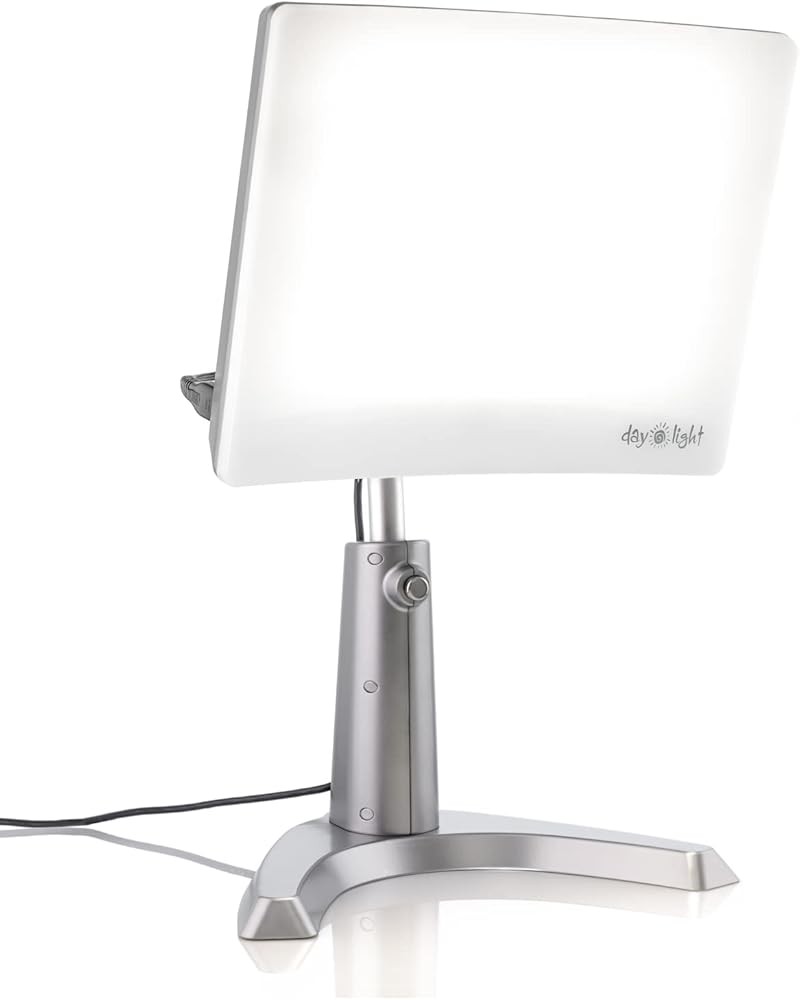
Verilux HappyLight VT10 Bright White Light Therapy Lamp
Check Price on AmazonAs an Amazon Associate we earn from qualifying purchases.
The Verilux HappyLight VT10 provides authentic 10,000 lux output at a budget-friendly price point. The simplified single-button design eliminates unnecessary features while maintaining the clinical intensity required for therapeutic benefit.
At 6 x 9 inches and under one pound, the VT10 offers maximum portability. The compact size suits travelers dealing with seasonal mood changes during winter months, fitting easily in luggage or work bags for consistent use away from home.
The UV-free LED panel delivers the same wavelength spectrum as higher-priced models, targeting the photoreceptive cells responsible for circadian regulation. Research confirms that therapeutic effectiveness depends on lux intensity and exposure duration, not on additional features or settings.
The recommended distance of 16-20 inches accommodates typical desk setups, allowing use during breakfast, morning email review, or other routine activities. The light panel angles for optimal positioning relative to eye level.
Single-setting operation simplifies the morning routine. One button press activates full 10,000 lux output immediately, eliminating decision fatigue about brightness selection. Manual timing works effectively for users with established routines or smartphone timer backup.
This model represents the minimum effective specification for clinical-grade light therapy. While lacking timers, multiple brightness levels, and adjustability features, the core therapeutic function remains intact at approximately half the cost of feature-rich alternatives.
Bottom Line: For budget-conscious buyers, the VT10 provides authentic 10,000 lux therapeutic intensity at approximately $40, making clinical-grade light therapy accessible without unnecessary features. Its compact size and portability suit travelers maintaining treatment consistency during winter months.
3. Circadian Optics Lumine — Best for Desk Use

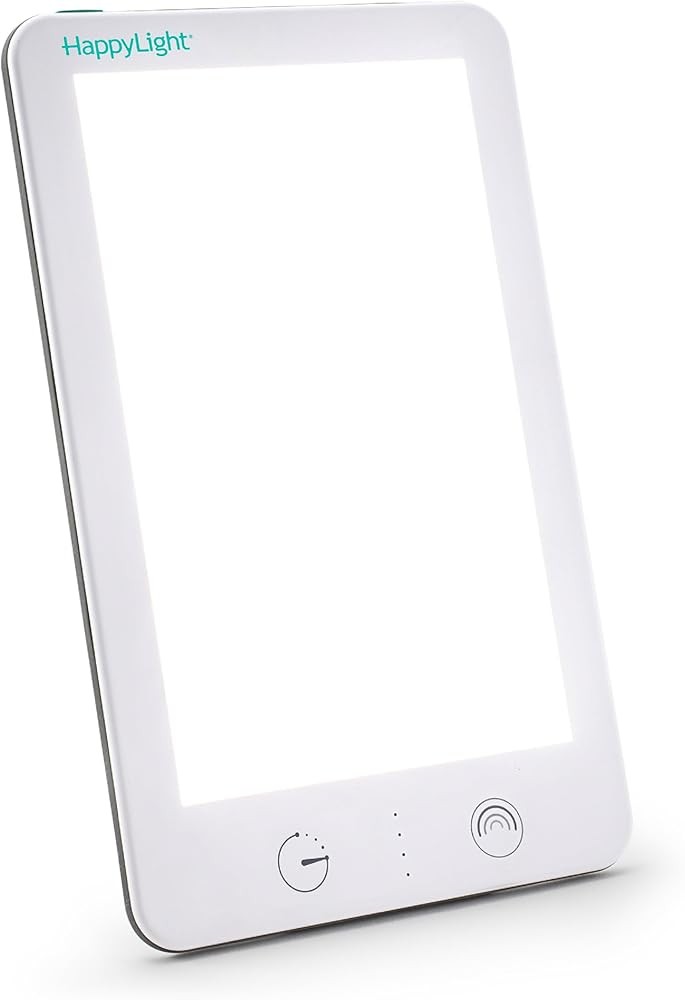
Circadian Optics Lumine Light Therapy Lamp
Check Price on AmazonAs an Amazon Associate we earn from qualifying purchases.
The Circadian Optics Lumine features a vertical orientation that minimizes desk footprint while maximizing effective light surface area. The slim profile (approximately 5 inches wide) fits alongside monitors, paperwork, and other workspace essentials without crowding.
Three brightness settings (3,500, 7,000, and 10,000 lux at specified distances) enable gradual adjustment. Clinical protocols for bipolar depression recommend starting at lower intensity and increasing incrementally to minimize manic switch risk. The Lumine’s settings align with this progressive approach.
The 10,000 lux output occurs at 20-24 inches, a comfortable distance for desk work. Users can position the lamp behind a laptop screen or alongside a keyboard, maintaining therapeutic exposure while completing normal morning computer tasks.
The flicker-free LED technology operates at frequencies imperceptible to human vision, reducing potential eye strain during extended exposure. While therapeutic sessions typically last 20-30 minutes, flicker elimination provides comfort for users who prefer longer durations or who multitask during treatment.
A built-in timer with audio notification supports protocol adherence. The gentle beep after 30 minutes alerts users without requiring clock-watching, particularly useful during busy morning routines when attention divides across multiple tasks.
The adjustable base tilts to direct light at appropriate facial angle regardless of desk height or chair position. Proper positioning ensures light reaches the retinal ganglion cells that project to the suprachiasmatic nucleus, the anatomical target for circadian regulation.
4. Carex Day-Light Classic Plus — Best Clinical-Grade
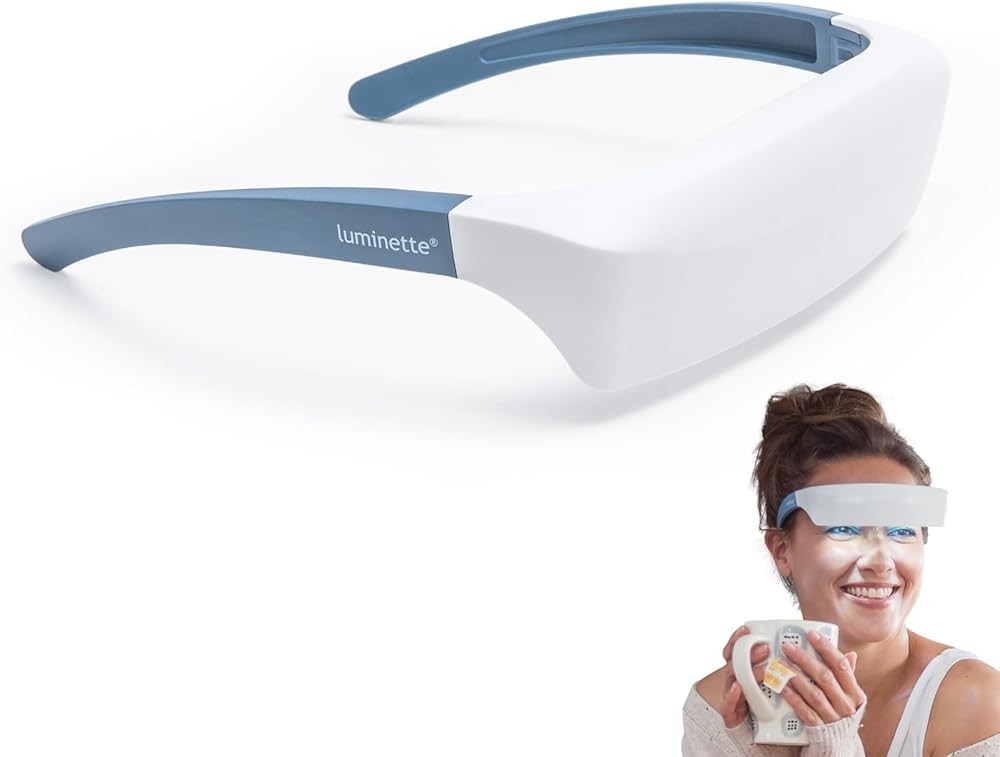
Carex Day-Light Classic Plus Bright Light Therapy Lamp
Check Price on AmazonAs an Amazon Associate we earn from qualifying purchases.
The Carex Day-Light Classic Plus replicates the specifications used in published clinical trials examining light therapy efficacy. At 15 x 17 inches, the large surface area provides even light distribution across the full visual field, matching the protocol parameters that generated the efficacy data.
The lamp delivers 10,000 lux at 12 inches through UV-filtered fluorescent tubes. While fluorescent technology requires periodic bulb replacement (typically every 1-2 years with daily use), it produces the specific wavelength spectrum documented in decades of seasonal affective disorder research.
Height adjustment from 11 to 24 inches accommodates various seating positions and user heights. The angle adjustment feature allows precise positioning to direct light toward the eyes whether seated at a desk, dining table, or comfortable chair.
The glare-free diffuser screen eliminates hot spots and provides comfortable viewing during sessions. Users can read, eat breakfast, or engage in other activities without squinting or eye strain, supporting consistent daily use throughout the treatment period.
Clinical settings including psychiatry practices, research institutions, and sleep medicine centers frequently specify the Day-Light Classic Plus. The design prioritizes therapeutic effectiveness over aesthetic considerations, with durable construction for extended clinical use.
The two-tube configuration provides redundancy. If one tube fails, the remaining tube continues providing partial output until replacement, preventing treatment interruption during winter months when consistent use matters most.
5. Northern Light Technologies Flamingo — Best Floor Model
The Northern Light Technologies Flamingo floor lamp eliminates desk space requirements entirely, providing hands-free 10,000 lux exposure through an adjustable floor stand design. The 12 x 16 inch light panel covers the full face and upper torso area, ensuring adequate light reaches the eyes regardless of seated position.
The gooseneck arm adjusts from 24 to 60 inches in height, accommodating use while seated in desk chairs, recliners, or dining chairs. The flexible positioning allows directing light at optimal downward angle (slightly above eye level) recommended in clinical protocols.
Two brightness modes provide standard 10,000 lux output and a lower intensity option for gradual acclimation. The International Society for Bipolar Disorders guidelines recommend starting at 15 minutes per day for individuals at manic switch risk, with gradual increase by 15-minute increments weekly. The dual-mode design supports this conservative approach.
The weighted base provides stability during positioning adjustments, preventing tip-over risks. The entire unit wheels easily between rooms, allowing morning kitchen use, afternoon office sessions, or evening reading exposure as scheduling demands vary.
UV-free LED technology in a large panel format delivers therapeutic intensity at the 24-inch distance appropriate for comfortable seated positioning. This greater distance (compared to desktop models requiring 12-16 inches) feels less intrusive during use while maintaining clinical effectiveness.
The floor lamp design particularly benefits individuals who engage in activities incompatible with desk-mounted lights, such as yoga, stretching, breakfast preparation, or morning grooming routines. The mobility and positioning flexibility accommodate diverse morning schedules while maintaining consistent therapeutic exposure.
Bottom Line: The Northern Light Technologies Flamingo floor lamp provides hands-free 10,000 lux exposure with adjustable positioning from 24 to 60 inches, ideal for individuals who need mobility and flexibility during morning routines. While the highest-priced option at $200-280, it accommodates diverse activities incompatible with desk-mounted lights.
What Is the Best Time of Day to Use Light Therapy?
Timing of light exposure significantly influences therapeutic response. The circadian pacemaker responds differently to light depending on the phase of the internal biological day, following a phase response curve documented in chronobiology research.
Morning Use (Optimal)
Clinical guidelines from the International Society for Bipolar Disorders specify morning light exposure as the primary recommendation. Morning sessions within 30-60 minutes of waking advance circadian phase, the desired effect for most individuals with seasonal affective disorder.
Morning timing capitalizes on natural cortisol awakening response and melatonin suppression. Light exposure during this window reinforces the circadian signal for wakefulness, potentially improving alertness and energy throughout the day.
The 2019 review in Frontiers in Psychiatry noted that “effects of bright light therapy on mood depend on several factors such as light intensity, wavelength spectrum, illumination duration, time of the day, and individual circadian rhythms.” Morning use aligns with the body’s natural tendency toward wakefulness promotion during this phase.
For individuals with delayed sleep phase (difficulty falling asleep and waking early), morning light proves particularly beneficial. The phase-advancing effect helps shift the entire sleep-wake cycle earlier, improving alignment with conventional schedules.
Mid-Day Alternative
When morning sessions prove impractical due to work schedules, caregiving responsibilities, or other constraints, mid-day exposure (10 AM - 2 PM) provides an acceptable alternative. This timing avoids the phase-delaying effects of evening light while still delivering therapeutic intensity.
Research comparing morning versus mid-day timing shows reduced efficacy for mid-day sessions, but meaningful benefit persists. The Dialogues in Clinical Neuroscience (2025) review noted: “If mornings are prohibitive, then mid-day exposure, implemented to avoid excessively early wake times, is an acceptable alternative.”
Mid-day positioning may suit individuals with naturally advanced sleep phase (falling asleep very early, waking before desired). For these individuals, morning light could advance rhythms further into problematic territory, while mid-day exposure provides mood support without additional phase shift.
Evening Use (Generally Avoided)
Evening light exposure typically delays circadian phase, potentially interfering with sleep onset. For most individuals with seasonal affective disorder, evening use works counter to therapeutic goals by shifting rhythms later rather than promoting earlier or stable timing.
Exceptions exist for shift workers, individuals with advanced sleep phase disorder, or those experiencing evening mood deterioration. In these specific cases, evening light exposure might provide benefit, but such use should occur under professional guidance due to sleep disruption risks.
The phase response curve shows maximum delay response to light exposure 2-4 hours before habitual sleep onset. Light exposure during this window suppresses melatonin secretion and signals the circadian system to remain in wake mode, potentially creating or worsening insomnia.
Individual Rhythm Considerations
Chronotype influences optimal timing. Morning chronotypes (“larks”) naturally wake early and feel alert in morning hours, while evening chronotypes (“owls”) prefer later sleep and wake times with peak alertness occurring in afternoon or evening.
A 2002 study in Journal of Biological Rhythms examined circadian pacemaker characteristics in seasonal affective disorder patients using forced desynchrony protocols. The research found individual variation in period length and phase preferences, suggesting that standardized timing may require adjustment based on personal circadian characteristics.
Morningness-eveningness questionnaires can help identify chronotype, informing decisions about optimal light therapy timing. Evening-type individuals may benefit from slightly later morning sessions (8-9 AM rather than immediately upon waking), while morning-type individuals may respond best to immediate post-wake exposure.
Geographic latitude influences both seasonal affective disorder prevalence and optimal light therapy timing. Populations living above 40 degrees latitude experience more pronounced seasonal daylight variation, with winter day length shortening to 8-9 hours compared to 14-15 hours in summer. This dramatic shift creates larger circadian disruptions requiring more aggressive light therapy intervention. Individuals at northern latitudes may benefit from initiating treatment in early October before symptoms fully develop, continuing through March or early April as natural daylight extends.
The relationship between latitude and seasonal mood changes has been documented in epidemiological studies. Research shows seasonal affective disorder affects approximately 1% of Florida residents (latitude 25-30°N) compared to 9-10% in Alaska and northern Canada (latitude 60-70°N). This gradient supports the biological mechanism linking light exposure to mood regulation. However, individual vulnerability varies substantially, with some people developing significant symptoms even at moderate latitudes while others at extreme northern locations experience minimal seasonal changes.
How Long Should Each Light Therapy Session Last?
Standard protocols recommend 20-30 minutes of daily exposure at 10,000 lux. This duration emerged from dose-response studies comparing various intensities and exposure times for efficacy and practical adherence.
Standard 30-Minute Protocol
The most commonly validated protocol specifies 30 minutes daily at 10,000 lux, typically in morning hours. This duration proved effective across multiple trials examining seasonal affective disorder, with response rates of 50-60% in meta-analyses.
Users should position themselves at the distance specified for 10,000 lux output (typically 12-24 inches depending on lamp model). Light must reach the eyes, but direct staring is unnecessary and may cause eye strain. Most individuals read, eat breakfast, check email, or engage in other stationary activities during sessions.
The photoreceptive cells mediating circadian effects (melanopsin-containing intrinsically photosensitive retinal ganglion cells) integrate light exposure over the session duration. Brief glances away from the light or eye blinks don’t substantially reduce therapeutic benefit, allowing natural eye movement during typical morning activities.
Progressive Approach for Bipolar Disorder
Clinical recommendations for bipolar depression specify a more conservative initiation protocol. The 2025 Dialogues in Clinical Neuroscience guidelines state: “Patients wary of emergent hypomania or partial responders can initiate 15 min/day and increase by 15 min each week to full response (or 30-60 min/day by the fourth week).”
This gradual escalation minimizes manic switch risk while allowing monitoring for early hypomanic symptoms. Starting at 15 minutes provides partial therapeutic exposure while limiting the intensity of circadian phase shift that might trigger mood destabilization.
Weekly increases of 15 minutes create a 4-week titration schedule: Week 1 (15 minutes), Week 2 (30 minutes), Week 3 (45 minutes), Week 4 (60 minutes). Most individuals achieve adequate response at 30 minutes, but extending to 45-60 minutes may benefit partial responders.
Mood stabilizer coverage is essential when using light therapy for bipolar depression. Lithium, valproate, or other mood stabilizers should be optimized before initiating light therapy, and prescribing physicians should monitor closely during the first 2-4 weeks for signs of manic activation.
Extended Protocols for Lower Intensity
When 10,000 lux lamps prove unavailable or intolerable, lower intensity options exist with extended duration. A 2,500 lux lamp requires approximately 120 minutes (2 hours) of daily exposure to achieve equivalent therapeutic effect.
The inverse relationship between intensity and duration follows from the total photon exposure principle. Delivering adequate light to stimulate circadian mechanisms requires either high intensity for shorter duration or lower intensity for extended periods.
Practical adherence often favors the 10,000 lux / 30-minute protocol over lower intensity alternatives. Maintaining 2-hour daily sessions proves challenging for many individuals with work, family, or other morning obligations. The compact time requirement of high-intensity lamps improves long-term consistency.
Maintenance Therapy
After achieving response or remission, continuing light therapy throughout winter months helps maintain benefits. Discontinuation often leads to symptom recurrence within days to weeks, particularly while shortened daylight hours persist.
Daily maintenance sessions of 15-30 minutes may suffice after initial treatment establishes response. Some individuals successfully transition to every-other-day schedules, though daily use shows more consistent maintenance in published trials.
The duration of maintenance therapy typically spans the full period of seasonal vulnerability. For most individuals in northern latitudes, this extends from October through March or April. Gradual tapering as spring daylight increases helps transition to natural light exposure while minimizing relapse risk.
Some individuals experiment with extending session duration beyond the standard 30 minutes when response proves incomplete. While research supports 30 minutes at 10,000 lux as the evidence-based protocol, extending to 45-60 minutes may provide additional benefit for partial responders. This extension should occur gradually, monitoring for side effects including headache, agitation, or sleep disruption. Exceeding 60 minutes rarely produces further improvement and increases risk of adverse effects without clear therapeutic gain.
The concept of “dose response” in light therapy differs from pharmaceutical interventions. Unlike medications where higher doses often produce proportionally greater effects, light therapy demonstrates a threshold response. Achieving adequate intensity (10,000 lux) and duration (20-30 minutes) triggers the biological mechanisms; modest increases beyond this point offer diminishing returns. The focus should remain on consistency of daily use and optimal timing rather than pursuing ever-longer exposure sessions.
What Are the Safety Considerations and Side Effects of Light Therapy?
Light therapy demonstrates favorable safety compared to pharmacological interventions, but specific precautions and potential adverse effects warrant attention.
Common Mild Side Effects
The most frequently reported side effects include headache, eye strain, nausea, and agitation. These effects typically prove mild, transient, and resolve within days as users acclimate to treatment.
Headache occurs in approximately 15-20% of users, usually in the first few days of treatment. Starting at lower brightness settings and gradually increasing intensity may reduce headache frequency. Ensuring adequate hydration and taking brief breaks during sessions also helps.
Eye strain manifests as tired eyes, difficulty focusing, or mild burning sensation. Positioning the lamp at appropriate distance (not too close), avoiding direct staring at the light source, and taking periodic eye breaks minimizes strain. If symptoms persist beyond the first week, reducing session duration or consulting an eye care provider is advisable.
Nausea affects a small percentage of users, typically resolving after the first few sessions. Taking light therapy after eating breakfast rather than on an empty stomach may reduce gastrointestinal discomfort. If nausea persists, reducing session duration and gradually building back to full 30 minutes often proves effective.
Agitation or hyperactivation can indicate excessive circadian stimulation. These symptoms may predict favorable antidepressant response but require monitoring. If agitation becomes problematic, reducing session duration or shifting timing later in the morning may help.
Sleep changes represent another common adjustment during initial light therapy use. Some individuals experience earlier sleep onset times as circadian rhythms advance in response to morning light exposure. This effect, while potentially beneficial for those with delayed sleep patterns, may prove disruptive for individuals already maintaining early sleep schedules. If problematic sleepiness occurs in early evening, shifting light therapy 30-60 minutes later in the morning may reduce the phase-advancing effect while maintaining mood benefits.
Conversely, some users report initial sleep difficulties despite morning light exposure. This paradoxical response may reflect increased arousal or anxiety about treatment, or individual variation in circadian sensitivity. Monitoring sleep patterns during the first two weeks helps identify whether light therapy enhances or disrupts sleep continuity. Adjusting timing, duration, or intensity based on individual sleep response optimizes overall treatment tolerability.
Manic Switch Risk in Bipolar Disorder
Individuals with bipolar disorder face risk of switching into hypomanic or manic episodes when using light therapy. This risk appears highest in bipolar I disorder, with somewhat lower incidence in bipolar II.
The 2019 Frontiers in Psychiatry review emphasized: “The antidepressant action of bright light therapy is fast (within 1-week) and safe, with the need in BD to protect against manic switch with mood stabilizers.”
Protective measures include:
- Mood stabilizer optimization before initiating light therapy
- Starting with shorter duration (15 minutes) and gradual increase
- Avoiding excessively early morning timing
- Close monitoring for hypomanic symptoms (decreased need for sleep, increased energy, elevated or irritable mood, racing thoughts, increased goal-directed activity)
- Immediate discontinuation if hypomanic symptoms emerge
Patients with rapid cycling bipolar disorder or history of antidepressant-induced mania warrant particular caution. Some clinicians recommend avoiding light therapy entirely in these high-risk subgroups, while others advocate for very gradual introduction under close supervision.
Ophthalmologic Considerations
While UV-free light therapy lamps eliminate ultraviolet-related eye risks, individuals with certain eye conditions should consult ophthalmologists before beginning treatment.
Macular degeneration, diabetic retinopathy, or other retinal disorders may increase sensitivity to bright light exposure. While no evidence suggests light therapy worsens these conditions when using UV-free lamps at recommended distances and durations, professional evaluation provides individualized risk assessment.
Photosensitizing medications including certain antibiotics (tetracyclines, fluoroquinolones), NSAIDs, and some psychiatric medications increase light sensitivity. Review medication profiles with prescribing physicians to identify potential photosensitivity concerns.
Individuals should discontinue use and seek medical evaluation if they experience persistent eye pain, vision changes, seeing halos around lights, or other unusual visual symptoms during or after light therapy sessions.
Skin Considerations
UV-free lamps eliminate the primary mechanism of light-induced skin damage, but individuals on photosensitizing medications or with lupus, porphyria, or other photosensitive skin conditions should exercise caution.
Distance of 12-24 inches reduces light intensity at skin level compared to retinal exposure, minimizing skin effects. The brief 20-30 minute exposure duration further limits skin impact relative to outdoor summer sun exposure.
No evidence suggests light therapy contributes to skin aging or skin cancer risk when using UV-filtered lamps. The visible light spectrum lacks the wavelengths responsible for DNA damage and photocarcinogenesis.
Contraindications
Absolute contraindications to light therapy remain limited. Individuals should avoid light therapy or use only under specialized supervision in these situations:
- Active manic episode (wait for mood stabilization)
- Severe photophobia (extreme light sensitivity)
- Conditions requiring light avoidance (certain forms of lupus, porphyria cutanea tarda)
- Medications causing severe photosensitivity reactions
- Recent eye surgery or active eye infection
Relative contraindications requiring professional consultation include bipolar I disorder (especially with rapid cycling), history of antidepressant-induced mania, retinal conditions, and pregnancy (limited safety data, though no known harm).
What Other Strategies Can Support Seasonal Mood Besides Light Therapy?
Light therapy provides one component of comprehensive seasonal affective disorder management. Several complementary approaches may enhance therapeutic response and overall winter well-being.
Sleep Schedule Consistency
Maintaining regular sleep-wake timing reinforces circadian stability. The 2003 review in Dialogues in Clinical Neuroscience emphasized “the important role of zeitgebers to stabilize phase, light being the most important, but dark (and rest) periods, regularity of social schedules and meal times” also contribute.
Going to bed and waking at consistent times seven days per week strengthens circadian rhythms. Weekend schedule deviations (social jet lag) can destabilize mood and energy regulation achieved through weekday light therapy.
Protecting sleep opportunity proves essential. Light therapy advances circadian phase, potentially creating earlier sleep onset. Ensuring adequate time in bed (typically 7-9 hours for adults) helps avoid sleep restriction that could undermine mood benefits.
Darkness and Evening Routine
While morning light advances circadian phase, evening darkness and dim lighting support healthy rhythms. Bright light exposure in the 2-3 hours before bed suppresses melatonin secretion and delays sleep onset.
Dimming household lighting in evening hours, using warm-colored bulbs (avoiding blue-enriched white LEDs), and limiting screen exposure before bed reinforces the light-dark contrast that entrains robust circadian rhythms.
Some individuals with bipolar disorder benefit from “dark therapy” – extended darkness periods (10-14 hours) during acute mania. While not standard for seasonal affective disorder, the principle illustrates darkness’s therapeutic potential for circadian regulation.
Blue-enriched white light from electronic devices (smartphones, tablets, computers) suppresses melatonin more potently than warm-toned incandescent bulbs. Many devices now include “night shift” or “blue light filter” modes that reduce blue wavelength emission in evening hours. Activating these features 2-3 hours before bed supports melatonin secretion and sleep onset. Some individuals use amber-tinted blue-blocking glasses in the evening for similar circadian protection, though evidence for their effectiveness remains mixed compared to simply dimming overall light exposure.
Physical Activity
Regular exercise demonstrates antidepressant effects comparable to medication in multiple trials. Research indicates that physical activity influences circadian timing through metabolic oscillators linked to movement and energy expenditure.
Morning or midday outdoor activity combines light exposure with exercise benefits. Even 20-30 minutes of outdoor walking during lunch hours provides supplemental light exposure (though at lower intensity than therapy lamps) while delivering cardiovascular and metabolic benefits.
Consistency of exercise timing may enhance circadian stabilization. The circadian system responds to regularly timed physical activity as a secondary zeitgeber (time cue), potentially reinforcing the phase-setting effects of light therapy.
Nutritional Considerations
Winter often brings increased carbohydrate cravings and appetite changes associated with seasonal affective disorder. While light therapy addresses circadian mechanisms, nutritional approaches may support overall mood regulation.
Omega-3 fatty acids (EPA and DHA from fish oil) show modest antidepressant effects in several trials. Vitamin D supplementation addresses the widespread insufficiency during winter months at northern latitudes, though evidence for mood benefits remains mixed.
Consistent meal timing serves as another circadian zeitgeber. Eating breakfast shortly after waking and maintaining regular lunch and dinner schedules may reinforce the circadian stability promoted by timed light exposure.
The gut microbiome exhibits circadian rhythmicity influenced by feeding-fasting cycles. Disrupted eating patterns may contribute to circadian instability beyond their direct metabolic effects. While research examining microbiome-mood connections in seasonal affective disorder remains preliminary, the principle of supporting biological rhythms through regular meal timing aligns with broader chronobiological interventions. Combining consistent light exposure, sleep schedules, and eating patterns creates reinforcing signals that strengthen overall circadian function.
Time-restricted eating, where food consumption occurs within a consistent 8-12 hour daily window, may enhance circadian rhythm stability. This approach differs from intermittent fasting protocols focused on caloric restriction; instead, it emphasizes temporal consistency. For individuals using morning light therapy, establishing a breakfast-to-dinner eating window that aligns with the advanced circadian phase may optimize metabolic and mood benefits. However, this strategy requires individual experimentation and should not override hunger signals or create disordered eating patterns.
Medication Compatibility
Light therapy combines safely with most antidepressant medications. The 2005 CNS Spectrums review noted: “Importantly, light therapy provides a compatible adjunct to antidepressant medication, which can result in accelerated improvement and fewer residual symptoms.”
The combination approach may prove particularly valuable for partial responders to either treatment alone. Light therapy’s rapid onset (1-2 weeks) may provide early relief while waiting for medication to reach full effect (4-6 weeks).
SSRIs, SNRIs, bupropion, and other antidepressants show no adverse interactions with light therapy. Combining treatments requires monitoring by prescribing physicians, but the strategy aligns with evidence-based augmentation approaches.
For individuals with bipolar disorder already taking mood stabilizers, light therapy provides antidepressant benefit while mood stabilizers protect against manic switch. This combined approach follows clinical guidelines for bipolar depression management.
How Does Light Therapy Compare to Antidepressants and Other Treatments?
Understanding light therapy’s position among treatment options helps inform decision-making about seasonal mood management.
Light Therapy vs. Antidepressant Medication
Direct comparison trials show similar efficacy between light therapy and fluoxetine (Prozac) for seasonal affective disorder. A frequently cited study found response rates of approximately 67% for light therapy and 40% for fluoxetine at 8 weeks, though methodology differences across trials create variability in comparative estimates.
Light therapy demonstrates faster onset, typically producing initial response within 1-2 weeks versus 4-6 weeks for most antidepressants. This rapid action provides advantage for acute symptom relief and may improve early treatment adherence.
Side effect profiles differ substantially. Light therapy’s mild, transient effects (headache, eye strain, nausea) contrast with antidepressant side effects including sexual dysfunction, weight gain, and gastrointestinal symptoms that may persist throughout treatment.
Cost considerations favor light therapy over extended periods. Initial lamp purchase ($40-280) compares to ongoing medication costs ($10-200 monthly depending on drug and insurance). Over multiple winter seasons, light therapy proves more economical.
Antidepressants may prove necessary for individuals who don’t respond adequately to light therapy, have severe symptoms requiring rapid comprehensive treatment, or prefer medication to daily light sessions. The options are not mutually exclusive – combination approaches are common and well-supported.
Light Therapy vs. Cognitive Behavioral Therapy
Cognitive behavioral therapy specifically adapted for seasonal affective disorder (CBT-SAD) shows promise in recent trials. The approach targets seasonal thought patterns, behavioral activation during winter months, and modification of winter-specific avoidance behaviors.
A 2015 randomized trial comparing CBT-SAD to light therapy found similar acute response rates (approximately 50% for both treatments) but superior relapse prevention for CBT-SAD across two subsequent winters. These results suggest different trajectories – light therapy provides immediate benefit requiring continuation, while CBT creates skills supporting long-term resilience.
Practical considerations include access and cost. CBT-SAD requires trained therapists (often limited availability) and involves 12-week treatment protocols with weekly sessions. Light therapy is immediately accessible through consumer purchase, requires no appointments, and integrates into daily routines.
Combined approaches might optimize outcomes – light therapy for acute symptom management and circadian regulation, with CBT-SAD developing cognitive and behavioral skills for long-term seasonal coping. Research examining this combination strategy is limited but conceptually sound.
The behavioral activation component of CBT-SAD deserves particular attention. Seasonal depression often triggers withdrawal from previously enjoyed activities, reduced social engagement, and increased indoor sedentary time. This behavioral response, while understandable, creates a self-reinforcing cycle that worsens mood and reduces natural light exposure. CBT-SAD specifically targets these patterns, encouraging maintained activity levels, outdoor time when possible, and social connection despite low motivation.
Cognitive restructuring in CBT-SAD addresses seasonal-specific thought patterns. Many individuals with seasonal affective disorder develop anticipatory anxiety in late summer or early fall, dreading the approaching winter months. This cognitive pattern may trigger symptom onset before actual daylight reduction occurs. CBT techniques challenge catastrophic thinking about winter, help develop coping strategies for managing predictable seasonal challenges, and reframe winter as a manageable season rather than an insurmountable obstacle. These skills persist across multiple winters, potentially explaining the superior long-term outcomes compared to light therapy alone.
Light Therapy vs. Vitamin D Supplementation
Popular perception often conflates light therapy with vitamin D supplementation, but these interventions operate through distinct mechanisms. Light therapy influences circadian regulation and neurotransmitter systems through retinal pathways, while vitamin D functions as a hormone affecting gene expression, calcium metabolism, and potentially mood regulation.
Clinical trials of vitamin D for seasonal affective disorder show inconsistent results. Some studies suggest modest benefit for individuals with documented deficiency, while others find no advantage over placebo. The evidence base for light therapy proves substantially stronger and more consistent.
Vitamin D supplementation addresses the widespread insufficiency during winter months at northern latitudes (above 35° latitude). While mood benefits remain uncertain, vitamin D supports bone health, immune function, and other physiological processes, making supplementation reasonable for many individuals regardless of direct mood effects. A 2015 review in Journal of Affective Disorders examined the relationship between bipolar disorder and circadian cycles, finding that light therapy represents one of several chronobiological interventions that can help stabilize mood through circadian regulation.
Light therapy lamps do not stimulate vitamin D synthesis. The UV-B wavelengths required for cutaneous vitamin D production are specifically filtered from therapeutic lamps to eliminate skin and eye risks. Individuals using light therapy should consider vitamin D supplementation or dietary sources independently.
The relationship between vitamin D status and seasonal mood changes remains an area of ongoing investigation. Vitamin D receptors exist throughout the brain, including regions involved in mood regulation such as the hippocampus and prefrontal cortex. Some studies suggest vitamin D supplementation may provide modest mood benefits, particularly for individuals with documented deficiency (serum 25-hydroxyvitamin D below 20 ng/mL). However, meta-analyses have not confirmed consistent antidepressant effects in non-deficient populations.
Winter sunlight at latitudes above 35 degrees contains insufficient UV-B intensity for adequate vitamin D synthesis regardless of outdoor exposure duration. The angle of sunlight during November through February does not allow UV-B wavelengths to penetrate the atmosphere effectively. This seasonal vitamin D insufficiency affects most residents of northern regions, making supplementation or dietary intake the only reliable winter sources. Recommended intake ranges from 1,000-2,000 IU daily for adults, though individual needs vary based on body weight, baseline status, and absorption factors.
Combining light therapy for mood and circadian support with vitamin D supplementation for skeletal and immune health creates a comprehensive approach to winter wellness. While the mechanisms differ substantially, both interventions address distinct aspects of seasonal challenges. Testing serum vitamin D levels in late fall helps identify individuals requiring higher supplementation doses to maintain optimal status throughout winter months.
Frequently Asked Questions
How long should I use a light therapy lamp each day for seasonal depression?
Research shows that 20-30 minutes per day at 10,000 lux is the standard protocol. Clinical studies recommend morning use within 30-60 minutes of waking for optimal circadian rhythm support. Some individuals may benefit from starting with 15 minutes and gradually increasing to 30-60 minutes over 4 weeks. Response typically occurs within 1-2 weeks, with full effects by 4-6 weeks.
What distance should I sit from a 10,000 lux light therapy lamp?
The distance depends on the lamp’s specifications, but most 10,000 lux lamps require sitting 16-24 inches away to receive the full intensity. Check your specific lamp’s manual, as sitting too far reduces effectiveness while sitting too close doesn’t increase benefits. Your eyes should be at or slightly below lamp level, and you don’t need to stare directly at the light.
Are UV-free light therapy lamps as effective as full-spectrum lamps?
Yes, UV-free white light therapy lamps at 10,000 lux are equally effective and safer than full-spectrum lamps with UV. Research confirms that the therapeutic benefit comes from visible light intensity, not UV exposure. UV-free lamps eliminate risks of eye damage and skin aging while providing the same mood support benefits.
Can I use a light therapy lamp in the evening?
Evening use is not recommended for most people with seasonal affective disorder. Morning light exposure (within 1-2 hours of waking) helps advance your circadian rhythm and improve mood. Evening light can delay your internal clock and potentially disrupt sleep. If mornings are not possible, mid-day exposure is an acceptable alternative.
How soon can I expect results from light therapy for seasonal depression?
Clinical studies show that most people notice initial improvements within 1-2 weeks of consistent daily use. Full response or remission typically occurs by 4-6 weeks. Individual response varies based on timing of use, consistency, and circadian rhythm factors. If no improvement occurs after 4 weeks, consult a healthcare provider about adjusting timing or duration.
Can light therapy lamps trigger mania in people with bipolar disorder?
Yes, bright light therapy may trigger hypomanic or manic episodes in people with bipolar disorder, especially bipolar I. Clinical guidelines recommend mood stabilizer protection and close monitoring when using light therapy for bipolar depression. Start with shorter sessions (15 minutes) and avoid overly early morning use. Always consult a psychiatrist before starting light therapy if you have bipolar disorder.
Do I need to look directly at the light therapy lamp?
No, you should not stare directly at the lamp. Position the light at eye level or slightly above, at the recommended distance, and let the light reach your eyes indirectly while you read, work, or eat breakfast. The photoreceptors in your retina will receive adequate light exposure without direct staring, which can cause eye strain.
Can I use a light therapy lamp while taking antidepressant medication?
Yes, light therapy can be safely combined with antidepressant medications and may provide complementary benefits. Research shows that combining light therapy with SSRIs or other antidepressants may result in faster improvement and fewer residual symptoms. However, always inform your prescribing physician when adding light therapy to your treatment plan.
Light therapy works through several distinct mechanisms depending on the wavelength and intensity used, which is why bright light boxes for seasonal depression operate on a completely different principle than the red and near-infrared panels covered in our guide to LED light therapy colors. For those specifically shopping for mood-related SAD relief, our roundup of the best light therapy lamps for SAD compares lux output, surface area, and clinical evidence side by side. If you’re curious about the broader science of how morning light exposure recalibrates your internal clock, the article on resetting your circadian rhythm naturally explains the underlying biology. Readers interested in red-light applications beyond mood — such as collagen production and skin aging — may also want to explore our evidence review on red light therapy benefits.
If you’re exploring light therapy beyond seasonal depression, our guide to resetting your circadian rhythm naturally explains how the same bright-light principles apply to sleep-wake cycles, while those curious about different wavelengths can learn how LED colors like red, blue, and near-infrared each target specific skin benefits. For a broader look at red light therapy applications, see the evidence-based breakdown of red light therapy benefits and collagen production, or read what clinical studies actually show about red light therapy for wrinkles. Pet owners may also find it interesting that similar photobiomodulation principles are being studied for joint and pain relief in senior dogs.
Related Reading
Recommended Products