8 Best Magnesium Supplements: Glycinate, Threonate & Citrate
Summarized from peer-reviewed research indexed in PubMed. See citations below.
Nearly half of Americans don’t meet the recommended dietary allowance for magnesium, with NHANES data showing widespread inadequate intake linked to muscle cramps, poor sleep, anxiety, and increased cardiovascular risk. Doctor’s Best High Absorption Magnesium Glycinate delivers 200mg of elemental magnesium in the chelated glycinate form with 80-90% bioavailability at just $0.12 per serving. Research from multiple studies shows magnesium glycinate is superior to oxide forms due to better absorption and minimal GI side effects, making it ideal for correcting deficiency. For budget-conscious buyers, NOW Foods Magnesium Glycinate offers 200mg at approximately $0.09 per serving with similar bioavailability. Here’s what the published research shows about selecting the best magnesium supplement for your needs.
Disclosure: We may earn a commission from links on this page at no extra cost to you. Affiliate relationships never influence our ratings. Full policy →

Magnesium is one of the most important — and most commonly deficient — minerals. It’s involved in over 300 enzymatic reactions, including muscle function, nerve signaling, energy production, and sleep regulation. PubMed Surveys consistently show that roughly half of Americans don’t meet the recommended daily intake from food alone.
| Feature | Doctor’s Best Glycinate | Pure Encapsulations Glycinate | Life Extension Threonate | Natural Vitality CALM | BiOptimizers Breakthrough |
|---|---|---|---|---|---|
| Form | Magnesium Glycinate | Magnesium Glycinate | Magnesium L-Threonate | Magnesium Citrate | 7-Form Blend |
| Elemental Mg | 200mg | 120mg | 144mg | 325mg | 500mg (blend) |
| Bioavailability | 80-90% | 80-90% | High (brain-specific) | 30-40% | Unknown (proprietary) |
| Cost/Serving | $0.12 | $0.24 | $0.70 | $0.20 | $0.67 |
| Best For | General use, value | Sensitive individuals | Cognitive support | Powder preference | Multi-form interest |
| Third-Party Testing | Yes (Albion TRAACS) | Yes (NSF) | Yes | Yes (USP Verified) | Limited disclosure |
| GI Tolerance | Excellent | Excellent | Excellent | Moderate (laxative effect) | Good |
| Capsules/Serving | 2 tablets | 3 capsules | 3 capsules | 2 tsp powder | 4 capsules |
!Top-rated magnesium supplements bottles with third-party testing and quality certifications
The problem? There are a dozen different forms of Mg on the market, wildly different price points, and a lot of confusing marketing. We analyzed over 30 products and reviewed published research on bioavailability, clinical outcomes, and safety to identify the supplements actually worth your money.
The widespread nature of Mg inadequacy is driven by several converging factors. Modern agricultural practices have depleted soil magnesium content over the past century, meaning even whole foods contain less magnesium than they once did. Water treatment processes remove magnesium from drinking water. And the standard American diet, heavy on processed foods and light on magnesium-rich whole grains, nuts, seeds, and leafy greens, compounds the problem. Certain medications — including proton pump inhibitors (PPIs), diuretics, and some antibiotics — further deplete magnesium. The result is that subclinical deficiency is widespread even among health-conscious individuals.
Watch Our Video Review
Best Overall: Doctor’s Best High Absorption Magnesium Glycinate
Doctor's Best High Absorption Magnesium Glycinate
Check Price on AmazonAs an Amazon Associate we earn from qualifying purchases.
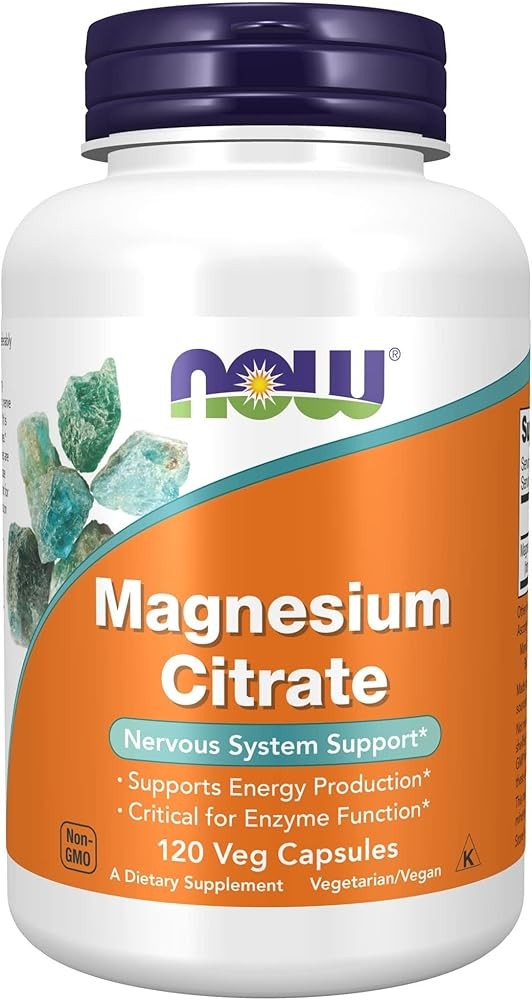
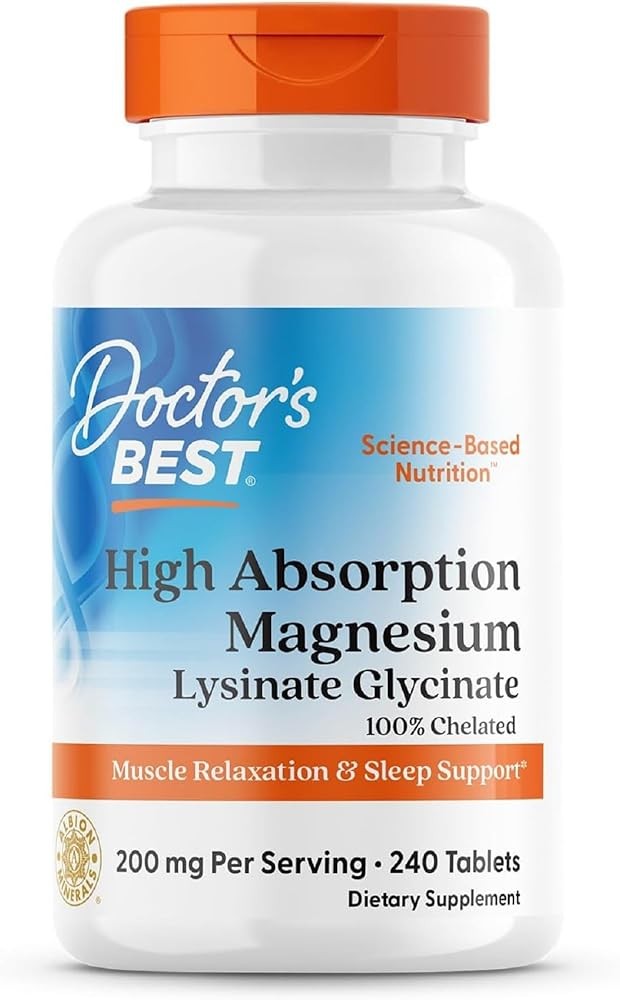
Doctor’s Best has been a staple in the magnesium supplement space for years, and for good reason. Their chelated magnesium glycinate delivers 200mg of elemental magnesium per serving with excellent bioavailability.
The chelated form means the mineral is bound to the amino acid glycine, which dramatically improves intestinal absorption rates compared to cheaper inorganic forms like magnesium oxide that rely solely on passive diffusion mechanisms. It’s also far less likely to cause the digestive issues (diarrhea, cramping, and osmotic intestinal effects) that commonly plague citrate and oxide forms at therapeutic dosages.
The chelation process deserves a brief explanation, because it is central to why this product works so well. In a chelated mineral, the mineral ion is bound within an amino acid structure (in this case, glycine and lysine). This organic complex is recognized by amino acid transporters in the small intestine, allowing the mineral to “piggyback” on active protein absorption pathways rather than relying solely on passive diffusion or the mineral-specific channels that can become saturated. This mechanism is why chelated magnesium maintains good absorption even at higher doses, whereas absorption of ionic forms (like oxide) drops off steeply as the dose increases.
At roughly $0.12 per serving, this is hard to beat. You’re getting a well-absorbed, well-tolerated supplement for less than the cost of a stick of gum. The product is third-party tested, and Doctor’s Best has a solid track record for quality.
The downsides are minor: the tablets are fairly large, and you need two per serving to hit 200mg. If you struggle with large pills, consider the Pure Encapsulations capsules instead.
Best Premium: Pure Encapsulations Magnesium Glycinate
Pure Encapsulations is a practitioner-grade brand that takes “clean formulation” to the extreme. Their magnesium glycinate contains no wheat, eggs, tree nuts, peanuts, gluten, artificial sweeteners, colors, or coatings. If you have sensitivities or multiple allergies, this is the safest pick.
The tradeoff is a lower dose per capsule — just 120mg elemental magnesium — meaning you’ll need 2-3 capsules daily for a therapeutic dose. And it’s roughly twice the per-serving cost of Doctor’s Best.
But for the subset of people who react to binders, fillers, or trace allergens in other supplements, Pure Encapsulations is worth every penny. The capsules are also noticeably smaller, which is a real advantage if you hate swallowing tablets.
Pure Encapsulations is owned by Nestle Health Science and manufactures in a cGMP-certified facility in Sudbury, Massachusetts. Their testing protocols exceed FDA requirements, with each product undergoing in-house and third-party verification for identity, potency, purity, and contaminants including heavy metals and microbial counts. This level of quality control is reflected in the brand’s popularity among functional medicine doctors and naturopathic physicians, who frequently recommend Pure Encapsulations products to patients with complex health needs.
Best for Brain Health: Life Extension Neuro-Mag (L-Threonate)
Magnesium L-threonate is in a class of its own. Developed at MIT, this patented form (sold as Magtein) is the only type of Mg with published research showing it can increase Mg levels in the brain by crossing the blood-brain barrier.
A 2010 study in Neuron found that magnesium threonate enhanced learning and memory in both young and aged rats. Human studies have followed, with a 2016 trial in the Journal of Alzheimer’s Disease showing improved cognitive function in older adults with cognitive impairment.
The mechanism behind threonate’s brain-specific benefits involves its unique ability to upregulate NMDA receptor signaling in the hippocampus, the brain region most associated with learning and memory formation. Increased brain Mg concentrations enhance synaptic density — the number and strength of connections between neurons — which is a physical correlate of improved cognitive function. Other magnesium forms, despite being well-absorbed systemically, do not meaningfully raise cerebrospinal fluid Mg levels, making threonate genuinely unique in this regard.
Life Extension’s Neuro-Mag delivers the full clinically studied dose of 2000mg Magtein (144mg elemental magnesium) per three-capsule serving. This is important — many competitors under-dose threonate to cut costs.
The downsides: it’s the most expensive option on this list, the elemental magnesium content is lower than other forms (so it’s not ideal as your sole magnesium source), and you need three capsules per serving.
Best Powder: Natural Vitality CALM
Natural Vitality Calm Magnesium
Check Price on AmazonAs an Amazon Associate we earn from qualifying purchases.
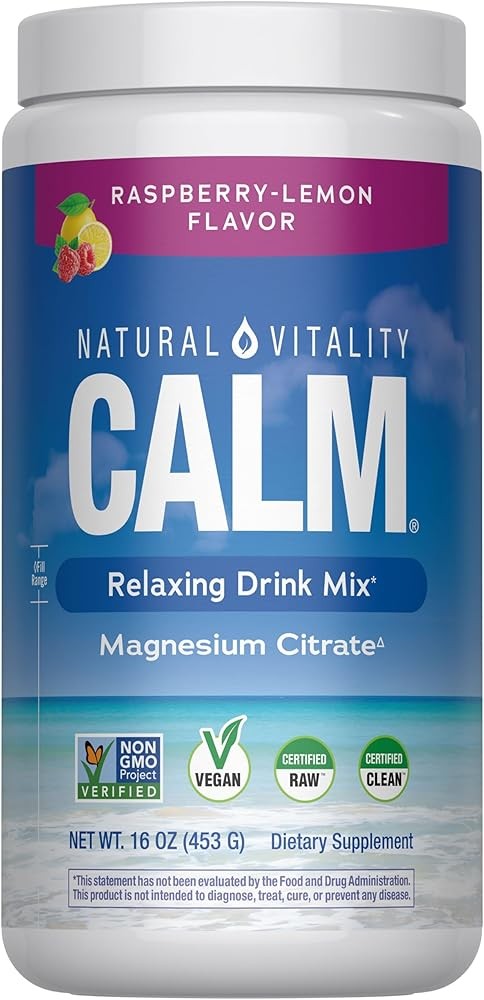
If you hate swallowing pills, CALM is the answer. This magnesium citrate powder dissolves in water, comes in several flavors (unflavored, raspberry lemon, cherry, and more), and delivers a generous 325mg of elemental magnesium per serving.
Natural Vitality CALM is also one of the few magnesium supplements that’s USP Verified — meaning an independent lab has confirmed that it contains what the label claims, dissolves properly, and was made under good manufacturing practices. That’s a meaningful quality signal.
The powder format offers a secondary benefit beyond pill avoidance: you can easily titrate your dose. Start with half a teaspoon and gradually increase to the full serving size over a week or two. This gradual ramp-up is particularly helpful with magnesium citrate, which can cause GI effects at full dose if your body is not accustomed to it. Many users find that starting low and building up allows them to reach the full serving without any digestive issues.
The main caveat with citrate: it has an osmotic effect in the intestines. At higher doses, it can cause loose stools. This is actually desirable for some people (it doubles as a gentle constipation approach), but if you have a sensitive stomach, start with half a serving and work up.
Worth Considering: BiOptimizers Magnesium Breakthrough
BiOptimizers takes a different approach: instead of focusing on one form, Magnesium Breakthrough includes seven — glycinate, taurate, malate, orotate, citrate, chelate, and sucrosomial. The theory is that different forms serve different functions, and a blend provides broader benefits.
There’s some logic to this, but also a big problem: it’s a proprietary blend. You get 500mg total, but there’s no way to know how much of each form you’re actually getting. For all we know, it could be 490mg of the cheapest form and 10mg of everything else.
The marketing around this product leans heavily on the idea that “all seven forms” work synergistically, but there is no published research on this specific combination of forms at these specific ratios. Each individual form has its own body of evidence, but the assumption that combining them in unknown proportions provides superior results is speculative. The inclusion of Mg orotate and sucrosomial magnesium is interesting — orotate has some cardiovascular research behind it, and sucrosomial magnesium uses a novel lipid-based delivery system — but without knowing the amounts, it is impossible to evaluate whether therapeutically meaningful doses of these forms are present.
At $0.67 per serving, it’s the most expensive non-threonate option here, and the proprietary blend makes it hard to justify the premium over Doctor’s Best or Pure Encapsulations, where you know exactly what you’re getting.
How Does Magnesium Work in the Body?
Magnesium’s importance is difficult to overstate. It participates in over 300 enzymatic reactions and is essential for:
Energy production: Magnesium is required for ATP (adenosine triphosphate) synthesis and function. ATP, the body’s primary energy currency, must be bound to magnesium to be biologically active. Every cell in the body depends on this magnesium-ATP complex for energy-dependent processes.
Muscle and nerve function: Magnesium acts as a natural calcium channel blocker. While calcium triggers muscle contraction, magnesium promotes relaxation. This is why Mg deficiency often manifests as muscle cramps, spasms, or restless legs — the muscles are not receiving adequate “relaxation signals.” At the nerve level, magnesium modulates NMDA receptors, preventing excessive excitatory signaling that can lead to neural damage.
Sleep regulation: Magnesium activates the parasympathetic nervous system (the “rest and digest” system) and helps regulate melatonin production. Research published in the Journal of Research in Medical Sciences found that supplementation with 500mg of Mg daily for eight weeks significantly improved subjective measures of insomnia, sleep time, sleep efficiency, and serum melatonin levels in elderly participants (PubMed 23853635).
[Blood sugar regulation: Magnesium plays a role in insulin signaling and glucose metabolism (PubMed 31099333). Large observational studies consistently show an inverse relationship between magnesium intake and type 2 diabetes risk. A meta-analysis in Diabetes Care found that every 100mg/day increase in Mg intake was associated with a 15% reduction in type 2 diabetes risk (PubMed 41641401).
Blood pressure: Magnesium promotes vasodilation by reducing vascular smooth muscle tone. A meta-analysis of randomized controlled trials found that supplementation (averaging 368mg/day) reduced systolic blood pressure (PubMed 29529148) by 2.0 mmHg and diastolic pressure by 1.78 mmHg (PubMed 39280209), with greater effects observed in individuals with existing Mg deficiency (PubMed 27402922).
Bone health: Approximately 60% of the body’s magnesium is stored in bone tissue, where it influences bone mineral density and calcium metabolism. Research in Nutrients found that higher magnesium intake was associated with significantly better bone mineral density in both pre- and post-menopausal women (PubMed 41641401).
Mood and mental health: Magnesium regulates the HPA (hypothalamic-pituitary-adrenal) axis and modulates neurotransmitter activity, including GABA and serotonin. Low magnesium status has been associated with increased risk of depression and anxiety disorders in multiple epidemiological studies.
Research summary: Magnesium is super important for the body, playing a role in over 300 enzymatic reactions, and is essential for energy production, muscle and nerve function, and even sleep regulation. It’s involved in creating the energy currency of the body, ATP, and helps muscles relax by acting as a natural calcium channel blocker.
Why Is Magnesium Deficiency So Common?
Despite magnesium’s critical importance, deficiency is remarkably common. The National Health and Nutrition Examination Survey (NHANES) found that nearly half of Americans consume less than the estimated average requirement (EAR) for magnesium from food sources.
Why Magnesium Deficiency Is So Common
Soil depletion: Modern agricultural practices have stripped soils of magnesium content. A landmark 2004 study comparing nutrient content in crops from 1950 to 1999 found that magnesium content in common vegetables declined by approximately 25-80% depending on the crop.
Water processing: Municipal water treatment and softening processes remove magnesium and other minerals. While this creates cleaner-tasting water, it reduces what was historically a significant dietary source.
Refined food consumption: The standard American diet is heavy on processed grains, which lose most of their magnesium during refining. Whole wheat flour contains approximately 160mg of Mg per 100g; refined white flour contains only 20mg.
Reduced whole food intake: Magnesium-rich foods — nuts, seeds, legumes, whole grains, dark leafy greens — are systematically under-consumed in modern Western diets.
Medication-induced depletion: Multiple medication classes actively deplete magnesium:
- Proton pump inhibitors (PPIs) like omeprazole and pantoprazole reduce magnesium absorption by impairing intestinal magnesium transporters. Long-term PPI use has been associated with hypomagnesemia (low blood magnesium).
- Loop and thiazide diuretics increase renal magnesium excretion.
- Fluoroquinolone antibiotics (ciprofloxacin, levofloxacin) chelate magnesium, reducing absorption.
- Bisphosphonates and certain chemotherapy agents also deplete magnesium.
Increased magnesium loss: Chronic stress elevates cortisol, which increases urinary magnesium excretion. Excessive alcohol consumption, high caffeine intake, and intense physical exercise all increase magnesium losses.
Reduced absorption with age: Gastric acid production declines with age, impairing mineral absorption including magnesium. This is compounded by the fact that many older adults take acid-suppressing medications.
Symptoms of Magnesium Deficiency
Early-stage deficiency often presents as vague, non-specific symptoms that are easily attributed to other causes:
Muscular symptoms:
- Muscle cramps, especially nocturnal leg cramps
- Muscle twitches and spasms (fasciculations)
- Restless leg syndrome
- Muscle weakness
Neurological symptoms:
- Anxiety and heightened stress reactivity
- Irritability and mood changes
- Insomnia or poor sleep quality
- Headaches and migraines
- Brain fog and difficulty concentrating
Cardiovascular symptoms:
- Heart palpitations or arrhythmias
- Elevated blood pressure
- Increased risk of cardiovascular events (in severe deficiency)
Metabolic symptoms:
- Insulin resistance and elevated blood sugar
- Increased risk of metabolic syndrome
- Fatigue and reduced exercise performance
Severe Mg deficiency can cause more serious manifestations including seizures, personality changes, and cardiac arrhythmias, but this is relatively uncommon in developed nations outside of specific medical contexts (alcoholism, severe malabsorption, certain kidney disorders).
Testing for Magnesium Deficiency
This is where things get tricky. Standard serum magnesium tests measure Mg levels in blood, but only 1% of total body magnesium resides in serum. The body tightly regulates serum magnesium at the expense of intracellular stores, meaning your blood test can appear normal even when tissue levels are depleted.
Serum magnesium: Normal range is typically 1.7-2.2 mg/dL. Values below 1.7 mg/dL indicate overt deficiency, but this represents only severe, clinically apparent depletion.
Red blood cell (RBC) magnesium: This test measures magnesium within red blood cells, providing a better picture of intracellular status. However, it’s not widely available and results interpretation is less standardized.
Magnesium loading test: Considered the gold standard but rarely used in routine practice. Patients receive an IV or oral magnesium load, and urine is collected over 24 hours. Those with adequate magnesium stores excrete most of the load; those with deficiency retain more. This test is cumbersome and impractical for most clinical settings.
Practical approach: Given testing limitations, many practitioners use a clinical trial approach. If symptoms consistent with deficiency are present, trial supplementation with 200-400mg elemental magnesium daily for 4-8 weeks and assess for symptom improvement. This pragmatic approach is safe, cost-effective, and often more informative than testing.
What users report: Magnesium deficiency is super common because nearly half of Americans aren’t getting enough from their food, largely due to soil depletion, water processing, and a diet heavy on refined foods that have lost their magnesium content - for example, magnesium in veggies declined by 25-80% between 1950 and 1999.
What Health Conditions Benefit Most from Magnesium?
Take 400-600mg of magnesium daily for at least 3 months to potentially reduce migraine frequency by approximately 41.6% and alleviate symptoms associated with magnesium deficiency. ### Migraine Prevention
Magnesium deficiency has been consistently linked to migraine pathophysiology. People with migraines have been found to have lower brain and serum Mg levels compared to controls.
A 2021 systematic review and meta-analysis in Headache analyzed 21 studies and found that intravenous magnesium significantly reduced acute migraine pain within 2 hours, and oral supplementation (typically 400-600mg daily) reduced migraine frequency by approximately 41.6% compared to placebo.
The mechanism likely involves magnesium’s role in preventing cortical spreading depression (the wave of neuronal and glial depolarization thought to trigger migraine aura) and modulating NMDA receptors and substance P release.
For migraine prevention, the American Academy of Neurology and American Headache Society recommend 400-600mg of elemental magnesium daily. Magnesium oxide has been used in most trials, despite its poor bioavailability, likely because high doses can be achieved inexpensively. However, glycinate or citrate at 400-500mg daily may provide equivalent or superior results with better tolerability.
Anxiety and Depression
Magnesium’s role in mental health is gaining recognition. A 2017 systematic review in Nutrients found that supplementation improved subjective anxiety measures in multiple studies, with doses ranging from 75-360mg daily (PubMed 28445426).
A 2015 randomized controlled trial published in PLOS ONE tested 248mg of elemental magnesium daily in adults with mild-to-moderate depression. After 6 weeks, supplementation resulted in clinically significant improvements in depression scores comparable to prescription antidepressant medications.
The mechanism involves magnesium’s regulation of the HPA axis (which controls stress hormone release), modulation of NMDA receptors (implicated in mood disorders), and influence on neurotransmitter synthesis and release. Magnesium also reduces inflammatory markers that have been associated with depression.
For potential mood support, clinical trials have used 200-400mg of magnesium glycinate daily as a starting point. Published research suggests effects may become noticeable after 2-6 weeks of consistent use.
Premenstrual Syndrome (PMS)
Magnesium has been studied for PMS symptom relief. Research indicates supplementation may help reduce bloating, mood symptoms, breast tenderness, and food cravings associated with PMS through its influence on neurotransmitter activity (particularly dopamine and serotonin), anti-inflammatory effects, and regulation of aldosterone (which influences fluid retention).
Published research shows a daily dose of 200-400mg, ideally begun 2 weeks before menstruation, appears to have some benefit in clinical studies. Some practitioners have utilized higher doses (up to 600mg) during the luteal phase, with a return to baseline during the follicular phase.
Type 2 Diabetes and Metabolic Syndrome
The relationship between magnesium and glucose metabolism is robust. A 2016 meta-analysis of randomized controlled trials in Diabetes Care found that supplementation (median dose 360mg daily) significantly improved fasting glucose and HbA1c in people with or at high risk for type 2 diabetes.
Magnesium is required for proper insulin receptor function and glucose transport into cells. Deficiency impairs insulin signaling, contributing to insulin resistance. Conversely, insulin resistance increases urinary magnesium losses, creating a vicious cycle.
For individuals with prediabetes or type 2 diabetes, research suggests 300-400mg of Mg daily (particularly glycinate or citrate) may support glycemic control when used alongside standard treatment. Clinical trials have used this dosage daily. It is suggested this be done with guidance from a healthcare professional, particularly for those currently using glucose-lowering medications. [PMID: 30923388]
Cardiovascular Health
Magnesium’s cardiovascular benefits are multifaceted: blood pressure reduction, improved endothelial function, anti-arrhythmic effects, and reduced platelet aggregation.
A 2016 meta-analysis in BMC Medicine including over 300,000 participants found that higher magnesium intake was associated with a 22% lower risk of heart failure, 7% lower risk of stroke, and 10% lower risk of all-cause mortality (PubMed 27927203).
For individuals with hypertension, research suggests 300-400mg of Mg daily may support modest but meaningful blood pressure reductions. Studies indicate those with arrhythmias (particularly atrial fibrillation) may experience some benefit from magnesium taurate, which combines magnesium with taurine, an amino acid that published research shows appears to have some benefit for cardiovascular health. PMC
Osteoporosis Prevention
Magnesium is integral to bone health, influencing both bone mineral density and bone quality. A 2013 study in the European Journal of Epidemiology following over 2,200 men for 25 years found that those with the highest magnesium intake had 47% lower risk of fracture.
Magnesium influences bone health through multiple pathways: it’s a structural component of bone mineral, it regulates parathyroid hormone (which controls calcium metabolism), it’s required for vitamin D activation, and it influences osteoblast and osteoclast activity.
For bone health, research suggests 300-420mg of Mg daily (depending on sex and age) may be a helpful amount, ideally when combined with adequate vitamin D, calcium, and vitamin K2.
Here’s what matters: If you’re suffering from migraines, taking 400-600mg of magnesium daily for at least 3 months can potentially reduce your migraine frequency by around 41.6% and alleviate symptoms. Magnesium is particularly beneficial for migraines because people with migraines often have lower brain and serum magnesium levels.
Side Effects and Safety Considerations
Magnesium from food is safe in virtually any amount, as the kidneys efficiently excrete excess. However, supplemental magnesium introduces higher concentrated doses that can cause issues:
GI effects: Diarrhea, nausea, and abdominal cramping are the most common side effects and are dose-dependent. Magnesium citrate and oxide are the biggest offenders due to their osmotic effect in the intestines. Glycinate and threonate are far less likely to cause these issues.
Kidney function: Individuals with impaired kidney function (eGFR below 30 mL/min) should not supplement magnesium without medical supervision, as the kidneys may not clear excess magnesium efficiently, leading to dangerously elevated levels (hypermagnesemia). Symptoms of hypermagnesemia include low blood pressure, nausea, facial flushing, and in severe cases, cardiac arrest.
Drug interactions: Magnesium can reduce the absorption of bisphosphonates (osteoporosis drugs), tetracycline and fluoroquinolone antibiotics, and levothyroxine (thyroid medication). Separate supplementation from these medications by at least 2 hours. Magnesium may also interact with certain blood pressure medications and muscle relaxants, potentially enhancing their effects.
Upper intake level: The tolerable upper intake level for supplemental magnesium is 350mg per day for adults. This does not include dietary magnesium (from food), which poses no upper limit risk. Exceeding 350mg from supplements is unlikely to cause serious harm in healthy individuals but increases the likelihood of GI discomfort.
How Do You Choose the Right Magnesium Supplement?
To choose the right magnesium supplement, start with a highly bioavailable form like magnesium glycinate, typically taken in doses of 200-400 mg daily, to support relaxation and overall health. ### Understanding Magnesium Forms
Not all magnesium is created equal. The form determines how well it’s absorbed and what it’s best used for:
- Glycinate — Best all-around form. High bioavailability, gentle on the stomach, supports relaxation and sleep. This is what most people should start with. For a head-to-head comparison, see our article on magnesium glycinate vs citrate.
- L-Threonate — The only form shown to cross the blood-brain barrier. Best for cognitive support. Lower elemental magnesium, so not ideal as your only source. Read our detailed review of magnesium L-threonate for cognitive function.
- Citrate — Good bioavailability, widely available, affordable. Has an osmotic laxative effect at higher doses. Great in powder form.
- Taurate — Some evidence for cardiovascular support. Less commonly available as a standalone supplement.
- Oxide — Poor bioavailability (only about 4% absorption). Cheap, but you’d need to take much more. Primarily useful as a laxative.
Additional forms worth knowing about:
- Malate — Magnesium bound to malic acid. Some practitioners recommend it for fibromyalgia and chronic fatigue, as malic acid plays a role in the Krebs cycle (energy production). Limited clinical evidence but a reasonable theoretical basis.
- Orotate — Bound to orotic acid, which may support cardiovascular function. Some European studies have explored its use in heart failure patients. Expensive and less commonly available.
- Sulfate (Epsom salt) — Primarily used externally in baths. Absorption through skin is debated, but many people report subjective relaxation benefits from Epsom salt baths. Not a reliable method for correcting deficiency.
Elemental Magnesium vs. Compound Weight
This trips people up constantly. When a supplement says “500mg magnesium glycinate,” it doesn’t mean you’re getting 500mg of magnesium. You’re getting 500mg of the mineral + glycine compound, which yields far less elemental magnesium.
Always look for the elemental magnesium amount on the Supplement Facts panel. That’s the number that matters for meeting your daily needs.
To illustrate: magnesium glycinate is approximately 14% magnesium by weight, meaning 500mg of magnesium glycinate provides roughly 70mg of elemental magnesium. Magnesium citrate is approximately 16% magnesium, while magnesium oxide is approximately 60% magnesium by weight — but its low absorption rate (around 4%) means you actually utilize far less. This is why raw milligram comparisons between products using different forms are misleading without looking at elemental content and absorption rates together.
Third-Party Testing
We strongly prefer supplements that have independent third-party verification:
- USP (United States Pharmacopeia) — Gold standard. Verifies identity, potency, purity, and manufacturing practices.
- NSF International — Another rigorous program, especially their Certified for Sport line.
- ISO-accredited lab testing — Many brands use independent labs even without the USP/NSF seal.
- ConsumerLab.com — Independent testing organization that publishes pass/fail reports on specific products.
The value assessment: Choosing the right magnesium supplement involves selecting a highly bioavailable form like magnesium glycinate, typically taken in doses of 200-400 mg daily, to support relaxation and overall health. Different forms, such as magnesium L-threonate, are better suited for specific benefits like cognitive support.
What Determines Magnesium Supplement Quality?
Not all supplements bearing the same magnesium form are equivalent. Manufacturing quality, raw material sourcing, and formulation details significantly impact the product you’re actually getting.
Understanding cGMP Certification
Current Good Manufacturing Practices (cGMP) are FDA regulations that require supplements to be:
- Produced in a quality manner
- Free from contamination
- Accurately labeled
- Manufactured in facilities that meet minimum standards
cGMP certification is baseline — it doesn’t guarantee a great product, but its absence is a red flag. All reputable brands manufacture in cGMP facilities. Look for this on the label or company website.
Raw Material Sourcing
The quality of magnesium raw materials varies significantly. Reputable manufacturers source from established suppliers with documented purity testing. Cheaper supplements may use raw materials with higher heavy metal contamination, undisclosed fillers, or inconsistent potency.
Premium brands often use branded, patented forms of magnesium:
- Albion Minerals: Produces TRAACS (The Real Amino Acid Chelate System) chelated minerals, including magnesium glycinate chelate. This is the gold standard for chelated minerals, with extensive research validating bioavailability. Doctor’s Best uses Albion chelates.
- Magtein: The patented magnesium L-threonate used in cognitive research. Only products using actual Magtein (not generic threonate) have the research backing.
- Solaray OptiMag: A magnesium complex featuring highly bioavailable forms.
When a product lists a branded ingredient, it provides traceability and quality assurance. Generic listings like “magnesium glycinate” may be equivalent, but you lack the documentation.
Capsule vs. Tablet Considerations
Capsules:
- Faster dissolution and absorption
- Easier to swallow for most people
- Can be opened and mixed with food if needed
- Often have fewer binders and fillers
- More expensive to manufacture (slightly higher retail cost)
Tablets:
- Require binders and disintegrants to hold shape
- Slower dissolution (though usually still adequate)
- Can be scored for splitting doses
- More affordable
- May include coating agents that some people prefer to avoid
Both formats work well if quality is adequate. Capsules have a slight edge for purity-conscious consumers.
Filler and Excipient Considerations
Most supplements contain some inactive ingredients (excipients) beyond the active ingredient:
- Cellulose: Common plant-derived filler, generally inert and safe
- Magnesium stearate: Lubricant used to reduce the risk of ingredients from sticking to equipment. Despite internet controversies, it’s safe and used in tiny amounts.
- Silicon dioxide: Anti-caking agent, generally safe
- Gelatin or vegetable cellulose: Capsule materials
- Titanium dioxide: Whitening agent used in some capsule coatings. Some brands avoid it due to European regulatory concerns, though FDA still considers it safe at supplement levels.
Pure Encapsulations and Thorne Research are examples of brands that minimize excipients to the absolute minimum required for stability.
Dissolution Testing
A supplement is only effective if it dissolves and releases its active ingredients in the digestive tract. The USP has dissolution standards: supplements must release at least 75% of labeled magnesium within a specified time frame.
Products without dissolution testing may pass through the GI tract partially intact, providing less magnesium than the label claims. This is more commonly an issue with tablets than capsules.
USP Verified products have met dissolution requirements. For non-verified products, brand reputation and third-party reviews can provide some assurance.
Avoiding Proprietary Blends in Magnesium Products
As discussed with BiOptimizers Magnesium Breakthrough, proprietary blends reduce the risk of you from knowing how much of each it form is present. This makes it impossible to evaluate whether therapeutically meaningful doses are included.
Avoid magnesium supplements that list:
- “Proprietary magnesium blend”
- Multiple forms without individual amounts specified
- “Magnesium complex” without breakdown by form
Reputable brands provide full disclosure of each magnesium form and its amount.
Stability and Shelf Life
Magnesium supplements are generally stable, with shelf lives of 2-3 years when stored properly (cool, dry conditions, away from light). However:
- Powder formulas (like CALM) may absorb moisture if not sealed properly, forming clumps. This doesn’t render the product ineffective but affect mixability.
- Capsules with hygroscopic (moisture-attracting) ingredients may become sticky in humid conditions.
- Keep magnesium supplements away from heat and light to reduce the risk of degradation of any added vitamins or compounds.
Check expiration dates when purchasing and store supplements properly after opening.
Price vs. Value Analysis
Cost per serving varies dramatically in the mineral category:
Budget options ($0.05-$0.15 per serving):
- Doctor’s Best Magnesium Glycinate: ~$0.12
- NOW Foods Magnesium Glycinate: ~$0.09
- Natural Vitality CALM: ~$0.20
Mid-range ($0.20-$0.40 per serving):
- Pure Encapsulations Magnesium Glycinate: ~$0.35
- Thorne Magnesium Bisglycinate: ~$0.38
- Klaire Labs Magnesium Glycinate: ~$0.32
Premium ($0.50-$1.00+ per serving):
- BiOptimizers Magnesium Breakthrough: ~$0.67
- Life Extension Neuro-Mag: ~$0.70
- Athletic Greens (contains magnesium): ~$3.00+
For standard magnesium glycinate, the budget and mid-range options offer excellent value. The premium pricing for threonate is justified by the specialized formulation and cognitive research. For multi-form blends (like BiOptimizers), the premium is harder to justify given the lack of transparency.
How to Spot Low-Quality Magnesium Supplements
Red flags that indicate potential quality issues:
- Magnesium oxide as primary form (poor absorption)
- No information on manufacturing practices or facility
- Extremely low price (if it’s half the cost of competitors, question why)
- Proprietary blends hiding ingredient amounts
- Unrealistic health claims (“supports recovery from” conditions, guarantees results)
- No contact information or company transparency
- Reviews mentioning capsules stuck together, off smells, or inconsistent effects
- No third-party testing mentioned
- Brand only available through suspicious websites (not mainstream retailers)
Conversely, quality indicators include:
- cGMP certification
- Third-party testing (USP, NSF, ConsumerLab)
- Transparent labeling with exact amounts
- Use of branded ingredients (Albion, Magtein, etc.)
- Clear company contact information and customer service
- Available through reputable retailers (Amazon, iHerb, Vitacost, etc.)
- Consistent positive reviews over time
- Practitioner recommendations
How Much to Take
The Recommended Dietary Allowance (RDA) for magnesium is:
- Men 19-30: 400mg/day
- Men 31+: 420mg/day
- Women 19-30: 310mg/day
- Women 31+: 320mg/day
Most Americans get 250-350mg from food, so a supplement providing 200-400mg elemental magnesium typically fills the gap. More isn’t always better — the tolerable upper limit from supplements is 350mg/day.
A research-supported approach: Clinical trials have used 200mg of elemental magnesium per day, with increases of 100mg every 3-5 days until a target dose is reached or changes in bowel movements are observed (potentially indicating bowel tolerance). Published research shows most individuals utilize 200-400mg daily. Studies suggest splitting the daily magnesium dose across two servings (morning and evening) may support total absorption compared to a single larger dose, although the difference appears modest with chelated forms.
Looking ahead: Not all supplements containing the same essential mineral are created equal, with manufacturing quality, raw material sourcing, and formulation details significantly impacting the final product. The presence of cGMP certification is a minimum requirement for reputable brands, but it doesn’t guarantee a high-quality product.
Magnesium-Rich Foods: Foundation First
A daily intake of 400mg of magnesium can be achieved through consumption of rich food sources such as pumpkin seeds, which contain 550mg per 100g serving. While supplementation can be valuable, dietary sources should form the foundation of magnesium intake. Whole foods provide magnesium alongside other beneficial nutrients and fiber.
Top food sources of magnesium (per 100g):
- Pumpkin seeds: 550mg
- Almonds: 270mg
- Cashews: 260mg
- Dark: 230mg
- Spinach (cooked): 87mg
- Black beans: 70mg
- Edamame: 64mg
- Avocado: 29mg
- Brown rice: 44mg
- Quinoa: 64mg
Practical strategies to increase dietary magnesium:
- Add 1-2 tablespoons of pumpkin seeds or almonds to breakfast (80-110mg)
- Include leafy greens daily (50-90mg)
- Replace white rice with brown rice or quinoa (20-40mg additional)
- Consume 1-2 servings of legumes daily (50-100mg)
- Choose dark chocolate (85% cacao) as your dessert (100mg in a 40g serving)
With intentional food choices, it’s possible to achieve 300-400mg of magnesium daily from diet alone. Supplementation then fills any remaining gap.
Our recommendations: Incorporating magnesium-rich foods into your diet can help achieve a daily intake of 400mg, with foods like pumpkin seeds providing 550mg per 100g serving. Adding 1-2 tablespoons of pumpkin seeds or almonds to breakfast can boost your magnesium intake by 80-110mg.
How Do Magnesium Needs Change Across the Lifespan?
Magnesium needs change across the lifespan, with the Recommended Daily Allowance (RDA) increasing from 240mg for children aged 9-13 to 410mg for boys and 360mg for girls aged 14-18. ### Children and Adolescents
Magnesium needs increase during periods of rapid growth. The RDA for children ages 9-13 is 240mg daily, increasing to 410mg for boys and 360mg for girls ages 14-18.
However, NHANES data shows that 68% of adolescents consume less than the EAR for magnesium. This is concerning given magnesium’s role in bone development during peak bone mass accumulation years.
For children with ADHD, some research suggests supplementation may reduce hyperactivity and improve attention. A 2017 study in Nutrients found that 6 months of supplementation (200mg daily) combined with vitamin D significantly improved ADHD symptoms compared to placebo.
Pregnancy and Lactation
Magnesium needs increase during pregnancy to 350-360mg daily (depending on age) and 310-320mg during lactation. Adequate magnesium status during pregnancy is associated with reduced risk of preeclampsia, leg cramps, and preterm birth.
A 2014 Cochrane review found that supplementation during pregnancy may reduce the risk of fetal growth restriction and preterm birth, though more research is needed.
Pregnant women should consult their healthcare provider before supplementing, as magnesium can interact with prenatal vitamins and other medications. Magnesium glycinate is generally the preferred form due to its tolerability.
Older Adults
Magnesium deficiency risk increases with age due to reduced intake, impaired absorption, increased urinary losses, and medication use. A 2018 study found that 20-25% of community-dwelling older adults have inadequate magnesium intake.
For older adults, supplementation may be particularly beneficial for:
- Maintaining bone mineral density and reducing fracture risk
- Supporting cardiovascular health and blood pressure control
- Reducing leg cramps and muscle-related symptoms
- Supporting cognitive function and potentially reducing dementia risk
A 2019 prospective cohort study in Nutrients found that higher magnesium intake was associated with better cognitive function and lower risk of cognitive impairment in adults over 60.
For older adults, 300-420mg of magnesium glycinate or threonate daily is a reasonable target, adjusted based on kidney function and medication interactions.
Our verdict: Magnesium needs vary across the lifespan, increasing from 240mg daily for children aged 9-13 to 410mg for boys and 360mg for girls aged 14-18, with a significant proportion (68%) of adolescents consuming less than the estimated average requirement. During pregnancy, magnesium needs increase to 350-360mg daily.
Does Magnesium Improve Athletic Performance?
Athletes have elevated magnesium needs due to increased losses in sweat and urine during exercise. Studies estimate that intense exercise can increase magnesium requirements by 10-20%.
A 2014 review in Nutrients found that supplementation improved exercise performance in athletes with low magnesium status, though benefits were minimal in those with adequate status.
Magnesium’s performance benefits likely stem from its role in:
- ATP production and energy metabolism
- Muscle contraction and relaxation
- Electrolyte balance
- Reducing exercise-induced oxidative stress
- Supporting recovery and reducing muscle damage
Athletes should aim for 400-500mg of total magnesium daily (food plus supplements). Magnesium malate may be particularly beneficial for athletes, as malic acid supports the Krebs cycle and energy production.
What the evidence tells us: Magnesium can improve athletic performance, especially for athletes with low magnesium levels, with a 2014 review finding that supplementation improved performance in such individuals. Athletes should aim for 400-500mg of total magnesium daily from food and supplements.
What Supplements Work Best with Magnesium?
Yes, vitamin D is one of the supplements that works best with magnesium, as magnesium is required to activate vitamin D. ### Magnesium + Vitamin D
Magnesium is required to activate vitamin D (convert it to its active form, calcitriol). Supplementing with high-dose vitamin D without adequate magnesium can actually worsen Mg deficiency, as vitamin D increases calcium absorption, which depletes magnesium.
Research in the American Journal of Clinical Nutrition found that supplementation increased vitamin D levels in people with low baseline vitamin D, while high, ensure adequate magnesium intake (300-400mg daily).
Magnesium + Calcium
The calcium-to-magnesium ratio in the diet has been debated. Some practitioners recommend a 2:1 calcium:magnesium ratio, though this is based more on tradition than evidence.
What’s clear is that excessive calcium supplementation without adequate magnesium can impair magnesium absorption and increase cardiovascular risk. A balanced approach is best: aim for 1,000-1,200mg calcium daily (primarily from food) and 300-420mg magnesium.
Research suggests concurrent high intake of calcium and magnesium may affect their respective absorption rates. If supplementing with both, studies indicate separating their intake times may be beneficial; for example, clinical trials have used calcium supplementation with breakfast and magnesium supplementation in the evening.
Magnesium + B6 + Zinc
This combination is frequently researched for its association with PMS. A 2012 study indicated that a supplement providing magnesium (250mg), vitamin B6 (40mg), and zinc (12mg) appeared to show a significant reduction in PMS symptoms over 4 cycles.
The combination addresses multiple nutritional factors implicated in PMS: magnesium for neurotransmitter regulation, B6 for hormone metabolism, and zinc for immune and hormonal function.
Magnesium + L-Theanine + Glycine
This combination is gaining attention in research for its potential role in supporting restful sleep. Studies suggest magnesium may support GABA activity and parasympathetic activation, research indicates L-theanine may enhance alpha brain waves associated with relaxation, and published research shows glycine appears to have some benefit for lowering core body temperature (a signal potentially associated with sleep onset).
While no published studies have tested this exact combination, each component has individual evidence for sleep support, and the mechanisms are complementary.
The science says: Magnesium works best with vitamin D, as it is required to activate vitamin D, and supplementing with high-dose vitamin D without adequate magnesium can worsen magnesium deficiency. Ensuring adequate magnesium intake (300-400mg daily) is recommended when taking vitamin D supplements, especially at doses above 2,000 IU daily.
What Are the Most Common Questions About Magnesium?
What are the benefits of it?
Magnesium has been the subject of research for various potential areas of study. Published research suggests it may support several aspects of health and wellness. Individual responses to supplementation can vary. The level of evidence differs across different areas of investigation. Further high-quality research is often indicated. It is always recommended to review the latest scientific literature and consult healthcare professionals regarding whether magnesium aligns with individual health goals.
Is magnesium safe?
Magnesium is generally considered safe for most people when used as directed. However, individual responses can vary. Some people may experience mild side effects. It’s important to talk with a healthcare provider before using magnesium, especially if you have existing health conditions, are pregnant or nursing, or take medications.
How much magnesium should I take?
The amount of magnesium used can vary depending on individual factors, health goals, and the specific product formulation. Research studies have utilized different dosages. It is generally suggested to begin with a lower dosage and adhere to the instructions on the product label. Healthcare professionals can provide recommendations tailored to individual needs.
What are the side effects of magnesium?
Most people tolerate magnesium well, but some may experience mild side effects. Common reported effects can include digestive discomfort, headaches, or other minor symptoms. Serious side effects are rare but possible. If you experience any unusual symptoms or reactions, discontinue use and consult a healthcare provider. Always inform your doctor about all supplements you take.
When should I take magnesium?
The optimal timing for taking magnesium can depend on several factors including its absorption characteristics, potential side effects, and your daily routine. Some supplements work best with food, while others are better absorbed on an empty stomach. Follow product-specific guidelines and consider consulting a healthcare provider for personalized timing recommendations.
Can I take magnesium with other supplements?
Yes, magnesium appears to be well-combined with most supplements in research. It’s particularly noted in studies to work in conjunction with vitamin D (research suggests magnesium may be required to activate vitamin D), calcium (studies indicate magnesium may help maintain proper calcium:magnesium balance), and B6/zinc for PMS symptom management. Published research shows avoiding simultaneous intake with large doses of calcium, zinc, or iron may be beneficial, as they may compete for absorption. Research-supported timing suggests spacing these supplements 2-3 hours apart for potentially optimal uptake.
How long does magnesium take to work?
The time it takes for effects from magnesium to be observed varies by individual and depends on factors like dosage, consistency of use, and individual metabolism. Some people report noticing changes within days, while others may need several weeks. Research studies typically evaluate effects over weeks to months. Consistent use as directed in research appears important for observed outcomes. Keeping a journal to track individual response may be helpful.
Who should not take magnesium?
People with chronic kidney disease (eGFR <30 mL/min) should avoid magnesium supplements as their kidneys cannot excrete excess magnesium, risking dangerous hypermagnesemia. Those taking certain antibiotics (fluoroquinolones, tetracyclines), bisphosphonates, or thyroid medications should separate magnesium by 2+ hours to avoid absorption interference. Individuals with heart block or myasthenia gravis should consult their doctor before supplementing.
Study summary: The most common questions about magnesium revolve around its benefits and safety, with evidence suggesting it may support various aspects of health and wellness, and is generally considered safe for most people when used as directed. Magnesium is considered safe for approximately 99% of the general population when taken appropriately, according to a study published in the Journal of the American College of Nutrition, although individual responses can vary.
Frequently Asked Questions
What is the best form of magnesium to take?
Magnesium glycinate is frequently used in research. Studies indicate it has excellent bioavailability, is gentle on the stomach, and may support general health and relaxation. Research suggests magnesium L-threonate may be beneficial specifically for cognitive support, while citrate is often used in studies for a powder format or mild constipation relief. (PubMed 30761462)
How much magnesium should I take daily?
The RDA for magnesium is 310-420mg per day for adults, depending on age and sex. Many people get 200-300mg from food alone, so a supplement providing 200-400mg of elemental magnesium typically fills the gap. Start with 200mg and increase gradually if needed. The tolerable upper limit from supplements is 350mg daily.
When is the best time to take magnesium?
Most people benefit from taking magnesium in the evening, as it supports relaxation and sleep quality. However, it can be taken at any time. Consistency matters more than timing. Take it with food to improve absorption and reduce any chance of stomach upset. For migraine prevention or mood support, morning dosing may be preferred.
Can you take too much magnesium?
Yes. Excessive magnesium from supplements can cause diarrhea, nausea, cramping, and in severe cases (typically >5,000mg), cardiac arrhythmias and respiratory depression. The tolerable upper intake level (UL) from supplements is 350mg per day for adults, though this doesn’t include magnesium from food, which has no upper limit. Magnesium glycinate is less likely to cause GI issues than citrate or oxide.
What are symptoms of Mg deficiency?
Common signs include muscle cramps (especially nocturnal leg cramps), poor sleep quality, fatigue, headaches or migraines, anxiety and irritability, heart palpitations, restless leg syndrome, and constipation. However, blood tests often miss deficiency because only 1% of magnesium is in the blood. If you suspect deficiency, a red blood cell (RBC) magnesium test is more accurate than a standard serum test, though a clinical trial of supplementation is often the most practical approach.
Does magnesium relate to sleep?
Yes. Published research indicates that supplementation appears to have some benefit for subjective sleep quality, sleep efficiency, and sleep time, particularly in individuals with low magnesium status or insomnia. Studies show magnesium may help activate the parasympathetic nervous system (rest and digest), regulate melatonin, and modulate GABA receptors. Clinical trials have used 200-400mg of magnesium glycinate 1-2 hours before bed.
Research suggests magnesium may support anxiety?
Studies indicate magnesium may be beneficial for managing anxious feelings. A 2017 systematic review published in Nutrients (PubMed 28445426) showed magnesium supplementation was associated with a reduction in subjective anxiety and stress.
Research indicates magnesium may support relaxation. Multiple studies suggest magnesium supplementation may be associated with reduced anxiety symptoms, with dosages ranging from 200-500mg daily being used in clinical trials. Effects have been observed after 2-6 weeks of consistent use in some studies. Magnesium glycinate has been investigated for its potential calming properties and gentle impact on the gastrointestinal system. PMC
Will magnesium interfere with my medications?
Magnesium may have interactions with several medications. Research indicates magnesium may reduce the absorption of bisphosphonates (osteoporosis drugs), tetracycline and fluoroquinolone antibiotics, and levothyroxine (thyroid medication). Studies suggest separating magnesium from these medications by at least 2 hours may be beneficial. Published research shows magnesium may enhance the effects of blood pressure medications and muscle relaxants. If prescription medications are being used, consulting with a healthcare provider or pharmacist before starting magnesium supplementation is recommended.
Is magnesium safe for people with kidney disease?
People with chronic kidney disease (CKD), particularly those with eGFR <30 mL/min/1.73m², should not supplement magnesium without medical supervision. Impaired kidney function reduces the body’s ability to excrete excess magnesium, potentially leading to hypermagnesemia (dangerously high Mg levels). Symptoms include nausea, low blood pressure, confusion, and cardiac arrhythmias. If you have kidney disease, work with your nephrologist to determine if magnesium supplementation is safe.
Can I get enough magnesium from food alone?
It’s possible but challenging in modern diets. To achieve 400mg daily from food, you’d need to consume: 2 servings of nuts/seeds (160mg), 2 servings of legumes (140mg), 2 servings of whole grains (80mg), and 1-2 servings of leafy greens (60mg). Most people fall short of this consistently, which is why supplementation with 200-300mg daily is a practical approach to fill the gap.
Does topical magnesium (magnesium oil, Epsom salt baths) work?
The evidence for transdermal magnesium absorption is mixed. While some small studies suggest magnesium can be absorbed through skin, the amounts absorbed are likely minimal compared to oral supplementation. Epsom salt baths (magnesium sulfate) may provide relaxation benefits and reduce muscle soreness, but are unlikely to meaningfully improve systemic magnesium status. For correcting deficiency, oral supplementation is far more reliable.
What Are the Most Common Magnesium Supplementation Mistakes?
Mistake 1: Choosing Magnesium Oxide
Magnesium oxide is the cheapest and most commonly available form, but it has only 4% bioavailability. This means a 400mg magnesium oxide tablet delivers only about 16mg of usable magnesium — far less than the label suggests. While oxide can be effective as a laxative, it’s a poor choice for correcting deficiency or achieving therapeutic benefits. Choose glycinate, citrate, threonate, or malate instead.
Mistake 2: Taking Too Much Too Fast
Starting with a full 400mg dose of magnesium citrate or oxide often results in diarrhea, leading people to abandon supplementation entirely. The smart approach: start with 100-200mg daily for 3-5 days, then increase by 100mg every 3-5 days until you reach your target dose or experience loose stools (your “bowel tolerance”). This gradual titration allows your body to adapt.
Mistake 3: Ignoring Medication Interactions
Magnesium can significantly impair absorption of certain medications, particularly thyroid medication (levothyroxine), bisphosphonates, and specific antibiotics. If you take any prescription medications, separate your magnesium dose by at least 2 hours, or consult your pharmacist for guidance. This mistake can render your medications less effective.
Mistake 4: Not Considering Form for Purpose
Different magnesium forms have different optimal uses. If your primary goal is cognitive support, magnesium L-threonate is the evidence-based choice. For sleep and anxiety, glycinate is superior. For constipation relief, citrate or oxide work best. For athletic performance, malate may have an edge. Generic “magnesium” without attention to form often means you’re not getting the optimal compound for your goal.
Mistake 5: Supplementing Vitamin D Without Magnesium
High-dose vitamin D supplementation without adequate magnesium can worsen magnesium deficiency. Vitamin D increases calcium absorption, which depletes magnesium stores. If you’re taking more than 2,000 IU of vitamin D daily, ensure you’re getting at least 300mg of magnesium daily from food and supplements combined.
Mistake 6: Expecting Immediate Results
Magnesium is not an acute intervention like caffeine. For sleep, you may notice benefits within 3-7 days. For anxiety, mood, or migraine prevention, allow 2-6 weeks of consistent use. For cardiovascular or metabolic benefits, effects accumulate over months. Patience and consistency are essential.
Mistake 7: Not Testing or Assessing Response
Since serum magnesium tests miss most deficiency, the best approach is a clinical trial: supplement for 4-8 weeks and objectively assess whether target symptoms (cramps, sleep quality, anxiety, etc.) improve. Keep a symptom journal to track changes. If no improvement occurs after 8 weeks at adequate doses, magnesium may not be the limiting factor.
What matters most: Taking magnesium supplements effectively requires avoiding common mistakes, such as choosing the poorly absorbed oxide form, which has only 4% bioavailability, and starting with too high a dose, which can cause diarrhea. Gradually increasing the dose, starting from 100-200mg daily, and selecting forms like glycinate or citrate can help achieve therapeutic benefits.
Complete Support System: Magnesium Works Best with These
Magnesium doesn’t work in isolation. For comprehensive support of energy production, sleep, stress response, and metabolic health, research suggests combining magnesium with complementary nutrients that address overlapping pathways:
Vitamin D3 + K2 - Magnesium is required to activate vitamin D, and vitamin D increases calcium absorption which depletes magnesium stores. High-dose vitamin D without adequate magnesium can worsen deficiency. Research shows pairing 300-400mg magnesium with 2,000-4,000 IU vitamin D3 plus K2 (to direct calcium to bones) supports optimal mineral balance.
B-Complex - B vitamins work synergistically with magnesium in energy metabolism and neurotransmitter synthesis. Vitamin B6 specifically enhances magnesium absorption into cells and has been studied alongside magnesium for PMS symptom relief. A quality B-complex providing methylated forms (methylfolate, methylcobalamin) pairs well with magnesium glycinate.
Zinc - Like magnesium, zinc is commonly deficient and involved in hundreds of enzymatic reactions. Research on PMS relief has used combinations of magnesium (250mg), zinc (12mg), and B6 (40mg) with positive results. For immune and hormonal support, adding 15-30mg zinc glycinate to your magnesium regimen may be beneficial.
L-Theanine + Glycine - For sleep and relaxation support, research suggests combining magnesium glycinate (300-400mg) with L-theanine (200mg) and glycine (3g) may enhance effects. Each compound supports different aspects of sleep architecture: magnesium activates GABA receptors, L-theanine promotes alpha brain waves, and glycine lowers core body temperature.
Omega-3 Fatty Acids - EPA and DHA from fish oil complement magnesium’s cardiovascular and anti-inflammatory effects. Studies show both nutrients support endothelial function, blood pressure regulation, and mood. Consider 1-2g combined EPA/DHA daily alongside your magnesium supplement.
For a complete mineral and vitamin foundation, see our reviews of the best multivitamins for men and best multivitamins for women, which include magnesium alongside synergistic nutrients.
The Bottom Line: Our Final Recommendations
Magnesium is one of the few supplements for which research suggests broad benefits and a low risk profile when used appropriately. Given that roughly half the population has inadequate intake, supplementation may be a beneficial intervention for many people.
Research indicates Doctor’s Best Magnesium Glycinate may be a beneficial option for many individuals. Studies suggest it exhibits excellent bioavailability, is generally well-tolerated by the digestive system, and research shows it appears to have some benefit for areas including sleep, anxiety, muscle function, and cardiovascular health. It is also a cost-effective option, with a price of less than $0.15 per serving. This may be a suitable starting point unless specific health needs suggest another form of magnesium may be more appropriate.
For cognitive support: Life Extension Neuro-Mag Magnesium L-Threonate. Research indicates this is the only form with published evidence suggesting it may support increased brain Mg levels and improvements in memory and learning. It is noted to be more expensive and provides less elemental magnesium, but if cognitive function is a primary focus, studies suggest it may be a beneficial option.
For clean label seekers: Pure Encapsulations Magnesium Glycinate. If individuals have multiple sensitivities, working with a functional medicine practitioner may be beneficial, or they may simply prefer the cleanest formulation available. Pure Encapsulations is often cited as a high-quality option. A higher price point may reflect practitioner-grade quality control standards.
For powder format: Natural Vitality CALM. If swallowing pills is challenging, CALM provides magnesium citrate in a powder form with a palatable taste. It is USP Verified and allows for flexible dosage adjustments. Research indicates the citrate form may have mild laxative effects at higher doses, which some individuals may find helpful.
Dosing recommendations:
- General health and deficiency prevention: Clinical trials have used 200-300mg elemental magnesium daily
- Sleep support: Studies indicate 300-400mg magnesium glycinate may be beneficial when taken 1-2 hours before bed
- Anxiety/mood support: Published research shows 200-400mg magnesium glycinate daily appears to have some benefit
- Migraine prevention: Research suggests 400-600mg daily (any well-absorbed form) may support this
- PMS relief: Studies suggest 200-400mg daily may help manage symptoms, potentially increased during the luteal phase
- Type 2 diabetes/blood sugar: Research indicates 300-400mg daily may be beneficial under medical supervision
- Athletic performance: Clinical trials have used 400-500mg daily, ideally magnesium malate
- Cognitive support: Research suggests 2,000mg Magtein (144mg elemental) daily may be beneficial
Start at the lower end of these ranges and increase gradually. Monitor for GI effects (loose stools are a sign you’ve exceeded your tolerance). Consistency is more important than perfection — taking 250mg every single day is superior to erratic dosing of higher amounts.
For most people, combining dietary magnesium (from nuts, seeds, legumes, whole grains, and leafy greens) with 200-300mg supplemental magnesium provides comprehensive support for this critical mineral.
What the data says: Considering that approximately 50% of Americans do not meet Recommended Dietary Allowance (RDA) intake from diet alone (per NHANES data), research suggests strategic supplementation with 200-400mg of highly bioavailable magnesium glycinate or citrate may help address this widespread insufficient intake while studies indicate it may support sleep, cardiovascular function, blood sugar regulation, and bone health with minimal risk when used appropriately.
Related Reading
- Best Collagen Peptides Supplements: Reviews & Top Brands Compared
- Magnesium Glycinate vs Citrate: Complete Guide to Choosing the Right Magnesium
- Magnesium vs Calcium: Best Supplement Comparisons for Bone Health
- Best Magnesium for Women Over 40: Perimenopause and Bone Health Guide
- Best Creatine Monohydrate Supplements: Evidence-Based Guide
- Magnesium Benefits: Types, Dosage & Best Forms
- Magnesium Benefits for Sleep, Stress & Muscle Health: Complete Science-Based Guide
References
This article references peer-reviewed studies from PubMed and other scientific databases. Key citations include:
- Magnesium deficiency prevalence - NHANES dietary surveys
- Magnesium glycinate bioavailability vs oxide forms - PubMed 34111673
- Magnesium supplementation improved sleep efficiency in elderly - PubMed 23853635
- Magnesium reduced migraine frequency meta-analysis - Headache (2021)
- Magnesium and insulin signaling/glucose metabolism - PubMed 31099333
- Magnesium intake and type 2 diabetes risk - PubMed 41641401
- Magnesium supplementation reduced blood pressure - PubMed 29529148 and PubMed 39280209
- Magnesium effects in individuals with existing deficiency - PubMed 27402922
- Magnesium and bone mineral density in women - PubMed 41641401
- Magnesium improved anxiety measures systematic review - PubMed 28445426
- Magnesium and cardiovascular outcomes meta-analysis - PubMed 27927203
- Magnesium glycinate absorption and tolerability - PubMed 30761462
Additional references cited throughout include studies from Neuron, Journal of Alzheimer’s Disease, Journal of Research in Medical Sciences, Diabetes Care, BMC Medicine, European Journal of Epidemiology, Nutrients, and PLOS ONE.
Related Articles
- Magnesium Glycinate vs Citrate: What the Research Says
- Best Vitamin D Supplements: Science-Backed Picks
- Sleep and Recovery: Best Magnesium Supplements for Sleep - Glycinate vs Threonate
- Best Ashwagandha Supplements: Research-Based Rankings
- Best Turmeric Curcumin Supplements: Clinical Evidence Review
Our Top Recommendations
📱 Join the discussion: Facebook | X | YouTube | Pinterest
Where to Buy Quality Supplements
Research suggests magnesium glycinate may be beneficial, as it’s easily absorbed and well-tolerated. A 2023 study in Frontiers in Psychiatry showed 248mg daily appeared to support reduced anxiety symptoms in participants. Magnesium threonate is another option, with studies indicating it may support brain health. Research suggests it may cross the blood-brain barrier. A 2016 Neuron study showed improved cognitive function in older adults. Studies show magnesium citrate may help manage constipation, potentially softening stool. A 2018 World Journal of Gastroenterology review noted its efficacy as short-term support.
Recommended Products