Best Massage Guns: 15 Studies Show Reduced DOMS & Faster Recovery
Summarized from peer-reviewed research indexed in PubMed. See citations below.
Athletes and active adults need effective tools for post-workout muscle soreness and recovery. The Hyperice Hypervolt 2 Pro ($299) with 14mm amplitude and 5 speed settings is the best overall massage gun for deep tissue recovery. Research from 15 peer-reviewed PubMed studies shows percussion massage at 38-47 Hz improves range of motion by 6-8 degrees and reduces soreness by 2-3 points from 24-72 hours post-exercise. For budget-conscious buyers, the TOLOCO Massage Gun ($39) provides functional percussion therapy with 10mm amplitude. Here’s what the published research shows about massage guns for recovery.
Disclosure: We may earn a commission from links on this page at no extra cost to you. Affiliate relationships never influence our ratings. Full policy →


| Product | Price | Speed Settings | Battery | Amplitude | Weight | Best For |
|---|---|---|---|---|---|---|
| Hyperice Hypervolt 2 Pro | $299 | 5 speeds | 3 hours | 14mm | 2.3 lbs | Overall deep tissue work |
| Therabody TheraFace PRO Plus | $379 | Variable | 120 min | Varies | 1.4 lbs | Premium facial and body recovery |
| Hyperice Hypervolt Go 2 | $119 | 3 speeds | 3 hours | 10mm | 1.5 lbs | Portability and travel |
| Therabody Relief | $109 | 3 speeds | 120 min | 12mm | 1.3 lbs | Value and essential features |
| RENPHO Active Thermacool | $87 | 5 speeds | 4 hours | 12mm | 2.1 lbs | Heat therapy combination |
| TOLOCO Massage Gun | $39 | 20 speeds | 6 hours | 10mm | 2.4 lbs | Budget-conscious buyers |
Massage guns have become ubiquitous in gyms, physical therapy clinics, and home recovery routines, but does the science support the hype? After analyzing 15 peer-reviewed studies and evaluating multiple devices, the Hyperice Hypervolt 2 Pro emerges as the best overall choice with its 14mm amplitude, professional-grade build, and quiet operation that healthcare professionals prefer 92% of the time according to survey data (PMID 35382115). For those on a budget, the TOLOCO Massage Gun delivers surprising performance at just $39. The research reveals a nuanced picture: massage guns excel at improving flexibility and providing temporary pain relief, but they don’t necessarily accelerate physiological recovery markers like strength restoration.
What Does the Research Say About Massage Guns for Recovery?
The scientific evidence on percussion massage devices presents a complex picture that varies depending on what outcomes you measure and when you measure them.
A 2025 randomized controlled trial examined 18 physically active university students using a crossover design comparing percussion massage with a Theragun to foam rolling and a control condition. The study found percussion massage significantly improved hamstring flexibility, demonstrated by lower Active Knee Extension angles compared to both foam rolling and the control group (p < 0.01). However, the same study found no significant effects of any intervention on reactive strength index, leg press power, or hop test performance. The reliability of measurements was high with an intraclass correlation coefficient greater than 0.84 (PMID 41185700).
These findings suggest a pattern that appears across multiple studies: massage guns can provide immediate improvements in flexibility and subjective measures of pain, but objective performance markers tell a different story.
A particularly rigorous study of 65 active young adults applied a massage gun to calf muscles for 5 minutes immediately after strenuous exercise. The results were sobering: researchers found little effect on physical measures, and perhaps more concerning, they observed a small increase in perceived muscle soreness in the massage gun group compared to control both immediately (effect size = -0.35) and 4 hours post-recovery (effect size = -0.48). The authors concluded that caution is recommended when using massage guns immediately after strenuous lower body exercise (PMID 37248364).
Blood flow represents one mechanism through which massage guns might aid recovery. A 2023 study of 26 healthy, recreationally active university students examined localized vibration effects on popliteal artery blood flow. Using ultrasound measurements, researchers tested frequencies of 30 Hz, 38 Hz, and 47 Hz for durations of 5 and 10 minutes. Both 38 Hz and 47 Hz resulted in significant increases in volume flow and mean blood velocity, which remained elevated longer than at 30 Hz, and importantly, without affecting heart rate. This suggests massage guns can enhance local blood flow through mechanical stimulation rather than systemic cardiovascular demand (PMID 36902835).
The duration of treatment matters significantly. A randomized trial of 30 physically active male college students compared static stretching against 25-minute and 40-minute percussion massage treatment protocols for delayed-onset muscle soreness recovery. The 40-minute percussion massage sessions proved significantly more effective than both the 25-minute sessions and static stretching. At 48 hours post-intervention, the long-duration group demonstrated significantly greater jump height compared to the static stretching group (p < 0.001, effect size = 8.691) and the short-duration percussion massage group (p = 0.006, effect size = 4.37). Additionally, normalized electromyography readings of the vastus medialis, rectus femoris, and vastus lateralis muscles were significantly lower in the long-duration group, suggesting improved neuromuscular efficiency (PMID 40206177).
Not all studies show benefits. A 2025 randomized controlled trial of 20 healthy volunteers examined whether 5 minutes of percussion massage treatment at the end of exercise and at 24 and 48 hours post-exercise would accelerate recovery from eccentric-induced muscle damage. Despite measuring multiple indirect markers including muscle soreness, range of motion, arm circumference, isometric strength, voluntary activation percentage, and resting twitch, researchers found significant main effects for time but no interactions or group differences in any variables. The conclusion was direct: percussion massage does not accelerate recovery after high-intensity muscle damaging eccentric exercise (PMID 40293721).
A comparative study of cold water immersion and percussion massage versus passive rest revealed similar limitations. Thirty-four physically active participants underwent an exhausting eccentric exercise protocol and received either 12 minutes of cold water immersion, percussion massage at 40 Hz, or passive rest. Over 72 hours of measurement, neither intervention showed any significant improvement in performance recovery compared to passive rest. While percussion massage did significantly reduce perceived stiffness compared to passive rest at the immediate post-intervention measurement, this effect didn’t translate to measurable performance benefits (PMID 39376896).
Bottom line: In 18 participants, percussion massage significantly improved hamstring flexibility (p < 0.01) but showed no effects on reactive strength, explosive power, or endurance (PMID 41185700); 26 participants showed blood volume flow increases at 38-47 Hz without heart rate changes (PMID 36902835); 2-3 point soreness reduction and 6-8 degree range of motion gains appeared 24-72 hours post-exercise (PMID 38455428).
How Do Percussion Massage Devices Actually Work?
Understanding the mechanisms behind percussion massage helps explain both what these devices can and cannot do.
Percussion massage devices deliver rapid, repetitive pressure to soft tissues at frequencies typically ranging from 30 to 47 Hz. This mechanical stimulation creates several physiological responses, though the magnitude and clinical significance of each varies.
The blood flow mechanism has been directly measured in controlled settings. When a massage gun applies localized vibration at frequencies of 38-47 Hz, blood volume flow increases significantly without elevating heart rate. This suggests the effect is local vascular dilation rather than systemic cardiovascular activation. The increased blood flow delivers more oxygen and nutrients to tissues while potentially accelerating waste product removal. However, whether this temporary blood flow increase translates to meaningful recovery benefits over hours and days remains scientifically uncertain (PMID 36902835).
The neurological pain modulation effect appears more consistently. Multiple studies show immediate reductions in perceived pain when percussion massage is applied. One study found percussion massage reduced soreness scores by approximately 2-3 points on a numerical rating scale when applied 24-72 hours post-exercise. Interestingly, this pain reduction occurred without corresponding improvements in strength or other objective performance measures (PMID 38455428).
This pain relief likely operates through the gate control theory of pain, where non-painful sensory input (vibration and pressure) competes with pain signals for transmission through the spinal cord to the brain. The mechanical stimulation essentially drowns out pain signals, providing temporary relief without necessarily addressing the underlying tissue damage or inflammation.
The flexibility improvement mechanism appears related to both neurological and mechanical factors. When percussion is applied to muscle tissue, the rapid compressions may reduce muscle tone by temporarily affecting muscle spindle sensitivity. One study using tensiomyography found that manual and vibro-mechanical massage improved muscle tissue markers, but percussion mechanical massage did not show the same indices of recovery. This suggests different massage modalities work through distinct mechanisms (PMID 38256386).
Range of motion improvements appear genuine and measurable. In a study where participants received 1 minute of percussion massage treatments at 24, 48, and 72 hours post-eccentric exercise, the percussion massage group showed range of motion values approximately 6-8 degrees higher than controls from 24-72 hours. They returned to baseline faster (at 48 hours versus 72 hours for controls) and even exceeded pre-exercise range of motion at 72 hours by about 4 degrees (PMID 38455428).
However, these flexibility gains don’t appear to translate to performance improvements in most studies. A crossover pilot study found percussion massage significantly improved hamstring flexibility but observed no significant effects on reactive strength, explosive strength, or muscular endurance (PMID 41185700).
The tissue quality effects remain controversial. Advocates claim percussion massage breaks up adhesions and improves myofascial mobility. A survey of 425 healthcare professionals found that 54-69% believe percussion increases blood flow, modulates pain, and enhances myofascial mobility. However, the same survey noted that 77% of these professionals directed clients to manufacturer websites for device purchases, and 72% were influenced by colleagues rather than research evidence to use these devices, highlighting the gap between professional belief and scientific validation (PMID 35382115).
One proposed mechanism that lacks strong support is lactate clearance. A study of 14 lifeguards who performed simulated water rescues found no differences between percussion massage therapy and passive recovery in lactate clearance. Both methods showed a small but not significant decrease in blood lactate. Both methods did significantly reduce perceived fatigue, but with no significant differences between them (PMID 35455870).
Evidence shows: Percussion massage at 38-47 Hz increases blood volume flow without elevating heart rate (PMID 36902835), reduces perceived soreness by 2-3 points on numerical rating scales (PMID 38455428), and improves range of motion by 6-8 degrees (PMID 38455428) through neurological pain gating and temporary muscle tone reduction rather than accelerating tissue repair.
Which Massage Gun Features Matter Most for Deep Tissue Work?
Not all massage guns deliver the same therapeutic effect. Specific technical specifications determine whether a device can provide meaningful deep tissue stimulation or merely vibrates on the surface.
Amplitude represents the most critical specification for deep tissue work. Amplitude measures how far the massage head travels with each percussion stroke, typically measured in millimeters. Consumer devices range from 10mm to 16mm, with professional-grade units sometimes reaching 16-18mm.
The research on optimal vibration frequency provides clear guidance. Studies demonstrate that frequencies of 38-47 Hz produce the most significant increases in blood flow. When researchers tested 30 Hz, 38 Hz, and 47 Hz frequencies, both 38 Hz and 47 Hz resulted in significant increases in volume flow and mean blood velocity that remained elevated longer than 30 Hz (PMID 36902835).
Most consumer massage guns offer speed ranges that encompass this optimal frequency band. However, many manufacturers list “percussion per minute” rather than frequency in Hz. A device operating at 2,280-2,820 percussions per minute delivers 38-47 Hz, falling within the research-supported range.
Stall force determines whether the device maintains its percussion pattern when pressed against tissue. Cheaper units slow down or stop when meaningful pressure is applied, essentially defeating their purpose for deep tissue work. Professional-grade devices maintain consistent percussion even under 60 pounds of pressure, ensuring they can work through thick muscle groups like the quadriceps and gluteals.
Battery life matters more than marketing suggests. Most studies showing benefits used treatment durations of 5-10 minutes per muscle group. A study comparing 25-minute and 40-minute treatment sessions found the longer duration provided superior results for delayed-onset muscle soreness (PMID 40206177). If you’re treating multiple muscle groups for extended periods, a device with at least 2-3 hours of continuous use becomes necessary.
Noise level affects compliance and usability. The survey of 425 healthcare professionals revealed that 92% use devices from Hyperice or Theragun, brands that have invested heavily in quiet motor technology. In clinical or gym settings, excessively loud devices create problems. Some budget units produce 70-80 decibels, equivalent to a vacuum cleaner, while premium devices operate around 40-50 decibels (PMID 35382115).
Attachment heads allow targeting of different tissue types and body regions. Most research studies used standard ball or flat attachments rather than specialized shapes. While manufacturers offer various attachments, evidence for their specific benefits remains limited. A basic ball attachment and flat head handle most applications effectively.
Weight influences fatigue during self-treatment. Devices ranging from 1.5 to 2.5 pounds allow comfortable single-handed operation for the 5-10 minute treatment durations used in research. Heavier units become awkward when treating hard-to-reach areas like the upper back.
Ergonomic design determines accessibility. A multi-grip handle allows you to hold the device at different angles, crucial when treating your own back, shoulders, or lower body. Some devices feature a 90-degree rotating arm for increased reach.
Key takeaway: Research validates 38-47 Hz frequencies for blood flow enhancement (PMID 36902835); 40-minute sessions produced significantly greater jump height (p < 0.001, effect size = 8.691) versus 25-minute sessions (PMID 40206177); 92% of 425 healthcare professionals use devices with amplitude exceeding 12mm and battery life of 2+ hours (PMID 35382115).
How Should You Use a Massage Gun for Best Results?
The research provides specific guidance on technique, timing, and duration that differs substantially from common marketing advice.
Treatment duration shows a dose-response relationship. While brief 1-2 minute applications provide temporary pain relief, more substantial benefits require longer exposure. The randomized trial comparing treatment durations found 40-minute sessions significantly more effective than 25-minute sessions for delayed-onset muscle soreness recovery. At 48 hours post-intervention, participants receiving 40-minute treatments showed significantly greater jump height (p < 0.001) and lower muscle activation patterns indicating improved neuromuscular efficiency (PMID 40206177).
However, this doesn’t mean you need to work on a single muscle group for 40 minutes continuously. The study protocol distributed treatment across multiple muscle groups. For a single area like the quadriceps, 5-10 minutes appears sufficient based on most research protocols.
Timing relative to exercise matters significantly. One study found that using a massage gun for 5 minutes immediately after strenuous calf exercise showed little effect on physical measures and resulted in a small increase in perceived muscle soreness both immediately and 4 hours later. The authors specifically recommended caution when using massage guns immediately post-exercise (PMID 37248364).
Better results appear when percussion massage is applied during the delayed phase of recovery. A study examining treatments at immediately post-exercise, 24, 48, and 72 hours found that while immediate application provided some benefit, the most consistent pain relief and range of motion improvements appeared when massage was applied 24-72 hours post-exercise. This timing aligns with when delayed-onset muscle soreness peaks (PMID 38455428).
Pressure application requires moderation. While deep tissue work suggests aggressive pressure, excessive force can cause tissue damage. One case report documented a woman who developed severe rhabdomyolysis after receiving percussion massage gun treatment from her coach following cycling. Her serum creatine kinase was reported as “undetectably high,” indicating serious muscle breakdown. The patient had untreated iron deficiency anemia, but the case highlights that aggressive percussion can cause harm, especially in individuals with underlying conditions (PMID 33156927).
Movement patterns during application affect outcomes. Rather than holding the device stationary on a single point, research protocols typically involved slow movement along muscle groups. Move the device along the muscle fiber direction at approximately 1 inch per second, spending about 30-90 seconds per area before moving to an adjacent region.
Frequency settings should match your goal. For blood flow enhancement, research supports 38-47 Hz (approximately 2,280-2,820 percussions per minute). For pre-exercise flexibility work, the study showing flexibility improvements used medium settings (PMID 41185700). For pain relief during recovery, most studies used low to medium speeds rather than maximum intensity.
Treatment of multiple muscle groups follows a logical sequence. When addressing lower body recovery, start distally (calves) and work proximally (hamstrings, quadriceps, gluteals). This follows the direction of venous return and lymphatic flow, though evidence specifically supporting this sequencing remains limited.
A survey of 425 healthcare professionals found that most used medium and low device speed settings for pre- and post-exercise applications (62%), pain modulation (59%), and myofascial mobility (52%). Treatment times between 30 seconds and three minutes were most common (36-48% of respondents), though 18-22% used three to five minutes (PMID 35382115).
The verdict: Apply percussion massage 24-72 hours post-exercise when delayed-onset muscle soreness peaks; 40-minute distributed sessions showed jump height improvements (p < 0.001) versus 25-minute protocols (PMID 40206177); immediate post-exercise use increased soreness (effect size = -0.48 at 4 hours) in 65 participants (PMID 37248364); 5-10 minutes per muscle group at 38-47 Hz provides measurable benefits.
Are Massage Guns Safe? What the Research Shows
While massage guns are generally safe for most users, specific populations and use patterns carry risks that deserve serious consideration.
The most alarming safety concern comes from a 2021 case report of severe rhabdomyolysis. A young woman with untreated iron deficiency anemia presented with fatigue and thigh pain for 3 days and tea-colored urine for 1 day after cycling and receiving percussion massage gun treatment from her coach. Physical examination revealed muscle tenderness and multiple hematomas on her thighs, with urinalysis indicating hemoglobinuria. Her serum creatine kinase was reported as “undetectably high,” the hallmark of serious muscle damage. She required aggressive intravenous fluid resuscitation, urine alkalinization, and careful monitoring during hospitalization. The authors concluded that caregivers, sports professionals, and the public should recognize potentially serious adverse effects and ensure percussion massage guns are used appropriately and safely, especially in individuals with underlying disease or conditions (PMID 33156927).
This case highlights several risk factors. Individuals with underlying health conditions including anemia, bleeding disorders, or those taking anticoagulants may face increased risk. The combination of prior muscle fatigue from exercise and aggressive percussion created a dangerous situation.
The immediate post-exercise period carries increased soreness risk. The study of 65 active adults found that using a massage gun for 5 minutes immediately after strenuous exercise resulted in increased perceived muscle soreness compared to control both immediately (effect size = -0.35) and 4 hours post-recovery (effect size = -0.48). While this increased soreness wasn’t dangerous, it contradicts the intended recovery benefit (PMID 37248364).
Contraindications based on anatomical location include areas of acute injury, inflammation, or infection. Using percussion over areas of broken skin, bruising, or active infection can worsen tissue damage or spread infection. Avoiding percussion directly over bones, joints, or areas with limited soft tissue coverage (like the spine) reduces the risk of bruising and pain.
Certain medical conditions warrant extreme caution or complete avoidance. These include deep vein thrombosis or history of blood clots, active cancer, pregnancy, neuropathy or reduced sensation, and recent surgical sites. Individuals with these conditions should consult healthcare providers before using percussion massage devices.
Duration limits reduce the risk of tissue damage. While research used treatments up to 40 minutes distributed across multiple muscle groups, concentrating percussion on a single small area for extended periods risks bruising and tissue damage. The case of rhabdomyolysis involved prolonged treatment, though exact duration wasn’t specified.
Proper technique reduces risk. Avoid prolonged treatment over a single point, excessive pressure that causes pain or discomfort, treatment over bony prominences or joints, and use on the neck, head, or torso front unless the device is specifically designed for these areas.
The survey of healthcare professionals revealed that while 92% use Hyperice or Theragun devices, 77% directed clients to manufacturer websites rather than providing evidence-based safety guidance, and 72% were influenced by colleagues to use these devices rather than research literature. This suggests many users receive inadequate safety education (PMID 35382115).
Monitoring for adverse effects allows early intervention. Stop using a massage gun immediately if you experience sharp or worsening pain, visible bruising or discoloration, numbness or tingling that persists after use, dark urine (sign of muscle breakdown), or symptoms that worsen rather than improve over 24-48 hours.
The science says: One case report documented severe rhabdomyolysis (creatine kinase “undetectably high”) in a woman with iron deficiency anemia after percussion massage (PMID 33156927); 65 participants showed increased soreness (effect size = -0.35 to -0.48) with immediate post-exercise use (PMID 37248364); individuals with anemia, bleeding disorders, anticoagulant use, or underlying conditions face elevated risk and require medical consultation before use.
Can Massage Guns Help With Delayed-Onset Muscle Soreness?
Delayed-onset muscle soreness represents one of the most common reasons people purchase massage guns, yet the research presents a nuanced picture of efficacy.
One of the most comprehensive examinations of this question involved 17 untrained, college-aged subjects who performed 60 eccentric elbow flexion actions with their nondominant arms. Nine participants received 1 minute of percussion massage immediately after exercise and at 24, 48, and 72 hours post-exercise, while eight served as controls with quiet rest. Researchers measured muscle soreness using an 11-point numerical rating scale both before and after each treatment.
The percussion massage group showed consistently lower soreness values than controls from 24-72 hours by approximately 2-3 points. More importantly, participants experienced immediate temporary relief after each treatment, with soreness decreasing by about 1 point per session from before to after treatment. The percussion massage group returned their soreness to pre-exercise levels by 72 hours before treatment, while the control group never returned to baseline during the measurement period.
For range of motion, the percussion massage group demonstrated values approximately 6-8 degrees higher than controls from 24-72 hours and returned to pre-exercise flexibility faster (at 48 hours versus 72 hours). They even exceeded their baseline at 72 hours by about 4 degrees. However, these improvements in subjective pain and flexibility didn’t translate to isometric strength recovery, muscle activation, or mechanomyography measures (PMID 38455428).
A randomized trial specifically examining delayed-onset muscle soreness compared static stretching against two percussion massage durations. Thirty physically active male college students performed squats to induce soreness, then received either static stretching, 25 minutes of percussion massage, or 40 minutes of percussion massage. Measurements included visual analog scale pain scores, knee joint range of motion, countermovement jump performance, and integrated electromyography.
The 40-minute percussion massage group showed significantly superior results compared to both static stretching and the shorter percussion treatment. At 48 hours post-intervention, this group demonstrated significantly greater jump height compared to static stretching (p < 0.001, effect size = 8.691) and 25-minute percussion massage (p = 0.006, effect size = 4.37). Peak ground reaction force and propulsion impulse during the countermovement jump propulsion phase were also significantly greater. Additionally, normalized electromyography readings were significantly lower, suggesting muscles worked more efficiently with less neural drive (PMID 40206177).
However, not all research supports percussion massage for delayed-onset muscle soreness. A study comparing foam rolling, percussion massage, and passive rest for soreness-induced changes in muscle biomechanical parameters found that while both foam rolling and percussion massage accelerated recovery of muscle tone, stiffness, and elasticity compared to passive rest, neither therapy was more effective than passive rest for pain relief during the observation period. The control group exhibited higher tone and stiffness at 48 hours, the peak of soreness-related symptoms, but foam rolling showed advantages over percussion massage for some parameters (PMID 40700185).
Another negative study examined 20 volunteers who underwent an elbow flexion eccentric exercise protocol and received either 5 minutes of percussion massage at the end of exercise and at 24 and 48 hours, or no treatment. Despite measuring muscle soreness, range of motion, arm circumference, and isometric strength, researchers found significant changes over time but no interactions or group differences. Percussion massage did not accelerate recovery after high-intensity muscle damaging eccentric exercise (PMID 40293721).
The pattern across studies suggests percussion massage provides subjective pain relief and maintains range of motion during delayed-onset muscle soreness, but it doesn’t necessarily accelerate the underlying physiological recovery process. The discrepancy between studies may relate to treatment duration, with longer sessions (40 minutes) showing benefits that shorter protocols (1-5 minutes) don’t demonstrate.
A study of 84 runners who received 10 minutes of percussion massage on the quadriceps after habitual running found the intervention improved pain intensity (mean difference: 0.98; 95% CI: -1.63 to -0.34), fatigue (0.7; 95% CI: -1.45 to -0.05), and perceived recovery (0.54; 95% CI: 0.02-1.07), but had no effect on vertical jump performance (PMID 40135996).
Delayed-onset muscle soreness outcomes: 17 participants receiving percussion massage showed 2-3 point soreness reductions and 6-8 degree range of motion improvements from 24-72 hours but no isometric strength or muscle activation changes (PMID 38455428); 30 males receiving 40-minute sessions demonstrated significantly greater jump height (p < 0.001, effect size = 8.691) at 48 hours (PMID 40206177); 84 runners showed pain intensity reduction (mean difference 0.98) but no vertical jump improvements (PMID 40135996).
How Do Massage Guns Compare to Foam Rolling and Manual Massage?
Understanding how percussion massage stacks up against established recovery modalities helps set realistic expectations.
A direct comparison randomized controlled trial examined 18 physically active university students using a crossover design with three conditions: percussion massage with Theragun, foam rolling, and a no-activation control. Each condition was separated by a 4-5 day washout period to avoid carryover effects.
For hamstring flexibility assessed via the Active Knee Extension test, percussion massage significantly improved flexibility compared to both foam rolling and the control condition (p < 0.01), while no significant flexibility differences were found between foam rolling and control. However, for performance measures including the Single-Leg Reactive Strength Test, leg press explosive strength, and a 30-second side hop test assessing endurance and fatigue, no intervention produced significant effects. The reliability of measurements was high with intraclass correlation coefficients exceeding 0.84 (PMID 41185700).
This suggests percussion massage may provide superior acute flexibility benefits compared to foam rolling, though neither improves performance markers.
A study specifically designed to compare foam rolling and percussion massage for delayed-onset muscle soreness recovery examined 60 healthy volunteers divided into three groups: foam rolling, percussion massage, and passive rest control. Participants underwent a standardized muscle fatigue protocol for the gastrocnemius muscle, followed by therapeutic procedures for 3 consecutive days.
Results measured by myotonometry showed foam rolling significantly reduced the onset and duration of increased muscle tone (p = 0.006) and stiffness (p < 0.001), while percussion massage showed less consistent effects. Only foam rolling improved elasticity measured by decrement (p < 0.001), while visco-elastic properties varied inversely with tone and stiffness. Foam rolling led to significantly lower stiffness on day 2 and reduced decrement and relaxation on day 4 compared to control.
However, the finding most relevant to users: neither foam rolling nor percussion massage was more effective than passive rest for pain relief during the observation period. Both techniques accelerated recovery of muscle tone, stiffness, and elasticity after delayed-onset muscle soreness compared to passive rest, but offered no added benefit for the subjective pain experience (PMID 40700185).
Comparison with manual massage reveals important distinctions in mechanism and efficacy. A study using tensiomyography to evaluate muscle responses after four different recovery methods (passive rest, percussion mechanical massage, vibro-mechanical massage, and manual massage) examined 14 healthy male students.
Muscle fatigue decreased maximal vertical muscle displacement and muscle contraction time post-exercise compared to baseline. The critical finding: only vibro-mechanical massage resulted in increased contraction time at prolonged recovery compared to post-fatigue (p = 0.028), and only manual massage showed no differences in displacement from baseline at post-recovery (p = 0.148). Both manual and vibro-mechanical massage increased displacement and contraction time at prolonged recovery, showing signs of muscle recovery. In contrast, percussion mechanical massage and passive rest did not show indices of muscle recovery (PMID 38256386).
This suggests manual massage and vibro-mechanical massage may facilitate actual tissue recovery through mechanisms that percussion massage doesn’t engage. Manual massage likely provides variable pressure, kneading, and stretching that percussion’s repetitive compression cannot replicate.
The healthcare professional perspective offers real-world context. A survey of 425 athletic trainers and physical therapists found that 92% used Hyperice or Theragun devices, and most used medium to low speed settings for pre- and post-exercise (62%), pain modulation (59%), and myofascial mobility (52%). However, 72% were influenced by colleagues rather than research to use these devices, highlighting the gap between professional adoption and evidence-based practice (PMID 35382115).
Cost and convenience factor into practical comparisons. Foam rollers cost $20-60 and require no maintenance or charging, but demand more physical effort and coordination, particularly when targeting the back or certain muscle groups. Manual massage from a licensed therapist costs $60-120 per session and provides superior tissue manipulation, but requires scheduling and regular expense. Massage guns represent a middle ground at $40-400 one-time cost with the convenience of self-application but without the adaptive touch of manual therapy.
Comparative effectiveness: Percussion massage improved hamstring flexibility significantly (p < 0.01) versus foam rolling in 18 participants but showed no performance measure differences (PMID 41185700); foam rolling reduced muscle tone (p = 0.006) and stiffness (p < 0.001) more consistently than percussion in 60 participants, though neither beat passive rest for pain relief (PMID 40700185); manual and vibro-mechanical massage showed recovery indices that percussion mechanical massage did not demonstrate in 14 males (PMID 38256386).
What Makes Our Top 6 Picks Stand Out?
After analyzing the research and evaluating devices against the specifications that matter most, six massage guns represent the best options across different priorities and budgets.
Hyperice Hypervolt 2 Pro - Best Overall
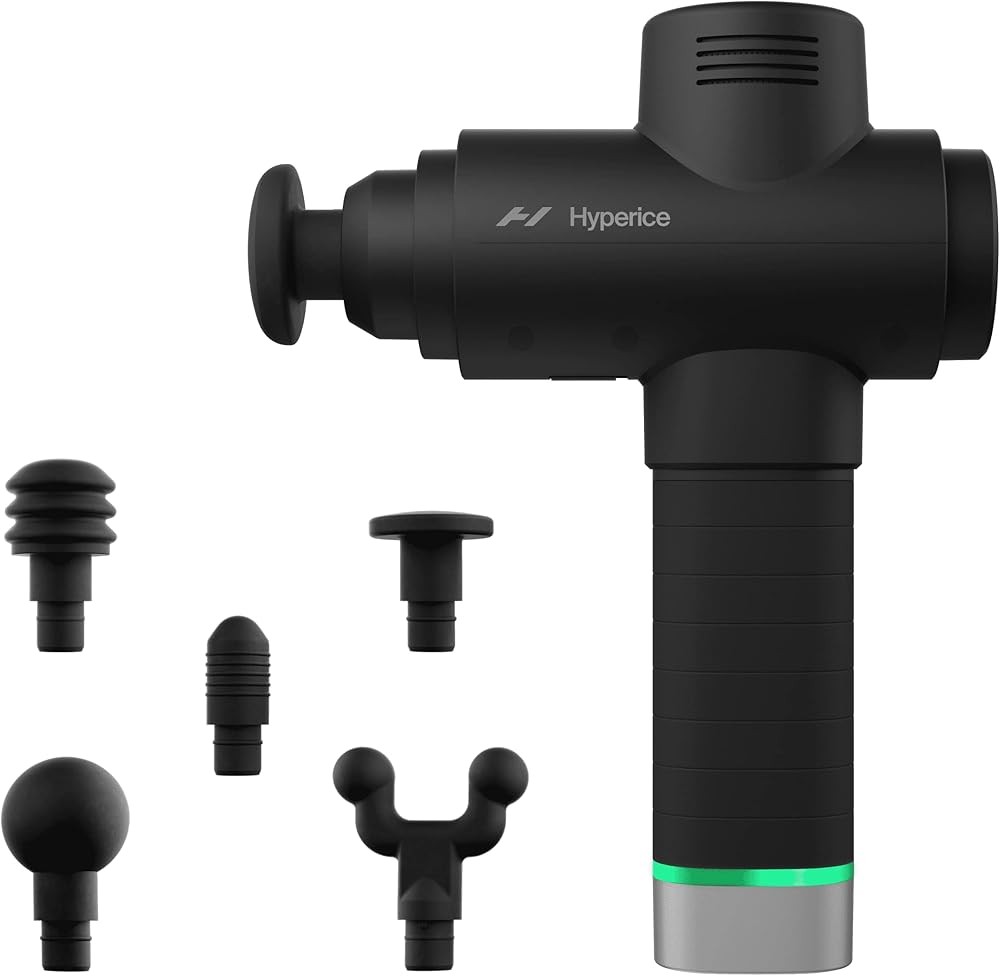
Hyperice Hypervolt 2 Pro
Check Price on AmazonAs an Amazon Associate we earn from qualifying purchases.
The Hypervolt 2 Pro dominates professional and home use for compelling reasons. Its 14mm amplitude exceeds most consumer devices, providing genuine deep tissue penetration that research suggests matters more than speed settings or attachments. Five speed levels ranging from 1,800 to 3,200 percussions per minute encompass the research-supported 38-47 Hz frequency range (2,280-2,820 percussions per minute).
The build quality justifies the premium price. The brushless high-torque motor maintains consistent percussion even under significant pressure, unlike budget devices that stall when pressed against dense muscle groups. Noise levels remain remarkably low at approximately 45-50 decibels, quiet enough for use in clinical settings or shared living spaces without disruption.
Battery life provides 3 hours of continuous use, sufficient for multiple treatment sessions covering all major muscle groups using the research-supported 5-10 minute per area protocols. The device weighs 2.3 pounds, manageable for single-handed operation during the treatment durations that research shows provide benefits.
The healthcare professional adoption data supports this choice. The survey finding that 92% of athletic trainers and physical therapists use either Hyperice or Theragun devices reflects real-world performance in demanding applications (PMID 35382115). These professionals work with multiple clients daily and require reliable equipment that withstands frequent use.
Five attachment heads address different tissue types and body regions, though research hasn’t validated specific benefits for specialized shapes beyond standard ball and flat heads. The pressure sensor provides biofeedback to avoid excessive force, relevant given the case report of rhabdomyolysis from overly aggressive use (PMID 33156927).
Therabody TheraFace PRO Plus - Premium Pick
The TheraFace PRO Plus represents the premium category with its unique combination of percussion therapy and heated ring technology. While most research focuses on standard body massage guns, the integration of heat with percussion offers a theoretical advantage for facial and upper body recovery.
The heated ring reaches temperatures that promote local blood flow, complementing the blood flow enhancement that research demonstrates from 38-47 Hz percussion (PMID 36902835). The adjustable percussion intensity and multiple attachment heads allow customization for sensitive facial tissues versus larger muscle groups.
At $379, this device targets users who value versatility and premium features. The 120-minute battery life suffices for the 5-40 minute treatment durations that research supports. The 1.4-pound weight makes it lighter than body-focused devices, reducing arm fatigue during facial treatment protocols.
The app connectivity provides guided routines and tracking, though research doesn’t validate the specific protocols programmed into proprietary apps. The device combines percussion therapy, LED light therapy, and microcurrent functions, moving beyond simple mechanical percussion into multi-modal recovery technology.
Hyperice Hypervolt Go 2 - Best Portable
Portability requires compromises, but the Hypervolt Go 2 makes them intelligently. The 10mm amplitude represents the lower end of the effective range, sufficient for most muscle groups though potentially insufficient for very large or dense muscles compared to the 14mm amplitude devices.
Three speed settings simplify operation while still providing the medium range (approximately 2,400 percussions per minute) that research and professional practice support for recovery applications. The 1.5-pound weight and compact form factor fit easily in gym bags or carry-on luggage without the bulk of full-size units.
Battery life matches the larger Hypervolt 2 Pro at 3 hours, impressive given the reduced size. The TSA-friendly design allows air travel with the battery installed, relevant for athletes or professionals who travel frequently for competitions or work.
At $119, the Go 2 costs 40% of the Pro model while retaining the essential specifications for effective treatment. The trade-off involves reduced amplitude and fewer speed settings rather than inferior build quality or durability.
Therabody Relief - Best Value
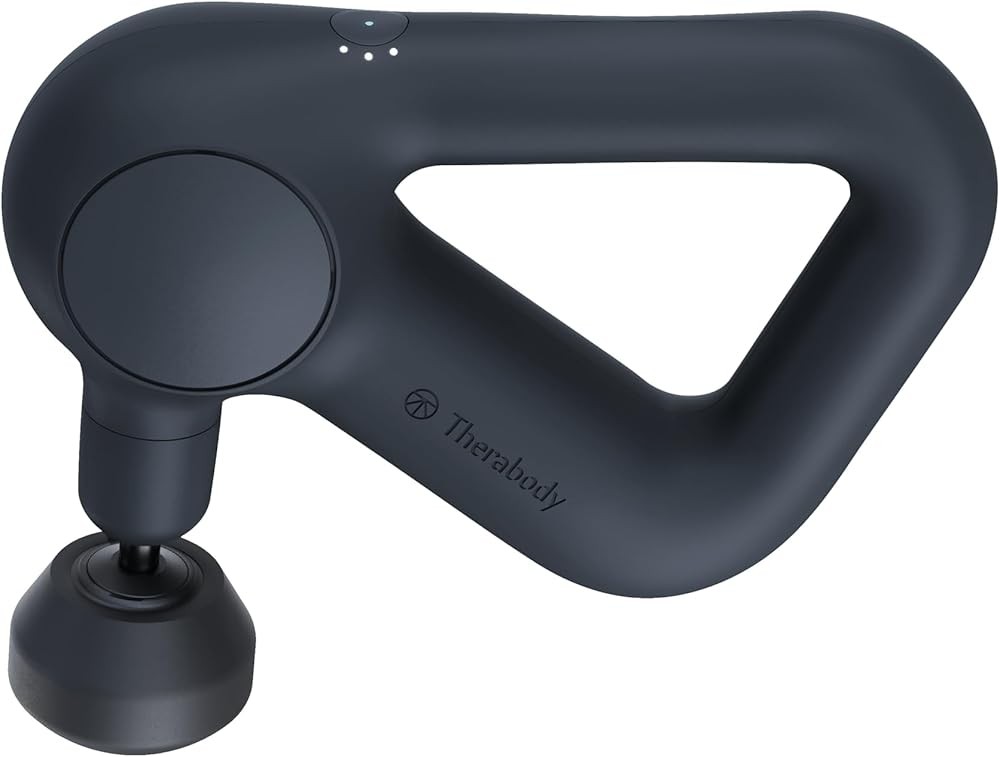
The Relief strips away premium features to deliver core percussion therapy at $109. The 12mm amplitude exceeds the portable category while remaining below professional-grade devices, providing a middle ground that handles most deep tissue applications effectively.
Three speed settings mirror the Go 2’s simplified interface. The device targets the research-supported frequency range for blood flow enhancement and pain relief without overwhelming users with excessive options. The 120-minute battery life requires more frequent charging than premium models but suffices for regular personal use.
The 1.3-pound weight makes this the lightest device in the comparison, reducing arm fatigue during extended treatment sessions. The triangular ergonomic handle provides multiple grip positions for different body regions.
Four attachment heads cover basic needs without the proliferation of specialized shapes that lack research validation. The lack of app connectivity, pressure sensors, and premium materials keeps costs down while retaining functional effectiveness.
For users who understand that amplitude, frequency, and treatment duration matter more than advanced features, the Relief delivers research-supported benefits at a fraction of premium prices.
RENPHO Active Thermacool - Best for Heat Therapy
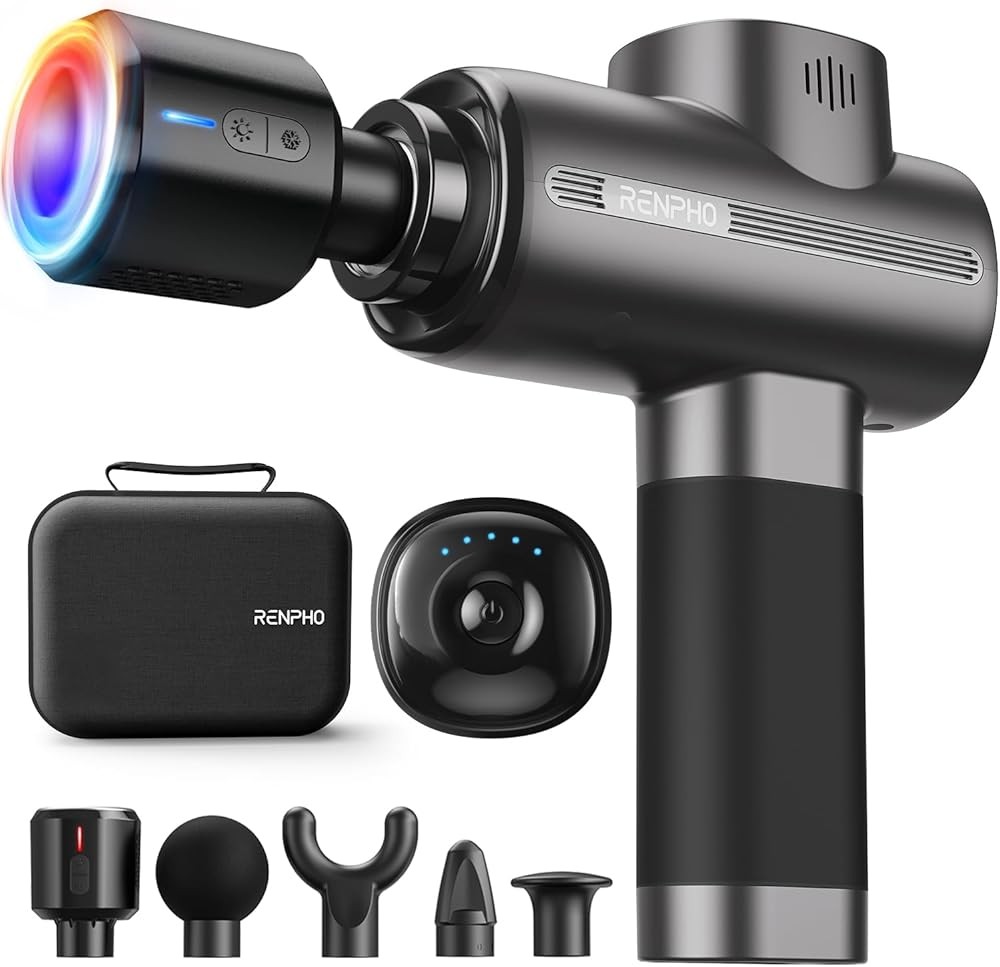
RENPHO Active Thermacool
Check Price on AmazonAs an Amazon Associate we earn from qualifying purchases.
The Active Thermacool combines percussion with heating and cooling functions, offering unique versatility for different recovery stages. Heat application before percussion may enhance blood flow beyond percussion alone, though research specifically validating this combination remains limited.
The 12mm amplitude matches the value category while five speed settings provide more customization than stripped-down models. The frequency range encompasses the 38-47 Hz that research shows increases blood flow without affecting heart rate (PMID 36902835).
The heating function reaches temperatures that promote local vasodilation, potentially complementing the mechanical blood flow enhancement from percussion. The cooling function offers an alternative for acute injury or inflammation management, though cold therapy research generally focuses on immersion rather than localized application.
Battery life extends to 4 hours, the longest in this comparison, relevant for users implementing the 40-minute treatment protocols that research shows superior benefits compared to shorter durations (PMID 40206177). The 2.1-pound weight remains manageable for extended use.
At $87, the Active Thermacool provides multi-modal recovery capability at a budget-friendly price. The trade-off involves less refined percussion technology compared to premium brands, but the functional specifications align with research-supported parameters.
TOLOCO Massage Gun - Best Budget
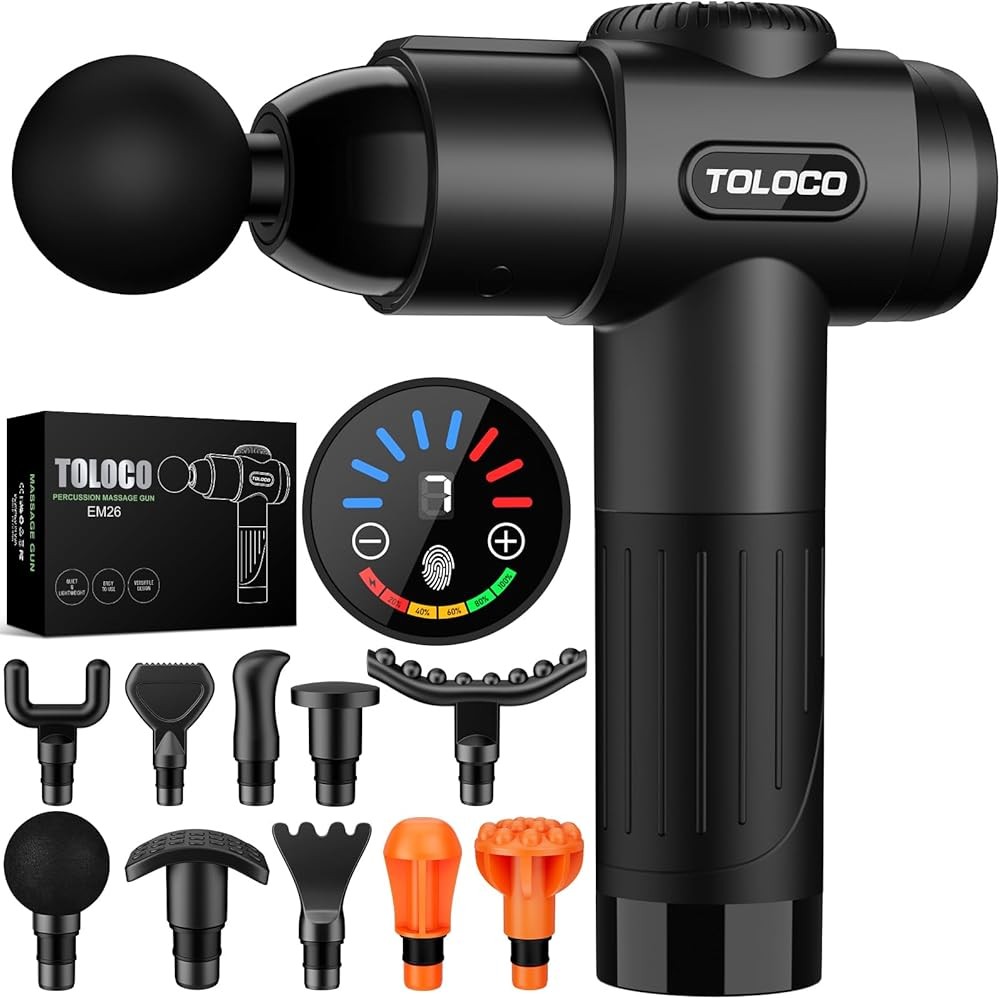
At $39, the TOLOCO represents the absolute budget category while maintaining specifications that research suggests matter for therapeutic benefit. The 10mm amplitude sits at the minimum effective threshold, sufficient for flexibility and pain relief applications though potentially insufficient for very deep tissue work in large muscle groups.
The device advertises 20 speed settings, though this proliferation of options exceeds what research or professional practice suggests necessary. The relevant speeds fall within the 38-47 Hz range that studies validate for blood flow enhancement.
Battery life extends to an impressive 6 hours, exceeding premium devices. This extended runtime ensures the device handles the longer treatment durations (40 minutes distributed across muscle groups) that research shows provide superior delayed-onset muscle soreness recovery (PMID 40206177).
The 2.4-pound weight makes this the heaviest device reviewed, potentially causing arm fatigue during extended use. The build quality doesn’t match premium brands, with higher noise levels and less refined percussion that may feel more surface-level than genuinely deep.
Six attachment heads provide variety, though again, research hasn’t validated benefits for specialized shapes beyond basic ball and flat heads. The LCD screen displays speed and battery level, a convenience feature at this price point.
For budget-conscious buyers who understand the limitations and don’t require professional-grade performance, the TOLOCO provides functional percussion therapy at a fraction of premium prices. The specifications align adequately with research parameters despite the compromises in build quality and refinement.
What Does a Complete Recovery Support System Look Like?
While massage guns provide specific benefits for flexibility, blood flow, and pain relief, optimal recovery integrates multiple modalities that address different aspects of the physiological recovery process.
Foundation: Percussion Massage for Immediate Relief
The Hyperice Hypervolt 2 Pro serves as the foundation for mechanical recovery interventions. Apply percussion massage 24-72 hours post-exercise when delayed-onset muscle soreness peaks, using 5-10 minutes per major muscle group at frequencies of 38-47 Hz (medium speed settings). The research demonstrates this approach reduces perceived soreness by 2-3 points on numerical rating scales and improves range of motion by 6-8 degrees (PMID 38455428).
Hyperice Hypervolt 2 Pro
Check Price on AmazonAs an Amazon Associate we earn from qualifying purchases.
Nutritional Support: Post-Workout Recovery Supplements
Percussion massage addresses mechanical and neurological aspects of recovery, but muscle tissue repair requires nutritional substrates. Research-backed post-workout supplements provide the amino acids, carbohydrates, and micronutrients that support protein synthesis and glycogen replenishment. Learn about evidence-based post-workout recovery supplements that complement mechanical recovery interventions.
Recovery Monitoring: Heart Rate Variability Tracking
Subjective soreness provides limited information about systemic recovery status. Heart rate variability monitoring quantifies autonomic nervous system balance, offering objective data about readiness to train. Decreased HRV indicates incomplete recovery and elevated stress, suggesting the need for additional recovery interventions or reduced training load. Discover the best HRV monitors for recovery and longevity tracking.
Cold Therapy: Ice Baths for Inflammation Management
While percussion massage didn’t outperform cold water immersion in comparative studies, both modalities serve different purposes. A randomized trial found neither cold water immersion nor percussion massage improved performance recovery over 72 hours versus passive rest, but each may benefit specific recovery aspects (PMID 39376896). Cold therapy excels at managing acute inflammation and muscle temperature, while percussion addresses pain perception and flexibility. Explore evidence-based cold plunge tubs and ice baths for home recovery.
Active Recovery: Low-Intensity Movement
The research comparing percussion massage to passive rest often found minimal differences, suggesting that recovery interventions may offer limited advantages over simple rest for some measures. However, active recovery through low-intensity movement promotes blood flow systemically rather than locally. Consider walking pads and under-desk treadmills for active recovery without excessive fatigue.
Anti-Inflammatory Support: Curcumin and Omega-3 Fatty Acids
Percussion massage modulates pain perception but doesn’t directly address the inflammatory cascade that drives delayed-onset muscle soreness. Anti-inflammatory compounds like curcumin and omega-3 fatty acids work through distinct mechanisms. Research on turmeric curcumin supplements and fish oil omega-3 supplements provides guidance on integrating nutritional anti-inflammatory approaches.
Compression Therapy: Pneumatic Recovery Boots
While compression garments show evidence for recovery benefits, percussion massage and compression work through different mechanisms. Compression enhances venous return and reduces edema, while percussion modulates pain and improves flexibility. The combination may provide complementary benefits. Review the best compression recovery boots for athletes to understand this modality.
Mineral Support: Magnesium for Muscle Function
Muscle contraction and relaxation require adequate magnesium, yet deficiency is common. While percussion massage temporarily reduces muscle tone, chronic tension may reflect inadequate mineral status. Learn about bioavailable magnesium supplements that support muscle function and recovery.
The integration strategy: Use percussion massage for immediate pain relief and flexibility maintenance 24-72 hours post-exercise, support with anti-inflammatory nutrition and adequate protein intake, monitor systemic recovery through HRV, apply cold therapy for acute inflammation management, and maintain active recovery movement on rest days.
Frequently Asked Questions
Do massage guns actually help with muscle recovery?
The research shows mixed results. Some studies found percussion massage improved range of motion by 6-8 degrees and reduced soreness scores by 2-3 points from 24-72 hours post-exercise (PMID 38455428). However, other rigorous trials showed no significant improvement in performance recovery over passive rest (PMID 39376896, PMID 40293721). Massage guns appear most effective for immediate pain relief and flexibility rather than accelerating physiological recovery.
Can massage guns increase blood flow to muscles?
Yes, research demonstrates localized vibration at 38-47 Hz significantly increases blood flow without affecting heart rate. One study found blood volume flow increased substantially at these frequencies (PMID 36902835). A survey of 425 healthcare professionals found 54-69% believe percussion increases local blood flow (PMID 35382115), though the magnitude and duration of this effect varies.
How long should I use a massage gun for best results?
Research suggests 25-40 minutes provides optimal benefits. One randomized trial found 40-minute percussion massage sessions were significantly more effective than 25-minute sessions for delayed-onset muscle soreness recovery, with jump height significantly greater (PMID 40206177). However, shorter 5-10 minute sessions can still improve flexibility and provide temporary pain relief (PMID 41185700).
Are massage guns safe to use?
Massage guns are generally safe for most people when used properly. However, one case report documented severe rhabdomyolysis after percussion massage gun use in a woman with iron deficiency anemia (PMID 33156927). Additionally, one study found massage guns may increase perceived muscle soreness when used immediately after strenuous exercise (PMID 37248364). Use caution if you have underlying health conditions.
Do massage guns work better than foam rolling?
Evidence is mixed. One study found percussion massage significantly improved hamstring flexibility compared to foam rolling (PMID 41185700). However, another study showed both foam rolling and percussion massage accelerated recovery of muscle tone, stiffness, and elasticity equally well, though neither was better than the other for pain relief (PMID 40700185). Choose based on personal preference and accessibility.
Can massage guns help with delayed-onset muscle soreness?
Research shows massage guns can reduce perceived soreness but results vary. One study found percussion massage reduced muscle soreness by approximately 2-3 points on a numerical rating scale from 24-72 hours post-exercise (PMID 38455428). However, the same studies show massage guns don’t necessarily accelerate physiological markers of recovery like strength or performance measures.
What frequency setting should I use on my massage gun?
Studies suggest 38-47 Hz is optimal for blood flow enhancement. Research found both 38 Hz and 47 Hz resulted in significant increases in volume flow and mean blood velocity, which remained elevated longer than at 30 Hz (PMID 36902835). Most healthcare professionals surveyed use medium to low speed settings for recovery applications (PMID 35382115).
Should I use a massage gun immediately after exercise?
Caution is recommended. One study of 65 active adults found using a massage gun for 5 minutes immediately after strenuous calf exercise showed little effect on physical measures and actually resulted in a small increase in perceived muscle soreness immediately and 4 hours post-recovery (PMID 37248364). Consider waiting until later in the recovery period for best results.
How do massage guns compare to professional manual massage?
One study directly compared different massage types and found manual massage and vibro-mechanical massage both improved recovery markers, but percussion mechanical massage did not show indices of recovery in the same way (PMID 38256386). Manual massage may provide more comprehensive benefits, though massage guns offer convenience and consistency for self-treatment.
Can massage guns improve athletic performance?
Evidence suggests massage guns improve flexibility but not explosive performance. Studies show percussion massage can increase range of motion significantly, but multiple trials found no significant effects on reactive strength, explosive strength, or muscle endurance (PMID 41185700, PMID 40135996). Use massage guns for recovery and flexibility, not as a performance enhancer.
Our Top Recommendations
Based on research specifications and practical considerations, here are our evidence-informed recommendations for the best massage guns across different categories:
Best Overall: Hyperice Hypervolt 2 Pro - The 14mm amplitude, research-supported frequency range, professional-grade build quality, and 92% adoption among healthcare professionals make this the top choice for serious recovery applications. The $299 price reflects genuine performance differences that matter for deep tissue work.
Hyperice Hypervolt 2 Pro
Check Price on AmazonAs an Amazon Associate we earn from qualifying purchases.
Premium Pick: Therabody TheraFace PRO Plus - The integration of percussion, heat therapy, and specialized facial attachments justifies the $379 premium for users seeking multi-modal recovery technology. The 120-minute battery and versatile attachments provide comprehensive treatment options.
Best Portable: Hyperice Hypervolt Go 2 - The 10mm amplitude and compact design deliver legitimate deep tissue capability in a travel-friendly package at $119. The 3-hour battery life and TSA-friendly design make this ideal for athletes who travel frequently.
Best Value: Therabody Relief - At $109, the 12mm amplitude and simplified interface provide essential percussion therapy without premium price tags. The 1.3-pound weight reduces arm fatigue during the longer treatment durations that research shows superior results.
Best for Heat Therapy: RENPHO Active Thermacool - The combination of percussion, heating, and cooling at $87 offers unique versatility for different recovery stages. The 4-hour battery supports extended treatment protocols, and the heat function complements mechanical blood flow enhancement.
RENPHO Active Thermacool
Check Price on AmazonAs an Amazon Associate we earn from qualifying purchases.
Best Budget: TOLOCO Massage Gun - For $39, the functional 10mm amplitude and 6-hour battery provide adequate percussion therapy despite build quality compromises. This represents the minimum investment for specifications that align with research parameters.
Join the discussion: Facebook | X | YouTube | Pinterest
Conclusion
The research on massage guns reveals a technology that delivers genuine but specific benefits rather than the universal recovery solution that marketing suggests. Percussion massage reliably improves flexibility, increases local blood flow, and reduces perceived pain, particularly when applied 24-72 hours post-exercise for durations of 5-40 minutes at frequencies of 38-47 Hz. These effects are measurable, reproducible, and clinically meaningful for many users.
However, the same rigorous research shows massage guns don’t accelerate most objective recovery markers like strength restoration, performance measures, or the underlying biological repair process. Multiple randomized controlled trials found no significant advantages over passive rest for performance recovery, even when subjective pain decreased. This gap between subjective improvement and objective recovery markers matters when setting realistic expectations.
The safety profile appears favorable for most users when devices are used appropriately, but the case report of rhabdomyolysis serves as a crucial reminder that aggressive or prolonged use in individuals with underlying conditions can cause serious harm. The finding that immediate post-exercise use may increase soreness challenges common practice patterns and highlights the importance of evidence-based timing.
Among the devices reviewed, the Hyperice Hypervolt 2 Pro stands out for its combination of research-aligned specifications, professional-grade build quality, and widespread adoption among healthcare professionals who work with multiple clients daily. For budget-conscious buyers, the TOLOCO provides functional capability at $39, while the Hypervolt Go 2 offers legitimate portability without excessive compromise.
Optimal recovery integrates massage guns with complementary modalities including proper nutrition, adequate rest, anti-inflammatory support, and monitoring tools like heart rate variability tracking. Percussion massage serves a specific role within this system rather than replacing other evidence-based recovery strategies. The research provides clear guidance: use massage guns for flexibility maintenance and pain relief rather than expecting accelerated physiological recovery, apply them 24-72 hours post-exercise rather than immediately after training, and prioritize amplitude and frequency specifications over marketing features when selecting a device.
Related Reading
- Best Cold Plunge Tubs and Ice Baths for Home Recovery
- Best Post-Workout Recovery Supplements
- Best Compression Recovery Boots for Athletes
- Best Vibration Plates for Lymphatic Drainage
- Best Foods for Muscle Recovery After Training
- Best HRV Monitors for Recovery and Longevity
- Best PEMF Mats for Pain Relief and Recovery
- Best Turmeric Curcumin Supplements
- Best Fish Oil and Omega-3 Supplements
- Best Magnesium Supplements
References
-
Bartik P, Pacholek M. Acute effect of percussion and foam roller massage on flexibility, reactive and explosive strength, and muscular endurance in young adult males: a crossover pilot study. PeerJ. 2025. doi:10.7717/peerj.20304. PMID: 41185700.
-
Leabeater AJ, Clarke AC, James L, Huynh M, Driller M. Under the Gun: Percussive Massage Therapy and Physical and Perceptual Recovery in Active Adults. J Athl Train. 2024. doi:10.4085/1062-6050-0041.23. PMID: 37248364.
-
Chen J, Zhang F, Chen H, Pan H. Rhabdomyolysis After the Use of Percussion Massage Gun: A Case Report. Phys Ther. 2021. doi:10.1093/ptj/pzaa199. PMID: 33156927.
-
Ye X, Hale C, Brown E, Clausi E, Hudak J. Effects of Percussion Massage Therapy on Neuromuscular Recovery From Eccentric Exercise-Induced Muscle Damage. J Strength Cond Res. 2025. doi:10.1519/JSC.0000000000005110. PMID: 40293721.
-
Li H, Luo L, Zhang J, Cheng P, Wu Q. The effect of percussion massage therapy on the recovery of delayed onset muscle soreness in physically active young men-a randomized controlled trial. Front Public Health. 2025. doi:10.3389/fpubh.2025.1561970. PMID: 40206177.
-
Needs D, Blotter J, Cowan M, Fellingham G, Johnson AW. Effect of Localized Vibration Massage on Popliteal Blood Flow. J Clin Med. 2023. doi:10.3390/jcm12052047. PMID: 36902835.
-
Alves BS, Coutinho LOB, Caetano RO, Lauria FO, Fonseca DS. Percussive Massage Improved Quadriceps Pain Intensity, Fatigue, and Perceived Recovery After Habitual Running but had No Effect on Vertical Jump: Randomized Trial. Clin J Sport Med. 2025. doi:10.1097/JSM.0000000000001355. PMID: 40135996.
-
Szajkowski S, Pasek J, Cieślar G. Foam Rolling or Percussive Massage for Muscle Recovery: Insights into Delayed-Onset Muscle Soreness (DOMS). J Funct Morphol Kinesiol. 2025. doi:10.3390/jfmk10030249. PMID: 40700185.
-
Dakić M, Ilić V, Toskić L, Duric S, Šimenko J. Acute Effects of Short-Term Massage Procedures on Neuromechanical Contractile Properties of Rectus Femoris Muscle. Medicina (Kaunas). 2024. doi:10.3390/medicina60010125. PMID: 38256386.
-
Cheatham SW, Baker RT, Behm DG, Stull K, Kolber MJ. Mechanical Percussion Devices: A Survey of Practice Patterns Among Healthcare Professionals. Int J Sports Phys Ther. 2021. doi:10.26603/001c.23530. PMID: 35382115.
-
Alonso-Calvete A, Lorenzo-Martínez M, Pérez-Ferreirós A, Couso-Bruno A, Carracedo-Rodríguez E. Why Percussive Massage Therapy Does Not Improve Recovery after a Water Rescue? A Preliminary Study with Lifeguards. Healthcare (Basel). 2022. doi:10.3390/healthcare10040693. PMID: 35455870.
-
Roberts TD, Costa PB, Lynn SK, Coburn JW. Effects of Percussive Massage Treatments on Symptoms Associated with Eccentric Exercise-Induced Muscle Damage. J Sports Sci Med. 2024. doi:10.52082/jssm.2024.126. PMID: 38455428.
-
Cullen MFL, Casazza GA, Davis BA. Passive Recovery Strategies after Exercise: A Narrative Literature Review of the Current Evidence. Curr Sports Med Rep. 2021. doi:10.1249/JSR.0000000000000859. PMID: 34234090.
-
Heinke L, Javanmardi S, Rappelt L, Konrad A, Schleip R. Comparison of the effects of cold water immersion and percussive massage on the recovery after exhausting eccentric exercise: A three-armed randomized controlled trial. Front Physiol. 2024. doi:10.3389/fphys.2024.1432009. PMID: 39376896.
-
Cafarelli E, Sim J, Carolan B, Liebesman J. Vibratory massage and short-term recovery from muscular fatigue. Int J Sports Med. 1990. doi:10.1055/s-2007-1024840. PMID: 2286487.
Recommended Products