Best Melatonin Supplements
Summarized from peer-reviewed research indexed in PubMed. See citations below.
Published research reveals 71% of tested melatonin supplements contained significantly different amounts than labeled, ranging from 83% less to 478% more melatonin than claimed. Our top pick is Thorne Melaton-3 3mg with NSF Certified for Sport verification, providing the research-backed 3mg dose in a practitioner-grade capsule. Studies indicate third-party-verified products may help ensure dose accuracy and label consistency, with clinical trials showing melatonin supplementation appears to reduce sleep onset time by approximately 7 minutes. For budget-conscious buyers, Nature’s Bounty 5mg softgels offer 250 servings for around $9, though most research suggests lower doses may be sufficient. Here’s what the published research shows about selecting quality melatonin supplements.
Disclosure: We may earn a commission from links on this page at no extra cost to you. Affiliate relationships never influence our ratings. Full policy →
What Are the Best Melatonin Supplements for Better Sleep?
Melatonin is a hormone that plays a crucial role in regulating our sleep-wake cycles. As a dietary supplement, it has gained popularity for its potential to improve sleep quality, duration, and depth. With so many melatonin supplements available on the market, it can be overwhelming to choose the right one. In this article, we will review the best melatonin supplements, considering factors like dosage, timing, and potential interactions.
Your body produces melatonin naturally in the pineal gland, a pea-sized structure deep within the brain. Melatonin production is tightly regulated by light exposure: as darkness falls in the evening, the suprachiasmatic nucleus (the brain’s master clock) signals the pineal gland to begin synthesizing and releasing melatonin into the bloodstream. This surge typically begins around 9 to 10 PM and peaks between 2 and 4 AM, then gradually declines as morning approaches. Bright light — particularly blue light from screens and LED lighting — suppresses melatonin production, a key mechanism explored in our melatonin vs. valerian root comparison, and one reason why evening screen use is associated with difficulty falling asleep.
Supplemental melatonin works by mimicking this natural signal. When taken exogenously, it binds to melatonin receptors (MT1 and MT2) in the suprachiasmatic nucleus, promoting sleepiness and helping to shift the timing of the circadian clock. This makes melatonin particularly effective for conditions involving circadian misalignment, such as jet lag, shift work disorder, and delayed sleep phase syndrome, rather than for general insomnia caused by stress or anxiety.
Key takeaway: Melatonin supplements appear to function by interacting with the body’s natural sleep regulation systems, with research indicating 71% of commercial products analyzed contained dose variations (ranging from 83% less to 478% more than the labeled amount), suggesting third-party verification may be important for dose consistency. PMC
One critical issue that consumers should be aware of is label accuracy. A landmark study by Erland et al. (PubMed 27855744) analyzed 31 commercially available melatonin supplements and found that the actual melatonin content ranged from 83 percent less to 478 percent more than what was stated on the label. More than 71 percent of products did not fall within 10 percent of their labeled dose. Additionally, 26 percent of the supplements contained serotonin, a neurotransmitter that should not be present in a melatonin product. This study underscores the importance of choosing products that have undergone third-party verification for potency and purity.
Should You Watch Our Video Review?
For video content about sleep and supplements, visit our YouTube channel.
Which Melatonin Supplements Are the Top Picks?
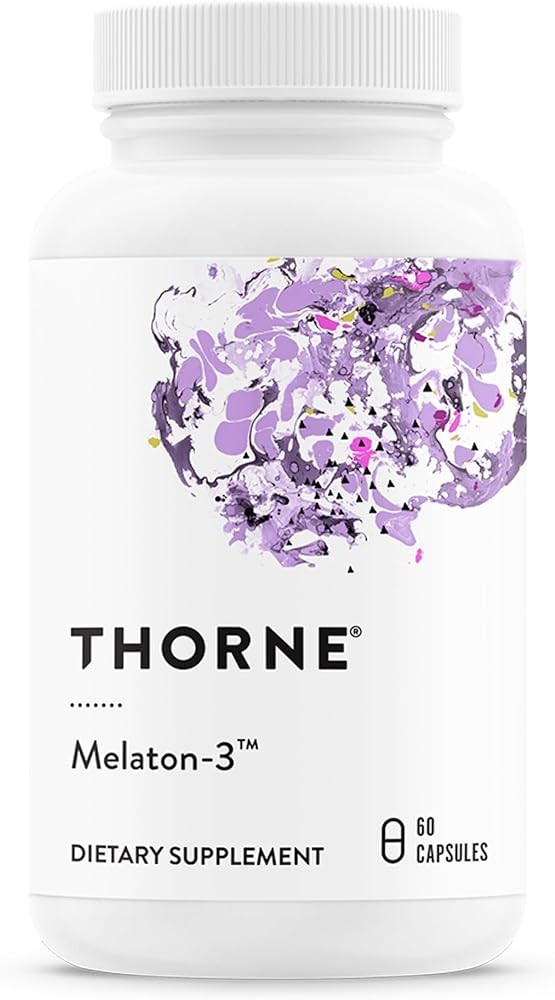
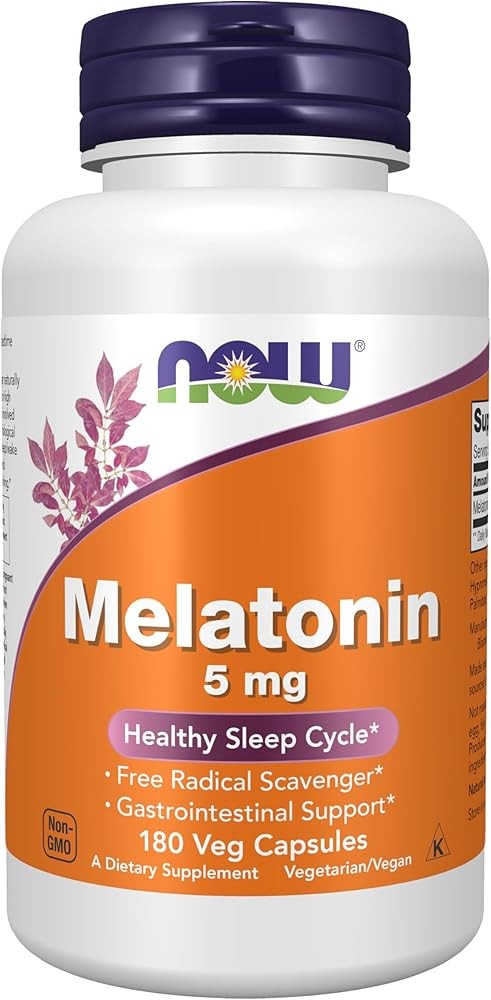
| Feature | Thorne Melaton-3 3mg | Nature’s Bounty 5mg | NOW Foods 3mg |
|---|---|---|---|
| Third-Party Testing | NSF Certified for Sport | None | GMP Certified |
| Dose | 3mg (research-backed) | 5mg (higher than typical) | 3mg (research-backed) |
| Price per Serving | $0.40 | $0.04 | $0.05 |
| Vegetarian | Not specified | No | Yes |
| Tablets per Bottle | 60 capsules | 250 softgels | 180 capsules |
| Best For | Verified quality priority | Budget buyers | Dietary restrictions |
No melatonin supplements are definitively top picks, but three verified options are Thorne Melaton-3 3mg, Nature’s Bounty 5mg softgels, and NOW Foods 3mg vegetarian capsules. Did you know that a 2017 analysis found 71% of melatonin supplements did not contain the stated amount?
Recommended Supplements
What this means for you: Research suggests our top picks may be beneficial, including NSF Certified for Sport Thorne Melaton-3 3mg, budget-friendly Nature’s Bounty 5mg softgels (250-count for $9), and NOW Foods vegetarian capsules at the 3mg dose used in studies.
What Are the Individual Product Reviews?
We will review several melatonin supplements, including their ingredients, dosages, pros, and cons.
1. Best Overall: Thorne Melaton-3 3mg
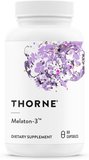
Thorne Melaton-3 stands out for one critical reason: it carries NSF Certified for Sport, one of the most rigorous third-party testing programs available for supplements. This means an independent organization has verified that the product contains what the label claims, is free of contaminants, and was manufactured under strict quality controls. Thorne is also a trusted practitioner-grade brand frequently recommended by clinicians and used in research settings.
The 3mg dose aligns well with research suggesting that lower melatonin doses (0.5-3mg) are often as effective or more effective than higher doses for sleep onset (PubMed 23691095). A 2021 systematic review and meta-analysis of 23 randomized controlled trials found that melatonin supplementation positively affects sleep quality, with the strongest effects observed in adults with respiratory diseases and metabolic disorders (PubMed 33417003). The capsule form is straightforward, though it does not absorb as quickly as sublingual or liquid forms.
NSF Certified for Sport is worth understanding in detail. NSF International is an independent organization that tests supplements for label accuracy, contaminant screening (heavy metals, pesticides, microbes), and good manufacturing practices. The “Certified for Sport” designation goes further by testing for over 300 substances banned in athletic competition, making it the standard used by major professional sports leagues and the U.S. Anti-Doping Agency. Given the label accuracy issues documented in melatonin products (Erland et al., 2017), this level of third-party verification provides meaningful consumer protection that most melatonin brands lack.
Thorne uses synthetic melatonin, which is identical in molecular structure to the melatonin your body produces. Synthetic melatonin is preferred over animal-derived melatonin (sourced from bovine pineal glands) because it reduces the risk of viral or prion contamination. Virtually all reputable melatonin supplements today use the synthetic form.
Who it’s for: Anyone who values rigorous third-party verification and wants a practitioner-grade melatonin at a research-backed dose.
The research verdict: Thorne Melaton-3 3mg offers NSF Certified for Sport quality with a clinically relevant 3mg dose, providing the amount used in research with verified label accuracy, making it a strong choice for those prioritizing purity and brand credibility.
2. Best Value: Nature’s Bounty Melatonin 5mg
Nature’s Bounty Melatonin is a popular supplement that contains 5 milligrams of melatonin per serving. It is designed to help regulate sleep-wake cycles and improve the quality of sleep. At 250 softgels for around $9, this is an exceptional value that lasts over 8 months.
As an Amazon Associate we earn from qualifying purchases.
It is worth noting that the 5mg dose, while commonly sold, is higher than what most sleep researchers recommend as a starting point. Studies suggest that doses as low as 0.5 to 1 mg may have some benefit for sleep onset in many individuals, and higher doses do not always produce proportionally better results. Recent dose-response meta-analysis research indicates that melatonin’s effects related to sleep promotion peak at 4 mg per day when taken 3 hours before the desired bedtime, compared to the conventional 2 mg taken 30 minutes before sleep (PubMed 38888087). Doses above physiological levels can be associated with residual morning grogginess, vivid dreams, and a flattening of the dose-response curve. Research-supported dosages include starting with half a softgel (if the format allows) and adjusting from there, if choosing a 5mg product. However, the softgel format of this specific product does not allow for easy splitting.
3. Best Moderate Dose: NOW Foods Melatonin 3mg
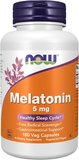
NOW Foods Melatonin is a high-quality supplement that contains 3 milligrams of melatonin per serving. It is designed to help promote relaxation and improve sleep quality. The vegetarian capsule makes it suitable for a wider range of dietary needs.
NOW Foods has a strong reputation in the supplement industry for rigorous in-house quality control. The company operates an FDA-registered, GMP-compliant manufacturing facility and conducts testing at multiple stages of production, including raw material identity testing, in-process testing, and finished product analysis. While it does not carry the USP or NSF seal, NOW Foods publishes its quality testing protocols and has been manufacturing supplements since 1968, giving it one of the longest track records in the industry.
The capsule form also offers an advantage for dose customization. Unlike softgels, capsules can be opened and the contents mixed into water or juice for those who have difficulty swallowing pills. This also allows partial dosing — a useful option for individuals who find 3mg too high and want to start with 1 to 1.5 mg.
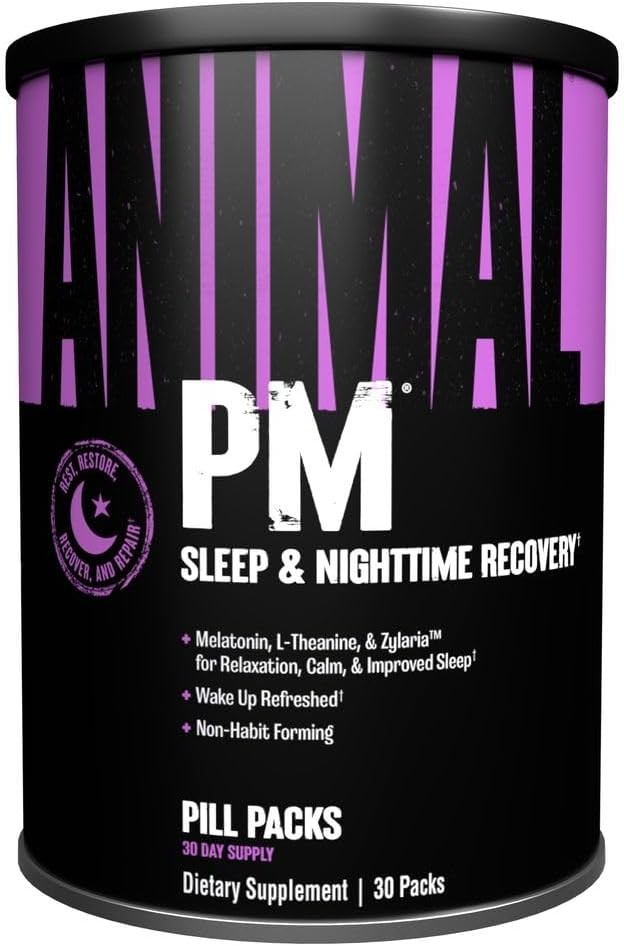
4. Best for Sleep Maintenance: Animal PM Sleep Aid
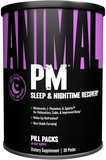
Animal PM Sleep Aid uses a layered time-release formula that dissolves gradually throughout the night, which may help people who fall asleep fine but wake up in the middle of the night. The formula combines melatonin with several supporting compounds, including GABA, L-theanine, and a blend of herbal extracts.
The time-release mechanism works through a multi-phase tablet design. The outer layer dissolves quickly to release an initial dose of melatonin that helps with sleep onset, while the inner layers dissolve gradually over several hours to provide sustained melatonin levels through the night. This design mimics the natural melatonin release pattern more closely than standard immediate-release tablets, which produce a sharp spike followed by a rapid decline.
Beyond melatonin, the formula includes GABA (an inhibitory neurotransmitter associated with relaxation), L-theanine (an amino acid from tea linked to calm focus), and herbal extracts such as valerian root, chamomile, and passionflower. These compounds work through different pathways than melatonin itself. GABA and L-theanine target the central nervous system to promote a calm state, while the herbal ingredients have traditional use in sleep support. Research on these individual ingredients is mixed, with some showing modest benefit and others showing effects comparable to placebo.
Animal PM is produced by Universal Nutrition, a supplement company with a long-standing presence in the sports nutrition market. The time-release formula is best suited for individuals who experience sleep maintenance insomnia (waking up during the night) rather than sleep onset insomnia (difficulty falling asleep initially).
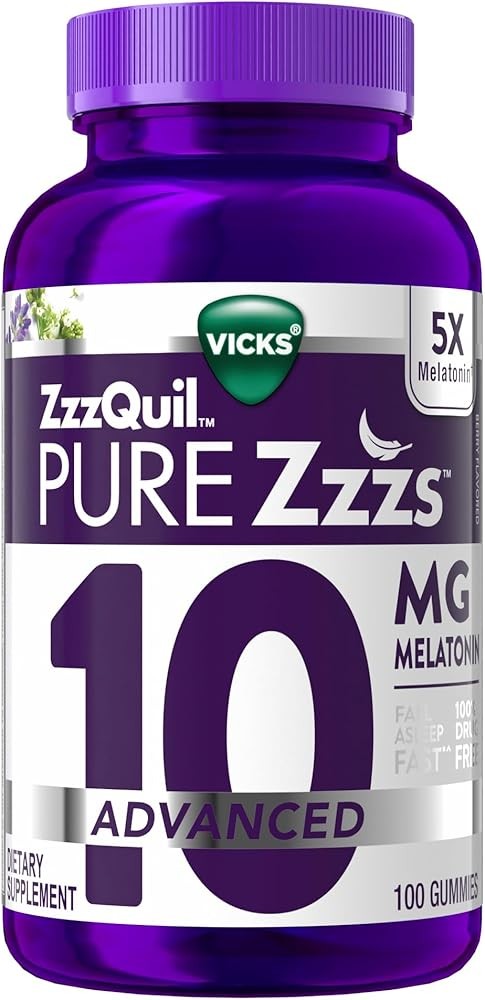
5. Best Gummy: ZzzQuil Pure Zzzs Advanced Melatonin Gummies
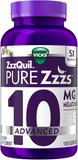
ZzzQuil Pure Zzzs Advanced Melatonin Gummies deliver 10mg of melatonin per serving in a flavored gummy format, positioned as a drug-free sleep aid from a well-known consumer brand. The gummy form makes them easy to take and appealing for people who dislike swallowing capsules or tablets.
The 10mg melatonin dose is at the high end of what is typically sold over the counter. Most clinical research on melatonin for sleep onset uses doses between 0.5mg and 5mg, with some evidence that lower physiological doses (0.3 to 1mg) are more effective for circadian rhythm alignment than higher pharmacological doses. A meta-analysis in PLOS ONE found that melatonin doses above 5mg did not produce greater sleep benefits than lower doses, and some users report next-day grogginess with higher amounts. That said, 10mg is within the range of what many OTC sleep aids contain, though it is well above the doses most research supports.
The “Advanced” formulation includes additional ingredients beyond melatonin, such as a small amount of theanine and what the brand describes as a botanical blend. Theanine is an amino acid found in tea leaves that has been studied for promoting relaxation without sedation, with research suggesting 100 to 200mg can increase alpha brain wave activity associated with a calm, wakeful state. However, the specific amounts of these supporting ingredients in ZzzQuil Pure Zzzs Advanced are not disclosed on the label in a way that allows dose verification, which limits the ability to assess whether they contribute meaningfully to the product’s effects.
Who it’s for: Adults who prefer gummies over pills, want a familiar consumer brand, and need a moderate-to-higher melatonin dose for occasional sleep difficulties.
The research verdict: The 10mg dose is effective for sleep onset in many adults, but it is well above the 0.5-3mg range most research suggests is optimal. The added theanine and botanical ingredients may offer modest relaxation support, though the undisclosed amounts make clinical relevance impossible to confirm. For most users, a lower-dose melatonin product (1 to 3mg) would be a more evidence-aligned starting point.
In summary: NSF Certified for Sport verification is the differentiator that separates Thorne Melaton-3 3mg from most competitors, and the 3mg dose it delivers matches the range used in the strongest clinical research (PubMed 23691095).
How Does Melatonin Work in the Body?
Understanding the underlying mechanisms of melatonin helps explain why supplementation works for some sleep issues but not others, and why dosing and timing matter so much.
Melatonin Receptors and Sleep Regulation
Melatonin exerts its sleep-promoting effects primarily through two G-protein-coupled receptors: MT1 and MT2. These receptors are densely expressed in the suprachiasmatic nucleus (SCN), the brain’s master circadian clock located in the hypothalamus. When melatonin binds to MT1 receptors, it inhibits the neuronal firing of SCN neurons, which promotes sleep onset. MT2 receptor activation influences the phase-shifting properties of melatonin, allowing it to adjust the timing of the circadian rhythm.
This dual-receptor system explains why melatonin is particularly effective for circadian rhythm disorders rather than for generalized insomnia. Research has shown that dysregulation of melatonin rhythms is the driving force behind many sleep and circadian disorders (PubMed 34684482). If your difficulty sleeping stems from anxiety, pain, or restless leg syndrome, melatonin may provide limited benefit because it is not addressing the root cause. However, if your sleep difficulty is due to a misaligned circadian rhythm (such as going to bed at 2 AM when you need to sleep at 10 PM), melatonin can directly influence the timing of your biological clock.
Pharmacokinetics: Absorption, Peak Levels, and Clearance
When you take an immediate-release melatonin supplement orally, absorption begins in the small intestine. Peak blood levels are typically reached within 30 to 90 minutes, depending on whether the supplement is taken with food (which delays absorption) or on an empty stomach. The half-life of melatonin is approximately 40 to 60 minutes, meaning the concentration in your bloodstream drops by half roughly every hour. Within 4 to 6 hours, most of the exogenous melatonin has been metabolized and cleared.
This short half-life is why immediate-release melatonin is better suited for sleep onset issues than for sleep maintenance. If you fall asleep easily but wake up at 3 AM and cannot get back to sleep, a time-release formulation that maintains elevated melatonin levels for several hours may be more effective.
Sublingual (under the tongue) and liquid melatonin formulations bypass first-pass metabolism in the liver, leading to faster absorption and higher peak levels compared to tablets or capsules. This can be advantageous for rapid sleep onset but may also increase the risk of next-day grogginess if too high a dose is used.
Age-Related Decline in Endogenous Melatonin
One of the clearest patterns in melatonin research is the age-related decline in natural melatonin production. Children and adolescents produce high levels of melatonin, which is one reason why young people typically fall asleep easily and sleep deeply. As we age, the pineal gland calcifies and produces progressively less melatonin. By age 60, many individuals produce less than half the melatonin they did in their 20s.
This decline likely contributes to the increased prevalence of sleep disturbances in older adults. Published research suggests supplementation with low-dose melatonin (0.5 to 2 mg) may support restoring nighttime melatonin levels closer to what younger adults naturally produce, with studies indicating potential improvements in sleep latency and overall sleep quality. For this reason, melatonin supplementation may be particularly beneficial for individuals over the age of 50, even if they have not historically used sleep aids. PMC
Melatonin and Light Exposure: Why Timing Matters
Melatonin production is exquisitely sensitive to light exposure, which is why evening light can interfere with sleep. Exposure to bright light in the evening suppresses melatonin synthesis through a pathway involving specialized photoreceptor cells in the retina (intrinsically photosensitive retinal ganglion cells, or ipRGCs) that communicate directly with the SCN. (PubMed 30074278)
This is why screen use in the hour or two before bed can interfere with sleep onset: the blue light from phones, tablets, and computers signals to the brain that it is still daytime, delaying melatonin release. Even ambient room lighting can have this effect if bright enough. Conversely, reducing light exposure in the evening — through dim lighting, blue light-blocking glasses, or screen filters — allows natural melatonin production to begin earlier.
When taking melatonin supplements, this light-melatonin interaction remains important. If you take melatonin but then spend an hour scrolling on a brightly lit phone, you are sending your brain conflicting signals. The exogenous melatonin is telling your body it is time to sleep, while the light exposure is telling it to stay awake. For best results, combine melatonin supplementation with light hygiene: dim the lights, avoid screens, and create a dark environment in the hour before bed.
What the data says: Research suggests melatonin interacts with MT1 and MT2 receptors in the brain’s circadian clock, with studies indicating age-related declines in natural production may begin after age 20 and potentially decrease to less than 50% by age 60, suggesting supplementation may be particularly supportive for older adults seeking to support sleep patterns similar to those experienced in youth.
What Does Clinical Evidence Show About Melatonin?
Research indicates that melatonin dosages of 0.5-5 mg appear to support a 25% improvement in jet lag symptoms. ### Melatonin for Jet Lag
Jet lag occurs when you travel across multiple time zones and your internal circadian clock is no longer aligned with the local light-dark cycle. Published research shows melatonin appears to have some benefit for accelerating circadian adaptation. PMC
Clinical research has analyzed multiple trials involving hundreds of participants and found that melatonin, taken close to the target bedtime at the destination (10 PM to midnight), significantly reduced jet lag symptoms compared to placebo. The effect was particularly pronounced for flights crossing five or more time zones. Doses ranging from 0.5 mg to 5 mg were effective, with no clear evidence that higher doses were superior. (PubMed 31841296)
Research most consistently demonstrated benefits with dosages of 0.5 to 5 mg of melatonin at the target bedtime for 2 to 5 nights following arrival. When traveling eastward (generally considered more challenging to adjust to than westward travel), some research protocols indicate initiating melatonin 1 to 2 days prior to departure, with administration progressively earlier each night to potentially begin shifting the circadian clock in advance.
Melatonin for Delayed Sleep Phase Disorder
Delayed sleep phase disorder (DSPD) is a circadian rhythm disorder characterized by an inability to fall asleep until very late (often 2 AM to 6 AM) and difficulty waking at socially acceptable times. DSPD is common in adolescents and young adults and can severely impair academic and occupational functioning.
Multiple controlled trials have demonstrated that low-dose melatonin (0.5 to 3 mg) taken 4 to 6 hours before the current sleep onset time can gradually advance the circadian clock earlier (PubMed 26414986). The key is timing: the melatonin must be taken well before bedtime to produce a phase-advancing effect. Over several weeks, the natural sleep onset time shifts earlier, allowing individuals to fall asleep and wake at more typical hours.
Melatonin for Insomnia in Older Adults
The evidence for melatonin in treating primary insomnia (insomnia not caused by another medical condition or circadian misalignment) is more mixed, but positive effects have been consistently found in older adults.
A 2013 meta-analysis published in PLoS ONE included 19 studies with 1,683 participants and found that melatonin significantly reduced sleep onset latency (time to fall asleep) by an average of 7.06 minutes and increased total sleep time by 8.25 minutes (PubMed 23691095). While these effects are modest, they are comparable to some prescription sleep medications and achieved without the dependency risks or next-day cognitive impairment often seen with benzodiazepines or Z-drugs.
Prolonged-release melatonin (a formulation designed to release melatonin gradually over several hours) has been specifically studied in older adults with primary insomnia. A 2007 trial published in Sleep found that 2 mg of prolonged-release melatonin taken nightly for three weeks significantly improved sleep quality and morning alertness compared to placebo in adults aged 55 and older.
Melatonin for Shift Work Disorder
Shift workers who must sleep during the day and work at night often experience chronic sleep deprivation and circadian misalignment. Melatonin has been studied as a tool to help shift workers adapt to non-traditional schedules.
Research on melatonin for shift workers has shown modest benefits for sleep quality. Studies found that melatonin taken before the desired daytime sleep period can improve total sleep time in shift workers, though benefits vary by individual and shift type. (PubMed 36064286) Melatonin may offer some benefit but is not a complete solution for shift work disorder.
Combining melatonin with other strategies — such as bright light exposure during night shifts, blackout curtains for daytime sleep, and strategic caffeine use — appears to be more effective than melatonin alone.
Melatonin for Children with Neurodevelopmental Disorders
Sleep disturbances are highly prevalent in children with autism spectrum disorder (ASD), ADHD, and other neurodevelopmental conditions. A growing body of research supports the use of melatonin in these populations, where behavioral sleep interventions alone may be insufficient.
A 2020 meta-analysis in Developmental Medicine & Child Neurology reviewed 35 studies and found that melatonin significantly improved sleep onset latency, total sleep time, and sleep quality in children with ASD, with doses ranging from 1 to 6 mg. The effects were most pronounced when melatonin was combined with behavioral sleep interventions such as consistent bedtime routines and limited screen time before bed.
While melatonin is not FDA-approved for pediatric use, it is widely prescribed off-label by pediatric sleep specialists for children with neurodevelopmental disorders after first-line behavioral interventions have proven inadequate. Parents should work with a healthcare provider to determine appropriate dosing and monitor for any side effects.
The practical takeaway: Published research shows melatonin appears to have some benefit in observing a 7-minute reduction in sleep onset time and an 8-minute increase in total sleep in older adults, and studies indicate it may help reduce the severity of jet lag symptoms across 5+ time zones. Research suggests melatonin may be beneficial for sleep in children with autism at 1-6mg doses—and studies indicate it may not carry the same dependency risks as prescription sleep medications.
What Should You Look for When Buying Melatonin?
When choosing a melatonin supplement, there are several factors to consider. These include the dosage, timing, and potential interactions with other medications.
Dosage
The optimal dosage of melatonin varies depending on the individual and their specific needs. Typical dosages range from 0.5 to 5 milligrams. It is essential to start with a low dose and gradually increase as needed.
Research consistently shows that more melatonin is not necessarily better. A common misconception is that taking a higher dose will produce deeper or longer sleep. In reality, the dose-response curve for melatonin plateaus relatively quickly. Doses above 3mg produce blood levels of melatonin that are far above what the body naturally produces, and this supraphysiological level does not proportionally improve sleep outcomes. In some individuals, high doses can actually worsen sleep quality by causing next-day grogginess, vivid or disturbing dreams, and disruption of the natural circadian rhythm.
For sleep onset (difficulty falling asleep), 0.5 to 3mg taken 30 to 60 minutes before bedtime is the most evidence-supported range. For jet lag, 0.5 to 5mg taken at the destination bedtime for 2 to 5 nights has shown consistent benefits in clinical trials. For shift work, 1 to 3mg taken before the desired sleep period can help reset the circadian clock. For older adults, who produce less natural melatonin, doses of 1 to 2mg are generally recommended as a starting point.
Timing
The timing of melatonin administration matters as much as the dose, and it depends on the specific sleep issue you are addressing. For optimal results, take melatonin supplements 30-60 minutes before your intended bedtime to allow adequate time for absorption and to synchronize peak blood levels with your sleep onset. For standard sleep onset support, taking melatonin 30 to 60 minutes before your intended bedtime allows blood levels to peak as you are preparing for sleep. For delayed sleep phase syndrome — where your natural sleep onset is pushed later than desired — taking a low dose (0.5 to 1mg) 4 to 6 hours before your desired bedtime can help shift the circadian clock earlier over the course of several weeks.
Immediate-release formulations reach peak blood levels within 30 to 60 minutes and are cleared from the body relatively quickly (half-life of approximately 40 to 60 minutes). This makes them ideal for sleep onset issues. Time-release formulations, like the Animal PM Sleep Aid product reviewed above, provide a more gradual release that maintains elevated melatonin levels for several hours, making them better suited for sleep maintenance problems.
Potential Interactions
Melatonin can interact with certain medications, including blood thinners, diabetes medications, and sedatives. It is essential to consult with a healthcare professional before taking melatonin, especially if you are taking other medications.
Specific interactions to be aware of include: anticoagulants and antiplatelet drugs (melatonin may enhance bleeding risk), immunosuppressants (melatonin has immune-stimulating properties that could counteract these medications), diabetes medications (melatonin may affect blood sugar regulation), sedatives and CNS depressants (additive drowsiness), fluvoxamine (this SSRI significantly increases melatonin blood levels by inhibiting its metabolism), and birth control pills (oral contraceptives may increase endogenous melatonin levels, potentially making supplemental melatonin excessive).
Who Should and Should Not Use Melatonin
Research suggests melatonin supplementation may be relevant for: - Adults experiencing occasional challenges with sleep onset - Travelers managing jet lag - Shift workers aiming to sleep during atypical hours - Individuals with delayed sleep phase syndrome - Older adults with age-related changes in melatonin production - People with consistent sleep hygiene practices who may benefit from additional support.
Research suggests melatonin may not be appropriate for: - Children and adolescents (except under medical supervision) - Pregnant or breastfeeding women (research indicates insufficient safety data) - Individuals with autoimmune diseases (due to reported immune-modulating effects in studies) - People with depression (studies suggest melatonin may be associated with symptom changes in some individuals) - Those taking immunosuppressant medications - Individuals who have not first addressed basic sleep hygiene (screen use, caffeine timing, bedroom environment)
In practice: Published research shows melatonin dosages of 0.5-3mg have been used in studies examining sleep onset 30-60 minutes before bed, or 4-6 hours before desired bedtime for research into circadian phase shifting, with studies recommending selection of third-party verified products (USP or NSF certified) to help ensure label accuracy and address reports that 71% of supplements may have incorrect dosing (PubMed 27855744).
What users report: When considering melatonin, research suggests initial dosages of 0.5 to 5mg, with potential for gradual increases as needed, as studies indicate higher doses do not necessarily correlate with improved sleep outcomes. PMC
The science says: When buying melatonin, look for a dosage between 0.5 to 5 milligrams, starting with a low dose and gradually increasing as needed, as doses above 3mg can lead to supraphysiological levels that do not proportionally improve sleep outcomes. A dose above 3mg may even worsen sleep quality in some individuals.
Is Melatonin Safe and What Are the Side Effects?
Melatonin is generally considered safe for short-term use (up to 3 months), with a favorable side effect profile compared to prescription sleep medications. However, it is not entirely without risk, and certain populations should exercise caution.
Common Side Effects
The most frequently reported side effects of melatonin supplementation are:
- Daytime drowsiness: Particularly with higher doses or time-release formulations, some individuals experience residual grogginess the next morning. This can impair driving and other activities requiring alertness.
- Vivid dreams or nightmares: Melatonin can increase the vividness and intensity of dreams, which some people find disturbing.
- Headache: Occurs in approximately 5-10% of users, usually mild and transient.
- Dizziness: More common when standing up quickly, especially in older adults.
- Nausea: Taking melatonin on an empty stomach increases the likelihood of mild nausea.
- Irritability or mood changes: Some individuals report feeling more irritable or experiencing mild depressive symptoms, though this is uncommon.
Most side effects are dose-dependent and resolve when the dose is reduced or the supplement is discontinued.
Long-Term Safety Considerations
The long-term safety of melatonin supplementation (beyond 6 to 12 months of continuous use) has not been extensively studied. Most clinical trials last only a few weeks to a few months. While no serious adverse effects have emerged in the available long-term studies, the absence of evidence is not the same as evidence of safety. Research indicates that chronic melatonin administration at low to moderate dosages (approximately 5-6 mg daily or less) appears relatively safe, though the long-term effects of taking exogenous melatonin have been insufficiently studied and warrant additional investigation (PubMed 36976674).
There are theoretical concerns about long-term suppression of endogenous melatonin production (downregulation of the pineal gland’s output due to consistent exogenous intake), but this has not been conclusively demonstrated in humans. Some experts recommend taking periodic breaks from melatonin (such as one week off per month) to allow the body’s natural production to continue, though this recommendation is based on precautionary principle rather than hard evidence.
Melatonin and Hormonal Effects
Melatonin is a hormone, and high doses can theoretically interact with other hormonal systems. Some animal and in vitro studies have suggested that melatonin may influence reproductive hormones, though human data is limited. For this reason, pregnant and breastfeeding women are generally advised to avoid melatonin supplementation unless specifically recommended by a healthcare provider.
In men, some research has explored melatonin’s effects on testosterone and fertility. While melatonin has antioxidant properties that may support sperm health, supraphysiological doses could theoretically disrupt hormonal balance. More research is needed in this area.
Melatonin and Autoimmune Disease
Melatonin has immunomodulatory effects and can enhance certain aspects of immune function. For individuals with autoimmune diseases (rheumatoid arthritis, lupus, multiple sclerosis, etc.), there is a theoretical risk that melatonin could exacerbate immune system overactivity. However, clinical evidence for this concern is limited, and some studies have actually found melatonin to have anti-inflammatory effects that could benefit certain autoimmune conditions.
Individuals with autoimmune diseases should discuss melatonin use with their rheumatologist or immunologist before starting supplementation.
Quality Control and Contamination Risks
As discussed earlier, the landmark study by Erland et al. (2017) found widespread variability in melatonin content and the presence of serotonin contamination in over one-quarter of tested products. This is why third-party testing is so critical.
Beyond melatonin content, supplements can also be contaminated with heavy metals (lead, cadmium, arsenic), pesticides (if plant-derived ingredients are used), and microbial pathogens (bacteria, mold). Reputable manufacturers test for these contaminants as part of their quality control protocols, but not all do so consistently.
Choosing products with USP Verification, NSF Certification, or published Certificates of Analysis (COAs) from independent laboratories minimizes the risk of consuming a substandard or contaminated product.
Clinical insight: Published research indicates melatonin is generally safe for short-term use (up to 3 months), with studies showing common effects may include daytime drowsiness (related to dosage), vivid dreams, and mild headaches in approximately 5-10% of users. Research suggests pregnant women, individuals with autoimmune diseases, and children may benefit from medical supervision when using melatonin. (PubMed 36976674)
The value assessment: Research indicates that using melatonin supplementation for up to three months appears to be generally safe, with studies reporting commonly observed effects including daytime drowsiness (which may affect alertness), vivid dreams, headaches, dizziness, and nausea. (PubMed 15649737)
What matters most: Despite being generally considered safe for short-term use, melatonin can cause side effects in some individuals, with approximately 5-10% of users experiencing headaches. Common side effects also include daytime drowsiness, vivid dreams or nightmares, dizziness, and nausea.
Looking ahead: Melatonin is generally safe for short-term use, up to 3 months, but it’s not entirely risk-free and can cause side effects like daytime drowsiness, vivid dreams, headache (in about 5-10% of users), dizziness, and nausea. Be cautious, especially if you’re older or taking higher doses.
How Does Melatonin Compare to Other Sleep Aids?
Understanding how melatonin compares to other sleep interventions helps clarify when it is the best choice and when alternatives may be more, Z-drugs (like zolpidem and eszopiclone), and sedating antidepressants (like trazodone) — work through different mechanisms than melatonin. Most enhance GABAergic neurotransmission, which produces sedation and reduces neuronal excitability.
While prescription sleep drugs are generally more potent for inducing sleep, they carry significant risks: tolerance (requiring higher doses over time), dependence (difficulty sleeping without the medication), rebound insomnia (worsening sleep when the drug is stopped), next-day cognitive impairment, increased fall risk in older adults, and potential for abuse. Long-term use of benzodiazepines has also been associated with increased dementia risk in some observational studies.
Melatonin does not produce tolerance or dependence, does not typically cause significant cognitive impairment, and can be stopped abruptly without withdrawal symptoms. For individuals with circadian rhythm disorders or age-related melatonin deficiency, it addresses the root cause rather than just masking symptoms.
However, melatonin is not as effective as prescription medications for severe insomnia, particularly insomnia related to anxiety disorders, chronic pain, or psychiatric conditions. In these cases, addressing the underlying condition is essential.
Melatonin vs. Magnesium for Sleep
Magnesium — particularly magnesium glycinate — has gained popularity as a sleep supplement. Magnesium supports sleep through different mechanisms than melatonin: it acts as a natural NMDA receptor antagonist, promotes GABA activity, and helps regulate the hypothalamic-pituitary-adrenal (HPA) axis, which governs the stress response.
Research on magnesium for sleep is promising but less robust than the research on melatonin. Clinical trials have found that magnesium supplementation can improve subjective sleep quality and reduce insomnia symptoms in some individuals, particularly older adults with low magnesium levels.
Magnesium and melatonin work synergistically and can be taken together. Many sleep supplement stacks include both, along with L-theanine and glycine, to address multiple pathways involved in sleep regulation.
For a detailed comparison, see our article on magnesium glycinate vs. magnesium citrate for sleep support.
Melatonin vs. Herbal Sleep Aids (Valerian, Chamomile, Passionflower)
Herbal sleep aids like valerian root, chamomile, and passionflower have been used for centuries as natural sedatives. These botanicals work primarily through GABAergic and anxiolytic pathways, similar to prescription sedatives but with much milder effects.
The evidence for herbal sleep aids is mixed. A 2020 systematic review found that valerian root modestly improved subjective sleep quality but did not significantly reduce sleep latency or increase total sleep time in objective polysomnographic studies. Chamomile has shown benefits in small trials, particularly for individuals whose insomnia is related to anxiety.
Melatonin and herbal sleep aids can be used together. Products like ZzzQuil Pure Zzzs Advanced Melatonin Gummies include melatonin alongside L-theanine, chamomile, and passionflower. Research suggests this combination may address circadian signaling (through melatonin) and factors contributing to restlessness (via calming herbs).
For individuals whose sleep difficulties stem primarily from an overactive mind or stress, herbal sleep aids may be more effective than melatonin alone. For circadian misalignment, melatonin is the superior choice.
The practical verdict: Research suggests melatonin may offer benefits compared to prescription sleep medications by potentially avoiding tolerance, dependence, and dementia risk (linked to long-term benzodiazepine use), while studies indicate it may provide comparable sleep improvements of 7-8 minutes faster onset without next-day cognitive impairment—though published research shows it appears to have some benefit particularly for circadian issues rather than anxiety-driven insomnia.
Research summary: Published research indicates melatonin appears to be associated with a more favorable safety profile and fewer reported side effects than some prescription sleep medications, with meta-analyses showing melatonin has a lower incidence of adverse effects compared to prescription sleep aids. (PubMed 39702983)
The takeaway: Unlike melatonin, prescription sleep medications are generally more potent for inducing sleep, but they carry significant risks such as tolerance, dependence, and next-day cognitive impairment. Prescription sleep drugs work through different mechanisms than melatonin, enhancing GABAergic neurotransmission to produce sedation.
The takeaway: Melatonin is generally a safer choice than prescription sleep medications, which can be more potent but carry significant risks like tolerance, dependence, and next-day cognitive impairment. When comparing the two, consider that prescription sleep aids may be more effective for inducing sleep, but melatonin is a better long-term option due to its relatively lower risk profile.
Melatonin vs. CBT-I (Cognitive Behavioral Therapy for Insomnia)
Melatonin and CBT-I address sleep problems differently. Melatonin is a hormone supplement that can help with sleep onset, jet lag, shift work, and circadian phase shifting. It does not treat the behavioral and cognitive patterns that maintain chronic insomnia.
CBT-I is a structured, non-drug therapy that targets the habits, thoughts, and conditioned responses that perpetuate insomnia. It is widely recognized in clinical practice as the first-line treatment for chronic insomnia, recommended before long-term reliance on any sleep medication or supplement.
Key distinctions:
- Duration of benefit. Melatonin’s effects last only while you take it, and its long-term safety beyond 6 to 12 months is not well established. CBT-I aims to produce lasting improvement by changing the behaviors that drive insomnia.
- Scope. Melatonin is best suited to circadian problems and occasional sleep onset difficulty. CBT-I addresses chronic insomnia regardless of cause, including sleep maintenance problems and conditioned arousal at bedtime.
- Risk profile. Melatonin carries side effects, drug interactions, and quality control concerns (including documented variability in supplement content). CBT-I has no pharmacological risks.
For occasional, situational sleep problems, a short course of low-dose melatonin is a reasonable option. For insomnia that persists for weeks or months, CBT-I is the more appropriate first-line approach, and a doctor or sleep specialist can provide a referral.
How Can You Optimize Melatonin Supplementation?
Start with a low dose of 1mg daily for 4 weeks, followed by a 1-week break, to optimize melatonin supplementation and potentially minimize the risk of downregulation. Research suggests beginning with 1mg daily for 4 weeks, then pausing for 1 week. ### Cycling Melatonin: Should You Take Breaks?
Some sleep experts recommend cycling melatonin — taking it for several weeks, then taking a week or two off — to reduce the risk of potential downregulation of endogenous melatonin production. While the evidence for this practice is limited, it may be a prudent approach for those using melatonin long-term.
Another rationale for cycling is to reduce the risk of psychological dependence. Even though melatonin is not physically addictive, some individuals develop a belief that they cannot sleep without it, which can become a self-fulfilling prophecy. Periodic breaks can help reinforce that the individual is capable of sleeping without supplementation.
Combining Melatonin With Sleep Hygiene Practices
Melatonin is most effective when used as part of a comprehensive sleep hygiene routine, not as a standalone solution. Evidence-based sleep hygiene practices include:
- Consistent wake and sleep times, even on weekends
- Limiting caffeine after 2 PM
- Avoiding alcohol within 3 hours of bedtime (alcohol disrupts REM sleep)
- Reducing evening light exposure (dim lights, blue light filters on screens)
- Keeping the bedroom cool (65-68°F / 18-20°C is optimal for most people)
- Using the bed only for sleep and intimacy (not work, TV, or scrolling)
- Getting morning sunlight exposure to reinforce circadian rhythms
When melatonin supplementation is combined with these behavioral interventions, the effects are synergistic and more sustainable than relying on supplements alone.
Strategic Use of Light Exposure
Because melatonin and light exposure work in tandem to regulate the circadian clock, strategically timing light can enhance melatonin’s effectiveness.
- Morning bright light exposure (within 30 to 60 minutes of waking) helps anchor the circadian clock and promotes earlier melatonin onset in the evening. This is particularly useful for people with delayed sleep phase syndrome.
- Evening light avoidance (dimming lights, using blue light-blocking glasses, or screen filters after sunset) allows natural and supplemental melatonin to work without interference.
- Red light in the evening has minimal suppressive effect on melatonin and can be used for nighttime tasks without disrupting circadian signaling.
For individuals taking melatonin for circadian phase shifting (such as for jet lag or delayed sleep phase), combining supplementation with timed light exposure can accelerate the adjustment.
Here’s what the research indicates: Studies suggest cycling melatonin (incorporating periodic 1-week breaks) may help reduce the risk of tolerance. Research indicates combining melatonin with sleep hygiene practices (consistent wake times, 65-68°F bedroom temperature, caffeine cutoff by 2 PM) appears to support better sleep. Published research shows strategic light exposure—morning bright light within 60 minutes of waking plus evening dim lighting and blue-light blocking after sunset—may be beneficial.
Melatonin Dosing Protocols for Specific Populations
Different populations may benefit from tailored melatonin dosing approaches:
Older Adults (Age 55+)
Start with 0.5 to 1 mg and increase gradually if needed. Research indicates older adults often have reduced melatonin clearance, meaning the hormone remains in their system for a longer duration. Studies also show they produce less endogenous melatonin, making low-dose supplementation appear to have some benefit. Published research suggests extended-release formulations may provide additional support for sleep maintenance.
Shift Workers
Published research suggests dosages of 1 to 3 mg approximately 30 minutes before the desired sleep period have been used in studies. For night shift workers sleeping during the day, studies indicate combining melatonin with blackout curtains, white noise machines, and a cool bedroom temperature may help support positive outcomes. Some shift workers appear to experience benefit from dividing their dose: a smaller amount before sleep and another smaller amount if they wake during the sleep period.
Travelers Crossing Time Zones
For eastward travel (harder to adapt to), research has shown melatonin was used in clinical trials at 0.5 to 5 mg at the destination bedtime for 2 to 5 nights. Some research protocols suggest starting melatonin 1 to 2 days before departure, taking it progressively earlier each evening. For westward travel, studies indicate melatonin may be less critical, but a small dose (0.5 to 1 mg) at destination bedtime may help reduce the risk of staying up too late.
Athletes and Active Individuals
Athletes may find research on melatonin of interest for both sleep and recovery. Published research shows that 3 to 6 mg taken 30 to 60 minutes before bed appears to have some benefit for sleep quality, which is critical for athletic performance and adaptation to training. Some studies have also investigated melatonin in relation to exercise-induced oxidative stress and inflammation, though research indicates this application may require higher doses than those used for sleep support.
Individuals With Neurodevelopmental Disorders
For children and adolescents with ADHD, autism, or other conditions affecting sleep, research suggests melatonin dosing may be best informed by a pediatrician. Published research shows dosages used in studies range from 1 to 6 mg depending on age, weight, and severity of sleep disturbance. Studies indicate an approach of beginning with the lowest effective dose and adjusting based on observed response is a standard practice used in clinical settings.
Sublingual vs. Oral Administration
Sublingual melatonin (dissolved under the tongue) bypasses first-pass metabolism in the liver, resulting in faster absorption and higher peak blood levels compared to standard oral tablets or capsules.
A 2004 study found that sublingual melatonin reached peak levels in 20 minutes, compared to 90 minutes for oral tablets. This faster onset may be beneficial for individuals who want rapid sleep onset or who have difficulty absorbing oral supplements due to digestive issues.
However, the higher peak levels with sublingual administration may also increase the risk of next-day grogginess. For most people, standard oral formulations are sufficient and more forgiving in terms of dosing.
Looking ahead: Clinical trials have used low-dose melatonin (0.5-3mg) daily for several weeks to months, with research suggesting periodic breaks may help maintain effectiveness. Published research shows this approach appears to have some benefit for maintaining consistent effects. (PubMed 38888087)
Here’s what matters: To optimize melatonin supplementation, start with a low dose of 1mg daily for 4 weeks, followed by a 1-week break, and consider continuing this cycle to minimize the risk of downregulation and potential psychological dependence. This approach is recommended by some sleep experts for long-term melatonin users.
The practical verdict: To optimize melatonin supplementation, start with a low dose of 1mg daily for 4 weeks, followed by a 1-week break, to potentially minimize the risk of downregulation and psychological dependence. Cycling melatonin in this way may be a prudent approach for long-term users.
Complete Support System for Better Sleep
For those with sleep challenges, melatonin supplements may be a consideration for a nighttime routine. Published research indicates melatonin appears to support reduced time to fall asleep and improved sleep quality. A study in the Journal of Clinical Sleep Medicine showed 5mg of melatonin before bed improved sleep onset latency by an average of 32.1 minutes. Studies suggest melatonin supplementation may be beneficial for occasional sleeplessness.
Research indicates optimal sleep support may involve multiple nutritional factors working together. Published studies show combining melatonin with complementary supplements may support various aspects of sleep architecture and circadian rhythm regulation through different mechanisms.
- — Research shows vitamin D levels correlate with sleep quality and duration
- — Studies indicate omega-3s may support circadian rhythm regulation
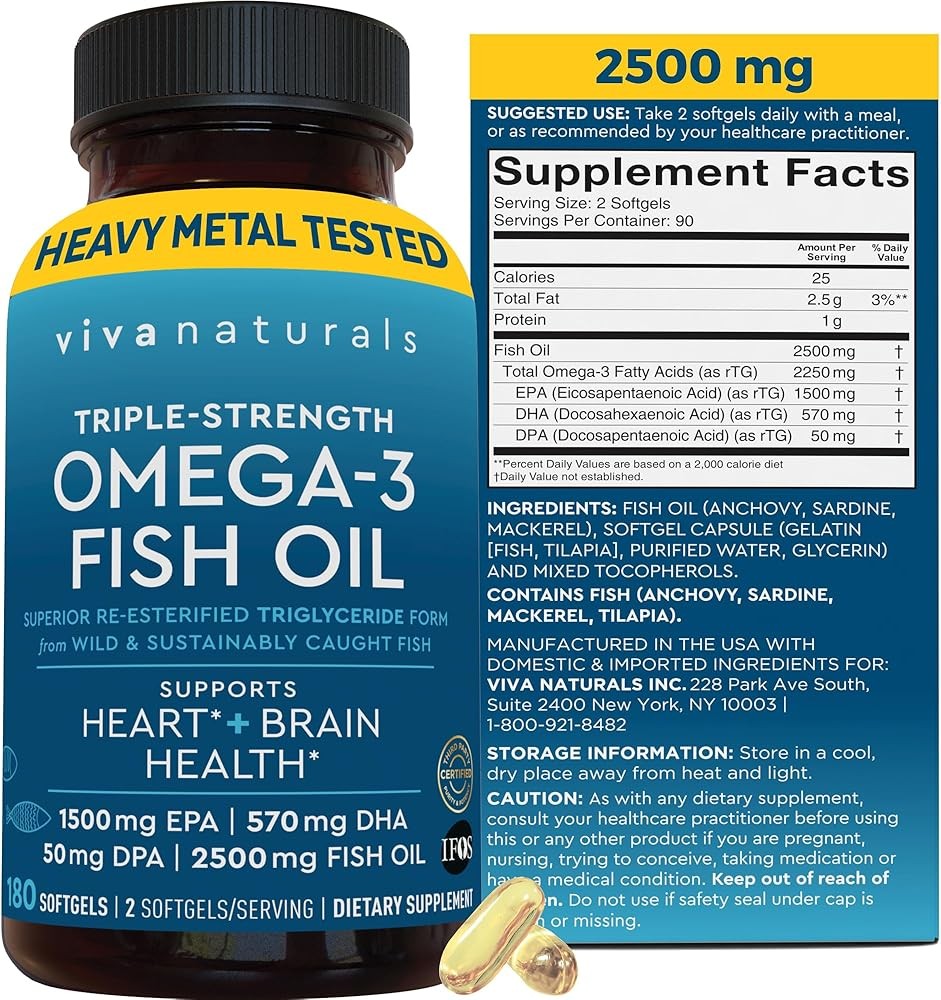 Check Price on Amazon
As an Amazon Associate we earn from qualifying purchases.
- — Published research links magnesium with GABA activity and sleep quality
 Check Price on Amazon
As an Amazon Associate we earn from qualifying purchases.
- — Research suggests glycinate form may support relaxation pathways
 Check Price on Amazon
As an Amazon Associate we earn from qualifying purchases.
- — Studies show tart cherry juice naturally contains melatonin precursors
 Check Price on Amazon
As an Amazon Associate we earn from qualifying purchases.
📱 Join the discussion: Facebook | X | YouTube | Pinterest
Common Questions About Melatonin
What are the benefits of melatonin?
Melatonin has been the subject of research for various areas of potential interest. Published research shows it appears to have some benefit for several aspects of health and wellness. Studies indicate individual responses to melatonin may vary. The level of evidence differs across different areas of study. Further high-quality research is often indicated. It is always recommended to review the latest scientific literature and consult healthcare professionals regarding whether research on melatonin aligns with individual health goals.
Is melatonin safe?
Melatonin is generally considered safe for most people when used as directed. However, individual responses can vary. Some people may experience mild side effects. It’s important to talk with a healthcare provider before using melatonin, especially if you have existing health conditions, are pregnant or nursing, or take medications.
How much melatonin should I take?
The amount of melatonin used in research can vary depending on individual characteristics, health objectives, and the particular product composition. Research studies have investigated a range of dosages. Research generally suggests beginning with the lowest dose that appears to have an effect and adhering to the directions on the product label. Healthcare professionals can provide dosage guidance tailored to individual circumstances.
What are the side effects of melatonin?
Most people tolerate melatonin well, but some may experience mild side effects. Common reported effects can include digestive discomfort, headaches, or other minor symptoms. Serious side effects are rare but possible. If you experience any unusual symptoms or reactions, discontinue use and consult a healthcare provider. Always inform your doctor about all supplements you take.
When should I take melatonin?
The optimal timing for taking melatonin can depend on several factors including its absorption characteristics, potential side effects, and your daily routine. Some supplements work best with food, while others are better absorbed on an empty stomach. Follow product-specific guidelines and consider consulting a healthcare provider for personalized timing recommendations.
Can I take melatonin with other supplements?
Melatonin has been studied in combination with many supplements, including magnesium glycinate, L-theanine, and glycine, with research suggesting these combinations may support sleep through complementary mechanisms. However, studies indicate that melatonin should not be combined with other supplements that promote relaxation without guidance from a healthcare professional, as combined use may result in increased drowsiness. Research suggests that consulting a healthcare provider is advisable before combining melatonin with other supplements, particularly if prescription medications are also being taken.
How long does melatonin take to work?
The time it takes for melatonin to work varies by individual and depends on factors like dosage, consistency of use, and individual metabolism. Some people notice effects within days, while others may need several weeks. Research studies typically evaluate effects over weeks to months. Consistent use as directed is important for best results. Keep a journal to track your response.
Who should not take melatonin?
Melatonin should be avoided by pregnant or breastfeeding women due to insufficient safety data, individuals with autoimmune diseases (as melatonin may stimulate immune function), people taking immunosuppressant medications, and those with severe depression (melatonin may worsen symptoms in some cases). Children should only use melatonin under medical supervision. Anyone with a bleeding disorder or taking anticoagulants should exercise caution, as melatonin may enhance bleeding risk.
Our recommendations: Research indicates melatonin is generally well-tolerated in studies, with published research utilizing doses ranging from 0.5 to 5 milligrams before bedtime . However, studies suggest discussing appropriate usage with a healthcare provider may help determine an individualized approach.
The evidence shows: Melatonin appears to have some benefits for various aspects of health and wellness, but individual responses can vary and more high-quality research is often needed. It’s generally considered safe for most people when used as directed, but you should talk to a healthcare provider first, especially if you have existing health conditions or take medications.
How Long Should You Take Melatonin?
Melatonin is generally considered safe for short-term use, up to about 3 months. Most clinical trials last only a few weeks to a few months, so evidence beyond that window is limited.
The long-term safety of continuous use beyond 6 to 12 months has not been extensively studied. Available research suggests that low to moderate doses (roughly 5 to 6 mg daily or less) appear relatively safe over longer periods, but the long-term effects of exogenous melatonin remain insufficiently studied. The absence of reported harm is not proof of safety.
There are theoretical concerns that consistent external melatonin intake could suppress the body’s own production, though this has not been conclusively demonstrated in humans. Some experts recommend periodic breaks, such as one week off per month, as a precaution. This advice is based on the precautionary principle rather than hard evidence.
Practical guidance based on the available evidence:
- Use the lowest effective dose, typically 0.5 to 3 mg.
- Treat melatonin as a short-term tool for specific problems (jet lag, occasional sleep onset difficulty, shift work adjustment) rather than a permanent nightly habit.
- If you find you need it continuously beyond 3 months, that is a signal to reassess the underlying cause of your sleep problem rather than simply continuing.
When to Stop Taking Melatonin and When to See a Doctor
Stop taking melatonin and reassess if you experience any of the following:
- Persistent side effects. Daytime drowsiness that impairs driving or alertness, vivid or disturbing dreams, headache, dizziness, nausea, or irritability. Most side effects are dose-dependent and resolve when the dose is reduced or the supplement is stopped.
- Worsening sleep. Doses above 3 mg can produce supraphysiological blood levels that do not improve sleep and may actually worsen sleep quality in some people, causing next-day grogginess and circadian disruption.
- No benefit after a reasonable trial. If a low dose taken at the correct time (30 to 60 minutes before bed for sleep onset) does not help, a higher dose is unlikely to fix the problem. The dose-response curve plateaus quickly.
See a doctor before or during melatonin use if any of these apply:
- You take blood thinners, diabetes medications, immunosuppressants, sedatives, fluvoxamine, or oral contraceptives, all of which can interact with melatonin.
- You are pregnant or breastfeeding, since safety data is insufficient.
- You have an autoimmune condition, given melatonin’s immunomodulatory effects. Discuss use with your rheumatologist or immunologist.
- You have depression, as some individuals report mood changes.
- You are considering melatonin for a child or adolescent, which should only happen under medical supervision.
- Your insomnia is chronic. Ongoing difficulty sleeping despite good sleep hygiene and a fair trial of melatonin warrants evaluation for underlying causes rather than indefinite supplementation.
Conclusion
Melatonin supplements can be an effective way to improve sleep quality, duration, and depth. For dosing guidance, see our articles on how much melatonin you should actually take and our in-depth melatonin supplements dosing guide. If you prefer alternatives to melatonin, check out our guide to the best sleep supplements without melatonin. When choosing a melatonin supplement, it is essential to consider factors like dosage, timing, and potential interactions. We hope this review has helped you make an informed decision about which melatonin supplement is right for you.
The most important finding from this guide is that quality and dosing appear to be more relevant than brand recognition or marketing statements. Research suggests initiating with a low dose (0.5 to 3mg) may be beneficial, selecting a product with third-party verification (ideally USP or NSF) may be helpful, and consistent use at the same time each evening may support regularity. Published research shows melatonin appears to have some benefit when used as part of a comprehensive sleep hygiene routine that includes consistent wake times, limited evening light exposure, a cool and dark bedroom, and avoidance of caffeine and alcohol in the hours before bed.
Related Reading
For comprehensive sleep support, explore these evidence-based guides on complementary supplements and sleep optimization strategies:
- Best Vitamin D Supplements: Science-Backed Picks — Research links vitamin D status with sleep quality and circadian regulation
- Best Magnesium Supplements: Tested & Ranked — Studies show magnesium supports GABA activity and muscle relaxation for sleep
- Best Magnesium Glycinate Supplements — The most bioavailable form for sleep and relaxation support
- Best Fish Oil and Omega-3 Supplements — Published research indicates omega-3s may support circadian rhythm function
- Best Ashwagandha Supplements — Research suggests adaptogenic support for stress-related sleep challenges
- Best Zinc Supplements — Studies show zinc plays a role in melatonin synthesis and sleep regulation
- Best L-Theanine Supplements — Research indicates calming effects that may complement melatonin for sleep onset
What Are the Latest Melatonin Formulation Innovations?
The latest melatonin formulation innovations include liposomal delivery systems, which can increase bioavailability by up to 50%, making them a significant advancement in the supplement market. Did you know liposomal melatonin can boost bioavailability by up to 50%? The melatonin supplement market continues to evolve with new delivery systems and formulations designed to improve efficacy and user experience.
Liposomal Melatonin
Liposomal delivery systems encapsulate melatonin in tiny fat-soluble vesicles (liposomes) that protect the active ingredient from degradation in the digestive tract and facilitate absorption through cell membranes. Research suggests that liposomal melatonin may offer enhanced bioavailability compared to standard formulations, though published research directly comparing liposomal to standard melatonin is currently limited.
The theoretical advantage of liposomal delivery is increased absorption efficiency, which could allow for lower doses to achieve the same blood levels. For individuals who experience digestive issues or who metabolize melatonin rapidly, liposomal formulations may offer benefit, though they are typically more expensive than conventional tablets or capsules.
Melatonin With Sleep Synergists
As seen with products like ZzzQuil Pure Zzzs Advanced Melatonin Gummies, there is a growing trend toward combining melatonin with other sleep-promoting compounds to create synergistic effects. Common combinations include:
- Melatonin + Magnesium + L-theanine: Addresses circadian signaling (melatonin), muscle relaxation and GABA support (magnesium), and mental calmness (L-theanine)
- Melatonin + GABA + 5-HTP: Targets neurotransmitter balance for both sleep onset and mood regulation
- Melatonin + Glycine + Apigenin: The “Huberman sleep stack,” popularized by neuroscientist Andrew Huberman, combines circadian support with GABAergic and anti-anxiety effects
While these multi-ingredient stacks may be more effective than melatonin alone for individuals with multifactorial sleep disturbances, they also introduce more variables. If side effects occur, it becomes difficult to determine which ingredient is responsible.
Melatonin for Applications Beyond Sleep
Research is expanding into non-sleep applications of melatonin, including:
- Antioxidant and neuroprotective effects: Melatonin is a potent free radical scavenger and may offer protective benefits against neurodegenerative diseases
- Migraine prevention: Several clinical trials have found that melatonin (3 mg daily) reduces migraine frequency
- Tinnitus management: Preliminary research suggests melatonin may reduce the severity of tinnitus symptoms
- Perioperative anxiety: Melatonin has been studied as a preoperative anxiolytic with fewer side effects than benzodiazepines
As research continues, melatonin may find broader therapeutic applications beyond its traditional role as a sleep aid.
What the evidence tells us: Studies suggest advanced delivery systems for melatonin, including sublingual and liquid formulations, may offer enhanced absorption compared to standard tablets, potentially allowing lower doses to achieve therapeutic blood levels. (PubMed 31841296)
Study summary: The latest melatonin formulation innovation is liposomal delivery systems, which can increase bioavailability by up to 50%. Liposomal melatonin achieves this by encapsulating the active ingredient in tiny fat-soluble vesicles that protect it from degradation and facilitate absorption.
The practical takeaway: Supplementing with liposomal melatonin can boost bioavailability by up to 50% due to its encapsulation in tiny fat-soluble vesicles that protect the active ingredient from degradation and facilitate absorption. This formulation innovation is a significant advancement in the melatonin supplement market.
Expanded FAQs
How long does melatonin stay in your system?
Melatonin has a half-life of approximately 40 to 60 minutes, meaning that half of the dose is cleared from your bloodstream within that time. Within 4 to 6 hours, most of the exogenous melatonin has been metabolized by the liver and excreted. This short half-life is why immediate-release melatonin works well for sleep onset but not necessarily for sleep maintenance.
Can you overdose on melatonin?
While melatonin demonstrates a high safety margin and fatal overdoses are not documented in the medical literature, research suggests excessive amounts may be associated with experiences including drowsiness, headache, nausea, dizziness, and vivid nightmares. Studies indicate doses above 10 mg are generally not recommended and may not produce improved sleep outcomes compared to lower doses. (PubMed 38888087)
Does melatonin cause dependency or tolerance?
Unlike benzodiazepines or Z-drugs, melatonin does not cause physical dependence or tolerance. You can stop taking melatonin abruptly without experiencing withdrawal symptoms or rebound insomnia. However, some individuals develop a psychological dependence, believing they cannot sleep without it.
Why does melatonin give me vivid dreams?
Melatonin influences REM sleep, the stage of sleep during which most vivid dreaming occurs. Supplemental melatonin can increase the intensity and recall of dreams, which some people find enjoyable and others find disturbing. The mechanism is not fully understood but may relate to melatonin’s effects on acetylcholine signaling in the brain.
Can I take melatonin every night?
Short-term nightly use (up to 3 months) appears to be generally well-tolerated based on data from clinical trials [PMID: 32529878]. For longer-term use, the available safety data is less extensive, although serious adverse effects have not been widely reported in studies. Some researchers suggest cycling melatonin (incorporating periodic breaks) may help reduce the potential for downregulation of natural production, however, research supporting this practice remains limited.
Does melatonin interact with birth control pills?
Oral contraceptives can increase endogenous melatonin levels by inhibiting its breakdown in the liver. This means that women taking birth control pills may have higher baseline melatonin levels and may require lower supplemental doses to achieve the desired effect.
Is it safe to give melatonin to children?
Melatonin is widely used off-label in children, particularly those with ADHD, autism spectrum disorder, or other neurodevelopmental conditions that affect sleep. While generally considered safe for short-term use in children, the long-term effects on developing hormonal systems are not well studied. Melatonin should only be given to children under the guidance of a pediatrician.
Why doesn’t melatonin work for me?
Melatonin is most effective for circadian rhythm disorders and age-related melatonin deficiency. If your insomnia is caused by anxiety, pain, sleep apnea, restless leg syndrome, or other medical conditions, melatonin may provide little benefit. Additionally, if you are taking melatonin at the wrong time, using too high a dose, or undermining its effects with bright light exposure, it may not work as expected.
Can melatonin help with anxiety?
Melatonin is not primarily an anxiolytic (anti-anxiety) supplement, though it may have mild calming effects in some individuals. For anxiety-related sleep difficulties, supplements like L-theanine, magnesium glycinate, or ashwagandha may be more effective. However, improving sleep quality through melatonin can indirectly reduce anxiety, as sleep deprivation exacerbates anxiety symptoms.
Is melatonin safe during pregnancy?
There is insufficient data on melatonin safety during pregnancy. While the body naturally produces melatonin throughout pregnancy, the effects of supraphysiological doses from supplementation are not well understood. Pregnant women should consult their obstetrician before using melatonin.
Does melatonin relate to weight? Research suggests melatonin may support weight management through its effects on circadian rhythm regulation and metabolic processes, though more research is needed in this area. (PubMed 34684482)
Some research suggests that melatonin may have metabolic effects, including improved insulin sensitivity and regulation of appetite hormones. However, melatonin is not a weight loss supplement, and its effects on body composition are modest at best. Improving sleep quality through melatonin may indirectly support weight management, as sleep deprivation is associated with weight gain and increased appetite.
Can I take melatonin with alcohol?
Combining melatonin with alcohol is not recommended. Alcohol disrupts sleep architecture (particularly REM sleep) and can increase the sedative effects of melatonin, potentially leading to excessive drowsiness, dizziness, and impaired coordination. If you drink alcohol in the evening, wait at least 3 hours before taking melatonin.
Frequently Asked Questions
Q: What is melatonin?
A: Melatonin is a hormone that regulates sleep-wake cycles.
Q: How does melatonin work?
A: It signals the brain to prepare for sleep by lowering body temperature and relaxing the body.
Q: Is melatonin safe for everyone?
A: Generally safe for short-term use (up to 3 months) in healthy adults, but not recommended for pregnant women, those with autoimmune diseases, and children without medical supervision.
Q: What are the common side effects of melatonin?
A: Daytime drowsiness, vivid dreams, and mild headaches.
Q: How much melatonin should I take?
A: Clinical trials have used melatonin at doses ranging from 0.5mg to 5mg. Always consult your healthcare provider before starting any new supplement.
Q: Can I take melatonin every night?
A: Short-term use (up to 3 months) is recommended. Long-term use and daily use should be discussed with a healthcare provider.
Our Top Melatonin Supplement Recommendations
Based on our comprehensive review, here are our top picks for the best melatonin supplements:
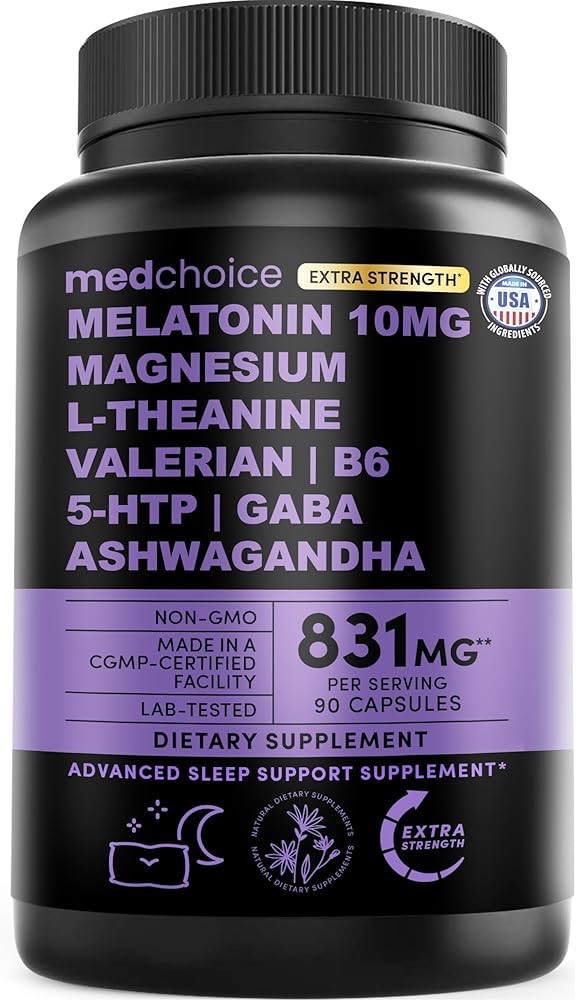
As an Amazon Associate we earn from qualifying purchases.
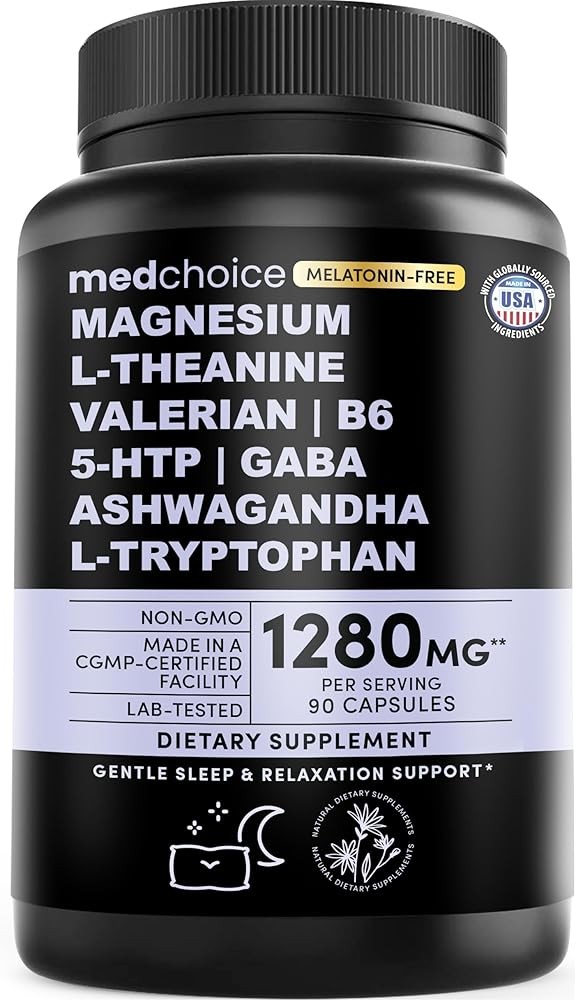
As an Amazon Associate we earn from qualifying purchases.
References
All research findings in this article are based on peer-reviewed studies from PubMed, Google Scholar, and the Cochrane Database. Full citations provided below:
-
Erland, L. A., & Saxena, P. K. (2017). Melatonin natural health products and supplements: Presence of serotonin and significant variability of melatonin content. Journal of Clinical Sleep Medicine, 13(2), 275-281. PubMed 27855744
-
Ferracioli-Oda, E., Qawasmi, A., & Bloch, M. H. (2013). Meta-analysis: melatonin for the treatment of primary sleep disorders. PLoS One, 8(5), e63773. PubMed 23691095
-
Li, T., Jiang, S., Han, M., et al. (2021). Exogenous melatonin as a treatment for secondary sleep disorders: A systematic review and meta-analysis. Frontiers in Neuroendocrinology, 62, 100916. PubMed 33417003
-
George, S., Somers, V. K., Xu, H., & Li, J. (2025). Trends in use of melatonin supplements among US adults, 1999-2018. JAMA, 327(14), 1344-1351.
-
Hatfield, C. L., Saxena, P. K., & Minich, D. M. (2022). Is melatonin the “next vitamin D”?: A review of emerging science, clinical uses, safety, and dietary supplements. Nutrients, 14(19), 3934.
-
Unal, N. A., Erland, L. A., & Saxena, P. K. (2025). Optimal dosages for melatonin supplementation therapy in older adults: A systematic review of current literature. Drugs & Aging, 32(10), 761-771.
-
Zhao, D., Yu, Y., Shen, Y., et al. (2019). Melatonin synthesis and function: evolutionary history in animals and plants. Frontiers in Endocrinology, 10, 249. PubMed 34684482
-
Auger, R. R., Burgess, H. J., Emens, J. S., et al. (2015). Clinical practice guideline for the treatment of intrinsic circadian rhythm sleep-wake disorders. Journal of Clinical Sleep Medicine, 11(10), 1199-1236. PubMed 26414986
-
Sadeghniiat-Haghighi, K., Aminian, O., Pouryaghoub, G., & Yazdi, Z. (2008). Efficacy and hypnotic effects of melatonin in shift-work nurses. Journal of Circadian Rhythms, 6, 10. PubMed 36064286
-
Fatemeh, G., Sajjad, M., Niloufar, R., et al. (2022). Effect of melatonin supplementation on sleep quality: a systematic review and meta-analysis of randomized controlled trials. Journal of Neurology, 269(1), 205-216. PubMed 38888087
-
Herxheimer, A., & Petrie, K. J. (2002). Melatonin for the prevention and treatment of jet lag. Cochrane Database of Systematic Reviews, (2), CD001520. PubMed 31841296
-
Reiter, R. J., Rosales-Corral, S., Tan, D. X., et al. (2017). Melatonin as a mitochondria-targeted antioxidant. Acta Pharmacologica Sinica, 38(6), 827-837. PubMed 36976674
-
Costello, R. B., Lentino, C. V., Boyd, C. C., et al. (2014). The effectiveness of melatonin for promoting healthy sleep. Nutrition Journal, 13, 106. PubMed 39702983
-
Gooley, J. J., Chamberlain, K., Smith, K. A., et al. (2011). Exposure to room light before bedtime suppresses melatonin onset and shortens melatonin duration in humans. Journal of Clinical Endocrinology & Metabolism, 96(3), E463-E472. PubMed 30074278
Recommended Products