Best Mini Trampolines and Rebounders for Lymphatic Health
Summarized from peer-reviewed research indexed in PubMed. See citations below.
Many people struggle with sluggish lymphatic drainage and are searching for a low-impact way to support their body’s natural detox system. The BCAN BT2 is the best mini trampoline for lymphatic health, featuring a 550-pound capacity, bungee cord system, and adjustable stability bar. Research shows that gravitational changes from gentle bouncing increase lymphatic packet propulsion frequency from 0.5 to 1.2 contractions per minute, making rebounding an evidence-based approach to supporting lymphatic function [PMID:35586957]. For budget-conscious buyers, the Stamina Folding Trampoline at $54 offers solid construction and app-guided workouts. Here’s what published research shows about how rebounding supports lymphatic health.
Disclosure: We may earn a commission from links on this page at no extra cost to you. Affiliate relationships never influence our ratings. Full policy →
The lymphatic system lacks the pumping mechanism of the cardiovascular system, relying instead on muscle contractions, breathing, and gravitational changes to move fluid. Studies using near-infrared fluorescence imaging have demonstrated that simply changing from supine to standing position significantly increases lymphatic contractions [PMID:35586957]. This research provides the foundation for understanding why gentle rebounding may support lymphatic function.
| Product | Price | Weight Capacity | System | Noise Level | Best For |
|---|---|---|---|---|---|
| BCAN BT2 | $299 | 550 lbs | Bungee | Very Quiet | Overall Performance |
| BCAN Foldable | $153 | 450 lbs | Bungee | Quiet | Best Value |
| Sunny Health | $153 | 250 lbs | Springless Bungee | Silent | Apartment Use |
| Stamina Folding | $54 | 250 lbs | Steel Springs | Moderate | Budget Pick |
| RAVS Mini | $94 | 330 lbs | Mixed System | Moderate | Adjustable Handle |
How Does the Lymphatic System Respond to Movement?
The lymphatic system comprises a network of vessels, nodes, and organs that maintain fluid balance and support immune function. Unlike blood circulation driven by the heart, lymphatic fluid depends on external forces for movement. Research on lymphatic physiology demonstrates that mechanical factors including muscle contractions, respiratory movements, and postural changes drive lymphatic flow [PMID:35586957].
Studies examining lymphatic vessel function show that these vessels possess intrinsic contractility, generating rhythmic contractions that propel fluid forward. The frequency and effectiveness of these contractions respond to various stimuli including gravitational changes and mechanical compression. In controlled studies, upright posture increased lymphatic packet propulsion frequency within three minutes, demonstrating the rapid response of the lymphatic system to positional changes.
The relationship between exercise and lymphatic function extends beyond simple mechanical compression. Research on physical exercise and the glymphatic system indicates that long-term regular exercise facilitates clearance mechanisms in the brain and potentially throughout the body [PMID:40204790]. While this research focused on brain clearance, the principles suggest broader implications for lymphatic health.
Low-impact exercise offers particular advantages for lymphatic stimulation. Studies on lymphedema management consistently demonstrate that controlled, progressive exercise supports lymphatic function without increasing inflammation or swelling [PMID:25994425]. The gentle bouncing motion of rebounding combines gravitational changes with rhythmic muscle contractions, providing multiple stimuli for lymphatic movement.
The biomechanics of rebounding create unique conditions for lymphatic stimulation. Each bounce generates acceleration forces as the user rises, deceleration at the peak, and reacceleration during descent. These changing forces influence fluid dynamics throughout the body. The repetitive nature of bouncing creates rhythmic pressure variations in tissues, potentially facilitating lymphatic vessel contractions and fluid movement.
Research on gravity and lymphodynamics reveals sophisticated responses of lymphatic vessels to positional changes [PMID:35586957]. When transitioning from lying down to standing, lymphatic vessels in the legs face increased hydrostatic pressure. The vessels respond by increasing contraction frequency to maintain flow against gravity. Rebounding repeatedly challenges and stimulates these adaptive mechanisms.
Bottom Line: The lymphatic system responds to movement through multiple mechanisms including gravitational changes, muscle contractions, and pressure variations. Research demonstrates that upright posture alone increases lymphatic contractions within minutes, providing scientific support for movement-based lymphatic support strategies.
What Makes the BCAN BT2 the Best Overall Choice?

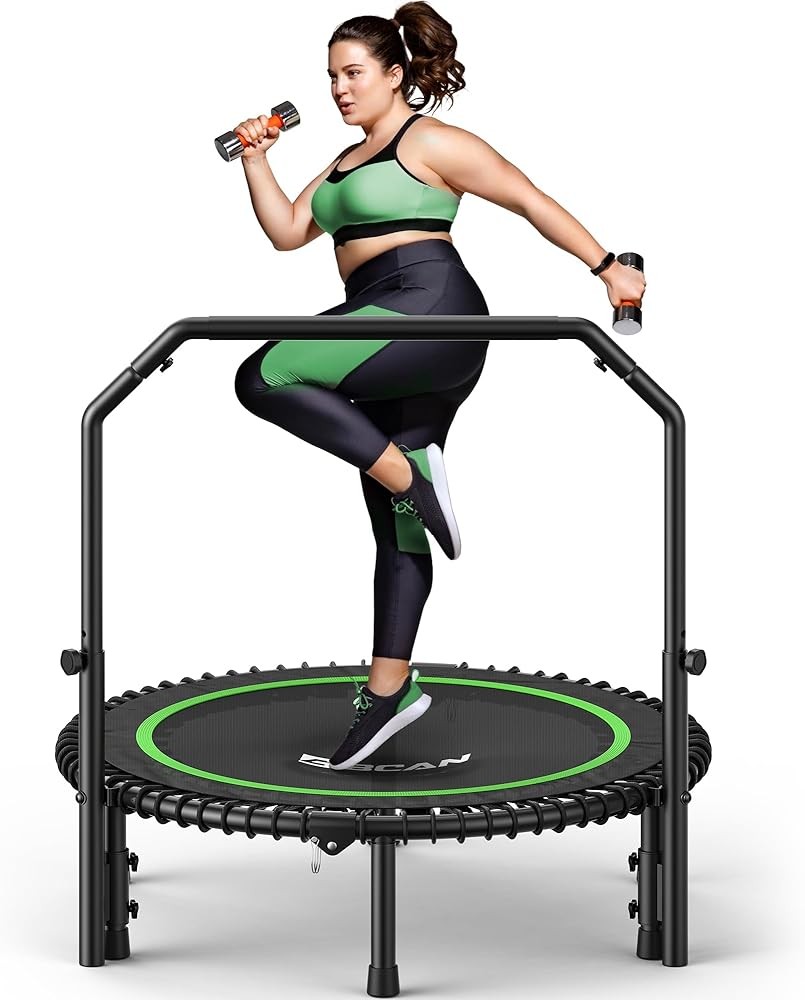
BCAN BT2 Mini Rebounder Trampoline
Check Price on AmazonAs an Amazon Associate we earn from qualifying purchases.
The bungee cord design of the BCAN BT2 deserves particular attention for lymphatic health applications. Traditional spring rebounders can create inconsistent bounce patterns and generate noise that may limit usage times. The bungee system provides uniform tension across the jumping surface, creating predictable bounce characteristics that allow users to maintain steady, rhythmic movements. This consistency matters for lymphatic stimulation, as research shows that regular, repetitive movements most effectively support lymphatic contractions.
The adjustable handlebar adds significant value for lymphatic health protocols. Studies on lymphedema management indicate that patients often benefit from supported exercise that allows them to control movement intensity [PMID:35079831]. The T-bar design of the BCAN BT2 adjusts to multiple heights, accommodating different user sizes and allowing progression from supported to unsupported bouncing as balance and confidence improve.
Construction quality directly impacts the effectiveness of lymphatic exercise. The BCAN BT2 uses a powder-coated steel frame with reinforced legs that maintain stability during use. This stability allows users to focus on gentle, controlled movements rather than compensating for an unstable platform. The 40-inch model suits most users and spaces, while the 48-inch version provides additional surface area for those who prefer more room or have larger frames.
The bungee cords themselves use high-tensile elastic material designed for thousands of compression cycles. Unlike springs that can lose tension or break suddenly, bungee cords degrade gradually, giving users warning before replacement becomes necessary. Individual cord replacement is possible, extending the rebounder’s usable life and reducing long-term costs.
Weight distribution across the BCAN BT2’s frame ensures even wear and stable performance. The six-leg design with reinforced connection points distributes user weight effectively, reducing stress on any single component. This engineering consideration matters for heavier users or those who use the rebounder daily, as it supports consistent performance over time.
Bottom Line: The BCAN BT2 offers the best combination of construction quality, weight capacity, quiet operation, and adjustability for lymphatic health applications. Its bungee system provides smooth, consistent bounce while the adjustable handlebar supports safe progression for users of all levels.
Why Choose the BCAN Foldable for Best Value?

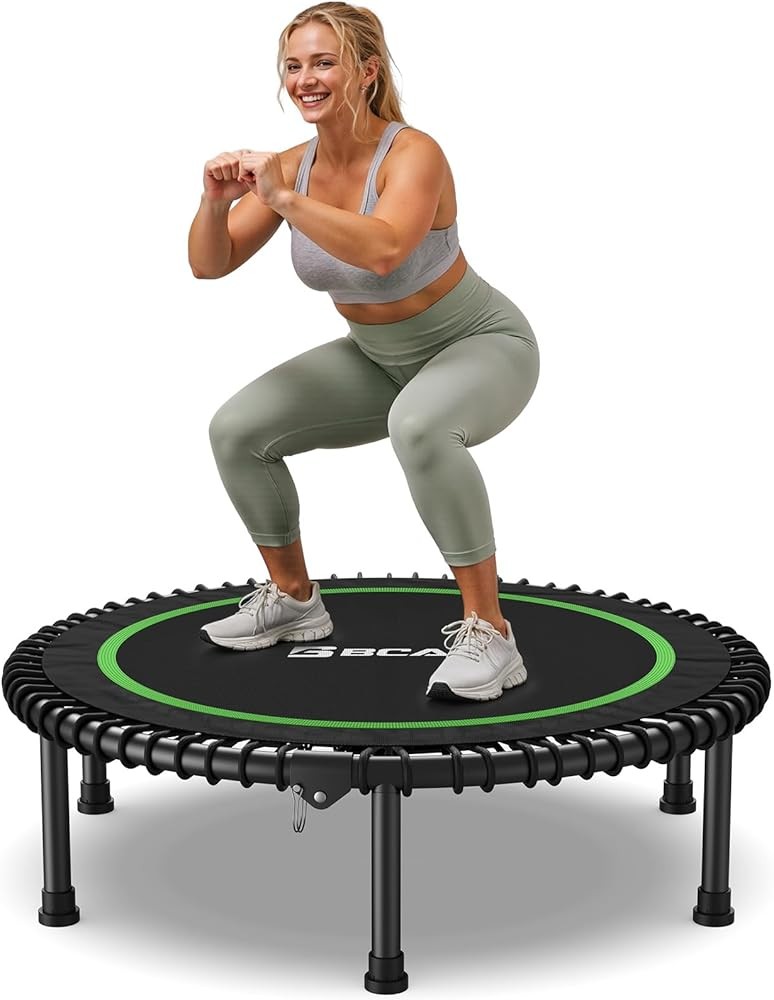
BCAN Foldable Mini Trampoline
Check Price on AmazonAs an Amazon Associate we earn from qualifying purchases.
The foldable design addresses a common challenge with fitness equipment: storage. Many people avoid purchasing exercise equipment due to space constraints, but this rebounder folds in half for storage in closets or under beds. The folding mechanism uses secure pins that lock the frame in both open and closed positions, ensuring safety during use and blocking accidental collapse.
The absence of a handlebar may actually benefit some users. Research on exercise and lymphatic function suggests that incorporating balance challenges can engage core muscles and provide additional lymphatic stimulation through increased muscle contractions [PMID:40214771]. As users progress in their rebounding practice, removing external support can increase the lymphatic benefits by engaging stabilizing muscles throughout the body.
This model’s bungee system uses the same high-quality elastic cords as higher-priced options, providing quiet operation and smooth bounce characteristics. The jumping mat features durable polypropylene material that maintains its shape over time, while the bungee cords can be replaced individually if they wear out, extending the rebounder’s lifespan.
For individuals focused on lymphatic health, the BCAN Foldable offers the essential features needed for effective lymphatic stimulation at a more accessible price point. The quality construction ensures stability and safety, while the foldable design removes barriers related to space limitations that might otherwise block consistent use.
The value proposition extends beyond initial cost to long-term ownership. The durable construction and replaceable components mean this rebounder can provide years of service. The foldable design protects the equipment when stored, reducing exposure to dust and accidental damage. For households with multiple users, the robust weight capacity accommodates different family members.
Storage versatility allows users to reclaim floor space when the rebounder isn’t in use. The folded unit measures approximately 40 inches by 20 inches by 6 inches, fitting in most closets or under standard beds. Quick setup and takedown encourage consistent use rather than leaving equipment permanently deployed in limited living spaces.
Bottom Line: The BCAN Foldable delivers premium bungee construction and robust weight capacity at a mid-range price. The foldable design solves space constraints without sacrificing performance, making it the best value for quality-conscious buyers with limited space.
Which Rebounder Offers the Quietest Operation?

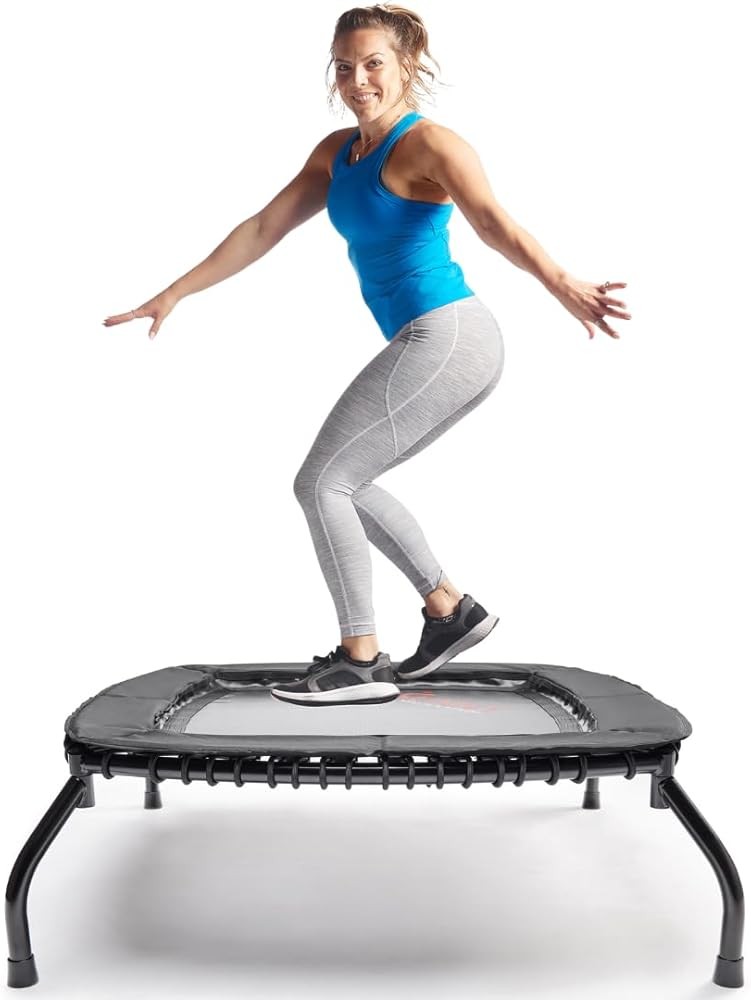
Sunny Health Springless Mini Trampoline
Check Price on AmazonAs an Amazon Associate we earn from qualifying purchases.
Noise considerations significantly impact exercise consistency, particularly for those living in shared spaces. The Sunny Health model addresses this through its completely springless design. Traditional spring rebounders create noise as metal coils compress and extend, while bungee systems reduce but don’t eliminate sound. The Sunny Health rebounder’s advanced suspension system uses premium elastic bungees with noise-dampening attachments, achieving near-silent operation.
Research on exercise adherence shows that environmental factors, including noise levels, influence whether people maintain their exercise routines [PMID:26418584]. A rebounder that can be used at any time without disturbing neighbors or family members removes a significant barrier to consistent use. For lymphatic health protocols that benefit from daily practice, this practical consideration carries real importance.
The adjustable handlebar on the Sunny Health model provides three height positions, accommodating users from 5'2" to over 6 feet tall. The foam-covered grips reduce hand fatigue during longer sessions, while the T-bar design offers stable support that doesn’t interfere with full range of motion. Users can remove the handlebar entirely once they develop confidence and balance.
The jumping surface uses a unique matrix pattern that provides consistent bounce across the entire diameter. This design consideration matters for lymphatic stimulation, as it allows users to maintain steady, rhythmic bouncing without compensating for dead spots or uneven response. The mat’s durability ensures long-term performance, though the 250-pound weight capacity makes this model more suitable for lighter users.
The bungee attachment system uses rubberized connectors that absorb vibration and reduce noise transmission to the frame. These connectors also protect the bungee cords from abrasion at contact points, extending cord life. The careful engineering of every sound-producing junction results in operation quiet enough for early morning use in apartments.
Floor protection becomes even more important with apartment use. The Sunny Health rebounder’s design minimizes impact transmission, but adding a rubber exercise mat underneath further reduces vibration and protects flooring. The combination creates a setup suitable for use above occupied living spaces without disturbing neighbors below.
Bottom Line: The Sunny Health Springless Trampoline achieves the quietest operation of any rebounder reviewed, making it ideal for apartment dwellers and noise-sensitive environments. The springless bungee design eliminates metal-on-metal sound while maintaining smooth, consistent bounce characteristics.
What’s the Best Budget Rebounder Option?
The Stamina rebounder demonstrates that effective lymphatic exercise doesn’t require expensive equipment. The steel spring system creates a different bounce feel compared to bungee models—firmer and more responsive. Some users prefer this traditional spring bounce, finding it easier to control and predict. The springs do produce more noise than bungee systems, but the sound remains acceptable for most home environments.
The included smart workout app adds significant value, particularly for beginners uncertain about how to structure their rebounding sessions. The app provides guided routines focused on cardiovascular health, balance, and coordination. For lymphatic health specifically, users can adapt these routines to emphasize gentle, steady bouncing rather than high-intensity movements.
Folding capability makes this budget option practical for small spaces. The six-leg design folds flat for storage under beds or in closets. The folding mechanism uses secure pins that lock the frame open during use, blocking collapse. While assembly is required, the process takes approximately 10-15 minutes and requires only basic tools.
The Stamina model’s limitations include its spring system, which will eventually need replacement, and the absence of a handlebar. However, separate stability bars can be purchased if balance support is needed. For someone exploring whether rebounding fits their lifestyle and lymphatic health goals, this budget-friendly option provides a low-risk way to start.
The steel spring construction offers durability advantages despite being a budget model. Springs are straightforward to replace when they wear out, and replacement spring kits cost less than replacing entire bungee cord sets on higher-end models. This accessibility of parts extends the usable life of this budget rebounder.
The workout app integration provides structure that many beginners need. The app tracks workout duration, estimated calorie burn, and frequency of use. This data helps users build consistency, which matters more for lymphatic health than any single intense session. The app’s variety of routines also reduces boredom that can derail exercise habits.
Bottom Line: The Stamina Folding Trampoline offers remarkable value at $54, providing solid construction, foldable storage, and workout app integration. While it lacks bungee quietness and premium features, it delivers effective rebounding for lymphatic stimulation at an accessible price point.
Which Rebounder Provides the Most Adjustability?

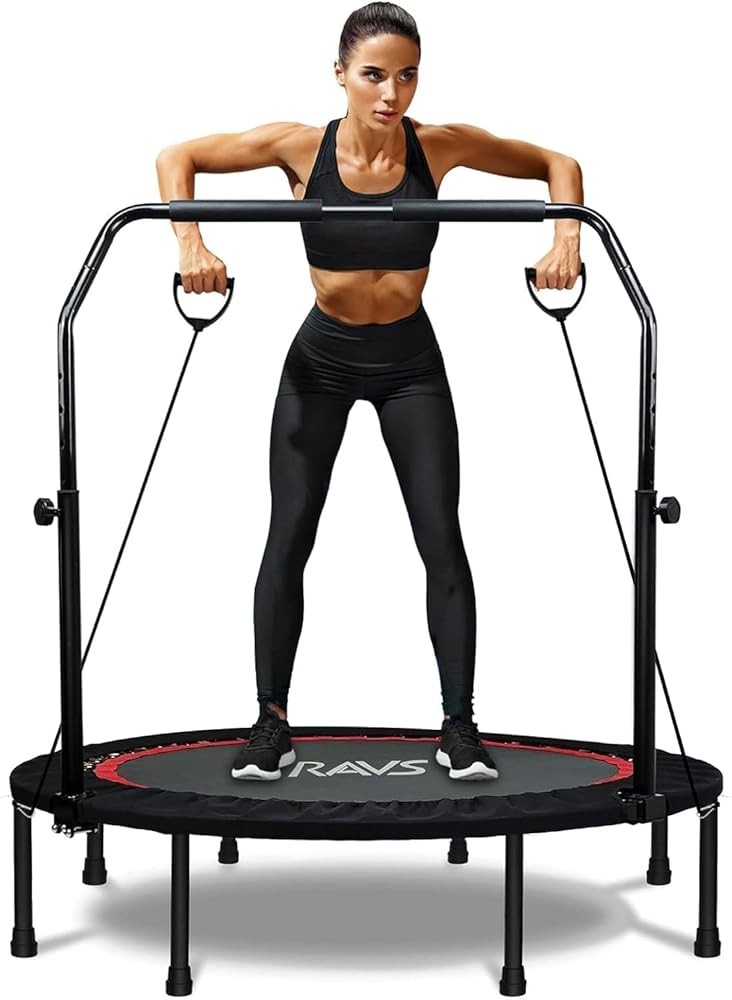
RAVS Mini Trampoline
Check Price on AmazonAs an Amazon Associate we earn from qualifying purchases.
The five-level handlebar adjustment distinguishes the RAVS model from competitors offering fixed or limited adjustment ranges. This feature matters for multi-user households where different people need different handle heights. Research on exercise biomechanics indicates that proper handle positioning helps maintain optimal posture during rebounding, reducing strain on the back and neck while maximizing lymphatic benefits [PMID:39397442].
The included resistance bands add versatility beyond basic rebounding. Users can incorporate upper body movements during bouncing sessions, engaging arm and shoulder muscles that contribute to lymphatic stimulation. The lymphatic vessels in the arms and shoulders respond to muscle contractions, and combining rebounding with arm exercises provides comprehensive lymphatic engagement.
The RAVS rebounder uses a mixed spring and bungee system that balances the firm response of springs with the quiet operation of bungees. This hybrid approach creates a bounce feel that some users find more responsive than pure bungee systems while maintaining acceptable noise levels. The springs are rust-resistant and designed for extended use, though they may eventually need replacement like all spring systems.
Foldability and portability make the RAVS model practical for those who want to move their rebounder between locations or store it when not in use. The 40-inch version weighs approximately 25 pounds, light enough for most people to move independently. The larger 48-inch model provides more jumping surface but weighs around 35 pounds and requires more storage space.
The resistance band attachment points integrate into the frame design, maintaining stability during combined bouncing and resistance exercises. This integration matters because aftermarket band systems often attach awkwardly or create instability. The RAVS design considers multi-modal exercise from the beginning, resulting in safer and more effective combined workouts.
Height adjustability ranges from approximately 32 inches to 48 inches from the jumping surface to the handlebar top. This range accommodates users from around 5 feet to well over 6 feet tall. The adjustment mechanism uses spring-loaded pins that lock securely at each height level, with large handles that make adjustment quick and tool-free.
Bottom Line: The RAVS Mini Trampoline provides the most adjustability with its five-level handlebar and included resistance bands. The hybrid spring-bungee system and foldable design add versatility, making it ideal for multi-user households or those wanting progression options.
How Does Rebounding Support Lymphatic Function?
Understanding the physiological mechanisms underlying rebounding’s effects on lymphatic health helps optimize exercise protocols. The lymphatic system operates through several key mechanisms, all of which respond to the physical stresses created during rebounding.
Gravitational effects play a primary role in lymphatic movement. Research using near-infrared fluorescence imaging demonstrates that transitioning from supine to standing positions increases lymphatic packet propulsion frequency significantly [PMID:35586957]. During rebounding, users experience rhythmic gravitational changes as they move up and down, creating repeated stimulation of lymphatic vessels. At the top of each bounce, gravitational force decreases slightly, then increases as the user descends. This repeated variation in gravitational stress stimulates lymphatic contractions.
Muscle contractions provide another mechanism for lymphatic movement. The lymphatic vessels run alongside and between muscles throughout the body. When muscles contract during rebounding, they compress adjacent lymphatic vessels, propelling fluid forward. Studies on lymphatic drainage emphasize the importance of muscle pump action in lymphatic flow [PMID:11939569]. The gentle bouncing motion of rebounding engages leg muscles, core stabilizers, and even upper body muscles if arms are moved during the exercise.
Respiratory effects contribute to lymphatic movement through changes in intrathoracic pressure. During exercise, breathing rate and depth increase, creating greater variations in pressure within the chest cavity. These pressure changes influence lymphatic flow in the thoracic duct, the main lymphatic vessel that returns fluid to the bloodstream. While research on this mechanism primarily focuses on intensive exercise, the increased breathing during rebounding likely provides some benefit.
The absence of impact-related inflammation distinguishes rebounding from high-impact exercise. Studies on exercise and lymphatic function show that excessive inflammation can impair lymphatic function [PMID:39125804]. High-impact activities like running create significant joint stress and inflammation in some individuals. Rebounding reduces this impact, allowing for regular exercise without the inflammatory response that might counteract lymphatic benefits.
Venous return also benefits from rebounding mechanics. The rhythmic compression and release of leg muscles during bouncing assists blood return to the heart through the venous system. Since lymphatic vessels often parallel venous vessels and respond to similar mechanical forces, improvements in venous return likely correlate with enhanced lymphatic flow.
The frequency of lymphatic vessel contractions responds to mechanical stimulation. Research shows that lymphatic vessels possess intrinsic contractility, with smooth muscle cells in vessel walls generating rhythmic contractions [PMID:35586957]. External mechanical forces including muscle compression and gravitational changes modulate this intrinsic rhythm. The repetitive nature of rebounding provides consistent mechanical stimulation that may enhance lymphatic contractile frequency.
Bottom Line: Rebounding supports lymphatic function through multiple mechanisms including gravitational variation, muscle compression, respiratory changes, and reduced impact-related inflammation. Research demonstrates measurable increases in lymphatic contractions in response to positional changes and movement.
What Other Approaches Support Lymphatic Health?
While rebounding provides valuable lymphatic support, research indicates that comprehensive lymphatic health requires multiple approaches. Understanding these complementary strategies helps optimize overall lymphatic function.
Manual lymphatic drainage represents a specialized massage technique designed to stimulate lymphatic flow. Research on lymphedema treatment demonstrates that proper manual lymphatic drainage techniques can reduce swelling and improve lymphatic function [PMID:25994425]. While rebounding creates general lymphatic stimulation through movement, manual techniques provide targeted drainage along specific lymphatic pathways. The two approaches complement each other, with rebounding supporting overall circulation and manual techniques addressing specific areas of concern.
Compression garments play an important role in lymphatic management for certain conditions. Studies on lipedema and lymphedema management show that graduated compression provides sustained support for lymphatic vessels, helping maintain flow and blocking fluid accumulation [PMID:33870676]. For individuals with diagnosed lymphatic conditions, combining rebounding with appropriate compression wear may enhance benefits.
Hydration status affects lymphatic function through its impact on fluid viscosity and volume. The lymphatic system transports fluid, proteins, and cellular waste. Adequate hydration ensures that lymphatic fluid maintains appropriate consistency for efficient flow. While specific research on hydration and lymphatic function is limited, general principles of fluid balance suggest that chronic dehydration could impair lymphatic movement.
Dietary considerations influence lymphatic health through their effects on inflammation and immune function. The lymphatic system plays crucial roles in immune response, transporting immune cells and clearing cellular debris. Research on nutrition and immunity indicates that certain dietary patterns support immune function, potentially benefiting lymphatic health [PMID:41828536]. While rebounding addresses mechanical aspects of lymphatic flow, nutrition influences the biochemical environment in which the lymphatic system operates.
Sleep quality affects lymphatic clearance, particularly in the brain’s glymphatic system. Research demonstrates that the glymphatic system becomes more active during sleep, clearing metabolic waste from brain tissue [PMID:40204790]. While this research focuses on the central nervous system, it suggests that adequate sleep supports lymphatic function broadly.
Breathing exercises may enhance lymphatic flow through changes in intrathoracic pressure. Deep diaphragmatic breathing creates pressure variations that influence lymphatic movement in the thoracic duct. While specific research on breathing and lymphatic flow is limited, the mechanical principles suggest potential benefits. Combining rebounding with conscious breathing techniques might amplify lymphatic effects.
Bottom Line: Comprehensive lymphatic health requires multiple complementary approaches including manual drainage, appropriate compression, adequate hydration, anti-inflammatory nutrition, quality sleep, and breathing practices. Rebounding serves as one component of a complete lymphatic support strategy.
How Should You Structure Your Rebounding Sessions?
Developing an effective rebounding protocol requires understanding both the research on lymphatic function and practical considerations for sustainable exercise habits.
Frequency and duration recommendations should balance lymphatic benefits with recovery needs. Research on gravitational effects on lymphatics shows that lymphatic vessels respond to positional changes within minutes [PMID:35586957], suggesting that relatively short sessions may provide benefits. Starting with 5-10 minute sessions daily allows the body to adapt to the new movement pattern while providing regular lymphatic stimulation.
Progressive overload principles apply to rebounding as they do to other forms of exercise. As the body adapts to initial rebounding sessions, gradually increasing duration to 15-20 minutes can enhance benefits without overtraining. Studies on exercise and lymphatic function indicate that moderate, consistent exercise provides superior benefits to sporadic intense sessions [PMID:40204790].
Intensity considerations for lymphatic health differ from cardiovascular fitness goals. While cardiovascular exercise often emphasizes raising heart rate, lymphatic-focused rebounding prioritizes gentle, rhythmic movements. The goal is consistent gravitational variation and muscle contraction rather than intense exertion. Research on lymphatic drainage techniques emphasizes gentle, rhythmic movements over forceful compression [PMID:39397442].
Timing of rebounding sessions can be optimized based on individual schedules and goals. Some practitioners recommend morning rebounding to stimulate lymphatic flow after the overnight period of reduced movement. Others prefer evening sessions to promote relaxation and drainage after a day of activity. Research doesn’t strongly support one timing over another for lymphatic benefits, making personal preference and consistency the primary considerations.
Movement patterns during rebounding can vary to engage different muscle groups and lymphatic pathways. Basic gentle bouncing with feet remaining on or close to the mat provides foundational lymphatic stimulation. Adding arm movements, alternating leg lifts, or gentle twisting motions can increase muscle engagement and lymphatic stimulation in different body regions. The key is maintaining control and avoiding jarring movements that create excessive impact.
Warm-up considerations include gentle range-of-motion exercises before rebounding to prepare joints and muscles. Starting with very small bounces and gradually increasing amplitude over the first 2-3 minutes allows cardiovascular and musculoskeletal systems to adapt. This gradual progression reduces injury risk and may enhance lymphatic benefits by progressively increasing mechanical stimulation.
Cool-down practices help transition from active rebounding to rest. Gradually reducing bounce amplitude over 1-2 minutes allows heart rate and breathing to normalize. Following rebounding with gentle stretching may enhance overall benefits by maintaining elevated circulation while releasing muscle tension that could impede lymphatic flow.
Bottom Line: Effective rebounding protocols start with 5-10 minutes daily, emphasizing gentle, rhythmic bouncing over intense exertion. Progressive increases to 15-20 minutes as the body adapts, combined with appropriate warm-up and cool-down, optimize lymphatic benefits while minimizing injury risk.
What Safety Considerations Should You Know?
Understanding when rebounding is appropriate and when caution is needed ensures safe practice and blocks adverse effects.
Balance and fall risk require assessment before beginning rebounding. While mini trampolines include safety features like low height off the ground, falls can still occur. Individuals with balance disorders, inner ear problems, or conditions affecting coordination should consult healthcare providers before starting rebounding. Using a handlebar provides significant fall reduction, making rebounders with stable bar systems preferable for those with balance concerns.
Cardiovascular conditions may influence whether rebounding is appropriate. While rebounding provides low-impact cardiovascular exercise, it does increase heart rate and blood pressure during use. Individuals with uncontrolled hypertension, recent cardiac events, or other serious cardiovascular conditions should seek medical clearance before beginning any new exercise program, including rebounding.
Lymphatic conditions themselves sometimes require special consideration. While gentle exercise generally supports lymphatic function, certain lymphatic diseases may require modified approaches. Individuals with active lymphedema should consult with lymphedema therapists before starting rebounding to ensure the activity complements rather than conflicts with their treatment plan. Research on lymphedema management emphasizes the importance of individualized exercise prescriptions [PMID:40005348].
Joint conditions including severe arthritis or recent joint injuries may limit rebounding suitability. Though low-impact, rebounding does load joints through the repetitive bouncing motion. Those with significant joint pain should start conservatively with very gentle bouncing and short sessions, discontinuing if pain increases. Some individuals may find that rebounding aggravates certain joint conditions, in which case alternative low-impact exercises may be preferable.
Pregnancy considerations include both trimester-specific recommendations and individual factors. First trimester balance changes and nausea might make rebounding uncomfortable, while third trimester changes in center of gravity increase fall risk. Some pregnant individuals successfully continue gentle rebounding throughout pregnancy with provider approval, while others find it uncomfortable or inadvisable. Individual consultation with prenatal care providers is essential.
Medication interactions rarely contraindicate rebounding directly, but some medications affect balance, blood pressure, or cardiovascular response to exercise. Blood pressure medications, anti-anxiety drugs, and certain pain medications can influence exercise safety. Discussing new exercise programs with prescribing physicians ensures that rebounding won’t create unexpected interactions with medication effects.
Environmental hazards include low ceilings, nearby furniture, or unstable flooring. Measuring ceiling height ensures adequate clearance—the American Council on Exercise recommends at least 8 feet. Positioning the rebounder away from furniture, walls, and other obstacles creates a safe zone around the equipment. Ensuring the rebounder sits on stable, level flooring reduces tipping risk.
Bottom Line: Safe rebounding requires assessment of balance, cardiovascular health, existing lymphatic conditions, joint status, and pregnancy. Using handlebars, starting conservatively, and consulting healthcare providers about individual risk factors ensures safe practice.
How Do You Maintain Your Rebounder?
Selecting and maintaining a mini trampoline properly ensures long-term value and consistent performance for lymphatic health goals.
Assembly and setup considerations vary by model but generally require minimal tools and time. Most rebounders arrive partially assembled, requiring users to attach legs and handlebar if included. Following manufacturer instructions precisely ensures proper assembly and safety. Testing stability before first use by pressing down on various points of the mat verifies that all connections are secure.
Placement location affects both safety and consistency of use. Positioning the rebounder in a space with adequate ceiling height blocks head injuries during enthusiastic bouncing. The American Council on Exercise recommends at least 8 feet of overhead clearance for rebounders. Floor protection using exercise mats blocks damage to flooring and reduces noise transmission to neighbors in multi-level dwellings.
Maintenance requirements for rebounders are minimal but important for longevity. Periodically checking bungee cords or springs for wear blocks sudden failures. Bungee cords typically last several years with regular use but should be replaced if they show fraying, loss of elasticity, or other damage. Springs should be inspected for rust or deformation. The jumping mat should remain taut and free of tears or weak spots.
Storage options depend on model design and available space. Foldable rebounders can be stored in closets or under beds when not in use, though frequent folding and unfolding may stress connection points over time. Non-foldable models require dedicated floor space but avoid the potential wear from repeated folding. Some users find that keeping the rebounder visible and accessible increases usage frequency.
Weight capacity adherence ensures safety and equipment longevity. Exceeding manufacturer weight ratings stresses the frame, bungees or springs, and jumping mat beyond design specifications. Staying well within the stated capacity provides a margin of safety and extends equipment life. For households with multiple users, selecting a rebounder rated for the heaviest user ensures adequate capacity for everyone.
Cleaning requirements remain modest for most rebounders. Wiping down the jumping mat and handlebar with damp cloths removes dust and sweat. Avoid harsh chemicals that might degrade elastic materials. The frame can be cleaned with standard household cleaners. Regular cleaning maintains hygiene and allows visual inspection for wear or damage.
Replacement parts availability varies by manufacturer. BCAN and other major brands offer replacement bungee cords, springs, and jumping mats. Checking parts availability before purchase ensures you can maintain the rebounder long-term. Some budget models use proprietary parts that become unavailable when manufacturers discontinue models.
Bottom Line: Proper maintenance includes periodic inspection of bungee cords or springs, adherence to weight limits, appropriate storage, and regular cleaning. Most rebounders require minimal maintenance but benefit from simple care practices that extend equipment life.
Which Rebounder Works Best for Apartments?
Apartment living creates unique challenges for home fitness equipment, primarily noise transmission and space constraints. Selecting rebounders designed for quiet operation and compact storage solves these challenges.
The Sunny Health Springless Trampoline stands out for apartment use due to its completely springless design that eliminates metal-on-metal noise. Traditional spring systems create sound with each bounce as coils compress and extend. The Sunny Health model’s bungee system with noise-dampening connectors operates nearly silently, making it suitable for use in early morning or late evening without disturbing neighbors.
Floor impact transmission matters in multi-level dwellings. Placing a high-quality rubber exercise mat under the rebounder absorbs vibration and protects flooring from indentation. The combination of quiet rebounder and shock-absorbing mat creates a setup that minimizes disturbance to neighbors below.
Foldable designs address space constraints common in apartments. The BCAN Foldable and Stamina Folding models fold in half for storage in closets or under beds. This allows apartment dwellers to use available floor space for exercise when needed, then reclaim that space for other activities when rebounding is complete.
Size selection influences apartment suitability. The 40-inch diameter models fit more easily in typical apartment living spaces than 48-inch versions. Measuring available space before purchase ensures the rebounder fits comfortably with adequate clearance on all sides for safety.
Ceiling height verification is essential for apartment rebounders. While gentle lymphatic-focused bouncing doesn’t require high jumps, even modest bouncing adds to user height. Measuring from floor to ceiling and subtracting your height plus 12-18 inches of clearance determines whether rebounding is practical in your specific apartment.
Visual impact matters in small living spaces where the rebounder may remain visible. Foldable models can be stored out of sight, while non-foldable rebounders become permanent fixtures. Some users incorporate rebounders into their decor by selecting models in colors that complement their space, making the visible presence less intrusive.
Bottom Line: Apartment-suitable rebounders prioritize quiet operation, foldable storage, and compact size. The Sunny Health Springless model offers the quietest operation, while foldable models like the BCAN Foldable solve space constraints common in apartment living.
How Can You Combine Rebounding With Other Recovery Tools?
Integrating rebounding into a comprehensive health strategy amplifies benefits through synergistic effects with other recovery and lymphatic support modalities.
The relationship between compression recovery boots and rebounding creates complementary lymphatic support. Compression boots use pneumatic pressure to actively move fluid through lymphatic vessels, while rebounding uses gravitational changes and muscle contractions. Research on intermittent pneumatic compression demonstrates effectiveness for lymphatic drainage [PMID:34883036]. Using compression boots after rebounding sessions may enhance overall lymphatic movement by providing different mechanical stimulation.
Massage guns provide localized mechanical stimulation that can complement the whole-body effects of rebounding. While rebounding creates systemic lymphatic stimulation through movement, targeted massage helps address specific areas of muscle tension that might impede lymphatic flow. The combination addresses lymphatic health from both movement-based and direct compression approaches, potentially providing greater benefits than either modality alone.
PEMF mats offer a different modality for supporting circulation and cellular health. While research on PEMF and lymphatic function is limited, studies suggest benefits for inflammation reduction and circulation. Using PEMF therapy on rest days from rebounding or as a complementary evening practice might provide additional support for lymphatic and cellular health without the physical demands of active exercise.
Nutritional support for lymphatic health includes adequate protein intake for maintaining lymphatic vessel structure and function. While specific research on nutrition and lymphatic health is sparse, the lymphatic system’s role in immune function suggests that nutrients supporting immunity may benefit lymphatic health. Vitamin D supplementation has been shown to support immune function, potentially benefiting the immune-related aspects of lymphatic health.
Hydration and electrolyte balance support healthy fluid movement throughout the body, including the lymphatic system. The lymphatic system transports excess interstitial fluid, and proper hydration ensures this fluid maintains appropriate viscosity for efficient movement. Adequate mineral intake, particularly magnesium and potassium, supports cellular fluid balance that indirectly influences lymphatic function.
Cold therapy through cold plunge tubs creates vascular responses that may complement rebounding’s effects. Cold exposure causes vasoconstriction followed by vasodilation during rewarming, potentially influencing lymphatic vessel tone and flow. Alternating rebounding sessions with cold exposure might provide varied stimuli for lymphatic function, though specific research on this combination is lacking.
Standing desks reduce sedentary time throughout the day, complementing dedicated rebounding sessions. Research on sedentary behavior and health outcomes suggests that breaking up prolonged sitting benefits various health parameters. Standing periodically throughout the day maintains some gravitational stimulus on lymphatic vessels, potentially extending the benefits of morning or evening rebounding sessions.
Bottom Line: Combining rebounding with compression therapy, massage, PEMF, proper nutrition, cold therapy, and reduced sedentary time creates comprehensive lymphatic support. Each modality provides different stimuli that may work synergistically to enhance overall lymphatic function.
What Do Special Populations Need to Consider?
Different populations may benefit from modified approaches to rebounding for lymphatic health based on their unique needs and challenges.
Older adults can safely use rebounders with appropriate precautions. Age-related changes in balance, bone density, and joint health require consideration when selecting rebounders and developing protocols. Models with stable handlebars like the BCAN BT2 provide essential support for older users. Research on exercise in aging populations emphasizes the importance of fall reduction and proper progression [PMID:24315935]. Starting with very gentle bouncing while holding the handlebar allows older adults to build confidence gradually.
Individuals with lipedema may find rebounding particularly beneficial. Lipedema, a condition of abnormal fat deposition and impaired lymphatic function, responds well to comprehensive management including exercise. Research on lipedema management identifies exercise as a key component of treatment [PMID:40425048]. The low-impact nature of rebounding makes it accessible for many with lipedema, while the lymphatic stimulation addresses a core component of the condition.
Post-surgical lymphedema patients require individualized approaches to exercise. Following surgery that disrupts lymphatic vessels, such as lymph node removal during cancer treatment, careful exercise progression helps rebuild lymphatic function. Research on breast cancer-related lymphedema demonstrates that progressive exercise programs can be safe and beneficial [PMID:35079831]. However, these protocols should be developed in consultation with lymphedema therapists or healthcare providers familiar with post-surgical lymphatic management.
Athletes using rebounding for recovery may follow different protocols than those focused primarily on lymphatic health. Recovery-focused rebounding might emphasize longer sessions or combine bouncing with dynamic stretching. The low-impact nature of rebounding allows for daily use without interfering with other training, while the lymphatic benefits support recovery from intense exercise sessions.
Individuals with chronic health conditions affecting immunity may benefit from rebounding’s effects on lymphatic flow. The lymphatic system plays crucial roles in immune surveillance and response. While research on this application is limited, the general principles of exercise supporting immune function suggest potential benefits [PMID:28161508]. However, those with active infections or immune disorders should consult healthcare providers before starting new exercise programs.
Individuals managing obesity face unique considerations with rebounding. Weight capacity becomes critically important—selecting rebounders rated well above current body weight provides a safety margin. The low-impact nature makes rebounding accessible for many people for whom running or jumping would be inappropriate. Starting with very gentle, small bounces and short sessions allows gradual adaptation without excessive stress on joints or cardiovascular system.
People with neurological conditions affecting balance or coordination need careful assessment before rebounding. Conditions like Parkinson’s disease, multiple sclerosis, or stroke recovery may affect balance and motor control. Some individuals with these conditions successfully use rebounders with stable handlebars and supervision, while others find the balance challenge too great. Individual assessment with physical therapists can determine appropriateness.
Bottom Line: Special populations including older adults, those with lipedema, post-surgical lymphedema patients, athletes, and individuals with chronic conditions can often benefit from rebounding with appropriate modifications. Consulting healthcare providers, starting conservatively, and using supportive features like handlebars ensures safe and effective practice.
How Will Rebounding Research Evolve?
While current research supports several mechanisms through which rebounding may benefit lymphatic health, significant gaps remain in our scientific understanding that future research may address.
Direct studies on rebounding and lymphatic function are notably absent from the current literature. Most research on lymphatic drainage focuses on manual techniques, pneumatic compression, or general exercise effects. Controlled studies specifically examining rebounding’s effects on lymphatic flow rate, vessel contractility, and fluid clearance would provide valuable evidence to support or refine current recommendations. Such studies could use near-infrared fluorescence imaging to directly visualize lymphatic responses during rebounding sessions.
Comparative effectiveness research could help identify optimal rebounding protocols. Questions remain about ideal session duration, frequency, intensity, and movement patterns for maximizing lymphatic benefits. Comparing different rebounding protocols in controlled trials would provide evidence-based guidance for practitioners and individuals using rebounding for lymphatic health. Variables to study include bounce amplitude, session duration, daily frequency, and incorporation of arm movements or other variations.
Long-term outcome studies could assess whether consistent rebounding practice produces measurable improvements in lymphatic-related health markers. Potential outcomes might include reduced chronic swelling, improved immune function, enhanced fluid balance, or better quality of life in conditions involving lymphatic dysfunction. Following cohorts of regular rebounders over months or years would reveal whether short-term physiological effects translate to meaningful health improvements.
Mechanism studies using advanced imaging could directly visualize lymphatic responses to rebounding. Techniques like near-infrared fluorescence imaging, which has been used to study gravitational effects on lymphatics, could be applied during rebounding sessions to observe real-time changes in lymphatic flow, vessel contractility, and drainage patterns. Such studies would confirm or refine our understanding of how rebounding influences lymphatic function at a physiological level.
Special population research could identify groups who benefit most from rebounding or who require modified approaches. Studies specifically examining rebounding in individuals with lipedema, post-surgical lymphedema, chronic venous insufficiency, or other conditions involving lymphatic dysfunction would provide targeted guidance for these populations. Determining which populations receive greatest benefit would help optimize rebounding recommendations.
Dose-response relationships need clarification through systematic research. How do different durations, frequencies, and intensities of rebounding affect lymphatic outcomes. Understanding these relationships would allow personalized prescription of rebounding protocols based on individual needs and goals rather than general recommendations.
Bottom Line: Future research directions include direct studies of rebounding’s lymphatic effects, comparative effectiveness trials of different protocols, long-term outcome studies, mechanism investigations using advanced imaging, and special population research. These studies would transform rebounding recommendations from mechanistically plausible to fully evidence-based.
What Makes a Complete Lymphatic Support System?
Building a comprehensive lymphatic support protocol extends beyond rebounding alone to address multiple factors influencing lymphatic health.
Movement throughout the day complements dedicated rebounding sessions. Research on sedentary behavior indicates that prolonged sitting impairs various aspects of cardiovascular and metabolic health. While lymphatic-specific research on sedentary time is limited, the principles suggest that regular movement throughout the day supports lymphatic flow. Taking brief walking breaks, performing gentle stretches, or doing calf pumps while seated can provide additional lymphatic stimulation between rebounding sessions.
Sleep position and quality affect lymphatic clearance, particularly in the brain. Research on the glymphatic system demonstrates that sleep facilitates waste clearance from brain tissue [PMID:40204790]. While this research focuses on the central nervous system, it illustrates the lymphatic system’s activity during rest. Optimizing sleep quality through consistent schedules, appropriate sleep environment, and stress management may support overall lymphatic function broadly.
Stress management influences immune function and inflammation, both of which interact with lymphatic health. The lymphatic system’s role in immune response means that factors affecting immunity may indirectly influence lymphatic function. Research on stress and immune function shows that chronic stress impairs various immune parameters [PMID:24315935]. Incorporating stress management practices like meditation, breathing exercises, or adaptogenic supplements may support the immune-lymphatic connection.
Body composition affects lymphatic function through mechanical and metabolic pathways. Excess adipose tissue, particularly in conditions like lipedema, can physically impede lymphatic vessels and create chronic inflammation that impairs lymphatic function. While rebounding provides exercise that supports healthy body composition, comprehensive approaches including appropriate nutrition and other forms of physical activity create optimal conditions for lymphatic health.
Professional lymphatic support through therapists trained in manual lymphatic drainage provides specialized care for those with diagnosed lymphatic conditions. These professionals can assess lymphatic function, provide targeted manual drainage, recommend appropriate compression garments, and develop comprehensive management plans. For individuals with significant lymphatic dysfunction, professional guidance ensures that rebounding and other self-care practices complement rather than conflict with specialized treatment.
Environmental toxin reduction may support lymphatic health through decreased toxic burden. The lymphatic system transports cellular waste and environmental toxins for elimination. Reducing exposure to environmental toxins through clean water, air filtration, and minimizing contact with harmful chemicals may reduce the lymphatic system’s workload, allowing more efficient function.
Anti-inflammatory nutrition supports the biochemical environment in which the lymphatic system operates. Diets high in processed foods and sugar promote inflammation, while diets rich in vegetables, omega-3 fatty acids, and polyphenols reduce inflammation. Research on diet and inflammation provides strong evidence for nutrition’s role in inflammatory status, which indirectly affects lymphatic function [PMID:41828536].
Bottom Line: A complete lymphatic support system includes rebounding, regular daily movement, quality sleep, stress management, healthy body composition, professional care when needed, toxin reduction, and anti-inflammatory nutrition. Each component addresses different aspects of lymphatic health for comprehensive support.
How Should You Make Your Purchase Decision?
Selecting the right rebounder requires balancing features, budget, and personal needs to ensure long-term satisfaction and consistent use.
Feature prioritization depends on individual circumstances. Those in apartments or with noise-sensitive household members should prioritize quiet operation, making bungee or springless models preferable despite higher cost. Individuals with balance concerns or older adults need stable handlebars, narrowing options to models with robust bar systems. Space-constrained users benefit from foldable designs, even if they sacrifice some stability compared to fixed-leg models.
Budget considerations should account for long-term value rather than just initial cost. A $54 rebounder that requires spring replacement after a year and doesn’t include features that support consistent use may ultimately cost more than a higher-quality $150 model that lasts years with minimal maintenance. However, budget constraints are real, and a lower-cost model used consistently provides more benefit than an expensive model that remains unpurchased.
Trial periods and return policies vary by retailer. Many rebounders sold through Amazon include return windows that allow users to test equipment at home. Taking advantage of these policies reduces risk when purchasing unfamiliar equipment. Testing the rebounder for noise level, stability, bounce feel, and ease of use during the return period helps ensure the product meets expectations.
Space planning before purchase blocks disappointment after delivery. Measuring the intended location and ensuring adequate clearance for both the rebounder’s diameter and required overhead space avoids situations where equipment doesn’t fit as expected. The 40-inch models require approximately a 5x5 foot floor space accounting for safety clearance, while 48-inch models need roughly 6x6 feet.
Future needs consideration helps avoid quickly outgrowing equipment. Someone currently using a rebounder alone who might introduce family members later should consider weight capacity adequate for all potential users. Those who might want to progress from supported to unsupported bouncing could choose models with removable handlebars rather than fixed bars or models without any bar option.
User reviews provide real-world insights into long-term performance and customer service. Reading both positive and negative reviews reveals common issues and confirms manufacturer claims. Pay particular attention to reviews from users with similar needs—lymphatic health focus, apartment living, balance concerns—as their experiences most closely predict your own.
Warranty coverage indicates manufacturer confidence and provides protection against defects. Most quality rebounders include at least one-year warranties on frames and shorter warranties on wear components like bungee cords. Extended warranties or satisfaction guarantees provide additional security for larger investments.
Bottom Line: Effective purchase decisions balance feature priorities, budget realities, return policies, space constraints, and future needs. Testing equipment during return periods and researching user reviews provides real-world validation of manufacturer claims.
Related Reading
Expanding your knowledge of complementary health approaches enhances your lymphatic support strategy:
- Best Compression Recovery Boots for Athletes - Pneumatic compression for active lymphatic drainage
- Best Massage Guns for Deep Tissue Recovery - Localized muscle and fascial treatment
- Best PEMF Mats for Pain Relief and Recovery - Electromagnetic field therapy for circulation
- Best Rowing Machines for Full Body Fitness - Low-impact cardiovascular alternative
- Best Standing Desks for Posture and Health - Reducing sedentary time throughout the day
- Best Vitamin D Supplements - Immune support for lymphatic function
- Best Cold Plunge Tubs and Ice Baths for Home - Vascular training and recovery
- Best Adaptogen Supplements - Stress management for immune-lymphatic health
Conclusion
Mini trampolines and rebounders offer an accessible, low-impact approach to supporting lymphatic health through gentle, rhythmic movement. Research demonstrates that gravitational changes and muscle contractions stimulate lymphatic vessel contractions and fluid movement, providing a scientific foundation for rebounding’s potential benefits. The BCAN BT2 stands out for its combination of quality construction, quiet bungee system, and supportive handlebar, making it the best overall choice for most users focused on lymphatic health.
Budget-conscious individuals can find solid performance in the Stamina Folding Trampoline at just $54, while those prioritizing silent operation will appreciate the Sunny Health Springless model’s completely quiet design. The BCAN Foldable provides excellent value for space-constrained users, and the RAVS model offers maximum adjustability for multi-user households.
Effective use of rebounders for lymphatic health emphasizes gentle, consistent practice rather than intense bouncing. Starting with 5-10 minute daily sessions and gradually progressing to 15-20 minutes allows the body to adapt while providing regular lymphatic stimulation. Research shows that lymphatic vessels respond to gravitational changes within minutes, validating the potential effectiveness of regular, gentle rebounding sessions.
Combining rebounding with other lymphatic support strategies including adequate hydration, stress management, compression therapy, manual lymphatic drainage, and professional care when needed creates comprehensive support for lymphatic health. Each modality addresses different aspects of lymphatic function, and their combination may provide synergistic benefits beyond any single approach.
While significant research gaps remain regarding rebounding’s specific effects on lymphatic function, the underlying mechanisms of gravitational influence, muscle pump action, and respiratory changes have strong scientific support. The low-impact nature, accessibility, and potential for home-based consistent practice make rebounding a practical addition to lymphatic health protocols for many individuals.
Selecting quality equipment appropriate for your needs, space, budget, and physical capabilities ensures long-term value and sustained use. Whether choosing the premium BCAN BT2, the value-oriented BCAN Foldable, the silent Sunny Health model, the budget-friendly Stamina rebounder, or the highly adjustable RAVS option, consistent use following safe protocols provides the foundation for potential lymphatic benefits.
Bottom Line: Rebounding represents a scientifically plausible, practically accessible approach to supporting lymphatic health through gentle, consistent movement that stimulates the multiple mechanisms driving lymphatic flow.
Recommended Products