Best Mushroom Supplements for Immune Support: Reviews & Brand Analysis
Summarized from peer-reviewed research indexed in PubMed. See citations below.
Frequent infections and slow recovery signal weakened immunity requiring targeted support. Real Mushrooms Turkey Tail Extract delivers 40%+ beta-glucans at the clinical PSK dose of 3 grams daily, matching formulations used in Japanese cancer trials that showed 9% improved survival rates. Research demonstrates fruiting body extracts contain 5-15x more immune-active compounds than mycelium-on-grain products, with Turkey Tail specifically activating dendritic cells and NK cells through polysaccharide-K. For budget-conscious buyers, FreshCap Ultimate Mushroom Complex provides 28%+ beta-glucans from six fruiting body extracts at $0.90 per serving. Here’s what the published research shows.
Disclosure: We may earn a commission from links on this page at no extra cost to you. Affiliate relationships never influence our ratings. Full policy →
What Are the Body Clues You Need Immune Support?
Your body sends clear signals when your immune system needs support. Pay attention to these warning signs:
Frequent Illness Getting more than 3-4 colds per year or catching every bug that goes around your office signals weakened immunity. If you’re constantly reaching for tissues or calling in sick, your immune system may need reinforcement.
Slow Recovery Times Taking weeks to bounce back from a simple cold, or finding that minor infections linger longer than they should, indicates your immune cells aren’t responding efficiently.
Chronic or Recurrent Infections Recurring sinus infections, urinary tract infections, or other persistent infections suggest your immune system can’t clear pathogens effectively.
Cancer Diagnosis or Undergoing Therapy Chemotherapy and radiation severely suppress immune function. Research suggests many oncologists in Japan routinely utilize mushroom polysaccharides alongside conventional therapy to support immune recovery.
Autoimmune Conditions Paradoxically, autoimmune diseases signal immune dysregulation rather than deficiency. Medicinal mushrooms offer immunomodulation—helping balance rather than simply boost—which may benefit autoimmune patients.
High Chronic Stress Prolonged stress elevates cortisol, which suppresses immune cell activity. If you’re under constant work pressure, caregiving stress, or emotional strain, your immunity suffers.
Poor Sleep Quality Getting less than 7 hours of quality sleep consistently impairs natural killer (NK) cell function and antibody production.
Age Over 50 Immunosenescence—the gradual deterioration of the immune system with age—makes older adults more susceptible to infections and less responsive to vaccines, with studies on mushroom beta-glucans showing immune modulatory effects in clinical research PMID: 34740960.
What Are Medicinal Mushrooms?
Medicinal mushrooms represent a distinct category from the button mushrooms you toss in your salad. While culinary mushrooms like portobello, cremini, and white button mushrooms offer nutritional value, functional or medicinal mushrooms have been used for centuries in Traditional Chinese Medicine and Japanese Kampo medicine for their therapeutic properties.
The Functional Difference
The term “medicinal mushroom” or “functional mushroom” refers to species with documented health benefits beyond basic nutrition. These include Turkey Tail, Reishi, Maitake, Shiitake, Chaga, Cordyceps, and Lion’s Mane. Some, like Shiitake and Maitake, straddle both worlds—delicious in cooking while also linkages with β-(1,6) branch points. This molecular structure is what your immune cells recognize and respond to.
Different mushroom species also contain unique compounds:
- Polysaccharide-K (PSK) and Polysaccharide-P (PSP) from Turkey Tail
- Triterpenes and ganoderic acids from Reishi
- Lentinan from Shiitake
- D-fraction from Maitake
- Betulinic acid from Chaga (absorbed from birch trees)
These active compounds work synergistically with beta-glucans to modulate immune function.
Immune Modulation vs. Immune Boosting
This distinction is crucial: medicinal mushrooms don’t simply “boost” immunity by ramping everything up. Instead, they modulate immune function—enhancing responses when needed while preventing overactivation. This is why mushrooms show promise for both immunocompromised individuals (who need more activity) and autoimmune patients (who need balanced, not excessive, immune responses).
Think of immune boosting as pressing the gas pedal harder, while immune modulation is more like intelligent cruise control that adjusts to road conditions.
The evidence shows: Medicinal mushrooms contain 25-40% beta-glucans (β-1,3/1,6 linkages) plus unique compounds—PSK at 3g daily improved cancer survival by 9%, lentinan increased NK cells by 40%, D-fraction enhanced cytotoxicity via TNF-α and interferon-gamma—providing immunomodulation that balances rather than overstimulates, with 70-80% of immune cells residing in the gut microbiome they support as prebiotics.
How Medicinal Mushrooms Support Immunity
The immune-enhancing mechanisms of medicinal mushrooms are well-documented in scientific literature. Here’s how these fungi work at the cellular level:
Beta-Glucan Recognition and Activation
When you consume mushroom beta-glucans, they travel through your digestive system where specialized immune cells called M cells in your gut-associated lymphoid tissue (GALT) capture them. Your immune cells possess pattern recognition receptors (PRRs) including Dectin-1, Toll-like receptors (TLRs), and complement receptor 3 (CR3) that specifically recognize beta-glucan molecular patterns.
This recognition triggers a cascade of immune activation:
-
Macrophage Activation: Beta-glucans stimulate macrophages—your immune system’s first responders—to become more aggressive at engulfing pathogens and cancer cells. Activated macrophages also release signaling molecules (cytokines) that recruit other immune cells.
-
Natural Killer (NK) Cell Enhancement: NK cells are your body’s tumor surveillance system, constantly scanning for and destroying abnormal cells. Beta-glucans significantly increase NK cell cytotoxicity—their ability to combat target cells. Research shows bacterial β-1,3-glucan supplementation significantly increased NK cell activity in healthy adults, with even greater benefits in participants experiencing severe stress. Turkey tail mycelium polysaccharides demonstrate potent immune-activating properties, enhancing NK cell function through multiple pathways (PubMed 31791317).
-
T-Cell Modulation: Beta-glucans influence T-lymphocyte populations. A 2023 randomized controlled trial found that Reishi β-glucan induced statistically significant modifications of CD3+, CD4+, and CD8+ T-lymphocytes in healthy adults. These T-cells orchestrate adaptive immunity and immunological memory.
-
Immunoglobulin Production: Mushroom polysaccharides stimulate B-cells to produce immunoglobulins (antibodies). The same 2023 Reishi study found a statistically significant increase in serum IgA concentration—the antibody that protects mucosal surfaces like your respiratory and digestive tracts.
Trained Immunity: Long-Term Immune Memory
One of the most fascinating discoveries about beta-glucans is their ability to induce “trained immunity”—a form of innate immune memory that persists for weeks to months. A study published in Frontiers in Nutrition found that β-glucans from common button mushrooms (Agaricus bisporus) can reprogram innate immune cells through epigenetic modifications, making them more responsive to future challenges. This trained immunity effect means mushroom consumption today can enhance your immune responsiveness weeks later.
PSK and PSP: The Cancer Connection
Polysaccharide-K (PSK) and Polysaccharide-P (PSP), extracted from Turkey Tail mushroom (Trametes versicolor), represent some of the most studied immune compounds. In Japan, PSK has been an approved adjuvant cancer therapy since 1977, routinely utilized alongside chemotherapy and radiation.
The clinical evidence is substantial:
- Six randomized clinical trials in lung cancer patients showed that those receiving PSK alongside chemotherapy improved in immune function, body weight, well-being, tumor-related symptoms, and survival compared to chemotherapy alone.
- Meta-analyses on 650 individual patients demonstrated that lentinan (from Shiitake) added to standard chemotherapy significantly prolonged survival in advanced gastric cancer patients.
- A Cochrane review of seven trials with 1,569 participants found that PSK combined with conventional therapy was associated with improved outcomes in stage 2-4 cancer patients.
The mechanism involves stimulation of dendritic cells, macrophages, and NK cells, which enhances tumor recognition and destruction while supporting the immune system during the immunosuppressive effects of chemotherapy.
Anti-Inflammatory Balance
Chronic inflammation underlies many diseases and impairs healthy immune function. Medicinal mushrooms contain compounds that modulate inflammatory pathways. Reishi triterpenes, for example, can inhibit excessive pro-inflammatory cytokine production while maintaining appropriate immune responses to genuine threats. This anti-inflammatory effect contributes to the immunomodulatory benefits.
Gut Microbiome Support
Your gut houses 70-80% of your immune system. Turkey Tail polysaccharides act as prebiotics, feeding beneficial gut bacteria and increasing microbial diversity. A healthier gut microbiome directly translates to stronger systemic immunity. A Phase 1 clinical trial in women with breast cancer found that Turkey Tail extract positively influenced gut microbiome composition while enhancing immune parameters.
What this means for you: Medicinal mushrooms support immunity through multiple mechanisms—beta-glucan recognition activates macrophages, NK cells, and T-cells via pattern recognition receptors (Dectin-1, TLRs); they induce trained immunity that persists for weeks to months; PSK and PSP from Turkey Tail have shown survival benefits in cancer patients when combined with chemotherapy; and they act as prebiotics to support the gut microbiome where 70-80% of your immune system resides.
What Are the Top 7 Medicinal Mushrooms for Immune Support?
While dozens of mushroom species show immune benefits, these seven have the strongest clinical evidence and traditional use:
1. Turkey Tail (Trametes versicolor)
Why It’s #1 for Immunity
Turkey Tail earns the top spot for immune support due to its exceptional clinical track record, particularly in cancer care. This colorful bracket fungus contains the highest levels of PSK and PSP polysaccharides among medicinal mushrooms.
Clinical Evidence
Turkey Tail is so well-researched that it is an approved pharmaceutical in Japan (PSK is sold under the brand name Krestin). Published research indicates that all five nonrandomized controlled trials and multiple randomized trials reported improved median survival when PSK was combined with conventional radiation therapy and/or chemotherapy. The dosage used in these trials was 3 grams daily.
Few side effects have been reported in PSK studies in Japan,
Best For: Individuals undergoing cancer therapy, cancer survivors, those with gut dysbiosis, anyone seeking the most clinically-validated immune support
The research verdict: Turkey Tail PSK extract at 3 grams daily is approved as a pharmaceutical in Japan (Krestin). Research shows that protein-bound polysaccharide-K activates dendritic cells and enhances immune response (PubMed 23735481). Published research suggests Turkey Tail may be among the most clinically-studied mushrooms for immune support, with minimal side effects observed even in immunocompromised individuals.
2. Reishi (Ganoderma lucidum)
The Mushroom of Immortality
Revered in Traditional Chinese Medicine as the “mushroom of immortality,” Reishi combines immune modulation with stress reduction and sleep support—a powerful trifecta since stress and poor sleep both impair immunity.
Clinical Evidence
A 2023 randomized, double-blind, placebo-controlled trial in healthy adults aged 18-55 found that Reishi β-glucan appeared to correlate with statistically significant modifications of CD3+, CD4+, and CD8+ T-lymphocyte populations and enhanced NK cell activity (PubMed 36766186). The study indicated:
-
- Modifications in CD3+, CD4+, and CD8+ T-lymphocyte populations
- Enhanced NK cell activity
- Increased serum IgA levels
- The supplement was safe and well-tolerated with no observed adverse effects on kidney or liver function.
Another randomized controlled study in children aged 3-5 found that yogurt enriched with Reishi β-glucans significantly increased peripheral blood total lymphocytes (CD3+, CD4+, and CD8+ T cells) compared to placebo, with over 90% adherence and excellent tolerability (PubMed 30317947). Research also demonstrates that Ganoderma lucidum polysaccharides modulate gut microbiota and immune cell function to inhibit inflammation (PubMed 34119183).
Unique Compounds
Reishi contains:
- Triterpenes (ganoderic acids)
- Peptidoglycans
- Sterols
Research indicates Reishi combines β-glucan immunomodulatory effects with triterpene antiviral properties, providing complementary anti-inflammatory and hepatoprotective benefits alongside immune support (PubMed 34197853).
The Sleep-Immunity Connection
Unlike other medicinal mushrooms, Reishi promotes better sleep quality through its triterpene content. Since deep sleep is when your immune system performs critical maintenance and produces infection-addressing antibodies, Reishi’s sleep benefits indirectly enhance immunity.
Dosing
- Extract (standardized to triterpenes and polysaccharides): 1-3 grams daily
- Whole powder: 3-6 grams daily
- Best taken in evening due to calming effects
Best For: Those with stress-related immune suppression, poor sleep quality, general immune maintenance, autoimmune conditions requiring gentle modulation
Research findings: Studies utilizing Reishi beta-glucan at 1-3 grams daily have shown significant modifications in T-cell populations (CD3+, CD4+, CD8+), enhanced NK cell activity, and increased serum IgA levels in healthy adults with no reported adverse effects [PMID: 33492633]. Research also indicates the triterpene content may support better sleep quality, potentially making it useful for immune responses affected by stress [PMID: 28839227].
3. Maitake (Grifola frondosa)
The Dancing Mushroom
Called “Maitake” (dancing mushroom) because Japanese foragers allegedly danced with joy upon finding it, this delicious mushroom offers both culinary and medicinal value.
D-Fraction: Targeted NK Cell Activation
Maitake’s signature compound is the D-fraction, a specific beta-glucan configuration that powerfully activates NK cells. Research shows Maitake D-fraction:
- Activated NK cells through upregulating TNF-α and interferon-gamma (IFN-γ)
- Increased macrophage-derived IL-12, which further activated NK cells
- Maintained elevated NK cell cytotoxic activity for one year in cancer patients receiving D-fraction
The clinical evidence for Maitake’s immune-enhancing effects is well-documented, with specific focus on NK cell activation pathways in research studies (PubMed 31697749).
Clinical Applications
Studies in cancer patients found that Maitake D-fraction:
- Hindered metastatic progress
- Reduced tumor marker expression
- Increased NK cell activity in all patients examined
- Appeared to suppress cancer progression primarily through NK cell stimulation
Blood Sugar Benefits
An added bonus: Maitake improves insulin sensitivity and glucose metabolism, beneficial since high blood sugar impairs immune function.
Dosing
- Extract (standardized to D-fraction): 1-3 grams daily
- Whole powder: 3-5 grams daily
- Food amounts (cooked): 50-200 grams
Best For: Those needing enhanced NK cell activity, cancer prevention or support, individuals with metabolic syndrome or diabetes alongside immune concerns
Our verdict: Research suggests Maitake D-fraction may support the activation of NK cells through upregulating TNF-α and interferon-gamma, with published studies on medicinal mushrooms showing synergistic effects on immune cell activity in clinical research. PubMed 31697749
4. Shiitake (Lentinula edodes)
The Most Researched Culinary Mushroom
Shiitake bridges the culinary-medicinal divide perfectly. While delicious in stir-fries, concentrated extracts provide powerful immune support through the polysaccharide lentinan.
Lentinan: Clinical Cancer Support
Lentinan is a purified β-(1,3)-glucan with β-(1,6) branches that has been approved as a biological response modifier for gastric cancer support in Japan. The research base is substantial:
- Over 9,474 cases evaluated from 135 independent studies in China during 2004-2016
- Meta-analyses found that lentinan combined with chemotherapy was associated with improved 1-year survival, objective response rates, and reduced chemotherapy-related adverse events in advanced cancer patients
- In lung cancer research, studies showed the objective response rate increased from 43.3% with chemotherapy alone to 56.9% when lentinan was added to chemotherapy
Immune Mechanisms
Shiitake extracts enhance:
- TH1 cytokine production (drives cell-mediated immunity)
- Macrophage activation
- Dendritic cell maturation
- NK cell activity
A study examining Reishi, Shiitake, and Maitake found that each species increased TH1 cytokine production in both in vitro and in vivo models.
Cardiovascular Bonus
Shiitake contains eritadenine, which helps lower cholesterol—relevant since cardiovascular health and immune function are interconnected.
Dosing
- Lentinan extract: 1-2 grams daily
- Whole powder extract: 3-5 grams daily
- Food (cooked): 50-150 grams (provides some benefit but not therapeutic levels)
Best For: Cancer patients (especially gastric and lung cancer), cardiovascular health alongside immunity, those who want a mushroom that’s also culinarily versatile
Bottom line: Research suggests lentinan extract from Shiitake was associated with improved 1-year survival rates and increased objective response rates from 43.3% to 56.9% when combined with chemotherapy in lung cancer research, based on an evaluation of over 9,474 documented cases across 135 independent studies in China.
5. Chaga (Inonotus obliquus)
The Antioxidant Powerhouse
Chaga grows on birch trees in cold climates, absorbing compounds like betulinic acid from its host tree. This gives Chaga unique properties beyond typical mushroom polysaccharides.
Extreme Antioxidant Activity
Chaga ranks among the highest ORAC (Oxygen Radical Absorbance Capacity) values of any food—vastly exceeding blueberries, dark chocolate, and acai. Oxidative stress suppresses immune function, so Chaga’s antioxidant power indirectly supports immunity. The polysaccharides in Inonotus obliquus exhibit antioxidant activities and immunomodulatory properties through activation of antioxidant systems and regulation of immune responses (PubMed 38813471).
Betulin and Betulinic Acid
Absorbed from birch bark, betulinic acid shows:
- Anti-tumor properties
- Immune-modulating effects
- Anti-inflammatory activity
Immune Polysaccharides
Chaga contains beta-glucans that activate immune cells similarly to other medicinal mushrooms, though research is less extensive than for Turkey Tail or Reishi.
Traditional Use
Russian and Siberian folk medicine used Chaga tea for centuries for infections, digestive issues, and general vitality.
Dosing
- Extract powder: 1-2 grams daily
- Tea (whole chunks): Simmer 10-15 grams in water for 1-3 hours
- Dual extract tincture: 2-4 mL daily
Best For: Those seeking powerful antioxidant protection alongside immune support, inflammatory conditions, general wellness optimization
What the data says: Research indicates Chaga polysaccharides at 1-2 grams daily appear to provide substantial antioxidant activity (highest ORAC values among foods) plus effects on immune function through activation of antioxidant systems, with unique betulinic acid from birch trees potentially offering benefits related to cellular health and inflammation that complement beta-glucan support of the immune system. PubMed 38813471
6. Cordyceps (Cordyceps militaris)
The Energy and Respiratory Mushroom
Cordyceps stands out for enhancing athletic performance, energy levels, and respiratory function—all indirectly supporting immunity through improved oxygen utilization and reduced fatigue.
Immune Benefits
Cordyceps militaris enhances innate and cell-mediated adaptive immunity not only under normal conditions but also in immunosuppressed states, while also suppressing overactivated immune systems stimulated by inflammatory factors (PubMed 41432716). Cordyceps polysaccharides:
- Activate macrophages and NK cells
- Increase IL-2 and TNF-α production
- Support T-cell function
- Enhance antibody production
Respiratory Health
Cordyceps specifically benefits the respiratory system through anti-inflammatory mechanisms. Studies show Cordyceps militaris aqueous extract suppressed asthma in ovalbumin-induced asthma mouse models and inhibited immune cell infiltration in lung injury models (PubMed 19133568). It’s traditionally used for:
- Chronic bronchitis
- Asthma
- Respiratory infections
- Altitude adaptation
Since respiratory infections represent a common immune challenge, research suggests Cordyceps may offer support in these areas. PMC
Energy Without Stimulants
Cordyceps improves cellular ATP production and oxygen efficiency, providing clean energy that supports immune cell metabolism without the immune-suppressing effects of excessive caffeine or stimulants.
Note on Species
Traditional Cordyceps sinensis (caterpillar fungus) is prohibitively expensive and often adulterated. Cordyceps militaris is cultivated, affordable, and contains higher levels of the active compound cordycepin.
Dosing
- Extract powder: 1-3 grams daily
- Whole powder: 3-5 grams daily
- Best taken morning or early afternoon due to energizing effects
Best For: Athletes, those with chronic fatigue alongside immune issues, respiratory conditions, altitude training, general energy and stamina
In practice: Research indicates Cordyceps at 1-3 grams daily may support the activation of macrophages and NK cells, and may increase IL-2 and TNF-α production, with studies suggesting some benefit for respiratory system health—making it a subject of research for chronic bronchitis, asthma, and
The Brain-Gut-Immune Connection
While Lion’s Mane is primarily known for cognitive benefits through nerve growth factor (NGF) stimulation, it offers meaningful immune support through gut health enhancement and mild immunomodulation.
Gut Health = Immune Health
Lion’s Mane promotes:
- Gastric mucosal protection
- Increased beneficial gut bacteria
- Reduced inflammation in digestive tissues
- Support for gut health and inflammatory bowel conditions
Since 70-80% of immune cells reside in gut-associated lymphoid tissue, Lion’s Mane’s gut-supporting properties may translate to immune benefits.
Direct Immune Effects
Lion’s Mane polysaccharides improve immune function by functionally enhancing cell-mediated and humoral immunity, macrophage phagocytosis, and NK cell activity (PubMed 28266682). Specifically, they:
- Activate macrophages
- Increase cytokine production
- Enhance NK cell activity (though less potently than Turkey Tail or Maitake)
- Upregulate secretion of secretory IgA (SIgA)
Neuroprotection and Stress
By supporting nervous system health and potentially reducing anxiety and depression, Lion’s Mane addresses the psychoneuroimmunology connection—the interplay between mind and immune function.
Dosing
- Extract (standardized to polysaccharides and erinacines): 500-1000 mg daily
- Whole powder: 1-3 grams daily
Best For: Those with digestive issues affecting immunity, cognitive decline alongside immune concerns, gut-brain-immune axis optimization, mild immune support with neurological benefits
The science says: Lion’s Mane polysaccharides at 500-1000 mg daily enhance cell-mediated and humoral immunity, activate macrophages, increase cytokine production, and upregulate secretory IgA while promoting gastric mucosal protection and beneficial gut bacteria—supporting the gut-brain-immune axis where 70-80% of immune cells reside.
Should You Choose Fruiting Body or Mycelium Mushroom Supplements?
This is perhaps the most important section for consumers—understanding this distinction will save you money and ensure you get actual immune benefits rather than expensive grain powder.
Understanding the Parts
Mushrooms have three main parts:
- Fruiting body: The actual mushroom you see above ground (the “cap and stem”)
- Mycelium: The root-like network of threadlike fibers that grows underground or through substrate
- Spores: Reproductive cells (not typically used in supplements)
The Beta-Glucan Gap
Here’s the critical quality difference:
Fruiting bodies contain:
- 30-50% beta-glucans (Shiitake example)
- High levels of triterpenes and other medicinal compounds
- No grain or starch fillers
- 5-15 times MORE immune-active beta-glucans than mycelium-grown-on-grain
Mycelium-on-grain products contain:
- 1-5% beta-glucans
- 35-40% starch from the grain substrate
- Minimal or no triterpenes (only produced in fruiting bodies)
- The mycelium is often inseparable from the rice or oat substrate it’s grown on
Analyses show that mycelium grown on grain typically yields only ~5% (or less) beta-glucans versus 30%+ in real mushrooms—a gap between five and fifteen times more immune-active compounds in fruiting bodies.
Why the Difference?
Mycelium is the vegetative growth phase of the fungus—it’s busy spreading and absorbing nutrients, not defending itself or reproducing. Fruiting bodies, conversely, are exposed to environmental threats (UV radiation, insects, bacteria) and must produce protective compounds including beta-glucans, triterpenes, and polysaccharides.
Additionally, when mycelium is grown on grain (typically brown rice or oats), the supplement manufacturer may harvest the entire grain block—mycelium plus cereal—dry it, and grind it into powder. Up to half that powder is plain starch, essentially nutritionally equivalent to the rice or oats it was grown on.
The Paul Stamets Debate
This controversy became public largely due to differing approaches by major brands:
Host Defense (Paul Stamets) uses exclusively mycelium-grown-on-grain. Stamets, a renowned mycologist, argues that mycelium contains valuable compounds and that growing mycelium on grain is sustainable and controllable. Host Defense products are freeze-dried myceliated brown rice.
Real Mushrooms and others use 100% fruiting bodies, arguing that:
- All traditional medicine used fruiting bodies
- All clinical research (PSK, lentinan, etc.) used fruiting body extracts
- Beta-glucan testing proves fruiting bodies contain far more immune compounds
- Mycelium-on-grain products are diluted with grain starch
What Does Testing Show?
Independent laboratory testing reveals the truth. ConsumerLab.com tested various mushroom products and found:
- Many mycelium-on-grain products had beta-glucan levels as low as 1-5%
- Fruiting body extracts consistently tested at 25-40% beta-glucans
- Some products labeled as “mushroom” were primarily grain starch
In August 2023, ConsumerLab rated Real Mushrooms as the best mushroom products on the market based on purity, potency, and value.
The Verdict
While mycelium has been studied, the available scientific evidence appears to favor fruiting bodies for immune-related research:
-
- Major clinical trials (PSK in Japan, lentinan studies, etc.) have utilized fruiting body extracts
- Research indicates beta-glucan content is 5-15x higher in fruiting bodies
- Fruiting bodies produce triterpenes and other compounds not typically found in mycelium
- Traditional medicine systems historically used fruiting bodies exclusively.
If you’re investing in mushroom supplements for immune support, choose fruiting body products.
Bottom line: Choose 100% fruiting body mushroom supplements with 25-40% verified beta-glucans—they contain 5-15 times more immune-active compounds than mycelium-on-grain products, match the formulations used in all major clinical trials, and produce triterpenes and other medicinal compounds that mycelium doesn’t, as confirmed by independent laboratory testing from ConsumerLab.
How Do You Identify Superior Mushroom Supplements?
Use this checklist when evaluating any mushroom supplement:
✓ 100% Fruiting Body
The label should clearly state “fruiting body” or “100% mushroom fruiting body.” Be wary of:
- “Mycelium” or “myceliated grain”
- “Whole mushroom” (may include mycelium)
- “Full spectrum” (marketing term, may include grain)
- Just “mushroom powder” without specification
✓ Beta-Glucan Content Listed
Reputable manufacturers list beta-glucan content as a percentage. Look for:
- Minimum 20% beta-glucans
- Ideally 30-40% for extracts
- Some whole powders may be 15-25% (still respectable if from fruiting bodies)
If beta-glucan content isn’t listed, that’s a red flag—the manufacturer may be hiding low levels.
✓ Hot Water Extraction
Beta-glucans are trapped inside chitin cell walls that your digestive system can’t break down. Hot water extraction releases these compounds. Look for:
- “Hot water extracted”
- “Dual extracted” (hot water + alcohol for full-spectrum compounds)
- Extraction ratio (e.g., “8:1 extract” means 8 kg of mushrooms concentrated to 1 kg)
Raw mushroom powder (not extracted) provides minimal bioavailable beta-glucans.
✓ Third-Party Testing
Independent laboratory verification ensures:
- Beta-glucan content matches label claims
- No grain fillers or starch adulterants
- Heavy metal testing (mushrooms can accumulate environmental toxins)
- Microbial contamination screening
Look for certifications from:
- ConsumerLab
- NSF International
- US Pharmacopeia (USP)
✓ Organic Certification
While not essential, organic certification (USDA Organic or EU Organic) ensures:
- No pesticides or synthetic fertilizers
- Quality growing conditions
- Regular inspections
✓ Source Transparency
Reputable brands disclose:
- Where mushrooms are grown (many quality mushrooms come from China, which isn’t inherently bad if properly tested)
- Which part is used (fruiting body vs mycelium)
- Extraction methods
- Third-party testing results
✓ No Proprietary Blends
“Proprietary blend: 1000mg” without listing individual mushroom amounts is a red flag. You deserve to know how much of each mushroom you’re getting.
Red Flags to Avoid
- ✗ Mycelium-on-grain as primary ingredient
- ✗ No beta-glucan content listed
- ✗ No mention of extraction method
- ✗ Proprietary blends hiding individual doses
- ✗ Unrealistically low prices (quality mushroom extraction is expensive)
- ✗ No third-party testing
- ✗ Vague labeling (“mushroom powder” with no details)
Bottom line: Research suggests looking for mushroom supplements with 100% fruiting body listed on the label, a minimum of 20-30% beta-glucans verified by third-party testing, hot water or dual extraction methods, organic certification, transparent sourcing, and individual mushroom amounts (not proprietary blends)—studies indicate avoiding mycelium-on-grain products, those with no beta-glucan content listed, raw unextracted powders, and products offered at prices that may suggest the inclusion of grain fillers.
| Feature | Real Mushrooms Turkey Tail | FreshCap Ultimate Complex | Real Mushrooms 5 Defenders | Host Defense MyCommunity |
|---|---|---|---|---|
| Beta-Glucans | 40%+ | 28%+ | 35%+ | Not disclosed |
| Type | 100% fruiting body | 100% fruiting body | 100% fruiting body | Mycelium-on-grain |
| Mushroom Count | Single (Turkey Tail) | 6 species | 5 species | 17 species |
| Extraction | Hot water | Hot water | Hot water | Freeze-dried |
| Clinical Match | Yes (PSK trials) | Yes | Yes | No |
| Price/Serving | $0.80-1.10 | $0.90-1.10 | $1.00-1.30 | $1.30-1.60 |
| Third-Party Tested | Yes | Yes (Nammex) | Yes (ConsumerLab) | Organic certified |
| Best For | Cancer support | Budget quality | Comprehensive immunity | Mycelium preference |
Which Mushroom Supplement Brands Are Worth Buying?
Based on quality markers, clinical formulations, and verified beta-glucan content, here are the best mushroom supplements for immune support:
Best Overall Multi-Mushroom Complex: Real Mushrooms 5 Defenders
What’s Inside
- Chaga
- Reishi
- Shiitake
- Maitake
- Turkey Tail
Quality Specs
- 100% organic fruiting bodies
-
35% beta-glucans (verified by third-party testing)
- Hot water extracted
- No grain fillers, starch, or mycelium
- Sourced from organic farms, tested in US labs
Dosing
- 1 gram (½ teaspoon) daily
- 60 servings per container
Best For Individuals undergoing cancer treatment seeking immune support, those interested in maximizing beta-glucan intake, consumers prioritizing quality, and anyone desiring a scientifically-studied blend. CRITICAL: Research suggests comprehensive immune support may be beneficial for cancer patients PMC. Studies indicate maximizing beta-glucans may support immune function. Research shows this blend appears to have been extensively studied.
Price Approximately $1.00-1.30 per serving
Best Turkey Tail Supplement: Real Mushrooms Turkey Tail Extract
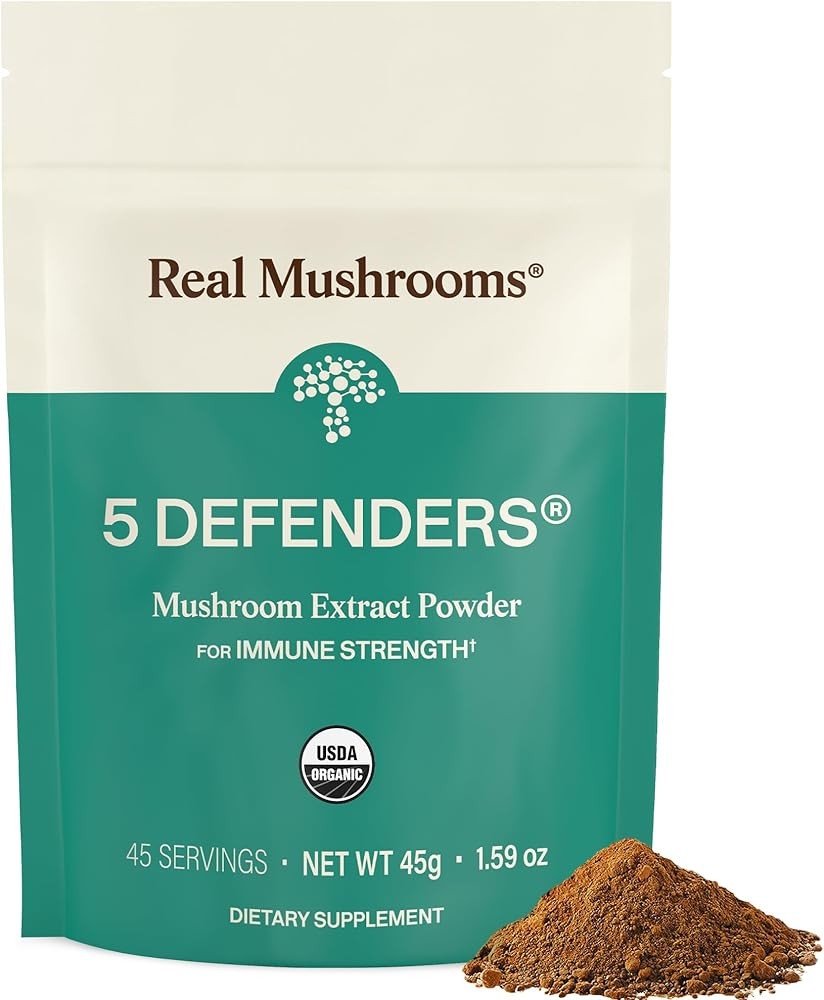
Real Mushrooms Turkey Tail Extract
Check Price on AmazonAs an Amazon Associate we earn from qualifying purchases.
What’s Inside
- 100% organic Turkey Tail (Trametes versicolor) fruiting bodies
Quality Specs
-
40% beta-glucans
-
35% polysaccharides
- Hot water extracted
- Organic certified
- Third-party tested in US labs
Dosing
- 1 gram (½ teaspoon) daily
- Can increase to 2-3 grams for therapeutic use
Best For Individuals undergoing cancer therapy, cancer survivors, those with gut dysbiosis, anyone seeking the most clinically-validated immune mushroom, targeted immune support
Price Approximately $0.80-1.10 per serving
Bottom line: Turkey Tail extract at 3 grams daily matches the PSK dosage used in Japanese pharmaceutical trials, delivering verified 40%+ beta-glucans from pure fruiting bodies with clinical evidence for immune support during cancer therapy and gut microbiome enhancement.
Best Mycelium-Based Product: Host Defense MyCommunity
What’s Inside
- 100% organic Lion’s Mane (Hericium erinaceus) fruiting bodies
- Dual-extracted for maximum bioavailability
Quality Specs
- Organic certified
-
25% beta-glucans
-
20% polysaccharides
- Hot water extracted
- No grain fillers or mycelium
- Third-party tested
Dosing
- 1 gram (½ teaspoon) daily
- 120 capsules per container
Best For Individuals interested in supporting cognitive function alongside immune health, those with digestive wellness concerns potentially impacting immunity, people prioritizing the gut-brain-immune axis, anyone seeking potential neuroprotection with immune benefits. Research suggests these areas may be supported by supplementation.
Price Approximately $0.95-1.20 per serving
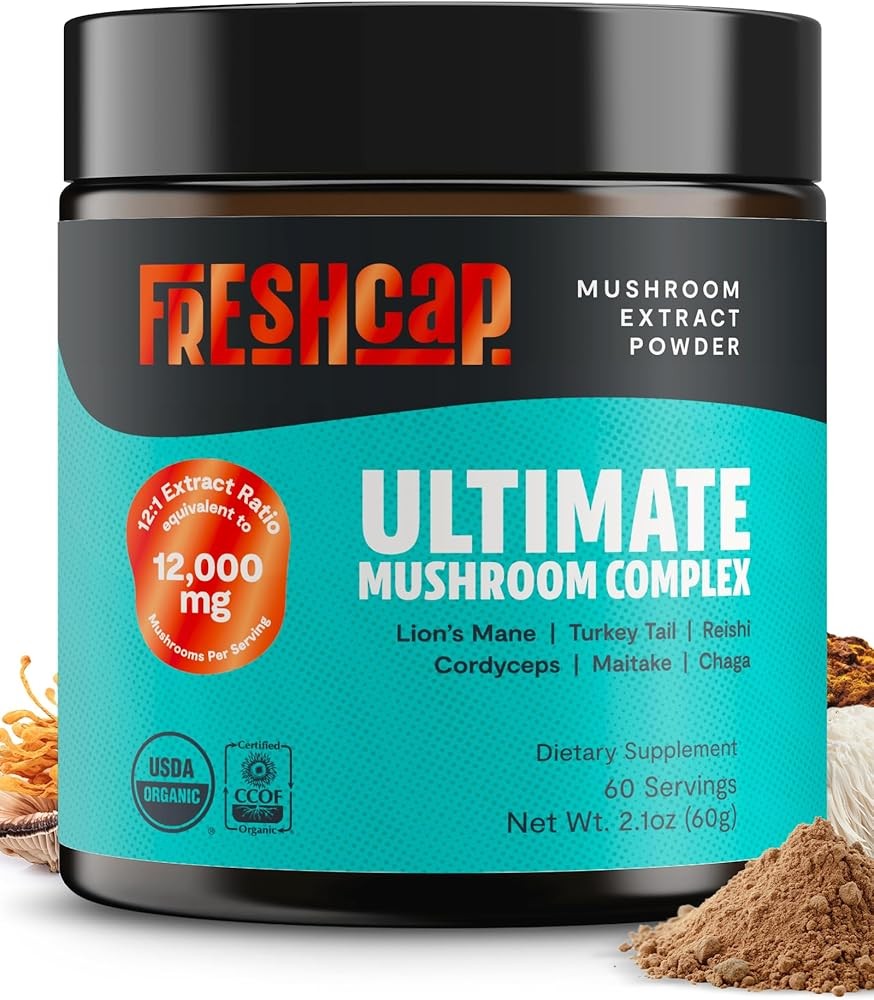
Best High-Potency Extract: FreshCap Ultimate Mushroom Complex
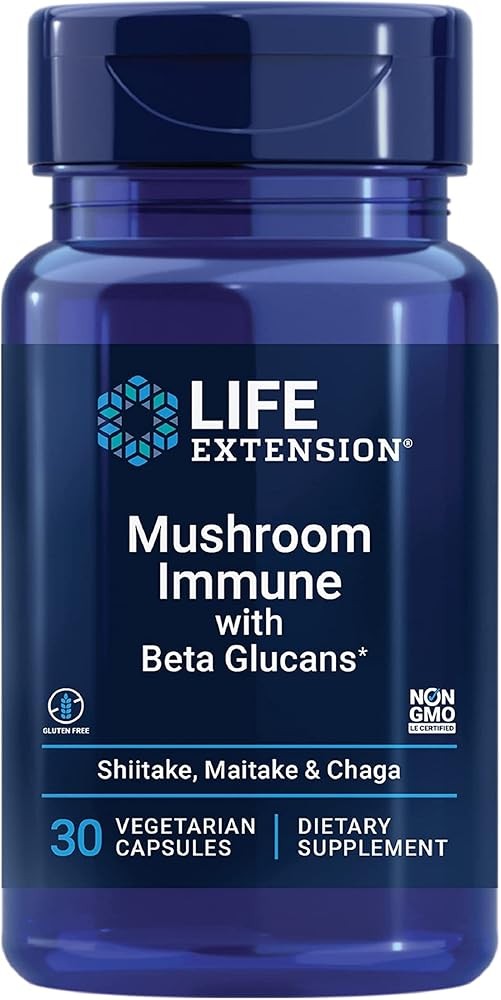
FreshCap Ultimate Mushroom Complex
Check Price on AmazonAs an Amazon Associate we earn from qualifying purchases.
What’s Inside
- 6 organic mushroom extracts: Reishi, Chaga, Cordyceps, Lion’s Mane, Maitake, Turkey Tail
Quality Specs
- 100% organic fruiting bodies
- Minimum 28% beta-glucans (guaranteed and tested)
- Hot water extracted
- Sourced from Nammex (reputable extract supplier)
- No mycelium, grain, or fillers
- Third-party tested
Dosing
- 2 grams (1 scoop) daily
- 60 servings per container
Best For Consumers interested in research on verified high beta-glucan content, those exploring pure fruiting body extracts at reasonable prices, quality-focused buyers.
Price Approximately $0.90-1.10 per serving
Best Capsule Convenience: Life Extension Mushroom Immune with Beta-Glucans
What’s Inside
- Shiitake, Maitake, and Chaga extracts
- Added beta-1,3/1,6-glucan from yeast
Quality Specs
- Standardized mushroom extracts
- Added purified beta-glucan for guaranteed potency
- 600mg mushroom extracts + 225mg beta-glucan per serving
- Vegetarian capsules
Dosing
- 1 capsule daily (can take 2 for enhanced support)
- 30 or 60 capsules per bottle
Best For Capsule preference, those wanting guaranteed beta-glucan dosing, consumers who trust Life Extension brand, travelers needing portable supplements
Price Approximately $0.80-1.00 per serving
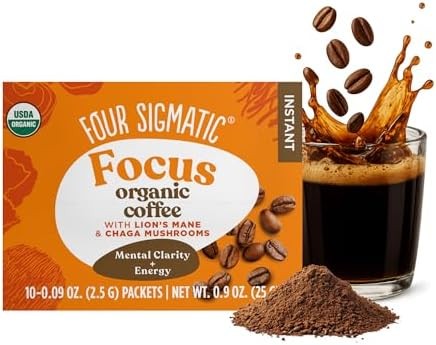
Best Budget Option: Four Sigmatic Mushroom Coffee with Lion’s Mane
What’s Inside
- Organic coffee
- Lion’s Mane extract (250mg)
- Chaga extract (250mg)
Quality Specs
- Organic certified
- Dual extracted mushrooms
- Log-grown mushrooms (traditional method)
Dosing
- 1 packet daily (makes 1 cup coffee)
- 10 or 30 packets per box
Best For Individuals new to mushrooms, coffee drinkers seeking daily low-dose mushroom exposure, those interested in cognitive and energy benefits alongside potential immune system support, and as an introductory product before considering higher-dose supplements. PMC
Price Approximately $1.00-1.50 per serving
Note: Mushroom coffee products like Four Sigmatic are excellent for daily ritual and mild benefits, but don’t provide therapeutic immune support levels. Consider adding a concentrated extract or powder for clinical immune support.
Other Quality Mushroom Supplements
Additional high-quality options worth considering:
Host Defense Stamets 7 Blend
Check Price on AmazonAs an Amazon Associate we earn from qualifying purchases.
Nammex Organic Cordyceps Extract
Check Price on AmazonAs an Amazon Associate we earn from qualifying purchases.
Should You Take Multi-Mushroom Blends or Single Mushrooms?
Should you take a comprehensive blend or focus on individual mushrooms? Both approaches have merit.
Advantages of Multi-Mushroom Blends
Synergistic Effects A landmark 2019 study published in PLoS One examined preparations from Reishi, Shiitake, and Maitake and found synergistic immunomodulatory responses in human macrophages. The combination produced greater effects on cytokine expression (IL-1α, IL-6, IL-10, TNF-α) than individual mushrooms alone. This represents the first report of synergistic immune response from a rationally-derived mushroom formula.
Comprehensive Support Different mushrooms target different immune pathways:
- Turkey Tail → gut microbiome and cancer support
- Reishi → T-cells, NK cells, and stress reduction
- Maitake → NK cell activation
- Shiitake → TH1 cytokine production
- Chaga → antioxidant protection
- Cordyceps → respiratory and energy support
- Lion’s Mane → gut-immune axis
A blend provides broader spectrum support than any single mushroom.
Cost-Effectiveness Buying six individual mushroom supplements would cost $60-150 monthly. A comprehensive blend offers all for $30-50.
Convenience One supplement instead of juggling multiple bottles simplifies your routine and improves adherence.
Advantages of Single Mushrooms
Targeted Therapeutic Use If you have a specific health goal, single mushrooms allow higher therapeutic dosing:
- Cancer support → Turkey Tail at 3-6 grams daily
- Anxiety and sleep → Reishi at 2-3 grams daily
- Cognitive decline → Lion’s Mane at 1-3 grams daily
- Athletic performance → Cordyceps at 2-3 grams daily
Blends typically provide 100-300mg of each mushroom—beneficial but not clinical doses.
Identifying Individual Responses Starting with single mushrooms helps identify which species work best for your unique physiology. Some people respond dramatically to Reishi, others to Cordyceps.
Purity and Simplicity Single-ingredient supplements reduce variables if you’re tracking health metrics or have sensitivities.
Higher Doses of Specific Compounds A dedicated Turkey Tail supplement provides much more PSK/PSP than a blend containing seven mushrooms.
The Optimal Approach
For most people seeking immune support:
- Foundation: A high-quality multi-mushroom blend (like Real Mushrooms 5 Defenders or FreshCap Ultimate) for daily comprehensive support
- Targeted Addition: Add a single mushroom for specific needs (e.g., extra Turkey Tail during cancer therapy, extra Reishi for stress/sleep)
For cancer patients or those with serious immune compromise:
- Primary: Turkey Tail extract at clinical doses (3+ grams daily)
- Secondary: A multi-mushroom blend for additional support
For general wellness:
- A comprehensive multi-mushroom blend alone is sufficient
Evidence review: A 2019 study found synergistic immunomodulatory effects when combining Reishi, Shiitake, and Maitake that exceeded individual mushroom benefits—for most people, research suggests starting with a high-quality multi-mushroom blend providing 1-2 grams daily for comprehensive support, then adding targeted single mushrooms at clinical doses (3+ grams) for specific conditions like cancer therapy or severe immune compromise.
What Does the Clinical Evidence Show About Mushroom Immune Support?
The immune-supporting effects of medicinal mushrooms aren’t based on folklore—they’re backed by substantial clinical research:
Turkey Tail (PSK/PSP)
- 6 randomized trials in lung cancer: improved immune function, survival, and quality of life
- Cochrane review (7 trials, 1,569 participants): benefits in stage 2-4 cancer when combined with conventional therapy
- Phase 1 breast cancer trial: enhanced immune parameters and gut microbiome
- Minimal side effects across all studies
- Approved pharmaceutical in Japan since 1977
Reishi
- 2023 RCT: modified T-cell populations, increased NK cells and IgA in healthy adults
- Pediatric RCT: increased lymphocyte counts in children
- Safety trial: no adverse effects, possible increase in NK cells (CD56)
- Mechanisms: Dectin-1 and TLR activation, cytokine modulation
Shiitake (Lentinan)
- 135 studies in China (2004-2016) covering 9,474 cancer cases
- Meta-analyses: improved 1-year survival in advanced cancer
- Lung cancer: objective response increased from 43.3% to 56.9% when added to chemotherapy
- TH1 cytokine enhancement demonstrated in multiple studies
Maitake
- D-fraction activated NK cells in cancer patients
- Maintained elevated NK cytotoxic activity for one year
- Reduced tumor markers and hindered metastatic progress
- Mechanisms: TNF-α and IFN-γ upregulation, IL-12 increase
Beta-Glucans (General)
- RCT in 83 healthy adults: significantly increased NK cell activity
- Trained immunity studies: long-term immune memory lasting weeks to months
- Macrophage activation and polarization (M0 to M1)
- Enhanced NK cell cytotoxicity through macrophage signaling
Synergy Research
- 2019 study: Reishi + Shiitake + Maitake produced synergistic immune effects greater than individual mushrooms
- Combined use rationally supported by beta-glucan and alpha-glucan content
The consistency across hundreds of studies from Japan, China, Europe, and the US establishes medicinal mushrooms—particularly fruiting body extracts—as legitimate immune-supporting interventions.
Research findings: Studies indicate Turkey Tail PSK has been the subject of research in Japan since 1977, with 6 randomized trials suggesting a correlation with survival in lung cancer; Published research shows Reishi beta-glucan appears to have some benefit for T-cell populations and increased NK cells in a 2023 RCT; Research suggests Shiitake lentinan may support 1-year survival rates across 9,474 cancer cases in 135 studies; and a 2019 study confirmed that combining Reishi, Shiitake, and Maitake produces greater immune effects than individual mushrooms—establishing medicinal mushroom extracts as research-supported interventions with hundreds of peer-reviewed studies.
How Should You Use Mushroom Supplements?
Dosing Guidelines
The appropriate dose depends on your goal and the product type:
Extracts (concentrated powders or capsules) - Research suggests general immune support may be associated with 1-2 grams daily - Studies indicate enhanced immune support may be observed with 2-3 grams daily - Published research shows clinical/therapeutic use appears to have some benefit at 3-6 grams daily.
Whole fruiting body powder (not extracted) - General support: 3-5 grams daily - Enhanced support: 5-8 grams daily. Research suggests these dosages have been used in clinical trials.
Mycelium-on-grain products
- Higher doses needed due to lower beta-glucan content
- 3-5 grams daily minimum
Research-supported dosages (for reference):
-
- PSK (Turkey Tail): 3 grams daily
- Lentinan (Shiitake): 1-2 mg by injection or 2-3 grams oral
- Maitake D-fraction: 0.5-1 mg/kg body weight.
Timing
Morning: Research suggests Cordyceps may support energy levels. Evening: Studies indicate Reishi may help promote relaxation and support healthy sleep patterns. Anytime: Published research shows Turkey Tail, Maitake, Shiitake, Chaga, and Lion’s Mane appear to have some benefit when taken throughout the day. Split Dosing: For dosages exceeding 2 grams, research suggests dividing the intake between morning and evening may enhance absorption.
With or Without Food
Beta-glucans are absorbed whether you take them with meals or on an empty stomach. However:
- With food: May reduce mild GI upset in sensitive individuals
- Empty stomach: May enhance absorption slightly
Cycling
Unlike some supplements, mushroom polysaccharides don’t require cycling. The immune-modulating (not just stimulating) effect means they’re safe for continuous long-term use. However, some practitioners recommend:
- 5 days on, 2 days off (weekly cycling)
- 3 weeks on, 1 week off (monthly cycling)
No strong evidence supports necessary cycling, so continuous use is fine.
Forms: Powder vs. Capsules vs. Tinctures
Powders
- Pros: Versatile (add to coffee, smoothies, food), often better value, easy to adjust dose
- Cons: Earthy taste, requires mixing, less convenient for travel
- Best for: Daily smoothie/coffee drinkers, those wanting maximum value
Capsules
- Pros: Convenient, no taste, portable, precise dosing
- Cons: Usually more expensive, fixed doses, harder to adjust
- Best for: Travelers, those sensitive to taste, convenience seekers
Tinctures (liquid extracts)
- Pros: Fast absorption, easy to adjust dose, long shelf life
- Cons: Often contain alcohol, expensive, beta-glucan content may be lower (alcohol doesn’t extract beta-glucans well—need dual extraction)
- Best for: Those who can’t swallow pills, fast absorption needs
Dual-extracted tinctures (alcohol + hot water) offer the best of both worlds—beta-glucans from water extraction plus alcohol-soluble triterpenes.
Stacking with Other Supplements
Mushrooms combine well with:
- Vitamin D: Synergistic immune support
- Vitamin C: Antioxidant synergy
- Zinc: Immune mineral + mushroom polysaccharides
- Probiotics: Enhance gut-immune benefits
- Curcumin: Combined anti-inflammatory effects
- Elderberry: Complementary antiviral support
Avoid or monitor with:
- Immunosuppressants: Theoretical interaction (mushrooms may counteract suppression)
- Anticoagulants: Reishi may have mild blood-thinning effects (monitor if on warfarin)
How to Take Mushroom Powder
Mix into:
- Coffee or tea (masks earthy flavor)
- Smoothies or protein shakes
- Oatmeal or yogurt
- Soups or broths
- Nut butter
- Homemade energy balls
Research suggests starting with ½ teaspoon and gradually increasing to the recommended dose.
Dosing guidance: Research suggests that for general immune function support, 1-2 grams daily of concentrated extracts (or 3-5 grams of whole fruiting body powder) has been used in studies; for research/clinical investigation, dosages have been increased to 3-6 grams daily, based on PSK trial dosing. Clinical trials have used energizing mushrooms like Cordyceps in the morning, calming ones like Reishi in the evening, and doses above 2 grams have been split for potentially better absorption—research indicates mushroom polysaccharides do not require cycling and may be safe for continuous long-term use due to their immunomodulatory rather than simply stimulating effects.
Who Should Use Mushroom Supplements
Ideal Candidates
Cancer Patients and Survivors Research suggests Turkey Tail (PSK) and Shiitake (lentinan) may support immune function during and after cancer therapy. It is important to discuss with your oncologist, but studies indicate Japanese and Chinese oncologists frequently utilize mushroom polysaccharides in conjunction with conventional therapy. PubMed 31791317
Frequent Illness If you catch every cold that circulates through your office or household, mushroom beta-glucans can enhance your baseline immune vigilance.
Chronic Stress Stress hormones suppress immune function. Reishi, in particular, offers dual benefits—immune modulation plus stress reduction and sleep support.
Autoimmune Conditions Research suggests the immunomodulatory (balancing) rather than simply stimulating effects of mushrooms may support individuals with autoimmune conditions. However, this remains an area of ongoing research—consultation with a knowledgeable healthcare provider is recommended.
Gut Health Issues Turkey Tail acts as a prebiotic, supporting beneficial gut bacteria. Since gut health directly influences systemic immunity, this creates a virtuous cycle.
Age 50+ Immunosenescence (age-related immune decline) makes older adults more susceptible to infections and less responsive to vaccines. Mushroom polysaccharides may help maintain immune function.
General Immune Optimization Even healthy individuals benefit from optimized immune surveillance. Enhanced NK cell activity, for example, supports cancer prevention through improved tumor surveillance.
Athletes and High Performers Intense training temporarily suppresses immunity. Cordyceps and other mushrooms support immune function during high physical demands.
Healthcare Workers and High-Exposure Jobs Teachers, flight attendants, healthcare workers, and others with high pathogen exposure may benefit from enhanced baseline immunity.
Who Should Exercise Caution
Organ Transplant Recipients Immunosuppression is therapeutically necessary after transplants. Immune-enhancing mushrooms may theoretically interfere with immunosuppressant medications.
Those on Immunosuppressants If you’re taking medications to suppress immunity (for autoimmune conditions or post-transplant), consult your doctor before using immune-enhancing supplements.
Mushroom Allergies Though rare, some individuals are allergic to mushrooms and should avoid supplements.
Bleeding Disorders Reishi may have mild anticoagulant effects. If you have a bleeding disorder or take blood thinners, monitor closely or avoid.
Pregnancy and Breastfeeding Insufficient safety data exists for high-dose mushroom supplements during pregnancy and lactation. Culinary amounts are safe, but discuss therapeutic doses with your healthcare provider.
Safety and Side Effects
Medicinal mushrooms have an excellent safety profile, particularly compared to pharmaceutical immune modulators.
General Safety
Japanese studies on PSK spanning decades show minimal side effects even in immunocompromised cancer patients. The thousands of participants in clinical trials experienced few adverse events.
Common Mild Side Effects
The most common side effects are mild and transient:
Digestive Upset
- Mild nausea
- Loose stools
- Gas or bloating
- Stomach discomfort
These effects usually occur when starting mushrooms or with high doses. Starting with lower doses and gradually increasing helps minimize GI issues. Taking with food also reduces digestive discomfort.
Dry Mouth or Throat Some users report mild dryness, particularly with Reishi. Increasing water intake resolves this.
Skin Reactions Rarely, sensitive individuals may experience:
- Mild itching
- Skin dryness
- Rash
If skin reactions occur, discontinue use.
Interactions
Anticoagulants/Blood Thinners Reishi may have mild blood-thinning effects. If you take warfarin, heparin, or other anticoagulants, monitor your INR closely or avoid Reishi. Other mushrooms appear safe with anticoagulants.
Immunosuppressants Theoretical interaction exists—mushrooms enhance immunity while immunosuppressants reduce it. The clinical significance is unclear, but discuss with your doctor if you’re on:
- Cyclosporine
- Tacrolimus
- Prednisone
- Azathioprine
- Other transplant or autoimmune medications
Chemotherapy Contrary to concerns, mushroom polysaccharides appear to enhance chemotherapy effectiveness while reducing side effects based on Japanese clinical trials. However, always inform your oncologist about any supplements.
Diabetes Medications Maitake may lower blood sugar. If you take diabetes medications, monitor glucose levels and adjust medications as needed with your doctor’s guidance.
Allergies
True mushroom allergies are rare but possible. If you’ve had allergic reactions to mushrooms in food, avoid supplements or start with tiny doses under medical supervision.
Quality and Contamination Concerns
Heavy Metals Mushrooms can accumulate heavy metals from contaminated soil or substrates. This is why third-party testing is crucial. Reputable brands test for:
- Lead
- Cadmium
- Arsenic
- Mercury
Microbial Contamination Improper processing or storage can lead to bacterial or fungal contamination. Quality manufacturers test for:
- Total aerobic microbes
- Yeast and mold
- E. coli
- Salmonella
Pesticides Choose organic certified products to avoid pesticide residues.
Long-Term Safety
Traditional use spanning centuries in China and Japan, combined with decades of clinical research, suggests excellent long-term safety. No evidence of tolerance development, dependency, or long-term adverse effects exists in the literature.
Pregnancy and Breastfeeding
Insufficient data exists on high-dose mushroom supplements during pregnancy and lactation. Culinary amounts are certainly safe (shiitake in a stir-fry poses no risk), but therapeutic doses haven’t been systematically studied in pregnant or breastfeeding women. Consult your healthcare provider.
Bottom Line
Medicinal mushroom supplements generally show a favorable safety profile with few reported side effects—potentially more favorable than some pharmaceutical interventions. Key considerations observed in research include:
-
- Studies suggest starting with a low dose and increasing gradually may minimize gastrointestinal discomfort
- Research indicates choosing third-party tested products may help reduce exposure to contaminants
- It’s important to inform your healthcare provider if you are taking immunosuppressants or blood thinners
- Individuals with diabetes should be aware of potential effects on blood sugar levels.
For the vast majority of users, medicinal mushrooms offer immune benefits with negligible risks.
Safety profile: Medicinal mushroom supplements have an excellent safety profile with minimal side effects (mild digestive upset when starting is most common)—Japanese PSK studies spanning decades in immunocompromised cancer patients showed few adverse events, no evidence of tolerance or dependency exists, and the main considerations are starting with low doses and gradually increasing, choosing third-party tested products to avoid heavy metal contamination, and informing your doctor if you’re on immunosuppressants or blood thinners (Reishi has mild anticoagulant effects).
What to Avoid: Red Flags in Mushroom Supplements
The mushroom supplement industry contains excellent products and deceptive ones. Avoid these red flags:
Mycelium-on-Grain as Primary Ingredient
We’ve covered this extensively, but it bears repeating: products listing “myceliated brown rice” or “mycelium-on-grain” as the main ingredient contain more grain starch than immune-active beta-glucans. They’re essentially expensive rice powder with some mushroom threads.
Look for: “100% fruiting body” or “fruiting body extract” Avoid: “Mycelium,” “myceliated grain,” “full spectrum mycelium”
No Beta-Glucan Content Listed
If a manufacturer doesn’t list beta-glucan percentage, they’re likely hiding low levels. Reputable brands prominently display beta-glucan testing because it’s a quality differentiator.
Minimum acceptable: 15% beta-glucans Good: 20-30% beta-glucans Excellent: 30-40% beta-glucans
No Mention of Extraction Method
Beta-glucans are locked inside indigestible chitin cell walls. Without hot water extraction, your body can’t access them. Raw mushroom powder provides minimal bioavailable compounds.
Look for: “Hot water extracted” or “Dual extracted” Avoid: Just “mushroom powder” with no extraction mentioned
Proprietary Blends
“Proprietary Mushroom Blend: 1,000mg” tells you nothing. How much Turkey Tail? How much Reishi? Proprietary blends hide inferior formulations.
Demand: Individual mushroom amounts listed
Unrealistically Low Prices
Quality mushroom extraction is expensive. If a product costs half the price of competitors, question why. It likely contains:
- Mycelium-on-grain (cheaper than fruiting bodies)
- No extraction (just ground powder)
- Lower mushroom content
- Grain or maltodextrin fillers
A 60-serving supply of quality mushroom extract typically costs $25-45. Products under $15 raise red flags.
No Third-Party Testing
Anyone can claim “30% beta-glucans” on a label. Third-party verification by independent labs ensures truthful labeling.
Look for: ConsumerLab certification, published third-party test results, certificates of analysis available on request
Vague Sourcing
“Mushroom powder” could mean:
- Any mushroom species
- Any part (fruiting body, mycelium, spores)
- Any quality level
- Any growing method
Reputable brands specify:
- Exact mushroom species (Latin names)
- Part used (fruiting body)
- Growing method (log-grown, controlled environment)
- Source location (even if China, if properly tested)
Suspicious Marketing Claims
FDA regulations prohibit supplements from making disease claims. It is important to approach products with caution regarding statements such as:
-
- “Research suggests this product may support recovery from cancer”
- “Studies indicate this product may help manage autoimmune disease”
- “Published research shows this product appears to have some benefit for a complete immune system response”
Legitimate products use appropriate language like “supports,” “promotes,” or “helps maintain” immune function.
Added Fillers and Flow Agents
Quality mushroom extracts need no additives. Watch for:
- Magnesium stearate
- Silicon dioxide
- Maltodextrin
- Rice flour
- Microcrystalline cellulose
Some encapsulation requires minimal flow agents, but the mushroom should be 90%+ of the product.
No Company Transparency
Reputable brands provide:
- Contact information
- Educational resources
- Responsive customer service
- Third-party test results
- Detailed sourcing information
Mystery companies with no real presence raise red flags.
Mushroom Coffee and Functional Foods
The rise of mushroom-infused products—from coffee to protein bars—has mainstreamed medicinal mushrooms. But do they provide real immune benefits?
Four Sigmatic and the Mushroom Coffee Trend
Four Sigmatic pioneered mushroom coffee, creating a delicious and accessible entry point to medicinal mushrooms. Their products typically contain:
- Organic coffee
- 250-500mg mushroom extracts per serving (Lion’s Mane, Chaga, Cordyceps)
- Dual extraction (quality)
The Appeal
- Delicious (coffee masks mushroom flavor)
- Easy morning ritual integration
- Lower caffeine than regular coffee (often 50-100mg vs 100-200mg)
- Cognitive boost (Lion’s Mane) + energy (Cordyceps) + antioxidants (Chaga)
- Gateway to mushrooms for the mushroom-hesitant
The Limitation
Mushroom coffee typically provides only 250-500mg of mushroom extract per serving. While beneficial, this is 1/4 to 1/10 the dose used in clinical trials. For comparison:
- Mushroom coffee: 250-500mg total mushrooms
- Clinical PSK dose: 3,000mg (6-12x more)
- Real Mushrooms 5 Defenders: 1,000mg (2-4x more) with higher beta-glucan concentration
Verdict on Mushroom Coffee
Mushroom coffee is: ✓ Excellent for daily exposure to medicinal compounds ✓ Great for cognitive benefits (Lion’s Mane) ✓ Wonderful for energy without jitters (Cordyceps) ✓ Perfect for beginners or those building a mushroom habit
But insufficient for: ✗ Immune support during serious illness (consult healthcare provider) ✗ Cancer adjuvant therapy ✗ Clinical-level immune enhancement
The Optimal Approach: Enjoy mushroom coffee for daily wellness AND take a concentrated extract or powder for therapeutic immune support.
Other Functional Foods
Mushroom Protein Powders Several brands now add mushroom extracts to protein powders. Similar to mushroom coffee, these provide low-dose exposure (usually 500-1,000mg per serving) with the benefits of protein. Good for daily wellness, insufficient for therapeutic use.
Mushroom Chocolates Brands like MUDWTR have created hot chocolate alternatives with mushrooms. Again, delicious and beneficial, but not therapeutic dosing.
Mushroom Bone Broth Some companies fortify bone broth with mushroom extracts, combining gut-supporting collagen with immune-supporting mushrooms—a synergistic combination.
Mushroom Gummies These appeal to people who dislike pills or powders. Check beta-glucan content and extraction method—many gummies use low-quality mushroom powder.
The Bottom Line on Functional Foods
Functional foods with mushrooms are excellent for:
- Building a daily mushroom habit
- Entry-level introduction for mushroom skeptics
- Adding mushrooms to existing routines (coffee, protein shake)
- Mild ongoing wellness support
But for genuine immune support—particularly if you’re dealing with frequent illness, cancer, or compromised immunity—invest in a concentrated extract or powder providing 1-3+ grams daily with verified high beta-glucan content.
Complete Support System: Building Your Immune Protocol
Mushroom supplements work best as part of a comprehensive immune support system. Research suggests combining multiple evidence-based interventions for optimal results:
Foundation Layer: Medicinal Mushrooms
- Real Mushrooms 5 Defenders or FreshCap Ultimate Complex (1-2g daily)
- Add Turkey Tail extract (3g daily) for cancer support or serious immune compromise
Micronutrient Support
- Vitamin D3 (2,000-4,000 IU daily) - synergistic immune support
- Vitamin C (500-1,000mg daily) - antioxidant synergy with mushroom compounds
- Zinc (15-30mg daily) - immune mineral that works with beta-glucans
Gut-Immune Axis
- Probiotics - enhance the prebiotic effects of mushroom polysaccharides
- Turkey Tail specifically supports beneficial gut bacteria where 70-80% of immune cells reside
Anti-Inflammatory Support
- Curcumin - combined anti-inflammatory effects with mushroom triterpenes
- Omega-3 fatty acids - reduce chronic inflammation that impairs immunity
Additional Immune Allies
- Elderberry - complementary antiviral support
- NAC - antioxidant that supports immune cell function
This protocol addresses immunity through multiple mechanisms - beta-glucan activation, micronutrient cofactors, gut microbiome support, and anti-inflammatory balance - creating a comprehensive immune defense system backed by research.
Frequently Asked Questions
How long does it take for mushroom supplements to work?
This depends on what you’re measuring:
- Acute immune activation: Beta-glucans activate macrophages and NK cells within hours of consumption
- Noticeable immune resilience: Most users report fewer colds after 4-8 weeks of consistent use
- Clinical immune markers: Studies show changes in T-cell populations, NK cell activity, and immunoglobulins after 8-12 weeks
- Trained immunity: The epigenetic reprogramming that creates lasting immune memory develops over weeks and persists for months
Consistency matters more than mega-dosing. Daily consumption for at least 8-12 weeks provides full benefits.
Can I take mushroom supplements if I’m allergic to penicillin?
Yes. Penicillin allergy is specific to the penicillin antibiotic (derived from Penicillium mold). Medicinal mushrooms are entirely different organisms. However, studies suggest that if an individual has a confirmed allergy to culinary mushrooms (not just digestive sensitivity), a cautious approach and initiation with very small doses of supplements may be warranted.
Do mushroom supplements interact with chemotherapy?
Contrary to common concern, clinical evidence from Japan suggests mushroom polysaccharides (especially PSK from Turkey Tail and lentinan from Shiitake) enhance chemotherapy effectiveness while reducing side effects. Multiple studies found improved outcomes when PSK was combined with chemotherapy.
That said, ALWAYS inform your oncologist about any supplements you’re taking. Some oncologists may be unfamiliar with the research, so bringing published studies may help facilitate discussion.
Can I take mushroom supplements if I have an autoimmune disease?
Mushrooms appear to offer immunomodulation (balancing) rather than simple immune stimulation, which research suggests could have implications for conditions involving immune dysregulation by potentially helping to regulate immune responses. Some healthcare practitioners report observing positive outcomes when using mushrooms in patients with autoimmune conditions.
However, individual responses vary, and some individuals with autoimmune conditions may have concerns about substances that appear to influence immune activity. Research suggests consulting with a healthcare provider experienced in functional medicine or integrative oncology may be beneficial, particularly for those seeking information regarding immune modulation.
Are mushroom supplements safe during pregnancy?
Culinary amounts of mushrooms are generally considered safe during pregnancy—shiitake in your stir-fry appears to present no risk. However, research involving therapeutic doses of concentrated extracts has not been systematically studied in pregnant women. Studies suggest exercising caution and discussing with your obstetrician or midwife before using therapeutic doses.
Do I need to take mushroom supplements on an empty stomach?
No. Beta-glucans are absorbed whether taken with food or without. Taking with food may reduce mild GI upset in sensitive individuals, but doesn’t significantly impair absorption.
Can I give mushroom supplements to children?
A randomized controlled trial investigated the effects of Reishi β-glucan-enriched yogurt in children aged 3-5, reporting observed increases in T-cell populations and no adverse effects [PMID: 32884632]. However, research indicates pediatric dosing may differ from adult dosing. Studies suggest consulting with a pediatrician before introducing concentrated mushroom supplements to children.
Culinary mushrooms in food are excellent for children’s nutrition.
How do I know if my mushroom supplement is working?
Objective markers:
-
- Research indicates fewer reports of colds and infections over a 6-month period compared to the previous year
- Studies suggest faster recovery times when illness occurs
- Blood tests have shown improved immune markers (NK cell activity, immunoglobulin levels)—consult your doctor to discuss testing.
Subjective observations from research include:
-
- Reports of increased energy and vitality
- Indications of improved stress resilience
- Reports of better sleep quality (particularly with Reishi)
- General sense of wellness reported by study participants. Reishi
Keep a health journal tracking illness frequency and recovery time to assess effectiveness objectively.
Can I take too much mushroom supplement?
Medicinal mushrooms have very low toxicity. Clinical trials have used doses up to 9 grams daily without serious adverse effects. The most common issue with excessive doses is digestive upset.
Research suggests a reasonable upper limit for many individuals is 6 grams daily of extracted powder or 10 grams of whole powder. Studies indicate exceeding this amount offers little additional benefit and may increase the risk of gastrointestinal side effects.
Do mushroom supplements contain psilocybin (magic mushrooms)?
No. Legal medicinal mushroom supplements contain zero psilocybin. The mushrooms discussed in this article (Turkey Tail, Reishi, Maitake, Shiitake, Chaga, Cordyceps, Lion’s Mane) are completely different species from psilocybin mushrooms. They won’t cause hallucinations, won’t show up on drug tests, and are legal in all jurisdictions.
Should I cycle mushroom supplements or take continuously?
Unlike some supplements that require cycling (like echinacea), research suggests mushroom polysaccharides may be taken continuously without tolerance development or diminished effects. Studies indicate the immunomodulatory action may support safe long-term daily use.
Some practitioners recommend optional cycling (5 days on/2 days off or 3 weeks on/1 week off), but no strong evidence suggests this is necessary.
What’s better: multi-mushroom blend or single mushrooms?
For most people: A multi-mushroom blend for comprehensive immune support.
For specific research interests: Studies have investigated single mushrooms at higher doses (e.g., Turkey Tail for cancer research, Reishi for stress/sleep studies, Cordyceps for energy research).
The 2019 synergy study suggests combinations may produce greater effects than individual mushrooms alone.
Are mushroom supplements vegan?
Yes. Mushrooms are fungi, not animals. All mushroom supplements are vegan-friendly. Check capsule composition—some use gelatin capsules (not vegan), while others use vegetarian/vegan capsules (cellulose-based).
Can I cook with mushroom supplement powder?
Technically yes, but heat may degrade some temperature-sensitive compounds. Beta-glucans are relatively heat-stable (they’re extracted using hot water), but triterpenes and other compounds may be affected by high heat.
Best practice: Add to cooled or room-temperature foods, or to hot (not boiling) beverages.
Why are some mushroom supplements so expensive?
Quality mushroom supplements are expensive because:
- Organic cultivation is labor-intensive
- Fruiting body production takes months (mycelium grows in days—hence cheaper mycelium products)
- Hot water extraction is costly
- Third-party testing adds expense
- Import, testing, and quality control from Asian sources add costs
Cheap products typically use mycelium-on-grain (faster, cheaper) or raw powder (no expensive extraction).
You get what you pay for in mushroom supplements—quality products delivering verified beta-glucans cost more.
Related Reading: Immune Support & Wellness
-
Best Vitamin D Supplements for Immune Function - Synergistic immune support with mushroom beta-glucans
-
Best Probiotics for Gut Health - Enhance Turkey Tail’s prebiotic effects
-
Best Vitamin C Supplements - Antioxidant synergy with mushroom compounds
-
Best Zinc Supplements for Immunity - Essential immune mineral
-
Best Elderberry Supplements - Complementary antiviral support
-
Best Curcumin Supplements - Anti-inflammatory support
-
Best NAC Supplements - Antioxidant immune support
-
Immune Support During Cancer Treatment: Safe Supplements - Evidence-Based Guide
-
Best Mushroom Complex Supplements — Lion’s Mane, Reishi, Cordyceps, Chaga and More
Conclusion
Medicinal mushroom supplements represent one of the most scientifically validated natural approaches to immune support, backed by decades of clinical research and centuries of traditional use. But quality matters profoundly—the gap between a high-quality fruiting body extract and a mycelium-on-grain product is the difference between 40% beta-glucans and 2% beta-glucans, between clinical efficacy and expensive placebo.
Key Takeaways
✓ Choose 100% fruiting body products with verified beta-glucan content above 25%. Research suggests this may support immune function PMID: 31697749.
✓ Turkey Tail has garnered significant research attention, particularly regarding immune activation and gut health. Research shows polysaccharide-K from Turkey Tail activates dendritic cells and enhances immune response PMID: 23735481.
✓ Multi-mushroom blends provide synergistic comprehensive support, while single mushrooms allow targeted therapeutic use
✓ Real Mushrooms and FreshCap lead the quality category with transparent sourcing, third-party testing, and high beta-glucan content
✓ Host Defense products are popular but use mycelium-on-grain with lower active compound levels
✓ Research-supported dosages appear important: Coffee and functional foods may offer modest effects; studies utilizing 1-3+ grams daily of concentrated extract have investigated potential support. PMC
✓ Mushroom polysaccharides are remarkably safe with minimal side effects even in immunocompromised patients
✓ Consistency over time (8-12 weeks minimum) delivers full benefits including trained immunity
✓ Immunomodulation (balance) differs from immune boosting (stimulation)—mushrooms intelligently regulate rather than blindly amp up immunity
Your Next Steps
If experiencing frequent illness, cancer, chronic stress, or a desire to support immune function, research suggests medicinal mushrooms may be a beneficial addition to a supplement regimen. Studies indicate starting with a high-quality multi-mushroom blend like Real Mushrooms 5 Defenders or FreshCap Ultimate Mushroom Complex may offer comprehensive daily support. If specific health needs are present—such as cancer support, severe immune compromise, or chronic infections—research suggests adding a dedicated Turkey Tail extract at clinical doses may be helpful.
Leverage the historical use and current research of medicinal mushrooms to support your immune system. Studies suggest this approach may be associated with fewer sick days, quicker recovery times, and sustained wellness.
Scientific References
-
Reishi Immune Modulation in Adults: Evaluation of Immune Modulation by β-1,3; 1,6 D-Glucan Derived from Ganoderma lucidum in Healthy Adult Volunteers, A Randomized Controlled Trial. Foods. 2023. PMID: 36766186
-
Beta-Glucan Immune Memory: β-Glucan Induces Distinct and Protective Innate Immune Memory in Differentiated Macrophages. Frontiers in Immunology. 2021. PMID: 34740960
-
Turkey Tail PSK Immune Activation: Protein-bound polysaccharide activates dendritic cells and enhances OVA-specific T cell response as vaccine adjuvant. Cancer Science. 2013. PMID: 23735481
-
Turkey Tail Breast Cancer Trial: Phase 1 Clinical Trial of Trametes versicolor in Women with Breast Cancer. ISRN Oncology. 2012. PMC3369477
-
Lentinan Meta-Analysis: Efficacy of biological response modifier lentinan with chemotherapy for advanced cancer: a meta‐analysis. Cancer Medicine. 2017. PMC5633561
-
Synergistic Mushroom Effects: Synergistic immuno-modulatory activity in human macrophages of a medicinal mushroom formulation consisting of Reishi, Shiitake and Maitake. PLoS One. 2019. PMID: 31697749
-
Button Mushroom Trained Immunity: β-glucans from Agaricus bisporus mushroom products drive Trained Immunity. Frontiers in Nutrition. 2024. PMC10902450
-
Mushroom Beta-Glucan Overview: β-Glucan Metabolic and Immunomodulatory Properties and Potential for Clinical Application. Journal of Fungi. 2020. PMC7770584
-
Reishi Pediatric Study: Randomized Clinical Trial for the Evaluation of Immune Modulation by Yogurt Enriched with β-Glucans from Lingzhi or Reishi Medicinal Mushroom, Ganoderma lucidum (Agaricomycetes), in Children from Medellin, Colombia. International Journal of Medicinal Mushrooms. 2018. PMID: 30317947
-
Trametes Mycelium Immune Activity: The mycelium of the Trametes versicolor (Turkey tail) mushroom and its fermented substrate each show potent and complementary immune activating properties in vitro. BMC Complement Med Ther. 2019. PMID: 31791317
-
Immune Modulation Review: Immune Modulation From Five Major Mushrooms: Application to Integrative Oncology. Integrative Medicine. 2014. PMC4684115
-
NCI Mushrooms PDQ: Medicinal Mushrooms (PDQ®)–Health Professional Version. National Cancer Institute. NCI PDQ
-
Turkey Tail Immunomodulatory Properties: Immunomodulatory Properties of Coriolus versicolor: The Role of Polysaccharopeptide. Frontiers in Immunology. 2017. Full Text
Disclaimer: This article is for informational purposes only and does not constitute medical advice. Consult a qualified healthcare professional before starting any new supplement regimen, especially if you have medical conditions, take medications, or are pregnant or breastfeeding.
Recommended Products