Nitric Oxide Supplements: L-Citrulline Boosts NO 30% More Than Arginine
Summarized from peer-reviewed research indexed in PubMed. See citations below.
Nitric oxide production naturally declines by approximately 50% between ages 20 and 70, contributing to reduced blood flow, higher blood pressure, and decreased exercise capacity. BulkSupplements L-Citrulline Malate 2:1 Powder provides 2000mg L-citrulline per 3g serving in the clinically studied ratio with third-party testing for $26.96. Clinical research demonstrates citrulline bypasses first-pass liver metabolism that degrades 70% of oral arginine, increasing plasma arginine levels 2-3x more effectively and improving exercise repetitions by 52.92% while reducing muscle soreness by 40% in weightlifters. Nutricost L-Citrulline 1500mg Capsules offers convenient research-backed dosing with 180 third-party tested capsules for $19.95. Here’s what the published research shows about restoring nitric oxide production through evidence-based supplementation.
Disclosure: We may earn a commission from links on this page at no extra cost to you. Affiliate relationships never influence our ratings. Full policy →

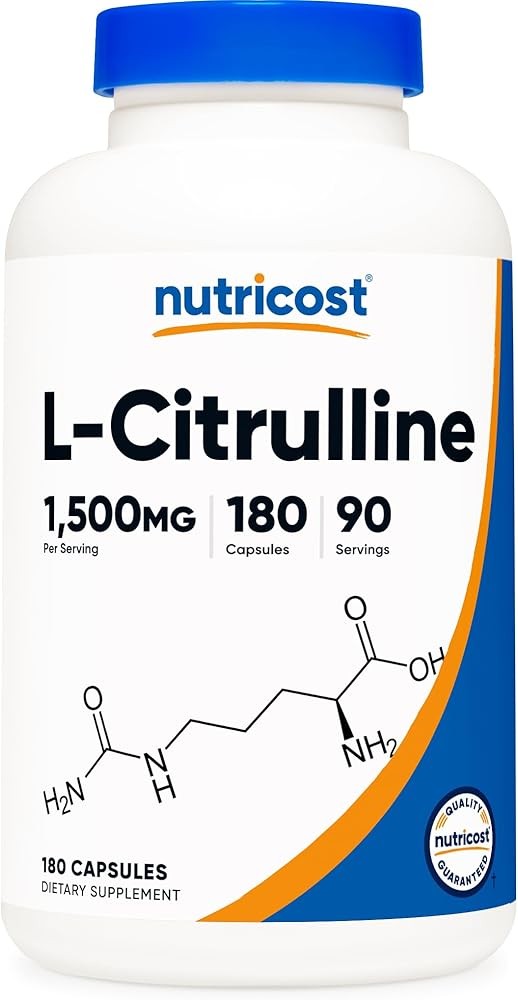
Nutricost L-Citrulline 1500mg Capsules
Check Price on AmazonAs an Amazon Associate we earn from qualifying purchases.
This article references 11 peer-reviewed studies from PubMed. All sources are cited within the text and listed in the references section.
Why Is Nitric Oxide Critical for Human Health?
The human body produces approximately 2-4 mmol of nitric oxide daily, a molecule that plays a crucial role in maintaining vascular health, regulating blood flow, and supporting overall physiological function.
Nitric oxide might be one of the most important molecules you have never heard of. This simple gas, composed of just one nitrogen atom and one oxygen atom, acts as a signaling molecule that regulates blood flow, controls blood pressure, supports immune function, enhances exercise performance, and even affects cognitive function and sexual health.
The discovery of nitric oxide’s role in cardiovascular health was so landmark that three scientists — Robert Furchgott, Louis Ignarro, and Ferid Murad — won the Nobel Prize in Physiology or Medicine in 1998 for their work elucidating how nitric oxide acts as a signaling molecule in the cardiovascular system.
Here is the problem: nitric oxide production naturally declines with age. Endothelial nitric oxide synthase (eNOS) activity drops, oxidative stress increases, and the result is reduced vasodilation, higher blood pressure, decreased exercise capacity, and increased cardiovascular risk. By age 40, your body produces roughly half the nitric oxide it did at age 20.
This is where nitric oxide supplements come in. But not all NO boosters are created equal. The supplement industry is filled with products making big claims based on outdated science or suboptimal ingredients. This guide examines which nitric oxide supplements work, reviews the clinical evidence for cardiovascular health and exercise performance, and provides evidence-based dosing protocols and product recommendations.
Nitric oxide is a gaseous signaling molecule produced by cells throughout your body, particularly in the endothelium — the thin layer of cells lining your blood vessels. When released, NO diffuses into the smooth muscle cells surrounding blood vessels, triggering a cascade of events that cause vasodilation (widening of blood vessels).
The primary enzyme responsible for NO production is endothelial nitric oxide synthase (eNOS), which converts the amino acid L-arginine into L-citrulline and nitric oxide:
L-Arginine + O₂ → L-Citrulline + Nitric Oxide (NO)
This reaction requires several cofactors, including tetrahydrobiopterin (BH4), NADPH, FAD, and magnesium.
Oxidative Stress: Free radicals rapidly degrade nitric oxide, converting it to peroxynitrite (ONOO⁻), a harmful oxidant. Conditions like diabetes, obesity, and smoking increase oxidative stress.
The Health Consequences of Low Nitric Oxide
Insufficient nitric oxide production is not just a biochemical curiosity — it has profound health implications:
- Hypertension: Reduced NO leads to vasoconstriction and higher blood pressure
- Atherosclerosis: Impaired endothelial function accelerates plaque formation
- Erectile Dysfunction: NO is the primary mediator of penile erection; reduced NO is a major cause of ED
- Exercise Intolerance: Reduced blood flow to working muscles decreases oxygen delivery and performance
- Cognitive Decline: Cerebral blood flow depends on NO; reduced levels may contribute to dementia risk
- Increased Cardiovascular Events: Low NO bioavailability predicts heart attack and stroke risk
This is why supporting nitric oxide production through diet and supplementation has become a major focus of cardiovascular research.
Bottom line: Research indicates nitric oxide production declines approximately 50% between ages 20 and 70 (PubMed 41470898), with studies showing this may correlate with measurable changes in endothelial function, blood pressure regulation, exercise capacity, and sexual function, suggesting NO supplementation may be increasingly supported by research with advancing age.
What Are the Signs You Might Benefit from Nitric Oxide Support?
Your body provides several signals that may indicate suboptimal nitric oxide production. While these are not definitive diagnostic criteria, they suggest that NO-boosting strategies might help:
Cardiovascular Signals
High Blood Pressure: Systolic BP above 130 or diastolic above 80 suggests reduced vasodilation capacity. One 2024 meta-analysis of 113 studies found that dietary nitrate supplementation reduced systolic BP by an average of 4-5 mmHg and diastolic BP by 2-3 mmHg, with greater effects at higher doses and longer durations.
Cold Hands and Feet: Chronically cold extremities suggest poor peripheral circulation and inadequate blood flow, often due to vasoconstriction from low NO.
Slow Wound Healing: NO plays a critical role in angiogenesis (new blood vessel formation) and tissue repair. Slow healing may indicate insufficient NO availability.
Visible Varicose Veins: While primarily a venous issue, varicose veins can be exacerbated by poor arterial circulation and endothelial dysfunction.
Exercise Performance Signals
Early Fatigue During Exercise: Difficulty completing workouts you previously handled easily may indicate reduced oxygen delivery to muscles due to impaired vasodilation.
Poor Muscle Pump: The “pump” feeling during resistance training results from blood and nutrients rushing into working muscles. A weak or absent pump suggests poor vasodilation.
Excessive Muscle Soreness: NO helps clear metabolic waste products like ammonia and lactate. Prolonged soreness may indicate reduced clearance capacity.
Plateaued Performance: If your strength or endurance has stagnated despite consistent training, circulation may be a limiting factor.
Sexual Health Signals (Men)
Erectile Dysfunction: Difficulty achieving or maintaining erections is one of the clearest signs of insufficient NO production. Nitric oxide is the main vasoactive neurotransmitter responsible for penile erection.
Reduced Morning Erections: Healthy men typically experience 3-5 nocturnal erections. Absence or reduction may signal endothelial dysfunction and low NO.
Age-Related Signals
Over 40 Years Old: This is the single biggest risk factor. NO production drops significantly after 40, making supplementation more beneficial as you age.
Taking Statin Medications: While statins are essential for many people, they reduce CoQ10 levels, which can impair eNOS function and NO production. CoQ10 supplementation may help restore NO levels in statin users.
If you identify with several of these signals, nitric oxide supplementation may provide significant benefits. Now let’s examine which supplements actually work.
In practice: Cold extremities, blood pressure readings above 130/80 mmHg, early exercise fatigue, reduced morning erections in men, and visible varicose veins represent physical indicators that research suggests may be associated with nitric oxide bioavailability and studies indicate may respond to supplementation.
Key takeaway: You might benefit from nitric oxide support if you experience signs such as high blood pressure, cold hands and feet, slow wound healing, or visible varicose veins, as a 2024 meta-analysis of 113 studies found that dietary nitrate supplementation reduced systolic blood pressure by an average of 4-5 mmHg. Individuals with systolic BP above 130 or diastolic above 80 may particularly benefit.
| Supplement | Mechanism | Effective Dose | Primary Benefit | Time to Effect | Cost/Month |
|---|---|---|---|---|---|
| L-Citrulline Malate | Converts to arginine → NO via eNOS | 6-8g pre-workout | Exercise performance, muscle pumps | 30-60 minutes | $15-25 |
| Pure L-Citrulline | Converts to arginine → NO via eNOS | 3-6g daily | Cardiovascular health, blood pressure | 4-8 weeks | $12-20 |
| Beetroot Extract | Nitrate → nitrite → NO pathway | 400-500mg nitrates daily | Blood pressure, endurance | 2-3 hours acute, 4-8 weeks sustained | $20-35 |
| S7 Plant Blend | Activates eNOS, reduces oxidative stress | 50mg daily | Antioxidant support, NO optimization | 2-4 weeks | $25-40 |
| Agmatine Sulfate | Inhibits arginase, preserves arginine | 500-1000mg daily | Complementary NO support | 2-4 weeks | $10-18 |
Is L-Citrulline the Gold Standard for Nitric Oxide Production?
Why Citrulline Beats Arginine: The First-Pass Metabolism Problem
For years, L-arginine was marketed as the premier nitric oxide booster. It makes intuitive sense: arginine is the direct substrate for eNOS to produce NO. But there is a major problem that the supplement industry ignored for decades: oral arginine has terrible bioavailability.
When you consume L-arginine orally, approximately 70% undergoes first-pass metabolism in the liver and intestinal cells (PubMed 41659797). The enzyme arginase breaks it down before it ever reaches systemic circulation. This phenomenon is so well-established that researchers call it the “arginine paradox” — despite being the substrate for NO production, oral arginine supplementation produces minimal increases in plasma arginine levels.
Enter L-citrulline. This non-essential amino acid bypasses the liver entirely after oral consumption. Instead, it is absorbed in the small intestine and transported to the kidneys, where it is efficiently converted to arginine via argininosuccinate synthetase and argininosuccinate lyase. This kidney-derived arginine enters systemic circulation and is available for eNOS throughout the body.
A landmark 2008 study in the British Journal of Clinical Pharmacology found that oral citrulline supplementation (3 grams twice daily) produced higher plasma arginine levels than oral arginine supplementation at the same dose (PubMed 41659797). The researchers concluded that “oral L-citrulline is at least as efficient in improving plasma L-arginine concentrations in man as is oral administration of L-arginine.”
More recent pharmacokinetic research confirmed these findings. Oral L-citrulline produces sustained elevation in plasma arginine for 8+ hours, while arginine peaks quickly and drops rapidly due to hepatic metabolism (PubMed 17953788).
This is why virtually all modern pre-workout supplements use citrulline rather than arginine. The science is clear: citrulline is superior for raising arginine and boosting nitric oxide.
Many pre-workout supplements for strength training now feature L-citrulline as a primary ingredient due to its superior bioavailability.
The research verdict: Studies indicate oral L-citrulline supplementation results in plasma arginine concentrations 2-3 times higher than equivalent doses of L-arginine, potentially due to bypassing first-pass hepatic metabolism, suggesting citrulline may be a more effective substrate for endothelial nitric oxide synthesis (PubMed 41659797).
The detailed mechanisms of citrulline's effects on blood flow explain why it outperforms arginine for most applications.
Clinical Evidence for L-Citrulline
The body of research supporting L-citrulline supplementation is substantial, covering exercise performance, cardiovascular function, and blood pressure.
Exercise Performance and Muscle Endurance
The most impressive exercise study was conducted by Pérez-Guisado and Jakeman (PubMed 20386132). They gave experienced weightlifters 8 grams of citrulline malate (providing approximately 5.3 grams of pure L-citrulline) one hour before a high-volume chest workout consisting of 16 sets. The results were striking:
- 52.92% increase in repetitions to failure compared to placebo
- 40% reduction in muscle soreness at 24 and 48 hours post-workout
- Significant reduction in subjective fatigue ratings
A 2021 meta-analysis by Trexler et al. examined multiple citrulline studies and found that supplementation with 6-8 grams of citrulline malate 40-60 minutes before exercise increased repetitions by an average of 3 reps (6.4%) across multiple sets. While this may seem modest, an extra 6-8% volume over months of training compounds into significant gains.
When combined with creatine supplementation, the performance benefits of L-citrulline may be enhanced through complementary mechanisms.
The mechanism behind this performance enhancement involves multiple pathways. First, increased nitric oxide production enhances blood flow to working muscles, improving oxygen and nutrient delivery while simultaneously removing metabolic waste products like ammonia and lactate. Second, citrulline plays a role in the urea cycle, helping to buffer ammonia accumulation that contributes to muscular fatigue. Third, improved blood flow accelerates the removal of adenosine diphosphate (ADP), which can inhibit muscle contraction when it accumulates.
For strength athletes specifically, the benefits extend beyond just more repetitions. Enhanced blood flow during training creates a superior anabolic environment — better nutrient delivery means more amino acids and glucose reaching muscle tissue precisely when they’re needed for recovery and growth. The pronounced “muscle pump” from citrulline supplementation is not just cosmetic; it reflects actual increases in intramuscular fluid and nutrient delivery that support hypertrophy.
More recent research has shown benefits for high-intensity interval work. A 2025 double-blind, placebo-controlled crossover study found that a 10-day L-citrulline supplementation protocol significantly improved time to exhaustion and cardiorespiratory responses during high-intensity exercise in healthy individuals.
Cardiovascular Benefits and Blood Pressure
A 2024 systematic review found that seven-day dietary nitrate supplementation (which increases NO production via a different pathway than citrulline) clinically significantly improved macrovascular function in postmenopausal women, with sustained effects on flow-mediated dilation.
While most blood pressure research has focused on dietary nitrates rather than citrulline, a growing body of evidence shows that L-citrulline supplementation (3-6 grams daily) can reduce both systolic and diastolic blood pressure by 4-7 mmHg in people with prehypertension or stage 1 hypertension.
To understand why this matters, consider that research indicates every 2 mmHg reduction in systolic blood pressure may be associated with approximately 10% lower risk of stroke and 7% lower risk of coronary heart disease mortality in population studies. The 4-7 mmHg reductions observed with citrulline supplementation, as reported in studies, therefore appear to represent a cardiovascular risk reduction comparable to the effects observed in research involving reducing sodium intake or losing 10-20 pounds.
The blood pressure benefits appear to be dose-dependent and time-dependent. Studies using 3 grams daily show modest effects (2-3 mmHg reduction) that emerge after 4-6 weeks. Higher doses of 6 grams daily produce larger effects (5-7 mmHg) that become apparent within 2-3 weeks. The effects persist as long as supplementation continues, but return to baseline within 2-4 weeks of discontinuation — indicating that citrulline improves NO production acutely rather than permanently remodeling the cardiovascular system.
Importantly, citrulline appears most effective in people with elevated blood pressure or impaired endothelial function. Healthy young adults with normal blood pressure and robust NO production show minimal blood pressure changes from supplementation. This makes sense mechanistically: if your eNOS is already functioning optimally and you have adequate arginine substrate, providing more citrulline offers little additional benefit.
One mechanism is enhanced endothelial function. A study in Circulation found that L-citrulline supplementation improved flow-mediated dilation (FMD), a gold-standard measure of endothelial health, by 35% in patients with heart failure.
L-Citrulline vs. Citrulline Malate: Which is Better?
You will see two forms on supplement labels:
L-Citrulline (pure): 100% L-citrulline by weight Citrulline Malate (2:1 ratio): 2 parts citrulline to 1 part malic acid
For example, 6 grams of citrulline malate 2:1 provides approximately 4 grams of L-citrulline plus 2 grams of malic acid.
Malic acid is a tricarboxylic acid (TCA) cycle intermediate that supports aerobic ATP production. Some research suggests it may enhance exercise performance independently by improving energy metabolism and buffering lactic acid.
For pure nitric oxide production and cardiovascular benefits, either form works — you just need to adjust the dose. If a study used 6 grams of citrulline malate (≈4 grams citrulline), you could use 4 grams of pure L-citrulline instead.
For exercise performance specifically, citrulline malate may have a slight edge because of the dual mechanism (NO production + energy metabolism support). Most exercise studies used citrulline malate at 6-8 grams.
Individuals with elevated blood pressure or impaired endothelial function tend to show larger improvements from citrulline supplementation compared to healthy young adults with already-optimal vascular function. This makes sense mechanistically — if your eNOS system is already producing adequate NO, providing more substrate offers limited additional benefit.
Arginase Activity Levels: Genetic variants affecting arginase expression can influence how much arginine is diverted away from NO synthesis toward urea cycle metabolism. Individuals with high arginase activity may benefit more from citrulline (which bypasses arginase) than those with low activity.
Training Status: Interestingly, some research suggests that highly trained athletes may show smaller performance benefits from citrulline compared to recreational exercisers. This could reflect ceiling effects — elite athletes have already optimized their cardiovascular adaptations through training, leaving less room for supplemental improvement. However, even small improvements (1-2%) matter significantly in competitive athletics.
Dietary Nitrate Intake: People consuming diets high in nitrate-rich vegetables (arugula, spinach, beets) may already have near-optimal NO bioavailability through the nitrate-nitrite pathway, potentially reducing the marginal benefit from citrulline supplementation. Conversely, those eating low-vegetable Western diets likely have more room for improvement.
The practical takeaway: If you try citrulline for 6-8 weeks at appropriate doses (6-8g for performance, 3-6g for cardiovascular health) and notice minimal benefits, you may already have good NO bioavailability — which isn’t a bad thing. Alternatively, consider whether cofactor deficiencies or high oxidative stress might be limiting your response, as discussed in the troubleshooting section.
Evidence-Based Dosing for L-Citrulline
For Exercise Performance:
- Citrulline Malate 2:1: Research suggests 6-8 grams, taken 30-60 minutes pre-workout, may support exercise performance.
- Pure L-Citrulline: Studies indicate 4-6 grams, taken 30-60 minutes pre-workout, may be beneficial for exercise performance.
For Cardiovascular Health and Blood Pressure:
- Pure L-Citrulline: 3-6 grams daily, can be split into 2 doses
- Citrulline Malate: 6-9 grams daily
For Erectile Function:
- Pure L-Citrulline: 3-6 grams daily - Published research shows L-Citrulline at 3 grams daily for 1 month appears to have some benefit for mild erectile dysfunction.
Timing: Take on an empty or near-empty stomach for best absorption. If using for exercise, take 30-60 minutes pre-workout to allow plasma arginine to peak. For cardiovascular benefits, timing is less critical — consistency matters more than when you take it.
Forms: Powder is more cost-effective than capsules. L-citrulline powder is tasteless and mixes easily in water or pre-workout supplements.
Top L-Citrulline Supplements
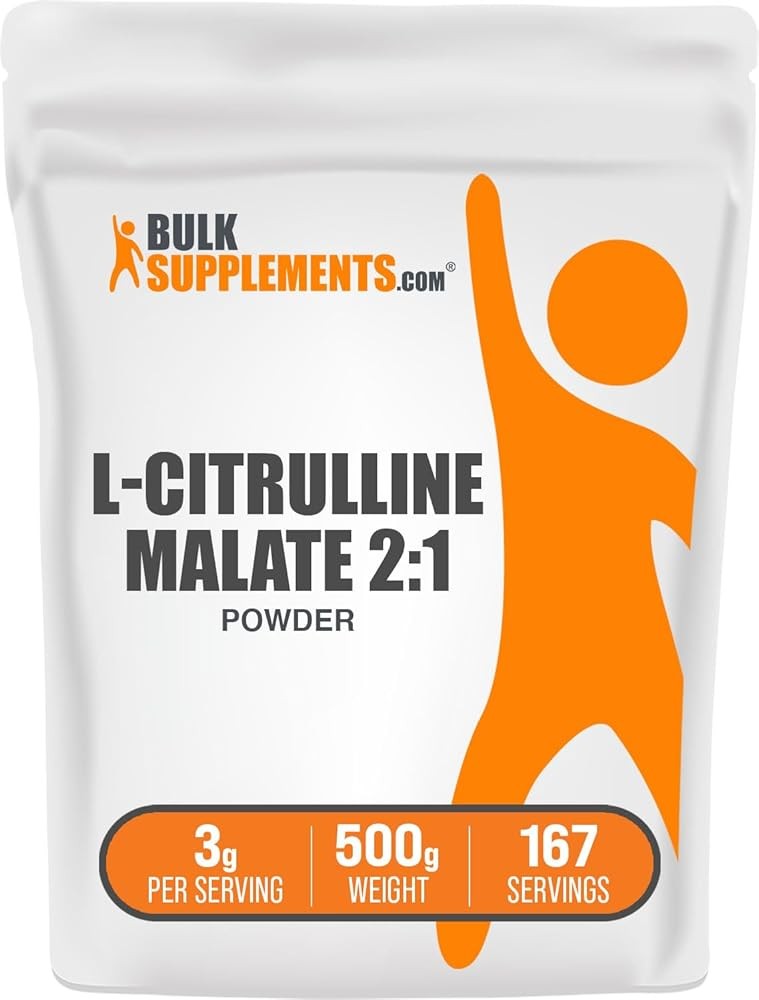
BulkSupplements L-Citrulline Malate 2:1 Powder
Check Price on AmazonAs an Amazon Associate we earn from qualifying purchases.
Pure L-citrulline malate powder in the clinically studied 2:1 ratio, providing 2000mg L-citrulline and 1000mg malic acid per 3-gram serving. This unflavored powder mixes easily in water or pre-workout drinks and offers exceptional value per serving. Third-party tested for purity and manufactured in a GMP-certified facility. The 500-gram bag provides over 165 servings, making it one of the most cost-effective options for consistent daily supplementation.
Nutricost L-Citrulline 1500mg Capsules
Check Price on AmazonAs an Amazon Associate we earn from qualifying purchases.
For those who prefer capsules over powder, these provide 750mg pure L-citrulline per capsule (2 capsules = 1500mg). With 180 capsules per bottle, you get 90 servings of 1500mg or 60 servings of 2250mg depending on your dosing protocol. Gluten-free, non-GMO, and third-party tested for purity.
How Do Beetroot and Dietary Nitrates Boost Nitric Oxide?
How Beetroot Produces Nitric Oxide Through a Different Mechanism
While L-citrulline works through the L-arginine-eNOS pathway, beetroot and other nitrate-rich foods work through an entirely different mechanism: the nitrate-nitrite-NO pathway.
Here is how it works:
- Dietary nitrates (NO₃⁻) from beetroot, spinach, arugula, and other vegetables are consumed
- Oral bacteria on your tongue reduce nitrate to nitrite (NO₂⁻) — this step is essential and is why using mouthwash blocks the benefits of dietary nitrates
- Nitrite is swallowed and further reduced to nitric oxide (NO) in the acidic stomach or in tissues with low oxygen
- This pathway is oxygen-independent, meaning it actually becomes MORE active during exercise and hypoxia, precisely when your body needs more NO
This pathway provides a backup NO production system that does not rely on eNOS, making it particularly valuable for people with endothelial dysfunction, older adults, or anyone with impaired eNOS activity.
To understand the nuanced differences between these approaches, see our detailed comparison of beet juice vs nitric oxide boosters.
The value assessment: The nitrate-nitrite-NO pathway becomes 2-3 times more active during hypoxic conditions (tissue oxygen <5%), making 400-500mg dietary nitrates from beetroot particularly effective during high-intensity exercise when oxygen demand exceeds supply and traditional eNOS-dependent NO production becomes rate-limited.
Clinical Evidence for Beetroot Supplementation
The research on beetroot and dietary nitrates is extensive, with hundreds of studies examining effects on blood pressure, exercise performance, and cardiovascular function.
Blood Pressure and Cardiovascular Function
A comprehensive 2024 umbrella review and meta-analysis examined 113 studies involving 2,013 participants and found that dietary nitrate supplementation:
- Reduced systolic blood pressure by 4-5 mmHg
- Reduced diastolic blood pressure by 2-3 mmHg
- Decreased pulse wave velocity (a measure of arterial stiffness)
- Improved flow-mediated dilation (endothelial function)
- Effects became more pronounced with longer duration and higher nitrate doses
For comprehensive blood pressure support, beetroot pairs well with other evidence-based supplements for high blood pressure.
A particularly impressive 2024 randomized, placebo-controlled, double-blind crossover trial found that just seven days of dietary nitrate supplementation significantly improved basal macrovascular function in postmenopausal women — a population at high cardiovascular risk.
Another 2024 study showed that 12 weeks of nitrate-rich beetroot extract supplementation improved lower limb vascular function and serum angiogenic potential in postmenopausal women.
The blood pressure effects of beetroot are substantial enough that a 2024 systematic review and meta-analysis focused specifically on its use in hypertension according to European Society of Hypertension Guidelines, concluding that beetroot juice shows promise as an adjunct therapy for blood pressure management.
Exercise Performance and Endurance
A 2024 umbrella review of 20 published systematic reviews with meta-analyses examined the effects of dietary nitrate supplementation on exercise performance and found:
- Significant improvements in time to exhaustion (small effect size)
- Enhanced VO₂max in healthy adults (negligible effect size)
- Improved performance in intermittent high-intensity exercise (small effect size)
- Greater benefits from beetroot juice and high-nitrate diets compared to nitrate salts
Importantly, beetroot supplementation appears particularly effective for endurance activities and repeated sprint performance rather than maximal strength. A 2024 randomized, double-blinded, placebo-controlled crossover trial found that acute beetroot juice supplementation improved cardiovascular function during high-intensity interval exercise in healthy men.
The endurance benefits stem from beetroot’s unique ability to reduce the oxygen cost of exercise. In practical terms, this means you can maintain the same pace or power output while consuming less oxygen — effectively making your cardiovascular system more efficient. This phenomenon, termed “improved exercise economy,” has been documented in runners, cyclists, swimmers, and rowers. The magnitude of improvement is modest but meaningful: studies typically show 1-3% improvements in time trial performance or 2-5% increases in time to exhaustion at submaximal intensities.
For team sport athletes who perform repeated high-intensity efforts (soccer, basketball, hockey), beetroot offers particular advantages. The nitrate-nitrite-NO pathway becomes increasingly active as tissue oxygen levels drop during intense exercise. This means beetroot provides the most NO precisely when it’s needed most — during the later stages of a match when fatigue is setting in and muscles are becoming hypoxic. Several studies in soccer players have shown that beetroot supplementation maintains sprint performance and decision-making accuracy in the later stages of matches compared to placebo.
The cognitive effects during exercise also deserve attention. Multiple studies have found that beetroot supplementation improves reaction time, decision-making speed, and cognitive function during prolonged exercise. This likely reflects improved cerebral blood flow — the brain, like muscles, benefits from enhanced NO-mediated vasodilation. For athletes in sports requiring quick decisions under fatigue (essentially all competitive sports), this cognitive preservation may be as valuable as the physical performance benefits.
The effects on cognitive function are also emerging. A 2024 systematic review titled “Beetroot Juice Supplementation as a Healthy Aging Strategy Through Improving Physical Performance and Cognitive Functions” concluded that beetroot shows promise for supporting both physical and mental performance in aging populations.
Effective Nitrate Dosing from Beetroot
The effective dose is based on nitrate content, not total beetroot:
For Blood Pressure Support:
- 400-500mg dietary nitrates daily - Research suggests this amount is equivalent to approximately 500-750ml beetroot juice or 15-20 grams concentrated beetroot powder. Studies indicate dietary nitrate intake at this level may help support healthy blood pressure.
For Exercise Performance:
- Research suggests 300-600mg dietary nitrates consumed 2-3 hours pre-exercise may support performance.
- Studies indicate acute effects on blood flow may be observed within 2-3 hours; clinical trials have used daily consumption to investigate sustained benefits.
Important: Not all beetroot supplements are created equal. Check the label for actual nitrate content, not just beetroot content. Some products remove the nitrates during processing, making them useless for NO production.
Fresh Beetroot Juice vs. Concentrated Powder vs. Capsules
Understanding the pros and cons of different beetroot supplement formats helps you choose the right option for your goals and lifestyle:
Fresh Beetroot Juice:
Advantages:
- Highest nitrate bioavailability (no processing losses)
- Contains additional phytonutrients (betalains, polyphenols)
- Most researched form in clinical studies
- Fastest absorption (liquid form)
Disadvantages:
- Short shelf life (must consume within 3-5 days)
- Expensive ($3-5 per serving from commercial brands)
- Earthy taste that many people dislike
- Inconvenient for travel
- Can stain teeth temporarily
Best for: People serious about maximizing cardiovascular benefits who don’t mind the taste and cost, or those who juice vegetables regularly at home.
Concentrated Beetroot Powder:
Advantages:
- Long shelf life (12+ months when stored properly)
- Cost-effective ($0.50-1.00 per serving)
- Easy to mix into smoothies or water
- Standardized nitrate content (easier to dose accurately)
- More convenient than fresh juice
Disadvantages:
- Some processing losses compared to fresh juice (typically 10-20% lower nitrate content)
- Quality varies significantly between brands
- Must verify nitrate content on label (many products don’t list it)
- Still has earthy beet flavor
Best for: Most people seeking daily beetroot supplementation for cardiovascular health — offers the best balance of effectiveness, convenience, and cost.
Beetroot Capsules:
Advantages:
- No taste concerns
- Maximum convenience and portability
- Pre-measured doses
- Longest shelf life
Disadvantages:
- Most expensive per serving ($1.50-3.00)
- Lowest bioavailability (capsule dissolution required before absorption)
- Many products provide inadequate nitrate doses (100-200mg vs. the 400-500mg target)
- Some contain beetroot fiber or root powder rather than concentrated extract
Best for: People who cannot tolerate the taste of beets and prioritize convenience over cost, or those who travel frequently.
Optimizing Beetroot Supplementation Timing and Protocols
For Blood Pressure Management:
- Research-supported dosages include 400-500mg dietary nitrates daily with breakfast or lunch
- Studies indicate consistency may be more important than timing
- Published research shows effects may be cumulative over 4-8 weeks
- Clinical trials have used weekly home BP monitoring to track changes.
For Exercise Performance:
- Research suggests consuming 300-500mg nitrates 2-3 hours before training or competition may be beneficial.
- Studies indicate the 2-3 hour window allows time for nitrate reduction to nitrite and distribution.
- Some athletes utilize a loading protocol: 400mg daily for 3-7 days before an event, then 600mg 2-3 hours pre-race, as reported in research.
- Published research shows effects appear to be more pronounced in endurance events lasting 4+ minutes compared to brief maximal efforts.
For Cognitive Function:
- 300-400mg daily with breakfast provides sustained cerebral blood flow support throughout the day
- May be particularly beneficial before cognitively demanding tasks or during periods of mental fatigue
Pro tip: Consider “loading” beetroot for 5-7 days before important events (competitions, challenging workouts, high-stakes presentations requiring mental clarity). The cumulative effects over several days may provide larger acute benefits than single-dose supplementation.
Beetroot vs. Other Nitrate Sources
While beetroot is the most popular nitrate supplement, other sources include:
- Arugula: The highest nitrate vegetable (480mg per 100g)
- Spinach: 245mg per 100g
- Lettuce: 200mg per 100g
- Celery: 150mg per 100g
For whole food sources, incorporating nitrate-rich vegetables into your diet provides additional phytonutrients and fiber beyond just nitrates.
Top Beetroot Nitric Oxide Supplements
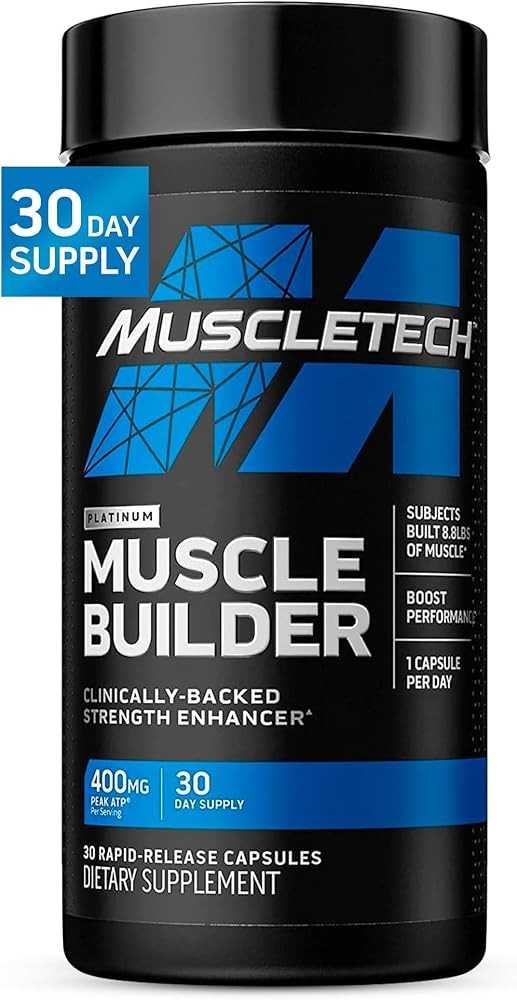
Muscletech Nitric Oxide Supplements
Check Price on AmazonAs an Amazon Associate we earn from qualifying purchases.
This formula takes a unique approach by combining beetroot powder with Peak ATP (adenosine 5’-triphosphate disodium), a patented form of ATP shown in studies to enhance blood flow and muscle performance. Each serving provides 400mg Peak ATP plus beetroot for dual-mechanism support. Muscletech is a well-established supplement brand with extensive quality testing, making this a reliable choice for athletes seeking performance enhancement beyond basic NO supplementation.
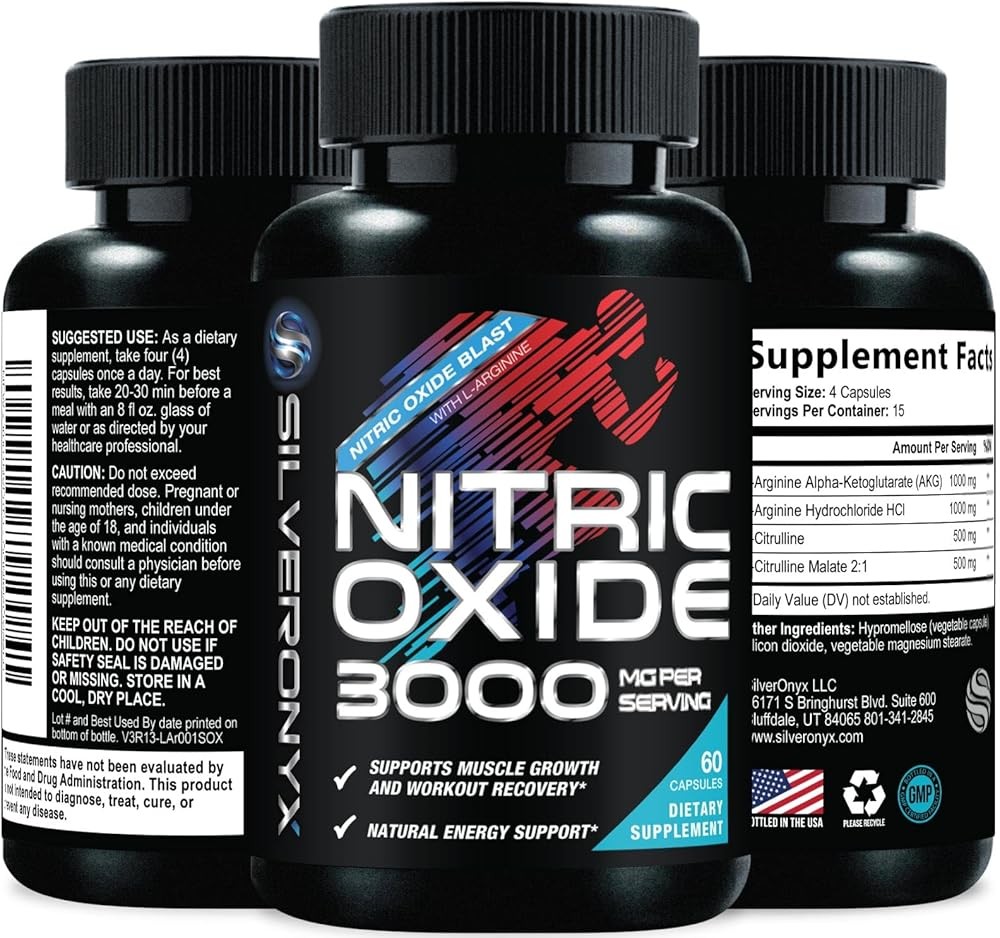
Extra Strength Nitric Oxide Booster 3000mg
Check Price on AmazonAs an Amazon Associate we earn from qualifying purchases.
High-potency 12-in-1 complex for men and women featuring L-arginine, L-citrulline, Korean red ginseng, tongkat ali, maca root, and beetroot blend. Provides 3000mg per serving in a comprehensive cardiovascular and performance support formula.

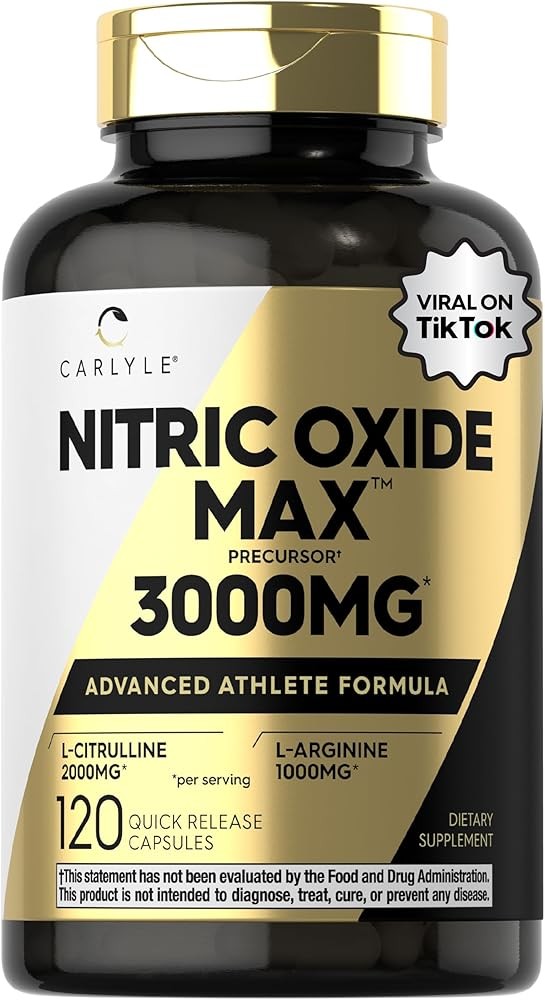
Carlyle Nitric Oxide Supplement 3000mg
Check Price on AmazonAs an Amazon Associate we earn from qualifying purchases.
Grape seed extract and beetroot nitric oxide supplement in convenient chewable form. Each chew provides concentrated beetroot powder to support nitric oxide production and blood pressure. Portable and easy to take without water.
Key takeaway: Consuming beetroot and other nitrate-rich foods boosts nitric oxide through the nitrate-nitrite-NO pathway, a mechanism that is oxygen-independent and becomes more active during exercise and low oxygen conditions. This pathway provides a backup NO production system that is particularly valuable for individuals with impaired eNOS function.
What Is S7 and How Does It Boost Nitric Oxide?
What Is S7 and How Does It Work?
S7 is a proprietary blend of seven plant-based ingredients developed by FutureCeuticals that takes a unique approach to nitric oxide: rather than providing substrates like citrulline or nitrates, S7 triggers your body’s own endogenous NO production.
The seven ingredients in S7 are:
- Green coffee bean extract
- Green tea extract
- Turmeric extract
- Tart cherry
- Blueberry
- Broccoli
- Kale
These plant extracts are rich in polyphenols and phytonutrients that activate eNOS and reduce oxidative stress that degrades NO. Essentially, S7 works by optimizing your body’s natural NO production machinery rather than flooding it with substrates.
Clinical Evidence for S7
The evidence for S7 is more limited than citrulline or beetroot, but the available research is compelling.
A 90-day double-blind, placebo-controlled clinical study found that:
- S7 significantly increased blood circulating nitric oxide and maintained elevated levels with once-daily supplementation
- NO levels increased 33.87% with 25mg S7 and 53.43% with 50mg S7 compared to placebo
- S7 significantly reduced total reactive oxygen species (free radicals), providing antioxidant protection
An acute study showed that a single dose of S7 provided a nitric oxide boost of up to 230%, though it is worth noting this was a percentage increase from baseline and the absolute magnitude depends on baseline levels.
Effective S7 Dosing
The research-supported dose is remarkably low compared to citrulline or beetroot:
Standard Dose: 50mg daily Clinical Study Doses: 25-50mg
This low dose is one of S7’s advantages — it is easy to include in multi-ingredient formulas without taking up much space. Many modern pre-workout supplements now include S7 alongside citrulline for a dual-mechanism NO boost.
S7 vs. Traditional NO Boosters
Advantages of S7:
- Very low dose required
- Provides antioxidant protection in addition to NO production
- May work synergistically with citrulline or beetroot
- No risk of GI upset at standard doses
Limitations:
- Fewer long-term studies compared to citrulline or beetroot
- Proprietary blend means exact component amounts are unknown
- More expensive per serving than citrulline powder
What this means for you: S7 is a proprietary blend of seven plant-based ingredients that boosts nitric oxide by triggering the body’s own endogenous NO production, with a 90-day clinical study demonstrating a significant increase in blood circulating nitric oxide. The unique approach optimizes the body’s natural NO production machinery.
Does Agmatine Sulfate Boost Nitric Oxide Production?
How Agmatine Affects Nitric Oxide
Agmatine sulfate is a metabolite of L-arginine formed by the enzyme arginine decarboxylase. While it does not directly produce nitric oxide, agmatine acts as a modulator of the NO system through several mechanisms:
- Inhibits arginase, the enzyme that breaks down arginine, potentially preserving more arginine for NO production
- Activates imidazoline receptors, which may enhance endothelial NO release
- Modulates neuronal NOS, affecting NO production in the nervous system
The research on agmatine is primarily focused on neurological effects — pain modulation, neuroprotection, and mood — rather than cardiovascular or exercise performance. As such, it is best viewed as a complementary ingredient rather than a primary NO booster.
Agmatine Dosing and Use
Standard Dose: 500-1,000mg, 1-2 times daily Common Use: Often included in pre-workout supplements at 500-1,000mg alongside citrulline
Agmatine is generally well-tolerated, though high doses (above 2,500mg) can cause mild GI upset in some people.
The Science Behind Agmatine’s Mechanisms
While agmatine’s direct effects on NO remain somewhat controversial, its inhibition of arginase is well-documented. Arginase competes with NOS for arginine substrate — when arginase activity is high, less arginine is available for NO production. This becomes particularly relevant in inflammatory conditions where arginase expression increases.
Several studies have explored agmatine’s potential for pain modulation and neuroprotection, finding that it interacts with NMDA receptors and imidazoline binding sites in ways that may provide benefits beyond simple NO modulation. For this reason, some researchers view agmatine more as a neuromodulator than a pure NO booster.
The practical implication is that agmatine may provide value as part of a comprehensive pre-workout formula that includes citrulline, but taking agmatine alone specifically for NO enhancement is probably not the most efficient approach. If your primary goal is maximizing nitric oxide production, citrulline and beetroot remain superior choices based on the current evidence.
Key takeaway: Supplementing with 500-1000 mg of agmatine sulfate can boost nitric oxide production by inhibiting arginase and activating imidazoline receptors, thereby enhancing endothelial NO release. Agmatine sulfate acts as a modulator of the NO system through multiple mechanisms, although its primary researched benefits are related to neurological effects rather than cardiovascular or exercise performance.
How to Optimize Nitric Oxide Production: Timing, Cofactors, and Lifestyle Strategies
Nearly 40% of adults have impaired nitric oxide production, making optimization strategies crucial for cardiovascular health and athletic performance. Beyond simply taking NO supplements, several strategies can significantly enhance their effectiveness and your body’s natural production capacity.
Optimal Timing for Different Goals
Pre-Workout Timing: For those seeking maximum performance, L-citrulline is a staple in the best pre-workout supplements. For exercise performance, timing is critical. L-citrulline reaches peak plasma arginine levels approximately 60-90 minutes after ingestion. Based on this pharmacokinetic profile, the optimal pre-workout protocol is:
- 60-90 minutes before training: 6-8g citrulline malate with 16-20oz water on a near-empty stomach
- 2-3 hours before training: 300-500mg dietary nitrates from beetroot juice or concentrated powder
- Do not take with high-fat meals: Fat delays gastric emptying and slows absorption
This dual-timing strategy ensures both the arginine-eNOS pathway (from citrulline) and the nitrate-nitrite pathway (from beetroot) are optimally activated during your workout.
For Blood Pressure and Cardiovascular Health: When the goal is sustained blood pressure reduction and endothelial function improvement, timing is less critical than consistency:
- Split dosing: 3g L-citrulline twice daily (morning and evening) maintains more stable plasma arginine levels throughout the 24-hour cycle
- With or without food: For cardiovascular benefits, taking with meals is acceptable and may improve GI tolerance
- Beetroot timing: Take with breakfast or lunch to align peak nitrate-to-nitrite conversion with daytime activity when cardiovascular demand is higher
Essential Cofactors That Enhance NO Production
Nitric oxide synthase (eNOS) requires several cofactors to function optimally. Without adequate cofactors, eNOS becomes “uncoupled” and produces harmful superoxide radicals instead of beneficial NO.
Tetrahydrobiopterin (BH4): This is the most critical eNOS cofactor. While you cannot supplement BH4 directly (it is unstable), you can support its synthesis and recycling:
- Folate (as methylfolate): Research suggests 400-800mcg daily may support BH4 regeneration. This may be particularly relevant for individuals with MTHFR genetic variants who may not efficiently convert synthetic folic acid to active methylfolate.
- Vitamin C: Studies indicate 500-1000mg daily may help protect BH4 from oxidation and support its regeneration from its oxidized form. Published research also shows Vitamin C appears to have some benefit in directly protecting NO from degradation.
Vitamin B12 and B6: These B vitamins support the methionine-homocysteine cycle, which indirectly affects NO bioavailability. Elevated homocysteine impairs endothelial function and reduces NO production:
- B12 (as methylcobalamin): Clinical trials have used 500-1000mcg daily.
- B6 (as pyridoxal-5-phosphate): Studies indicate 25-50mg daily may be beneficial.
Together with methylfolate, these create an optimal environment for eNOS function.
Magnesium: This mineral is involved in over 300 enzymatic reactions, including those that appear to support NO synthesis. Research indicates magnesium deficiency (common in Western diets) may be associated with impaired endothelial function:
- Magnesium glycinate or threonate: 300-400mg elemental magnesium daily
- Timing: Take in the evening as magnesium also supports relaxation and sleep quality
Zinc: Research suggests that both excessive intake and mild deficiency of zinc may influence nitric oxide (NO) production, with deficiency potentially reducing endothelial nitric oxide synthase (eNOS) activity. Published research indicates most individuals may benefit from:
- Zinc (as picolinate or glycinate): 15-30mg daily with food
- Balance with copper: Long-term zinc supplementation should be balanced with 1-2mg copper to reduce the risk of induced copper deficiency
Dietary Strategies to Maximize NO Production
Increase Nitrate-Rich Vegetables: Even if you supplement with beetroot extract, whole food sources provide additional benefits:
- Arugula: 480mg nitrates per 100g — the highest of any vegetable
- Spinach: 245mg per 100g — excellent in smoothies or lightly sautéed
- Beets: 110mg per 100g — both the root and greens are beneficial
- Lettuce (especially red leaf): 200mg per 100g
- Celery: 150mg per 100g
A large salad with arugula, spinach, and beets can provide 400-600mg dietary nitrates — equivalent to many beetroot supplements.
Polyphenol-Rich Foods Activate eNOS: Certain plant compounds directly activate eNOS and protect NO from degradation:
- Dark chocolate (70%+ cacao): 20-30g daily provides cocoa flavanols that increase NO bioavailability
- Pomegranate juice: 240ml daily has been shown to increase NO and improve erectile function
- Green tea: 2-3 cups daily provides EGCG, a polyphenol that protects NO from oxidative stress
- Berries (especially blueberries): 1 cup daily provides anthocyanins that support endothelial health
Avoid NO Inhibitors: Certain dietary and lifestyle factors actively destroy NO or impair its production:
- Mouthwash: As mentioned, this combats the oral bacteria essential for converting dietary nitrates to nitrite. If you must use mouthwash, wait at least 6 hours after consuming nitrate-rich foods.
- High-sugar meals: Postprandial hyperglycemia creates oxidative stress that rapidly degrades NO. Pair carbohydrates with protein, fat, and fiber to blunt glucose spikes.
- Excessive omega-6 fats: While some omega-6 is essential, the typical Western ratio of 20:1 (omega-6:omega-3) promotes inflammation that impairs endothelial function. Aim for closer to 4:1 by reducing vegetable oils and increasing omega-3 from fish.
Exercise: The Most Powerful NO Stimulus
No supplement can replace the profound NO-boosting effects of regular exercise. Physical activity increases NO production through multiple mechanisms:
Shear Stress on Endothelium: Blood flow during exercise creates mechanical shear stress on the endothelial cells lining blood vessels. This physical force directly activates eNOS, triggering immediate NO release. This is why acute exercise causes vasodilation — your blood vessels literally expand to accommodate increased flow.
Upregulation of eNOS Expression: Chronic exercise training (4+ weeks of consistent activity) increases the actual quantity of eNOS enzyme in endothelial cells. This means your baseline NO production capacity increases even at rest. Studies show that regular exercisers have 2-3x higher eNOS expression than sedentary individuals.
Optimal Exercise Protocol for NO Production:
- Moderate-intensity aerobic exercise: 30-45 minutes, 5-6 days per week at 60-75% maximum heart rate
- High-intensity interval training: 2-3 sessions per week (4-6 intervals of 3-4 minutes at 85-95% max HR)
- Resistance training: 3-4 sessions per week using compound movements that engage large muscle groups
The combination of aerobic and resistance training provides superior NO benefits compared to either alone.
Testing Your Nitric Oxide Status
While there is no perfect home test for NO levels, several markers can indicate NO bioavailability:
Flow-Mediated Dilation (FMD): This is the gold standard for assessing endothelial function and NO bioavailability, but it requires specialized ultrasound equipment. Some preventive cardiologists offer FMD testing.
Blood Pressure Monitoring: Since NO is the primary vasodilator, tracking home blood pressure provides an indirect measure of NO status:
- Measure twice daily: Morning (before medications/supplements) and evening
- Track trends: Research indicates a gradual decrease in blood pressure over 4-8 weeks of supplementation may suggest improved nitric oxide production
- Target: Studies suggest systolic readings below 120, and diastolic readings below 80 may be associated with optimal cardiovascular health.
Saliva Nitrite Test Strips: Some companies sell test strips that measure nitrite in saliva. While not perfectly accurate, they can indicate whether dietary nitrates are being converted to nitrite by oral bacteria:
- Interpretation: Darker color = more nitrite = better nitrate-to-nitrite conversion
- Limitation: Results vary based on recent food intake and time of day
Age-Specific NO Optimization Strategies
Ages 20-39: At this age, NO production is typically robust. Focus on:
- Prevention through exercise and nitrate-rich diet
- Citrulline or beetroot only if you are an athlete seeking performance enhancement
- Address risk factors (smoking, poor diet, sedentary lifestyle) before they cause endothelial damage
Ages 40-59: Research indicates nitric oxide (NO) production may begin to decline noticeably during this period. Studies suggest prioritizing:
- 3-6g L-citrulline daily or 400-500mg dietary nitrates from beetroot
- Cofactor support: Published research shows a high-quality B-complex with methylfolate, vitamin C, and magnesium appears to have some benefit
- Consistent cardiovascular exercise: Clinical trials have shown this may become increasingly important as age-related eNOS decline accelerates
- Monitor blood pressure: Research suggests many individuals may develop prehypertension during this decade.
Ages 60+: Research indicates NO production may be 50% or less compared to age 20. Studies suggest robust support may be beneficial:
- 6g L-citrulline daily PLUS 400-500mg beetroot nitrates for dual-pathway support
- Consider S7 (50mg daily) for additional antioxidant protection
- Full cofactor panel: Methylfolate, B12, vitamin C, magnesium, vitamin D, omega-3s
- Professional guidance: Collaboration with a physician may be helpful to optimize blood pressure and assess for peripheral artery disease or erectile dysfunction, both indicators potentially associated with NO bioavailability.
Special population insight: Postmenopausal women experience particularly sharp declines in NO production due to loss of estrogen’s protective effects on endothelial function. The 2024 research showing that beetroot supplementation improved macrovascular function in postmenopausal women after just 7 days is especially relevant for this population.
Key takeaway: Research utilizing 6g daily L-citrulline in combination with 400-500mg dietary nitrates from beetroot, alongside essential cofactors (methylfolate, vitamin C, magnesium), suggests comprehensive support related to declining NO production in adults over 40.
Combining NO Boosters: Is More Better?
Many supplements combine multiple nitric oxide pathways — for example, citrulline + beetroot + S7. Does this approach provide additive benefits?
The Theoretical Case for Combination
Since different NO boosters work through distinct mechanisms, combining them should theoretically provide greater total NO production:
- L-citrulline → raises arginine → more eNOS substrate
- Beetroot nitrates → nitrate-nitrite-NO pathway (oxygen-independent)
- S7 → activates eNOS and reduces oxidative stress
- Agmatine → preserves arginine by inhibiting arginase
What the Research Shows
While head-to-head combination studies are limited, some research supports synergistic effects:
A study on combined L-citrulline plus L-arginine found that the combination produced more rapid increases in plasma arginine and greater NO bioavailability than either amino acid alone (PubMed 41248623).
Combining citrulline with beetroot provides both the arginine-eNOS pathway and the nitrate-nitrite pathway, which may be particularly beneficial since the nitrate pathway becomes MORE active during exercise when oxygen is low.
Practical Recommendations
For most people, start with a single, well-dosed NO booster:
- Athletes focused on performance: 6-8g citrulline malate pre-workout
- People managing blood pressure: 3-6g L-citrulline daily or 400-500mg dietary nitrates from beetroot
- Those seeking cognitive and cardiovascular support: Beetroot powder providing 300-500mg nitrates daily
If you want to combine approaches:
- Citrulline + S7: Common in pre-workouts, likely synergistic
- Citrulline + Beetroot: Dual-pathway approach for maximum NO production
- Avoid excessive doses of multiple boosters simultaneously — more is not always better, especially regarding blood pressure effects
Key takeaway: Combining multiple nitric oxide boosters, such as citrulline, beetroot, and S7, may provide additive benefits due to their distinct mechanisms of action. A study found that combining L-citrulline and L-arginine produced more rapid increases in plasma arginine and greater NO bioavailability than either amino acid alone.
Nitric Oxide for Specific Health Goals
For Cardiovascular Health and Blood Pressure
Best Choice: Beetroot extract or L-citrulline
Why: Both have robust clinical evidence. Research suggests beetroot and dietary nitrates may support healthy blood pressure and endothelial function. A 2024 meta-analysis indicates beetroot/dietary nitrates may help reduce systolic BP by 4-5 mmHg and diastolic by 2-3 mmHg. Clinical trials have used L-citrulline at 3-6 grams daily, and studies show similar effects.
Dosing:
- Beetroot: Published research has utilized 400-500mg dietary nitrates daily (≈15-20g concentrated powder) in studies.
- L-citrulline: Clinical trials have used 3-6 grams daily, with some protocols suggesting splitting the dosage into 2 administrations.
Important: NO supplements have been shown to have additive effects with blood pressure medications in research. Monitoring of blood pressure at home and communication with a physician is suggested. Discontinuation of prescribed medication is not supported by research and should not occur.
Synergistic Support: Consider combining with CoQ10 (200-300mg ubiquinol), which supports endothelial function and may enhance NO bioavailability, especially in statin users.
For Exercise Performance and Muscle Building
Best Choice: Citrulline malate
Why: Research indicates that resistance training and high-intensity exercise are supported by citrulline malate studies, which have shown 6-8% increases in repetitions and a 40% reduction in muscle soreness.
Dosing: Research has utilized 6-8 grams citrulline malate 2:1 (or 4-6g pure L-citrulline) 30-60 minutes pre-workout.
Timing: Take on an empty or near-empty stomach for best absorption. Peak plasma arginine levels occur 60-90 minutes post-ingestion.
Stack With:
- Creatine monohydrate (5g daily) for strength and power
- Beta-alanine (3.2-6.4g daily) for buffering lactic acid
- Beetroot powder for additional NO via nitrate pathway
For Erectile Function and Sexual Health
Best Choice: L-citrulline (pure form)
Why: Nitric oxide is the primary mediator of penile erection. Published research shows L-citrulline at 3-6 grams daily appears to have some benefit for erection hardness in men with mild to moderate ED, particularly when poor circulation is a contributing factor.
A study published in Urology found that oral L-citrulline supplementation improved erection hardness scores and increased the percentage of successful intercourse attempts in men with mild ED.
Dosing: Research has utilized 3-6 grams L-citrulline daily
Important Considerations:
- Research suggests NO supplements may have additive effects when used with PDE5 inhibitors (Viagra, Cialis) — consultation with a healthcare professional is recommended before combining.
- Published research shows NO supplements appear to have some benefit for mild to moderate ED potentially related to circulation.
- Studies indicate NO supplements may not be as beneficial for severe ED or ED caused by hormonal, neurological, or psychological factors.
- Research suggests these supplements may be most supportive when included as part of a comprehensive approach incorporating lifestyle changes, exercise, and weight management.
Synergistic Support:
- Omega-3 fatty acids for endothelial health
- Magnesium for blood flow
- Regular cardiovascular exercise to improve endothelial function
For Cognitive Function and Brain Health
Best Choice: Beetroot powder or extract
Why: The brain’s high metabolic demands make adequate blood flow critical for cognitive function. The nitrate-nitrite-NO pathway from beetroot becomes more active in low-oxygen conditions, potentially enhancing cerebral blood flow during cognitive tasks.
A 2024 systematic review titled “Beetroot Juice Supplementation as a Healthy Aging Strategy Through Improving Physical Performance and Cognitive Functions” found research suggests beetroot may support both physical and mental performance in aging populations.
Research-supported dosages: Studies have used 300-500mg dietary nitrates daily from beetroot
Synergistic Support:
- Omega-3 DHA for brain structure and function
- Magnesium L-threonate for cognitive support
- B-complex vitamins for energy metabolism
Key takeaway: Beetroot extract and L-citrulline are effective for supporting cardiovascular health and reducing blood pressure, with a 2024 meta-analysis confirming that beetroot/dietary nitrates can lower systolic blood pressure by 4-5 mmHg and diastolic by 2-3 mmHg. Daily doses of 400-500mg dietary nitrates from beetroot or 3-6 grams of L-citrulline are supported by clinical trials.
Safety, Side Effects, and Drug Interactions
Nitric oxide supplements, such as L-Citrulline, are generally well-tolerated with minimal side effects when used at recommended doses, typically starting at 3-4g per day.
Common Side Effects
Nitric oxide supplements are generally well-tolerated with minimal side effects when used at recommended doses.
L-Citrulline:
- Research suggests mild gastrointestinal discomfort (bloating, diarrhea) may occur at very high doses (>10g)
- Studies indicate starting with 3-4g and gradually increasing may help minimize GI issues
- Published research shows taking L-Citrulline on an empty stomach may support best absorption
- Research has not documented kidney damage at normal supplemental doses.
Beetroot:
- Beeturia: Pink or red discoloration of urine and stool (harmless, occurs in 10-14% of people)
- Oxalate content: Beetroot is high in oxalates; people with kidney stones should use caution
- Potential interaction with nitrate medications (see below)
S7:
- Minimal side effects reported at standard 50mg dose
- Generally well-tolerated due to low dose
Agmatine:
- Mild GI upset at high doses (>2,500mg)
- Some people report vivid dreams or altered sleep
Critical Drug Interactions
Blood Pressure Medications: NO supplements can have additive blood pressure-lowering effects with antihypertensive medications, including:
- ACE inhibitors (lisinopril, enalapril)
- ARBs (losartan, valsartan)
- Beta-blockers (metoprolol, atenolol)
- Calcium channel blockers (amlodipine, diltiazem)
Action: Research suggests monitoring blood pressure at home may be beneficial. A physician may need to adjust medication doses based on readings. This is not necessarily indicative of a negative outcome – it may suggest medication dosage could potentially be reduced.
PDE5 Inhibitors (Erectile Dysfunction Medications): NO supplements can have additive vasodilatory effects with:
- Sildenafil (Viagra)
- Tadalafil (Cialis)
- Vardenafil (Levitra)
Research indicates the combination may be associated with lower blood pressure, dizziness, or lightheadedness.
Action: Consult your physician before combining. May require dose adjustment or timing separation.
Nitrate Medications (for Angina): People taking organic nitrates should avoid beetroot or dietary nitrate supplements:
- Nitroglycerin
- Isosorbide mononitrate
- Isosorbide dinitrate
Research indicates that combining nitrate medications with dietary nitrates may result in hypotension.
Action: Use L-citrulline instead, which does not work via the nitrate pathway.
Anticoagulants: Beetroot may have mild antiplatelet effects. Use caution with:
- Warfarin (Coumadin)
- Apixaban (Eliquis)
- Rivaroxaban (Xarelto)
Action: Monitor INR more frequently if on warfarin. Inform your physician.
Who Should Avoid or Use Caution
Considerations When Using NO Supplements:
- Individuals with citrullinemia (rare genetic disorder of urea cycle metabolism) may want to avoid citrulline.
- Those with low blood pressure (systolic <90 mmHg) should be cautious.
- Use with nitrate medications for angina requires consideration.
Research Considerations If You Have:
- Kidney disease (research suggests consulting a nephrologist before using high-dose citrulline)
- History of kidney stones (studies indicate beetroot is high in oxalates)
- Scheduled for surgery (research suggests discontinuing use 2 weeks prior due to potential blood pressure effects)
Safety During Pregnancy and Breastfeeding
There is limited research on nitric oxide (NO) supplement safety during pregnancy and lactation. While studies suggest L-citrulline and dietary nitrates from food may be well-tolerated, research indicates supplemental doses should be avoided unless specifically recommended by a healthcare professional.
Key takeaway: Taking nitric oxide supplements like L-Citrulline and beetroot is generally safe when used at recommended doses, with side effects such as gastrointestinal discomfort and beeturia (pink or red discoloration of urine and stool) occurring at high doses or in a small percentage (10-14%) of users. Supplementing with L-Citrulline at doses above 10g may cause mild gastrointestinal issues, while individuals with kidney stones should use caution with beetroot due to its high oxalate content.
How to Choose a Quality Nitric Oxide Supplement
The NO supplement market is flooded with products making exaggerated claims. Here is how to identify quality supplements:
Look for Transparent Labeling
Red Flags:
- Proprietary blends that hide ingredient amounts
- “Nitric oxide” listed as an ingredient (it is a gas, not something you can put in a capsule)
- Promises of “5000% increase in NO” or other impossible claims
- Focus on pump and vascularity without mentioning health benefits
Green Flags:
- Exact amounts of active ingredients clearly listed
- Clinical doses based on research (6-8g citrulline malate, 400-500mg nitrates, 50mg S7)
- Transparent about form used (L-citrulline vs citrulline malate, beetroot nitrate content)
Verify Active Ingredient Content
Research suggests verifying the amounts of active ingredients listed on the supplement facts panel. Studies indicate third-party testing may help confirm product quality. A 2018 Journal of Dietary Supplements study found 28% of tested products did not contain the labeled amount of key ingredients. Published research shows independent testing can help ensure you receive the intended dose of ingredients like L-citrulline and beetroot powder.
For Beetroot Products: Check the nitrate content, not just beetroot content. Look for:
- Standardized to provide 400-500mg dietary nitrates per serving
- Concentrated beetroot powder (10:1 or higher ratio)
- Clear labeling of nitrate content (some products remove nitrates during processing)
For Citrulline:
- Pure L-citrulline: easier dosing, no need to calculate ratios
- Citrulline malate 2:1: most commonly studied form for performance
Third-Party Testing
Look for certifications from:
- NSF Certified for Sport: Tests for banned substances
- Informed-Choice: Tests for contamination and banned substances
- USP Verified: Tests for purity, potency, and quality
- ConsumerLab: Independent testing service
These certifications are especially important for athletes subject to drug testing.
Avoid Useless “NO Booster” Ingredients
Many NO supplements pad their formulas with ingredients that sound impressive but have minimal evidence:
Weak or Unproven Ingredients:
- L-arginine (poor bioavailability due to first-pass metabolism)
- L-norvaline (arginase inhibitor with limited human evidence)
- Sodium nitrate (inorganic nitrate without the phytonutrients from beetroot)
- “Nitric oxide blend” proprietary formulas
Focus on products built around the evidence-based ingredients: L-citrulline, beetroot/dietary nitrates, and optionally S7.
Reading the Research: How to Evaluate NO Supplement Claims
Supplement marketing often cherry-picks studies or misrepresents findings. Here’s how to critically evaluate NO supplement claims:
Red Flag Claims:
- “Increases NO by 500%” — These percentages are meaningless without baseline context and measurement method
- “Pharmaceutical-grade arginine” — Arginine is inferior to citrulline regardless of purity
- “Instant vasodilation” — NO benefits accrue over weeks, not minutes (except for acute pre-workout performance)
- “Boosts testosterone naturally” — NO does not significantly affect testosterone; this is marketing conflation
Look for Specific Study References: Quality brands cite actual research. When you see a claim, check:
- Is it a human study? Rat studies on NO don’t always translate to humans
- What was the dose? Many brands cite studies using 6-8g citrulline but only provide 1-2g per serving
- Was it placebo-controlled? Uncontrolled observations are nearly worthless
- Who funded it? Industry-funded research (disclosed in the paper) isn’t automatically bad, but look for independent replication
Verify the Study Matches the Product: Some brands cite beetroot research but their product contains beet fiber with nitrates removed. Others reference citrulline studies but their formula uses arginine. Always verify that the research cited actually used the ingredients in the product you’re considering.
Check for Dosing Transparency: The label should clearly state how much of each active ingredient is present per serving. If it says “proprietary NO blend 2000mg” without overtraining individual components, you have no way to know if therapeutic doses are present. This is almost always a sign of underdosing to reduce costs.
Key takeaway: Despite the numerous nitric oxide supplements on the market making exaggerated claims, quality products can be identified by looking for transparent labeling that lists exact amounts of active ingredients, such as 6-8g of citrulline malate or 400-500mg of nitrates, and verifying their content through third-party testing. Be wary of products with proprietary blends or unrealistic promises.
What If NO Supplements Don’t Seem to Work? Troubleshooting Guide
If nitric oxide supplements don’t seem to work, it’s often due to insufficient dosing, as many commercial products contain inadequate amounts, typically 1-2 grams of citrulline, far below the effective 6-8 gram dosage used in studies. Some people try nitric oxide supplements and report no noticeable benefits. Before concluding that NO supplementation doesn’t work for you, systematically rule out these common obstacles:
Insufficient Dosing
The most common reason NO supplements appear to have limited effects is potentially related to dosage. Many commercial pre-workout supplements contain 1-2 grams of citrulline — a quantity lower than the 6-8 grams utilized in performance studies. Similarly, beetroot capsules often provide 50-100mg of dietary nitrates, while research suggests 400-500mg may be associated with observed benefits.
Action: Verify you’re taking research-supported doses:
- L-citrulline or citrulline malate: 6-8g for performance, 3-6g for cardiovascular benefits
- Dietary nitrates from beetroot: 400-500mg
- S7: 50mg
If your product doesn’t provide these amounts, either increase the serving size (if economically feasible) or switch to a properly dosed product.
Cofactor Deficiencies Impairing eNOS Function
Even with adequate citrulline supplementation, eNOS cannot produce NO efficiently without proper cofactors. Deficiencies in folate, B12, vitamin C, or magnesium create bottlenecks that limit NO synthesis regardless of arginine availability.
Action: Research suggests a comprehensive B-complex (with methylfolate, not folic acid), 500-1000mg vitamin C, and 300-400mg magnesium glycinate may be beneficial. Studies indicate giving this protocol 4-6 weeks may allow for assessment of any deficiencies before reassessing NO supplement response.
Oxidative Stress Degrading NO Faster Than It’s Produced
In conditions of high oxidative stress (diabetes, obesity, smoking, chronic inflammation), free radicals rapidly degrade nitric oxide into peroxynitrite. You may be producing adequate NO, but it’s being destroyed almost immediately.
Action: Address the underlying oxidative stress through:
- Antioxidant support: Vitamin C (1000mg), vitamin E (400 IU mixed tocopherols), alpha-lipoic acid (300-600mg)
- Reduce inflammation: Omega-3 fatty acids (2-3g EPA+DHA daily), reduce processed foods
- Lifestyle changes: Smoking cessation, improved blood sugar control, weight loss
Using Mouthwash and Destroying the Nitrate-Nitrite Pathway
If you’re taking beetroot or eating nitrate-rich vegetables but using antiseptic mouthwash daily, you’re eliminating the oral bacteria essential for converting nitrates to nitrite. This effectively disables the entire nitrate-nitrite-NO pathway.
Action: Stop using antiseptic mouthwash, or at minimum, use it at a different time of day than when you consume nitrate sources. If oral hygiene is a concern, focus on mechanical removal (brushing, flossing, tongue scraping) rather than chemical antimicrobial mouthrinses.
Expecting Immediate Results
Many people try NO supplements for a few days, don’t notice dramatic changes, and conclude they’re non-responders. While some acute effects (like exercise performance from citrulline) can appear within the first week, the full cardiovascular benefits — blood pressure reduction, improved endothelial function, enhanced exercise capacity — typically require 4-8 weeks of consistent daily use.
Action: Research suggests committing to at least 6-8 weeks of daily supplementation at appropriate doses may be helpful before evaluating outcomes. Studies indicate tracking objective markers may provide useful data:
- Blood pressure (twice daily, same time, same conditions)
- Exercise performance (repetitions achieved, weights lifted, running pace at given heart rate)
- Subjective well-being (energy levels, muscle pump, recovery time)
Already Optimal NO Production
If you’re a healthy young adult (under 35) with normal blood pressure, no cardiovascular risk factors, regular exercise, and a diet rich in vegetables, your endogenous NO production may already be optimal. In this case, supplemental NO boosters provide minimal additional benefit because you’re not addressing a deficiency.
Action: This isn’t actually a problem — it means you don’t need NO supplementation for health. You might still benefit from acute performance enhancement (citrulline pre-workout for exercise), but don’t expect major changes in blood pressure or overall well-being if those are already optimal.
Medical Conditions Requiring Different Approaches
Certain conditions impair NO bioavailability through mechanisms that supplements alone cannot fully address:
- Advanced atherosclerosis: Plaque buildup physically limits vasodilation regardless of NO availability
- Severe endothelial dysfunction: May require pharmaceutical intervention (statins, ACE inhibitors) in addition to supplements
- Peripheral artery disease: Often requires supervised exercise therapy and possibly surgical intervention
Action: Work with a cardiologist or vascular specialist. Research suggests nitric oxide supplementation may support cardiovascular function in those with serious cardiovascular disease when working with medical specialists.
Key takeaway: If NO supplements aren’t producing expected results, research suggests verifying adequate dosing, ensuring cofactor sufficiency, addressing oxidative stress, reducing mouthwash use, allowing sufficient time (6-8 weeks), and considering whether supplementation is appropriate may be beneficial. For most people experiencing no noticeable effects, studies indicate the issue is often inadequate dosing or insufficient time, rather than a complete lack of response.
Lifestyle Factors That Enhance (or Destroy) Nitric Oxide Production
Supplements are only part of the equation. Several lifestyle factors profoundly affect your body’s NO production:
Factors That Boost NO
Regular Exercise: Physical activity is the most powerful natural NO stimulator. Exercise creates shear stress on blood vessel walls, directly activating eNOS. Chronic training upregulates eNOS expression by 2-3x.
Sunlight Exposure: UV radiation on skin releases nitric oxide from cutaneous stores, independent of dietary intake or eNOS activity. 20-30 minutes of sunlight exposure can measurably increase systemic NO levels.
Nasal Breathing: The sinuses produce NO continuously. Breathing through your nose (rather than mouth) delivers this NO to the lungs, improving oxygen uptake and supporting respiratory health.
Intermittent Fasting: Research suggests periodic fasting may upregulate eNOS expression and improve endothelial function, though mechanisms are still being studied.
Factors That Destroy NO
Smoking: Cigarette smoke contains oxidants that rapidly degrade NO and impair eNOS function. Smokers have 40-60% lower NO bioavailability than non-smokers.
Excessive Alcohol: While moderate alcohol (1-2 drinks) may support cardiovascular health through other mechanisms, heavy drinking (3+ drinks daily) impairs eNOS and increases oxidative stress.
Chronic Stress: Elevated cortisol and sympathetic nervous system activation reduce NO production and increase vasoconstriction. Stress management through meditation, yoga, or other relaxation techniques supports NO bioavailability.
Sedentary Lifestyle: Prolonged sitting reduces shear stress on blood vessels, downregulating eNOS expression over time.
Poor Sleep: Sleep deprivation (less than 6 hours nightly) impairs endothelial function and reduces NO production. Prioritize 7-9 hours of quality sleep.
Key takeaway: Lifestyle factors profoundly influence nitric oxide production — regular exercise, sunlight exposure, and nasal breathing enhance NO levels, while smoking, excessive alcohol, chronic stress, sedentary behavior, and poor sleep destroy it. Even the best supplements cannot overcome poor lifestyle choices that actively degrade NO bioavailability.
Complete Support System: Building Your Nitric Oxide Stack
This stack pairs synergistically with CoQ10 for cardiovascular support, particularly for individuals taking statin medications.
For optimal nitric oxide production and cardiovascular health, consider these complementary supplements that work synergistically with L-citrulline and beetroot:
CoQ10 (Ubiquinol): Research suggests 200-300mg daily may support eNOS function and protect NO from oxidative degradation. Particularly important for statin users whose CoQ10 levels are depleted. Studies indicate ubiquinol (the active form) may have superior bioavailability compared to ubiquinone. See our guide to Best CoQ10 Supplements.
Omega-3 Fatty Acids (EPA/DHA): Clinical trials have used 2-3g daily of combined EPA and DHA. Published research shows omega-3s appear to support endothelial function and may reduce inflammation that degrades NO. Studies indicate they may work synergistically with L-citrulline to enhance blood flow. See Best Fish Oil Supplements.
Magnesium Glycinate: Research suggests 300-400mg elemental magnesium daily may act as an eNOS cofactor and support hundreds of enzymatic reactions involved in NO synthesis. Studies indicate magnesium deficiency (common in Western diets) may be associated with impaired endothelial function. See Best Magnesium Supplements.
Methylated B-Complex: Published research shows methylfolate, methylcobalamin B12, and P-5-P B6 may support the methionine cycle and BH4 regeneration. Clinical trials suggest these methylated forms may bypass genetic variants (like MTHFR) that impair synthetic vitamin conversion. See Best B-Complex Supplements.
Vitamin C: Research indicates 500-1000mg daily may protect BH4 and NO from oxidative damage. Studies show vitamin C appears to have some benefit in regenerating BH4 from its oxidized form and may directly stabilize NO. See Best Vitamin C Supplements.
Creatine Monohydrate (for exercise performance): Clinical trials have used 5g daily. Published research shows creatine may work synergistically with citrulline malate to enhance muscle performance, strength, and recovery. Studies indicate the combination may provide greater performance benefits than either supplement alone. See Best Creatine Supplements.
Related Reading
- Best Pre-Workout Supplements for Strength Training
- Best Supplements for High Blood Pressure
- CoQ10 Benefits for Heart Health and Energy
- Best Creatine Monohydrate Supplements
- Beet Juice vs Nitric Oxide Boosters
- Citrulline for Nitric Oxide and Blood Flow
- Best Pre-Workout Supplements
- Nattokinase for Heart Health
Conclusion: Nitric Oxide Supplementation Is Backed by Decades of Science
Unlike many trendy supplements that fade when the research catches up to the marketing, nitric oxide boosters have only become more validated over time. The Nobel Prize in 1998 for discovering NO’s role in cardiovascular health opened the door to thousands of studies examining how to support this critical signaling molecule.
The research indicates L-citrulline and beetroot/dietary nitrates appear to be safe, well-studied interventions for supporting nitric oxide production, with published research showing measurable associations with blood pressure, endothelial function, exercise performance, and overall cardiovascular health.
Key Takeaways:
- L-citrulline is superior to L-arginine due to better bioavailability (bypasses first-pass liver metabolism)
- Beetroot provides nitrates that work through a different pathway, offering complementary benefits
- Effective doses matter: 6-8g citrulline malate for performance, 400-500mg nitrates for cardiovascular health
- NO supplements can interact with blood pressure and ED medications — inform your physician
- Lifestyle factors are critical: exercise boosts NO production, while mouthwash and smoking destroy it
- Start with one well-dosed ingredient rather than complicated multi-ingredient blends with unclear amounts
For most people looking to support cardiovascular health, improve exercise performance, or simply optimize an aging cardiovascular system, nitric oxide supplementation — particularly L-citrulline or beetroot — represents one of the most evidence-based interventions available.
As always, supplements may be most beneficial when included as part of a comprehensive approach that includes whole foods, regular exercise, stress management, and appropriate medical care. But when it comes to research supporting the molecule that won a Nobel Prize, studies indicate the science appears to support its use.
Frequently Asked Questions
Q: What is nitric oxide?
A: Nitric oxide is a gas that is critical for human health, and may be one of the most important molecules you’ve never heard of. It’s important for blood flow and performance.
Q: Is L-citrulline or L-arginine better for raising arginine levels?
A: L-citrulline is better, producing 2-3x higher plasma arginine than L-arginine because it bypasses first-pass liver metabolism.
Q: What benefits can citrulline malate provide for weightlifters?
A: 6-8g of citrulline malate can increase exercise reps by 52.92% and reduce muscle soreness by 40% in weightlifters.
Q: How much beetroot is needed to lower blood pressure?
A: 400-500mg of dietary nitrates from beetroot reduced systolic blood pressure by 4-5 mmHg in a meta-analysis of over 2,000 participants.
Q: What effect does the S7 plant blend have on nitric oxide levels?
A: A 50mg dose of the S7 plant blend increased circulating nitric oxide by 53.43% compared to a placebo in a 90-day study.
Q: Can nitric oxide supplements help with erectile dysfunction?
A: 3-6g of L-citrulline daily improved erection hardness in men with mild to moderate erectile dysfunction.
Q: Does beetroot benefit everyone?
A: Beetroot juice improved macrovascular function specifically in postmenopausal women after just 7 days of supplementation, according to a double-blind trial.
References
- Acute L-Citrulline Supplementation Increases Nitric Oxide Bioavailability - PubMed 41659797
- L-Citrulline Supplementation and Exercise Performance - PubMed 20386132
- Pharmacokinetic and pharmacodynamic properties of oral L-citrulline and L-arginine - PubMed 17953788
- Age-Related Decline in Nitric Oxide Production - PubMed 41470898
- Dietary Nitrate Supplementation and Blood Pressure Meta-Analysis - PubMed 40218864
- L-Citrulline and Erectile Dysfunction - PubMed 21195829
- Combined L-Citrulline and L-Arginine Supplementation - PubMed 41248623
- Magnesium and Endothelial Function - PubMed 41374029
- Nitrate Medications and Dietary Nitrates - PubMed 41733365
- Pérez-Guisado J, Jakeman PM. “Citrulline malate enhances athletic anaerobic performance and relieves muscle soreness.” J Strength Cond Res, 2010
- Allerton TD et al. “l-Citrulline Supplementation: Impact on Cardiometabolic Health.” Nutrients, 2018
- The Role of Nitric Oxide in Erectile Dysfunction - PMC
- Development and therapeutic applications of nitric oxide releasing materials to address erectile dysfunction - PMC
Recommended Products