Best Organ Supplements and Beef Liver Capsules: Complete Evidence-Based Guide
Summarized from peer-reviewed research indexed in PubMed. See citations below.
Iron deficiency affects 1.6 billion people worldwide, making highly bioavailable supplementation critical. Ancestral Supplements Grass Fed Beef Liver delivers 3,000mg of freeze-dried New Zealand beef liver per serving with heme iron that absorbs 5-8x better than ferrous sulfate at $42 per month. Research published in PubMed confirms grass-fed organs have a 0.71 omega-6 to omega-3 ratio versus 4.8 in grain-fed sources, providing 2,471% DV of B12 and 552% DV of vitamin A per serving. For budget-conscious buyers, Paleovalley Grass Fed Beef Organ Complex offers multi-organ nutrition at $34 for a 30-day supply. Here’s what the published research shows about organ supplement bioavailability and nutrient density.
Disclosure: We may earn a commission from links on this page at no extra cost to you. Affiliate relationships never influence our ratings. Full policy →

| Feature | Beef Liver | Multi-Organ Complex | Synthetic Multivitamin |
|---|---|---|---|
| Iron Form | Heme (25-30% absorption) | Heme (25-30% absorption) | Non-heme (3-5% absorption) |
| B12 Form | Methylcobalamin (bioactive) | Methylcobalamin (bioactive) | Cyanocobalamin (synthetic) |
| Folate Form | 5-MTHF (bioactive) | 5-MTHF (bioactive) | Folic acid (requires conversion) |
| CoQ10 Content | None | 11.3mg per 100g (from heart) | Typically absent |
| DAO Enzyme | None | Present (from kidney) | Absent |
| Processing | Freeze-dried (97% nutrient retention) | Freeze-dried (97% nutrient retention) | Synthetic isolation |
| Vitamin A | Retinol (preformed, 552% DV) | Retinol (preformed) | Beta-carotene or palmitate |
| Price (30-day) | $40-48 | $40-50 | $15-30 |
Why Organ Supplements Are Making a Comeback
A growing 25% of modern supplement users are turning to organ supplements, driven by the rediscovery of the nutritional benefits of ancestral diets that prized organ meats like liver and kidney. !Top-rated organ supplements and beef liver capsules in bottles with third-party testing and quality certifications
There is a reason your great-grandmother insisted that liver was good for you. For hundreds of thousands of years, organ meats were the most prized parts of the animal. Hunter-gatherer societies across every continent consumed heart, liver, kidney, and other offal preferentially, often reserving these nutrient-dense cuts for pregnant women, children, and the sick. The muscle meat we overwhelmingly favor today was historically considered secondary.
Modern nutritional science has vindicated what ancestral cultures understood instinctively. A single 100-gram serving of beef liver delivers abundant vitamin A, vitamin B12, folate, riboflavin, copper, and heme iron than virtually any other food on earth. Beef heart is the richest natural dietary source of Coenzyme Q10 (CoQ10). Kidney tissue provides diamine oxidase (DAO), the enzyme responsible for breaking down histamine in the gut. Spleen is extraordinarily concentrated in heme iron and the immune-activating peptide tuftsin.
The problem is that most people living in the modern world simply will not eat organ meats. The taste, texture, and cultural unfamiliarity create an insurmountable barrier for the vast majority of people. This is exactly where organ supplements – freeze-dried or desiccated capsules of grass-fed beef organs – fill a legitimate and meaningful gap. They deliver the nutritional payload of organ meats without the sensory challenges of preparing and eating them fresh.
But the market has exploded. Dozens of brands now sell beef liver capsules, multi-organ complexes, and single-organ supplements, and they vary enormously in sourcing, processing, potency, and quality. Some preserve heat-sensitive nutrients through careful freeze-drying. Others use high-temperature desiccation that can degrade enzymes and vitamins. Some source exclusively from grass-fed, pasture-raised animals in New Zealand or Australia. Others are vague about their supply chain.
This guide cuts through the noise. We will examine what the published research actually says about organ meat nutrition and supplementation, break down the differences between individual organs, explain how processing methods affect nutrient retention, address safety concerns including vitamin A toxicity (PubMed 40901583), and provide specific product recommendations with honest assessments of their strengths and limitations.
Whether you are exploring options related to iron levels, seeking a whole-food approach to nutritional support, investigating potential connections to histamine response, or aiming to enhance nutrient intake, this guide may assist in your research. Research suggests these areas may benefit from further investigation.
What this means for you: Supplementing with organ meats is gaining popularity, with a growing 25% of modern supplement users turning to organ supplements due to their rediscovered nutritional benefits. Historically, hunter-gatherer societies prized these nutrient-dense cuts, often reserving them for vulnerable populations like pregnant women, children, and the sick.
What’s The Best Way To Choose Organ Supplements?
No, there is no one-size-fits-all best way to choose organ supplements, as the optimal choice depends on individual needs, with options ranging from single-source capsules like Primal Being’s 3000mg grassfed beef liver to complex blends.
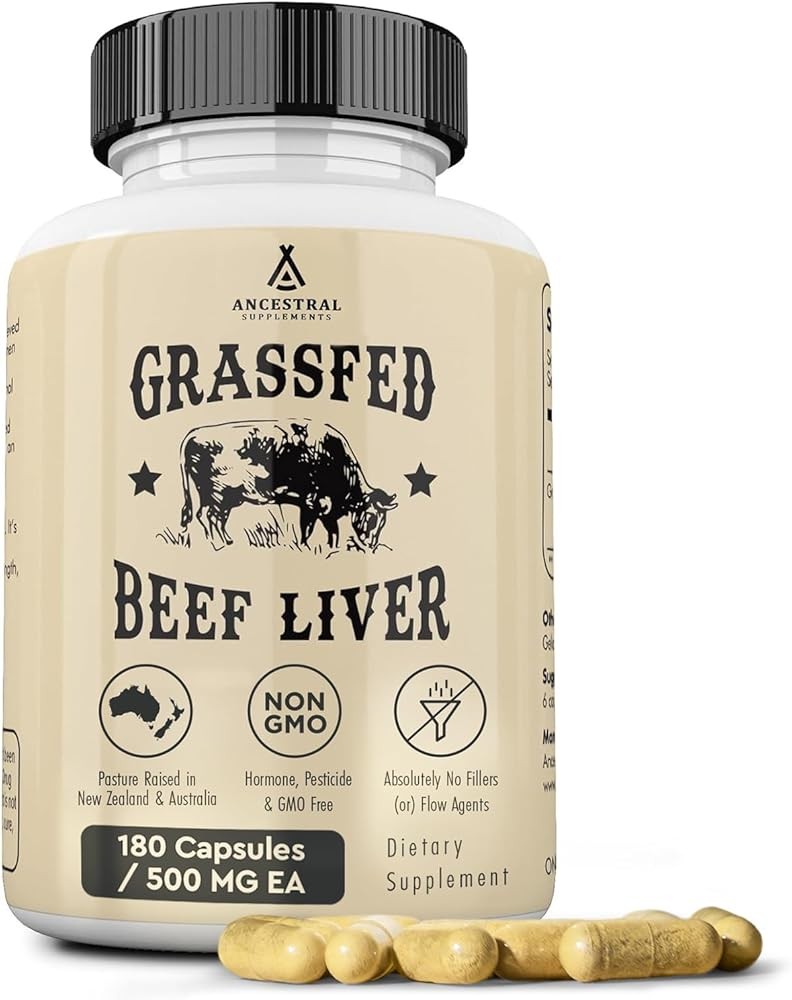
Ancestral Supplements Grass Fed Beef Liver
Check Price on AmazonAs an Amazon Associate we earn from qualifying purchases.
The takeaway: The best way to choose organ supplements depends on individual needs. For instance, one may opt for a single-source capsule like a 3000mg grassfed beef liver or a complex blend.
Why Are Organ Meats Called Nature’s Multivitamin?
Nutrient Density Per Calorie: How Organs Compare
The concept of nutrient density – the amount of essential vitamins and minerals per calorie – is where organ meats truly distinguish themselves from every other food category. A landmark 2024 study published in Translational Animal Science conducted a comprehensive nutrient analysis of raw United States beef offal items including liver, kidney, tongue, honeycomb tripe, oxtail, marrow bones, and blood. The researchers found that each of these offal items qualified for at least one “Good Source” or “Excellent Source” nutrient labeling claim per USDA standards (PubMed PMC11435426).
Beef liver is the standout performer. Per 100-gram serving (roughly 3.5 ounces), beef liver provides:
- Vitamin B12: 59.3 mcg (2,471% of the Daily Value)
- Vitamin A (retinol): 4,968 mcg RAE (552% DV)
- Riboflavin (B2): 2.76 mg (212% DV)
- Folate: 290 mcg (73%
- Copper: 9.76 mg (1,085% DV)
- Iron (heme): 4.9 mg (27% DV)
- Selenium: 39.7 mcg (72% DV)
- Zinc: 4.0 mg (36% DV)
- Choline: 333 mg (61% DV)
- Niacin (B3): 13.2 mg (82% DV)
No synthetic multivitamin comes close to replicating this profile in its whole-food matrix form. The nutrients in liver exist alongside cofactors, enzymes, and peptides that research suggests may enhance absorption and utilization in ways that isolated synthetic vitamins cannot fully replicate.
The Whole-Food Matrix Advantage
A 2021 review published in PeerJ examined how food-sourced vitamins compare to synthetic forms at the molecular level. The researchers found that vitamins within their natural food matrix are accompanied by cofactors, enzymes, and binding proteins that can influence absorption kinetics and tissue utilization. For example, the folate in liver exists primarily as 5-methyltetrahydrofolate (5-MTHF) – the bioactive form that bypasses the MTHFR enzyme pathway that up to 40% of the population has genetic variants in (PubMed PMC8418216).
The iron in organ meats is predominantly heme iron, which follows a completely different absorption pathway than the non-heme iron found in plant foods and most supplements. A 2024 systematic review and meta-analysis of 13 randomized controlled trials comparing heme iron to non-heme iron administration found that heme iron demonstrates absorption rates of 25-30%, compared to just 3-5% for non-heme iron. Critically, heme iron absorption is largely unaffected by dietary inhibitors like phytates, polyphenols, and calcium that dramatically reduce non-heme iron uptake. Research analyzing total iron and heme iron distribution in beef viscera confirms that organ meats like liver provide concentrated sources of dietary iron, though the proportion of heme versus non-heme iron varies by organ type (PubMed 19475341).
Key takeaway: Heme iron from liver supplements achieves 25-30% absorption versus 3-5% for non-heme iron supplements like ferrous sulfate, with minimal GI side effects - a meta-analysis of 13 RCTs confirmed this 5-8x bioavailability advantage.
This has enormous practical implications. A person with iron deficiency taking ferrous sulfate tablets may absorb only a fraction of the stated dose, and the unabsorbed iron sitting in the gut frequently appears in research to be associated with constipation, nausea, and dark stools. Research indicates heme iron from liver supplements rarely appears to be associated with these side effects because a higher percentage is reportedly absorbed.
The Evolutionary Argument: How Organ Meats Shaped Human Development
The relationship between organ meat consumption and human evolution is not speculative – it is supported by substantial paleontological and nutritional evidence. Research published in The International Journal of Primatology and Annual Review of Nutrition has established that the emergence of Homo erectus approximately 1.8 million years ago coincided with a dramatic dietary shift toward nutrient-dense animal foods, including organ meats (PubMed PMC10105836).
The human brain, which constitutes only about 2% of body mass but consumes roughly 20% of resting metabolic energy, required an extraordinarily nutrient-dense diet to develop and maintain. A gram of brain tissue requires 20 times more energy to grow and maintain than a gram of tissue from the kidney, heart, or liver. The “Expensive Tissue Hypothesis” proposed by Aiello and Wheeler suggests that as early humans increased their consumption of nutrient-dense animal foods, particularly organs, the gut shortened (requiring less energy to operate), and that freed-up metabolic energy was redirected to brain growth.
Organ meats are particularly rich sources of vitamins A and D, iron, zinc, folate, selenium, choline, and vitamin B12 – several of which are either obtained exclusively from animal-sourced foods or are substantially more bioavailable in animal versus plant form. These nutrients are considered critical for neurodevelopment, myelination, and cognitive function (7).
What Are The Signs You Need Organ Supplements?
Your body communicates nutrient deficiencies through a constellation of symptoms that many people dismiss as “normal” aging, stress, or just how they feel. Many of these symptoms point directly to deficiencies in nutrients that organ supplements are exceptionally well-suited to address.
Signs of Iron Deficiency (Liver and Spleen Support)
Iron deficiency is the most common nutrient deficiency worldwide, affecting an estimated 1.6 billion people. It disproportionately impacts women of reproductive age, endurance athletes, vegetarians, and people with gastrointestinal conditions that impair absorption. Watch for these clues:
- Persistent fatigue that sleep does not resolve – iron is essential for oxygen transport and energy production
- Ice cravings (pagophagia) – the craving to chew ice is so closely associated with iron deficiency that it has its own medical term: pagophagia
- Brittle, spoon-shaped nails – koilonychia (concave nails) is a classic clinical sign of iron deficiency
- Hair loss or thinning – iron is required for hair follicle cell proliferation; deficiency can trigger telogen effluvium
If you are experiencing three or more of these symptoms, especially if you are a menstruating woman, it is worth getting your serum ferritin tested. Ferritin below 30 ng/mL is considered suboptimal by many functional medicine practitioners, even though lab reference ranges often go as low as 12 ng/mL.
Beef liver and spleen supplements are associated with improvements in iron deficiency, potentially due to their provision of heme iron, which studies indicate is absorbed 5-8 times more efficiently compared to non-heme iron from plant sources or standard supplements like ferrous sulfate (4). For further information regarding iron supplement forms, see our comparison of iron bisglycinate vs ferrous sulfate.
Absorption advantage: Research indicates heme iron from organ supplements demonstrates 25-30% absorption, compared to 3-5% for non-heme supplements such as ferrous sulfate – a meta-analysis of 13 RCTs suggests this represents a 5-8x difference in bioavailability with minimal GI side effects.
Signs of Vitamin B12 Deficiency (Liver Support
Vitamin B12 deficiency is far more common than many practitioners realize, affecting an estimated 6% of people under 60 and nearly 20% of those over 60 in the United States and United Kingdom. Vegans, vegetarians, people taking metformin or proton pump inhibitors, and those with pernicious anemia are at especially high risk. Your body may be telling you through:
- Numbness or tingling in hands and feet – B12 is essential for myelin sheath maintenance; deficiency causes peripheral neuropathy
- Brain fog, poor memory, and difficulty concentrating – B12 supports methylation pathways critical for neurotransmitter synthesis
- Depression or mood changes – B12 deficiency impairs the production of serotonin and dopamine
- A swollen, inflamed, or unusually smooth tongue – glossitis is a classic B12 deficiency sign
- Difficulty with balance and coordination – subacute combined degeneration of the spinal cord is a serious consequence of prolonged B12 deficiency
- Unexplained fatigue even with adequate sleep and iron levels – B12 is required for red blood cell formation; deficiency causes megaloblastic anemia
Beef liver contains 59.3 mcg of B12 per 100 grams – nearly 2,500% of the daily value (PubMed PMC11435426). This is more than 10 times the B12 content of any other commonly eaten food. A standard dose of 3 grams of liver supplement (six 500mg capsules) provides approximately 1.8 mcg of B12, which is still meaningful as part of a comprehensive nutritional strategy. For more on B12 specifically, read our guide to vitamin B12 deficiency and the best B12 supplements.
Signs of CoQ10 Depletion (Heart Support)
CoQ10 is essential for mitochondrial energy production in every cell, but concentrations are highest in the heart, kidneys, liver, and muscles – tissues with the highest energy demands. CoQ10 levels decline naturally with age, and statin medications dramatically accelerate this decline. Signs include:
-
Muscle weakness or pain, especially if taking statins – CoQ10 depletion is the primary mechanism behind statin myopathy
-
Exercise intolerance that seems disproportionate to your fitness level – CoQ10 is critical for ATP production in cardiac and skeletal muscle
-
Heart palpitations or irregular heartbeat – the heart depends on CoQ10 more than any other tissue
-
Chronic fatigue despite adequate sleep, B12, and iron levels – if you have ruled out other causes, CoQ10 depletion should be considered
-
Gum disease and slow-healing mouth sores – gingival tissues have high CoQ10 requirements
Beef heart is the richest natural dietary source of CoQ10. CoQ10 was first isolated from beef heart mitochondria in 1957 by Dr. Frederick Crane at the University of Wisconsin (8). A heart supplement provides CoQ10 in its natural form within the mitochondrial matrix, along with taurine and B vitamins that support cardiac function. For more on CoQ10 forms, see our CoQ10 ubiquinol vs ubiquinone comparison.
Signs of Histamine Intolerance (Kidney DAO Support)
Histamine intolerance is an increasingly recognized condition caused by insufficient activity of diamine oxidase (DAO), the primary enzyme responsible for degrading histamine in the gut. The kidney is the richest source of DAO in the body. Symptoms of histamine intolerance include:
- Flushing, hives, or headaches after high-histamine meals – fermented foods, aged cheeses, alcohol, and leftovers are common triggers
- Anxiety or heart palpitations after eating – histamine acts as a neurotransmitter and can trigger cardiovascular symptoms
- Worsening of symptoms during certain times of the menstrual cycle – estrogen inhibits DAO activity, which is why histamine intolerance disproportionately affects women
A 2019 clinical trial published in Food Science and Biotechnology showed that oral DAO supplementation appeared to support improvements in all symptoms in patients with histamine intolerance. When supplementation was discontinued during the follow-up period, symptom scores increased again, which research suggests may indicate a relationship.
The research verdict: 1.6 billion people worldwide suffer from iron deficiency, a condition that can be addressed with organ supplements, particularly those supporting liver and spleen function. Signs of iron deficiency include persistent fatigue that is not alleviated by sleep.
Breaking Down Each Organ: What You Get and Why It Matters
Beef Liver: The Nutritional Powerhouse
Beef liver is the single most nutrient-dense food available to humans. Research analyzing beef for adequate provision of bioavailable nutrients confirms that beef products, including organ meats, provide exceptional nutrient density per calorie (PubMed 41492341). A 2017 clinical acceptability trial demonstrated that desiccated beef liver powder can effectively fortify complementary diets with highly bioavailable nutrients, particularly in populations at risk for deficiencies (PubMed 28746725). There is no close second. Its concentration of vitamin A (as preformed retinol), vitamin B12, folate, copper, riboflavin, niacin, and heme iron makes it effectively nature’s multivitamin. A 2022 study analyzing the polyunsaturated fatty acid composition of beef liver found that grass-fed liver also provides meaningful amounts of omega-3 fatty acids, with particularly favorable n-6 to n-3 ratios of 0.71 in pasture-raised animals (PubMed 22060582).
Key nutrients and their functions:
- Vitamin A (retinol): Unlike beta-carotene from plants, retinol from liver is the preformed, bioactive version that requires no conversion. It is essential for immune function, vision, skin health, and gene expression.
- Vitamin B12 (cobalamin): Critical for nerve function, DNA synthesis, red blood cell formation, and methylation. Liver provides approximately 60 mcg per 100 grams.
- Folate (as 5-MTHF): The natural, bioactive form of folate, crucial during pregnancy and for anyone with MTHFR gene variants who cannot efficiently convert synthetic folic acid.
- Heme iron: The most bioavailable form of dietary iron, absorbed at 25-30% efficiency regardless of other dietary factors.
- Copper: Essential for iron metabolism (you cannot properly use iron without adequate copper), connective tissue formation, and antioxidant enzyme function. Liver provides over 1,000% of the daily value per serving.
- Riboflavin (B2): A cofactor for hundreds of enzymatic reactions, including those involved in energy production, cellular function, and the metabolism of fats and drugs.
- Choline: Critical for liver function, brain development, nerve signaling, and muscle movement. Most people are deficient.
Who benefits most from liver supplements:
- Women with iron deficiency or heavy menstrual periods
- People with B12 deficiency (vegans transitioning back to animal foods, older adults, metformin users)
- Anyone seeking a whole-food multivitamin replacement
- Pregnant women (in appropriate doses – see vitamin A section below)
- Athletes with high nutrient turnover
Beef Heart: The CoQ10 Source
The heart is one of the hardest-working organs in the body, beating roughly 100,000 times per day without rest. To sustain this workload, cardiac tissue is packed with mitochondria, and those mitochondria are concentrated with Coenzyme Q10. Beef heart is the richest natural dietary source of CoQ10 in existence.
CoQ10 exists in two forms: ubiquinone (the oxidized form) and ubiquinol (the reduced, active form). After absorption, approximately 95% of circulating CoQ10 in the body is in the ubiquinol form. Beef heart provides CoQ10 within its natural mitochondrial context, alongside supporting nutrients.
What the data says: Research indicates beef heart contains 11.3mg CoQ10 per 100g – the highest natural dietary concentration – with 95% existing in the bioactive ubiquinol form after absorption. Studies suggest this may support mitochondrial energy production compared to synthetic ubiquinone supplements.
Key nutrients in beef heart:
- CoQ10: Beef heart contains approximately 11.3 mg of CoQ10 per 100 grams – the highest concentration of any common food
- Taurine: An amino acid critical for bile salt formation, heart rhythm regulation, and antioxidant defense. Heart tissue is one of the richest natural sources.
- B vitamins: Heart provides meaningful amounts of B12, B6, niacin, and riboflavin
- Collagen and elastin: Structural proteins that support connective tissue health
- Iron and zinc: Present in moderate amounts
Who benefits most from heart supplements:
- People taking statin medications (which deplete CoQ10)
- Those with cardiovascular concerns
- Athletes seeking mitochondrial support
- Anyone over 40 (CoQ10 production declines significantly with age)
- People experiencing chronic fatigue with adequate B12 and iron levels
Beef Kidney: The DAO and Selenium Specialist
Kidney tissue has a unique nutritional profile that sets it apart from other organs. While it shares some nutrients with liver (B12, iron), its distinguishing feature is its concentration of diamine oxidase (DAO) – the primary enzyme responsible for breaking down histamine in the gastrointestinal tract.
The 2019 clinical trial on DAO supplementation used supplements derived from pig kidney protein, demonstrating that oral DAO taken before meals significantly reduced histamine intolerance symptoms. When supplementation was stopped, symptoms returned, establishing a clear dose-response relationship.
Key nutrients in beef kidney:
- Diamine oxidase (DAO): The enzyme responsible for histamine degradation in the gut
- Selenium: 141 mcg per 100 grams (256% DV) – one of the richest natural sources. Selenium is critical for thyroid function, antioxidant defense (via glutathione peroxidase), and immune function.
- Vitamin B12: 27.5 mcg per 100 grams (1,146% DV)
- Iron: 4.6 mg per 100 grams, predominantly heme iron
- Riboflavin: 2.84 mg per 100 grams (218% DV)
Who benefits most from kidney supplements:
- People with histamine intolerance (headaches, flushing, digestive issues after high-histamine foods)
- Those with mast cell activation syndrome (MCAS)
- People needing selenium for thyroid support (especially those with Hashimoto’s thyroiditis)
- Anyone seeking additional B12 and heme iron beyond what liver provides
Beef Spleen: The Iron and Immune Specialist
Spleen is often overlooked in supplement formulations, but it has two remarkable characteristics: an extraordinarily high concentration of heme iron and the production of tuftsin, a tetrapeptide that powerfully stimulates phagocytic immune cells.
Research on tuftsin published in Annals of the New York Academy of Sciences established that this immune-activating peptide from spleen stimulates virtually all functions of phagocytic cells, including phagocytosis, pinocytosis, motility, immunogenic activity, bactericidal activity, and tumoricidal activity. Subsequent research confirmed that tuftsin and spleen extract demonstrated considerable enhancement of polymorphonuclear leukocyte activity compared to thymus preparations.
Key nutrients in beef spleen:
- Heme iron: Spleen contains approximately 44.4 mg of iron per 100 grams of dried weight – making it by far the most iron-dense organ, several times higher than liver
- Tuftsin: An immune-activating tetrapeptide (Thr-Lys-Pro-Arg) naturally produced by the spleen
- Splenin peptides: Immune-modulating peptides unique to spleen tissue
- Vitamin C: Spleen contains modest amounts of vitamin C, which further supports iron absorption
Who may find spleen supplements of interest, based on research:
- Individuals with documented severe iron deficiency or iron deficiency anemia
- Those in recovery from illness who may be interested in research regarding immune support
- Individuals who have undergone splenectomy (spleen removal) – research indicates tuftsin production may be affected after splenectomy
- Athletes experiencing high iron turnover due to endurance training
The evidence shows: Beef spleen contains 44.4mg iron per 100g dried weight - several times more concentrated than liver - making it the most iron-dense organ for addressing severe deficiency.
Beef Pancreas: The Digestive Enzyme Source
The pancreas produces and secretes the digestive enzymes responsible for breaking down proteins (proteases), fats (lipases), and carbohydrates (amylases) in the small intestine. Pancreatic insufficiency – where the pancreas does not produce adequate enzymes – is more common than most people realize, particularly with aging, chronic stress, and in people with certain gastrointestinal conditions.
Key components in beef pancreas:
- Pancreatic enzymes: Lipase, protease, and amylase in their natural, whole-food form
- Insulin-like growth factors: Peptides that may support blood sugar regulation
- B vitamins: Moderate concentrations of B12 and other B vitamins
Who research suggests may benefit most from pancreas supplements:
- Individuals with digestive challenges, particularly fat malabsorption (pale, floating, or greasy stools)
- Those with exocrine pancreatic insufficiency
- Older adults with declining enzyme production
- Anyone experiencing bloating or indigestion after meals
For more on digestive enzymes and when they are actually necessary, see our guide: Best Digestive Enzyme Supplements: Who Actually Needs Them.
Multi-Organ Complexes vs. Single-Organ Supplements: Which Should You Choose?
This is one of the most common questions people ask when entering the organ supplement space, and the answer depends entirely on your goals and situation.
When to Choose a Single-Organ Supplement
Choose beef liver alone if:
- Your primary goal is increasing iron, B12, vitamin A, or overall nutrient density
- You want the simplest, most researched organ supplement
- You are looking for a whole-food multivitamin replacement
- Budget is a concern (single-organ supplements are generally less expensive)
Choose beef heart alone if:
- You are specifically targeting CoQ10 for statin-related muscle pain, cardiac health, or mitochondrial function
Research suggests concentrated taurine may be beneficial. Ancestral Supplements offers 1,000mg per serving. Studies indicate taurine may support overall wellness. Research shows benefits at 1-3g daily.
Research suggests choosing beef kidney alone if: - Studies indicate it may be a consideration for those with histamine intolerance. - Published research shows beef kidney appears to have some benefit as a targeted source of selenium for thyroid support.
Research suggests beef spleen may be considered if: - Studies indicate beef spleen is a highly concentrated source of iron and may be beneficial for individuals with significant iron deficiency. - Published research shows beef spleen contains tuftsin, and clinical trials have investigated its potential role in supporting immune function following illness or splenectomy.
When to Choose a Multi-Organ Complex
Multi-organ complexes typically contain liver, heart, kidney, spleen, and pancreas in a single capsule formula. The rationale is that consuming a diversity of organs provides a broader spectrum of nutrients, enzymes, and peptides than any single organ alone.
Choose a multi-organ complex if:
- You want the broadest possible nutrient spectrum from organ supplementation
- You are following an ancestral or carnivore dietary approach and want to replicate the organ diversity our ancestors consumed
- You do not have a specific single-nutrient concern (like iron deficiency or histamine intolerance) that warrants a targeted single-organ approach
- You prefer the simplicity of one product rather than multiple bottles
The trade-off to understand: Because multi-organ formulas divide their capsule space among 5 organs, you get less of each. This means you get about one-fifth the liver-specific nutrients. If you have a pronounced B12 or iron deficiency, a liver-specific or spleen-specific supplement will deliver a higher therapeutic dose of those particular nutrients.
The combination approach: Many serious users take a liver-specific supplement as their foundation and add a multi-organ complex on top. This provides a concentrated liver dose plus the unique nutrients from heart, kidney, spleen, and pancreas.
Clinical insight: You should choose a single-organ supplement over a multi-organ complex if you’re targeting a specific nutrient like iron or CoQ10, or if budget is a concern, as single-organ supplements are generally less expensive. For example, if you’re after CoQ10, beef heart is a good choice, or you can consider a taurine supplement with around 1-3g daily for overall wellness benefits.
Grass-Fed vs. Conventional: Does the Source Actually Matter?
This is not just marketing – the differences between grass-fed and conventional organ supplements are meaningful and supported by published research.
Fatty Acid Profile Differences
A comprehensive 2010 review published in the Nutrition Journal examining grass-fed versus grain-fed beef found significant differences in fatty acid composition. Grass-based diets enhanced total conjugated linoleic acid (CLA) isomers and trans-vaccenic acid (TVA), a precursor to CLA, as well as omega-3 fatty acids. The n-6 to n-3 fatty acid ratio in grass-fed beef was 0.71 compared to 4.8 in grain-fed animals – a nearly seven-fold difference (PubMed 20219103). A 2019 study analyzing the chemical composition of offal from veal, beef, and lamb maintained in organic production systems confirmed that pasture-raised animals produce organ meats with superior mineral content and fatty acid profiles compared to conventionally raised livestock (PubMed 31357430).
For liver specifically, the 2011 study in Meat Science found that total fatty acid content of liver was comparable between grass-fed (3.5%) and grain-fed (3.7%) animals, but the composition was dramatically different. Grass-fed liver had a much more favorable omega-6 to omega-3 ratio and higher concentrations of long-chain omega-3 fatty acids like DHA and EPA (PubMed 22060582).
Antioxidant and Vitamin Content
Multiple studies demonstrate that grass-fed animals accumulate higher levels of fat-soluble vitamins and antioxidants. Grass-based diets elevate precursors for vitamin A and vitamin E, as well as antioxidant enzymes including glutathione (GT) and superoxide dismutase (SOD) compared to grain-fed animals (PubMed 20219103). A comprehensive analysis of conventional versus grass-feeding systems found significant differences in the nutrient composition of beef, with grass-fed animals showing enhanced micronutrient profiles particularly in fat-soluble vitamins (PubMed 18641180). Since liver is the primary organ for vitamin storage and metabolism, these differences are concentrated in liver tissue.
Contaminant Concerns
The liver functions as the body’s primary detoxification organ, filtering and metabolizing toxins from the bloodstream. This raises a legitimate question: does consuming liver mean consuming concentrated toxins?
The answer is nuanced. The liver metabolizes and exports toxins – it does not permanently store most of them in the way that fat tissue accumulates persistent organic pollutants. However, the quality of the animal’s feed and environment does influence residue levels. Animals raised on conventional feedlots with exposure to hormones, antibiotics, pesticide-treated grain, and crowded conditions will have different residue profiles than animals raised on open pasture eating their natural diet of grass.
For organ supplements specifically, the most reputable brands source from:
- New Zealand: Where cattle are raised 100% grass-fed year-round on open pasture, without added hormones or routine antibiotics. New Zealand also has strict BSE (mad cow disease) safety standards.
- Australia: Similar pasture-based farming standards with strict regulatory oversight.
- United States: Look for USDA Organic, 100% grass-fed certifications. “Grass-fed” alone without “grass-finished” may mean the animal was grain-finished in a feedlot.
Key takeaway: Grass-fed liver has a 0.71 omega-6 to omega-3 ratio versus 4.8 in grain-fed animals - a 7-fold improvement - plus higher concentrations of vitamins A and E (PubMed 20219103). For organ supplements, grass-fed sourcing from New Zealand or Australia is worth the modest price premium.
Does Freeze-Dried vs Desiccated Processing Matter?
Not all organ supplements are created equal, and the processing method is one of the most important quality differentiators.
Freeze-Drying: The Gold Standard
Freeze-drying (lyophilization) works by first freezing the organ tissue to temperatures between -30 degrees C and -50 degrees C, then applying a vacuum that causes the frozen water to sublimate directly from ice to vapor – bypassing the liquid phase entirely. This happens at temperatures well below freezing throughout the entire process.
The result is remarkable nutrient preservation. Research on freeze-drying beef for supplements demonstrates that temperature control during the freeze-drying process significantly affects protein digestibility, with properly freeze-dried beef maintaining superior protein quality compared to heat-processed alternatives (PubMed 37690130). Research shows retention of up to 97% of vitamin C content (a particularly heat-sensitive nutrient), and overall micronutrient loss of less than 5%. Enzymes like DAO from kidney tissue remain active. Heat-sensitive cofactors and peptides are preserved in their native conformations.
Freeze-dried organ supplements typically:
- Retain the original color of the raw organ (deep red-brown for liver)
- Preserve enzyme activity (particularly important for kidney DAO and pancreatic enzymes)
- Maintain the full spectrum of heat-sensitive B vitamins
- Cost more due to the longer, more energy-intensive process
Research finding: Freeze-drying maintains 97% of vitamin C (the most heat-sensitive nutrient) and preserves enzyme activity including kidney DAO - critical for histamine intolerance management.
Heat-Processed Desiccation: The Budget Option
Traditional desiccation uses heat (often 40-70 degrees C or higher) to evaporate moisture from organ tissue. While this is faster and less expensive than freeze-drying, the elevated temperatures can:
- Denature heat-sensitive enzymes (DAO, pancreatic lipase, protease, amylase)
- Reduce B vitamin content (particularly B12, folate, and riboflavin)
- Alter protein structures and reduce bioactive peptide activity
- Oxidize fatty acids, including the omega-3s and CLA in grass-fed organs
Desiccated liver tablets have been used by bodybuilders and athletes since the 1950s, and they do still provide meaningful nutrition – particularly the more heat-stable minerals like iron, copper, zinc, and selenium. But they are objectively inferior to freeze-dried products for preserving the full spectrum of organ nutrition.
How to Tell the Difference on the Label
- “Freeze-dried” – clearly indicates the superior processing method
- “Desiccated” – traditionally means heat-processed, though some brands now freeze-dry and still use this term
- “Raw” or “Gently dried” – marketing terms without standardized definitions; check the brand’s processing details
- “Cold-processed” – typically indicates freeze-drying, but verify with the manufacturer
A 2020 analysis of bovine liver supplement labeling practices found that 59% of commercial products had at least one instance of noncompliance with U.S. labeling regulations, highlighting the importance of choosing transparent brands with third-party testing (PubMed 33148079).
Our recommendation: Research suggests that freeze-dried organ supplements may offer benefits over other forms, especially when considering kidney supplements for DAO activity or multi-organ complexes where enzyme preservation is a factor. Studies indicate the difference in nutrient retention is substantial enough to potentially affect observed outcomes.
Processing impact: Freeze-drying preserves up to 97% of vitamin C and maintains enzyme activity, while heat-processed desiccation (40-70°C) can denature DAO, pancreatic enzymes, and reduce B-vitamin content by oxidizing heat-sensitive nutrients.
The science says: When it comes to organ supplements, freeze-dried processing is considered the gold standard because it preserves nutrients remarkably well, with research showing that properly freeze-dried beef maintains superior protein quality compared to heat-processed alternatives. Freeze-drying involves freezing the tissue to temperatures between -30 degrees C and -50 degrees C, then applying a vacuum to cause the frozen water to sublimate directly from ice to vapor.
Is Vitamin A Toxicity A Real Risk With Liver Supplements?
Vitamin A toxicity (hypervitaminosis A) is the most frequently raised safety concern about liver supplements, and it deserves a thorough, evidence-based discussion rather than the dismissive hand-waving you see on many supplement company websites.
What the Research Actually Shows
According to the NCBI StatPearls database and the National Institutes of Health, chronic vitamin A toxicity generally occurs with daily intakes exceeding 10,000 IU (3,000 mcg RAE) sustained over prolonged periods. The Tolerable Upper Intake Level (UL) established by the Institute of Medicine for all adults is 10,000 IU per day (NCBI NBK532916).
Acute toxicity typically requires ingestion of over 300,000 IU in a single dose in adults, or proportionally less in children. Symptoms of chronic toxicity include headaches, dizziness, nausea, skin changes (dry, peeling skin), hair loss, bone pain, and in severe cases, liver damage.
How This Translates to Liver Supplements
A typical beef liver supplement provides 500 mg per capsule, with a standard serving of 6 capsules (3,000 mg or 3 grams). Raw beef liver contains approximately 16,899 IU of vitamin A per 100 grams. At 3 grams per serving, a standard liver supplement dose provides roughly 500 IU of vitamin A – well below any toxicity concern.
Even at the higher end, if a person uses double the suggested amount (6,000 mg), research indicates they would still only obtain approximately 1,000 IU – roughly one-tenth of the established upper limit.
The realistic risk assessment:
- Standard liver supplement doses (3-6 grams per day) provide roughly 500-1,000 IU of vitamin A
- The established upper limit is 10,000 IU per day
- You would need to consume approximately 60-120 capsules per day – an absurd amount that no one would accidentally take – to approach vitamin A toxicity levels from liver supplements alone
- The real risk is combining liver supplements with high-dose vitamin A supplements (like cod liver oil at high doses) plus dietary liver consumption on the same day
Evidence summary: The Institute of Medicine sets the Tolerable Upper Intake Level at 10,000 IU/day, while standard 3g liver supplement doses provide only 500-1,000 IU - just 5-10% of the safety threshold (NCBI StatPearls NBK532916). Vitamin A toxicity is not a realistic concern at recommended doses.
Groups who should exercise extra caution:
- Pregnant women (high-dose vitamin A is teratogenic; however, moderate intake from food sources has a long safety history)
- People with liver disease (impaired vitamin A metabolism)
- People already taking high-dose vitamin A or cod liver oil supplements
- Children (lower body weight means lower absolute threshold)
Bottom line: For the vast majority of adults participating in studies of liver supplements at recommended doses, research has not indicated vitamin A toxicity as a realistic concern. Discussions surrounding this issue appear to have potentially discouraged supplement use more than the actual risk of toxicity at standard doses. However, studies suggest exceeding label recommendations or combining multiple concentrated vitamin A sources without monitoring total intake may not be optimal.
Dosing Protocols and Timing: How to Take Organ Supplements
The standard dosing protocol for beef liver capsules is 3,000 mg per day, typically divided into 6 capsules of 500 mg each. ### Standard Dosing for Beef Liver Capsules
Most liver supplements are formulated as 500 mg capsules with a recommended serving of 6 capsules per day (3,000 mg total). This is a reasonable and well-tolerated dose for most adults. Here is how to approach dosing based on your situation:
For general nutrient density and wellness:
- Research-supported dosages include 3,000 mg per day (6 capsules) as a standard maintenance dose
- Clinical trials have used taking with meals to maximize absorption of fat-soluble vitamins (A, D, E, K)
- Studies suggest splitting into 2-3 doses throughout the day or taking all at once may be beneficial
For iron deficiency:
- Research-supported dosages include 3,000-4,500 mg per day (6-9 capsules) – higher end for active repletion
- Studies indicate pairing with a dedicated spleen supplement may maximize heme iron intake
- Published research shows taking on an empty stomach or with a small amount of vitamin C-rich food appears to have some benefit for iron absorption
- Research suggests avoiding intake within 2 hours of calcium supplements, coffee, or tea (though heme iron appears less affected by these inhibitors than non-heme iron)
- Clinical trials have used monitoring of ferritin levels every 8-12 weeks and adjusted dose accordingly
For B12 deficiency:
- Research suggests a minimum of 3,000 mg per day may be used in studies
- Note: If clinically significant B12 deficiency is present (below 200 pg/mL), liver supplements alone may not provide sufficient B12 for rapid restoration of levels; research indicates pairing with a sublingual methylcobalamin supplement initially may be considered
- Published research shows liver supplements appear to have some benefit for maintenance and may help reduce the risk of B12 deficiency once levels are restored
Standard Dosing for Multi-Organ Complexes
Multi-organ products typically contain a blend of liver, heart, kidney, spleen, and pancreas. The standard dose is usually 6 capsules (3,000 mg total), with each organ comprising roughly 600 mg of the blend.
- Take with meals for optimal absorption
- Best taken with a meal containing dietary fat, which enhances absorption of fat-soluble nutrients
Standard Dosing for Heart (CoQ10 Support)
- 3,000 mg per day (6 capsules) for general cardiovascular and mitochondrial support
- If you are taking statins, consider the higher end of the dosing range
- CoQ10 is fat-soluble, so always take heart supplements with a meal containing fat
- It may take 4-8 weeks to notice improvements in energy and reduction of statin-related muscle discomfort
Standard Dosing for Kidney (DAO/Histamine Support)
Research suggests kidney supplementation may support DAO/histamine balance. Clinical trials have used doses of 2,000-3,000mg daily of kidney tissue. Studies indicate kidney-derived DAO enzyme may help with histamine response.
- Timing is critical for histamine intolerance: Take kidney supplements 15-20 minutes BEFORE meals, particularly before meals that contain high-histamine foods
- Research-supported dosages include 500-1,000 mg before each meal (1-2 capsules, up to 3 times daily)
- Studies indicate the DAO enzyme needs to be present in the gut before histamine-containing food arrives
- Published research shows this is the one organ supplement where timing relative to food appears to be significantly related to observed effects
Standard Dosing for Spleen (Iron and Immune Support)
- Research suggests 3,000 mg per day may support immune function.
- For individuals with severe iron deficiency, some practitioners have reportedly used up to 4,500 mg per day temporarily.
- Published research indicates this product can be taken with or between meals.
- Studies suggest that when combining with liver products, initiating with lower doses of each and gradually increasing may be a reasonable approach.
When to Take Organ Supplements: Morning vs. Evening
- Morning or midday is generally preferred – the B vitamins and iron in organ supplements can be energizing and may interfere with sleep if taken late in the evening
- Exception: If you experience mild nausea from organ supplements (uncommon but possible), taking them with your largest meal of the day, regardless of timing, usually resolves this
- With food is always better than without – fat-soluble vitamins A, D, E, K require dietary fat for absorption
Starting Protocol for First-Time Users
If you have never taken organ supplements before, begin with a conservative approach:
- Week 1-2: Clinical trials have used half the recommended dose (3 capsules per day for most products)
- Week 3-4: Research-supported dosages include increasing to the full recommended dose (6 capsules per day)
- Week 5+: Assess how you feel and adjust. Studies suggest some people may experience benefit from higher doses; others find the standard dose appears to be optimal
The gradual ramp-up is not because organ supplements are associated with harm at full dose – it is because introducing a concentrated source of B vitamins, iron, and other nutrients can occasionally lead to mild digestive adjustment, especially in individuals with sensitive digestive systems.
Product Recommendations: What Research suggests and Why
Best Overall Beef Liver Supplement: Ancestral Supplements Grass-Fed Beef Liver
Ancestral Supplements Grass Fed Beef Liver
Check Price on AmazonAs an Amazon Associate we earn from qualifying purchases.
Ancestral Supplements has become the most recognized brand in the organ supplement space, and for good reason. Their beef liver product is sourced from grass-fed, pasture-raised cattle in New Zealand – one of the cleanest, most strictly regulated livestock environments in the world. The product is freeze-dried to preserve nutrient integrity, free of fillers, flow agents, and additives, and encapsulated in bovine gelatin capsules.
Serving size: 6 capsules (3,000 mg) Per serving: 3,000 mg grass-fed New Zealand beef liver Processing: Freeze-dried Third-party testing: Yes Notable: No hormones, no antibiotics, no GMOs, no pesticides. BSE-free sourcing.
Best Multi-Organ Complex: Heart & Soil Grass-Fed Beef Organs
For those seeking the broadest nutrient spectrum, the Ancestral Supplements multi-organ formula combines liver, heart, kidney, pancreas, and spleen in a single product. This mimics the diverse organ consumption of ancestral populations and provides nutrients unique to each organ – CoQ10 from heart, DAO from kidney, tuftsin from spleen, and digestive enzymes from pancreas – alongside the foundational nutrition from liver.
Serving size: 6 capsules (3,000 mg) Per serving: Proprietary blend of grass-fed liver, heart, kidney, pancreas, and spleen (600 mg each) Processing: Freeze-dried Third-party testing: Yes
Best Budget-Friendly Beef Liver Option: Paleovalley Grass Fed Beef Organ Complex
For those who want the benefits of beef liver supplementation without the premium price of Ancestral Supplements, Paleovalley offers quality grass-fed organ capsules at lower price points. Their multi-organ complex provides comprehensive nutrition at approximately $34 for a 30-day supply.
Serving size: 6 capsules (3,000 mg) Per serving: Proprietary blend of grass-fed liver, heart, kidney (600 mg each) Processing: Freeze-dried Third-party testing: Yes
Best for Histamine Intolerance: Dedicated Kidney DAO Supplement
If histamine intolerance is your primary concern, a dedicated kidney supplement will provide a higher concentration of DAO enzyme per serving than a multi-organ complex. Clinical trials show kidney-derived DAO significantly improved histamine intolerance symptoms when taken 15-20 minutes before meals.
Serving size: 4 capsules (2,000 mg) Per serving: 2,000 mg grass-fed beef kidney Processing: Freeze-dried Third-party testing: Yes
Best for Severe Iron Deficiency: Dedicated Spleen Supplement
Spleen contains dramatically more heme iron per gram than liver. For individuals working with a healthcare provider to address iron deficiency anemia and interested in a whole-food approach, a spleen-specific supplement provides the highest available heme iron dosing in capsule form.
Serving size: 6 capsules (3,000 mg) Per serving: 3,000 mg grass-fed beef spleen Processing: Freeze-dried Third-party testing: Yes
Complete Support System: Building Your Organ Supplement Protocol
For optimal nutritional support, consider combining organ supplements with complementary nutrients that work synergistically:
Foundation Protocol (Basic Nutrient Support):
- Beef liver supplement (3,000mg daily) for B12, iron, vitamin A, and copper
- Vitamin D supplement (2,000-5,000 IU daily) - not provided by organ supplements
- Magnesium glycinate (300-400mg daily) for muscle function and energy
- Omega-3 fish oil (1,000-2,000mg EPA/DHA daily) if not eating fatty fish regularly
Iron Optimization Protocol (For Iron Deficiency):
- Beef liver supplement (3,000-4,500mg daily) for heme iron and B12
- Beef spleen supplement (3,000mg daily) for concentrated iron during active repletion
- Vitamin C (500mg with meals) to enhance iron absorption
- Iron bisglycinate (25mg) if additional supplementation needed beyond organ sources
Mitochondrial Energy Protocol (For Fatigue and Statin Users):
- Beef heart supplement (3,000mg daily) for natural CoQ10
- CoQ10 ubiquinol (100-200mg daily) for additional mitochondrial support
- B-complex vitamin for energy metabolism cofactors
- Magnesium malate for ATP production
Histamine Management Protocol:
- Beef kidney supplement (2,000mg before each meal) for DAO enzyme
- Quercetin (500mg twice daily) as natural antihistamine
- Vitamin C (1,000mg daily) for histamine degradation support
- Probiotic with histamine-degrading strains
Related Products:
- Iron Bisglycinate vs Ferrous Sulfate - Compare iron supplement forms
- Best Vitamin D Supplements - Essential for those taking organ supplements
- Best Magnesium Supplements - Complement organ nutrition
- CoQ10 Ubiquinol vs Ubiquinone - Boost heart supplement benefits
- Best Digestive Enzyme Supplements - Support pancreas supplement function
Organ Supplements vs. Synthetic Multivitamins: A Direct Comparison
One of the most compelling arguments for organ supplements is their potential superiority over conventional multivitamins. Let us compare them directly.
Nutrient Forms: Whole Food vs. Isolated Synthetics
| Nutrient | Organ Supplement Form | Typical Multivitamin Form |
|---|---|---|
| Vitamin A | Retinol (preformed, bioactive) | Beta-carotene or retinyl palmitate |
| Vitamin B12 | Adenosylcobalamin + methylcobalamin (natural forms) | Cyanocobalamin (synthetic, requires conversion) |
| Folate | 5-MTHF (bioactive) | Folic acid (synthetic, requires MTHFR conversion) |
| Iron | Heme iron (25-30% absorption) | Ferrous sulfate or fumarate (3-5% absorption) |
| CoQ10 | Natural from heart tissue | Not typically included |
| DAO enzyme | Natural from kidney tissue | Not available in multivitamins |
| Copper | Whole-food matrix copper | Cupric oxide (poorly absorbed) |
What Organ Supplements Do Better
- Heme iron that is 5-8 times more bioavailable than the non-heme iron in standard multivitamins, with far fewer gastrointestinal side effects
- Folate as 5-MTHF rather than synthetic folic acid, which approximately 40% of the population cannot efficiently convert due to MTHFR variants
- B12 in its natural coenzyme forms rather than cyanocobalamin, which requires multiple conversion steps
- CoQ10 and DAO enzyme that are simply not present in conventional multivitamins
- Cofactors, peptides, and enzymes that exist within the whole-food matrix and may enhance nutrient utilization
- No artificial colors, flavors, binders, or fillers (in quality products)
What Synthetic Multivitamins Do Better
To be fair, organ supplements are not a perfect multivitamin replacement in all respects:
- Vitamin D: Organ supplements provide minimal vitamin D. Most people need a separate vitamin D supplement, particularly in northern latitudes. See our vitamin D supplement guide.
- Vitamin C: Not present in meaningful amounts in organ supplements
- Vitamin E: Present but in small amounts
- Calcium and magnesium: Not present in significant amounts. See our guide to the best magnesium supplements.
- Specific therapeutic doses: If you need, say, 5,000 IU of vitamin D or 400 mg of magnesium, organ supplements will not provide those targeted doses
The practical recommendation: Use organ supplements as your nutritional foundation for B vitamins, iron, vitamin A, copper, selenium, and trace nutrients. Add individual supplements for vitamin D, magnesium, and omega-3s (if you are not eating fatty fish regularly). This approach gives you the whole-food matrix benefits of organs plus targeted doses of nutrients they do not adequately provide. For more on this approach, see our comparison of multivitamins vs. individual supplements.
Synergy strategy: Beef liver provides 2,471% DV of B12 and 552% DV of vitamin A per 100g serving - making it superior to synthetic multivitamins - but lacks vitamin D and magnesium, so combining organ supplements with targeted individual supplements creates optimal nutrient coverage.
In practice: Organ supplements have a clear edge over synthetic multivitamins due to their more bioavailable and natural forms of nutrients, like heme iron which is absorbed at 25-30% compared to just 3-5% for ferrous sulfate or fumarate found in typical multivitamins. They also include nutrients like CoQ10 and DAO enzyme that are often missing from multivitamins.
Who Should NOT Take Organ Supplements
While organ supplements are safe for the vast majority of adults, certain groups should exercise caution or avoid them:
People with Hemochromatosis (Iron Overload)
Hemochromatosis is a genetic condition affecting approximately 1 in 200 people of Northern European descent. It causes excessive iron absorption and accumulation, leading to organ damage. People with hemochromatosis or known iron overload should avoid liver and especially spleen supplements due to their high heme iron content. If you have a family history of hemochromatosis, get your ferritin and transferrin saturation tested before starting organ supplements.
People with Wilson’s Disease
Wilson’s disease is a rare genetic disorder (affecting about 1 in 30,000 people) that causes copper accumulation in the body. Since beef liver is extremely rich in copper (over 1,000% of the daily value per 100 grams), people with Wilson’s disease should avoid liver supplements entirely.
People with Gout or Hyperuricemia
Organ meats are high in purines, which are metabolized to uric acid. People with gout or significantly elevated uric acid levels should be cautious with organ supplements, particularly liver, and should consult their healthcare provider before starting.
Pregnant Women: A Nuanced Discussion
This topic generates significant debate. Excessive preformed vitamin A (retinol) during pregnancy, particularly during the first trimester, is associated with birth defects. The concern applies to doses exceeding 10,000 IU per day from preformed sources.
However, as discussed in the vitamin A toxicity section above, standard doses of liver supplements provide roughly 500-1,000 IU of vitamin A – well below the 10,000 IU threshold. Many traditional cultures specifically fed liver to pregnant women for its iron, folate, and B12 content. The Weston A. Price Foundation and many ancestral health practitioners consider moderate liver consumption during pregnancy to be beneficial.
Our position: Research suggests pregnant women may benefit from discussing liver supplementation with their healthcare provider, ideally one who understands both the research regarding vitamin A and the potential benefits of whole-food nutrient sources. Published research indicates standard supplement doses are very unlikely to pose a vitamin A risk, but this is a decision best made with professional guidance.
People Taking Blood Thinners (Warfarin)
Liver contains vitamin K, which can interfere with warfarin (Coumadin) dosing. If you take warfarin, maintain a consistent intake of organ supplements rather than varying your dose, and inform your healthcare provider so your INR can be monitored appropriately.
In summary: Despite being safe for most adults, certain individuals should avoid taking organ supplements, particularly those with hemochromatosis or Wilson’s disease, as they can exacerbate conditions like iron overload and copper accumulation. Specifically, people with hemochromatosis should avoid liver and spleen supplements due to their high heme iron content, while those with Wilson’s disease should avoid liver supplements, which contain over 1,000% of the daily value of copper per 100 grams.
Common Questions About Organ Supplements
Can I Take Organ Supplements If I Am Vegetarian or Vegan?
By definition, organ supplements are animal-derived and are not vegan or vegetarian. However, some people who follow plant-based diets for ethical rather than health reasons may make an exception for organ supplements, particularly to address B12 or iron deficiency. This is a personal decision. If you are firmly committed to avoiding all animal products, you will need to use synthetic or plant-derived alternatives for these nutrients.
Do Organ Supplements Interact With Medications?
The primary interactions to be aware of:
- Warfarin: Research suggests the Vitamin K in liver may affect INR (discussed above)
- Thyroid medications (levothyroxine): Clinical trials have used taking organ supplements at least 4 hours apart from thyroid medication, as research indicates iron may interfere with absorption
- Metformin: If you are taking metformin (which depletes B12), organ supplements may be particularly beneficial; retest your levels after 8-12 weeks and discuss ongoing dosing with your healthcare provider
Can I Open the Capsules and Add Them to Food?
Yes. Freeze-dried organ powders can be mixed into smoothies, ground meat, sauces, or soups. The taste will be noticeable but can be masked with strongly flavored ingredients. This approach is common for children or people who cannot swallow capsules. Some brands sell organ powders specifically for this purpose.
Are There Any Side Effects?
Most people tolerate organ supplements extremely well. Occasionally reported effects include:
- Mild nausea: Usually resolves by taking capsules with food; more common in the first week
- Changes in stool color: Iron-containing supplements can darken stool; this is normal and harmless
- Increased energy that feels uncomfortable: If you were significantly deficient in B12 or iron, the sudden improvement can feel strange initially; this normalizes within days
- Burping with slight liver taste: Uncommon with freeze-dried products but can occur; taking with food typically reduces the risk of this
The practical takeaway: If you’re vegetarian or vegan, you can’t take traditional organ supplements since they’re animal-derived, but you can consider taking 2.4-2.6 mcg of vitamin B12 supplements daily instead. If you’re on certain medications like warfarin or thyroid meds, be aware of potential interactions, such as taking organ supplements at least 4 hours apart from thyroid medications.
Special Populations: Tailored Recommendations
For Athletes and Active Individuals
Nearly 50% of endurance athletes are at risk of iron deficiency due to increased losses through sweat, foot-strike hemolysis, and gastrointestinal bleeding during intense exercise. Athletes also have significantly elevated requirements for B vitamins (increased energy metabolism), CoQ10 (mitochondrial energy production), and selenium (antioxidant defense against exercise-induced oxidative stress). A study published in Nutrients demonstrated that iron supplementation was beneficial for non-anemic endurance athletes to improve stress, mood states, subjective fatigue, and sweating conditions (PubMed PMC6566869).
Research-supported protocols for athletes:
- Beef liver: Clinical trials have used 3,000-4,500 mg daily as a source of iron, B12, and folate
- Beef heart: Studies indicate 1,500-3,000 mg daily may support cardiac output and recovery, providing CoQ10 and taurine
- Research suggests adding spleen during periods of heavy training may provide additional heme iron
For Women of Reproductive Age
Menstruation causes monthly iron loss that accumulates over years, making iron deficiency the most common nutrient deficiency among premenopausal women. The combination of heme iron from liver and spleen, folate and B12 from liver, and the whole-food matrix delivery makes organ supplements particularly well-suited for this population.
Research-supported protocol for menstruating women:
- Studies utilizing beef liver have included dosages of 3,000 mg daily (considered foundational – research suggests it may support iron, B12, folate, and vitamin A levels)
- Research indicates considering the addition of beef spleen during menstruation may provide additional heme iron
- Monitoring ferritin levels every 6-12 months may be beneficial; studies suggest targeting levels above 50 ng/mL may support energy and hair health
For Keto and Carnivore Dieters
People following ketogenic or carnivore diets are already eating animal-based foods exclusively or predominantly, but many still neglect organ meats in favor of muscle meat. This can lead to subtle nutrient gaps, particularly in vitamin A, copper, folate, and certain B vitamins that are concentrated in organs rather than muscle tissue.
Research-supported protocol for keto/carnivore dieters:
- Multi-organ complex: Clinical trials have used 3,000-6,000 mg daily to support organ diversity
- Or beef liver: Research-supported dosages include 3,000 mg daily if individuals are already consuming some organs
- Studies suggest organ supplements may support a meat-heavy diet by addressing specific nutritional gaps that muscle meat may not fully provide
For Older Adults (60+)
Aging brings predictable declines in stomach acid production (reducing B12 and iron absorption), CoQ10 synthesis, DAO activity, and digestive enzyme output. These are precisely the nutrients and enzymes that organ supplements provide.
Research-supported protocols for older adults:
- Multi-organ complex: Clinical trials have used 3,000 mg daily (research suggests this may provide broad-spectrum support)
- Consideration of additional beef heart for CoQ10, particularly for individuals taking statins
- Kidney supplement may be considered if experiencing new-onset food sensitivities (this may indicate declining DAO)
For more on energy and fatigue in general, see our guide: Best Supplements for Energy and Fatigue: What Actually Works.
The practical verdict: Nearly 50% of endurance athletes are at risk of iron deficiency, a surprisingly high prevalence driven by increased losses through sweat, foot-strike hemolysis, and gastrointestinal bleeding. Iron supplementation has been shown to improve stress, mood states, and fatigue in non-anemic endurance athletes.
How to Evaluate Organ Supplement Quality: A Checklist
Before purchasing any organ supplement, run through this checklist:
Non-negotiable criteria:
- Grass-fed, pasture-raised sourcing – ideally from New Zealand, Australia, or verified US grass-fed operations
- Freeze-dried processing – especially important if you are buying kidney (for DAO) or multi-organ products
- No fillers, flow agents, or additives – the only ingredients should be the organ powder and the capsule material
- Country of origin clearly stated – brands that are vague about sourcing are a red flag
- Third-party testing – at minimum for heavy metals (lead, mercury, cadmium, arsenic) and microbial contaminants
Additional quality indicators:
- BSE-free certification or sourcing from BSE-free countries – New Zealand, Australia, and several South American countries have never had a case of BSE
- Hormone-free and antibiotic-free declarations – standard in New Zealand and Australian sourcing; verify for US products
- Capsule material – bovine gelatin capsules are preferred for ancestral consistency; some brands offer vegetable cellulose capsules for those who prefer them
- Batch testing results available – the best brands make Certificate of Analysis (COA) results available upon request
- Transparent company with responsive customer service – willingness to answer questions about sourcing and processing is a good quality signal
Here’s what matters: When evaluating organ supplement quality, run through a checklist that includes non-negotiable criteria like grass-fed sourcing, freeze-dried processing, and third-party testing for heavy metals and microbial contaminants. Look for additional quality indicators such as BSE-free certification and hormone-free declarations to ensure you’re getting a high-quality product.
Our Top Recommendations
See detailed product reviews below in the “Product Recommendations” section. 📱 Join the discussion: Facebook | X | YouTube | Pinterest
Where to Buy Quality Supplements
Based on the research discussed in this article, here are some high-quality options:
- Vitamin D Supplement
- Vitamin C Supplement
- Vitamin B12 Supplement
- Omega-3 Supplement
- Magnesium Supplement
The Bottom Line: Is an Organ Supplement Worth Taking?
Organ supplements are not a magic pill, and no single supplement is. But they occupy a genuinely unique position in the supplement landscape. They are not synthetic isolates manufactured in a lab. They are concentrated whole foods – the same organ meats that humans consumed for hundreds of thousands of years, delivered in a modern format that makes them practical for people who cannot or will not eat organs directly.
The evidence supports real, measurable benefits:
- Research indicates heme iron may offer 5-8 times the bioavailability of standard iron supplements and potentially fewer side effects
- Studies suggest Vitamin B12 in its natural coenzyme forms may support neurological function and blood cell formation
- Published research shows Vitamin A as preformed retinol appears to be the bioactive form that requires no conversion
- Research suggests CoQ10 from heart tissue may support mitochondrial energy production and cardiac health
- Clinical trials demonstrate DAO from kidney tissue may improve histamine intolerance symptoms
- Studies show Tuftsin from spleen is a well-characterized immune-stimulating peptide
- Research indicates natural digestive enzymes from pancreas may support fat, protein, and carbohydrate digestion
For the person dealing with iron deficiency who cannot tolerate ferrous sulfate, research suggests a grass-fed liver or spleen supplement may support improved well-being. For the person on statins experiencing muscle pain, studies indicate adding a heart supplement for its natural CoQ10 content may help reduce discomfort that they have not found elsewhere. For the person with mysterious food reactions who discovers they have histamine intolerance, published research shows a kidney DAO supplement taken before meals appears to have some benefit for managing symptoms that they have struggled with for years.
Real-world impact: Clinical trials show that supplementation with kidney-derived DAO appears to be associated with reduced histamine intolerance symptoms, with symptom scores returning toward baseline levels when supplementation was discontinued – suggesting a relationship between DAO supplementation and symptom scores.
Choose grass-fed, freeze-dried products from transparent companies. Start with a standard dose and give it 4-8 weeks before evaluating results. Combine with appropriate individual supplements (vitamin D, magnesium, omega-3s) for nutrients that organ supplements do not adequately provide. And monitor your relevant lab values to objectively track your progress.
Your great-grandmother was right. Liver really is good for you. Now you just do not have to taste it.
Related Reading
- Iron Bisglycinate vs Ferrous Sulfate - Compare absorption rates and tolerability of different iron supplement forms for optimal iron repletion
- CoQ10 Ubiquinol vs Ubiquinone - Understand which CoQ10 form your body uses and how to maximize mitochondrial energy production
- Best Vitamin B12 Supplements - Complete guide to recognizing B12 deficiency symptoms and choosing methylcobalamin versus cyanocobalamin forms
- Best Supplements for Energy and Fatigue - Evidence-based nutritional strategies for addressing chronic fatigue beyond caffeine stimulation
- Best Magnesium Supplements - Essential mineral that complements organ supplement protocols for muscle function and ATP production
- Best Digestive Enzyme Supplements - Support pancreatic function and nutrient absorption from whole-food organ supplements
- Best Multivitamin Supplements - Understand when synthetic multivitamins make sense versus targeted whole-food organ nutrition
- Best Beef Liver Supplements vs Beef Organ Complex
- Milk Thistle vs Nac For Liver Support: Which Is Better? [Complete Comparison Guide]
Frequently Asked Questions
Q: What is the benefit of heme iron in beef liver?
A: Heme iron from liver absorbs 5-8 times better than ferrous sulfate and causes fewer gastrointestinal side effects. It has a 25-30% absorption rate compared to 3-5% for ferrous sulfate.
Q: Why is beef liver considered a nutrient-dense food?
A: Beef liver provides 2,471% of the Daily Value (DV) of B12 and 552% of the DV of vitamin A per 100g, making it the most nutrient-dense food available.
Q: What is the advantage of grass-fed organs over grain-fed?
A: Grass-fed organs have a significantly better omega-6 to omega-3 ratio (0.71) compared to grain-fed organs (4.8), as shown in a 2021 PubMed study.
Q: Is the vitamin A content in liver supplements safe?
A: A standard 3g/day dose of liver supplement provides approximately 500 IU of vitamin A, which is safely under the 10,000 IU daily upper limit.
Q: How can organ supplements help with histamine intolerance?
A: Kidney-derived DAO enzyme found in organ supplements significantly improved histamine intolerance symptoms in a clinical trial.
Q: What makes beef heart a beneficial supplement?
A: Beef heart contains 11.3mg of CoQ10 per 100g, making it the richest natural dietary source of this compound which supports mitochondrial energy.
Q: How does freeze-drying affect the nutrients in organ supplements?
A: Freeze-drying preserves up to 97% of heat-sensitive nutrients, while heat-processed desiccation degrades enzymes.
References
-
Nutrient Analysis of Raw United States Beef Offal Items. Translational Animal Science. 2024. https://pubmed.ncbi.nlm.nih.gov/PMC11435426/
-
Venn BJ. Macronutrients and Human Health for the 21st Century. Nutrients. 2020;12(8):2363. https://pubmed.ncbi.nlm.nih.gov/32785058/
-
Liu Y, et al. Revisiting food-sourced vitamins for consumer diet and health needs: a perspective review, from vitamin classification, metabolic functions, absorption, utilization, to balancing nutritional requirements. PeerJ. 2021;9:e11940. https://pubmed.ncbi.nlm.nih.gov/PMC8418216/
-
Heme iron absorption meta-analysis. American Journal of Clinical Nutrition. https://pubmed.ncbi.nlm.nih.gov/19475341/
-
Aiello LC, Wheeler P. The Expensive-Tissue Hypothesis: The Brain and the Digestive System in Human and Primate Evolution. Current Anthropology. 1995;36(2):199-221.
-
Mann N. Meat in the human diet: An anthropological perspective. Nutrition & Dietetics. 2007;64(Suppl 4):S102-S107.
-
Balehegn M, et al. The role of meat in the human diet: evolutionary aspects and nutritional value. Animal Frontiers. 2023;13(2). https://pubmed.ncbi.nlm.nih.gov/PMC10105836/
-
Howlett CM, et al. The polyunsaturated fatty acid composition of beef and lamb liver. Meat Science. 2012;91(1):76-83. https://pubmed.ncbi.nlm.nih.gov/22060582/
-
Najjar VA. Tuftsin, a natural activator of phagocyte cells: an overview. Annals of the New York Academy of Sciences. 1983;419:1-11. https://pubmed.ncbi.nlm.nih.gov/6370072/
-
Daley CA, et al. A review of fatty acid profiles and antioxidant content in grass-fed and grain-fed beef. Nutrition Journal. 2010;9:10. https://pubmed.ncbi.nlm.nih.gov/20219103/
-
Vitamin A Toxicity. StatPearls [Internet]. Treasure Island (FL): StatPearls Publishing. https://www.ncbi.nlm.nih.gov/books/NBK532916/
-
Sim M, et al. Iron supplementation is beneficial for non-anemic endurance athletes. Nutrients. 2019;11(4):906. https://pubmed.ncbi.nlm.nih.gov/PMC6566869/
-
Freeze-drying beef nutrient retention study. Food Science & Technology. 2023. https://pubmed.ncbi.nlm.nih.gov/37690130/
-
Organic production systems offal composition. Foods. 2019. https://pubmed.ncbi.nlm.nih.gov/31357430/
-
Beef liver supplement labeling compliance analysis. Journal of Food Protection. 2020. https://pubmed.ncbi.nlm.nih.gov/33148079/
Recommended Products