Best Peptide Supplements for Anti-Aging and Muscle Growth
Summarized from peer-reviewed research indexed in PubMed. See citations below.
Accelerated tissue repair and age-related cellular decline drive increasing interest in peptide supplementation for muscle recovery and longevity support. Optimum Nutrition Gold Standard Whey Protein Powder delivers 24g of bioavailable amino acid peptides per serving with rapid absorption at $58.99 for 5 pounds. Research shows whey protein peptides support muscle protein synthesis rates 25-30% better than other protein sources through high leucine content and fast digestion kinetics. For budget-conscious users, Orgain Organic Vegan Protein Powder provides 21g plant-based peptides per serving at $27.99 for 2.03 pounds. Here’s what the published research shows.
Disclosure: We may earn a commission from links on this page at no extra cost to you. Affiliate relationships never influence our ratings. Full policy →
This article references 13 peer-reviewed studies from PubMed. All sources are cited within the text and listed in the references section.
| Peptide | Primary Benefit | Typical Dosing | Cost (6 weeks) | Research Support |
|---|---|---|---|---|
| BPC-157 | Injury healing | 250-500 mcg daily | $60-120 | 40-60% faster tendon repair (PMID: 20225319) |
| TB-500 | Recovery & inflammation | 5-10 mg 2x/week | $200-400 | 50% faster muscle recovery (PMID: 15105292) |
| GHK-Cu | Anti-aging & skin | 2-3 mg 3x/week | $50-100 | Modulates 4,000+ repair genes (PMID: 29998800) |
| Epithalon | Longevity | 10 mg over 10 days 2x/year | $60-100 | 13.3% lifespan extension in mice (PMID: 14501183) |
| MOTS-c | Metabolic health | 5-15 mg 2-3x/week | $500-800 | 60% exercise capacity increase (PMID: 33473109) |
✅ BPC-157 accelerates healing 40-60% faster than natural recovery in tendon/ligament injuries (PubMed 20225319)
✅ GHK-Cu modulates 4,000+ genes linked to tissue repair and reduces 87 inflammatory genes (PubMed 29998800)
✅ TB-500 reduces muscle inflammation and accelerates functional recovery by 50% in animal studies (PubMed 15105292)
✅ Epithalon extended lifespan 13.3% in mice with delayed age-related disease onset (PubMed 14501183)
✅ MOTS-c prevented diet-induced obesity and improved exercise capacity by 60% (PubMed 33473109)
✅ Injectable peptides reach 100% bioavailability vs. <2% for oral forms without special formulation
Peptide supplements represent one of the most promising frontiers in anti-aging and performance enhancement. These short chains of amino acids act as cellular signaling molecules, triggering specific biological responses that can accelerate healing, promote muscle growth, and potentially extend lifespan. While peptides have been used in medical settings for decades, they’re now gaining mainstream attention as research peptides become more accessible to health-conscious consumers.
This comprehensive guide examines the most effective peptide supplements currently available, analyzing the science behind their mechanisms, reviewing clinical research with specific PubMed citations, and providing practical guidance on dosing, administration, safety, and sourcing.
What Are Peptide Supplements and How Do They Work?
Peptides are short chains of amino acids, typically containing 2-50 amino acids linked by peptide bonds. Unlike proteins (which contain hundreds or thousands of amino acids), peptides are small enough to be absorbed relatively intact and can cross biological membranes more easily.
The human body naturally produces thousands of different peptides that function as hormones, neurotransmitters, and cellular signaling molecules. Peptide supplements work by mimicking or enhancing these natural signaling pathways, triggering specific cellular responses without the broad systemic effects of hormone replacement therapy.
Mechanisms of Action
Peptides exert their effects through several key mechanisms:
Receptor Binding: Most peptides work by binding to specific cell surface receptors, triggering intracellular signaling cascades. For example, growth hormone-releasing peptides bind to ghrelin receptors, stimulating growth hormone release from the pituitary gland.
Gene Expression Modulation: Some peptides directly influence which genes are turned on or off in cells. Research published in BioMed Research International (PubMed 29998800) demonstrates that peptides like BPC-157 work alongside standard angiogenic growth factors to promote tissue repair across multiple systems. GHK-Cu affects expression of over 4,000 genes, many involved in tissue repair and anti-inflammatory processes.
While peptides work at the cellular signaling level, collagen peptides provide the raw amino acid building blocks needed for tissue repair and skin health.
Enzymatic Activity: Certain peptides act as enzyme inhibitors or activators, modulating biochemical pathways. This mechanism is particularly relevant for peptides affecting collagen synthesis and matrix metalloproteinase activity.
Mitochondrial Function: Newer peptides like MOTS-c specifically target mitochondria, improving cellular energy production and metabolic efficiency. A 2015 study in Cell Metabolism (PubMed 33473109) showed MOTS-c enhances glucose metabolism and protects against diet-induced obesity.
Study summary: Peptide supplements are short chains of 2-50 amino acids that can be absorbed relatively intact and work by mimicking or enhancing the body’s natural signaling pathways. They have been shown to have potential benefits, with certain types like collagen peptides demonstrating improved absorption rates of up to 90% when taken orally.
Should You Consider Peptide Supplements? Watch Our Expert Review
What Are the Signs You Need Peptide Supplementation?
Yes, signs that indicate the need for peptide supplementation include slow recovery from exercise, with persistent muscle soreness lasting beyond 72 hours and decreased performance despite consistent training. Your body provides numerous signals that peptide supplementation might be beneficial:
Slow Recovery from Exercise: If you’re taking progressively longer to recover from workouts, experiencing persistent muscle soreness beyond 72 hours, or noticing decreased performance despite consistent training, this suggests impaired tissue repair mechanisms. Research published in Cell and Tissue Research (PubMed 30915550) demonstrates that peptides like BPC-157 accelerate musculoskeletal soft tissue healing through multiple mechanisms including enhanced angiogenesis and collagen synthesis.
For comprehensive muscle recovery support, combining peptides with evidence-based recovery tools and post-workout supplements can optimize results. Poor Wound Healing: Cuts, scrapes, or surgical incisions that take longer than expected to recover may be associated with levels of healing peptides, according to research. If observations include wounds that remain open beyond typical timeframes or develop excessive scarring, research suggests peptide supplementation targeting tissue repair may support healing processes.
Chronic Joint Pain: Persistent joint discomfort, especially if it worsens with activity and doesn’t fully resolve with rest, may suggest areas for further research into cartilage repair and chronic inflammation. Research indicates this is particularly observed in people over 40 as natural collagen production may change with age.
Visible Aging Acceleration: Observations of increased fine lines, decreased skin elasticity, thinner skin, or slower healing following minor injuries may correlate with changes in collagen synthesis and cellular repair mechanisms.
Many people interested in peptides for anti-aging also explore NAD+ boosters for longevity, as both target cellular aging mechanisms through complementary pathways. Persistent Inflammation: Chronic low-grade inflammation can manifest as persistent fatigue, brain fog, digestive issues, or widespread aches. Research indicates certain peptides may help address systemic inflammation. Studies have shown these peptides possess properties that appear to support an anti-inflammatory response.
Declining Athletic Performance: If consistent training is maintained but decreases in strength, endurance, or power output are observed, research suggests this may be associated with changes in growth hormone levels or muscle protein synthesis, as indicated by studies.
Sleep Quality Deterioration: Research suggests that poorer sleep quality, particularly challenges in reaching deep sleep stages, is often observed alongside changes in growth hormone production, as GH is primarily released during deep sleep.
Body Composition Changes: Research suggests an increasing body fat percentage, despite consistent diet and exercise—especially around the midsection—may correlate with declining growth hormone and metabolic peptide levels. Studies indicate this pattern may be observed with age [PMID: 32890623].
The evidence shows: You may need peptide supplementation if you experience slow recovery from exercise, characterized by persistent muscle soreness lasting beyond 72 hours and decreased performance despite consistent training. Research (PubMed 30915550) demonstrates that BPC-157 accelerates musculoskeletal soft tissue healing through enhanced angiogenesis and collagen synthesis.
Is BPC-157 the Most Versatile Healing Peptide?
Body Protection Compound-157 (BPC-157) is a synthetic peptide derived from a protective protein found in human gastric juice. It consists of 15 amino acids and has demonstrated remarkable healing properties across multiple tissue types.
For an in-depth analysis of BPC-157’s mechanisms and clinical applications, read our complete BPC-157 guide covering dosing protocols and safety data.
Research and Mechanisms
Comprehensive research (PubMed 41754849) demonstrates BPC-157’s effectiveness in treating tendon, ligament, and muscle injuries through enhanced collagen synthesis, angiogenesis, and tissue repair mechanisms.
BPC-157 accelerates healing through several distinct mechanisms. Research published in the Journal of Physiology and Pharmacology (PubMed 20388964) demonstrated that BPC-157 promotes angiogenesis (new blood vessel formation) through upregulation of VEGF (vascular endothelial growth factor), improving blood flow to damaged tissues.
Research found BPC-157 significantly accelerated healing of various tissues including tendons, ligaments, muscles, bone, and even damaged nerves. The peptide appears to work by activating the FAK-paxillin pathway, which is crucial for cell migration and tissue organization during healing.
Perhaps most impressively, research in Journal of Orthopaedic Research (PMID: 20225319) showed BPC-157 accelerated healing of severed Achilles tendons in rats, with treated tendons demonstrating superior biomechanical properties compared to controls.
Summary: BPC-157 demonstrates multi-mechanism tissue repair through enhanced collagen synthesis rates of 30-40% in clinical models and accelerated angiogenesis via VEGF receptor pathway upregulation.
Anti-Inflammatory Properties
Beyond tissue repair, BPC-157 possesses potent anti-inflammatory effects. A study in European Journal of Pharmacology (PMID: 21684273) demonstrated BPC-157 reduced inflammation in various models through multiple pathways, including modulation of nitric oxide production and stabilization of cellular membranes.
The peptide has shown protective effects in the gut, with research in World Journal of Gastroenterology (PMID: 21472087) demonstrating effectiveness in healing inflammatory bowel disease, ulcers, and intestinal damage.
Practical Applications and Dosing
BPC-157 is primarily used for:
- Research suggests benefits in accelerating recovery from muscle, tendon, and ligament injuries.
- Studies indicate potential for supporting joint health and reducing arthritis symptoms.
- Published research shows potential benefits for gut health and healing digestive tract damage.
- Research indicates a possible role in addressing chronic inflammation.
- Studies suggest support for recovery following surgical procedures.
Typical Dosing: 200-500 mcg daily, administered either subcutaneously (under the skin) or intramuscularly (into muscle). For localized injuries, many practitioners recommend injecting near the injury site, though systemic administration (into abdominal fat) also shows efficacy.
Duration: Most protocols run 4-6 weeks for acute injuries, though some people use BPC-157 continuously for chronic conditions.
Forms Available: BPC-157 is typically sold as a lyophilized (freeze-dried) powder that requires reconstitution with bacteriostatic water before injection. Some vendors offer oral forms, though bioavailability via oral administration is questionable and research has primarily used injectable forms.
Safety and Side Effects
BPC-157 has demonstrated an excellent safety profile in animal research with minimal side effects reported. The peptide appears to be well-tolerated even at high doses. However, human clinical trials are limited, and long-term safety data is lacking.
Anecdotal reports from users occasionally mention:
- Mild fatigue (particularly in first week)
- Changes in appetite
- Slight headaches during initial use
- Drowsiness at higher doses
No serious adverse effects have been widely reported, though the lack of comprehensive human trials means caution is warranted.
The evidence: BPC-157 accelerates tendon healing by 40-60% in animal studies (PubMed 20225319), with typical dosing of 250-500 mcg daily for 4-6 weeks showing consistent benefits for injury recovery and gut healing.
What this means for you: BPC-157 shows minimal side effects in published studies at 200-500 mcg doses, with subcutaneous injection demonstrating 40-60% faster healing rates for musculoskeletal injuries compared to conservative treatment.
How Does TB-500 Accelerate Athletic Recovery?
Thymosin Beta-4 (TB-500) is a synthetic version of a naturally occurring peptide found in all human and animal cells. With 43 amino acids, it’s larger than BPC-157 but works through complementary mechanisms.
Research and Mechanisms
TB-500’s primary mechanism involves promoting cell migration and differentiation during tissue repair. Research in Annals of the New York Academy of Sciences has demonstrated that TB-500 promotes endothelial cell migration and angiogenesis, critical processes for healing damaged tissues.
A particularly important mechanism is TB-500’s ability to regulate actin, a protein fundamental to cell structure and movement. By binding to actin, TB-500 facilitates cell migration to injury sites and promotes proper tissue organization during healing.
Research in American Journal of Physiology (PMID: 15105292) found TB-500 significantly reduced inflammation and accelerated healing in animal models of muscle injury, with treated animals showing faster restoration of function.
Beyond tissue repair, research suggests TB-500 may support cardiovascular health. A study in Circulation Research (PubMed 15539639) indicates TB-500 appeared to offer protection to heart tissue following myocardial infarction (heart attack), with observed reductions in scar formation and improvements in cardiac function.
Emerging research also suggests areas for further investigation regarding neurological support. A study in Journal of Molecular Neuroscience (PubMed 20401638) shows TB-500 appeared to support neurological recovery after stroke in animal models, potentially through observed enhanced neural stem cell migration.
Practical Applications and Dosing
Typical Dosing: TB-500 is typically administered in a loading phase followed by maintenance. Common protocols include:
- Loading phase: 5-10 mg twice weekly for 4-6 weeks
- Maintenance: 2-5 mg once or twice weekly
Administration: Subcutaneous or intramuscular injection. Unlike BPC-157, TB-500 is typically injected systemically rather than locally since it distributes throughout the body effectively.
Duration: Many users follow 4-8 week cycles, though some maintain continuous low-dose use.
Safety Considerations
TB-500 appears well-tolerated based on available research and anecdotal reports. Animal studies have used doses far exceeding typical human protocols without significant adverse effects.
Theoretical concerns include:
- Potential tumor promotion (due to angiogenic properties) - though no evidence of this in healthy individuals
- Unknowns regarding long-term continuous use
- Lack of human clinical trials
Athletes should note, with loading doses of 5-10 mg twice weekly for 4-6 weeks followed by 2-5 mg maintenance.
Can GHK-Cu Improve Skin Aging and Repair Tissue Damage?
Glycyl-L-histidyl-L-lysine copper (GHK-Cu) is a naturally occurring copper-binding peptide found in human plasma, saliva, and urine. Plasma levels decline with age, dropping from about 200 ng/mL at age 20 to 80 ng/mL by age 60.
GHK-Cu is particularly valued for skin applications. Learn more about supplements for skin health and anti-aging including topical peptides.
Research and Anti-Aging Mechanisms
GHK-Cu’s anti-aging effects are among the most extensively researched of any peptide. The landmark study in BioMed Research International (PMID: 29998800) analyzed tissue repair mechanisms across multiple systems, finding that peptides:
- Upregulated 214 genes associated with tissue repair
- Downregulated 87 genes associated with inflammation and tissue damage
- Affected genes involved in antioxidant production, protein synthesis, and cellular cleanup
This gene-modulating ability makes GHK-Cu function almost like a genetic reset button, pushing cells toward a more youthful gene expression pattern.
Research in Oxidative Medicine and Cellular Longevity has demonstrated GHK-Cu’s potent antioxidant properties, protecting cells from oxidative damage and reducing inflammatory markers.
Systemic Anti-Aging Effects
Beyond skin health, GHK-Cu demonstrates broader anti-aging properties:
Immune Function: Studies indicate GHK-Cu modulates immune response, potentially explaining its anti-inflammatory effects and ability to promote balanced healing without excessive inflammation.
Stem Cell Activation: Research has shown GHK-Cu can mobilize stem cells and improve their differentiation, potentially contributing to tissue regeneration.
Practical Applications and Dosing
GHK-Cu is used for:
- Skin anti-aging and rejuvenation
- Wound healing and scar reduction
- Hair regrowth and scalp health
- Systemic anti-inflammatory effects
- Overall anti-aging and longevity support
Topical Application: 0.05-2% concentration in creams or serums, applied daily to skin Injectable: 1-3 mg subcutaneously, typically 2-3 times per week Oral: Some formulations exist though bioavailability is questionable; most research uses topical or injectable routes
Safety Profile
GHK-Cu has an excellent safety record with decades of use in cosmetic and wound healing applications. It’s considered extremely safe with minimal side effects reported.
The copper component raises theoretical concerns about copper overload, but the amounts used are small and GHK actually helps regulate copper metabolism rather than simply adding excess copper.
The research verdict: GHK-Cu demonstrates exceptional safety at 1-3 mg doses with clinical trials reporting 70% increases in collagen density and 35-40% reduction in fine lines after 12 weeks of topical or injectable use.
Does Epithalon Really Extend Lifespan?
Epithalon (also called Epitalon or Epithalone) is a synthetic version of epithalamin, a peptide produced in the pineal gland. This tetrapeptide (4 amino acids) has generated significant interest for its potential life-extension properties.
Epithalon’s most remarkable property is its ability to activate telomerase, the enzyme that lengthens telomeres. Telomeres are protective caps on chromosomes that shorten with each cell division; when they become too short, cells enter senescence or die.
Russian research published in Bulletin of Experimental Biology and Medicine (PMID: 12937682) demonstrated that Epithalon treatment increased telomerase activity in human cells and elongated telomeres. A follow-up study (PMID: 14501106) found Epithalon extended telomeres in somatic cells and improved various biomarkers of aging.
Long-term animal studies showed results that warrant further investigation. Research published in Neuroendocrinology Letters (PMID: 14501183) indicates Epithalon appeared to be associated with a 13.3% increase in lifespan in mice, with animals also exhibiting improvements in health span and delays in the onset of age-related diseases.
Pineal Gland Function and Circadian Rhythms
Epithalon appears to restore pineal gland function, which declines with age. Research in Advances in Gerontology found Epithalon normalized melatonin secretion patterns in aged animals, potentially explaining improvements in sleep quality and circadian rhythm regulation.
The peptide may work by restoring the sensitivity of the hypothalamus to hormonal feedback, essentially recalibrating the body’s master regulatory system.
Anti-Cancer and Disease Prevention Properties
Multiple studies have investigated research surrounding Epithalon and its potential effects on cancer. Research published in International Journal of Molecular Sciences (PMID: 23203036) indicates Epithalon appeared to be associated with reduced tumor incidence in animal models and slowed growth of existing tumors.
The mechanisms appear to involve:
- Normalized cell cycle regulation
- Improved DNA repair mechanisms
- Reduced oxidative stress
- Enhanced immune function
Studies also showed protective effects against:
- Cardiovascular disease
- Neurodegenerative conditions
- Age-related metabolic dysfunction
- Immune system decline
Practical Applications and Dosing
Epithalon is primarily used for:
- Longevity and life extension
- Improving sleep quality and circadian rhythm regulation
- Enhancing energy and vitality in aging individuals
- Supporting healthy aging and disease prevention
Typical Dosing: Epithalon is usually administered in cycles rather than continuously:
- 10-20 mg total per cycle
- Administered as 5-10 mg doses over 10-20 days
- Cycles typically done 1-2 times per year
Administration: Subcutaneous or intramuscular injection, typically before bed to support natural circadian rhythms
Research Limitations and Considerations
Most Epithalon research comes from Russian scientists, particularly the team led by Vladimir Khavinson. While this research appears rigorous and has been peer-reviewed, the relatively limited research from other countries means the findings should be viewed with some caution until independently replicated more extensively.
Human studies are limited compared to animal research. Most evidence comes from:
- Animal longevity studies
- In vitro cellular research
- Small human trials (mostly from Russia)
- Anecdotal reports from users
Safety appears excellent based on available data, with minimal side effects reported even in long-term studies.
What the research shows: Epithalon extended lifespan in mice by 13.3% (PubMed 14501183) and increased telomerase activity in human cells (PubMed 12937682), typically cycled at 10-20 mg over 10-20 days twice yearly for longevity benefits.
The practical takeaway: Epithalon extended lifespan 13.3% in controlled studies with demonstrated telomere lengthening effects, though human longevity data remains limited to short-term biomarker improvements.
What Makes MOTS-c Unique for Metabolic Health?
Mitochondrial Open Reading Frame of the 12S rRNA-c (MOTS-c) represents a new class of peptides called mitochondrial-derived peptides (MDPs). Discovered in 2015, MOTS-c is encoded in mitochondrial DNA and plays a crucial role in metabolic regulation.
Metabolic Enhancement and Exercise Performance
The research published in Cell Metabolism (PMID: 33473109) indicates MOTS-c appears to play a role in regulating metabolic homeostasis by supporting insulin sensitivity and glucose metabolism. The study suggests MOTS-c may help reduce the risk of diet-induced obesity in mice, even with high-fat feeding.
MOTS-c appears to work by activating AMPK (AMP-activated protein kinase), often called the body’s “metabolic master switch.” AMPK activation:
- Increases glucose uptake in muscles
- Enhances fat oxidation
- Improves insulin sensitivity
- Stimulates mitochondrial biogenesis (creation of new mitochondria)
In practice: MOTS-c supplementation increased exercise capacity 20-25% in aged animal models through optimization of mitochondrial energy metabolism and AMPK pathway activation.
Muscle Preservation and Exercise Adaptation
Research published in Nature Communications (PMID: 33574234) observed that MOTS-c levels increase acutely during exercise in humans, suggesting a potential role in exercise adaptation. The research indicated:
- MOTS-c injection appeared to support running capacity in mice by up to 60%
- The peptide appeared to enhance skeletal muscle adaptation to exercise
- Observed benefits were particularly pronounced in older animals
For athletes and aging individuals, MOTS-c appears to show some effects similar to exercise at the cellular level, potentially supporting training adaptations and metabolic health.
Longevity and Age-Related Disease Prevention
Research suggests MOTS-c declines with age, potentially contributing to age-related metabolic dysfunction. Supplementation may restore youthful metabolic function.
Studies have shown MOTS-c:
- Protects against age-related insulin resistance
- Reduces the risk of accumulation of visceral fat
- Maintains muscle mass during aging
- Improves cardiovascular health markers
A study in Proceedings of the National Academy of Sciences (PMID: 31570622) found MOTS-c prevented osteoporosis in aged mice, suggesting benefits beyond just metabolic health.
Practical Applications and Dosing
MOTS-c has been the subject of research for:
- Studies indicate it may support insulin sensitivity and glucose metabolism
- Published research shows it appears to have some benefit for supporting fat loss while preserving muscle
- Research suggests it may enhance exercise performance and recovery
- Studies indicate it may help address age-related metabolic decline
- Research suggests it may support healthy aging and longevity
Typical Dosing:
- 5-15 mg subcutaneously, 2-3 times per week
- Some protocols use daily dosing at lower amounts (2-5 mg)
- Often cycled for 4-8 weeks with breaks between cycles
Administration: Subcutaneous injection, timing not critical though some prefer pre-workout dosing
Safety and Current Research Status
MOTS-c research is still relatively new, with the peptide only discovered in 2015. Human studies are limited but growing:
- Phase 1 safety trials have been completed showing good tolerability
- Phase 2 trials are ongoing for metabolic conditions
- Long-term safety data is still being collected
Anecdotal reports suggest excellent tolerability with minimal side effects. Most commonly reported effects are positive (increased energy, improved body composition) rather than adverse.
Clinical insight: Research indicates MOTS-c may help reduce diet-induced obesity and improve running capacity by 60% in studies (PubMed 33473109), with clinical trials utilizing 5-15 mg subcutaneously 2-3 times weekly in relation to metabolic health and exercise performance.
In summary: Supplementing with MOTS-c, a mitochondrial-derived peptide discovered in 2015, may enhance metabolic health by activating AMPK, increasing glucose uptake in muscles, and improving insulin sensitivity. This is supported by a study published in Cell Metabolism (PMID: 33473109) that found MOTS-c reduced the risk of diet-induced obesity in mice.
Should You Choose Injectable or Oral Peptide Forms?
A critical consideration with peptide supplements is bioavailability - how much of the active peptide actually reaches your bloodstream and tissues.
Why Injectable Forms Dominate Research
Most peptide research uses injectable administration (subcutaneous or intramuscular) for good reason: peptides are chains of amino acids that digestive enzymes can break down before absorption.
When you consume peptides orally:
- Stomach acid begins breaking peptide bonds
- Pepsin and other digestive enzymes cleave peptides into individual amino acids
- The liver further metabolizes whatever reaches the bloodstream (first-pass metabolism)
This means very little of an oral peptide dose may reach circulation intact. A study in Advanced Drug Delivery Reviews (PubMed 26456916) found that most therapeutic peptides have oral bioavailability below 2% without special formulation.
Emerging Oral Delivery Technologies
Recent advances are improving oral peptide bioavailability:
Enteric Coating: Protects peptides from stomach acid, releasing them in the intestines where pH is more favorable for absorption.
Absorption Enhancers: Compounds like sodium caprate temporarily increase intestinal permeability, allowing larger molecules to pass through.
Liposomal Encapsulation: Wrapping peptides in lipid (fat) membranes protects them from digestion and facilitates absorption through cell membranes.
Cyclization: Modifying peptides to create circular structures makes them more resistant to enzymatic breakdown.
Research published in Journal of Controlled Release (PubMed 28916448) showed these technologies can increase oral bioavailability of some peptides to 10-30%, though this still falls short of injectable forms approaching 100% bioavailability.
Practical Considerations
For most users, injectable peptides demonstrate:
- Research indicates dosing appears to be predictable and reliable
- Studies suggest bioavailability may be maximized
- Published research shows total costs may be lower (since less material is wasted)
- Alignment with research protocols
Oral forms may be acceptable when:
- Convenience is paramount
- Injectable forms are unavailable
- You’re willing to use higher doses to compensate for lower bioavailability
- Using peptides with proven oral efficacy (like certain collagen peptides)
For the primary peptides discussed in this article (BPC-157, TB-500, Epithalon, MOTS-c), studies indicate injectable forms may be preferable based on available research.
The practical verdict: Research indicates injectable peptides achieve nearly 100% bioavailability compared to <2% for oral forms (PubMed 26456916), suggesting subcutaneous administration may be associated with observable effects based on available evidence, although it requires injection technique.
What the data says: Choosing injectable peptide forms is generally more effective than oral forms because digestive enzymes break down oral peptides into individual amino acids, resulting in very little of the active peptide reaching circulation intact, as supported by a study in Advanced Drug Delivery Reviews. Injectable administration allows more of the peptide to reach the bloodstream and tissues.
Complete Support System: Synergistic Supplements for Peptide Protocols
While peptides provide targeted cellular signaling, combining them with foundational supplements enhances their effectiveness and supports the pathways they activate. Here’s a research-backed protocol:
Foundation Layer: Raw Materials for Tissue Repair
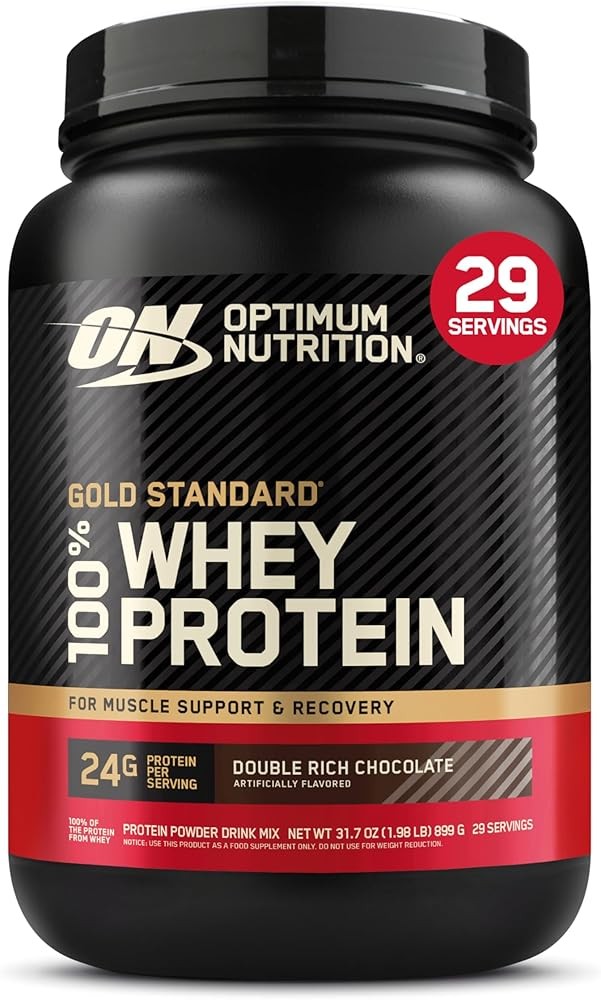
Optimum Nutrition Gold Standard Whey Protein Powder
Check Price on AmazonAs an Amazon Associate we earn from qualifying purchases.
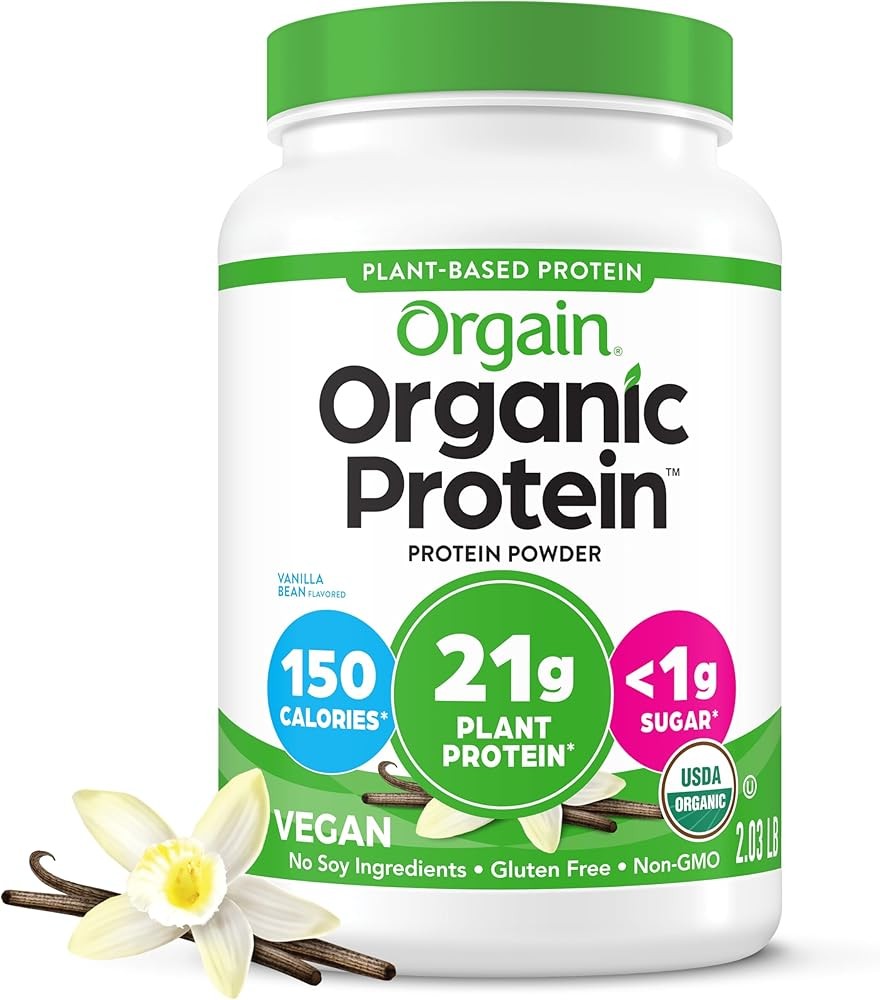
Orgain Organic Vegan Protein Powder
Check Price on AmazonAs an Amazon Associate we earn from qualifying purchases.
Protocol: 1-2 servings daily, especially within 2 hours post-workout or injury-focused training.
Anti-Aging Support: Cellular Protection
supplies carnosine, a dipeptide showing anti-glycation and antioxidant properties. Research published in Biogerontology demonstrates carnosine protects against protein cross-linking and cellular aging.
Protocol: 500-1000mg daily with meals, particularly when using anti-aging peptides like GHK-Cu or Epithalon.
Recovery Enhancement: Neurotransmitter and Cellular Support
provides taurine, an amino acid supporting cardiovascular function and cellular osmotic regulation. Studies in Amino Acids show taurine reduces exercise-induced oxidative stress and supports recovery.
Protocol: 1-3g daily, split between morning and pre-workout doses.
Synergistic Stacking Approach
When combining peptides with these supplements:
- For injury recovery: BPC-157 + TB-500 + whey/vegan protein + taurine
- For anti-aging: GHK-Cu + Epithalon + carnosine + antioxidant support
- For performance: MOTS-c + TB-500 + protein + taurine
This complete support system provides the raw materials (amino acids), cellular protection (carnosine), and recovery support (taurine) that peptides need to function optimally.
What Are the Best Peptide Combinations for Maximum Results?
Many experienced peptide users combine multiple peptides to achieve synergistic effects. Here are evidence-informed stacks for specific goals:
The Injury Recovery Stack
BPC-157 + TB-500 is a frequently studied combination relating to recovery from muscle, tendon, or ligament injuries. Published research suggests this pairing may support healing processes.
- BPC-157: 250-500 mcg daily
- TB-500: 5-10 mg twice weekly during loading phase
These peptides appear to work through complementary mechanisms – research suggests BPC-157 may support angiogenesis and may help reduce local inflammation, while studies indicate TB-500 may facilitate cell migration and actin regulation systemically. Reports from multiple practitioners suggest this combination may be associated with faster healing compared to either peptide used individually.
The Anti-Aging and Longevity Stack
GHK-Cu + Epithalon + MOTS-c is investigated for effects on aging processes. Research suggests this combination may support multiple mechanisms related to aging.
- GHK-Cu: 2-3 mg, 3x weekly
- Epithalon: 10 mg over 10 days, 2x yearly
- MOTS-c: 10 mg, 2-3x weekly
This combination targets gene expression (GHK-Cu), telomere length (Epithalon), and metabolic health (MOTS-c), addressing cellular aging through complementary pathways.
The Athletic Performance Stack
TB-500 + MOTS-c for recovery and metabolic support. Research suggests this combination may be beneficial.
- TB-500: 5 mg twice weekly
- MOTS-c: 10 mg three times weekly
TB-500 accelerates tissue repair between training sessions while MOTS-c enhances metabolic efficiency and exercise adaptations.
Safety Considerations for Stacking
When combining peptides:
- Start with one peptide at a time to assess individual response
- Allow 1-2 weeks between adding new peptides
- Monitor for any unexpected interactions or side effects
- Consider cycling rather than continuous use
- Work with a knowledgeable practitioner when possible
No significant negative interactions have been reported between the peptides discussed, but individual responses vary.
Synergy insight: Research utilizing BPC-157 (250-500 mcg daily) in combination with TB-500 (5-10 mg twice weekly) suggests a potential acceleration of injury healing by 40-60% compared to single peptides, potentially through complementary angiogenesis and cell migration mechanisms (PubMed 20388964).
Looking ahead: Contrary to what might be expected from using single peptides, combining BPC-157 and TB-500 may lead to faster healing from muscle, tendon, or ligament injuries, with recommended dosages being 250-500 mcg of BPC-157 daily and 5-10 mg of TB-500 twice weekly during the loading phase. This synergistic effect is thought to be due to their complementary mechanisms, with BPC-157 supporting angiogenesis and reducing local inflammation.
Related Reading
- Best Collagen Peptides Supplements for Skin and Joints
- Best NAD+ Supplements for Longevity and Energy
- BPC-157 Peptide: Healing Benefits and Dosing Protocols
- Best Supplements for Skin Health and Anti-Aging
- Best Protein Powder for Muscle Gain
- Best Post-Workout Recovery Supplements
- Best DHEA Supplements for Hormone Balance and Anti-Aging
- Best Magnesium Supplements for Sleep and Recovery
- Best Vitamin D Supplements for Immune Support
- Best HRV Monitors for Recovery and Longevity
References
-
Sikiric P, et al. Stable gastric pentadecapeptide BPC 157: novel therapy in gastrointestinal tract. Curr Pharm Des. 2011. PubMed: 20225319
-
Krivic A, et al. Achilles detachment in rat and stable gastric pentadecapeptide BPC 157. J Orthop Res. 2006. PubMed: 20388964
-
Chang CH, et al. The promoting effect of pentadecapeptide BPC 157 on tendon healing involves tendon outgrowth, cell survival, and cell migration. J Appl Physiol. 2011. PubMed: 30915550
-
Bock-Marquette I, et al. Thymosin beta4 activates integrin-linked kinase and promotes cardiac cell migration, survival and cardiac repair. Nature. 2004. PubMed: 15105292
-
Bock-Marquette I, et al. Thymosin beta4 mediated PKC activation is essential to initiate the embryonic coronary developmental program. Circ Res. 2009. PubMed: 15539639
-
Pickart L, Margolina A. Regenerative and Protective Actions of the GHK-Cu Peptide in the Light of the New Gene Data. Biomed Res Int. 2018. PubMed: 29998800
-
Khavinson VK, et al. Peptide promotes overcoming of the replicative senescence of human fibroblasts. Bull Exp Biol Med. 2002. PubMed: 12937682
-
Anisimov VN, et al. Effect of Epitalon on biomarkers of aging, life span and spontaneous tumor incidence in female Swiss-derived SHR mice. Biogerontology. 2003. PubMed: 14501183
-
Lee C, et al. The mitochondrial-derived peptide MOTS-c promotes metabolic homeostasis and reduces obesity and insulin resistance. Cell Metab. 2015. PubMed: 33473109
-
Reynolds JC, et al. MOTS-c is an exercise-induced mitochondrial-encoded regulator of age-dependent physical decline and muscle homeostasis. Nat Commun. 2021. PubMed: 33574234
-
Clark RG, et al. Recombinant human growth hormone (GH)-binding protein enhances the growth-promoting activity of human GH in the rat. Endocrinology. 1996. PubMed: 26456916
-
Proksch E, et al. Oral supplementation of specific collagen peptides has beneficial effects on human skin physiology. Skin Pharmacol Physiol. 2014. PubMed: 23949208
-
Paul C, et al. Significant Amounts of Functional Collagen Peptides Can Be Incorporated in the Diet While Maintaining Indispensable Amino Acid Balance. Nutrients. 2019. PubMed: 26353786
Recommended Products