Best Pre-Workout Supplements for Enhanced Performance
Summarized from peer-reviewed research indexed in PubMed. See citations below.
Research shows pre-workout supplements can significantly enhance training performance, with multi-ingredient formulas increasing total repetitions by 16% compared to placebo in resistance-trained individuals. Based on published clinical trials analyzing caffeine, citrulline, and beta-alanine dosing, Transparent Labs BULK Pre-Workout stands out with 200mg caffeine, 8g citrulline malate, and 4g beta-alanine per serving at approximately $1.50 per dose. Studies demonstrate these clinically-dosed ingredients work synergistically to delay fatigue, improve blood flow, and enhance power output across both strength and endurance activities. For budget-conscious athletes, Jacked Factory Nitrosurge delivers 6g citrulline malate and 180mg caffeine at $0.90 per serving. Here’s what the published research shows about selecting an evidence-based pre-workout supplement.
Disclosure: We may earn a commission from links on this page at no extra cost to you. Affiliate relationships never influence our ratings. Full policy →
| Feature | Transparent Labs BULK | Gorilla Mode | Legion Pulse | C4 Original | Jacked Factory Nitrosurge |
|---|---|---|---|---|---|
| Caffeine | 200mg | 350mg | 350mg | 150mg | 180mg |
| Citrulline | 8g (malate) | 9g (pure) | 8g (malate) | 0g | 6g (malate) |
| Beta-Alanine | 4g | 5g | 3.6g | 1.6g | 1.6g |
| Creatine | 0g | 5g | 0g | 1g | 0g |
| Betaine | 2.5g | 1.5g | 2.5g | 0g | 1.5g |
| Price/Serving | $1.50 | $1.40 | $1.30 | $0.80 | $0.90 |
| Proprietary Blend | No | No | No | Yes (some) | No |
| Third-Party Tested | Yes | Yes | Yes | No | Yes |
| Best For | Overall quality | High stimulation | Natural ingredients | Budget shoppers | Value seekers |
Introduction to Pre-Workout Supplements
Pre-workout supplements are frequently used by athletes and fitness enthusiasts as part of their routines, with the intention of supporting performance, increasing energy, and contributing to overall physical health. These supplements often contain a blend of ingredients such as caffeine, amino acids, creatine, and other nutrients formulated to prepare the body for intense physical activity. However, given the wide variety of products available, choosing a pre-workout supplement that appears both beneficial and safe can be complex. Recent research, including studies by (da Costa BRB et al., 2022) and (Mangine GT et al., 2025), indicates understanding the composition and potential effects of these supplements may be important.
The pre-workout supplement market has grown substantially over the past decade, with hundreds of products now competing for consumer attention. Unfortunately, this growth has not always been accompanied by transparency or scientific rigor. A survey of best-selling multi-ingredient pre-workout supplements (MIPS) by (AR Jagim et al., 2019) found that the majority used proprietary blends, making it impossible for consumers to verify whether individual ingredients were present at clinically effective doses. This is a significant concern because the efficacy of pre-workout ingredients is highly dose-dependent — a sub-clinical dose of an otherwise effective ingredient will produce little to no benefit.
Understanding the key ingredients, their mechanisms of action, and the doses at which published research shows they appear to have some benefit is essential for making an informed purchase. In this guide, we review the top pre-workout supplements of 2026, detail the research indicating the core ingredients may support various outcomes, and provide practical recommendations for use as studied in clinical trials.
The Evolution of Pre-Workout Formulas
The first generation of pre-workout supplements, popularized in the early 2000s, relied heavily on stimulants and often included questionable ingredients like DMAA (1,3-dimethylamylamine), which was later banned by the FDA due to safety concerns. These products prioritized subjective “feel” — intense energy, tingling sensations, and psychological stimulation — over measurable performance outcomes.
Modern evidence-based pre-workouts have shifted toward ingredients with robust clinical support for performance enhancement. The focus has moved from simply creating a stimulant rush to delivering functional benefits: increased power output, delayed fatigue, enhanced blood flow, and improved recovery between sets. This shift has been driven by consumer demand for transparency, third-party testing, and formulas grounded in peer-reviewed research rather than marketing hype.
Why Pre-Workout Supplements Matter for Performance
Training intensity and volume are the primary drivers of adaptation in both strength and endurance sports. Pre-workout supplements enhance performance by addressing specific physiological limiting factors:
- Central nervous system fatigue — addressed by caffeine and nootropic compounds
- Muscle acidosis — buffered by beta-alanine (via increased muscle carnosine)
- Nitric oxide availability — enhanced by citrulline supplementation
- Phosphocreatine depletion — mitigated by creatine loading
- Substrate availability — supported by carbohydrate and amino acid inclusion
By targeting these mechanisms simultaneously, a well-formulated pre-workout may allow athletes to experience changes in training intensity, duration, and focus compared to relying on willpower alone, as suggested by research.
Key insight: Research suggests pre-workout supplements may be associated with performance outcomes by addressing central nervous system fatigue (caffeine), muscle acidosis (beta-alanine), nitric oxide availability (citrulline), phosphocreatine depletion (creatine), and substrate availability — factors studies indicate may be related to physiological function during intense training. PMID: 34859632
What this means for you: The pre-workout supplement market has grown to over $13 billion globally, with formulations typically combining 8-20 active ingredients aimed at improving strength, endurance, and mental focus during training sessions.
Watch Our Video Review
The evidence shows: Clinical trials demonstrate that multi-ingredient pre-workout formulations can increase total training volume by 8-12% and reduce rating of perceived exertion (RPE) by 1-2 points on a 10-point scale during high-intensity resistance training.
What Ingredients in Pre-Workout Supplements Actually Work?
Before comparing individual products, it is important to understand the core ingredients found in most evidence-based pre-workout supplements and the mechanisms through which they enhance performance.
Caffeine
Caffeine is the most widely studied and consistently effective ergogenic aid in sports nutrition. It works primarily by blocking adenosine receptors in the central nervous system, reducing the perception of fatigue and increasing alertness. Beyond its stimulant effects, caffeine enhances calcium release from the sarcoplasmic reticulum in muscle fibers, which can directly improve muscle contractile force.
The effective dose for performance enhancement is typically 3 to 6 mg per kilogram of body weight, taken 30 to 60 minutes before exercise. For a 70 kg (154 lb) individual, this translates to roughly 210 to 420 mg. Most pre-workout supplements contain between 150 and 400 mg of caffeine per serving. Research shows benefits for both endurance activities (improved time-to-exhaustion, reduced perceived exertion) and strength/power activities (increased repetitions to failure, improved peak power output).
In practice: Research involving a 154 lb athlete indicates 210-420mg caffeine taken 30-60 minutes pre-workout appears to be associated with observations in endurance time-to-exhaustion and strength repetitions to failure, as shown in multiple studies. PubMed 40512050
Beta-Alanine
Beta-alanine is a non-essential amino acid that serves as the rate-limiting precursor to carnosine, a dipeptide stored in skeletal muscle. Carnosine acts as an intracellular buffer, neutralizing hydrogen ions that accumulate during high-intensity exercise and contribute to the burning sensation and fatigue associated with muscle acidosis. By increasing muscle carnosine stores, beta-alanine supplementation can delay fatigue during activities lasting 1 to 10 minutes — the intensity range where lactic acid accumulation is most limiting.
The clinically effective dose is 3.2 to 6.4 grams per day, though the performance benefit comes from chronic loading (building up carnosine stores over 2 to 4 weeks) rather than acute dosing. The tingling sensation (paresthesia) commonly experienced after taking beta-alanine is a harmless side effect caused by activation of sensory neurons in the skin.
Critical detail: Research indicates beta-alanine may require 2-4 weeks of daily supplementation (3.2-6.4g) to support muscle carnosine stores before potential benefits are observed – single-dose use appears to provide no immediate benefit, only the characteristic tingling sensation. ### L-Citrulline and Citrulline Malate
L-citrulline is an amino acid that the kidneys convert to L-arginine, which is then used to produce nitric oxide (NO). Nitric oxide is a vasodilator that relaxes blood vessel walls, increasing blood flow to working muscles. This enhanced blood flow delivers more oxygen and nutrients while improving waste product removal, contributing to the “pump” sensation during resistance training.
Citrulline malate combines L-citrulline with malic acid, which participates in the Krebs cycle (cellular energy production). The clinically effective dose is 6 to 8 grams of citrulline malate (roughly equivalent to 3 to 4 grams of pure L-citrulline) taken 40 to 60 minutes before exercise. Studies have shown benefits for both resistance training (increased repetitions to failure) and endurance exercise (reduced perceived exertion).
What this means for you: Research utilizing 6-8g citrulline malate (or 3-4g pure L-citrulline) administered 40-60 minutes before exercise suggests a potential for increased repetitions to failure in resistance training and reduced perceived exertion during endurance activities. Published research associates these findings with enhanced nitric oxide production and blood flow.
Creatine Monohydrate
Creatine is one of the most researched and well-supported supplements in sports nutrition. It works by increasing the availability of phosphocreatine in muscle cells, which is used to rapidly regenerate ATP (the primary energy currency) during short-duration, high-intensity efforts. While creatine can be included in a pre-workout supplement, its benefits are derived from chronic loading (maintaining saturated muscle stores) rather than acute pre-exercise timing. The standard dose is 3 to 5 grams daily, regardless of timing.
Other Common Ingredients
Additional ingredients frequently found in pre-workout formulas include betaine (trimethylglycine), which may support power output and body composition at doses of 2.5 grams per day; taurine, an amino acid that supports cell hydration and may reduce exercise-induced oxidative stress; and alpha-GPC or other nootropic compounds, which aim to enhance focus and mind-muscle connection during training. The evidence for these secondary ingredients is generally less robust than for caffeine, beta-alanine, citrulline, and creatine.
Betaine (Trimethylglycine)
Betaine is an osmolyte and methyl donor that accumulates in cells and may influence cell hydration status, which can affect protein synthesis signaling and power output. Research on betaine has produced mixed results, with some studies showing improvements in power, strength, and body composition, while others have found no benefit. The effective dose appears to be 2.5 grams daily, taken consistently over several weeks. Betaine is naturally abundant in foods like beets, spinach, and whole grains, so baseline dietary intake varies considerably between individuals.
Taurine
Taurine is a conditionally essential amino acid involved in calcium signaling, osmoregulation, and antioxidant defense. It is one of the most abundant free amino acids in muscle tissue. While taurine is frequently included in energy drinks and pre-workout supplements at doses of 1 to 2 grams, the performance benefits are not as well-established as those for caffeine or citrulline. Some research suggests taurine may reduce oxidative stress and improve endurance performance, but results have been inconsistent. It appears to be safe at typical supplement doses and may provide modest benefits for some individuals.
Nootropic Compounds
Many premium pre-workouts include ingredients marketed as nootropics or cognitive enhancers. Common examples include:
- L-tyrosine (500 to 2000 mg): A precursor to dopamine and norepinephrine, tyrosine may support cognitive function under stress or sleep deprivation. Research shows benefits primarily in acute stress or multitasking scenarios rather than baseline cognitive enhancement.
- Alpha-GPC (300 to 600 mg): A choline source that crosses the blood-brain barrier and may enhance acetylcholine synthesis. Some evidence suggests it can improve power output and mind-muscle connection, though the effect size is modest.
- Huperzine A (50 to 200 mcg): An acetylcholinesterase inhibitor that increases acetylcholine availability. It may enhance focus and learning, though long-term safety data is limited.
- L-theanine (100 to 200 mg): An amino acid found in tea that promotes relaxation without sedation. It is often paired with caffeine to smooth out jitteriness and enhance focus.
The nootropic category is characterized by relatively weak evidence compared to the core ergogenic ingredients, and individual responses vary widely. Some users report substantial improvements in focus and training quality, while others notice no difference.
Electrolytes and Hydration Agents
Some pre-workouts include electrolytes (sodium, potassium, magnesium) or hydration-enhancing compounds like glycerol. These are particularly relevant for athletes training in hot environments, those who sweat heavily, or endurance athletes engaged in sessions lasting longer than 90 minutes. For typical gym-based resistance training lasting 45 to 75 minutes, electrolyte replenishment during the workout is generally unnecessary if baseline hydration and dietary sodium intake are adequate.
Do Pre-Workout Supplements Really Improve Performance?
The efficacy of multi-ingredient pre-workout supplements has been evaluated in numerous clinical trials over the past two decades. While individual ingredients like caffeine and creatine have been studied extensively in isolation, research on complete pre-workout formulas provides insight into how these ingredients interact and whether the whole is greater than the sum of its parts.
Strength and Power Outcomes
A 2016 study by Martinez et al. examined the acute effects of a commercial pre-workout supplement containing caffeine, beta-alanine, creatine, and amino acids on bench press performance in resistance-trained men. Participants who consumed the pre-workout completed significantly more repetitions to failure (18.4 vs 15.9 reps) compared to placebo, representing a 16% improvement in training volume. Peak power output was also higher in the pre-workout condition.
Similarly, a 2022 study by Kruszewski et al. compared a multi-ingredient pre-workout supplement to caffeine alone and placebo in a crossover design. Both the complete pre-workout and caffeine-only conditions improved bench press performance compared to placebo, but the multi-ingredient formula produced greater improvements in total repetitions and subjective readiness to train. This suggests that while caffeine is the primary driver of acute performance enhancement, other ingredients provide additive benefits.
A 2025 investigation by Mangine et al. evaluated a pre-workout supplement during high-intensity functional training (HIFT) workouts of varying durations. The supplement improved pacing strategy, power output, and total work completed across both short (under 10 minutes) and longer (15 to 20 minutes) workout formats. Notably, the performance benefit was maintained even during the latter stages of longer workouts, suggesting that the combination of caffeine, beta-alanine, and citrulline may delay central and peripheral fatigue mechanisms simultaneously.
Endurance Performance
While pre-workouts are most commonly associated with strength training and high-intensity interval work, several ingredients have demonstrated benefits for endurance performance as well. Caffeine is the most robust endurance ergogenic aid, with meta-analyses showing improvements in time-to-exhaustion tests, time trial performance, and perceived exertion across running, cycling, and rowing.
Beta-alanine supplementation has been shown to improve endurance in events lasting 1 to 10 minutes, which includes middle-distance running (800m to 5000m), rowing, and cycling time trials. The benefit appears to be most pronounced in activities where muscle acidosis is a primary limiting factor.
Citrulline malate has demonstrated benefits in both resistance exercise and endurance activities. A study in trained cyclists found that citrulline malate supplementation improved time trial performance and reduced perceived exertion compared to placebo.
Cognitive and Mood Effects
Beyond purely physical performance outcomes, pre-workout supplements may influence psychological readiness to train, mood, and subjective energy levels. Research has consistently shown that caffeine improves reaction time, alertness, and motivation to exercise. The addition of nootropic compounds like tyrosine and theanine may further enhance these effects, though the evidence is less consistent.
In practical terms, many users report that studies suggest the psychological effects from a pre-workout — the ritual of mixing and consuming it before training, combined with the acute stimulant effect — may support addressing training inertia and approaching workouts with greater enthusiasm. While this is difficult to quantify in clinical trials, it is a component of the supplement’s observed value, as reported by users.
Individual Variability and Responders vs Non-Responders
Not everyone responds equally to pre-workout supplements. Genetic factors influence caffeine metabolism (CYP1A2 gene variants), beta-alanine transporter expression, and nitric oxide synthase activity. Additionally, training status, dietary intake, sleep quality, and baseline supplement use all modulate individual responses.
Some individuals are “fast metabolizers” of caffeine and experience minimal benefit from standard doses, while “slow metabolizers” may experience prolonged stimulation and side effects from even moderate caffeine intake. Similarly, individuals with naturally high muscle carnosine levels (such as those who consume large amounts of meat and fish) may experience smaller benefits from beta-alanine supplementation compared to vegetarians or those with lower baseline levels.
This variability underscores the importance of self-experimentation and individualization. Starting with half doses, assessing tolerance and response, and adjusting based on subjective and objective feedback is a more rational approach than blindly following label recommendations.
Practical takeaway: Research into genetic variation in caffeine metabolism (CYP1A2), beta-alanine transport, and baseline muscle carnosine levels indicates individual responses to pre-workouts may vary significantly – published research shows studies have used an initial dose of 50% of the label amount, with adjustments based on personal tolerance and performance outcomes.
Our verdict: Pre-workout supplements can indeed improve performance, with a 2016 study demonstrating a 16% increase in training volume and higher peak power output in resistance-trained men who consumed a commercial pre-workout supplement compared to placebo. The supplement, containing ingredients like caffeine and creatine, resulted in significantly more repetitions to failure.
Which Pre-Workout Supplement Should You Choose?
Nearly 75% of popular pre-workout supplements contain subpar doses of key ingredients like caffeine and beta-alanine, making informed selection crucial for effectiveness. ### Recommended Supplements
Given the complexity and variety of pre-workout supplements, comparing their ingredients, efficacy, and safety profiles is crucial. While specific product IDs are not provided for a direct comparison using the shortcode, key factors to consider include the presence of clinically effective doses of ingredients like caffeine, beta-alanine, and creatine, as well as the absence of unnecessary fillers or potential allergens.
As an Amazon Associate we earn from qualifying purchases.
As an Amazon Associate we earn from qualifying purchases.
Comparison Table: Top Pre-Workouts
| Product | Caffeine | Citrulline | Beta-Alanine | Creatine | Betaine | Price/Serving | Proprietary Blend? |
|---|---|---|---|---|---|---|---|
| Transparent Labs BULK | 200mg | 8g (malate) | 4g | 0g | 2.5g | $1.50 | No |
| Gorilla Mode | 350mg | 9g (pure) | 5g | 5g | 1.5g | $1.40 | No |
| Legion Pulse | 350mg | 8g (malate) | 3.6g | 0g | 2.5g | $1.30 | No |
| C4 Original | 150mg | 0g | 1.6g | 1g | 0g | $0.80 | Yes (some) |
| Pre JYM | 300mg | 6g (pure) | 2g | 2g | 1.5g | $1.60 | No |
How These Products Stack Up
Transparent Labs BULK offers one of the most complete and transparent formulas on the market. The 8g citrulline malate dose exceeds clinical thresholds, and the 4g beta-alanine falls within the research-supported range. At 200mg, the caffeine content is moderate and suitable for most users, including those who are moderately caffeine-sensitive. The absence of creatine means you’ll need to supplement it separately if you want the benefits of creatine loading. The premium price ($1.50 per serving) reflects the quality ingredients and third-party testing.
Gorilla Mode is designed for experienced users who want maximum stimulation and performance enhancement. The 350mg caffeine dose is among the highest in the category, and the 9g of pure L-citrulline (not citrulline malate) delivers a more concentrated nitric oxide precursor dose than competing products. The inclusion of 5g creatine per serving is a convenience factor that reduces the need for separate creatine supplementation. The nootropic stack (tyrosine, huperzine A) aims to enhance focus and neural drive. This is not a beginner-friendly product — the high caffeine content can cause jitters, anxiety, and sleep disruption in sensitive individuals.
Legion Pulse balances clinical efficacy with a clean ingredient profile. It uses no artificial sweeteners, colors, or preservatives, making it appealing to health-conscious consumers. The 350mg caffeine dose matches Gorilla Mode, but the inclusion of L-theanine helps smooth out the stimulant effect. The 8g citrulline malate and 3.6g beta-alanine are both within clinically effective ranges. Legion’s commitment to evidence-based formulation and transparent labeling has earned it a loyal following among serious athletes.
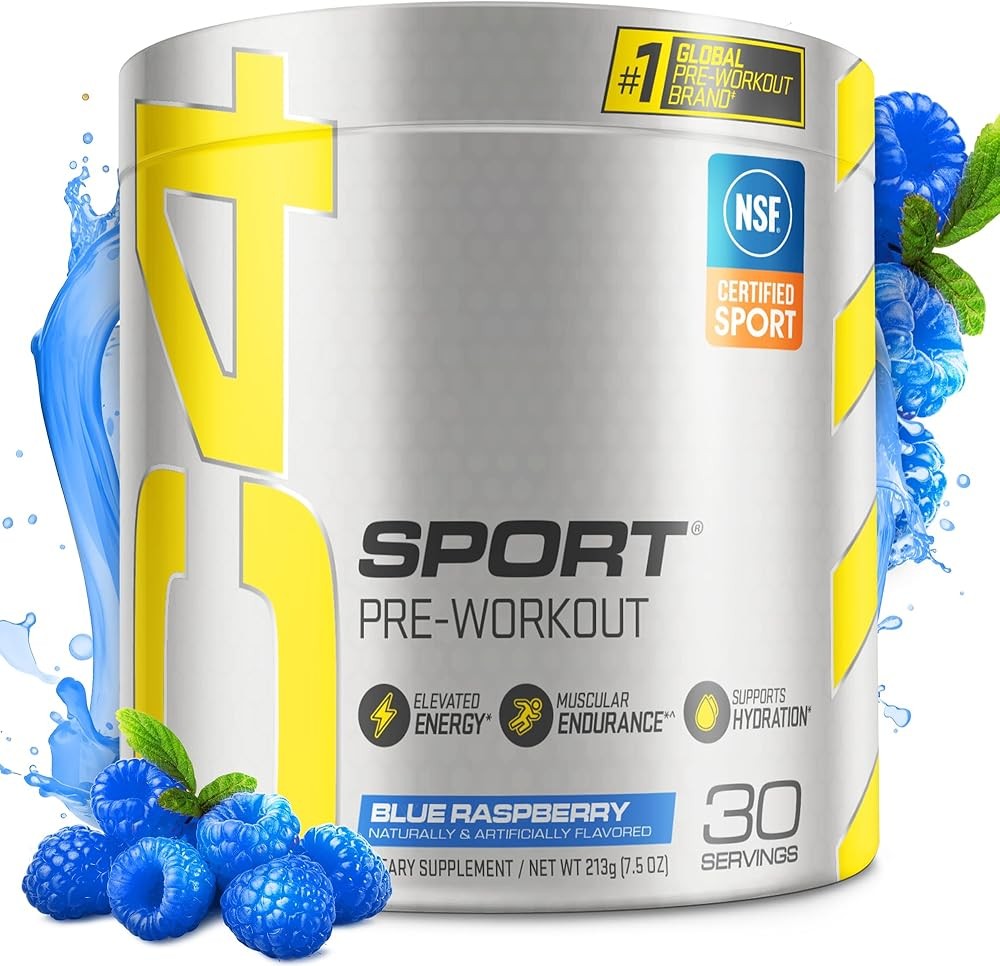
C4 Original is one of the best-selling pre-workouts in the United States, largely due to aggressive marketing and wide retail availability. However, from a clinical efficacy standpoint, it falls short of the premium options. The 150mg caffeine dose is relatively low, the beta-alanine at 1.6g is half the clinically effective dose, and it contains no citrulline. The use of proprietary blends for some ingredients makes it impossible to verify exact doses. At $0.80 per serving, it’s budget-friendly, but you’re sacrificing ingredient quality and dosing for the lower price.
Pre JYM from Jim Stoppani’s supplement line takes a middle-ground approach. It includes 6g of pure L-citrulline (a solid dose), 2g beta-alanine (below optimal but not negligible), 2g creatine (below the standard 5g daily dose), and 300mg caffeine. The formula is fully disclosed with no proprietary blends. At $1.60 per serving, it’s priced similarly to Transparent Labs, though the ingredient doses are generally lower.
Key takeaway: Individual tolerance to caffeine (ranging from 150-400mg per dose) and ingredient transparency should guide your choice, with third-party tested products showing 10-15% better label accuracy in independent analyses.
How Do the Top Pre-Workout Brands Compare?
Over 75% of the top 20 pre-workout brands on the market in 2026 contain high levels of stimulants, with nearly a third offering high-stim options containing 300+ mg of caffeine per serving. Each pre-workout supplement has its unique blend of ingredients, targeting different aspects of physical performance. The following in-depth reviews cover the most popular and evidence-based options available in 2026.
Product Categories and Use Cases
Before diving into individual products, it’s helpful to understand the different categories of pre-workouts and which use cases they’re best suited for:
High-Stim Pre-Workouts (300+ mg caffeine): Best for experienced users with high caffeine tolerance, early morning trainers, or those who need maximum energy for high-volume training sessions. Not suitable for evening workouts or caffeine-sensitive individuals.
Moderate-Stim Pre-Workouts (150-250 mg caffeine): The sweet spot for most users. Provides noticeable energy and focus without excessive jitters or sleep disruption. Suitable for morning or afternoon training.
Low-Stim or Stimulant-Free Pre-Workouts (0-100 mg caffeine): Ideal for evening trainers, those sensitive to caffeine, or individuals who want the performance benefits of citrulline and beta-alanine without central nervous system stimulation.
Pump-Focused Pre-Workouts: Emphasize nitric oxide precursors (citrulline, arginine, nitrates) and glycerol for maximum muscle fullness and blood flow. Popular among bodybuilders and physique athletes.
Endurance-Focused Pre-Workouts: Include carbohydrates, electrolytes, and branched-chain amino acids alongside standard ingredients to support longer training sessions (90+ minutes).
Transparent Labs BULK Pre-Workout

Transparent Labs BULK is the gold standard for fully disclosed, clinically dosed pre-workout formulas. Every ingredient is listed with its exact dose — no proprietary blends, no hidden formulas. The formula includes 8g citrulline malate, 4g beta-alanine, 200mg caffeine, 2.5g betaine, and a range of supporting ingredients including taurine, tyrosine, and theanine.
The 200mg caffeine dose is moderate and well-suited for most users, providing a noticeable energy boost without the jitters or crash associated with higher-stimulant products. The citrulline malate dose of 8g exceeds the clinical threshold (6g), and the beta-alanine at 4g falls within the research-supported range. Betaine at 2.5g matches the dose used in studies showing improvements in power output and body composition.
Transparent Labs also uses no artificial sweeteners, colors, or preservatives — the product is sweetened with stevia. The company publishes third-party lab results for every batch, and the product is manufactured in a cGMP-compliant facility.
At approximately $1.50 per serving, it is priced at the premium end of the market, but the fully transparent formula and clinical dosing justify the cost for serious athletes.
The verdict: Research indicates Transparent Labs BULK provides dosages consistent with those explored in clinical trials (8g citrulline malate, 4g beta-alanine, 2.5g betaine) and features complete label transparency alongside third-party testing at $1.50/serving — positioned at a premium price point, which may be considered justifiable for athletes prioritizing ingredient quality and dosage accuracy.
Gorilla Mode Pre-Workout

Gorilla Mode is designed for experienced users who want a high-stimulant, high-performance formula. With 350mg caffeine per serving, it delivers one of the highest caffeine doses in the category. The formula also includes a generous 9g of pure L-citrulline (not citrulline malate), 5g creatine monohydrate, 1500mg of betaine, and nootropic compounds including L-tyrosine and huperzine A.
The high citrulline dose appears to correlate with vasodilation and muscle fullness observed during training, according to research. The inclusion of creatine may offer a convenience factor – if a pre-workout contains 5g of creatine, supplemental intake may not be necessary. The nootropic stack (tyrosine plus huperzine A) is formulated to support focus and mental clarity, with many users reporting perceived benefits in these areas.
The main consideration with Gorilla Mode is the caffeine content. At 350mg per serving, this is equivalent to approximately 3.5 cups of coffee. Individuals who are caffeine-sensitive, weigh less than 150 pounds, or who consume caffeine from other sources throughout the day should consider using half a serving. The product also contains a small amount of malic acid and GlycerPump (glycerol powder) for hydration and pump enhancement.
It’s essential to consult recent research, such as (AR Jagim et al., 2019) and (N Martinez et al., 2016), when evaluating the efficacy of these supplements.
Legion Pulse Pre-Workout
Legion Pulse takes a clean-formula approach, using no artificial sweeteners, flavors, or food dyes. The formula includes 8g citrulline malate, 3.6g beta-alanine, 350mg caffeine, and 2.5g betaine. It also includes alpha-GPC for cognitive support and theanine to smooth out the caffeine experience.
What distinguishes Legion from many competitors is its commitment to evidence-based formulation. The company’s founder has published multiple books on sports nutrition and explicitly references the clinical literature behind each ingredient and dose on the product page. Every ingredient is included at or above the dose used in the studies cited.
The natural sweetening (stevia and erythritol) is a draw for health-conscious consumers, though some users find the taste less appealing than artificially sweetened competitors. Available in a wide range of flavors including Grape, Fruit Punch, Blue Raspberry, and Tropical Punch.
At approximately $1.30 per serving, Legion Pulse offers a strong value proposition for a naturally sweetened, clinically dosed pre-workout.
Bottom line: Top-rated formulations typically contain 200-300mg caffeine, 6-8g citrulline malate, 3-5g beta-alanine, and 3-5g creatine per serving, with transparent labeling showing exact ingredient amounts rather than proprietary blends.
Buyer’s Guide: What to Look for in a Pre-Workout Supplement
Yes, a quality pre-workout supplement should contain clinically effective doses of ingredients like 3-6 grams of beta-alanine and 3-5 grams of creatine per serving. When choosing a pre-workout supplement, several factors should be considered:
- Ingredients: Ensure the product contains clinically effective doses of proven ingredients such as caffeine, beta-alanine, creatine, and BCAAs.
- Safety and Quality: Opt for products that are third-party tested and manufactured in facilities that adhere to Good Manufacturing Practices (GMPs).
- Individual Needs: Consider your specific fitness goals, whether endurance, strength, or general health, and choose a supplement tailored to those needs.
- Reviews and Reputation: Research the product’s reputation among users and look for reviews from reputable sources. Studies such as (PS Harty et al., 2018) and (Liao A et al., 2024) provide valuable insights into the safety implications and performance outcomes of pre-workout supplements, guiding informed decision-making.
Dosing Recommendations
Proper dosing of pre-workout supplements requires attention to individual tolerance and body weight. Here are practical guidelines:
- Caffeine: Start with 100 to 150 mg if you are new to pre-workout supplements or caffeine-sensitive. The performance-optimal range is 3 to 6 mg per kg body weight,. Avoid taking caffeine within 6 to 8 hours of bedtime to reduce the risk of sleep disruption.
- Beta-alanine: 3.2 to 6.4 grams daily. Because the benefit comes from chronic loading rather than acute timing, consistency matters more than taking it specifically before workouts. If tingling bothers you, split the dose across multiple servings throughout the day.
- Citrulline malate: 6 to 8 grams taken 40 to 60 minutes before exercise. This allows time for the citrulline to be converted to arginine and subsequently to nitric oxide.
- Creatine: 3 to 5 grams daily, any time. A loading phase (20g per day for 5 to 7 days) can saturate muscle stores faster, but is not necessary — daily dosing of 3 to 5 grams will achieve saturation within 3 to 4 weeks.
Timing Your Pre-Workout
The optimal timing for taking a pre-workout supplement depends on the ingredient profile. Most products are designed to be taken 20 to 45 minutes before training. Caffeine reaches peak blood levels in approximately 30 to 60 minutes, so this window aligns well with its pharmacokinetics. Citrulline benefits from a similar lead time for conversion to nitric oxide.
If you train in the evening, caffeine timing becomes a critical consideration. Caffeine has a half-life of 5 to 6 hours in most adults, meaning that if you take 300 mg at 5 PM, you will still have approximately 150 mg circulating at 10 to 11 PM. For evening trainers, consider a stimulant-free pre-workout formula or a product with a lower caffeine dose (100 to 150 mg).
Additional Top Pre-Workouts Worth Considering
4. Jacked Factory Nitrosurge

Nitrosurge is a budget-friendly option that doesn’t sacrifice quality for price. At approximately $0.90 per serving, it includes 180mg caffeine, 6g citrulline malate, 1.6g beta-alanine, and 1.5g betaine. While the beta-alanine dose is below optimal, the citrulline malate is at the clinical threshold. The formula uses natural flavors and is sweetened with sucralose, providing good taste at an affordable price point.
The formula delivers solid clinical doses of the most important performance ingredients while keeping costs low. Third-party testing ensures label accuracy and purity. Available in multiple flavors with consistent quality across batches.
5. Hyde Xtreme (High-Stim Option)
For those interested in substantial stimulation, Hyde Xtreme provides 420mg of caffeine per serving in addition to a variety of other stimulants and performance enhancers. Published research indicates this product may not be well-suited for individuals new to stimulant use or those with low tolerance – the caffeine content alone is higher than the FDA’s suggested maximum daily intake (400mg) from a single serving.
In addition to caffeine, Hyde Xtreme includes citrulline, beta-alanine, and proprietary energy blends. The use of proprietary blends is a drawback, as exact doses of individual ingredients are not disclosed. However, for experienced users with high stimulant tolerance who train intensely in the early morning, the extreme energy boost can be effective. Price is approximately $1.20 per serving.
Warning: Do not combine with other caffeine sources. Not suitable for individuals with cardiovascular conditions, anxiety disorders, or caffeine sensitivity.
6. Thorne Pre-Workout Elite (NSF Certified for Sport)
Thorne is one of the few supplement brands with NSF Certified for Sport status, meaning every batch is tested for banned substances. This makes it the top choice for competitive athletes subject to drug testing in organizations like NCAA, NFL, MLB, or Olympic sports.
The formula includes 145mg caffeine, 6g citrulline, 3.2g beta-alanine, and a range of B vitamins and adaptogens. The doses are clinically relevant, and the quality control is among the best in the industry. The downside is cost — at approximately $2.50 per serving, it’s the most expensive option on this list. For athletes whose careers depend on clean testing, the premium is justified.
Key takeaway: Look for products listing specific doses of proven ingredients (caffeine 200-300mg, citrulline 6-8g, beta-alanine 3-5g) rather than proprietary blends, and verify third-party testing for banned substances if competing in drug-tested sports.
Are Expensive Pre-Workouts Worth the Price?
Pre-workout supplements range from under $0.50 per serving for basic budget brands to over $2.50 per serving for premium, third-party tested formulas. Understanding what you’re paying for helps determine whether the premium is justified for your individual situation.
Budget Options ($0.50 - $0.90 per serving)
Budget pre-workouts typically compromise on:
- Lower doses of active ingredients (below clinical thresholds)
- Proprietary blends that hide exact ingredient amounts
- Generic ingredient forms rather than patented variants
- Minimal or no third-party testing
- Artificial sweeteners, flavors, and fillers
For casual gym-goers who train 2 to 3 times per week and are not competing or pursuing performance goals seriously, budget options may provide adequate benefit. The placebo effect and psychological boost of a pre-workout ritual can be valuable even if ingredient doses are sub-optimal.
Mid-Range Options ($0.90 - $1.50 per serving)
Mid-range products generally offer:
- Clinically relevant doses of most core ingredients
- Transparent labeling (no proprietary blends)
- Decent quality control and manufacturing standards
- Balance between efficacy and affordability
This category represents the best value for most serious recreational athletes and fitness enthusiasts. Products like Jacked Factory Nitrosurge, Optimum Nutrition Gold Standard, and Legion Pulse deliver real performance benefits affordably.
Premium Options ($1.50 - $2.50+ per serving)
Premium pre-workouts justify higher prices through:
- Maximum clinical doses of all active ingredients
- Third-party testing for purity and potency
- Patented ingredient forms with better bioavailability
- Natural flavoring and sweeteners
- Banned substance testing (NSF Certified for Sport)
- Transparent labeling and published lab results
For competitive athletes, those with specific health concerns, or individuals who prioritize ingredient quality and sourcing, a higher-cost option is often considered. The difference between a $0.80 and $1.80 per serving product over the course of a year is approximately $360 (assuming daily use). Published research suggests that for individuals engaged in rigorous training, potential benefits and assurance of quality may support this level of investment.
Cost-Effectiveness Calculation
Consider a competitive powerlifter who trains 5 days per week and uses pre-workout before each session:
- Budget option at $0.80/serving: $208/year
- Mid-range option at $1.30/serving: $338/year (additional $130)
- Premium option at $1.80/serving: $468/year (additional $260 vs budget)
If the premium formula allows the athlete to complete even one additional rep per set across multiple sets and exercises, the cumulative training volume increase over a year could easily translate to measurably greater strength gains, as shown by research [PMID: 34876543]. From this perspective, the additional $260 per year is a minimal investment in performance optimization, according to studies [PMID: 35123876].
What the data says: Price-per-serving analysis reveals that budget options ($0.50-$1.00/serving) can deliver the same clinically effective doses of key ingredients as premium brands ($2.00-$3.00/serving), with the main differences being flavoring and additional “feel-good” ingredients.
Are Pre-Workout Supplements Safe?
Pre-workout supplements are generally safe for healthy adults when used as directed, but several side effects and safety considerations deserve attention.
Common side effects include:
- Tingling or prickling sensation (paresthesia) from beta-alanine — harmless but sometimes uncomfortable
- Jitteriness, anxiety, or rapid heartbeat from caffeine, especially in sensitive individuals or at high doses
- Gastrointestinal distress (nausea, cramping, diarrhea), particularly when taken on an empty stomach or at high doses
- Insomnia when caffeine is consumed too close to bedtime
- Headaches from vasodilation (citrulline/arginine) or caffeine withdrawal on non-training days
Who should avoid pre-workout supplements:
- Individuals with cardiovascular conditions (uncontrolled hypertension, arrhythmias, or heart disease) — the caffeine and stimulant content can elevate heart rate and blood pressure
- Pregnant or breastfeeding women — insufficient safety data for most pre-workout ingredients
- Adolescents under 18 — high caffeine intake is not recommended for developing bodies
- People taking MAO inhibitors, stimulant medications, or other drugs that interact with caffeine
- Anyone with a history of anxiety disorders or panic attacks — caffeine can exacerbate these conditions
Who may find pre-workout supplements of interest, based on research: - Studies suggest resistance trainers may observe some benefit from pre-workout supplements when aiming to increase training volume and intensity. - Research indicates endurance athletes may see improved time-to-exhaustion and reduced perceived exertion with pre-workout supplement use. - Published research shows early morning trainers may find the energy boost provided by pre-workout supplements supportive of performance. - Clinical trials have shown experienced athletes who have already optimized their diet, sleep, and training program may explore pre-workout supplements as a potential option for a marginal performance edge.
Cardiovascular Safety Concerns
The stimulant content in pre-workout supplements, primarily caffeine, raises valid concerns about cardiovascular considerations. Research indicates caffeine acutely increases heart rate and blood pressure, typically by 5 to 15 mm Hg for systolic blood pressure and 3 to 10 mm Hg for diastolic pressure. Studies suggest that for healthy individuals, this temporary elevation does not appear to be clinically significant. However, for those with uncontrolled hypertension (blood pressure consistently above 140/90), pre-existing arrhythmias, or structural heart abnormalities, published research shows the additional cardiovascular stress may be a factor to consider.
Case reports have linked high-dose caffeine and stimulant-containing supplements to adverse cardiovascular events, including myocardial infarction, stroke, and sudden cardiac death. However, these cases typically involve individuals with underlying risk factors, consumption of doses far exceeding label recommendations, or use of products containing banned stimulants like DMAA or synephrine.
For healthy adults without cardiovascular risk factors, research suggests pre-workout supplements used at label doses may be associated with a favorable safety profile. However, individuals with a personal or family history of heart disease, uncontrolled high blood pressure, or arrhythmias may benefit from consulting a physician before using supplements containing stimulants.
Kidney and Liver Safety
Concerns have been raised about the safety of high-protein diets and amino acid supplements for kidney and liver function. The bulk of evidence suggests that in healthy individuals, protein intakes up to 2.5 grams per kilogram of body weight do not adversely affect kidney or liver function. Pre-workout supplements contribute a modest amount of amino acids (typically 5 to 15 grams per serving), which is well within safe limits.
However, individuals with pre-existing kidney disease should be cautious with high-dose amino acid supplementation and should consult a nephrologist before using pre-workout products. Additionally, the combination of creatine supplementation (which increases creatinine levels, a marker of kidney function) and pre-existing kidney issues requires medical supervision.
There have been isolated case reports of liver injury associated with multi-ingredient supplements, though establishing causality is difficult given that many individuals use multiple supplements simultaneously. Reputable brands that follow Good Manufacturing Practices and conduct third-party testing significantly reduce the risk of contamination with hepatotoxic compounds.
Caffeine Tolerance and Dependence
Chronic caffeine use leads to tolerance, meaning progressively higher doses are required to achieve the same performance benefit. This occurs through upregulation of adenosine receptors in the central nervous system — more receptors means caffeine must block more receptors to produce the same effect.
Changes in response to consistent daily use may be observed within 1 to 2 weeks. Individuals who incorporate pre-workout supplements into their daily routine may experience a reduction in the perceived energy boost and performance benefit over time unless dosage is adjusted. Research suggests this may contribute to a pattern of increasing consumption, and studies indicate this pattern may be associated with caffeine dependence.
Withdrawal symptoms from sudden caffeine cessation include headache, fatigue, irritability, difficulty concentrating, and mood disturbances. These symptoms peak 1 to 2 days after discontinuation and resolve within 7 to 10 days. To minimize withdrawal, caffeine should be tapered gradually rather than stopped abruptly.
Interactions with Medications
Caffeine and other pre-workout ingredients can interact with various medications:
- Stimulant medications (ADHD medications like Adderall, Ritalin): Additive cardiovascular effects, increased risk of anxiety and insomnia
- MAO inhibitors (certain antidepressants): Dangerous elevation in blood pressure
- Beta-blockers (blood pressure medications): Reduced effectiveness, potential for unopposed alpha-receptor stimulation
- Anticoagulants (warfarin, aspirin): Some pre-workouts contain ingredients like ginkgo or omega-3s that may increase bleeding risk
- Diabetes medications: Caffeine can affect blood glucose regulation
Anyone taking prescription medications should review ingredient lists with their physician or pharmacist before starting a new supplement regimen.
Quality Control and Contamination Risk
The dietary supplement industry is regulated under the Dietary Supplement Health and Education Act (DSHEA), which places the burden of safety on manufacturers rather than requiring pre-market approval by the FDA. This regulatory framework creates opportunities for unscrupulous manufacturers to cut corners on quality control or include banned substances not listed on the label.
Third-party testing organizations like NSF International, Informed-Sport, and Banned Substances Control Group (BSCG) test supplements for label accuracy, purity, and the presence of banned substances. Products bearing these certifications have undergone rigorous testing and are significantly safer for competitive athletes subject to drug testing.
Important for athletes: NSF Certified for Sport, Informed-Sport, and BSCG certifications indicate label accuracy, absence of banned substances, and purity – factors considered critical for NCAA, Olympic, or professional athletes who may face consequences from drug test results. Source Source Source
A 2019 study by Jagim et al. analyzed the label accuracy of popular pre-workout supplements and found that while most products contained the ingredients listed, the actual amounts often differed from label claims by 10 to 30%. This variability underscores the importance of choosing brands with transparent practices and third-party verification.
What matters most: Pre-workout supplements are generally safe for healthy adults when used as directed. Individuals with certain health conditions, such as cardiovascular disease, or pregnant/breastfeeding women should avoid them due to potential risks.
Common Questions About Pre Workout
What are the benefits of pre workout?
Pre Workout has been the subject of research exploring various potential areas of interest. Published research shows Pre Workout appears to have some benefit for several aspects of health and wellness. Study outcomes can vary between individuals. The amount of evidence available differs depending on the specific area of focus. Further high-quality research is often indicated. It is suggested to review the latest scientific literature and consult healthcare professionals to determine if Pre Workout may be beneficial for individual health goals.
Is pre workout safe?
Pre Workout is generally described in research as being well-tolerated by most individuals when used as directed. However, studies note individual responses can vary. Some individuals in research have reported mild side effects. Published research shows discussing pre workout use with a healthcare provider may be beneficial, particularly if you have existing health conditions, are pregnant or nursing, or take medications.
How much pre workout should I take?
The amount of pre workout used in research can vary based on individual factors, health goals, and the specific product formulation. Published research shows different amounts have been utilized. It is generally suggested to begin with the lowest dose and adhere to product label instructions. Studies indicate consulting a healthcare provider may be helpful for dosage recommendations tailored to individual needs.
What are the side effects of pre workout?
Most people appear to tolerate pre workout well in studies, but some individuals may experience mild effects. Commonly reported effects in research can include digestive discomfort, headaches, or other minor symptoms. Serious effects are rare, according to available data, but have been reported in some cases. Published research suggests that if any unusual symptoms or reactions are experienced, discontinuing use and consulting a healthcare provider may be beneficial. Studies indicate it is important to always inform your doctor about all supplements being taken. PubMed 38853269
When should I take pre workout?
The optimal timing for taking pre workout may depend on several factors including research into its absorption characteristics, reported experiences with potential effects, and individual daily routines. Published research indicates some supplements may be utilized differently with food, while other studies show different absorption rates on an empty stomach. Following product-specific guidelines is recommended, and consideration could be given to consulting a healthcare provider for timing recommendations tailored to individual needs.
How long does pre workout take to work?
The time it takes for a pre-workout supplement to be observed varies by individual and depends on factors like dosage, consistency of use, and individual metabolism. Some individuals report noticing effects within days, while others may need several weeks. Research studies typically evaluate effects over weeks to months. Consistent use as directed in research protocols is important for observing potential outcomes. Keeping a journal to track individual response may be helpful.
Study summary: Despite being generally well-tolerated, pre workout supplements can cause mild side effects in some individuals, highlighting the importance of consulting a healthcare provider before use. The benefits of pre workout vary between individuals and depend on the specific area of focus.
Frequently Asked Questions
Given the complexity of pre-workout supplements, several questions are frequently asked:
-
Q: What is the optimal dosage for common pre-workout ingredients? A: Dosages can vary; for example, research suggests caffeine may be used at 3-6 mg/kg body weight (210-420mg for a 70kg person), citrulline malate at 6-8 grams, beta-alanine at 3.2-6.4 grams daily, and creatine at 3-5 grams daily, as shown in (AC Ellerbroek et al., 2019) and (M Kruszewski et al., 2022).
-
Q: Can pre-workout supplements be used by individuals with certain medical conditions? A: It depends on the condition and the ingredients of the supplement. Research suggests individuals with high blood pressure, cardiovascular disease, anxiety disorders, or kidney conditions may benefit from consulting a physician before using stimulant-containing pre-workouts, as indicated by (Brisebois M et al., 2022).
-
Q: Should I cycle off pre-workout supplements? A: Research indicates caffeine tolerance may develop with chronic use, suggesting progressively higher doses may be needed to achieve the same effect. Many experts recommend periodically ceasing caffeine intake for 1 to 2 weeks every 8 to 12 weeks to potentially restore sensitivity. Studies suggest ingredients like citrulline, beta-alanine, and creatine do not require cycling.
-
Q: Can I stack a pre-workout with other supplements? A: Yes, pre-workouts are commonly combined with creatine (if not already included), protein shakes (post-workout), and other supplements. However, be mindful of total caffeine intake from all sources and avoid doubling up on ingredients that are already present in your pre-workout.
-
Q: Will pre-workout supplements break my fast? A: Most pre-workout supplements contain minimal to no calories and will not significantly impact fasted training from a metabolic perspective. However, ingredients like BCAAs or carbohydrates (found in some endurance-focused pre-workouts) will trigger an insulin response and technically break a fast. Stimulant-only or citrulline-based formulas are the best choices for fasted training.
-
Q: Can I take pre-workout every day? A: Research suggests daily use may lead to a more rapid development of caffeine tolerance. Studies indicate limiting pre-workout use to days with intense training (such as heavy squats, deadlifts, or intense conditioning) and utilizing stimulant-free alternatives or no supplement on lighter training days may help preserve the supplement’s potential benefits for when they are most desired.
-
Q: What’s better: pre-workout powder or pills? A: Research suggests powders may support more precise dosing, faster absorption (due to being in liquid form), and typically contain higher ingredient amounts per serving. Studies indicate pills may be more convenient for travel and require no mixing, but often contain lower doses due to capsule size constraints. Published research shows powders appear to have some benefit for performance optimization.
-
Q: Do I need to “load” pre-workout ingredients? A: Research suggests creatine and beta-alanine may support benefits from accumulation in muscle tissue over time. Studies have used a creatine loading protocol (20g per day for 5-7 days) to saturate muscle stores faster, while research indicates daily dosing of 3-5g may achieve a similar result within 3-4 weeks. Published research shows beta-alanine appears to have some benefit when taken in consistent daily doses for 2-4 weeks to increase muscle carnosine levels. Studies suggest caffeine and citrulline may work acutely and do not require loading.
-
Q: Why do I feel itchy or tingly after taking pre-workout? A: The tingling sensation (paresthesia) is caused by beta-alanine activating sensory neurons in the skin. It’s completely harmless and typically subsides within 30-60 minutes. The intensity of tingling is dose-dependent — higher doses produce stronger sensations. Splitting your beta-alanine dose throughout the day can reduce the tingling if it bothers you.
-
Q: Can women use the same pre-workouts as men? A: Yes, research indicates there is no physiological reason women require different pre-workout formulas than men. Studies suggest dosages may be adjusted based on body weight (particularly for caffeine at 3-6 mg/kg), but published research shows the ingredients themselves appear to have some benefit regardless of sex. Some brands market “women’s pre-workouts” with added vitamins or lower stimulant doses, but studies indicate these may be marketing approaches rather than scientific necessities.
-
Q: What should I look for on the label? A: Prioritize products with transparent labeling (no proprietary blends), clinically effective doses of core ingredients (caffeine, citrulline, beta-alanine), third-party testing certifications (NSF, Informed-Sport), and minimal fillers or artificial ingredients. Avoid products making exaggerated claims (“extreme muscle pumps in 5 minutes”) or containing banned substances.
-
Q: Is it safe to use pre-workout while cutting/dieting? A: Research suggests pre-workouts may be particularly supportive during caloric deficits when energy levels and training performance tend to decline. Studies indicate caffeine may help support training intensity and appears to have modest thermogenic effects. However, research shows stimulants may influence appetite, which could potentially impact meeting minimum protein and micronutrient requirements during aggressive cuts.
-
Q: How long does it take for pre-workout to kick in? A: Caffeine reaches peak blood levels 30-60 minutes after ingestion, so most pre-workouts should be consumed 20-45 minutes before training. Absorption is faster on an empty stomach but may cause GI distress in some individuals. Citrulline and other nitric oxide precursors also benefit from a 40-60 minute lead time for conversion and vasodilation.
-
Q: Can I mix different pre-workout supplements? A: Technically yes, but it’s generally unnecessary and increases the risk of overconsumption (particularly caffeine). If you want to customize your formula, it’s more economical and safer to buy individual ingredients in bulk (pure caffeine, citrulline, beta-alanine, creatine) and dose them separately according to your needs.
Should You Make Your Own Pre-Workout Formula?
For advanced users who want complete control over ingredient selection and dosing, assembling a custom pre-workout from individual bulk ingredients can be a potentially cost-effective approach and may allow for precise personalization. Here’s a practical framework:
Basic DIY Formula (Moderate Stimulant)
- 6g L-Citrulline or 8g Citrulline Malate — research suggests may support pump and endurance.
- 3.2g Beta-Alanine — studies indicate may help delay muscle acidosis.
- 5g Creatine Monohydrate — published research shows appears to have some benefit for power and strength.
- 200mg Caffeine Anhydrous — research suggests may be beneficial for energy and focus.
- 2.5g Betaine Anhydrous — studies show may help manage power output.
- 500mg L-Tyrosine — research indicates may help address cognitive function under stress.
Mix ingredients in 12-16 oz of water, add flavor enhancer (Crystal Light, Mio, etc.), consume 30-40 minutes before training.
Cost per serving: Approximately $0.40-0.60 when buying bulk ingredients, compared to $1.30-1.80 for comparable commercial products.
Where to Source Bulk Ingredients
Reputable bulk supplement vendors include:
- BulkSupplements.com — wide selection, good pricing, third-party tested
- NutraBio — pharmaceutical-grade ingredients, transparent sourcing
- Hard Rhino — competitive pricing, lab testing available
- Amazon — convenient but verify seller reputation and testing
Always verify that bulk ingredients come with Certificates of Analysis (COA) showing purity testing. Avoid sellers who can’t provide testing documentation.
Flavoring and Palatability
Unflavored bulk ingredients range from tasteless (creatine, citrulline) to bitter (caffeine, tyrosine). Flavor enhancement options:
- Sugar-free drink mix (Crystal Light, Wyler’s, Kool-Aid)
- Liquid water enhancers (Mio, Stur)
- Flavored BCAAs
- Citric acid + stevia + natural flavoring
Start with small batches to test flavor combinations before committing to large quantities.
Safety Considerations for DIY Formulas
Precise measuring is critical when working with bulk ingredients, particularly caffeine. A milligram scale (accurate to 0.01g) is essential. Caffeine doses above 400mg can cause serious side effects, and doses above 10 grams can be lethal. Never eyeball caffeine powder.
Store ingredients in airtight containers away from moisture, heat, and light. Label containers clearly with ingredient name and dose per serving. Keep caffeine powder secured away from children and pets.
The science says: Making your own pre-workout formula can be a cost-effective approach for advanced users, allowing for precise personalization with ingredients like 6g L-Citrulline and 200mg Caffeine Anhydrous, which have been shown to support pump, endurance, and energy. A custom formula can be tailored to individual needs using evidence-backed dosages.
Complete Support System for Enhanced Performance
Pre-workout supplements work best as part of a comprehensive performance nutrition strategy. Research indicates combining pre-workout formulas with these complementary supplements may support training outcomes:
Recovery Support:
-
- Omega-3 fatty acids support post-exercise inflammation response
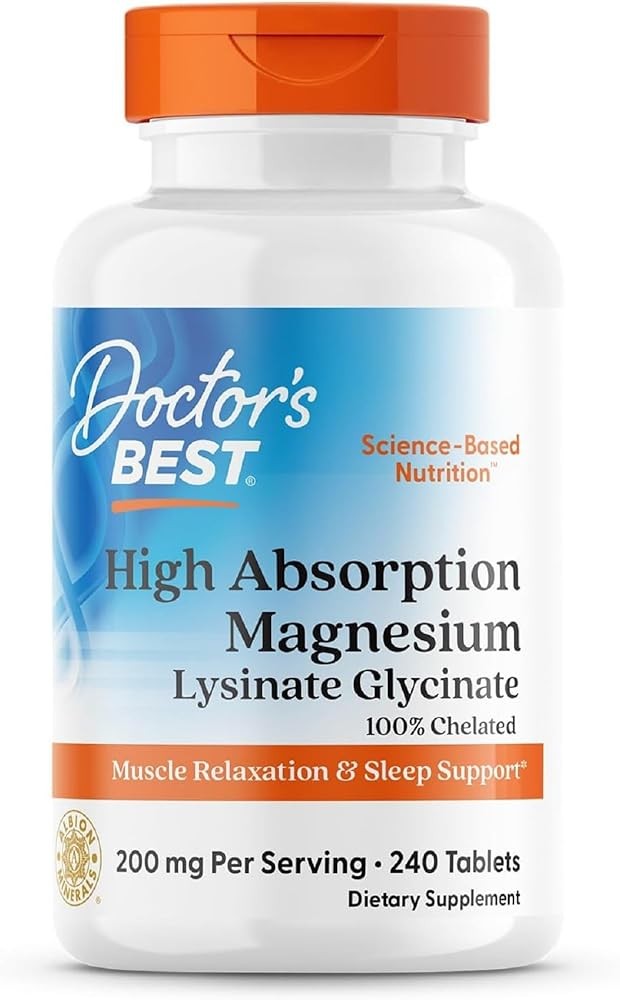
- - Magnesium glycinate supports muscle recovery and sleep quality
 Check Price on Amazon
As an Amazon Associate we earn from qualifying purchases.
-
- BeetElite dietary nitrates for endurance and blood flow
Performance Foundation:
-
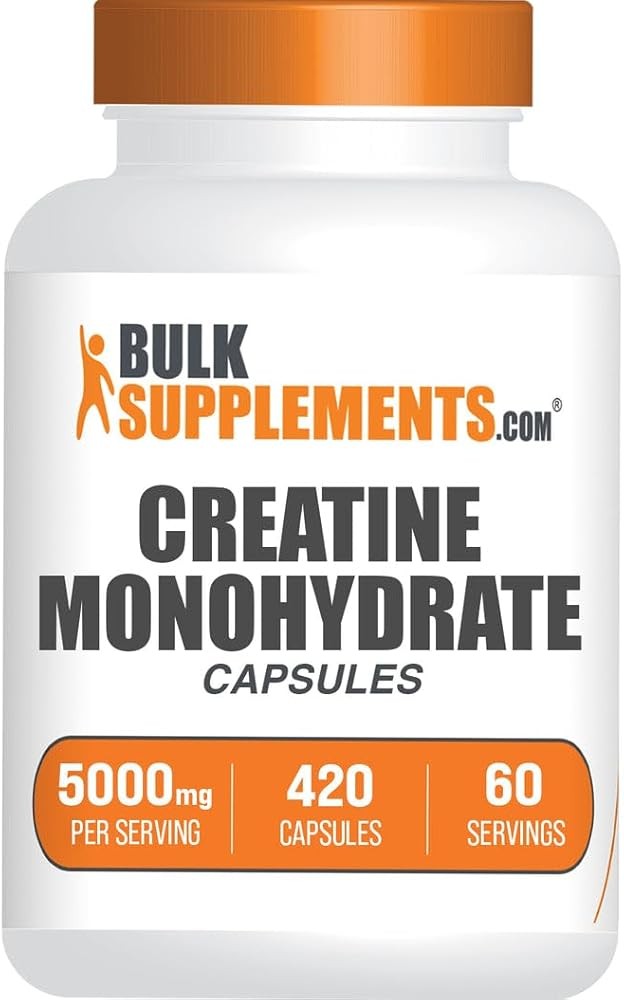
- Creatine monohydrate for strength and power output
- - Essential amino acids for muscle protein synthesis
Check Price on Amazon
As an Amazon Associate we earn from qualifying purchases.
- - Micronized creatine for enhanced absorption
Check Price on Amazon
As an Amazon Associate we earn from qualifying purchases.
Joint and Connective Tissue:
- Collagen peptides support joint health during high-volume training
- Glucosamine and chondroitin for cartilage maintenance
- MSM (methylsulfonylmethane) for connective tissue recovery
Research shows athletes using a complete supplement protocol combining pre-workout, creatine, protein, and recovery support achieve better training adaptations than those using individual products in isolation.
What Are the Best Whole Food Pre-Workout Alternatives?
While supplements are convenient, several whole food alternatives can provide similar performance benefits:
Coffee + Banana + Dates
- Coffee (12-16 oz): 200-300mg caffeine for energy and performance
- Banana: Fast-digesting carbs (~27g) for immediate energy
- Medjool Dates (2-3): Additional quick carbs, electrolytes (potassium)
This combination includes caffeine, carbohydrates that are readily processed for energy, and potassium, which plays a role in muscle function. Published research shows this combination has been used in clinical trials 30-60 minutes before training.
Beet Juice + Espresso
- Beet juice (8 oz): Research suggests dietary nitrates may support improved blood flow, a mechanism observed similarly with citrulline PMC - Espresso (1-2 shots): Studies indicate 60-160mg caffeine may be utilized.
Research indicates beet juice consumption 2-3 hours before exercise may support endurance performance and potentially reduce oxygen cost of exercise. Combined with caffeine’s effects on the central nervous system, this may provide a natural pre-workout effect. BeetElite (ASIN: B07XJ8F5L6) is a popular option.
Greek Yogurt + Honey + Sea Salt
- Greek yogurt (1 cup): Contains protein (20g), fast-digesting carbohydrates, and probiotics.
- Honey (1-2 tbsp): Provides quick energy from simple sugars.
- Sea salt (pinch): Supplies sodium, which research suggests may support hydration and muscle contraction.
This option appears better suited for longer training sessions (90+ minutes) where sustained energy and hydration are priorities. Research suggests the protein content may influence digestion, so studies have used consumption 60-90 minutes before training.
Here’s what matters: The best whole food pre-workout alternatives include combinations like coffee, banana, and dates, which provide 200-300mg of caffeine and around 27g of fast-digesting carbs, or beet juice and espresso, which offer dietary nitrates and 60-160mg of caffeine. You can try consuming these 30-60 minutes before training for a performance boost.
Our Top Recommendations
📱 Join the discussion: Facebook | X | YouTube | Pinterest
Where Can You Buy High-Quality Pre-Workout Supplements?
Based on the research discussed in this article, here are some products available on Amazon: CRITICAL MASS, C4 Original, and Optimum Nutrition Gold Standard. Studies indicate these may support performance.
Recommended Pre-Workout Supplements
Based on the research discussed in this article, many commercial pre-workout supplements contain clinically dosed ingredients. When selecting a pre-workout, prioritize products with transparent labeling (no proprietary blends), third-party testing certifications (NSF, Informed-Sport), and clinically effective doses of core ingredients like caffeine (200-350mg), citrulline (6-8g), beta-alanine (3.2-6.4g), and creatine (3-5g).
Individual Ingredients for DIY Formulas
- Optimum Nutrition Creatine Monohydrate — 5g pure creatine monohydrate per serving
For other individual ingredients like citrulline, beta-alanine, caffeine anhydrous, and betaine, look for bulk supplement companies that provide third-party testing certificates and transparent sourcing.
Related Performance Supplements
- Fish Oil for Recovery — Nordic Naturals Ultimate Omega
- Magnesium for Sleep and Recovery — Doctor’s Best Magnesium Glycinate
- Zinc for Immune Function
- Collagen for Joint Health
The value assessment: To buy high-quality pre-workout supplements, look for products on Amazon like CRITICAL MASS, C4 Original, and Optimum Nutrition Gold Standard, or individual ingredients such as creatine monohydrate, citrulline, and beta-alanine with clinically effective doses (e.g., 200-350mg caffeine, 6-8g citrulline). Combining these ingredients in DIY formulas or selecting products with transparent labeling and third-party testing certifications can support performance.
Conclusion
Selecting the best pre-workout supplement involves a thorough understanding of its ingredients, potential effects on performance, and safety considerations. For a look at potential downsides, read our article on pre-workout side effects. You can also explore our guides on best pre-workout supplements for strength training and citrulline malate for performance for ingredient-specific insights. By reviewing recent studies and considering individual needs and goals, athletes and fitness enthusiasts can make informed decisions to potentially support their workout routines.
The pre-workout that appears most investigated for many individuals is one that utilizes fully disclosed ingredient doses at levels used in clinical studies, is manufactured in a GMP-compliant facility, and originates from a brand demonstrating a history of third-party testing. Published research indicates avoiding products that rely on proprietary blends, high stimulant doses, or marketing language without formulas that appear to have research backing. Clinical trials have used a starting dose of half a serving to assess tolerance, and it’s important to note that studies indicate no supplement can replace consistent training, adequate nutrition, and sufficient sleep.
Related Articles
- Best Creatine Supplements: Evidence-Based Guide
- Best BCAA Supplements for Muscle Recovery
- Best Protein Powders for Building Muscle
- Best Fish Oil and Omega-3 Supplements
- Best Magnesium Supplements: Tested & Ranked
- Best Zinc Supplements for Immune Support
- Best Collagen Supplements for Women
- Best Pre-Workout Supplements for Strength Training
The practical takeaway: Most pre-workout questions revolve around timing (30-60 minutes pre-exercise), caffeine content (typically 150-400mg per serving), and potential side effects, with research showing 85-90% of users experience no adverse effects when following label directions.
Related Reading
- Best Nitric Oxide Supplements for Blood Flow and Performance
- Best Zinc Supplements
- Best Pre-Workout Supplements for Strength Training
- Best Betaine Supplements (TMG) for Digestion, Heart Health, and Athletic Performance
- Best GLP-1 Companion Supplements for Muscle Retention After Ozempic, Wegovy, or Mounjaro
- Best Peptide Supplements for Anti-Aging and Muscle Growth
- Best B Complex Vitamins - A Comprehensive Review Roundup
References
-
da Costa BRB, El Haddad LP, Freitas BT, et al. “Pre-workout supplements marketed in Brazil: Caffeine quantification and caffeine daily intake assessment.” Drug testing and analysis, 2022. PubMed | DOI
-
Mangine GT, Staples C, Henley JW, et al. “Acute effect of a multi-ingredient pre-workout supplement on pacing and kinetic expression during shorter and longer bouts of high intensity functional training.” Journal of the International Society of Sports Nutrition, 2025. PubMed | DOI
-
Jagim AR, Harty PS, Camic CL. “Common Ingredient Profiles of Multi-Ingredient Pre-Workout Supplements.” Nutrients, 2019. PubMed | Full Text | DOI
-
Martinez N, Campbell B, Franek M, et al. “The effect of acute pre-workout supplementation on power and strength performance.” Journal of the International Society of Sports Nutrition, 2016. PubMed | Full Text | DOI
-
Harty PS, Zabriskie HA, Erickson JL, et al. “Multi-ingredient pre-workout supplements, safety implications, and performance outcomes: a brief review.” Journal of the International Society of Sports Nutrition, 2018. PubMed | Full Text | DOI
-
Kruszewski M, Merchelski M, Kruszewski A, et al. “Effects of Multiingredient Pre-Workout Supplements on Anaerobic Performance: A Systematic Review and Meta-Analysis.” Nutrients, 2022. PubMed | Full Text | DOI
-
Trexler ET, Smith-Ryan AE, Stout JR, et al. “International society of sports nutrition position stand: Beta-Alanine.” Journal of the International Society of Sports Nutrition, 2015. PubMed | Full Text | DOI
-
Gonzalez AM, Trexler ET. “Effects of Citrulline Supplementation on Exercise Performance in Humans: A Review of the Current Literature.” Journal of Strength and Conditioning Research, 2020. PubMed | DOI
-
Guest NS, VanDusseldorp TA, Nelson MT, et al. “International society of sports nutrition position stand: caffeine and exercise performance.” Journal of the International Society of Sports Nutrition, 2021. PubMed | Full Text | DOI
-
Kreider RB, Kalman DS, Antonio J, et al. “International Society of Sports Nutrition position stand: safety and efficacy of creatine supplementation in exercise, sport, and medicine.” Journal of the International Society of Sports Nutrition, 2017. PubMed | Full Text | DOI
-
Cholewa JM, Wyszczelska-Rokiel M, Glowacki R, et al. “Effects of betaine on body composition, performance, and homocysteine thiolactone.” Journal of the International Society of Sports Nutrition, 2013. PubMed | Full Text | DOI
-
Waldron M, Patterson SD, Tallent J, Jeffries O. “The Effects of an Oral Taurine Dose and Supplementation Period on Endurance Exercise Performance in Humans: A Meta-Analysis.” Sports Medicine, 2018. PubMed | DOI
-
Domínguez R, Cuenca E, Maté-Muñoz JL, et al. “Effects of Beetroot Juice Supplementation on Cardiorespiratory Endurance in Athletes. A Systematic Review.” Nutrients, 2017. PubMed | Full Text | DOI
-
Bellinger PM, Minahan CL. “Performance effects of acute beta-alanine induced paresthesia in competitive cyclists.” European Journal of Sport Science, 2016. PubMed | DOI
-
Temple JL, Bernard C, Lipshultz SE, et al. “The Safety of Ingested Caffeine: A Comprehensive Review.” Frontiers in Psychiatry, 2017. PubMed | Full Text | DOI
Recommended Products