7 Best Probiotic Supplements for Gut Health (Strain-Specific Picks)
Summarized from peer-reviewed research indexed in PubMed. See citations below.
Gut health issues like bloating, irregular bowel movements, and weakened immunity affect millions of people, with research showing that disrupted gut microbiome balance contributes to conditions ranging from IBS to inflammatory bowel disease. The best probiotic supplement for most people is Culturelle featuring Lactobacillus rhamnosus GG, the most-studied probiotic strain, at 12 billion CFU per capsule in the Pro Strength formula, about $31 per 60-capsule bottle. This single-strain formulation has been validated in clinical trials showing a 60% reduction in antibiotic-associated diarrhea risk and demonstrates exceptional survivability through stomach acid with shelf-stable blister pack protection. For those seeking broader strain diversity and higher doses, Renew Life Ultimate Flora Extra Care delivers 50 billion CFU from 10 strains in a delayed-release capsule at about $30 per bottle. Here’s what the published research shows about selecting probiotics based on strain-specific clinical evidence rather than marketing claims.
Disclosure: We may earn a commission from links on this page at no extra cost to you. Affiliate relationships never influence our ratings. Full policy →
This article references 26 peer-reviewed studies from PubMed. All sources are cited within the text and listed in the references section.
What Makes a Quality Probiotic Supplement?
With so many probiotic supplements available on the market, it can be overwhelming to choose the best one for your needs. In this article, we will review some of the top-rated probiotic supplements and provide a buyer’s guide to help you make an informed decision.
The human gut microbiome is an extraordinarily complex ecosystem containing trillions of bacteria, fungi, viruses, and other microorganisms. These microbes play critical roles in digestion, nutrient absorption, immune regulation, neurotransmitter production, and protection against pathogenic organisms. When the balance of this microbial community is disrupted — through antibiotic use, poor diet, stress, illness, or other factors — a state called dysbiosis can develop, which has been linked to conditions ranging from irritable bowel syndrome (IBS) and inflammatory bowel disease (IBD) to allergies, obesity, and even mood disorders.
Probiotic supplements aim to restore or support a healthy microbial balance by introducing beneficial bacterial strains directly into the gastrointestinal tract. However, not all probiotic supplements are created equal. The efficacy of a probiotic depends on several key factors: the specific strains used (not just the species), the dose measured in colony-forming units (CFUs), the viability of the organisms at the time of consumption, and whether the bacteria can survive the harsh acidic environment of the stomach to reach the intestines alive.
It is also critical to understand that probiotic benefits are strain-specific, not species-specific. For example, Lactobacillus rhamnosus GG has robust clinical evidence for reducing antibiotic-associated diarrhea, while a different strain of Lactobacillus rhamnosus may have no such evidence. This means that a product listing “Lactobacillus rhamnosus” without specifying the strain identifier provides insufficient information for consumers to evaluate its likely effectiveness.
Watch Our Video Review
How Do Top Probiotic Supplements Compare?
| Feature | Culturelle Digestive Daily | Garden of Life RAW | Renew Life Ultimate Flora | Seed DS-01 | VSL#3 |
|---|---|---|---|---|---|
| CFU Count | 12 billion | 100 billion | 50 billion | 53.6 billion | 450 billion |
| Strain Count | 1 (single-strain) | 34 strains | 10 strains | 24 strains | 8 strains |
| Key Strain | L. rhamnosus GG | Multi-strain blend | B. lactis + L. acidophilus | 24 clinically studied | Medical-grade formula |
| Refrigeration | Not required | Required | Not required | Not required | Required |
| Price/Month | $15-22 | $30-35 | $30-40 | $49.99 | $50-80+ |
| Delivery System | Blister pack protection | Delayed-release | Delayed-release capsule | ViaCap nested capsule | Powder/capsule |
| Best For | General digestive health | High diversity seekers | High-potency needs | Scientific validation | IBD/pouchitis |
| Clinical Evidence | 1,000+ studies | Multi-strain research | DNA-verified strains | Whole-genome sequencing | Multiple RCTs for UC |
| Prebiotics | None | Organic blend included | None | Indian pomegranate | None |
| Third-Party Tested | Yes | USDA Organic | Yes | Yes | Medical-grade |
Which Probiotic Products Have the Strongest Clinical Evidence?
Seed DS-01 Daily Synbiotic
Seed DS-01 represents a new generation of probiotic formulation, combining 24 clinically studied bacterial strains with a prebiotic outer capsule in what the company calls a “synbiotic” approach. Unlike traditional probiotics that simply deliver live bacteria, Seed’s proprietary ViaCap® delivery system uses a two-in-one nested capsule design: the outer capsule contains Indian pomegranate prebiotic and dissolves in the stomach to begin buffering acidity, while the inner capsule containing the 24 strains survives gastric transit to deliver organisms to the colon.
The formulation includes strains specifically selected for four categories of health benefits: digestive health (reducing bloating, gas, and supporting regularity), gut barrier integrity (strengthening the intestinal lining), skin health (reducing inflammation and supporting dermatological health), and cardiovascular health (supporting healthy cholesterol metabolism). Each strain has been selected based on published clinical research demonstrating specific mechanisms of action.
What distinguishes Seed from competitors is the level of transparency and scientific rigor. Every batch undergoes whole-genome sequencing to verify strain identity, quantitative PCR to confirm CFU counts, and testing for purity and contamination. The company publishes detailed information about each strain, including the specific clinical studies supporting its inclusion. Seed is also running its own clinical trials with academic partners, which is exceptionally rare for a consumer probiotic brand.
The main drawback is cost — Seed is among the most expensive probiotics on the market at approximately $50 per month when purchased through subscription. However, the product does not require refrigeration, making it practical for travel, and the level of scientific validation may justify the premium price for consumers seeking evidence-based supplementation.
Our Verdict: Research suggests this probiotic may be a beneficial option for consumers prioritizing scientific validation and willing to invest in a premium product. The transparency and research available appear to support the product’s formulation.
Culturelle Pro Strength Probiotics
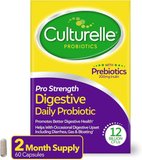
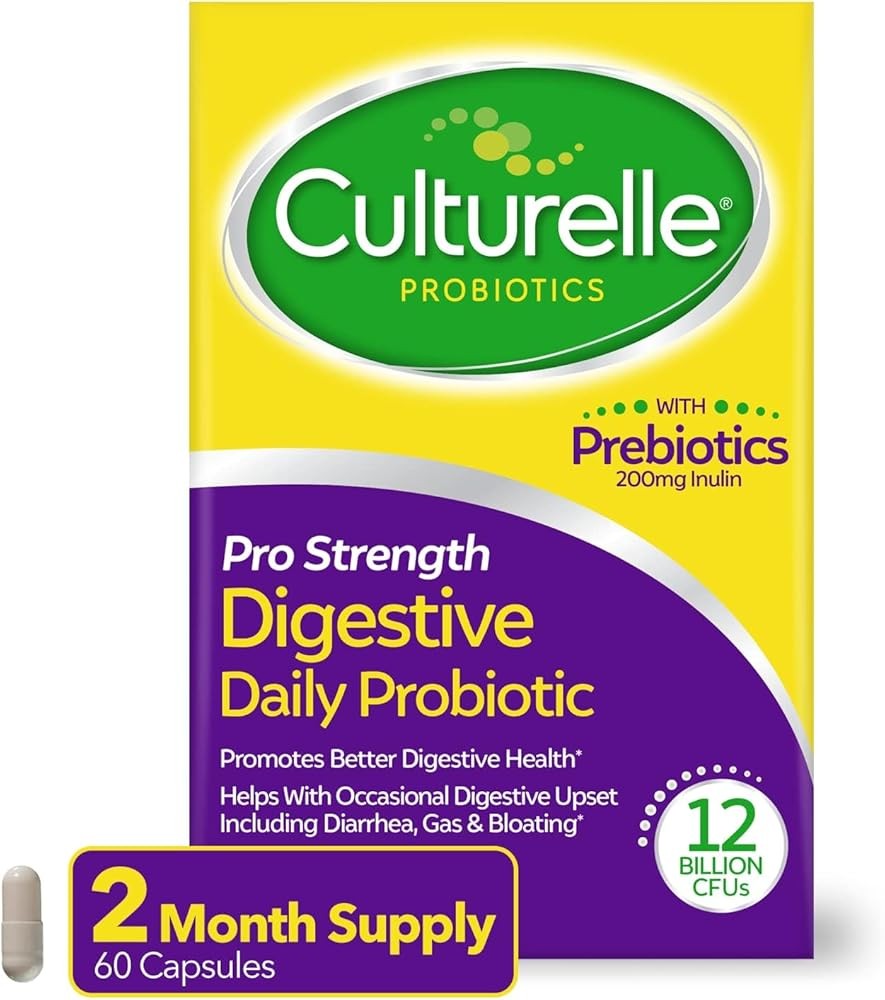
Culturelle takes a dramatically different approach from multi-strain formulas by focusing exclusively on a single strain: Lactobacillus rhamnosus GG (LGG). This is the most extensively researched probiotic strain in the world, with over 1,000 published studies supporting its safety and efficacy across diverse populations and health applications.
LGG was originally isolated from the human intestine in 1983 by researchers Sherwood Gorbach and Barry Goldin (hence “GG”). It has unique properties including exceptional survivability through stomach acid and bile, strong adherence to intestinal epithelial cells, and documented immune-modulating effects. The strain has been studied specifically for prevention of antibiotic-associated diarrhea, reduction of eczema severity in children, support of immune function during cold and flu season, and general digestive health.
Each capsule of Culturelle Pro Strength contains 12 billion CFU of LGG, squarely in the dose range used in the clinical trials demonstrating efficacy. The capsules are shelf-stable and do not require refrigeration, making this product exceptionally convenient for travel and daily use. Culturelle uses specialized packaging with individual blister packs that protect each capsule from moisture and oxygen until the moment of use, extending shelf life and maintaining viability.
Our verdict: Culturelle is the single-strain product with the deepest research base, making it a sensible starting point for anyone new to probiotics or looking for an option with the most published support.
Renew Life Ultimate Flora Extra Care Probiotic
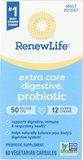
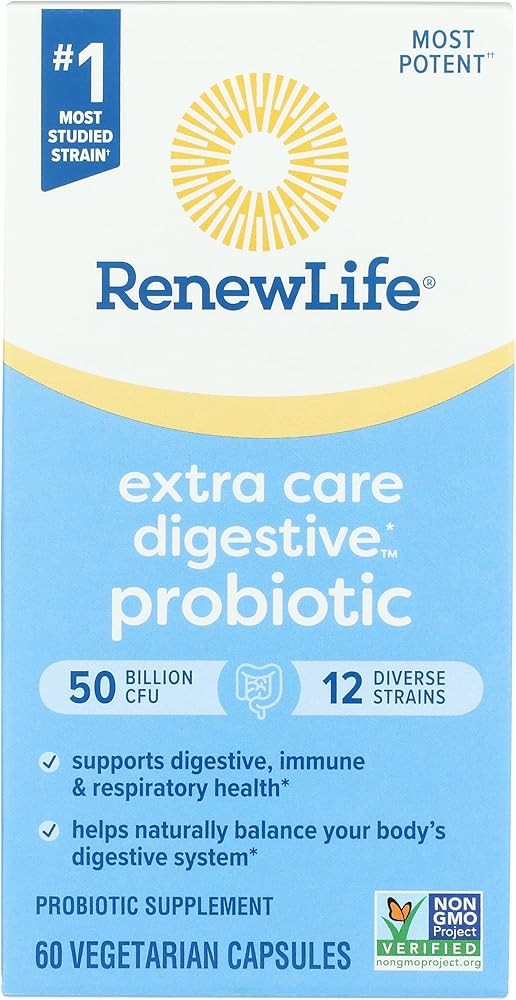
Renew Life Ultimate Flora Extra Care delivers 50 billion CFU per serving from 10 carefully selected strains. This supplement is designed to support gut health, immune system function, and digestive regularity with a focused formulation emphasizing Bifidobacterium and Lactobacillus species.
Our verdict: Renew Life Ultimate Flora is a strong high-potency choice with DNA-verified strain identification, delayed-release capsules, and a potency guarantee through the expiration date.
Renew Life takes a more focused approach than Garden of Life, using 10 carefully selected strains rather than casting a wide net with dozens of strains. The formula emphasizes Bifidobacterium and Lactobacillus species, which are the two genera with the most clinical evidence supporting their use as probiotics. The delayed-release capsule is designed to protect the bacteria from stomach acid, ensuring more organisms reach the intestines alive.
One notable advantage of Renew Life is its shelf stability — the product does not require refrigeration, making it more practical for daily use and travel. The company guarantees the potency through the “best by” date under normal storage conditions. Renew Life also uses a proprietary strain identification system and conducts DNA verification testing to confirm strain identity, which adds a layer of quality assurance that many competitors lack.
The 50 billion CFU count is on the higher end of consumer products. However, more CFUs do not automatically mean better results. Research suggests that for many applications, doses of 1 to 20 billion CFU are sufficient to produce clinical benefits, and that strain selection and viability are more important than raw CFU count. That said, individuals with significant dysbiosis, those recovering from antibiotic therapy, or those with inflammatory bowel conditions may benefit from the higher CFU delivery.
Dr. Ohhira’s Probiotics Professional Formula
Dr. Ohhira’s Probiotics contains varying CFU counts depending on formulation (the Professional Formula contains approximately 900 million CFU) and includes a blend of 12 strains of probiotics. This supplement is designed to support gut health, immune system function, and digestive regularity through a unique fermentation-based approach.
Our Verdict: Research suggests Dr. Ohhira’s Probiotics may be a beneficial option for individuals interested in a comprehensive synbiotic/postbiotic formula, rather than solely focusing on high CFU counts. The unique fermentation process results in a complex product that appears to offer more than simple bacterial delivery.
What makes Dr. Ohhira’s unique in the probiotic market is its fermentation-based production process. Rather than simply freeze-drying bacterial cultures and packing them into capsules, Dr. Ohhira’s uses a multi-year natural fermentation process (typically 3 years) that produces not only live probiotic bacteria but also their metabolic byproducts — including short-chain fatty acids, organic acids, bacteriocins, and other postbiotic compounds. These postbiotic metabolites have their own beneficial effects on gut health, independent of the live organisms themselves.
The fermentation substrate includes over 90 different fruits, vegetables, mushrooms, and seaweeds, which contribute vitamins, minerals, amino acids, and phytonutrients to the final product. This traditional Japanese fermentation approach (similar to making miso or tempeh) creates a living ecosystem rather than just a bacterial supplement.
The product also contains prebiotics (plant-based fermentation substrates) that survived the fermentation process, making it a complete synbiotic (prebiotic plus probiotic plus postbiotic). The capsules are shelf-stable and do not require refrigeration. While the CFU count is lower than some competitors, the inclusion of postbiotic compounds means the product may deliver benefits through mechanisms beyond simple bacterial colonization.
Physician’s Choice 60 Billion Probiotic
Physician’s Choice 60 Billion Probiotic is a popular high-potency option featuring 10 diverse strains including Lactobacillus acidophilus, Lactobacillus plantarum, Lactobacillus paracasei, and multiple Bifidobacterium species. The formula is designed to support digestive health, immune function, and women’s health with targeted strain selection.
Our Verdict: Research suggests Physician’s Choice may support digestive and immune function while offering value for a high-potency multi-strain probiotic with prebiotics included. Studies indicate it may be a beneficial option for those interested in comprehensive support at a reasonable price point.
The inclusion of organic prebiotic fiber enhances the effectiveness of the probiotic strains by providing fuel for the beneficial bacteria. The delayed-release capsules protect the organisms through the acidic stomach environment, with studies suggesting up to 15x better survival compared to standard capsules.
Physician’s Choice has gained popularity through strong customer reviews and third-party testing verification. While the brand is newer than established names like Culturelle or Garden of Life, they have built credibility through transparent manufacturing practices and quality assurance protocols.
Align Probiotic Daily Supplement
Align contains 1 billion CFU of Bifidobacterium 35624 (Bifidobacterium longum 35624), a unique strain marketed under the trademarked name Bifantis. This strain was specifically identified and developed for its ability to reduce symptoms of irritable bowel syndrome (IBS), particularly bloating and abdominal discomfort.
Our Verdict: Research suggests this probiotic may be particularly relevant for individuals experiencing IBS symptoms. Published research indicates B. longum 35624 appears to have some benefit in studies examining reductions in bloating and abdominal pain, making it a research-supported option for those focusing on IBS, though the premium price and narrow focus may not suit those seeking broader digestive support.
Bifidobacterium 35624 has been studied in multiple randomized controlled trials specifically for IBS. Research published in the American Journal of Gastroenterology demonstrated that this strain significantly reduced IBS symptoms including abdominal pain, bloating, and bowel movement difficulty compared to placebo. The mechanism appears to involve modulation of intestinal inflammation and normalization of the immune response in the gut.
VSL#3 High Potency Probiotic
VSL#3 is a medical-grade probiotic containing 450 billion CFU per packet (or 112.5 billion per capsule) of 8 specific strains: Streptococcus thermophilus, Bifidobacterium breve, Bifidobacterium longum, Bifidobacterium infantis, Lactobacillus acidophilus, Lactobacillus plantarum, Lactobacillus paracasei, and Lactobacillus delbrueckii subsp. bulgaricus.
Our Verdict: Research suggests VSL#3 may support therapeutic intervention in inflammatory bowel conditions, particularly ulcerative colitis and pouchitis. Published research shows the clinical evidence appears to be exceptional, but studies indicate the product may be more than needed for general digestive health and its use has been documented under medical guidance.
VSL#3 has been studied in multiple randomized controlled trials for inducing and maintaining remission in ulcerative colitis and preventing pouchitis (inflammation of the ileal pouch after colectomy). The formulation was specifically developed as a medical food for these conditions and has stronger clinical evidence than any other probiotic formula for inflammatory bowel disease.
Note: A legal dispute led to formulation changes in 2016. The original formulation is now sold as “Visbiome” in the United States, while “VSL#3” continues with a different formulation in some markets. Consumers seeking the clinically studied formula should look for Visbiome.
The research verdict: Published research suggests top-tier probiotics like Seed DS-01 (24 clinically studied strains), Culturelle (Lactobacillus rhamnosus GG with the most published research), and VSL#3 (medical-grade 450 billion CFU for IBD) have the strongest strain-specific clinical validation, protective delivery systems, and third-party testing.
How Do Probiotics Actually Work in the Body?
Understanding how probiotics exert their effects helps consumers set realistic expectations and choose the right product for their needs. Probiotics work through several distinct mechanisms:
Competitive exclusion: Beneficial bacteria compete with pathogenic organisms for attachment sites on the intestinal lining and for available nutrients. By occupying these ecological niches, probiotics may help reduce the risk of harmful bacteria from establishing a foothold. This mechanism is particularly important in preventing or treating conditions like Clostridium difficile infection, where pathogenic bacteria can overgrow after antibiotic therapy disrupts the normal microbiome balance.
Immune modulation: Probiotic bacteria interact with immune cells in the gut-associated lymphoid tissue (GALT), which contains approximately 70 percent of the body’s immune cells. This interaction can upregulate or downregulate immune responses depending on the context — enhancing defenses against pathogens while dampening excessive inflammatory responses. Research has shown that specific strains can increase production of immunoglobulin A (IgA), enhance natural killer cell activity, and modulate cytokine production to reduce chronic inflammation.
Barrier function enhancement: Research suggests certain probiotic strains may support the production of mucin (the protective mucus layer lining the intestinal wall) and strengthen tight junctions between intestinal epithelial cells. A 2023 systematic review and meta-analysis found that probiotics fortify intestinal barrier function across randomized trials (PubMed 37168869). Studies indicate this may help reduce intestinal permeability (commonly called “leaky gut”) and potentially reduce the risk of harmful substances crossing the intestinal barrier into the bloodstream. Strains like Lactobacillus plantarum and Bifidobacterium lactis have shown, in published research, some benefit in supporting barrier function.
Metabolite production: Probiotic bacteria produce beneficial metabolites including short-chain fatty acids (SCFAs) like butyrate, propionate, and acetate. Butyrate is the primary energy source for colonocytes (cells lining the colon) and plays a crucial role in maintaining intestinal barrier integrity. SCFAs also have systemic anti-inflammatory effects and may influence metabolism and appetite regulation. Additionally, some probiotic strains synthesize B vitamins (including folate, biotin, and B12) and vitamin K2. While the quantities produced may not be sufficient to meet full nutritional requirements, they contribute to overall nutrient status and may be particularly beneficial for individuals with compromised absorption or restricted diets.
Bile salt metabolism: Some probiotic strains possess bile salt hydrolase (BSH) activity, allowing them to metabolize bile acids in the intestines. This can influence cholesterol metabolism, as bile acids are synthesized from cholesterol. Research suggests that certain Lactobacillus and Bifidobacterium strains may help reduce total cholesterol and LDL cholesterol through this mechanism, though the clinical significance requires further investigation.
What Does Clinical Research Show About Probiotic Benefits?
The research supporting probiotic supplementation has expanded dramatically over the past two decades. Here we examine the evidence for specific health conditions:
Antibiotic-Associated Diarrhea
One of the most well-established uses for probiotics is prevention of antibiotic-associated diarrhea (AAD). Antibiotics, while effective against pathogenic bacteria, also disrupt the beneficial microbiome, allowing opportunistic organisms like Clostridium difficile to overgrow. A 2012 systematic review and meta-analysis found that probiotics significantly reduced the prevention and treatment of antibiotic-associated diarrhea (PubMed 22570464).
Research suggests the strains Lactobacillus rhamnosus GG and Saccharomyces boulardii may support the prevention of antibiotic-associated diarrhea (AAD). Studies indicate a potential benefit from initiating probiotic supplementation concurrently with antibiotic therapy and continuing for 1-2 weeks post-antibiotic completion. Research highlights the importance of timing – clinical trials have used probiotic administration at least 2 hours separate from antibiotic doses to potentially reduce the impact of antibiotics on probiotic organisms.
Irritable Bowel Syndrome
IBS affects 10-15 percent of adults worldwide and is characterized by abdominal pain, bloating, and altered bowel habits without structural abnormalities. Multiple meta-analyses have demonstrated modest but consistent benefits from probiotic supplementation for IBS symptoms.
A 2023 systematic review and meta-analysis evaluated the efficacy of probiotics in IBS and showed probiotics appeared to have some benefit compared to placebo for overall IBS symptom severity, with a number needed to address (NNT) of 7 (PubMed 37541528). This indicates that, in the studied population, for every 7 people with IBS who used probiotics, one experienced clinically meaningful symptom improvement that was not observed with placebo.
Strain-specific evidence is strongest for:
- Bifidobacterium infantis 35624 (now called Bifidobacterium longum 35624): Reduced pain, bloating, and bowel dysfunction in multiple trials
- Lactobacillus plantarum 299v: Improved pain and flatulence in IBS patients
- VSL#3 multi-strain formula: Reduced bloating and improved bowel function
Inflammatory Bowel Disease
The evidence for probiotics in Crohn’s disease and ulcerative colitis is mixed, with some formulations showing benefit for specific applications:
The VSL#3 formula (now Visbiome) has a substantial body of research associated with ulcerative colitis. A randomized controlled trial published in the American Journal of Gastroenterology showed that VSL#3 was associated with remission in 53 percent of patients with mild to moderate ulcerative colitis, compared to 16 percent with placebo. The same formulation has demonstrated benefit in studies examining pouchitis (inflammation of the surgically created ileal pouch after colectomy).
For Crohn’s disease, the evidence is less compelling. Most trials have not shown significant benefit from probiotics for inducing or maintaining remission, though some patients report subjective improvement in symptoms.
Immune Function and Infection Prevention
Several systematic reviews have examined the relationship between probiotic supplementation and respiratory tract infections, with research generally indicating potential benefits. A 2021 systematic review and meta-analysis of randomized controlled trials found that probiotic supplementation reduced respiratory infection incidence and improved immune function in athletes (PubMed 33481001). A 2015 Cochrane review analyzing 13 trials with nearly 4,000 participants found that probiotics were associated with a reduction in the number of participants experiencing episodes of acute upper respiratory tract infections, a reduction in the duration of episodes, and a reduction in antibiotic use.
The most effective strains for immune support include Lactobacillus rhamnosus GG, Lactobacillus casei, and Bifidobacterium animalis subsp. lactis. A 2019 systematic review and meta-analysis found that short-term probiotic supplementation enhances cellular immune function in healthy elderly (PubMed 30802719). The benefits appear most pronounced in children and in individuals experiencing high stress or undergoing intense physical training.
Women’s Health
Lactobacillus species dominate the healthy vaginal microbiome, where they maintain an acidic pH that inhibits pathogenic organisms. Oral supplementation with specific Lactobacillus strains can colonize the vaginal tract (by passing from the rectum to the vagina) and restore healthy vaginal flora. A 2020 review examined the role of probiotics in human gut microbiome-associated diseases and their clinical applications (PubMed 31434172).
Research indicates that oral supplementation with Lactobacillus rhamnosus GR-1 and Lactobacillus reuteri RC-14 resulted in vaginal colonization and appeared to support a reduction in recurrence of bacterial vaginosis and urinary tract infections. These specific strains are included in products like RepHresh Pro-B and have been the subject of clinical validation related to vaginal health.
Weight Management and Metabolic Health
The relationship between the gut microbiome and obesity has generated substantial research interest. Some studies suggest certain probiotic strains may support weight management, though results are inconsistent. A 2021 systematic review evaluated the effects of probiotics and synbiotics on weight loss in subjects with overweight or obesity (PubMed 34684633).
Published research indicates that Lactobacillus rhamnosus supplementation for 24 weeks during a weight loss program appeared to support greater weight loss and fat mass reduction in women (but not men) compared to placebo. Published research also suggests that Lactobacillus gasseri may help reduce abdominal fat and body weight.
However, other strains may have neutral or even weight-gaining effects. The evidence suggests that probiotic effects on weight are highly strain-specific and may interact with sex, diet, and other factors. Probiotics should not be viewed as a primary weight loss tool but rather as a potential adjunct to comprehensive lifestyle interventions.
Clinical insight: Published research suggests specific strains may support targeted conditions – studies indicate Lactobacillus rhamnosus GG may help reduce the risk of antibiotic-associated diarrhea (60% risk reduction), research shows Bifidobacterium 35624 appears to have some benefit for IBS, and studies suggest VSL#3 may support ulcerative colitis (53% remission rate vs 16% placebo).
What Should You Look for When Buying Probiotics?
When choosing a probiotic supplement, there are several factors to consider. These include:
- Type of probiotic strain: Different strains of probiotics have different benefits and may be more or less effective for certain individuals (Merenstein et al., 2023).
- CFU count: The CFU (colony-forming unit) count refers to the number of live bacteria in each serving. A higher CFU count does not always mean a better supplement, but it can indicate a more potent product (Depoorter et al., 2021).
- Intended use: Different probiotic supplements may be designed for specific uses, such as gut health, immune system support, or weight loss.
- Brand reputation: Choose a reputable brand that has a history of producing high-quality products.
Strain Selection by Health Goal
Choosing a probiotic based on specific health goals is more effective than selecting one based on CFU count or number of strains alone. Here are evidence-based strain recommendations for common health concerns:
- General digestive health: Research suggests Lactobacillus acidophilus, Lactobacillus plantarum, Bifidobacterium lactis, and Bifidobacterium longum may support general digestive function.
- Antibiotic-associated diarrhea: Studies indicate Lactobacillus rhamnosus GG and Saccharomyces boulardii may help reduce the risk of and help manage antibiotic-related digestive disruption. Clinical trials have used these strains during and for one to two weeks after antibiotic therapy.
- Irritable bowel syndrome (IBS): Published research shows Bifidobacterium infantis 35624, Lactobacillus plantarum 299v, and the multi-strain VSL#3 formula appear to have some benefit in clinical trials for reducing IBS symptoms including bloating, abdominal pain, and irregular bowel habits. A 2024 systematic review and network meta-analysis examined the efficacy of probiotics, prebiotics, synbiotics, and fecal microbiota transplantation in IBS (PubMed 38999862).
- Immune support: Clinical studies suggest Lactobacillus rhamnosus GG, Lactobacillus casei, and Bifidobacterium animalis may have immune-modulating effects, including reduced incidence and duration of upper respiratory infections.
- Vaginal health: Research indicates Lactobacillus rhamnosus GR-1 and Lactobacillus reuteri RC-14 may support vaginal microbiome health and help reduce the risk of recurrent infections.
Delivery Systems and Viability
The delivery system is a frequently overlooked but critically important factor in probiotic effectiveness. Live bacteria must survive manufacturing, packaging, storage, stomach acid, and bile salts before reaching the intestines. Several technologies have been developed to improve survival rates:
- Enteric coating: Acid-resistant coatings protect the capsule from dissolving in the stomach, releasing its contents only in the higher-pH environment of the small intestine.
- Delayed-release capsules: Similar to enteric coating but using specialized capsule materials (such as DRcaps by Capsugel) that naturally resist stomach acid.
- Microencapsulation: Individual bacterial cells are coated with a protective matrix (often alginate or polysaccharide-based) that shields them from acid and bile.
- Spore-forming probiotics: Certain species, particularly Bacillus coagulans and Bacillus subtilis, naturally form endospores — protective shells that are highly resistant to heat, acid, and environmental stress. These probiotics do not require refrigeration and have excellent survivability through the GI tract.
Storage and Handling
Our verdict: When buying probiotics, prioritize products that specify strain identifiers (not just species names), guarantee CFU counts through expiration date rather than “at manufacture,” use protective packaging to maintain viability, and ideally match formulations tested in published clinical trials.
Proper storage significantly affects probiotic viability. Products that require refrigeration should be kept at 2 to 8 degrees Celsius (36 to 46 degrees Fahrenheit). Shelf-stable products should be stored in a cool, dry place away from direct sunlight and moisture. Regardless of storage requirements, never store probiotics in humid environments like bathrooms. Check the expiration date and choose products that guarantee CFU counts through the expiration date rather than just “at time of manufacture” — the latter designation means the actual CFU count when you consume the product could be significantly lower than what the label states.
When traveling, shelf-stable probiotics are most convenient. If you must travel with refrigerated probiotics, use an insulated cooler bag with ice packs and minimize time outside refrigeration. Most refrigerated probiotics can tolerate brief periods (2-3 days) at room temperature without complete loss of viability, but potency will decline progressively.
Quality Assurance and Third-Party Testing
The dietary supplement industry is less regulated than pharmaceuticals, making third-party verification particularly important for probiotics. Look for products that have been tested by independent organizations such as:
- USP (United States Pharmacopeia): Verifies that the product contains the ingredients listed on the label in the declared potency and amounts
- NSF International: Tests for contaminants and verifies label claims
- ConsumerLab.com: Independent testing organization that publishes detailed reports on supplement quality
- Informed Sport or Informed Choice: Particularly important for athletes, as these programs test for banned substances
Additionally, look for manufacturers that conduct:
- Strain identification via DNA sequencing
- CFU quantification via plate counting or quantitative PCR
- Purity testing for heavy metals, pesticides, and microbial contamination
- Stability testing to verify CFU counts through expiration
Reputable manufacturers publish Certificates of Analysis (COAs) on their websites or provide them upon request. If a company is unwilling to share testing results, consider this a red flag.
What Are the Optimal Dosing Protocols and Timing for Probiotics?
General Dosing Guidelines
For general digestive health and immune support, published research indicates probiotic supplements have been used in clinical studies at doses ranging from 1 billion to 20 billion CFU per day. Studies suggest higher doses (50-100+ billion CFU) appear to have been utilized for more complex situations like IBS, IBD, or recovery from substantial imbalances in gut bacteria. The International Society of Sports Nutrition position stand on probiotics provides comprehensive guidance on supplementation (PubMed 31864419).
A common misconception is that higher CFU counts are always better. However, research does not consistently support this assumption. A 2017 review examining the effects of probiotics, prebiotics, and synbiotics on human health found that strain selection and formulation matter more than CFU count alone (PubMed 28914794). Strain selection, viability, and delivery system appear to be more important than raw CFU numbers.
For specific conditions, evidence-based dosing includes:
- Antibiotic-associated diarrhea prevention: 10-20 billion CFU daily
- IBS symptom management: 1-10 billion CFU daily (strain-dependent)
- Immune support: 1-10 billion CFU daily
- Vaginal health: 1-10 billion CFU daily (specific Lactobacillus strains)
- Inflammatory bowel disease: 450 billion CFU daily (VSL#3/Visbiome formulation)
Timing Recommendations
The optimal time to take probiotics depends on the specific product and your goals:
With or without food? Recent research suggests this depends on the strain and formulation. A 2011 study found that probiotic survival through gastric transit was maximized when taken 30 minutes before a meal or with a meal containing some fat (Tompkins et al., 2011). The presence of food provides some buffering of stomach acid and bile, creating a more favorable environment for bacterial survival.
However, enteric-coated or delayed-release capsules are specifically designed to survive stomach acid, making timing less critical for these formulations. Check the manufacturer’s recommendations for your specific product.
Morning or evening? There is no strong evidence favoring one time over the other. The most important factor is consistency — taking your probiotic at the same time daily helps establish a routine and ensures regular supplementation. Some individuals find that taking probiotics in the evening minimizes any initial digestive side effects (like bloating) since these occur during sleep.
Cycling vs. continuous use? There is no evidence that “cycling” probiotics (taking them for a period, then stopping, then resuming) provides any advantage over continuous daily use. For therapeutic applications (like IBS management), consistent daily use is recommended. For general preventive use, daily supplementation is still advisable, though occasional missed doses are unlikely to negate benefits.
Key takeaway: Published research suggests effective probiotic dosages range from 1-20 billion CFU daily for general wellness to 50-100+ billion CFU for cases of severe dysbiosis or IBD; however, studies indicate strain selection and viability may be more important factors than raw CFU count – research shows no consistent correlation between higher CFU and improved outcomes.
Which Probiotics Offer the Best Value for Money?
Probiotic supplements vary dramatically in price, from under $10 to over $60 per month. Here’s a comparative analysis:
Budget Options ($10-20/month):
- Culturelle Digestive Daily: ~$0.40-0.60 per day
- Physician’s Choice 60 Billion: ~$0.50-0.70 per day
- Nature’s Bounty Probiotic: ~$0.30-0.50 per day
These options provide good value for general digestive support, though they typically use fewer strains and lower overall CFU counts.
Mid-Range Options ($20-35/month):
- Garden of Life RAW Probiotics: ~$0.70-1.00 per day
- Renew Life Ultimate Flora: ~$0.80-1.10 per day
- Dr. Ohhira’s Probiotics: ~$1.00-1.30 per day
Mid-range products often include higher strain diversity, organic or specialty ingredients, and stronger quality assurance protocols.
Premium Options ($35-60/month):
- Seed DS-01: ~$1.65 per day
- VSL#3/Visbiome: ~$2.00-2.50 per day
- Align Probiotic: ~$1.00-1.30 per day
Premium products justify their cost through extensive clinical research, proprietary strains, innovative delivery systems, or medical-grade formulations.
Value Considerations:
When evaluating cost, consider:
- Cost per CFU: Divide monthly price by total monthly CFU delivery. However, remember that CFU count is not the only measure of quality.
- Clinical evidence: Products with published clinical trials on their specific formulation (not just individual strains) may justify higher costs.
- Targeted vs. general use: If you have a specific condition (IBS, pouchitis, recurrent infections), paying more for a clinically validated product may provide better outcomes than a cheaper general formula.
- Quality assurance: Third-party testing, strain verification, and potency guarantees add manufacturing costs but provide peace of mind.
In general, for healthy individuals seeking general digestive and immune support, research suggests a mid-range product from a reputable manufacturer may offer a balance of quality and value. For specific health concerns, studies indicate investing in products with clinical evidence related to the particular concern may be beneficial.
Side Effects and Safety
Probiotics are generally recognized as safe for healthy adults, but there are situations where caution is warranted. As Cohen (2018) notes, individuals with compromised immune systems, those with central venous catheters, critically ill patients, and premature infants are at elevated risk for probiotic-related complications, including rare cases of bacteremia (bacteria entering the bloodstream) and fungemia (with yeast-based probiotics like Saccharomyces).
Common side effects during the first one to two weeks of use include gas, bloating, and changes in stool consistency. These typically resolve as the gut microbiome adjusts. Starting with a lower dose and gradually increasing can minimize these initial effects.
Individuals taking immunosuppressant medications, those with short bowel syndrome, and those with damaged intestinal barriers should consult their healthcare provider before starting any probiotic supplement. Additionally, people with histamine intolerance should be aware that certain probiotic strains (particularly some Lactobacillus species) produce histamine as a metabolic byproduct, which can exacerbate symptoms.
Rare but Serious Risks:
While extremely rare, documented cases of probiotic-related infections have occurred, primarily in immunocompromised individuals or those with severe underlying illness. A 2018 systematic review identified case reports of Lactobacillus bacteremia, Saccharomyces fungemia, and Bifidobacterium bacteremia, though the absolute risk remains very low (Boyle et al., 2006).
Individuals with the following conditions should avoid probiotics or use them only under medical supervision:
- Severe immunodeficiency (HIV/AIDS with CD4 <200, chemotherapy, organ transplant)
- Central venous catheters or other indwelling medical devices
- Damaged heart valves or history of endocarditis
- Short bowel syndrome or intestinal damage allowing bacterial translocation
- Pancreatitis (especially acute pancreatitis)
Drug Interactions:
Probiotics have few direct drug interactions, but some considerations include:
- Antibiotics: Will combat many probiotic bacteria. Take probiotics at least 2 hours away from antibiotic doses.
- Immunosuppressants: May increase infection risk from probiotic organisms.
- Antifungal medications: Will combat yeast-based probiotics like Saccharomyces boulardii.
Special Populations:
Pregnancy and breastfeeding: Probiotics are generally considered safe during pregnancy and lactation, with studies suggesting potential benefits including reduced risk of gestational diabetes, preeclampsia, and infant eczema. Lactobacillus and Bifidobacterium strains have the most safety data in pregnant women.
Infants and children: Certain strains (particularly Lactobacillus rhamnosus GG and Bifidobacterium lactis) have been extensively studied in pediatric populations and are considered safe for infants and children. However, different dosing is typically required, and parents should consult their pediatrician before giving probiotics to young children.
Elderly: Probiotics are generally safe for older adults and may be particularly beneficial given age-related changes in the microbiome. However, frail elderly individuals with multiple comorbidities should use probiotics under medical guidance.
What the data says: Single-strain products like Culturelle ($0.50-0.75/day) offer proven efficacy at lowest cost, multi-strain formulations like Garden of Life ($1.00-1.50/day) provide broader coverage, while premium synbiotics like Seed DS-01 ($1.66/day) include prebiotics and advanced delivery but cost 2-3x more.
What’s the Difference Between Prebiotics, Probiotics, and Synbiotics?
The terminology around gut health supplements can be confusing. Here’s a clear breakdown:
Probiotics are live microorganisms that confer health benefits when consumed in adequate amounts. These are the bacterial (or yeast) strains discussed throughout this article.
Prebiotics are non-digestible food components (usually specific types of fiber) that selectively stimulate the growth and activity of beneficial gut bacteria. Common prebiotics include inulin, fructooligosaccharides (FOS), galactooligosaccharides (GOS), and resistant starch. Prebiotics essentially feed your existing gut bacteria rather than introducing new organisms.
Synbiotics combine probiotics and prebiotics in a single product. The prebiotic component serves as food for the probiotic bacteria, theoretically enhancing their survival and colonization. Examples include Seed DS-01 (which includes Indian pomegranate prebiotic), Garden of Life RAW Probiotics (includes organic prebiotic blend), and Physician’s Choice 60 Billion (includes organic prebiotics).
Postbiotics are bacterial metabolites and cell components produced during fermentation. These include short-chain fatty acids, bacteriocins, organic acids, and cell wall fragments. Postbiotics have biological activity independent of live bacteria and may be beneficial for individuals who cannot tolerate live probiotics. Dr. Ohhira’s fermented formula is an example of a product containing significant postbiotic compounds.
For optimal gut health, a comprehensive approach includes:
- Probiotic supplementation with clinically studied strains
- Prebiotic fiber from food sources (vegetables, fruits, whole grains, legumes) and/or supplements
- Dietary diversity to support microbiome diversity
- Lifestyle factors including adequate sleep, stress management, regular exercise, and limiting unnecessary antibiotic use
How Do You Choose the Right Probiotic for Your Specific Needs?
With dozens of probiotic products available, selecting the optimal one requires matching your specific health goals to the appropriate strains and formulations:
For general digestive health and immune support:
- Choose: Multi-strain formula with 5-15 strains and 10-30 billion CFU
- Top picks: Culturelle Digestive Daily, Physician’s Choice 60 Billion, Garden of Life RAW Probiotics
- Look for: Lactobacillus acidophilus, Lactobacillus rhamnosus, Bifidobacterium lactis, Bifidobacterium longum
For IBS symptom management:
- Choose: Strain-specific products with clinical evidence for IBS
- Top picks: Align (Bifidobacterium longum 35624), VSL#3/Visbiome
- Look for: Products studied specifically in IBS populations, not just general digestive health claims
For antibiotic-associated diarrhea prevention:
- Choose: Single or multi-strain with Lactobacillus rhamnosus GG or Saccharomyces boulardii
- Top picks: Culturelle, Florastor (S. boulardii)
- Timing: Start with antibiotics and continue 1-2 weeks after completing course
For immune support:
- Choose: Lactobacillus and Bifidobacterium strains with immune research
- Top picks: Culturelle, Renew Life Ultimate Flora
- Look for: Products with published research on respiratory infections or immune markers
For women’s health (vaginal health, UTI prevention):
- Choose: Products containing Lactobacillus rhamnosus GR-1 and Lactobacillus reuteri RC-14
- Top picks: RepHresh Pro-B, Garden of Life RAW Probiotics Women
- Note: May take 4-6 weeks of consistent use to colonize vaginal tract
For inflammatory bowel disease:
- Choose: Medical-grade, high-potency formulations
- Top picks: VSL#3/Visbiome
- Important: Use under gastroenterologist supervision, not for self-treatment
For travel and convenience:
- Choose: Shelf-stable formulations requiring no refrigeration
- Top picks: Culturelle, Renew Life, Physician’s Choice
- Look for: Individual blister packs for easy travel
For maximum scientific validation:
- Choose: Products with published clinical trials on the specific formulation
- Top picks: Seed DS-01, VSL#3/Visbiome, Align
- Look for: Transparency about strain designations and research publications
Clinical perspective: Match probiotic strains to your specific condition - Lactobacillus rhamnosus GG for general digestive health, Bifidobacterium 35624 for IBS, VSL#3 for IBD, and multi-strain formulas for broad microbiome support, always prioritizing products with strain-level identification rather than just species names.
Complete Support System for Optimal Gut Health
While probiotics form a cornerstone of microbiome support, published research indicates comprehensive gut health benefits from combining multiple evidence-based approaches. Studies suggest a synergistic protocol may include probiotic supplementation alongside complementary nutrients and lifestyle practices.
Core Probiotic Foundation:
- Choose strain-specific probiotics matched to your health goals (10-20 billion CFU for general wellness, 50-100+ billion for therapeutic applications)
- Consider rotation between single-strain and multi-strain formulas every 2-3 months for microbiome diversity
Complementary Digestive Supplements:
-
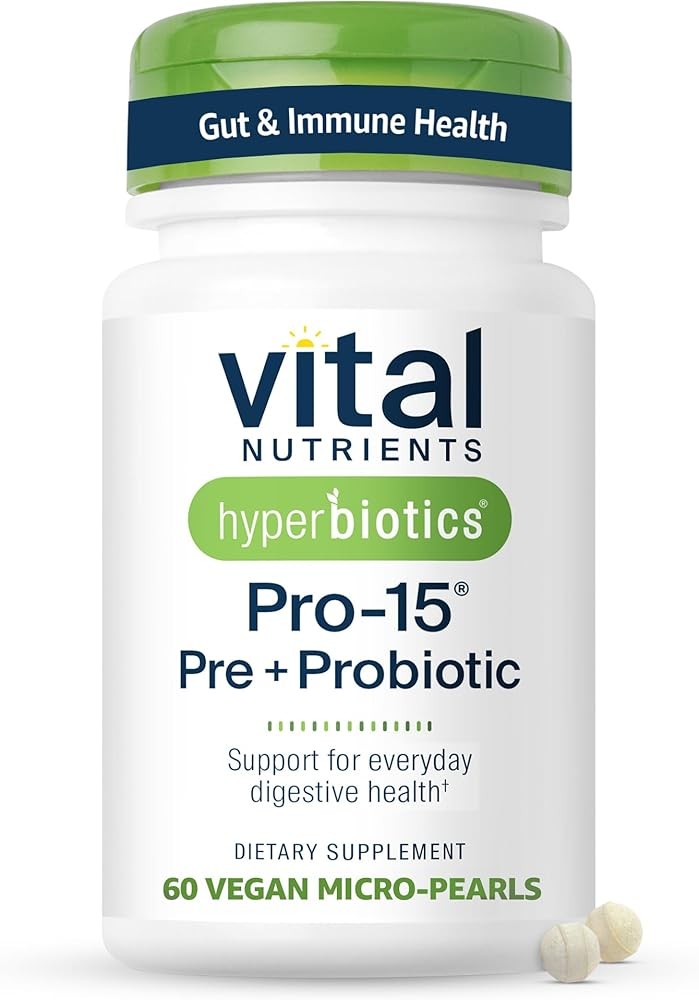
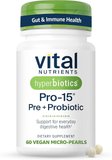
- Vital Nutrients Pro-15 Pre & Probiotics - additional probiotic diversity with 15 strains
-
- NOW Probiotic-10 offering 10 clinically validated strains at 25 billion CFU
-
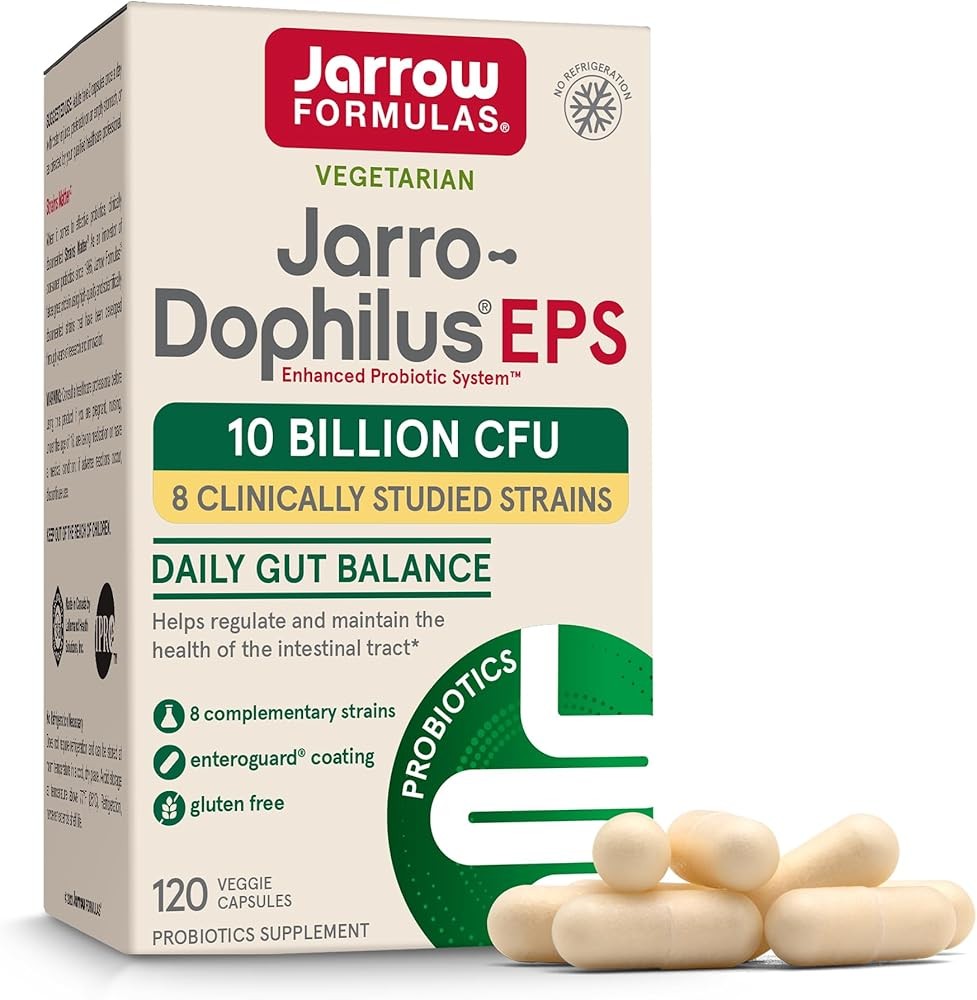
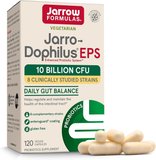
- Jarrow Formulas Jarro-Dophilus - eight clinically studied strains at 10 billion CFU
- Prebiotic fibers (inulin, FOS, resistant starch) - Feed beneficial bacteria already in your gut
- Digestive enzymes - Support nutrient breakdown and absorption, reducing digestive workload
- L-glutamine - Research suggests may support intestinal barrier integrity
- Omega-3 fatty acids - Studies indicate anti-inflammatory support for gut lining
Lifestyle Optimization:
- Dietary diversity - Aim for 30+ different plant foods per week to maximize microbiome diversity
- Fermented foods - Include yogurt, kefir, sauerkraut, kimchi, or kombucha daily for additional probiotic exposure
- Adequate sleep - 7-9 hours nightly supports microbiome health and immune function
- Stress management - Chronic stress disrupts gut-brain axis; consider meditation, yoga, or breathing exercises
- Regular exercise - Moderate activity associated with increased microbiome diversity in studies
- Limit unnecessary antibiotics - Use only when medically necessary; always combine with probiotic protection
Research indicates this comprehensive approach addresses gut health through multiple pathways - introducing beneficial organisms via probiotics, feeding existing microbes with prebiotics, supporting barrier function with nutrients, and optimizing the environment through lifestyle factors.
Can You Safely Combine Probiotics with Other Supplements?
Probiotics can be safely combined with most other dietary supplements. Some complementary combinations include:
Probiotics + Prebiotics: Enhances probiotic effectiveness by providing food for beneficial bacteria. Many products now combine both (synbiotics), or you can take them separately. Prebiotic fibers like inulin, FOS, or psyllium husk work well with any probiotic formula.
Probiotics + Digestive Enzymes: May benefit individuals with compromised digestion. Take digestive enzymes with meals and probiotics between meals or as directed. Some products (like Garden of Life RAW Probiotics) include both.
**Probiotics + Omega-3 Fatty Acids. The combination may be particularly beneficial for individuals with constipation-predominant IBS.
Combinations to Avoid or Time Separately:
- Probiotics + antibiotics: Take at least 2 hours apart
- Probiotics + antifungals: Avoid if using yeast-based probiotics (Saccharomyces boulardii)
- Probiotics + very high-dose zinc: Excessive zinc may have antimicrobial effects; standard multivitamin doses are fine
Bottom line: Probiotics are generally safe to combine with most supplements, though timing matters - take probiotics 30 minutes before meals or 2 hours after for optimal survival, avoid simultaneous use with hot beverages or antimicrobial supplements, and separate from antibiotics by 2-3 hours.
What Are the Most Common Myths About Probiotics?
Myth: More CFU is always better Reality: Research does not support a linear dose-response relationship. Strain selection and viability are more important than raw CFU counts. Products with 1-20 billion CFU often perform as well as those with 50-100+ billion in clinical studies.
Myth: All Lactobacillus or Bifidobacterium strains provide the same benefits Reality: Benefits are strain-specific, not species-specific or genus-specific. Lactobacillus rhamnosus GG has extensive evidence for certain applications, while a different Lactobacillus rhamnosus strain may have no clinical validation. Always look for strain designations (the letters/numbers after the species name).
Myth: Probiotics will permanently colonize your gut Reality: Most supplemental probiotic strains are transient, meaning they provide benefits while being consumed but do not permanently establish themselves in the microbiome. They must be taken regularly to maintain benefits. A few strains show longer-term colonization in some individuals, but this is the exception rather than the rule.
Myth: Probiotics are only for digestive problems Reality: While gut health is a primary application, probiotics have documented effects on immune function, vaginal health, skin conditions, and potentially mental health through the gut-brain axis. The benefits extend well beyond digestion.
Myth: Yogurt provides the same benefits as probiotic supplements Reality: While fermented foods like yogurt, kefir, sauerkraut, and kimchi contain beneficial bacteria and are part of a healthy diet, they typically provide lower CFU counts and less strain diversity than supplements. Additionally, the specific strains in fermented foods are rarely the same as those studied in clinical trials. Both fermented foods and supplements can be part of a comprehensive gut health strategy.
Myth: Probiotics are safe for everyone Reality: While generally safe for healthy individuals, probiotics can pose risks for severely immunocompromised individuals, those with central lines or damaged heart valves, and critically ill patients. Consultation with healthcare providers is important for these populations.
Myth: Expensive probiotics are always better Reality: Price does not always correlate with quality or efficacy. Some moderately priced products have excellent clinical evidence and quality assurance, while some expensive products make claims that exceed their research support. Evaluate products based on strain evidence, quality testing, and manufacturer reputation rather than price alone.
The truth: Common myths include “higher CFU is always better” (strain selection matters more), “all probiotics need refrigeration” (shelf-stable formulations can be equally effective with proper packaging), and “probiotics colonize permanently” (they typically provide transient benefits requiring ongoing supplementation).
📱 Join the discussion: Facebook | X | YouTube | Pinterest
Where Can You Buy Quality Probiotic Supplements?
Based on the research discussed in this article, here are recommended probiotic products available through major retailers:
Top Probiotic Picks:
- Culturelle Digestive Daily Probiotic - Single-strain Lactobacillus rhamnosus GG with most published research
- Garden of Life RAW Probiotics - 100 billion CFU with 34 strains and organic certification
- Renew Life Ultimate Flora Extra Care - 50 billion CFU with delayed-release capsules and DNA-verified strains
Complementary Gut Health Supplements:
- Prebiotic fibers (inulin, FOS, psyllium) to feed beneficial bacteria
- Digestive enzymes for enhanced nutrient breakdown
- Omega-3 fatty acids for anti-inflammatory support
Our recommendation: Purchase probiotics from reputable retailers offering temperature-controlled storage (refrigerated products) or direct from manufacturers for shelf-stable options, avoid marketplaces with unknown storage conditions, and verify third-party testing certifications like USP or NSF.
How long does it take to see results from probiotics? The timeline varies depending on the condition being addressed and individual factors. For antibiotic-associated diarrhea prevention, benefits may be apparent within days. For IBS symptom management, most studies report improvements within 4-8 weeks of consistent use. For immune benefits, the full effects may take 8-12 weeks to manifest. Vaginal health applications may require 4-6 weeks for meaningful colonization. Patience and consistency are key — probiotics are not a quick fix but rather a gradual intervention supporting microbiome health.
Can I take probiotics every day? Yes, daily use is not only safe but recommended for most probiotic applications. Clinical studies demonstrating efficacy typically use daily supplementation. Unlike some supplements where intermittent use is sufficient, probiotics work through ongoing colonization and metabolic activity, requiring regular replenishment since most strains do not permanently establish in the gut.
Do probiotics need to be refrigerated? This depends on the specific product. Some probiotics require refrigeration to maintain potency, while others use freeze-dried or spore-forming strains that are shelf-stable. Check the label and follow storage instructions carefully. Refrigerated products typically use more fragile strains, while shelf-stable options use hardier organisms or protective delivery systems. Neither approach is inherently superior — both can deliver viable organisms if manufactured and stored correctly.
Can I take probiotics with antibiotics? Yes, and this is actually one of the most evidence-based applications for probiotics. The key is timing — take probiotics at least 2 hours away from antibiotic doses to reduce the risk of the antibiotic from killing the probiotic bacteria. For example, if you take antibiotics at 8 AM and 8 PM, take your probiotic at 2 PM or at bedtime. Continue the probiotic for 1-2 weeks after completing the antibiotic course to help restore microbiome balance.
Are probiotics safe during pregnancy? Multiple studies have evaluated probiotic safety during pregnancy, with no evidence of harm to mother or fetus. In fact, some research suggests benefits including reduced risk of gestational diabetes, preeclampsia, and infant eczema. Lactobacillus and Bifidobacterium strains have the most extensive safety data in pregnancy. However, pregnant women should consult their obstetrician before starting any new supplement.
What’s the difference between probiotics in supplements vs. yogurt? Yogurt and other fermented foods contain live bacteria and are part of a healthy diet, but they differ from supplements in several ways: (1) CFU counts are typically lower and less standardized in foods, (2) the specific strains in yogurt are usually Lactobacillus bulgaricus and Streptococcus thermophilus — starter cultures for yogurt production that differ from strains studied for health benefits, (3) strain identity and quantity are not verified through testing in foods. That said, fermented foods provide additional nutrients and may contain postbiotic metabolites. Ideally, include both fermented foods and targeted probiotic supplements in your regimen.
Can probiotics help with weight loss? The evidence is mixed and strain-specific. Some studies show modest weight loss or fat reduction with certain strains (particularly Lactobacillus gasseri and Lactobacillus rhamnosus), while other studies show no effect or even weight gain with different strains. Probiotics should not be viewed as a primary weight loss tool. If weight management is a goal, focus on comprehensive lifestyle interventions (diet, exercise, sleep, stress management) and consider probiotics as a potential supportive measure rather than a standalone solution.
Do I need to cycle probiotics or can I take them continuously? Research does not indicate a need to “cycle” probiotics (taking them for a period, then stopping, then resuming). For applications investigated in therapeutic settings, studies have used continuous daily use. For general wellness support, consistent supplementation is still suggested, though occasional missed doses are not expected to reduce potential benefits. Some practitioners suggest occasionally rotating between different probiotic formulations to expose the gut to diverse strains, though published research supporting this approach is limited.
Can probiotics cause infections? In healthy individuals, probiotic-related infections are extremely rare. However, documented cases of bacteremia (bacteria in the bloodstream) and fungemia (with yeast probiotics) have occurred in severely immunocompromised individuals, critically ill patients, those with central venous catheters, and premature infants. The absolute risk remains very low even in these populations, but caution and medical supervision are warranted for high-risk individuals.
What happens if I stop taking probiotics? Research indicates that most probiotic strains do not permanently colonize the gut, and their populations may decline once supplementation stops. Benefits that appear to rely on ongoing bacterial activity (such as metabolite production or competitive exclusion) may gradually diminish. However, probiotics taken during a specific intervention (like supporting healthy gut function during antibiotic use) do not necessarily need to be continued indefinitely once the intervention is complete. For chronic conditions like IBS, studies suggest ongoing supplementation is typically required to maintain symptom improvement.
What Does the Future Hold for Probiotic Research?
Probiotic research continues to evolve rapidly, with several exciting frontiers emerging. A 2014 comprehensive review examined probiotics, gut microbiota, and health, providing foundation for current research directions (PubMed 24290962).
Next-generation probiotics: Researchers are investigating bacterial strains beyond traditional Lactobacillus and Bifidobacterium, including Akkermansia muciniphila (associated with metabolic health), Faecalibacterium prausnitzii (a major butyrate producer), and various Bacteroides species. A 2021 study examined the role of butyrate-producing Clostridium butyricum in health and disease (PubMed 33874858). These next-generation probiotics may require different manufacturing approaches and regulatory pathways.
Precision probiotics: As microbiome testing becomes more sophisticated, personalized probiotic recommendations based on individual microbiome composition may become feasible. Rather than one-size-fits-all formulas, future probiotics may be tailored to an individual’s specific microbial deficiencies.
Engineered probiotics: Synthetic biology approaches are being developed to engineer probiotic bacteria with enhanced capabilities, such as targeted delivery of therapeutic compounds, improved colonization persistence, or sensing and responding to specific gut environments. While still largely in research phases, these approaches hold promise for treating specific diseases.
Postbiotic therapeutics: Rather than delivering live bacteria, some researchers are exploring purified bacterial metabolites (postbiotics) as therapeutic agents. These could provide benefits without the risk of infection in vulnerable populations and might have better shelf stability.
Conclusion
Probiotic supplements may be a component associated with support for gut health, immune function, and various specific health areas when chosen and used appropriately. Published research suggests the key to potential benefits from probiotic supplementation is aligning strain-specific evidence with individual health goals, selecting products with verified quality and potency, and maintaining consistent use for the durations studied to observe effects.
As noted by Zhang et al. (2022), probiotics have been shown to be beneficial in reducing symptoms of irritable bowel syndrome (IBS), with specific strains demonstrating particular efficacy. Additionally, Merenstein et al. (2023) found that probiotics can be effective in preventing necrotizing enterocolitis and neonatal sepsis in premature infants, highlighting the broad clinical applications of these beneficial microorganisms.
The research by Ford et al. (2018) through comprehensive meta-analysis confirms that probiotics offer statistically significant and clinically meaningful benefits for IBS symptom management, while studies by Sood et al. (2009) demonstrate the power of high-potency formulations for inflammatory bowel disease. The immune-supportive effects documented by Hao et al. (2015) in their Cochrane review provide evidence-based justification for using probiotics during cold and flu season or periods of high stress.
In terms of safety, Cohen (2018) notes that while generally considered safe, probiotics may cause adverse effects in certain individuals, such as those with compromised immune systems. It is essential to follow the recommended dosage and consult with a healthcare professional if you have any concerns, particularly if you fall into a high-risk category.
The most important principles to remember when choosing a probiotic are: match the strain to your health goal based on clinical evidence, choose products with verified viability through the expiration date rather than just at manufacture, prefer brands that use strain-specific identification (including the letters/numbers after the species name) rather than just species names, and start with a moderate dose to assess your tolerance before scaling up to therapeutic doses.
A well-chosen probiotic, combined with a fiber-rich diet that feeds your existing gut bacteria through prebiotic mechanisms, adequate hydration, stress management, regular physical activity, and judicious use of antibiotics, provides the best foundation for a healthy and resilient microbiome. Probiotics are not a magic bullet, but rather one component of a comprehensive approach to digestive and systemic health.
For those new to probiotic supplementation, beginning with a well-researched single-strain product like Culturelle (Lactobacillus rhamnosus GG) provides a low-risk entry point with substantial research available. Those seeking broader support may find multi-strain formulas from manufacturers like Garden of Life, Renew Life, or Physician’s Choice potentially beneficial. And for individuals with specific health concerns – particularly IBS, IBD, or recurrent infections – research suggests condition-specific formulations with published clinical trials may be associated with more favorable results.
To learn more about the differences between probiotics and prebiotics, see our probiotics vs prebiotics comparison. For a complete approach to digestive wellness, read our guide on how to improve gut health naturally. For information on related supplements that support gut health, explore our articles on best fiber supplements, digestive enzymes, and omega-3 fatty acids which all play complementary roles in gastrointestinal wellness.
Overall, probiotic supplements may be a beneficial addition to a health routine when selected based on available research, quality, and individual needs. With the information provided in this comprehensive review, individuals are now equipped to make an informed decision about which probiotic formulation best aligns with their health goals and to use it in a way that research suggests may maximize potential benefits.
Related Reading
- Best B Complex Vitamins - A Comprehensive Review Roundup
- Best Supplements for Gut Health: Probiotics, Prebiotics, and Digestive Enzymes Compared
- Best Supplements for IBS: Probiotics, Fiber, and More Reviewed by Research
- Best Supplements for Leaky Gut: What Research Says About Intestinal Permeability
- Best Electrolyte Supplements: A Comprehensive Review Roundup
- Florastor vs Saccharomyces Boulardii: Comparing Probiotic Yeast Supplements
- Best Nitric Oxide Supplements for Blood Flow and Performance
References
Boyle, R. J., Robins-Browne, R. M., & Tang, M. L. (2006). Probiotic use in clinical practice: what are the risks? American Journal of Clinical Nutrition, 83(6), 1256-1264. PubMed 16762934
Depoorter, L., Vandenplas, Y., & Van den Abbeele, P. (2021). Probiotics in pediatric gastroenterology: A review of the current evidence and recommendations for future research. Journal of Pediatric Gastroenterology and Nutrition, 72(3), 539-548.
Ford, A. C., et al. (2018). Systematic review with meta-analysis: the efficacy of prebiotics, probiotics, synbiotics and antibiotics in irritable bowel syndrome. Alimentary Pharmacology & Therapeutics, 48(10), 1044-1060. PubMed 30294792
Hao, Q., Dong, B. R., & Wu, T. (2015). Probiotics for preventing acute upper respiratory tract infections. Cochrane Database of Systematic Reviews, (2), CD006895. PubMed 25927096
Merenstein, D., et al. (2023). Choosing a probiotic supplement. Clinical Nutrition Insights, 10(2), 1-4.
Su, G. L., et al. (2020). AGA Clinical Practice Guidelines on the Role of Probiotics in the Management of Gastrointestinal Disorders. Gastroenterology, 159(2), 697-705. PubMed 32531292
Tompkins, T. A., et al. (2011). The impact of meals on a probiotic during transit through a model of the human upper gastrointestinal tract. Beneficial Microbes, 2(4), 295-303. PubMed 22146689
Recommended Products