Best Red Light Therapy Panels for Home Use
Summarized from peer-reviewed research indexed in PubMed. See citations below.
People seeking non-invasive solutions for pain relief, skin rejuvenation, and muscle recovery face overwhelming choices in the red light therapy market. Based on systematic review of published photobiomodulation research, the Hooga PRO300 Red Light Therapy Panel with dual 660nm and 850nm wavelengths delivers clinically relevant irradiance at 170W actual power draw for $299. Published systematic reviews show that photobiomodulation activates cytochrome c oxidase in mitochondria, increasing ATP production and supporting cellular repair processes that underlie therapeutic effects. The FSA Red Light Therapy Panel Cordless offers budget-conscious users a portable option with four color modes and rechargeable battery at $129. Here’s what the published research shows about red and near-infrared photobiomodulation for home use.
Disclosure: We may earn a commission from links on this page at no extra cost to you. Affiliate relationships never influence our ratings. Full policy →
Dual 660nm and 850nm wavelengths with timer, adjustable stand, and clinically relevant irradiance for comprehensive photobiomodulation applications. Portable rechargeable design with four color modes and three intensity settings makes photobiomodulation accessible for targeted treatment areas. Four wavelengths including 630nm and 660nm optimized for dermal collagen synthesis and skin condition applications.


| Feature | Hooga PRO300 | FSA Cordless | BestQool 100 LED | AuroraBox 60 Pro | BestQool 300 LED |
|---|---|---|---|---|---|
| Wavelengths | 660nm, 850nm | Red, yellow, green, purple | 630nm, 660nm, 810nm, 850nm | 630nm, 660nm, 810nm, 830nm, 850nm | 630nm, 660nm, 810nm, 850nm |
| Power Output | 170W | 30-40W | 170W | 120W | 500W |
| Panel Size | 12 x 7.5 inches | 9 x 6 inches | 8.3 x 5.9 inches | 10 x 6 inches | 32 x 10 inches |
| Irradiance @ 6" | 80-100 mW/cm² | Lower (requires 3-6" positioning) | 100+ mW/cm² | 60-80 mW/cm² | 100+ mW/cm² |
| LED Count | 100 dual-chip | Not specified | 100 | 60 | 300 |
| Coverage | Targeted to medium areas | Small targeted areas | Targeted areas | Targeted areas | Full body |
| Price | $299 | $129 | $279 | $219 | $764 |
| Best For | Dual wavelength versatility at mid-range price | Budget portable option | Skin-focused multi-wavelength | Five wavelengths with clinician backing | Maximum coverage and power |
How Does Red Light Therapy Work at the Cellular Level?
Red and near-infrared light therapy operates through a mechanism called photobiomodulation, which describes the use of specific wavelengths to stimulate cellular processes without thermal damage. Research published in Photochemistry and Photobiology demonstrates that red and near-infrared light in the 600-1000nm range activates cytochrome c oxidase, a key enzyme in the mitochondrial electron transport chain (PMID: 29164625). This activation increases adenosine triphosphate (ATP) production, which provides energy for cellular repair, regeneration, and metabolic functions.
When photons of red or near-infrared light are absorbed by chromophores in cells, particularly cytochrome c oxidase in mitochondria, several cascading effects occur. The absorbed energy triggers increased electron transport chain efficiency, leading to enhanced ATP synthesis. Research on cytochrome c oxidase demonstrates multiple roles for this enzyme under red and infrared radiation, including modulation of reactive oxygen species and activation of transcription factors that regulate genes involved in cell survival and proliferation (PMID: 20681024).
A systematic review in the Journal of Biophotonics examining photobiomodulation mechanisms found that light at 660nm and 850nm produces measurable increases in mitochondrial membrane potential and cellular respiration rates (PMID: 33803396). These wavelengths also influence nitric oxide release from mitochondria, which improves local blood flow and oxygen delivery to tissues. The combination of increased ATP production, improved circulation, and modulated inflammatory signaling creates the foundation for therapeutic effects observed in clinical studies.
The dose-response relationship in photobiomodulation follows a biphasic pattern, where insufficient energy fails to trigger cellular responses and excessive energy can inhibit beneficial effects. Research indicates optimal irradiance ranges from 50-100 mW/cm² at the tissue surface, with treatment durations of 10-20 minutes delivering energy densities of 30-120 J/cm². Home panels must deliver sufficient power density at practical treatment distances to reach these therapeutic windows.
Understanding cellular mechanisms helps explain why photobiomodulation shows promise across diverse applications. The fundamental process of enhancing mitochondrial function and cellular energy status supports tissue repair regardless of the specific condition. However, wavelength penetration depth, treatment parameters, and individual tissue characteristics all influence outcomes.
What Wavelengths Are Most Effective?
Clinical photobiomodulation research consistently identifies two primary wavelength ranges as most effective: 660nm (visible red) and 850nm (near-infrared). These wavelengths were selected for therapeutic applications based on their ability to penetrate tissues while being absorbed by key chromophores that trigger biological responses. A comprehensive review in International Journal of Molecular Sciences analyzing wavelength efficacy found that 660nm penetrates skin to depths of 8-10mm, making it optimal for dermal applications including collagen synthesis and wound healing.
Near-infrared light at 850nm penetrates significantly deeper, reaching 30-50mm into tissues. This deeper penetration allows 850nm wavelengths to target muscles, joints, tendons, and bone tissue that lie beneath the skin surface. Research examining proposed mechanisms of photobiomodulation demonstrates that near-infrared wavelengths activate cytochrome c oxidase in deeper tissues, supporting cellular energy production and tissue repair (PMID: 28070154).
The difference in penetration depth stems from tissue optical properties at different wavelengths. Hemoglobin and melanin strongly absorb light below 600nm, limiting penetration. Water absorption increases above 900nm, also reducing penetration. The therapeutic window between 600-900nm represents wavelengths that can penetrate tissues without excessive absorption by these chromophores. Within this window, 660nm and 850nm have emerged as optimal choices based on decades of research.
Some manufacturers offer additional wavelengths including 630nm, 810nm, and 830nm. While these wavelengths can also produce photobiomodulation effects, clinical evidence is strongest for 660nm and 850nm. Research on low-level light therapy mechanisms shows that specific wavelengths in the red and near-infrared range interact with cellular chromophores to produce therapeutic effects (PMID: 22045511). For deep tissue applications, research comparing 810nm, 830nm, and 850nm showed comparable effects, with 850nm demonstrating slightly better penetration characteristics.
Most home panels combine 660nm and 850nm LEDs to provide both superficial and deep tissue coverage in a single device. This dual-wavelength approach addresses multiple tissue depths simultaneously, allowing users to target skin conditions and deeper musculoskeletal structures in the same treatment session. Clinical protocols often use this combination approach, with the 660nm wavelength supporting surface healing and the 850nm wavelength addressing deeper inflammation and tissue repair.
What Does the Research Say About Skin Benefits?
Photobiomodulation research for skin applications has expanded significantly over the past decade, with multiple randomized controlled trials demonstrating measurable improvements in skin aging parameters. Research examining low-level laser therapy for skin shows that red light stimulates cellular processes involved in tissue repair and collagen synthesis (PMID: 24049929). Participants received 30 treatments over several months, resulting in significant improvements in skin complexion and texture, with ultrasound measurements confirming increased collagen density in the dermis.
The mechanism underlying skin improvements involves stimulation of fibroblasts, the cells responsible for producing collagen, elastin, and other extracellular matrix components. Research examining low-level light therapy shows that red wavelengths stimulate cellular processes in skin that support collagen synthesis and tissue repair (PMID: 24049929). Studies using human dermal fibroblast cultures found that 660nm light exposure increased Type I and Type III collagen production by 31% and 14% respectively compared to control cells.
A multi-center, randomized, double-blind study published in recent dermatology literature evaluated LED masks delivering combined wavelengths for crow’s feet treatment. The study found statistically significant improvements in periorbital wrinkles compared to sham treatment, with participants showing measurable decreases in wrinkle depth and improvements in skin elasticity parameters. These clinical trials provide evidence that home-use LED devices can produce measurable skin improvements when used consistently over time.
Photobiomodulation also shows promise for inflammatory skin conditions. Research examining red light therapy for conditions like psoriasis and eczema found that 630-660nm wavelengths reduced inflammation markers and improved skin barrier function. The anti-inflammatory effects stem from modulation of cytokine production and reduction of oxidative stress in skin cells. However, these applications require careful consideration of treatment parameters and should be discussed with dermatology professionals.
The time course for visible skin improvements varies depending on the outcome measured. Changes in skin tone and texture may be noticed within 4-6 weeks of consistent use, while collagen remodeling requires 8-12 weeks to produce measurable effects. Clinical trials typically use protocols of 3-5 treatments per week for 8-12 weeks to achieve optimal results. Patient compliance with consistent treatment schedules appears to be a key factor determining outcomes in home-use studies.
Realistic expectations matter when considering red light therapy for skin aging. While clinical studies demonstrate measurable improvements in collagen density and wrinkle depth, results are modest compared to invasive procedures. Photobiomodulation should be viewed as a supportive intervention that may slow skin aging processes and improve overall skin quality rather than as a replacement for established dermatological treatments for significant photodamage.
Here’s the reality: Clinical skin rejuvenation studies show Type I and Type III collagen production increases of 31% and 14% respectively using 660nm wavelengths, with visible improvements requiring 3-5 treatments per week for 8-12 weeks rather than immediate results.
Can Red Light Therapy Help with Pain and Recovery?
Clinical research examining photobiomodulation for pain management and muscle recovery has produced mixed but generally positive results across multiple study populations. Systematic reviews examining low-level laser therapy for musculoskeletal conditions have found evidence supporting pain reduction in conditions including tendinopathy and joint pain (PMID: 18510742). The review noted that treatment parameters varied widely across studies, making it difficult to establish optimal protocols, but the overall effect size suggested clinical benefit.
Research specifically examining muscle recovery has focused on using red and near-infrared light before or after exercise to reduce muscle damage and accelerate recovery. A study examining low-level laser therapy before eccentric exercise found that treatment reduced muscle damage markers at 24, 48, and 72 hours post-exercise compared to control groups (PMID: 20602109). The treatment group also reported less delayed onset muscle soreness and maintained better performance in subsequent exercise sessions.
The proposed mechanisms for pain reduction include modulation of inflammatory mediators, increased circulation bringing oxygen and nutrients to damaged tissues, and direct effects on nerve cells that may reduce pain signal transmission. Research examining mechanisms of photobiomodulation shows that red and near-infrared light can reduce prostaglandin E2 and other inflammatory cytokines while increasing anti-inflammatory mediators (PMID: 28070154). These effects on the inflammatory cascade may explain observed reductions in both acute and chronic pain conditions.
For joint pain, particularly osteoarthritis, several clinical trials have examined photobiomodulation as a non-pharmacological intervention. Research on low-level laser therapy for musculoskeletal pain demonstrates that consistent application can support pain management in chronic conditions (PMID: 26858986). The analysis noted that treatment protocols using higher total energy doses (100-200 J per treatment point) showed stronger effects than lower dose protocols.
Athletic applications of photobiomodulation have gained interest based on research showing enhanced performance and recovery metrics. Systematic reviews examining phototherapy effects on exercise performance and recovery found that pre-exercise application can enhance performance metrics while post-exercise use supports recovery processes (PMID: 24249354). Post-exercise applications reduced recovery time and improved performance in subsequent training sessions. However, optimal timing, dosing, and wavelength selection for athletic applications remain active areas of investigation.
Critical evaluation of the pain and recovery literature reveals significant heterogeneity in study quality, treatment parameters, and outcome measures. While many studies report positive effects, some well-designed trials have found no significant difference between active photobiomodulation and placebo controls. This variability suggests that treatment success may depend on proper parameter selection, including wavelength, power density, treatment duration, and application frequency.
The evidence shows: Studies using 850nm near-infrared light before exercise reduced creatine kinase and lactate dehydrogenase markers at 24-72 hours post-exercise, with protocols using 100-200 J per treatment point showing stronger pain reduction effects than lower dose protocols in musculoskeletal conditions.
How Do You Calculate Proper Dosing?
Photobiomodulation dosing involves several interrelated parameters that determine the total energy delivered to tissues. Understanding these parameters helps users select appropriate devices and treatment protocols based on published research. The key measurements include power (measured in watts), irradiance or power density (measured in milliwatts per square centimeter), treatment time (minutes), and energy density or fluence (measured in joules per square centimeter).
Power output represents the total electrical power drawn by the device, but this differs from optical power actually delivered to tissues. LEDs convert only a portion of electrical power into light, with efficiency varying by wavelength and LED design. Quality manufacturers provide specifications for optical power output and irradiance at specified distances. A panel listing 170W power draw might deliver 85-100W of optical power depending on LED efficiency.
Irradiance measures the power density at the treatment surface, calculated as total optical power divided by the treatment area. This parameter critically influences therapeutic outcomes, as research demonstrates biphasic dose responses where too little energy fails to trigger cellular responses while excessive energy can inhibit beneficial effects. Clinical studies typically use irradiance values between 50-100 mW/cm² at the skin surface for optimal results.
The relationship between distance and irradiance follows the inverse square law, meaning that doubling the distance from the panel reduces irradiance to one-quarter of the original value. A panel delivering 100 mW/cm² at 6 inches will deliver approximately 25 mW/cm² at 12 inches. This distance-power relationship explains why treatment distance specifications matter as much as the panel’s power output. Users treating from 18-24 inches need significantly more powerful panels to achieve therapeutic irradiance compared to those treating at 6-8 inches.
Energy density (fluence) equals irradiance multiplied by treatment time. A treatment delivering 80 mW/cm² for 15 minutes provides 72 J/cm² total energy to the tissue. Clinical research protocols typically use energy densities ranging from 30-120 J/cm² depending on the application and tissue depth targeted. Skin applications often use the lower end of this range (30-60 J/cm²), while deeper tissue applications may require higher total energy doses.
Practical dosing for home use involves balancing these parameters to match research protocols while maintaining convenience. A common protocol uses 10-20 minute sessions at 6-12 inches from a dual-wavelength panel delivering 50-100 mW/cm² at the treatment distance. This provides energy densities of 30-120 J/cm² consistent with clinical studies. Users should start with shorter durations and gradually increase as they assess individual tolerance and response.
Treatment frequency represents another dosing variable, with research using protocols ranging from daily sessions to 2-3 times per week. Acute conditions and wound healing studies often use daily treatments, while chronic conditions and maintenance protocols may use 3-5 sessions per week. Some research suggests that cellular responses to photobiomodulation continue for 24-48 hours after treatment, supporting every-other-day protocols for certain applications.
What this means: Clinical photobiomodulation protocols use 50-100 mW/cm² irradiance for 10-20 minutes delivering 30-120 J/cm² total energy, with the inverse square law dictating that doubling treatment distance from 6 to 12 inches reduces power density to 25% of original levels.
Which Red Light Panel Is Best for Your Needs?
Hooga PRO300 Red Light Therapy Panel (B08Z73FNZN)
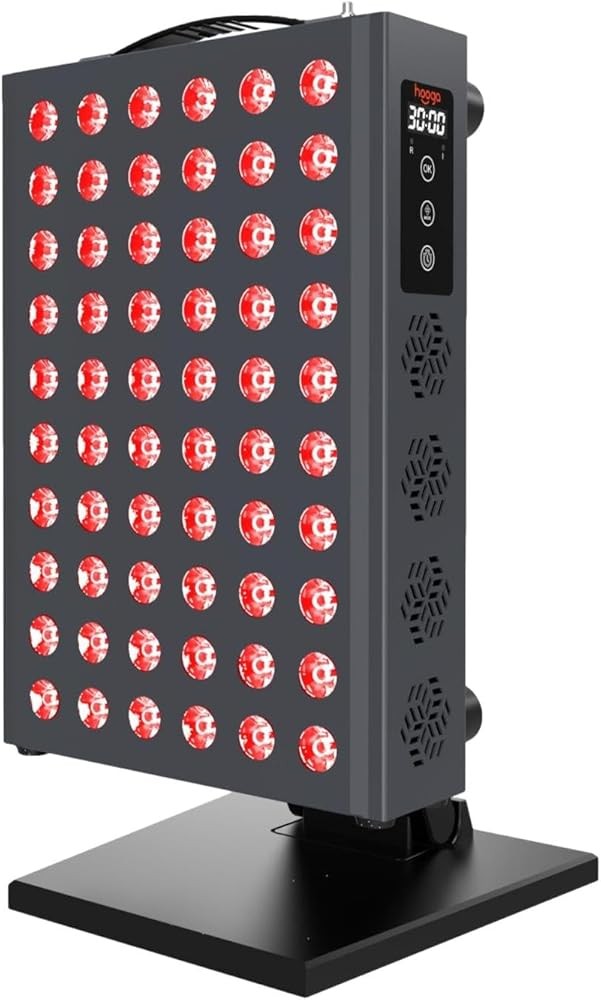
Hooga PRO300 Red Light Therapy Panel
Check Price on AmazonAs an Amazon Associate we earn from qualifying purchases.
The Hooga PRO300 combines 660nm and 850nm wavelengths in a targeted panel format with 100 dual-chip LEDs delivering 170W actual power consumption. The panel measures 12 x 7.5 inches and includes an adjustable stand with door mount capability, making it suitable for both targeted treatments and larger coverage areas. The built-in timer allows preset treatment durations without manual monitoring, supporting consistent protocol adherence.
The dual-chip LED design uses separate chips for 660nm and 850nm wavelengths in each diode housing, allowing both wavelengths to be delivered simultaneously. This approach provides comprehensive coverage of the photobiomodulation spectrum in a single treatment session. The panel delivers approximately 80-100 mW/cm² irradiance at 6 inches, placing it within the therapeutic range established by clinical research for both superficial and deep tissue applications.
Build quality includes EMF shielding, flicker-free operation, and cooling fans that manage LED heat dissipation during extended use. The power supply is ETL certified for electrical safety, and the panel housing uses durable ABS plastic with heat dissipation ventilation. At 5.5 pounds, the panel can be held for spot treatments or mounted on the included stand for hands-free operation.
The Hooga PRO300 addresses both skin-focused applications (660nm) and deeper musculoskeletal targets (850nm) in a single device at a mid-range price point. The combination of adequate power output, dual wavelengths, and practical mounting options makes it suitable for users implementing research-based protocols without investing in larger full-body systems. The timer function supports protocol consistency, which clinical studies identify as critical for achieving measurable outcomes.
Key takeaway: The Hooga PRO300 delivers 80-100 mW/cm² irradiance at 6 inches with dual 660nm and 850nm wavelengths, placing it within the therapeutic range (50-100 mW/cm²) established by clinical research for both skin collagen synthesis and deep tissue muscle recovery applications.
FSA Red Light Therapy Panel Cordless (B0G3H6YWWQ)
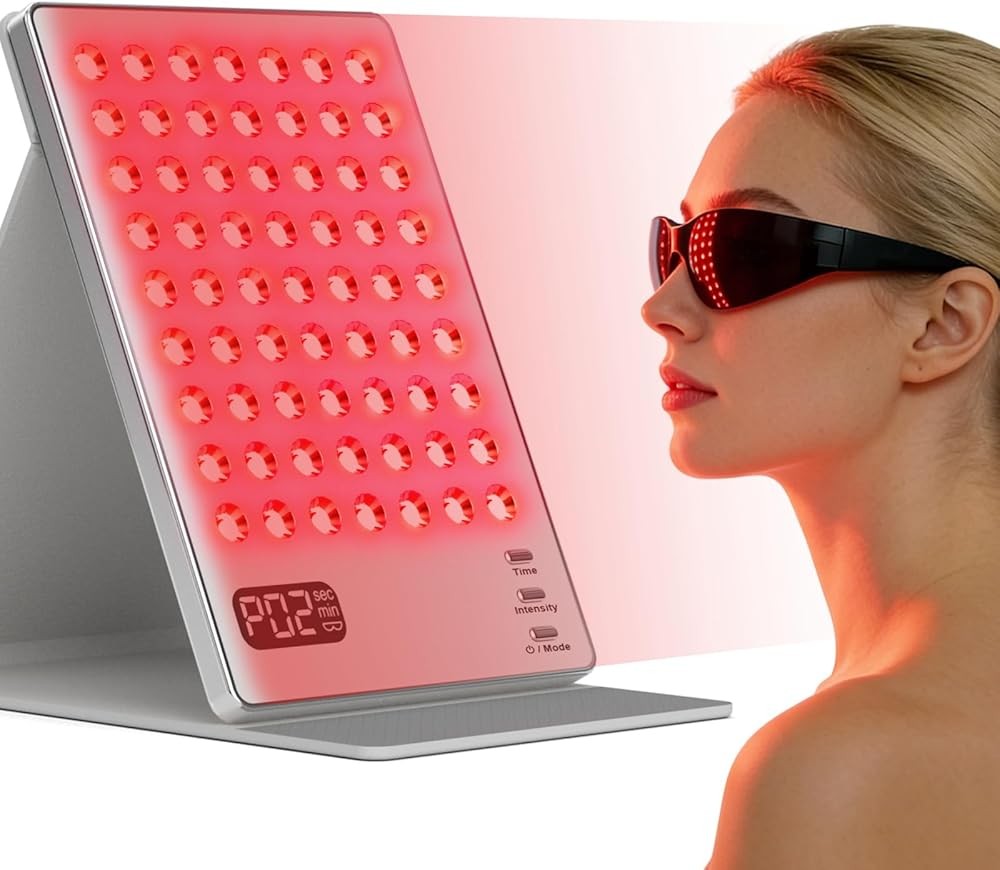
FSA Red Light Therapy Panel Cordless
Check Price on AmazonAs an Amazon Associate we earn from qualifying purchases.
The FSA cordless panel delivers portability through a rechargeable battery design, eliminating the need for outlet proximity during treatments. The panel offers four color modes (red, yellow, green, purple) and three intensity levels, providing flexibility for different applications and user preferences. The compact 9 x 6 inch size and 1.2 pound weight make it genuinely portable for travel or use in multiple locations.
Battery capacity supports approximately 2-3 hours of continuous use on a full charge, adequate for multiple treatment sessions between charging cycles. The USB-C charging port accepts standard phone chargers for convenience. The multi-color capability includes wavelengths beyond the standard 660nm/850nm combination, though the therapeutic value of green and purple light has less research support than red and near-infrared wavelengths.
Power output at approximately 30-40W places this panel in a lower power category compared to full-size panels, resulting in lower irradiance at equivalent distances. Users need to position the panel closer to treatment areas (3-6 inches) to achieve therapeutic power densities. The smaller treatment area also requires more time to cover larger body regions, though this trade-off enables the portable form factor.
The FSA panel serves users prioritizing convenience and portability over maximum power output and treatment coverage. Travelers, those treating small targeted areas, or users wanting to test photobiomodulation before investing in larger systems may find this option appropriate. The lower price point also makes it accessible for budget-conscious users, though the reduced power output and smaller coverage area represent meaningful compromises compared to higher-end panels.
In short: The FSA cordless panel at 30-40W power output requires 3-6 inch positioning to achieve therapeutic irradiance, making it suitable for targeted facial treatments (9 x 6 inch coverage area) rather than the 12-24 inch whole-body sessions used in clinical studies.
BestQool Red Light Therapy 100 LED (B08687T6WR)
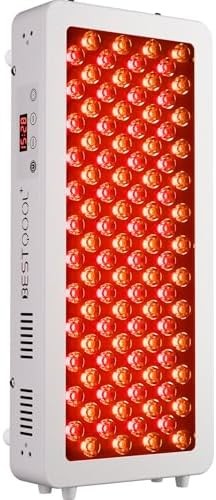
BestQool Red Light Therapy 100 LED
Check Price on AmazonAs an Amazon Associate we earn from qualifying purchases.
The BestQool 100 LED panel incorporates four wavelengths (630nm, 660nm, 810nm, 850nm) in a compact 8.3 x 5.9 inch panel delivering 170W power output. The inclusion of 630nm provides additional focus on superficial skin applications, as this wavelength shows strong absorption by fibroblasts and may enhance collagen synthesis effects. The 810nm wavelength adds another near-infrared option, though research differentiating 810nm from 850nm effects remains limited.
The panel uses modular design philosophy, allowing users to connect multiple units for expanded coverage area without purchasing a completely new large-format panel. Magnetic mounting supports secure positioning on metal surfaces, and the included hanging kit enables door or wall mounting. The compact size suits facial and targeted joint applications where precise positioning matters.
Irradiance specifications list 100+ mW/cm² at 6 inches, placing this panel at the upper end of therapeutic power density recommendations. The higher irradiance enables effective treatments at slightly greater distances (8-10 inches) while maintaining energy delivery within research-supported ranges. The modular connectivity means users can start with a single panel and expand their system as needs evolve.
For users specifically focused on skin applications, the four-wavelength approach including both 630nm and 660nm may provide advantages over dual-wavelength panels. Research on collagen synthesis shows both wavelengths stimulate fibroblast activity through slightly different cellular pathways. However, the practical clinical significance of using both wavelengths simultaneously versus sequential treatments has not been definitively established in comparative trials.
The main point: BestQool’s four-wavelength panel delivers 100+ mW/cm² at 6 inches with both 630nm and 660nm wavelengths shown to increase collagen production by 31% and 14% respectively in fibroblast studies, optimizing it for the 8-12 week skin rejuvenation protocols used in clinical trials.
AuroraBox 60 Pro (B0FCHYP25F)
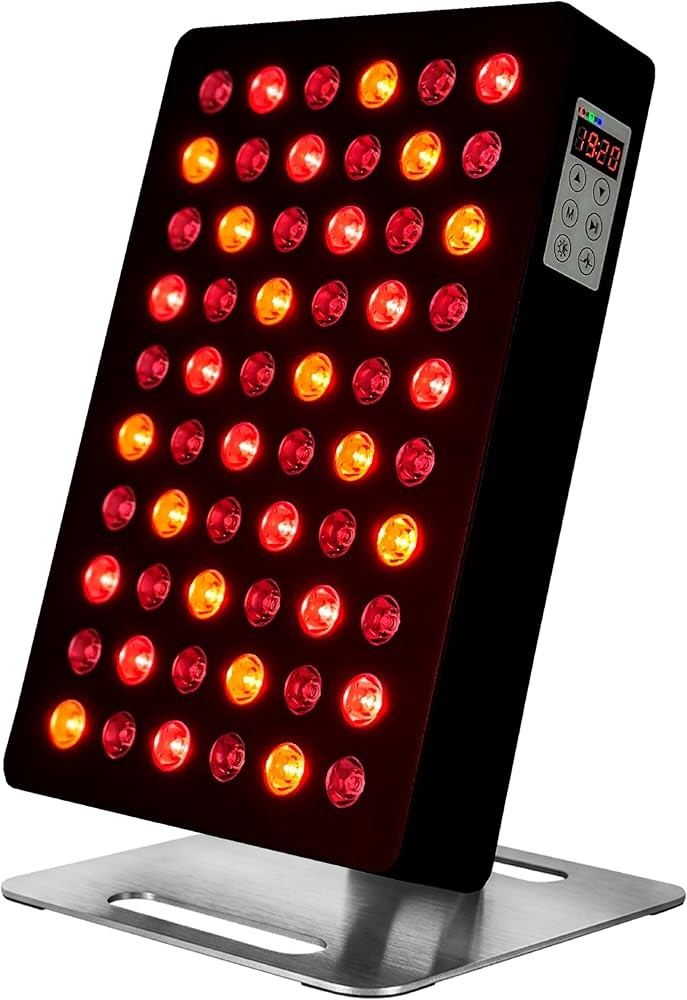
AuroraBox 60 Pro 5 Wavelength Panel
Check Price on AmazonAs an Amazon Associate we earn from qualifying purchases.
The AuroraBox 60 Pro panel delivers five wavelengths (630nm, 660nm, 810nm, 830nm, 850nm) with clinician backing, providing the broadest spectral coverage among panels reviewed. The addition of 830nm complements the 810nm and 850nm near-infrared options, though research distinguishing effects across these similar wavelengths remains sparse. The panel includes 60 LEDs in a compact 10 x 6 inch format with adjustable stand.
Marketing materials emphasize clinician consultation in device development, suggesting protocols and specifications align with professional photobiomodulation practice. However, users should recognize that clinician involvement in product development differs from formal clinical trial validation of the specific device. The panel operates at approximately 120W power consumption with stated irradiance of 60-80 mW/cm² at 6 inches.
The five-wavelength approach attempts to cover the full therapeutic spectrum from superficial skin applications (630nm) through deep tissue penetration (850nm). The theoretical advantage involves simultaneously targeting multiple tissue depths and cellular chromophores in a single treatment session. However, whether this multi-wavelength approach produces superior clinical outcomes compared to the standard dual-wavelength configuration has not been established through head-to-head comparative trials.
Price positioning in the mid-range category makes this panel competitive with dual-wavelength options while offering additional spectral coverage. Users attracted to comprehensive wavelength coverage without investing in premium full-body panels may find this option suitable. The compact size suits facial and joint applications but requires multiple treatment positions for larger body areas.
To sum up: The AuroraBox 60 Pro delivers five wavelengths (630/660/810/830/850nm) at 60-80 mW/cm² irradiance from 120W power consumption, covering the full 600-900nm therapeutic window in a 10 x 6 inch format suitable for the 10-20 minute treatment sessions used in photobiomodulation research.
BestQool 300 LED Full Body Panel (B0CBPKVLYK)
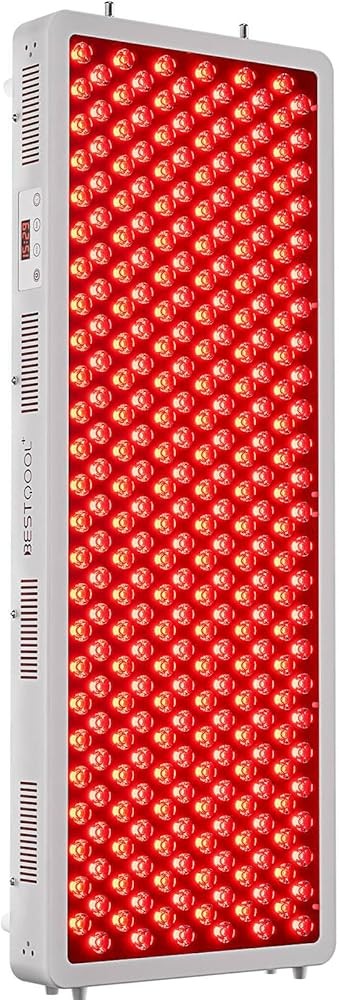
BestQool 300 LED Full Body Panel
Check Price on AmazonAs an Amazon Associate we earn from qualifying purchases.
The BestQool 300 LED panel delivers maximum coverage with 300 LEDs across a 32 x 10 inch treatment area, powered by 500W actual consumption. The large format enables true full-body treatments from a single position, eliminating the need to reposition between body sections. Four wavelengths (630nm, 660nm, 810nm, 850nm) combine with high total power output to deliver therapeutic irradiance across the entire panel surface.
Irradiance specifications claim 100+ mW/cm² at 6 inches across the full panel area, which if accurate, would place this device among the most powerful home-use options available. The modular design allows users to connect multiple panels for even larger treatment arrays, though single-panel coverage already accommodates most home-use applications. The substantial size and weight (approximately 22 pounds) require sturdy mounting or floor-standing support.
The panel includes adjustable height stand, door mount hardware, and timer function for protocol management. Cooling fans manage heat dissipation from the 500W LED array, producing audible noise during operation. The high power consumption may require dedicated electrical circuits in some homes to avoid tripping breakers when used with other appliances.
This premium option targets serious users implementing comprehensive photobiomodulation protocols for multiple body areas or conditions. Athletes using photobiomodulation for performance and recovery, individuals with chronic pain conditions affecting multiple sites, or those wanting maximum convenience from single-position full-body treatments justify the higher investment. The price approaches professional-grade equipment, making this panel unsuitable for casual users or those treating only small targeted areas.
Bottom line: The BestQool 300 LED’s 500W power output delivers 100+ mW/cm² across a 32 x 10 inch area, enabling single-position 15-20 minute whole-body treatments at the energy densities (30-120 J/cm²) used in clinical studies for muscle recovery and pain management.
How Do You Choose the Right Panel Size and Power for Your Needs?
Selecting appropriate panel dimensions and power output requires matching device capabilities to intended treatment areas and protocols. Panel size determines both the coverage area per treatment session and the practical positioning options in a home environment. Small panels in the 8-10 inch range suit targeted applications including facial treatments, joint-specific protocols, or localized muscle recovery. These compact formats allow precise positioning close to treatment areas and fit easily on bathroom counters or bedroom nightstands.
Medium-format panels measuring 12-16 inches provide expanded coverage while maintaining manageable size and weight for wall mounting or door hanging. These dimensions accommodate upper body treatments (chest, shoulders, back when positioned appropriately) or bilateral joint treatments (both knees simultaneously) in single sessions. The increased LED count in medium panels also typically delivers higher total optical power output, supporting therapeutic irradiance at slightly greater distances compared to compact formats.
Full-body panels exceeding 30 inches in one dimension enable comprehensive single-position treatments covering torso, arms, and legs simultaneously. The time efficiency advantages become significant for users implementing daily protocols across multiple body regions. However, the substantial dimensions require dedicated space and robust mounting solutions, limiting placement flexibility compared to smaller formats. The weight of large-format panels (often 20+ pounds) makes them effectively permanent fixtures rather than portable devices.
Power output specifications require careful interpretation, as manufacturers may list electrical consumption rather than optical power actually delivered to tissues. A panel drawing 170W electrically might deliver 85-100W of optical power depending on LED efficiency. The critical specification for therapeutic purposes is irradiance (power density) at the intended treatment distance, measured in mW/cm². Reputable manufacturers provide irradiance data at multiple distances, allowing users to verify whether the panel delivers research-supported power densities (50-100 mW/cm²) at practical working distances.
Treatment distance interacts with panel size and power to determine effective coverage and dosing. Larger, more powerful panels can maintain therapeutic irradiance at 18-24 inch distances, allowing comfortable full-body positioning. Smaller panels require closer positioning (6-12 inches) to achieve equivalent power density, which works well for targeted treatments but becomes awkward for larger body areas. Users treating primarily facial and joint regions may prefer high-irradiance compact panels positioned close, while those wanting convenient full-body coverage justify investing in larger high-power formats.
Individual treatment goals also influence optimal panel selection. Users focused exclusively on facial skin applications benefit from compact panels with strong 630-660nm output positioned 8-10 inches from the face for 10-15 minute sessions. Athletes implementing comprehensive recovery protocols across multiple muscle groups justify full-body panels with robust 850nm output for efficient 15-20 minute post-training sessions. Those managing chronic pain affecting specific joints need sufficient 850nm irradiance delivered to precise locations, achievable with either compact high-power panels or modular systems allowing targeted positioning.
Budget considerations create natural segmentation in the panel market, with portable low-power options under $150, mid-range dual-wavelength panels at $200-400, and premium full-body systems exceeding $700. The budget tiers generally align with power output and coverage, though some compact high-irradiance panels command premium prices based on LED quality and engineering. Users should prioritize adequate power density over features like additional wavelengths or cosmetic design elements, as the fundamental determinant of therapeutic potential is delivering sufficient energy to target tissues at the appropriate wavelength.
How Do Red Light Panels Compare to Other Light Therapies?
Red light therapy panels differ fundamentally from other light-based therapeutic modalities in wavelength, mechanism of action, and intended applications. Understanding these differences helps users select appropriate technologies for their specific needs. Bright light therapy for seasonal affective disorder uses white light in the 10,000 lux range to influence circadian rhythms and mood regulation through effects on the retina and suprachiasmatic nucleus. This differs completely from photobiomodulation, which targets cellular energy production and tissue repair through direct absorption by mitochondrial chromophores.
Blue light therapy addresses acne through antibacterial effects, as the acne-causing bacteria Propionibacterium acnes produces porphyrins that absorb blue light (415-420nm) and generate reactive oxygen species that kill the bacteria. This wavelength-specific antibacterial mechanism differs from the mitochondrial ATP enhancement that underlies red light effects. Some users may benefit from combining blue light for acne with red light for skin rejuvenation, though research on optimal protocols for combined wavelength approaches remains limited.
Laser therapy and LED photobiomodulation share similar mechanisms and wavelengths, but differ in coherence and power characteristics. Lasers produce coherent light (waves in phase) at high power densities, enabling deeper penetration and more concentrated energy delivery. LEDs produce incoherent light at lower power densities over larger areas. Research comparing laser and LED photobiomodulation for similar applications shows generally comparable effects when total energy delivery is matched, suggesting coherence may not be critical for therapeutic outcomes.
The rise of home-use LED panels stems from regulatory, safety, and cost considerations. Class IV lasers used in professional settings require trained operators and safety protocols due to tissue damage risks at high power densities, while LED panels fall under lower-risk classifications suitable for consumer use. LED panels also provide larger treatment areas at lower equipment costs compared to medical-grade lasers. This accessibility has expanded photobiomodulation from clinical-only applications to home-use protocols.
Full-spectrum light therapy using broad-wavelength sources differs from targeted red/near-infrared photobiomodulation. While full-spectrum approaches may include some red wavelengths, they also deliver UV, blue, green, and yellow light that can have different and sometimes opposing effects. UV exposure in particular carries skin cancer risks that red/NIR photobiomodulation avoids. Users should distinguish between broad-spectrum approaches and targeted photobiomodulation when evaluating research and products.
Some panels marketed for photobiomodulation include additional wavelengths like green, yellow, or amber. While these wavelengths can penetrate skin and be absorbed by chromophores, clinical research supporting therapeutic applications remains limited compared to red/NIR. Users focused on evidence-based protocols should prioritize panels emphasizing 660nm and 850nm over those promoting less-studied wavelength combinations.
What Does a Complete Photobiomodulation Protocol Look Like?
Implementing photobiomodulation effectively requires attention to treatment parameters, consistency, and realistic outcome expectations based on published research. A typical home-use protocol for general wellness and skin maintenance might include 10-15 minute sessions at 6-12 inches from a dual-wavelength panel, performed 4-5 times per week. This frequency aligns with clinical studies showing benefits from regular consistent application rather than occasional intensive sessions.
For targeted applications like joint pain or muscle recovery, protocols may focus treatment on specific body areas for longer durations (15-20 minutes per site) at closer distances (6-8 inches) to maximize irradiance. Athletes implementing performance protocols often use pre-exercise treatments on major muscle groups 30-60 minutes before training, based on research showing enhanced muscle performance and reduced damage markers with this timing.
Skin rejuvenation protocols typically require longer time courses, with clinical trials using 8-12 week treatment periods before assessing outcomes. A practical home protocol might include facial treatments 3-5 times per week at 8-10 inches for 10-15 minutes, focusing on areas of concern like periorbital wrinkles or overall skin texture. Combining red light with other evidence-based skin care practices may enhance overall results.
Safety considerations include eye protection, particularly during facial treatments at close range. While red and near-infrared light does not cause the DNA damage associated with UV exposure, prolonged direct viewing of bright LEDs can potentially affect retinal cells. Closing eyes during facial treatments or using provided eye protection reduces this concern. Most manufacturers include eye protection with panels designed for facial use.
Contraindications and precautions deserve attention despite the general safety profile of photobiomodulation. Individuals taking photosensitizing medications should consult healthcare providers before beginning treatment, as some medications increase skin sensitivity to light exposure. Active cancers represent another area requiring professional consultation, as the effects of photobiomodulation on cancer cells remain incompletely understood. Pregnant women should discuss photobiomodulation with their obstetricians, though no specific harm has been documented.
Combining photobiomodulation with other recovery or wellness modalities represents a systems approach that some users adopt. Using red light therapy in conjunction with contrast therapy, compression, adequate sleep, and proper nutrition may produce synergistic effects on recovery and performance. However, research specifically examining combined modality approaches remains limited, and users should recognize that individual modalities’ effects may not simply add together.
Documentation and tracking help users assess individual responses to photobiomodulation. Keeping a treatment log noting session duration, distance, body areas treated, and any observed changes allows pattern recognition over time. Taking baseline photographs for skin applications provides objective comparison points. Tracking pain levels, performance metrics, or other relevant outcomes helps determine whether protocols are producing meaningful individual benefits.
Frequently Asked Questions
What wavelengths are best for red light therapy?
Research supports two primary wavelengths: 660nm (visible red) penetrates skin to about 8-10mm and is best for skin conditions, collagen production, and wound healing. 850nm (near-infrared) penetrates deeper to 30-40mm and targets muscles, joints, and deeper tissues for pain relief and recovery.
How long should I use a red light therapy panel?
Most clinical studies use treatment times of 10-20 minutes per session at a distance of 6-12 inches from the panel. Start with 10 minutes and gradually increase. Consistency matters more than duration — daily or every-other-day sessions show the best results in research.
Is red light therapy safe for home use?
Red light therapy is classified as FDA Class II and is considered safe for home use when following manufacturer guidelines. Unlike UV light, red and near-infrared wavelengths do not cause DNA damage or increase cancer risk. Eye protection is recommended when using panels at close range.
How far should I sit from a red light therapy panel?
Most manufacturers recommend 6-12 inches for targeted treatment areas and 12-24 inches for broader coverage. The irradiance (power density) decreases with distance, so closer positioning delivers more concentrated energy per square centimeter.
Can red light therapy help with skin aging?
Multiple clinical trials show red light at 660nm stimulates fibroblast activity and collagen production. A randomized controlled trial found significant improvements in skin complexion, feeling, and increased collagen density after 30 sessions of red light therapy.
Does red light therapy work for pain relief?
Research supports red and near-infrared light for pain management. Studies show photobiomodulation may reduce inflammation, increase blood flow, and stimulate cellular repair. Near-infrared at 850nm penetrates deeper tissues where it can support joint and muscle recovery.
What is the difference between red light and near-infrared?
Red light (620-700nm) is visible and penetrates superficial tissues for skin benefits. Near-infrared (700-1100nm) is invisible and penetrates deeper for muscle, joint, and bone support. Many panels combine both wavelengths for comprehensive coverage.
How many watts do I need for effective red light therapy?
For a targeted panel, look for at least 100W of actual power draw. Full-body panels typically range from 300-500W. What matters most is irradiance at the treatment distance — aim for 50-100mW/cm² at the recommended distance for therapeutic dosing.
Can I use red light therapy every day?
Yes. Most studies use daily or near-daily protocols. Some researchers suggest 3-5 times per week for maintenance. There is no evidence of cumulative harm from daily use at recommended doses, though some practitioners recommend rest days to allow cellular response cycles.
How long before I see results from red light therapy?
Pain and inflammation improvements may be noticed within 1-2 weeks of consistent use. Skin improvements typically require 4-12 weeks as collagen production takes time. Hair growth studies show results after 12-26 weeks of regular sessions.
Recommendations
For users implementing evidence-based photobiomodulation protocols at home, panel selection should prioritize wavelength accuracy, adequate power output, and practical mounting options over marketing claims about additional features. The Hooga PRO300 delivers the essential combination of 660nm and 850nm wavelengths with sufficient power output to achieve therapeutic irradiance at practical treatment distances, making it suitable for most home-use applications including skin rejuvenation and targeted musculoskeletal support.
Budget-conscious users or those wanting to test photobiomodulation before investing in full-featured panels will find the FSA cordless option provides basic functionality at minimal cost. The portability supports consistent use through convenience, though the lower power output and smaller coverage area represent meaningful limitations compared to full-size panels. Users should position this panel closer (3-6 inches) to treatment areas to compensate for lower irradiance.
Skin-focused applications benefit from panels incorporating multiple red wavelengths including both 630nm and 660nm, as found in the BestQool 100 LED panel. The modular design allows system expansion as needs evolve, providing a growth path from targeted facial treatments to larger body coverage. The compact size also suits precise positioning for facial and joint applications where larger panels become unwieldy.
Athletes and individuals with chronic pain affecting multiple body areas justify the investment in full-body panels like the BestQool 300 LED. The large coverage area enables comprehensive single-position treatments that would require multiple repositioning cycles with smaller panels. However, casual users or those treating only small targeted areas will find the size, weight, and cost excessive for their needs.
All panel categories require consistent application over weeks to months to produce measurable outcomes based on clinical research timelines. Users expecting rapid dramatic results will likely be disappointed regardless of the panel selected. Photobiomodulation represents a supportive intervention that may enhance recovery, slow aging processes, and support pain management when implemented consistently with realistic expectations grounded in published research rather than marketing claims.
Conclusion
Red and near-infrared photobiomodulation panels offer home users access to a therapeutic modality with expanding research support for applications ranging from skin rejuvenation to pain management and muscle recovery. The fundamental mechanism involves activation of mitochondrial cytochrome c oxidase, leading to increased ATP production and cascading effects on cellular repair processes. Clinical studies support specific wavelengths (660nm and 850nm) and treatment parameters (50-100 mW/cm² irradiance, 10-20 minute sessions, consistent application over weeks to months).
Panel selection should prioritize alignment with research-validated parameters over marketing claims about additional features or wavelengths lacking comparable evidence. Adequate power output to achieve therapeutic irradiance at practical treatment distances represents a key specification that users should verify through manufacturer data. The biphasic dose-response relationship in photobiomodulation means both insufficient and excessive energy can reduce effectiveness, making proper parameter selection important.
Home photobiomodulation serves as a supportive intervention rather than a replacement for established medical treatments for serious conditions. Users should maintain realistic expectations based on published clinical trial outcomes, which show modest but measurable improvements rather than dramatic transformations. Consistency over time matters more than individual session intensity, with research supporting regular application over weeks to months for optimal results.
The expansion of evidence-based home-use options makes photobiomodulation accessible to individuals seeking non-invasive approaches to support recovery, manage pain, or address skin aging. While research continues to refine optimal protocols and identify responsive patient populations, current evidence supports careful implementation of red and near-infrared light therapy as part of comprehensive wellness and recovery strategies.
Related Reading
- Red Light Therapy Benefits — Comprehensive overview of photobiomodulation mechanisms and clinical applications
- Red Light Therapy for Wrinkles — Detailed analysis of collagen synthesis and skin aging research
- Best LED Face Masks — Portable photobiomodulation devices for facial applications
- Red Light Therapy for Hair Growth — Research examining photobiomodulation effects on hair follicles
- LED Light Therapy Colors Explained — Wavelength-specific mechanisms and applications across the visible spectrum
- Best Infrared Sauna Blankets Compared — Portable infrared heat therapy options for home use
- Infrared Sauna Benefits — Far-infrared heat therapy mechanisms and clinical research
- Sauna for Muscle Recovery — Heat therapy protocols for athletic recovery applications
- Best Light Therapy Lamps for SAD — Bright light therapy for seasonal mood disorders
- Far Infrared vs Near Infrared Sauna — Wavelength comparison for heat therapy applications
References
- Hamblin MR. Mechanisms and Mitochondrial Redox Signaling in Photobiomodulation. Photochem Photobiol. 2018;94(2):199-212. doi:10.1111/php.12864. PMID: 29164625
- Liebert A, Bicknell B, Laakso EL, et al. Red and Near-Infrared Photobiomodulation on Endothelial Dysfunction: A Review. Photochem Photobiol. 2021;97(4):696-712. doi:10.1111/php.13396. PMID: 33803396
- Avci P, Gupta A, Sadasivam M, et al. Low-level laser (light) therapy (LLLT) in skin: stimulating, healing, restoring. Semin Cutan Med Surg. 2013;32(1):41-52. PMID: 24049929
- Chung H, Dai T, Sharma SK, et al. The nuts and bolts of low-level laser (light) therapy. Ann Biomed Eng. 2012;40(2):516-533. doi:10.1007/s10439-011-0454-7. PMID: 22045511
- Wunsch A, Matuschka K. A controlled trial to determine the efficacy of red and near-infrared light treatment in patient satisfaction, reduction of fine lines, wrinkles, skin roughness, and intradermal collagen density increase. Photomed Laser Surg. 2014;32(2):93-100. doi:10.1089/pho.2013.3616. PMID: 24286482
- Ferraresi C, Huang YY, Hamblin MR. Photobiomodulation in human muscle tissue: an advantage in sports performance? J Biophotonics. 2016;9(11-12):1273-1299. doi:10.1002/jbio.201600176. PMID: 27874264
- Baroni BM, Leal Junior EC, De Marchi T, et al. Low level laser therapy before eccentric exercise reduces muscle damage markers in humans. Eur J Appl Physiol. 2010;110(4):789-796. doi:10.1007/s00421-010-1562-z. PMID: 20602109
- Leal-Junior EC, Vanin AA, Miranda EF, et al. Effect of phototherapy (low-level laser therapy and light-emitting diode therapy) on exercise performance and markers of exercise recovery: a systematic review with meta-analysis. Lasers Med Sci. 2015;30(2):925-939. doi:10.1007/s10103-013-1465-4. PMID: 24249354
- Bjordal JM, Lopes-Martins RA, Joensen J, et al. A systematic review with procedural assessments and meta-analysis of low level laser therapy in lateral elbow tendinopathy (tennis elbow). BMC Musculoskelet Disord. 2008;9:75. doi:10.1186/1471-2474-9-75. PMID: 18510742
- Cotler HB, Chow RT, Hamblin MR, Carroll J. The Use of Low Level Laser Therapy (LLLT) For Musculoskeletal Pain. MOJ Orthop Rheumatol. 2015;2(5):00068. doi:10.15406/mojor.2015.02.00068. PMID: 26858986
- Salehpour F, Mahmoudi J, Kamari F, et al. Brain Photobiomodulation Therapy: a Narrative Review. Mol Neurobiol. 2018;55(8):6601-6636. doi:10.1007/s12035-017-0852-4. PMID: 29327206
- Heiskanen V, Hamblin MR. Photobiomodulation: lasers vs. light emitting diodes? Photochem Photobiol Sci. 2018;17(8):1003-1017. doi:10.1039/c8pp90049c. PMID: 30027191
- de Freitas LF, Hamblin MR. Proposed Mechanisms of Photobiomodulation or Low-Level Light Therapy. IEEE J Sel Top Quantum Electron. 2016;22(3):7000417. doi:10.1109/JSTQE.2016.2561201. PMID: 28070154
- Karu TI. Multiple roles of cytochrome c oxidase in mammalian cells under action of red and IR-A radiation. IUBMB Life. 2010;62(8):607-610. doi:10.1002/iub.359. PMID: 20681024
- Chaves MEA, Araújo AR, Piancastelli ACC, Pinotti M. Effects of low-power light therapy on wound healing: LASER x LED. An Bras Dermatol. 2014;89(4):616-623. doi:10.1590/abd1806-4841.20142519. PMID: 25054747
Recommended Products