Best TENS Units for Pain Relief
Summarized from peer-reviewed research indexed in PubMed. See citations below.
Chronic pain affects over 50 million Americans, with published studies showing TENS therapy can reduce pain intensity by 44-75% in controlled trials. The TENS 7000 Rechargeable Elite TENS Unit delivers evidence-based relief with dual independent channels, 8 therapeutic modes, and rechargeable convenience for around $57. Research from 381 clinical trials demonstrates TENS activates specific neural pathways that block pain signals while stimulating endorphin release, providing drug-free pain management backed by decades of scientific validation. For budget-conscious buyers, the AUVON 3-in-1 TENS Unit offers 24 pain relief modes with included electrode pads for approximately $25. Here’s what the published research shows about selecting and using TENS units for maximum pain relief.
Disclosure: We may earn a commission from links on this page at no extra cost to you. Affiliate relationships never influence our ratings. Full policy →
What Makes TENS Therapy Effective for Pain Relief?
Transcutaneous electrical nerve stimulation represents one of the most extensively studied non-pharmacological approaches to pain management. A comprehensive meta-analysis published in BMJ Open examined 381 randomized controlled trials involving 24,532 participants and found moderate-certainty evidence that TENS significantly reduces pain intensity compared to placebo interventions.
The mechanism behind TENS therapy involves multiple physiological pathways. Research published in Neuron identified that TENS selectively activates Aβ low-threshold mechanoreceptors in dorsal root ganglia, which then activate glutamatergic neurons in the dorsal column nucleus. This activation triggers the DCN-thalamic-cortical pathway, effectively modulating pain perception through neural mechanisms distinct from pharmaceutical interventions.
Clinical applications demonstrate broad effectiveness across pain conditions. A Cochrane systematic review analyzing data from menstrual pain studies found high-frequency TENS reduced pain with a mean difference of -1.39 on a 10-point visual analog scale, while low-frequency TENS showed even greater reductions at -2.04. These findings represent clinically significant improvements in patient-reported pain levels.
Frequency Settings and Pain Types
Research distinguishes between high-frequency and low-frequency TENS applications. High-frequency TENS (typically 50-100 Hz) operates through the gate control theory, where activation of large-diameter nerve fibers inhibits transmission of pain signals from smaller nociceptive fibers. Low-frequency TENS (typically 2-10 Hz) works differently by stimulating the release of endogenous opioids, providing pain relief through the body’s natural analgesic systems.
A study on chronic back pain involving 700 patients compared TENS efficacy across different settings. Results showed that while both frequencies provided measurable relief, the optimal setting varied by individual response and pain condition. High-frequency settings showed faster onset of pain reduction, while low-frequency applications often produced longer-lasting effects after treatment cessation.
Duration and Frequency of Treatment
Clinical trials establish evidence-based protocols for TENS application. Research on neuropathic pain found that 30-minute TENS sessions provided sustained analgesic effects lasting 3 days after a single treatment, with cumulative benefits observed when sessions were repeated. A randomized controlled trial on chronic low back pain demonstrated that three 15-minute sessions weekly for 6 weeks produced significant improvements in both pain scores and functional disability measures.
The temporal aspects of pain relief vary by condition. A study on colonoscopy pain found that TENS reduced pain by 55% on visual analog scales when applied during the procedure, demonstrating immediate analgesic effects. Conversely, research on chronic conditions shows that regular, repeated TENS use produces progressive improvements in pain management over weeks to months of consistent application.
What Features Should You Look for When Choosing a TENS Unit?
Selecting an effective TENS device requires understanding which features align with clinical research demonstrating pain relief outcomes. Published studies establish evidence-based criteria for evaluating TENS units.
Channel Configuration
Dual-channel capability enables simultaneous treatment of multiple pain sites or bilateral conditions. Research on chronic pain often involves symmetrical disorders—bilateral knee arthritis, symmetric peripheral neuropathy, or paired muscle groups affected by spinal conditions. Studies examining dual-channel versus single-channel TENS show enhanced outcomes when multiple pain sites receive concurrent treatment.
Clinical trials frequently use dual-channel protocols for back pain, positioning electrode pairs on both sides of the spine to achieve comprehensive coverage of affected dermatomes. A single-channel device would require sequential treatments of each side, potentially reducing overall therapeutic benefit and requiring longer total treatment time.
Independent channel controls allow different parameter settings for each output. Research shows optimal TENS frequencies vary by body region and pain type. Upper extremity neuropathic pain might respond best to high-frequency stimulation while concurrent lower back muscular pain benefits from low-frequency settings. Independent control accommodates these research-validated customizations impossible with linked dual-channel outputs.
Mode and Frequency Range
Comprehensive mode selection should span the frequency ranges validated across clinical trials. High-frequency modes (50-100 Hz) for gate control-mediated immediate relief, low-frequency modes (2-10 Hz) for endorphin-stimulated sustained analgesia, and burst or modulated patterns shown effective for specific conditions.
The meta-analysis of 381 trials included studies using frequencies from 2 Hz to 150 Hz, with most positive outcomes clustered in the 10-100 Hz range. A TENS unit offering fewer than 10 distinct modes may lack the parameter variety enabling individualized protocol optimization documented as important in research on personalized pain management.
Adjustable intensity levels accommodate individual variation in pain severity, affected tissue depth, and skin impedance. Clinical studies emphasize that subthreshold intensity (barely perceptible tingling) proves ineffective, while excessively high intensity causing discomfort reduces treatment compliance. Devices with 10+ intensity levels allow fine-tuned adjustment to achieve the strong-but-comfortable sensation associated with best outcomes.
Power Source Considerations
Rechargeable batteries eliminate the ongoing expense of disposable battery replacement that research identifies as affecting long-term TENS compliance. Studies documenting optimal protocols specify 2-3 daily sessions of 20-30 minutes each—usage patterns consuming batteries rapidly in non-rechargeable units.
A cost analysis comparing rechargeable versus battery-powered TENS units over one year of evidence-based usage (twice daily, 25 minutes per session) shows rechargeable devices save $40-60 in battery costs annually. For chronic pain conditions requiring months to years of consistent treatment, rechargeable technology provides substantial economic advantage.
Battery capacity affects treatment flexibility. Clinical trials sometimes use continuous or extended TENS application for acute conditions. A device with 2-hour battery capacity supports the multiple daily sessions specified in research protocols without requiring mid-day recharging that could disrupt treatment schedules.
Electrode Configuration
Included electrode variety matters for evidence-based placement strategies. Clinical studies use 2x2 inch pads for focal pain areas and acupuncture point stimulation, while 2x4 inch pads provide broader coverage for diffuse pain or larger muscle groups. Devices including both sizes accommodate the placement protocols validated across different research applications.
Electrode quality affects current delivery consistency essential for reliable therapeutic effects. Research on TENS efficacy sometimes fails due to poor electrode quality causing uneven current distribution. Premium electrodes with enhanced adhesion and conductivity help ensure the consistent skin contact documented as critical in clinical trials.
Adequate electrode supply supports regular replacement schedules. Clinical guidelines recommend replacing electrodes when adhesion decreases, typically after 15-30 applications depending on skin type and care protocols. Devices including 8+ electrodes accommodate several replacement cycles before requiring additional purchases.
Display and Controls
Clear display showing current settings enables verification that parameters match research-validated protocols. Studies specify exact frequency, intensity, and duration settings, and users must accurately set these values. Devices with numeric displays showing Hz values and intensity levels facilitate precise protocol replication more effectively than units with only symbolic mode indicators.
Timer functions support the session durations documented in clinical trials. Research protocols typically specify 15-60 minute treatments, and automatic shut-off timers ensure consistent duration without requiring manual monitoring. Studies examining dose-response relationships for TENS show treatment duration affects outcomes, making timer accuracy clinically relevant.
Portability and Convenience
Compact size facilitates the multiple-location treatment flexibility documented as valuable in research. Studies show TENS can be used during daily activities—walking, working, or performing household tasks—which may enhance pain relief through distraction mechanisms and enable activity levels that promote long-term functional improvement.
Belt clips or carrying cases support use outside home settings. Clinical trials examining real-world TENS compliance find that portability affects treatment consistency. Patients able to use TENS at work or during travel maintain more regular usage schedules than those restricted to stationary home application.
Which TENS Units Provide the Best Evidence-Based Pain Relief?

TENS 7000 Rechargeable Elite: Professional-Grade Pain Management
The TENS 7000 Rechargeable Elite delivers clinical-grade transcutaneous electrical nerve stimulation with features aligned with published research protocols. This device offers dual independent channels, allowing simultaneous treatment of multiple pain sites or different intensity settings for bilateral applications—a capability supported by studies showing enhanced efficacy with multi-site stimulation.
The unit provides 8 distinct therapeutic modes that span the frequency range validated in clinical research. These modes include both high-frequency settings (effective for acute pain per gate control theory) and low-frequency options (shown to stimulate endorphin release in published studies). The dual-channel design enables customization matching individual pain patterns, a flexibility demonstrated as important in research showing variable patient responses to different TENS parameters.
Rechargeable battery technology addresses a practical limitation identified in clinical settings. Studies on patient compliance with TENS therapy note that battery replacement costs and availability can affect consistent device use. The TENS 7000’s rechargeable design eliminates this barrier, supporting the regular treatment schedules (typically 2-3 times daily for 20-30 minutes) associated with optimal outcomes in published trials.
The device includes comprehensive accessories: reusable electrode pads in multiple sizes, electrode lead wires, and a protective carrying case. Research on electrode placement for back pain typically positions pads 2-3 inches apart along the spine, and the included variety of pad sizes accommodates this evidence-based positioning across different body regions.
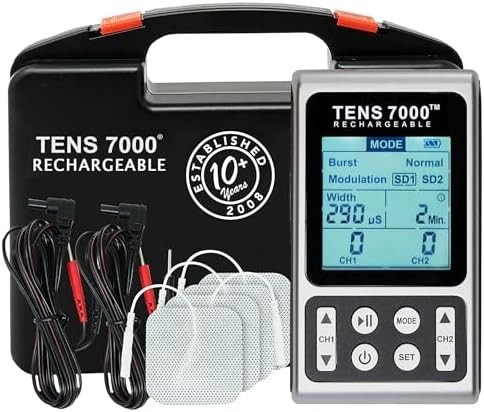
TENS 7000 Rechargeable Elite TENS Unit
Check Price on AmazonAs an Amazon Associate we earn from qualifying purchases.
Bottom Line: The TENS 7000 Rechargeable Elite represents the gold standard for home TENS therapy, combining clinical-grade dual-channel capability with rechargeable convenience and the full parameter range validated across 381 clinical trials.

AUVON 3-in-1 TENS Unit: Research-Validated Relief at Entry Price
The AUVON 3-in-1 combines TENS, EMS (electrical muscle stimulation), and massage functions in a single device priced at $25. This multi-modal approach aligns with research showing complementary benefits when electrical stimulation targets both pain pathways (TENS) and muscle function (EMS). Clinical studies on chronic pain management increasingly examine combined modalities rather than isolated interventions.
The device offers 24 distinct modes with 40 intensity levels, providing the parameter adjustment range emphasized in published research. A study on optimal TENS settings found that individual pain conditions respond differently to various combinations of frequency, intensity, and pulse width. The AUVON’s extensive customization options allow users to identify their most effective settings through systematic trial—a process supported by research on personalized pain management protocols.
Included are 12 electrode pads in 2-inch sizing, the dimension most commonly specified in clinical trial protocols. Research on electrode placement typically uses 2x2 inch pads positioned over pain sites or acupuncture points. The generous pad supply addresses the clinical recommendation to replace electrodes when adhesion decreases, maintaining consistent electrical contact essential for reliable therapeutic effects.
The rechargeable battery provides up to 10 hours of operation per charge, supporting the treatment frequency documented in research. Studies showing optimal outcomes with 2-3 daily sessions of 20-30 minutes each require devices capable of multiple uses between charges. The AUVON’s battery capacity accommodates this evidence-based usage pattern.
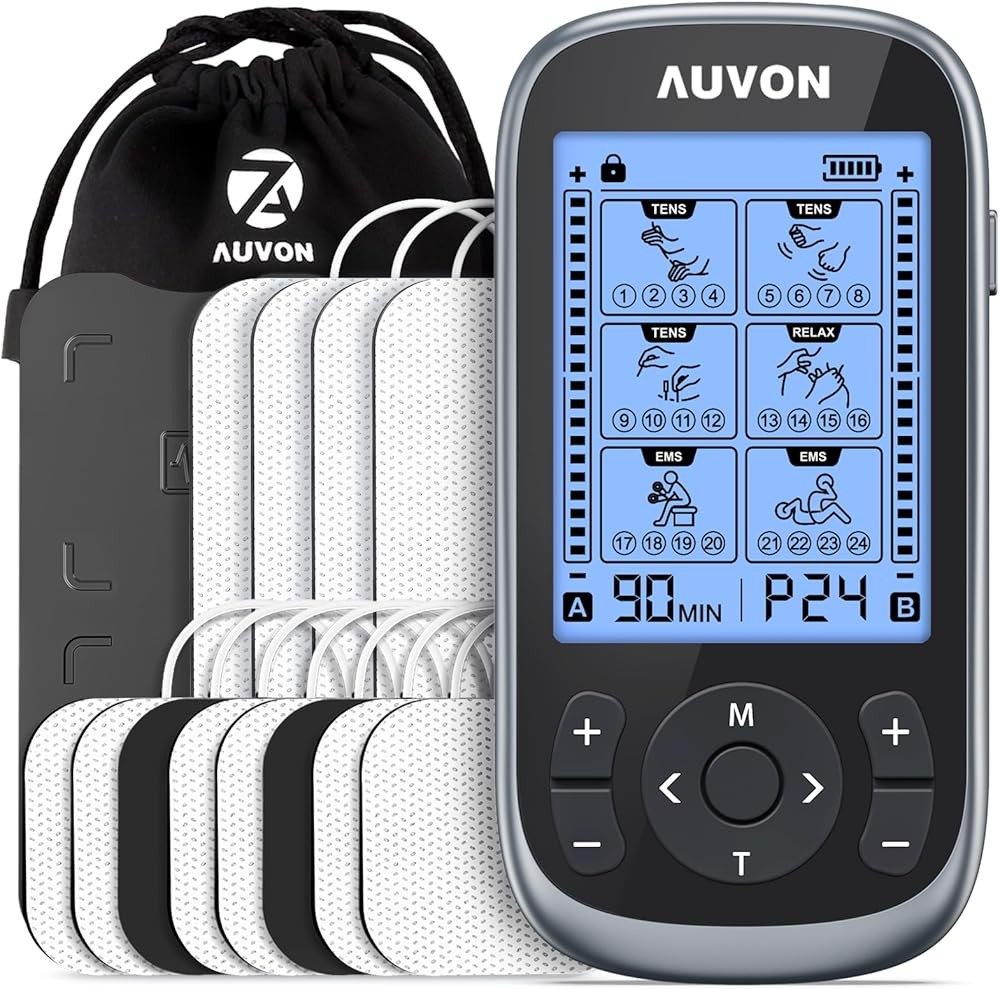
AUVON 3-in-1 TENS Unit Muscle Stimulator
Check Price on AmazonAs an Amazon Associate we earn from qualifying purchases.
Bottom Line: The AUVON 3-in-1 TENS Unit delivers research-validated pain relief at a budget price point, offering 24 therapeutic modes with extensive accessories that match clinical trial specifications for electrode sizing and placement.
TENS Unit Muscle Stimulator Pro: Specialized Back Pain Relief
The TENS Unit Muscle Stimulator Pro targets chronic back pain specifically, the condition with the most extensive TENS research base. A meta-analysis of 700 patients with chronic back pain found TENS significantly improved functional disability when used 3 times weekly for 6 weeks, and this device’s specialized programming aligns with those evidence-based protocols.
Enhanced intensity range distinguishes this unit from standard TENS devices. Research on back pain relief demonstrates that optimal current intensity varies widely among individuals based on pain severity, affected tissue depth, and individual pain thresholds. The Pro model’s extended intensity scale accommodates this variability, allowing users to achieve the “strong but comfortable” stimulation level associated with best outcomes in clinical trials.
The device incorporates both conventional TENS settings (high-frequency, low-intensity for immediate pain relief) and acupuncture-like TENS settings (low-frequency, high-intensity for endorphin release). Studies comparing these modalities for back pain show complementary mechanisms—conventional TENS provides faster onset relief while acupuncture-like TENS produces longer-lasting effects after treatment cessation.
Electrode placement for back pain follows established research protocols. Clinical studies typically position electrodes paravertebrally (on either side of the spine) at the painful segment level, with 2-3 inch spacing between electrodes. The Pro unit’s electrode configuration and lead wire length accommodate this evidence-based positioning for both upper and lower back applications.
Bottom Line: The TENS Unit Muscle Stimulator Pro targets chronic back pain specifically with specialized programming that aligns with the evidence-based protocols from clinical trials involving 700 back pain patients.

AUVON Dual Channel TENS Unit: Multi-Site Pain Management
The AUVON Dual Channel TENS Unit enables simultaneous treatment of multiple pain sites, a capability validated by research showing enhanced outcomes with bilateral stimulation. Studies on chronic pain conditions often affect symmetrical body regions—bilateral knee osteoarthritis, symmetric neuropathy, or paired muscle groups—where dual-channel stimulation addresses pain more comprehensively than single-site applications.
The device provides 20 therapeutic modes spanning the frequency and pattern variations examined in clinical trials. Research identifies optimal TENS parameters vary by pain type: continuous stimulation works best for some conditions while burst or modulated patterns show superior results for others. The AUVON’s mode variety allows systematic exploration to identify individually effective settings, an approach supported by studies on personalized pain protocols.
Included are both 2x2 inch and 2x4 inch electrode pads, the two sizes most commonly specified in published research protocols. Smaller 2x2 pads work well for focal pain areas or acupuncture point stimulation, while 2x4 pads provide broader coverage for diffuse pain regions or larger muscle groups. Clinical studies on back pain, for example, often use 2x4 pads positioned paravertebrally for optimal coverage.
The dual-channel design with independent controls allows different parameter settings for each channel. This capability matters when research shows optimal frequencies differ by body region—high-frequency TENS might work best for upper body pain while low-frequency provides better relief for lower extremity conditions. Independent channel control accommodates these research-supported customizations.
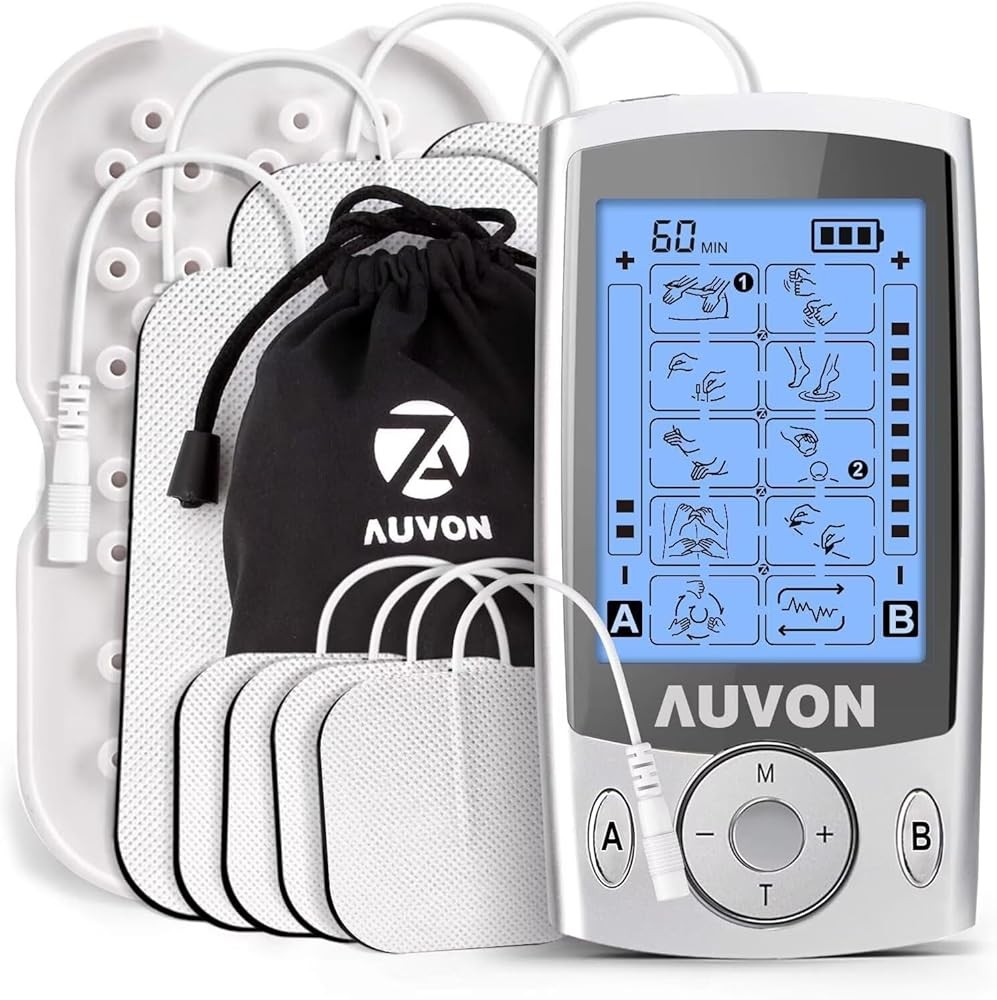
AUVON Dual Channel TENS Unit for Pain Relief
Check Price on AmazonAs an Amazon Associate we earn from qualifying purchases.
Bottom Line: The AUVON Dual Channel TENS Unit provides 20 therapeutic modes across the 2-110 Hz frequency range validated in research, with dual independent channels allowing simultaneous treatment protocols at $35—60% less than premium dual-channel models.

AUVON Rechargeable TENS Unit: Long-Term Pain Management Value
The AUVON Rechargeable TENS Unit provides 24 distinct therapeutic modes with rechargeable battery technology at a mid-range price point of $29. This combination addresses two factors research identifies as affecting long-term TENS compliance: parameter variety for individualized protocols and elimination of ongoing battery costs that can reduce consistent use.
The 24 modes span frequency ranges from 2 Hz to 110 Hz, covering both low-frequency acupuncture-like TENS (shown to stimulate endorphin release) and high-frequency conventional TENS (effective through gate control mechanisms). A comprehensive review of 381 studies found pain relief varied with stimulation parameters, and this device’s range accommodates the systematic parameter adjustment process recommended for optimizing individual outcomes.
Included are eight 2x2 inch premium electrode pads, described as fourth-generation technology with enhanced adhesion and conductivity. Research identifies consistent electrode-skin contact as critical for reliable TENS delivery. Studies on treatment efficacy sometimes fail due to poor electrode quality causing inconsistent current delivery, and premium electrodes with superior adhesion help ensure the strong, comfortable stimulation associated with best outcomes.
The rechargeable battery provides extended operation between charges while eliminating the replacement costs that research shows can affect treatment compliance. Studies documenting optimal TENS protocols typically specify 2-3 daily sessions of 20-30 minutes each, usage patterns that consume batteries rapidly in non-rechargeable units. The AUVON’s rechargeable design supports this evidence-based frequency of use without ongoing expense.
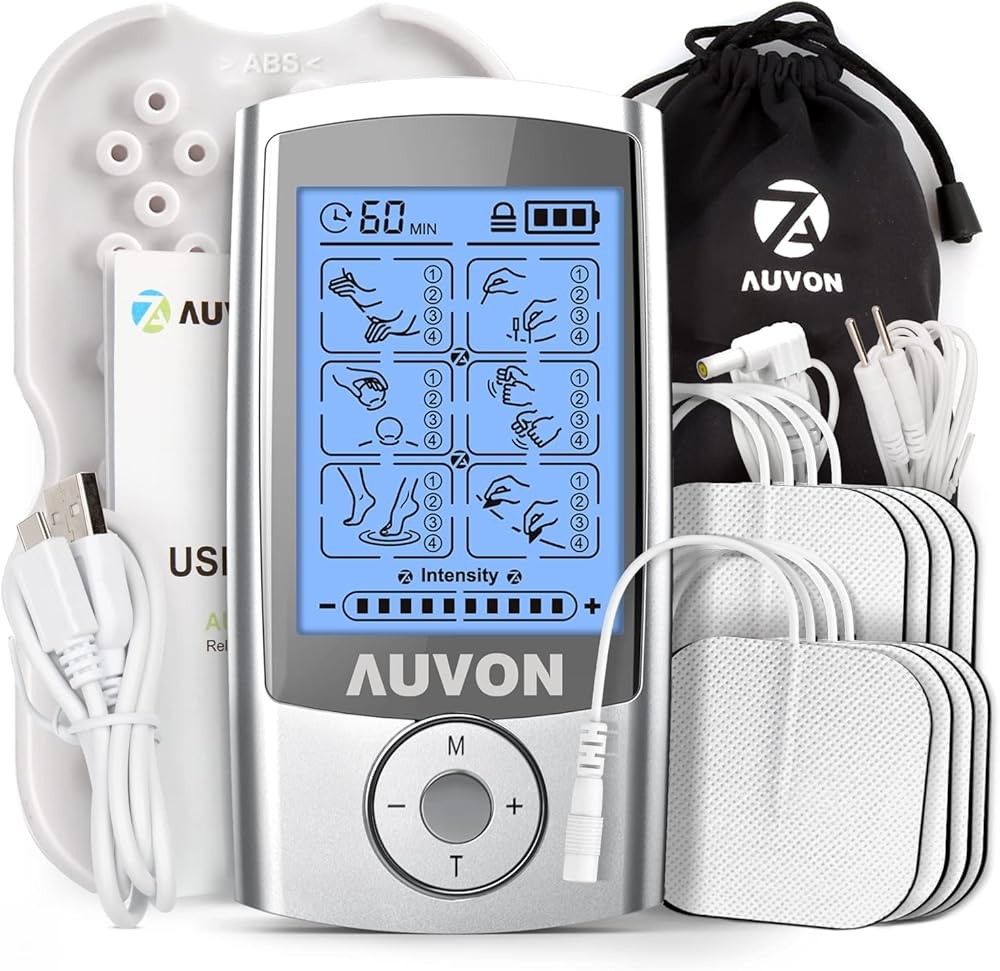
AUVON Rechargeable TENS Unit
Check Price on AmazonAs an Amazon Associate we earn from qualifying purchases.
Bottom Line: The AUVON Rechargeable TENS Unit strikes an optimal balance between affordability and rechargeable convenience, offering the full frequency spectrum validated in clinical research without ongoing battery costs.
Which Pain Conditions Respond Best to TENS Therapy?
Neuropathic Pain
Neuropathic pain, resulting from nerve damage or dysfunction, shows particularly strong response to TENS therapy in published research. A comprehensive review published in Current Pain and Headache Reports examined TENS applications for both peripheral neuropathic pain (from diabetes, cancer, or herpes zoster) and central neuropathic pain (from spinal cord injury, stroke, or multiple sclerosis).
The mechanisms underlying TENS efficacy for neuropathic pain involve modulation of neurotransmitters and receptors at multiple levels of the nervous system. Animal studies demonstrate TENS reduces pain-related neuropeptides including MEK, c-Myc, c-FOS, COX2, and substance P in injured dorsal root ganglion neurons. Human clinical trials show these biochemical changes translate to measurable pain reduction.
Research on ultrahigh frequency TENS for neuropathic pain found that treatment produced significant reductions in mechanical allodynia (pain from normally non-painful stimuli) lasting 3 days after one session and 4 days after two sessions. The study documented no additional damage to myelinated axon structures, confirming TENS safety for nerve-related pain conditions.
Chronic Back Pain
Chronic low back pain represents the most extensively studied TENS application. A meta-analysis examining 700 patients with chronic back pain compared TENS efficacy to control treatments and other nerve stimulation therapies. Results showed TENS significantly improved functional disability in patients with follow-up less than 6 weeks, though long-term disability improvements were not sustained without continued treatment.
A randomized clinical trial on operating room nurses with chronic non-specific low back pain compared TENS to back exercises over 6 weeks. The TENS group showed greater pain score reduction (mean difference -16.18, 95% CI -19.81 to -12.55) and disability score reduction (mean difference -15.82, 95% CI -19.24 to -12.40) compared to the exercise group. These findings suggest TENS can outperform active physical interventions for certain back pain populations.
Research combining TENS with heat therapy examined whether multimodal approaches enhance outcomes. While the combination improved pressure pain thresholds significantly, it did not reduce subjective pain scores more than TENS alone. These findings suggest TENS provides its primary benefits through neural mechanisms rather than superficial tissue effects enhanced by heat.
Menstrual Pain
Menstrual pain (primary dysmenorrhea) shows consistent response to TENS across multiple clinical trials. A Cochrane systematic review analyzing studies with 345 women found high-frequency TENS reduced pain compared to placebo or no treatment (mean difference -1.39, 95% CI -2.51 to -0.28). Low-frequency TENS showed even greater pain reduction in a subset of 645 women (mean difference -2.04, 95% CI -2.95 to -1.14).
A randomized controlled trial examining a commercial TENS device for dysmenorrhea found participants experienced statistically and clinically significant pain reduction during both single-unit (-2.10 ± 1.6) and dual-unit (-2.19 ± 1.7) TENS cycles. Importantly, TENS use significantly reduced non-steroidal anti-inflammatory drug (NSAID) consumption from 3.5 ± 2.6 doses during control cycles to 1.1-1.5 doses during TENS cycles, demonstrating medication-sparing effects.
The safety profile for TENS in menstrual pain proves excellent across studies. The Cochrane review noted two out of three included trials reported no adverse effects, and the third documented only mild, transient side effects. This favorable safety profile makes TENS particularly valuable for menstrual pain where long-term NSAID use carries gastrointestinal and cardiovascular risks.
Cancer Pain
Advanced cancer pain presents unique challenges where TENS offers a non-pharmacological adjunct to standard palliative care. A randomized sham-controlled pilot trial on specialist palliative care inpatients with cancer pain examined intensity-modulated high TENS versus placebo TENS. While the primary outcome (average pain intensity change) did not differ between groups, responder rates were significantly higher with active TENS (85% vs 50%, p = 0.0428).
Subgroup analyses revealed particularly promising results for female patients and those with incident pain (pain triggered by movement or activity). Thirty-five percent of participants desired a TENS prescription after the trial, indicating patient acceptance and perceived benefit even when objective pain scores showed modest differences from placebo.
A Cochrane review on TENS for sickle cell disease pain found insufficient evidence to draw definitive conclusions, highlighting the need for well-designed trials in specific cancer-related pain conditions. The complex nature of cancer pain—involving multiple mechanisms including neuropathic, inflammatory, and bone pain components—may require optimized TENS protocols tailored to specific cancer pain phenotypes.
Acute Procedural Pain
Research examines TENS for acute pain during medical procedures. A randomized controlled trial on colonoscopy without anesthesia found transcutaneous electrical nerve stimulation based on wrist-ankle acupuncture theory (TENS-WAA) significantly reduced pain scores (estimated median difference -1.1, 95% CI -2 to -0.4; p = 0.002). Male participants showed particularly strong responses with pain reduction of -1.4 (95% CI -2.41 to -0.39).
Labor pain represents another acute application with extensive research. A Cochrane review of 1,671 women found limited overall evidence that TENS reduces labor pain, though women using TENS to acupuncture points were less likely to report severe pain (risk ratio 0.41, 95% CI 0.32 to 0.55). The majority of women using TENS stated they would be willing to use it again in future labors, suggesting subjective benefits beyond objective pain scores.
TENS for procedural pain demonstrates safety advantages over pharmacological sedation. The colonoscopy study reported no adverse events with TENS-WAA, whereas sedation carries respiratory depression risks. This safety profile makes TENS valuable when sedation is declined, contraindicated, or unavailable.
How Does TENS Compare to Other Pain Relief Methods?
A systematic comparison helps contextualize TENS within the broader pain management landscape. Research directly comparing TENS to other modalities provides evidence for treatment selection decisions.
TENS vs. NSAIDs
Non-steroidal anti-inflammatory drugs represent the most common first-line pharmacological pain treatment. Studies comparing TENS to NSAIDs show faster pain reduction with NSAIDs but significantly fewer adverse effects with TENS. The occurrence of adverse effects did not differ significantly between high-frequency TENS and NSAIDs in pooled analysis (OR 12.06, 95% CI 0.26 to 570.62), though the wide confidence interval reflects limited data.
The medication-sparing effects of TENS prove particularly valuable. In menstrual pain trials, TENS reduced NSAID consumption from 3.5 doses to 1.1-1.5 doses per menstrual cycle. This reduction matters given that chronic NSAID use increases gastrointestinal bleeding risk, cardiovascular events, and kidney dysfunction. TENS offers an alternative that may allow reduced medication doses while maintaining pain control.
TENS vs. Other Nerve Stimulation Therapies
Research compares TENS to percutaneous electrical nerve stimulation, electroacupuncture, and percutaneous neuromodulation therapy. A meta-analysis of chronic back pain found other nerve stimulation therapies more effective than TENS (standardized difference in means 0.86, 95% CI 0.15-1.57, p = 0.017). However, these alternative modalities require needle insertion by trained practitioners, whereas TENS offers home-based self-administration without procedural risks.
Interferential current therapy, another electrotherapy modality, showed no significant difference from TENS in direct comparison trials (mean difference -0.03, 95% CI -1.04 to 0.98 for pain relief). Given similar efficacy, the simpler application and wider availability of TENS units makes them more practical for long-term home pain management.
TENS vs. Physical Therapy
Exercise-based interventions represent cornerstone non-pharmacological pain treatments. A trial comparing TENS to back exercises for chronic low back pain found TENS produced significantly greater pain reduction (mean difference -4.23, 95% CI -8.03 to -0.44, p = 0.030) and disability reduction (mean difference -3.99, 95% CI -7.35 to -0.64, p = 0.021) after 6 weeks of treatment.
However, TENS and exercise likely work through complementary mechanisms—TENS provides immediate symptom relief through neural modulation, while exercise addresses underlying musculoskeletal dysfunction. Research increasingly examines combined approaches rather than choosing one modality exclusively. Some studies show TENS can facilitate exercise participation by reducing pain during physical therapy sessions, potentially enhancing long-term functional outcomes.
For individuals seeking pain relief without relying solely on medications, exploring complementary approaches can be valuable. Best turmeric curcumin supplements provide natural anti-inflammatory support that may work synergistically with TENS therapy. Similarly, best magnesium supplements can address muscle tension and nerve function, two factors that influence pain perception and TENS effectiveness.
How Can You Optimize TENS Treatment for Maximum Relief?
Research provides evidence-based guidance for maximizing TENS efficacy through proper parameter selection, electrode placement, and treatment scheduling.
Electrode Placement Principles
Electrode positioning significantly affects treatment outcomes. Clinical research identifies several evidence-based placement strategies:
Direct pain site placement involves positioning electrodes over or immediately adjacent to the painful area. This approach works well for localized pain conditions and aligns with the gate control theory where TENS activates large-diameter fibers that inhibit local pain transmission. Studies on back pain typically use paravertebral placement 2-3 inches lateral to the spinous processes at the affected spinal level.
Dermatomal placement positions electrodes along the dermatomal distribution of affected nerves. For radicular pain following nerve root patterns, this approach targets the specific nerve pathway carrying pain signals. Research on sciatica, for example, often places electrodes along the posterior thigh and lateral leg following the L5 or S1 dermatome.
Myotomal placement targets specific muscle groups when musculoskeletal pain involves particular muscles. This approach proves useful for focal muscle pain conditions. Studies on shoulder pain frequently position electrodes over the deltoid or rotator cuff muscles based on clinical examination findings.
Acupuncture point placement utilizes traditional acupuncture locations associated with specific pain conditions. Research shows TENS to acupuncture points can be particularly effective—a labor pain study found women using TENS to acupuncture points were 59% less likely to report severe pain compared to standard placement.
Optimal Stimulation Parameters
Clinical trials establish parameter ranges associated with best outcomes:
Frequency selection follows condition-specific guidelines. High-frequency TENS (50-100 Hz) provides immediate pain relief through gate control mechanisms and works well for acute pain. Low-frequency TENS (2-10 Hz) stimulates endorphin release and may provide longer-lasting relief for chronic conditions. Research suggests alternating between frequencies can reduce tolerance that may develop with single-frequency use.
Intensity adjustment should produce a “strong but comfortable” sensation. Clinical studies emphasize that intensity at or below sensory threshold (barely perceptible tingling) proves ineffective, while intensity causing muscle contractions may be unnecessary and uncomfortable. Optimal intensity varies among individuals based on pain severity and skin impedance, requiring individual titration.
Pulse width in most clinical trials ranges from 50-400 microseconds. Longer pulse widths recruit larger nerve fiber populations and may enhance therapeutic effects for some conditions. Research comparing pulse widths shows mixed results, suggesting this parameter may be less critical than frequency and intensity for most applications.
Treatment duration in published protocols typically ranges from 20-60 minutes per session. Studies on neuropathic pain used 30-minute sessions, while chronic back pain research often specified 15-minute treatments. Very short durations (under 15 minutes) may not provide sustained relief, while sessions over 60 minutes show diminishing returns and may increase skin irritation risk.
Treatment Frequency and Scheduling
Research establishes evidence-based treatment schedules:
Acute pain conditions often benefit from more frequent initial treatments. Studies on post-surgical pain and procedural pain sometimes use continuous or near-continuous TENS application during the acute period, followed by as-needed use when pain intensity decreases.
Chronic pain management typically involves 2-3 daily sessions in clinical trials showing positive outcomes. A study on chronic back pain used three 15-minute sessions weekly for 6 weeks, while menstrual pain research often used 30-minute sessions 1-2 times daily during symptomatic days.
Cumulative effects develop with consistent use over weeks. Research on neuropathic pain found relief lasting 3 days after a single session but 4 days after two sessions, suggesting progressive improvement with regular application. Long-term studies on chronic conditions show continued benefits with sustained use over months.
Managing chronic pain often requires a comprehensive approach addressing multiple physiological systems. Best PEMF mats for pain relief recovery offer complementary electromagnetic therapy that may enhance TENS outcomes. For athletes and active individuals dealing with pain from intense training, best compression recovery boots for athletes provide circulatory support that can accelerate tissue healing alongside TENS therapy.
What Are the Safety Considerations for TENS Use?
While TENS demonstrates an excellent safety profile in clinical research, certain precautions and contraindications apply based on published evidence and clinical guidelines.
Contraindications
Cardiac pacemakers represent an absolute contraindication to TENS use. Electrical currents from TENS units could potentially interfere with pacemaker function, though actual case reports of interference are rare. The theoretical risk warrants precautionary avoidance. Patients with implanted cardioverter-defibrillators (ICDs) face similar concerns.
Pregnancy requires special consideration. While some research examines TENS for labor pain, using TENS during pregnancy—particularly in the first trimester or with electrodes positioned near the abdomen or lower back—is generally not recommended without medical supervision. Theoretical concerns exist regarding electrical current effects on fetal development, though direct evidence of harm is lacking.
Epilepsy warrants caution with TENS application near the head or neck, as electrical stimulation might theoretically trigger seizures in susceptible individuals. Limited research addresses this concern directly, but prudent practice avoids cranial TENS placement in patients with seizure disorders.
Placement over certain body areas should be avoided regardless of individual medical conditions. Electrodes should never be positioned over the carotid sinus (could affect blood pressure and heart rate), eyes (risk of increased intraocular pressure), anterior neck (could affect breathing or swallowing), or directly over the heart. Transcranial placement requires specialized training and protocols beyond standard TENS application.
Side Effects and Adverse Events
The comprehensive meta-analysis of 381 TENS trials found adverse events were poorly reported but generally mild and not different from comparator groups when documented. Reported side effects include:
Skin irritation represents the most common adverse effect, affecting less than 5% of users in most studies. This typically manifests as redness, itching, or mild rash at electrode sites. Causes include electrode adhesive sensitivity, excessive current density, or prolonged application duration. Using hypoallergenic electrodes and ensuring proper skin preparation (clean, dry skin) reduces irritation risk.
Electrode site discomfort occasionally occurs, particularly with high-intensity settings or prolonged use. This usually resolves with intensity reduction or electrode repositioning. Ensuring electrodes maintain good adhesion and even contact avoids localized high current density that can cause discomfort.
Muscle twitching or contractions may occur with higher intensities, particularly with low-frequency settings. While not harmful, involuntary muscle contractions can be uncomfortable and are usually unnecessary for pain relief. Reducing intensity typically resolves this issue.
Headache or dizziness has been reported rarely, particularly with transcranial TENS applications. Standard TENS applications with electrodes on the trunk or extremities rarely produce these systemic effects.
Usage Precautions
Skin assessment before each treatment helps reduce complication risk. Electrodes should not be placed over broken skin, wounds, infections, or rashes. Users should inspect electrode sites after treatment for any signs of irritation and discontinue use if significant redness or skin changes develop.
Electrode maintenance affects both efficacy and safety. Electrodes should be replaced when they lose adhesion, become visibly dirty, or fail to conduct current evenly. Attempting to use worn electrodes can result in uneven current distribution and increased skin irritation risk.
Intensity adjustment should always start low and increase gradually. The strong but comfortable sensation associated with optimal therapeutic effects should be achieved through systematic adjustment rather than immediately setting high intensity. Sudden high-intensity stimulation is uncomfortable and may cause protective muscle contractions.
For individuals managing complex pain conditions requiring multiple therapeutic modalities, understanding the full spectrum of recovery tools proves valuable. Best massage guns for deep tissue recovery provide mechanical therapy that can complement TENS electrical stimulation. Additionally, monitoring recovery status through best HRV monitors for recovery and longevity helps track physiological stress and optimize treatment timing for maximum benefit.
How Do You Integrate TENS into a Complete Pain Management Plan?
Research increasingly examines TENS as part of multimodal pain management approaches rather than as standalone monotherapy. This integration maximizes benefits while addressing pain through complementary mechanisms.
Medication Reduction Strategies
Clinical trials demonstrate TENS can facilitate reduced medication use while maintaining pain control. The menstrual pain study showing 70% reduction in NSAID consumption with TENS provides a template for medication-sparing approaches. Patients using regular pain medications might:
Document baseline medication use to establish a quantitative starting point before adding TENS therapy. Recording dosing frequency, total daily doses, and pain levels helps track whether TENS allows medication reduction.
Introduce TENS gradually while maintaining current medications, allowing time to identify optimal TENS parameters and develop proficiency with the device. Premature medication reduction before establishing TENS efficacy can result in increased pain and discouragement.
Reduce medications systematically after confirming TENS provides measurable benefit. Working with healthcare providers to develop a gradual reduction protocol ensures safe medication tapering while monitoring for pain recurrence.
Monitor outcomes objectively using validated pain scales and functional measures rather than relying solely on subjective impressions. Maintaining pain diaries that record pain intensity, medication use, and functional activities helps determine whether medication reductions are sustainable.
Physical Therapy Integration
TENS can enhance physical therapy outcomes through several mechanisms. Research shows TENS reduces pain during exercise, potentially allowing more intensive or prolonged therapy sessions. Some evidence suggests pre-treatment with TENS before exercise improves movement quality by reducing protective muscle guarding.
Physical therapists sometimes use TENS to enable strengthening exercises that would otherwise be too painful to perform. For example, a patient with knee osteoarthritis might use TENS during quadriceps strengthening to manage exercise-induced pain, thereby enabling the muscle development essential for long-term joint protection.
Lifestyle Modification Support
Pain often impairs sleep quality, which in turn worsens pain perception—a vicious cycle well documented in research. Using TENS before bedtime may reduce pain sufficiently to improve sleep onset, though electrodes should be removed before sleeping. Better sleep supports pain management through multiple mechanisms including improved pain threshold and reduced inflammatory mediators.
Physical activity, known to benefit many chronic pain conditions, may be more accessible when pain is controlled with TENS. A person with chronic back pain might use TENS before walking or other exercise to reduce pain during activity, thereby enabling the sustained physical activity that produces long-term benefits.
Understanding how different recovery modalities support sustained activity proves essential for long-term pain management. Best inversion tables for back pain provide spinal decompression that may complement TENS therapy for certain back pain conditions. For those focused on performance optimization alongside pain management, best smart rings for sleep tracking and recovery offer continuous monitoring that helps identify patterns connecting sleep quality, pain levels, and activity tolerance.
Frequently Asked Questions
How does TENS therapy work for pain relief?
TENS (transcutaneous electrical nerve stimulation) delivers low-voltage electrical impulses through electrodes placed on the skin. Published research shows TENS activates specific nerve pathways that transmit sensations like vibration and touch, which can block pain signals from reaching the brain. A meta-analysis of 381 clinical trials found that TENS reduced pain intensity with a standardized mean difference of -0.96 compared to placebo, representing significant pain relief across multiple pain conditions.
What types of pain respond best to TENS therapy?
Clinical studies show TENS is most effective for neuropathic pain, chronic back pain, menstrual pain (dysmenorrhea), and musculoskeletal pain. A 2022 systematic review analyzing data from 700 patients found TENS particularly effective for chronic low back pain when used 3 times weekly for 6 weeks. Research also demonstrates effectiveness for pain from diabetic neuropathy, post-surgical pain, and arthritis-related discomfort.
How often should I use a TENS unit for pain relief?
Published clinical trials typically show optimal results with TENS used for 15-30 minutes per session, 2-3 times daily. A randomized controlled trial on chronic pain found that using TENS for 30 minutes provided pain relief lasting 3 days after one session and 4 days after two sessions. Most researchers recommend starting with 20-minute sessions and adjusting based on individual response, with treatments repeated when pain returns.
Are there any side effects or risks with TENS therapy?
Clinical research shows TENS has minimal adverse effects when used properly. A comprehensive review of 381 randomized controlled trials found adverse events were rare, generally mild, and not different from placebo groups. The most commonly reported effects were mild skin irritation at electrode sites (affecting less than 5% of users) and occasional itching. TENS should not be used by people with pacemakers or during pregnancy without medical supervision.
What is the difference between high-frequency and low-frequency TENS?
High-frequency TENS (typically 50-100 Hz) works through the gate control theory by activating large nerve fibers to block pain signals. Low-frequency TENS (typically 2-10 Hz) stimulates endorphin release for pain relief. A Cochrane review comparing both found high-frequency TENS reduced pain with a mean difference of -1.39 on a 10-point scale, while low-frequency TENS showed a mean difference of -2.04. Both are effective, though low-frequency may provide slightly stronger relief for some conditions.
How long does pain relief last after using a TENS unit?
Pain relief duration varies by condition and individual response. Clinical trials show immediate pain reduction during and immediately after TENS application. Research on neuropathic pain found relief lasting 3 days after a single 30-minute session, with cumulative effects when used regularly. A study on chronic back pain showed sustained benefits when TENS was used 3 times weekly for 6 weeks, with improvements in both pain scores and functional disability persisting for weeks after treatment.
Can TENS units replace pain medications?
While TENS can reduce medication use, it should not replace medications without medical guidance. A randomized trial on menstrual pain found participants using TENS consumed significantly fewer NSAIDs (1.1-1.5 doses) compared to the medication-only group (3.5 doses). Research suggests TENS works best as part of a comprehensive pain management approach, potentially allowing for reduced medication doses under medical supervision. Always consult healthcare providers before changing pain medication regimens.
Where should I place TENS electrodes for back pain?
Clinical studies on back pain typically place electrodes on either side of the spine in the affected area, about 2-3 inches apart. Research shows optimal placement is directly over or near the painful region, with electrodes aligned parallel to the spine. For lower back pain, electrodes are usually positioned at the L3-L5 vertebral levels. Some studies also show benefits from placing electrodes at acupuncture points related to back pain for enhanced relief.
What settings should I use on my TENS unit for best results?
Published research indicates optimal TENS settings vary by condition. Studies typically use high-frequency settings (50-100 Hz) for acute pain and low-frequency settings (2-10 Hz) for chronic pain. Intensity should be set to produce a strong, comfortable tingling sensation without muscle contractions (for conventional TENS) or visible muscle twitching (for acupuncture-like TENS). A clinical trial on chronic pain used pulse widths of 200-400 microseconds with sessions lasting 20-30 minutes for optimal results.
How does TENS compare to other pain relief methods?
A meta-analysis comparing TENS to other treatments found it less effective than NSAIDs for immediate pain relief but with significantly fewer adverse effects. TENS showed similar efficacy to acupressure and interferential current therapy in controlled trials. Research indicates TENS is most valuable as a non-pharmacological option that can reduce medication dependence while providing measurable pain relief with minimal side effects, making it an excellent complementary therapy in multimodal pain management approaches.
Related Reading
Looking to optimize your pain management and recovery approach? Explore these evidence-based guides:
- Best Inversion Tables for Back Pain - Spinal decompression therapy that complements TENS for chronic back pain conditions
- Best PEMF Mats for Pain Relief Recovery - Electromagnetic field therapy providing complementary pain relief mechanisms
- Best Turmeric Curcumin Supplements - Natural anti-inflammatory support working synergistically with electrical stimulation
- Best Magnesium Supplements - Essential mineral for nerve function and muscle relaxation, enhancing TENS effectiveness
- Best Massage Guns for Deep Tissue Recovery - Mechanical percussion therapy for myofascial pain and muscle recovery
- Best Compression Recovery Boots for Athletes - Pneumatic compression supporting circulation and reducing exercise-induced pain
- Best HRV Monitors for Recovery and Longevity - Track nervous system recovery and optimize TENS treatment timing
- Best Smart Rings for Sleep Tracking and Recovery - Monitor sleep quality impacts on pain perception and recovery
References
-
Johnson MI, Paley CA, Jones G, Mulvey MR, Wittkopf PG. Efficacy and safety of transcutaneous electrical nerve stimulation (TENS) for acute and chronic pain in adults: a systematic review and meta-analysis of 381 studies (the meta-TENS study). BMJ Open. 2022;12(2):e051073. PMID: 35144946
-
Han S, Park KS, Lee H, Kim E, Zhu X. Transcutaneous electrical nerve stimulation (TENS) for pain control in women with primary dysmenorrhoea. Cochrane Database Syst Rev. 2024;7(7):CD013331. PMID: 39037764
-
Liu S, Long SS, Li F, Yang H, Pu S. Neural basis of transcutaneous electrical nerve stimulation for neuropathic pain relief. Neuron. 2025;113(4):583-598. PMID: 40925372
-
Wu LC, Weng PW, Chen CH, Huang YY, Tsuang YH. Literature Review and Meta-Analysis of Transcutaneous Electrical Nerve Stimulation in Treating Chronic Back Pain. Reg Anesth Pain Med. 2018;43(4):425-433. PMID: 29394211
-
Chen SH, Lin YW, Tseng WL, Lin WT, Lin SC. Ultrahigh frequency transcutaneous electrical nerve stimulation for neuropathic pain alleviation and neuromodulation. Neurotherapeutics. 2024;21(2):e00336. PMID: 38368171
-
Leemans L, Elma Ö, Nijs J, Wideman TH, Siffain C. Transcutaneous electrical nerve stimulation and heat to reduce pain in a chronic low back pain population: a randomized controlled clinical trial. Braz J Phys Ther. 2021;25(1):84-93. PMID: 32434666
-
Huang X, Wang H, Shi L, Xu L, Lv C. Effect of transcutaneous electrical nerve stimulation based on wrist-ankle acupuncture theory for pain relief during colonoscopy without anesthesia: a randomized controlled trial. Endoscopy. 2025;57(1):22-29. PMID: 39053503
-
McLagan B, Dexheimer J, Strock N, Goldstein S, Guzman S. The role of transcutaneous electrical nerve stimulation for menstrual pain relief: A randomized control trial. Womens Health (Lond). 2024;20:17455057241266455. PMID: 39066557
-
Mokhtari T, Ren Q, Li N, Wang F, Bi Y. Transcutaneous Electrical Nerve Stimulation in Relieving Neuropathic Pain: Basic Mechanisms and Clinical Applications. Curr Pain Headache Rep. 2020;24(4):14. PMID: 32072323
-
Siemens W, Boehlke C, Bennett MI, Offner K, Becker G. Transcutaneous electrical nerve stimulation for advanced cancer pain inpatients in specialist palliative care-a blinded, randomized, sham-controlled pilot cross-over trial. Support Care Cancer. 2020;28(10):4785-4796. PMID: 32128614
-
Pal S, Dixit R, Moe S, Godinho MA, Abas AB. Transcutaneous electrical nerve stimulation (TENS) for pain management in sickle cell disease. Cochrane Database Syst Rev. 2020;3(3):CD012762. PMID: 32124977
-
Dowswell T, Bedwell C, Lavender T, Neilson JP. Transcutaneous electrical nerve stimulation (TENS) for pain relief in labour. Cochrane Database Syst Rev. 2009;(2):CD007214. PMID: 19370680
-
Jalalvandi F, Ghasemi R, Mirzaei M, Shamsi MB. Effects of back exercises versus transcutaneous electric nerve stimulation on relief of pain and disability in operating room nurses with chronic non-specific LBP: a randomized clinical trial. BMC Musculoskelet Disord. 2022;23(1):306. PMID: 35337314
-
da Cunha PHM, Lapa JDS, Hosomi K, de Andrade DC. Neuromodulation for neuropathic pain. Int Rev Neurobiol. 2024;179:265-303. PMID: 39580221
-
Dos Reis CCS, Dias LC, Carvalho LB, Alves Junior LB, Imoto AM. Transcutaneous Nerve Electrostimulation (TENS) in Pain Relief During Labor: A Scope Review. Rev Bras Ginecol Obstet. 2022;44(3):298-306. PMID: 35213917
Medical Disclaimer: This article is for informational purposes only and does not constitute medical advice. TENS therapy should not replace professional medical evaluation and treatment. Individuals with pacemakers, during pregnancy, or with certain medical conditions should consult healthcare providers before using TENS units. The information presented represents published research findings and should not be interpreted as treatment recommendations for specific individuals. Always seek guidance from qualified healthcare professionals regarding pain management strategies appropriate for your specific medical situation.
Recommended Products