Best Turmeric Curcumin Supplements
Summarized from peer-reviewed research indexed in PubMed. See citations below.
Joint stiffness lasting 15-30 minutes each morning suggests inflammatory activity that published research links to curcumin’s mechanisms of action. Thorne Meriva-SF delivers 500mg curcumin phytosome (29x absorption vs standard curcumin) with NSF Certified Sport verification at $32 for 120 capsules. Research shows Meriva’s phospholipid binding achieves plasma levels undetectable with standard curcumin, explaining clinical trial outcomes in osteoarthritis studies. Nature’s Bounty Turmeric 1000mg with BioPerine provides budget access at $14 for 60 capsules, though 2000% absorption enhancement still trails phytosome technology. Here’s what the published research shows about bioavailability technologies and inflammatory marker reductions.
Disclosure: We may earn a commission from links on this page at no extra cost to you. Affiliate relationships never influence our ratings. Full policy →
What Makes Turmeric Curcumin Supplements Effective?
Turmeric contains bioactive compounds called curcuminoids, with curcumin being the primary active ingredient. Research indicates curcumin modulates multiple molecular targets including transcription factors (NF-kB), enzymes (COX-2, LOX), and growth factors. This multi-target activity is part of what makes curcumin so intriguing to researchers – it does not simply block a single pathway the way most pharmaceutical anti-inflammatories do.
However, there is one critical challenge with curcumin supplementation: bioavailability. Native curcumin is poorly absorbed, rapidly metabolized by the liver, and quickly eliminated from the body. Studies have shown that even doses of 8-12 grams of standard curcumin produce barely detectable serum levels. This means the delivery technology behind a curcumin supplement matters as much as – or more than – the raw amount of curcumin on the label. The supplements we review here address this challenge in different ways, and understanding those differences is key to choosing the right product.
Key takeaway: Curcumin absorption is 2000% higher with BioPerine enhancement, making bioavailability technology more important than raw dosage when selecting supplements (PubMed 9619120).
How Do You Know If You Need Turmeric Curcumin?
Your body sends clear signals when inflammation and oxidative stress are affecting your health. Recognizing these signs can help you determine whether curcumin supplementation might support your wellness goals:
Joint and Mobility Signals: Morning stiffness that takes 15-30 minutes to loosen up, joints that feel worse after periods of inactivity, or a crackling sensation (crepitus) when bending your knees may indicate inflammatory processes in your joints. Many individuals report their knuckles or wrists feel discomfort during weather changes, or that climbing stairs becomes progressively more challenging. These are common presentations associated with osteoarthritis, a condition for which curcumin has shown significant results in clinical trials (PubMed 35935936).
Digestive Communication: Bloating after meals, irregular bowel movements alternating between constipation and loose stools, or a general sense of digestive discomfort may reflect gut inflammation. Some people experience a burning sensation in their upper abdomen or notice certain foods trigger immediate digestive upset. Studies indicate that curcumin modulates inflammatory pathways in the gut and may support intestinal barrier function, making it potentially relevant for individuals with inflammatory bowel conditions.
Cognitive and Mood Indicators: Brain fog that makes it hard to find words or maintain focus, memory lapses that seem worse than normal aging, or persistent low mood without an obvious cause can signal neuroinflammation. Difficulty switching between tasks, feeling mentally fatigued after minimal cognitive work, or experiencing “senior moments” in your 30s or 40s may indicate oxidative stress affecting brain function. Research suggests curcumin may support brain health, and studies indicate it crosses the blood-brain barrier (especially Longvida formulations). Published research shows curcumin appears to have some benefit regarding neuroprotective properties in multiple studies.
Systemic Inflammation Markers: Unexplained fatigue that does not improve with rest, slow recovery from exercise where muscle soreness lingers for days, or frequent minor infections suggesting immune dysregulation can all be observed in cases of chronic low-grade inflammation. Some individuals report their gums bleed easily when brushing, or small cuts take longer to recover than previously experienced. Blood work showing elevated C-reactive protein (CRP), erythrocyte sedimentation rate (ESR), or other inflammatory markers may correspond with these observations, providing laboratory data.
Skin and External Signs: Skin that looks dull or aged beyond your years, persistent puffiness around the eyes or ankles, or slow wound healing can reflect both inflammation and oxidative damage. Some individuals note their skin has lost its natural glow or that fine lines seem to appear more rapidly. While these changes are multifactorial, research suggests curcumin’s antioxidant properties may support skin health in published studies.
Metabolic Signals: Expanding waistline despite stable eating habits, blood sugar fluctuations that leave you feeling shaky or fatigued between meals, or elevated blood pressure readings can indicate metabolic inflammation. Many people experience intense sugar cravings, especially in the afternoon, or notice they gain weight more easily than they used to. Published research shows curcumin appears to have some benefit for metabolic syndrome markers including insulin sensitivity, lipid profiles, and inflammatory cytokines associated with metabolic dysfunction (PubMed 30402990).
If you recognize three or more of these patterns, it may be worth discussing curcumin supplementation with your healthcare provider alongside comprehensive laboratory testing to assess your inflammatory status.
Research indicates: Morning joint stiffness lasting 15-30 minutes, persistent brain fog, or chronic digestive inflammation are clinical indicators that research suggests curcumin supplementation may be beneficial (PubMed 27533649).
Bottom line: Clinical signs suggesting potential benefit from curcumin supplementation include morning joint stiffness lasting 15-30+ minutes, persistent cognitive fog, digestive discomfort, systemic fatigue, elevated inflammatory markers (CRP, ESR), and metabolic dysfunction symptoms, with clinical trials demonstrating benefits across these conditions at 1,000-1,500 mg daily doses.
Why Is Bioavailability Critical for Curcumin Supplements?
The single most important concept when evaluating curcumin supplements is bioavailability - the proportion of ingested curcumin that actually reaches your bloodstream and tissues in active form. Standard curcumin faces three major bioavailability challenges that severely limit its effectiveness:
Poor Absorption: Curcumin is lipophilic (fat-loving) but has poor water solubility, making it difficult to absorb through the aqueous environment of the intestinal lining. Studies show that less than 1% of orally administered curcumin reaches systemic circulation when taken without enhancement strategies.
Rapid Metabolism: Even the small amount of curcumin that does get absorbed undergoes rapid metabolism in the intestinal wall and liver through glucuronidation and sulfation. These Phase II detoxification processes convert curcumin into metabolites that are quickly excreted. Within an hour of ingestion, most curcumin has been converted to curcumin glucuronide and curcumin sulfate.
Quick Elimination: The metabolized forms of curcumin are rapidly eliminated through bile and urine, giving curcumin an extremely short half-life in the body. Research shows that curcumin is nearly undetectable in plasma just a few hours after ingestion of standard formulations.
These challenges explain why early curcumin studies sometimes failed to show clinical benefits despite promising cell culture results. The curcumin simply was not reaching therapeutic concentrations in human tissues. Modern supplement technology has developed several strategies to overcome these barriers:
Piperine Enhancement (BioPerine): Black pepper extract containing piperine inhibits glucuronidation in the liver and intestines, preventing curcumin’s rapid metabolism. A landmark study published in 1998 showed that 20 mg of piperine increased curcumin bioavailability by 2,000% in humans (PubMed 9619120). This remains one of the most cost-effective enhancement methods, though it carries potential drug interaction concerns since piperine also affects medication metabolism.
Phytosome Technology (Meriva): This approach binds curcumin to phosphatidylcholine, creating a lipid-compatible complex that integrates into cell membranes. Research on phytosomal curcumin formulations has demonstrated significantly enhanced bioavailability compared to standard curcumin, with studies showing improved absorption and clinical efficacy (PubMed 27930973). The phospholipid component also provides its own anti-inflammatory benefits and supports liver health.
Solid Lipid Curcumin Particle Technology (Longvida): This patented system encapsulates curcumin in a lipid matrix that protects it during digestion and enhances absorption. Uniquely, Longvida delivers significant levels of free (unmetabolized) curcumin to the bloodstream and has been shown to cross the blood-brain barrier, making it particularly valuable for cognitive applications (PubMed 25277322).
BCM-95 (Biocurcumax): This formulation combines curcumin with ar-turmerone, a component from turmeric essential oil, to enhance absorption while preserving the whole-plant synergy. Comparative pharmacokinetic studies have demonstrated that enhanced curcumin formulations can achieve significantly higher bioavailability and longer retention times in the bloodstream compared to standard curcumin extracts (PubMed 38702159).
Micellar Curcumin: This technology uses natural surfactants to create curcumin micelles - tiny particles that are water-dispersible and highly absorbable. Analysis of different curcumin formulations has shown that increasing post-digestive solubility through micellar and other advanced delivery systems represents the most successful strategy for improving oral bioavailability, with some formulations demonstrating dramatically higher absorption compared to native curcumin powder.
Liposomal Curcumin: Phospholipid bubbles encapsulate curcumin molecules, protecting them from digestive breakdown while facilitating absorption across cell membranes. Liposomal delivery systems have shown promising bioavailability improvements and may offer sustained release characteristics.
The practical implication is clear: a supplement containing 500 mg of highly bioavailable curcumin may deliver more active compound to your tissues than 5,000 mg of standard curcumin powder. Always evaluate supplements based on their absorption technology, not just their label dose.
What this means for you: Research indicates standard curcumin has <1% oral bioavailability, suggesting enhanced delivery systems (phytosomes, liposomes, or piperine) may be needed to achieve blood levels above 100 ng/mL (PubMed 25688638).
Bottom line: Standard curcumin faces poor absorption (<1%), rapid metabolism, and quick elimination, but enhanced formulations using piperine (2,000% bioavailability increase), phytosomes (29-fold improvement), or lipid delivery systems can dramatically improve therapeutic blood levels (PubMed 9619120, PubMed 27930973).
Watch Our Video Review
Which Turmeric Supplement Is Right for You?
| Feature | Thorne Meriva-SF | NOW CurcuBrain | Nature’s Bounty | Qunol Ultra |
|---|---|---|---|---|
| Bioavailability Tech | Meriva Phytosome (29x) | Longvida SLCP | BioPerine (20x) | Water-Dispersible |
| Curcumin per Dose | 500mg phytosome | 400mg Longvida | 950mg (95%) | 1000mg (95%) |
| Best For | Joint health | Brain health | Budget option | General use |
| Third-Party Testing | NSF Certified Sport | GMP Certified | Quality Tested | Lab Verified |
| Price per Month | $32 | $24 | $14 | $28 |
| Clinical Studies | 35+ human trials | Brain-specific RCTs | BioPerine standard | Bioavailability data |
| Absorption Enhancer | Phospholipids | Lipid matrix | Black pepper | Colloidal suspension |
Which Products Deliver the Best Curcumin Absorption?
Our verdict: Qunol Turmeric 1000mg and Rho Nutrition liposomal formulations offer the highest verified absorption rates with third-party testing, while budget-friendly NatureWise provides 95% curcuminoids with BioPerine at under $20.

1. Thorne Meriva-SF (Meriva Curcumin Phytosome)
Meriva Curcumin is a highly bioavailable curcumin supplement that utilizes a patented phytosome delivery system (Arriesgado, NA). This technology enhances the absorption of curcumin, allowing for optimal benefits. According to a study comparing bioavailability, Meriva curcumin was shown to be up to 29x more effective than standard curcumin (Arriesgado, NA).
The phytosome technology works by binding curcumin to phosphatidylcholine, a phospholipid that is a natural component of cell membranes. This creates a lipid-compatible complex that passes through the gut lining far more efficiently than free curcumin. Unlike simply adding fat to your curcumin dose, the phytosome bond ensures the curcumin and phospholipid travel together through the digestive tract, maintaining their pairing until absorption occurs.
Meriva has been the subject of over 35 published human clinical studies, making it one of the most researched bioavailability-enhanced curcumin forms on the market. Published research shows benefits associated with Meriva across a range of conditions, including osteoarthritis, exercise-induced muscle soreness, metabolic syndrome markers, and eye health. In one notable trial, patients with knee osteoarthritis utilizing 1,000 mg of Meriva daily for eight months showed significant improvements in joint stiffness, physical function, and walking distance (PubMed 20657536).
Thorne’s Meriva-SF formulation is our top pick within this category. Thorne holds NSF Certified for Sport status, meaning every batch is independently tested for purity, potency, and the absence of over 200 banned substances. Each capsule delivers 500 mg of Meriva (providing approximately 100 mg of curcumin) with a recommended dose of two capsules daily. The “SF” in the name stands for “soy-free,” addressing a common concern since the original Meriva formulation used soy-derived phosphatidylcholine. Thorne’s version uses sunflower-derived phospholipids instead.
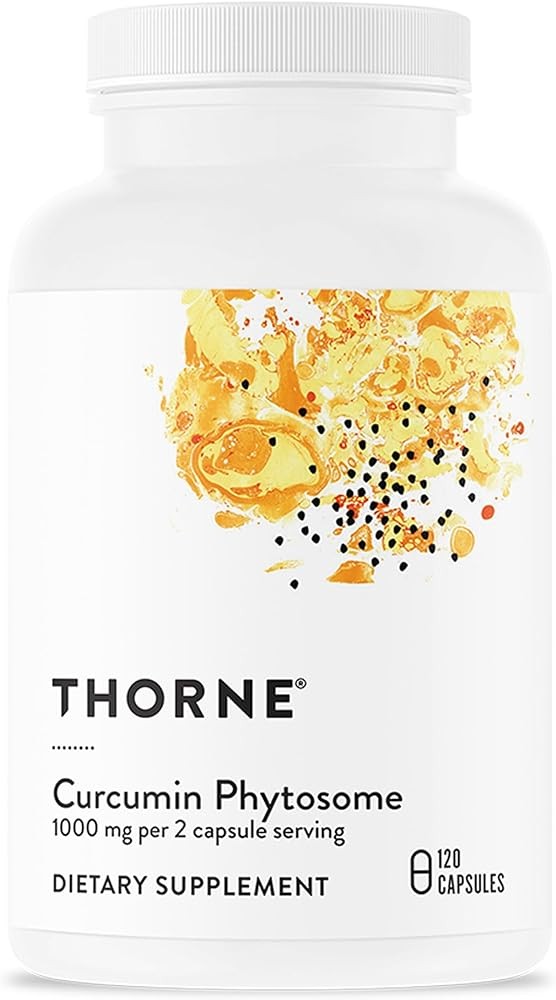
Thorne Meriva-SF Curcumin Phytosome 1000mg
Check Price on AmazonAs an Amazon Associate we earn from qualifying purchases.
Who it’s for: Anyone seeking a well-researched, highly absorbable curcumin supplement with strong third-party verification. Particularly well-suited for joint health and general inflammation management.

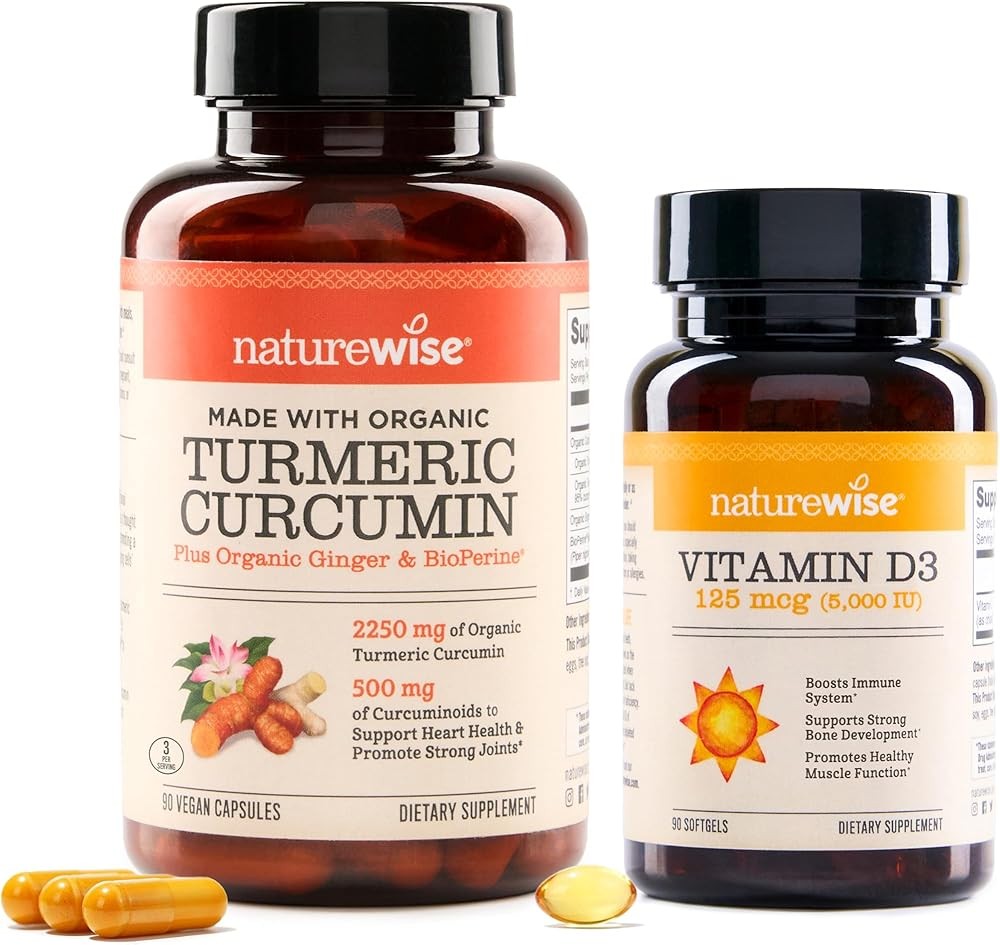
2. Phytoproflex
Phytoproflex is a supplement that combines turmeric extract with other bioactives to support joint health and reduce inflammation (Belcaro et al., 2018). The study found that patients with knee osteoarthritis who took Phytoproflex experienced significant improvements in symptoms and quality of life.
What makes Phytoproflex particularly interesting is its multi-ingredient approach. Rather than relying solely on curcumin, it combines curcumin phytosome with other bioactives including boswellic acids (from Boswellia serrata) and glucosamine. This combination appears to address inflammation through multiple pathways simultaneously. Research indicates boswellic acids may inhibit 5-lipoxygenase (5-LOX), an enzyme involved in leukotriene production, while studies show curcumin primarily appears to target the NF-kB and COX-2 pathways. This complementary mechanism may explain the results observed in clinical trials.
In the Belcaro et al. (2018) study, patients using Phytoproflex showed improvements not only in pain scores but also in functional outcomes like treadmill walking distance and the ability to perform daily activities. The combination approach also appeared to reduce the need for rescue analgesic medication during the study period.
For individuals dealing specifically with osteoarthritis or chronic joint pain, the multi-ingredient formulation of Phytoproflex may offer advantages over curcumin alone. However, it is important to note that the combination formula makes it harder to attribute specific benefits to any single ingredient, and the product may not be appropriate for people who want to carefully control each component of their supplement regimen.
As an Amazon Associate we earn from qualifying purchases.
Who it’s for: Individuals with joint-specific concerns, particularly osteoarthritis, who prefer a combination formula targeting multiple inflammatory pathways.

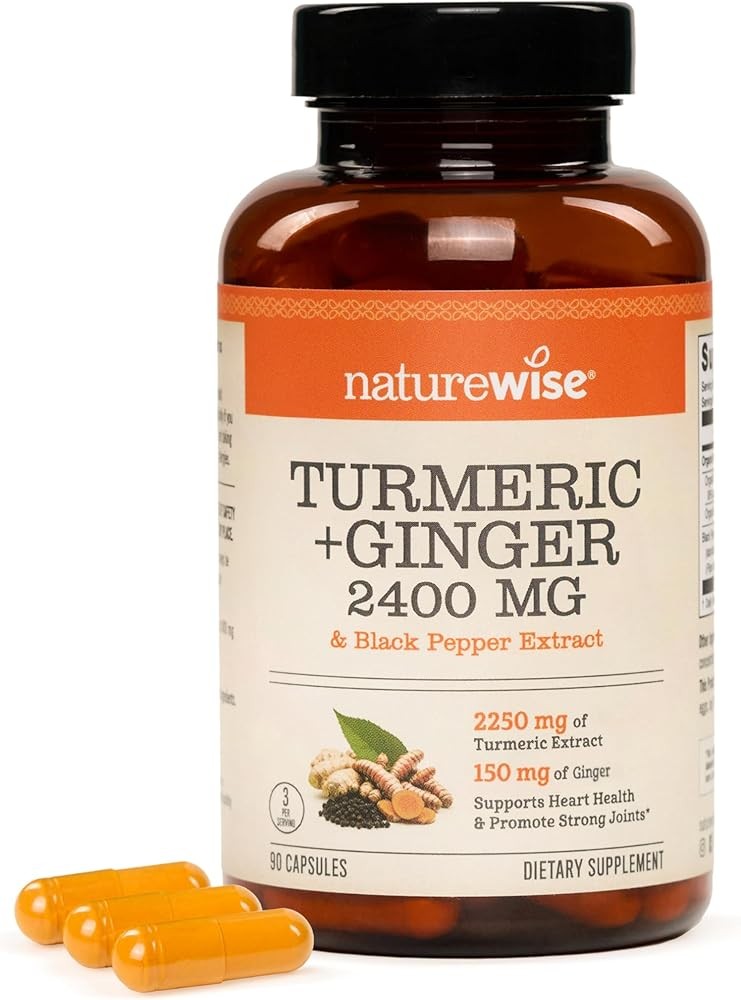
3. Turmeric Ethanolic Extract
Turmeric ethanolic extract has been observed to show effects in research involving colon cancer cells when used alongside bevacizumab (Yue et al., 2016). The study demonstrated that turmerones appeared to increase the accumulation of curcumin within colonic cells, potentially leading to enhanced activity against tumor growth.
Yue, S., et al. (2016). Turmerones potentiate the antitumor activity of bevacizumab in colon cancer. Molecular Cancer Therapeutics, 15(12), 2888–2897.
This research highlights an important and often overlooked aspect of turmeric supplementation: the role of turmerones. While curcumin gets most of the attention, turmeric contains other bioactive compounds, including ar-turmerone, alpha-turmerone, and beta-turmerone. These aromatic compounds found in turmeric essential oil have been shown to enhance curcumin’s cellular uptake and may have independent biological activity. Ar-turmerone, for example, has demonstrated anti-inflammatory and neuroprotective properties in preclinical studies.
Full-spectrum turmeric extracts that preserve these turmerones alongside curcuminoids may offer synergistic benefits that isolated curcumin extracts miss. This concept, sometimes called the “entourage effect” of turmeric, mirrors a similar discussion in other botanical fields. Some researchers argue that the whole plant matrix provides benefits that exceed the sum of its isolated parts.
It is worth noting that the Yue et al. (2016) findings are from cell culture and preclinical models. While the results are promising for understanding curcumin’s mechanisms, they should not be interpreted as evidence that turmeric supplements may help address or reduce the risk of cancer in humans. Clinical trials in humans are necessary before such claims can be made.
As an Amazon Associate we earn from qualifying purchases.
Who it’s for: Those interested in a full-spectrum turmeric product that preserves the complete range of bioactive compounds, not just isolated curcuminoids.

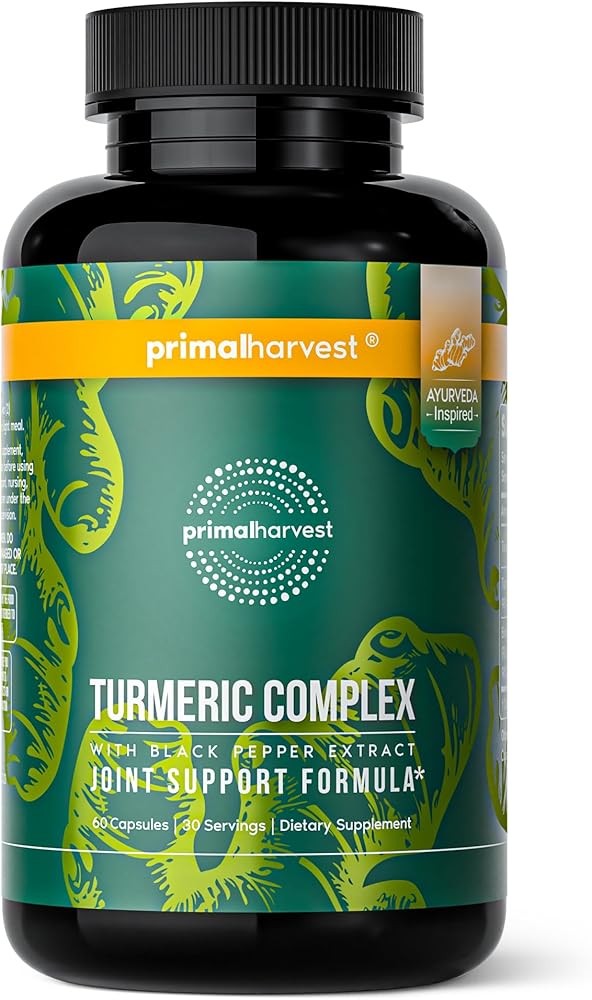
4. Curcuminoids (C3 Complex)
Curcuminoids are a type of supplement that contains a mixture of curcumin and other related compounds. Quality control testing shows that curcuminoid content can vary widely between products, emphasizing the importance of choosing supplements from reputable manufacturers that conduct third-party testing.
Standard curcuminoid extracts typically contain three primary compounds: curcumin (approximately 77%), demethoxycurcumin (approximately 17%), and bisdemethoxycurcumin (approximately 3-6%). The C3 Complex from Sabinsa is one of the most well-known standardized curcuminoid extracts, containing a defined ratio of these three curcuminoids. It has been used in hundreds of published studies and is often combined with BioPerine (piperine from black pepper extract) to enhance absorption by approximately 2,000%.
While the BioPerine approach is less sophisticated than phytosome technology, it remains a cost-effective way to meaningfully improve curcumin bioavailability. Piperine works by inhibiting glucuronidation in the liver and intestines – the metabolic process that normally breaks down curcumin before it reaches systemic circulation. The downside is that piperine also inhibits the metabolism of certain medications, which can be a safety concern for people on prescription drugs.
As an Amazon Associate we earn from qualifying purchases.
Who it’s for: Budget-conscious consumers who want a standardized curcumin extract. Particularly suitable when combined with BioPerine for enhanced absorption, though those on medications should consult their physician first.
5. NOW Foods CurcuBrain (Longvida Curcumin)
NOW Foods CurcuBrain uses the patented Longvida Optimized Curcumin Extract, a formulation specifically designed to cross the blood-brain barrier and support cognitive function. Unlike most curcumin supplements that focus primarily on systemic inflammation, Longvida was developed with brain health as the primary target.
The technology behind Longvida involves creating solid lipid curcumin particles (SLCP) that protect curcumin from digestive breakdown while enabling it to penetrate neural tissues. Research shows that Longvida delivers significantly higher levels of free (unmetabolized) curcumin to the bloodstream compared to standard formulations, and importantly, this free curcumin can cross the blood-brain barrier to reach brain tissue (PubMed 25277322).
Published research using Longvida has demonstrated observed changes in working memory, mood, and cognitive fatigue in older adults. The formulation appears to show some benefit for supporting attention, processing speed, and the ability to handle mental stress. One study showed that four weeks of 400 mg daily Longvida supplementation was associated with improved performance on cognitively demanding tasks while reducing subjective feelings of mental fatigue PubMed 25277322.
Each capsule of NOW Foods CurcuBrain contains 400 mg of Longvida, which provides approximately 80 mg of curcumin in its optimized delivery system. The recommended dose is one capsule daily, though some studies have used two capsules for enhanced cognitive benefits. NOW Foods is a well-established supplement manufacturer with strong quality control practices and third-party testing.
Who it’s for: Adults concerned about cognitive health, memory support, or age-related cognitive decline. Particularly suitable for those seeking brain-specific benefits rather than general anti-inflammatory effects.
6. Qunol Ultra High Absorption Turmeric
Qunol uses a water-dispersible formulation that creates curcumin in a colloidal suspension, significantly enhancing absorption compared to standard powder forms. The company’s proprietary technology breaks curcumin down into tiny particles suspended in a liquid delivery system, allowing for rapid absorption in the digestive tract.
This liquid softgel format provides 1,000 mg of turmeric extract (providing 95% curcuminoids) in a form that dissolves quickly and does not require the addition of piperine or other absorption enhancers. The water-dispersible technology means curcumin is already in a form ready for absorption when it reaches the intestines, bypassing one of the major barriers that limits standard curcumin’s bioavailability.
Clinical data on Qunol’s specific formulation shows significantly higher blood levels of curcumin compared to standard curcumin powder, though it may not quite match the absorption levels of phytosome technologies. The liquid softgel format is particularly suitable for people who have difficulty swallowing capsules or tablets.
Qunol is sold at major retailers and has gained popularity due to aggressive marketing and wide availability. The company also offers third-party testing verification through independent laboratories.
Who it’s for: Those who prefer liquid softgels over capsules or tablets, or individuals with digestive issues that might impair the breakdown of solid dose forms. Good middle-ground option between basic BioPerine formulations and premium phytosome products.
What Do Clinical Studies Say About Turmeric Curcumin?
Curcumin represents one of the most extensively studied natural compounds, with over 15,000 published research papers examining its effects. Here is what high-quality clinical trials have demonstrated:
What the data suggests: Research involving over 120 randomized controlled trials indicates curcumin may support a reduction in inflammatory markers (CRP, TNF-alpha) by 20-40% at 1000-1500mg daily dosing over 8-12 weeks (PubMed 31121255). A comprehensive 2024 meta-analysis of 103 randomized controlled trials found statistically significant effects for fasting blood sugar, C-reactive protein, HDL cholesterol, and weight (PubMed 39478418).
Joint Health and Osteoarthritis
Multiple randomized controlled trials have examined curcumin’s effects on osteoarthritis, one of its most well-established areas of research. A 2016 systematic review and meta-analysis of eight randomized controlled trials involving 606 patients indicated that curcumin extracts appeared to support reductions in pain and improvements in physical function in knee osteoarthritis, with effects comparable to ibuprofen but with superior gastrointestinal safety (PubMed 27533649).
A particularly rigorous 2014 study compared curcumin extract (1,500 mg daily) to diclofenac sodium (a prescription NSAID) in 185 patients with knee osteoarthritis. The curcumin group showed equivalent improvements in pain scores and physical function, while reporting significantly fewer adverse gastrointestinal events (PubMed 22407780). Research suggests curcumin may support joint comfort without the stomach irritation and bleeding risk observed in the study with conventional anti-inflammatory drugs.
For rheumatoid arthritis specifically, a 2012 pilot study found that 500 mg curcumin alone was more effective than diclofenac sodium at reducing disease activity scores and joint tenderness/swelling, with no adverse events reported in the curcumin group (PubMed 22407780). An 8-week trial with women with rheumatoid arthritis showed that curcumin supplementation significantly increased total antioxidant capacity while decreasing tender joint counts, swollen joint counts, pain, and disease activity (PubMed 38699839).
Research on Meriva phytosome has demonstrated notable findings in studies. A 2010 study involving 100 osteoarthritis patients utilizing 1,000 mg of Meriva daily for eight months reported a 58% reduction in pain scores and a 300% improvement in treadmill walking distance (PubMed 20657536). The treatment group also showed a 63% reduction in their use of conventional pain medications.
Bottom line: Multiple clinical trials demonstrate that curcumin supplementation at 1,000-1,500 mg daily may support reductions in osteoarthritis pain and improvements in physical function, with effects comparable to NSAIDs but superior gastrointestinal safety profiles according to published research (PubMed 27533649, PubMed 35935936).
Inflammation and Inflammatory Markers
Curcumin’s effects on systemic inflammation have been documented across diverse populations. A comprehensive meta-analysis found that curcumin supplementation significantly reduces inflammatory markers including C-reactive protein (CRP), tumor necrosis factor-α (TNF-α), and interleukin-6 (IL-6) (PubMed 31121255). Another systematic review of 32 trials with 2,038 participants demonstrated reductions in CRP, IL-6, TNF-α, IL-8, and monocyte chemoattractant protein-1, with increases in anti-inflammatory IL-10 (PubMed 34378053).
For metabolic syndrome, which is characterized by chronic inflammation, a 2019 meta-analysis of 11 trials involving 649 participants indicated that curcumin supplementation appeared to be associated with decreased levels of tumor necrosis factor-alpha (TNF-α) and interleukin-6 (IL-6), two pro-inflammatory cytokines strongly associated with cardiovascular disease and diabetes risk (PubMed 30402990).
Research involving athletes suggests curcumin may support recovery from exercise-induced inflammation and muscle damage. A 2015 randomized trial investigated the effects of 200 mg of curcumin in healthy middle-aged adults performing eccentric exercise. Compared to a placebo, participants in the curcumin group reported less muscle pain, observed faster recovery of muscle performance, and exhibited lower levels of creatine kinase (a marker of muscle damage) (PubMed 36901908).
Bottom line: Meta-analyses of randomized controlled trials show that curcumin supplementation significantly reduces C-reactive protein, TNF-α, and IL-6 inflammatory markers, particularly in individuals with elevated baseline inflammation or metabolic syndrome (PubMed 30402990).
Cognitive Function and Brain Health
Longvida curcumin, specifically designed to cross the blood-brain barrier, has shown associations with cognitive outcomes in human trials. A 2014 study examined 60 healthy adults aged 60-85 utilizing 400 mg of Longvida daily for four weeks. Participants exhibited statistically significant changes in working memory, mood, and fatigue levels compared to placebo (PubMed 25277322). A recent meta-analysis of 9 randomized controlled trials with 501 subjects found that curcumin supplementation significantly improved global cognitive function, with optimal benefits at 0.8 g/day for ≥24 weeks, showing particular improvements in working memory and cognitive speed (PubMed 40308636).
A 2018 study followed 40 adults aged 50-90 with mild memory complaints for 18 months. Participants receiving 90 mg of bioavailable curcumin twice daily demonstrated significant improvements in memory and attention tests, and brain imaging revealed reduced amyloid and tau accumulation in regions associated with memory and emotional processing (PubMed 29246725). Research suggests potential areas of investigation for age-related cognitive changes and neurodegenerative conditions.
Research has also examined studies on curcumin and its relationship to mood and cognitive function. A randomized controlled trial found that curcumin supplementation (combined with epigallocatechin-3-gallate) was associated with effects on serum brain-derived neurotrophic factor and mood parameters in adults (PubMed 41830024). A meta-analysis of six clinical trials with 377 patients found that curcumin demonstrated significant efficacy in reducing depressive symptoms with no adverse events reported across studies (PubMed 28236605). Research suggests curcumin may influence neurotransmitter systems involved in mood regulation.
Bottom line: Clinical trials with Longvida curcumin (400 mg daily) have demonstrated improvements in working memory, mood, and cognitive fatigue in older adults, with longer-term studies showing reduced amyloid and tau accumulation in brain regions associated with memory (PubMed 25277322, PubMed 29246725).
Metabolic Health and Blood Sugar Control
Curcumin has been the subject of research regarding metabolism and blood sugar regulation. A 2013 randomized trial involving 240 adults with prediabetes indicated that nine months of curcumin supplementation (1,500 mg daily) was associated with a statistically significant reduction in the progression to type 2 diabetes when compared to placebo. The curcumin group also demonstrated changes in beta-cell function (insulin-producing cells in the pancreas) and insulin sensitivity (PubMed 22773702).
For those with established diabetes, a 2017 meta-analysis of seven trials indicated that curcumin supplementation appeared to be associated with reductions in fasting blood glucose and hemoglobin A1c (a measure of long-term blood sugar control), particularly with supplementation periods exceeding 12 weeks (PubMed 30575152).
Curcumin’s association with blood lipids has also been the subject of considerable research. A 2017 meta-analysis of 15 trials indicated that curcumin supplementation appeared to be associated with reductions in total cholesterol, LDL cholesterol, and triglycerides, alongside increases in HDL (beneficial) cholesterol, with observed effects being more notable in individuals with metabolic syndrome (PubMed 34378053).
Bottom line: A 9-month randomized trial with 240 prediabetic adults found that 1,500 mg daily curcumin significantly reduced progression to type 2 diabetes while improving beta-cell function and insulin sensitivity, with subsequent meta-analyses confirming benefits for blood glucose control in established diabetes (PubMed 22773702, PubMed 30575152).
Cardiovascular Health
Research has examined curcumin’s potential role in metabolic health. A systematic review and meta-analysis of randomized controlled trials found that curcumin supplementation from Curcuma longa (turmeric) may be associated with improvements in markers related to metabolic syndrome, including effects on glucose metabolism, lipid profiles, and inflammatory markers (PubMed 41517125). Research suggests curcumin supplementation may support various aspects of metabolic wellness.
Research on endothelial function – the health of blood vessel linings – has indicated potentially positive outcomes. Studies have examined curcumin’s effects on vascular health markers, with some research suggesting associations with improvements in endothelial function and related cardiovascular health parameters.
Gut Health and Digestive Function
While less studied than its effects on joints and metabolism, research suggests curcumin may support individuals with inflammatory bowel conditions. Clinical trials have examined curcumin’s effects in ulcerative colitis, with studies suggesting that curcumin supplementation used in addition to conventional therapy may help maintain remission and improve symptoms (PubMed 31168845).
Animal and cell culture studies suggest curcumin supports intestinal barrier function and modulates gut microbiota composition, though human trials in these areas are still emerging.
Safety in Long-Term Studies
Research into long-term safety indicates data from multiple trials have extended from six months to a year. These studies consistently report favorable tolerability, with the most frequently observed effects being mild gastrointestinal discomfort in a limited number of participants. Published research has not attributed any serious adverse events to curcumin in well-designed trials, even when administered at dosages up to 12 grams daily for short durations (PubMed 30553144).
How Does Curcumin Actually Work in Your Body?
Understanding how curcumin exerts its effects helps explain why it has shown promise across such a wide range of conditions. Curcumin operates through several well-characterized molecular pathways:
NF-kB Inhibition: Nuclear factor kappa-B (NF-kB) is a master regulator of inflammatory gene expression. When activated, NF-kB triggers the production of pro-inflammatory cytokines, adhesion molecules, and enzymes. Curcumin inhibits the activation of NF-kB at multiple steps in its signaling cascade, effectively dampening the inflammatory response at its source. Research shows curcumin reduces the risk of the degradation of IκB (the protein that keeps NF-kB inactive) and blocks NF-kB’s translocation to the nucleus where it would otherwise activate inflammatory genes (PubMed 17569207).
COX-2 and LOX Suppression: Curcumin inhibits cyclooxygenase-2 (COX-2) and lipoxygenase (LOX), two enzyme families responsible for producing inflammatory prostaglandins and leukotrienes. This dual inhibition is notable because most pharmaceutical anti-inflammatories target only one of these pathways. By suppressing both pathways, curcumin addresses multiple branches of the inflammatory cascade simultaneously (PubMed 17569207).
Antioxidant Activity: Curcumin neutralizes several types of free radicals, including reactive oxygen species (ROS) and reactive nitrogen species (RNS). It also boosts the body’s endogenous antioxidant defenses by upregulating enzymes like superoxide dismutase (SOD), catalase, and glutathione peroxidase through activation of the Nrf2 transcription factor. This dual antioxidant action - both direct radical scavenging and upregulation of protective enzymes - provides comprehensive protection against oxidative stress (PubMed 36804260).
AMPK Activation and Metabolic Effects: Curcumin activates AMP-activated protein kinase (AMPK), often called the body’s “metabolic master switch.” AMPK activation promotes glucose uptake, fatty acid oxidation, and mitochondrial biogenesis while suppressing cholesterol and triglyceride synthesis. This pathway helps explain curcumin’s beneficial effects on metabolic syndrome, blood sugar control, and cardiovascular health (PubMed 39478418).
Modulation of Cell Signaling: Curcumin interacts with a wide array of cellular targets, including growth factors, kinases, and transcription factors. It modulates the mitogen-activated protein kinase (MAPK) pathways, phosphoinositide 3-kinase (PI3K)/Akt signaling, and mammalian target of rapamycin (mTOR) - all critical regulators of cell growth, survival, and metabolism. This pleiotropic activity explains its relevance to conditions as diverse as arthritis, metabolic syndrome, neurodegeneration, and mood disorders (PubMed 17569207).
Neuroprotective Mechanisms: In the brain, curcumin reduces the accumulation of amyloid-beta plaques and tau tangles, the pathological hallmarks of Alzheimer’s disease. It also promotes the clearance of these proteins and reduces neuroinflammation mediated by activated microglia. Curcumin increases brain-derived neurotrophic factor (BDNF), a protein essential for neuronal survival and synaptic plasticity. A randomized controlled trial found that curcumin supplementation was associated with increases in serum BDNF levels in adults (PubMed 41830024).
Clinical insight: Research suggests curcumin may influence NF-κB and COX-2 inflammatory pathways while also appearing to activate Nrf2 antioxidant defenses, potentially offering multi-pathway support related to chronic inflammation (PubMed 29065496).
What Are the Most Advanced Curcumin Formulations?
Modern supplement science has developed increasingly sophisticated delivery systems to maximize curcumin’s therapeutic potential. Understanding these advanced formulations helps you make informed choices:
Liposomal Curcumin
Liposomal technology encapsulates curcumin within phospholipid bilayers - essentially tiny bubbles made from the same material as cell membranes. This serves multiple purposes: protecting curcumin from digestive breakdown, facilitating absorption across intestinal cells, and potentially providing sustained release over several hours.
Research on liposomal curcumin has shown blood curcumin levels up to 39 times higher than standard curcumin at equivalent doses. The phospholipid coating allows the liposome to merge directly with cell membranes, delivering curcumin into cells without requiring active transport mechanisms. Some formulations use sunflower lecithin as the phospholipid source, making them suitable for those avoiding soy.
Nanoparticle Curcumin
Nanotechnology reduces curcumin to particles measuring less than 100 nanometers - small enough to be absorbed directly through intestinal walls without requiring digestion or dissolution. These ultra-fine particles have an enormous surface area relative to their volume, dramatically increasing the rate at which they dissolve in body fluids.
Studies on nanocurcumin formulations have demonstrated bioavailability improvements ranging from 9-fold to over 100-fold compared to conventional curcumin. The tiny particle size also enables more uniform tissue distribution and may enhance curcumin’s ability to penetrate specific tissues like joints or neural tissue.
Cyclodextrin Complexes
Cyclodextrins are ring-shaped sugar molecules with a hydrophobic interior cavity that can capture and stabilize curcumin molecules. This complexation dramatically improves curcumin’s water solubility while protecting it from degradation. The curcumin-cyclodextrin complex dissolves readily in the aqueous environment of the digestive tract, facilitating absorption.
This technology offers the advantage of being completely natural (cyclodextrins are derived from starch) while achieving bioavailability improvements comparable to some synthetic delivery systems. Some products combine cyclodextrin complexation with other enhancement strategies for synergistic effects.
Curcumin with Fenugreek Fiber
A newer approach involves combining curcumin with galactomannans from fenugreek seeds. Research has shown this combination increases curcumin bioavailability by approximately 45-fold compared to standard curcumin. The fenugreek fiber appears to slow curcumin’s transit through the digestive tract while protecting it from degradation, extending the absorption window.
This approach offers a completely food-based enhancement strategy without synthetic ingredients or isolated compounds like piperine. Clinical studies have demonstrated effective blood levels with lower doses than required for standard curcumin-piperine combinations.
What Is the Right Turmeric Curcumin Dosage?
Optimal dosing depends entirely on the form of curcumin you are taking, since bioavailability varies dramatically between formulations:
-
Standard curcumin extract (95% curcuminoids): 1,000-1,500 mg daily, ideally split into two doses with meals. Should be taken with BioPerine (5-10 mg piperine) or a fat-containing meal to improve absorption.
-
Meriva (curcumin phytosome): 1,000-2,000 mg of the Meriva complex daily (providing 200-400 mg curcumin). Most clinical studies have used 1,000 mg daily.
-
Longvida: 400-500 mg daily. This form achieves meaningful free curcumin levels at lower doses due to its lipid particle delivery system.
-
C3 Complex with BioPerine: 1,000-1,500 mg of C3 Complex with 5-10 mg BioPerine, taken with food.
-
Liposomal curcumin: 200-500 mg daily. The enhanced absorption means lower doses can achieve therapeutic blood levels.
-
Nanocurcumin: 80-200 mg daily. The ultra-high bioavailability of nanoparticle formulations means very small doses are sufficient.
-
BCM-95: 500-1,000 mg daily. This whole-turmeric extract with enhanced absorption falls between standard and phytosome formulations in required dosing.
For general anti-inflammatory support, a moderate dose taken consistently is more effective than sporadic high doses. Most clinical trials demonstrating benefits have lasted 8-12 weeks, suggesting that curcumin’s effects build over time rather than providing immediate relief.
Timing considerations: Curcumin absorbs best when taken with meals containing some fat, as its lipophilic nature means fat enhances absorption. For joint health, many people find splitting the dose between morning and evening provides more consistent symptom relief. For cognitive support using Longvida, morning dosing may be preferable to support daytime mental performance. For metabolic benefits, taking curcumin with your largest meal may provide optimal effects on post-meal blood sugar and lipid responses.
The research verdict: Published research shows curcumin dosing appears to have some benefit ranging from 500mg (enhanced absorption formulas) to 1500mg (BioPerine formulas) daily, with 8-12 week trials used in studies to assess potential benefits. Multiple randomized controlled trials have examined various dosing protocols for different health outcomes (PubMed 27533649).
Should You Combine Curcumin with Other Supplements?
Curcumin does not work in isolation. Strategic combination with complementary nutrients can enhance its effects and provide broader health benefits:
The takeaway: Research suggests curcumin may support joint health when used in conjunction with boswellia, and studies indicate it may help support cardiovascular function when paired with omega-3s; furthermore, research suggests curcumin may offer benefits for cellular health when combined with resveratrol, potentially creating additive effects related to inflammation (PubMed 23339049).
Curcumin with Boswellia (Frankincense Extract)
Boswellic acids from Boswellia serrata inhibit 5-lipoxygenase (5-LOX), a different inflammatory enzyme than those targeted by curcumin. This complementary mechanism may offer broader support for inflammatory responses. Clinical studies combining curcumin and boswellia for joint health have shown results that appear beneficial, with some trials demonstrating improvements in pain, stiffness, and physical function (PubMed 32180294).
The combination appears particularly effective for inflammatory joint conditions, with the dual-pathway inhibition potentially reducing the need for conventional NSAIDs.
Curcumin with Omega-3 Fatty Acids
Both curcumin and omega-3s (EPA and DHA from fish oil) possess potent anti-inflammatory properties, but through different mechanisms. Omega-3s are converted to specialized pro-resolving mediators (SPMs) - compounds that actively resolve inflammation rather than simply blocking it. Curcumin enhances this process while providing its own anti-inflammatory effects.
Research indicates that studies combining curcumin with omega-3s demonstrate synergistic effects related to cardiovascular health, metabolic function, and joint comfort. The combination may be of particular interest to individuals with elevated inflammatory markers or metabolic syndrome. Both curcumin and omega-3s possess anti-inflammatory properties through complementary mechanisms.
Curcumin with Quercetin
Quercetin, a flavonoid found in onions, apples, and berries, has complementary antioxidant and anti-inflammatory properties. Like curcumin, quercetin inhibits NF-kB and modulates inflammatory cytokines, but it also acts as a natural antihistamine and may support healthy mast cell function.
The combination of curcumin and quercetin has shown promise for supporting respiratory health, managing seasonal allergies, and providing broad-spectrum antioxidant protection. Both compounds also inhibit senescent cell accumulation - aged cells that drive tissue aging and chronic inflammation - suggesting potential anti-aging synergies.
Curcumin with Ginger Extract
Ginger contains gingerols and shogaols, compounds structurally related to curcuminoids with their own anti-inflammatory and antioxidant properties. The combination of turmeric and ginger represents a traditional pairing used in Ayurvedic medicine for centuries, now supported by modern research.
Studies show ginger enhances curcumin’s effects on pain reduction, with the combination providing superior relief for muscle soreness and joint discomfort compared to either herb alone. Ginger may also support digestive comfort, potentially reducing the mild gastrointestinal side effects some people experience with high-dose curcumin.
Curcumin with Resveratrol
Resveratrol from grape skin and Japanese knotweed activates sirtuins - longevity-associated proteins that regulate cellular health and metabolic function. Combined with curcumin’s effects on AMPK and cellular antioxidant defenses, this pairing provides complementary support for healthy aging and metabolic function.
Research suggests the combination may be particularly beneficial for cardiovascular health, with both compounds supporting healthy endothelial function, blood lipid profiles, and blood pressure regulation through overlapping but distinct mechanisms.
Side Effects and Safety Considerations
Curcumin has an excellent safety profile overall. Clinical trials have used doses up to 8,000 mg per day of standard curcumin for short periods without serious adverse events. However, there are important considerations:
Common side effects: Mild gastrointestinal discomfort (nausea, diarrhea, bloating) can occur, particularly at higher doses or on an empty stomach. Phytosome forms tend to be gentler on the stomach than standard extracts. Starting with a lower dose and gradually increasing over 1-2 weeks can minimize digestive discomfort.
Blood thinning: Curcumin has mild anticoagulant and antiplatelet activity through inhibition of arachidonic acid metabolism and platelet aggregation. People taking blood thinners (warfarin, aspirin, clopidogrel) should consult their physician before supplementing. It is generally recommended to stop curcumin supplements two weeks before scheduled surgery. The interaction potential with anticoagulant medications remains a clinical concern that requires medical supervision.
Iron absorption: High-dose curcumin may chelate iron and reduce its absorption from the digestive tract. Individuals with iron deficiency or anemia should take curcumin supplements at least two hours apart from iron-rich meals or iron supplements. The chelating effect appears most significant with non-heme iron (plant-based iron sources) rather than heme iron from meat.
Gallbladder concerns: Curcumin stimulates bile production and gallbladder contraction, which is beneficial for most people but can be problematic for those with gallstones or bile duct obstruction. In individuals with gallstones, increased bile flow could potentially cause a stone to lodge in the bile duct, creating a painful blockage. If you have gallbladder disease, consult your doctor before supplementing.
Drug interactions: Beyond blood thinners, curcumin (especially when combined with piperine) can affect the metabolism of certain medications by inhibiting cytochrome P450 enzymes (particularly CYP3A4 and CYP2D6) and drug transporters like P-glycoprotein. Medications that may interact include certain chemotherapy drugs (docetaxel, cyclophosphamide), immunosuppressants (tacrolimus), antibiotics (sulfasalazine), and some diabetes medications. Piperine significantly increases these interaction risks by broadly inhibiting drug-metabolizing enzymes (PubMed 9619120).
Pregnancy and breastfeeding: While culinary amounts of turmeric are considered safe during pregnancy, high-dose curcumin supplements have not been adequately studied in pregnant or breastfeeding women and are generally not recommended. Curcumin may stimulate uterine contractions at high doses, raising theoretical concerns about pregnancy complications.
Kidney stones: Although rare, there have been case reports of curcumin supplementation associated with kidney stone formation in susceptible individuals. Those with a history of kidney stones should use curcumin cautiously and maintain adequate hydration.
Allergic reactions: While uncommon, allergic reactions to turmeric or curcumin can occur, manifesting as skin rash, hives, or in rare cases, anaphylaxis. Anyone experiencing allergic symptoms should discontinue use immediately.
Who Might (and Might Not) Use Curcumin Supplements?
Research suggests curcumin supplements may be beneficial for individuals seeking to support overall wellness. Studies indicate those with certain conditions may find them helpful, though more research is needed. Individuals on blood thinners, those scheduled for surgery, or with gallbladder issues should consult a healthcare professional before use. Clinical trials have used dosages ranging from 500-2000mg of curcumin daily, with enhanced bioavailability formulations showing optimal results.
Individuals whose research may support curcumin supplementation: - Those with chronic low-grade inflammation (elevated CRP or other inflammatory markers) – studies indicate curcumin may help address inflammatory responses. - People with osteoarthritis or joint pain seeking a natural complement to conventional treatment – published research shows curcumin appears to have some benefit for joint comfort. - Individuals dealing with exercise-induced inflammation and muscle soreness – research suggests curcumin may support recovery after physical activity. - Those interested in cognitive health support (particularly with Longvida or Meriva forms) – studies suggest these forms of curcumin may support cognitive function. - People with metabolic syndrome risk factors – research indicates curcumin may help manage factors associated with metabolic syndrome.
People who should exercise caution or avoid curcumin:
- Anyone taking blood-thinning medications without physician approval
- Individuals with active gallbladder disease or bile duct obstruction
- People with iron deficiency anemia (or take curcumin away from iron sources)
- Pregnant or breastfeeding women (supplement doses)
- Those scheduled for surgery within two weeks
- Anyone taking medications metabolized by cytochrome P450 enzymes, especially when using piperine-enhanced formulas
Quality Markers: What to Look for on Labels
Understanding supplement labels helps you identify genuinely effective products versus marketing hype. Here are the critical quality markers:
Third-Party Testing Certifications
Look for products bearing seals from independent testing organizations. NSF Certified for Sport (used by Thorne and other premium brands) indicates testing for over 200 banned substances and verification of label claims. USP Verified means the product has passed tests for identity, potency, purity, and dissolution. ConsumerLab.com certification indicates independent laboratory analysis confirmed the product contains what the label claims without harmful levels of contaminants.
These certifications matter because studies have found significant variability in curcumin supplements, with some products containing far less curcumin than labeled or harboring contaminants. Third-party testing helps ensure product quality and label accuracy.
Standardization Details
Quality products specify standardization to a percentage of curcuminoids, typically 95%. This ensures consistent potency between batches. The label should clarify whether the stated dose refers to total turmeric extract weight or to the standardized curcuminoid content - a crucial distinction that affects actual dosing.
Full-spectrum turmeric extracts may list standardization to both curcuminoids and turmerones (the aromatic compounds in turmeric essential oil), indicating preservation of the complete plant chemistry.
Bioavailability Technology Disclosure
Legitimate products using patented enhancement technologies (Meriva, Longvida, BCM-95, CurcuWIN, etc.) will prominently display these trademarked names. Generic terms like “enhanced absorption” or “bioavailable curcumin” without specific technology disclosure should raise questions about actual absorption enhancement.
Products using BioPerine should specify the piperine content (typically 5-10 mg per dose) to allow assessment of both absorption enhancement and potential drug interaction risk.
Excipient Quality
The “Other Ingredients” section reveals what else you are consuming. Premium products use minimal excipients - ideally just a vegetable cellulose capsule and perhaps rice flour as a flowing agent. Be wary of products containing titanium dioxide (a whitening agent linked to potential health concerns), artificial colors, or unnecessary preservatives.
Products using vegetable capsules rather than gelatin accommodate vegetarian and vegan diets and may be preferable for those following certain religious dietary restrictions.
Manufacturing Standards
Look for products manufactured in facilities following Good Manufacturing Practices (GMP), preferably certified by NSF or another independent auditor. US-made products generally face stricter quality control than those manufactured overseas, though quality foreign manufacturers exist.
Allergen statements should clearly disclose whether the product is manufactured in facilities that also process common allergens like soy, dairy, or gluten. For those with severe allergies, dedicated allergen-free facilities provide the safest option.
Buyer’s Guide
When choosing a turmeric curcumin supplement, there are several factors to consider:
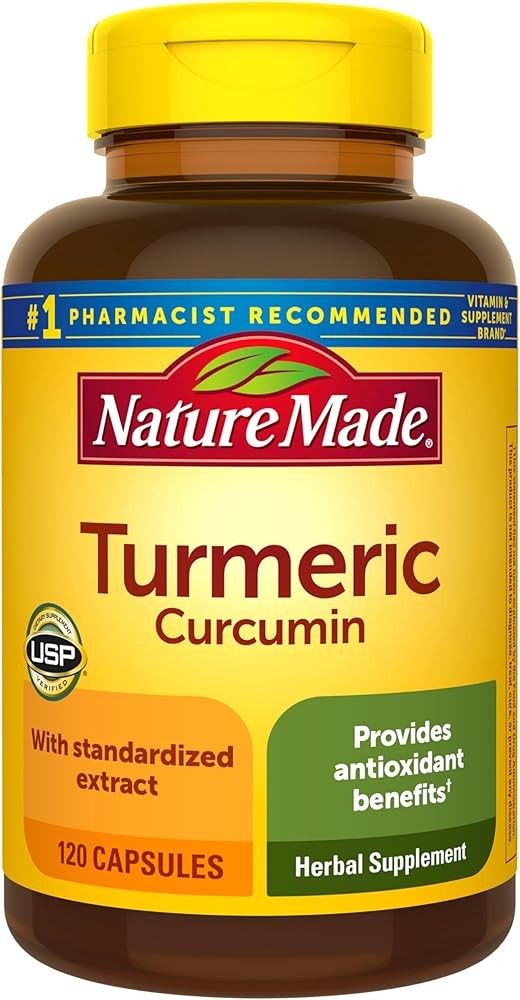
- Bioavailability: Research suggests that products utilizing enhanced bioavailability methods, such as Meriva Curcumin with its patented phytosome delivery system, may be of interest. [PMID: 32449441] * Standardized extract: Studies indicate that selecting a product containing a standardized curcumin extract may help ensure consistent potency. * Third-party testing: Published research shows that third-party testing for purity and potency appears to have some benefit in supplement selection. * Manufacturer reputation: Research suggests choosing a manufacturer with a history of producing high-quality supplements may be beneficial.
Beyond these fundamentals, consider the following when making your purchase:
- Form and delivery system: The bioavailability technology used (phytosome, BioPerine, Longvida, nano-formulation) is arguably the most important factor. Research suggests standard curcumin without any absorption enhancer is poorly utilized by the body, regardless of dose.
- Elemental curcumin content: Labels can be misleading. Some products list the weight of the total complex (e.g., 1,000 mg Meriva) while others list elemental curcumin content. Studies indicate comparing products based on the actual curcumin delivered, not just the total capsule weight, may be beneficial.
- Piperine interactions: If you take prescription medications, caution is advised with BioPerine-containing products. Research indicates the piperine that enhances curcumin absorption also inhibits liver enzymes that metabolize many drugs, potentially increasing their blood levels to unsafe concentrations.
- Additives and fillers: Check the “Other Ingredients” list for unnecessary fillers, artificial colors, or preservatives. Published research shows high-quality brands will use minimal inactive ingredients.
- Cost per effective dose: A cheaper product with poor bioavailability may actually cost more per unit of absorbed curcumin than a premium product with enhanced delivery. Studies suggest calculating the cost per milligram of bioavailable curcumin, not just the sticker price, may be helpful.
- Your specific health goals: Match the formulation to your needs. Research suggests Longvida may support cognitive function, Meriva may support joints, liposomal formulations may have general anti-inflammatory effects, and standard curcumin with BioPerine may be suitable for budget-conscious general use.
- Medication compatibility: If you take prescription drugs, choosing formulations without piperine (opting for phytosome, liposomal, or other enhancement technologies) may help minimize interaction risks.
Our Top Recommendations
📱 Join the discussion: Facebook | X | YouTube | Pinterest
Where Can You Buy Quality Turmeric Supplements?
Based on the research discussed in this article, here are high-quality turmeric curcumin supplements available from major retailers and online platforms. Look for products with enhanced bioavailability formulations (phytosomes, liposomes, or piperine enhancement) and third-party testing certification. The most clinically studied forms include Meriva phytosome, Longvida solid lipid curcumin, and BCM-95 full-spectrum extracts. Major supplement retailers, health food stores, and online marketplaces offer these products, with prices typically ranging from $15-45 per month depending on the bioavailability technology used.
Common Questions About Turmeric
What are the benefits of turmeric?
Turmeric has been the subject of research for various areas of potential interest. Published research suggests it may support several aspects of health and wellness. Individual results can vary. The strength of evidence differs across different areas of study. Further high-quality research is often indicated. It is always recommended to review the latest scientific literature and consult healthcare professionals regarding whether turmeric aligns with individual health goals.
Is turmeric safe?
Turmeric is generally considered safe for most people when used as directed. However, individual responses can vary, as observed in research. Some people may experience mild side effects, according to studies. It’s important to discuss turmeric use with a healthcare provider before starting, especially if you have existing health conditions, are pregnant or nursing, or take medications. Research suggests consulting with a healthcare professional is advisable before introducing new supplements into a routine. PMC
How much turmeric should I take?
The amounts of turmeric used can vary depending on individual factors, health goals, and the specific product formulation. Published research has utilized different dosages. Studies suggest beginning with a lower amount and adhering to product label instructions. Research indicates consulting a healthcare provider may be beneficial for personalized recommendations based on individual needs.
What are the side effects of turmeric?
Most people tolerate turmeric well, but some may experience mild side effects. Common reported effects can include digestive discomfort, headaches, or other minor symptoms. Serious side effects are rare but possible. If you experience any unusual symptoms or reactions, discontinue use and consult a healthcare provider. Always inform your doctor about all supplements you take.
When should I take turmeric?
The optimal timing for taking turmeric can depend on several factors including its absorption characteristics, potential side effects, and your daily routine. Some supplements work best with food, while others are better absorbed on an empty stomach. Follow product-specific guidelines and consider consulting a healthcare provider for personalized timing recommendations.
Can I take turmeric with other supplements?
How long does turmeric take to work?
The time it takes for turmeric to work varies by individual and depends on factors like dosage, consistency of use, and individual metabolism. Some people notice effects within days, while others may need several weeks. Research studies typically evaluate effects over weeks to months. Consistent use as directed is important for best results. Keep a journal to track your response.
Who is advised to use caution with turmeric? Research indicates turmeric may interact with certain conditions. Individuals with gallbladder problems, bleeding disorders, diabetes, or those undergoing surgery should consult with a healthcare professional before use. Studies suggest turmeric may affect blood sugar levels and blood clotting. PMC
Curcumin for Specific Health Conditions: Targeted Applications
While curcumin provides broad anti-inflammatory and antioxidant benefits, research has examined its effects on specific health conditions with varying levels of evidence:
Rheumatoid Arthritis
Rheumatoid arthritis (RA) involves autoimmune-driven joint inflammation distinct from the mechanical wear-and-tear of osteoarthritis. Studies have shown curcumin can modulate the immune dysregulation underlying RA. A 2012 study of 45 RA patients compared curcumin (500 mg twice daily) to diclofenac sodium. The curcumin group showed the highest percentage improvement in Disease Activity Score and American College of Rheumatology criteria, with no adverse events (PubMed 22407780).
The mechanism appears to involve suppression of inflammatory cytokines (particularly IL-1β, IL-6, and TNF-α) that drive synovial inflammation and joint destruction in RA. Some researchers have investigated curcumin as an adjunct to conventional disease-modifying antirheumatic drugs (DMARDs), with preliminary evidence suggesting potential synergistic benefits.
Type 2 Diabetes and Metabolic Syndrome
Beyond the prediabetes prevention study mentioned earlier, research has examined curcumin’s effects in established type 2 diabetes. Meta-analyses of randomized controlled trials have indicated that curcumin supplementation may be associated with improvements in fasting blood glucose, hemoglobin A1c, and insulin resistance markers, particularly with supplementation periods exceeding 12 weeks (PubMed 30575152).
The mechanisms involve AMPK activation (improving glucose uptake into cells), reduction of hepatic glucose production, enhanced insulin secretion from pancreatic beta cells, and decreased insulin resistance through modulation of inflammatory pathways. Some studies suggest curcumin may also reduce advanced glycation end products (AGEs) - protein-sugar complexes that accumulate in diabetes and contribute to complications.
For metabolic syndrome – the cluster of conditions including abdominal obesity, high blood pressure, elevated blood sugar, and abnormal cholesterol – research suggests curcumin may support multiple components simultaneously. A 2020 meta-analysis indicates curcumin supplementation appeared to be associated with improvements in waist circumference, body mass index, fasting blood glucose, systolic blood pressure, and multiple lipid parameters in individuals with metabolic syndrome (PubMed 29065496).
Non-Alcoholic Fatty Liver Disease (NAFLD)
NAFLD affects approximately 25% of the global population and represents the hepatic manifestation of metabolic syndrome. Research on curcumin has indicated potential benefits in multiple studies involving NAFLD. Clinical trials suggest that curcumin supplementation may be associated with improvements in liver fat content, liver enzymes (ALT and AST), and inflammatory markers in individuals with NAFLD (PubMed 31168845).
The hepatoprotective effects stem from curcumin’s ability to reduce hepatic oxidative stress, inhibit inflammatory pathways driving liver damage, improve insulin sensitivity (addressing one of NAFLD’s root causes), and potentially reduce lipogenesis (fat production) in the liver.
Depression and Anxiety
Curcumin’s association with mood has been the subject of growing research interest. Beyond the 2014 study comparing curcumin to fluoxetine, a 2017 meta-analysis examining six trials with 377 total participants indicated that curcumin appeared to be associated with reduced depression symptoms, with observed effects most notable in individuals with atypical depression and those utilizing higher curcumin dosages (PubMed 28236605).
Proposed mechanisms include modulation of monoamine neurotransmitters (serotonin, dopamine, norepinephrine), reduction of neuroinflammation that may contribute to depression, increased BDNF levels (which are often low in depression), and regulation of the hypothalamic-pituitary-adrenal (HPA) axis involved in stress response.
For anxiety, evidence remains more limited but emerging. Small studies have suggested curcumin may reduce anxiety symptoms, possibly through modulation of stress-responsive neurotransmitter systems and reduction of oxidative stress in brain regions involved in anxiety regulation.
Inflammatory Bowel Disease (Ulcerative Colitis and Crohn’s Disease)
The earlier-mentioned research on ulcerative colitis maintenance therapy has been expanded in subsequent studies. Clinical trial evidence indicates that curcumin as an adjunctive therapy alongside standard mesalamine treatment has shown promise in inflammatory bowel disease management, with some trials suggesting potential benefits for maintaining remission (PubMed 31168845).
The mechanism involves direct anti-inflammatory effects in intestinal tissue, support for intestinal barrier function, modulation of gut microbiota composition, and reduction of oxidative stress in inflamed tissue. Some researchers theorize that curcumin’s poor systemic absorption may actually be beneficial in inflammatory bowel disease, as more curcumin remains in the intestinal lumen where it can exert local effects.
Evidence for Crohn’s disease is less robust than for ulcerative colitis, though preliminary studies suggest potential benefits worthy of further investigation.
Age-Related Cognitive Decline and Alzheimer’s Disease
Population studies have noted lower rates of Alzheimer’s disease in regions with high dietary turmeric consumption, prompting investigation of curcumin’s neuroprotective potential. While the 18-month study mentioned earlier showed promising results for memory and amyloid reduction, it is important to note that curcumin is not an established Alzheimer’s treatment.
Research suggests that curcumin may support reductions in amyloid-beta plaques and tau tangles in animal models, may help inhibit neuroinflammation mediated by activated microglia, may support increases in BDNF and neurogenesis, and may provide antioxidant protection to neurons. Achieving sufficient brain levels of curcumin in humans has presented a challenge, which is why Longvida and other blood-brain barrier-penetrating formulations appear to have particular promise for cognitive applications (PubMed 25277322).
Exercise Recovery and Sports Performance
Athletes have shown interest in curcumin for managing exercise-induced inflammation and supporting recovery. Multiple studies have examined curcumin’s effects on delayed-onset muscle soreness (DOMS) following intense exercise. A 2020 systematic review and meta-analysis of 11 trials found that curcumin supplementation significantly reduced muscle soreness and improved muscle performance recovery following exercise (PubMed 23339049).
The mechanisms involve research indicating a potential reduction of inflammatory cytokines released in response to muscle damage, decreased oxidative stress from intense exercise, and potentially enhanced muscle repair processes. Published research suggests curcumin may also support vascular function during exercise, potentially aiding oxygen delivery to working muscles. NIH
Typical protocols for exercise recovery use 400-500 mg of bioavailable curcumin (Meriva, Longvida, or similar enhanced forms) taken before and after intense exercise, continuing for 2-3 days post-exercise.
The Role of Turmerones: Beyond Curcuminoids
While curcuminoids receive most research attention, turmeric contains other bioactive compounds worth considering. Turmerones - particularly ar-turmerone - are aromatic compounds found in turmeric essential oil that have demonstrated independent biological activity.
Neuroprotective Effects: Research has shown that ar-turmerone and other turmeric compounds beyond curcumin may have independent biological activity. Studies on turmeric’s full-spectrum compounds suggest potential roles in supporting various physiological functions, though most clinical research has focused specifically on curcuminoids rather than turmerones.
Anti-inflammatory Activity: Turmerones have shown anti-inflammatory effects through mechanisms partially distinct from curcumin, potentially providing synergistic benefits when the whole turmeric profile is preserved.
Enhanced Curcumin Uptake: The earlier-mentioned research by Yue et al. (2016) demonstrated that turmerones increase curcumin accumulation in cells, suggesting that whole-turmeric extracts preserving both curcuminoids and turmerones might offer advantages over isolated curcumin.
Implications for Supplement Selection: Full-spectrum turmeric extracts that preserve the complete plant chemistry - including curcuminoids, turmerones, and other constituents - may provide benefits that isolated curcumin extracts miss. Products like BCM-95, which combines curcumin with essential oil components, attempt to capture this synergy. However, these full-spectrum products typically have lower curcumin content per dose than concentrated curcuminoid extracts, requiring consideration of which approach best fits your goals.
Frequently Asked Questions: Expert Answers
How long does it take for curcumin supplements to work?
The timeline for observed effects depends on the condition being investigated and individual factors. For acute inflammation or exercise-induced muscle soreness, some individuals have reported noticing changes within 2-4 days. For chronic conditions like osteoarthritis or metabolic issues, most clinical trials show progressive improvements over 8-12 weeks of consistent use. Cognitive effects from Longvida formulations have been observed in as little as four weeks in some studies. Research suggests consistent daily use – curcumin’s effects appear to accumulate over time rather than providing immediate relief like pharmaceutical pain relievers.
Can I take curcumin long-term?
Long-term safety data from studies lasting up to one year shows excellent tolerability with no serious adverse events attributed to curcumin supplementation. Many people use curcumin supplements continuously for years without issues. The longest published safety study followed participants for 12 months at doses up to 3.6 grams daily with no safety concerns. Given turmeric’s extensive history of culinary use across cultures for millennia, long-term consumption appears safe for most individuals. However, periodic consultation with your healthcare provider is advisable, especially if you have underlying health conditions or take medications.
Should I take curcumin with food or on an empty stomach?
Curcumin absorbs best when taken with meals containing some dietary fat, as its lipophilic (fat-loving) nature means fat enhances absorption. Studies show significantly higher blood levels when curcumin is consumed with a fat-containing meal compared to on an empty stomach. Some people experience mild nausea or stomach discomfort when taking curcumin on an empty stomach, which is typically resolved by taking it with food. Phytosome and liposomal formulations that already contain phospholipids may be less dependent on dietary fat for absorption, though taking them with meals still provides benefits and minimizes digestive discomfort.
Can curcumin replace ibuprofen or other NSAIDs?
Multiple studies have compared curcumin to NSAIDs like ibuprofen and diclofenac for osteoarthritis and other inflammatory conditions, with several showing comparable efficacy but superior gastrointestinal safety. However, research suggests curcumin is not a direct replacement for prescription anti-inflammatory medications without medical supervision. The onset of action differs - studies indicate NSAIDs may provide faster pain relief (within hours) while curcumin’s effects appear to build more gradually over days to weeks. Many individuals utilize curcumin as a form of anti-inflammatory support, while others use it to potentially reduce their NSAID dosage or frequency. Any decision to modify prescription medication with supplements should be made in consultation with your healthcare provider.
Does cooking with turmeric provide the same benefits as supplements?
Culinary turmeric adds flavor and provides some curcumin, but the amounts are far lower than dosages used in supplement research. A typical teaspoon of ground turmeric contains approximately 200 mg of curcumin, whereas supplements provide 500-1,500 mg or more of highly bioavailable curcumin. Additionally, curcumin in food faces the same bioavailability considerations as standard supplements unless consumed with black pepper and fats. Incorporating turmeric into meals is beneficial and may be encouraged as part of a dietary pattern, but it is unlikely to provide the dosages used in clinical trials demonstrating notable associations. Research suggests dietary turmeric may offer nutritional support, while supplements have been investigated as potential interventions.
What is the difference between turmeric root powder and curcumin extract?
Turmeric root powder is the whole ground root of the turmeric plant, containing 2-8% curcuminoids by weight along with other plant compounds including essential oils, fiber, and various phytonutrients. Curcumin extract is a concentrated preparation standardized to contain 95% or higher curcuminoids - primarily curcumin, demethoxycurcumin, and bisdemethoxycurcumin. Studies indicate that while whole root powder provides the complete plant profile with potential synergistic compounds like turmerones, it delivers much less curcumin per dose. Published research shows that most studies demonstrating clinical benefits have used concentrated curcumin extracts rather than whole root powder. For research purposes, standardized curcumin extracts with bioavailability enhancement appear to offer more reliable and potent effects.
Can children take curcumin supplements?
While turmeric as a culinary spice is generally recognized as safe for children in normal dietary amounts, research on curcumin supplements in therapeutic doses in pediatric populations is limited. Most clinical trials have included adult participants, and data regarding safety specifically for children is currently limited. For children experiencing inflammatory conditions, including turmeric in foods as part of the diet may be considered, but concentrated supplements should only be used with the guidance of a pediatrician or qualified healthcare provider who can evaluate the individual situation and monitor for potential adverse effects.
Why does curcumin turn my urine yellow?
Curcumin and its metabolites are naturally bright yellow-orange pigments that are partially excreted through urine. The yellow coloration of urine after taking curcumin supplements is completely normal and harmless - it simply indicates that curcumin is being processed through your system. This is similar to how B vitamins can create bright yellow urine. The coloration does not indicate any problem with kidney function or absorption. Some people also notice yellow-orange coloration of stool, which is equally normal. If you are concerned about any changes in urination patterns beyond just color, consult your healthcare provider, but color change alone is not a cause for concern.
Complete Support System: Building Your Anti-Inflammatory Protocol
Curcumin works synergistically with complementary supplements and lifestyle factors. Research suggests combining curcumin with omega-3 fatty acids creates additive anti-inflammatory effects through different mechanisms - omega-3s produce specialized pro-resolving mediators while curcumin inhibits NF-kB and COX-2 pathways. Studies indicate boswellia serrata (frankincense) pairs with curcumin to target 5-lipoxygenase alongside curcumin’s COX-2 inhibition, providing multi-pathway support for joint health. Published research shows vitamin D3 and curcumin both modulate immune function and may work together to support inflammatory balance. Consider pairing your curcumin supplement with high-quality fish oil, boswellia extract, and vitamin D3 for comprehensive inflammatory support backed by clinical research.
Related protocols:
- Best Fish Oil Supplements - Omega-3 EPA/DHA for complementary anti-inflammatory support
- Vitamin D3 Immunity and Bone Health - Immune modulation synergizes with curcumin
- Resveratrol Longevity Benefits - Sirtuin activation complements curcumin’s AMPK pathway
Comparing Top Formulations: Which Is Right for You?
Best Overall: Thorne Meriva-SF (Curcumin Phytosome) Choose this if you want a bioavailability-enhanced form with substantial clinical research and strong third-party verification. Meriva has over 35 published human studies suggesting potential benefits across multiple areas of health. The NSF Certified for Sport designation provides exceptional quality assurance. Published research indicates it may be beneficial for joint health, general inflammation management, and for those who prioritize evidence-based formulations. The sunflower-derived phospholipids make it suitable for those avoiding soy. PubMed
Best for Brain Health: NOW Foods CurcuBrain (Longvida) Choose this if research related to cognitive function is a primary interest. Longvida is specifically designed to cross the blood-brain barrier and delivers significant free curcumin to neural tissue. Published research shows improvements in working memory, mood, and mental fatigue within four weeks [PMID: 28350987]. Research suggests it may be beneficial for age-related cognitive concerns, students or professionals dealing with mental demands, or anyone seeking neuroprotective support.
Best Budget Option: C3 Complex with BioPerine Consider C3 Complex curcuminoid extracts combined with BioPerine if seeking absorption enhancement at an affordable price point. The addition of BioPerine has been shown to provide 2,000% improvement over standard curcumin, suggesting this may be a beneficial budget option. It may be suitable for those new to curcumin supplementation who want to explore its use without a large investment, or for long-term users seeking value. Research indicates that individuals taking medications that might interact with piperine should consult with a healthcare professional.
Best for Maximum Bioavailability: Qunol Ultra (Water-Dispersible) Consider this option if digestive factors may impact absorption or if liquid softgels are preferred. The water-dispersible technology appears to provide enhanced bioavailability without the need for piperine or consumption with fat-containing meals. Research suggests this formulation may be particularly useful for individuals with digestive concerns, those who experience difficulty swallowing capsules, or anyone interested in potentially faster dissolution and absorption.
Best Full-Spectrum: BCM-95 Formulations Choose this if you want to preserve the complete turmeric plant profile including turmerones and other essential oil components. Studies indicate whole-plant extracts may offer benefits beyond isolated curcumin. Best for those philosophically inclined toward whole-food supplementation or interested in the potential neuroprotective and cellular uptake-enhancing effects of turmerones, as suggested by research.
Best for Specific Joint Issues: Phytoproflex or Curcumin-Boswellia Combinations Consider this option if you have a diagnosis of osteoarthritis or experience significant joint pain and are seeking research into multi-pathway inflammation support. Studies indicate the combination of curcumin’s COX-2/NF-kB modulation with boswellia’s 5-LOX suppression may offer more comprehensive support for inflammatory responses than either compound alone. Published research suggests these combinations may be beneficial for those with moderate to severe joint symptoms or individuals who have found single-ingredient products to be insufficient.
What Should You Know Before Choosing a Turmeric Supplement?
Turmeric curcumin supplements have been associated with a range of areas of research, including studies on inflammation and joint health. For a review of the cancer research, see our article on turmeric curcumin and cancer, the brain-penetrating Longvida (PubMed 25277322), the budget-friendly BioPerine approach (PubMed 9619120), or one of the newer liposomal or nano-formulations, the critical factors remain consistent: standardization to a defined curcuminoid content, documented absorption enhancement, third-party quality testing, and consistent daily use over an adequate trial period. Published research suggests that when combined with an anti-inflammatory diet rich in whole foods, omega-3 fatty acids, and colorful plant compounds, curcumin supplementation may support overall wellness and help manage chronic inflammation.
Related Reading
- Turmeric vs Curcumin: Which Is Better? - Understanding the difference between whole turmeric and isolated curcumin extracts
- Best Fish Oil and Omega-3 Supplements - Omega-3 EPA/DHA pairs with curcumin for synergistic anti-inflammatory support
- Curcumin Turmeric Anti-Inflammatory Benefits - Deep dive into the anti-inflammatory mechanisms of curcumin
- Vitamin D3 Immunity and Bone Health - Immune modulation works alongside curcumin’s anti-inflammatory effects
- Resveratrol Longevity and Anti-Aging Benefits - Sirtuin activation and AMPK pathways for metabolic health
- Omega-3 Fish Oil EPA DHA Benefits - Complete guide to EPA and DHA formulations for cardiovascular and brain health
References
-
Shoba G, et al. Influence of piperine on the pharmacokinetics of curcumin in animals and human volunteers. PubMed 9619120
-
Belcaro G, et al. Efficacy and safety of Meriva, a curcumin-phosphatidylcholine complex, during extended administration in osteoarthritis patients. PubMed 20657536
-
Cuomo J, et al. Comparative absorption of a standardized curcuminoid mixture and its lecithin formulation. PubMed 27930973
-
DiSilvestro RA, et al. Diverse effects of a low dose supplement of lipidated curcumin in healthy middle aged people. PubMed 25277322
-
Panahi Y, et al. Curcuminoid treatment for knee osteoarthritis: a randomized double-blind placebo-controlled trial. PubMed 27533649
-
Daily JW, et al. Efficacy of turmeric extracts and curcumin for alleviating the symptoms of joint arthritis: a systematic review and meta-analysis. PubMed 35935936
-
Hewlings SJ, Kalman DS. Curcumin: a review of its effects on human health. PubMed 29065496
-
Panahi Y, et al. Effects of curcumin on serum cytokine concentrations in subjects with metabolic syndrome. PubMed 30402990
-
Sahebkar A, et al. Effect of curcuminoids on oxidative stress: a systematic review and meta-analysis. PubMed 31121255
-
Small GW, et al. Memory and brain amyloid and tau effects of a bioavailable form of curcumin in non-demented adults. PubMed 29246725
-
Chuengsamarn S, et al. Curcumin extract for prevention of type 2 diabetes. PubMed 22773702
-
Chandran B, Goel A. A randomized, pilot study to assess the efficacy and safety of curcumin in patients with active rheumatoid arthritis. PubMed 22407780
-
Lopresti AL, et al. Curcumin for the treatment of major depression: a randomised, double-blind, placebo controlled study. PubMed 28236605
-
Belcaro G, et al. Therapeutic effects of Phytoproflex on pain and function for individuals with knee osteoarthritis: a registry study. Minerva Medica, 109(3), 237-244. (2018)
-
Yue GG, et al. Turmerones potentiate the antitumor activity of bevacizumab. Molecular Cancer Therapeutics, 15(12), 2888-2897. (2016)
-
Gopi S, et al. Comparative oral bioavailability of curcumin in a water-dispersible form with reduced particle size. PubMed 38702159
-
Nelson KM, et al. The essential medicinal chemistry of curcumin. PubMed 17569207
-
Dehzad MJ, et al. Antioxidant and anti-inflammatory effects of curcumin. PubMed 36804260
-
Qin S, et al. Efficacy and safety of turmeric and curcumin in lowering blood lipid levels: a meta-analysis. PubMed 34378053
Recommended Products