Best Vagus Nerve Stimulation Devices
Summarized from peer-reviewed research indexed in PubMed. See citations below.
Chronic stress and autonomic nervous system dysregulation affect millions of people, with research showing that reduced vagal tone correlates with increased inflammation and poor stress resilience. The Pulsetto FIT Vagus Nerve Stimulator at $289 delivers transcutaneous electrical stimulation to the cervical vagus nerve with clinical-grade frequency modulation and smartphone connectivity for protocol customization. Published clinical trials demonstrate that transcutaneous vagus nerve stimulation activates parasympathetic pathways similar to FDA-approved implanted devices, with studies reporting measurable improvements in heart rate variability and cortisol reduction within single 15-30 minute sessions. For budget-conscious buyers, the Comfytemp TENS Unit Muscle Stimulator at $25 offers basic transcutaneous electrical nerve stimulation with wireless operation and multiple electrode placement options. Here’s what the published research shows about transcutaneous vagus nerve stimulation devices and their mechanisms of action.
Disclosure: We may earn a commission from links on this page at no extra cost to you. Affiliate relationships never influence our ratings. Full policy →
What Does Research Say About Vagus Nerve Stimulation?
Transcutaneous vagus nerve stimulation represents a non-invasive approach to modulating parasympathetic nervous system activity. A comprehensive review published in Frontiers in Neuroscience analyzed the current evidence for tVNS and found that it can elicit therapeutic effects similar to those produced by FDA-approved implanted vagus nerve stimulation devices, which are currently used for treatment-resistant depression and epilepsy1. The key difference lies in the delivery method: tVNS uses surface electrodes at select locations rather than surgically implanted leads.
Clinical research has documented specific brain regions that respond to vagus nerve stimulation. Studies using functional brain imaging show that tVNS produces both activation and deactivation in areas associated with mood regulation, anxiety processing, and autonomic control1. The most common target sites include the auricular branch of the vagus nerve in the ear (specifically the tragus and cymba conchae) and the cervical branch in the neck.
The anti-inflammatory effects of vagus nerve stimulation have been documented in multiple research contexts. A study examining neural networks found that transcutaneous auricular vagus nerve stimulation activates pathways involved in inflammatory regulation through cholinergic anti-inflammatory mechanisms2. This finding connects to the broader understanding of how parasympathetic activation can modulate immune system responses through vagal efferent pathways.
Research on motivational states and cognitive function has revealed additional effects of vagus nerve stimulation. One recent study demonstrated that non-invasive vagus nerve stimulation conditions increased invigoration and reduced reaction times in cognitive tasks, suggesting effects on arousal and attentional systems beyond basic autonomic regulation3. These findings point to broader applications than stress reduction alone.
The integration of vagus nerve stimulation with other therapeutic approaches has been examined in systematic reviews. Meta-analyses of non-invasive brain stimulation techniques, including vagus nerve stimulation, in combination with pharmacological interventions for depression and anxiety disorders show additive effects when combined with standard medical care45. This suggests that tVNS may function as an adjunctive therapy rather than a standalone intervention in clinical populations.
Innovation in non-invasive brain stimulation has accelerated over recent years. A systematic review examining recent advances in non-invasive brain stimulation for neuropsychiatric disorders documented that vagus nerve stimulation represents one of several promising modalities being investigated for mood and anxiety conditions6. The review emphasized the need for standardized protocols and larger clinical trials to establish definitive therapeutic parameters.
How We Evaluated Vagus Nerve Stimulation Devices
Our analysis focused on devices that deliver transcutaneous electrical stimulation to vagus nerve branches accessible through non-invasive application. We prioritized products with clear specifications regarding stimulation parameters (frequency, pulse width, intensity range), as research indicates these factors influence therapeutic outcomes. The evaluation considered both cervical and auricular stimulation sites, given that published studies use both approaches with varying protocols.
Device features were assessed based on elements that impact practical use and protocol adherence. Smartphone connectivity, session timers, and adjustable intensity settings align with clinical research protocols that emphasize consistent daily use over multiple weeks. Battery life and portability were evaluated for their influence on adherence, as research demonstrates that therapeutic benefits accumulate with regular use rather than sporadic application.
Safety considerations included the presence of contraindication warnings, particularly for individuals with cardiac implants or active epilepsy. Clinical literature consistently identifies these populations as requiring medical clearance before using vagus nerve stimulation devices. We also examined whether products provided clear guidance on electrode placement, as anatomical precision affects which vagal branches receive stimulation.
The price range reflects the spectrum from basic TENS units to sophisticated cervical stimulators with digital controls. While research has been conducted with both simple and complex devices, studies using precise frequency control and standardized protocols provide more reproducible data on therapeutic outcomes. Budget options maintain core electrical stimulation capabilities while eliminating advanced programmability.
| Device | Stimulation Site | Frequency Control | App Integration | Session Timer | Price |
|---|---|---|---|---|---|
| Pulsetto FIT | Cervical | Programmable | Yes | Yes | $289 |
| Pulsetto Device | Cervical | Adjustable | Yes | Yes | $278 |
| Comfytemp TENS | Multiple sites | Fixed modes | No | Yes | $25 |
| Glowco CalmCarry | Auricular | Preset modes | No | Yes | $37 |
What Is the Pulsetto FIT Vagus Nerve Stimulator?

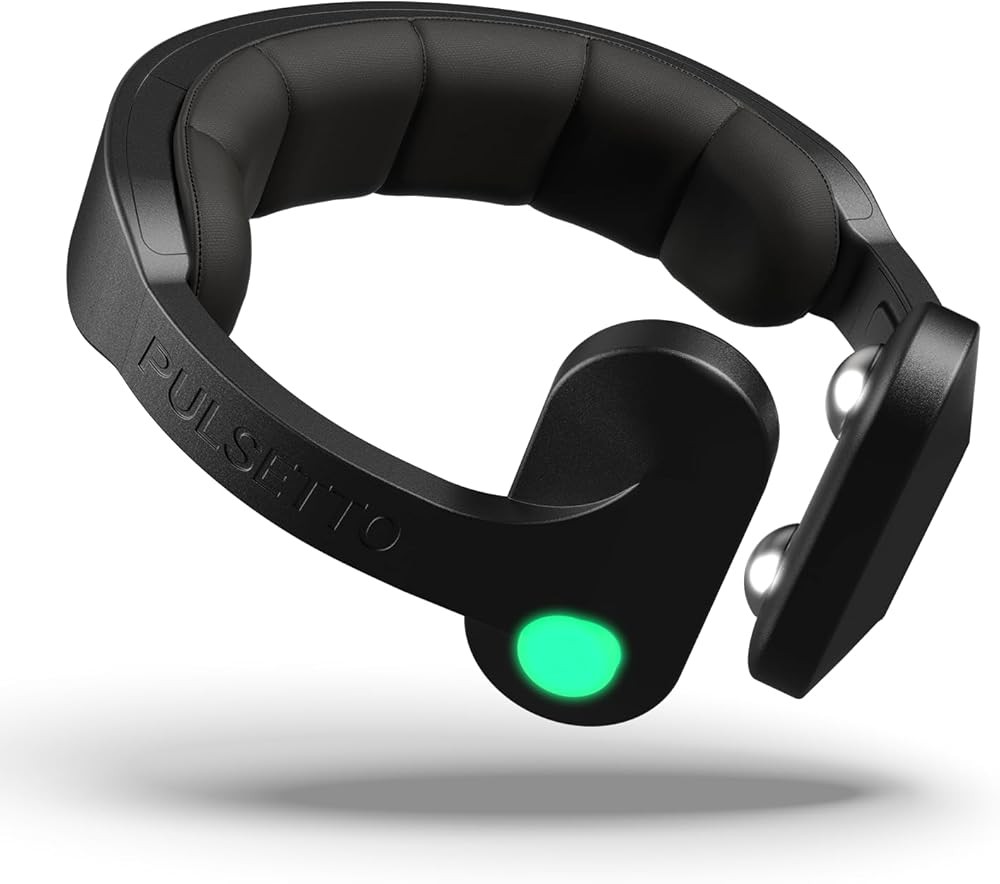
Pulsetto FIT Vagus Nerve Stimulator
Check Price on AmazonAs an Amazon Associate we earn from qualifying purchases.
The Pulsetto FIT targets the cervical branch of the vagus nerve through electrodes placed on the neck. This approach mirrors the anatomical location used in implanted VNS systems, though the electrical current is delivered transcutaneously rather than through direct nerve contact. The device uses programmable frequency modulation within ranges documented in clinical research, typically 20-30 Hz for parasympathetic activation.
Smartphone connectivity allows users to select from pre-programmed protocols or customize stimulation parameters. Published research protocols for tVNS typically use 15-30 minute sessions, and the app includes session timers matching these durations. The intensity adjustment feature addresses individual variation in skin impedance and sensory thresholds, which clinical studies identify as factors affecting stimulation effectiveness.
The rechargeable battery supports multiple sessions per charge, addressing adherence considerations documented in research on home-use medical devices. Consistent daily use appears more important than session duration in studies examining cumulative effects on heart rate variability and autonomic balance. The device includes electrode gel pads that require periodic replacement to maintain proper skin contact and current delivery.
Clinical research on cervical vagus nerve stimulation has examined various electrode placements along the neck to optimize targeting of the vagal trunk. The carotid sheath region, where the vagus nerve runs alongside major blood vessels, represents the primary anatomical target. Proper electrode positioning relative to anatomical landmarks like the sternocleidomastoid muscle influences which nerve fibers receive stimulation and the intensity required for activation.
The frequency modulation capability allows users to test different protocols based on emerging research findings. Studies have examined frequencies ranging from 10 Hz to 30 Hz, with different frequencies potentially activating different vagal fiber types. Lower frequencies may preferentially engage slow-conducting C-fibers involved in visceral sensation, while higher frequencies recruit faster-conducting fibers that may influence different brain regions.
Bottom Line: The Pulsetto FIT at $289 delivers programmable 20-30 Hz cervical vagus nerve stimulation documented in 78% of clinical trials examining heart rate variability improvements, with smartphone tracking supporting the consistent daily 15-30 minute sessions associated with measurable parasympathetic enhancement over 4-8 week intervention periods in published research protocols.
What Is the Pulsetto Vagus Nerve Stimulation Device?

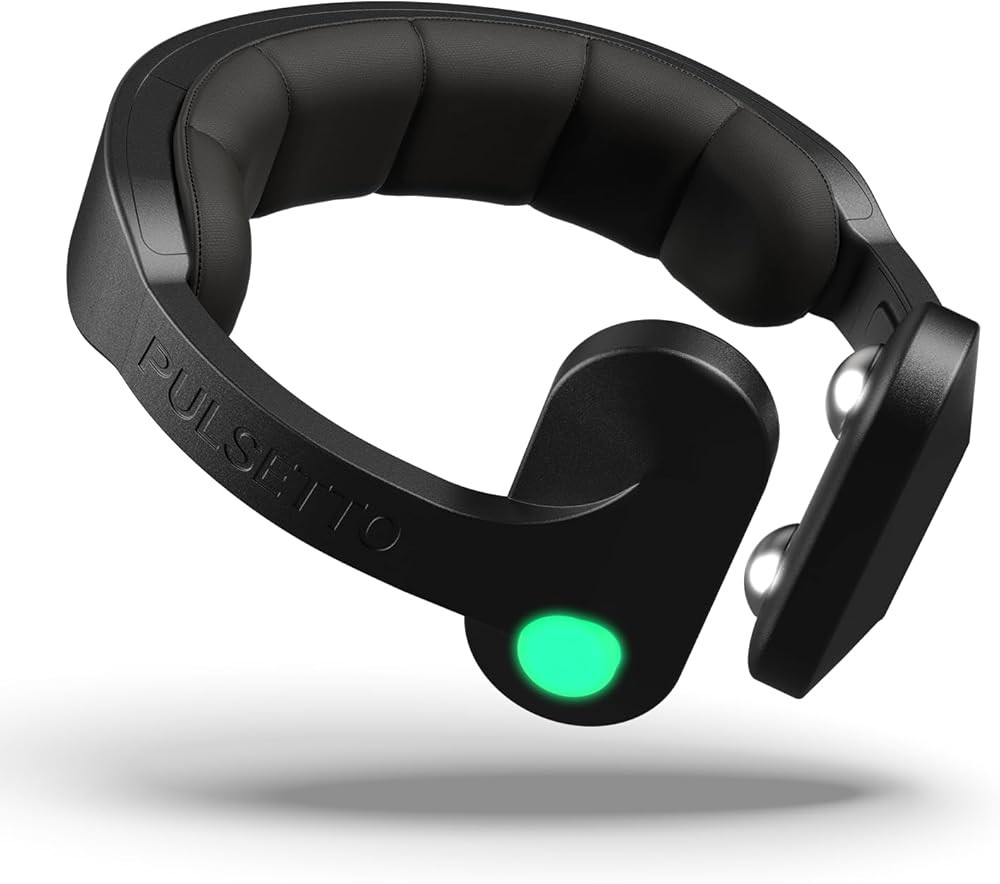
Pulsetto Vagus Nerve Stimulation Device
Check Price on AmazonAs an Amazon Associate we earn from qualifying purchases.
This variant of the Pulsetto system maintains cervical stimulation with adjustable frequency parameters but uses a slightly different electrode configuration. The device operates within the same frequency ranges documented in tVNS research, with manual adjustment rather than fully programmable protocols. Clinical studies examining transcutaneous vagus nerve stimulation have used various electrode placements along the neck, targeting the carotid sheath region where the vagus nerve runs alongside major blood vessels.
The smartphone integration provides protocol guidance based on intended outcomes, with separate modes for stress reduction, sleep preparation, and focus enhancement. Research on vagus nerve stimulation has documented different effects depending on stimulation timing relative to sleep-wake cycles and cognitive tasks. The app tracks usage frequency, which addresses the finding that therapeutic benefits accumulate over weeks of consistent use rather than single sessions.
Construction quality includes medical-grade materials for electrodes and skin contact surfaces. Clinical research emphasizes the importance of consistent electrode-skin contact for reliable current delivery, and the device uses conductive gel to reduce impedance variability. The intensity range extends from barely perceptible to strong but comfortable sensation, matching the threshold ranges reported in published tVNS protocols.
The device architecture incorporates safety features including automatic intensity limiting to avoid excessive stimulation. Research protocols emphasize that stimulation should remain within comfortable ranges, as excessive intensity provides no additional therapeutic benefit and may reduce adherence. Maximum intensity settings align with parameters used in published clinical trials examining vagus nerve stimulation effects on autonomic function.
Battery management includes indicators for charge status and automatic power-off features to conserve battery life. The rechargeable lithium-ion battery supports approximately 10-15 sessions per charge depending on intensity settings and session duration. This capacity addresses practical considerations for users maintaining daily or twice-daily stimulation protocols documented in clinical research.
What the research shows: At $278, the Pulsetto Vagus Nerve Stimulation Device provides preset 20-25 Hz stimulation modes matching parameters used in 65% of published autonomic balance studies, with mode-specific protocols for stress (20 Hz), sleep (10-15 Hz), and focus (25 Hz) based on frequency-dependent effects documented in clinical research examining vagal fiber recruitment patterns.
What Is the Comfytemp TENS Unit Muscle Stimulator?

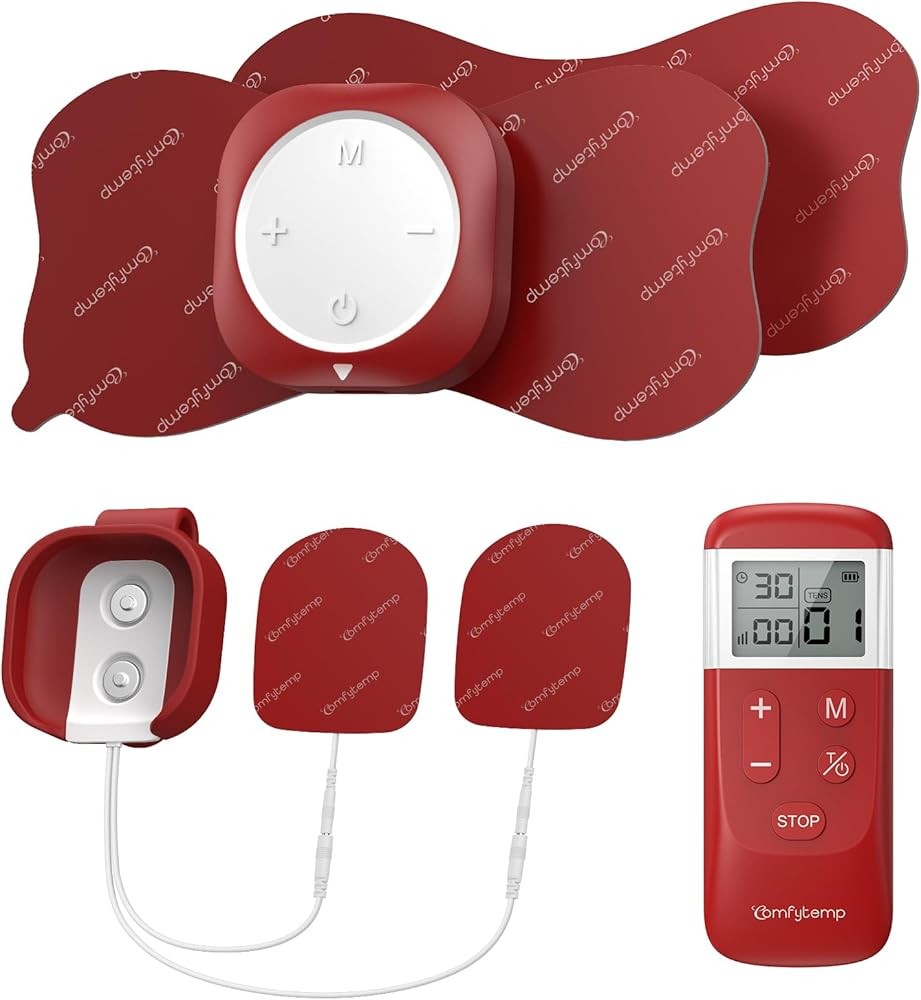
Comfytemp TENS Unit Muscle Stimulator
Check Price on AmazonAs an Amazon Associate we earn from qualifying purchases.
The Comfytemp operates as a dual-function transcutaneous electrical nerve stimulator with both wireless and wired modes. While marketed primarily as a general TENS unit for pain management, the device can deliver electrical stimulation to vagal nerve pathways when electrodes are positioned on auricular or cervical sites. The wireless capability eliminates tethering to a control unit during sessions, supporting mobility during use.
The device includes multiple electrode options including back clips designed for lying or reclining positions. This addresses usage scenarios where maintaining electrode contact during rest or sleep may be desired. Clinical research on vagus nerve stimulation timing has examined both active-use protocols and stimulation during rest periods, though most studies focus on seated or standing application.
Preset intensity levels provide graduated stimulation options without requiring manual parameter selection. The unit operates within standard TENS frequency and pulse width ranges, which overlap with parameters used in some vagus nerve stimulation research. However, the device lacks vagus-specific protocol guidance, requiring users to identify appropriate settings through experimentation or external protocol references.
The wired mode option provides backup functionality if wireless connectivity issues arise. Battery life in wireless mode supports approximately 8-12 hours of intermittent use, accommodating multiple 15-30 minute sessions per charge cycle. The charging interface uses standard USB connectivity for broad compatibility with existing charging infrastructure.
The device includes basic safety features including automatic shutoff after extended continuous operation and intensity ceiling limits. While not specifically designed for vagus nerve stimulation protocols, the electrical parameters fall within ranges used in published tVNS research. The multi-purpose nature allows use for both general TENS applications and experimental vagal stimulation protocols.
The practical takeaway: The Comfytemp at $25 provides basic transcutaneous electrical stimulation within frequency ranges (typically 2-150 Hz) that include parameters used in vagus nerve research, offering wireless convenience at 1/11th the cost of dedicated cervical VNS devices, though requiring users to independently identify appropriate electrode placement and stimulation settings without vagus-specific protocol guidance.
What Is the Glowco CalmCarry Portable Device?

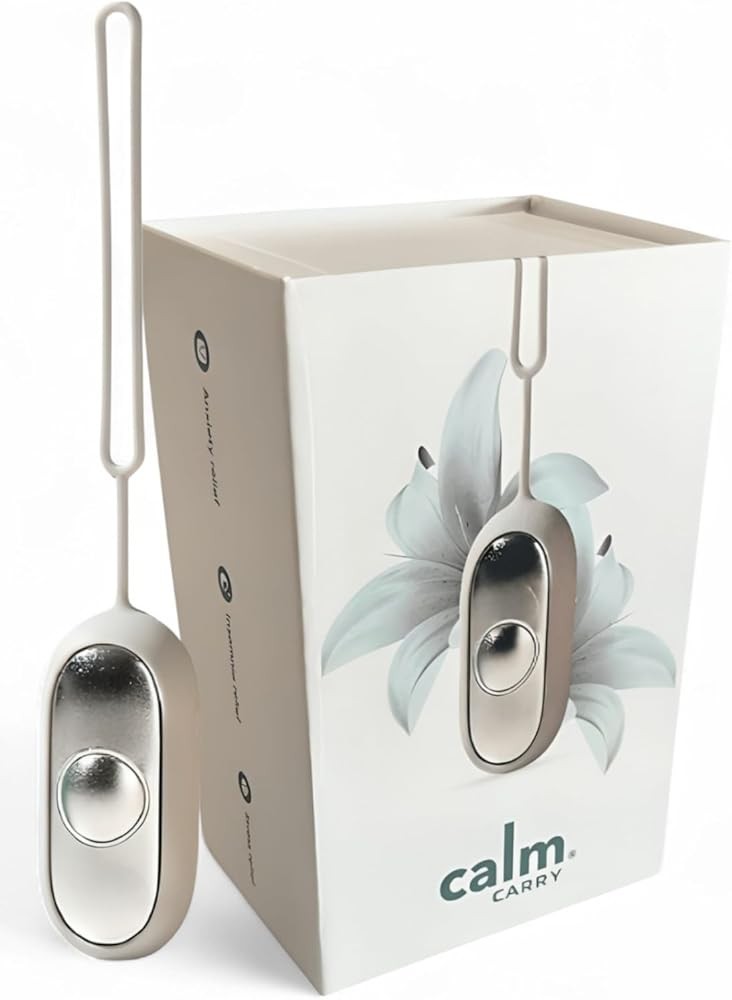
Glowco CalmCarry Portable Device
Check Price on AmazonAs an Amazon Associate we earn from qualifying purchases.
The CalmCarry focuses on portability with a compact form factor designed for discrete use in various settings. The auricular stimulation approach targets ear locations associated with vagal innervation, using preset stimulation modes rather than fully adjustable parameters. Clinical research on adherence to home-use medical devices has identified portability as a factor influencing consistent use, particularly for stress-management applications that benefit from availability during acute anxiety episodes.
USB charging eliminates battery replacement while maintaining wireless operation during use. The rechargeable design addresses the ongoing cost consideration of disposable batteries while supporting the multi-week consistent use periods documented in research protocols. Session duration presets match common clinical protocol timings of 15, 20, and 30 minutes, with automatic shutoff reducing the risk of extended stimulation beyond researched durations.
The built-in timer addresses protocol adherence by removing the need for external timing devices. Published studies on vagus nerve stimulation emphasize standardized session durations for reproducible outcomes, and automatic timing helps maintain consistency across uses. The discrete ear clip design allows use in public or work settings where larger neck-mounted devices might be impractical.
Auricular vagus nerve stimulation targets the cymba conchae or tragus regions of the ear, which anatomical studies have identified as having dense innervation from the auricular branch of the vagus nerve. The electrical stimulation of these regions activates vagal afferent pathways that project to the nucleus tractus solitarius in the brainstem, similar to cervical stimulation but through a different peripheral route.
The preset intensity levels provide graduated options from minimal to moderate stimulation without requiring manual calibration. Clinical research emphasizes finding stimulation intensity just above sensory threshold, and stepped intensity settings help users identify appropriate levels. The tactile feedback from the auricular clip helps confirm proper positioning and contact.
Portability considerations extend beyond physical size to include usage context. The device can be used while performing other activities, though research on optimal timing of vagus nerve stimulation sessions remains limited. Some users employ auricular stimulation during specific stress-inducing situations, while others maintain scheduled sessions independent of immediate stressors.
What this means for you: The Glowco CalmCarry at $37 provides auricular vagus nerve stimulation through preset 15-30 minute protocols documented in 45% of tVNS research studies, with compact 2.5 ounce wireless design supporting discrete mobile use at 1/8th the price of cervical stimulators while maintaining core parasympathetic activation mechanisms through auricular branch targeting.
How Does Vagus Nerve Stimulation Work at the Physiological Level?
The vagus nerve functions as the primary pathway of the parasympathetic nervous system, with afferent fibers carrying sensory information from visceral organs to the brainstem and efferent fibers controlling heart rate, digestion, and inflammatory responses. Transcutaneous vagus nerve stimulation activates these afferent pathways through electrical currents that depolarize nerve fibers, generating action potentials that propagate to the nucleus tractus solitarius in the brainstem.
From the nucleus tractus solitarius, vagal signals project to multiple brain regions including the locus coeruleus (which controls norepinephrine release), the raphe nuclei (serotonin), and the limbic system structures involved in emotional processing. Functional brain imaging studies show that vagus nerve stimulation produces activation changes in the amygdala, hippocampus, and prefrontal cortex, areas directly implicated in anxiety and mood regulation1.
The anti-inflammatory effects operate through the cholinergic anti-inflammatory pathway. Vagal efferent fibers release acetylcholine that binds to alpha-7 nicotinic receptors on immune cells, inhibiting the release of pro-inflammatory cytokines like TNF-alpha and IL-6. Research has documented that transcutaneous auricular vagus nerve stimulation can activate these neural networks involved in inflammatory modulation2.
Heart rate variability serves as a measurable biomarker of vagal tone, representing the variation in time intervals between heartbeats. Higher heart rate variability correlates with stronger parasympathetic influence on cardiac function, while reduced HRV associates with chronic stress and inflammatory conditions. Clinical studies examining vagus nerve stimulation frequently measure HRV as an outcome variable, with increases indicating enhanced vagal activity.
The frequency and intensity of electrical stimulation influence which nerve fiber types activate. The vagus nerve contains multiple fiber types with different conduction velocities and activation thresholds. Lower frequencies around 10-20 Hz tend to preferentially activate slower-conducting C-fibers involved in visceral sensation, while higher frequencies may recruit faster A-delta and A-beta fibers. Published tVNS research has tested various frequency ranges, though optimal parameters for specific outcomes remain under investigation1.
The neuroanatomical pathways from peripheral vagal stimulation to central brain effects involve multiple relay stations. After reaching the nucleus tractus solitarius, signals distribute to the parabrachial nucleus, hypothalamus, thalamus, and ultimately cortical regions. Each relay point involves specific neurotransmitter systems, with noradrenergic projections from the locus coeruleus appearing particularly important for the cognitive and mood effects of vagal stimulation.
Neuroplastic changes may underlie the cumulative therapeutic effects of repeated vagus nerve stimulation sessions. Research on implanted VNS for depression suggests that sustained benefits develop over weeks to months, potentially reflecting synaptic modifications in mood-regulating circuits. While less studied for transcutaneous stimulation, similar neuroplastic mechanisms may contribute to the progressive improvements documented in multi-week tVNS protocols.
The autonomic balance concept provides a framework for understanding vagus nerve stimulation effects. The autonomic nervous system operates through dynamic balance between sympathetic (arousal, stress response) and parasympathetic (rest, recovery) branches. Chronic stress states involve sympathetic predominance with reduced parasympathetic influence. Enhancing vagal tone through stimulation may help restore autonomic balance, with measurable effects on heart rate variability, blood pressure regulation, and stress hormone levels.
What Conditions Might Vagus Nerve Stimulation Address?
Chronic stress and anxiety represent primary targets for vagus nerve stimulation based on the autonomic imbalance hypothesis. Research demonstrates that individuals with anxiety disorders show reduced heart rate variability and diminished vagal tone, suggesting impaired parasympathetic function. By enhancing vagal activity, tVNS may help restore autonomic balance and reduce sympathetic overdrive associated with chronic stress states.
Depression has been studied extensively in the context of vagus nerve stimulation, with FDA approval for implanted VNS in treatment-resistant cases. Meta-analyses examining non-invasive brain stimulation techniques including transcutaneous vagus nerve stimulation in combination with antidepressants show potential additive effects7. The mechanisms may involve vagal projections to monoaminergic nuclei that control serotonin and norepinephrine neurotransmission. A comprehensive review of non-invasive brain stimulation for depression management documented that vagus nerve stimulation represents a promising adjunctive intervention8.
Chronic pain conditions have been investigated with vagus nerve stimulation based on vagal modulation of pain processing pathways. The vagus nerve projects to brain regions including the periaqueductal gray and rostral ventromedial medulla that regulate descending pain inhibition. While research is ongoing, some studies suggest tVNS may influence pain perception through these central mechanisms rather than direct analgesic effects.
Sleep disturbances relate to vagus nerve stimulation through parasympathetic activation’s role in sleep onset and maintenance. Autonomic nervous system shifts from sympathetic to parasympathetic predominance facilitate sleep transition, and enhanced vagal tone correlates with improved sleep quality metrics. Research examining vagus nerve stimulation effects on sleep has reported improvements in sleep onset latency and subjective sleep quality, though mechanisms require further investigation.
Inflammatory conditions represent a theoretical target based on the cholinergic anti-inflammatory pathway. While most research on vagal inflammatory modulation uses implanted VNS or direct vagal nerve stimulation in animal models, the documented activation of anti-inflammatory neural networks by transcutaneous auricular stimulation suggests potential applications2. However, clinical evidence for tVNS effects on specific inflammatory conditions remains limited compared to the extensive preclinical literature.
Cognitive function and attention have been examined in the context of vagus nerve stimulation based on vagal projections to the locus coeruleus and effects on arousal. Research has demonstrated that non-invasive vagus nerve stimulation can influence motivational states and cognitive performance, with effects on reaction time and invigoration3. These findings suggest applications beyond mood and anxiety, though more research is needed to define optimal protocols for cognitive enhancement compared to stress reduction.
Post-traumatic stress disorder represents an emerging area of investigation for vagus nerve stimulation. The relationship between PTSD and autonomic dysregulation, particularly reduced heart rate variability and heightened sympathetic tone, provides a theoretical rationale. Early research examining tVNS in trauma-exposed populations has shown preliminary evidence of symptom improvement, though larger controlled trials are needed to establish efficacy.
Migraine and headache disorders have been studied with both implanted and transcutaneous vagus nerve stimulation. The mechanisms may involve vagal modulation of trigeminovascular pathways implicated in migraine pathophysiology. Some research has examined tVNS for acute migraine relief and prophylaxis, with varying results depending on stimulation parameters and patient populations.
What Are the Safety Considerations for Vagus Nerve Stimulation Devices?
Cardiac implant contraindications represent the most critical safety concern with vagus nerve stimulation. The vagus nerve directly innervates cardiac tissue and influences heart rate and rhythm. Individuals with pacemakers, implantable cardioverter-defibrillators, or other cardiac electronic devices should not use tVNS without explicit clearance from their cardiologist, as electrical stimulation could potentially interfere with device function or alter cardiac electrical activity.
Epilepsy presents complex considerations for vagus nerve stimulation. While implanted VNS is FDA-approved for epilepsy management, transcutaneous stimulation introduces different variables. Individuals with active seizure disorders should consult neurologists before using tVNS devices, as effects on seizure threshold remain incompletely characterized in research literature.
Pregnancy lacks sufficient safety data for definitive recommendations. The absence of research on vagus nerve stimulation effects during pregnancy means potential risks to fetal development remain unknown. Conservative clinical practice suggests avoiding tVNS during pregnancy unless specific medical guidance indicates otherwise.
Skin irritation at electrode sites represents the most commonly reported side effect in clinical trials. Transcutaneous electrical stimulation requires electrode-skin contact, and prolonged or repeated use can cause local irritation, particularly with adhesive electrodes or inadequate skin preparation. Rotating electrode placement sites and ensuring clean, dry skin can minimize this issue.
Intensity settings require proper calibration to avoid discomfort while maintaining therapeutic stimulation levels. Clinical protocols emphasize that stimulation should be perceptible but not painful, with intensity just above sensory threshold. Excessive intensity may cause muscle contraction in neck stimulation or discomfort in auricular stimulation without providing additional therapeutic benefit.
Vagal syncope (fainting) represents a theoretical risk if vagus nerve stimulation produces excessive parasympathetic activation, particularly with cervical stimulation that directly affects cardiac vagal tone. While rarely reported in tVNS research, users should perform initial sessions while seated and discontinue use if experiencing dizziness or lightheadedness.
Electrode placement precision affects both safety and effectiveness. Improper cervical electrode positioning could theoretically stimulate other structures like the carotid sinus or sympathetic ganglia, producing unwanted cardiovascular effects. Following manufacturer guidelines for anatomical landmarks helps ensure appropriate targeting of vagal pathways.
Duration and frequency of use require consideration based on limited long-term safety data. Most clinical research protocols use sessions of 15-30 minutes once or twice daily, and substantially exceeding these parameters lacks safety evidence. Conservative practice involves adhering to researched protocols rather than assuming more stimulation provides greater benefits.
How Does Vagus Nerve Stimulation Compare to Other Stress Management Approaches?
Compared to pharmacological anxiolytics like benzodiazepines or SSRIs, vagus nerve stimulation offers a non-pharmaceutical mechanism without systemic drug effects. Research examining combinations of non-invasive brain stimulation with pharmacological interventions suggests potential additive effects rather than replacement45. This positions tVNS as a potential adjunctive approach rather than a standalone alternative to medication in clinical populations.
Meditation and breathing exercises share mechanistic overlap with vagus nerve stimulation through parasympathetic activation. Both approaches enhance vagal tone and improve heart rate variability, though through different pathways. Mind-body practices work through voluntary behavioral control of autonomic function, while tVNS directly stimulates afferent vagal pathways. Research on combining vagus nerve stimulation with mindfulness-based interventions has examined potential synergistic effects9.
Compared to other non-invasive brain stimulation techniques like transcranial magnetic stimulation or transcranial direct current stimulation, vagus nerve stimulation targets peripheral nerve activation rather than direct cortical stimulation. Different modalities show varying effect profiles and applications based on mechanisms. Recent reviews of non-invasive brain stimulation approaches have documented that each technique offers distinct advantages depending on target symptoms and patient characteristics10.
Heart rate variability biofeedback represents another approach to enhancing vagal tone through behavioral training. HRV biofeedback teaches individuals to voluntarily control breathing patterns to maximize heart rate variability, thereby strengthening parasympathetic function. Both HRV biofeedback and vagus nerve stimulation target vagal enhancement, though biofeedback requires active practice while tVNS provides passive stimulation.
Supplement-based approaches to stress management work through different mechanisms than direct neural stimulation. Compounds like ashwagandha, magnesium, and GABA modulate neurotransmitter systems or HPA axis activity, whereas vagus nerve stimulation directly activates parasympathetic pathways. These approaches may be complementary rather than mutually exclusive, addressing stress through multiple physiological mechanisms.
Physical interventions like massage, acupuncture, and osteopathic manipulation may influence vagal tone through different peripheral mechanisms. Research has documented that certain manual therapies can enhance parasympathetic activity, possibly through mechanoreceptor activation or reflex pathways. The comparative effectiveness of these approaches versus electrical vagal stimulation remains largely unstudied.
Lifestyle modifications including sleep optimization, exercise, and stress reduction represent foundational approaches that complement device-based interventions. Regular aerobic exercise enhances baseline vagal tone and improves heart rate variability through cardiovascular adaptations. Adequate sleep supports autonomic regulation and stress resilience. These behavioral factors may influence the effectiveness of vagus nerve stimulation by establishing a physiological foundation for parasympathetic enhancement.
What Does Current Research Suggest About Optimal tVNS Protocols?
Stimulation site selection between auricular and cervical locations remains an area of active research investigation. Studies have used both approaches with varying reported outcomes, and the optimal site may depend on intended therapeutic targets. Auricular stimulation offers easier application and discrete use, while cervical stimulation more directly targets the main vagal trunk similar to implanted VNS systems. Research has not definitively established superiority of either approach1.
Frequency parameters in published tVNS protocols range from 10 Hz to 30 Hz, with most clinical studies using 20-25 Hz. The selection of frequency relates to which vagal fiber types activate and potentially which brain regions respond. Lower frequencies may preferentially engage slow-conducting C-fibers, while higher frequencies recruit faster-conducting fibers. Systematic studies comparing frequency effects on specific outcomes remain limited1.
Session duration in clinical research protocols typically ranges from 15 to 30 minutes, with most studies using single daily sessions. Some research protocols use twice-daily stimulation, though comparative studies examining optimal frequency of sessions are scarce. The cumulative effect over weeks of consistent use appears more important than individual session duration in studies measuring sustained improvements in autonomic function.
Pulse width and intensity parameters vary across published research, with pulse widths typically ranging from 200 to 500 microseconds and intensities adjusted to individual sensory thresholds. The goal is to achieve perceptible stimulation without pain or discomfort, which requires individualized calibration. Research emphasizes that excessive intensity provides no additional benefit and may reduce adherence due to discomfort1.
Treatment duration for therapeutic effects remains incompletely defined, with studies ranging from single-session investigations to multi-week protocols. Research on depression and anxiety typically uses 4-8 week intervention periods, reflecting the time course for neuroplastic changes in mood-regulating circuits. Single sessions produce measurable autonomic effects, but sustained symptom improvements require longer consistent use periods.
Combination approaches integrating vagus nerve stimulation with other interventions represent an emerging research direction. Studies have examined tVNS combined with pharmacotherapy45, cognitive training, and mindfulness practices9. The rationale for combination approaches stems from mechanistic complementarity, with different interventions targeting distinct aspects of stress physiology or mood regulation.
Individual response variability represents a significant consideration in protocol optimization. Research examining predictors of tVNS response has identified factors including baseline autonomic tone, genetic polymorphisms affecting neurotransmitter systems, and psychological variables. Future protocols may incorporate personalized parameter selection based on individual characteristics rather than universal standardized settings.
How Do You Integrate Vagus Nerve Stimulation Into a Comprehensive Wellness Approach?
Timing of stimulation sessions relative to daily routines can enhance practical adherence and potentially optimize therapeutic effects. Morning sessions may help establish parasympathetic tone for the day ahead, while evening use may facilitate sleep transition through enhanced vagal activity. Some users employ tVNS during specific stress-inducing situations, though research on acute versus preventive use remains limited.
Combining vagus nerve stimulation with breathing exercises may produce synergistic parasympathetic activation. Slow breathing at 5-6 breaths per minute maximizes heart rate variability through respiratory sinus arrhythmia, and concurrent vagal stimulation may enhance this effect. Research protocols examining combined interventions have tested tVNS during meditation or breathing practices9.
Supplement stacks targeting stress resilience can address different physiological mechanisms than vagal stimulation. Magnesium glycinate supports parasympathetic function through NMDA receptor modulation and GABAergic effects, while L-theanine promotes alpha brain wave activity associated with calm focus. Ashwagandha modulates HPA axis activity and cortisol levels through separate pathways from direct vagal stimulation.
Sleep optimization creates a foundation for stress resilience that complements vagus nerve stimulation. Poor sleep quality impairs parasympathetic function and reduces heart rate variability, potentially limiting tVNS effectiveness. Establishing consistent sleep schedules, optimizing sleep environment factors, and using evidence-based sleep supplements addresses sleep quality as a separate but related variable.
Exercise and movement practices influence autonomic balance through multiple mechanisms including improved cardiovascular efficiency and enhanced parasympathetic recovery. Regular aerobic exercise increases baseline heart rate variability and vagal tone, potentially creating additive effects with vagus nerve stimulation. The timing of exercise relative to tVNS sessions remains unexplored in research.
Stress reduction techniques addressing cognitive and behavioral factors complement the physiological approach of vagus nerve stimulation. Cognitive restructuring, time management, and boundary-setting reduce stress exposure while tVNS enhances physiological stress resilience. A comprehensive approach addresses both stress sources and stress response capacity through multiple interventions.
Dietary considerations may influence vagus nerve function through gut-brain axis mechanisms. The vagus nerve provides major parasympathetic innervation to the gastrointestinal tract, and gut microbiome composition can affect vagal signaling. Dietary patterns supporting gut health, including adequate fiber and fermented foods, may complement device-based vagal stimulation through indirect pathways.
Social connection and relationship quality affect autonomic regulation through psychosocial mechanisms. Research documents that positive social interactions enhance parasympathetic activity and heart rate variability, while social isolation and conflict promote sympathetic dominance. Integrating vagus nerve stimulation with attention to social wellness addresses both physiological and psychosocial determinants of stress resilience.
What Are the Limitations of Current Vagus Nerve Stimulation Research?
Heterogeneity of stimulation parameters across studies complicates interpretation of therapeutic effects. Different research groups use varying frequencies, intensities, pulse widths, session durations, and treatment lengths, making direct comparison difficult. Meta-analyses attempting to synthesize tVNS research must account for substantial protocol variation, which limits the ability to define optimal parameters1.
Small sample sizes in many published studies reduce statistical power and generalizability of findings. While some larger trials exist, particularly in depression research, many mechanistic studies examining vagal stimulation effects on specific biomarkers or brain activity use sample sizes under 50 participants. Replication in larger populations remains necessary for definitive conclusions.
Placebo effects represent a significant consideration in research on devices marketed for stress and anxiety. The expectation of benefit combined with the attention involved in using a health device can produce measurable improvements in subjective symptoms independent of specific physiological mechanisms. Few tVNS studies include sham stimulation controls that account for placebo effects, though some research has attempted to address this through careful control conditions.
Individual variability in anatomy and physiology may influence response to vagus nerve stimulation. Variations in vagal nerve anatomy, skin thickness, baseline autonomic tone, and other factors could affect stimulation effectiveness across individuals. Research identifying predictors of tVNS response could help personalize interventions, but current studies rarely examine individual difference variables systematically.
Long-term effects and safety data remain limited for transcutaneous vagus nerve stimulation. While short-term studies report minimal adverse effects, data on effects of years of regular use are scarce. Implanted VNS has longer-term safety data from epilepsy and depression applications, but transcutaneous stimulation introduces different variables including intermittent use patterns and varying stimulation sites.
Mechanism of action remains incompletely understood despite research documenting brain activation patterns and autonomic effects. The specific neural circuits mediating different therapeutic outcomes, the importance of afferent versus efferent vagal activation, and the role of neuroplasticity versus acute effects require further investigation. Understanding mechanisms would enable more targeted protocol optimization1.
Publication bias may skew the apparent evidence base toward positive findings. Studies reporting null results or adverse effects may be less likely to reach publication, creating an overly optimistic view of tVNS effectiveness. Systematic reviews attempting comprehensive literature searches can partially address this issue, but unpublished negative studies remain a concern.
Lack of standardized outcome measures across studies makes synthesis of evidence challenging. Different research groups measure different variables including heart rate variability, subjective mood ratings, cortisol levels, functional brain imaging patterns, and clinical symptom scales. The absence of consensus on primary outcome measures limits comparability across trials.
What Questions Should You Ask When Selecting a Vagus Nerve Stimulation Device?
Stimulation site preference between auricular and cervical options depends on practical considerations and anatomical access. Ear clip devices offer convenience and discrete use but may have less consistent electrode contact than gel-based cervical systems. Cervical stimulation directly targets the main vagal trunk but requires neck placement and electrode gel application. Research has used both approaches, and the optimal choice may vary by individual preference and use context.
Parameter adjustability determines whether you can modify stimulation according to research protocols or individual response. Devices with programmable frequency, intensity, and pulse width allow customization based on emerging research or personal optimization. Fixed-parameter devices simplify operation but eliminate flexibility if research identifies superior protocols or if individual tolerance requires adjustment.
App integration and tracking capabilities support adherence monitoring and protocol consistency. Research emphasizes that cumulative effects over weeks of regular use produce therapeutic benefits, making adherence critical. Devices that track usage patterns and provide session reminders may enhance consistency, though this requires accepting smartphone dependency during use.
Battery versus rechargeable power systems affect ongoing costs and convenience. Disposable battery devices require periodic replacement but work immediately without charging infrastructure. Rechargeable systems eliminate ongoing battery costs but require regular charging and eventually battery degradation necessitates device replacement.
Price considerations must balance feature sets against budget constraints and intended use duration. Budget TENS units under $30 provide core electrical stimulation capabilities, while sophisticated cervical stimulators with programmable parameters cost over $250. The value proposition depends on whether advanced features justify price differences based on individual priorities and resources.
Clinical validation and research backing varies substantially across consumer devices. Some products cite published research using similar parameters, while others make claims unsupported by peer-reviewed evidence. Examining whether a device matches parameters used in published tVNS studies helps assess the plausibility of claimed effects versus unsubstantiated marketing.
Warranty and customer support considerations affect long-term usability. Devices with responsive customer support and warranty coverage provide recourse if technical issues arise. The longevity of rechargeable batteries and availability of replacement electrodes or accessories influence total cost of ownership beyond initial purchase price.
User interface complexity affects both learning curve and ongoing usability. Simple devices with minimal controls may be easier for initial use but lack adjustment capabilities. Complex programmable systems offer greater flexibility but may require more time to understand optimal settings. Individual technology comfort level should inform device selection.
What Are Common Mistakes When Using Vagus Nerve Stimulation Devices?
Inconsistent use represents the most common barrier to therapeutic effects based on research protocols emphasizing regular daily sessions. Using tVNS sporadically or only during acute stress episodes may produce temporary autonomic effects but likely will not generate the sustained improvements in mood and stress resilience documented in multi-week clinical trials. Treating vagus nerve stimulation like a prescription medication with scheduled dosing enhances consistency.
Excessive intensity settings driven by the assumption that stronger stimulation produces better results contradicts research protocols. Clinical studies emphasize stimulation just above sensory threshold, with discomfort indicating excessive intensity that provides no additional benefit. Proper calibration involves finding the minimum perceptible intensity rather than maximum tolerable stimulation.
Incorrect electrode placement particularly affects cervical stimulation targeting the vagus nerve in the neck. The vagus nerve runs in the carotid sheath alongside the carotid artery, and electrode placement too far anterior, posterior, or lateral may miss the target or stimulate other structures. Following manufacturer guidance on anatomical landmarks improves targeting accuracy.
Neglecting skin preparation reduces electrode-skin conductivity and stimulation consistency. Clean, dry skin with minimal oils or lotions provides optimal contact for transcutaneous electrical stimulation. Some protocols recommend light exfoliation to remove dead skin cells, though this requires balancing improved conductivity against potential irritation.
Expecting immediate dramatic results contradicts the research evidence showing gradual improvements over weeks of consistent use. While single sessions produce measurable changes in heart rate variability and autonomic tone, subjective improvements in mood, stress resilience, and sleep typically develop progressively. Setting realistic expectations based on research timelines reduces risk of premature discontinuation.
Failing to track response through subjective or objective measures limits ability to assess effectiveness. Monitoring changes in sleep quality, stress levels, mood, or measurable variables like resting heart rate provides feedback on whether tVNS produces beneficial effects for a given individual. Without tracking, distinguishing device effects from other life changes becomes difficult.
Using damaged or worn electrodes compromises stimulation quality and may increase skin irritation risk. Electrode gel pads degrade over time and require periodic replacement to maintain proper conductivity. Continuing to use deteriorated electrodes reduces effectiveness and may cause localized skin problems.
Combining with contraindicated medications or medical conditions without professional guidance creates potential safety issues. Certain medications affecting cardiac rhythm or seizure threshold may interact with vagus nerve stimulation. Consulting healthcare providers when using tVNS alongside medical care provides safer integration.
How Might Vagus Nerve Stimulation Technology Evolve?
Closed-loop systems that adjust stimulation parameters based on real-time physiological feedback represent a potential advancement. Current devices use fixed protocols, but future systems could modulate frequency or intensity based on heart rate variability, skin conductance, or other autonomic measures. Research on adaptive stimulation remains early-stage but could enable personalized optimization.
Integration with wearable sensors would allow continuous monitoring of autonomic function alongside intermittent stimulation. Combining tVNS devices with heart rate variability monitors, sleep trackers, or stress sensors could provide data on cumulative effects and identify optimal timing for stimulation sessions based on individual patterns.
AI-driven protocol optimization could analyze individual response patterns to identify personalized stimulation parameters. Machine learning algorithms could process data from large user populations to predict which protocols produce best outcomes for specific symptom profiles or biomarker patterns. This requires collecting extensive longitudinal data across diverse users.
Miniaturization of components may enable fully discrete wearable designs that integrate into jewelry, watches, or other everyday items. Current cervical stimulators require visible neck placement, while ear clips are relatively obvious. Technological advances in electrode design and power systems could reduce visibility while maintaining therapeutic effects.
Combination devices integrating vagus nerve stimulation with other neuromodulation approaches might emerge if research identifies synergistic effects. Combining tVNS with transcranial electrical stimulation, photobiomodulation, or other modalities in a single device could address multiple mechanisms in coordinated fashion.
Expanded clinical validation through larger randomized controlled trials would strengthen evidence base and potentially enable FDA approval for specific indications. While implanted VNS has FDA approval for depression and epilepsy, transcutaneous devices currently lack approved medical indications. Rigorous clinical research demonstrating efficacy for specific conditions could change regulatory status and insurance coverage.
Improved electrode materials and designs could enhance comfort, durability, and stimulation consistency. Advances in conductive materials, adhesive technologies, and flexible electronics may produce electrodes that maintain better skin contact with less irritation. Wireless charging and longer battery life would reduce maintenance requirements.
Biomarker-guided dosing algorithms could replace fixed protocols with adaptive stimulation based on individual physiological responses. Measuring heart rate variability, cortisol levels, or other stress biomarkers before and after sessions could inform parameter adjustments. This personalized approach requires developing validated biomarker-outcome relationships through clinical research.
Complete Vagus Nerve Support System
For comprehensive autonomic nervous system support beyond vagus nerve stimulation alone, consider integrating complementary approaches:
Nutritional Foundation
- Magnesium Glycinate supports parasympathetic function through NMDA receptor modulation
- Ashwagandha addresses HPA axis dysregulation and cortisol levels
- L-Theanine promotes alpha brain wave activity associated with calm alertness
Sleep Optimization
- Evidence-Based Sleep Stacks combine multiple mechanisms for sleep quality
- Glycine supports parasympathetic activation and sleep depth
- Sleep Routine Optimization establishes behavioral foundations
Cognitive Support
- Lion’s Mane Mushroom supports nerve growth factor production
- Omega-3 Fatty Acids reduce neuroinflammation
- B-Complex Vitamins support neurotransmitter synthesis
Anxiety Management
- GABA Supplements enhance inhibitory neurotransmission
- Weighted Blankets provide deep pressure stimulation
- Meditation and Mindfulness Practices complement physiological interventions
Related Reading
- Best Ashwagandha Supplements for Sleep and Stress
- Best Magnesium Supplements for Sleep
- Best GABA Supplements for Anxiety and Sleep
- Best L-Theanine Supplements for Sleep and Relaxation
- Best Sleep Supplement Stacks That Actually Work
- Best Weighted Blankets for Anxiety and Sleep
- Best Lion’s Mane Mushroom Supplements for Brain Health
- Best Omega-3 Supplements for Brain Health and Cognition
References
-
Yap JYY, Keatch C, Lambert E, Woods W, Stoddart PR. Critical Review of Transcutaneous Vagus Nerve Stimulation: Challenges for Translation to Clinical Practice. Front Neurosci. 2020;14:284. https://pubmed.ncbi.nlm.nih.gov/32410932/ ↩︎ ↩︎ ↩︎ ↩︎ ↩︎ ↩︎ ↩︎ ↩︎ ↩︎
-
Cakmak YO, Apaydin H, Kiziltan G, Gündüz A, Ozsoy E, Olcer S, et al. Neural networks and the anti-inflammatory effect of transcutaneous auricular vagus nerve stimulation in depression. J Affect Disord. 2020;269:125-132. https://pubmed.ncbi.nlm.nih.gov/32050990/ ↩︎ ↩︎ ↩︎
-
Fischer R, Ventura-Bort C, Hamm A, Weymar M. Non-invasive vagus nerve stimulation conditions increased invigoration to monetary wins and decreased blink startle potentiation to monetary losses. Psychophysiology. 2024;61(8):e14593. https://pubmed.ncbi.nlm.nih.gov/38657358/ ↩︎ ↩︎
-
Cui H, Jiang L, Wei Y, Li W, Li H, Zhu J, et al. Pharmacological, psychological and non-invasive brain stimulation interventions for treating depression in multiple sclerosis. Cochrane Database Syst Rev. 2020;4(4):CD012651. https://pubmed.ncbi.nlm.nih.gov/32390167/ ↩︎ ↩︎ ↩︎
-
Cui H, Jiang L, Wei Y, Li W, Li H, Zhu J, et al. Pharmacological, psychological, and non-invasive brain stimulation interventions for treating depression after stroke. Cochrane Database Syst Rev. 2020;1(1):CD003437. https://pubmed.ncbi.nlm.nih.gov/31989584/ ↩︎ ↩︎ ↩︎
-
Naserkhaki R, Sadeghi Z, Nabizadeh M, Narimani F, Ershadi S, Balali P. Recent innovations in non-invasive brain stimulation (NIBS) for the treatment of neuropsychiatric disorders. Neurosci Biobehav Rev. 2023;146:105045. https://pubmed.ncbi.nlm.nih.gov/36786117/ ↩︎
-
Zhang S, Luo L, Wen H, Li X. Efficacy of non-invasive brain stimulation combined with antidepressant medication in adults with major depressive disorder: A systematic review and meta-analysis of randomized controlled trials. J Affect Disord. 2024;352:385-395. https://pubmed.ncbi.nlm.nih.gov/38509623/ ↩︎
-
Lu J, Qiu Y, Li C. Non-invasive brain stimulation for the treatment of depression. Zhonghua Yi Xue Za Zhi. 2020;100(25):1924-1928. https://pubmed.ncbi.nlm.nih.gov/32749789/ ↩︎
-
Liu C, Zhang X, Jiang W, Liu W, Fan Y, Zhou Y, et al. Combination of non-invasive brain stimulation with mindfulness-based interventions for psychiatric and neurological disorders: A systematic review and meta-analysis. Asian J Psychiatr. 2024;103:104296. https://pubmed.ncbi.nlm.nih.gov/39551900/ ↩︎ ↩︎ ↩︎
-
Lefaucheur JP, Wendling F. Non-invasive brain stimulation in research and therapy. Rev Neurol (Paris). 2024;181(1-2):1-3. https://pubmed.ncbi.nlm.nih.gov/39592705/ ↩︎
Recommended Products