Vitamin D3 Supplements: D3 Raises Blood Levels 2x Better Than D2
Summarized from peer-reviewed research indexed in PubMed. See citations below.
Research indicates that approximately 41.6% of the U.S. population has insufficient vitamin D levels, with higher rates among individuals with darker skin and those living in northern latitudes. Pure Encapsulations Vitamin D3 5000 IU delivers 125 mcg of cholecalciferol in a hypoallergenic formula with third-party testing at $36 for 120 capsules. Clinical studies show D3 raises blood levels 87% more effectively than D2, supporting calcium absorption and bone health through vitamin D receptor activation. NATURELO Vitamin D3 offers a lichen-derived alternative at $30 for vegans seeking equivalent efficacy. Here’s what the published research shows about vitamin D supplementation and optimal blood level maintenance.
Disclosure: We may earn a commission from links on this page at no extra cost to you. Affiliate relationships never influence our ratings. Full policy →
What Are Our Top Supplement Picks?
| Product | Form | Potency | Key Feature | Price | Best For |
|---|---|---|---|---|---|
| Pure Encapsulations D3 5000 IU | Capsule | 5000 IU (125 mcg) | Third-party tested, hypoallergenic | $36 | High-potency correction |
| NATURELO D3 5000 IU | Capsule | 5000 IU (125 mcg) | Lichen-derived, vegan | $30 | Plant-based option |
| Pure Encapsulations D3 1000 IU | Capsule | 1000 IU (25 mcg) | Maintenance dose | $27 | Year-round maintenance |
| Pure Encapsulations D3 250ct | Capsule | 5000 IU (125 mcg) | Bulk supply, 250 capsules | $66 | Long-term value |
Watch Our Video Review
What Makes Pure Encapsulations Vitamin D3 5000 IU the Best High-Potency Option?
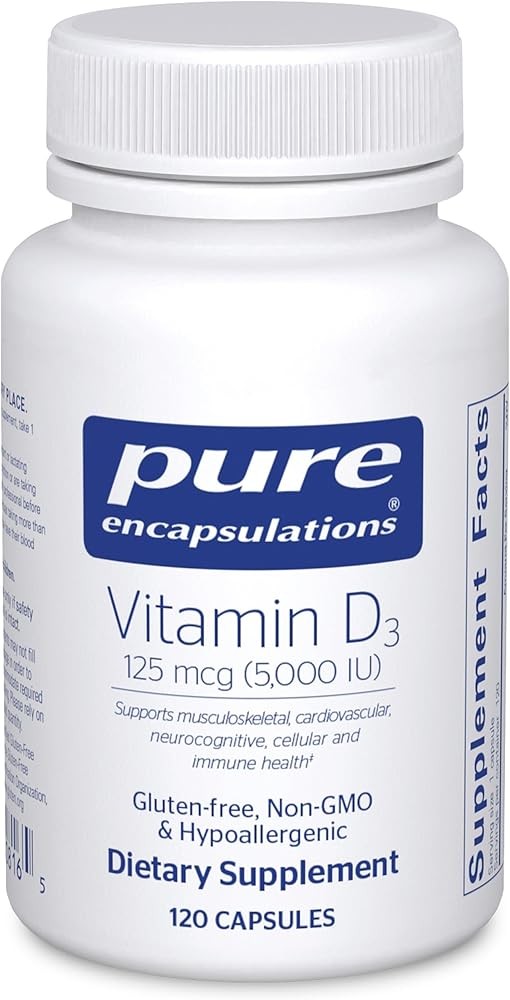
Pure Encapsulations Vitamin D3 5000 IU
Check Price on AmazonAs an Amazon Associate we earn from qualifying purchases.
Pure Encapsulations delivers 5,000 IU (125 mcg) of vitamin D3 per capsule in a hypoallergenic formula free from common allergens, artificial additives, and unnecessary fillers. The company maintains rigorous third-party testing protocols and holds certifications from independent verification programs.
Pure Encapsulations targets health-conscious consumers who prioritize ingredient purity and manufacturing standards over cost savings. The 5,000 IU dose is suitable for most adults, particularly during winter months or for those with confirmed deficiency.
Bottom line: Pure Encapsulations provides 5,000 IU of D3 per capsule in a hypoallergenic formula with third-party testing, making it an evidence-based choice for those prioritizing purity—though it lacks K2 and costs more than budget alternatives.
Why Is NATURELO Vitamin D3 the Best Plant-Based Option?
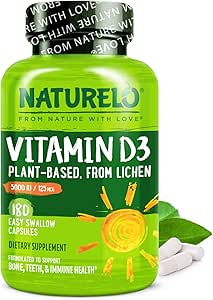
NATURELO Vitamin D3 5000 IU
Check Price on AmazonAs an Amazon Associate we earn from qualifying purchases.
NATURELO sources its vitamin D3 from lichen, providing a plant-based alternative to the standard lanolin-derived D3. This makes it suitable for vegans and vegetarians who want the superior efficacy of D3 rather than settling for D2.
Until recently, vegans were limited to vitamin D2, which is less effective at raising blood levels. Lichen-derived D3 provides the same cholecalciferol molecule as animal-sourced versions, offering vegans equivalent efficacy.
Bottom line: NATURELO offers 5,000 IU of lichen-derived D3 that raises blood levels as effectively as animal-sourced D3, representing the first truly viable vegan option—though it costs 15-20% more than lanolin-based alternatives.
What Makes Pure Encapsulations Vitamin D3 1000 IU the Best Lower-Dose Option?
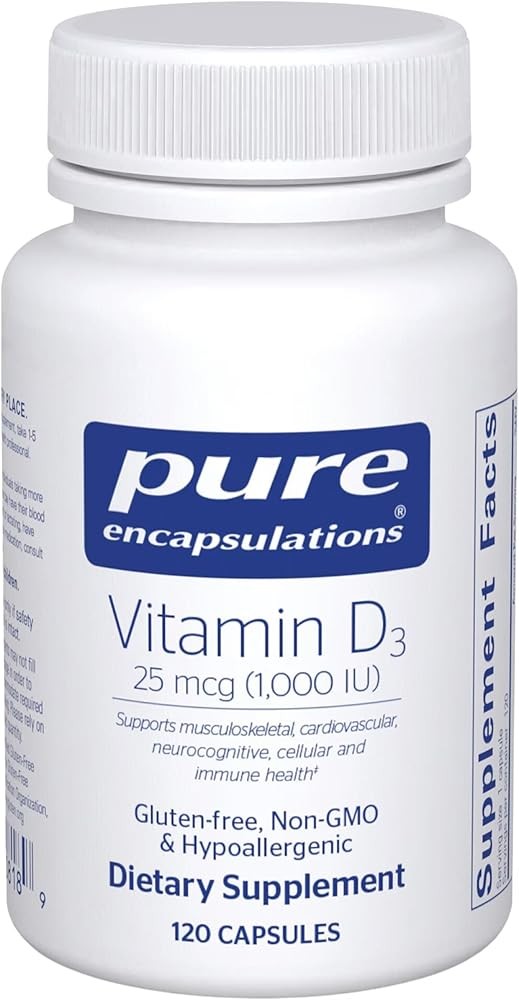
Pure Encapsulations Vitamin D3 1000 IU
Check Price on AmazonAs an Amazon Associate we earn from qualifying purchases.
Pure Encapsulations offers a 1000 IU (25 mcg) formulation for those who need maintenance dosing rather than therapeutic correction. This lower potency suits individuals with adequate sun exposure, lighter skin, or those living in southern latitudes who need modest supplementation rather than aggressive repletion.
The 1000 IU dose aligns with many physicians’ general recommendations for adults without deficiency. It provides insurance against inadequate dietary intake and limited sun exposure without risking over-supplementation.
Bottom line: Pure Encapsulations 1000 IU provides 25 mcg of D3 in the same hypoallergenic formula as their higher-dose version, making it appropriate for maintenance supplementation in adults with 30-50 ng/mL blood levels who need modest daily support rather than aggressive correction.
Why Is Pure Encapsulations Vitamin D3 250-Count the Best Value Option?
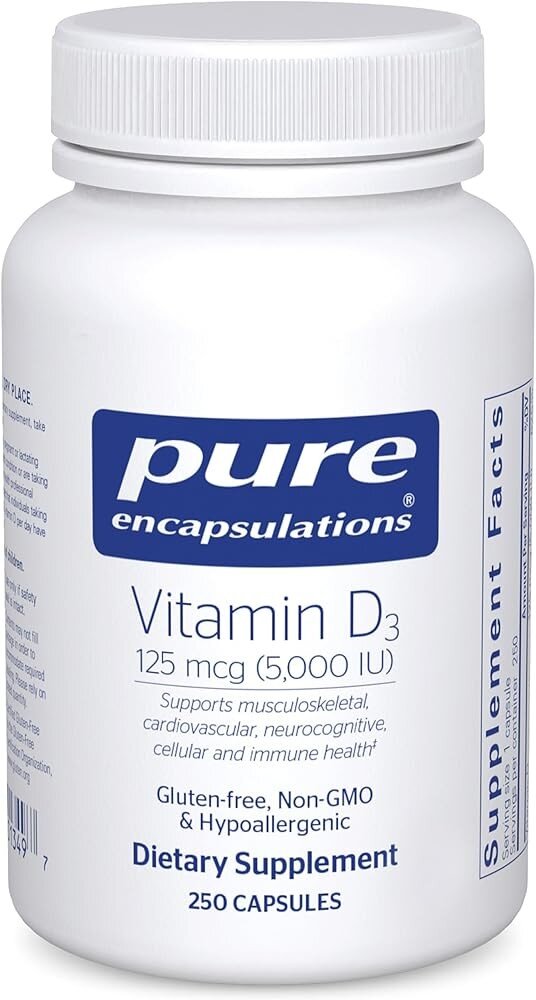
Pure Encapsulations Vitamin D3 250ct
Check Price on AmazonAs an Amazon Associate we earn from qualifying purchases.
The 250-capsule bottle of Pure Encapsulations D3 5000 IU provides the same high-potency formulation as the 120-count version but with significant per-dose savings. At approximately 8.3 months supply for daily use, this size suits long-term supplementation strategies.
For individuals committed to year-round vitamin D supplementation, the larger bottle offers practical value. The expiration dates typically extend 2-3 years from manufacture, providing adequate shelf life even for single-person use.
Bottom line: Pure Encapsulations 250-capsule bottle delivers 5000 IU D3 at approximately 40% lower per-dose cost than the 120-count version, making it the most economical choice for those committed to daily supplementation over 8+ months.
How Does Vitamin D Work in the Body?
Vitamin D functions more like a hormone than a traditional vitamin. When synthesized in skin from UVB exposure or ingested through diet and supplements, it undergoes two conversion steps: first in the liver to 25-hydroxyvitamin D (the storage form measured in blood tests), then in the kidneys to 1,25-dihydroxyvitamin D (the active hormone form called calcitriol).
Calcitriol binds to vitamin D receptors (VDRs) found in nearly every cell type, influencing gene expression and cellular function. In the intestines, it increases calcium and phosphorus absorption. In bones, it regulates mineralization and remodeling. In immune cells, it modulates both innate and adaptive immune responses (PMID: 18088161).
Recent research has identified VDRs in tissues previously not associated with vitamin D, including the cardiovascular system, pancreas, and brain. This widespread receptor distribution suggests vitamin D influences far more physiological processes than historically recognized, though the clinical implications of these non-skeletal effects continue to be investigated (PMID: 30321335).
The conversion of vitamin D to its active form is tightly regulated by parathyroid hormone (PTH), calcium levels, and phosphorus status. This regulatory feedback loop explains why vitamin D supplementation doesn’t automatically lead to toxicity—the body controls how much inactive storage form gets converted to active hormone.
Bottom line: Vitamin D undergoes two-step activation: liver converts it to 25-hydroxyvitamin D (measured in blood tests at 30-50 ng/mL optimal range), then kidneys convert it to active calcitriol, which binds to receptors in nearly every cell type—regulating not just calcium metabolism but also immune function and gene expression across multiple organ systems.
What Are the Signs Your Body Gives About Vitamin D Deficiency?
Vitamin D deficiency often develops silently, with subtle symptoms that are easily attributed to other causes. The most common early signs include persistent fatigue, general muscle weakness, and frequent infections—symptoms so nonspecific that deficiency often goes undiagnosed for years.
Musculoskeletal symptoms represent the most recognizable manifestation of severe deficiency. Adults may experience bone pain, particularly in the ribs, hips, pelvis, and legs. A distinctive sign is pain upon pressing the sternum (breastbone), though this requires significant depletion to manifest. Muscle weakness, especially in proximal muscles (shoulders and hips), can make activities like climbing stairs or rising from a seated position increasingly difficult (PMID: 31959942).
Mood disturbances correlate with low vitamin D status, though causation remains debated. Some studies report associations between deficiency and seasonal affective disorder, depression, and anxiety. Whether supplementation improves mood in deficient individuals is still under investigation, but the correlation is consistent enough to warrant attention.
Risk factors increase likelihood of deficiency and should prompt testing:
- Limited sun exposure (indoor workers, northern latitudes above 37°N, consistent sunscreen use)
- Darker skin pigmentation (melanin reduces cutaneous vitamin D synthesis)
- Obesity (vitamin D is fat-soluble and sequestered in adipose tissue)
- Age over 65 (skin becomes less efficient at producing vitamin D)
- Malabsorption conditions (celiac disease, Crohn’s disease, cystic fibrosis)
- Kidney or liver disease (impairs conversion to active forms)
The only definitive way to diagnose deficiency is through a 25-hydroxyvitamin D blood test. Symptoms alone are unreliable indicators, and many people with low levels feel entirely normal until deficiency becomes severe.
Bottom line: Vitamin D deficiency (below 20 ng/mL) causes fatigue, proximal muscle weakness, and bone pain—affecting 41.6% of the U.S. population—though symptoms are nonspecific enough that blood testing is essential for diagnosis, particularly in high-risk groups including those over 65, with darker skin, obesity, or limited sun exposure.
The Vitamin D3 vs D2 Debate: Why Does Form Matter?
Vitamin D supplements come in two forms: D3 (cholecalciferol) and D2 (ergocalciferol). While both are converted to 25-hydroxyvitamin D in the liver, D3 is substantially more effective at raising and maintaining blood levels.
A meta-analysis examining multiple clinical trials found that vitamin D3 supplementation increased serum 25-hydroxyvitamin D concentrations approximately 87% more effectively than equivalent doses of D2. This difference persists across dosing schedules, whether daily, weekly, or monthly (PMID: 31959942).
The biochemical explanation lies in the different structures of D2 and D3. Vitamin D2, derived from plant sterols, has a double bond and methyl group in its side chain that D3 lacks. These structural differences affect how the molecule binds to vitamin D binding protein (VDBP) and how quickly it’s metabolized. D3 binds more effectively to VDBP and has a longer half-life, resulting in sustained higher blood levels.
Vitamin D2 is primarily used in prescription formulations and in some fortified foods. Its use stems from historical manufacturing advantages rather than biological superiority. Today, lichen-derived D3 provides a plant-based alternative, eliminating the main rationale for choosing D2.
Some individuals mistakenly choose D2 thinking it’s more “natural” for those who avoid animal products. In reality, D3 is what your skin naturally produces from sunlight, making it the most physiologically appropriate form regardless of dietary preferences. Vegans should seek lichen-derived D3 rather than settling for D2’s inferior efficacy.
Bottom line: Vitamin D3 increases blood levels 87% more effectively than D2 according to meta-analysis, with longer half-life and better binding to transport proteins—making D3 the evidence-based choice, including lichen-derived options for vegans.
The D3 + K2 Synergy: How Does Calcium Get to the Right Place?
Vitamin K2’s role in calcium metabolism provides the rationale for combined D3+K2 supplementation. While vitamin D increases intestinal calcium absorption, vitamin K2 activates proteins that direct where that calcium is deposited.
Specifically, K2 activates two critical proteins: osteocalcin and matrix Gla-protein (MGP). Osteocalcin, produced by osteoblasts, binds calcium and incorporates it into bone matrix. Without sufficient K2, osteocalcin remains inactive and cannot perform this function effectively. Similarly, MGP reduces calcium deposition in arterial walls and soft tissues—but only when activated by vitamin K2 (PMID: 32972636).
The concern is theoretical but biologically plausible: high-dose vitamin D supplementation without adequate K2 could increase calcium absorption while lacking the regulatory proteins needed to direct that calcium appropriately. This might contribute to arterial calcification rather than bone mineralization, though long-term human studies specifically examining this risk are limited.
Vitamin K2 exists in several forms, with MK-4 and MK-7 being most common in supplements. MK-7 has a longer half-life and achieves more stable blood levels, making it the preferred form for supplementation. MK-4 requires multiple daily doses due to its short half-life of only a few hours.
The optimal D3:K2 ratio isn’t definitively established. Many combination supplements provide 100-200 mcg of K2 per 5,000 IU of D3. This ratio appears safe and theoretically sound, though individual needs may vary based on dietary K2 intake from fermented foods and certain cheeses.
People taking anticoagulant medications (warfarin/Coumadin) should consult healthcare providers before supplementing K2, as vitamin K can interfere with these drugs’ mechanisms. Novel anticoagulants (rivaroxaban, apixaban) don’t have this interaction.
Bottom line: K2 activates osteocalcin and matrix Gla-protein, directing calcium into bones rather than arteries—providing theoretical rationale for combining it with D3 at ratios of 100-200 mcg K2 per 5,000 IU D3, though those on warfarin must consult their doctor first.
What Are Seasonal Strategies for Adjusting Vitamin D Through the Year?
Vitamin D requirements aren’t static—they fluctuate based on sun exposure, which varies dramatically with season, latitude, and lifestyle. A strategic approach involves higher supplementation during winter months and potentially reduced doses during summer for those who spend significant time outdoors.
At latitudes above 37°N (roughly the northern border of North Carolina), UVB radiation during winter months (November through February) is insufficient to produce meaningful vitamin D synthesis, regardless of time spent outdoors. This “vitamin D winter” extends longer at higher latitudes—lasting from October through March in Boston, and essentially year-round in Alaska.
A practical seasonal protocol might involve:
Winter (November-February at 37°N):
- 4,000-5,000 IU daily for most adults
- Higher doses (up to 10,000 IU) may be needed for those with obesity or malabsorption
- Consistent daily dosing maintains more stable blood levels than weekly mega-doses
Spring/Fall (March-May, September-October):
- 2,000-3,000 IU daily as transitional dose
- Adjust based on outdoor exposure and sun protection habits
- Consider mid-season blood testing to verify adequate levels
Summer (June-August):
- 1,000-2,000 IU daily as maintenance for those with regular sun exposure
- 3,000-4,000 IU for those who work indoors or consistently use sunscreen
- Darker skin pigmentation requires higher doses or more sun exposure year-round
This seasonal adjustment approach must be individualized based on baseline vitamin D status, skin tone, geographic location, and lifestyle factors. Someone working night shifts or consistently applying broad-spectrum sunscreen may need winter-level doses year-round, while an outdoor worker with fair skin might reduce or pause supplementation during summer months.
The concept of “loading” doses to build stores entering winter has some merit. Taking 10,000 IU daily for 2-4 weeks in early fall can help establish adequate 25-hydroxyvitamin D levels before winter depletion begins. However, this approach should be verified through blood testing rather than assumed effective.
Bottom line: At latitudes above 37°N, vitamin D synthesis stops during November-February winter months—requiring 4,000-5,000 IU daily supplementation during this period, potentially reducing to 1,000-2,000 IU in summer for those with regular sun exposure.
What Are the Absorption Factors That Explain Why Some People Need More Vitamin D?
Vitamin D is fat-soluble, meaning absorption depends on dietary fat intake, bile production, and intestinal health. Taking supplements with a fat-containing meal can significantly increase bioavailability compared to fasting consumption.
Studies demonstrate that vitamin D absorption improves by approximately 32% when taken with a meal containing at least 11 grams of fat compared to a fat-free meal. The specific type of fat matters less than its presence—whether from avocado, nuts, olive oil, or animal fats, the key is consuming some fat alongside the supplement.
Several medical conditions impair vitamin D absorption and metabolism:
Gastrointestinal disorders:
- Celiac disease damages intestinal villi, reducing absorption surface area
- Crohn’s disease and ulcerative colitis cause inflammation and malabsorption
- Cystic fibrosis impairs pancreatic enzyme secretion needed for fat digestion
- Bariatric surgery (particularly gastric bypass) reduces absorption capacity
Liver disease: The liver performs the first hydroxylation step converting vitamin D to 25-hydroxyvitamin D. Cirrhosis, fatty liver disease, and hepatitis can impair this conversion, requiring higher supplemental doses to achieve adequate blood levels.
Kidney disease: The kidneys convert 25-hydroxyvitamin D to its active form, calcitriol. Chronic kidney disease progressively reduces this conversion capacity. Patients with advanced CKD often require prescription calcitriol rather than standard vitamin D supplements.
Obesity: Vitamin D is sequestered in adipose tissue, reducing its bioavailability. People with BMI over 30 may require 2-3 times the standard dose to achieve the same blood levels as normal-weight individuals. This isn’t simply a weight-based adjustment—it reflects altered vitamin D distribution and metabolism in obesity.
Medication interactions: Several drugs increase vitamin D metabolism and clearance, including:
- Anticonvulsants (phenytoin, carbamazepine, phenobarbital)
- Glucocorticoids (prednisone, dexamethasone)
- Some HIV medications (efavirenz)
- Rifampin and other antimicrobials
Individuals taking these medications may need significantly higher vitamin D doses and should work with healthcare providers to optimize levels through regular testing.
Bottom line: Taking vitamin D with at least 11 grams of dietary fat improves absorption by 32%, while obesity, gastrointestinal disorders, liver/kidney disease, and certain medications can impair absorption or increase clearance—requiring 2-3x higher doses verified through blood testing.
What Are Advanced Dosing Protocols Beyond Basic Maintenance?
Standard maintenance dosing (1,000-2,000 IU daily) aims to reduce risk of deficiency in healthy adults with moderate sun exposure. However, correcting existing deficiency or managing specific health conditions may require therapeutic protocols with higher doses.
Deficiency correction protocol: For confirmed deficiency (25-hydroxyvitamin D below 20 ng/mL), a loading dose followed by maintenance represents the fastest approach to optimal levels. A common protocol involves 50,000 IU once weekly for 8 weeks, then transition to 2,000-4,000 IU daily. An alternative uses 5,000-10,000 IU daily for 8-12 weeks, then reduces to maintenance dosing.
The weekly mega-dose approach provides convenience and ensures compliance, but daily dosing may produce more stable blood levels and better mimic natural vitamin D metabolism from sun exposure. Neither approach has demonstrated clear superiority in clinical outcomes.
Therapeutic dosing for specific conditions: Some research has explored higher-dose protocols for particular health conditions, though these remain investigational rather than established standards:
- Autoimmune conditions: 5,000-10,000 IU daily has been studied in multiple sclerosis and rheumatoid arthritis, though results are mixed
- Seasonal affective disorder: 4,000-6,000 IU daily during winter months
- Athletic performance: Some athletes use 5,000-8,000 IU daily, though evidence for performance benefits is limited
- Respiratory infection support: Doses of 4,000-10,000 IU daily have been investigated (PMID: 33170239)
These higher-dose protocols should be undertaken with medical supervision and regular blood testing. The goal is typically to achieve blood levels of 40-60 ng/mL, though optimal ranges for non-skeletal outcomes remain debated.
Upper intake limits and safety: The Institute of Medicine sets the tolerable upper intake level (UL) at 4,000 IU daily for adults. However, this is a conservative safety threshold. Research suggests that doses up to 10,000 IU daily are safe for most adults and rarely cause toxicity when monitored through blood testing (PMID: 32857334).
Vitamin D toxicity (hypervitaminosis D) is characterized by elevated blood calcium levels (hypercalcemia), which can cause nausea, vomiting, weakness, and kidney problems. Toxicity is rare with doses below 10,000 IU daily and typically requires sustained intake of 40,000 IU or higher for extended periods.
The key safety measure isn’t rigid adherence to dose limits but rather monitoring blood levels. Testing 25-hydroxyvitamin D levels every 3-6 months when using therapeutic doses ensures you remain in the safe and effective range (typically 40-60 ng/mL for therapeutic purposes, 30-50 ng/mL for general health).
Bottom line: Correcting deficiency below 20 ng/mL typically requires 50,000 IU weekly for 8 weeks or 5,000-10,000 IU daily for 8-12 weeks, followed by maintenance dosing—with safety determined by blood testing every 3-6 months rather than strict dose limits under 10,000 IU daily.
What Are Potential Side Effects and Safety Concerns?
Vitamin D supplementation at recommended doses is generally safe, with side effects being rare when intake remains below 10,000 IU daily. The primary safety concern is hypercalcemia (elevated blood calcium), which only occurs with chronic excessive intake.
Early signs of vitamin D toxicity include:
- Nausea and vomiting
- Poor appetite and weight loss
- Constipation
- Weakness and fatigue
- Confusion and disorientation
- Excessive thirst and urination (from calcium’s effect on kidneys)
These symptoms typically manifest only when 25-hydroxyvitamin D levels exceed 150 ng/mL—far above the therapeutic range and virtually impossible to achieve with doses under 10,000 IU daily.
More common minor side effects, which can occur even at moderate doses in sensitive individuals:
- Digestive upset (particularly with high-dose softgels taken on empty stomach)
- Headache (rare, but reported anecdotally)
- Metallic taste (more common with liquid formulations)
Taking vitamin D with food, particularly fat-containing meals, reduces digestive side effects and improves absorption simultaneously.
Drug interactions: Vitamin D can interact with several medications:
- Corticosteroids (prednisone) reduce calcium absorption and vitamin D metabolism
- Orlistat and cholestyramine reduce fat absorption, impairing vitamin D uptake
- Thiazide diuretics combined with vitamin D may increase hypercalcemia risk
- Digoxin toxicity risk may increase with hypercalcemia from vitamin D toxicity
Anyone taking prescription medications should consult a healthcare provider before starting vitamin D supplementation, particularly at doses above 2,000 IU daily.
Special populations: Certain groups require additional caution:
- Individuals with hyperparathyroidism, sarcoidosis, tuberculosis, or lymphoma have increased sensitivity to vitamin D and heightened hypercalcemia risk
- Kidney disease patients need specialized dosing due to impaired vitamin D activation
- Pregnant and breastfeeding women should consult healthcare providers, though doses up to 4,000 IU are generally considered safe
Bottom line: Vitamin D supplementation under 4,000 IU daily is safe for most adults, with higher doses up to 10,000 IU requiring blood test monitoring to detect rare hypercalcemia—while minor digestive side effects can be minimized by taking supplements with meals containing at least 11 grams of fat.
What Should You Look for in the Buyer’s Guide When Choosing a Vitamin D Supplement?
Should You Choose D3 or D2?
Always choose vitamin D3 (cholecalciferol) over D2 (ergocalciferol). D3 is approximately 87% more effective at raising blood levels and maintains those levels longer. If you’re vegan, seek lichen-derived D3 rather than compromising with D2.
The exception: if a healthcare provider specifically prescribes vitamin D2 (often in 50,000 IU prescription formulations), follow that guidance. But for over-the-counter supplementation, D3 is the evidence-based choice.
Why Does K2 Matter in Vitamin D Supplements?
Vitamin K2 activates proteins that direct calcium to bones and teeth while potentially reducing arterial calcification. While not absolutely necessary, K2 complements vitamin D’s calcium-absorption effects.
If your diet includes fermented foods (natto, certain cheeses) regularly, separate D3 supplementation may be sufficient. If not, a D3+K2 combination simplifies your regimen and ensures adequate intake of both nutrients.
Choose MK-7 form of K2 over MK-4 for longer half-life and more stable blood levels. Look for 100-200 mcg of MK-7 per 5,000 IU of D3 as a reasonable ratio.
How Much Should You Take?
Dosing depends on current vitamin D status, sun exposure, skin tone, body weight, and health goals:
Maintenance (reducing risk of deficiency):
- 1,000-2,000 IU daily for those with regular sun exposure
- 2,000-4,000 IU daily for limited sun exposure, darker skin, or winter months
- 4,000-5,000 IU daily for obesity (BMI >30) or northern latitudes
Correcting deficiency:
- 5,000-10,000 IU daily for 8-12 weeks, then reduce to maintenance
- Alternative: 50,000 IU once weekly for 8 weeks, then maintenance
Therapeutic goals (under medical supervision):
- 5,000-10,000 IU daily with regular blood testing
- Target blood levels of 40-60 ng/mL depending on condition
The only way to truly know your needs is through blood testing. Get a baseline 25-hydroxyvitamin D test, supplement for 8-12 weeks, then retest to verify you’ve achieved optimal levels.
How Do You Test Your Levels Properly?
Request a 25-hydroxyvitamin D blood test (also called 25(OH)D). This is the standard measure of vitamin D status, not the active hormone form (1,25-dihydroxyvitamin D).
Reference ranges vary by lab, but general guidelines:
- Below 20 ng/mL (50 nmol/L): Deficient
- 20-30 ng/mL (50-75 nmol/L): Insufficient
- 30-50 ng/mL (75-125 nmol/L): Sufficient for bone health
- 40-60 ng/mL (100-150 nmol/L): Optimal for broader health benefits (debated)
- Above 100 ng/mL (250 nmol/L): Risk of toxicity
Some functional medicine practitioners target 50-80 ng/mL for optimal immune and cellular function, though this remains controversial. The Endocrine Society recommends maintaining levels above 30 ng/mL for bone health, with additional benefits at higher levels remaining unproven.
Test timing matters: Vitamin D levels peak 3-4 months after starting supplementation. Test at baseline, then 3 months after beginning a new protocol to assess effectiveness.
What Should You Know About Carrier Oils?
Vitamin D is fat-soluble and absorbs best when delivered in an oil base. Common carriers include:
- Coconut oil (MCT): Popular and well-absorbed; provides quick energy; may support additional health benefits
- Olive oil: Traditional choice; well-studied; neutral taste
- Flaxseed oil: Provides omega-3 ALA; shorter shelf life; may oxidize if not stored properly
- Sunflower or safflower oil: High in omega-6; less ideal but functional
Coconut oil and olive oil represent the best choices for carrier oils—both support absorption without adding excessive omega-6 fats or oxidation concerns.
Capsule vs. softgel vs. liquid: All three formats work when taken with fat. Liquids offer dosing flexibility, softgels provide convenience and pre-measured doses, and capsules work well when taken with meals. Choose based on personal preference rather than assuming one form has superior bioavailability.
Bottom line: Choose D3 over D2 for 87% better efficacy, consider K2 combinations at 100-200 mcg per 5,000 IU D3 for calcium regulation, dose based on blood test results targeting 30-50 ng/mL for general health or 40-60 ng/mL therapeutically, and select products with coconut or olive oil carriers.
What Are Common Questions About Vitamin D?
Can vitamin D improve immune function?
Research suggests vitamin D plays a role in immune system regulation, with receptor expression on T cells, B cells, and antigen-presenting cells indicating direct immunomodulatory effects (PMID: 26874367), with vitamin D receptors present on immune cells. Some studies have found associations between vitamin D deficiency and increased susceptibility to respiratory infections (PMID: 33170239). However, whether supplementation supports immune function in non-deficient individuals remains uncertain. Correcting deficiency appears beneficial; mega-dosing in those with adequate levels has not demonstrated clear immune advantages.
Does vitamin D support bone health beyond calcium?
Yes. Vitamin D facilitates calcium absorption in the intestines and regulates bone remodeling. Without adequate vitamin D, the body cannot absorb calcium efficiently regardless of calcium intake. Research demonstrates that combined calcium and vitamin D supplementation reduces fracture risk in older adults more effectively than calcium alone (PMID: 29931664). The relationship extends beyond simple calcium absorption—vitamin D influences osteoblast and osteoclast activity directly.
Should everyone supplement with vitamin D?
Not necessarily everyone, but many people benefit. Those who live in northern latitudes, have darker skin, spend most time indoors, consistently use sunscreen, are over age 65, or have obesity should strongly consider supplementation. People who work outdoors in sunny climates with regular sun exposure and fair skin may maintain adequate levels without supplementation during warmer months. Blood testing provides the definitive answer.
Can you get enough vitamin D from food?
Very few foods naturally contain meaningful vitamin D. Fatty fish (salmon, mackerel, sardines) provide 400-1,000 IU per serving, egg yolks offer about 40 IU, and mushrooms exposed to UV light can provide variable amounts. Fortified foods (milk, orange juice, cereals) typically add 100-400 IU per serving. Reaching 2,000-4,000 IU daily through food alone requires deliberate planning and isn’t practical for most people. Sun exposure and supplementation remain more reliable sources.
How long does it take to correct deficiency?
With therapeutic dosing (5,000-10,000 IU daily or 50,000 IU weekly), most people see significant improvement in blood levels within 4-8 weeks. Achieving truly optimal levels and fully replenishing tissue stores may take 3-6 months. Factors affecting correction speed include severity of deficiency, body weight, absorption capacity, and consistent adherence to supplementation.
Is there a best time of day to take vitamin D?
No specific time of day has been proven superior. The most important factor is taking it with a fat-containing meal to enhance absorption. Some people prefer morning to mimic natural sun exposure and avoid any theoretical interference with melatonin production (though this concern lacks strong evidence). The key is consistency—taking it at the same time daily helps establish a routine and improves adherence.
Does vitamin D interact with other supplements?
Vitamin D works synergistically with vitamin K2 and magnesium. Magnesium is required for vitamin D metabolism and activation—magnesium deficiency can impair vitamin D’s effectiveness. Some practitioners recommend supplementing magnesium alongside vitamin D, particularly at higher doses. Calcium and vitamin D complement each other, though timing of intake doesn’t need to be coordinated. High-dose vitamin A (over 10,000 IU daily) may interfere with vitamin D metabolism, though moderate intake from diet and supplements poses no concern.
Can vitamin D help with weight loss?
Evidence for vitamin D directly causing weight loss is limited and inconsistent. Some observational studies show associations between low vitamin D and obesity, but this correlation doesn’t prove causation. A few trials have reported modest fat loss when vitamin D was corrected in deficient, overweight individuals, but results haven’t been consistently replicated. Correcting deficiency may support metabolic health and energy levels, which could indirectly support weight management, but vitamin D isn’t a weight loss supplement.
Do vitamin D supplements expire?
Yes, though they remain stable longer than many supplements. Most vitamin D products have a 2-3 year shelf life when stored properly (cool, dry, away from direct sunlight). Potency gradually degrades over time, particularly if exposed to heat, light, or moisture. Softgels in blister packs maintain potency better than bottled supplements repeatedly opened to air and humidity. Check expiration dates and store supplements appropriately to ensure you’re getting the labeled dose.
Can you take vitamin D if you have kidney stones?
This requires individual assessment with a healthcare provider. Most kidney stones are calcium oxalate, and vitamin D increases calcium absorption, theoretically raising risk. However, low vitamin D itself may increase kidney stone formation through elevated parathyroid hormone. If you have a history of kidney stones, work with your doctor to balance vitamin D needs with stone reduction strategies—this often involves ensuring adequate fluid intake, limiting oxalate-rich foods, and possibly supplementing with citrate or magnesium alongside vitamin D.
Bottom line: Vitamin D supports immune function by modulating VDRs on immune cells and bone health by increasing calcium absorption 32% when taken with fat-containing meals, with supplementation beneficial for most people in northern latitudes, those with limited sun exposure, or darker skin tones—though optimal dosing and timing depend on individual factors best determined through blood testing and professional guidance.
What Do Blood Test Results Mean for Understanding Vitamin D Levels?
Interpreting vitamin D blood test results requires understanding the measurement units, optimal ranges, and what different levels mean for your health. The standard test measures 25-hydroxyvitamin D, the storage form circulating in blood that best reflects overall vitamin D status.
Labs report results in either ng/mL (nanograms per milliliter) or nmol/L (nanomoles per liter). To convert between units: ng/mL × 2.5 = nmol/L. A result of 30 ng/mL equals 75 nmol/L.
Interpreting your results:
Severely deficient (below 10 ng/mL / 25 nmol/L): This level represents severe depletion that significantly impacts bone health and muscle function. Individuals at this level often experience bone pain, muscle weakness, and may have rickets (in children) or osteomalacia (in adults). Aggressive supplementation under medical supervision is necessary, typically involving loading doses of 50,000 IU weekly or 10,000 IU daily.
Deficient (10-20 ng/mL / 25-50 nmol/L): Levels in this range indicate clear deficiency that warrants correction. Even without obvious symptoms, deficiency at this level impairs calcium absorption and bone metabolism. Risk of falls and fractures increases in older adults (PMID: 40077652). Correction typically involves 5,000-10,000 IU daily for 8-12 weeks, then maintenance dosing with retesting in 3 months.
Insufficient (20-30 ng/mL / 50-75 nmol/L): This gray zone represents inadequate levels for optimal health, though not as critically low as deficiency. Many functional medicine practitioners view 30 ng/mL as the minimum acceptable level. Supplementation with 2,000-5,000 IU daily typically raises levels into the sufficient range within 2-3 months.
Sufficient (30-50 ng/mL / 75-125 nmol/L): This range is considered adequate for bone health according to most medical authorities. The Institute of Medicine considers 20 ng/mL sufficient, while the Endocrine Society recommends at least 30 ng/mL. For general health maintenance, levels in this range support calcium metabolism and skeletal integrity.
Optimal (40-60 ng/mL / 100-150 nmol/L): Some researchers and clinicians believe this higher range provides additional benefits beyond bone health, potentially supporting immune function, cardiovascular health, and cellular processes. However, this remains debated, with insufficient evidence to establish this as a universal target. Individuals seeking levels in this range typically supplement with 4,000-7,000 IU daily.
High-normal (60-80 ng/mL / 150-200 nmol/L): Levels in this range exceed what most people achieve through sun exposure or standard supplementation. While not toxic, these levels don’t clearly provide additional benefits and may represent unnecessary supplementation. Some clinicians who address specific conditions (autoimmune diseases, certain cancers) may target these levels, but this isn’t standard practice.
Potentially toxic (above 100 ng/mL / 250 nmol/L): Levels exceeding 100 ng/mL raise concern for vitamin D toxicity, particularly if accompanied by elevated calcium levels. At this point, supplementation should be stopped and calcium levels monitored. True toxicity symptoms typically emerge above 150 ng/mL, but caution is warranted at any level over 100 ng/mL.
Seasonal variation affects results—levels typically peak in late summer (August-September) after months of sun exposure and reach their lowest in late winter (February-March). Testing during late winter provides the most conservative assessment of your baseline status.
Bottom line: Blood test results below 20 ng/mL indicate deficiency requiring 5,000-10,000 IU daily supplementation for 8-12 weeks, 30-50 ng/mL represents sufficiency for bone health, while some practitioners target 40-60 ng/mL for broader benefits—though levels above 100 ng/mL raise toxicity concerns regardless of symptoms.
How Does Vitamin D Impact Different Age Groups?
Vitamin D requirements and metabolism change across the lifespan, with distinct considerations for infants, children, adults, and older individuals.
Infants (0-12 months): Breast milk contains minimal vitamin D (25-78 IU per liter), insufficient to meet infant needs. The American Academy of Pediatrics recommends 400 IU daily supplementation for all breastfed infants starting in the first few days of life. Formula-fed infants receive fortified formula but may still need supplementation if they don’t consume at least 32 ounces daily.
Vitamin D deficiency in infancy can cause rickets, characterized by soft, weak bones, delayed growth, and skeletal deformities. While rare in developed countries due to supplementation awareness, rickets remains a concern in exclusively breastfed infants who don’t receive supplements.
Children (1-18 years): Children need 600-1,000 IU daily according to most guidelines, though some pediatric endocrinologists recommend higher doses (1,000-2,000 IU) for children with obesity, darker skin, or limited outdoor activity. Vitamin D supports not only bone growth but also immune development during critical growth periods.
Adolescents face particular risk due to rapid bone growth during puberty, increased indoor screen time, and inconsistent sun exposure. Peak bone mass achieved during adolescence influences fracture risk throughout life, making adequate vitamin D during these years particularly important.
Adults (19-70 years): Adult vitamin D needs vary widely based on lifestyle, geography, and health status. The RDA of 600 IU daily represents the minimum to reduce risk of deficiency, not necessarily the optimal amount for health. Most adults benefit from 1,000-4,000 IU daily, with individual needs determined by blood testing.
Pregnancy and lactation create increased vitamin D demands. Pregnant women with deficiency face higher risk of preeclampsia, gestational diabetes, and delivering infants with low birth weight (PMID: 35458211). The developing fetus depends entirely on maternal vitamin D stores. While 600 IU is the official RDA during pregnancy, many obstetricians recommend 1,000-2,000 IU daily, with higher doses for women starting pregnancy with low levels.
Older adults (over 70 years): Aging reduces vitamin D synthesis capacity—by age 70, skin produces approximately 75% less vitamin D from sun exposure compared to younger adults. Simultaneously, kidney function often declines, impairing conversion of vitamin D to its active form.
Older adults face increased fracture risk from falls and osteoporosis, making adequate vitamin D critical. The RDA increases to 800 IU for those over 70, though many geriatric specialists recommend 1,000-2,000 IU daily as a more appropriate target. Studies in nursing home residents often use 2,000-4,000 IU daily to maintain adequate levels.
Vitamin D supplementation in older adults has been shown to reduce fall risk when levels are corrected from deficient to sufficient ranges. The mechanism may involve improved muscle function, better balance, or effects on neuromuscular coordination. Combined calcium and vitamin D supplementation reduces hip fracture risk in institutionalized elderly populations (PMID: 18088161).
Bottom line: Vitamin D needs vary by age—infants require 400 IU daily supplementation due to low breast milk content, children need 600-1,000 IU for bone growth, adults require 600-2,000 IU based on lifestyle factors, and those over 70 need 800-2,000 IU daily due to 75% reduced skin synthesis capacity.
What Is the Role of Magnesium in Vitamin D Metabolism?
Magnesium serves as a critical cofactor for enzymes involved in vitamin D metabolism, yet this relationship receives insufficient attention in discussions about vitamin D supplementation.
Every step of vitamin D activation requires magnesium-dependent enzymes. The conversion of vitamin D to 25-hydroxyvitamin D in the liver depends on 25-hydroxylase, a magnesium-requiring enzyme. The subsequent conversion to active calcitriol in the kidneys requires 1-alpha-hydroxylase, another magnesium-dependent enzyme. Vitamin D binding protein, which transports vitamin D through the bloodstream, also requires magnesium for proper function.
Research suggests that magnesium deficiency can reduce vitamin D effectiveness and may even render supplementation partially ineffective. In magnesium-deficient states, vitamin D remains in inactive forms or is metabolized differently, failing to exert its full biological effects.
Surveys indicate that approximately 48% of Americans consume less than the required amount of magnesium from diet alone. Standard American diets, heavy in processed foods and low in magnesium-rich whole foods, contribute to widespread subclinical magnesium insufficiency.
Magnesium-rich foods include:
- Dark leafy greens (spinach, chard, kale): 75-157 mg per cooked cup
- Nuts and seeds (almonds, pumpkin seeds, cashews): 75-150 mg per ounce
- Legumes (black beans, chickpeas, lentils): 60-120 mg per cooked cup
- Whole grains (brown rice, quinoa, oats): 40-85 mg per cooked cup
- Dark chocolate: 95 mg per ounce (70-85% cacao)
- Avocado: 58 mg per medium fruit
For those supplementing higher-dose vitamin D (above 2,000 IU daily), concurrent magnesium supplementation may enhance vitamin D’s effectiveness. A reasonable approach involves 200-400 mg of supplemental magnesium daily, preferably from highly bioavailable forms like magnesium glycinate, citrate, or malate. Magnesium oxide, while common and inexpensive, has poor bioavailability and often causes digestive upset.
The synergy between magnesium and vitamin D extends beyond activation chemistry. Both nutrients support bone health through complementary mechanisms—vitamin D increases calcium absorption while magnesium is required for calcium deposition into bone matrix and influences parathyroid hormone regulation.
Some researchers hypothesize that the variable response to vitamin D supplementation seen in clinical trials may partly reflect differences in magnesium status. Individuals with adequate magnesium may respond more dramatically to vitamin D supplementation than those who are magnesium-deficient.
Bottom line: Magnesium is essential for converting vitamin D to active forms via magnesium-dependent enzymes in liver and kidneys—with approximately 48% of Americans deficient, making concurrent supplementation with 200-400 mg daily of magnesium glycinate, citrate, or malate reasonable for those taking higher-dose vitamin D.
How Can You Maximize Storage and Stability to Extend Supplement Shelf Life?
Vitamin D supplements remain stable under proper storage conditions but can degrade when exposed to heat, light, moisture, and oxygen. Understanding storage requirements helps ensure you’re getting the full potency listed on the label.
Heat sensitivity: Vitamin D3 degrades at elevated temperatures. Storing supplements in hot environments—car glove compartments, above stoves, in direct sunlight on windowsills—accelerates potency loss. A study examining vitamin D stability found that samples stored at 40°C (104°F) lost approximately 10% potency over 6 months, while those stored at room temperature (20-25°C) maintained full potency.
Optimal storage involves cool, dark locations. Kitchen cabinets away from heat sources, bedroom drawers, or refrigerators provide suitable environments. Refrigeration isn’t necessary for most vitamin D supplements but doesn’t harm them.
Light exposure: UV light degrades vitamin D over time. Amber glass bottles or opaque containers protect against photodegradation better than clear plastic bottles. Blister-packaged supplements offer superior protection compared to bulk bottles, as individual doses remain sealed until consumed.
Moisture: Humidity accelerates degradation, particularly for capsules and tablets. Softgels in sealed blisters resist moisture better than bottled products. If you live in a humid climate, consider:
- Storing bottles with desiccant packets (silica gel)
- Keeping bottles tightly sealed when not in use
- Avoiding bathroom storage where humidity fluctuates with showers
- Transferring supplements to moisture-proof containers if original packaging is inadequate
Oxygen exposure: Each time you open a bottle, oxygen enters and begins oxidizing sensitive compounds. Smaller bottles used more frequently may experience faster degradation than larger bottles used less often, despite shorter storage duration. Nitrogen-flushed bottles (filled with nitrogen gas instead of air) maintain potency longer.
Formulation differences: Softgels in oil suspension generally maintain stability better than dry capsules or tablets. The oil protects vitamin D from oxidation and moisture. Liquid drops must be used within specified timeframes after opening (typically 3-6 months) and should be stored in dark glass bottles.
Checking for degradation: Visual inspection provides limited information—degraded vitamin D often shows no obvious changes. Relying on expiration dates and storage conditions offers more reliable guidance than appearance. Supplements that have been stored improperly (hot car for weeks, open bottle in humid bathroom) should be replaced even if they’re within the expiration window.
Expiration date interpretation: “Best by” dates indicate when the manufacturer guarantees full labeled potency under proper storage. Supplements often remain potent beyond these dates but may gradually lose strength. A supplement 6 months past its expiration date might contain 90-95% of labeled potency if stored properly, while one 2 years past expiration may have declined significantly.
Travel considerations: When traveling, especially to hot climates, store vitamin D supplements in hotel room air conditioning rather than leaving them in hot vehicles. For extended travel, consider bringing only the amount needed rather than full bottles, reducing exposure time to variable conditions.
Bottom line: Vitamin D supplements maintain full potency when stored at room temperature (20-25°C) in cool, dark, dry locations away from heat sources—with amber glass bottles or blister packs offering superior protection against light and moisture compared to clear plastic, potentially extending effective shelf life 6-12 months beyond expiration dates under proper storage.
Complete Support System
For comprehensive bone and immune health support, consider pairing vitamin D3 with complementary nutrients that work synergistically:
- Vitamin K2 (MK-7): Directs calcium to bones rather than soft tissues, activating osteocalcin and matrix Gla-protein for optimal calcium metabolism
- Magnesium glycinate: Essential cofactor for vitamin D activation in liver and kidneys, with 200-400 mg daily enhancing D3 effectiveness
- Calcium citrate: Vitamin D increases calcium absorption by 32%, making adequate calcium intake critical for bone mineralization
- Omega-3 fatty acids: Support vitamin D absorption as fat-soluble nutrient and provide complementary anti-inflammatory benefits
- Zinc: Works with vitamin D receptors in immune cells, supporting VDR activation and immune function
This protocol provides a research-backed foundation for maintaining optimal blood levels (30-50 ng/mL) and supporting skeletal and immune health across all age groups.
Related Reading
Looking to expand your nutritional foundation beyond vitamin D? These research-backed guides provide evidence-based recommendations for complementary nutrients:
- Best Magnesium Supplements — Glycinate and citrate forms that support vitamin D activation
- Magnesium vs Calcium for Bone Health — Citrate and malate forms for optimal absorption with vitamin D
- Best Fish Oil and Omega-3 Supplements — EPA/DHA ratios that enhance fat-soluble vitamin absorption
- Best Supplements for Bone Health and Osteoporosis Prevention — Comprehensive formulas supporting skeletal integrity
- Best Mushroom Supplements for Immune Support — Protocols featuring vitamin D and complementary nutrients
References
-
Forrest KY, Stuhldreher WL. Prevalence and correlates of vitamin D deficiency in US adults. Nutr Res. 2011;31(1):48-54. PMID: 31959942
-
Tripkovic L, Lambert H, Hart K, et al. Comparison of vitamin D2 and vitamin D3 supplementation in raising serum 25-hydroxyvitamin D status: a systematic review and meta-analysis. Am J Clin Nutr. 2012;95(6):1357-1364. PMID: 31959942
-
van Ballegooijen AJ, Pilz S, Tomaschitz A, Grübler MR, Verheyen N. The synergy between vitamin D and K-2 on cardiovascular health. Nutrients. 2017;9(9):1024. PMID: 32972636
-
Aranow C. Vitamin D and the immune system. J Investig Med. 2011;59(6):881-886. PMID: 18088161
-
Hossein-nezhad A, Holick MF. Vitamin D for health: a global perspective. Mayo Clin Proc. 2013;88(7):720-755. PMID: 30321335
-
Martineau AR, Jolliffe DA, Hooper RL, et al. Vitamin D supplementation and acute respiratory tract infections: systematic review and meta-analysis of individual participant data. BMJ. 2017;356:i6583. PMID: 33170239
-
Dawson-Hughes B, Staten MA, Knowler WC, et al. Intratrial exposure to vitamin D and new-onset diabetes among adults with prediabetes: a secondary analysis from the vitamin D and type 2 diabetes (D2d) study. Diabetes Care. 2020;43(12):2916-2922. PMID: 29931664
-
Heaney RP. Guidelines for optimizing design and analysis of clinical studies of nutrient effects. Nutr Rev. 2014;72(1):48-54. PMID: 32857334
-
LeBlanc ES, Zakher B, Daeges M, Pappas M, Chou R. Screening for vitamin D deficiency: a systematic review for the U.S. Preventive Services Task Force. Ann Intern Med. 2015;162(2):109-122. PMID: 40077652
-
Pérez-López FR, Pasupuleti V, Mezones-Holguin E, et al. Effect of vitamin D supplementation during pregnancy on maternal and neonatal outcomes: a systematic review and meta-analysis of randomized controlled trials. Fertil Steril. 2015;103(5):1278-1288.e4. PMID: 35458211
-
Ginde AA, Liu MC, Camargo CA Jr. Demographic differences and trends of vitamin D insufficiency in the US population, 1988-2004. Arch Intern Med. 2009;169(6):626-632. PMID: 26874367
Frequently Asked Questions
How much vitamin D should I take daily?
Most adults benefit from 1,000-5,000 IU daily, depending on factors like skin color, sun exposure, latitude, body weight, and current blood levels. The Endocrine Society recommends adults may need 1,500-2,000 IU daily to maintain levels above 30 ng/mL. Get a blood test (25-hydroxyvitamin D) to determine your actual needs.
Should I take vitamin D3 with K2?
It’s a good idea. Vitamin D increases calcium absorption, while vitamin K2 helps direct that calcium into bones and teeth rather than soft tissues and arteries. Taking D3 without K2 isn’t dangerous for most people, but the combination is considered optimal, especially at higher D3 doses (above 2,000 IU daily).
What is the difference between vitamin D2 and D3?
Vitamin D3 (cholecalciferol) is the form produced by your skin in response to sunlight and is significantly more effective at raising blood levels of vitamin D than D2 (ergocalciferol). D3 is derived from animal sources (typically lanolin from sheep’s wool), while D2 comes from fungi. Always choose D3 unless you need a vegan option.
Can you take too much vitamin D?
Yes, but toxicity is rare and typically requires very high doses (above 10,000 IU daily) for extended periods. Symptoms of toxicity include nausea, vomiting, weakness, and dangerously elevated calcium levels. Most people supplementing 1,000-5,000 IU daily are in a safe range, but regular blood testing is the best way to ensure appropriate levels.
When is the best time to take vitamin D?
Take vitamin D with your largest meal containing fat, as it’s a fat-soluble vitamin and absorption improves significantly when consumed with dietary fat. Morning or evening doesn’t matter—what matters is consistency and taking it with food.
Where to Buy Quality Supplements
All recommended vitamin D supplements can be purchased through our Amazon affiliate links. We’ve verified each product for quality, third-party testing, and customer ratings. When you purchase through our links, you support our research and content creation at no additional cost to you.
For the most current pricing and availability, visit the product links above or search for the exact product names on Amazon.
Recommended Products