7 Best Zinc Supplements (Picolinate vs Glycinate vs Gluconate Compared)
Summarized from peer-reviewed research indexed in PubMed. See citations below.
An estimated 2 billion people globally have inadequate zinc status, and research shows that restricting dietary zinc for just 20 weeks reduced testosterone by 75% in healthy men. Thorne Zinc Picolinate 30mg delivers the most bioavailable zinc form backed by clinical studies showing superior absorption compared to gluconate and citrate, at $29 for 60 capsules. Research documents that zinc picolinate produces statistically significant increases in serum zinc, red blood cell zinc, and urinary zinc excretion while other forms failed to show changes. NOW Foods Zinc Glycinate 30mg offers an excellent budget alternative at $18 with the gentlest form for sensitive stomachs. Here’s what the published research shows about choosing the right zinc supplement for your needs.
Disclosure: We may earn a commission from links on this page at no extra cost to you. Affiliate relationships never influence our ratings. Full policy →
Why Zinc Deserves a Place in Your Supplement Stack

Zinc is the second most abundant trace mineral in your body after iron, yet it remains one of the most commonly deficient nutrients worldwide. An estimated 2 billion people globally have inadequate zinc status, and in the United States, subclinical zinc insufficiency is far more prevalent than most people realize.
Here is the problem: your body does not store zinc in a readily accessible reserve. Unlike iron, which the body stockpiles in ferritin, or vitamin D, which accumulates in fat tissue, zinc is distributed across muscles, bones, skin, the liver, kidneys, and the prostate in tightly regulated pools. When dietary intake drops, there is no backup reservoir to draw from, and functional deficiency can develop within weeks to months of inadequate intake.
Zinc is a cofactor for over 300 enzymes and participates in more than 1,000 transcription factors that regulate gene expression. It is involved in virtually every major metabolic pathway in the body, from immune surveillance and DNA synthesis to hormone production and neurotransmitter signaling. This is not a “nice to have” mineral – it is foundational.
| Zinc Form | Bioavailability | Best For | Stomach Tolerance | Price Range |
|---|---|---|---|---|
| Zinc Picolinate | Highest - increases serum zinc significantly | Daily supplementation, deficiency correction | Good | $$$ |
| Zinc Glycinate | Highest - may surpass picolinate in lab studies | Sensitive stomachs, evening dosing | Excellent | $$ |
| Zinc Gluconate | Moderate | Cold treatment, budget buyers | Fair | $ |
| Zinc Citrate | Moderate-Good | General use, better than gluconate | Good | $$ |
| Zinc Carnosine | Low systemic, high gut delivery | Gut repair, leaky gut, ulcers | Excellent | $$$ |
| Zinc Oxide | Lowest - 50% of picolinate | Avoid for oral use | Poor | $ |
The groups at highest risk for deficiency include:
- Vegetarians and vegans – plant-based diets contain phytates that bind zinc and reduce its bioavailability by up to 50% (PubMed 25439135)
- Older adults – reduced dietary intake, decreased gastric acid production, and medication interactions combine to lower zinc status
- Pregnant and breastfeeding women – increased physiological demand
- People with gastrointestinal conditions – Crohn’s disease, celiac disease, ulcerative colitis, and short bowel syndrome all impair zinc absorption
- Athletes and heavy sweaters – zinc is lost through sweat at rates that can become significant during prolonged exercise
- People taking proton pump inhibitors (PPIs) – these medications reduce gastric acid, which is required for optimal zinc absorption
The supplement market is flooded with zinc products, but not all forms are created equal. The form of zinc you choose, the dose, and when you take it can dramatically affect how much your body actually absorbs and utilizes. This guide breaks down the science behind every major zinc form, reviews the best products available in 2026, and gives you a practical dosing protocol based on current research.
Watch Our Video Review
What Are the Best Absorbed Forms of Zinc?
Understanding the different chemical forms of zinc is the single most important factor in choosing an effective supplement. Research has examined all major zinc forms and their comparative bioavailability in humans, confirming that significant differences exist between forms. Here is every form worth knowing about, ranked from most to least recommended.
Zinc Picolinate – The Gold Standard for Absorption
Zinc picolinate is widely considered the most bioavailable supplemental form of zinc. Picolinic acid is a natural chelator produced in your body during tryptophan metabolism in the pancreas and kidneys. It facilitates zinc transport across the intestinal lining by forming a stable, electrically neutral complex that passes through cell membranes efficiently.
The landmark study by Barrie et al. (1987) – a double-blind, four-period crossover trial in 15 healthy volunteers – compared zinc picolinate, zinc citrate, and zinc gluconate at 50 mg elemental zinc per day for four weeks each. Only the zinc picolinate group showed statistically significant increases in serum zinc, red blood cell zinc, and urinary zinc excretion. Zinc gluconate and zinc citrate did not produce significant changes compared to placebo (PubMed 3630857).
This study has been cited extensively and remains one of the strongest pieces of evidence favoring picolinate as the preferred supplemental form. The mechanism makes intuitive sense: picolinic acid is the body’s own zinc carrier, so providing zinc already bound to picolinic acid essentially gives the digestive system a head start on absorption.
Best for: General daily supplementation, immune support, correcting deficiency, testosterone support, anyone who wants the highest absorption per milligram.
Zinc Glycinate (Bisglycinate) – The Gentle Powerhouse
Zinc glycinate (also called zinc bisglycinate) is a chelated form in which zinc is bound to two molecules of the amino acid glycine. This creates a small, stable, electrically neutral complex that the intestinal epithelium absorbs efficiently. Some research, including a 2023 bioaccessibility study, found that zinc bisglycinate exhibited the highest bioaccessibility among the forms tested, even surpassing picolinate in laboratory conditions.
The practical advantage of glycinate is twofold. First, the chelation protects the zinc from binding to phytates and other dietary inhibitors in the gut, maintaining absorption even when taken with food. Second, glycine itself has calming properties – it acts as an inhibitory neurotransmitter and research suggests it may improve sleep quality when taken in the evening. This makes zinc glycinate an excellent choice for people who prefer to take their supplements at night.
Glycinate is also the gentlest zinc form on the stomach. People who experience nausea or GI distress with zinc gluconate or sulfate often tolerate glycinate without any issues.
Best for: People with sensitive stomachs, evening supplementation, those who want both zinc and calming glycine benefits, vegetarians who eat phytate-rich meals.
Zinc Gluconate – The Workhorse
Zinc gluconate is one of the most common and affordable zinc forms on the market. It has moderate bioavailability and is the form most widely used in research studies on zinc and the common cold. The 2024 Cochrane systematic review on zinc for the common cold included 34 studies (8,526 participants) and found that zinc treatment reduced cold duration by a mean of 2.37 days, though the evidence quality was rated as low certainty (PubMed 38719213).
Gluconate is a perfectly adequate form for general supplementation, but it is more likely to cause stomach upset than chelated forms, especially when taken on an empty stomach. It is also more susceptible to interactions with dietary phytates and fiber.
Best for: Budget-conscious buyers, cold prevention and treatment (as lozenges), people who tolerate it well and do not want to pay extra for chelated forms.
Zinc Citrate – The Solid Middle Ground
Zinc citrate offers good bioavailability similar to gluconate but is often better tolerated. Citric acid naturally enhances mineral absorption in the gut, which may give zinc citrate a slight edge over gluconate in real-world conditions where food is present.
Best for: People who want a step up from gluconate without the premium price of picolinate, those who experience mild stomach upset with gluconate.
Zinc Carnosine (L-Carnosine Zinc Complex) – The Gut Specialist
Zinc carnosine (also marketed as zinc-L-carnosine or PepZin GI) is a unique chelate in which zinc is bound to the dipeptide L-carnosine. This form was developed in Japan and has been used as a prescription treatment for gastric ulcers since the 1990s. Unlike other zinc forms that are absorbed quickly and systemically, zinc carnosine has a slow dissociation rate that allows it to adhere to damaged gastric and intestinal mucosa, delivering zinc directly where it is needed for tissue repair.
The research on zinc carnosine and gut health is compelling. A study published in Gut found that in 10 healthy volunteers, indomethacin (an NSAID) caused a threefold increase in gut permeability, but this increase was completely prevented when zinc carnosine was co-administered (PubMed 16777920). An 8-week randomized trial with 258 gastric ulcer patients found that 150 mg daily of zinc carnosine produced marked symptom improvement in 75% of participants by study end.
If you are dealing with gut health issues, zinc carnosine deserves serious consideration – but as a targeted gut supplement rather than a general zinc source. Its systemic zinc delivery is lower than picolinate or glycinate, so it may not correct whole-body zinc deficiency as effectively.
Best for: Leaky gut, NSAID-induced gut damage, gastritis, gastric ulcers, IBS, athletes with exercise-induced GI distress.
Zinc Orotate – The Overhyped Option
Zinc orotate is marketed by some supplement companies as having superior intracellular penetration because orotate salts are electrically neutral and theoretically pass through cell membranes more easily. However, the clinical evidence supporting this claim is thin. A pharmacokinetic study by Schleicher et al. (1982) found that zinc orotate had a slower absorption phase compared to zinc sulfate and zinc pantothenate (PubMed 7173277).
Zinc orotate supplements tend to be more expensive than picolinate or glycinate without clear evidence of superior absorption. At this time, the evidence does not justify the price premium.
Best for: No strong clinical advantage over picolinate or glycinate for most people.
Zinc Sulfate – Effective but Harsh
Zinc sulfate has decent bioavailability and is one of the most extensively studied forms in clinical research. It is also one of the cheapest. The major drawback is that it is the harshest zinc form on the digestive system. Nausea, stomach cramps, and metallic taste are common complaints. Zinc sulfate is often used in clinical settings and hospital nutrition protocols where cost is a primary concern and patients are monitored.
Best for: Clinical or research settings, short-term high-dose therapeutic use under medical supervision.
Zinc Oxide – The One to Avoid
Zinc oxide has the lowest bioavailability of any commonly sold zinc form. Research suggests its absorption is roughly 50% that of zinc picolinate. Despite this, zinc oxide is widely used in cheap multivitamins and bargain-bin zinc supplements because it is extremely inexpensive to manufacture.
If your current multivitamin or zinc supplement uses zinc oxide, you are likely absorbing significantly less than what the label claims. Switching to picolinate, glycinate, or even gluconate is a meaningful upgrade.
Best for: Topical sunscreen. Not recommended for oral supplementation.
Bottom line: Zinc picolinate and glycinate offer the highest absorption, while zinc oxide should be avoided for oral use. The form you choose makes a significant difference in how much zinc your body actually utilizes.
In-Depth Product Reviews
1. Thorne Zinc Picolinate 30mg – Best Overall
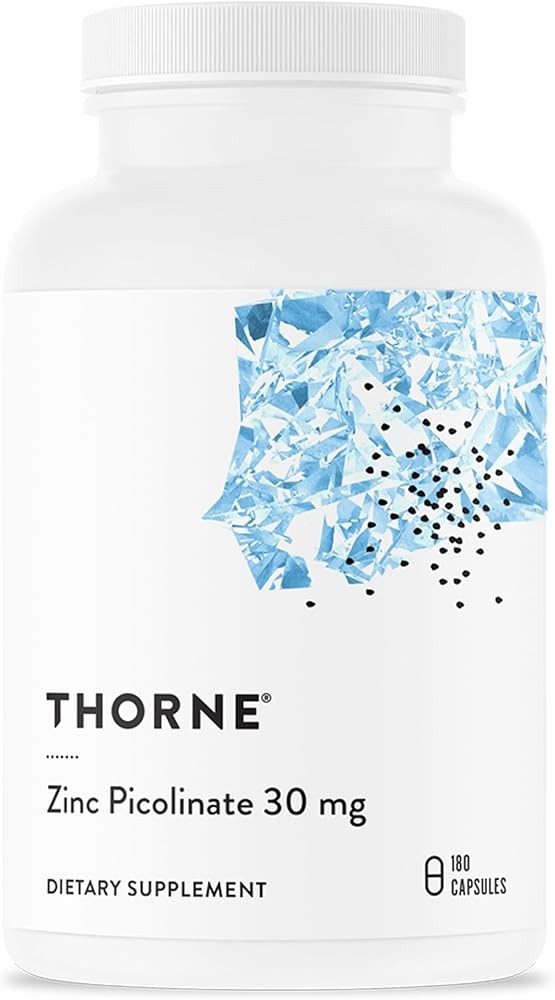
Thorne’s Zinc Picolinate is our top recommendation for good reason. It combines the most bioavailable zinc form (picolinate) with Thorne’s reputation for pharmaceutical-grade manufacturing standards. Each capsule delivers 30 mg of elemental zinc – enough to correct common deficiencies without approaching the 40 mg tolerable upper intake level.
Thorne is NSF Certified for Sport, which means their products undergo independent third-party testing for purity, potency, and the absence of banned substances. The product contains no gluten, dairy, soy, eggs, tree nuts, peanuts, or shellfish. The capsule shell is hypromellose (vegetarian), and the only other ingredient is microcrystalline cellulose.
Our verdict: This product combines the picolinate form, NSF certification, and Thorne’s quality control to make it the best overall choice for daily zinc supplementation. If you are going to take one zinc product, this is it.
Thorne Zinc Picolinate 30mg
Check Price on AmazonAs an Amazon Associate we earn from qualifying purchases.
2. NOW Foods Zinc Glycinate 30mg – Best for Sensitive Stomachs
NOW Foods Zinc Glycinate is an excellent choice for people who experience nausea or stomach upset with other zinc forms. The glycinate chelation protects the zinc ion from interacting with the stomach lining in ways that trigger GI discomfort. Each softgel provides 30 mg of elemental zinc from zinc bisglycinate, along with 250 mg of pumpkin seed oil.
The inclusion of pumpkin seed oil is a thoughtful addition. Pumpkin seeds are one of the richest food sources of zinc, and the oil provides essential fatty acids that may support prostate health in men. The softgel format also means the zinc is suspended in oil, which can further buffer stomach irritation.
NOW Foods products are GMP-certified and undergo third-party testing. While they do not carry NSF Certified for Sport status like Thorne, they are a well-established brand with decades of consistent quality.
Our verdict: If zinc makes your stomach churn, this is your best option. The glycinate form, combined with pumpkin seed oil in a softgel, makes this one of the gentlest zinc supplements available. Excellent value for the quality.
NOW Foods Zinc Picolinate 50mg
Check Price on AmazonAs an Amazon Associate we earn from qualifying purchases.
3. Nature’s Bounty Zinc 50mg – Best Budget Option
Nature’s Bounty Zinc is one of the most widely available and affordable zinc supplements on the market. At 50 mg per caplet using zinc gluconate, it provides a straightforward, no-frills zinc option you can find in virtually any pharmacy or grocery store.
However, there is an important caveat: the 50 mg dose exceeds the tolerable upper intake level (UL) of 40 mg set by the National Institutes of Health for adults. While short-term use at this dose is generally safe – and may be appropriate during acute illness or under medical supervision – long-term daily use of 50 mg can lead to copper depletion. Zinc and copper compete for absorption in the intestines, and chronic high-dose zinc supplementation can suppress copper levels enough to cause anemia, neutropenia, and even neurological problems.
If you choose this product for long-term use, consider taking it every other day or splitting the caplet, and discuss copper co-supplementation with your healthcare provider. For most people, the 50 mg dose is simply more zinc than needed on a daily basis.
Our verdict: A solid budget choice for short-term or intermittent use. If you are supplementing daily long-term, a 30 mg picolinate or glycinate product is a better investment in both absorption and safety.
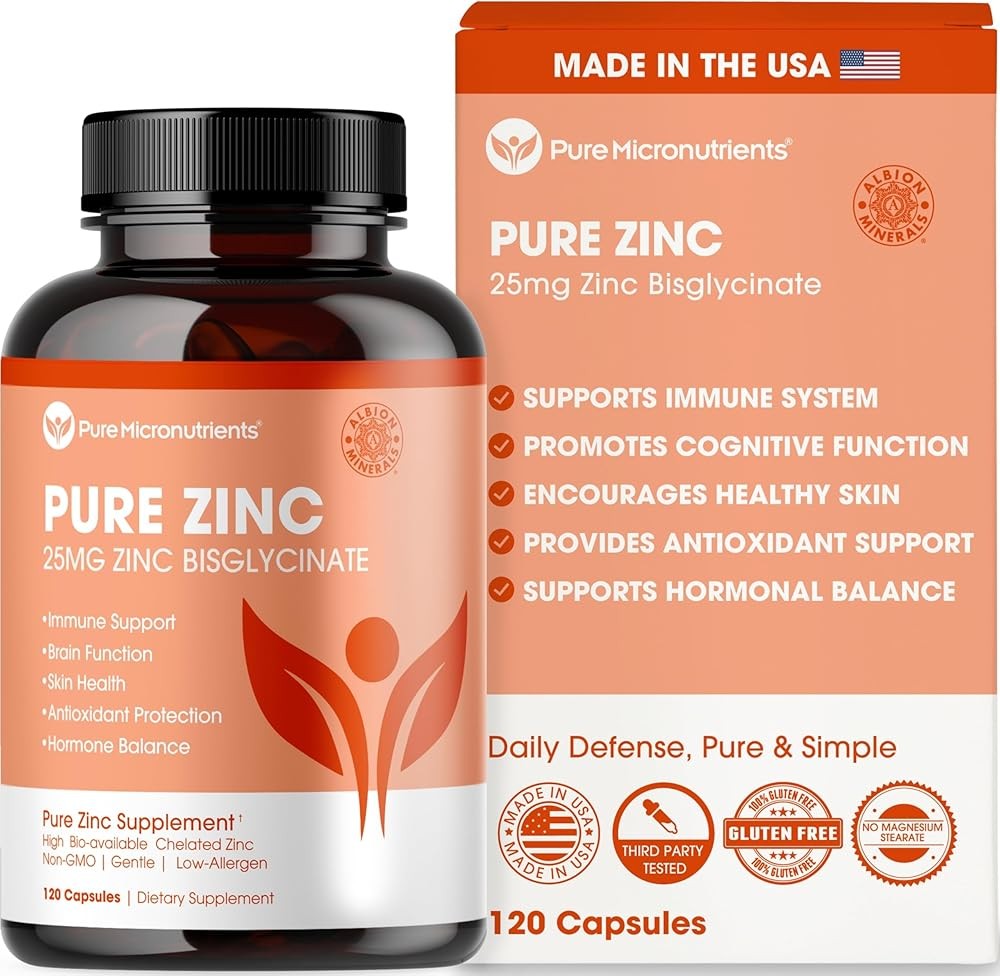
Pure Zinc Bisglycinate 25mg
Check Price on AmazonAs an Amazon Associate we earn from qualifying purchases.
4. Garden of Life Zinc Supplement – Best Whole-Food Zinc

Garden of Life’s zinc supplement provides 15 mg of zinc from organic whole foods including guava, lemon, and holy basil. It also includes a live probiotic blend, which some research suggests may enhance mineral absorption in the gut.
The 15 mg dose is well-calibrated for daily maintenance supplementation, sitting comfortably within the recommended range for most adults without approaching the tolerable upper intake level. While the bioavailability of whole-food-sourced zinc has not been as extensively studied as isolated forms like picolinate, proponents argue that the naturally occurring co-factors in whole foods may support absorption and utilization.
Our verdict: The best choice for people who strongly prefer whole-food-based supplements and are using zinc for general maintenance rather than correcting a known deficiency. For therapeutic dosing, a higher-potency picolinate or glycinate product is more appropriate.
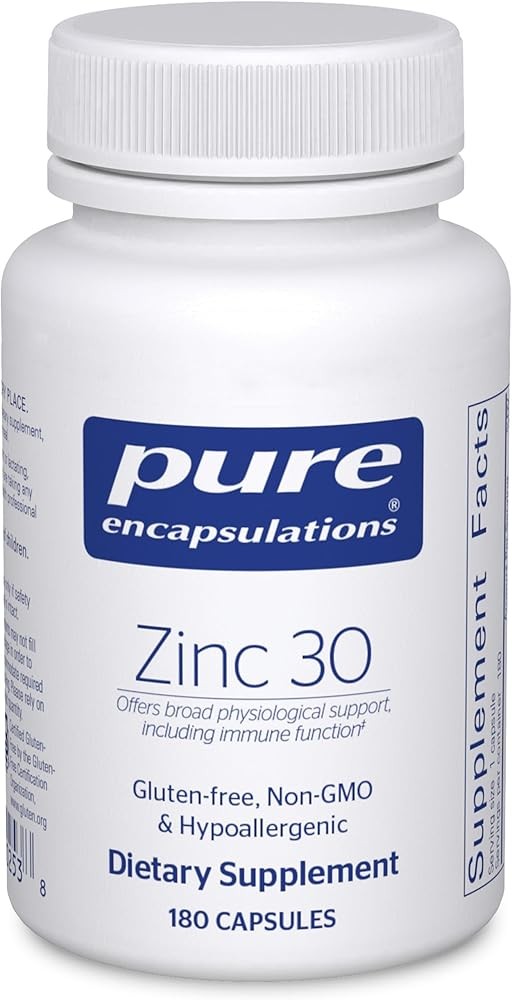
Pure Encapsulations Zinc 30mg
Check Price on AmazonAs an Amazon Associate we earn from qualifying purchases.
5. Swanson Zinc Gluconate 50mg – Best for Cold Season
Swanson’s Zinc Gluconate is a no-nonsense, affordable zinc supplement that has earned a loyal following for its simplicity and effectiveness. Like Nature’s Bounty, it uses the gluconate form at 50 mg per tablet. The same caveats about long-term use at this dose apply – consider every-other-day dosing or copper co-supplementation for extended use.
Where this product shines is during cold season. Zinc gluconate is the form used in most clinical trials on zinc and the common cold, including the major studies referenced in the 2024 Cochrane review. Having a bottle on hand for acute use at the first sign of a cold is a practical strategy.
Our verdict: Keep a bottle in the cabinet for cold season. When you feel that first scratch in your throat, starting zinc gluconate within 24 hours may reduce cold duration. For daily maintenance, choose picolinate or glycinate instead.
6. Doctor’s Best PepZin GI Zinc-L-Carnosine – Best for Gut Health
Doctor’s Best PepZin GI delivers 75 mg of zinc-L-carnosine complex (providing 16 mg of elemental zinc and 59 mg of L-carnosine) per capsule. This is the patented form of zinc carnosine that has been studied in clinical trials for gastric ulcers, gut permeability, and mucosal repair.
Unlike general zinc supplements, PepZin GI is specifically designed for gastrointestinal support. The slow dissociation of the zinc-carnosine complex allows it to adhere to inflamed gut tissue and deliver zinc directly to damaged areas. This makes it particularly valuable for people dealing with NSAID-induced gut damage, leaky gut, gastritis, or exercise-induced GI distress.
Our verdict: The go-to choice if gut health is your primary concern. Stack it with a standard zinc picolinate or glycinate product if you also need to address whole-body zinc status. See our guide to improving gut health naturally for complementary strategies.
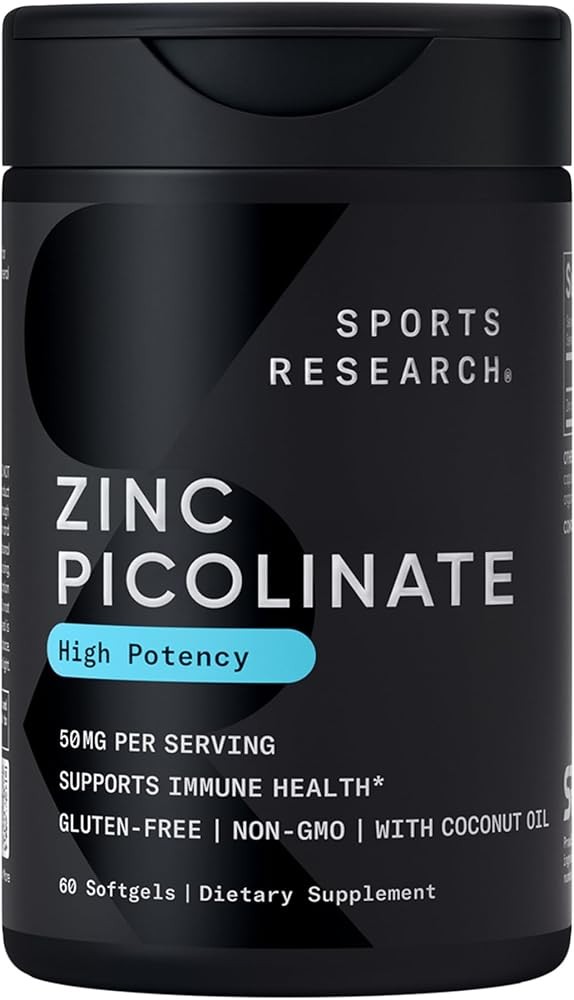
Sports Research Zinc Picolinate 50mg
Check Price on AmazonAs an Amazon Associate we earn from qualifying purchases.
How Zinc Works in Your Body: The Science Behind the Mineral
Understanding zinc’s biological roles helps explain why deficiency has such wide-ranging consequences – and why the right supplement can make such a noticeable difference.
Immune Function: Your First Line of Defense
Zinc is critical for the development and function of virtually every immune cell type. It supports the activity of natural killer (NK) cells, neutrophils, and macrophages (innate immunity) as well as T-cell and B-cell function (adaptive immunity). A 2017 review in Nutrients documented that zinc deficiency impairs immune responses at multiple levels, from reduced thymic output of naive T-cells to weakened antibody production (PubMed 28629136).
The 2024 Cochrane systematic review evaluated zinc for both prevention and treatment of the common cold. The meta-analysis of 34 studies with 8,526 participants found that zinc treatment reduced mean cold duration by 2.37 days, though the evidence was rated as low certainty due to heterogeneity between studies. Despite this cautious conclusion, the practical experience of millions of people using zinc lozenges at the onset of cold symptoms remains a widely accepted strategy.
Testosterone and Reproductive Health
Zinc plays an essential role in testosterone synthesis and overall male reproductive function. A 2023 systematic review examining the correlation between serum zinc and testosterone found a positive association, with zinc-deficient men consistently showing lower testosterone levels (PubMed 36577241). The landmark 1996 study by Prasad et al. demonstrated that restricting dietary zinc in young men for just 20 weeks reduced serum testosterone by 75%, while zinc supplementation in marginally deficient elderly men nearly doubled their testosterone levels over six months (PubMed 8875519).
A 2025 review in Antioxidants on zinc and male infertility confirmed that zinc concentrations in seminal plasma are directly correlated with sperm quality parameters including count, motility, and morphology. The authors emphasized that zinc deficiency is a modifiable factor in idiopathic male infertility and that supplementation should be considered as a first-line intervention (DOI: 10.3390/antiox14020165).
For women, zinc supports normal ovulation and follicular development. Adequate zinc status during pregnancy is essential for fetal growth and reducing the risk of preterm delivery. If testosterone optimization is a priority, zinc supplementation pairs well with the strategies covered in our natural testosterone boosters guide.
Wound Healing and Skin Repair
Zinc is required for DNA synthesis, cell division, and protein production – the foundational processes of tissue repair. Surgical patients and individuals with chronic wounds are routinely screened for zinc status, and supplementation is a standard part of wound care protocols when deficiency is identified.
A 2022 review in Dermatologic Therapy confirmed that zinc modulates multiple phases of the wound-repair process, from inflammatory signaling to collagen synthesis and epithelial cell migration (PubMed 35437093). Zinc also inhibits 5-alpha-reductase, the enzyme that converts testosterone to DHT – a mechanism relevant to both acne and pattern hair loss.
Acne and Skin Health
The connection between zinc and acne is well-established. Zinc decreases sebum production, reduces inflammatory mediators, and has direct antibacterial effects against Propionibacterium acnes (now Cutibacterium acnes). A systematic review and meta-analysis found that acne patients had significantly lower serum zinc levels than healthy controls, and that oral zinc supplementation produced meaningful improvements in inflammatory acne lesion counts (PubMed 29193602).
The typical therapeutic dose for acne in clinical studies is 30-50 mg of elemental zinc daily (as zinc gluconate or zinc sulfate) for 8-12 weeks. Picolinate and glycinate are likely to be at least as effective with fewer GI side effects, though they have not been as extensively studied specifically for acne.
Eye Health: The AREDS Connection
The Age-Related Eye Disease Study (AREDS and AREDS2), sponsored by the National Eye Institute, produced some of the strongest evidence for zinc supplementation in any health condition. The original AREDS formula included 80 mg of zinc oxide plus 2 mg of copper, and AREDS2 compared this to a lower 25 mg zinc dose. Both doses reduced the risk of progression to advanced age-related macular degeneration (AMD) by approximately 25% when combined with antioxidant vitamins and lutein/zeaxanthin.
The 10-year follow-up data, published in 2024, showed that AREDS2 supplementation remains effective at 10 years, maintaining its protective effect against advanced AMD progression even as the study population aged. Zinc’s role in the retina involves its function as a cofactor for antioxidant enzymes (particularly superoxide dismutase) and its contribution to the structural integrity of the retinal pigment epithelium.
If you have intermediate AMD or a family history of macular degeneration, the AREDS2 formula is one of the most evidence-backed supplement protocols in all of medicine. Consider discussing it with your ophthalmologist.
Mental Health: The Zinc-Depression Connection
The relationship between zinc and mental health has gained significant research attention over the past decade. Research has found that zinc concentrations are lower in depressed subjects compared to control subjects, establishing a clear inverse relationship between zinc status and depression severity.
Research has provided comprehensive integration of how zinc homeostasis relates to major depressive disorder. Studies documented multiple pathways through which zinc deficiency may contribute to depression: disrupted neural signaling via glutamate/GABA/serotonin receptors, impaired neurotrophy through reduced BDNF production, exacerbated neuroinflammation and oxidative stress, and HPA axis hyperactivity.
Several randomized controlled trials have shown that zinc supplementation at 25 mg per day enhances the effectiveness of antidepressant medications, with particular promise in treatment-resistant depression. The mechanism involves zinc’s role in modulating NMDA receptors and brain-derived neurotrophic factor (BDNF) signaling – both central to neuroplasticity and mood regulation.
This does not mean zinc is a replacement for professional mental health treatment. But ensuring adequate zinc status is a reasonable and evidence-supported component of a comprehensive approach to mood management. If you struggle with brain fog or low mood, our guides on what causes brain fog and natural approaches for anxiety cover additional strategies.
Bottom line: Zinc is a cofactor for over 300 enzymes and 1,000+ transcription factors. Research shows restricting dietary zinc for 20 weeks reduced testosterone by 75%, while supplementation in deficient elderly men nearly doubled testosterone levels over 6 months. Zinc also reduced cold duration by a mean of 2.37 days in a meta-analysis of 8,526 participants.
Hair Loss
Zinc deficiency is associated with telogen effluvium (diffuse hair shedding) and, in severe cases, alopecia areata. The mechanisms include zinc’s role in hair follicle cell division, its function in the oil glands surrounding hair follicles, and its inhibition of 5-alpha-reductase (which converts testosterone to the hair-damaging DHT).
A review of the dermatological uses of zinc confirmed its relevance in hair loss disorders, noting that supplementation can improve hair regrowth in zinc-deficient individuals. However, zinc supplementation is unlikely to help hair loss that is not related to zinc deficiency – getting a serum zinc test is the right first step.
Gut Health and Intestinal Barrier Function
Beyond the specialized zinc carnosine form discussed in the product reviews, zinc in general plays a critical role in maintaining intestinal barrier integrity. Zinc is required for tight junction protein expression and function – the molecular “seals” between intestinal epithelial cells that reduce the risk of undigested food particles, bacteria, and toxins from crossing into the bloodstream.
When zinc status is low, tight junction integrity deteriorates, contributing to increased intestinal permeability (commonly called “leaky gut”). Research has documented that zinc supplementation stabilizes tight junction proteins (particularly claudin-3 and occludin) and reduces markers of intestinal permeability. For people managing gut health, pairing zinc with probiotics for bloating and gas can provide synergistic benefits.
How Can You Tell If You’re Zinc Deficient?
Your body communicates zinc status through a surprisingly wide range of signals. The challenge is that many of these overlap with other nutrient deficiencies or health conditions, which is why zinc insufficiency often flies under the radar. Here are the signals to watch for.
Early Warning Signs (Mild to Moderate Deficiency)
- Frequent colds and slow recovery – catching every bug that goes around, or colds that linger for 10+ days instead of resolving in a week. This is often the first noticeable sign because zinc is so critical to immune surveillance.
- White spots on fingernails – small white flecks (leukonychia) are a classic textbook sign of zinc deficiency. Not all white spots indicate low zinc, but if you have multiple spots across several nails, it is worth investigating.
- Altered taste or smell – food tastes “flat” or metallic, or your sense of smell seems dulled. Zinc is required for gustin, the protein that maintains taste bud function.
- Slow wound healing – cuts, scrapes, and blemishes that take noticeably longer to recover than they used to. Even paper cuts that linger for days can be a signal.
- Increased acne or skin blemishes – unexplained breakouts, especially along the jawline and chin (hormonal acne zones), can indicate low zinc’s effect on sebum production and inflammation.
- Low appetite – zinc deficiency can reduce appetite through its effects on taste perception and hypothalamic signaling.
- Brain fog and poor concentration – difficulty focusing, “fuzzy” thinking, or feeling mentally sluggish despite adequate sleep.
- Low mood or increased irritability – a persistent low-grade depressed or anxious state that does not have an obvious external cause.
- Thinning hair or increased shedding – noticing more hair in the shower drain or on your pillow.
Severe Deficiency Signs (See a Doctor)
- Chronic diarrhea that does not resolve with dietary changes
- Significant unexplained weight loss
- Recurrent infections (especially skin infections, pneumonia, or persistent candida)
- Delayed growth in children or adolescents
- Night blindness or significant visual changes
- Severe dermatitis – especially around the mouth, hands, and feet (acrodermatitis enteropathica pattern)
- Hypogonadism in men – low testosterone symptoms including reduced libido, fatigue, loss of muscle mass
If you notice three or more of the early warning signs, a serum zinc or plasma zinc test is a reasonable next step. Serum zinc is the most commonly ordered test, though it is not perfect – zinc is tightly regulated in the blood, so serum levels can appear normal even when tissue stores are depleted. A more comprehensive assessment includes serum zinc plus alkaline phosphatase (a zinc-dependent enzyme) and a clinical evaluation of symptoms.
Bottom line: An estimated 2 billion people globally have inadequate zinc status. Early signs include frequent colds lasting 10+ days, white spots on fingernails, altered taste, and slow wound recovery. If you notice 3+ symptoms, get a serum zinc test (normal range: 60-120 mcg/dL).
What Improvement Looks Like: Timeline of Changes When Supplementing
When you start supplementing with a well-absorbed zinc form at an appropriate dose (15-30 mg elemental zinc daily), your body responds in a predictable sequence. Understanding this timeline helps you set realistic expectations and recognize whether your supplement is working.
Week 1: The Subtle Shifts
Do not expect dramatic changes in the first week. What you may notice:
- Slight improvement in appetite – food may start to taste a little more vivid or appealing
- Better energy upon waking – zinc supports melatonin production and sleep quality, so some people notice improved morning alertness within the first few days
- Reduced nausea if switching from a poor form – if you were previously taking zinc oxide or sulfate, switching to picolinate or glycinate often means less stomach upset immediately
Week 2: Immune and Skin Signals
- Fewer mouth sores or canker sores – these are common early signs of zinc deficiency, and they often resolve within two weeks of supplementation
- Skin starting to clear – if acne was related to zinc deficiency, you may notice fewer new inflammatory lesions forming
- Cuts and scrapes healing faster – a noticeable difference in wound closure speed
- Improved sense of taste – foods that tasted bland may start to have more flavor
Month 1: Measurable Changes
- Significant reduction in cold frequency or severity – if you were previously catching every cold, you may notice your first month without getting sick
- Clearer skin – inflammatory acne lesion counts typically begin dropping noticeably around weeks 4-6 in clinical studies
- Better mood stability – the zinc-BDNF connection takes several weeks to fully activate, and around the one-month mark, people often report feeling more emotionally even
- Improved nail appearance – new nail growth from the matrix will show fewer white spots (though existing spots need to grow out, which takes 3-6 months for fingernails)
- Serum zinc levels normalizing – if you get tested at this point, previously low levels should be moving into the normal range (60-120 mcg/dL)
Month 3: Full Restoration
- Hair shedding normalized – the hair growth cycle is long, so it takes approximately three months for the follicles to respond to improved zinc status. You should notice significantly less hair in the shower drain.
- Testosterone levels improved – studies show that testosterone responds to zinc repletion over weeks to months, with the most significant changes seen at the 3-6 month mark in deficient individuals
- Immune resilience established – a full season of fewer infections gives you confidence that the supplementation is working
- Skin texture and appearance improved – beyond just acne, overall skin quality, elasticity, and healing speed should all be noticeably better
- Stable energy levels and mental clarity – consistent supplementation has now supported enzymatic pathways, neurotransmitter balance, and antioxidant defense systems long enough for you to feel a genuine baseline improvement
Warning Signs While Supplementing (Stop and Reassess)
- Persistent nausea or stomach cramps – switch to a gentler form (glycinate) or take with food. If symptoms persist, reduce dose.
- Metallic taste that does not go away – this can indicate you are taking more zinc than your body needs. Reduce dose.
- New symptoms of copper deficiency – fatigue, anemia-like symptoms (pale skin, weakness, shortness of breath), frequent infections despite zinc supplementation, tingling or numbness in hands and feet. These suggest zinc is depleting your copper stores. Stop zinc supplementation and see a doctor immediately for copper testing.
- No improvement after 3 months – if you have been consistently supplementing at 30 mg daily with a well-absorbed form and notice no changes, the issue may not be zinc-related. Consult a healthcare provider for a broader nutritional assessment.
How Much Zinc Should You Take Daily?
Daily Maintenance Dosing
| Group | Recommended Dose | Form |
|---|---|---|
| Men (19+ years) | 15-30 mg elemental zinc | Picolinate or glycinate |
| Women (19+ years) | 8-15 mg elemental zinc | Picolinate or glycinate |
| Pregnant women | 11-15 mg elemental zinc | Glycinate (gentlest) |
| Breastfeeding women | 12-15 mg elemental zinc | Glycinate (gentlest) |
| Vegetarians/vegans | 20-30 mg elemental zinc | Picolinate (best absorption despite phytates) |
| Older adults (65+) | 15-30 mg elemental zinc | Picolinate or glycinate |
| Tolerable upper intake level | 40 mg/day (adults) | – |
Timing and Absorption Optimization
Best time to take zinc: On an empty stomach, 1-2 hours before or after meals. This maximizes absorption because food components (especially phytates, calcium, and fiber) compete with zinc for uptake. For guidance on timing all your supplements, see our guide on the best time to take supplements.
If zinc upsets your stomach: Take it with a small meal that is low in phytates and calcium. Good pairings include a small portion of meat, eggs, or a protein shake. Avoid taking zinc with:
- High-fiber meals (bran, whole grains, beans)
- Calcium-rich foods or calcium supplements
- Iron supplements (separate by at least 2 hours)
- Coffee or tea (tannins and polyphenols reduce absorption)
- Dairy products (calcium competes with zinc)
Morning or evening? If using zinc picolinate, morning on an empty stomach is ideal. If using zinc glycinate, evening dosing is a good option because the glycine component may promote relaxation and sleep.
Acute Dosing for Cold Symptoms
At the first sign of cold symptoms (scratchy throat, nasal congestion, sneezing):
- Begin zinc gluconate or zinc acetate lozenges within 24 hours of symptom onset
- Take 75 mg of elemental zinc per day, divided into 4-6 doses (one lozenge every 2-3 waking hours)
- Allow lozenges to dissolve slowly in the mouth – do not chew or swallow whole
- Continue for 5-7 days maximum
- Do not continue this high dose beyond 7 days – switch back to your normal maintenance dose
This protocol is based on the clinical trials evaluated in the 2024 Cochrane review. The evidence suggests that the earlier you start zinc after symptom onset, the more effective it is.
The Copper Balance Rule
If you supplement with more than 30 mg of zinc daily for longer than 4 weeks, add 1-2 mg of copper to your regimen. Zinc and copper compete for absorption via the same intestinal transport protein (metallothionein), and chronic high-dose zinc can suppress copper absorption enough to cause deficiency. Research has documented multiple cases of iatrogenic copper deficiency from zinc prescribing, calling it “a rare but life-changing diagnosis that is frequently overlooked.”
The standard ratio is approximately 15:1 zinc-to-copper. Many high-quality multivitamins already include 1-2 mg of copper, so check your existing supplements before adding more. Take copper at a different time of day than zinc (separated by at least 2-3 hours) for optimal absorption of both minerals.
Bottom line: Most adults need 15-30mg daily of elemental zinc from supplements. Start with lower doses, take with food if stomach upset occurs, and add 1-2mg of copper if using >30mg zinc daily for more than 4 weeks to reduce the risk of copper depletion.
Drug Interactions: What to Separate From Zinc
Zinc interacts with several common medication classes. If you take any of the following, proper timing is essential:
Antibiotics (Tetracyclines and Fluoroquinolones): Zinc forms insoluble complexes with tetracycline, doxycycline, minocycline, ciprofloxacin, and levofloxacin, reducing both the antibiotic’s and zinc’s absorption. Separate zinc from these antibiotics by at least 2 hours (take zinc 2 hours before or 4-6 hours after the antibiotic).
Penicillamine: Used for Wilson’s disease and rheumatoid arthritis. Zinc reduces penicillamine absorption significantly. Separate by at least 2 hours.
Thiazide Diuretics: Hydrochlorothiazide and chlorthalidone increase urinary zinc excretion by 60%, potentially depleting zinc over time. If you take thiazide diuretics long-term, you may need higher zinc supplementation – discuss with your prescriber.
Proton Pump Inhibitors (PPIs): Omeprazole, esomeprazole, lansoprazole, and other PPIs reduce gastric acid, which impairs zinc absorption. Long-term PPI users should consider a chelated zinc form (picolinate or glycinate) that is less dependent on stomach acid for absorption.
ACE Inhibitors: Captopril, enalapril, and lisinopril can chelate zinc, potentially increasing zinc excretion. Some researchers have suggested that zinc depletion may contribute to the cough side effect associated with ACE inhibitors, though this remains unconfirmed.
Iron Supplements: Iron and zinc compete for the same absorption pathways. Taking them together reduces the absorption of both. Separate iron and zinc supplements by at least 2 hours. If you take a multivitamin containing both, the doses are usually low enough that the interaction is minimal.
Calcium Supplements: High-dose calcium (>600 mg) can inhibit zinc absorption. Separate by 2 hours if possible.
Who Should Take Zinc and Who Should Avoid It?
Strong Candidates for Zinc Supplementation
- Vegetarians and vegans – phytates in plant foods reduce zinc bioavailability by up to 50%, making supplementation nearly essential
- Older adults (65+) – reduced dietary intake, lower gastric acid, and common medication use (PPIs, diuretics) all compromise zinc status
- Pregnant and breastfeeding women – increased physiological demand; zinc deficiency increases the risk of preterm birth and low birth weight (under medical guidance)
- People with GI conditions – Crohn’s disease, celiac disease, ulcerative colitis, short bowel syndrome, and chronic diarrhea all impair zinc absorption
- Frequent cold sufferers – zinc supplementation is one of the most evidence-backed strategies for reducing cold frequency and duration
- Men concerned with reproductive health – zinc’s role in testosterone synthesis and sperm quality makes it a logical first-line supplement for male fertility
- Athletes and heavy sweaters – zinc losses through sweat can be significant during prolonged or intense exercise
- People recovering from surgery or wounds – zinc is essential for tissue repair
- Individuals with depression or mood issues – ensuring adequate zinc status may support antidepressant efficacy
- Those taking PPIs or thiazide diuretics long-term – these medications deplete zinc
People Who Should Exercise Caution
- Anyone already taking a multivitamin with zinc – check the label and ensure your total daily zinc does not exceed 40 mg from all sources
- People on tetracycline or fluoroquinolone antibiotics – timing must be managed carefully
- Those taking penicillamine – zinc reduces its absorption
- People with hemochromatosis – iron overload conditions require careful mineral management; zinc supplementation can be beneficial but should be supervised
- Individuals with kidney disease – impaired mineral clearance means zinc can accumulate; dosing must be adjusted
- Anyone with a known copper deficiency – zinc will worsen copper status; copper must be corrected first
- People already consuming high-zinc diets – if you eat oysters, red meat, and fortified cereals daily, you may already get 15-30 mg from food
What Foods Are Highest in Zinc?
Supplements work best when they complement a zinc-aware diet rather than replace it entirely. Here are the top food sources:
| Food | Serving Size | Zinc (mg) | Notes |
|---|---|---|---|
| Oysters | 3 oz (6 medium) | 32-74 mg | Highest zinc food by far |
| Beef chuck roast | 3 oz | 7.0 mg | Highly bioavailable (heme-bound) |
| Alaskan king crab | 3 oz | 6.5 mg | Excellent source |
| Beef patty | 3 oz | 5.3 mg | Ground beef, well absorbed |
| Dark meat chicken | 3 oz | 2.4 mg | Higher zinc than white meat |
| Pork chop | 3 oz | 2.9 mg | Good animal source |
| Pumpkin seeds | 1 oz | 2.2 mg | Best plant source |
| Cashews | 1 oz | 1.6 mg | Contains phytates |
| Chickpeas | 1/2 cup | 1.3 mg | Soaking reduces phytates |
| Baked beans | 1/2 cup | 1.8 mg | Moderate plant source |
| Yogurt | 8 oz | 1.7 mg | Fermentation improves availability |
| Oatmeal | 1 cup cooked | 1.5 mg | Contains phytates |
Note: Animal sources provide the most bioavailable zinc because they contain no phytates and because the amino acids released during meat digestion enhance zinc absorption. This is a major reason why vegetarians and vegans are at higher risk for deficiency – even if their total dietary zinc intake appears adequate on paper, the actual absorbed amount may be 30-50% lower.
Soaking, sprouting, and fermenting plant foods reduces their phytate content and improves zinc bioavailability. If you follow a plant-based diet, these preparation methods make a meaningful difference.
What Are the Most Common Zinc Myths?
Myth: “More zinc is better”
Reality: Zinc has a narrow therapeutic window. The tolerable upper intake level is 40 mg per day for adults, and chronic intake above this level causes copper depletion, which can lead to anemia and neurological damage. More is definitively not better with zinc – optimal dosing is 15-30 mg daily for most people.
Myth: “Zinc oxide is fine because it says zinc on the label”
Reality: Zinc oxide has roughly 50% the bioavailability of zinc picolinate. A 50 mg zinc oxide supplement may deliver less usable zinc than a 30 mg zinc picolinate supplement. The form matters enormously, and checking the “zinc from” line on your supplement label is essential.
Myth: “You can tell if you’re zinc deficient by the taste test”
Reality: The “zinc taste test” (holding liquid zinc sulfate in your mouth and evaluating taste) has been promoted by some alternative practitioners but has not been validated in rigorous clinical trials. It is not a reliable diagnostic tool. A serum zinc blood test is the appropriate way to assess zinc status.
Myth: “Zinc reduces the risk of COVID-19”
Reality: Despite enormous interest during the pandemic, the evidence for zinc as a COVID-19 treatment or preventive remains inconclusive. The 2024 Cochrane review addressed this partially, but the studies on zinc and COVID-19 specifically have shown mixed results. Zinc supports general immune function, which is beneficial regardless of the specific pathogen, but it should not be promoted as a COVID-19 support recovery from or preventive.
Myth: “Taking zinc with food completely blocks absorption”
Reality: Food reduces zinc absorption somewhat, but it does not block it entirely. Chelated forms like picolinate and glycinate maintain much of their absorption even when taken with meals. If zinc upsets your stomach on an empty stomach, taking it with a small, low-phytate meal is far better than not taking it at all. If you are already working on building a comprehensive supplement plan, our guide on whether you need a multivitamin in 2026 can help you avoid doubling up on nutrients.
What Special Populations Need to Know About Zinc?
Zinc During Pregnancy
Zinc requirements increase during pregnancy from 8 mg to 11 mg daily. Severe zinc deficiency during pregnancy is associated with complications including preterm birth, low birth weight, and prolonged labor. A Cochrane review of 25 randomized controlled trials found that zinc supplementation during pregnancy was associated with a 14% reduction in preterm birth.
Pregnant women should use glycinate or picolinate forms for optimal absorption and GI tolerance. Doses should not exceed 40 mg daily without medical supervision. Prenatal vitamins typically contain 11-15 mg of zinc, which is often sufficient – check your prenatal before adding additional zinc.
Zinc for Children and Adolescents
Zinc deficiency in children is associated with growth retardation, impaired immune function, and cognitive development delays. The World Health Organization recommends zinc supplementation for children with acute diarrhea in developing countries, where it has been shown to reduce diarrhea duration and severity.
For children in developed countries, a balanced diet typically provides adequate zinc. Supplementation should be discussed with a pediatrician, particularly for picky eaters, children with GI conditions, or those following vegetarian diets.
Zinc for Athletes
Athletes lose zinc through sweat at rates of 0.5-1.0 mg per liter of sweat. During intense training in hot conditions, total daily sweat losses can reach 2-4 liters, meaning an additional 1-4 mg of zinc may be lost beyond normal daily excretion. Combined with the increased zinc demand for muscle repair and immune function, athletes may benefit from supplementing at the higher end of the maintenance range (25-30 mg daily).
Zinc glycinate in softgel form is often preferred by athletes because it minimizes GI distress during training.
Complete Support System for Immune and Hormonal Health
Zinc works best as part of a comprehensive nutritional approach. These research-backed protocols complement zinc supplementation for complete immune, hormonal, and metabolic support:
For Immune Resilience:
- Best Vitamin D Supplements - Zinc and vitamin D work synergistically in immune function
- Best Vitamin C Supplements - Enhances immune function and may improve zinc absorption
- Best Probiotics for Gut Health - Gut microbiome health supports mineral absorption
For Testosterone and Male Health:
- Natural Testosterone Boosters - Comprehensive hormone optimization strategies
- Best Ashwagandha Supplements - Adaptogen that pairs well with zinc for testosterone support
For Overall Mineral Balance:
- Best Magnesium Supplements - Another commonly deficient mineral with overlapping enzyme functions
- Do You Need a Multivitamin in 2026 - Comprehensive approach to avoiding nutrient gaps
What Supplements Pair Well with Zinc?
Zinc does not work in isolation. Several nutrients synergize with zinc, and being aware of these interactions can enhance your results:
- Vitamin D – zinc and vitamin D work together in immune function, and deficiency in one often accompanies deficiency in the other. Consider pairing zinc with our recommended vitamin D supplements.
- Magnesium – another commonly deficient mineral that shares some overlapping roles with zinc in enzyme function and muscle recovery. Our magnesium supplement guide covers the best forms.
- Copper – essential co-supplementation at doses above 30 mg zinc daily. A 15:1 zinc-to-copper ratio is standard.
- Vitamin C – enhances immune function synergistically with zinc. There is some evidence that vitamin C may slightly improve zinc absorption from certain food sources.
- Probiotics – may enhance mineral absorption in the gut. Some evidence suggests that Lactobacillus strains improve zinc bioavailability.
- Ashwagandha – for men interested in testosterone support, combining zinc with ashwagandha addresses hormonal health from multiple angles.
What to keep separate: Iron supplements (compete with zinc for absorption), high-dose calcium (>600 mg), and high-phytate meals should all be separated from zinc by at least 2 hours.
Where Can You Buy Quality Zinc Supplements?
Based on the research discussed in this article, here are our top zinc supplement recommendations:
- Thorne Zinc Picolinate 30mg - Best overall absorption
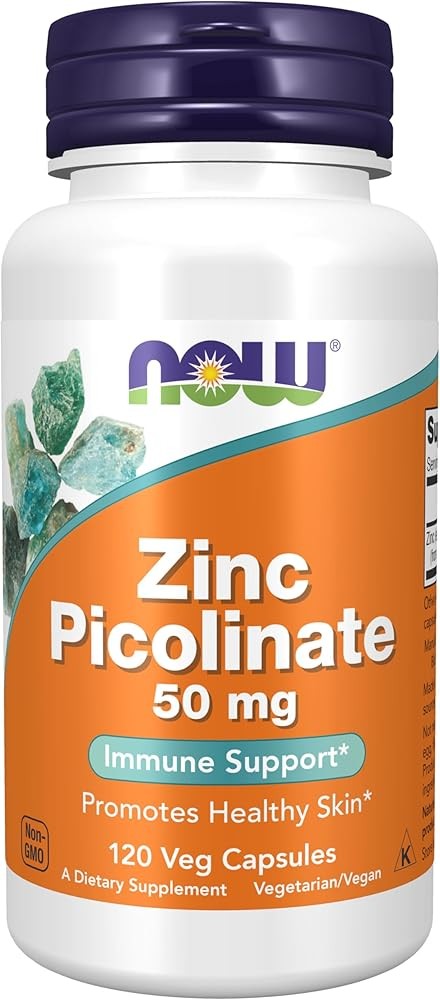
- NOW Foods Zinc Picolinate 50mg - Budget-friendly picolinate form
- Pure Zinc Bisglycinate 25mg - Best for sensitive stomachs
- Pure Encapsulations Zinc 30mg - Clean formula
- Sports Research Zinc Picolinate 50mg - With coconut oil for absorption
What Is Our Recommended Zinc Protocol?
For most adults, here is the straightforward protocol:
- Choose your form: Zinc picolinate for maximum absorption, or zinc glycinate if you have a sensitive stomach or prefer evening dosing.
- Set your dose: 15-30 mg elemental zinc daily. Start at 15 mg if you eat animal products regularly; start at 25-30 mg if you are vegetarian/vegan, over 65, or addressing a known deficiency.
- Time it right: Take on an empty stomach in the morning (picolinate) or evening (glycinate). If you experience nausea, take with a small low-phytate meal.
- Add copper if needed: If your total zinc intake from all supplements exceeds 30 mg daily, add 1-2 mg copper taken at a different time of day.
- Monitor your body’s signals: Use the timeline above to track changes. Expect subtle improvements in weeks 1-2, meaningful changes at month 1, and full restoration by month 3.
- Get tested if uncertain: A serum zinc test is inexpensive and available through any primary care physician. Normal range is 60-120 mcg/dL.
- Keep a bottle of zinc gluconate lozenges on hand for cold season. Start within 24 hours of symptom onset, 75 mg per day in divided doses, for up to 7 days.
Zinc is not glamorous. It does not have the marketing buzz of trendy supplements like NMN or GLP-1 agonists. But it is one of the most evidence-backed, broadly beneficial minerals you can add to your daily routine. For the estimated 17-20% of the global population with inadequate zinc status, correcting this single deficiency can improve immune function, hormone balance, skin health, gut integrity, mental clarity, and wound healing – all for a few cents per day.
Related Articles
- Best Vitamin D Supplements: Science-Backed Picks
- Best Magnesium Supplements: Tested & Ranked
- Best Ashwagandha Supplements
- Best Natural Testosterone Boosters: What Research Supports
- Do You Need a Multivitamin in 2026
Related Reading
- Best Pre-Workout Supplements for Enhanced Performance
- Best B Complex Vitamins - A Comprehensive Review Roundup
- Best Ashwagandha Supplements
- Best Vitamin D Supplements
- Best Beef Liver Supplements vs Beef Organ Complex
- Best Nitric Oxide Supplements for Blood Flow and Performance
- Best Organ Supplements and Beef Liver Capsules: Complete Evidence-Based Guide
References
Allen, L. H. (1998). Zinc and micronutrient supplements for children. The American Journal of Clinical Nutrition, 68(2), 347-353. PubMed
Barrie, S. A., Wright, J. V., Pizzorno, J. E., et al. (1987). Comparative absorption of zinc picolinate, zinc citrate and zinc gluconate in humans. Agents and Actions, 21(1-2), 223-228. PubMed
Bonaventura, P., Benedetti, G., Albarede, F., & Miossec, P. (2015). Zinc and its role in immunity and inflammation. Autoimmunity Reviews, 14(4), 277-285. PubMed
Brewer, G. J., et al. (2022). Iatrogenic copper deficiency: Risks and cautions with zinc prescribing. British Journal of Clinical Pharmacology.
Duan, M., Li, T., Liu, B., et al. (2023). Zinc nutrition and dietary zinc supplements. Critical Reviews in Food Science and Nutrition.
Gupta, M., Mahajan, V. K., Mehta, K. S., & Chauhan, P. S. (2014). Zinc therapy in dermatology: A review. Dermatology Research and Practice, 2014, 709152. PubMed
Lai, J., Moxey, A., Nowak, G., Vashum, K., Bailey, K., & McEvoy, M. (2012). The efficacy of zinc supplementation in depression: Systematic review of randomised controlled trials. Journal of Affective Disorders, 136(1-2), e31-e39.
Mahmoud, A. M., et al. (2025). Association between zinc levels and the impact of its deficiency on idiopathic male infertility: An up-to-date review. Antioxidants, 14(2), 165. DOI
Matsumoto, H., et al. (1995). Clinical evaluation of zinc-L-carnosine complex for gastric ulcer. Japanese Pharmacology and Therapeutics, 23, 261-269.
Nault, D., Machingo, T. A., Shipper, A. G., et al. (2024). Zinc for prevention and treatment of the common cold. Cochrane Database of Systematic Reviews, 5, CD014914. PubMed
Prasad, A. S., Mantzoros, C. S., Beck, F. W., Hess, J. W., & Brewer, G. J. (1996). Zinc status and serum testosterone levels of healthy adults. Nutrition, 12(5), 344-348. PubMed
Santos, H. O., & Teixeira, F. J. (2023). Correlation between serum zinc and testosterone: A systematic review. Journal of Trace Elements in Medicine and Biology, 76, 127117. PubMed
Siepmann, M., et al. (2005). Zinc carnosine, a health food supplement that stabilises small bowel integrity and stimulates gut repair processes. Gut, 54(10), 1408-1414. PubMed
Swardfager, W., Herrmann, N., Mazereeuw, G., Goldberger, K., Harimoto, T., & Lanctot, K. L. (2013). Zinc in depression: A meta-analysis. Biological Psychiatry, 74(12), 872-878.
Szewczyk, B. (2013). Zinc homeostasis and neurodegenerative disorders. Frontiers in Aging Neuroscience, 5, 33.
Wlodarek, D., et al. (2024). Comparative absorption and bioavailability of various chemical forms of zinc in humans: A narrative review. Nutrients, 16(24), 4269.
Wessells, K. R., & Brown, K. H. (2012). Estimating the global prevalence of zinc deficiency: Results based on zinc availability in national food supplies and the prevalence of stunting. PLOS ONE, 7(11), e50568. PubMed
Common Questions About Zinc
What are the benefits of zinc?
Zinc has been studied for various potential health benefits. Research suggests it may support several aspects of health and wellness. Individual results can vary. The strength of evidence differs across different claimed benefits. More high-quality research is often needed. Always review the latest scientific literature and consult healthcare professionals about whether zinc is right for your health goals.
Is zinc safe?
Zinc is generally considered safe for most people when used as directed. However, individual responses can vary. Some people may experience mild side effects. It’s important to talk with a healthcare provider before using zinc, especially if you have existing health conditions, are pregnant or nursing, or take medications.
How much zinc should I take?
The appropriate dosage of zinc can vary based on individual factors, health goals, and the specific product formulation. Research studies have used different amounts. Always start with the lowest effective dose and follow product label instructions. Consult a healthcare provider for personalized dosage recommendations based on your specific needs.
What are the side effects of zinc?
Most people tolerate zinc well, but some may experience mild side effects. Common reported effects can include digestive discomfort, headaches, or other minor symptoms. Serious side effects are rare but possible. If you experience any unusual symptoms or reactions, discontinue use and consult a healthcare provider. Always inform your doctor about all supplements you take.
When should I take zinc?
The optimal timing for taking zinc can depend on several factors including its absorption characteristics, potential side effects, and your daily routine. Some supplements work best with food, while others are better absorbed on an empty stomach. Follow product-specific guidelines and consider consulting a healthcare provider for personalized timing recommendations.
Can I take zinc with other supplements?
Zinc interacts with several supplements and should be separated from iron and calcium by at least 2 hours. If you supplement with more than 30 mg of zinc daily for longer than 4 weeks, add 1-2 mg of copper to reduce the risk of copper depletion. Zinc pairs well with vitamin D, magnesium, and vitamin C for immune support. Always consult a healthcare provider about your specific supplement regimen.
How long does zinc take to work?
The time it takes for zinc to work varies by individual and depends on factors like dosage, consistency of use, and individual metabolism. Some people notice effects within days, while others may need several weeks. Research studies typically evaluate effects over weeks to months. Consistent use as directed is important for best results. Keep a journal to track your response.
Who should not take zinc?
People with known copper deficiency should correct copper levels before starting zinc. Those with kidney disease should adjust dosing under medical supervision since impaired mineral clearance can cause zinc accumulation. Anyone taking tetracycline or fluoroquinolone antibiotics must separate timing by at least 2 hours. Always consult a healthcare provider if you have existing health conditions, are pregnant or nursing, or take medications.
Recommended Products