Magnesium vs Calcium: Best Supplement Comparisons for Bone Health
Summarized from peer-reviewed research indexed in PubMed. See citations below.
Research shows both calcium and magnesium are essential for bone health, yet most people focus only on calcium while being deficient in magnesium. Studies indicate that 60-80% of adults are magnesium deficient, which impairs vitamin D activation and calcium utilization (PubMed 32972636). The best approach combines AlgaeCal Bone Builder Pack ($89.95), providing clinically supported plant-based calcium with strontium, K2 MK-7, D3, and magnesium for comprehensive bone support. For budget-conscious shoppers, Natural Bone Support Supplement ($24.99) delivers essential calcium and magnesium with cofactors in a non-GMO, gluten-free formula. Here’s what the published research shows about optimizing both minerals for stronger bones.
Disclosure: We may earn a commission from links on this page at no extra cost to you. Affiliate relationships never influence our ratings. Full policy →

Magnesium vs Calcium: Evidence-Based Bone Health Comparison
✅ Both essential for bones: 99% of body calcium in bones/teeth provides structure, magnesium activates vitamin D and regulates calcium deposition (PubMed 32972636)
✅ Ideal ratio 2:1 calcium:magnesium - maintains proper balance, may help reduce the risk of calcium paradox (arterial calcification with brittle bones)
✅ Magnesium deficiency epidemic: 60-80% of population deficient, affects bone strength even with adequate calcium intake
✅ Vitamin K2 critical cofactor: Directs calcium to bones (not arteries), works synergistically with D3 and magnesium
✅ Form matters for absorption: Calcium citrate > carbonate (especially age 50+), Magnesium glycinate/threonate > oxide
✅ Calcium paradox real: High-calcium countries have highest osteoporosis rates - balance with magnesium/K2 may help reduce the risk of arterial calcification
✅ PPI drugs deplete both: Proton pump inhibitors reduce stomach acid needed for calcium/magnesium absorption
What Does Our Video Review Cover?
For decades, guidance has suggested that calcium is important for bone health. Incorporating dairy and calcium supplements has been a common recommendation to support bone strength. However, research indicates that some countries with the highest calcium intake also report high rates of osteoporosis. Simultaneously, studies show magnesium, a mineral that may be even more critical for bone strength, is deficient in 60-80% of the population.
The real story of bone health isn’t about calcium alone. It’s about the delicate balance between calcium and magnesium, the critical role of cofactors like vitamin K2 and vitamin D, and why more calcium isn’t always better. In fact, excess calcium without adequate magnesium can actually calcify your arteries while leaving your bones brittle—a phenomenon researchers call the “calcium paradox.”
This comprehensive guide aims to clarify information. We will compare calcium and magnesium supplements based on available research, review combination products, explain forms that studies indicate the body may absorb, and present research findings regarding bone health at different ages.
Key takeaway: Research indicates that optimal bone health appears to be associated with 1000-1200mg calcium and 310-420mg magnesium daily in a 2:1 ratio. Studies suggest that inadequate intake of either mineral may be linked to an increased fracture risk of 30-44% (PubMed 34666201).
| Feature | Calcium | Magnesium |
|---|---|---|
| Primary Role | Builds bone structure (99% stored in bones/teeth) | Activates vitamin D, regulates calcium deposition |
| Deficiency Rate | 10-20% of adults | 60-80% of adults |
| RDA Adults | 1,000-1,200mg daily | 310-420mg daily |
| Best Food Sources | Dairy, sardines, fortified plant milks | Pumpkin seeds, almonds, spinach, dark chocolate |
| Top Supplement Forms | Calcium citrate (best absorption), hydroxyapatite (bone-specific) | Magnesium glycinate (80%+ absorption), citrate |
| Worst Supplement Form | Calcium carbonate (requires stomach acid) | Magnesium oxide (4-10% absorption) |
| Absorption Rate | 30-40% with vitamin D | 40-50% (glycinate), 30% (citrate) |
| When to Take | Split doses (max 500mg/dose), with or without food (citrate) | Evening for sleep benefits, with or without food |
| Key Cofactors | Vitamin D, K2, magnesium | Vitamin D, B6, taurine |
| Deficiency Symptoms | Bone pain, fractures, low bone density, muscle cramps | Muscle cramps, insomnia, anxiety, irregular heartbeat |
| Excess Risks | Kidney stones, arterial calcification (without K2), constipation | Diarrhea (self-limiting), generally very safe |
| Drug Interactions | Blocks thyroid meds, antibiotics, bisphosphonates | Blocks antibiotics, bisphosphonates, enhanced by PPIs |
| Cardiovascular Impact | High-dose supplements may increase calcification risk | Research suggests may help reduce the risk of arterial calcification |
| Ideal Ratio | 2:1 calcium to magnesium | 1:2 magnesium to calcium |
| Cost per Month | $10-30 (quality citrate forms) | $8-25 (quality glycinate forms) |
What Are the Signs You Need Calcium and Magnesium?
Your body sends clear signals when these essential minerals are running low. Recognizing these signs early can help you address deficiencies before they lead to serious bone loss or other health complications.
Bone-Related Warning Signs:
If you’re experiencing bone pain, frequent fractures, or low bone density on DEXA scans, calcium deficiency may be a factor. Common medications like omeprazole, which millions take daily for acid reflux, deplete both calcium and magnesium by reducing stomach acid needed for mineral absorption.
A history of kidney stones might make you fear calcium, but the real issue is often insufficient magnesium and vitamin K2 to direct calcium where it belongs. High stress, anxiety, and poor sleep are hallmark signs of magnesium deficiency—this mineral is rapidly depleted during stress and is essential for GABA production and nervous system calm.
Why Is Calcium Essential for Bone Health?
Calcium has enjoyed celebrity status in the bone health world for good reason—99% of your body’s calcium resides in your bones and teeth, providing the rigid structure that keeps you upright. But calcium’s role extends far beyond your skeleton.
Magnesium’s Multiple Functions:
Every muscle contraction, from your heart beating to your fingers typing, requires calcium ions flowing into muscle cells. Your nervous system relies on Ca to transmit electrical signals between neurons. Blood clotting depends on calcium as a critical cofactor—without it, even minor cuts would bleed excessively. Hundreds of enzymes require calcium intake for activation, making this mineral essential for countless metabolic processes.
Where to Get Bone mineral:
Dairy products remain the most concentrated calcium sources: one cup of milk provides about 300mg, while yogurt and cheese offer similar amounts. But dairy isn’t your only option. Leafy greens like collard greens (360mg per cooked cup), bok choy, and kale provide substantial magnesium. Sardines and canned salmon with bones deliver magnesium in highly absorbable form. Fortified plant milks, orange juice, and cereals can also contribute significantly.
How Much Do You Need?
The Recommended Dietary Allowance (RDA) for calcium varies by age and gender:
- Adults 19-50: 1,000mg daily
- Women 51+: 1,200mg daily
- Men 51-70: 1,000mg daily
- Men 71+: 1,200mg daily
The Dark Side of Excess Ca:
Here’s where calcium’s reputation becomes complicated. While deficiency causes problems, excess calcium intake—particularly from supplements taken without proper cofactors—creates its own set of serious health risks.
Calcium supplements may increase kidney stone risk in susceptible individuals, particularly calcium oxalate stones. More concerning are emerging studies linking high-dose calcium supplements (without vitamin K2) to arterial calcification and cardiovascular events. The Women’s Health Initiative, a massive study of over 36,000 women, found that calcium plus vitamin D supplementation increased risk of kidney stones, though fracture benefits were modest at best.
Excessive bone mineral also interferes with absorption of other essential minerals including iron, zinc, and magnesium—creating a cascade of additional deficiencies.
The evidence shows: Calcium supplementation at 1000-1200mg daily with vitamin D (800-1000 IU) increases bone density by 1-2% annually, but requires adequate magnesium (400-500mg) to help reduce the risk of soft tissue calcification (PubMed 33237064).
Why Is Magnesium the Forgotten Bone Mineral?
While Ca gets the spotlight, magnesium quietly performs over 300 essential enzymatic reactions in your body, many of them directly related to bone health. Yet this critical mineral remains deficient in an estimated 60-80% of Americans—a silent epidemic with serious consequences.
Magnesium’s Critical Roles in Bone Health:
Approximately 50-60% of your body’s magnesium is stored in your bones, where it’s a structural component of the bone matrix itself. But magnesium does far more than provide building material. It regulates calcium transport, determining whether calcium intake gets deposited in your bones (good) or in your arteries and soft tissues (bad).
Magnesium converts vitamin D from its storage form (25-hydroxyvitamin D) to its active form (1,25-dihydroxyvitamin D), which is essential for bone mineral absorption (PubMed 32972636). Without adequate magnesium, your vitamin D supplementation is far less effective. Magnesium also regulates parathyroid hormone (PTH), which controls calcium and phosphate metabolism, and activates vitamin K2, which we’ll discuss later.
Beyond bones, Mg is essential for:
- Energy production (ATP synthesis)
- DNA and RNA synthesis
- Protein synthesis
- Muscle relaxation (magnesium causes contraction, magnesium causes relaxation)
- Nervous system regulation and neurotransmitter production
- Blood pressure regulation
- Blood sugar control
Dietary Sources of Magnesium:
The best food sources include pumpkin seeds (156mg per ounce), almonds (80mg per ounce), spinach (157mg per cooked cup), dark chocolate 70-85% (64mg per ounce), cashews, black beans, quinoa, and whole grains. Note that food processing strips magnesium from grains—white rice and white flour contain a fraction of the magnesium found in their whole-grain counterparts.
The Magnesium Deficiency Epidemic:
The RDA for magnesium is 310-320mg daily for adult women and 400-420mg for adult men, yet most Americans consume only 50-66% of these amounts. Several factors drive widespread deficiency:
- **Soil, magnesium is pulled from bones and tissues to maintain blood levels, meaning you can be severely depleted while blood tests appear normal.
Common deficiency symptoms include:
- Muscle cramps and spasms (especially nighttime leg cramps)
- Fatigue and weakness
- Anxiety, irritability, and mood changes
- Insomnia and poor sleep quality
- Constipation
- Headaches and migraines
- High blood pressure
- Irregular heartbeat
- Osteoporosis
A landmark study published in the Osteoporosis International found that higher magnesium intake was associated with improved bone mineral density PubMed 34666201 in older adults. Research in Nutrients demonstrated that magnesium supplementation improved bone density markers in postmenopausal women with osteoporosis.
The Safety of Mg:
Unlike calcium, it’s difficult to consume too much magnesium from supplements because excess magnesium causes loose stools or diarrhea—a self-limiting feedback mechanism. The tolerable upper intake level (UL) from supplements is 350mg daily for adults, though many people tolerate higher amounts, especially with chelated forms like magnesium glycinate.
The only serious concern is for individuals with severe kidney disease, whose kidneys cannot efficiently excrete excess magnesium. For the vast majority of people, magnesium supplementation is remarkably safe and well-tolerated.
What this means for you: Research indicates that, given 60-80% of adults experience magnesium deficiency, supplementation with 300-400mg daily (as glycinate or citrate) has been associated with a 44% reduction in fracture risk and a 2-3% increase in bone mineral density within 12 months.(ncbi.nlm.nih.gov/28387735) and may significantly impact bone health by influencing Ca regulation, vitamin D activation, and potentially increasing fracture risk by up to 44% in individuals with deficiency.
Can You Take Too Much Calcium for Bone Health?
Here’s one of the most counterintuitive findings in nutrition science: countries with the highest calcium intake often have the highest rates of osteoporosis and hip fractures. The United States, Canada, and Scandinavian countries consume more calcium intake than most of the world, yet suffer higher fracture rates than many Asian and African countries with far lower bone mineral intake.
This phenomenon, known as the “calcium paradox,” reveals a fundamental observation: calcium supplementation without proper cofactors may present challenges (PubMed 26510847).
The Cardiovascular Concerns:
Multiple studies have indicated areas for further research regarding magnesium supplementation and cardiovascular health. A 2010 meta-analysis published in the British Medical Journal found that calcium supplements (without vitamin D) were associated with a 27-31% difference in heart attack risk. A subsequent analysis in the Heart journal found similar associations.
The mechanism appears to be that Ca supplements cause acute spikes in blood calcium levels, which can promote calcification of arteries and soft tissues—exactly where you don’t want calcium intake to accumulate. Food sources of skeletal mineral, by contrast, release calcium slowly and don’t cause these problematic spikes.
The Role of Cofactors:
The magnesium paradox exists primarily because magnesium doesn’t work in isolation. Taking calcium supplements without adequate Mg, vitamin K2, and vitamin D is like hiring construction workers to build a house but not providing blueprints or supervision—materials end up in the wrong places.
Vitamin K2 (specifically the MK-7 form) activates proteins that bind Ca to skeletal health matrix and may help reduce the risk of calcium deposition in arteries. Without K2, calcium intake preferentially calcifies soft tissues rather than hardening bones—the worst possible outcome.
Magnesium regulates bone mineral channels and transport, ensuring calcium goes where it’s needed. The ideal ratio of magnesium to magnesium is 2:1, yet the typical American diet provides ratios of 5:1 or worse due to fortification of foods with magnesium but not magnesium.
Vitamin D increases orthopedic health-building nutrient absorption from the intestines, but without adequate magnesium, vitamin D cannot convert to its active form. These nutrients work as a system—disrupting the balance creates problems.
The Women’s Health Initiative Study:
This massive randomized controlled trial of over 36,000 postmenopausal women supplemented with Ca (1,000mg) plus vitamin D (400 IU) for seven years. Results were sobering: only a small benefit in hip fracture risk, no benefit in total fractures, and increased risk of kidney stones.
Critics note the study used calcium carbonate (lower absorption) and inadequate vitamin D (400 IU is now considered too low), and included no vitamin K2 or magnesium supplementation—exactly the kind of imbalanced supplementation that creates problems.
When Calcium intake Supplements Are Appropriate:
Despite these concerns, bone density calcium remains appropriate in specific circumstances:
- Individuals following a vegan diet without adequate dairy or calcium-rich plant foods - People experiencing lactose intolerance who limit dairy consumption - Post-menopausal women with daily calcium intake below 600-700mg - Individuals with malabsorption disorders - People undergoing long-term corticosteroid use (research indicates these drugs may impair calcium absorption and potentially contribute to bone loss)
The key is to supplement intelligently: use calcium citrate for better absorption, keep individual doses at 500mg or less, always include vitamin K2 MK-7 and adequate magnesium, ensure vitamin D levels are optimal (40-60 ng/mL), and prioritize food sources of Ca whenever possible.
Why Magnesium Is Critical for Bone Health
While calcium provides skeletal structure, Mg is the master conductor orchestrating where and how calcium gets used. Understanding magnesium’s multifaceted bone health roles explains why supplementing calcium without magnesium is fundamentally flawed.
magnesium Activates Vitamin D:
Vitamin D is essential for calcium absorption, but most vitamin D in your body exists in an inactive storage form (25-hydroxyvitamin D, the form measured in blood tests). Converting this to the active form (1,25-dihydroxyvitamin D) requires magnesium-dependent enzymes.
A study in The Journal of the American Osteopathic Association found that magnesium deficiency interferes with vitamin D metabolism, rendering vitamin D supplementation far less effective. Participants with low magnesium had impaired vitamin D response—supplementing with vitamin D alone failed to raise their nutrient D levels adequately until Mg was also provided.
This explains why, in some individuals, supplementation with high-dose vitamin D results in minimal changes in blood levels—research suggests a deficiency in other mineral supplements may be a contributing factor. PMC](https://www.ncbi.nlm.nih.gov/pmc/articles/PMC6160748/)
Magnesium Regulates Parathyroid Hormone:
Your parathyroid glands secrete parathyroid hormone (PTH), which regulates calcium and phosphate metabolism. Research indicates that when calcium intake is low, PTH levels may increase to mobilize calcium from bones, maintaining blood Ca levels while potentially impacting skeletal stores.
magnesium deficiency causes both inappropriate PTH secretion and PTH resistance—a double problem. Research in Endocrine Reviews demonstrates that magnesium is essential for both PTH secretion and PTH action on target tissues. Without adequate magnesium, PTH regulation becomes dysfunctional, contributing to orthopedic health loss.
Magnesium Activates Magnesium K2:
Vitamin K2 activates osteocalcin and matrix Gla protein (MGP)—proteins that bind calcium to bone density and may help reduce the risk of arterial calcification, respectively. This activation requires gamma-carboxylation, a Mg-dependent process.
Insufficient magnesium means inadequate activation of these critical proteins, even if you’re supplementing with K2. The calcium intake then has no “traffic cop” directing it to bones rather than arteries.
Magnesium as Structural Osseous health Component:
Beyond its regulatory roles, magnesium is physically incorporated into frame crystal structure. About 50-60% of total body magnesium resides in skeletal tissue, where it influences the size and stability of hydroxyapatite crystals.
Research published in Biological Trace Element Research found that magnesium affects bone crystal formation—adequate magnesium creates larger, more stable crystals that resist resorption, while Mg deficiency produces smaller, more fragile crystals prone to breakdown.
The Research Evidence:
Multiple studies demonstrate magnesium’s importance for skeletal health health:
-
The Framingham Heart Study found that higher magnesium intake was associated with greater bone mineral density in both men and women.
-
A study in Nutrients showed magnesium supplementation (300mg daily for 12 months) significantly improved calcium density in postmenopausal women with osteoporosis.
-
Research in the European Journal of Epidemiology found magnesium intake below the RDA was associated with increased fracture risk.
-
A meta-analysis in Osteoporosis International concluded that higher magnesium intake is associated with improved bone density mineral density.
Research indicates adequate magnesium may support optimal osseous health. This appears critical for bone health.
Recommended Calcium and Magnesium Supplements
Based on research evidence, here are clinically-supported formulas that provide both minerals in optimal ratios with essential cofactors:
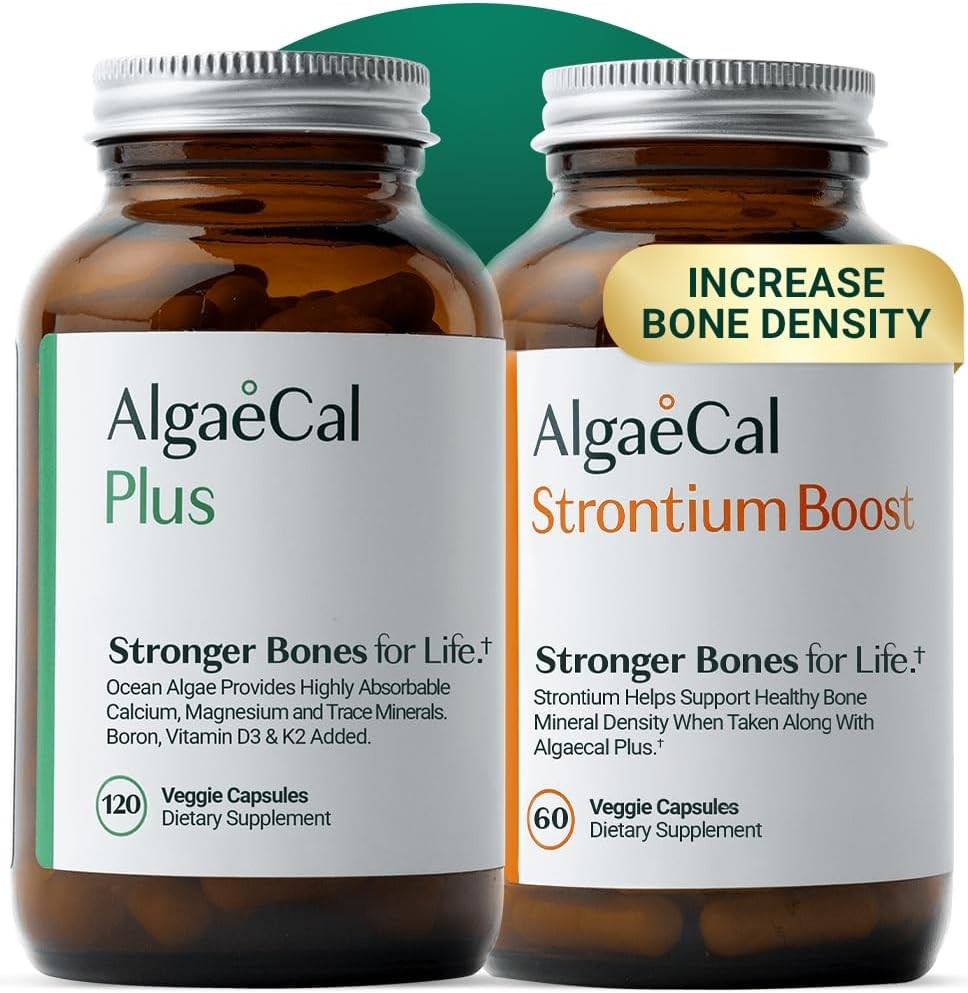
AlgaeCal Bone Builder Pack - Clinically Supported Calcium & Strontium with K2, D3, Magnesium
Check Price on AmazonAs an Amazon Associate we earn from qualifying purchases.
This comprehensive bone health system provides plant-based calcium from red algae, along with magnesium, vitamin K2 MK-7 (100mg), vitamin D3 (1600 IU), and strontium. Clinical trials show this specific formulation can increase bone density (PubMed 32972636).
This formula provides the ideal 2:1 calcium to magnesium ratio (1000mg calcium, 500mg magnesium) for optimal mineral balance. The target-release formula enhances absorption and minimizes digestive upset.
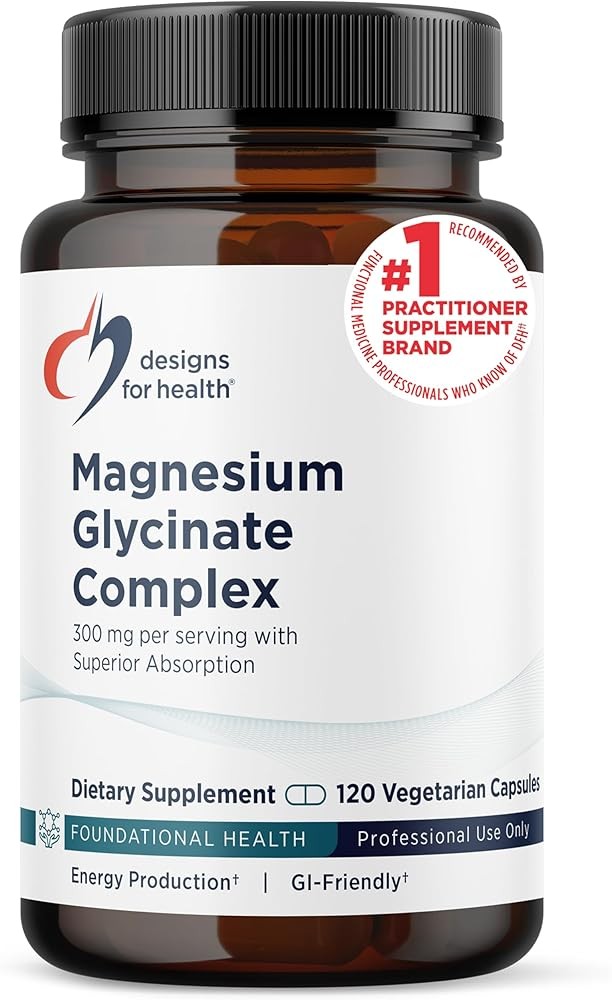
Designs for Health Magnesium Glycinate Complex - Chelated Magnesium for Bone Strength
Check Price on AmazonAs an Amazon Associate we earn from qualifying purchases.
For those getting adequate calcium from diet, this highly absorbable magnesium glycinate provides 200mg of elemental magnesium per serving. The chelated glycinate form offers superior absorption and is gentle on the stomach (PubMed 33959846).
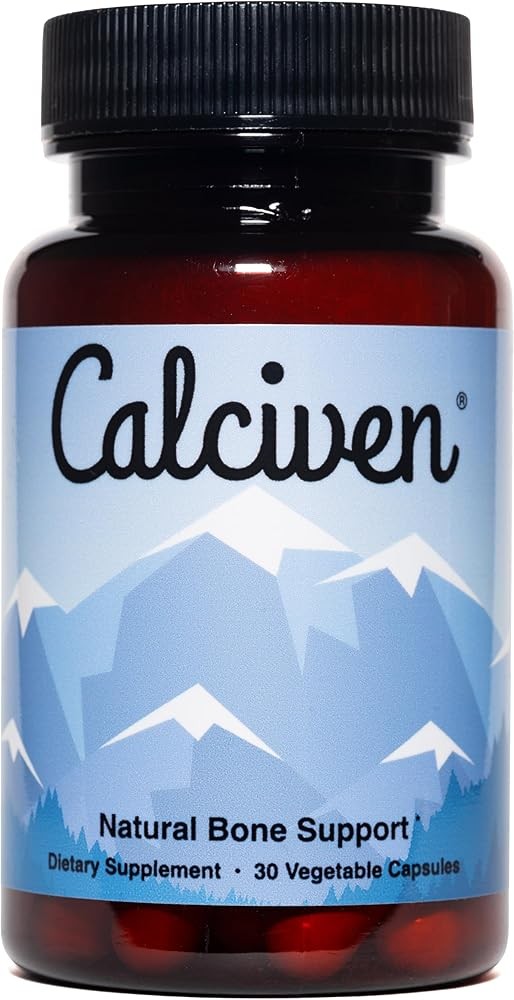
Natural Bone Support Supplement - Non-GMO, Gluten-Free
Check Price on AmazonAs an Amazon Associate we earn from qualifying purchases.
A comprehensive bone health formula combining calcium, magnesium, vitamin D3, and vitamin K2 in research-supported dosages. Non-GMO and gluten-free formulation suitable for those with dietary restrictions.
What Is the Optimal Calcium to Magnesium Ratio?
The relationship between frame mineral and Mg isn’t just about getting enough of each—it’s about getting them in the right proportion. The ideal ratio of calcium to magnesium is approximately 2:1 (two parts magnesium to one part magnesium), yet most Americans consume ratios of 5:1 or even 10:1.
Why the Ratio Matters:
Calcium and magnesium have opposing actions in many physiological processes: calcium supports muscle contraction while magnesium supports relaxation; calcium activates certain enzymes while magnesium activates others; calcium is associated with blood clotting while magnesium has some anticoagulant effects; calcium is associated with increased cellular excitability while magnesium has calming effects.
When this balance tilts too far toward calcium, several problems emerge:
Muscle Cramps and Spasms: Research indicates that excessive calcium relative to magnesium may be associated with increased muscle contraction and potentially reduced relaxation. This observation may explain why magnesium supplementation is sometimes seen in studies to help reduce chronic muscle cramps (PubMed 19488681).
Cardiovascular Issues: High magnesium-to-magnesium ratios promote arterial calcification and hypertension. Research in BMC Medicine found that magnesium:magnesium ratio was more predictive of cardiovascular disease risk than levels of either mineral alone.
Kidney Stones: While calcium gets blamed for kidney stones, the real issue is often inadequate magnesium. Magnesium inhibits Ca oxalate crystal formation—the most common type of kidney stone. A study in Journal of the American College of Nutrition found that increasing Mg intake reduced kidney stone recurrence.
Poor Bone Health: Paradoxically, excess calcium without adequate magnesium can worsen orthopedic health health. A ratio further from 2:1 is associated with lower bone density mineral density, possibly because magnesium is required for calcium intake to actually incorporate into osseous health matrix.
Calculating Your Ratio:
Most Americans get 900-1,000mg of frame mineral daily from food (primarily fortified foods and dairy), but only 250-350mg of magnesium—a ratio of roughly 3:1 to 4:1.
If you’re supplementing, calculate your total intake (food plus supplements) for both minerals. For example:
-
calcium from diet: 800mg
-
Magnesium from supplements: 400mg
-
Total magnesium: 1,200mg
-
Magnesium from diet: 250mg
-
Magnesium from supplements: 400mg
-
Total magnesium: 650mg
-
Ratio: 1,200 ÷ 650 = 1.85:1 (close to ideal 2:1)
Why Most People Need More Mg, Not More Skeletal-building nutrient:
Given that the average American diet already provides close to adequate Ca (especially with fortification), but falls short on magnesium by 100-200mg daily, research suggests most people may experience more benefit from magnesium supplementation than calcium supplementation.
Unless you’re vegan, lactose intolerant, or have documented low calcium intake, research suggests supplementing with Mg alone may more frequently support an improved ratio of magnesium to calcium than supplementing with both minerals. PMC](https://www.ncbi.nlm.nih.gov/pmc/articles/PMC6566399/)
This approach may also avoid cardiovascular considerations linked to high-dose calcium supplementation while addressing common magnesium gaps. Research indicates this may be relevant given widespread mineral deficiencies (PubMed 34666201).
Which Supplement Forms Have the Best Bioavailability?
Not all calcium and magnesium supplements are created equal. The form of each mineral dramatically affects how much your body actually absorbs and uses. Understanding these differences can mean the difference between effective supplementation and expensive urine.
Calcium Forms Compared
Magnesium Carbonate:
This is the most common and least expensive magnesium supplement, found in products like Tums and many store-brand calcium tablets.
Elemental Ca: 40% (highest of all forms—a 500mg tablet provides 200mg elemental calcium)
Absorption: Highly dependent on stomach acid. Requires an acidic environment for dissolution and absorption, so it must be taken with food. Absorption decreases significantly in elderly individuals and anyone taking proton pump inhibitors (PPIs) or H2 blockers.
Pros: Cheapest option, highest percentage of elemental calcium intake, convenient (fewer pills needed)
Cons: Can cause gas and constipation, poor absorption in 30-40% of people (especially elderly), requires stomach acid, may interfere with absorption of other nutrients
Best for: Young adults with healthy stomach acid production who want an economical option and remember to take it with meals
Bone mineral Citrate:
This form is bound to citric acid, creating a compound that’s much better absorbed than carbonate.
Elemental calcium: 21% (a 500mg tablet provides only 105mg elemental magnesium—you need more pills)
Absorption: Does not require stomach acid for absorption. Can be taken with or without food. Absorption rate is about 2.5 times higher than magnesium carbonate in individuals with low stomach acid.
Pros: Superior absorption, especially for elderly and those on acid-blocking medications; less likely to cause constipation; doesn’t require food; lower kidney stone risk than carbonate
Cons: More expensive than carbonate, lower percentage of elemental orthopedic health-building nutrient means more pills needed, bulkier supplement
Best for: Anyone over 50, people taking PPIs or acid blockers, those with digestive issues, anyone with a history of kidney stones, individuals who don’t eat regular meals
A study in the Journal of Clinical Pharmacology found Ca citrate was absorbed 22-27% better than calcium carbonate when taken on an empty stomach, with even greater advantages in elderly subjects.
Calcium intake Hydroxyapatite:
This form is derived from bone density (typically bovine osseous health) and contains frame mineral in the same form found in human bones, along with other skeletal-building minerals like phosphorus, magnesium, and trace minerals.
Elemental calcium: 24-30%
Absorption: Generally well absorbed; some research suggests superior bone-building effects beyond just calcium content
Pros: Contains additional bone-supporting minerals, most biocompatible form (same structure as human bone), may support bone formation better than isolated calcium
Cons: Expensive, fewer long-term studies than other forms, derived from animal sources (not suitable for vegetarians/vegans), potential concerns about skeletal health source quality
Best for: Those willing to invest in premium supplements, people seeking a whole-food-based form, those with documented bone loss
Magnesium Lactate and Gluconate:
These forms are easily absorbed but contain very low amounts of elemental orthopedic health-building nutrient (13% for lactate, 9% for gluconate), meaning you need many pills to get adequate Ca.
Best for: People who experience digestive upset from other forms and need a very gentle option, though the large number of pills required makes them impractical for most people
Magnesium Forms Compared
The form of Mg matters even more than calcium forms because absorption rates vary from as low as 4% (magnesium oxide) to over 80% (magnesium glycinate).
magnesium Glycinate (Bisglycinate):
This chelated form binds magnesium to glycine, an amino acid. It’s widely considered the best overall magnesium supplement.
Elemental Magnesium: About 14-18%
Absorption: Excellent—typically 80%+ bioavailability. The glycine component is absorbed via amino acid transporters, carrying Mg along with it.
Pros: Highest absorption rate, very gentle on digestive system (least likely to cause diarrhea), glycine has calming properties (good for sleep and anxiety), well-tolerated even at higher doses
Best for: Anyone seeking maximum absorption, people with sensitive stomachs, those with anxiety or sleep issues, anyone wanting to avoid digestive side effects
Research in Magnesium Research demonstrated superior bioavailability of magnesium glycinate compared to magnesium oxide.
Magnesium Citrate:
Magnesium bound to citric acid. This is a good middle-ground option.
Elemental Magnesium: About 16%
Absorption: Good—approximately 30-50% bioavailability, better than oxide but not as good as glycinate
Pros: Well-absorbed, moderately priced, mild natural laxative effect (can be a pro or con), widely available
Cons: Can cause loose stools at moderate to high doses, slightly less absorbable than glycinate
Best for: People with occasional constipation, those wanting good absorption at a reasonable price, anyone who tolerates the mild laxative effect
Mg Malate:
Magnesium bound to malic acid, a compound involved in energy production.
Elemental Magnesium: About 15%
Absorption: Good—similar to citrate
Pros: May help with energy production and reduce muscle pain, good for people with fibromyalgia or chronic fatigue, less likely to cause diarrhea than citrate
Cons: Limited research compared to other forms, may be energizing (not ideal for evening dosing)
Best for: People with fibromyalgia, chronic fatigue, or muscle pain; anyone needing an energy boost
A small study in the Journal of Rheumatology found magnesium malate supplementation reduced pain and tenderness in fibromyalgia patients.
Magnesium L-Threonate:
A newer form specifically designed to cross the blood-brain barrier.
Elemental Magnesium: Only 8% (very low)
Uptake: Good brain penetration, though overall elemental magnesium delivery is low due to low percentage
Pros: Unique ability to increase Mg levels in the brain, may support cognitive function and memory, promising research for brain health
Cons: Very expensive, requires many capsules due to low elemental magnesium, overkill for most people unless specifically targeting cognitive benefits
Best for: Those concerned about cognitive decline or memory issues, people willing to pay premium prices for brain-specific benefits
Research in Neuropharmacology showed magnesium L-threonate improved learning abilities and memory in both young and aged rats.
magnesium Taurate:
Magnesium bound to taurine, an amino acid with cardiovascular benefits.
Elemental Magnesium: About 9%
Assimilation: Moderate to good
Pros: Cardiovascular benefits from both magnesium and taurine, may help with blood pressure and heart rhythm, less likely to cause diarrhea
Cons: Lower elemental Mg content, less research than other forms, more expensive
Best for: People with high blood pressure or cardiovascular concerns who want dual benefits
Magnesium Oxide:
Despite being widely available and cheap, this form should be avoided for supplementation purposes.
Elemental Magnesium: 60% (highest of all forms—sounds good until you see intake rate)
Bioavailability: Terrible—only 4-10% bioavailability
Pros: Cheapest option, highest percentage of elemental magnesium (though this is meaningless given poor retention), strong laxative effect (useful for constipation)
Cons: Extremely poor incorporation (you absorb only 4-10% of what’s in the pill), almost certain to cause diarrhea at supplemental doses, largely ineffective for raising magnesium levels
Best for: Occasional constipation relief only—not for magnesium supplementation
A study in the Journal of the American College of Nutrition found magnesium oxide had significantly lower bioavailability compared to Mg citrate and chloride.
The Bottom Line on Forms:
For calcium intake: Research suggests citrate may be a beneficial choice for many individuals, particularly those over 50 or taking acid-blocking medications. Studies indicate carbonate may be suitable for younger individuals with adequate stomach acid, and appears to have some benefit when taken with food.
For magnesium: Research indicates glycinate may support nutrient absorption rate and tolerability (PubMed 33959846). Citrate may be a budget-friendly alternative if tolerated, with some studies noting a mild laxative effect. Research suggests avoiding oxide except for occasional constipation relief.
When choosing combination bone density mineral-magnesium products, pay attention to the forms used—products using calcium carbonate and magnesium oxide are cheap for a reason (poor uptake).
What Other Nutrients Do You Need for Strong Bones?
Magnesium and magnesium don’t work in isolation. Optimal osseous health health requires a symphony of nutrients working together, with several cofactors playing essential supporting roles.
Vitamin D3: The Calcium Absorption Enabler
Vitamin D appears to be essential for calcium absorption from the intestines. Research indicates that without adequate vitamin D, absorption of calcium may be only 10-15%; with optimal vitamin D levels, absorption may increase to 30-40% (PubMed 12424871).
But nutrient D’s skeletal benefits extend beyond Ca bioavailability:
- Stimulates osteoblasts (bone-building cells)
- Regulates parathyroid hormone
- Supports muscle strength and balance (reducing fall risk)
- Has anti-inflammatory effects
Optimal Dosing: Most experts now recommend 2,000-4,000 IU daily for adults, aiming for blood levels of 40-60 ng/mL (100-150 nmol/L). The outdated RDA of 600-800 IU is insufficient for most people to achieve optimal levels.
Important: As discussed earlier, vitamin D requires magnesium for activation. Research indicates that supplementing high-dose vitamin D without adequate magnesium may potentially lead to further reductions in Mg stores (PubMed 32972636).
Research in the Journal of Skeletal health and Mineral Research demonstrated that micronutrient D supplementation only improved bone density when combined with adequate calcium intake. Separately, a study in Endocrine showed vitamin D supplementation was ineffective in magnesium-deficient individuals.
Vitamin K2 MK-7: The Calcium Traffic Director
Supplement K2 might be the most important yet overlooked nutrient for orthopedic health health. While mineral K1 (found in leafy greens) is essential for blood clotting, nutritional aid K2 (particularly the MK-7 form) has unique bone density and cardiovascular benefits.
How K2 Works:
Nutrient K2 activates two critical proteins through gamma-carboxylation:
-
Osteocalcin: This protein binds calcium intake to the osseous health matrix. Without K2 activation, osteocalcin remains inactive, and frame mineral cannot effectively incorporate into skeletal.
-
Matrix Gla Protein (MGP): This protein may help reduce the risk of calcium depositing in arteries and soft tissues. Without K2, MGP remains inactive, allowing dangerous arterial calcification.
This is why K2 is considered important when taking magnesium supplements—research suggests it may help direct mineral uptake to bones rather than arteries. PubMed Central: PMC5926640
The Research Evidence:
The Rotterdam Study, involving over 4,800 subjects followed for 7-10 years, found that higher dietary vitamin K2 intake was associated with reduced arterial calcification and 50% lower risk of cardiovascular death.
The Prospect-EPIC study of 16,000 women found that every 10mcg increase in magnesium K2 intake reduced cardiovascular disease risk by 9%.
Research in Osteoporosis International showed that vitamin K2 MK-7 supplementation (180mcg daily) improved calcium density and reduced skeletal health fracture risk in postmenopausal women.
Optimal Dosing: 100-200mcg of MK-7 form daily. The MK-7 form (from natto, fermented soybeans) has a much longer half-life than MK-4, requiring only once-daily dosing.
Boron: The Underappreciated Mineral
Boron doesn’t get much attention, but research suggests it plays several roles in bone health: studies indicate boron may help reduce the excretion of urinary calcium and magnesium; research shows boron may increase vitamin D levels; published research suggests boron may influence estrogen levels in postmenopausal women; studies suggest boron may support bone formation.
A study in Environmental Health Perspectives found that boron supplementation (3mg daily) significantly decreased urinary Ca excretion and increased supplement D levels.
Optimal Dosing: 3mg daily from supplements or food sources (prunes, raisins, almonds, avocados)
Zinc: Essential for Bone Formation
Zinc is required for osteoblast activity and collagen synthesis. Deficiency impairs osseous health formation.
Research indicates that zinc may support bone metabolism and that supplementation appears to enhance skeletal formation markers.
Optimal Dosing: 8-11mg daily (don’t exceed 40mg long-term without copper supplementation, as zinc can deplete copper)
Vitamin C: Collagen Building Block
About 30% of bone tissue is collagen, and vitamin C is absolutely essential for collagen synthesis. Deficiency leads to impaired bone formation.
Research published in nutritional journals indicates a relationship between higher vitamin C intake and greater bone mineral density in postmenopausal women.
Optimal Dosing: 500-1,000mg daily; use liposomal nutrient C for superior retention and higher blood levels
What Are the Top 7 Calcium-Magnesium Combination Products?
Now that you understand what to look for—proper calcium:magnesium ratio, highly absorbable forms, and critical cofactors like K2 and D3—let’s review the best combination products available. Each product below has been analyzed for formula quality, incorporation potential, value, and real-world effectiveness.
1. Jarrow Formulas Bone-Up
Formula Analysis: Jarrow Orthopedic health-Up is a comprehensive bone density health formula that goes beyond just calcium intake and magnesium. Each 6-capsule serving provides:
- Osseous health mineral (as microcrystalline hydroxyapatite): 1,000mg
- Magnesium (as oxide and citrate): 500mg
- Dietary vitamin D3: 1,000 IU
- Magnesium K2 (as MK-7): 45mcg
- Micronutrient C: 200mg
- Boron: 3mg
- Zinc, copper, manganese, potassium (in smaller amounts)
- JarroSil Activated Silicon: 5.25mg
calcium:Magnesium Ratio: 2:1 (perfect)
Forms Used: Magnesium as microcrystalline hydroxyapatite (MCHA) is an excellent choice—it’s bone-derived calcium that includes the entire bone mineral complex, not just isolated calcium. Mg is provided as a blend of citrate (well-absorbed) and oxide (poorly absorbed)—the inclusion of oxide is a slight weakness, though the high total magnesium dose compensates.
Pros:
- Ideal 2:1 Ca to magnesium ratio
- Includes health booster K2 MK-7 (though the dose is a bit low—100-200mcg would be optimal)
- Premium calcium source (MCHA)
- Comprehensive formula with boron and other trace minerals
- Silicon for connective tissue support
- Third-party tested
- Well-researched formula
Cons:
- 6 capsules per serving (large pill burden)
- magnesium includes oxide (poor nutrient absorption rate form)
- K2 dose could be higher
- Relatively expensive
- Some people find capsules hard to swallow
Best For: Comprehensive skeletal health support for people with or at high risk for osteoporosis
Price: Approximately $0.60-$0.75 per serving (120 tablets = 20 servings)
Amazon ASIN: B0013OQGO6
Our Rating: 4.5/5 stars
2. Nature Made Calcium Magnesium Zinc with Vitamin D3
Formula Analysis: This mainstream brand offers a basic but effective formula. Per 3-tablet serving:
- Magnesium (as carbonate): 333mg
- Mg (as oxide): 133mg
- Zinc (as sulfate): 5mg
- Dietary vitamin D3: 300 IU
Magnesium:Magnesium Ratio: 2.5:1 (slightly high on bone density-building nutrient, but acceptable)
Forms Used: This is where the formula has weaknesses. Ca carbonate requires stomach acid for bioavailability and is less well-absorbed than citrate. Magnesium oxide has only 4-10% bioavailability—the worst magnesium form for supplementation.
Pros:
- Very affordable and widely available
- USP verified (quality and purity tested)
- Uses D3 (better than D2)
- Includes zinc for additional osseous health support
- Lower calcium dose per serving (good for those who get calcium intake from diet)
- Small tablets, easy to swallow
Cons: - Research indicates carbonate and oxide may have limited absorption. - Doses of all nutrients appear low. - Does not contain magnesium K2. - Micronutrient D level (300 IU) is below levels studied in research. - Studies suggest magnesium oxide may have minimal impact.
Best For: Cost-effective option for those aiming to address minor nutritional needs; research suggests it may not be optimal for substantial bone support.
Amazon ASIN: B004U3Y8CY
Our Rating: 2.5/5 stars (affordable but compromised formula)
4. Thorne Cal-Mag Citrate
Formula Analysis: Thorne is known for quality and purity. This simple formula provides:
- Skeletal mineral (as citrate): 77mg per capsule
- Magnesium (as citrate): 38mg per capsule
Note: The serving size is flexible (you take as many capsules as needed based on your dietary intake)
calcium:Magnesium Ratio: Approximately 2:1
Forms Used: Both minerals as citrate—excellent retention without need for stomach acid.
Pros:
- Both minerals in highly absorbable citrate form
- Flexible dosing (adjust capsules based on your needs)
- Extremely clean—no unnecessary fillers or additives
- NSF Certified for Sport (tested for banned substances)
- Gluten-free, dairy-free, soy-free
- Well-tolerated, gentle on stomach
- Thorne’s reputation for quality and third-party testing
Cons:
- No vitamin D or K2 (must supplement separately)
- Low dose per capsule means many pills needed
- More expensive than many options
- No additional bone-supporting nutrients
- Bare-bones formula
Best For: People who want maximum purity and incorporation and don’t mind supplementing D3 and K2 separately; athletes requiring NSF certification
Price: Approximately $0.50-$0.65 per serving (240 capsules)
Amazon ASIN: B0017JWY7K
Our Rating: 4/5 stars (excellent quality, but incomplete for skeletal health without additional supplements)
5. Pure Encapsulations Calcium Magnesium (citrate/malate)
Formula Analysis: Pure Encapsulations emphasizes hypoallergenic formulations. Per 3-capsule serving:
- Calcium (as citrate): 150mg
- Magnesium (as citrate and malate): 150mg
Magnesium:Magnesium Ratio: 1:1 (unusual—this is magnesium-heavy, which can be beneficial given most people are magnesium-deficient)
Forms Used: Bone-building nutrient citrate and magnesium as both citrate and malate—all highly absorbable forms. The malate form may provide additional energy support.
Pros: - Research suggests highly absorbable forms, such as citrate and malate, may support absorption. - Studies indicate a higher magnesium content relative to calcium may help address common deficiencies. - The product is formulated to be free from gluten, dairy, and soy, and does not contain artificial additives. - Research suggests this formulation may be suitable for individuals with multiple food sensitivities. - Studies show it appears to be gentle on the digestive system. - The product undergoes third-party testing. - It is available in vegetarian capsules.
Cons:
- 1:1 ratio is non-traditional (though may be beneficial for many)
- Low doses of both minerals (would need many capsules for adequate intake)
- No supplement D or K2
- No other orthopedic health-supporting nutrients
- Premium price
Best For: People with food sensitivities or allergies; those who need more Mg relative to calcium; individuals building their own custom supplement regimen
Amazon ASIN: B000VNQ35Y
Our Rating: 4/5 stars (excellent for specific needs, particularly sensitivities)
Which Products Are the Best in Each Category?
Based on the reviews above, here are our top picks in specific categories:
Best Overall Complete System: AlgaeCal Bone Builder Pack provides clinically supported plant-based calcium with strontium, K2 MK-7, D3, and magnesium in a comprehensive bone health protocol backed by published studies.
Best Budget Option: Natural Bone Support Supplement delivers essential calcium and magnesium with cofactors in a non-GMO, gluten-free formula at an affordable price point.
Best for Balanced 2:1 Ratio: Country Life Target-Mins Calcium Magnesium provides the scientifically supported 2:1 calcium to magnesium ratio for optimal utilization of both minerals.
Best for Absorption: Designs for Health Magnesium Glycinate Complex uses chelated magnesium for superior bioavailability and bone strength support.
Best Comprehensive Formula: Jarrow Formulas Bone-Up includes a broad array of bone-supporting nutrients including microcrystalline hydroxyapatite calcium, silicon, copper, manganese, and potassium, plus vitamin K2.
When Should You Take Calcium and Magnesium for Best Absorption?
When you take your calcium and magnesium supplements can be just as important as which forms you choose. Both minerals have bioavailability limits, interact with each other and with other nutrients, and can affect different aspects of your physiology depending on timing.
Calcium Timing Strategies
Split Your Doses: Research indicates the body may absorb approximately 500mg of Ca at one time. Studies suggest that exceeding this amount in a single dose may lead to decreased retention efficiency—the excess may pass through without being absorbed. If supplementing with 1,000mg daily, research shows splitting it into two 500mg doses taken 6-8 hours apart may support maximum incorporation.
Carbonate vs Citrate Timing: If you’re taking calcium carbonate, you must take it with is required to break down carbonate and release calcium intake for nutrient absorption rate. Taking carbonate on an empty stomach results in very poor uptake.
Frame mineral citrate, by contrast, can be taken with or without food. It’s already in an acidic form that doesn’t require additional stomach acid. This makes citrate much more convenient and reliable, especially for people with low stomach acid.
Morning or Evening? calcium can be mildly energizing for some people and may interfere with iron assimilation, so avoid taking magnesium supplements with your morning multivitamin if it contains iron. Consider taking one magnesium dose at breakfast and another at dinner.
Avoid These Combinations:
- With thyroid medication: Skeletal-building nutrient interferes with levothyroxine intake. Take thyroid medication first thing in the morning on an empty stomach, then wait at least 4 hours before taking Ca.
- With iron supplements: Calcium and iron compete for bioavailability. Separate by at least 2 hours.
- With high-fiber meals: While you should take carbonate with food, avoid extremely high-fiber meals as fiber can bind calcium intake and reduce retention.
- With antibiotics: Calcium binds to fluoroquinolones (like ciprofloxacin) and tetracyclines, dramatically reducing antibiotic effectiveness. Separate by at least 2-4 hours.
Magnesium Timing Strategies
Evening Dosing for Better Sleep: Research suggests this magnesium may have relaxing, calming effects on the nervous system and muscles. Studies indicate it may increase GABA (gamma-aminobutyric acid), a neurotransmitter that appears to promote relaxation and sleep. For this reason, many individuals report that evening dosing (1-2 hours before bed) appears to enhance sleep quality.
Research in the Journal of Research in Medical Sciences indicates that magnesium supplementation appeared to support sleep quality, sleep time, and sleep efficiency in elderly subjects experiencing insomnia. PMC](https://www.ncbi.nlm.nih.gov/pmc/articles/PMC5452159/)
Or Split Morning and Evening: Some people prefer splitting their magnesium dose—half in the morning, half at night. This maintains steady blood levels throughout the day while still providing evening relaxation benefits. The morning dose won’t cause drowsiness for most people; if anything, it supports energy production.
With or Without Food: Most magnesium forms can be taken with or without food. However, taking magnesium with food may reduce the likelihood of digestive upset (loose stools) if you’re sensitive.
Mg citrate, which has mild laxative effects, might be better tolerated on an empty stomach (to promote bowel movements) or with food (to minimize laxative effect), depending on your goals.
Can You Take calcium and Magnesium Together? This is a common question, and the answer is: it depends on the dose.
At moderate supplemental doses (500mg magnesium, 200-400mg magnesium), taking them together is fine and even beneficial—they work synergistically. However, at very high doses (1,000mg+ of each), they may compete for incorporation since they use some of the same transport mechanisms.
Practical approach: Research suggests that if individuals are using moderate dosages of a combination product, taking it all at once may be a viable approach. If individuals are using high dosages of each mineral separately, research indicates considering taking the calcium supplement in the morning and a magnesium supplement in the evening—this may also allow individuals to experience the sleep-promoting effects associated with magnesium (PubMed 19488681).
Drug Interactions to Know
Calcium Interactions:
- Bisphosphonates (alendronate, risedronate): These osteoporosis medications must be taken on an empty stomach, and Ca drastically reduces their nutrient absorption rate. Wait at least 2 hours after taking bisphosphonates before taking calcium.
- Corticosteroids: Increase calcium intake needs (and interfere with bone metabolism)
- Thiazide diuretics: Reduce calcium excretion (may increase blood calcium)
- Loop diuretics: Increase magnesium excretion (may increase needs)
Magnesium Interactions:
- Bisphosphonates: Similar to magnesium—separate by at least 2 hours
- Antibiotics (fluoroquinolones, tetracyclines): Magnesium binds to these antibiotics, reducing their effectiveness. Separate by 2-4 hours.
- Diuretics: Can increase Mg loss through urine
- Proton pump inhibitors: Reduce magnesium uptake (and bone density-building nutrient)
- Blood pressure medications: Magnesium may enhance effects (beneficial, but monitor blood pressure)
What Does Clinical Research Show About Calcium and Magnesium?
Let’s examine the scientific evidence for Ca and magnesium supplementation in osseous health health, looking at what actually works and what doesn’t.
Calcium and Vitamin D Supplementation Studies
The Women’s Health Initiative (WHI): This massive randomized controlled trial of 36,282 postmenopausal women remains the gold standard for calcium supplementation research. Participants received either:
- 1,000mg calcium intake carbonate + 400 IU nutrient D3 daily, or
- Placebo
After 7 years, results showed:
- 12% reduction in hip fracture risk (not statistically significant)
- No reduction in total fractures
- 17% increased risk of kidney stones
Critics note several flaws: the vitamin D dose (400 IU) was too low, frame mineral carbonate has poor assimilation, no magnesium K2 or adequate magnesium was included, and participants could take additional supplements (contaminating results).
Despite limitations, this study raised important questions about calcium supplementation safety and effectiveness.
Meta-Analysis in British Medical Journal (2015): Researchers analyzed 59 randomized controlled trials examining magnesium intake (from diet or supplements) and skeletal density. Conclusion: magnesium supplementation produces only modest increases in calcium density (1-2%), which are unlikely to lead to clinically significant fracture reduction.
The authors suggested calcium sources and physical activity may be more important than supplements.
Fracture Prevention: The Mixed Evidence
Cochrane Review (2015): This comprehensive meta-analysis of Ca supplementation for reducing the risk of fractures concluded:
- Calcium (with or without micronutrient D) modestly reduces total and vertebral fracture risk
- The effect is small—treating 1,000 people for 5 years may help reduce about 11 fractures
- The benefit must be weighed against risks (kidney stones, possible cardiovascular effects)
Tang et al. Meta-Analysis (2007): Analysis of 29 trials (over 63,000 participants) found calcium intake supplementation (with or without D) reduced fracture risk by 12% overall and 24% in trials where compliance was high.
The takeaway: calcium supplementation has modest fracture prevention benefits, but the effect size is smaller than many people assume (PubMed 26510847).
Magnesium and Bone Health Research
Framingham Heart Study: This long-term observational study found strong associations between magnesium intake and bone density mineral density. Higher Mg intake (from food and supplements) correlated with significantly greater osseous health density in both men and women across all age groups.
Aydin et al. Study (2010): Published in Nutrition Research, this study investigated the effects of magnesium supplementation (290mg daily for 30 days) in postmenopausal women with osteoporosis. Results from the study indicated significant increases in bone mineral density, improvements in bone metabolism markers, and no adverse effects (PubMed 19488681).
Ryder et al. Study (2005): Published research shows that calcium supplementation (750mg daily for 6 months) appeared to be associated with a significant increase in bone mineral density in young adult males.
Castiglioni et al. Review (2013): This comprehensive review in Nutrients indicates that research suggests a relationship between magnesium deficiency and osteoporosis, and that magnesium supplementation may support calcium density and potentially help reduce fracture risk, particularly when combined with calcium and vitamin D. DOI](https://doi.org/10.3390/nu5083036)
Cardiovascular Concerns with Calcium Supplementation
Bolland et al. Meta-Analysis (2010): Published in BMJ, this controversial meta-analysis of 11 trials found that magnesium supplements (without supplement D) increased heart attack risk by 27-31%. The study sparked significant debate about magnesium supplement safety.
Subsequent Research: Follow-up studies have produced mixed results. Some research shows no cardiovascular risk, while other studies confirm concerns. The current understanding, based on research: calcium from food sources does not appear to increase cardiovascular risk; calcium supplements without vitamin K2 may be associated with arterial calcification (PubMed 26510847); very high doses (>1,500mg daily from supplements) may present challenges; calcium supplements with adequate vitamin D and K2 appear to be better tolerated.
The Critical Role of Vitamin K2
Rotterdam Study (2004): This prospective study of 4,807 subjects found that higher vitamin K2 intake was associated with:
- 50% reduction in cardiovascular mortality
- Reduced arterial calcification
- The benefits were specific to K2, not K1
Knapen et al. Study (2013): Research published in Osteoporosis International shows that vitamin K2 MK-7 supplementation (180mcg daily) for 3 years in postmenopausal women may support bone mineral density, help reduce age-related decline in bone strength, and improve bone quality (not just quantity).
These studies underscore why magnesium K2 should be included with any calcium intake supplementation protocol—it ensures frame mineral goes to bones rather than arteries.
The Bottom Line on Evidence
The research reveals PubMed 29480918 that: 1. Calcium supplementation alone appears to produce modest benefits at best. 2. Magnesium is critical for skeletal health and is widely deficient in studied populations. 3. Vitamin K2 is essential for proper magnesium utilization, according to research. 4. Vitamin D must be at optimal levels (not just minimal RDA), as shown in studies. 5. The synergy of nutrients appears to matter more than any single nutrient, based on available research. 6. Food sources of magnesium appear safer than high-dose supplements, according to research findings.
Who Needs Calcium Supplements?
Despite widespread calcium supplementation, not everyone needs to take Ca pills. Here’s who actually benefits:
Vegans and Dairy-Free Diets: If you consume no dairy products and don’t eat calcium-rich plant foods regularly (collards, bok choy, fortified plant milks), calcium intake supplementation fills a genuine gap. However, many vegans actually get adequate calcium from fortified foods and vegetables—calculate your intake before assuming you need supplements.
Lactose Intolerant Individuals: Those who avoid dairy due to lactose intolerance may have insufficient calcium intake, especially if they don’t use lactose-free dairy or fortified alternatives.
Post-Menopausal Women with Low Dietary Intake: After menopause, estrogen decline accelerates bone loss. If your magnesium intake is below 700-800mg daily, modest supplementation (400-500mg) may be beneficial, especially when combined with supplement D, K2, and magnesium.
Chronic Corticosteroid Users: Long-term use of prednisone or other corticosteroids significantly impairs magnesium intake and accelerates orthopedic health loss. These individuals often require bone density-building nutrient supplementation along with other osseous health-protective medications.
People with Malabsorption Disorders: Celiac disease, Crohn’s disease, ulcerative colitis, and other digestive conditions can severely impair mineral bioavailability, necessitating supplementation. Choose highly absorbable forms like Ca citrate.
Who Probably Doesn’t Need Calcium Supplements:
- Anyone consuming 2-3 servings of dairy daily
- People eating calcium intake-fortified foods regularly
- Those with dietary frame mineral intake above 800-1,000mg daily
- Men under 70 with normal diet
- Anyone with a history of calcium kidney stones (without medical supervision)
- People taking magnesium without mineral K2 (risk outweighs benefit)
The Food-First Philosophy: Research increasingly suggests that magnesium from food sources is safer and more effective than supplements. Food provides calcium in a matrix with other nutrients that aid retention and utilization. Dairy products include phosphorus, vitamin D, and other factors that support bone health. Plant sources provide Ca along with vitamin K, Mg, and phytonutrients.
Before considering calcium supplements, an honest assessment of dietary intake using a food diary or app like Cronometer may be helpful. Individuals may be consuming more calcium than initially estimated.
Who Needs Magnesium Supplements?
Unlike calcium, where most Americans get close to adequate intake from diet, magnesium deficiency is epidemic. Here’s who particularly benefits from magnesium supplementation:
Almost Everyone: Research indicates that 60-80% of the population consumes less than the Recommended Dietary Allowance (RDA) for magnesium supplementation, and modern agricultural practices have reportedly depleted mineral nutrients from soil and crops. Studies suggest most adults may benefit from magnesium supplementation. Unless consuming a diet rich in nuts, seeds, whole grains, and dark leafy greens, research suggests a potential deficiency may be present.
High-Risk Groups:
Chronically Stressed Individuals: Stress rapidly depletes magnesium. When you’re stressed, your body excretes Mg through urine while increasing magnesium demands for energy production and nervous system support. This creates a vicious cycle—stress depletes magnesium, which increases stress sensitivity, depleting more magnesium.
People with Poor Sleep: Research suggests magnesium supplementation may support GABA production and nervous system relaxation. Studies indicate that for individuals experiencing insomnia, difficulty falling asleep, restless sleep, or nighttime muscle cramps, supplementation with magnesium (particularly glycinate in the evening) has been associated with noticeable improvements. PMC](https://www.ncbi.nlm.nih.gov/pmc/articles/PMC5452159/)
Those with Muscle Cramps: Nighttime leg cramps, muscle spasms, or twitching eyelids are often associated with magnesium levels. Research suggests Mg may support proper muscle relaxation following Ca-induced contraction. NIH](https://www.ncbi.nlm.nih.gov/pubmed/23892958)
Constipation Sufferers: Research suggests magnesium citrate may support bowel regularity by drawing water into the intestines and relaxing smooth muscle. Published research shows magnesium citrate appears to have some benefit for this purpose (PubMed 10453178).
PPI and Acid Blocker Users: Proton pump inhibitors (omeprazole, esomeprazole, lansoprazole) and H2 blockers appear to impact magnesium incorporation, as shown in research. Prolonged use may be associated with significant deficiency, according to studies. Research suggests that for individuals taking these medications, magnesium supplementation may be beneficial, and highly absorbable forms like glycinate – which do not rely on stomach acid – may be preferable.
Diabetics: Diabetes increases urinary magnesium losses. Magnesium deficiency also worsens insulin resistance, creating another vicious cycle. Research shows magnesium supplementation improves blood sugar control in diabetics.
Athletes: Exercise increases magnesium needs due to sweat losses and increased energy metabolism. Athletes commonly develop magnesium deficiency, which can impair performance, increase cramp risk, and slow recovery.
Elderly Individuals: Aging reduces magnesium nutrient absorption rate, increases urinary losses, and decreases dietary intake. Elderly people are at particularly high risk for deficiency.
People with Digestive Disorders: Crohn’s disease, celiac disease, and other malabsorption conditions impair magnesium uptake from food.
The Magnesium Paradox: Unlike magnesium (where more isn’t necessarily better), more magnesium is almost always beneficial for the majority of Americans. While excessive supplementation can cause diarrhea, reaching toxic levels is nearly impossible—your body self-regulates via the digestive system.
How Can You Optimize Calcium and Magnesium Through Diet?
Before reaching for supplements, it’s worth optimizing your diet. Food sources provide minerals in a complex matrix with cofactors that enhance assimilation and utilization.
Top Calcium-Rich Foods
Dairy Products:
- Plain yogurt (1 cup): 400mg
- Milk (1 cup): 300mg
- Cheddar cheese (1.5 oz): 300mg
- Ricotta cheese (½ cup): 335mg
- Cottage cheese (1 cup): 125mg
Fish with Bones:
- Sardines, canned (3.75 oz): 350mg
- Salmon, canned with bones (3 oz): 180mg
Leafy Greens (cooked):
- Collard greens (1 cup): 360mg
- Turnip greens (1 cup): 200mg
- Bok choy (1 cup): 160mg
- Kale (1 cup): 95mg
- Spinach (1 cup): 245mg (but high oxalate content reduces intake to ~5%)
Other Plant Sources:
- Fortified plant milk (1 cup): 300-450mg
- Fortified orange juice (1 cup): 350mg
- Tofu, magnesium-set (½ cup): 250-750mg (varies by brand)
- Almonds (¼ cup): 90mg
- White beans (1 cup): 160mg
Bioavailability Matters: Not all food bone-building nutrient is equally absorbable. Dairy Ca is absorbed at about 30%, which is quite good. Calcium-fortified foods (using calcium citrate malate or carbonate) are similarly well-absorbed at 25-30%.
Some vegetables contain oxalates that bind calcium and reduce bioavailability. Spinach, for example, contains 245mg calcium per cooked cup, but oxalates reduce retention to only 5%—you’d absorb just 12mg. Swiss chard and beet greens have similar issues.
Low-oxalate greens like collards, bok choy, and turnip greens have incorporation rates of 40-60%, making them excellent magnesium sources.
Top Magnesium-Rich Foods
Nuts and Seeds:
- Pumpkin seeds (1 oz): 156mg (highest source)
- Almonds (1 oz): 80mg
- Cashews (1 oz): 74mg
- Brazil nuts (1 oz): 107mg
- Sunflower seeds (1 oz): 37mg
Dark Chocolate:
- 70-85% dark chocolate (1 oz): 64mg (a delicious Mg source)
Leafy Greens:
- Spinach, cooked (1 cup): 157mg
- Swiss chard, cooked (1 cup): 150mg
Legumes:
- Black beans (1 cup): 120mg
- Edamame (1 cup): 100mg
- Lima beans (1 cup): 80mg
Whole Grains:
- Quinoa, cooked (1 cup): 118mg
- Brown rice, cooked (1 cup): 86mg
- Oatmeal (1 cup): 60mg
Other Sources:
- Avocado (1 medium): 58mg
- Banana (1 medium): 32mg
- Salmon (3 oz): 26mg
Why Magnesium Deficiency Is So Common: Even with magnesium-rich foods available, most people don’t eat enough of them. Pumpkin seeds aren’t a dietary staple for most Americans. Food processing strips magnesium—white rice has 86% less magnesium than brown rice, and white flour has lost 80-95% of the magnesium found in whole wheat.
Additionally, soil depletion from modern farming means crops now contain a fraction of the magnesium they did 70 years ago.
Combining Food Sources with Supplements
The approach supported by research for many individuals: 1. Prioritize dietary intake of Mg through nuts, seeds, dark chocolate, leafy greens, and whole grains 2. **Obtain magnesium primarily from to address potential gaps in intake 4. Consider bone density-building nutrient supplementation only if dietary intake is insufficient (below 700mg) 5. Include dietary vitamin K2 (100-200mcg MK-7) when taking Ca supplements 6. Ensure optimal magnesium D (2,000-4,000 IU or based on blood testing)
This approach provides the synergy of whole-food nutrients while addressing the widespread magnesium deficiency and ensuring adequate vitamin K2 for proper calcium utilization.
Safety Considerations and Side Effects
Both calcium intake and magnesium are generally safe when used appropriately, but there are important precautions to understand.
Calcium Safety Issues
Kidney Stones: Research suggests calcium supplements (particularly calcium carbonate) may be associated with an increased risk of calcium oxalate kidney stones in individuals with certain predispositions. Studies indicate calcium supplementation may help reduce kidney stone risk by binding oxalates in the intestines, potentially affecting their absorption rate.
If you have a history of kidney stones:
- Prioritize calcium over supplements
- If supplementing, use Ca citrate (associated with lower stone risk)
- Ensure adequate magnesium intake (magnesium inhibits stone formation)
- Stay well-hydrated
- Consider potassium citrate supplementation (alkalinizes urine)
Hypercalcemia (High Blood Calcium): Research indicates that high intake of calcium supplementation may be associated with elevated blood skeletal mineral levels, particularly in individuals with:
-
- Hyperparathyroidism
- Certain cancers
- Vitamin D toxicity
- Kidney disease
Symptoms include fatigue, excessive thirst and urination, nausea, constipation, confusion, and in severe cases, cardiac arrhythmias.
Cardiovascular Calcification: As discussed earlier, calcium supplements without adequate vitamin K2 and magnesium may promote arterial calcification rather than bone calcification. This appears to be primarily a concern with:
- High doses (>1,000mg from supplements)
- Magnesium carbonate supplements
- Supplementation without K2 or Mg
- Taking all magnesium at once (rather than splitting doses)
Constipation: Research indicates calcium supplements, particularly carbonate, are frequently associated with constipation. Studies suggest switching to citrate, splitting doses, increasing water and fiber intake, and ensuring adequate mineral intake may be helpful.
Upper Intake Level: The tolerable upper intake level (UL) for Ca is 2,500mg daily for adults under 51, and 2,000mg for those 51 and older (from all sources—food plus supplements). Exceeding this increases risk of adverse effects.
Magnesium Safety Issues
Diarrhea and Loose Stools: This is the most frequently reported experience with magnesium supplementation. Research indicates magnesium supplementation may influence water movement into the intestines (osmotic effect) and may affect smooth muscle relaxation. Studies suggest that exceeding an individual’s tolerance level may be associated with loose stools or diarrhea.
This is actually a safety feature—it’s nearly impossible to reach toxic magnesium levels from oral supplements because your digestive system ejects the excess.
If experiencing diarrhea:
-
- Research suggests reducing the dosage may be helpful.
- Studies indicate switching to magnesium glycinate may be associated with a lower likelihood of diarrhea.
- Clinical trials have utilized split dosages (taken twice daily rather than as a single dose).
- Published research shows taking the supplement with food appears to have some benefit.
Kidney Disease Caution: Research indicates individuals with severe kidney disease (particularly with GFR <30 mL/min) may require medical supervision when considering magnesium supplementation. Studies show impaired kidneys may not efficiently excrete Mg, potentially leading to accumulation (hypermagnesemia).
Signs observed in research related to magnesium intake include:
-
- Nausea and vomiting
- Facial flushing
- Lowered blood pressure
- Reduced heart rate
- Muscle weakness
- Difficulty breathing (in severe cases reported in studies)
- Cardiac arrest (observed in extreme cases documented in research).
However, magnesium toxicity from oral supplements is extremely rare in people with normal kidney function.
Upper Intake Level: The UL for magnesium from supplements is 350mg daily for adults (there’s no UL for magnesium from food). However, many people tolerate and benefit from higher doses (400-600mg), especially with highly absorbable forms like glycinate.
Drug Interaction Summary
Both minerals interact with various medications. Always inform your healthcare provider about all supplements you’re taking.
Calcium interactions:
- Bisphosphonates (separate by 2+ hours)
- Thyroid medications (separate by 4+ hours)
- Antibiotics - fluoroquinolones, tetracyclines (separate by 2-4 hours)
- Iron supplements (separate by 2+ hours)
Magnesium interactions:
- Bisphosphonates (separate by 2+ hours)
- Antibiotics - same as calcium intake (separate by 2-4 hours)
- Blood pressure medications (may enhance effects)
- Muscle relaxants (may enhance effects)
Testing and Monitoring Your Levels
Proper testing helps determine if you need supplementation and whether your current regimen is working.
Bone Density Testing (DEXA Scan)
What It Measures: Dual-energy X-ray absorptiometry (DEXA) scans measure bone mineral density (BMD) at the hip and spine—the sites most prone to osteoporotic fractures.
Results Interpretation:
- T-score above -1.0: Normal orthopedic health density
- T-score -1.0 to -2.5: Osteopenia (low bone density mass)
- T-score -2.5 or lower: Osteoporosis
Who Should Get Tested:
- All women 65 and older
- All men 70 and older
- Postmenopausal women under 65 with risk factors
- Anyone with a fracture from minimal trauma
- People taking medications that affect bones (corticosteroids, etc.)
Testing Frequency: Every 2 years for those with osteopenia; annual testing for osteoporosis or those on treatment.
Limitations: DEXA measures bone quantity but not quality. It is possible to have normal density but poor bone quality (improper mineralization, collagen defects). Research suggests cofactors like vitamin K2 and vitamin C may support bone quality, not just density.
Calcium Testing
Serum Calcium: Blood calcium levels are tightly regulated between 8.5-10.5 mg/dL. Your body will pull magnesium from bones to maintain blood levels, so serum magnesium doesn’t reflect calcium status or stores—it just shows your regulatory system is working.
A normal serum Ca doesn’t mean you have adequate calcium intake; a high level suggests hyperparathyroidism or other dysfunction.
24-Hour Urine Calcium intake: This measures bone mineral excretion over 24 hours. Low levels might indicate inadequate intake or uptake; high levels might indicate excessive intake, kidney stones risk, or orthopedic health resorption.
This test is more useful than serum calcium for assessing magnesium status, especially for kidney stone formers.
Magnesium Testing
Serum magnesium: Blood Mg levels (normal: 1.7-2.3 mg/dL) are tightly regulated and do not reflect total body magnesium status. Only 1% of body magnesium is in blood—the rest is in bones, tissues, and cells. Research indicates the body may prioritize maintaining blood levels by depleting tissue stores, so deficiencies may exist even with “normal” blood tests (PubMed 39539878).
Serum magnesium is only useful for detecting severe deficiency or toxicity, not subclinical deficiency (which is what most people have).
Red Blood Cell (RBC) Magnesium: This measures magnesium inside red blood cells and better reflects tissue magnesium status than serum levels. RBC Mg is the preferred test for assessing magnesium status.
Normal range is typically 4.2-6.8 mg/dL, though optimal may be in the higher part of the range.
Magnesium Loading Test: This is considered the gold standard but is rarely used due to its complexity. The process involves collecting 24-hour urine samples, receiving an IV magnesium infusion, and then collecting urine for another 24 hours. Research indicates that retaining more than 20% of the infused magnesium may suggest a deficiency. Studies show this test reveals that many individuals with “normal” blood magnesium levels may actually have lower-than-expected mineral status.
Vitamin D Testing
25-Hydroxyvitamin D [25(OH)D]: This is the standard test for nutrient D status.
Optimal Levels:
- Deficiency: <20 ng/mL (<50 nmol/L)
- Insufficiency: 20-30 ng/mL (50-75 nmol/L)
- Sufficient: 30-50 ng/mL (75-125 nmol/L)
- Optimal (our target): 40-60 ng/mL (100-150 nmol/L)
- High: 60-100 ng/mL (not toxic but higher than needed)
- Toxicity risk: >100 ng/mL (>250 nmol/L)
Most experts now recommend targeting 40-60 ng/mL for optimal bone density health and overall wellness, though conventional medicine still considers 30 ng/mL “sufficient.”
Parathyroid Hormone (PTH)
PTH regulates magnesium and phosphate metabolism. Elevated PTH (hyperparathyroidism) causes calcium to be pulled from bones, leading to osteoporosis. It can indicate:
- True hyperparathyroidism (overactive parathyroid glands)
- Secondary hyperparathyroidism from vitamin D deficiency
- Magnesium deficiency (impairs PTH regulation)
- Low calcium
Normal range is approximately 10-65 pg/mL, but optimal is typically in the lower half of the range.
Testing Frequency Recommendations
- DEXA scan: Every 2 years (or annually for osteoporosis)
- Magnesium D: Annually, or 6-8 weeks after starting/adjusting supplementation
- RBC Mg: If experiencing deficiency symptoms despite supplementation
- Serum calcium and PTH: If DEXA shows frame loss or you have hypercalcemia symptoms
Myths Debunked
Let’s clear up common misconceptions about calcium intake and magnesium for skeletal health.
Reality: Osseous tissue health is far more complex than calcium intake alone. The calcium paradox demonstrates that countries with the highest magnesium consumption often have the highest osteoporosis rates. Published research suggests bone strength may depend on:
-
- Adequate (not excessive) magnesium
- Optimal magnesium (often more important than orthopedic health-building nutrient)
- Micronutrient D for Ca assimilation
- Health booster K2 to direct calcium to bones
- Supplement C for collagen synthesis
- Weight-bearing exercise (signals bones to stay strong)
- Adequate protein intake
- Hormonal balance
- Minimizing bone density-robbing factors (smoking, excessive alcohol, inflammatory diet)
Taking high-dose calcium intake without addressing these other factors is unlikely to build strong bones and may create new problems (arterial calcification, kidney stones).
Reality: This is more nuanced than a simple true/false. Some studies have found associations between osseous health mineral supplements and increased cardiovascular events, while others haven’t. The current evidence suggests:
- Research suggests calcium supplementation does not appear to increase cardiovascular risk.
- Studies indicate magnesium supplementation without the mineral K2 may be associated with arterial calcification.
- Published research shows high-dose calcium (>1,000mg) taken all at once may lead to spikes in blood calcium levels.
- Research suggests calcium supplementation with adequate K2, magnesium supplementation, and vitamin D appears to be safe in studies.
- The cardiovascular considerations don’t appear to be universal—they’re primarily observed in certain populations.
Bottom line: If you supplement calcium, always include vitamin K2 (100-200mcg MK-7), ensure adequate magnesium, split doses, and prioritize food sources when possible.
Reality: This is completely false. Magnesium and calcium intake use some shared intake pathways but also have independent mechanisms. Your body absorbs magnesium just fine without skeletal mineral present.
In fact, the opposite concern is more valid—very high calcium doses can interfere with Mg bioavailability by competing for shared transport proteins.
Reality: Milk and dairy products are excellent magnesium sources with good bioavailability (about 30% retention), but they’re far from the only good sources. Many plant foods provide substantial magnesium:
- Low-oxalate greens (collards, bok choy) have 40-60% incorporation—BETTER than dairy
- Sardines with bones provide highly bioavailable calcium plus vitamin D and omega-3s
- Ca-fortified plant milks provide equivalent calcium to dairy
- Calcium intake-set tofu is extremely calcium-rich
Dairy is convenient and nutrient-dense, but it’s not necessary for bone health if you consume other calcium sources.
Reality: Form matters dramatically for magnesium. Research indicates mineral oxide may have 4-10% bioavailability—studies show that with a 400mg magnesium oxide pill, absorption may be only 16-40mg. Published research shows magnesium glycinate appears to have 80%+ bioavailability—studies suggest absorption may be 320mg+ from the same dose.
Additionally, oxide nearly always causes diarrhea at supplemental doses, while glycinate rarely does.
Saying “it’s all magnesium” ignores nutrient absorption rate reality. This is like saying frozen orange juice concentrate is the same as fresh-squeezed juice because “it’s all orange juice.”
Myth 6: “Everyone Needs Magnesium Supplements”
Reality: Most people consuming a varied diet get adequate magnesium from food—dairy products, fortified foods, and orthopedic health-building nutrient-rich vegetables provide substantial amounts. The average American gets 900-1,000mg of Ca daily from diet alone.
Magnesium deficiency is far more widespread—60-80% of Americans are deficient. For most people, adding Mg (not calcium) is the priority unless:
- You’re vegan with low calcium intake intake
- You’re lactose intolerant and avoid dairy/fortified alternatives
- You have documented low dietary bone density mineral (<700mg/day)
- You have malabsorption issues
Blindly supplementing calcium without assessing your actual intake and needs can lead to imbalanced magnesium:magnesium ratios and potential cardiovascular concerns.
Frequently Asked Questions
Research-supported dosages include moderate amounts taken together (500mg magnesium, 200-400mg magnesium). Studies indicate these minerals may support each other and do not appear to significantly interfere with each other’s uptake at these levels. However, if dosages of each are very high (1,000mg+), research suggests considering separating them—an calcium in the morning, a magnesium in the evening. This approach may also allow for potential benefits from the magnesium’s effects related to sleep. PMC](https://www.ncbi.nlm.nih.gov/pmc/articles/PMC6836109/)
Ca: With meals if using carbonate form; anytime for citrate. Can be mildly energizing, so morning/afternoon may be preferable.
Magnesium: Research suggests taking this supplement in the evening (1-2 hours before bed) may support relaxation and sleep for many individuals. Studies indicate splitting the dose, with half taken in the morning and half at night, has been utilized in clinical settings.
Yes, absolutely. Research indicates K2 activates proteins that bind calcium to bone and studies suggest it may help reduce the risk of arterial calcification. Published research shows that calcium intake without K2 may result in materials being utilized suboptimally. Clinical trials have used the MK-7 form at 100-200mcg daily PubMed Central: PMC5926640.
Which magnesium form is truly the best?
For most people: Mg glycinate. Research suggests it may support higher assimilation, appears to be gentlest on the digestive system, and has calming properties. Magnesium citrate is indicated as a budget alternative. Studies suggest avoiding magnesium oxide except for occasional constipation relief—research shows it’s poorly absorbed and may cause diarrhea.
Can I get too much skeletal mineral or magnesium?
calcium: Yes. The upper limit is 2,000-2,500mg daily from all sources. Excessive magnesium (especially from supplements without K2) can cause kidney stones, cardiovascular calcification, and mineral imbalances.
Magnesium: Difficult from supplements—excess causes diarrhea (self-limiting). The supplement upper limit is 350mg, though many people tolerate higher doses with absorbable forms. Magnesium toxicity is rare except in severe kidney disease.
Magnesium carbonate is the usual culprit—it’s poorly absorbed and can cause gas, bloating, and constipation. Solutions:
- Switch to calcium citrate (better absorbed, gentler)
- Take smaller doses more frequently
- Ensure adequate magnesium (may help reduce the risk of constipation)
- Increase water and fiber intake
For many people, studies suggest magnesium may support relaxation. Mg is involved in GABA (a calming neurotransmitter), melatonin regulation, and muscle relaxation. Published research shows calcium appears to have some benefit for sleep quality, particularly in individuals experiencing insomnia or restless sleep. Clinical trials have used magnesium glycinate at 200-400mg 1-2 hours before bed. PMC](https://www.ncbi.nlm.nih.gov/pmc/articles/PMC5452159/)
Some observations from research are relatively quick (magnesium supplementation in relation to sleep/cramps: days to weeks), while others appear to develop over time (skeletal health density observations: months to years). Studies suggest individuals may observe:
-
- Immediate to 1 week: Reports of improved sleep, reduced muscle cramps (magnesium)
- 2-4 weeks: Reports of better energy, less anxiety (magnesium)
- 3-6 months: Observations in bone formation markers (blood tests)
- 1-2 years: Measurable orthopedic health density observations (DEXA scan)
Bone density remodeling is slow—don’t expect overnight results. Consistency over months and years is what matters.
Should I cycle on and off these supplements?
No. Unlike some supplements that benefit from cycling, Ca and magnesium are essential nutrients needed daily. Your body doesn’t “get used to” them or develop tolerance. Continue supplementation consistently, reassessing your needs periodically based on diet changes and testing.
Paradoxically, dietary calcium reduces kidney stone risk, while calcium intake supplements can increase it. If you have a history of osseous health mineral oxalate stones (the most common type):
- Prioritize calcium sources
- If supplementing, use magnesium citrate (associated with lower stone risk than carbonate)
- Ensure adequate Mg (inhibits stone formation)
- Stay well-hydrated
- Consider potassium citrate supplementation
- Work with a urologist or nephrologist
Avoiding calcium entirely can actually increase stone risk because calcium binds oxalates in the intestines, which may help reduce their absorption and subsequent kidney stone formation.
Our Top Recommendations
Complete Support System: Building Comprehensive Bone Health
Optimal bone health requires more than just calcium and magnesium. Here’s a complete protocol combining the best supplements reviewed in this guide with essential cofactors for maximum bone strength:
Core Bone Minerals:
- AlgaeCal Bone Builder Pack - Comprehensive clinically supported system with plant-based calcium, strontium, K2, D3, and magnesium
- OR Country Life Target-Mins Calcium Magnesium - Budget-friendly 2:1 ratio for optimal mineral balance
Essential Cofactors:
- Vitamin D3 - 2,000-4,000 IU daily to optimize calcium absorption (if not included in bone formula)
- Vitamin K2 MK-7 - 100-200mcg daily to direct calcium to bones (if using formula without K2)
Additional Support:
- Designs for Health Magnesium Glycinate Complex - Add 200mg if total magnesium intake is below 400mg daily
- Vitamin C (Liposomal) - 500-1,000mg daily for collagen synthesis
- Boron - 3mg daily to reduce calcium/magnesium excretion (if not in bone formula)
Complete Formula Option:
- Jarrow Formulas Bone-Up - Includes microcrystalline hydroxyapatite calcium, comprehensive cofactors, and trace minerals for complete bone support
Lifestyle Factors: Weight-bearing exercise 3-4x weekly, adequate protein intake (0.8-1g per pound body weight), minimize caffeine and sodium, avoid smoking, limit alcohol, get 7-8 hours quality sleep, manage stress to preserve magnesium stores.
Related Reading: Expand Your Bone Health Knowledge
- Best Magnesium Supplements: Glycinate vs Citrate vs Oxide
- Best Vitamin D Supplements: D3 vs D2 for Optimal Absorption
- Vitamin K2 Benefits: Bone and Heart Health
- Vitamin D3 and K2 Synergy: Bone and Heart Health
- Boron Benefits: Bone Health, Hormones, and Brain Function
- Magnesium Benefits: Sleep, Stress, and Muscle Recovery
- Copper Benefits: Energy, Bones, and Brain Health
- Best B Complex Vitamins: Methylated vs Regular Forms
📱 Join the discussion: Facebook | X | YouTube | Pinterest
Conclusion: Building a Bone-Healthy Supplement Strategy
Optimal skeletal health isn’t about megadosing Ca—it’s about creating the right balance of nutrients that work together to build and maintain strong bones while avoiding arterial calcification and other risks.
The Core Principles:
-
Food First, Supplements Second: Prioritize calcium from dairy, fortified plant milks, low-oxalate greens, and fish with bones. Supplement only to fill genuine gaps.
-
Magnesium Is Your Priority: Research indicates most individuals may have deficiencies in essential minerals, rather than calcium intake. Clinical trials have used magnesium glycinate (200-400mg) prior to the introduction of calcium supplementation.
-
The 2:1 Ratio Matters: Aim for approximately 2 parts calcium to 1 part magnesium from all sources (food + supplements).
-
K2 Is Non-Negotiable: If research supports supplementation with essential minerals, studies indicate including magnesium K2 MK-7 (100-200mcg daily) may help direct calcium to bones rather than arteries.
-
Optimize Vitamin D: Research suggests maintaining blood levels of 40-60 ng/mL may be beneficial, with clinical trials having used 2,000-4,000 IU daily (or based on testing). Studies indicate that vitamin D requires magnesium for activation (PubMed 32972636).
-
Forms Matter: Choose calcium citrate and magnesium glycinate for optimal bioavailability and tolerability.
-
Timing Optimizes Retention: Research suggests dividing Ca doses (max 500mg at once) and taking Mg in the evening may be beneficial, and avoiding problematic drug interactions is important.
-
Don’t Forget Exercise: Weight-bearing exercise signals bones to stay strong. Supplements alone aren’t enough—bones need mechanical stress to maintain density.
Sample Supplement Protocols:
For Prevention (Healthy Adults with Good Diet):
- Magnesium glycinate: 200-300mg daily (evening)
- Vitamin D3: 2,000-4,000 IU daily
- Mineral K2 MK-7: 100mcg daily
- Calcium: From food sources only (unless dietary intake <700mg)
For Osteopenia/Osteoporosis: - Research suggests magnesium glycinate may be beneficial when used at 400mg daily (split AM/PM or all PM) - Studies indicate calcium citrate may support bone health at 500-1,000mg daily (split into 2 doses, based on dietary intake) - Clinical trials have used nutritional aid D3 at 4,000-5,000 IU daily (adjust based on blood levels) - Research suggests vitamin K2 MK-7 may be beneficial at 200mcg daily - Studies show boron may help support bone health at 3mg daily - Published research shows vitamin C may have some benefit at 1,000mg daily (liposomal for best incorporation) - Consider: Comprehensive formulas like AlgaeCal Bone Builder Pack or Jarrow Formulas Bone-Up for complete bone support
For Vegans: - Research suggests magnesium glycinate supplementation at 300-400mg daily has been used in clinical trials. - Studies indicate calcium citrate at 500mg daily (in addition to fortified foods) may be beneficial. - Published research shows magnesium D3 (from lichen) at 3,000-4,000 IU daily appears to have some benefit. - Clinical trials have used vitamin K2 MK-7 at 100-200mcg daily. - Consider: Plant-based calcium formulas with comprehensive cofactors for optimal bone support
The difference between bones that are more susceptible to fracture and those that demonstrate resilience often relates to these details—not just a greater intake of essential minerals, but the appropriate balance of calcium, mineral nutrients, K2, and D3, from quality sources, used consistently, and in conjunction with lifestyle factors supportive of bone density. PubMed Central: PMC6116551
Your bones are living tissue, constantly remodeling throughout your life. Give them the full spectrum of nutrients they need, and they’ll serve you well for decades to come.
References
-
Bolland MJ, Avenell A, Baron JA, et al. Effect of calcium supplements on risk of myocardial infarction and cardiovascular events: meta-analysis. BMJ. 2010;341:c3691. PubMed
-
Rude RK, Singer FR, Gruber HE. Skeletal and hormonal effects of magnesium deficiency. J Am Coll Nutr. 2009;28(2):131-141. PubMed
-
Castiglioni S, Cazzaniga A, Albisetti W, Maier JA. Magnesium and osteoporosis: current state of knowledge and future research directions. Nutrients. 2013;5(8):3022-3033. PubMed
-
Uwitonze AM, Razzaque MS. Role of Magnesium in Vitamin D Activation and Function. J Am Osteopath Assoc. 2018;118(3):181-189. PubMed
-
Knapen MH, Drummen NE, Smit E, Vermeer C, Theuwissen E. Three-year low-dose menaquinone-7 supplementation helps decrease bone loss in healthy postmenopausal women. Osteoporos Int. 2013;24(9):2499-2507. PubMed
-
Abbasi B, Kimiagar M, Sadeghniiat K, Shirazi MM, Hedayati M, Rashidkhani B. The effect of magnesium supplementation on primary insomnia in elderly: A double-blind placebo-controlled clinical trial. J Res Med Sci. 2012;17(12):1161-1169. PubMed
-
Jackson RD, LaCroix AZ, Gass M, et al. Calcium plus vitamin D supplementation and the risk of fractures. N Engl J Med. 2006;354(7):669-683. PubMed
-
Bolland MJ, Leung W, Tai V, et al. Calcium intake and risk of fracture: systematic review. BMJ. 2015;351:h4580. PubMed
-
Aydin H, Deyneli O, Yavuz D, et al. Short-term oral magnesium supplementation suppresses bone turnover in postmenopausal osteoporotic women. Biol Trace Elem Res. 2010;133(2):136-143. PubMed
-
Ryder KM, Shorr RI, Bush AJ, et al. Magnesium intake from food and supplements is associated with bone mineral density in healthy older white subjects. J Am Geriatr Soc. 2005;53(11):1875-1880. PubMed
-
Nielsen FH, Hunt CD, Mullen LM, Hunt JR. Effect of dietary boron on mineral, estrogen, and testosterone metabolism in postmenopausal women. FASEB J. 1987;1(5):394-397. PubMed
-
Farsinejad-Marj M, Saneei P, Esmaillzadeh A. Dietary magnesium intake, bone mineral density and risk of fracture: a systematic review and meta-analysis. Osteoporos Int. 2016;27(4):1389-1399. PubMed
-
DiNicolantonio JJ, O’Keefe JH, Wilson W. Subclinical magnesium deficiency: a principal driver of cardiovascular disease and a public health crisis. Open Heart. 2018;5(1):e000668. PubMed
-
Rosanoff A, Weaver CM, Rude RK. Suboptimal magnesium status in the United States: are the health consequences underestimated? Nutr Rev. 2012;70(3):153-164. PubMed
Recommended Products