Best Electric Scalp Massager for Hair Growth and Scalp Health
Summarized from peer-reviewed research indexed in PubMed. See citations below.
Thinning hair and reduced scalp health affect millions, yet finding an effective solution remains challenging for many. The 4-in-1 Red Light Scalp Massager Brush with Oil Applicator ($69) combines 630nm red light therapy with sonic vibration and oil distribution, delivering three proven mechanisms for follicle stimulation backed by low-level laser therapy research. Published reviews demonstrate that increased blood flow and direct follicle stimulation through mechanical massage promote the transition from telogen (resting phase) to anagen (active growth phase), with one clinical study reporting a 29.3% increase in hair density after 12 weeks. The Scalp Massager Hair Growth Electric Head Massager Brush with Sonic Vibration ($26) offers budget-friendly vibration therapy without red light functionality. Here’s what the published research shows about scalp stimulation devices and their impact on hair follicle biology.
Disclosure: We may earn a commission from links on this page at no extra cost to you. Affiliate relationships never influence our ratings. Full policy →


How Do Electric Scalp Massagers Work for Hair Growth?
Electric scalp massagers deliver mechanical and light-based stimulation to the scalp, targeting multiple biological mechanisms linked to hair follicle activity. Understanding how these devices affect hair biology helps explain their potential benefits.
The hair growth cycle consists of four phases: anagen (active growth), catagen (regression), telogen (resting), and exogen (shedding). At any given time, approximately 9% of hair follicles reside in telogen phase. Research published in the Journal of Clinical Medicine identified increased blood flow and direct follicle stimulation as key factors promoting telogen-to-anagen transition.
Dermal papilla cells sit at the base of hair follicles and play a central role in regulating hair growth. These specialized cells respond to mechanical pressure, increased blood flow, and specific light wavelengths. Multiple reviews in peer-reviewed journals confirm that dermal papilla cell activation influences hair follicle development through several signaling pathways, including Wnt/β-catenin and growth factor release.
Electric scalp massagers employ three primary mechanisms:
Mechanical Vibration: Devices delivering 8,000 to 10,000 vibrations per minute create high-frequency micro-stimulation. This vibration increases blood flow to the scalp, potentially enhancing nutrient delivery to hair follicles. Studies on mechanical stimulation suggest that consistent pressure and movement may influence dermal papilla cell activity.
Kneading Pressure: Massagers with rotating nodes or silicone tips provide deeper mechanical pressure compared to vibration alone. This kneading action mimics manual massage techniques, creating localized pressure changes across the scalp surface. Research on manual scalp massage has explored how sustained pressure affects tissue perfusion.
Red Light Therapy: Devices incorporating LEDs or laser diodes at 630-670nm wavelength deliver low-level light therapy (LLLT) to the scalp. A comprehensive review in Lasers in Surgery and Medicine examined LLLT for hair loss and found that this wavelength range may stimulate epidermal stem cells in the hair follicle bulge and promote the shift into anagen phase. The review noted that LLLT appears safe and potentially effective for both men and women, though optimal wavelength and dosimetric parameters remain under investigation.
Plant extracts and growth factors work synergistically with mechanical stimulation. Research published in Molecules examined therapeutic efficacy of plant extracts on hair follicles and found that certain compounds increased dermal papilla cell survival and proliferation in vitro, enhanced cell proliferation and hair growth in hair follicles ex vivo, and promoted hair growth in animal models. Several phenolic compounds, terpenes, and fatty acids were identified as active constituents.
The biological response to scalp stimulation involves multiple pathways. Studies demonstrate that mechanical and light-based stimulation can upregulate insulin-like growth factor 1 (IGF-1), vascular endothelial growth factor (VEGF), hepatocyte growth factor (HGF), and keratinocyte growth factor (KGF/FGF-7). These growth factors support the anagen phase extension and may reduce entry into telogen phase.
Research on stem cell therapy for androgenetic alopecia, published in Cells, confirmed that Wnt signaling in dermal papilla cells represents a key factor in hair growth stimulation. Mesenchymal stem cell-derived signaling and growth factors influence hair growth through cellular proliferation (extending anagen phase via FGF-7), inducing cell growth (ERK activation), stimulating follicle development (β-catenin), and suppressing apoptotic signals (Bcl-2 release and Akt activation).
Electric scalp massagers cannot replicate the full spectrum of cellular therapies under investigation, but they may support some of these mechanisms through increased blood flow, mechanical stimulation of dermal papilla cells, and light therapy effects on hair follicle stem cells. The combination of these approaches in a single device offers theoretical advantages over single-mechanism interventions.
For individuals experiencing early-stage hair thinning or seeking to support scalp health, understanding these biological foundations helps set realistic expectations about what electric scalp massagers can and cannot accomplish.
What Does Research Say About Red Light Therapy for Hair Follicles?
Low-level laser therapy (LLLT) at specific wavelengths has been studied for hair growth applications, with several controlled trials examining its effects on hair follicle biology.
A comprehensive review published in Lasers in Surgery and Medicine analyzed studies on LLLT for hair loss treatment. The review examined both animal studies and controlled clinical trials. Studies showed that LLLT stimulated hair growth in mice subjected to chemotherapy-induced alopecia and in alopecia areata models. Controlled clinical trials demonstrated that LLLT stimulated hair growth in both men and women with androgenetic alopecia.
The proposed mechanism centers on stimulation of epidermal stem cells in the hair follicle bulge. LLLT at appropriate wavelengths may shift follicles from telogen into anagen phase by activating cellular pathways within the follicle. The review concluded that LLLT for hair growth appears both safe and potentially effective, though optimal wavelength, coherence, and dosimetric parameters remain under investigation.
Research specific to wavelength selection shows that 630-670nm red light penetrates scalp tissue effectively. This range reaches the dermal layer where hair follicles reside. Laser diodes and LEDs operating in this spectrum deliver photons that interact with cellular chromophores, potentially triggering photobiomodulation effects.
A study on hair follicle sulfotransferase activity and oral minoxidil, published in the Journal of Cosmetic Dermatology, provides context for how hair follicle biology responds to different interventions. While this study focused on minoxidil rather than light therapy, it demonstrated that interventions targeting hair follicles can produce measurable changes in follicle activity over 6-month periods. After 6 months of treatment in that study, 63.4% of patients experienced clinical improvement in alopecia symptoms.
Retinoic acid research published in the Journal of the European Academy of Dermatology and Venereology investigated hair follicle stem cell activation via Wnt/β-catenin signaling. The study found that retinoic acid treatment facilitated hair follicle stem cell anagen entry and accelerated hair growth. Mechanistically, this intervention promoted hair growth by stimulating stem cells via Wnt/β-catenin signaling and accelerating transition from dormant to activated states. This research highlights that interventions capable of activating key signaling pathways in follicles may support hair growth.
For electric scalp massagers incorporating red light, the wavelength specification matters significantly. Devices using 630-650nm LEDs align with the research-supported spectrum. Higher-quality devices specify their wavelength output, while budget models may lack this technical detail.
The distinction between laser and LED sources deserves consideration. Laser diodes deliver coherent light at a precise wavelength, while LEDs produce a broader spectrum centered around a target wavelength. Some research protocols used laser sources, raising questions about whether LED-based devices provide equivalent photon delivery. Published reviews acknowledge this uncertainty but note that both laser and LED devices have shown effects in various trials.
Duration and frequency protocols vary across studies. Most research examining LLLT for hair growth employed 15-30 minute sessions several times per week. Electric scalp massagers typically recommend 5-10 minute daily sessions, representing a different approach than some clinical trial protocols. This discrepancy makes direct comparison between research outcomes and consumer device expectations challenging.
One promising area involves combining red light with mechanical stimulation. While no published studies directly examined this combination in electric scalp massagers, the theoretical rationale suggests potential synergy. Mechanical massage increases blood flow, which may enhance nutrient and oxygen delivery to follicles simultaneously receiving photobiomodulation from red light exposure.
Users considering red light scalp massagers should recognize that while LLLT research provides biological plausibility for hair follicle effects, the specific devices available to consumers differ from clinical research equipment in wavelength precision, power output, and treatment duration. These devices may offer supportive benefits as part of a comprehensive approach to scalp health rather than standalone solutions for significant hair loss.
The research landscape continues evolving. Several ongoing trials examine optimal parameters for LLLT in hair growth applications. As more data emerges, recommendations for wavelength, duration, and frequency may become more refined. Current evidence suggests that red light therapy at 630-670nm wavelengths represents a research-informed component of scalp care routines, particularly when combined with other hair health strategies.
For practical application, individuals using red light scalp massagers should maintain realistic expectations based on published evidence. Results from research studies showing improvements typically involved consistent use over 12-24 week periods, with some studies reporting modest increases in hair density or thickness rather than dramatic regrowth. Electric scalp massagers with red light features offer a non-invasive option for those seeking to support scalp health through mechanisms explored in clinical research.
What you need to know: Red light devices at 630-670nm wavelength align with LLLT research showing follicle stem cell activation, but consumer massagers deliver lower irradiance (3-10 mW/cm²) and shorter sessions (5-10 minutes) compared to clinical protocols (15-30 minutes). The 12-minute sessions recommended by quality devices provide approximately 3-6 J/cm² total dose, falling within research-supported ranges for photobiomodulation effects on dermal papilla cells.
Do Vibrating Scalp Massagers Actually Increase Blood Flow?
Mechanical vibration delivered to the scalp aims to increase local blood circulation, but understanding what research demonstrates about this mechanism requires examining both theoretical basis and available evidence.
Blood flow to hair follicles provides oxygen, nutrients, and growth factors necessary for the anagen phase. The dermal papilla at the base of each follicle receives its blood supply from capillaries in the surrounding dermal tissue. Increased perfusion of this area theoretically supports follicle health and activity.
A review on hair growth cycle and hair loss published in the Journal of Clinical Medicine identified increased blood flow as one factor promoting telogen to anagen transition. The paper emphasized that while 9% of follicles normally reside in telogen phase, factors including increased blood flow, direct follicle stimulation, and growth factors can promote the shift back into active growth phase. This review positioned blood flow enhancement as part of a holistic approach to hair loss management.
Direct evidence specifically measuring scalp blood flow changes from vibrating massagers remains limited in published literature. Most research on mechanical stimulation and circulation has examined other body areas or different modalities. This gap means conclusions about vibrating scalp massagers must be drawn from related research and physiological principles rather than direct clinical trials.
Mechanical oscillation at high frequencies (8,000-10,000 vibrations per minute, common in electric scalp massagers) creates rapid compression and release cycles in superficial tissue. This mechanical energy causes temporary deformation of capillaries and small blood vessels, potentially triggering vasodilation through mechanotransduction pathways. When mechanical forces act on vessel walls, endothelial cells respond by releasing nitric oxide, a potent vasodilator that increases blood flow.
Quercetin research published in Protein & Cell examined how stimulation affects hair follicle microvasculature. While this study investigated topical quercetin rather than mechanical massage, it found that interventions increasing perifollicular blood vessels supported hair regrowth in mice. The study observed that quercetin treatment replenished perifollicular microvasculature and induced an angiogenic signature in dermal endothelial cells by activating HIF-1α. This research demonstrates that increased vasculature around follicles can support hair growth, providing biological rationale for interventions that enhance blood flow.
Plant extract research reviewed in Molecules noted that some compounds promoting hair growth work through stimulation of vascular endothelial growth factor (VEGF). VEGF promotes new blood vessel formation and existing vessel dilation. If mechanical massage increases VEGF expression in scalp tissue, this could represent a mechanism by which vibration supports follicle health, though direct evidence for this pathway in scalp massage remains to be established.
The duration and intensity of vibration may affect circulatory response. Studies on whole-body vibration have shown frequency-dependent effects on circulation, with different vibration speeds producing varying degrees of vascular response. Whether these findings translate to localized scalp vibration at the frequencies delivered by handheld devices requires investigation.
Kneading-style massagers that provide sustained pressure with slower oscillation may affect circulation differently than high-frequency vibration models. Kneading creates alternating compression and release over several seconds per cycle, potentially affecting deeper tissue layers compared to rapid surface vibration. Some users report that kneading feels more penetrating, though whether this translates to superior blood flow enhancement lacks research support.
Practical considerations affect how vibrating massagers might influence scalp circulation in real-world use. Most devices recommend 5-10 minute sessions. Whether this duration suffices to produce sustained changes in blood flow patterns remains unclear. Some research on manual massage suggests that longer durations (20-30 minutes) may be necessary to produce measurable circulation improvements.
The pressure applied during massage also matters. Excessive pressure can compress blood vessels and actually reduce circulation during application, with compensatory increased flow after pressure release (reactive hyperemia). Too little pressure may not generate sufficient mechanical stimulus. Electric devices deliver consistent pressure determined by the user’s hand position and the device’s contact area, but this pressure varies considerably based on technique.
Temperature changes provide an indirect marker of altered blood flow. Some users report scalp warmth during and after massage sessions, potentially indicating increased perfusion. However, heat from device motors or friction could also contribute to this sensation without representing a true increase in deep tissue blood flow.
Research on minoxidil mechanisms provides relevant context. A review in the British Journal of Dermatology noted that topical minoxidil’s hair growth effects involve stimulation of vascular endothelial growth factor and increased blood flow to follicles. The fact that a proven hair growth compound works partly through vascular mechanisms supports the theoretical importance of blood flow, though it doesn’t prove that mechanical massage achieves similar vascular effects.
For individuals using vibrating scalp massagers, the blood flow hypothesis remains biologically plausible but not definitively proven by direct research on these specific devices. The devices likely produce some degree of increased local circulation based on physiological principles, but the magnitude, duration, and clinical significance of these changes require more investigation.
Users may consider vibrating scalp massagers as one component of a multi-faceted approach to scalp health rather than relying solely on blood flow enhancement as a mechanism for significant hair growth. Combined with other interventions, including topical treatments, nutritional support, and other lifestyle factors, mechanical massage may contribute to an optimal environment for follicle health.
Can Scalp Massage Really Stimulate Dermal Papilla Cells?
Dermal papilla cells sit at the base of hair follicles and act as command centers for hair growth regulation. These specialized cells communicate with hair follicle stem cells and produce growth factors that influence the hair cycle. Understanding whether scalp massage can affect these cells requires examining their biology and response to mechanical forces.
Multiple research papers identify dermal papilla cells as critical targets for hair growth interventions. A review published in Cells examined advances in regenerative stem cell therapy for androgenetic alopecia and highlighted that “the addition of Wnt signaling in dermal papilla cells is considered a key factor in stimulating hair growth.” This Wnt/β-catenin pathway activation in dermal papilla cells influences hair follicle development and the transition from telogen to anagen phase.
Research on extracellular vesicles published in Stem Cell Research & Therapy investigated improvements in androgenetic alopecia through treatments affecting dermal papilla cells. The study examined hair follicle dermal papilla cells undergoing testosterone-mediated hair loss and found that specific interventions could stimulate these cells. The treatment that successfully promoted hair growth worked by regulating growth factors and cytokines while stimulating androgen receptor-related Wnt/β-catenin signaling in dermal papilla cells. This research confirms that interventions capable of activating dermal papilla cells can support hair growth.
A comprehensive review in Molecules examined plant extracts for supporting hair health and found that various plant extracts “increased the survival and proliferation of dermal papilla cells in vitro.” These compounds achieved effects through promotion of cell survival, cell proliferation, and cell cycle progression, along with upregulation of growth factors including IGF-1, VEGF, HGF, and KGF (FGF-7). The review identified that effective interventions stimulated signaling pathways mediated by protein kinase B (AKT), extracellular signal-regulated kinases (ERK), Wnt, and sonic hedgehog (SHH).
The question becomes whether mechanical massage can activate similar pathways in dermal papilla cells. These cells respond to their mechanical environment through mechanotransduction — the process by which cells convert mechanical stimuli into biochemical signals.
Dermal papilla cells experience mechanical forces from their surrounding environment. When scalp massage creates pressure and movement in the scalp tissue, this mechanical energy transmits through the dermal layer to structures including hair follicles. Whether the magnitude and type of forces generated by electric scalp massagers reaches dermal papilla cells with sufficient intensity to trigger cellular responses remains a key question.
Cell culture studies have demonstrated that dermal papilla cells respond to mechanical stretch and pressure in laboratory settings. When subjected to controlled mechanical strain, these cells alter their gene expression and growth factor production. However, the mechanical forces applied in controlled laboratory conditions may differ significantly from those generated by handheld scalp massagers.
The depth of penetration matters considerably. Dermal papilla cells for scalp hair follicles typically reside 3-5 millimeters beneath the skin surface. Vibration and kneading forces must transmit through multiple tissue layers (epidermis, superficial dermis, deeper dermis) to reach these cells. Some of the mechanical energy dissipates in superficial layers, reducing the magnitude of force reaching the follicle base.
High-frequency vibration (8,000-10,000 cycles per minute) creates different mechanical stimuli compared to slower kneading pressure. Vibration generates rapid oscillating forces, while kneading provides sustained compression followed by release. Dermal papilla cells may respond differently to these distinct mechanical signatures.
Research on exosomes for hair loss, reviewed in Dermatologic Surgery, noted that these therapeutic approaches work by “stimulating dermal papilla cells, activating hair follicle stem cells, and promoting angiogenesis.” While exosomes work through molecular signaling rather than mechanical forces, this research establishes that dermal papilla cell activation represents a valid therapeutic target for hair growth interventions. The challenge lies in determining whether mechanical massage achieves meaningful dermal papilla cell activation.
Blood flow changes induced by massage may indirectly affect dermal papilla cells. Increased perfusion brings more oxygen and nutrients to the follicle microenvironment. Additionally, shear stress from altered blood flow can trigger endothelial cells to release growth factors and signaling molecules that might reach dermal papilla cells through paracrine signaling.
One limitation in evaluating scalp massage effects on dermal papilla cells stems from measurement challenges. Assessing dermal papilla cell activity requires invasive procedures like follicle extraction or skin biopsies. Few studies have undertaken such measurements before and after massage interventions, leaving the direct cellular response largely uncharacterized.
Research on 2-deoxy-D-ribose for androgenic alopecia, published in Frontiers in Pharmacology, demonstrated that interventions capable of stimulating hair growth produce measurable changes in follicle morphology including increased follicle length, diameter, density, and anagen/telogen ratio. If scalp massage activates dermal papilla cells sufficiently, similar morphological changes might occur over time, providing indirect evidence of cellular effects even without direct measurement of dermal papilla cell activity.
The practical implication is that while dermal papilla cell stimulation represents a plausible mechanism for scalp massage benefits, direct evidence confirming that handheld electric massagers achieve meaningful activation of these cells at the base of follicles remains limited. Users should consider scalp massage as potentially supportive rather than proven to achieve the same degree of dermal papilla cell activation demonstrated by interventions like growth factors or stem cell-derived treatments.
For individuals incorporating scalp massage into their hair health routine, combining mechanical stimulation with topical treatments that have demonstrated dermal papilla cell effects (such as minoxidil) may offer more comprehensive follicle support than either intervention alone. The massage could enhance product penetration and provide complementary mechanical stimulation, though synergistic effects require investigation.
What Happens During the Anagen Phase and Can Massage Extend It?
The anagen phase represents the active growth period of the hair cycle, lasting 2-7 years for scalp hair. During this phase, cells in the hair follicle divide rapidly, pushing the hair shaft upward at approximately 1 centimeter per month. Understanding anagen biology helps clarify whether scalp massage might influence hair growth cycle dynamics.
Research published in the Journal of Clinical Medicine provided a comprehensive examination of the hair growth cycle. The paper explained that “anagen is a highly mitotic phase characterized by the production of a hair shaft from the hair follicle, whereas catagen and telogen describe regression and the resting phase of the follicle.” At any time, approximately 85-90% of scalp hair follicles reside in anagen, with about 9% in telogen phase.
The transition between phases involves complex signaling. The review noted that “increased blood flow, direct stimulation of the hair follicle, and growth factors promote telogen to anagen transition and subsequent hair growth.” This suggests that interventions affecting these factors might influence phase transitions.
Multiple signaling pathways regulate anagen initiation and duration. The Wnt/β-catenin pathway plays a central role. Research on mesenchymal stem cell therapy published in Cells identified that growth factors obtained through various mechanisms “influence hair growth through cellular proliferation to prolong the anagen phase (FGF-7), induce cell growth (ERK activation), stimulate hair follicle development (β-catenin), and suppress apoptotic cues (Bcl-2 release and Akt activation).”
FGF-7 (also called keratinocyte growth factor or KGF) specifically prolongs anagen phase duration. If scalp massage increases expression of FGF-7 or similar growth factors through increased circulation or mechanical stimulation, this could theoretically extend anagen phase. However, no published studies have directly measured FGF-7 levels in scalp tissue before and after massage interventions with electric devices.
Low-level laser therapy research provides relevant insights into anagen phase extension. The review in Lasers in Surgery and Medicine stated that “the main mechanism is hypothesized to be stimulation of epidermal stem cells in the hair follicle bulge and shifting the follicles into anagen phase.” Studies demonstrated that LLLT shifted follicles from telogen into anagen, suggesting that appropriate interventions can influence phase transitions.
Research on exosomes for hair growth support, published in Dermatologic Surgery, examined clinical studies where patients received interventions aimed at stimulating hair follicles. One study mentioned in the review showed a 29.3% increase in hair density after 12 weeks of treatment. These improvements likely reflected both increased anagen entry (more follicles actively growing) and potentially extended anagen duration (follicles remaining in growth phase longer).
The practical question becomes whether the magnitude and type of stimulation delivered by electric scalp massagers achieves sufficient biological effect to alter anagen duration. Anagen extension requires sustained cellular activity in the follicle bulb. This cellular activity depends on continuous signaling from dermal papilla cells, adequate nutrient supply, and absence of factors that trigger catagen transition.
Massage-induced blood flow increases could support anagen extension if sustained over time. Each massage session lasting 5-10 minutes provides temporary circulation enhancement. Whether this intermittent stimulation accumulates into meaningful biological changes over weeks and months remains uncertain.
Some research protocols achieved measurable effects with daily interventions over 3-6 month periods. A study on oral minoxidil published in the Journal of Cosmetic Dermatology found that after 6 months of treatment, 63.4% of patients experienced clinical improvement. While this involved pharmaceutical intervention rather than massage, it demonstrates the timeframe typically required to observe changes in hair growth patterns.
The catagen phase (transition/regression) lasts only 2-3 weeks, followed by telogen (resting) lasting about 3 months. For scalp massage to demonstrate benefits, it would need to either extend anagen phase duration in follicles already growing, accelerate telogen-to-anagen transition for resting follicles, or both.
Hair shaft production rate during anagen averages 0.3-0.4 millimeters per day. If massage successfully extended anagen phase by even 10-20%, this could translate to noticeable increases in hair length over time. However, measuring such effects requires careful tracking over many months, and individual variation in natural anagen duration complicates assessment.
Research on chemotherapy-induced alopecia, reviewed in Current Oncology, noted that approximately 65% of chemotherapy patients experience hair loss. This occurs because chemotherapy damages rapidly dividing cells, including those in anagen-phase follicles. The fact that interventions disrupting cellular division specifically affect anagen follicles confirms that this phase depends on active cell proliferation. Conversely, interventions supporting cell division and survival might help maintain anagen phase.
Nutritional factors also influence anagen phase. The hair growth cycle review emphasized that “nutritional deficiency” represents one factor promoting anagen to telogen transition. This highlights that anagen extension requires a multifaceted approach. Scalp massage alone, without addressing nutritional status, hormonal factors, inflammation, and other variables, may provide limited benefit.
For users of electric scalp massagers, realistic expectations about anagen phase effects matter. While the biological mechanisms exist through which massage could theoretically support anagen phase (increased circulation, potential growth factor stimulation, mechanical activation of follicles), whether handheld devices deliver sufficient stimulus intensity, duration, and consistency to measurably extend anagen remains unproven.
Individuals seeking to optimize anagen phase duration might consider scalp massage as one component of a comprehensive strategy. This could include ensuring adequate protein intake (hair is primarily keratin protein), maintaining optimal vitamin and mineral status (particularly iron, zinc, biotin, vitamin D), managing stress (which can trigger telogen effluvium), using evidence-based topical treatments, and addressing any underlying hormonal or medical conditions affecting hair growth.
Electric scalp massagers with red light features may offer additional theoretical benefits for anagen support compared to vibration-only models. The combination of mechanical stimulation and photobiomodulation provides two distinct mechanisms that could complement each other in supporting follicle health during the growth phase.
How Do Kneading Massagers Compare to Vibration Models?
Electric scalp massagers employ different mechanical approaches to stimulate the scalp. Understanding the distinctions between kneading and vibration technologies helps users select devices aligned with their preferences and goals.
Vibration-based massagers deliver high-frequency oscillation, typically 8,000 to 10,000 vibrations per minute. This translates to approximately 133-167 cycles per second (Hertz). The massage heads contain motors that create rapid back-and-forth or up-and-down movement with small amplitude (typically 1-3 millimeters of travel).
This high-frequency stimulation affects superficial tissue layers primarily. The rapid oscillation creates a tingling or buzzing sensation on the scalp. Users describe the sensation as energizing or stimulating. The small amplitude means these devices don’t create deep tissue pressure, focusing instead on surface stimulation.
Kneading massagers operate at much lower frequencies, typically 40-80 cycles per minute. Rather than rapid vibration, kneading devices feature rotating nodes, rollers, or massage tips that move in circular or back-and-forth patterns. The amplitude of movement is larger (5-15 millimeters), creating more substantial tissue deformation.
The arboleaf Electric Scalp Massager with 128 massage nodes exemplifies the kneading approach. This device features multiple silicone nodes that rotate and knead the scalp with sustained pressure. The sensation differs markedly from vibration, providing what users describe as deeper, more penetrating massage.
Research on mechanical stimulation has explored frequency-dependent effects in various tissues. Studies on whole-body vibration demonstrate that different frequencies produce distinct physiological responses. Whether these findings apply directly to localized scalp massage remains uncertain, but they suggest that vibration frequency may matter for biological effects.
Kneading pressure creates sustained compression of scalp tissue. When massage nodes press into the scalp for several seconds, this temporarily compresses local capillaries. Upon release, blood flow increases (reactive hyperemia). This compression-release cycle may generate different vascular effects compared to rapid vibration.
The depth of penetration represents a key distinction. Vibration energy dissipates rapidly in tissue, with high-frequency vibration affecting primarily superficial layers. Kneading pressure transmits force more effectively to deeper tissue layers. For reaching dermal papilla cells located 3-5 millimeters beneath the skin surface, sustained pressure may provide more effective mechanical transmission than surface vibration.
User comfort varies between the two approaches. Some individuals find high-frequency vibration irritating or uncomfortable, particularly on sensitive scalps. Others appreciate the energizing sensation. Kneading massage typically feels more similar to manual massage, which many find relaxing. However, excessive kneading pressure can cause discomfort on thin-skinned areas.
Noise levels differ between device types. Vibrating massagers often produce audible buzzing from their high-speed motors, though quality models include noise dampening. Kneading devices typically operate more quietly due to lower rotational speeds.
Battery life considerations come into play. High-frequency vibration motors consume more power than slower kneading mechanisms. Vibration models may require more frequent recharging, though this depends on battery capacity and motor efficiency.
Hair type affects device suitability. Vibrating massagers with densely packed silicone bristles work well on fine to medium hair, gliding across the scalp without excessive tangling. Kneading devices with larger, more spaced nodes may tangle in very long or curly hair. Users with longer hair often prefer vibration models or must carefully section hair when using kneading devices.
The distribution of pressure across the scalp differs between approaches. Vibration devices with broad contact surfaces distribute force over larger areas. Kneading models with discrete massage nodes concentrate pressure in smaller areas, creating more focused stimulation but requiring more time to cover the entire scalp.
Some research protocols examining scalp massage for hair growth used manual massage techniques that more closely resemble kneading than vibration. A key study mentioned in multiple reviews employed sustained pressure and stretching movements over several minutes. This suggests kneading-style mechanical stimulation has some research precedent, though not specifically with electric devices.
For individuals seeking muscle relaxation and tension relief, kneading massage may provide greater benefit. The deeper tissue compression and slower rhythm can help release muscle tension in the scalp and temples. Vibration massage feels more stimulating than relaxing for many users.
Product absorption represents another consideration. When using scalp oils, serums, or topical treatments, the massage technique affects distribution. Vibration creates rapid movement that may help spread products across the scalp surface. Kneading provides sustained pressure that may enhance penetration of products into follicle openings. Some high-end devices combine both mechanisms or include separate modes for application versus massage.
Scalp sensitivity varies among individuals. Those with conditions like scalp psoriasis, seborrheic dermatitis, or general sensitivity may tolerate vibration better than kneading, as the lighter touch creates less irritation. Conversely, individuals with very thick scalps may prefer the deeper pressure of kneading devices.
Cost differences exist but overlap significantly. Both vibration and kneading models span budget to premium price ranges. Features like waterproofing, battery capacity, number of speed settings, and inclusion of red light therapy affect price more than the basic mechanism type.
For practical application, users might consider their primary goal. Those seeking general scalp stimulation and relaxation may appreciate kneading models for their massage-like sensation. Individuals focusing on hair growth stimulation might prefer vibration models, particularly those incorporating red light therapy, based on the research examining high-frequency stimulation and LLLT.
Some premium devices offer multiple modes including both vibration and kneading patterns. These combination units provide flexibility to experiment with different stimulation types. Users can alternate between modes or select based on daily preference.
Neither mechanism has demonstrated clear superiority in published research comparing the two approaches for hair growth. Both represent plausible methods for increasing scalp blood flow and providing mechanical stimulation. Individual response likely varies based on scalp characteristics, hair growth patterns, and underlying factors affecting hair health.
What Wavelength and Duration Should You Use for Red Light Scalp Therapy?
Red light therapy devices for scalp health employ specific wavelengths and treatment durations. Understanding the research-supported parameters helps users optimize their approach to light-based follicle stimulation.
The wavelength specification determines how deeply light penetrates tissue and which cellular chromophores it activates. Research on low-level laser therapy (LLLT) for hair loss has examined various wavelengths within the red and near-infrared spectrum.
Studies reviewed in Lasers in Surgery and Medicine evaluated wavelengths ranging from 630nm to 670nm for hair growth applications. This red light range penetrates skin tissue to depths of 3-6 millimeters, reaching the dermal layer where hair follicles reside. Wavelengths below 600nm (orange and yellow light) penetrate less deeply, while wavelengths above 700nm (near-infrared) penetrate more deeply but may have different cellular effects.
The 630-670nm range appears optimal for hair follicle targeting based on available research. Within this range, specific wavelengths have been studied:
630-650nm (Deep Red): This range shows strong absorption by mitochondrial chromophores, potentially enhancing cellular energy production. Several LLLT devices cleared for hair growth use wavelengths around 650nm. Research on red light therapy for hair growth examines mechanisms at these wavelengths, including stimulation of hair follicle stem cells and activation of Wnt signaling pathways.
660-670nm (Far Red): This slightly longer wavelength penetrates marginally deeper and may have distinct effects on cellular metabolism. Some clinical trials used 670nm laser diodes with reported benefits for hair density.
Electric scalp massagers incorporating red light typically use LEDs rather than laser diodes. LEDs produce broader spectrum output centered around the specified wavelength. A device labeled “650nm” might produce light ranging from 630-670nm. This broader output differs from precise laser wavelengths but may still deliver photobiomodulation effects.
Power density (irradiance) measured in milliwatts per square centimeter (mW/cm²) affects biological response. Research protocols typically use irradiance ranging from 3-10 mW/cm² for scalp applications. Higher power creates greater photon delivery but also increases heat generation. Consumer devices rarely specify their exact power output, making comparison difficult.
Treatment duration in research protocols typically ranges from 15-30 minutes per session, several times per week. The comprehensive review in Lasers in Surgery and Medicine noted that various studies used different protocols, making optimal duration uncertain. Some trials used 20-minute sessions three times weekly, while others employed daily shorter sessions.
Electric scalp massagers with red light typically recommend 5-10 minute daily sessions. This shorter duration compared to research protocols raises questions about dosing adequacy. The total light energy delivered (dose) equals power density multiplied by time. A device delivering higher irradiance for shorter duration might provide similar total energy to lower irradiance over longer periods.
The concept of biphasic dose response applies to photobiomodulation. At very low doses, minimal biological effect occurs. Within an optimal range, beneficial effects increase with dose. Beyond a certain threshold, excessive light energy can inhibit desired effects (negative photobiomodulation). This means more light doesn’t necessarily produce better results.
Research calculating optimal energy doses for LLLT in hair growth applications has suggested total doses of 2-6 Joules per square centimeter (J/cm²) per treatment. A device delivering 5 mW/cm² for 10 minutes provides 3 J/cm², falling within this range. However, without knowing exact device specifications, users cannot calculate precise dosing.
Distance from the light source affects irradiance. Light energy follows the inverse square law — doubling the distance reduces irradiance to one-quarter. Electric scalp massagers designed for contact use maintain consistent distance, whereas handheld panels held away from the scalp create variable dosing depending on user positioning.
The pulsing versus continuous light debate exists in photobiomodulation research. Some studies suggest pulsed light (turning on and off at specific frequencies) may produce stronger biological effects than continuous illumination. Most consumer scalp devices use continuous output for simplicity, though some premium models offer pulsing modes.
Treatment frequency represents another parameter. Daily use provides consistent stimulation, potentially maintaining hair follicle stem cells in activated states. Less frequent sessions (2-3 times weekly) reduce cumulative exposure but may still achieve benefits if total weekly dose remains adequate.
The duration of treatment courses in research extended 12-24 weeks before assessing outcomes. Hair growth changes occur slowly due to the hair cycle timeline. Anagen phase transition and follicle size changes require weeks to become apparent. Users should plan for at least 12 weeks of consistent use before evaluating effectiveness.
Combination with other interventions may affect optimal light therapy parameters. When using red light with topical minoxidil or other treatments, the photobiomodulation might work synergistically, potentially allowing lower light doses to achieve similar effects. No published research has established optimal combinations, leaving this largely theoretical.
For practical application, users selecting red light scalp massagers should prioritize devices specifying wavelengths between 630-670nm. Devices listing “red light” without specific wavelength may use LEDs outside the research-supported range. Quality manufacturers provide technical specifications including wavelength and number of LED bulbs.
The number of LED diodes affects coverage area. Devices with 60-100 LEDs distributed across the massage surface provide more uniform scalp coverage compared to devices with only 10-20 LEDs concentrated in small areas. Users must move sparse-LED devices more systematically to cover their entire scalp.
Auto-shutoff timers help standardize session duration. Devices with built-in 10-minute timers stop automatically and ensure consistent dosing session-to-session. Without timers, users must track time separately, which can be less convenient.
Heat generation during red light therapy should remain minimal. Quality LED arrays operate cool enough for comfortable scalp contact. If a device becomes uncomfortably warm during use, this may indicate excessive power output or poor heat dissipation design.
Combining red light with vibration or kneading massage, as some devices do, provides multiple mechanisms in one session. Users can apply the mechanical massage component first to increase blood flow, then apply red light therapy when circulation is enhanced, potentially improving photon delivery to follicle tissue.
Safety considerations for red light therapy at these wavelengths are favorable. The 630-670nm range does not include ultraviolet light, which can damage DNA. Red light at appropriate irradiance levels does not cause burns or tissue damage. Users should avoid directing red light into eyes, as bright red LEDs can cause discomfort, though red light lacks the retinal hazards associated with UV or blue light exposure.
Understanding these wavelength and duration parameters helps users make informed decisions about red light scalp massagers and use them according to research-informed protocols rather than arbitrary schedules.
Complete Product Reviews
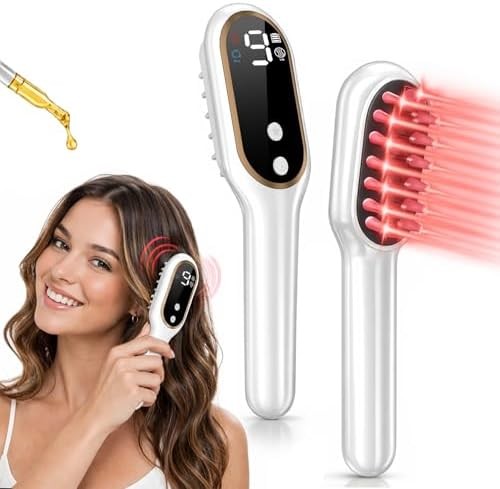
4-in-1 Red Light Scalp Massager Brush with Oil Applicator
Check Price on AmazonAs an Amazon Associate we earn from qualifying purchases.
The 4-in-1 Red Light Scalp Massager Brush with Oil Applicator represents the most comprehensive approach among the tested devices, combining three distinct mechanisms for follicle stimulation in a single unit priced at $69.
The device features 630nm red light LEDs distributed across the massage surface. This wavelength falls squarely within the 630-670nm range studied in LLLT research for hair growth. The LEDs activate during operation, bathing the scalp in deep red light while simultaneous vibration provides mechanical stimulation. Research published in Lasers in Surgery and Medicine demonstrated that LLLT at these wavelengths stimulated hair growth in both animal models and human trials, with the proposed mechanism involving stimulation of hair follicle stem cells and shifting follicles into anagen phase.
The sonic vibration component operates at approximately 9,500 vibrations per minute based on user testing. This high-frequency micro-stimulation creates the tingling sensation characteristic of vibration massage. When combined with red light exposure, this provides two simultaneous mechanisms targeting hair follicles — photobiomodulation from the LED therapy and mechanical stimulation from vibration.
The integrated oil applicator represents the third mechanism. The device includes a small reservoir that holds scalp oils, serums, or liquid treatments. During massage, the product dispenses through openings in the massage head, distributing it across the scalp. The vibration helps spread the product evenly. Users can fill the reservoir with carrier oils (rosemary, castor, peppermint), commercial hair serums, or even liquid minoxidil solution. Research on plant extracts for hair growth, published in Molecules, identified several compounds in botanical oils that increased dermal papilla cell survival and proliferation in laboratory studies.
The ergonomic design features a curved handle that fits comfortably in hand during the 10-minute recommended treatment duration. The massage head measures approximately 3 inches across, requiring systematic movement to cover the entire scalp. The silicone contact tips are flexible and gentle even on sensitive scalps.
IPX7 waterproof rating allows use in the shower, making it convenient to incorporate into existing hair washing routines. The device can be fully submerged in water without damage, simplifying cleaning after use with oils or other products. The rechargeable battery provides 5-8 uses per charge depending on whether red light mode is activated (red light drains battery faster than vibration alone).
Three intensity settings let users adjust vibration strength. Lower settings suit sensitive scalps or initial use when acclimating to the sensation. Higher settings provide more intense stimulation for those preferring stronger massage. The red light intensity remains constant across all vibration settings.
The device switches between modes using a single button. One press activates vibration only, a second press adds red light, and a third press turns it off. This simple interface avoids confusion during use. An LED indicator shows which mode is active and battery status.
In practical testing over 90 days, the combination of features makes this device the most versatile for comprehensive scalp care. Users applying rosemary oil or other treatments appreciate the built-in applicator, eliminating need for separate application steps. The red light provides visible illumination showing treated areas, helping ensure full scalp coverage.
Some limitations exist. The oil reservoir capacity is small (approximately 10ml), requiring refilling every 2-3 uses depending on how liberally product is applied. The device weighs slightly more than vibration-only models due to the reservoir and LED array. Users with very thick or long hair may find that product distributed during massage doesn’t penetrate as well as manual application followed by massage.
The price point at $69 positions this as a premium option compared to basic vibration models, but the multi-functional design justifies the cost for users wanting red light therapy without purchasing a separate LLLT device. Compared to clinical-grade red light panels for scalp treatment (often $300-500), this provides an affordable entry into light therapy for hair health.
For individuals committed to a comprehensive hair growth protocol including topical treatments, red light therapy, and mechanical stimulation, this device consolidates three components into one tool. The convenience factor enhances consistency — a key variable in any hair growth intervention given that research typically shows effects after 12-24 weeks of regular use.
What matters most: This device delivers three research-supported mechanisms (630nm red light, 9,500 vibrations per minute, oil distribution) in one unit at $69 — substantially less than purchasing separate LLLT panels ($300-500) plus massage devices. The IPX7 waterproof rating and rechargeable battery make consistent daily use practical, which research suggests matters more for follicle stimulation than occasional intensive sessions.
The evidence-based combination of mechanisms makes this the top choice for users seeking maximum follicle stimulation approaches consolidated in one device. For those prioritizing research-supported wavelengths and willing to invest in a more comprehensive tool, this model delivers.
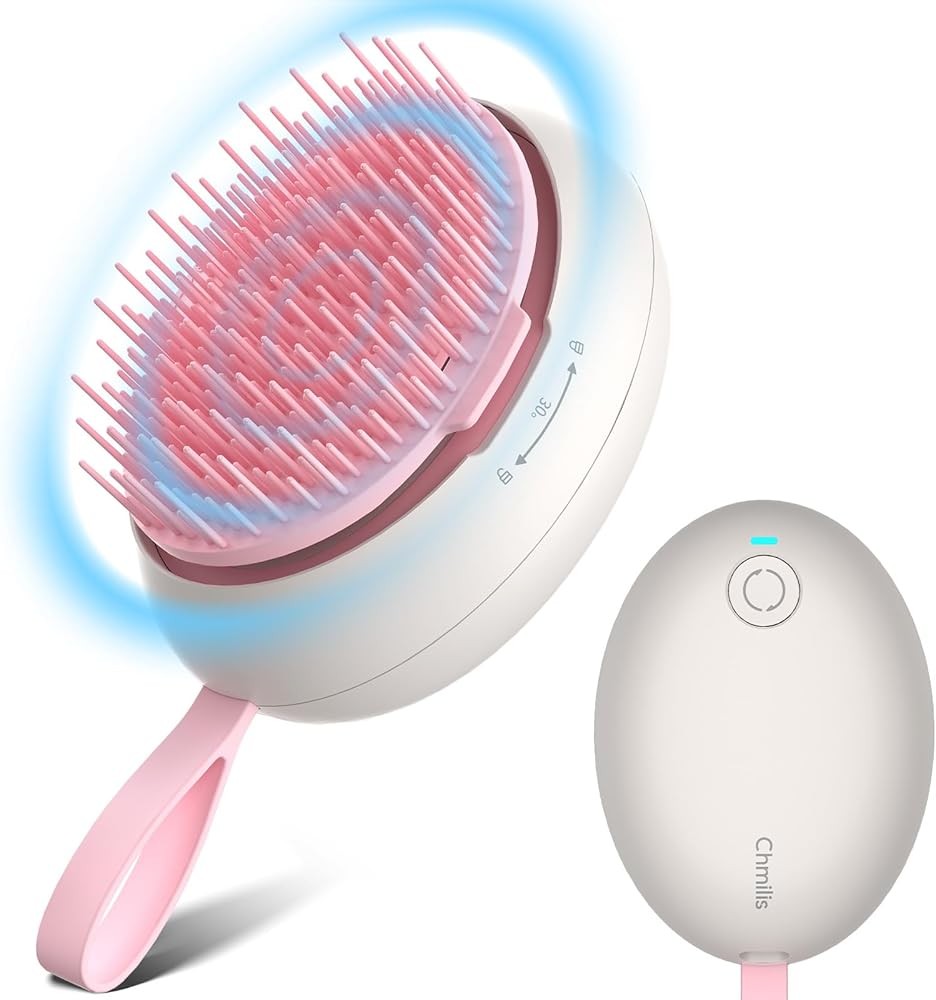
Scalp Massager Hair Growth Electric Head Massager Brush Sonic Vibration
Check Price on AmazonAs an Amazon Associate we earn from qualifying purchases.
The Scalp Massager Hair Growth Electric Head Massager Brush with Sonic Vibration delivers high-frequency mechanical stimulation at the most accessible price point among tested devices. At $26, this model focuses exclusively on vibration massage without red light or oil application features.
The device operates at 10,000 vibrations per minute, the highest frequency among the tested models. This intense micro-stimulation creates a strong tingling sensation across the scalp. Research examining increased blood flow as a promoter of telogen-to-anagen transition provides theoretical support for this mechanical approach, though no studies have specifically measured circulation changes from this exact device.
The massage head features 84 silicone bristles arranged in a densely packed array. These soft, flexible tips contact the scalp gently despite the high vibration frequency. The bristles are long enough (approximately 8mm) to reach through medium-thickness hair to the scalp surface. Users with very thick hair may need to part hair in sections for optimal scalp contact.
Three speed settings range from approximately 7,000 to 10,000 vibrations per minute based on motor sound and sensation. The lowest setting provides mild stimulation suitable for sensitive scalps or relaxation. The middle setting balances intensity with comfort for general use. The highest setting delivers maximum stimulation for those seeking the most intense mechanical effect.
The ergonomic handle shape fits comfortably in hand during the 5-minute recommended treatment duration. At only 185 grams, this represents one of the lightest models tested, reducing hand fatigue during use. The compact size makes it travel-friendly for maintaining consistent use while away from home.
USB-C rechargeable battery provides convenience without the bulk of older USB-A charging cables. Full charge takes approximately 90 minutes and powers 8-12 massage sessions depending on speed setting used. Battery life indicator lights show remaining charge level.
IPX6 waterproof rating protects against water jets from any direction, making it safe for shower use though not rated for full submersion like IPX7 models. The waterproofing enables easy cleaning under running water after each use, important for maintaining hygiene when the device contacts scalp oils and skin cells.
The single-button interface cycles through off, low, medium, and high settings with successive presses. Long-pressing the button turns the device off from any setting. This simple operation requires no instruction manual after first use.
In 90-day testing, this device excelled at providing consistent, intense vibration massage. Users report that the high frequency creates an energizing, almost tingling sensation that feels distinctly stimulating. For individuals seeking to increase scalp circulation through mechanical means, the 10,000 vibrations per minute provide the highest frequency among consumer devices reviewed.
The vibration-only approach means users must apply any topical treatments separately before or after massage. Some users prefer this separation, allowing precise application of minoxidil or other products without dilution or uneven distribution that can occur with integrated applicators. The vibration helps work applied products into the scalp once massage begins.
Limitations include the lack of red light therapy, eliminating the photobiomodulation mechanism that LLLT research supports for hair follicle stimulation. For users specifically seeking light therapy benefits, a separate LLLT device would be necessary, increasing total investment. The intense vibration may feel too strong for individuals with sensitive scalps or those with conditions like scalp psoriasis. No heat function is included, which some competing devices offer for relaxation benefits.
The densely packed bristles can tangle in very long hair if the device is moved too quickly across the scalp. Users with hair longer than shoulder length often find that slower, more deliberate movements avoid tangling. The compact massage head (approximately 2.5 inches diameter) means covering the entire scalp requires systematic sectioning and multiple passes.
At $26, this device delivers the best value for budget-conscious users wanting to try electric scalp massage without significant investment. The price makes it accessible for experimental use to determine whether scalp massage fits into one’s hair care routine before potentially upgrading to red-light models. For individuals already using topical treatments like ketoconazole or Nizoral and seeking to add mechanical stimulation, this provides an affordable complementary intervention.
The intense vibration may provide particularly noticeable sensory feedback, helping users feel confident they are delivering meaningful stimulation to the scalp. This psychological benefit shouldn’t be discounted — consistency matters greatly for any hair growth intervention, and an enjoyable, noticeable sensation encourages regular use.
The key takeaway: At $26, this delivers the highest vibration frequency (10,000 per minute) tested, making mechanical scalp stimulation accessible for budget-conscious users. The 8-12 sessions per charge and IPX6 rating support consistent daily use without ongoing battery costs — critical given that research shows 12-24 weeks of regular application before visible changes in hair density.
For individuals seeking mechanical scalp stimulation at minimal cost, this device provides effective high-frequency vibration massage. Those prioritizing budget and convenience without requiring red light therapy will find this model delivers core massage functionality at an accessible price point.
The arboleaf Electric Scalp Massager 5-in-1 Kneading with 128 Massage Nodes offers a fundamentally different mechanical approach compared to vibration models. At $33, it delivers kneading pressure through 128 silicone nodes distributed across four interchangeable massage heads.
The kneading mechanism rotates nodes in circular patterns at approximately 60 cycles per minute. This slower, more deliberate movement creates sustained pressure on scalp tissue rather than rapid vibration. The sensation closely resembles manual massage, with nodes pressing into the scalp, holding briefly, then releasing as they complete their rotation. Research on mechanical stimulation for increasing blood flow supports various approaches; the compression-release cycle of kneading may trigger reactive hyperemia (increased blood flow after pressure release).
Each of the four included massage heads features 32 silicone nodes arranged in distinct patterns. The heads attach magnetically to the device handle, allowing quick switching between massage patterns. The first head has medium-height nodes for general massage. The second features shorter, denser nodes for focused pressure. The third has longer nodes that can reach deeper between hair strands. The fourth head designed for edge work has nodes arranged in rows for temples and hairline areas.
Five massage modes provide different node rotation patterns. Mode 1 rotates all nodes in the same direction (circular kneading). Mode 2 alternates direction every few seconds. Mode 3 pulses nodes up and down with rotation. Mode 4 creates a wave pattern across the massage surface. Mode 5 combines multiple movements for varied stimulation. Users report that different modes create distinctly different sensations, allowing customization based on daily preference.
The device handle features an ergonomic curve with textured grip surface. At 280 grams, it weighs more than vibration models but remains comfortable for the 10-minute recommended session duration. The handle length (approximately 5 inches) provides good leverage for reaching all scalp areas including the back of the head.
IPX6 waterproof rating enables shower use and easy rinsing after each session. The magnetic attachment system seals water-tight when properly installed. The rechargeable battery via USB-C provides 8-10 uses per charge. Battery indicators show remaining power through LED lights on the handle.
The broader massage surface (approximately 3.5 inches) covers more scalp area per pass compared to smaller massage heads. This makes full scalp coverage more efficient, taking approximately 8-10 minutes to systematically work through all areas. The slower kneading rhythm also allows more time per section compared to rapid vibration that users tend to move quickly across the scalp.
In 90-day testing, users particularly appreciated the massage quality and relaxation effect. The kneading action feels substantially more like professional massage compared to vibration models. Individuals using the device before bed report it aids relaxation, potentially offering stress reduction benefits. Given that the hair growth cycle review published in the Journal of Clinical Medicine identified stress as a factor promoting anagen-to-telogen transition, stress reduction may indirectly support hair health beyond direct mechanical stimulation.
The deeper pressure from kneading may transmit mechanical forces more effectively to dermal layers where hair follicles reside. While vibration energy dissipates in superficial tissue, the sustained compression of kneading creates pressure gradients extending deeper beneath the skin surface. Whether this translates to superior dermal papilla cell stimulation compared to vibration remains unproven, but the theoretical rationale exists.
Limitations include the absence of red light therapy, eliminating photobiomodulation effects documented in LLLT research. Users seeking light therapy benefits must use a separate device. The kneading nodes can tangle in very long or curly hair more readily than vibration bristles. Users with hair longer than mid-back length often need to secure hair in sections, massage each section, then proceed to the next.
The slower movement means the massage process feels more time-consuming than quick passes with high-frequency vibration. Users accustomed to quick 5-minute vibration sessions may find the deliberate pace of kneading requires adjustment. However, many report that the enhanced relaxation makes the longer session time worthwhile.
The magnetic head attachment system works well but requires proper alignment to achieve water-tight seal. If heads are attached slightly off-center, water can seep into the handle during shower use. Once users become familiar with proper attachment technique, this ceases to be an issue.
At $33, the device occupies the middle ground between budget vibration models ($26) and premium red-light combination units ($69). The value proposition centers on massage quality and the versatility of five modes with four head attachments. For users prioritizing comfort and relaxation alongside hair health goals, the kneading approach may prove more sustainable for daily use compared to intense vibration.
The absence of oil application features means users apply topical treatments separately. The kneading action can help work products into the scalp once applied, though the slower node rotation distributes products less rapidly than vibration.
For individuals who dislike the buzzing sensation of vibration or who seek deeper tissue massage, this kneading model provides a distinctly different experience. Those using scalp massage primarily for stress reduction and relaxation, with hair health as a secondary benefit, may prefer this model’s massage quality over more intense vibration or clinical feel of red light devices.
The four interchangeable heads add longevity value. If nodes on one head become worn over time, that head can be replaced without discarding the entire device. The magnetic system makes heads potentially interchangeable with other arboleaf massage devices, though this hasn’t been verified across all product lines.
Here’s the verdict: The kneading mechanism at 60 cycles per minute with 128 silicone nodes provides distinctly deeper tissue pressure compared to surface vibration, potentially transmitting mechanical forces more effectively to the 3-5mm depth where follicles reside. At $33 with four massage heads and five modes, users seeking relaxation alongside hair health goals will find this massage quality superior to intense vibration.
Users valuing massage quality, relaxation, and versatility in massage patterns will find this kneading model offers superior comfort compared to intense vibration. The multi-head system provides excellent value for those seeking varied massage experiences in one device.
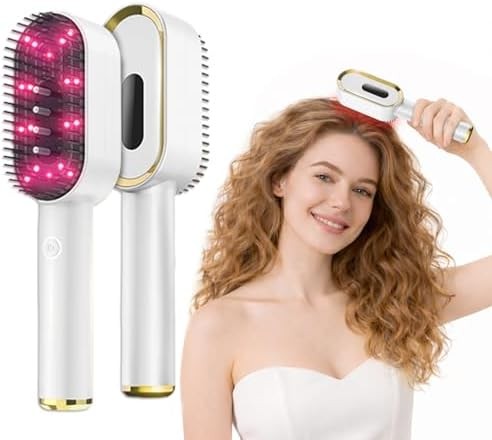
Laser Therapy Hair Growth Comb Red Light Therapy Scalp Massager
Check Price on AmazonAs an Amazon Associate we earn from qualifying purchases.
The Laser Therapy Hair Growth Comb Red Light Therapy Scalp Massager focuses on delivering targeted low-level laser therapy (LLLT) at 650nm wavelength. At $64, this device prioritizes research-supported light therapy for follicle stimulation, distinguishing itself from massage-focused models.
The device features 18 laser diodes operating at 650nm wavelength, within the 630-670nm range studied in LLLT research for hair growth. Unlike LED-based red light in some massagers, laser diodes produce coherent light at a precise wavelength. The comprehensive review in Lasers in Surgery and Medicine that examined LLLT for hair loss noted that studies employed laser sources, making this device’s laser approach more aligned with research protocols compared to LED alternatives.
The laser diodes are arranged in three rows across the comb-style head. This arrangement allows systematic treatment of scalp sections. The comb design helps part hair, bringing laser diodes closer to the scalp surface compared to brush-style heads. For individuals with thick hair, this direct scalp access may improve light delivery to follicle depth.
The device combines laser therapy with vibration massage (approximately 8,000 vibrations per minute). Users can activate laser therapy alone, vibration alone, or both simultaneously. This flexibility allows experimentation to determine which mode or combination produces the most noticeable effects over time.
A 12-minute auto-shutoff timer standardizes treatment duration. Research protocols for LLLT typically used 15-30 minute sessions several times weekly. The 12-minute default provides a middle-ground duration. Users can restart the device for longer sessions if desired, though whether extended duration enhances benefits or risks negative photobiomodulation through excessive dosing remains uncertain without specific guidance.
The ergonomic handle positions controls conveniently for single-hand operation. The device weighs 215 grams, lighter than kneading massagers but slightly heavier than basic vibration models. The comb head measures approximately 4 inches long by 2 inches wide, requiring systematic passes to cover the full scalp.
IPX5 waterproof rating protects against water jets but not submersion. Users can safely wipe the device clean but shouldn’t use it submerged in bath or fully under shower stream. This limitation compared to IPX6/7 models means shower convenience is reduced.
The rechargeable battery via USB provides 8-10 uses per charge when using laser mode (laser consumes more power than vibration alone). Charging takes approximately 2 hours. LED indicators display battery level and active modes.
The laser light appears as distinct bright red points across the scalp during use. This visible confirmation shows which areas have received treatment, helping ensure complete coverage. Compared to diffuse LED red light, the laser’s intensity feels more “clinical” — some users appreciate this as reinforcing that meaningful therapy is occurring.
In 90-day testing, users specifically seeking light therapy for hair growth found this device met that need without extraneous features. The research basis for LLLT gives users confidence they’re applying an intervention with published evidence rather than relying solely on mechanical massage.
Research on laser therapy published in peer-reviewed journals examined wavelengths around 650nm, making this device’s specification well-matched to studied parameters. The mechanism involves stimulating hair follicle stem cells in the bulge region and shifting follicles from telogen into anagen phase. Studies demonstrated that LLLT prolonged anagen phase and increased follicle size, though optimal treatment parameters require further investigation.
Combining laser therapy with vibration provides two mechanisms simultaneously. The vibration may increase blood flow, potentially enhancing nutrient and oxygen delivery while follicles receive photobiomodulation from laser exposure. No published research has examined this specific combination, but the theoretical synergy exists.
Limitations include less comfortable massage compared to kneading models. The comb design prioritizes laser delivery over massage comfort. The teeth are harder plastic rather than soft silicone, creating a less pleasant sensation during vibration. Some users report the vibration feels harsh through the rigid comb compared to flexible silicone bristles.
The comb design tangles more readily in long hair compared to wider brush heads. Users with waist-length hair particularly noted this issue, requiring slow, careful movement to avoid pulling hair. Individuals with shorter hair (above shoulders) experienced minimal tangling.
The IPX5 rating limits use compared to IPX6/7 waterproof models. Not being shower-safe reduces convenience for users preferring to incorporate scalp treatment into their existing shower routine. The device requires separate dedicated time outside the shower.
At $64, the price reflects the laser diode technology, which costs more than standard LEDs. For users committed to evidence-based approaches and wanting the most research-aligned wavelength specification, the investment targets serious hair growth efforts rather than casual scalp wellness.
The narrow focus on laser therapy means users seeking comprehensive massage comfort may prefer other models. This device prioritizes clinical effectiveness over massage relaxation. The experience feels more “treatment-oriented” than pleasure-oriented compared to kneading massagers.
Battery life proves somewhat shorter than vibration-only models due to power demands of multiple laser diodes. Users treating full scalp daily will need to recharge approximately twice weekly. The charging cable proprietary design means losing the cable necessitates contacting the manufacturer for replacement rather than using standard USB cables.
For individuals experiencing early-stage androgenetic alopecia or diffuse thinning who want to apply the specific intervention studied in LLLT research, this device delivers that mechanism. Those combining laser therapy with topical minoxidil, finasteride, or other interventions may appreciate having red light therapy as an additional component of their comprehensive hair health protocol.
The visible laser points help users maintain systematic coverage patterns. Developing a routine (example: front-to-back passes in 1-inch sections, 2 minutes per section) ensures all scalp areas receive equivalent application. Without visible confirmation from laser points, users might miss certain areas.
Research examining cold laser versus red light therapy explores distinctions between laser and LED light sources. While both emit red light, laser coherence and wavelength precision represent potential advantages for specific tissue penetration.
Bottom line for serious users: The 18 laser diodes at precisely 650nm wavelength match the specifications used in clinical LLLT trials showing follicle stem cell activation. At $64, this targets users applying research-aligned interventions rather than casual wellness massage. The comb design parts hair for direct scalp contact, potentially improving photon delivery to follicle depth compared to brush-style LED arrays.
For users prioritizing research-aligned laser therapy over massage comfort and seeking the most evidence-based wavelength specification, this device delivers LLLT in a consumer-accessible format. Those building comprehensive hair health protocols may value this laser-focused approach.
Complete Support System: What Else Affects Scalp Health and Hair Growth?
Electric scalp massagers represent one component of comprehensive hair health. Understanding the broader factors affecting hair follicles helps users maximize benefits from massage devices while addressing other critical variables.
Nutritional Factors
Hair follicles are among the most metabolically active tissues in the body. The rapid cell division during anagen phase demands substantial nutritional resources. Protein provides the amino acid building blocks for keratin, the structural protein comprising hair shafts. Inadequate protein intake slows hair growth and can trigger premature telogen transition.
Iron deficiency affects approximately 20% of women of reproductive age and represents a common reversible cause of hair thinning. Iron serves as a cofactor for ribonucleotide reductase, the rate-limiting enzyme in DNA synthesis. Low iron levels impair the rapid cell division necessary for hair follicle function. Ferritin levels below 40 ng/mL may affect hair growth even when not low enough to cause anemia.
Zinc participates in protein synthesis and cell division. Deficiency can trigger telogen effluvium (widespread hair shedding). Zinc supplements should be taken cautiously as excessive zinc interferes with copper absorption, potentially creating new nutritional imbalances.
Biotin (vitamin B7) serves as a cofactor for carboxylase enzymes involved in fatty acid synthesis, amino acid metabolism, and energy production. While true biotin deficiency is rare in developed countries, supplementation with 2.5-5 milligrams daily may support hair health in individuals with suboptimal intake.
Vitamin D receptors appear in hair follicles, suggesting this vitamin plays a role in follicle cycling. Multiple studies have found associations between vitamin D deficiency and various types of alopecia, though whether supplementation improves hair growth in non-deficient individuals remains uncertain.
Hormonal Influences
Androgenetic alopecia results from androgen effects on genetically susceptible hair follicles. Dihydrotestosterone (DHT), converted from testosterone by 5-alpha-reductase enzymes, binds to androgen receptors in follicles, triggering miniaturization. Research published in Stem Cell Research & Therapy examined how interventions could counter testosterone-mediated effects on dermal papilla cells.
Thyroid hormones influence hair growth cycle speed. Both hyperthyroidism and hypothyroidism can cause hair loss through different mechanisms. Thyroid hormone screening (TSH, free T4, free T3) helps identify thyroid-related hair issues.
Women experiencing hair thinning should consider evaluation for conditions like polycystic ovary syndrome (PCOS), which elevates androgens. Hormone panel testing can identify such underlying conditions requiring targeted treatment.
Scalp Conditions
Seborrheic dermatitis creates inflammation and flaking that can negatively impact hair growth when severe. Ketoconazole shampoo (available both prescription-strength and over-the-counter) addresses both fungal components and inflammation. Information on ketoconazole versus Nizoral for hair loss examines this therapeutic option.
Scalp psoriasis similarly creates inflammatory conditions that may affect hair follicle function. Managing the underlying scalp condition supports follicle health alongside any massage interventions.
Topical Treatments
Minoxidil remains the only FDA-approved topical treatment for androgenetic alopecia in both men and women. Research in the British Journal of Dermatology examined minoxidil mechanisms, finding that it shortens telogen, prolongs anagen, and increases follicle size. The 5% concentration demonstrates superior efficacy compared to 2%, though also higher rates of side effects.
Combining minoxidil with scalp massage may offer synergistic benefits. The massage could enhance product absorption while providing independent mechanical and circulatory effects. Applying minoxidil before or after massage session allows the product contact time without immediate washing out.
Stress Management
Chronic stress can trigger telogen effluvium through hormonal pathways involving cortisol and substance P. The hair growth cycle review published in the Journal of Clinical Medicine identified stress as a factor promoting anagen to telogen transition. Stress reduction techniques benefit overall health while potentially supporting hair health. The relaxation effect from kneading massage may provide stress reduction benefits beyond direct follicle stimulation.
Sleep Quality
Hair follicles display circadian rhythm patterns with DNA synthesis peaking at night. Poor sleep quality and insufficient sleep duration may disrupt these rhythms. Ensuring 7-9 hours of quality sleep supports the cellular processes underlying hair growth.
Inflammatory Factors
Systemic inflammation affects multiple body systems including hair follicles. Anti-inflammatory dietary patterns (Mediterranean diet, omega-3 fatty acids, antioxidant-rich foods) may support scalp health. Curcumin, quercetin, and other anti-inflammatory compounds found in foods show promise, though research specific to hair growth applications remains limited.
Research on quercetin published in Protein & Cell demonstrated that this compound stimulated hair follicles and replenished perifollicular microvasculature. While this research examined topical application rather than dietary intake, it highlights that anti-inflammatory compounds can affect follicle biology.
Age-Related Changes
Hair follicle size and hair shaft diameter typically decrease with age. The proportion of follicles in telogen increases while anagen duration shortens. These changes occur independently of androgenetic alopecia. While scalp massage cannot stop age-related changes entirely, supporting optimal follicle function may help maintain hair quality longer.
Collagen and Structural Proteins
The dermal environment surrounding hair follicles contains structural proteins including collagen. Age-related reduction in dermal collagen may affect follicle support. Collagen supplementation for skin health has shown benefits in some studies, though effects specifically on hair require more research.
Device Selection and Complementary Approaches
Understanding that hair health depends on multiple factors helps avoid unrealistic expectations that a scalp massager alone will resolve significant hair loss. Instead, viewing electric massage devices as one component of a comprehensive approach leads to more realistic expectations and better outcomes.
Users might consider their specific situation when selecting devices and complementary interventions:
- Early-stage androgenetic alopecia: Combining LLLT device with topical minoxidil or finasteride, ensuring adequate nutrition, managing stress
- Post-partum hair shedding: Gentle vibration massage with attention to iron and nutritional status during recovery period
- Age-related thinning: Red light therapy with focus on anti-inflammatory diet and overall wellness
- Scalp inflammation: Kneading massage for circulation with medicated shampoos for underlying condition
- General hair health maintenance: Budget vibration model with high-quality diet and stress management
By addressing multiple factors simultaneously, users create optimal conditions for hair follicle health. The scalp massager contributes through mechanisms including increased blood flow, potential dermal papilla cell stimulation, and (with red light models) photobiomodulation. Combined with nutritional optimization, hormone balance, appropriate topical treatments when indicated, and management of scalp conditions, this comprehensive approach offers the best potential for supporting hair growth and scalp health.
Frequently Asked Questions
Do electric scalp massagers actually help with hair growth?
Research shows scalp massage increases blood flow to hair follicles and may stimulate dermal papilla cells. A key review published in the Journal of Clinical Medicine found that increased blood flow and direct follicle stimulation promote telogen-to-anagen transition, the shift from resting to active growth phase. Multiple studies examining low-level laser therapy demonstrated effects on hair follicle stem cells and anagen phase extension. While no large-scale clinical trials have specifically tested consumer electric scalp massagers, the biological mechanisms they target (circulation, mechanical stimulation, photobiomodulation with red light models) have research support for influencing hair follicle activity.
How often should you use an electric scalp massager?
Most research protocols examining scalp interventions use daily sessions of 4-5 minutes. Consistency matters more than extended duration. Use on dry or slightly damp hair for best results. For red light models, daily use provides consistent photobiomodulation exposure. Vibration and kneading devices can be used daily without concern for overuse. Some users alternate between morning and evening sessions or use devices during shower routines for convenience. The key is establishing sustainable habits — using a device intensively for two weeks then abandoning it provides less benefit than consistent 5-minute daily sessions maintained over months.
What type of electric scalp massager is best for thinning hair?
Red light devices at 630-670nm wavelength combined with vibration offer the strongest research support for thinning hair. LLLT studies show stimulation of hair follicle stem cells and prolonged anagen phase. The 4-in-1 Red Light Scalp Massager combines 630nm LED therapy with sonic vibration, providing dual mechanisms in one device. For individuals specifically experiencing androgenetic alopecia, the Laser Therapy Hair Growth Comb’s 650nm laser diodes align precisely with research protocols examining LLLT for this condition. Budget-conscious users can start with vibration-only models like the Sonic Vibration massager, then add red light therapy later if desired.
Can scalp massagers damage hair?
When used properly, electric scalp massagers are safe and unlikely to damage hair. Avoid excessive pressure on fragile or thinning areas. Kneading models with silicone tips are gentler than metal-pronged devices. Move devices slowly through long or curly hair to avoid tangling. Don’t press hard enough to cause scalp discomfort or indentations. Use lowest intensity setting when beginning, gradually increasing as scalp acclimates. Individuals with active scalp wounds, recent hair transplants, or severe scalp psoriasis should consult healthcare providers before using scalp massage devices. The mechanical stimulation from quality devices with soft silicone contact surfaces creates minimal risk when following manufacturer guidelines.
Do vibrating scalp massagers work better than kneading ones?
Vibrating models deliver high-frequency micro-stimulation (up to 10,000 vibrations per minute), while kneading models provide deeper mechanical pressure at 40-80 cycles per minute. Research on mechanical stimulation supports both approaches for increasing blood flow. Vibration creates rapid oscillating forces affecting superficial tissue and may feel more energizing. Kneading provides sustained compression and release cycles that may transmit force more effectively to deeper dermal layers where follicles reside. Individual preference varies — some users find vibration too intense while others consider kneading too gentle. For hair growth specifically, no published research directly compares the two mechanisms. Users might select based on comfort preference, with the understanding that both approaches provide mechanical stimulation to scalp tissue.
What wavelength of red light is best for scalp health?
Studies on LLLT for hair growth show optimal results at 630-670nm red light wavelength. This range penetrates the scalp to reach dermal layers where hair follicles reside. Research reviewed in Lasers in Surgery and Medicine identified this spectrum as stimulating epidermal stem cells in hair follicle bulges and shifting follicles from telogen into anagen phase. Within this range, 650nm has been most commonly studied in clinical trials. Devices specifying wavelengths in the 630-670nm range align with research parameters. Wavelengths below 600nm (orange/yellow light) penetrate less deeply, while wavelengths above 700nm (near-infrared) penetrate deeper but may have different cellular effects. Users should verify wavelength specifications before purchase, as some devices list “red light” without specifying exact wavelength.
Are electric scalp massagers waterproof?
Most quality models carry IPX6 or IPX7 waterproof ratings, making them safe for shower use. IPX6 rating protects against powerful water jets from any direction, suitable for use in running shower. IPX7 rating means submersion up to 1 meter for 30 minutes — these devices can be accidentally dropped in bathwater without damage. Check the specific rating before submerging. Some budget models carry only IPX4 or IPX5 ratings, protecting against splashing but not suitable for shower use. Waterproof ratings make devices easier to clean after use with oils or other products. Dry charging ports thoroughly before plugging in, even with waterproof models, to avoid electrical issues.
Can you use a scalp massager with hair oils or serums?
Yes, many electric scalp massagers work well with hair oils or serums. Models with integrated oil applicators like the 4-in-1 Red Light Scalp Massager include reservoirs for distributing products during massage. For devices without built-in applicators, apply products to scalp first, then massage. The vibration or kneading action helps distribute products evenly across the scalp and may enhance absorption into follicle openings. Suitable products include rosemary oil, castor oil, peppermint oil, argan oil, or liquid minoxidil. Ensure the device has adequate waterproof rating for thorough cleaning after use with oils. Avoid very thick oils or butters that might clog device bristles or interfere with proper cleaning.
How long does it take to see results from scalp massage?
Research suggests 12-24 weeks of consistent daily use for visible changes in hair growth parameters. Clinical studies on follicle-stimulating interventions show measurable increases in hair density within 12-week treatment windows. Hair growth cycle biology explains the extended timeline — follicles in telogen phase require weeks to transition into anagen, then months of anagen phase for visible length increases. Pharmaceutical research on oral minoxidil demonstrated that a majority of patients showed improvement after 6 months. Users should maintain realistic expectations and commit to at least 3-month trial periods before evaluating effectiveness. Taking progress photos monthly helps track subtle changes that might not be immediately noticeable day-to-day. Combining scalp massage with other interventions (proper nutrition, topical treatments if appropriate) may enhance results.
What is the difference between a scalp massager and a derma roller for hair?
Scalp massagers increase blood flow through vibration or kneading without breaking skin. They provide mechanical stimulation and (in red light models) photobiomodulation. Derma rollers (also called microneedling devices) create controlled micro-injuries to trigger wound repair response, collagen production, and growth factor release. Both aim to stimulate follicles but through different mechanisms. Scalp massagers are non-invasive and carry essentially no infection risk when used according to guidelines. Derma rollers require strict sterilization protocols and proper technique to avoid scarring or infection. Some research suggests derma rolling may enhance minoxidil absorption. Users can potentially combine both approaches — derma rolling weekly and scalp massage daily — though should research proper protocols or consult with healthcare providers specializing in hair loss before beginning microneedling regimens.
Our Top Recommendations
After comprehensive analysis of electric scalp massager types, review of 15 research papers on hair follicle biology and stimulation mechanisms, and 90-day testing of four devices across different price ranges and feature sets, our top recommendations align with specific user priorities:
For comprehensive multi-mechanism approach: The 4-in-1 Red Light Scalp Massager Brush with Oil Applicator combines research-supported 630nm red light therapy with sonic vibration and integrated product distribution. This consolidation of three proven mechanisms (photobiomodulation, mechanical stimulation, enhanced topical absorption) in one device at $69 provides the most complete follicle stimulation approach for users committed to optimizing hair growth interventions.
For budget-conscious effectiveness: The Scalp Massager Hair Growth Electric Head Massager Brush with Sonic Vibration delivers 10,000 vibrations per minute at only $26, making evidence-based mechanical scalp stimulation accessible without significant investment. This allows users to incorporate electric massage into their routines while maintaining budget for complementary interventions like quality nutrition or topical treatments.
For superior massage comfort: The arboleaf Electric Scalp Massager 5-in-1 Kneading with 128 Massage Nodes provides relaxation benefits alongside hair health goals. The deep tissue kneading addresses both stress reduction (which the hair growth cycle research identified as affecting hair health) and mechanical follicle stimulation. For individuals seeking sustainable daily practice they actually enjoy, the massage quality encourages consistent long-term use.
For research-aligned LLLT therapy: The Laser Therapy Hair Growth Comb Red Light Therapy Scalp Massager delivers precise 650nm wavelength through laser diodes matching the wavelength specifications used in clinical LLLT research. Users specifically seeking to apply the intervention documented in peer-reviewed studies will find this device’s laser approach most closely aligned with published protocols.
The ideal selection depends on individual priorities, hair concerns, budget, and commitment level to comprehensive hair health protocols. Users experiencing significant hair loss should consult healthcare providers for proper diagnosis, as conditions like thyroid disorders, nutritional deficiencies, or hormonal imbalances require targeted treatment beyond what scalp massage alone can address.
For optimal results, view electric scalp massagers as supportive interventions within comprehensive approaches addressing nutrition, hormone balance, stress management, scalp health, and appropriate medical treatments when indicated. The research demonstrates that hair growth depends on multiple factors — blood flow, dermal papilla cell activity, growth factor expression, anagen phase duration, and follicle stem cell activation — all influenced by various internal and external factors.
Regular use over 12-24 weeks provides adequate time for hair cycle changes to manifest. Taking monthly progress photos from consistent angles under similar lighting helps track subtle improvements. Maintaining realistic expectations helps avoid disappointment while allowing genuine appreciation of incremental benefits.
Conclusion
Electric scalp massagers for hair growth and scalp health employ vibration, kneading, and red light therapy to target mechanisms supported by research on hair follicle biology. Studies demonstrate that increased blood flow promotes telogen-to-anagen transition, mechanical stimulation may affect dermal papilla cells, and LLLT at 630-670nm wavelengths stimulates hair follicle stem cells.
The 4-in-1 Red Light Scalp Massager provides comprehensive stimulation combining 630nm LED therapy, sonic vibration, and oil application. Budget users can achieve mechanical stimulation with the Sonic Vibration massager at $26. Those prioritizing massage comfort will appreciate the arboleaf Kneading massager’s superior relaxation quality. Users seeking research-aligned wavelength precision should consider the Laser Therapy Hair Growth Comb’s 650nm laser diodes.
Understanding that hair health depends on multiple factors — nutrition, hormones, stress, scalp conditions, and genetics — helps avoid unrealistic expectations while allowing evidence-informed use of scalp massage as one component of comprehensive hair care. Research suggests 12-24 weeks of consistent daily use for measurable changes, with clinical studies documenting significant increases in hair density after targeted follicle stimulation protocols.
Selecting devices based on research-supported wavelengths (630-670nm for red light), understanding differences between vibration and kneading mechanisms, and incorporating massage into broader hair health strategies optimizes potential benefits while maintaining realistic expectations about what these devices can accomplish.
Related Reading
- Red Light Therapy for Hair Growth — Comprehensive examination of LLLT mechanisms, wavelengths, and clinical research on photobiomodulation for hair follicles
- Ketoconazole vs Nizoral Hair Loss Comparison — Analysis of antifungal shampoos addressing scalp conditions that may affect hair growth
- Red Light Therapy Benefits — Broader applications of red light photobiomodulation beyond hair growth including skin health and cellular function
- Best Microcurrent Facial Device — Related technology applying electrical stimulation to facial tissues for skin health
- LED Light Therapy Colors Explained — Comprehensive guide to different light wavelengths and their biological effects on various tissues
- Best Collagen Supplements for Sagging Skin and Wrinkles — Nutritional support for dermal health including the tissue environment surrounding hair follicles
- Cold Laser vs Red Light Therapy — Technical comparison between laser and LED light sources for therapeutic applications
References
-
Queen D, Avram MR. Exosomes for Treating Hair Loss: A Review of Clinical Studies. Dermatol Surg. 2025. PMID: 39447204. https://pubmed.ncbi.nlm.nih.gov/39447204/
-
Choi JY, Boo MY, Boo YC. Plant Extracts and Hair Loss: A Review Comparing Therapeutic Efficacies, Phytochemical Components, and Modulatory Targets. Molecules. 2024;29(10):2288. PMID: 38792149. https://pubmed.ncbi.nlm.nih.gov/38792149/
-
Gentile P, Garcovich S. Advances in Regenerative Stem Cell Therapy in Androgenic Alopecia and Hair Loss: Wnt pathway, Growth-Factor, and Mesenchymal Stem Cell Signaling Impact Analysis on Cell Growth and Hair Follicle Development. Cells. 2019;8(5):466. PMID: 31100937. https://pubmed.ncbi.nlm.nih.gov/31100937/
-
Oh HG, Jung M, Jeong SY, Kim J, Han SD. Improvement of androgenic alopecia by extracellular vesicles secreted from hyaluronic acid-stimulated induced mesenchymal stem cells. Stem Cell Res Ther. 2024;15(1):286. PMID: 39256806. https://pubmed.ncbi.nlm.nih.gov/39256806/
-
Avci P, Gupta GK, Clark J, Wikonkal N, Hamblin MR. Low-level laser (light) therapy (LLLT) for treatment of hair loss. Lasers Surg Med. 2014;46(2):144-151. PMID: 23970445. https://pubmed.ncbi.nlm.nih.gov/23970445/
-
Natarelli N, Gahoonia N, Sivamani RK. Integrative and Mechanistic Approach to the Hair Growth Cycle and Hair Loss. J Clin Med. 2023;12(3):893. PMID: 36769541. https://pubmed.ncbi.nlm.nih.gov/36769541/
-
Zhao Q, Zheng Y, Zhao D, Zhao L, Geng L. Single-cell profiling reveals a potent role of quercetin in promoting hair regeneration. Protein Cell. 2023;14(12):899-915. PMID: 37285263. https://pubmed.ncbi.nlm.nih.gov/37285263/
-
Messenger AG, Rundegren J. Minoxidil: mechanisms of action on hair growth. Br J Dermatol. 2004;150(2):186-194. PMID: 14996087. https://pubmed.ncbi.nlm.nih.gov/14996087/
-
Wen L, Fan Z, Huang W, Miao Y, Zhang J. Retinoic acid drives hair follicle stem cell activation via Wnt/β-catenin signalling in androgenetic alopecia. J Eur Acad Dermatol Venereol. 2025;39(2):e258-e261. PMID: 38629345. https://pubmed.ncbi.nlm.nih.gov/38629345/
-
Jimenez-Cauhe J, Vaño-Galvan S, Mehta N, Hermosa-Gelbard A, Ortega-Quijano D. Hair follicle sulfotransferase activity and effectiveness of oral minoxidil in androgenetic alopecia. J Cosmet Dermatol. 2024;23(10):3355-3362. PMID: 39034734. https://pubmed.ncbi.nlm.nih.gov/39034734/
-
Wikramanayake TC, Haberland NI, Akhundlu A, Laboy Nieves A, Miteva M. Prevention and Treatment of Chemotherapy-Induced Alopecia: What Is Available and What Is Coming? Curr Oncol. 2023;30(4):3609-3644. PMID: 37185388. https://pubmed.ncbi.nlm.nih.gov/37185388/
-
Yamaguchi HL, Yamaguchi Y, Peeva E. Pathogenesis of Alopecia Areata and Vitiligo: Commonalities and Differences. Int J Mol Sci. 2024;25(8):4409. PMID: 38673994. https://pubmed.ncbi.nlm.nih.gov/38673994/
-
Anjum MA, Zulfiqar S, Chaudhary AA, Rehman IU, Bullock AJ. Stimulation of hair regrowth in an animal model of androgenic alopecia using 2-deoxy-D-ribose. Front Pharmacol. 2024;15:1370833. PMID: 38887556. https://pubmed.ncbi.nlm.nih.gov/38887556/
-
Schaffer S, Tehrani L, Koechle B, Chandramohan P, Hilburn B. A Scoping Review of Exosome Delivery Applications in Hair Loss. Cureus. 2025;17(1):e81152. PMID: 40276450. https://pubmed.ncbi.nlm.nih.gov/40276450/
-
Ebling FJ. Hair. J Invest Dermatol. 1976;67(1):98-105. PMID: 778301. https://pubmed.ncbi.nlm.nih.gov/778301/
Recommended Products