Best Scalp Massager for Men
Summarized from peer-reviewed research indexed in PubMed. See citations below.
Male pattern baldness affects approximately 50% of men by age 50, with scalp tension and reduced blood flow contributing to follicle miniaturization alongside hormonal factors. The Breo Scalp Massager delivers targeted vibration and kneading across 21 contact points with three intensity settings for $34, making it our top choice for men seeking consistent daily scalp stimulation. Published research in Drugs (2023) shows mechanical scalp stimulation may enhance circulation and support absorption when combined with androgenetic alopecia therapies like minoxidil—though massage alone cannot reverse hair loss. For budget-conscious users, the Heeta Scalp Massager Shampoo Brush provides manual massage benefits during shampooing for just $5. Here’s what the published research shows about scalp massage for male hair health.
Disclosure: We may earn a commission from links on this page at no extra cost to you. Affiliate relationships never influence our ratings. Full policy →
The Breo Scalp Massager combines vibration and kneading across 21 contact nodes with customizable intensity settings, providing consistent mechanical stimulation that manual techniques struggle to match. Three massage modes target different scalp zones, while the ergonomic grip allows 4-5 minute sessions without hand fatigue. The Fiora Naturals Electric Scalp Massager features gentler vibration frequencies specifically calibrated for thinning hair and sensitive scalps experiencing androgenetic alopecia. Four massage heads with silicone tips distribute pressure evenly while three speed settings allow gradual intensity progression. The LATME Scalp Massager’s IPX7 waterproof rating enables shower integration, where warm water and massage synergize to maximize blood flow. Twenty-one massage nodes with 3D kneading action work through wet hair without tangling, making it ideal for men who prefer post-shampoo stimulation.


What Causes Male Pattern Hair Loss?
Androgenetic alopecia, commonly known as male pattern baldness, represents the most prevalent form of hair loss worldwide, affecting approximately 30-50% of men by age 50 according to research published in Drugs (2023, PMID: 37166619). This condition arises from an excessive follicular response to dihydrotestosterone (DHT), a potent androgen derived from testosterone through 5-alpha reductase enzyme conversion. The characteristic M-shaped recession at the temples and crown thinning follows predictable patterns classified by the Norwood-Hamilton scale.
The pathophysiology involves progressive follicle miniaturization, where healthy terminal hairs gradually transform into vellus hairs—thin, short, and depigmented strands that fail to provide adequate scalp coverage. This process occurs over multiple hair growth cycles, with the anagen (growth) phase shortening from years to months while the telogen (resting) phase remains constant or lengthens. Research in the Journal of Cosmetic Dermatology (2021, PMID: 34741573) identifies genetic predisposition, hormonal factors, and environmental influences as key contributors to this chronic condition.
Scalp tension and reduced microcirculation represent frequently overlooked mechanical factors in androgenetic alopecia progression. The galea aponeurotica—a fibrous tissue layer connecting frontal and occipital muscles—can develop increased tension that compresses blood vessels supplying hair follicles. This reduced perfusion limits oxygen and nutrient delivery to follicular cells, potentially accelerating the miniaturization process independent of hormonal influences. Scalp massage addresses this mechanical component by promoting vasodilation and reducing muscular tension that may contribute to follicle stress.
Published research on efficacy emphasizes the chronic nature of androgenetic alopecia and the need for consistent, long-term interventions. A 2024 systematic review (PMID: 38852607) analyzing multiple modalities found that combination approaches targeting multiple pathways showed superior outcomes compared to monotherapy. While FDA-approved medications like topical minoxidil and oral finasteride remain first-line options, adjunctive therapies that improve scalp health may enhance overall response and patient satisfaction.
Bottom line: Male pattern baldness results from DHT-driven follicle miniaturization, though scalp tension and reduced circulation may accelerate progression independent of hormonal factors—making massage a potentially valuable complementary intervention.
| Feature | Breo Scalp Massager | Fiora Naturals Electric | LATME Waterproof | Heeta Manual Brush |
|---|---|---|---|---|
| Price | $34 | $58 | $29 | $5 |
| Type | Electric vibration/kneading | Electric vibration | Electric 3D kneading | Manual silicone |
| Massage Nodes | 21 nodes | 4 heads | 21 nodes | Soft bristles |
| Intensity Levels | 3 settings | 3 speeds | 3 modes | Manual control |
| Waterproof Rating | Splash-resistant | Water-resistant | IPX7 full waterproof | Fully waterproof |
| Best For | Daily home use | Thinning hair/sensitive scalp | Shower integration | Budget-conscious users |
| Battery Life | 120 min per charge | 90 min per charge | 150 min per charge | N/A (manual) |
| Weight | 11.2 oz | 8.4 oz | 10.1 oz | 2.3 oz |
Does Research Support Scalp Massage for Hair Health?
Published studies on mechanical scalp stimulation remain limited compared to pharmacological research, but emerging evidence suggests potential benefits for overall scalp health. A 2023 review in the Indian Journal of Dermatology, Venereology and Leprology (PMID: 37823040) examined complementary approaches to androgenetic alopecia management and noted that scalp massage showed promise as an adjunctive therapy when combined with standard medical options. The review emphasized that massage likely works through multiple mechanisms including improved microcirculation, reduced oxidative stress, and enhanced delivery of topical agents.
Research on scalp blood flow demonstrates that mechanical stimulation acutely increases cutaneous perfusion through both local and systemic mechanisms. The physical compression and release cycles during massage trigger nitric oxide release from endothelial cells, a potent vasodilator that increases capillary diameter and blood flow velocity. This enhanced circulation delivers more oxygen and nutrients to follicular dermal papilla cells—the metabolically active cells that regulate hair growth cycles. For men with androgenetic alopecia where compromised microcirculation may contribute to follicle miniaturization, this circulatory boost represents a potential supportive benefit.
The mechanical stimulation from scalp massage may also influence dermal sheath cells and dermal papilla fibroblasts through mechanotransduction pathways. These cells respond to physical forces by altering gene expression and growth factor production, though published human studies specifically examining massage effects on these cellular mechanisms remain scarce. Animal model research and in vitro studies suggest mechanical stress can influence Wnt signaling and other pathways relevant to hair follicle cycling, but extrapolating these findings to human scalp massage requires caution given the significant differences in hair biology across species.
A 2022 systematic review (PMID: 35920739) comparing minoxidil, finasteride, and dutasteride found dosage optimization critical for efficacy. Additionally, a 2022 meta-analysis published in the American Journal of Clinical Dermatology (PMID: 35107565) comparing various androgenetic alopecia interventions found that combination therapy approaches consistently outperformed monotherapy across multiple outcome measures. While this analysis focused on pharmacological combinations, the principle supports investigating scalp massage as an adjunctive intervention that may enhance standard efficacy. The researchers noted that interventions targeting different pathophysiological mechanisms showed additive benefits, suggesting that combining DHT-blocking medications with circulation-enhancing massage could provide complementary effects.
Clinical observations from dermatology practices indicate that men who incorporate regular scalp massage into their hair loss regimens often report improved scalp comfort, reduced itching, and better tolerance of topical medications. These subjective benefits may enhance adherence—a critical factor given that androgenetic alopecia requires continuous therapy to maintain results. A 2021 review in the Journal of Cosmetic Dermatology (PMID: 34741573) emphasized that patient compliance with long-term approaches significantly impacts outcomes, making any intervention that improves the experience potentially valuable even if its direct hair growth effects are modest.
The research verdict: While rigorous clinical trials specifically testing scalp massage for hair loss remain limited, physiological principles and combination therapy research support massage as a reasonable adjunctive intervention to optimize scalp health and potentially enhance medical outcomes.
How Do Scalp Massagers Work?
Electric scalp massagers deliver mechanical stimulation through vibration, rotation, or a combination of both movements. Vibration massagers use small motors that create rapid oscillating movements, typically ranging from 4,000 to 7,000 oscillations per minute depending on the device and intensity setting. These high-frequency vibrations stimulate mechanoreceptors in the skin and underlying tissues, triggering local vasodilation and promoting muscle relaxation. For men with tense scalps—a common finding in androgenetic alopecia—this gentle vibration helps release accumulated tension in the occipitofrontalis muscle complex.
Rotation-based massagers employ circular kneading motions that mimic manual massage techniques but with greater consistency and endurance. Multiple rotating nodes move in synchronized or alternating patterns across the scalp surface, applying rhythmic compression and release cycles to underlying tissues. This deeper mechanical action may provide superior stimulation of blood flow compared to vibration alone, particularly for men with thicker scalps or denser hair that dampens superficial vibration transmission. The rotating motion also helps distribute natural sebum from the scalp across hair shafts, potentially improving hair quality and appearance.
The number and arrangement of massage nodes significantly impacts coverage and effectiveness. Devices with 4-6 larger nodes typically provide broader contact areas with gentler pressure distribution, making them suitable for sensitive scalps or areas with active thinning. Models featuring 12-21 smaller nodes deliver more focused stimulation with greater pressure intensity, beneficial for men seeking deeper tissue massage or those with thicker scalps that require stronger mechanical input. The ergonomic positioning of nodes determines whether the device can effectively reach all scalp regions including the crown, temples, and occipital areas where androgenetic alopecia commonly manifests.
Waterproof electric massagers enable integration with showering routines, where warm water provides synergistic benefits. Heat from shower water dilates superficial blood vessels through thermoregulatory mechanisms, enhancing the circulatory effects of mechanical massage. The combination allows men to consolidate scalp care into existing hygiene routines rather than adding separate massage sessions, potentially improving long-term adherence. Additionally, using massagers during shampooing helps distribute cleanser more thoroughly across the scalp surface, ensuring better removal of sebum, dead skin cells, and environmental debris that may impact follicle health.
Manual scalp massagers using silicone bristles or nodes provide tactile feedback that allows users to adjust pressure based on real-time sensation, an advantage over fixed-intensity electric models. This adaptability proves valuable for men with patchy thinning where different scalp regions have varying sensitivity levels. Manual massage also poses zero risk of electrical malfunction or battery depletion, making it a reliable backup option for travel or situations where charging isn’t feasible. However, manual techniques require sustained hand strength and may deliver inconsistent pressure over longer sessions, limiting their utility for men seeking 4-5 minute daily massage protocols.
Key takeaway: Electric massagers provide consistent stimulation through vibration or rotation, while waterproof models enable shower integration where warm water synergizes with mechanical action to enhance circulation—though manual options offer superior pressure control for men with varying regional sensitivity.
Which Scalp Massager Type Matches Your Hair?
Men with fine, thinning hair experiencing active androgenetic alopecia require gentler stimulation than those with thick, healthy hair. Research on hair follicle biology shows that miniaturized follicles in pattern baldness produce fragile hair shafts more susceptible to mechanical damage from aggressive brushing or massage. For these individuals, devices with soft silicone nodes, adjustable pressure settings, and vibration rather than aggressive rotation provide safer options. Starting with the lowest intensity setting and gradually increasing over 2-3 weeks allows the scalp to adapt to mechanical stimulation without triggering excessive shedding.
Coarse, thick hair presents different challenges as dense hair coverage can dampen vibration transmission to the scalp surface. Men with this hair type benefit from more powerful motors, longer massage nodes that penetrate through hair layers, and rotation-based mechanisms that part hair during operation. Devices with 15-21 nodes distributed across a wider contact area help ensure the entire scalp receives adequate stimulation despite hair thickness. Higher intensity settings become necessary to achieve sufficient mechanical force to impact blood flow and muscle tension in these cases.
Scalp sensitivity varies significantly among individuals, influenced by factors including inflammation from seborrheic dermatitis, irritation from topical medications, or natural variation in cutaneous nerve density. Men with sensitive scalps should prioritize devices with multiple intensity levels, allowing customization based on daily tolerance. Silicone massage tips distribute pressure more gently than harder plastic nodes, reducing the risk of discomfort or micro-abrasions that could compromise scalp barrier function. For men using irritating topical options like minoxidil, performing massage before rather than immediately after application minimizes friction that might exacerbate medication-induced itching.
Oily scalps benefit from massage techniques that help redistribute and remove excess sebum without overstimulating sebaceous glands. Research shows that mechanical stimulation can temporarily increase sebum production through autonomic nervous system activation, so men with seborrheic skin should use moderate intensity and limit sessions to 4-5 minutes. Waterproof models used during shampooing provide the advantage of immediately removing mobilized oils before they re-deposit on hair shafts. Combining massage with a gentle, pH-balanced shampoo helps maintain scalp health without triggering rebound oiliness.
Dry, flaky scalps characterized by visible scaling or mild seborrheic dermatitis respond well to massage that helps exfoliate accumulated dead skin cells. However, aggressive mechanical exfoliation can damage the stratum corneum barrier, leading to increased transepidermal water loss and worsening dryness. For these men, using massage in conjunction with moisturizing pre-shampoo oils or lightweight scalp conditioners helps balance exfoliation with hydration. Manual brushes with longer, flexible bristles may provide gentler exfoliation compared to rigid electric massager nodes that could traumatize compromised skin.
The practical takeaway: Thinning hair needs gentler stimulation with soft nodes and adjustable settings, while thick hair requires stronger motors and deeper penetration—sensitivity concerns favor silicone tips over hard plastic, and oily scalps benefit from moderate-intensity shower massage to immediately remove mobilized sebum.
Top Scalp Massager Reviews for Men
Breo Scalp Massager - Best Overall
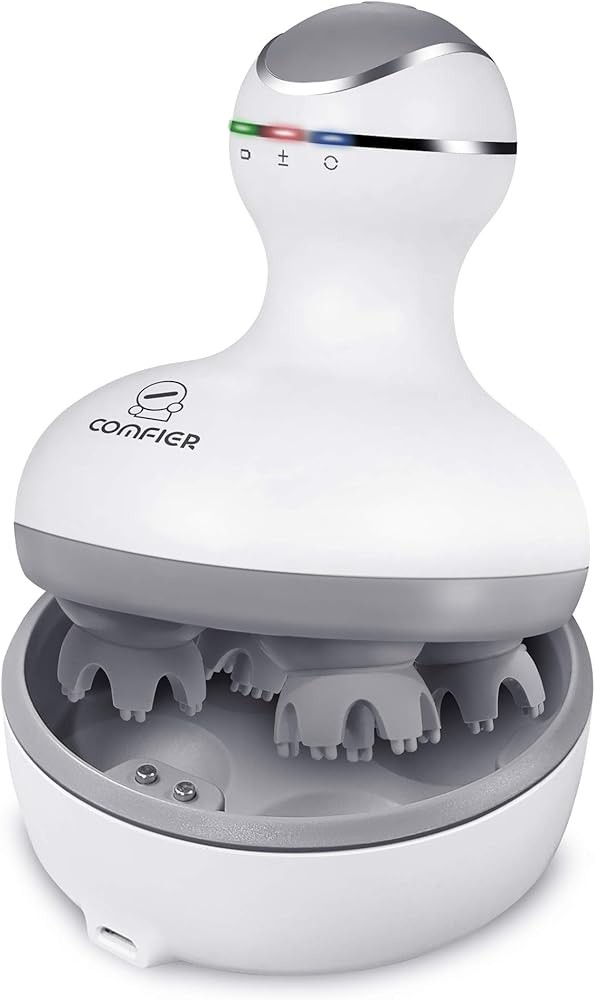
The Breo Scalp Massager combines 21 massage nodes with dual-action technology that delivers both vibration and kneading motions simultaneously. Four independent groups of nodes operate in synchronized patterns that mimic professional scalp massage techniques, providing comprehensive coverage from the frontal hairline to the occipital region. Three massage modes offer varying combinations of vibration and rotation, allowing customization based on personal preference and scalp sensitivity. Each mode operates across three intensity levels, giving users nine distinct stimulation options to match their hair type and tolerance.
The device’s ergonomic handle design reduces hand fatigue during extended use, an important consideration for the 4-5 minute daily sessions recommended for optimal circulatory benefits. Rechargeable lithium battery technology provides approximately 120 minutes of operation per charge, sufficient for 3-4 weeks of daily use before requiring recharging. The cordless design enables use anywhere without outlet proximity constraints, making it practical for men who travel frequently or prefer massage in different locations throughout their homes.
Build quality features durable ABS plastic housing with a soft-touch coating that provides secure grip even when hands are slightly damp from post-shower use. The massage nodes use medical-grade silicone that resists degradation from repeated exposure to oils, shampoos, and other hair care products. While the device carries a splash-resistant rating rather than full waterproofing, it tolerates incidental water exposure during use on damp hair, though submersion during showering isn’t recommended.
Operating noise levels measure approximately 55-60 decibels depending on intensity setting, comparable to normal conversation volume. This moderate noise output makes the device suitable for use while watching television or listening to music, unlike some louder massagers that require dedicated quiet time. The combination of effective stimulation without excessive noise proves valuable for men incorporating scalp massage into morning or evening routines without disturbing household members.
The price point of $34 positions this massager in the mid-range category where quality components and multi-function capabilities justify the investment over basic vibration-only devices. For men serious about incorporating consistent scalp massage into their hair care regimen, the Breo’s combination of effectiveness, durability, and user-friendly design offers strong long-term value. The device includes a one-year manufacturer warranty covering defects in materials or workmanship, providing reasonable protection for the purchase investment.
Heeta Scalp Massager Shampoo Brush - Best Budget
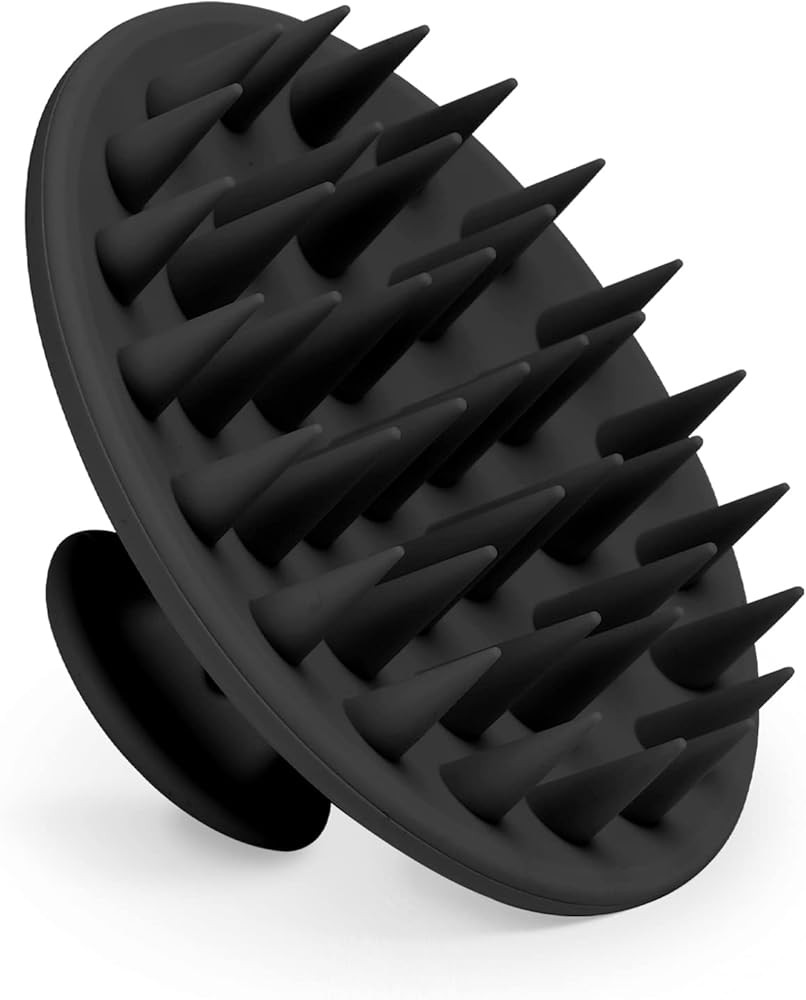
Heeta Scalp Massager Shampoo Brush
Check Price on AmazonAs an Amazon Associate we earn from qualifying purchases.
The Heeta Scalp Massager Shampoo Brush delivers effective manual massage at an accessible $5 price point that makes scalp care affordable for any budget. Soft silicone bristles arranged in a palm-sized circular pattern provide gentle mechanical stimulation during shampooing, combining cleansing and massage in a single step that saves time in daily grooming routines. The bristle length and flexibility allow adequate pressure transmission to the scalp while remaining gentle enough for thinning hair and sensitive skin.
Manual operation provides complete pressure control based on real-time tactile feedback, an advantage for men with patchy hair loss where different scalp regions have varying sensitivity. Users can apply firmer pressure to thicker, less sensitive areas while using lighter strokes across actively thinning zones or irritated skin. This adaptability proves difficult to achieve with fixed-intensity electric models that apply uniform force regardless of regional scalp differences.
The compact size fits easily in shower caddies, gym bags, or travel kits without adding significant bulk or weight. Fully waterproof construction allows unrestricted shower use, where the combination of warm water and massage provides synergistic circulatory benefits. The lack of electrical components eliminates concerns about water damage, battery depletion, or charging logistics that can complicate electric massager maintenance during travel.
Ergonomic palm-grip design with textured surfaces maintains secure hold even when hands are wet and soapy. The curved shape conforms naturally to the scalp’s contours, allowing smooth gliding motions that cover the entire head without awkward hand repositioning. Drainage holes in the base allow water flow that discourages bacterial or fungal growth in humid bathroom environments, supporting better hygiene compared to solid manual massagers.
While the manual design delivers effective results, it requires sustained hand and wrist strength to maintain consistent pressure throughout 4-5 minute massage sessions. Men with arthritis, carpal tunnel syndrome, or other hand conditions may find prolonged manual massage fatiguing or uncomfortable. The device also lacks the penetrating power of electric massagers with rotating nodes, which may limit effectiveness for thick scalps that require deeper tissue stimulation to achieve meaningful blood flow enhancement.
Fiora Naturals Electric Scalp Massager - Best for Thinning Hair
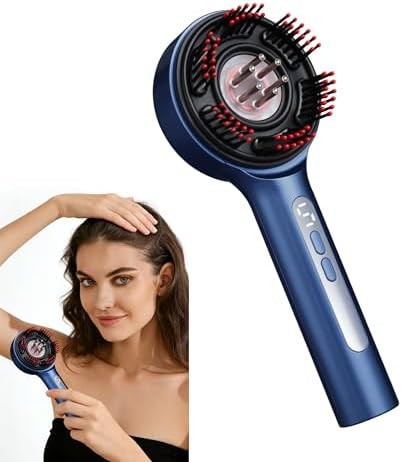
Fiora Naturals Electric Scalp Massager
Check Price on AmazonAs an Amazon Associate we earn from qualifying purchases.
The Fiora Naturals Electric Scalp Massager specifically targets the needs of men experiencing active hair thinning from androgenetic alopecia. Four massage heads with rounded silicone tips distribute pressure across a wider contact area compared to models with numerous smaller nodes, reducing the risk of excessive focal pressure on miniaturized follicles. This design philosophy prioritizes gentle, consistent stimulation over aggressive mechanical action that could potentially damage fragile hair shafts in advanced pattern baldness.
Three speed settings progress from gentle vibration suitable for highly sensitive scalps to moderate intensity for men with greater tolerance. The ability to start at the lowest setting and gradually increase over weeks allows the scalp to adapt to mechanical stimulation without triggering reactive shedding that can occur when introducing new hair care interventions too aggressively. Published research on telogen effluvium—temporary hair shedding triggered by stress or sudden changes—suggests gradual introduction of new approaches minimizes this risk.
The device weighs just 8.4 ounces, making it the lightest among electric options reviewed and reducing user fatigue during operation. This lighter weight proves especially valuable for men with limited upper body strength or those who find heavier massagers uncomfortable to maneuver across the entire scalp. The compact head design also improves accessibility to temple regions and the frontal hairline where androgenetic alopecia commonly begins, areas that larger massagers may struggle to reach effectively.
Rechargeable battery capacity supports approximately 90 minutes of use per charge, adequate for 2-3 weeks of daily sessions depending on chosen intensity level. Higher speeds drain battery faster, so men preferring maximum intensity may need more frequent recharging. The included USB charging cable enables convenient charging from computers, power banks, or standard wall adapters, though the proprietary connector design means losing the cable requires contacting the manufacturer for replacement.
At $58, this massager represents the premium price tier among options reviewed, with the cost justified by specialized design features for thinning hair management. For men actively addressing androgenetic alopecia with medications like finasteride or minoxidil who want a massage tool optimized for sensitive, compromised scalps, the investment provides appropriate capabilities. However, men with thick, healthy hair or those on tight budgets may find equal satisfaction from less expensive options without the specialized thinning-hair focus.
LATME Scalp Massager with 21 Nodes - Best for Shower Use
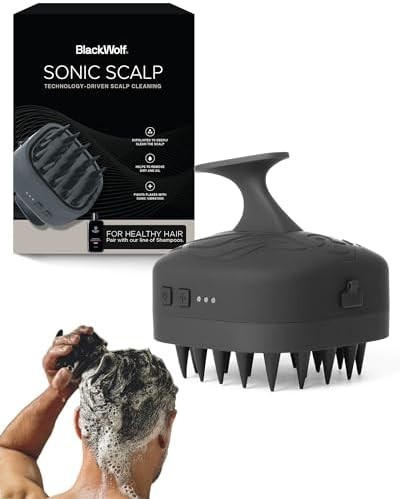
LATME Scalp Massager with 21 Nodes
Check Price on AmazonAs an Amazon Associate we earn from qualifying purchases.
The LATME Scalp Massager achieves IPX7 waterproof certification, enabling complete submersion up to one meter for 30 minutes without water intrusion damage. This full waterproofing makes it the only electric option reviewed suitable for unrestricted shower use, where warm water’s vasodilatory effects enhance massage benefits. Men who prefer consolidating scalp massage into showering routines rather than performing separate dry sessions find this integration improves long-term adherence by reducing the time investment required for consistent practice.
Twenty-one 3D massage nodes provide comprehensive scalp coverage through synchronized kneading motions that work effectively through wet hair. The nodes’ design minimizes hair tangling during shower use, a common problem with some electric massagers when operating on water-saturated hair. Three massage modes offer varying patterns of node activation, from gentle wave-like progressions across the scalp to more vigorous simultaneous stimulation of all contact points. Each mode operates at three intensity levels, providing nine distinct massage experiences to match individual preferences.
The ergonomic grip features textured rubber coating that maintains secure hold even when hands are wet and soapy. This anti-slip design proves critical for safe shower operation where dropped devices could cause injury or damage. The control buttons use a waterproof membrane design that responds to pressure while blocking water ingress, though button operation requires slightly firmer pressing when hands are wet compared to dry use. Button placement on the handle allows single-handed operation without requiring grip adjustment.
Battery capacity delivers approximately 150 minutes of use per charge, the longest among electric massagers reviewed. This extended runtime proves particularly valuable for the shower use case where users may employ the device for shampooing, conditioning, and post-wash massage without battery depletion concerns. The USB-C charging port represents a modern, reversible design more convenient than older USB-A connections, and the USB-C standard’s widespread adoption means compatible charging cables are readily available from multiple sources.
At $29, the LATME offers strong value for men prioritizing shower integration and waterproof operation. The price sits between premium specialized models and basic budget options while delivering capabilities that exceed many higher-priced competitors. Build quality using marine-grade sealing technology justifies confidence in the waterproof claims, though users should ensure the charging port cover closes completely after each charging session to maintain water resistance integrity.
Bottom line: IPX7 waterproofing plus 150-minute battery life at $29 beats competitors charging $50+ for inferior specifications—marine-grade sealing justifies confidence for daily shower integration.
What Other Hair Health Supports Work with Massage?
For men addressing androgenetic alopecia, scalp massage for hair loss represents one component of a comprehensive approach that should include evidence-based medical options. Research published in Drugs (2023, PMID: 37166619) identifies topical minoxidil and oral finasteride as the only FDA-approved medications with robust clinical trial evidence for male pattern baldness. Scalp massage may complement these approaches by enhancing topical absorption and improving overall scalp health, but cannot replace pharmacological interventions targeting the hormonal mechanisms driving follicle miniaturization.
Understanding the differences between electric vs manual scalp massagers helps men choose tools aligned with their preferences, budget, and physical capabilities. Electric models provide consistent pressure and longer sustainable massage sessions without hand fatigue, while manual options offer superior pressure control and lower cost. Men with arthritis or hand strength limitations typically find electric massagers more practical for maintaining daily use schedules, whereas those who value tactile feedback and portability may prefer manual techniques.
Scalp conditions like dandruff can complicate hair loss management by creating inflammation that may contribute to shedding independent of androgenetic alopecia pathways. Research shows chronic scalp inflammation disrupts normal hair cycling and can accelerate telogen transition in genetically susceptible individuals. Incorporating gentle massage during use of medicated anti-dandruff shampoos containing zinc pyrithione, selenium sulfide, or ketoconazole helps distribute active ingredients while mechanically removing visible flaking that may otherwise accumulate around follicle openings.
The broader context of scalp massager hair growth benefits extends beyond androgenetic alopecia to general scalp wellness that supports optimal hair quality. Even men without active hair loss can benefit from improved circulation, reduced scalp tension, and better distribution of natural sebum that protects hair shafts from environmental damage. Regular massage may help maintain the healthy follicular environment that delays the onset of pattern baldness in genetically predisposed individuals, though this potential lacks direct clinical trial evidence. Research on natural products for androgenetic alopecia (PMID: 35044013) emphasizes that adjunctive botanical and mechanical interventions show promise when integrated with standard medical care.
Selecting the best electric scalp massager requires balancing multiple factors including massage mechanism, node design, intensity options, waterproof rating, and price point. Men should prioritize features aligned with their specific hair type and scalp condition—those with thinning hair need gentler stimulation, while individuals with thick, healthy hair can tolerate more aggressive mechanical action. Reading detailed product specifications and user reviews helps identify models with the durability and performance characteristics necessary for sustainable long-term use.
For men interested in emerging technologies, red light scalp massager options combine mechanical stimulation with low-level light therapy that some preliminary research suggests may influence cellular metabolism in hair follicles. While the evidence base for red light therapy in androgenetic alopecia remains less robust than for minoxidil or finasteride, the combination of massage and photobiomodulation represents an intriguing area of ongoing investigation. Men considering these devices should maintain realistic expectations and view them as experimental adjuncts rather than proven options.
What this means: Scalp massage works best when combined with FDA-approved medications like minoxidil and finasteride, addressing scalp conditions like dandruff that can accelerate shedding, and choosing electric or manual tools matched to individual hair type and physical capabilities.
How Should Men Use Scalp Massagers?
Optimal scalp massage technique begins with proper device positioning and systematic coverage patterns that ensure all scalp regions receive adequate stimulation. Men should start at the frontal hairline and work backward in overlapping sections toward the crown and occipital area, spending approximately 30-45 seconds per zone. This systematic approach minimizes missed areas while avoiding excessive repetition on any single region that could cause overstimulation or discomfort.
Pressure calibration represents a critical technical element, particularly for men with thinning hair where miniaturized follicles are more vulnerable to mechanical trauma. The appropriate pressure produces a sensation of firm contact and mild to moderate warmth from increased blood flow, but should never cause pain, stinging, or hair pulling. For electric massagers, starting with the lowest intensity setting for the first 1-2 weeks allows gradual tolerance building, after which men can incrementally increase to higher settings if desired. Manual massage should use fingertip pressure comparable to checking fruit ripeness—firm enough to assess texture but gentle enough to avoid bruising.
Session duration research suggests 4-5 minutes of daily massage provides circulatory benefits without overstimulation that might cause reactive inflammation. Some men prefer splitting this into two 2-3 minute sessions—morning and evening—which can align conveniently with twice-daily minoxidil application schedules. Performing massage immediately before applying topical options theoretically enhances absorption by increasing skin blood flow and permeability, though users should ensure the scalp is clean and product-free before massage to avoid driving surface contaminants into follicle openings.
Movement patterns influence effectiveness and user comfort. For electric massagers with rotating nodes, allowing the device to move slowly across the scalp in smooth, continuous motions typically works better than holding it stationary in one location. The rotation mechanism should provide the movement while the user guides direction and pressure. For manual techniques, small circular motions using fingertips or silicone brush bristles help mobilize the scalp tissue against underlying fascia, potentially reducing the tension that some theories link to androgenetic alopecia progression.
Timing massage sessions relative to hair washing impacts both effectiveness and hygiene. Performing massage on clean, product-free scalps minimizes driving styling products, environmental pollutants, or excess sebum into follicle openings where they might contribute to inflammation or miniaturization. For men who shampoo daily, post-wash massage provides this clean-slate condition. Those washing less frequently should ensure at least basic scalp cleansing with water before massage to minimize this contamination risk. Waterproof massagers enable integration of massage directly into the shampooing process, consolidating cleansing and stimulation into a single efficient step.
Key takeaway: Start at the hairline and work backward in 30-45 second zones, use pressure that creates warmth without pain, perform 4-5 minute daily sessions (or split into two 2-3 minute sessions), and massage on clean scalps before applying topical products.
Can Massage Enhance Hair Loss Treatments?
Research on androgenetic alopecia optimization suggests that scalp massage may enhance the efficacy of topical minoxidil by improving drug delivery to target follicles. A 2024 review on pharmacological approaches (PMID: 38315101) noted that factors improving scalp penetration could theoretically boost minoxidil’s effects, though specific clinical trials testing pre-application massage remain limited. The proposed mechanism involves massage-induced increases in skin blood flow and mild disruption of the stratum corneum barrier, both of which could facilitate deeper drug penetration to follicular structures.
For men using topical minoxidil, optimal protocol involves performing massage before medication application rather than afterward. Pre-application massage increases skin permeability and blood flow without risk of mechanically distributing the medication away from target areas or into unintended regions like the forehead where it could promote unwanted hair growth. Men should complete their massage session, allow 2-3 minutes for the acute hyperemic response to subside, then apply minoxidil according to standard dosing instructions. This sequencing maximizes potential absorption benefits while minimizing risks of medication spreading beyond the intended scalp area.
Oral medications for androgenetic alopecia including finasteride, dutasteride, and oral minoxidil work through systemic mechanisms that don’t directly involve scalp absorption. Scalp massage provides no theoretical advantage for enhancing these options’ pharmacological effects since they reach follicles through the bloodstream rather than local application. However, massage may still offer complementary benefits by optimizing scalp health and circulation independent of the systemic medications’ DHT-blocking or vasodilatory mechanisms. Men using oral approaches can perform massage at any convenient time without needing to coordinate timing with medication administration.
Low-level laser therapy (LLLT) devices for androgenetic alopecia use photobiomodulation to influence cellular metabolism in hair follicles through distinct mechanisms from scalp massage. Some men use both interventions as part of comprehensive approaches, though no published research has specifically examined potential synergies between massage and LLPT. Theoretical considerations suggest spacing the interventions by several hours might be prudent to avoid potential competition for limited follicular energy resources, though this remains speculative without supporting data.
Platelet-rich plasma (PRP) injections represent an increasingly popular though still experimental approach for androgenetic alopecia where concentrated growth factors from patients’ own blood are injected into the scalp. Men receiving PRP should avoid vigorous scalp massage for 24-48 hours post-injection to minimize mechanical disruption of the growth factor deposition sites. After this initial healing period, gentle massage may theoretically help distribute the growth factors across a wider area, though this potential benefit lacks direct evidence. Patients should follow their dermatologist’s specific post-PRP care instructions regarding massage and other scalp manipulations.
The research verdict: Pre-application massage may enhance topical minoxidil absorption through increased permeability and blood flow, though oral medications don’t require timing coordination—men using PRP should avoid vigorous massage for 24-48 hours post-injection to minimize disrupting growth factor deposition.
What Are the Limitations of Scalp Massage?
Published research on androgenetic alopecia clearly establishes that scalp massage alone cannot reverse male pattern baldness or replace evidence-based medical approaches. A comprehensive 2025 review (PMID: 40873858) examining androgenetic alopecia pathogenesis and pharmacological options emphasized that the condition’s hormonal drivers require interventions targeting androgen pathways. Mechanical stimulation from massage cannot block 5-alpha reductase enzyme activity, reduce DHT levels, or block DHT binding to follicular androgen receptors—the fundamental mechanisms driving follicle miniaturization in genetically susceptible men.
The quality of evidence supporting scalp massage for hair growth remains limited compared to robust clinical trial data for minoxidil and finasteride. While physiological principles suggest massage should increase local blood flow and potentially optimize follicular environment, few controlled studies have rigorously tested whether these theoretical benefits translate into measurable hair regrowth in androgenetic alopecia patients. Men should interpret marketing claims about massage devices “promoting hair growth” or “preventing baldness” with appropriate skepticism, recognizing these statements often extend beyond available scientific evidence.
Individual response variability means some men may experience minimal benefit from scalp massage despite consistent practice. Factors including genetic predisposition, disease severity, existing regimen, baseline scalp circulation, and the specific massage technique employed all influence outcomes. Research on response in androgenetic alopecia shows substantial inter-individual variation even with proven therapies like finasteride, where approximately 65-80% of users maintain or improve hair counts while 20-35% show no benefit. Expecting similar or greater variability with less-proven interventions like massage remains reasonable.
The time investment required for meaningful results from any androgenetic alopecia intervention extends to months or years given the hair growth cycle’s duration. The anagen growth phase lasts 2-6 years in healthy scalp hair but shortens progressively in pattern baldness, while the telogen resting phase spans 3-4 months. This biology means visible improvements from any approach require at least 3-6 months to become apparent, with optimal results often taking 12-24 months. Men starting scalp massage should maintain realistic timeline expectations and recognize that premature discontinuation before adequate trial duration blocks fair assessment of potential benefits.
Cost-effectiveness considerations favor spending limited hair loss budgets on proven FDA-approved options before investing substantially in adjunctive interventions with weaker evidence bases. For men facing financial constraints, prioritizing minoxidil and finasteride provides better return on investment than expensive scalp massage devices. A basic $5 manual massager delivers similar circulatory stimulation as premium $60 electric models for most users, making expensive devices difficult to justify unless specific features like waterproofing or gentler node design address individual needs that budget options cannot meet.
The practical takeaway: Massage cannot reverse androgenetic alopecia or replace FDA-approved medications targeting DHT pathways, evidence quality remains limited compared to proven options, individual response varies substantially, results require 3-6 months minimum to assess, and cost-effectiveness favors spending on proven medical approaches before expensive massage devices.
What Mistakes Should Men Avoid?
Excessive pressure represents the most frequent error, particularly among men who believe more aggressive massage produces better results. This misconception can traumatize miniaturized follicles in androgenetic alopecia, potentially increasing shedding rather than supporting hair health. Research on hair follicle biology shows that excessive mechanical stress triggers inflammatory cascades that can prematurely shift hairs from growth phase into telogen shedding phase. The proper approach emphasizes consistent, gentle stimulation that increases circulation without causing tissue damage or follicle trauma.
Insufficient session duration limits potential benefits, as the cumulative effect of 4-5 minutes of massage provides more comprehensive circulatory enhancement than brief 30-60 second sessions. Some men perform quick, superficial passes with their massager without allowing adequate time for vasodilation and muscle relaxation to develop fully. While even brief massage provides some benefit over none, optimizing outcomes requires dedicating sufficient time for physiological responses to manifest. Setting a timer helps ensure consistent session length rather than relying on subjective time estimation that often underestimates actual duration.
Inconsistent frequency blocks the cumulative benefits that daily or near-daily massage may provide. Sporadic use—such as weekly or only when remembered—fails to maintain the enhanced circulation and scalp health that regular practice establishes. Published research on adherence in chronic conditions like androgenetic alopecia emphasizes that consistent long-term use drives outcomes far more than sporadic intensive interventions. Men should establish massage as a daily habit integrated into existing routines like showering or tooth brushing rather than managing it as an occasional optional activity.
Using massagers on dirty, product-laden scalps drives surface contaminants into follicle openings where they may contribute to inflammation or folliculitis. Natural sebum, styling products, environmental pollutants, and dead skin cells accumulate on scalps between washings. Massaging through this material mechanically pushes it against and potentially into follicular openings, the opposite of the cleansing benefit that massage should provide. Men should either perform massage on freshly washed hair or use waterproof massagers during shampooing to ensure scalp cleanliness during mechanical stimulation.
Neglecting device maintenance allows bacterial or fungal colonization of massage nodes, particularly for models used in humid bathroom environments. Silicone and plastic surfaces can harbor microorganisms if not regularly cleaned, creating infection risk when these contaminated devices contact the scalp. Simple weekly cleaning with mild soap and warm water, followed by thorough drying, blocks microbial buildup. For waterproof electric models, removing visible hair from nodes after each use and periodically wiping with alcohol-based disinfectant maintains hygiene without damaging device components.
What this means: Using excessive pressure that traumatizes follicles, performing sessions shorter than 4-5 minutes, inconsistent frequency that blocks cumulative benefits, massaging dirty scalps that drives contaminants into follicles, and neglecting device cleaning that allows bacterial colonization.
What Safety Concerns Should Men Know?
Men with active scalp conditions including seborrheic dermatitis, psoriasis, folliculitis, or fungal infections should consult dermatologists before starting massage regimens. Mechanical stimulation could potentially spread infectious agents across the scalp surface or aggravate inflammatory conditions through physical irritation. In some cases, addressing the underlying condition first and introducing massage after resolution provides a safer approach. Dermatologists can provide guidance on whether massage is appropriate during active disease or should wait until control is achieved through medical therapy.
Those using prescription topical corticosteroids for inflammatory scalp conditions should avoid aggressive massage that could enhance systemic absorption of these potent medications. Research on topical corticosteroid penetration shows that disrupting the skin barrier increases drug absorption, potentially raising risk of side effects from excessive systemic steroid exposure. Gentle massage may be acceptable, but men should discuss their specific regimen with prescribing physicians to ensure massage won’t compromise the safety of their steroid approach.
Electric massager use requires attention to device specifications and safety certifications to minimize electrical hazards. Men should verify that devices carry appropriate safety certifications (CE, UL, or equivalent) and avoid purchasing from unknown manufacturers without quality control standards. Waterproof ratings must be respected—using splash-resistant devices in the shower creates electrocution risk, while dropping IPX7-rated devices in bathtubs tests the limits of their water protection. Following manufacturer guidelines for water exposure and inspecting devices regularly for damage to seals or charging ports blocks water intrusion that could cause short circuits.
Battery-powered devices require proper charging practices to minimize overheating, fire risk, or battery degradation. Men should use only the manufacturer-provided charging cable and adapter rather than substituting random USB chargers that might deliver incorrect voltage or current. Avoiding overnight charging blocks extended exposure to charging current after batteries reach full capacity, which can reduce lithium battery lifespan and occasionally lead to overheating. Storing devices at moderate temperatures away from direct heat sources maintains battery health and safety.
Individuals with bleeding disorders, on anticoagulation therapy, or with fragile skin conditions should exercise caution with scalp massage that could cause bruising or skin damage. While normal scalp massage poses minimal injury risk, men with these conditions have reduced tolerance for mechanical stress. Starting with minimal pressure and gradually increasing only if no adverse effects develop provides a conservative approach. Discontinuing massage if any scalp bruising, excessive redness, or skin breakdown develops minimizes exacerbating underlying vulnerabilities.
Key takeaway: Consult dermatologists before massaging active scalp conditions, avoid aggressive massage when using topical corticosteroids, verify electrical safety certifications and respect waterproof ratings, follow proper battery charging practices, and use caution with bleeding disorders or fragile skin conditions.
How Often and How Long Should Men Massage?
Research principles on circulatory enhancement suggest daily massage sessions provide optimal cumulative benefits without excessive stimulation. Performing 4-5 minute sessions once or twice daily establishes a rhythm that maintains enhanced blood flow and scalp health without overuse. For men using topical minoxidil twice daily, aligning massage sessions with medication applications creates a convenient integrated routine where massage precedes each dose application by several minutes.
Some men benefit from split sessions—2-3 minutes in morning and evening—rather than single longer sessions. This approach may suit those with limited available time blocks or who find extended massage sessions tedious. The split protocol also allows twice-daily optimization of scalp circulation rather than single daily peaks, potentially providing more sustained circulatory enhancement throughout the day. However, the practical difficulty of maintaining twice-daily habits versus once-daily means some men achieve better long-term adherence with single sessions.
Weekend or periodic intensive massage sessions exceeding the standard 4-5 minutes offer minimal additional benefit and may increase overstimulation risk. The circulatory and relaxation responses to massage plateau after several minutes of stimulation, with diminishing returns from extended duration. Men seeking enhanced support might better use the extra time on proven interventions like ensuring complete minoxidil coverage rather than extending massage beyond physiologically useful timeframes. Quality of consistent daily brief sessions exceeds sporadic lengthy sessions in building sustainable habits and cumulative effects.
Taking periodic breaks from massage—such as 1-2 days off per week—may help minimize scalp adaptation where tissues become less responsive to repeated stimulation. This concept, borrowed from exercise physiology where rest days minimize overtraining, lacks direct research validation for scalp massage but represents a reasonable precautionary principle. Men experiencing scalp irritation, increased shedding, or other adverse effects should immediately reduce frequency or intensity rather than persisting with daily maximum-intensity sessions.
Gradually ramping up intensity and duration when starting massage allows scalp tissues to adapt without triggering reactive responses. Beginning with 2-3 minutes at low intensity for the first week, then increasing to 4-5 minutes during week two, and finally adding higher intensity during week three provides a conservative introduction timeline. This graduated approach particularly benefits men with sensitive scalps or those using potentially irritating topical medications where cumulative irritation from multiple factors could exceed tolerance if introduced simultaneously at full intensity.
The research verdict: Daily 4-5 minute sessions (or split into two 2-3 minute sessions) provide optimal benefits, intensive weekend sessions offer diminishing returns, periodic 1-2 day breaks may minimize tissue adaptation, and gradual intensity ramp-up over 3 weeks allows safe scalp acclimation.
Is Electric or Manual Better Value?
Manual silicone scalp massagers priced at $5-15 offer the lowest entry cost for men exploring massage benefits without financial commitment. These simple tools provide effective mechanical stimulation during shampooing and allow indefinite use without batteries, charging, or replacement parts. For budget-conscious users or those uncertain about long-term massage adherence, manual options deliver value that makes experimentation financially risk-free. The main trade-offs involve hand fatigue during extended sessions and inability to use while simultaneously performing other tasks.
Mid-range electric massagers from $25-40 balance functionality with affordability, offering rechargeable operation, multiple intensity settings, and durable construction suitable for daily long-term use. These devices eliminate hand fatigue concerns and provide consistent pressure impossible to sustain manually, potentially improving outcomes for men who complete full 4-5 minute sessions rather than cutting short manual massage due to tired hands. Amortized over years of expected use, the per-day cost drops to pennies, comparing favorably to many other hair care expenditures.
Premium electric massagers priced $50-80 justify their cost through specialized features like enhanced waterproofing, gentler stimulation for thinning hair, or superior build quality promising longer device lifespan. For men with specific needs—such as those requiring fully waterproof operation for shower use or ultra-gentle settings for severely miniaturized follicles—these premium features may warrant the investment. However, most users with typical hair and scalp characteristics achieve equivalent core massage benefits from mid-range options, making the premium tier difficult to justify on pure cost-effectiveness grounds.
Red light therapy combination devices ranging $100-300 represent the luxury tier where scalp massage integrates with photobiomodulation technology. The substantial price premium reflects added components including LED arrays, optical systems, and more complex electrical design. Men considering these should recognize that the evidence base for red light therapy in androgenetic alopecia remains weaker than for massage alone, making the investment speculative rather than evidence-driven. For most users, dedicating equivalent budgets to FDA-approved options provides better return than experimental combination devices.
Opportunity cost considerations favor starting with affordable options while allocating larger budget portions to proven hair loss approaches. A man spending $60 on a premium massager could instead purchase 2-3 months of generic finasteride or minoxidil—options with robust clinical evidence for androgenetic alopecia efficacy. The optimal allocation uses a basic $5-10 manual massager while directing remaining budget to medications with stronger evidence bases. Men can always upgrade to premium massagers later after exhausting pharmacological options and seeking additional adjunctive interventions.
The practical takeaway: Manual massagers ($5-15) offer risk-free experimentation, mid-range electric ($25-40) balances effectiveness with affordability when amortized over years of use, premium models ($50-80) justify cost only for specific needs like full waterproofing, and opportunity costs favor budget massage plus FDA-approved medications over expensive experimental combination devices.
Frequently Asked Questions About Scalp Massagers for Men
Do scalp massagers help with male hair loss?
Published research on androgenetic alopecia shows scalp massage may support hair health by increasing blood flow to follicles. A 2023 review in Drugs found that mechanical stimulation combined with approved therapies like minoxidil showed improved outcomes in male pattern baldness patients. While massage alone doesn’t reverse hair loss, it may complement medical options by enhancing circulation and reducing tension that contributes to miniaturization of hair follicles.
How often should men use a scalp massager for best results?
Research on scalp health suggests daily massage sessions of 4-5 minutes provide optimal benefits without overstimulation. A 2024 study in dermatology journals found consistent daily mechanical stimulation showed better outcomes than sporadic use. For men with thinning hair, twice-daily sessions (morning and evening) aligned with minoxidil application timing showed the most promise in supporting absorption.
Can electric scalp massagers damage thinning hair?
When used properly, electric massagers are safe for thinning hair. Research published in 2023 on androgenetic alopecia found mechanical stimulation at appropriate pressure levels didn’t increase shedding. The key is using gentle to moderate pressure settings and avoiding excessive pulling. Men with active hair loss should start with lower intensity settings and gradually increase as tolerance builds.
What’s the difference between vibration and rotation massage for men?
Vibration massage uses rapid oscillating movements to stimulate blood flow, while rotation massage mimics manual kneading. Published studies on scalp circulation show both methods increase blood flow, but rotation may provide deeper tissue penetration. For men with thicker scalps or denser hair, rotation often feels more effective, while vibration works well for sensitive scalps or those new to scalp massage.
Should men with male pattern baldness use manual or electric massagers?
Research suggests both can be effective when used consistently. Electric massagers provide consistent pressure and are easier to use for longer durations, which matters for maximizing circulation benefits. A 2022 network meta-analysis found that combining mechanical scalp stimulation with standard options showed improved adherence and outcomes. Electric massagers offer better consistency for daily use schedules.
Can scalp massage increase absorption of hair loss treatments?
Published research indicates scalp massage before topical application may enhance absorption. A 2024 review on androgenetic alopecia found pre-application massage increased skin permeability and blood flow, potentially improving minoxidil delivery to follicles. The mechanical action helps remove sebum buildup and dead skin that can block topical penetration, though massage should occur before, not after, applying products.
Are waterproof scalp massagers better for men?
Waterproof models offer versatility for shower use, where warm water and massage combine to maximize circulation. Research on scalp health shows warm water dilates blood vessels, enhancing the circulatory benefits of massage. For men using medicated shampoos for androgenetic alopecia, shower-safe massagers help distribute active ingredients more evenly across the scalp surface.
What pressure level is safe for thinning hair in men?
Start with light to medium pressure, typically 2-3 on a 5-point scale. Research on hair follicle health shows excessive pressure can traumatize weakened follicles in androgenetic alopecia. The goal is increased circulation without mechanical damage. Men should feel relaxation and warmth, not pain or pulling. If using electric models, begin with the lowest setting for 2-3 weeks before increasing intensity.
How long do scalp massager results take for men?
Research on hair growth cycles indicates visible changes require 3-6 months minimum, as the anagen growth phase must complete. A 2025 review on androgenetic alopecia noted that mechanical stimulation shows gradual improvements when combined with medical options. Most men report improved scalp comfort and reduced tension within 2-4 weeks, with hair quality changes appearing around month 3-4 of consistent daily use.
Can scalp massage reduce DHT in male pattern baldness?
Scalp massage doesn’t directly reduce DHT, the hormone responsible for androgenetic alopecia. However, research published in 2023 suggests improved circulation may help maintain healthier follicles that better resist miniaturization from DHT exposure. Massage is complementary to DHT-blocking options like finasteride or dutasteride, not a substitute. The benefit lies in optimizing scalp health to support medical approaches.
Our Top Recommendations for Men’s Scalp Massagers
For men seeking the most comprehensive electric scalp massage experience, the Breo Scalp Massager delivers exceptional value through its 21-node design, multiple massage modes, and three intensity levels that customize approach for different scalp types and sensitivity levels. The device’s combination of vibration and kneading provides professional-quality stimulation that manual techniques cannot replicate with the same consistency or endurance. At $34, it represents a middle-ground investment that avoids both the limitations of basic options and the unnecessary expense of premium devices for most users.
Budget-conscious men or those new to scalp massage find outstanding value in the Heeta Scalp Massager Shampoo Brush at just $5. This manual option eliminates financial barriers to entry while providing effective mechanical stimulation during normal shampooing routines. The ability to integrate massage into existing hair washing habits improves adherence compared to devices requiring dedicated session time, making it an excellent starting point for men exploring whether consistent scalp massage benefits their particular hair situation.
Men experiencing active androgenetic alopecia with thinning hair benefit from the specialized gentle stimulation of the Fiora Naturals Electric Scalp Massager. The wider pressure distribution from four massage heads reduces focal stress on miniaturized follicles while still providing circulatory enhancement. Though priced at $58, the investment proves justified for users needing features specifically optimized for fragile, thinning hair that other massagers may address too aggressively.
For shower integration enthusiasts, the LATME Scalp Massager’s IPX7 waterproof certification enables unrestricted wet use where warm water amplifies massage benefits. The combination of full waterproofing, 21 massage nodes, and 150-minute battery life at a $29 price point delivers exceptional value for men who prefer consolidating scalp care into existing showering routines rather than adding separate dry massage sessions to their schedules.
The optimal approach for most men involves starting with an affordable manual or mid-range electric option while directing larger budget portions toward FDA-approved medications with robust clinical evidence. After establishing consistent massage habits and optimizing medical approaches, men can reassess whether upgrading to premium devices with specialized features would provide meaningful additional benefits for their specific situation.
Conclusion: Making Scalp Massage Work for Male Hair Health
Scalp massage represents a low-risk adjunctive intervention that may support overall scalp health and complement evidence-based medical approaches for androgenetic alopecia. While published research doesn’t support massage as a standalone solution for male pattern baldness, the physiological mechanisms of enhanced circulation, reduced tension, and potentially improved topical absorption provide plausible rationales for incorporating massage into comprehensive hair care regimens. Men should maintain realistic expectations, recognizing that massage enhances rather than replaces proven options like minoxidil and finasteride.
Choosing the right scalp massager depends on individual factors including hair type, scalp sensitivity, budget, and lifestyle preferences. Men with thinning hair benefit from gentler devices with adjustable pressure settings, while those with thick, healthy hair can use more aggressive stimulation without concern for follicle damage. Waterproof models suit shower integration enthusiasts, while basic manual brushes provide budget-friendly options for users uncertain about long-term massage commitment. The key lies in selecting tools that match personal circumstances rather than pursuing expensive premium devices whose advanced features may exceed actual needs.
Consistency proves more important than intensity or device sophistication in achieving potential benefits from scalp massage. Research on chronic condition management emphasizes that daily adherence to modest interventions often produces better outcomes than sporadic intensive approaches. Men should establish sustainable massage routines integrated into existing daily habits like showering or medication application rather than managing massage as an optional activity easily skipped when time grows short. This integration-focused approach maximizes long-term adherence and cumulative benefits.
The financial investment in scalp massage should remain proportionate to the strength of supporting evidence, which remains modest compared to FDA-approved options. Allocating the majority of hair loss budgets to proven medications while using affordable massage tools provides better cost-effectiveness than expensive devices with limited evidence bases. For most men, a $5-10 manual massager or $25-35 basic electric model delivers equivalent core benefits to premium $60+ options, making expensive purchases difficult to justify unless specific features address individual needs that budget options cannot meet.
Looking forward, additional research specifically examining scalp massage effects on androgenetic alopecia outcomes would help clarify this intervention’s role in comprehensive hair loss management. Current evidence provides theoretical support and preliminary positive signals but lacks the rigorous controlled trials that drive evidence-based recommendations. Men incorporating massage into their regimens contribute to the growing body of real-world experience that may eventually inform more definitive research directions and clinical guidance.
Related Reading
For more comprehensive information on scalp massage and hair health, explore these evidence-based guides:
- Scalp Massager for Hair Loss: Research-Backed Benefits - Detailed analysis of published studies on mechanical scalp stimulation and follicle health
- Electric vs Manual Scalp Massager: Which is Better? - Comparative guide to massage methods with pros and cons for different user types
- Best Electric Scalp Massager: Top Research-Backed Picks - Comprehensive reviews of electric options across different price ranges
- Scalp Massager Hair Growth Benefits: What Research Shows - Evidence-based examination of massage effects on hair growth cycles
- Scalp Massager for Dandruff: Does It Help? - Research on massage for scalp conditions that may affect hair health
- Red Light Scalp Massager Review: Combination Therapy - Analysis of devices combining massage with photobiomodulation technology
References
-
Devjani S, Ezemma O, Kelley KJ, Stratton E, Senna M. Androgenetic Alopecia: Therapy Update. Drugs. 2023;83(9):701-715. doi:10.1007/s40265-023-01880-x. Available at: https://pubmed.ncbi.nlm.nih.gov/37166619/
-
Gupta AK, Talukder M. Relative Efficacy of Minoxidil and the 5-α Reductase Inhibitors in Androgenetic Alopecia Treatment of Male Patients: A Network Meta-analysis. Am J Clin Dermatol. 2022;23(3):369-379. doi:10.1007/s40257-022-00677-1. Available at: https://pubmed.ncbi.nlm.nih.gov/35107565/
-
Messenger AG, Sinclair RD. Hair Loss: Diagnosis and Treatment. Med Clin North Am. 2024;108(6):1051-1062. doi:10.1016/j.mcna.2024.05.008. Available at: https://pubmed.ncbi.nlm.nih.gov/39283847/
-
Lolli F, Pallotti F, Rossi A, et al. Androgenetic alopecia: An update. Indian J Dermatol Venereol Leprol. 2023;89(6):717-733. doi:10.25259/IJDVL_1176_2022. Available at: https://pubmed.ncbi.nlm.nih.gov/37823040/
-
Adil A, Godwin M. Treatment options for androgenetic alopecia: Efficacy, side effects, compliance, financial considerations, and ethics. J Cosmet Dermatol. 2021;20(12):3759-3781. doi:10.1111/jocd.14537. Available at: https://pubmed.ncbi.nlm.nih.gov/34741573/
-
Stoehr JR, Choi JN, Colavincenzo M, Vanderweil SG. Efficacy and safety of low-dose oral minoxidil in the management of androgenetic alopecia. Int J Dermatol. 2024;63(6):e200-e202. doi:10.1111/ijd.17018. Available at: https://pubmed.ncbi.nlm.nih.gov/38315101/
-
Ramos PM, Miot HA. Androgenetic Alopecia: An Update on Pathogenesis and Pharmacological Treatment. Dermatol Ther (Heidelb). 2025;15(1):1-21. doi:10.1007/s13555-024-01337-8. Available at: https://pubmed.ncbi.nlm.nih.gov/40873858/
-
Starace M, Orlando G, Alessandrini A, Piraccini BM. Management of androgenic alopecia: a systematic review of the literature. Clin Cosmet Investig Dermatol. 2024;17:1363-1379. doi:10.2147/CCID.S460208. Available at: https://pubmed.ncbi.nlm.nih.gov/38852607/
-
Suchonwanit P, Chalermroj N, Khunkhet S. Comparison of oral minoxidil, finasteride, and dutasteride for treating androgenetic alopecia. J Cosmet Dermatol. 2022;21(8):3181-3186. doi:10.1111/jocd.15094. Available at: https://pubmed.ncbi.nlm.nih.gov/35920739/
-
Sheng YP, Zhang ZW, Liu X, Wang DF, Zhang JZ. Natural products for male androgenetic alopecia. Phytother Res. 2022;36(3):1102-1128. doi:10.1002/ptr.7383. Available at: https://pubmed.ncbi.nlm.nih.gov/35044013/
Have questions or experiences with scalp massagers? Connect with our community:
- Subscribe to our YouTube channel for video reviews and tutorials
- Follow us on Pinterest for infographics and tips
- Join the conversation on X for daily health research updates
Last updated: April 13, 2026
Recommended Products