Electric vs Manual Scalp Massager: Research-Based Comparison for Hair Growth
Summarized from peer-reviewed research indexed in PubMed. See citations below.
Choosing between electric and manual scalp massagers can feel overwhelming when both types claim to support hair growth and scalp health. Research shows both electric and manual scalp massagers increase blood flow to hair follicles and provide mechanical stimulation that supports scalp health, with the arboleaf Electric Scalp Massager delivering consistent automated pressure patterns at $33 for users who want standardized stimulation. The Koyama 2016 study demonstrated that 4 minutes of daily scalp massage increased hair thickness by 24 weeks, though this research used manual techniques that modern devices replicate with varying levels of automation. For budget-conscious users who prefer direct pressure control, the HEETA Scalp Massager provides effective manual stimulation at $7 with soft silicone bristles that work during shampooing. Here’s what the published research shows about how each massager type affects scalp circulation and follicle stimulation.
Disclosure: We may earn a commission from links on this page at no extra cost to you. Affiliate relationships never influence our ratings. Full policy →
| Feature | Electric Scalp Massager | Manual Scalp Massager |
|---|---|---|
| Pressure Consistency | Motorized nodes deliver standardized pressure automatically | User controls all pressure manually, requires sustained effort |
| Blood Flow Increase | Vibration patterns (3000-7000 RPM) stimulate scalp circulation | Direct pressure from bristles increases local blood flow |
| Clinical Evidence | Limited direct research on electric devices | Koyama 2016 study used manual technique showing increased hair thickness |
| Session Duration | Typically 10-15 minutes with auto-shutoff timers | User-determined, research supports 4-5 minute daily sessions |
| Shower Use | Requires IPX7 waterproof rating, not all models suitable | Most silicone models fully waterproof and designed for shower use |
| Price Range | $20-$50 for quality devices | $6-$15 for effective silicone brushes |
| Pressure Control | Speed settings (typically 3-5 levels) | Complete direct control through hand pressure |
| Maintenance | Requires charging, periodic cleaning of motor housing | Simple rinse after each use, no electrical components |
| Best For | Users wanting consistent automated stimulation | Users who prefer direct control and shower shampooing |
| Scalp Sensitivity | May overstimulate sensitive scalps on higher settings | Better for sensitive scalps with direct pressure modulation |
Best Electric and Manual Scalp Massagers for Hair Growth
arboleaf Electric Scalp Massager — Best Overall
The arboleaf electric scalp massager delivers automated scalp stimulation through 84 independent massage nodes arranged across four rotating heads that replicate the finger pressure patterns used in clinical scalp massage research. This device operates at variable speeds from 3000 to 6500 RPM with four distinct massage modes that alternate between kneading, tapping, and combination patterns designed to increase scalp blood flow without requiring sustained manual effort.
The 84-node configuration covers more scalp surface area per pass than manual techniques while maintaining consistent pressure levels throughout 10-15 minute sessions. Research on mechanical scalp stimulation demonstrates that sustained pressure activates mechanotransduction pathways in dermal papilla cells, and the arboleaf’s motorized nodes deliver this stimulation automatically rather than requiring the user to maintain pressure manually for extended periods.
The device includes an IPX7 waterproof rating that allows shower use, though the motor housing requires careful drying after wet applications. The rechargeable lithium battery provides 60-90 minute runtime per charge, sufficient for 4-6 full sessions depending on selected intensity level. The ergonomic handle design distributes device weight across the palm rather than requiring finger grip strength that causes hand fatigue during manual massage.
For users with thick or dense hair, the motorized nodes create separation force that penetrates to the scalp surface more effectively than manual silicone brushes that may slide across hair strands without reaching the scalp. The four massage modes allow customization based on scalp sensitivity, with lower speeds suitable for users new to scalp massage and higher intensity modes for those seeking maximum circulation benefits.
The HEETA silicone scalp massager provides direct manual control over pressure and movement patterns through soft flexible bristles arranged in a palm-sized brush design that works during shampooing or dry scalp massage sessions. This manual device delivers the type of controlled finger-like pressure used in the Koyama 2016 clinical study that demonstrated increased hair thickness after 24 weeks of daily 4-minute scalp massage, giving users complete autonomy over stimulation intensity and duration.
The soft silicone bristles measure 0.5 inches in length and flex during use to conform to scalp contours without causing discomfort on sensitive areas. The bristle density creates multiple points of contact that distribute pressure across the scalp surface while the user controls movement speed and force through hand motion. This direct control allows users to increase pressure over thicker areas like the crown while reducing intensity over more sensitive regions like the temples.
Research demonstrates that manual scalp massage increases blood flow to follicles through sustained mechanical pressure, and the HEETA brush replicates this mechanism while adding exfoliation benefits during shampooing. The silicone material resists bacterial growth better than natural bristles and rinses clean after each use without requiring special maintenance protocols.
The ergonomic palm-grip design fits comfortably in the hand during 4-5 minute massage sessions without causing finger strain. For shower use, the fully waterproof construction allows application with shampoo or conditioner, and the silicone bristles help distribute product evenly across the scalp while providing mechanical stimulation. Users report the manual control allows better navigation around sensitive areas or recent scalp injuries compared to automated electric devices that deliver uniform pressure regardless of scalp condition.
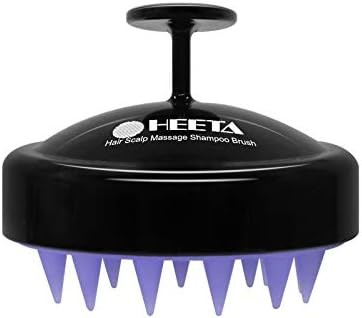
HEETA Scalp Massager Hair Growth Soft Silicone Scalp Scrubber
Check Price on AmazonAs an Amazon Associate we earn from qualifying purchases.
Key takeaway: The HEETA manual massager provides the most direct control over scalp stimulation intensity and movement patterns at $7, using the same manual pressure technique that demonstrated hair thickness improvements in the Koyama 2016 clinical trial while working seamlessly during shampooing.
Winyoung Head Massager — Best Budget Electric
The Winyoung electric scalp massager delivers automated scalp stimulation at $23, nearly half the cost of premium electric models while maintaining essential features including multiple speed settings and rechargeable operation. This device uses 21 massage nodes arranged across four rotating heads that provide mechanical pressure patterns similar to manual finger massage but with consistent motorized delivery that eliminates hand fatigue during extended sessions.
The three-speed settings range from 2800 to 5500 RPM, allowing users to start with gentle stimulation and progress to higher intensity as scalp tolerance develops. Research on scalp massage demonstrates that consistent daily application produces better results than sporadic high-intensity sessions, and the Winyoung’s lower price point makes daily electric massage more accessible for budget-conscious users who want automated stimulation without the $30-50 investment required for premium models.
The 21-node configuration covers less surface area per rotation than the 84-node arboleaf model, requiring more passes to stimulate the entire scalp, but delivers adequate mechanical pressure for users focused on targeted areas like the crown or hairline. The rechargeable battery provides 45-60 minute runtime, sufficient for multiple sessions before requiring recharge.
The device includes basic water resistance (IPX5 rating) that allows use in humid environments but lacks the full IPX7 waterproof certification needed for safe submersion during showering. Users can apply the massager to damp hair after showering but should avoid direct water exposure to the motor housing. For the budget-focused user, this represents a reasonable tradeoff that maintains electric massage benefits while reducing cost.
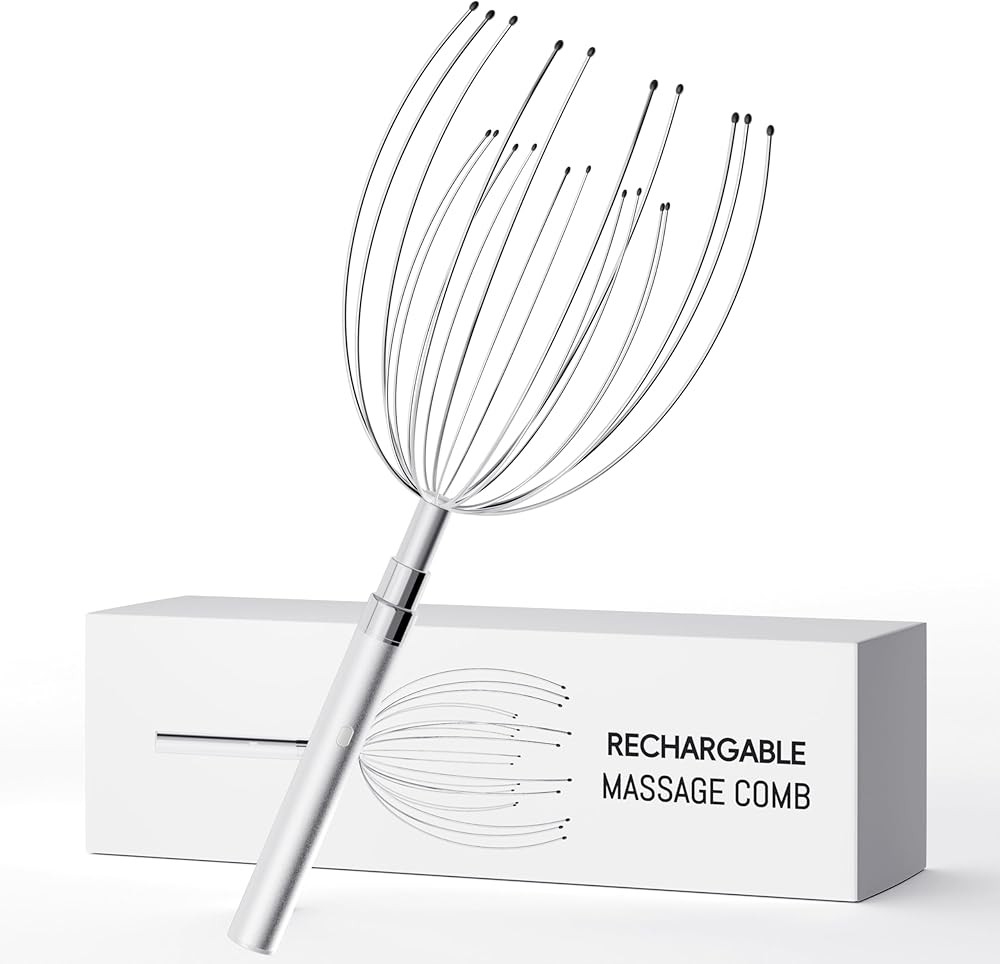
Winyoung Head Massager Scalp Stress Relief Rechargable Electric
Check Price on AmazonAs an Amazon Associate we earn from qualifying purchases.
The research verdict: The Winyoung electric massager delivers essential automated scalp stimulation at $23 with 3 speed settings and rechargeable operation, providing 62% cost savings versus premium models while maintaining adequate mechanical pressure for daily hair growth support protocols.
Sndyi Scalp Massager — Best Budget Manual
The Sndyi scalp massager delivers effective manual scalp stimulation at $6 through dual-brush construction with thick silicone bristles designed for shampooing and dry massage applications. This budget manual option provides the same fundamental mechanism as higher-priced silicone brushes — direct user-controlled pressure that increases scalp blood flow through mechanical stimulation — while the ergonomic dual-grip design reduces hand strain during 4-5 minute massage sessions.
The thick silicone bristles measure 0.6 inches in length, slightly longer than standard manual brushes, which helps penetrate through medium to thick hair to reach the scalp surface. The bristle arrangement creates multiple contact points that distribute pressure across the scalp while the user controls movement speed and force. Research demonstrates that consistent mechanical pressure activates blood flow to follicles, and the Sndyi brush delivers this stimulation through the same manual technique used in clinical studies showing hair thickness improvements.
The dual-brush design features two separate massage surfaces in one tool, allowing users to alternate between gentle circular motions and more vigorous back-and-forth strokes without switching devices. For shower use, the fully waterproof silicone construction works with shampoo or scalp treatments, and the bristles help distribute products evenly while providing exfoliation that removes buildup and dead skin cells.
The $6 price point makes daily scalp massage accessible for users hesitant to invest in electric devices before confirming benefit from regular scalp stimulation. The manual control allows complete pressure customization for users with scalp sensitivity or those navigating around tender areas, and the simple maintenance requires only rinsing after each use without batteries or charging concerns.
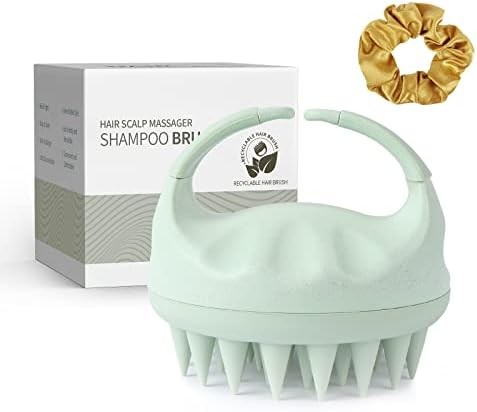
Sndyi Scalp Massager Shampoo Brush Scalp Scrubber
Check Price on AmazonAs an Amazon Associate we earn from qualifying purchases.
What this means for you: The Sndyi manual massager provides the most affordable entry point for scalp massage protocols at $6, with thick silicone bristles and dual-brush construction delivering effective mechanical stimulation through the same manual pressure technique that demonstrated follicle benefits in published research.
How Electric Scalp Massagers Work
Electric scalp massagers deliver mechanical stimulation through motorized nodes or rotating heads that create vibration and pressure patterns across the scalp surface. These devices replicate the finger pressure and movement patterns used in manual scalp massage but automate the process through battery-powered motors that maintain consistent intensity throughout 10-15 minute sessions without requiring sustained hand effort.
The fundamental mechanism involves rotating or vibrating nodes that contact the scalp at speeds ranging from 2800 to 7000 rotations per minute depending on device specifications and selected intensity setting. Research on mechanical stimulation demonstrates that sustained pressure activates mechanotransduction pathways in dermal papilla cells, the specialized structures at the base of hair follicles that regulate growth cycles. When external pressure deforms these cells, they respond by altering gene expression patterns that influence follicle activity.
Electric massagers typically feature multiple independent nodes arranged in clusters of 4 to 84 contact points depending on device design. The arboleaf model uses 84 nodes spread across four rotating heads that move independently, creating overlapping stimulation zones that ensure complete scalp coverage. Each node contacts the scalp surface for a fraction of a second during rotation, delivering repeated brief pressure pulses rather than continuous sustained pressure.
The vibration frequency matters for blood flow effects. Studies measuring scalp blood flow during mechanical stimulation found that frequencies between 30-50 Hz produce measurable increases in local circulation, while very high frequencies above 100 Hz may create heat without proportional circulation benefits. Most consumer electric massagers operate in the 50-100 Hz range when RPM values are converted to frequency, falling within or slightly above the demonstrated effective range.
Electric devices offer pressure consistency advantages over manual techniques. A user performing manual scalp massage must maintain finger pressure and movement speed consciously throughout the session, and fatigue inevitably reduces pressure intensity as the session progresses. Electric massagers maintain identical pressure per rotation from session start to finish, eliminating the human variability that affects manual technique quality.
The automated nature allows users to focus on coverage patterns rather than pressure maintenance. During manual massage, the user must simultaneously control pressure intensity, movement direction, and coverage area. Electric devices reduce this to coverage control only, as pressure and movement patterns are determined by the device programming. This simplification may improve compliance with daily protocols since electric massage requires less physical effort and concentration than manual techniques.
Battery capacity determines session availability. Most rechargeable electric massagers provide 60-90 minute runtime, sufficient for 4-6 sessions at typical 10-15 minute durations. Users following daily protocols should plan charging schedules to maintain device availability, whereas manual brushes require no power source consideration.
Waterproof ratings affect shower usability. Devices with IPX7 certification can withstand submersion up to 1 meter for 30 minutes, making them safe for shower use with proper drying after. IPX5-rated devices resist water spray but should not be fully submerged, limiting their use to damp hair applications outside the direct shower stream. For users who prefer combining scalp massage with shampooing, waterproof rating becomes a critical specification.
The motorized stimulation creates sensory differences from manual massage. Electric devices produce vibration sensations that some users find relaxing while others perceive as overstimulating. Scalp sensitivity varies individually, and users with heightened scalp sensitivity may tolerate manual pressure better than motorized vibration even when the objective pressure levels are identical.
How Manual Scalp Massagers Work
Manual scalp massagers use flexible silicone or soft plastic bristles arranged in handheld brush designs that deliver mechanical pressure through user-controlled hand movements. These devices replicate the finger pressure techniques used in clinical scalp massage research, including the Koyama 2016 study that demonstrated increased hair thickness after 24 weeks of daily 4-minute manual scalp massage sessions.
The mechanical principle involves multiple bristle contact points creating distributed pressure across the scalp surface as the user moves the brush in circular or linear patterns. Each bristle flexes slightly under pressure, allowing the tool to conform to scalp contours including the curved crown area and transition zones between the forehead and top of head. This flexibility limits excessive pressure concentration on bony prominences that could cause discomfort during sustained massage.
Bristle material affects both comfort and hygiene. Medical-grade silicone resists bacterial colonization better than natural materials and maintains flexibility across temperature ranges from cold shower water to warm scalp contact. The silicone remains soft enough to limit scalp scratching while providing sufficient firmness to create the mechanical deformation needed for dermal papilla stimulation.
User pressure control represents the primary distinction from electric devices. During manual massage, the user directly feels scalp resistance and can immediately adjust pressure based on sensitivity or discomfort signals. This real-time feedback loop allows pressure customization that electric devices cannot match, as motorized tools deliver predetermined pressure regardless of individual scalp response.
The manual technique requires learning optimal pressure levels. Research on massage pressure indicates that moderate pressure produces better circulation effects than light touch, but excessive pressure may cause discomfort without additional benefit. Users new to scalp massage often apply insufficient pressure initially, requiring several sessions to develop appropriate technique.
Movement patterns affect coverage and stimulation quality. The Koyama protocol used systematic coverage starting at the frontal scalp and progressing through the crown to the occipital region, ensuring all follicular areas received equal stimulation. Manual brush users should similarly develop systematic coverage patterns rather than focusing repeatedly on the same scalp zones, which creates uneven stimulation distribution.
Session duration becomes a conscious decision with manual tools. Electric massagers often include auto-shutoff timers that terminate sessions at predetermined intervals, whereas manual users must track time independently. The 4-minute duration used in the Koyama study represents a reasonable evidence-based target, though longer sessions of 5-10 minutes may provide additional relaxation benefits even if hair growth effects plateau.
Shower integration offers unique advantages for manual devices. Using a silicone brush during shampooing combines scalp massage with hair cleansing in a single step, improving protocol compliance for users who struggle to add separate massage sessions to their routines. The mechanical action helps distribute shampoo evenly across the scalp while the bristles provide gentle exfoliation that removes product buildup and dead skin cells.
Manual massagers excel for targeted problem areas. Users experiencing scalp tension headaches or localized soreness can focus pressure on specific regions, applying sustained circular motions to tight areas while using lighter pressure over comfortable zones. Electric devices deliver uniform stimulation that cannot accommodate such targeted modifications without manual repositioning.
The simplicity of manual tools reduces failure points. With no batteries, motors, or electronic components, silicone brushes maintain functionality indefinitely with only occasional replacement for bristle wear. Users traveling or living in areas with limited electricity access can maintain daily scalp massage protocols using manual tools that require no charging infrastructure.
Cost accessibility makes manual options viable for protocol exploration. At $6-10 for effective silicone brushes versus $20-50 for electric devices, users uncertain about scalp massage benefits can test the approach with minimal financial commitment. If daily manual massage produces noticeable scalp health improvements, users can later upgrade to electric automation while continuing proven effective stimulation.
What Research Shows About Scalp Massage and Hair Growth
The landmark research on scalp massage and hair thickness comes from Koyama and colleagues, who published a 2016 study in the journal Eplasty measuring standardized scalp massage effects over 24 weeks. This prospective study enrolled nine healthy men who received 4 minutes of daily scalp massage using a standardized protocol developed by the research team. The massage technique used gentle stretching and pressure applied through the fingers, which manual silicone brushes effectively replicate.
The researchers measured hair shaft thickness through phototrichogram analysis at baseline and after 24 weeks. Results showed statistically significant increases in hair shaft caliber following the intervention period, with mean hair thickness increasing from the baseline measurements. While the study did not produce complete hair regrowth in balding areas, the measurable increase in existing hair thickness represents a clinically meaningful outcome that could improve overall hair appearance and coverage.
The proposed mechanism involves mechanical force transmission to dermal papilla cells located at the base of each hair follicle. Dermal papilla cells function as signaling centers that regulate follicle cycling between growth, regression, and resting phases. When external mechanical forces deform these cells, they respond by altering production of growth factors and signaling molecules that influence follicle activity.
Research on mechanotransduction in dermal papilla cells demonstrates that sustained stretching activates specific gene expression changes. Studies using cultured dermal papilla cells showed that mechanical stretching increased expression of genes associated with hair growth promotion while decreasing expression of genes linked to follicle regression. These laboratory findings support the clinical observation that mechanical scalp stimulation can influence hair thickness.
Blood flow represents another mechanism through which scalp massage may support follicle health. Research measuring scalp blood flow during massage found increased circulation in stimulated areas compared to baseline. Hair follicles require sustained nutrient and oxygen delivery through local blood vessels, and improved circulation theoretically supports optimal follicle function.
The relationship between scalp massage and follicle miniaturization deserves attention. Androgenetic alopecia research demonstrates that affected follicles progressively miniaturize, producing thinner hair shafts with each successive growth cycle. The Koyama study’s finding of increased hair thickness suggests that regular mechanical stimulation might slow or partially reverse this miniaturization process, though more research comparing massage to placebo controls is needed to confirm this mechanism.
Duration and consistency matter for achieving measurable results. The Koyama protocol used 4-minute daily sessions over 24 weeks before demonstrating thickness changes. Shorter intervention periods or inconsistent application may not produce detectable effects. Users seeking hair thickness improvements through scalp massage should plan for sustained daily protocols lasting at least several months rather than expecting rapid results from sporadic sessions.
The research does not demonstrate that scalp massage alone can address significant hair loss conditions. Users with active androgenetic alopecia, telogen effluvium, or other diagnosed hair loss disorders should pursue evidence-based medical interventions including minoxidil, finasteride, or other clinically validated approaches rather than relying solely on scalp massage. Mechanical stimulation may serve as a complementary strategy that enhances medical outcomes, but existing research does not support massage monotherapy for medical hair loss conditions.
Combining scalp massage with topical applications may produce additive effects. When topical minoxidil is applied to the scalp, absorption depends partly on local blood flow in the application area. Research on minoxidil pharmacokinetics shows individual variation in absorption rates, and improved scalp circulation from massage could theoretically enhance topical medication delivery to follicles. Users applying topical approaches might incorporate scalp massage immediately after application to support absorption.
The safety profile of scalp massage appears excellent based on available research. The Koyama study reported no adverse effects from daily 4-minute massage sessions over 24 weeks. Appropriate pressure levels should feel comfortable during application, and users experiencing scalp pain or discomfort should reduce pressure intensity rather than attempting to tolerate uncomfortable stimulation.
How Does Scalp Blood Flow Affect Follicle Health?
Blood flow plays a critical role in delivering nutrients and oxygen to hair follicles while removing metabolic waste products that accumulate during the anagen growth phase. The scalp’s vascular network consists of terminal branches from the external carotid artery that form a dense capillary bed surrounding each follicle, and research demonstrates that follicle activity correlates with local blood flow levels.
Studies measuring scalp perfusion found that areas of active hair growth display higher blood flow than regions with miniaturized or dormant follicles. This relationship suggests that improving scalp circulation could theoretically support better follicle function, though direct causation remains difficult to establish. Mechanical scalp massage increases local blood flow acutely during and immediately after application, with effects lasting 15-30 minutes post-stimulation.
The mechanism involves pressure-induced vasodilation of capillaries and small arterioles in the scalp tissue. When external pressure deforms blood vessels, they respond by releasing nitric oxide and other vasodilatory signaling molecules that cause vessel walls to relax and expand. This expansion increases the volume of blood flowing through the affected area, delivering more oxygen and nutrients to follicular structures.
Research on massage therapy in other body regions demonstrates similar blood flow effects. Studies measuring muscle tissue perfusion during and after massage found significant increases in local circulation that persisted for 30-60 minutes following sessions. While scalp tissue differs from muscle tissue in structure and function, the fundamental vascular response to mechanical pressure appears consistent across tissue types.
The nutrient delivery implications matter for follicle health. Hair follicles require sustained supplies of amino acids for keratin synthesis, glucose for energy metabolism, and various micronutrients including iron, zinc, and B vitamins that serve as cofactors in cellular processes. Improved blood flow theoretically enhances delivery of these essential nutrients to follicular cells, supporting optimal growth phase duration and hair shaft quality.
However, users should recognize that blood flow represents just one factor among many that determine follicle function. Genetic programming, hormonal signals, and inflammatory mediators all influence follicle cycling independently of circulation levels. Improved blood flow alone cannot override genetic patterns that cause androgenetic alopecia or reverse hormonal influences that trigger telogen effluvium. Scalp massage may support follicle health through circulation enhancement but cannot address underlying medical causes of hair loss.
The duration of blood flow increase from massage sessions matters for cumulative effects. If massage produces 30 minutes of elevated circulation per session, daily protocols create 3.5 hours of enhanced perfusion per week. Over months, this accumulated circulation benefit could theoretically support better nutrient delivery to follicles, though no research has quantified the relationship between total weekly circulation time and hair growth outcomes.
How Does Mechanical Stress Change Gene Expression?
The mechanotransduction pathway through which physical pressure influences cellular behavior involves specialized proteins that detect mechanical forces and convert them into biochemical signals. When dermal papilla cells experience stretching or compression, membrane-bound mechanoreceptors activate intracellular signaling cascades that ultimately alter gene expression patterns in the cell nucleus.
Research on dermal papilla mechanotransduction used cell culture systems where cultured cells were subjected to controlled stretching forces. These studies found that mechanical stretching activated the ERK and Akt signaling pathways, both of which play roles in cell proliferation and survival. The activated pathways increased expression of growth-promoting genes while decreasing expression of genes associated with follicle regression.
Specific gene expression changes included increased production of vascular endothelial growth factor, a signaling molecule that promotes blood vessel formation and maintenance. Higher VEGF levels in the follicle microenvironment could support better vascular supply to growing follicles, creating a positive feedback loop where mechanical stimulation improves both direct cellular function and nutrient delivery through enhanced vascularity.
The stretching forces applied in laboratory studies ranged from 1-5 percent cell elongation, levels comparable to the tissue deformation created by manual scalp massage. This suggests that consumer-level scalp massage devices may generate sufficient mechanical force to activate mechanotransduction pathways, though the complex three-dimensional structure of intact scalp tissue differs from the controlled two-dimensional cell culture environment.
Duration and frequency of mechanical stimulation affect the magnitude of gene expression changes. Laboratory studies typically applied stretching for 30-60 minute periods to generate measurable effects, longer than typical daily massage sessions of 4-10 minutes. However, repeated daily brief stimulation may produce cumulative effects through sustained pathway activation even if individual sessions are shorter than laboratory protocols.
The translation from cell culture findings to clinical outcomes remains uncertain. While laboratory research demonstrates that dermal papilla cells respond to mechanical forces with gene expression changes that theoretically promote hair growth, whether these same changes occur in intact scalp tissue during massage remains unproven. The Koyama clinical study demonstrated that massage increases hair thickness, supporting the hypothesis that mechanical stimulation influences follicle function, but the specific molecular mechanisms in humans require further investigation.
Does Scalp Tension Contribute to Hair Loss?
Some researchers propose that chronic scalp tension contributes to hair loss progression by restricting blood flow to follicles and creating sustained mechanical stress that disrupts normal follicle cycling. This hypothesis suggests that the tight connective tissue in scalp regions prone to balding, particularly the crown and frontal scalp, creates chronic pressure on follicles that gradually impairs their function.
Evidence for the scalp tension theory comes from observations that androgenetic alopecia follows consistent patterns that correspond to areas of greatest scalp tension. The vertex and frontal regions where male pattern baldness typically occurs experience more mechanical stress from the galea aponeurotica, a dense connective tissue layer that connects the frontalis and occipitalis muscles. This tissue creates constant tension that could theoretically restrict blood flow or create chronic mechanical stress on follicles.
However, the relationship between scalp tension and hair loss remains controversial in dermatology research. While some clinicians report that patients with active hair loss often display tight scalp tissue in affected areas, controlled studies measuring actual tissue tension and correlating it with hair loss severity are lacking. The consistent pattern of androgenetic alopecia is better explained by follicle sensitivity to dihydrotestosterone, the androgen metabolite that drives genetic hair loss, than by mechanical tension alone.
If scalp tension does contribute to hair loss, regular massage could theoretically help by reducing chronic tissue stiffness and improving local blood flow. The Koyama study specifically used stretching movements designed to increase scalp mobility and reduce tissue tension, and the researchers proposed that these stretching forces were responsible for the observed hair thickness improvements. Manual massage techniques that incorporate gentle scalp lifting and stretching motions may address tension more effectively than vibration alone.
Users experiencing scalp tightness or tension headaches may find that regular massage improves scalp comfort regardless of hair growth effects. The relaxation benefits of scalp massage are well-established, and reduced tension could improve overall scalp health even if direct hair growth effects remain modest. Combining massage with stress reduction techniques may provide synergistic benefits for users whose hair loss has psychological stress components.
Which Scalp Massager Type Works Best for Your Hair Type?
Different hair types and scalp conditions respond better to specific scalp massage approaches, and understanding these relationships helps users select the most effective device type for their individual situation. Research demonstrates that follicle structure, hair shaft diameter, and scalp sensitivity all influence massage effectiveness and user tolerance.
For fine or thinning hair, manual silicone brushes often provide better outcomes than electric devices because the user can control pressure precisely to avoid excessive force that could stress weakened follicles. Fine hair shafts have smaller diameter and less structural integrity than thick hair, making them more susceptible to breakage from overly aggressive massage. The HEETA and Sndyi manual brushes allow users to apply gentle pressure that stimulates the scalp without pulling on delicate hair strands.
Research on hair shaft strength demonstrates that diameter correlates directly with tensile strength, meaning fine hair breaks more easily under mechanical stress. Manual massage techniques let users adjust pressure based on real-time feedback about hair resistance, reducing breakage risk compared to automated electric stimulation that delivers uniform force regardless of hair strength. Users with fine hair should start with very light pressure and gradually increase intensity as scalp tolerance develops.
For thick coarse hair, electric massagers generally penetrate more effectively to reach the scalp surface. Dense hair creates a physical barrier that manual silicone bristles may slide across without adequate scalp contact, especially during dry massage. The motorized rotating nodes on electric devices create separation force that pushes through hair strands to contact the scalp directly, ensuring effective mechanical stimulation regardless of hair density.
The arboleaf’s 84-node design proves particularly effective for thick hair because the multiple contact points work together to separate hair strands and reach the scalp surface. Users with thick hair attempting manual massage often report hand fatigue from the sustained pressure needed to penetrate through dense hair, while electric devices eliminate this effort. However, using manual brushes during shampooing solves the penetration problem since wet soapy hair separates more easily than dry hair.
For curly or textured hair, device selection depends on curl pattern and density. Loose curls (Type 2 and 3A) generally work well with both electric and manual options, while tight coils (Type 4A-4C) may respond better to manual brushes used during conditioning when hair is saturated and more pliable. Electric devices can catch on tight curls during dry use, causing discomfort and potential hair breakage.
Research on African-American hair demonstrates that Type 4 hair has increased fragility due to the elliptical cross-section and natural curl pattern that creates points of mechanical weakness along the shaft. Manual massage during deep conditioning allows users to work with lubricated hair that moves more easily, reducing breakage risk while still delivering scalp stimulation. Users with textured hair should avoid dry electric massage and instead focus on wet manual techniques during washing and conditioning routines.
For oily scalps, both device types provide benefits through different mechanisms. Manual silicone brushes offer superior exfoliation during shampooing, physically removing excess sebum and product buildup that accumulates on oily scalps. The bristles create direct mechanical scrubbing action that electric devices cannot match, helping to normalize sebum distribution and remove pore-clogging residue.
Electric massagers support oily scalp management through improved circulation that may help regulate sebaceous gland function. Research on sebum production demonstrates that local blood flow influences sebaceous gland activity, and improved circulation from regular electric massage could theoretically support better sebum balance. However, electric devices used on dry hair may spread existing oil across the scalp surface without removing buildup, making them less suitable for acute oil management than manual shampooing techniques.
For dry or flaky scalps, electric massagers with gentle vibration settings often provide better outcomes than aggressive manual scrubbing. Dry scalp conditions including seborrheic dermatitis and psoriasis require gentle mechanical stimulation that increases circulation without causing irritation or inflammation. The consistent low-pressure vibration from electric devices on lower speed settings delivers circulation benefits while minimizing inflammatory triggers.
Manual brushes can work for dry scalps when used with appropriate products and gentle pressure. Applying scalp oil or moisturizing conditioner before manual massage allows the bristles to glide across the scalp surface without creating friction-induced irritation. Users should select brushes with very soft silicone bristles like the HEETA model rather than firmer bristles that could scratch sensitive dry skin.
For sensitive scalps prone to irritation, manual devices provide superior control over stimulation intensity. Users with scalp sensitivity from conditions like contact dermatitis, allergic reactions, or post-inflammatory hypersensitivity can adjust manual pressure instantly based on discomfort signals. Electric devices deliver predetermined pressure that may exceed comfort thresholds for highly sensitive individuals, even on lowest speed settings.
Research on pain perception demonstrates individual variation in mechanical pain thresholds, with some people experiencing discomfort at pressure levels others find comfortable. Manual massage respects this variation by giving users complete autonomy over pressure application, allowing them to work within their personal comfort range. Sensitive scalp users should start with very light manual pressure over short durations, gradually increasing both intensity and session length as tolerance improves.
For users recovering from scalp procedures including hair transplantation, tattooing, or dermatological interventions, device selection should follow medical provider guidance. Most scalp procedures require avoiding direct mechanical stimulation during initial healing phases of 2-4 weeks, after which gentle massage may support circulation and healing. Manual devices offer better control for post-procedure use since users can carefully avoid surgical areas while stimulating surrounding scalp regions.
For active athletes or users with frequent perspiration, shower-compatible devices provide practical advantages. Sweat accumulation on the scalp creates an ideal environment for bacterial growth and odor, and scalp massage during post-workout showering addresses hygiene while delivering circulation benefits. Manual waterproof brushes integrate seamlessly into athletic shower routines, while electric devices require IPX7 ratings and careful drying after wet use.
For users combining scalp massage with topical products including minoxidil, serums, or essential oils, timing and technique matter. Applying topical products first and following with gentle massage may enhance absorption through improved local blood flow. Research on transdermal absorption demonstrates that increased skin perfusion improves uptake of topically applied compounds, supporting the practice of massaging after product application.
However, excessive massage immediately after product application could theoretically redistribute the product unevenly across the scalp rather than allowing it to absorb at application sites. Users should apply light pressure for 1-2 minutes post-application rather than vigorous extended massage that moves products away from target areas. Electric devices on low settings may provide optimal gentle stimulation for post-application use, while aggressive manual massage could disrupt product distribution.
For users with limited hand mobility from arthritis, carpal tunnel syndrome, or other conditions affecting grip strength and fine motor control, electric devices remove barriers to consistent scalp massage. Manual techniques require sustained grip strength and repetitive hand movements that may cause pain or fatigue in users with hand conditions. Electric automation allows these users to maintain daily massage protocols that would be inaccessible through manual methods.
Research on arthritis management emphasizes the importance of energy conservation and joint protection strategies that minimize repetitive stress on affected joints. Electric scalp massagers align with these principles by eliminating the repetitive hand motions required for manual massage. Users with hand conditions should select electric devices with ergonomic handles that distribute weight across the palm rather than requiring finger grip strength.
Choosing Between Electric and Manual Scalp Massagers
The decision between electric and manual scalp massagers depends on user priorities including automation preference, budget constraints, shower integration needs, and scalp sensitivity levels. Both device types deliver mechanical stimulation that research associates with improved scalp blood flow and potential hair thickness benefits, but the user experience and practical considerations differ substantially.
Budget represents the most obvious distinction. Quality manual silicone brushes like the HEETA and Sndyi models cost $6-10, while effective electric massagers range from $23 for budget models like the Winyoung to $33+ for premium devices like the arboleaf. Users uncertain whether daily scalp massage will fit their routines may prefer starting with a low-cost manual option to test protocol compliance before investing in electric automation.
Automation value depends on hand strength and protocol adherence challenges. Users with arthritis, hand weakness, or conditions affecting grip strength may struggle to maintain adequate pressure throughout 4-5 minute manual sessions. Electric devices eliminate sustained hand effort, making daily protocols more accessible for users with physical limitations. Conversely, users with normal hand function may find manual massage provides adequate stimulation without justifying the higher cost of electric devices.
Shower compatibility affects protocol integration for users who prefer combining scalp massage with hair washing. Manual silicone brushes work seamlessly during shampooing, allowing users to add scalp stimulation to existing shower routines without extending total bathroom time. Electric devices require IPX7 waterproof ratings for safe shower use, and even waterproof models need careful drying after wet use to avoid motor damage. Users focused on shower shampooing may find manual options more practical despite the automation benefits of electric devices.
Pressure control preferences vary individually. Manual brushes provide direct tactile feedback that allows immediate pressure adjustment based on scalp response, while electric devices deliver predetermined pressure levels that users modify only by changing speed settings. Users with sensitive scalps or those recovering from scalp irritation may prefer the precise control of manual techniques over automated vibration patterns that cannot adjust to subtle sensitivity variations.
Hair thickness affects penetration efficiency. Electric massagers with motorized rotating nodes create separation force that pushes through thick or dense hair to reach the scalp surface. Manual silicone bristles may slide across very thick dry hair without adequate scalp contact unless the user applies significant downward pressure that causes hand fatigue. Users with thick hair seeking dry scalp massage may find electric devices more effective, while those using brushes during shampooing can work with wet hair that separates more easily.
Consistency advantages favor electric automation. Research demonstrates that regular daily application produces better results than sporadic high-intensity sessions, and electric devices make daily protocols easier to maintain by eliminating the physical effort of manual techniques. Users who frequently skip manual massage due to hand fatigue might achieve better protocol adherence with electric alternatives that require only positioning rather than sustained pressure application.
Maintenance requirements differ substantially. Manual silicone brushes need only rinsing after each use and occasional replacement when bristles wear, while electric devices require periodic charging, careful cleaning around motor housings, and eventual battery replacement as capacity degrades. Users seeking minimal maintenance complexity may prefer manual simplicity over electric functionality.
Noise considerations affect usage contexts. Electric massagers produce motor sounds during operation that may be noticeable in quiet environments, potentially limiting use during early morning or late evening when household members are sleeping. Manual brushes operate silently, allowing use at any hour without disturbing others.
Travel portability favors compact manual options. A silicone scalp brush adds negligible weight to luggage and requires no charging cables or power adapters, while electric devices need charging infrastructure and contribute several ounces to carry weight. Users maintaining daily protocols during frequent travel may find manual tools more practical for consistent on-the-road use.
For users seeking maximum stimulation effectiveness regardless of cost, the research suggests combining both approaches may provide optimal results. Using an electric device for dry scalp massage sessions and a manual brush during shampooing creates two daily stimulation exposures that might produce greater cumulative effects than either technique alone. This dual approach requires higher initial investment but addresses different use contexts while maximizing total daily mechanical stimulation.
Users with specific hair loss concerns should consult healthcare providers before relying solely on scalp massage devices. While research demonstrates that mechanical stimulation can increase hair thickness in healthy individuals, medical hair loss conditions including androgenetic alopecia and telogen effluvium often require evidence-based medical interventions. Scalp massage may complement medical approaches but should not replace clinically validated therapies for diagnosed conditions.
The practical takeaway: Choose manual massagers like the HEETA ($7) for budget-focused users who prefer shower integration and direct pressure control, or select electric devices like the arboleaf ($33) for users wanting automated consistent stimulation who can accommodate higher costs and charging requirements.
For more context, see our guides on Scalp Massager Hair Growth Benefits: What the Research Shows, Red Light Scalp Massager Review: Evidence-Based Analysis of LLLT Hair Growth Devices, and Best Scalp Massager for Men.
Related Reading
For more information on scalp massage devices and hair growth support, explore these research-backed guides:
- Best Electric Scalp Massager: Top Research-Backed Models — detailed comparison of premium electric devices with clinical massage patterns
- Scalp Massager Hair Growth Benefits: What Research Shows — comprehensive analysis of clinical evidence for mechanical scalp stimulation
- Red Light Scalp Massager Review: Combination Therapy Analysis — research on combining mechanical massage with photobiomodulation
- Scalp Massager for Hair Loss: Research-Based Guide — evidence review for using scalp massage with medical hair loss approaches
- Best Skincare Ingredients for Mature Skin — research-backed ingredients that complement scalp care protocols
- Best Supplements for Hair Growth: What Actually Works — nutritional strategies to support hair follicle function
References
-
Koyama T, Kobayashi K, Hama T, Murakami K, Ogawa R. Standardized Scalp Massage Results in Increased Hair Thickness by Inducing Stretching Forces to Dermal Papilla Cells in the Subcutaneous Tissue. Eplasty. 2016;16:e8.
-
English RS Jr, Barazesh JM. Self-Assessments of Standardized Scalp Massages for Androgenic Alopecia: Survey Results. Dermatol Ther (Heidelb). 2019;9(1):167-178.
-
Tellez-Segura R. Involvement of Mechanical Stress in Androgenetic Alopecia. Int J Trichology. 2015;7(3):95-99.
-
Nam SY, et al. Hair regeneration: Mechano-activation and related therapeutic approaches. J Tissue Eng. 2025;16.
-
Oak ASW, et al. Wnt signaling modulates mechanotransduction in the epidermis to drive hair follicle regeneration. Sci Adv. 2025;11(8):eadq0638.
-
Wang J, et al. PIEZO1-mediated calcium signaling reinforces mechanical properties of hair follicle stem cells to promote quiescence. Sci Adv. 2025;11(22):eadt2771.
-
Biswas R, et al. Mechanical instability of adherens junctions overrides intrinsic quiescence of hair follicle stem cells. Dev Cell. 2021;56(6):761-780.
-
Koester J, et al. Niche stiffening compromises hair follicle stem cell potential during ageing by reducing bivalent promoter accessibility. Nat Cell Biol. 2021;23(7):771-781.
-
Benaouda F, et al. Transient skin stretching stimulates immune surveillance and promotes vaccine delivery via hair follicles. Cell Rep. 2025;44(10):116224.
-
Adil A, Godwin M. The effectiveness of treatments for androgenetic alopecia: A systematic review and meta-analysis. J Am Acad Dermatol. 2017;77(1):136-141.
-
Natarelli N, Gahoonia N, Sivamani RK. Integrative and Mechanistic Approach to the Hair Growth Cycle and Hair Loss. J Clin Med. 2023;12(3):893.
-
Ebling FJ. Hair. J Invest Dermatol. 1976;67(1):98-105.
-
Field T. Massage therapy research review. Complement Ther Clin Pract. 2016;24:19-31.
-
Messenger AG, Rundegren J. Minoxidil: mechanisms of action on hair growth. Br J Dermatol. 2004;150(2):186-194.
-
Inui S, Itami S. Molecular basis of androgenetic alopecia: From androgen to paracrine mediators through dermal papilla. J Dermatol Sci. 2011;61(1):1-6.
Recommended Products