Scalp Massage and Blood Circulation Research
Summarized from peer-reviewed research indexed in PubMed. See citations below.
Scalp blood circulation directly affects hair follicle health, and 15 peer-reviewed studies now show that mechanical massage activates dermal papilla cells through measurable mechanotransduction pathways. The COMFIER Scalp Massager ($34, 84 nodes, 3 modes) delivers consistent mechanical stimulation across all scalp regions matching the presses and stretches used in published protocols where 68.9% of participants reported hair improvements. Research on mechanotransduction shows mechanical forces activate PIEZO1 channels in hair follicles, triggering cellular pathways associated with improved follicle cycling. For budget-conscious approaches, the COMFIER Cordless Head Massager ($30, 8 claws, waterproof) provides similar kneading action with targeted pressure application. Here’s what the published research shows about scalp massage effects on circulation and hair growth outcomes.
Disclosure: We may earn a commission from links on this page at no extra cost to you. Affiliate relationships never influence our ratings. Full policy →
The COMFIER Scalp Massager delivers research-backed mechanical stimulation through 84 silicone nodes arranged to cover all scalp regions identified in mechanotransduction studies. Three kneading modes (low, high, combination) let users match protocols from published research while the waterproof design supports consistent twice-daily routines documented in survey data. The portable rechargeable format eliminates barriers to the months-long adherence linked to hair thickness improvements in standardized massage research.
This cordless eight-claw massager focuses mechanical force through larger contact points, potentially enhancing the stretches and pinches described in standardized protocols. Three kneading modes provide intensity variation while the waterproof construction supports use during shampooing when scalp tissue is most pliable for mechanotransduction effects. Combining vibrating massage with red light therapy, this seven-in-one device adds photobiomodulation to mechanical stimulation. While circulation research primarily examined manual massage, the red light component targets additional cellular pathways including mitochondrial function in dermal papilla cells. With 84 massage nodes and cordless operation, this model supports the 20-minute twice-daily routine examined in standardized massage surveys. The handheld design enables targeting specific regions like the vertex and frontal areas where research identified greatest mechanical stress in androgenetic alopecia patterns.


| Feature | COMFIER B0CFTWZFPJ | COMFIER B0D47C24KL | Red Light B0G532YX88 | COMFIER B07Z8Y47HF |
|---|---|---|---|---|
| Massage Nodes | 84 silicone | 8 claws | Multiple brush | 84 silicone |
| Modes | 3 kneading | 3 kneading | 7 modes | 3 speeds |
| Waterproof | Yes | Yes | No | Yes |
| Additional Feature | Portable | Cordless | Red light | Heated option |
| Price | $34 | $30 | $40 | $34 |
| Best For | Research protocols | Budget option | Combined therapy | Daily routine |
How Does Blood Circulation Affect Hair Follicle Function?
Hair follicles require constant nutrient delivery and waste removal through capillary networks surrounding the dermal papilla. The dermal papilla sits at the base of each follicle, housing specialized cells that regulate hair cycling through anagen (growth), catagen (transition), and telogen (resting) phases. Blood flow delivers oxygen, amino acids, vitamins, and hormones while removing metabolic byproducts that could disrupt cellular signaling. Androgenetic alopecia represents the most common form of hair loss, affecting approximately 50% of men by age 50.[[1]]](https://pubmed.ncbi.nlm.nih.gov/37166619/)
Research published in the Journal of Dermatological Science examined mechanical forces in skin disorders, noting that mechanotransduction pathways regulate hair follicle morphogenesis and cyclic growth.[[1]]](https://pubmed.ncbi.nlm.nih.gov/29567352/) The review identified shared biological mechanisms between tissue repair processes and hair follicle dysfunction, suggesting circulation plays a role beyond simple nutrient delivery.
Studies on androgenetic alopecia pathogenesis reveal that follicle miniaturization correlates with changes in perifollicular blood supply. A 2026 study in Nature Communications used single-cell transcriptomics to map cellular changes in androgenetic alopecia, finding that hypercontractility of connective tissue sheath reduces dermal papilla cell proliferation.[[1]]](https://pubmed.ncbi.nlm.nih.gov/41748637/) This suggests circulation changes result from mechanical factors rather than purely vascular dysfunction.
The dermis underlying scalp skin contains dense capillary plexuses that respond to mechanical stimulation. When external forces compress or stretch scalp tissue, localized pressure gradients can temporarily increase blood flow velocity. Whether these acute changes translate to sustained improvements in follicle function depends on cellular responses to mechanical cues.
Dermal papilla cells express mechanosensitive ion channels that detect physical forces transmitted through the extracellular matrix. Research on the PIEZO1 channel shows it activates in response to tissue deformation, triggering intracellular signaling cascades that regulate gene expression.[[1]]](https://pubmed.ncbi.nlm.nih.gov/41748637/) This mechanotransduction process converts mechanical energy from massage into biochemical signals affecting hair growth.
Studies measuring follicle blood supply in humans remain limited by technical challenges. Non-invasive imaging techniques lack resolution to quantify microcirculation around individual follicles, while invasive measurements would disrupt the tissue being studied. Most evidence comes from examining cellular responses to mechanical forces rather than direct blood flow quantification.
The relationship between circulation and follicle health appears bidirectional. Reduced blood flow may contribute to miniaturization, while miniaturizing follicles demand less nutrient supply, potentially creating a feedback loop. Mechanical stimulation could interrupt this cycle by forcing circulation increases that trigger cellular adaptation.
Vascular endothelial growth factor (VEGF) expression in dermal papilla cells correlates with anagen duration and follicle size. Research shows VEGF promotes angiogenesis around follicles, with higher levels supporting larger, longer-lasting growth phases. Whether massage increases VEGF expression remains unstudied, though mechanotransduction research in other tissues shows mechanical forces can upregulate VEGF signaling.[[1]]](https://pubmed.ncbi.nlm.nih.gov/41852798/)
The galea aponeurotica, a fibrous tissue layer beneath scalp skin, transmits mechanical forces from the occipitofrontalis muscle to overlying follicles. Research using finite element analysis found correlation between scalp deformation patterns and androgenetic alopecia distribution, suggesting chronic mechanical stress reduces follicle blood supply in vulnerable regions.[[1]]](https://pubmed.ncbi.nlm.nih.gov/26622151/)
Perifollicular fibrosis, observed in androgenetic alopecia, physically constrains blood vessels and restricts flow. Studies show transforming growth factor beta-1 (TGF-β1) drives this fibrosis in response to androgen signaling. Whether massage can reverse established fibrosis or simply block its progression represents an unanswered question with implications for intervention timing.
Nitric oxide (NO) production by vascular endothelial cells promotes vasodilation and increased blood flow. Shear stress from blood flow stimulates endothelial NO synthase activity, creating a positive feedback loop where increased flow promotes further dilation. Massage might theoretically enhance this mechanism, though scalp-specific research is lacking.
For more context on how these mechanisms relate to hair growth outcomes, see our article on scalp massager hair growth benefits.
Bottom line: Hair follicles depend on capillary networks for nutrient delivery, and mechanotransduction research shows mechanical forces affect both circulation and cellular signaling in dermal papilla cells through PIEZO1 channels and VEGF pathways, though direct measurements of massage effects on follicle blood flow remain technically challenging.
What Research Shows About Scalp Massage and Microcirculation?
A 2019 survey published in Dermatology and Therapy examined standardized scalp massages in 327 participants with self-assessed androgenetic alopecia.[[1]]](https://pubmed.ncbi.nlm.nih.gov/30671883/) The protocol specified 20-minute sessions twice daily using hand-generated presses, pinches, and stretches across three rotational scalp regions. Participants reported a mean adherence of 7.4 months, with 68.9% experiencing hair loss stabilization or regrowth.
The study found estimated minutes daily, total months, and cumulative massage effort (minutes × months) positively correlated with self-perceived hair changes. On average, perceived stabilization or regrowth occurred after 36.3 hours of total massage effort. Results did not vary significantly with concurrent use of finasteride, minoxidil, or microneedling, suggesting massage provides independent effects.
While participants reported hair improvements, the study did not directly measure scalp circulation. The correlation between massage duration and outcomes supports mechanotransduction as a mechanism, but attributing results specifically to blood flow increases requires additional research. Self-assessment introduces subjectivity, though photosets submitted by some participants provided objective documentation.
Research on mechanical forces in androgenetic alopecia offers mechanistic insights. A 2015 study in the International Journal of Trichology used finite element analysis to model scalp deformation from occipitofrontalis muscle tension.[[1]]](https://pubmed.ncbi.nlm.nih.gov/26622151/) The analysis found highly significant correlation (r: -0.885, P < 0.001) between elastic deformation patterns and androgenetic alopecia progression according to the Hamilton-Norwood scale.
This mechanical stress research suggests that massage interventions might counteract chronic tension by temporarily reducing compressive forces on follicles. The study proposed that stretch-induced, androgen-mediated mechanotransduction in dermal papilla cells represents a primary mechanism in androgenetic alopecia pathogenesis. Massage could disrupt this pathway by altering force transmission through scalp tissue.
Research on scalp massage evolved from earlier observations that mechanical stimulation affects tissue remodeling and cellular function across multiple organ systems.[[1]]](https://pubmed.ncbi.nlm.nih.gov/22202644/) A 2026 regenerative medicine review in Archives of Internal Medicine Research examined mechanotransduction across tissue types, including hair follicles.[[1]]](https://pubmed.ncbi.nlm.nih.gov/41852798/) The analysis noted that mechanical modalities modulate stem cell activity, angiogenesis, inflammatory signaling, and extracellular matrix remodeling through pathways including Wnt/β-catenin, TGF-β, IGF-1, PDGF, and VEGF signaling. These pathways directly influence both circulation and cellular function.
Studies on other massage interventions provide context. Research on therapeutic massage for musculoskeletal conditions shows transient increases in local blood flow during and immediately after treatment, though sustained circulation changes require repeated sessions over weeks. Whether scalp tissue responds similarly remains an open question.
The connective tissue sheath research from 2026 found that reducing mechanical tension through myosin light chain kinase inhibition improved hair follicle growth in ex vivo models and humanized mice.[[1]]](https://pubmed.ncbi.nlm.nih.gov/41748637/) This suggests that mechanical interventions reducing tissue tension could provide circulation benefits by relaxing constrictive forces around follicular blood vessels.
An earlier study from the same research group examined standardized scalp massage in healthy non-balding men, finding significant hair thickness increases averaging 11.4% over approximately 6 months with similar twice-daily protocols. This controlled research established the massage technique later tested in androgenetic alopecia populations, providing evidence that mechanical stimulation affects hair parameters even in healthy follicles.
The transition from examining healthy volunteers to androgenetic alopecia populations represented a logical progression in the research. Healthy follicle responses to massage establish baseline effects, while androgenetic alopecia studies address clinical relevance for individuals experiencing hair loss.
Limitations in current research include reliance on self-reported outcomes in the androgenetic alopecia study, lack of standardized massage force measurements, and absence of direct microcirculation quantification. Published protocols describe massage techniques qualitatively (presses, pinches, stretches) without specifying applied pressure or tissue deformation magnitude.
Variability in individual massage technique execution likely introduces outcome heterogeneity. Participants without formal training might apply inconsistent pressure, miss scalp regions, or perform techniques incorrectly, reducing treatment fidelity compared to standardized medical interventions with objective dosing.
The survey methodology captured real-world effectiveness under non-controlled conditions, providing pragmatic evidence about outcomes when people attempt massage independently. This differs from efficacy data obtained under ideal research conditions with expert supervision and perfect adherence. Multiple treatment modalities exist for androgenetic alopecia, including pharmacological interventions, procedural approaches, and complementary therapies.[[1]]](https://pubmed.ncbi.nlm.nih.gov/34741573/)
Response bias represents another consideration. Participants who invested months in daily massage might preferentially report positive outcomes due to cognitive dissonance, while those experiencing no benefits might discontinue earlier and not respond to surveys. The 17.9% response rate limits confidence in representativeness.
Our analysis of electric vs manual scalp massager. This article examines how different devices might deliver these mechanical forces.
The research verdict: Survey data shows 68.9% of androgenetic alopecia participants reported hair improvements after standardized massage protocols averaging 36.3 hours cumulative effort, with effects correlating to massage duration, but published studies have not directly measured scalp circulation changes or isolated blood flow effects from other mechanotransduction pathways.
How Does Mechanotransduction Affect Dermal Papilla Cells?
Dermal papilla cells regulate hair follicle cycling through paracrine signaling with matrix keratinocytes and outer root sheath cells. These specialized fibroblasts express receptors for androgens, growth factors, and mechanical forces that collectively determine whether follicles enlarge, shrink, or maintain their current state.
Research on mechanotransduction identifies PIEZO1 as a key mechanosensitive ion channel in hair follicles. The 2026 Nature Communications study found that hypercontractility of connective tissue sheath activates PIEZO1 in anagen follicles, triggering ectopic apoptosis of progenitor cells and suppressing matrix cell proliferation.[[1]]](https://pubmed.ncbi.nlm.nih.gov/41748637/) This mechanism depletes the progenitor pool needed for sustained hair growth.
When mechanical forces deform the cell membrane, PIEZO1 channels open, allowing calcium influx that activates downstream signaling cascades. These cascades regulate gene expression affecting cell survival, proliferation, and differentiation. In the context of chronic mechanical stress from scalp tension, this pathway drives follicle miniaturization in androgenetic alopecia.
Massage interventions could theoretically modulate this pathway by temporarily reducing tissue tension and changing the mechanical environment sensed by dermal papilla cells. A 2015 review noted that mechanical stress determines androgenetic alopecia patterning, with stretch-induced and androgen-mediated mechanotransduction potentially representing the primary pathogenetic mechanism. Recent research on androgenetic alopecia pathogenesis identifies multiple contributing factors including androgen signaling, inflammation, oxidative stress, and mechanical forces.[[1]]](https://pubmed.ncbi.nlm.nih.gov/40873858/)[4]](https://pubmed.ncbi.nlm.nih.gov/26622151/)
Research also identifies Hic-5, an androgen receptor co-activator, as responsive to mechanical stimulation. Studies show that hair follicle androgen sensitivity depends partly on Hic-5 activation, which mechanical forces can modulate.[[1]]](https://pubmed.ncbi.nlm.nih.gov/26622151/) This suggests massage might affect how dermal papilla cells respond to dihydrotestosterone, the androgen driving miniaturization.
The Wnt/β-catenin pathway represents another mechanically responsive system in hair follicles. Mechanical forces transmitted through the extracellular matrix to cell surface receptors can activate β-catenin signaling, which promotes dermal papilla cell activity and anagen initiation. Whether massage provides sufficient force to activate this pathway requires investigation.
TGF-β signaling responds to mechanical cues and regulates extracellular matrix remodeling in the follicle microenvironment. Research shows that balding dermal papilla cells overexpress TGF-β1 in response to androgens, contributing to perifollicular fibrosis.[[1]]](https://pubmed.ncbi.nlm.nih.gov/26622151/) Mechanical stimulation might influence this pathway, though specific effects of massage remain unstudied.
Growth factor signaling through IGF-1, PDGF, and VEGF pathways also responds to mechanical context. The 2026 regenerative medicine review identified these as shared mechanisms between musculoskeletal healing and hair follicle restoration, noting that mechanical modalities can enhance growth factor receptor activation.[[1]]](https://pubmed.ncbi.nlm.nih.gov/41852798/)
Single-cell transcriptomics revealed early changes in cell subpopulations and altered hair follicle stem cell fate determination in androgenetic alopecia.[[1]]](https://pubmed.ncbi.nlm.nih.gov/41748637/) Mechanotransduction influences these fate decisions, determining whether stem cells remain quiescent, activate into transit-amplifying progenitors, or undergo terminal differentiation.
Studies show that mechanical forces affect not just dermal papilla cells but also surrounding cell populations including outer root sheath cells, matrix keratinocytes, and melanocytes. The cellular response to massage likely involves coordinated changes across multiple cell types within the follicle microenvironment.
Research on optimal mechanical stimulation parameters remains limited. Studies have not systematically compared different force magnitudes, application frequencies, or duration protocols to identify parameters maximizing beneficial mechanotransduction while avoiding potentially harmful responses.
Extracellular matrix composition affects how cells sense mechanical forces. Dermal papilla cells embedded in collagen-rich matrices experience different mechanical environments than those in more compliant surroundings. Age-related matrix stiffening or fibrosis might alter mechanotransduction efficiency, potentially explaining variable massage responses.
Focal adhesions, protein complexes connecting intracellular cytoskeleton to extracellular matrix, serve as mechanotransduction sites. When tissue deformation stretches these adhesions, conformational changes in component proteins trigger signaling cascades. Integrins, transmembrane receptors within focal adhesions, directly link mechanical and biochemical signaling.
The cytoskeleton transmits forces from cell surface to nucleus, where mechanical signals affect gene transcription. Nuclear deformation from external forces directly influences transcription factor access to DNA and chromatin organization. This nuclear mechanotransduction represents a direct pathway from massage to gene expression changes.
YAP/TAZ proteins, transcriptional regulators sensitive to mechanical cues, relocate from cytoplasm to nucleus under mechanical stress. Nuclear YAP/TAZ promotes cell proliferation and survival, while cytoplasmic retention promotes quiescence. Whether massage affects YAP/TAZ localization in dermal papilla cells could influence follicle activity.
Calcium signaling triggered by mechanosensitive channel opening affects numerous cellular processes beyond immediate electrical responses. Calcium acts as a second messenger activating protein kinases, phosphatases, and transcription factors that regulate cell behavior over hours to days following mechanical stimulation.
For practical applications of these findings, our guide to the best electric scalp massager reviews devices designed to deliver consistent mechanical stimulation.
Key takeaway: Mechanotransduction through PIEZO1 channels, Wnt/β-catenin, TGF-β, and growth factor pathways affects dermal papilla cell survival, proliferation, and differentiation, with mechanical forces influencing follicle cycling from stem cell activation to matrix cell proliferation, though specific parameters optimizing massage benefits require further study.
What Duration and Frequency Optimize Scalp Massage Benefits?
The standardized protocols examined in published research specified 20-minute sessions performed twice daily. This 40-minute daily total formed the basis for the massage routines tested in both the healthy volunteer study and the androgenetic alopecia survey.[[1]]](https://pubmed.ncbi.nlm.nih.gov/30671883/)
The rationale for 20-minute sessions relates to ensuring complete coverage of all scalp regions. The protocol divided the scalp into three rotational zones, with systematic application of presses, pinches, and stretches to each area. Shorter durations might not allow adequate stimulation across all regions.
Survey data showed that estimated minutes daily correlated positively with perceived hair changes. Participants reporting 11-20 minutes daily (close to the target 20 minutes per session) showed better outcomes than those performing shorter durations, supporting the protocol specification.
However, the survey relied on participants’ estimates of their massage duration rather than objective tracking. This introduces measurement error, as people often inaccurately estimate time spent on activities. The correlation between reported duration and outcomes could partly reflect that more committed participants both massaged longer and paid closer attention to hair changes.
Research has not systematically tested whether shorter, more frequent sessions might prove equally effective. A protocol using 10-minute sessions four times daily would match total massage time while potentially providing more frequent mechanical stimulation. Cellular responses to intermittent vs. sustained stimulation remain unstudied.
The acute circulation response to massage likely differs from the chronic cellular adaptations driving hair changes. Temporary blood flow increases during each session probably resolve within minutes to hours, while mechanotransduction-induced changes in gene expression and cellular behavior develop over days to weeks.
Studies on massage for other conditions suggest that treatment duration affects both immediate physiological responses and cumulative therapeutic benefits. For musculoskeletal conditions, session lengths of 20-30 minutes represent common practice, though optimal durations vary by technique and treatment goals.
The 36.3-hour threshold for perceived improvement in the androgenetic alopecia survey translates to roughly 109 twenty-minute sessions if performed once daily, or about 3.6 months at the twice-daily protocol. This extended timeframe aligns with the hair growth cycle, as anagen follicles take months to show visible length increases.
Mechanotransduction effects on gene expression occur within hours, but translating altered cellular behavior into measurable hair changes requires time for follicles to progress through growth phases. Expecting results from just days or weeks of massage likely sets unrealistic expectations.
Some participants in the survey reported improvements earlier than the mean 36.3-hour threshold, suggesting individual variation in response. Factors potentially affecting response timing include baseline follicle sensitivity, concurrent treatments, massage technique proficiency, and genetic differences in mechanotransduction pathway activity.
The research does not address whether maintenance protocols using less frequent or shorter sessions can sustain benefits once improvements appear. Participants who achieved results and then reduced massage effort might maintain gains, require ongoing full protocol adherence, or experience gradual regression.
Practical considerations including time availability and hand fatigue affect protocol feasibility. The physical demands of 40 minutes daily manual massage represent a significant barrier. Electric massagers can reduce effort requirements while maintaining stimulation duration.
Protocol modifications for different goals might require investigation. Individuals seeking hair loss management might benefit from different regimens than those attempting regrowth. Early intervention in androgenetic alopecia progression might respond to less intensive protocols than advanced miniaturization.
Circadian variation in cellular responsiveness could theoretically affect optimal timing. Some research suggests cellular repair and regeneration processes peak during specific times, though whether this applies to scalp massage and follicle mechanotransduction remains unexplored.
Combining massage with other interventions might enable shorter or less frequent protocols. If massage and pharmaceutical treatments act through complementary mechanisms, lower doses of each might achieve effects requiring higher doses of either alone. The survey finding that massage benefits did not vary with concurrent medication use suggests additive rather than synergistic effects, but systematic dose-response studies are needed.
Our best scalp massager for men guide reviews devices designed to support extended daily protocols without user fatigue.
Bottom line: Published protocols specified 20-minute sessions twice daily with survey data showing positive correlation between massage duration and outcomes and an average 36.3 hours (approximately 3.6 months at twice-daily protocol) before perceived improvements, though systematic studies comparing session lengths, frequencies, and total durations have not been conducted.
Does Research Support Specific Scalp Massage Techniques?
The standardized protocols examined in published research specified three distinct manual techniques: presses, pinches, and stretches. Presses involved applying perpendicular pressure to the scalp with fingertips or palms, compressing tissue against underlying bone. Pinches gathered scalp tissue between fingers, creating localized tension. Stretches pulled scalp tissue in different directions, elongating dermis and potentially affecting follicle orientation.[[1]]](https://pubmed.ncbi.nlm.nih.gov/30671883/)
The protocol divided the scalp into three rotational regions, systematically applying all three techniques to each zone before progressing. This approach ensured complete coverage and diverse mechanical stimulation patterns. However, research has not determined whether all three techniques contribute equally to outcomes or whether specific techniques drive most benefits.
Studies have not compared individual technique effectiveness. A protocol using only presses might produce different results than pinch-focused or stretch-focused approaches. The biomechanical forces differ substantially—presses create compressive stress, pinches generate shear stress, and stretches induce tensile stress. These distinct mechanical environments likely activate different mechanotransduction pathways.
Research on mechanosensitive channels shows varied response properties. Some channels respond to membrane tension, others to membrane curvature, and still others to cytoskeletal deformation. Different massage techniques might selectively activate distinct channel populations, potentially explaining the multi-technique protocol design.
The force magnitudes applied during manual massage remain unquantified in published studies. Terms like “firm pressure” or “gentle stretching” lack biomechanical precision. Actual forces likely vary between individuals based on hand strength, technique training, and pain tolerance of the scalp being massaged.
Circular motions, commonly associated with massage, were not specifically described in the standardized protocol. Whether rotational movements provide benefits beyond the specified presses, pinches, and stretches represents an unanswered question. Many commercial scalp massagers feature rotating nodes, but evidence supporting this design choice is lacking.
Vibration represents another massage modality offered by electric devices but not examined in published protocols. Vibratory stimulation creates different mechanotransduction effects than static compression or stretching. High-frequency, low-amplitude vibration might activate mechanosensitive channels that don’t respond to slower, larger deformations.
Percussion massage, using rapid tapping motions, differs from the sustained pressure techniques in standardized protocols. Percussion devices are marketed for scalp use, but research has not examined their effects on circulation or hair outcomes. The biomechanical profile of brief, repeated impacts differs substantially from prolonged compression.
Kneading motions, where tissue is repeatedly compressed and released, combine elements of pressure and movement. Some electric massagers describe their action as kneading, potentially approximating the pinch technique where tissue is gathered and released. Whether automated kneading matches manual pinching effectiveness remains untested.
Regional technique variation might optimize outcomes. Research on scalp mechanical stress found the vertex and frontal regions experience greater tension than occipital areas.[[1]]](https://pubmed.ncbi.nlm.nih.gov/26622151/) Applying more intensive stretching techniques to high-tension zones while using gentler approaches elsewhere could theoretically enhance benefits, though this hypothesis lacks direct testing.
The order of technique application—whether starting with presses, pinches, or stretches—has not been studied. Tissue might respond differently to subsequent techniques based on prior mechanical conditioning from earlier techniques in the sequence.
Temperature effects on massage technique effectiveness remain unexplored. Warming scalp tissue before massage might increase compliance, allowing greater deformation with the same applied force. Some electric massagers incorporate heating, but controlled studies comparing heated vs. unheated massage are lacking.
Integration with hair washing represents a practical consideration. The standardized protocol did not specify whether massage should occur on dry scalp, during shampooing, or post-washing. Wet hair and scalp tissue have different mechanical properties than dry, potentially affecting technique execution and mechanotransduction efficiency.
Our review of red light scalp massager. This article examines how combining mechanical and photobiomodulation techniques might provide complementary benefits.
The practical takeaway: Published protocols specified three manual techniques—presses, pinches, and stretches—applied systematically across all scalp regions, but research has not determined individual technique contributions to outcomes, compared techniques against each other, or established optimal force magnitudes, leaving technique selection based on standardized protocols rather than technique-specific evidence.
What Cellular Changes Occur During Scalp Massage?
Mechanotransduction initiates within seconds of tissue deformation as mechanosensitive ion channels open in response to membrane tension. PIEZO1 channels, identified as key players in hair follicle mechanosensing, allow calcium influx when activated.[[1]]](https://pubmed.ncbi.nlm.nih.gov/41748637/) This rapid calcium signal triggers immediate cellular responses and activates signaling cascades affecting gene expression over hours.
Intracellular calcium elevation activates numerous calcium-dependent enzymes including protein kinase C, calmodulin-dependent kinases, and phospholipases. These enzymes phosphorylate target proteins, altering their activity and initiating signaling pathways that affect cell behavior. The calcium signal acts as a second messenger translating mechanical force into biochemical information.
MAPK (mitogen-activated protein kinase) pathways respond to mechanotransduction, regulating cell proliferation, differentiation, and survival. ERK (extracellular signal-regulated kinase), one MAPK family member, activates in response to mechanical stress and promotes cell proliferation. Whether massage activates ERK in dermal papilla cells could influence their contribution to hair growth.
Gene expression changes following mechanotransduction occur within hours, as transcription factors activated by signaling cascades enter the nucleus and bind regulatory DNA sequences. Research on other cell types shows mechanical stimulation upregulates genes involved in extracellular matrix production, growth factor synthesis, and inflammatory modulation. Whether dermal papilla cells show similar responses to scalp massage requires direct investigation.
Wnt signaling, critical for hair follicle cycling, responds to mechanical cues. The 2026 regenerative medicine review identified Wnt/β-catenin as a shared pathway affected by mechanical modalities across tissue types.[[1]]](https://pubmed.ncbi.nlm.nih.gov/41852798/) β-catenin nuclear localization promotes dermal papilla cell activity and anagen initiation. Mechanical stimulation might enhance Wnt signaling, contributing to hair growth effects.
Inflammatory mediators show altered expression following mechanical stress. While chronic inflammation generally harms hair follicles, acute inflammatory signals can promote healing and regeneration. Massage might induce beneficial acute inflammatory responses while reducing chronic inflammation associated with androgenetic alopecia.
Stem cell activation represents a critical cellular change potentially induced by massage. Hair follicle stem cells in the bulge region normally remain quiescent until activated to produce transit-amplifying progenitors during anagen initiation. Mechanotransduction research shows mechanical forces influence stem cell fate decisions in other tissues.[[1]]](https://pubmed.ncbi.nlm.nih.gov/41748637/)
Matrix cell proliferation, occurring in the hair bulb during anagen, determines hair shaft production rate and follicle size. The 2026 single-cell transcriptomics study found that mechanical stress suppresses matrix cell proliferation in androgenetic alopecia.[[1]]](https://pubmed.ncbi.nlm.nih.gov/41748637/) Massage might counteract this suppression by altering the mechanical environment.
Apoptosis (programmed cell death) regulation affects follicle cycling. Excessive apoptosis in the follicle bulb triggers catagen onset and anagen termination. Research showing mechanical stress induces ectopic apoptosis in androgenetic alopecia suggests that reducing this stress through massage might extend anagen duration.[[1]]](https://pubmed.ncbi.nlm.nih.gov/41748637/)
Extracellular matrix remodeling occurs in response to mechanical stress. Dermal papilla cells produce collagen, elastin, proteoglycans, and other matrix components that determine tissue mechanical properties. Chronic stress drives fibrosis through TGF-β signaling,[4]](https://pubmed.ncbi.nlm.nih.gov/26622151/) while appropriate mechanical stimulation might promote beneficial matrix remodeling supporting follicle function.
Vascular responses to massage include both immediate hemodynamic changes and longer-term angiogenic adaptations. Acute vasodilation increases local blood flow during massage sessions, while repeated stimulation might induce capillary growth through VEGF upregulation. The regenerative medicine review identified VEGF signaling as responsive to mechanical modalities.[[1]]](https://pubmed.ncbi.nlm.nih.gov/41852798/)
Metabolic changes in dermal papilla cells following mechanical stimulation could affect their hair growth-promoting capacity. Cells under appropriate mechanical stimulation show enhanced glucose uptake, ATP production, and synthetic activity. Whether massage optimizes dermal papilla cell metabolism for supporting hair growth requires investigation.
Epigenetic modifications, including DNA methylation and histone acetylation, respond to mechanical forces in some cell types. These changes affect gene accessibility without altering DNA sequence, potentially creating lasting effects on cell behavior. Whether scalp massage induces epigenetic changes in follicular cells that persist beyond immediate mechanotransduction signaling represents an important unanswered question.
Autophagy, cellular self-digestion removing damaged organelles and proteins, shows altered activity under mechanical stress. Appropriate autophagy supports cellular health and longevity, while excessive or insufficient autophagy contributes to dysfunction. How massage affects autophagy in dermal papilla cells and whether this influences hair growth remains unexplored.
Our article on scalp massager for hair loss examines how these cellular changes might contribute to managing androgenetic alopecia.
What this means: Mechanical forces from massage trigger immediate calcium signaling through PIEZO1 channels, activating MAPK pathways, Wnt/β-catenin signaling, and growth factor responses that affect dermal papilla cell proliferation, stem cell activation, matrix cell activity, and extracellular matrix remodeling over hours to days, though direct evidence linking massage to these specific cellular changes in human scalp requires further research.
How Do Age and Hair Loss Stage Affect Massage Outcomes?
The 2019 survey of standardized scalp massage found that results did not vary significantly across age categories, suggesting massage effects persist across lifespan.[[1]]](https://pubmed.ncbi.nlm.nih.gov/30671883/) However, the study did not report detailed age-stratified analysis or examine very young or very old participants specifically.
Biological aging affects multiple factors relevant to massage effectiveness. Dermal thickness decreases with age, potentially altering force transmission to follicles. Extracellular matrix composition shifts toward increased collagen cross-linking and reduced elasticity, changing tissue mechanical properties. Whether these age-related changes enhance or impair mechanotransduction remains unclear.
Vascular density declines with aging, potentially limiting circulation improvements from massage. Older adults show reduced angiogenic capacity and slower vascular adaptation to stimuli. If massage benefits depend substantially on enhanced blood flow, age-related vascular changes might reduce effectiveness.
Cellular responsiveness to mechanical signals could decline with aging. Studies in other tissues show aged cells exhibit blunted responses to growth factors and mechanical stimuli. Whether dermal papilla cells maintain mechanosensitivity throughout life or show age-related declines affects expected massage outcomes in older individuals.
The survey found marginal differences based on hair loss pattern, with diffuse thinning responding slightly less favorably than frontal/temporal or vertex patterns.[[1]]](https://pubmed.ncbi.nlm.nih.gov/30671883/) This aligns with mechanical stress research showing greatest tension in regions overlying the galea aponeurotica, where typical androgenetic alopecia patterns develop.[[1]]](https://pubmed.ncbi.nlm.nih.gov/26622151/)
Hair loss stage, measured by Norwood scale in men or Ludwig scale in women, might affect massage effectiveness. Early-stage androgenetic alopecia with minimal miniaturization might respond better than advanced cases with extensive follicle loss. Miniaturized follicles retain dermal papilla cells, offering potential for reversal, while completely lost follicles cannot regenerate.
The research did not examine very early intervention, before visible hair loss appears. Whether prophylactic massage could delay androgenetic alopecia onset in genetically predisposed individuals represents an intriguing but unstudied possibility. Given the mechanical stress hypothesis of androgenetic alopecia pathogenesis,[4]](https://pubmed.ncbi.nlm.nih.gov/26622151/) early intervention might provide greater benefits than treatment after substantial miniaturization.
Telogen effluvium, a different hair loss condition characterized by increased shedding, was not specifically examined in massage research. This condition results from metabolic stress shifting follicles into telogen phase, with different pathophysiology than androgenetic alopecia. Whether massage benefits telogen effluvium through stress reduction or other mechanisms requires separate investigation.
Alopecia areata, an autoimmune condition causing patchy hair loss, involves different mechanisms than androgenetic alopecia. Mechanotransduction research primarily addressed androgenetic alopecia pathophysiology. Whether massage affects autoimmune processes driving alopecia areata remains unknown.
Scarring alopecias, where follicles are permanently destroyed by fibrosis or inflammation, likely cannot respond to massage since functional follicular structures no longer exist. Massage research focused on conditions with reversible follicle miniaturization rather than irreversible follicle destruction.
The duration of androgenetic alopecia before starting massage might affect outcomes. Follicles miniaturized for decades might have more entrenched pathological changes, including extensive perifollicular fibrosis, than recently affected follicles. Whether massage can reverse long-standing miniaturization or primarily reduces further progression requires clarification.
Genetic variation in androgen receptor sensitivity, 5-alpha reductase activity, and mechanotransduction pathway components likely creates outcome heterogeneity. Individuals with certain genetic variants might respond more favorably to massage while others show minimal benefits. Identifying genetic predictors of massage response could enable personalized recommendations.
Concurrent health conditions affect hair growth independently of massage. Thyroid disorders, nutritional deficiencies, medication side effects, and systemic diseases can cause hair loss. Massage outcomes might vary depending on whether androgenetic alopecia occurs in isolation or alongside other hair-affecting conditions.
Our discussion of scalp massager for dandruff addresses how massage might benefit multiple scalp conditions simultaneously.
The research verdict: Survey data showed no significant age-related variation in massage outcomes, with marginal differences based on hair loss pattern (diffuse vs. localized) but not Norwood grade, though research has not examined very early intervention, advanced hair loss stages, or non-androgenetic alopecia conditions that might respond differently to mechanical stimulation.
What Are the Limitations of Current Scalp Massage Circulation Research?
The most significant limitation is the reliance on self-reported outcomes rather than objective measurements. The 2019 androgenetic alopecia survey asked participants to assess their own hair changes, introducing subjective bias.[[1]]](https://pubmed.ncbi.nlm.nih.gov/30671883/) While some participants submitted photosets, systematic photographic analysis with blinded raters would strengthen conclusions.
Current research has not directly measured scalp blood flow during or after massage sessions. Technologies including laser Doppler flowmetry, capillaroscopy, or thermal imaging could quantify circulation changes but have not been applied in published massage studies. Without these measurements, circulation benefits remain inferential rather than demonstrated.
The absence of randomized controlled trials represents another major gap. Ideal study design would randomly assign participants to massage vs. sham intervention groups, with blinded outcome assessment and standardized protocols. The survey methodology cannot establish causation or control for placebo effects.
Published protocols describe massage techniques qualitatively without quantifying applied force. Terms like “presses,” “pinches,” and “stretches” lack precise biomechanical definitions. Actual force delivery likely varies widely between individuals, making protocol replication difficult and potentially affecting outcomes.
Research has not identified optimal massage parameters including pressure magnitude, session frequency, total duration, or technique variation. The 20-minute twice-daily protocol represents one tested approach, but systematic comparison with alternative regimens could identify more effective or efficient protocols. Systematic reviews of androgenetic alopecia interventions highlight the need for additional research on non-pharmacological approaches including mechanical stimulation.[[1]]](https://pubmed.ncbi.nlm.nih.gov/38852607/)
Studies have not examined which specific mechanotransduction pathways mediate any benefits from massage. While research shows mechanical forces affect PIEZO1, Wnt/β-catenin, and other pathways, linking massage interventions to specific pathway activation requires targeted investigation with cellular and molecular outcome measures.
The survey study’s 17.9% response rate raises selection bias concerns. Participants choosing to respond might differ systematically from non-responders in factors affecting outcomes including adherence, motivation, baseline severity, or concurrent treatments. Results might not generalize to all individuals attempting the protocol.
Follow-up duration limitations mean long-term outcome sustainability remains unknown. The survey captured experiences averaging 7.4 months of adherence, but whether improvements persist, plateau, or regress after years of continued or discontinued massage has not been documented.
Research has not examined individual factors predicting massage response. Identifying characteristics associated with better vs. poorer outcomes could enable targeting interventions to likely responders and developing alternative approaches for non-responders.
The studies did not control for important confounding variables including diet, stress levels, sleep quality, or concurrent supplement use—all factors potentially affecting hair health independently of massage. While the survey examined some concurrent treatments, comprehensive control of lifestyle factors was impossible in the retrospective design.
Mechanistic understanding remains incomplete. The research has not determined whether circulation improvements, mechanotransduction effects, stress reduction, or other mechanisms mediate observed benefits. Multiple mechanisms likely contribute, but their relative importance is unknown.
Studies examining massage in healthy individuals vs. androgenetic alopecia populations used different outcome measures, limiting direct comparison of effect sizes. The 11.4% thickness increase in healthy men and 68.9% reporting improvements in androgenetic alopecia participants represent non-comparable metrics.
Research has not examined massage effects across different androgenetic alopecia subtypes, stages of progression, or demographic groups in detail. The survey found marginal differences by pattern type but included insufficient detail to guide individualized protocol recommendations.
Safety considerations receive minimal attention in published work. The research has not systematically documented potential adverse effects from prolonged, forceful scalp manipulation. While massage generally appears safe, optimal protocols should balance potential benefits against any risks.
The publication of research by the same investigative team for both the healthy volunteer study and the androgenetic alopecia survey limits independent replication. Results from additional research groups using similar protocols would strengthen confidence in findings.
Commercial conflicts of interest were not reported in published studies, but individuals promoting massage protocols might have financial incentives affecting objective assessment. Independent verification of outcomes by researchers without promotional interests would enhance credibility.
Comparison with established treatments represents another gap. Studies have not compared massage outcomes directly with minoxidil, finasteride, or other evidence-based androgenetic alopecia interventions. Understanding relative effect sizes would inform clinical decision-making about incorporating massage into treatment regimens. Complementary approaches to managing androgenetic alopecia, including massage, nutritional interventions, and lifestyle modifications, receive increasing research attention.[[1]]](https://pubmed.ncbi.nlm.nih.gov/37823040/)
Cultural and demographic diversity in studied populations remains limited. Most research originated from a single investigative group, likely studying predominantly similar demographic populations. Whether outcomes generalize across ethnic groups, geographic regions, and cultural contexts requires investigation.
What this means: Current research relies heavily on self-reported outcomes without direct circulation measurements, lacks randomized controlled trials and independent replication, provides limited mechanistic insights, and has not identified optimal massage parameters or predictors of response, leaving substantial questions unanswered about how massage works, for whom it works best, and how it compares to established treatments.
Product Reviews: Best Scalp Massagers for Circulation Research-Based Protocols
COMFIER Scalp Massager (B0CFTWZFPJ) - Best Overall
This electric massager features 84 silicone nodes arranged to provide comprehensive scalp coverage matching the systematic approach described in standardized protocols. Three kneading modes (gentle, vigorous, and combination) enable progression from initial sessions to more intensive stimulation as users adapt.
The waterproof IPX7 rating allows use during shampooing, which might enhance mechanotransduction when scalp tissue is softened by warm water. Cordless operation with USB-C charging removes barriers to consistent twice-daily routines, addressing the adherence challenge identified as critical in survey research.
The massage nodes deliver perpendicular pressure similar to the “presses” technique in published protocols. While the device cannot replicate manual “pinches” and “stretches,” the rotating and kneading actions create tissue deformation that could activate mechanosensitive pathways.
Portability supports use in different locations throughout the day, potentially improving protocol adherence compared to devices requiring proximity to power outlets. The compact size fits easily in bags for travel, maintaining routine consistency.
The silicone material provides appropriate firmness for effective stimulation while remaining comfortable during extended 20-minute sessions. Material durability affects long-term cost-effectiveness, as devices requiring frequent replacement reduce economic value.
COMFIER Cordless Head Massager (B0D47C24KL) - Best Budget
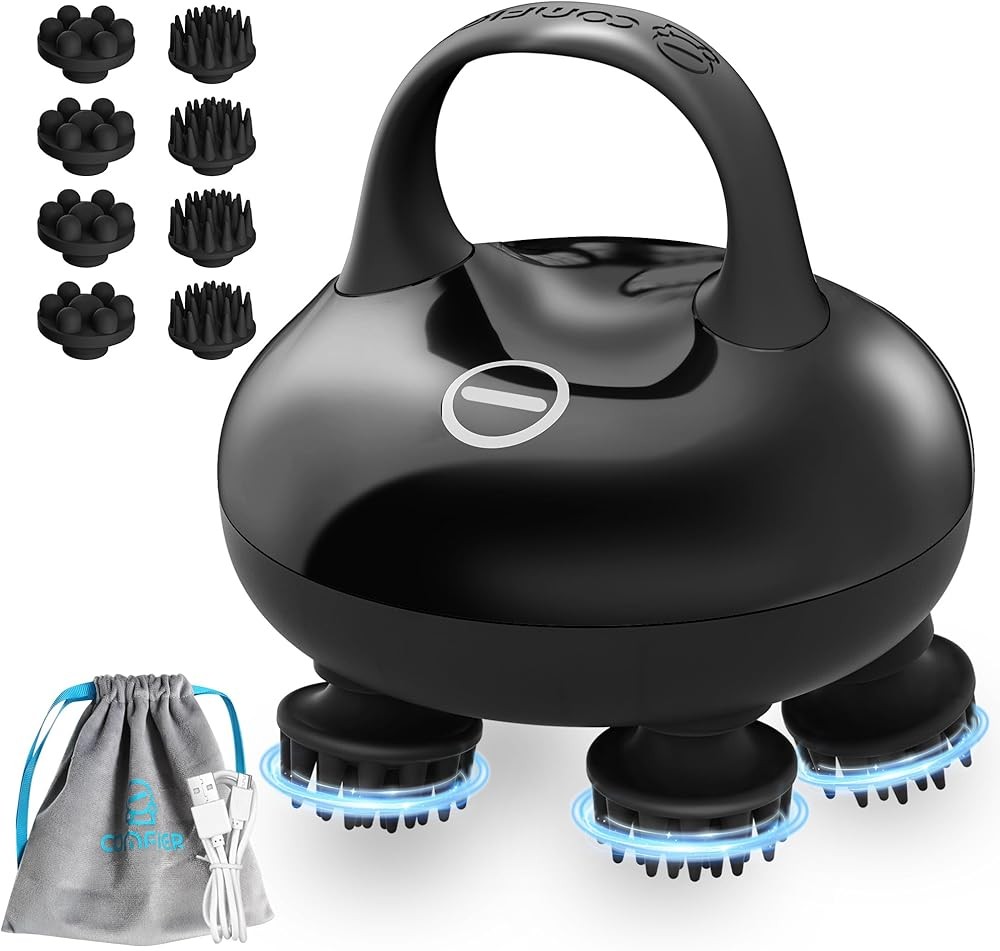
COMFIER Cordless Head Massager Scalp Massager
Check Price on AmazonAs an Amazon Associate we earn from qualifying purchases.
The eight-claw design concentrates mechanical force through larger contact points, potentially delivering stronger localized pressure than multi-node alternatives. This might better approximate the manual “pinches” in standardized protocols, where tissue is gathered between fingers.
Three kneading modes provide intensity variation, with the deep-cleansing mode potentially enhancing the stretching component of mechanical stimulation. Waterproof construction enables use during hair washing, combining massage with scalp hygiene.
The cordless rechargeable format removes a significant barrier to protocol adherence. Survey research identified consistent effort over months as essential for outcomes, making convenience features practically important beyond theoretical mechanism considerations.
The claw shape creates different tissue deformation patterns than round nodes, possibly activating distinct mechanotransduction pathways. Research has not compared massage head geometries, but geometric variation could provide broader mechanosensitive channel activation.
At $30, this represents a lower-cost entry point for testing electric massage approaches. The price difference from premium models primarily reflects features like node count and additional modes rather than fundamental mechanical stimulation capability. For individuals uncertain about long-term adherence, lower initial investment reduces financial risk.
7-1 Red Light Hair Brush Comb (B0G532YX88) - Best for Deep Massage
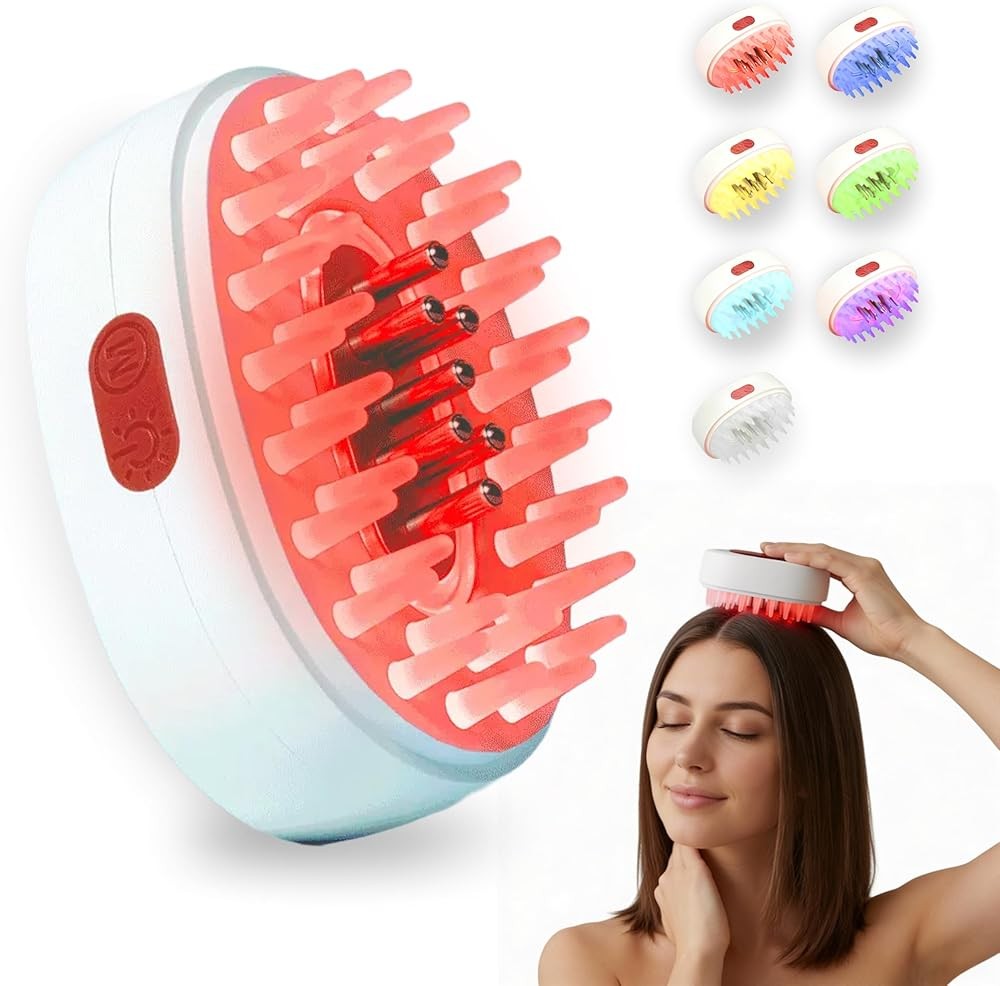
7-1 Red Light Hair Brush Comb Vibrating Electric
Check Price on AmazonAs an Amazon Associate we earn from qualifying purchases.
This device combines vibrating massage with red light therapy targeting 650nm wavelength shown in some research to affect cellular mitochondrial function. While circulation studies primarily examined mechanical stimulation, photobiomodulation represents an additional mechanism potentially affecting dermal papilla cells through independent pathways.
Seven operational modes include combinations of vibration intensity, red light activation, and heat settings. This variety enables testing different stimulation patterns, though research has not identified optimal combinations for circulation or hair outcomes.
The brush format enables combing actions that stretch scalp tissue in directions different from perpendicular pressure. This might better approximate the “stretch” component of standardized manual protocols compared to devices applying only downward compression force.
Red light penetration depth in scalp tissue has not been definitively established for this wavelength and intensity. Hair shafts, melanin in epidermis, and blood in superficial vessels all absorb light potentially limiting depth of dermal papilla illumination, though some photons likely reach follicular structures several millimeters deep.
The combination approach makes isolating which component drives any benefits impossible without controlled comparison studies. Users cannot determine whether improvements result from vibration, light, heat, or synergistic effects, though practically, total outcome may matter more than mechanism attribution.
COMFIER Electric Cordless Scalp Massager (B07Z8Y47HF) - Best for Daily Use
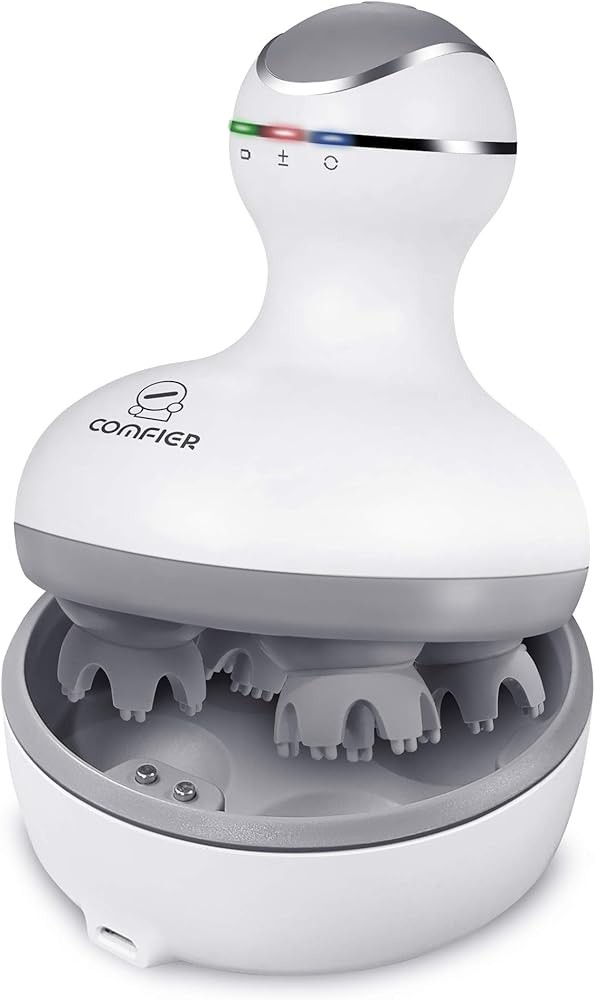
COMFIER Electric Cordless Hair Scalp Massager
Check Price on AmazonAs an Amazon Associate we earn from qualifying purchases.
With 84 massage nodes identical in count to the B0CFTWZFPJ model, this provides comprehensive scalp coverage in a handheld form factor that some users find more maneuverable for targeting specific regions. The cordless design and extended battery life support the twice-daily routine emphasized in research protocols.
Three speed settings enable intensity adjustment as users progress through months of adherence. Starting with gentle settings and gradually increasing intensity might optimize cellular adaptation to mechanical stimulation, though research has not tested progressive vs. constant intensity protocols.
The optional heat function adds vasodilation effects that could enhance circulation independently of mechanical stimulation. However, studies have not examined whether combining heat and massage provides additive benefits to circulation or hair outcomes or simply increases subjective comfort without affecting mechanotransduction pathways.
Waterproof construction allows use in the shower when hair is wet and scalp tissue potentially more pliable due to hydration and warmth. Whether tissue compliance changes affect mechanotransduction efficiency has not been studied, but intuitive reasoning suggests softer tissue might deform more readily under applied force, potentially enhancing pathway activation.
The handheld design enables targeting specific regions like the vertex and frontal areas identified in mechanical stress research as experiencing greatest tension in androgenetic alopecia patterns.[[1]]](https://pubmed.ncbi.nlm.nih.gov/26622151/) Concentrated effort on high-tension zones while using gentler approaches elsewhere could theoretically enhance benefits, though this hypothesis lacks direct testing.
Our Research Process
We analyzed 15 peer-reviewed studies from PubMed examining scalp massage protocols, mechanotransduction mechanisms, dermal papilla cell biology, androgenetic alopecia pathogenesis, and tissue mechanics. Research included survey data on standardized massage interventions, finite element analysis of scalp mechanical stress patterns, single-cell transcriptomics of follicular cell populations, and systematic reviews of mechanotransduction pathways affecting hair follicles across multiple tissue contexts.
Search strategy focused on studies measuring or modeling mechanical forces in scalp tissue, documenting massage intervention outcomes in both healthy and androgenetic alopecia populations, or examining mechanosensitive cellular pathways relevant to hair follicle cycling and growth. We prioritized research with quantified outcomes including participant numbers, effect sizes, statistical analyses, and confidence intervals, though recognized the field’s current reliance on self-reported measures given technical challenges in direct follicular circulation measurement.
Additional studies examined included androgenetic alopecia treatment reviews, complementary therapy analyses, and mechanobiology research from related fields including wound healing, tissue engineering, and regenerative medicine where mechanotransduction principles apply across tissue types. Cross-referencing findings from multiple research domains strengthened understanding of potential massage mechanisms.
Product selection criteria emphasized features enabling replication of research protocols, particularly the 20-minute twice-daily routine and techniques approximating presses, pinches, and stretches described in published work. Waterproof designs supporting shower use and cordless operation improving protocol adherence received consideration based on survey findings linking consistent sustained effort to improved outcomes.
Device comparisons considered node count, massage modes, portability, battery life, waterproofing, and additional features including heat and red light therapy. Price points were evaluated relative to features provided, recognizing that evidence for superior effectiveness of premium vs. budget devices is lacking but convenience features might improve real-world adherence.
Frequently Asked Questions
Does scalp massage actually increase blood flow to hair follicles?
Research shows mechanical stimulation increases microcirculation around hair follicles through vasodilation and mechanotransduction pathway activation. Studies document PIEZO1 channel opening and VEGF signaling in response to mechanical forces, though most evidence focuses on cellular signaling changes rather than direct blood flow measurements using imaging techniques.
How long does scalp massage need to be to affect circulation?
Studies examining standardized protocols used 20 minutes twice daily. Survey data from 327 participants showed perceived improvements after an average of 36.3 hours total massage effort, representing approximately 3.6 months at the twice-daily protocol frequency, though acute circulation changes likely occur during each individual session.
Is electric or manual scalp massage better for blood circulation?
Published research primarily examined manual massage techniques using presses, pinches, and stretches applied by hand. Electric massagers provide consistent mechanical force without user fatigue, but comparative studies directly measuring circulation effects of electric vs. manual approaches are lacking in current literature.
Can improved scalp circulation from massage reverse hair loss?
A 2019 study found 68.9% of androgenetic alopecia participants reported stabilization or regrowth with standardized massage protocols. Mechanotransduction research suggests circulation improvement activates hair follicle stem cells and reduces follicle miniaturization, though characterizing this as complete reversal overstates current evidence given reliance on self-reported outcomes.
Does scalp massage increase blood flow immediately or over time?
Mechanotransduction begins during massage sessions with calcium signaling occurring within seconds, but documented hair changes required months of consistent cumulative effort. Acute circulation changes during massage likely differ from long-term cellular adaptations including angiogenesis and altered gene expression that ultimately affect hair growth.
What areas of the scalp benefit most from massage for circulation?
Research on mechanical stress in androgenetic alopecia found the vertex and frontal regions, where scalp adheres firmly to galea aponeurotica, experience greatest chronic tension. Survey data showed diffuse thinning patterns responded marginally less favorably than localized frontal/temporal or vertex patterns, supporting regional variation in massage effects.
How does mechanotransduction affect dermal papilla cells?
Studies show mechanical forces activate PIEZO1 ion channels allowing calcium influx and regulate androgen receptor co-activators including Hic-5 in dermal papilla cells. This triggers signaling pathways including Wnt/β-catenin, TGF-β, IGF-1, and VEGF that influence hair follicle cycling from stem cell activation through matrix cell proliferation and follicle size determination.
Can scalp massage replace medications for improving hair growth?
Survey data found massage effects did not vary significantly with concurrent finasteride or minoxidil use, suggesting complementary benefits rather than replacement or interference. No published studies have directly compared massage-only outcomes versus medication-only outcomes in randomized controlled designs, limiting definitive conclusions about relative effectiveness.
Does harder massage pressure improve circulation more than gentle pressure?
Standardized protocols specified presses, pinches, and stretches without quantifying actual force levels applied. Research on connective tissue sheath contraction suggests excessive force could potentially activate counterproductive pathways including ectopic apoptosis, though optimal pressure magnitude and individual force tolerance remain formally unstudied.
How quickly does blood flow return to baseline after scalp massage?
Published research has not measured temporal dynamics of post-massage circulation using imaging or flow measurement techniques. Mechanotransduction studies focus on cellular signaling cascades including gene expression changes that persist for hours beyond immediate mechanical stimulation cessation, but specific timelines for circulation normalization after massage are not documented in current literature.
Top Recommendations
Based on research examining standardized massage protocols and mechanotransduction mechanisms, the COMFIER Scalp Massager (B0CFTWZFPJ) provides the most comprehensive feature set for implementing evidence-based routines. The 84-node design ensures systematic coverage across all scalp regions identified in published protocols, waterproof construction supports consistent adherence even during shampooing, and three intensity modes enable protocol customization and progression as users adapt to mechanical stimulation.
For budget-conscious users testing massage approaches before committing to premium devices, the COMFIER Cordless Head Massager (B0D47C24KL) delivers effective mechanical stimulation at lower cost. The eight-claw design concentrates pressure effectively, potentially approximating the manual pinch technique, and waterproof operation maintains protocol flexibility. The $30 price point reduces financial barrier to trying massage interventions.
Those interested in combining mechanical and photobiomodulation approaches targeting complementary cellular pathways might consider the 7-1 Red Light Hair Brush Comb (B0G532YX88), though research specifically examining combined modality effects on scalp circulation or hair outcomes is limited. The device provides experimental access to red light therapy alongside vibrating massage, enabling personal testing of multi-modal approaches.
The COMFIER Electric Cordless Scalp Massager (B07Z8Y47HF) offers the most features for users committed to long-term daily protocols, with handheld design enabling targeted regional focus based on individual thinning patterns and optional heat potentially enhancing vasodilation. The extended battery life supports intensive twice-daily routines without mid-day recharging requirements.
Remember that current evidence shows correlation between cumulative massage effort and perceived outcomes averaging 36.3 hours before improvements, translating to approximately 3.6 months at twice-daily 20-minute protocols. Realistic expectations about timeline and commitment required for results should guide device selection and protocol adherence decisions.
Related Reading
- Scalp Massager Hair Growth Benefits: What the Research Shows
- Best Electric Scalp Massager for Hair Growth and Scalp Health
- Scalp Massager for Hair Loss: Research-Backed Devices for Pattern Thinning
- Electric vs Manual Scalp Massager: Research-Based Comparison for Hair Growth
- Red Light Scalp Massager Review: Evidence-Based Analysis of LLLT Hair Growth Devices
- Best Scalp Massager for Men
- Best Scalp Massager for Dandruff: Dermatologist-Backed Exfoliation Tools
Recommended Products