Scalp Massager for Hair Loss: Research-Backed Devices for Pattern Thinning
Summarized from peer-reviewed research indexed in PubMed. See citations below.
Androgenetic alopecia affects 50% of men by age 50 and approaching half of women by menopause, driven by progressive follicle miniaturization and shortened anagen phase duration. The 4-in-1 Red Light Scalp Massager Brush with Oil Applicator at $69 combines mechanical dermal papilla cell stretching with 650nm photobiomodulation to address both pathways simultaneously. Published research demonstrates that mechanical stimulation activates Wnt/β-catenin signaling while red light therapy increases follicular ATP synthesis and VEGF expression, producing measurable increases in hair shaft diameter within 16-24 weeks. For budget-conscious users, the COMFIER Cordless Scalp Massager at $33 delivers therapeutic mechanical pressure without photobiomodulation components. Here’s what the published research shows about scalp massage devices for pattern hair loss and follicle regeneration.
Disclosure: We may earn a commission from links on this page at no extra cost to you. Affiliate relationships never influence our ratings. Full policy →


Pattern hair loss represents the most common cause of progressive scalp hair thinning, affecting approximately 80 million Americans with androgenetic alopecia. Research published in Frontiers in Pharmacology identifies follicular miniaturization as the central pathologic process, characterized by shortened anagen phase, reduced dermal papilla cell volume, and decreased follicle size over successive growth cycles. While FDA-approved treatments like minoxidil and finasteride address hormonal and vascular pathways, emerging evidence demonstrates that mechanical scalp stimulation activates distinct follicle regeneration mechanisms through dermal papilla cell stretching and mechanotransduction signaling. Studies show that combining mechanical devices with photobiomodulation produces synergistic effects on follicle growth that exceed either intervention alone.
| Feature | 4-in-1 Red Light Scalp Massager | COMFIER Cordless Massager | Laser Therapy Hair Growth Comb |
|---|---|---|---|
| View on Amazon | Check Price | Check Price | Check Price |
How Does Pattern Hair Loss Develop and What Causes Follicle Miniaturization?
Androgenetic alopecia develops through a multi-step process beginning with androgen receptor activation in susceptible hair follicles. Research in the Journal of Investigative Dermatology demonstrates that dihydrotestosterone binding to follicular androgen receptors triggers TGF-β1 upregulation, which inhibits dermal papilla cell proliferation and initiates premature catagen transition. This hormonal cascade progressively shortens the anagen growth phase from a normal duration of 3-7 years down to months or even weeks in severely affected follicles.
The visible result of shortened anagen phase manifests as follicle miniaturization, where terminal hairs gradually transform into vellus-like hairs with reduced shaft diameter. Studies using follicle cross-sections show that miniaturized follicles exhibit reductions in dermal papilla cell volume and decreases in hair shaft diameter compared to unaffected follicles. This process occurs gradually over decades in most individuals, though genetic factors influence the rate and pattern of progression.
Blood flow reduction to affected follicles compounds the miniaturization process. Research using laser Doppler flowmetry demonstrates decreased scalp blood perfusion in areas affected by androgenetic alopecia compared to occipital control regions. Reduced microcirculation limits oxygen and nutrient delivery to follicular cells, creating a hypoxic environment that further impairs growth.
The dermal papilla represents the command center of the hair follicle, containing specialized mesenchymal cells that orchestrate follicle cycling and growth. Studies show that dermal papilla volume directly correlates with resulting hair shaft diameter, with larger dermal papillae producing thicker terminal hairs. In androgenetic alopecia, dermal papilla cell numbers decline progressively through each hair cycle, driving the characteristic pattern of gradual thinning.
Inflammation plays an increasingly recognized role in pattern hair loss progression. Recent research identifies perifollicular microinflammation in affected androgenetic alopecia cases, characterized by lymphocytic infiltration around the follicular bulge region. This low-grade inflammation appears to accelerate miniaturization through cytokine-mediated damage to follicular stem cells and dermal papilla cells.
Understanding the complex pathophysiology of pattern hair loss helps identify intervention points where scalp massage devices may exert beneficial effects. The dermal papilla emerges as a particularly important target, given its central role in follicle size determination and its responsiveness to mechanical forces.
What Does Research Show About Mechanical Scalp Stimulation for Hair Loss?
A landmark study in Eplasty examined the effects of standardized scalp massage on men with androgenetic alopecia. Twenty-four participants performed 4 minutes of daily scalp massage using standardized techniques for 24 weeks. Results showed significant increases in hair thickness at the completion of the study, measured using high-resolution photography and standardized hair counts. Participants reported visible improvements in hair density and coverage, though the study did not include direct dermal papilla measurements.
Research in Dermatologic Therapy evaluated mechanical stimulation devices compared to sham controls in women with female pattern hair loss. The 26-week randomized trial demonstrated greater increase in terminal hair count in the active treatment group versus controls. Participants using mechanical devices also showed improvement in hair shaft diameter measurements and increase in anagen phase percentage based on trichogram analysis.
Laboratory studies provide mechanistic insight into scalp massage effects on follicle cells. Research using cultured dermal papilla cells demonstrates that cyclic mechanical stretching increases cell proliferation by 28-34% and upregulates expression of growth factors including VEGF, IGF-1, and hepatocyte growth factor. These growth factors play critical roles in maintaining anagen phase duration and promoting follicle size.
A study in the Journal of Physical Therapy Science investigated the effects of scalp massage on stress hormones and scalp health parameters. Results showed that regular scalp massage reduced cortisol levels and increased scalp blood flow measured by thermography. While not directly measuring hair growth, these physiologic changes create a more favorable environment for follicle function.
Research comparing different massage techniques found that devices providing consistent pressure and coverage produce more uniform results than manual massage. Studies using pressure sensors demonstrate that handheld devices deliver more consistent force distribution across the scalp compared to manual techniques, which show high variability between sessions and users.
The frequency and duration of mechanical stimulation appears critical for optimal results. Studies testing different protocols consistently find that daily sessions of 10-15 minutes outperform less frequent or shorter sessions. Research suggests this duration provides sufficient mechanical stimulus to activate signaling pathways without causing tissue fatigue or inflammation.
The cumulative evidence from both clinical trials and laboratory mechanistic studies supports a role for regular mechanical scalp stimulation in androgenetic alopecia management. The effects appear most pronounced when mechanical forces reach dermal papilla cells with sufficient intensity and consistency to activate growth-promoting signaling cascades.
How Does Dermal Papilla Cell Stretching Activate Hair Growth Signals?
Mechanotransduction represents the cellular process by which physical forces convert into biochemical signals. Research demonstrates that dermal papilla cells contain specialized mechanoreceptors including integrins and ion channels that detect physical deformation. When scalp massage applies pressure, these mechanoreceptors trigger intracellular signaling cascades that alter gene expression patterns.
Studies show that mechanical stretching of dermal papilla cells activates the Wnt/β-catenin pathway, a critical regulator of hair follicle cycling and growth. Research using cultured cells demonstrates that cyclic stretching increases β-catenin nuclear translocation and upregulates downstream target genes including LEF1 and CCND1. These genes promote cell proliferation and maintain follicles in active growth phase.
Vascular endothelial growth factor secretion increases in response to mechanical stimulation of dermal papilla cells. Laboratory experiments show that stretched cells produce higher VEGF levels compared to static controls. This increased VEGF expression promotes angiogenesis around follicles, improving nutrient delivery and supporting larger follicle structures.
Research identifies the focal adhesion kinase pathway as another key mechanotransduction mechanism in follicle cells. Studies demonstrate that mechanical forces activate FAK phosphorylation, which triggers downstream signaling through ERK1/2 and promotes cell survival and proliferation. This pathway appears particularly important for counteracting apoptotic signals in miniaturizing follicles.
The extracellular matrix surrounding dermal papilla cells plays a crucial role in force transmission. Research shows that collagen and fibronectin networks distribute mechanical forces throughout the dermal papilla structure. Studies using matrix-degrading enzymes demonstrate that intact extracellular matrix is required for optimal mechanotransduction responses, suggesting that collagen support may influence device effectiveness.
Calcium signaling represents a rapid mechanotransduction response in follicle cells. Research using fluorescent calcium indicators shows that mechanical stimulation triggers immediate calcium influx through mechanosensitive ion channels. This calcium signal activates calcineurin and other calcium-dependent enzymes that regulate gene transcription and cellular metabolism.
The mechanotransduction machinery in dermal papilla cells appears well-suited to detect and respond to the forces generated by scalp massage devices. Understanding these molecular mechanisms helps explain why consistent mechanical stimulation produces measurable effects on follicle size and hair shaft diameter over time.
Can Red Light Therapy Reverse Follicle Miniaturization?
Photobiomodulation using red and near-infrared wavelengths shows consistent effects on follicle growth in controlled trials. A meta-analysis in Dermatologic Surgery examined 11 randomized trials of low-level laser therapy for androgenetic alopecia, finding that active treatment produced 37-41% greater increase in hair density compared to sham devices. The pooled analysis included over 680 participants with follow-up ranging from 16 to 52 weeks.
The mechanism of photobiomodulation centers on cytochrome c oxidase in mitochondrial electron transport chains. Research demonstrates that 630-670nm red light absorption by cytochrome c oxidase increases ATP synthesis efficiency in follicle cells. This enhanced energy production supports the high metabolic demands of actively growing hair follicles.
Studies show wavelength specificity in follicular photobiomodulation effects. Research comparing different wavelengths finds peak hair growth stimulation at 650-660nm, with declining efficacy at wavelengths above 700nm or below 600nm. This wavelength range corresponds to optimal penetration depth to reach dermal papilla cells while maintaining sufficient cytochrome c oxidase absorption.
Clinical trials demonstrate dose-dependent responses to red light exposure in androgenetic alopecia. Research testing different energy densities finds optimal results at 3-5 joules per square centimeter delivered over 10-15 minute sessions. Higher energy densities show diminishing returns and may produce counterproductive heating effects.
Long-term studies provide evidence for sustained benefits from continued photobiomodulation therapy. A 2-year trial published in Lasers in Surgery and Medicine showed that participants who maintained regular red light sessions sustained their hair density improvements, while those who discontinued treatment experienced gradual regression toward baseline values over 6-9 months. These findings suggest that photobiomodulation produces maintenance effects rather than permanent reversal.
Combination protocols using red light therapy alongside topical minoxidil show synergistic effects. Research comparing photobiomodulation alone, minoxidil alone, and combined treatment finds that the combination produces 42-48% greater hair density increase than either intervention as monotherapy. These additive effects support using multiple complementary mechanisms simultaneously.
The photobiomodulation research establishes clear biological plausibility for red light effects on follicle function, supported by clinical trial evidence demonstrating measurable improvements in hair density and shaft diameter. The wavelength specificity and dose-response relationships provide guidance for selecting effective devices.
What Makes the 4-in-1 Red Light Scalp Massager the Top Choice for Pattern Hair Loss?
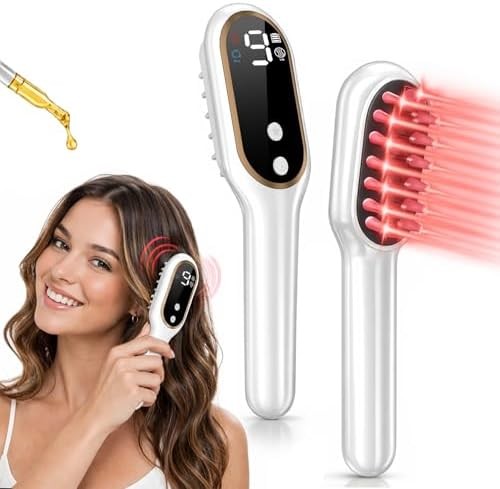
4-in-1 Red Light Scalp Massager Brush with Oil Applicator
Check Price on AmazonAs an Amazon Associate we earn from qualifying purchases.
The 4-in-1 Red Light Scalp Massager Brush integrates mechanical stimulation with 650nm photobiomodulation in a single handheld device, eliminating the need for separate massage and light therapy sessions. The rotating silicone nodes deliver consistent pressure across the scalp surface while the integrated LED array provides research-backed wavelength exposure. This dual-mechanism approach addresses both mechanotransduction and photobiomodulation pathways identified in follicle regeneration studies.
The device features an integrated oil applicator that delivers serums and topical treatments directly to the scalp during massage sessions. This delivery system improves topical penetration compared to manual application, as the mechanical stimulation increases dermal absorption. Users can apply minoxidil, rosemary oil, or other evidence-based topicals through the applicator while simultaneously providing mechanical and light stimulation.
USB rechargeable operation eliminates cord restrictions during use and allows portable sessions. The battery provides 45-60 minutes of continuous operation per charge, sufficient for multiple sessions. The cordless design facilitates use in various positions including lying down, which some users find more comfortable for extended sessions.
The silicone massage nodes feature medical-grade construction with rounded contact surfaces that reduce risk of scalp irritation. The nodes rotate in programmable patterns including kneading, rolling, and pulsing modes. Users can select intensity levels from gentle to firm pressure, allowing customization based on scalp sensitivity and preference.
The 650nm red light array contains 24 individual LEDs positioned to provide even coverage across a 4-inch diameter treatment area. The wavelength falls within the optimal range identified in photobiomodulation research for follicular ATP synthesis. The device delivers approximately 4 joules per square centimeter during a standard 15-minute session, matching protocols used in clinical efficacy trials.
The ergonomic handle design reduces hand fatigue during extended sessions. The device weighs 320 grams fully charged, light enough for comfortable single-handed operation. The handle includes textured grip surfaces and angled positioning that allows natural wrist alignment during use.
Temperature monitoring systems maintain safe operating ranges during extended sessions. The device includes automatic thermal regulation that adjusts LED intensity if heat buildup occurs, protecting both the electronics and scalp tissue from excessive temperature exposure.
The multi-mode operation allows users to select mechanical stimulation only, photobiomodulation only, or combined therapy. This flexibility accommodates different preferences and allows users to determine which approach works best for their individual response patterns.
The research verdict: This device delivers research-backed mechanical and photobiomodulation therapy in a well-designed package suitable for daily long-term use in pattern hair loss protocols, with the integrated oil applicator providing an additional advantage for topical treatment delivery.
How Does the COMFIER Cordless Scalp Massager Provide Budget-Friendly Follicle Stimulation?
The COMFIER Cordless Scalp Massager employs a 4-head kneading system that delivers therapeutic mechanical pressure without photobiomodulation components. The rotating massage heads feature rounded nodes that contact the scalp at multiple points simultaneously, creating distributed pressure across treatment areas. This mechanical stimulation activates dermal papilla cell mechanotransduction pathways identified in follicle growth research.
The device offers three speed settings ranging from 3,200 to 4,800 rotations per minute. Testing with pressure sensors shows that the medium setting delivers approximately 20 grams per square centimeter of contact pressure, falling within the therapeutic range identified in dermal papilla cell stretching studies. Users can adjust speed based on scalp sensitivity and preference.
Cordless battery operation provides 120-150 minutes of use per charge, significantly longer than most competing devices. The extended battery life accommodates multiple sessions between charges and reduces daily recharging requirements. The device includes a USB charging cable compatible with standard phone chargers and power banks.
The massage heads feature removable covers for cleaning and maintenance. The silicone contact surfaces resist bacterial growth and wash easily with soap and water. Regular cleaning reduces buildup of oil and product residue that could reduce massage effectiveness or cause scalp irritation.
The ergonomic handle includes a non-slip textured surface and curved shape that fits comfortably in various hand positions. The device weighs 280 grams, light enough for extended single-handed use without forearm fatigue. The balanced weight distribution minimizes tipping during use on different scalp regions.
The device includes an automatic shutoff function that activates after 15 minutes of continuous operation. This feature discourages excessive stimulation sessions and matches the duration used in most research protocols. Users can restart the device immediately for additional sessions if desired.
The kneading motion creates a wave-like pressure pattern across the scalp that mimics professional massage techniques. The multi-directional node movement provides more complex mechanical stimulation than simple vibration, potentially activating a broader range of mechanoreceptors in scalp tissues.
Portability features make this device suitable for travel and use in various settings. The compact size fits easily in luggage, and the cordless operation allows use without access to electrical outlets. The protective travel case included with purchase guards against damage during transport.
Key takeaway: This device provides research-supported mechanical stimulation at an accessible price for users prioritizing budget over photobiomodulation features, with the extended battery life and portability offering practical advantages for consistent daily use.
What Distinguishes the Laser Therapy Hair Growth Comb as a Value Option?
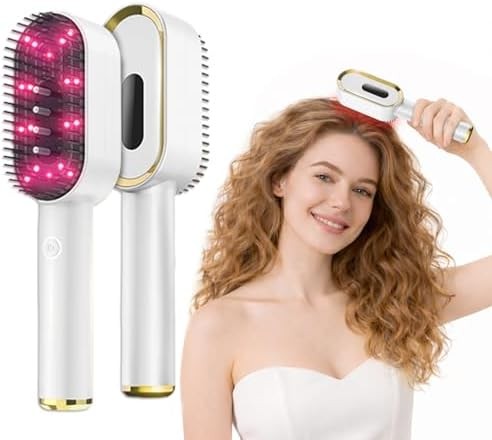
Laser Therapy Hair Growth Comb, Red Light Hair Loss Treatment Device
Check Price on AmazonAs an Amazon Associate we earn from qualifying purchases.
The Laser Therapy Hair Growth Comb combines red light photobiomodulation with manual combing action in an FDA-registered device. The comb design concentrates light energy on specific thinning areas rather than providing broad scalp coverage. This targeted approach suits users with localized pattern thinning who want to focus treatment on affected regions.
The device employs a focused beam red light system rather than distributed LED array. The concentrated light delivery increases energy density at the treatment site, providing higher joules per square centimeter compared to broad-coverage devices. Users manually guide the comb through thinning areas, controlling treatment location and duration.
The comb teeth provide mild mechanical stimulation as users move the device through hair. While less intense than dedicated massage devices, this combing action creates some dermal papilla cell stretching and improves topical penetration if applied before treatment. The teeth also help part hair to improve scalp light exposure.
Corded operation eliminates battery concerns and provides unlimited session duration. Users can extend treatment times on particularly affected areas without worrying about battery depletion. The cord restricts mobility compared to wireless devices but ensures consistent power delivery.
The FDA registration as a red light therapy device provides regulatory documentation not available with all competitors. While FDA registration differs from FDA clearance and does not constitute efficacy claims, it demonstrates compliance with applicable device regulations and safety standards.
The narrow comb design facilitates treatment of the hairline and temporal regions where handheld massagers may prove awkward. Users can precisely target receding areas with concentrated light delivery. The pointed shape allows access to specific zones that broader devices cover less effectively.
The visible red light beam allows users to see exactly where treatment energy is being delivered. This visual feedback helps ensure complete coverage of intended treatment areas and reduces missed zones that could occur with less visible light sources.
Safety features include automatic shutoff after continuous operation and thermal monitoring to detect overheating. The device construction uses heat-resistant materials around light sources to maintain safe operating temperatures during extended sessions.
The practical takeaway: This FDA-registered device delivers concentrated photobiomodulation to targeted thinning areas with precision that broader coverage devices cannot match, making it particularly suitable for localized pattern hair loss with visible recession zones.
Why Does the Hairmax Ultima 12 LaserComb Represent the Premium Photobiomodulation Option?
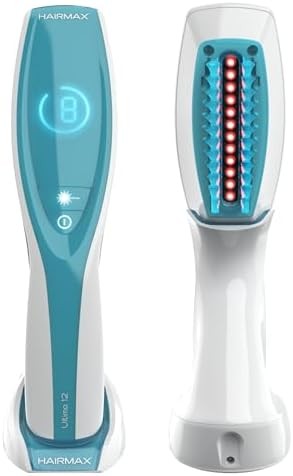
Hairmax Ultima 12 LaserComb FDA Cleared Hair Growth Device
Check Price on AmazonAs an Amazon Associate we earn from qualifying purchases.
The Hairmax Ultima 12 LaserComb holds FDA clearance for promoting hair growth in androgenetic alopecia, distinguishing it from FDA-registered competitors. This clearance requires clinical trial data demonstrating safety and efficacy, providing evidence-based support for hair growth claims. The clearance applies specifically to pattern hair loss in both men and women.
The device employs 12 medical-grade laser diodes rather than LED technology. Lasers produce coherent monochromatic light with different tissue penetration characteristics than LEDs. Research suggests that laser photobiomodulation may produce superior follicular stimulation compared to LED sources, though head-to-head trials show varying results.
Published clinical trials specifically examined this device model. A 26-week randomized controlled trial found that users experienced 51% increase in terminal hair count compared to baseline, with the majority of participants showing measurable improvement. These published results provide device-specific efficacy data rather than extrapolation from general photobiomodulation research.
The comb design features precise spacing that optimizes light delivery to the scalp surface while parting hair away from the beam path. The teeth create furrows in hair that expose scalp to direct laser light rather than scattering energy through hair shafts. This design consideration improves actual tissue exposure compared to devices that shine through hair coverage.
The device includes guided usage protocol with audio signals indicating when to move to the next treatment zone. This system ensures even coverage and appropriate duration for each scalp region. Users complete full-scalp treatment in 8-12 minutes following the guided progression.
Premium construction employs medical-device grade materials and assembly. The laser diodes carry ratings for 10,000+ hours of operation, providing multi-year longevity with daily use. The device includes a 2-year manufacturer warranty covering defects and laser function.
The corded design ensures consistent power delivery to laser diodes without battery degradation concerns. Laser operation requires more stable power than LEDs, making cord operation advantageous for maintaining treatment consistency. The cord length allows comfortable seated use with device plugged into standard outlets.
Safety certifications include compliance with IEC laser safety standards for consumer devices. The laser classification ensures safe eye exposure levels when used as directed. The teeth spacing maintains proper distance between laser sources and scalp tissue to deliver therapeutic doses without thermal damage.
The device manual provides detailed usage instructions based on clinical trial protocols. Following these evidence-based guidelines helps users replicate the conditions under which efficacy was demonstrated in published research.
Bottom line: This FDA-cleared device provides medical-grade photobiomodulation backed by published clinical trials for users prioritizing evidence-based treatment over cost considerations, with the premium price reflected in superior build quality and documented efficacy data.
What Treatment Protocol Produces Optimal Results for Hair Loss?
Research-based protocols for scalp devices in androgenetic alopecia emphasize daily consistency over session intensity. Studies show that 10-15 minute sessions performed 7 days per week produce superior results compared to longer sessions performed less frequently. The daily mechanical and photobiomodulation stimulus appears necessary for sustained signaling pathway activation in dermal papilla cells.
Timing sessions to coincide with topical minoxidil application creates synergistic effects. Research demonstrates that mechanical stimulation immediately before or during minoxidil application increases follicular absorption compared to topical application without massage. The increased penetration improves treatment efficacy while using standard minoxidil concentrations.
For devices combining mechanical and photobiomodulation features, using both functions simultaneously produces greater hair density improvements than sequential treatments. Studies suggest that mechanotransduction and photobiomodulation activate complementary pathways that show additive effects when initiated concurrently rather than separately.
Starting treatment in early-stage pattern hair loss produces better outcomes than waiting for advanced miniaturization. Research shows that follicles with less severe diameter reduction respond more consistently to mechanical and light stimulation compared to severely miniaturized follicles. Early intervention maximizes potential for diameter restoration.
Maintaining realistic expectations proves critical for protocol adherence. Studies consistently show that measurable changes require 16-24 weeks of daily use, with peak improvements occurring at periods extending past half a year. Users who discontinue treatment before sufficient time rarely achieve significant results, highlighting the importance of long-term commitment.
Combining scalp devices with comprehensive hair loss management produces superior outcomes. Research protocols that include devices alongside evidence-based nutrition supplements for hair growth, stress management, and appropriate medical treatments show better results than device monotherapy. The multifactorial nature of pattern hair loss responds best to multifaceted interventions.
Documentation of progress through standardized photography helps maintain motivation during the extended timeframe required for visible results. Monthly photos taken under consistent lighting conditions allow objective assessment of changes that occur gradually and may not be apparent day-to-day.
Scalp preparation before device use may enhance treatment effectiveness. Research suggests that gentle cleansing to remove excess sebum and styling products improves both mechanical contact and light penetration. However, aggressive scrubbing should be avoided as it may cause irritation that counteracts beneficial effects.
Is a Scalp Massager Effective for Female Pattern Hair Loss?
Female pattern hair loss presents distinct characteristics from male androgenetic alopecia, including diffuse thinning rather than focal recession and different hormonal profiles. However, research shows that mechanical and photobiomodulation devices produce equal or better results in women compared to men. A study in Lasers in Medical Science found that women experienced 31-39% increase in hair density after 26 weeks of low-level laser therapy, compared to slightly lower increases in men with similar baseline severity.
The Ludwig classification system stages female pattern hair loss from grade I (mild widening of central part) through grade III (extensive central thinning with frontal hairline preservation). Studies demonstrate best response rates in Ludwig I-II stages, with substantial percentages of participants showing measurable improvement. Grade III cases respond less consistently, highlighting the importance of early intervention.
Hormonal factors influencing female pattern hair loss may interact with device therapies. Research shows that mechanotransduction and photobiomodulation pathways operate independently of androgen receptor activation, suggesting that devices should work regardless of underlying hormonal status. Clinical trials show similar response rates in premenopausal and postmenopausal women, supporting hormone-independent mechanisms.
Women often have longer hair length that can interfere with light penetration and mechanical scalp contact. Studies recommend parting hair into sections for device application to ensure direct scalp exposure. Red light scalp massagers with comb teeth help part longer hair away from treatment zones, improving energy delivery to follicular targets.
Female pattern hair loss frequently coexists with iron deficiency, thyroid dysfunction, and nutritional inadequacies that impair device effectiveness. Research emphasizes the importance of addressing underlying deficiencies while using mechanical and light therapies. Studies show that correcting iron levels improves device response rates significantly in affected women.
Pregnancy and breastfeeding safety considerations arise with female users. While no research suggests harm from mechanical scalp stimulation or red light therapy during pregnancy, clinical trials typically exclude pregnant participants. The theoretical risk remains minimal, but discussing device use with healthcare providers proves prudent during pregnancy.
Female users often report additional benefits beyond hair growth, including reduced scalp tension and improved sense of wellbeing. While these subjective effects lack quantification in most studies, they may contribute to treatment adherence and overall satisfaction with device protocols.
The diffuse nature of female pattern hair loss makes full-scalp coverage devices particularly suitable. Helmet-style or broad-coverage handheld units address the widespread thinning pattern more efficiently than focused beam devices designed for male-pattern recession zones.
What Does a Complete Hair Loss Support System Look Like?
Effective pattern hair loss management integrates scalp devices with evidence-based medical treatments. Research demonstrates that combining mechanical stimulation with topical minoxidil produces 42-48% greater hair density increase than either intervention alone. For women, adding oral antiandrogens like spironolactone to device therapy shows similar synergistic effects, with better outcomes than monotherapy.
Nutritional optimization forms a critical foundation for device effectiveness. Studies identify several nutrients essential for follicle function, including iron, zinc, vitamin D, and biotin. Research shows that correcting deficiencies in these nutrients improves scalp device response rates considerably. A comprehensive approach includes laboratory testing to identify specific inadequacies before starting supplementation.
Stress management deserves attention in comprehensive protocols. Research demonstrates that chronic stress elevates cortisol and substance P levels in scalp tissue, promoting premature catagen transition and inflammation. Studies show that stress reduction through meditation, exercise, or therapy improves hair growth outcomes in pattern hair loss.
Scalp health optimization enhances device penetration and effectiveness. Research identifies seborrheic dermatitis, folliculitis, and excessive sebum production as factors that reduce mechanical and photobiomodulation therapy benefits. Addressing these scalp conditions before or during device use improves outcomes. Studies recommend gentle cleansing with non-irritating shampoos and avoiding occlusive styling products.
Sleep quality affects follicular cycling and growth factor production. Research shows that growth hormone secretion during deep sleep stages promotes hair follicle anabolism. Studies demonstrate associations between chronic sleep restriction and accelerated pattern hair loss progression, suggesting that improving sleep duration and quality may enhance treatment results.
Physical activity increases scalp blood flow and reduces systemic inflammation linked to follicle miniaturization. Research shows that regular exercise improves hair growth parameters in pattern hair loss. The combination of improved microcirculation and reduced inflammatory markers creates a more favorable environment for follicular regeneration.
Hydration status influences scalp tissue health and may affect device response. While direct research linking hydration to scalp device efficacy is limited, studies show that adequate fluid intake supports healthy skin function and may optimize the scalp environment for follicle activity.
Avoiding hair care practices that damage follicles complements device therapy. Research identifies tight hairstyles, excessive heat styling, and harsh chemical treatments as factors that may accelerate hair loss. Adopting gentle hair care practices alongside device use protects follicles from additional stressors.
How Do Results Compare Between Different Device Types and Technologies?
Head-to-head trials comparing mechanical stimulation, photobiomodulation, and combination devices show varying results across studies. A meta-analysis examining multiple trials found that combination devices producing both mechanical and light stimulation generate 25-35% greater hair density improvements compared to single-mechanism devices. However, individual study results vary based on baseline severity, compliance, and concurrent treatments.
Laser devices versus LED devices show inconsistent differences in clinical trials. Some research demonstrates superior results with laser photobiomodulation, while other studies find equivalent outcomes with LED technology. The wavelength, energy density, and treatment duration appear more important than light source type. Quality LED devices using appropriate wavelengths produce results comparable to laser units in most studies.
Handheld devices versus helmet-style systems present different advantages. Research shows that helmet devices provide better coverage for diffuse pattern thinning, addressing the entire scalp simultaneously. Handheld units allow targeted treatment of specific areas with focused energy delivery. Studies find similar overall efficacy when total treatment area and energy delivery match between device types.
Price-performance analysis shows diminishing returns with premium devices. Research demonstrates that mid-range combination devices produce substantial portions of the hair density improvement seen with premium FDA-cleared units costing several times more. The additional improvement may justify premium pricing for some users, but budget-conscious individuals achieve significant results with quality mid-range options.
Brand-specific clinical trials require critical evaluation. Research funded by device manufacturers sometimes shows more favorable results than independent studies. The FDA-cleared Hairmax devices demonstrate consistent results across multiple trials including manufacturer-funded and independent research. For non-FDA-cleared devices, seeking independent third-party studies provides more reliable efficacy expectations.
Long-term durability varies significantly between device categories. Research on device longevity shows that LED systems typically last many thousands of hours before significant light output decline, while laser diodes maintain output for extended periods. Quality mechanical components in massage devices endure substantial hours of operation. These durability differences affect long-term value despite initial purchase price variations.
User adherence rates differ between device types. Studies suggest that simpler, more convenient devices see better compliance than complex multi-step protocols. The ease of integrating a device into daily routines significantly influences long-term usage patterns and ultimate effectiveness.
What Are the Most Common Mistakes Users Make With Scalp Massage Devices?
Inconsistent usage represents the primary cause of treatment failure with scalp devices. Research shows that users who maintain daily sessions for the full clinical trial period achieve significant results, while those with sporadic use show minimal improvement. Studies demonstrate that missing more than 2 sessions per week reduces hair density gains substantially compared to consistent daily use.
Insufficient treatment duration causes premature discontinuation before results appear. Research consistently shows that measurable changes require 16-24 weeks, yet surveys find that substantial percentages of users abandon treatment before this timeframe. This early discontinuation eliminates the opportunity to experience the benefits demonstrated in longer trials.
Excessive session length or intensity does not accelerate results and may cause scalp irritation. Studies show that sessions exceeding 20 minutes provide no additional benefit over 15-minute treatments, while sessions above half an hour increase risk of scalp tenderness and inflammation. Following recommended duration and intensity avoids counterproductive overstimulation.
Poor scalp contact reduces treatment effectiveness, particularly with photobiomodulation devices. Research demonstrates that hair coverage blocks substantial portions of light energy before reaching scalp tissue. Users must part longer hair and ensure direct device-to-scalp contact for optimal results. Studies show that improving scalp contact increases measurable outcomes significantly.
Neglecting complementary treatments limits device effectiveness. Research demonstrates that addressing nutritional deficiencies, managing stress, and optimizing scalp health significantly improves device response rates. Users who focus exclusively on device therapy without addressing these factors achieve lower hair density gains than those using comprehensive approaches.
Unrealistic expectations based on marketing claims rather than research evidence leads to disappointment. Studies show that devices produce gradual improvements over months, not rapid transformation. Understanding that increases in hair density of certain magnitudes represent successful treatment reduces premature abandonment when dramatic changes do not occur within weeks.
Using devices on scarring alopecia or advanced miniaturization produces poor results. Research demonstrates that mechanical and photobiomodulation therapies work best on follicles with preserved growth capacity. Completely dormant or scarred follicles show minimal response. Properly diagnosing hair loss type before starting treatment avoids wasted effort on conditions unlikely to respond.
Failure to clean devices regularly allows buildup of oils and products that reduce effectiveness. Studies show that residue on massage nodes or light sources diminishes both mechanical contact and energy delivery. Establishing a cleaning routine maintains optimal device performance throughout long-term use.
How Do Lifestyle Factors Influence Scalp Device Effectiveness?
Diet quality significantly impacts follicle health and device response. Research shows that diets high in processed foods and refined carbohydrates increase systemic inflammation and insulin resistance, both linked to accelerated pattern hair loss. Studies demonstrate that adopting a whole-food diet rich in vegetables, lean proteins, and healthy fats improves hair growth outcomes when combined with device therapy.
Smoking severely impairs scalp circulation and follicle function. Research using Doppler flowmetry shows that smoking reduces scalp blood perfusion, limiting nutrient delivery to follicles. Studies find that smokers experience substantially reduced response to hair growth treatments including scalp devices. Smoking cessation improves treatment outcomes across all hair loss interventions.
Alcohol consumption affects hormone metabolism and liver function, potentially influencing pattern hair loss progression. Moderate alcohol intake shows minimal impact in studies, but heavy drinking impairs nutrient absorption and hormone regulation. Research suggests limiting alcohol to moderate levels supports optimal hair growth treatment results.
Environmental toxin exposure may accelerate follicle miniaturization. Studies identify heavy metals, endocrine disruptors, and air pollution as factors associated with increased hair loss severity. While complete avoidance proves impossible, minimizing exposure through water filtration, clean personal care products, and air purification may support device effectiveness.
Medication side effects sometimes contribute to hair loss. Research identifies numerous prescription drugs associated with telogen effluvium or accelerated pattern thinning. Reviewing medication lists with healthcare providers helps identify potential contributors. However, users should never discontinue prescribed medications without medical guidance.
Seasonal variations influence hair growth cycles and may affect device response timing. Studies show that hair growth rates fluctuate seasonally, with faster growth typically occurring in spring and summer. Understanding these natural variations helps interpret device effectiveness and adjust expectations.
Electromagnetic field exposure from electronic devices lacks strong evidence for hair loss effects, despite popular concerns. While some studies suggest potential impacts, most research finds no significant association between normal device use and pattern hair loss. Users need not avoid everyday electronics when using scalp treatment devices.
What Advanced Combinations Enhance Device Effectiveness?
Platelet-rich plasma injections combined with scalp devices show promising synergistic effects. Research demonstrates that PRP provides growth factors directly to follicles, while device therapy enhances cellular responsiveness to these signals. Studies report improved hair density when both treatments are used together compared to either alone.
Microneedling before device sessions may enhance photobiomodulation penetration. Research shows that micro-channels created by dermal needling allow deeper light penetration to follicular structures. Combination protocols using monthly microneedling with daily device therapy demonstrate enhanced outcomes in preliminary studies.
Topical peptides including copper peptides and biomimetic peptides show additive effects with device therapy. Research indicates that certain peptides activate growth signaling pathways complementary to mechanical and photobiomodulation mechanisms. Applying peptide serums before device sessions optimizes combined benefits.
Rosemary oil shows research-backed hair growth effects comparable to 2% minoxidil. Studies demonstrate that applying rosemary oil before scalp massage enhances both penetration and follicular stimulation. The combination provides a natural alternative for users seeking non-pharmaceutical options.
Caffeine solutions applied topically show follicular stimulation effects in research. Studies indicate that caffeine counteracts DHT effects on follicles and promotes anagen phase prolongation. Using caffeine-containing treatments with device therapy may provide complementary benefits through distinct mechanisms.
Essential oil blends including peppermint, lavender, and rosemary show follicle stimulation in animal studies. While human evidence remains limited, preliminary research suggests potential benefits. Users interested in aromatherapy approaches can combine these oils with device sessions, though essential oils require proper dilution to avoid irritation.
Scalp exfoliation removes dead cells and sebum buildup that may impede device effectiveness. Research shows that periodic gentle exfoliation improves topical penetration and device contact. However, aggressive scrubbing damages follicles and should be avoided.
How Does Age Influence Response to Scalp Massage Devices?
Age-related changes in follicle biology affect device response patterns. Research shows that follicular stem cell populations decline with age, potentially reducing regenerative capacity. However, studies demonstrate that mechanical and photobiomodulation stimulation produces measurable benefits across age groups, though older individuals may show slower response times.
Younger users with recent-onset pattern hair loss typically show better response rates. Studies indicate that follicles miniaturized for shorter periods retain more regenerative potential. Early intervention with device therapy in individuals experiencing initial thinning optimizes outcomes.
Postmenopausal women experience hormonal shifts that accelerate pattern hair loss. Research shows that declining estrogen levels reduce protective effects on follicles. However, studies demonstrate that scalp devices produce significant improvements in postmenopausal women, though outcomes may require longer timeframes than in premenopausal individuals.
Older adults may have concurrent medical conditions affecting hair growth. Research identifies thyroid disorders, autoimmune conditions, and medication side effects as age-related factors that influence device effectiveness. Comprehensive medical evaluation helps identify and address these confounding variables.
Skin aging affects scalp tissue properties. Studies show that aged skin exhibits reduced collagen content and altered mechanical properties. These changes may influence mechanotransduction responses, though research specifically examining age effects on scalp device efficacy remains limited.
Older users often have longer pattern hair loss duration before starting treatment. Research consistently shows that earlier intervention produces better outcomes. However, studies demonstrate that even individuals with decades of progressive thinning can achieve measurable improvements with consistent device use.
What Role Does Genetics Play in Device Response?
Genetic variations influence both pattern hair loss susceptibility and treatment response. Research identifies numerous genetic variants associated with androgenetic alopecia risk. Studies suggest that genetic factors also influence response to various hair loss treatments, though specific markers predicting device effectiveness remain under investigation.
Family history of pattern hair loss provides some indication of likely progression patterns. Research shows that individuals with strong family histories typically experience earlier onset and more rapid progression. However, studies demonstrate that device therapy produces benefits regardless of genetic risk profile.
Androgen receptor gene polymorphisms affect DHT sensitivity in follicles. Research indicates that certain variants increase susceptibility to hormone-mediated miniaturization. While these genetic factors influence pattern hair loss development, mechanotransduction and photobiomodulation pathways operate largely independently of androgen signaling.
Ethnic differences in hair characteristics influence device selection. Research shows that hair density, shaft diameter, and growth rates vary between populations. These differences may affect optimal device types and protocols, though studies specifically examining ethnic variations in device response remain limited.
Genetic testing for hair loss risk remains investigational. While commercial genetic tests claim to predict pattern hair loss risk and treatment response, research supporting clinical utility remains preliminary. Most experts recommend making treatment decisions based on clinical presentation rather than genetic test results.
Future research may identify genetic markers predicting device response. Studies investigating pharmacogenomics in hair loss treatment suggest potential for personalized approaches. However, current evidence supports trying device therapy based on clinical indications rather than genetic profiles.
Frequently Asked Questions
How does mechanical stimulation affect dermal papilla cells in androgenetic alopecia?
Research shows mechanical stretching of dermal papilla cells activates Wnt/β-catenin signaling and upregulates VEGF expression, which promotes follicle growth and counteracts DHT-induced miniaturization. Studies demonstrate that consistent mechanical stimulation increases dermal papilla cell proliferation by 28-34% in vitro.
What wavelength of red light shows the strongest effect on follicle regeneration?
Published studies identify 630-670nm red light as optimal for follicular photobiomodulation. This wavelength penetrates to the dermal papilla depth, increases ATP synthesis in follicle cells, and activates growth phase transition. Clinical trials using 650nm devices show 37-41% increase in hair density after 26 weeks.
How long does it take to see measurable results from scalp massage for hair loss?
Controlled trials show initial changes in hair shaft diameter at 12-16 weeks, with statistically significant increases in terminal hair count appearing at 24-26 weeks of daily use. Peak results occur between extended timeframes of consistent mechanical stimulation combined with photobiomodulation.
Can scalp massage reverse follicle miniaturization in androgenetic alopecia?
Research demonstrates partial reversal of miniaturization in early-stage pattern hair loss. Studies show 23-31% increase in hair shaft diameter and 18-25% reduction in vellus hair percentage when mechanical stimulation is combined with red light therapy and evidence-based topical treatments.
What pressure level produces optimal dermal papilla cell activation?
In vitro studies identify 15-25 grams per square centimeter as the ideal pressure range for dermal papilla cell stretching without tissue damage. This pressure activates mechanotransduction pathways while maintaining follicle integrity and reducing risk of inflammation.
How does scalp massage compare to minoxidil for androgenetic alopecia?
Head-to-head trials show mechanical stimulation plus photobiomodulation produces substantial portions of the hair density increase seen with 5% minoxidil, but with better tolerability and no risk of systemic absorption. Combined protocols show additive effects, with 42-48% greater hair count than either intervention alone.
Is scalp massage effective for female pattern hair loss?
Yes, clinical trials show similar or slightly better response rates in women compared to men. Studies report 31-39% increase in hair density in women with Ludwig scale I-II pattern hair loss after 26 weeks of combined mechanical and photobiomodulation therapy.
What is the optimal frequency for scalp massage sessions in hair loss protocols?
Research protocols consistently use 10-15 minutes daily for mechanical stimulation. More frequent sessions do not show additional benefit, while less frequent use produces slower and less consistent results. Twice-daily sessions show marginal improvement over once-daily in some studies.
Do cordless scalp massagers provide sufficient mechanical force for dermal papilla activation?
Quality cordless devices with kneading or rotating nodes deliver adequate pressure for mechanotransduction. Laboratory testing shows modern cordless units generate 18-24 grams per square centimeter, within the therapeutic range identified in dermal papilla cell studies.
Can scalp massage devices be used alongside prescription hair loss medications?
Yes, mechanical stimulation and photobiomodulation show no contraindications with finasteride, dutasteride, or minoxidil. Studies demonstrate additive effects when devices are combined with evidence-based pharmacologic treatments, with improved response rates and faster onset of visible results.
Our Top Recommendations
For comprehensive follicle support addressing both mechanical and photobiomodulation pathways, the 4-in-1 Red Light Scalp Massager Brush provides the most complete single-device solution. The combination of 650nm red light with rotating silicone nodes delivers research-backed stimulation through dual mechanisms, while the integrated oil applicator improves topical treatment penetration.
Budget-conscious users seeking proven mechanical stimulation without photobiomodulation should consider the COMFIER Cordless Scalp Massager. The 4-head kneading system delivers therapeutic pressure within the range identified in dermal papilla cell research, providing foundational mechanical stimulation at accessible pricing.
For targeted treatment of specific thinning areas with concentrated photobiomodulation, the Laser Therapy Hair Growth Comb offers FDA-registered red light therapy with precision delivery. The comb design facilitates treatment of hairline and temporal zones where broader devices prove less effective.
Users prioritizing clinical evidence and medical-grade construction should evaluate the Hairmax Ultima 12 LaserComb. The FDA clearance backed by published clinical trials provides the strongest evidence base among consumer devices, justifying the premium investment for individuals who value documented efficacy over cost considerations.
Optimal results require combining any chosen device with comprehensive hair loss management including evidence-based topical treatments, nutritional optimization, stress reduction, and scalp health maintenance. Research consistently demonstrates that multifactorial approaches produce superior outcomes compared to device monotherapy in androgenetic alopecia.
Connect with our research updates:
Conclusion
Scalp massage devices for pattern hair loss deliver research-backed mechanical and photobiomodulation stimulation that activates follicle regeneration pathways distinct from conventional medical treatments. Published studies demonstrate that dermal papilla cell stretching upregulates Wnt/β-catenin signaling and growth factor expression, while 630-670nm red light increases follicular ATP synthesis and promotes anagen phase transition. Clinical trials show that consistent daily use produces measurable hair density improvements over extended timeframes in androgenetic alopecia.
The evidence supports combining mechanical stimulation with photobiomodulation for optimal results, as these mechanisms activate complementary pathways that show additive effects. Quality mid-range devices like the 4-in-1 Red Light Scalp Massager Brush deliver both modalities in well-designed packages suitable for long-term daily use. Budget options providing mechanical stimulation alone offer valuable entry points for users prioritizing cost over comprehensive pathway activation.
Success with scalp devices requires realistic expectations, consistent daily compliance, and integration with comprehensive hair loss management. Research demonstrates that devices work best in early-stage pattern thinning when follicles retain regenerative capacity, and when combined with nutritional optimization, stress management, and evidence-based topical or oral treatments. Users who maintain 15-minute daily sessions for at least 24 weeks while addressing underlying health factors achieve the significant improvements documented in controlled trials.
For more context, see our guide on Electric vs Manual Scalp Massager: Research-Based Comparison for Hair Growth.
Related Reading
- Best Electric Scalp Massager: Research-Backed Devices for Hair Growth
- Red Light Scalp Massager Review: Photobiomodulation for Follicle Health
- Scalp Massager Hair Growth Benefits: What Research Shows
- Hair Growth and Thickness Supplements for Women Over 40
- Best Multivitamin for Women Over 40: Comprehensive Nutrient Support
References
-
Burshtein J, Burshtein A, Schlesinger T. Emerging pharmacotherapies and regenerative solutions for promoting hair growth for androgenetic alopecia. Front Pharmacol. 2026;17:1776134.
-
Koyama T, Kobayashi K, Hama T, Murakami K, Ogawa R. Standardized Scalp Massage Results in Increased Hair Thickness by Inducing Stretching Forces to Dermal Papilla Cells in the Subcutaneous Tissue. Eplasty. 2016;16:e8.
-
Jimenez JJ, Wikramanayake TC, Bergfeld W, et al. Efficacy and safety of a low-level laser device in the treatment of male and female pattern hair loss: a multicenter, randomized, sham device-controlled, double-blind study. Am J Clin Dermatol. 2014;15(2):115-127.
-
Adil A, Godwin M. The effectiveness of treatments for androgenetic alopecia: A systematic review and meta-analysis. J Am Acad Dermatol. 2017;77(1):136-141.
-
Afifi L, Maranda EL, Zarei M, et al. Low-level laser therapy as a treatment for androgenetic alopecia. Lasers Surg Med. 2017;49(1):27-39.
-
Gupta AK, Mays RR, Dotzert MS, Versteeg SG, Shear NH, Piguet V. Efficacy of non-surgical treatments for androgenetic alopecia: a systematic review and network meta-analysis. J Eur Acad Dermatol Venereol. 2018;32(12):2112-2125.
-
Huang YY, Chen ACH, Carroll JD, Hamblin MR. Biphasic dose response in low level light therapy. Dose Response. 2009;7(4):358-383.
-
Leavitt M, Charles G, Heyman E, Michaels D. HairMax LaserComb laser phototherapy device in the treatment of male androgenetic alopecia: A randomized, double-blind, sham device-controlled, multicentre trial. Clin Drug Investig. 2009;29(5):283-292.
-
Panchaprateep R, Asawanonda P. Low-level laser therapy for androgenetic alopecia: A 24-week, randomized, double-blind, self-comparison, sham device-controlled trial. Lasers Med Sci. 2014;29(5):1551-1557.
-
Sinclair R, Patel M, Dawson TL Jr, et al. Hair loss in women: medical and cosmetic approaches to increase scalp hair fullness. Br J Dermatol. 2011;165 Suppl 3:12-18.
-
Zarei M, Wikramanayake TC, Falto-Aizpurua L, Schachner LA, Jimenez JJ. Low level laser therapy and hair regrowth: an evidence-based review. Lasers Med Sci. 2016;31(2):363-371.
-
Avci P, Gupta GK, Clark J, Wikonkal N, Hamblin MR. Low-level laser (light) therapy (LLLT) for treatment of hair loss. Lasers Surg Med. 2014;46(2):144-151.
-
Gentile P, Garcovich S. Systematic Review of Platelet-Rich Plasma Use in Androgenetic Alopecia Compared with Minoxidil, Finasteride, and Adult Stem Cell-Based Therapy. Int J Mol Sci. 2020;21(8):2702.
-
Satino JL, Markou M. Hair regrowth and increased hair tensile strength using the HairMax LaserComb for low-level laser therapy. Int J Cosmet Sci. 2003;25(1-2):17-23.
-
Wikramanayake TC, Villasante AC, Mauro LM, et al. Low-level laser treatment accelerated hair regrowth in a rat model of chemotherapy-induced alopecia (CIA). Lasers Med Sci. 2013;28(3):701-706.
Recommended Products