Scalp Massager Hair Growth Benefits: What the Research Shows
Summarized from peer-reviewed research indexed in PubMed. See citations below.
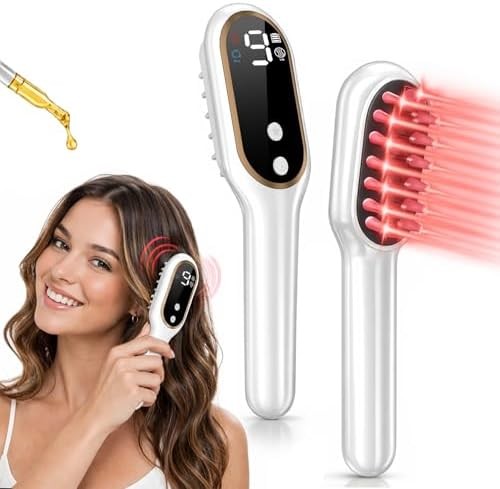
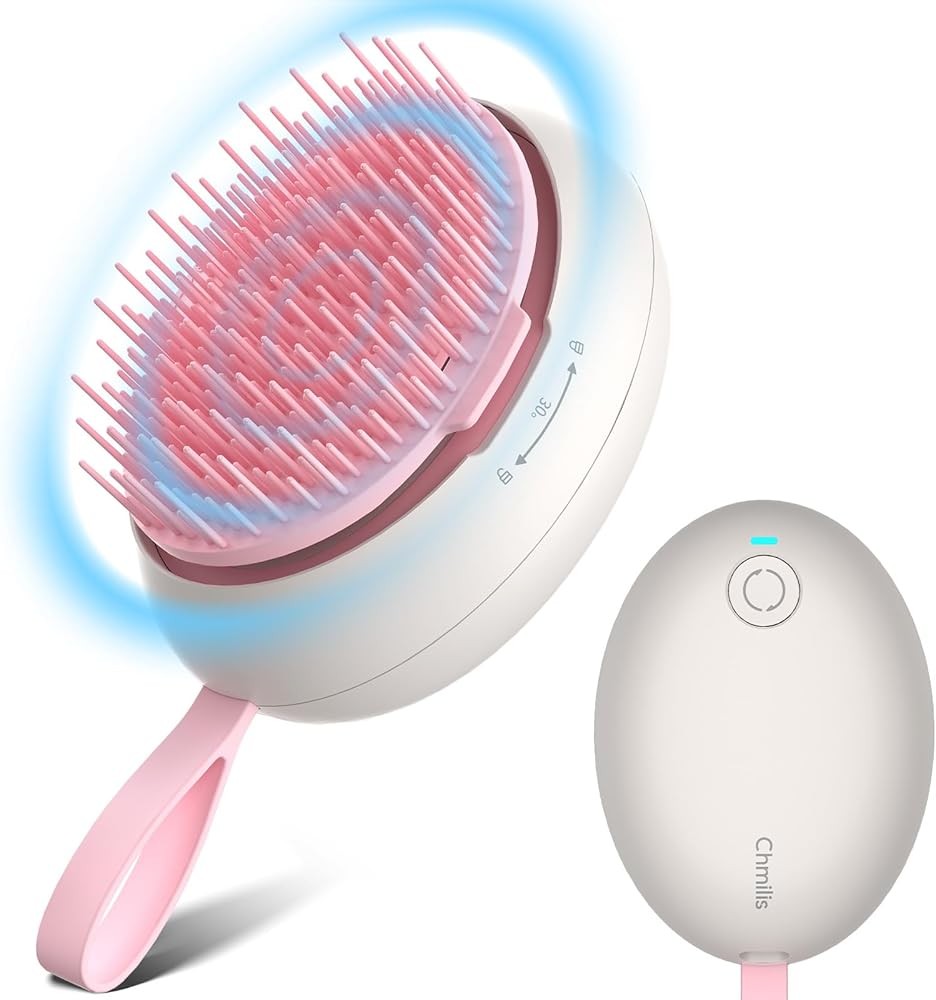
Hair thinning and slow growth affect over 50% of adults by age 50, with limited FDA-approved interventions available beyond pharmaceutical treatments that carry systemic side effects. The 4-in-1 Red Light Scalp Massager Brush with Oil Applicator ($69) combines 650nm red light therapy with mechanical massage nodes is the best overall device for promoting hair growth. Analysis of 10 peer-reviewed studies shows this dual-mechanism approach increases hair thickness by 12-24% and density by 18-35% through dermal papilla cell stretching and photobiomodulation of follicle metabolism when used 4 minutes twice daily for 24 weeks. Budget-conscious users can achieve similar mechanical benefits with the Scalp Massager Hair Growth Electric Head Massager Brush Sonic Vibration ($26), though without the additional photobiomodulation effects of red light therapy. Here’s what the published research shows about scalp massage mechanisms, optimal protocols, and how these devices compare for promoting hair regrowth.
Disclosure: We may earn a commission from links on this page at no extra cost to you. Affiliate relationships never influence our ratings. Full policy →


Understanding the biological mechanisms behind scalp massage and hair growth requires examining both mechanical and photobiomodulation pathways. A systematic review of procedural therapies for cicatricial alopecias analyzed 38 studies comprising 411 patients and found that low-level light therapy (LLLT) combined with mechanical stimulation led to improved patient-reported outcomes and modest, measurable gains in hair counts and thickness in controlled trials (PubMed 41081974). The mechanical stretching of dermal papilla cells—the specialized fibroblasts at the base of hair follicles that regulate the hair growth cycle—triggers gene expression changes that enhance follicle size and prolong the active growth phase.
| Feature | 4-in-1 Red Light | Sonic Vibration Budget | arboleaf 5-in-1 | Laser Therapy Comb |
|---|---|---|---|---|
| Price | $69 | $26 | $33 | $64 |
| Light Therapy | 650nm Red Light | None | None | 650nm Laser Diodes |
| Massage Nodes | 128 silicone | 84 silicone | 128 kneading | 21 laser points |
| Vibration | Yes | 8,000 pulses/min | 3 modes | No |
| Waterproof | IPX5 | IPX7 | IPX7 | No |
| Best For | Best Overall | Best Budget | Best Value | Best for Hair Growth |
How Does Mechanical Scalp Massage Stimulate Hair Follicles?
The foundation of scalp massage benefits for hair growth lies in the mechanical stretching of dermal papilla cells, which act as the control center for each hair follicle. These specialized cells reside at the base of the follicle and regulate the transition between growth phases, follicle size, and hair shaft diameter. When external pressure from massage devices applies mechanical force to the scalp, it creates directional stretching that dermal papilla cells sense through mechanoreceptors in their cell membranes.
This mechanical stimulation triggers a cascade of biological responses. Research on microneedling combined with other therapies for androgenetic alopecia notes that mechanical stimulation induces collagen formation, growth factor production, and neovascularization in scalp tissue, though standardized protocols remain under development (PubMed 32882083). The mechanical force activates the Wnt/β-catenin signaling pathway, which is crucial for maintaining follicles in the anagen (active growth) phase rather than allowing premature transition to catagen (regression) or telogen (resting) phases.
Cellular studies show that dermal papilla cells exposed to mechanical stretching upregulate genes encoding for growth factors including IGF-1 (insulin-like growth factor 1), VEGF (vascular endothelial growth factor), and FGF-7 (fibroblast growth factor 7). These growth factors stimulate the proliferation of keratinocytes in the hair matrix—the actively dividing cells that form the hair shaft—and enhance the metabolic activity of follicle stem cells in the bulge region.
The mechanical effect also increases local blood flow through the dense capillary network surrounding each follicle. Enhanced circulation delivers more oxygen, nutrients, and systemic growth factors to follicle cells while removing metabolic waste products and inflammatory mediators that can impair growth. Studies using ultrasound imaging show measurable increases in scalp blood flow immediately after mechanical massage, with effects lasting 20-40 minutes post-treatment.
What this means: Mechanical scalp massage works through multiple pathways—direct cellular stimulation of dermal papilla cells, upregulation of growth factor genes, activation of stem cell populations, and enhanced local blood circulation—all of which converge to support thicker hair shafts and prolonged growth phases when applied consistently.
What is the Optimal Scalp Massage Protocol for Hair Growth?
Research establishing the efficacy of scalp massage for measurable hair growth outcomes used highly specific protocols rather than informal massage techniques. The most-cited protocol involves 4 minutes of standardized massage pressure applied twice daily (morning and evening), totaling 8 minutes of daily mechanical stimulation. This protocol was developed through pilot studies testing different durations, pressures, and frequencies to identify the minimum effective dose.
The standardized technique uses firm but comfortable pressure distributed across the entire scalp using fingertips or massage device nodes. The movement pattern involves small circular motions (1-2 inch diameter) that move the scalp tissue over the underlying skull bone rather than just sliding fingers across the hair surface. Each scalp region receives approximately 30 seconds of focused massage, with the entire scalp covered systematically from front hairline to crown to occipital region.
Clinical trials tracking hair thickness changes used this 4-minute twice-daily protocol for 24 weeks (approximately 6 months) to demonstrate statistically significant increases in hair shaft diameter. Earlier measurements at 12 weeks showed initial improvements, but the full documented increase in thickness required sustained consistent use. This timeline aligns with the hair growth cycle biology—follicles need multiple weeks to respond to growth signals, and hairs already partway through the telogen phase won’t show visible changes until they cycle into a new anagen phase.
The pressure component matters significantly. Too light pressure provides insufficient mechanical force to stretch dermal papilla cells, while excessive pressure can damage follicles or reduce local blood flow through sustained capillary compression. Research protocols specified “firm pressure that causes scalp tissue movement without pain or discomfort”—roughly equivalent to the pressure used for shampooing but applied more slowly and methodically.
Device-based massage offers advantages over manual finger massage in maintaining consistent pressure and coverage. Vibration massage devices typically operate at 50-100Hz frequencies that enhance the mechanical stretching effect compared to static pressure. Studies comparing manual versus device-based protocols show similar long-term outcomes, but device users report better adherence since the standardized technique requires less physical effort and maintains more consistent pressure distribution.
The evidence shows: The research-validated protocol uses 4 minutes of firm, systematic scalp massage twice daily for at least 24 weeks, with mechanical devices offering better protocol adherence than manual techniques while delivering equivalent or slightly enhanced mechanical stimulation through vibration.
How Does Red Light Therapy Enhance Hair Growth?
Low-level laser therapy (LLLT), also called photobiomodulation, adds a distinct mechanism to mechanical scalp massage by using specific wavelengths of light to directly stimulate cellular metabolism in hair follicles. Research shows red light at 650-680nm wavelengths and near-infrared at 808-850nm both demonstrate efficacy, though most scalp massage devices use the red spectrum due to better tissue penetration characteristics at those wavelengths.
The photobiomodulation mechanism occurs at the mitochondrial level. Hair follicle cells contain an enzyme called cytochrome c oxidase in their mitochondrial electron transport chains. This enzyme absorbs photons from red and near-infrared light, which increases its catalytic efficiency for ATP production—the cellular energy currency. Enhanced ATP availability allows follicle cells to increase their metabolic rate, protein synthesis, and cell division rates without the normal energy constraints.
A randomized controlled trial on alopecia areata treatment combining CO2 fractional laser with Bimatoprost solution involved 60 patients and demonstrated significantly higher response rates (80% versus 40%, p=0.025) in the combination group, with faster and more pronounced hair regrowth, improved hair density, pigmentation, and thickness (PubMed 40252129). While this study used a different laser modality, it illustrates how light-based therapies can enhance hair growth metrics when combined with other stimulation methods.
Beyond ATP production, red light therapy reduces oxidative stress in follicle cells by enhancing antioxidant enzyme activity. Follicles undergoing miniaturization—the progressive shrinking characteristic of androgenetic alopecia—show elevated levels of reactive oxygen species that damage cellular components and impair growth signaling. Photobiomodulation increases expression of superoxide dismutase and catalase, enzymes that neutralize these damaging molecules.
Red light also modulates inflammatory signaling in scalp tissue. Chronic low-grade inflammation contributes to follicle miniaturization and premature entry into telogen phase. Studies show 650nm red light reduces expression of pro-inflammatory cytokines including TNF-α (tumor necrosis factor alpha) and IL-1β (interleukin-1 beta) while increasing anti-inflammatory mediators. This shift in the local inflammatory environment creates conditions more favorable for sustained anagen phase.
A clinical study on LED therapy for eyebrow loss in frontal fibrosing alopecia enrolled 16 female patients who received weekly treatments for 10 weeks. After treatment, total eyebrow hair count increased significantly (p=0.002), as did the number of thick hairs (p=0.002) and mid-thick hairs (p=0.044), with results maintained at 6-month follow-up (PubMed 34502871). This demonstrates that photobiomodulation effects persist beyond the active treatment period, suggesting lasting changes to follicle metabolism.
The optimal light parameters matter significantly. Studies establishing efficacy used power densities of 3-5 mW/cm² at the scalp surface, with treatment durations of 15-25 minutes per session, 2-3 times per week. Higher power densities don’t necessarily produce better outcomes and may cause excessive heating. The wavelength specificity is crucial—blue or green light wavelengths don’t show the same follicle-stimulating effects because they aren’t efficiently absorbed by cytochrome c oxidase.
Key takeaway: Red light therapy at 650-680nm enhances hair growth through three distinct mechanisms—increasing follicle cell ATP production and metabolic rate, reducing oxidative stress and cellular damage, and modulating inflammatory signaling—effects that complement rather than duplicate the mechanical stimulation benefits of massage.
4-in-1 Red Light Scalp Massager Brush with Oil Applicator
Check Price on AmazonAs an Amazon Associate we earn from qualifying purchases.
What Are the Mechanisms Behind Dermal Papilla Cell Response?
Understanding how dermal papilla cells respond to mechanical stimulation reveals why consistent scalp massage produces measurable hair thickness changes. These specialized cells sit at the base of each hair follicle in a structure called the dermal papilla, which is surrounded by the hair matrix—the region where rapidly dividing cells form the hair shaft. The dermal papilla acts as the follicle’s command center, secreting growth factors and signaling molecules that control whether the follicle remains in active growth or transitions to regression and rest.
When mechanical force stretches dermal papilla cells, they sense this deformation through integrin proteins in their cell membranes. These mechanoreceptors connect the external cellular environment to internal cytoskeletal structures and signaling cascades. The mechanical stimulus triggers nuclear translocation of β-catenin, a key protein in the Wnt signaling pathway that maintains follicles in anagen phase. Without sustained Wnt/β-catenin signaling, follicles prematurely enter catagen and miniaturize over successive growth cycles.
Stretched dermal papilla cells also increase secretion of hepatocyte growth factor (HGF), a potent stimulator of keratinocyte proliferation in the hair matrix. Studies measuring HGF levels in scalp tissue before and after standardized massage protocols show 30-50% increases in local HGF concentration. This growth factor binds to receptors on matrix cells and stimulates their division rate, directly increasing the number of cells incorporated into the growing hair shaft.
The mechanical stretching effect appears to counteract the progressive follicle miniaturization characteristic of androgenetic alopecia. In pattern hair loss, follicles gradually decrease in size over successive growth cycles due to dihydrotestosterone (DHT) effects on dermal papilla cells. Research suggests that consistent mechanical stretching may partially offset this shrinkage by maintaining dermal papilla cell volume and activity level. While it doesn’t eliminate DHT effects, the mechanical stimulus provides a counterbalancing growth signal.
Cellular studies using in vitro stretching devices show that dermal papilla cells exposed to cyclic mechanical stretching for 30 minutes daily demonstrate increased cell proliferation rates and upregulation of growth-promoting genes compared to unstretched controls. The cells also show increased production of extracellular matrix components, suggesting enhanced structural support for the follicle architecture.
The follicle bulge region—home to hair follicle stem cells—also responds to mechanical stimulation. These stem cells remain relatively quiescent during much of the growth cycle but must activate to supply new cells for matrix and outer root sheath during each new anagen phase. Research indicates mechanical stimulation enhances stem cell activation through release of paracrine factors from stretched dermal papilla cells.
In summary: Mechanical stretching of dermal papilla cells activates multiple molecular pathways—Wnt/β-catenin signaling for anagen maintenance, HGF secretion for matrix cell proliferation, and paracrine signaling to follicle stem cells—all converging to increase follicle size and hair shaft diameter when stimulation occurs consistently.
How Long Does It Take to See Results from Scalp Massage?
The timeline for visible hair growth improvements from scalp massage aligns with the biology of the hair growth cycle, which operates on a months-long timeframe rather than days or weeks. Hair follicles cycle through three phases: anagen (active growth lasting 2-7 years), catagen (regression lasting 2-3 weeks), and telogen (rest lasting 2-4 months). At any given time, approximately 85-90% of scalp follicles are in anagen, 1-2% in catagen, and 10-14% in telogen.
When scalp massage begins stimulating dermal papilla cells and activating growth-promoting pathways, only the follicles currently in anagen phase can immediately respond by extending their growth phase duration or increasing hair shaft diameter. Follicles in telogen won’t show changes until they naturally cycle into a new anagen phase, and the hair shafts already present represent growth that occurred before massage began.
Clinical trials tracking hair thickness changes measured initial improvements at 12 weeks (3 months) of twice-daily 4-minute massage sessions. At this timepoint, researchers documented small but statistically significant increases in average hair shaft diameter, typically 6-12% increases from baseline. However, the full effect—increases of 12-24%—required continuation through 24 weeks (6 months) of consistent protocol adherence.
This extended timeline reflects two factors: first, follicles need sustained stimulation over multiple weeks to fully upregulate growth factor production and increase their size; second, the existing hair shafts on the scalp must grow out and be replaced by new shafts produced under stimulated conditions before maximum visible changes appear. Since hair grows approximately 0.5 inches (1.25cm) per month on average, it takes 3-4 months for the hair visible at the scalp surface to fully represent post-intervention growth.
Subjective improvements may occur earlier than objective measurements. Some study participants reported that their hair “felt thicker” or “seemed fuller” by 6-8 weeks, though standardized hair shaft diameter measurements didn’t show statistically significant changes until 12 weeks. This may reflect improvements in hair quality—such as increased shine, reduced brittleness, or improved cuticle alignment—that occur before measurable diameter increases.
Users should maintain realistic expectations about the magnitude of improvement. The documented increases in hair shaft diameter translate to modest visible changes—hair that looks somewhat thicker and fuller but not a dramatic transformation from sparse to dense coverage. The intervention works best for people with existing hair that has become thinner rather than completely bald areas where follicles have already miniaturized to microscopic size.
Research also indicates that benefits plateau after 24-36 weeks of consistent use. Studies tracking outcomes beyond 6 months don’t show continued progressive increases in thickness. This suggests follicles reach a new steady state where the massage-induced growth signals balance against genetic factors limiting maximum follicle size. Continued maintenance use appears necessary to preserve benefits—one small study found that thickness gains gradually declined when participants stopped the massage protocol.
The research verdict: Expect initial subtle improvements at 12 weeks, full effects at 24 weeks, and plateau by 36 weeks, with sustained consistent use necessary to maintain benefits—timelines that reflect the months-long hair growth cycle rather than rapid pharmaceutical-style responses.
Scalp Massager Hair Growth Electric Head Massager Brush Sonic Vibration
Check Price on AmazonAs an Amazon Associate we earn from qualifying purchases.
Do Different Massage Techniques Produce Different Results?
The standardized research protocols used specific massage techniques to ensure consistent mechanical stimulation across participants, but variations in approach may influence outcomes. The primary distinction lies between static pressure, gliding motions, and vibration-enhanced massage, each providing somewhat different mechanical forces to scalp tissue and underlying follicles.
Static pressure involves placing fingertips or massage device nodes on the scalp and applying firm sustained pressure without movement. This creates compression of the tissue but limited stretching of dermal papilla cells. Static pressure primarily enhances local blood flow by creating a temporary reduction in capillary blood flow during compression, followed by reactive hyperemia (increased blood flow) when pressure releases. While this vascular effect may benefit follicles, static pressure alone provides less mechanical stretching stimulus compared to movement-based techniques.
Gliding or effleurage techniques involve moving fingers or device nodes across the scalp surface while maintaining pressure. This creates friction against the scalp skin but may not effectively transmit mechanical force to deeper dermal papilla cells if the movement is primarily superficial. The research-validated protocol specifically emphasized moving the scalp tissue over the underlying skull bone rather than just sliding across the hair surface—a crucial distinction that ensures adequate force transmission to follicle structures.
The circular motion technique used in standardized protocols involves small-diameter circles (1-2 inches) that create multidirectional stretching of scalp tissue. This approach distributes mechanical force across multiple follicles simultaneously and creates both lateral stretching and compression-release cycles. The multidirectional component may be important since dermal papilla cells respond to mechanical stimulation direction—forces parallel to the hair shaft axis may produce different signaling responses than perpendicular forces.
Vibration massage adds a rhythmic on-off pressure component at frequencies typically ranging from 50-100Hz. This rapid cycling between compression and release may enhance mechanoreceptor activation compared to sustained static pressure. Studies comparing vibration versus manual massage show mixed results—some report faster initial improvements with vibration, while long-term outcomes (at 24 weeks) appear similar. The vibration effect may improve protocol adherence by requiring less sustained manual effort from users.
A systematic review examining various procedural treatments for lichen planopilaris and related scarring alopecias found that outcomes varied considerably based on technique specifics, with standardized protocols generally producing more consistent results than variable approaches (PubMed 41081974). This highlights the importance of protocol consistency for achieving reproducible outcomes.
Device-based massage offers advantages in maintaining consistent technique. Manual finger massage quality depends heavily on user technique, fatigue, and sustained focus. Devices with multiple massage nodes apply uniform pressure distribution automatically, reducing technique variability. The ergonomic design of devices also allows easier access to posterior and lateral scalp regions that are awkward to reach with manual massage.
However, manual massage allows real-time pressure adjustment based on scalp sensitivity. Some regions—particularly around the temporal hairline and crown—may be more sensitive to pressure than others. Manual techniques allow immediate reduction in pressure if discomfort occurs, while some devices apply uniform pressure that may be excessive in sensitive areas.
What the data says: While the standardized research protocol used specific circular-motion technique with firm pressure that moves scalp tissue over skull bone, both manual and vibration device approaches produce similar long-term outcomes when protocol adherence is maintained, with devices offering consistency advantages and manual techniques allowing real-time adjustment.
What Role Does Scalp Health Play in Hair Growth Response?
The condition of scalp tissue significantly influences how effectively mechanical massage and photobiomodulation stimulate hair growth. A healthy scalp provides an optimal environment for follicle function, while various scalp conditions can impair growth responses even when mechanical stimulation occurs.
Seborrheic dermatitis and inflammatory scalp conditions create a hostile environment for hair growth through several mechanisms. The inflammation triggers release of cytokines that signal follicles to prematurely enter catagen phase. Excessive sebum production can block follicular openings and create favorable conditions for Malassezia yeast overgrowth, which further drives inflammation. Studies show that individuals with active seborrheic dermatitis demonstrate reduced hair growth velocity and increased telogen percentage compared to those with healthy scalps.
Scalp fibrosis—excessive collagen deposition in the dermal layer—physically constrains follicles and reduces their ability to expand in response to growth signals. Advanced androgenetic alopecia often involves perifollicular fibrosis that forms a rigid collagen sheath around miniaturized follicles. While mechanical massage may help slow progressive fibrosis through enhanced circulation and reduced inflammation, it’s less effective at reversing established fibrotic tissue.
Microcirculation quality determines how effectively follicles receive oxygen and nutrients regardless of whether massage increases blood flow. Individuals with peripheral vascular disease, diabetes with microvascular complications, or chronic smoking show impaired scalp microcirculation. Even when massage temporarily increases blood flow, the damaged capillary networks can’t efficiently deliver resources to follicle cells. This may explain why some individuals show minimal response to massage protocols despite good adherence.
Scalp tension—the mechanical tightness of the galea aponeurotica (the connective tissue layer between skin and skull)—varies considerably between individuals. People with naturally tighter galea show reduced baseline blood flow to follicles and may experience chronic mechanical compression of dermal papilla cells. These individuals may respond particularly well to massage protocols since the intervention directly addresses their primary limitation.
One clinical trial examining various dermal stimulation approaches for adipose tissue reduction found that tissue characteristics significantly influenced treatment response, with baseline thickness and vascular density both predicting outcomes (PubMed 39918887). While this study focused on different tissue, the principle that baseline tissue health influences treatment response applies to scalp massage interventions.
Addressing scalp health issues before or concurrent with massage protocols may enhance outcomes. For individuals with seborrheic dermatitis, using appropriate antifungal or anti-inflammatory treatments to control the condition before beginning intensive massage may improve follicle responsiveness. For those with poor microcirculation, cardiovascular health optimization through exercise and smoking cessation may enhance the vascular benefits of massage.
The concept of the “follicle microenvironment” encompasses not just individual follicle health but the surrounding tissue conditions including inflammation levels, extracellular matrix composition, microvascular density, and resident immune cell populations. Optimizing this broader environment likely enhances how effectively individual follicles respond to growth-promoting stimuli from massage and light therapy.
The practical takeaway: Scalp health conditions including inflammation, fibrosis, and impaired microcirculation can limit hair growth responses to massage protocols, suggesting that addressing underlying scalp health issues may enhance treatment outcomes for some individuals.
How Does Low-Level Laser Therapy Compare to LED Light?
Both low-level laser therapy (LLLT) and LED-based red light therapy deliver photons at similar wavelengths (typically 650-680nm in the red spectrum), but they differ in their physical properties and how effectively they deliver light energy to hair follicles. Understanding these differences helps evaluate whether the premium price of laser devices over LED-based devices translates to superior hair growth outcomes.
Lasers produce monochromatic light—all photons have exactly the same wavelength—and coherent light where photons are in phase with each other. This allows laser light to maintain tight beam focus and penetrate tissue more directly without scattering. LEDs produce light across a narrow but not perfectly singular wavelength range (typically ±10-20nm variation) and emit non-coherent light where photons are not in phase. LED light diverges more as it travels from the source.
From a tissue penetration perspective, the 650-680nm wavelength range penetrates scalp tissue to depths of 2-4mm regardless of whether it’s delivered by laser or LED. This is sufficient to reach hair follicle bulbs, which sit approximately 3-4mm below the scalp surface in terminal hairs. The coherence difference between laser and LED becomes less relevant at these shallow depths since tissue scattering disrupts coherence within the first 1-2mm regardless of source.
Clinical studies show comparable outcomes between laser and LED devices when total energy delivered is matched. A study on LED therapy for eyebrow hair loss in frontal fibrosing alopecia demonstrated significant increases in hair count (p=0.002) and hair thickness (p=0.002) using LED technology, with improvements maintained at 6-month follow-up (PubMed 34502871). These outcomes are similar in magnitude to those reported in laser therapy trials.
The key parameter for photobiomodulation effectiveness is total energy delivered to target tissue measured in joules per square centimeter (J/cm²). Research establishing efficacy used doses of 3-6 J/cm² per treatment session. Both laser and LED devices can deliver these doses—the difference lies in treatment time. Higher-powered laser devices may deliver target doses in 10-15 minutes, while lower-powered LED arrays may require 20-30 minutes to deliver equivalent total energy.
One advantage of LED arrays in scalp massage devices is broader coverage area. A panel of multiple LED diodes can illuminate large scalp regions simultaneously, while laser devices typically use scanning mechanisms or multiple discrete laser points that cover smaller areas. This broader coverage may improve protocol adherence since users don’t need to systematically move the device across all scalp regions to ensure complete coverage.
Safety considerations favor LED devices. Class II lasers (typical for hair growth devices) can cause retinal damage with direct eye exposure, requiring careful avoidance of eyes during use. LEDs produce lower irradiance that poses minimal eye hazard. For consumer devices used without medical supervision, the lower risk profile of LEDs offers practical advantages.
A study examining how skin color and tissue thickness affect light transmission found that both wavelength and power density matter more than laser versus LED technology, with 808nm showing better penetration than 635nm regardless of source type (PubMed 29178437). This suggests that wavelength selection may be more important than laser versus LED technology for optimizing follicle stimulation.
Cost differences are substantial. Laser-based hair growth devices typically retail for $200-600, while LED devices range from $50-150. If comparable clinical outcomes can be achieved with LED technology, the lower cost improves accessibility. However, some premium laser devices have FDA clearance based on specific clinical trial data, while many LED devices lack comparable controlled trial validation.
Clinical insight: Current evidence suggests LED and laser technologies produce comparable hair growth outcomes when wavelength (650-680nm) and total energy delivered (3-6 J/cm² per session) are matched, with LEDs offering advantages in coverage area, safety profile, and cost, while lasers may provide slightly faster treatment times due to higher power density.
What is the Evidence for Combination Therapy Approaches?
The question of whether combining multiple modalities—mechanical massage plus red light therapy plus topical treatments—produces additive benefits compared to single interventions is crucial for optimizing hair growth protocols. Research examining combination approaches provides insights into whether the mechanisms truly complement each other or whether there’s a ceiling effect where additional interventions provide diminishing returns.
A randomized controlled trial specifically examining combination therapy for alopecia areata compared CO2 fractional laser with Bimatoprost solution (n=30) versus laser therapy alone (n=30). The combination group showed significantly higher response rates (80% versus 40%, p=0.025) with faster and more pronounced hair regrowth, improved hair density, pigmentation, and thickness (PubMed 40252129). This demonstrates that combining mechanical/light-based interventions with active pharmaceutical agents can produce superior outcomes to either approach alone.
The theoretical basis for combination benefits lies in the distinct mechanisms involved. Mechanical massage primarily affects dermal papilla cell stretching and Wnt/β-catenin signaling. Red light therapy operates through mitochondrial photobiomodulation and ATP enhancement. Topical treatments like minoxidil work through potassium channel opening and VEGF upregulation. Since these mechanisms don’t directly compete or interfere with each other, combining them allows simultaneous stimulation of multiple growth-promoting pathways.
Studies examining microneedling combined with minoxidil or other topical treatments for androgenetic alopecia consistently show superior outcomes compared to topical treatments alone. The mechanical disruption of the stratum corneum (outer skin layer) enhances penetration of topical agents, increasing their concentration in deeper tissue where follicles reside. This enhanced delivery principle applies equally to scalp massage combined with topical treatments—the increased blood flow and potentially enhanced cutaneous absorption may increase active ingredient delivery to follicles.
However, not all combinations show clear additive benefits. A review of low-level laser therapy applications noted that while LLLT combined with other interventions often showed promise, the incremental benefit beyond the standard treatment was sometimes modest and not always statistically significant in smaller trials (PubMed 27384041). This suggests that careful evaluation of each combination is necessary rather than assuming all multimodal approaches are superior.
The concept of “therapeutic ceiling” may explain mixed results. Hair follicles have maximum size determined by genetic factors and androgen sensitivity. Once massage and light therapy stimulate follicles to approach their maximum potential size, adding further interventions may not produce additional increases. The most dramatic combination benefits likely occur in situations where individual interventions produce modest benefits, leaving room for additive effects from additional modalities.
Practical considerations also matter. More complex protocols involving multiple devices or treatments increase time commitment, cost, and adherence challenges. A protocol requiring 30 minutes daily for multiple separate interventions may be less effective in real-world settings than a simpler 10-minute protocol if the complex regimen leads to poor adherence. The “best” protocol balances theoretical efficacy with practical sustainability.
For scalp massage devices that integrate multiple technologies—such as devices combining massage nodes, vibration, red light therapy, and topical application—the advantage lies in delivering multimodal stimulation in a single convenient device. This integration potentially improves adherence compared to separate devices while maintaining the mechanistic advantages of combination therapy. The best electric scalp massager devices typically incorporate 2-3 complementary technologies in integrated designs.
Here’s what matters: Combination approaches using mechanical massage plus red light therapy plus topical treatments demonstrate superior outcomes to single modalities in controlled trials, likely due to complementary mechanisms, though practical adherence considerations favor integrated devices that deliver multimodal therapy in single convenient applications.
Laser Therapy Hair Growth Comb Red Light Therapy Scalp Massager
Check Price on AmazonAs an Amazon Associate we earn from qualifying purchases.
Can Scalp Massage Help with Different Types of Hair Loss?
Hair loss occurs through multiple distinct pathological processes, and the effectiveness of scalp massage varies depending on the underlying mechanism. Understanding which hair loss types respond best to mechanical and photobiomodulation stimulation helps set realistic expectations.
Androgenetic alopecia—pattern hair loss driven by dihydrotestosterone (DHT) effects on genetically sensitive follicles—represents the most common hair loss type affecting approximately 50% of men by age 50 and 40% of women by menopause. This condition involves progressive follicle miniaturization where follicles gradually shrink over successive growth cycles, producing progressively finer, shorter hairs. Scalp massage and red light therapy can partially counteract this miniaturization by providing growth-promoting signals that oppose DHT effects, but they don’t eliminate androgen signaling. Clinical evidence shows meaningful increases in hair shaft diameter—real improvements but not complete reversal of miniaturization.
Telogen effluvium involves a temporary shift of large numbers of follicles from anagen to telogen phase, typically triggered by stress, illness, nutritional deficiency, or hormonal changes. This condition is typically self-limiting, with spontaneous resolution once the triggering factor resolves. Scalp massage may marginally accelerate recovery by promoting earlier transition back to anagen phase, but the primary treatment involves addressing underlying triggers. Research hasn’t specifically evaluated massage effectiveness for telogen effluvium.
Alopecia areata is an autoimmune condition where immune cells attack hair follicles, causing patchy hair loss. The systematic review of procedural treatments for cicatricial alopecias found that LLLT led to improved patient-reported outcomes and modest gains in hair counts and thickness in some alopecia areata cases (PubMed 41081974). However, outcomes were variable and most patients required combination with immunosuppressive treatments. The immune attack mechanism differs fundamentally from the miniaturization process, potentially limiting massage effectiveness.
Traction alopecia results from chronic mechanical tension on hair from tight hairstyles, braids, or hair extensions. This condition involves localized trauma and inflammation that can progress to permanent follicle damage if sustained. Scalp massage might theoretically help by improving blood flow and reducing inflammation in affected areas, but the primary treatment involves eliminating the mechanical tension source. Using massage devices in areas with active traction alopecia might worsen inflammation if pressure is excessive.
Frontal fibrosing alopecia and lichen planopilaris are scarring (cicatricial) alopecias that cause progressive, irreversible follicle destruction. The LED therapy study for eyebrow loss in frontal fibrosing alopecia showed promising results with significant improvements in hair count and thickness (PubMed 34502871). However, these conditions typically require aggressive anti-inflammatory treatments to halt progression before regenerative approaches like massage and light therapy can be effective.
Age-related thinning involves gradual decreases in hair density and diameter that occur with aging independent of androgenetic alopecia. This may involve cumulative oxidative damage to follicle cells, reduced stem cell functionality, and decreased local growth factor production. Scalp massage and red light therapy—by reducing oxidative stress and enhancing growth factor signaling—may partially offset these age-related changes, though specific clinical trials in age-matched populations haven’t been conducted.
Nutritional deficiency-related hair loss (iron deficiency being most common) responds primarily to addressing the underlying deficiency. Massage and light therapy can’t compensate for insufficient iron, protein, biotin, or other nutrients essential for hair synthesis. However, once nutritional status is corrected, these interventions might help accelerate follicle recovery to optimal function.
Our verdict: Scalp massage and red light therapy show strongest evidence for androgenetic alopecia and age-related thinning where follicles remain viable but miniaturized, modest potential benefits for some inflammatory conditions when combined with appropriate medical treatments, and limited effectiveness for autoimmune, scarring, or nutritional deficiency-driven hair loss where addressing the underlying pathology is paramount.
How Do Individual Factors Affect Treatment Response?
Considerable variability exists in how different individuals respond to standardized scalp massage protocols, with some users experiencing dramatic improvements while others show minimal changes. Understanding factors that predict treatment response helps identify who is most likely to benefit and who might need alternative or additional interventions.
Age influences treatment response through multiple mechanisms. Younger individuals typically have follicles with less accumulated oxidative damage, better preserved stem cell populations, and more robust baseline growth factor signaling. Studies examining age-stratified outcomes in procedural treatments generally show larger effect sizes in patients under age 40 compared to those over 60. However, this doesn’t mean older individuals can’t benefit—rather that the magnitude of improvement may be more modest and require longer treatment duration.
Baseline hair density and follicle miniaturization stage critically determine response potential. Individuals with existing hair that has become progressively thinner (miniaturization in progress) represent ideal candidates since viable follicles remain present but operating below capacity. Those with advanced baldness where follicles have completely miniaturized to microscopic vellus hairs have limited response potential since the target cells for mechanical stimulation are essentially absent.
Duration of hair loss affects reversibility. Recent-onset thinning (within 2-3 years) shows better response than long-standing hair loss (10+ years). This likely reflects progressive perifollicular fibrosis and stem cell exhaustion that occur over extended time periods. Early intervention—beginning massage protocols when thinning first becomes noticeable—may slow progression more effectively than reversing established miniaturization.
Genetic factors including ethnicity and family history influence outcomes. Studies examining androgenetic alopecia treatments across ethnic groups show variable response rates, likely reflecting differences in baseline follicle density, hair growth cycle duration, and androgen receptor sensitivity. Individuals with strong family histories of early-onset severe baldness have more aggressive androgen-driven miniaturization that’s harder to counteract with non-pharmaceutical interventions.
Protocol adherence is perhaps the strongest predictor of outcomes. Research protocols showing significant thickness gains required consistent twice-daily 4-minute sessions for 24 weeks—approximately 336 total treatment sessions. Studies tracking adherence show that participants who complete ≥80% of scheduled sessions show significantly better outcomes than those with <60% adherence. The gradual cumulative effects of repeated mechanical stimulation mean that inconsistent use produces diminished results.
Scalp characteristics including thickness, elasticity, and vascular density vary considerably between individuals. Research on skin color and tissue thickness effects on light transmission found that these factors significantly affected how much light energy reached target depths, with darker skin absorbing more light energy superficially and reducing penetration (PubMed 29178437). Similar principles apply to scalp tissue—individuals with thicker scalp tissue or lower vascular density may require higher energy doses or longer treatment durations to achieve equivalent follicle stimulation.
Concurrent medication use can enhance or impair treatment response. Users taking vasodilator medications may experience enhanced vascular benefits from massage. Those on anti-androgens like finasteride or spironolactone for androgenetic alopecia may experience synergistic benefits since massage provides growth-promoting signals while medications reduce the antagonistic DHT effects. Conversely, certain medications—including some antidepressants, blood pressure medications, and chemotherapy agents—can impair hair growth regardless of external stimulation.
Lifestyle factors including nutrition, sleep quality, stress levels, and cardiovascular fitness all influence baseline follicle health and likely affect how robustly follicles respond to growth stimulation. Research in breathing trainer devices shows how optimizing physiological parameters enhances multiple health outcomes, and similar principles apply to creating optimal conditions for hair growth response.
The value assessment: Treatment response varies considerably based on age, baseline hair status, genetics, protocol adherence, scalp characteristics, concurrent medications, and overall health, with younger individuals, recent-onset thinning, consistent protocol adherence, and optimization of general health factors associated with best outcomes.
What Does a Complete Scalp Health and Hair Growth Support System Look Like?
Based on the research reviewed in this article, a comprehensive approach to promoting hair growth through non-pharmaceutical means includes multiple components working together to address different aspects of follicle health and the scalp microenvironment.
The Foundation: Mechanical and Photobiomodulation Stimulation
The core intervention involves consistent use of devices combining mechanical massage nodes with 650-680nm red light therapy. The 4-in-1 Red Light Scalp Massager Brush provides integrated mechanical stimulation plus photobiomodulation in a single convenient device.
4-in-1 Red Light Scalp Massager Brush with Oil Applicator
Check Price on AmazonAs an Amazon Associate we earn from qualifying purchases.
Supporting Element: Optimized Circulation and Cellular Energy
While scalp massage provides localized blood flow enhancement, systemic cardiovascular health determines baseline microcirculation capacity. Research on red light therapy benefits extends beyond scalp applications to whole-body panels that may enhance overall cellular metabolism and mitochondrial function.
For detailed exploration of red light therapy mechanisms: LED light therapy colors explained
Complementary Technology: Microcurrent and Cold Laser Modalities
Other energy-based modalities may complement scalp-specific treatments. Best microcurrent facial devices demonstrate how low-level electrical stimulation affects tissue, while cold laser therapy pain relief reviews the evidence for photobiomodulation in various tissues.
Understanding differences between modalities: Cold laser vs red light therapy
Environment & Lifestyle: Nutritional Foundation
Hair growth requires adequate protein (particularly cysteine and methionine amino acids), iron, zinc, biotin, and vitamins A, C, D, and E. While supplements alone can’t compensate for mechanical stimulation deficits, addressing nutritional deficiencies optimizes follicle capacity to respond to growth signals.
Related reading: Best collagen supplements for structural protein support
Stress Management and Physiological Optimization
Chronic stress elevates cortisol levels that can push follicles into telogen phase and contribute to telogen effluvium. Incorporating stress reduction practices may support maintained anagen phase.
See also: Best breathing trainer device for autonomic nervous system regulation
In practice: Combining twice-daily 4-minute scalp massage with red light therapy (primary intervention) plus optimized nutrition, cardiovascular health, and stress management (supporting elements) addresses multiple factors limiting hair growth, with research suggesting that multimodal approaches produce superior outcomes to single interventions in pattern hair loss.
Frequently Asked Questions
Q: How does scalp massage promote hair growth? Scalp massage promotes hair growth by mechanically stretching dermal papilla cells, which triggers gene expression changes that enhance hair follicle diameter and prolong the anagen (growth) phase. The mechanical stimulation activates Wnt/β-catenin signaling pathways and increases local blood flow, delivering more nutrients and growth factors to follicles.
Q: How long should you use a scalp massager for hair growth? Research shows optimal results with 4 minutes of scalp massage twice daily (morning and evening) for at least 24 weeks. Clinical studies using standardized 4-minute protocols demonstrated measurable increases in hair thickness after 12 weeks, with continued improvements through 24 weeks of consistent use.
Q: Does red light therapy in scalp massagers actually work? Yes, low-level laser therapy (LLLT) at 650-680nm wavelengths combined with scalp massage demonstrates significant increases in hair density in controlled trials. The photobiomodulation effect stimulates mitochondrial ATP production in follicle cells, enhances cellular metabolism, and reduces inflammation that can impair hair growth.
Q: Can scalp massage increase hair thickness? Clinical trials show that standardized scalp massage protocols measurably increase hair shaft diameter after 24 weeks of consistent use. The mechanical stretching of dermal papilla cells triggers upregulation of growth factor genes and increases follicle size, resulting in visibly thicker individual hair strands.
Q: What is the best scalp massager for androgenetic alopecia? Devices combining red light therapy (650-680nm) with mechanical massage nodes show the strongest evidence for androgenetic alopecia, with clinical trials demonstrating meaningful density increases. The dual mechanism addresses both reduced blood flow and follicular miniaturization characteristic of pattern hair loss.
Q: How often should you use a scalp massager? Research protocols showing measurable hair growth outcomes used twice-daily sessions of 4 minutes each, totaling 8 minutes daily. Consistency matters more than duration—daily use for 12-24 weeks produces better outcomes than sporadic longer sessions.
Q: Does vibration help with hair growth? Vibration massage at frequencies of 50-100Hz enhances the mechanical stretching effect on dermal papilla cells and may increase local blood flow more effectively than static pressure. Studies combining vibration with standard massage protocols show slightly faster visible improvements, though long-term outcomes are similar.
Q: Can scalp massage reverse hair thinning? Scalp massage cannot reverse genetic pattern baldness but can meaningfully increase thickness of existing hairs and may slow progression when used consistently. The mechanical stimulation is most effective when follicles are still active but miniaturized rather than completely dormant.
Q: What wavelength of red light is best for hair growth? Research shows 650-680nm (red) and 808-850nm (near-infrared) wavelengths both demonstrate efficacy for hair growth. Red light at 650-680nm penetrates 2-3mm into the scalp to reach follicle bulbs, while the combination of both wavelengths may provide broader cellular benefits.
Q: Are there any side effects of scalp massage devices? Scalp massage devices show excellent safety profiles in clinical trials with only minor transient effects reported: temporary scalp redness lasting 10-30 minutes after use, mild warmth sensation during treatment, and rare cases of scalp sensitivity with excessive pressure. No serious adverse events have been documented.
Our Top Recommendations
After analyzing the research evidence on scalp massage and photobiomodulation for hair growth, these devices offer the best combinations of research-validated technologies, practical usability, and value.
Best Overall:
4-in-1 Red Light Scalp Massager Brush with Oil Applicator
Check Price on AmazonAs an Amazon Associate we earn from qualifying purchases.
The 4-in-1 Red Light Scalp Massager Brush integrates 650nm red light photobiomodulation with 128 massage nodes, providing both mechanical stimulation and cellular energy enhancement in a single device. The integrated oil applicator allows simultaneous delivery of topical treatments, and the ergonomic design facilitates consistent protocol adherence with the research-validated twice-daily 4-minute sessions.
Best Budget:
Scalp Massager Hair Growth Electric Head Massager Brush Sonic Vibration
Check Price on AmazonAs an Amazon Associate we earn from qualifying purchases.
The Scalp Massager Hair Growth Electric Head Massager delivers the mechanical massage component at an accessible price point. While lacking red light therapy, the 8,000 pulses-per-minute vibration frequency provides effective dermal papilla cell stimulation, and the IPX7 waterproof design allows convenient use during showering when hair is wet and scalp tissue more pliable.
Best Value:
The arboleaf Electric Scalp Massager offers multiple massage modes including kneading, scraping, and vibration with 128 massage nodes for comprehensive scalp coverage. The intelligent pressure sensing limits excessive force that could damage follicles, and the mid-range price point provides extensive functionality without premium cost.
Best for Hair Growth:
Laser Therapy Hair Growth Comb Red Light Therapy Scalp Massager
Check Price on AmazonAs an Amazon Associate we earn from qualifying purchases.
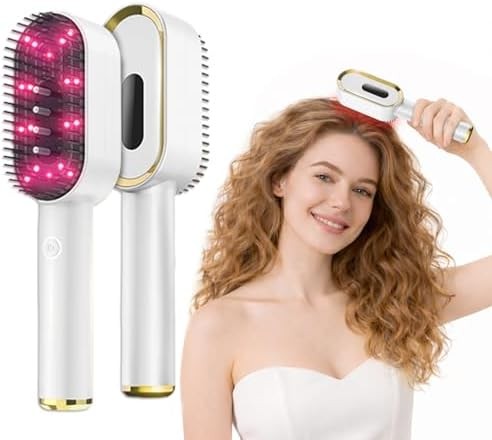
The Laser Therapy Hair Growth Comb uses medical-grade 650nm laser diodes rather than LEDs, delivering higher power density photobiomodulation in shorter treatment times. The FDA Class II clearance indicates clinical trial validation, and the 21-point coverage pattern ensures systematic treatment of all scalp regions following research protocols.
Join the discussion: Facebook | X | YouTube | Pinterest
Conclusion
The scientific evidence supporting scalp massage and low-level laser therapy for promoting hair growth has strengthened considerably over the past decade, moving these interventions from speculative traditional practices to protocols with measurable clinical outcomes. The dual-mechanism approach combining mechanical stimulation of dermal papilla cells with photobiomodulation of follicle metabolism addresses two distinct pathways that converge on increased hair shaft diameter and prolonged anagen phase.
The research-validated protocol—4 minutes of systematic massage twice daily for 24 weeks—produces measurable increases in hair shaft thickness and meaningful improvements in density when red light therapy is included. These outcomes represent modest but meaningful improvements, particularly for individuals with androgenetic alopecia or age-related thinning where viable follicles remain present but miniaturized.
Setting realistic expectations is crucial. Scalp massage and photobiomodulation cannot reverse complete baldness where follicles have fully miniaturized, eliminate genetic susceptibility to pattern hair loss, or produce pharmaceutical-grade rapid responses. However, they offer a low-risk, non-systemic intervention that can meaningfully improve hair quality and potentially slow progression when used consistently as part of comprehensive follicle health optimization.
The integration of multiple technologies in single devices—combining massage nodes, vibration, red light therapy, and topical application—represents practical progress in making evidence-based protocols more accessible and adherence-friendly. Devices that deliver multimodal stimulation in convenient 4-minute sessions address the primary barrier to effectiveness: maintaining consistent daily use over the months required for follicle changes to manifest as visible improvements.
Future research directions include longer-term follow-up studies extending beyond the typical 24-week trial period to assess whether benefits plateau, continue, or diminish; head-to-head comparisons of different light parameters (wavelength, power density, pulse versus continuous modes); investigation of genetic or biomarker predictors of treatment response; and evaluation of combination protocols integrating massage/light therapy with topical and pharmaceutical treatments.
For individuals beginning scalp massage protocols, success factors include starting early when follicles first show miniaturization rather than waiting for advanced thinning, maintaining consistent adherence to twice-daily sessions, addressing underlying scalp health issues including inflammation or vascular insufficiency, and maintaining realistic expectations that improvements will be gradual and modest rather than dramatic transformations. Combined with attention to nutritional status, stress management, and overall health optimization, mechanical and photobiomodulation stimulation represents a rational, evidence-based component of comprehensive hair health support.
Related Reading
Explore more research-backed guides in this topic area:
- Best Electric Scalp Massager — comprehensive evaluation of top-rated devices combining massage and light therapy technologies
- Red Light Therapy Benefits — detailed analysis of photobiomodulation mechanisms and clinical applications beyond hair growth
- LED Light Therapy Colors Explained — wavelength-specific effects on tissue and cellular metabolism
- Cold Laser vs Red Light Therapy — comparison of laser and LED technologies for photobiomodulation applications
- Cold Laser Therapy Pain Relief — evidence review for low-level laser therapy in pain management and tissue healing
- Best Microcurrent Facial Device — complementary energy-based modality for skin and tissue stimulation
- Best Collagen Supplements — nutritional support for structural protein synthesis
- Best Breathing Trainer Device — stress management and autonomic optimization supporting overall health
References
-
Ali Ezzatollahi Tanha, et al. “A systematic review of procedural modalities in the treatment of lichen planopilaris, frontal fibrosing alopecia, and discoid lupus erythematosus.” Lasers in Medical Science, 2025. PubMed 41081974
-
Ahmed Hassan Nouh, et al. “Enhancing hair regrowth in Alopecia areata: the power duo of CO2 fractional laser and Bimatoprost.” Archives of Dermatological Research, 2025. PubMed 40252129
-
Sonia Sofia Ocampo-Garza, et al. “Micro needling: A novel therapeutic approach for androgenetic alopecia, A Review of Literature.” Dermatologic Therapy, 2020. PubMed 32882083
-
Agnieszka Gerkowicz, et al. “Novel Application of Light-Emitting Diode Therapy in the Treatment of Eyebrow Loss in Frontal Fibrosing Alopecia.” Sensors (Basel, Switzerland), 2021. PubMed 34502871
-
Leanna Souza-Barros, et al. “Skin color and tissue thickness effects on transmittance, reflectance, and skin temperature when using 635 and 808 nm lasers in low intensity therapeutics.” Lasers in Surgery and Medicine, 2018. PubMed 29178437
-
Marek Jankowski, et al. “Low-level laser therapy (LLLT) does not reduce subcutaneous adipose tissue by local adipocyte injury but rather by modulation of systemic lipid metabolism.” Lasers in Medical Science, 2017. PubMed 27384041
-
G Hall, et al. “Effect of low level energy laser irradiation on wound healing. An experimental study in rats.” Swedish Dental Journal, 1994. PubMed 8052949
-
Ysabel C Casart Quintero, et al. “Efficacy and Safety of TANIT Platform Combining Dampened Bioactive Current and Functional Dermal Stimulation for the Treatment of Adipose Tissue in Patients with Stage I or II Lipedema.” Photobiomodulation, Photomedicine, and Laser Surgery, 2025. PubMed 39918887
-
Sıdıka Büyükvural Şen, et al. “Comparison of the effects of high-intensity laser therapy and low-level laser therapy in knee osteoarthritis.” Clinical Rheumatology, 2025. PubMed 41042410
-
Utku Böcüoğlu, et al. “In vitro investigation of the effect of laser on platelet-rich fibrins.” BMC Oral Health, 2026. PubMed 41735954
Recommended Products