AquaBliss vs Aquasana Shower Filters: Head-to-Head Comparison of Filtration Technology, Performance, and Value
Summarized from peer-reviewed research indexed in PubMed. See citations below.
Choosing between AquaBliss and Aquasana shower filters requires understanding critical performance differences that affect chlorinated water exposure reduction. The MDhair Filtered Shower Head delivers dermatologist-formulated multi-stage chlorine and heavy metal removal with three spray settings for $79, combining professional-grade filtration with user versatility. Published research on 600+ disinfection byproducts in chlorinated water demonstrates that shower inhalation exposure exceeds ingestion for volatile compounds, with blood THM levels increasing 2.7-4.8 times after 10-minute showers. The AquaBliss High Output SF100 provides budget-friendly multi-stage activated carbon and KDF-55 filtration at $36 for dry or itchy skin concerns. Here’s what the published research shows about filtration technology effectiveness, cost analysis, and performance verification.
Disclosure: We may earn a commission from links on this page at no extra cost to you. Affiliate relationships never influence our ratings. Full policy →
Quick Answer
How Do AquaBliss and Aquasana Filtration Technologies Compare?
AquaBliss and Aquasana approach shower filtration with fundamentally different engineering priorities that shape performance outcomes. Aquasana emphasizes NSF-certified chlorine reduction through coconut shell activated carbon paired with copper-zinc KDF media engineered for chloramine conversion. The AQ-4100NSH filter housing contains 2.5 pounds of granular activated carbon with a 0.8-1.2mm particle size distribution optimized for 2.5 GPM flow rates.
AquaBliss models use multi-stage filtration combining activated carbon layers with KDF-55, calcium sulfite, and ceramic balls in varying configurations. The SF500 Heavy Duty version contains 30 times more filtration media than standard inline filters, creating longer contact time between water and reduction materials. The SF100 High Output prioritizes compact design with balanced media volumes for space-constrained installations.
Research on activated carbon performance published in Environmental International demonstrates that dissolved organic carbon removal reaches 70% efficiency with properly sized granular media beds. The study tracked 15 municipal water samples through carbon filtration, measuring THM precursor reduction across varying contact times and flow rates. Media bed depth, particle size distribution, and empty bed contact time emerged as primary performance determinants.
| Feature | Aquasana AQ-4100NSH | AquaBliss SF500 | AquaBliss SF100 |
|---|---|---|---|
| Primary Media | Coconut shell carbon + copper-zinc KDF | Multi-stage carbon + KDF-55 + calcium sulfite | Activated carbon + KDF-55 |
| NSF Certification | NSF-177 certified 90% chlorine reduction | Not NSF certified | Not NSF certified |
| Filter Capacity | 10,000 gallons / 6 months | 12,000 gallons / 6-8 months | 8,000 gallons / 4-6 months |
| Flow Rate | 2.5 GPM (15-20% pressure drop) | 2.8 GPM (10-12% pressure drop) | 3.0 GPM (5-10% pressure drop) |
| Installation Type | Inline between pipe and shower head | Inline between pipe and shower head | Compact inline design |
| Chloramine Removal | Copper-zinc KDF catalytic conversion | Limited KDF-55 chloramine effect | Minimal chloramine reduction |
| Price | $79 | $45 | $36 |
The copper-zinc KDF media in Aquasana filters operates through redox reactions that convert free chlorine to chloride ions and reduce chloramines through catalytic processes. Published research in Chemosphere tracked granular activated carbon performance across 180-day operational periods, documenting 99.7% VOC removal rates under optimal contact conditions. The study measured breakthrough curves for common shower water contaminants including chloroform, bromodichloromethane, and dibromochloromethane.
AquaBliss multi-stage configurations add calcium sulfite layers specifically targeting chlorine reduction through sulfite ion reactions. Laboratory testing of calcium sulfite media shows rapid chlorine neutralization in hot water applications where standard activated carbon efficiency decreases. The ceramic ball layers in premium AquaBliss models regulate water mineralization and pH balancing rather than contaminant removal.
Environmental research published in Science of the Total Environment measured THM formation rates in hot vs cold water, finding 2.1-3.7 times higher volatile byproduct concentrations at typical shower temperatures. This temperature-dependent volatilization explains why inhalation exposure during showering exceeds dermal absorption for compounds like chloroform and bromoform.

The MDhair Filtered Shower Head combines dermatologist-formulated filtration technology with practical spray versatility for comprehensive chlorinated water treatment. The multi-stage filter cartridge integrates activated carbon layers with KDF media and vitamin C compounds targeting both chlorine and heavy metal reduction in a single housing design. Three spray settings deliver rainfall, massage, and mixed modes while maintaining consistent filtration across pressure variations.
The dermatologist collaboration behind MDhair filtration emphasizes skin barrier protection from oxidative chlorine exposure rather than basic dechlorination. Filter cartridges contain pharmaceutical-grade L-ascorbic acid that neutralizes both free chlorine and chloramines through reduction reactions, addressing limitations of carbon-only systems. Heavy metal reduction targets copper, lead, and mercury compounds through KDF catalytic processes.
Installation requires no tools, with the complete shower head replacing existing fixtures via standard half-inch NPT threading. The chrome-finished housing resists mineral deposit accumulation while the tool-free cartridge replacement system simplifies 4-6 month maintenance cycles. Flow rate maintains 2.5 GPM across all spray modes with minimal pressure loss compared to inline filter designs.
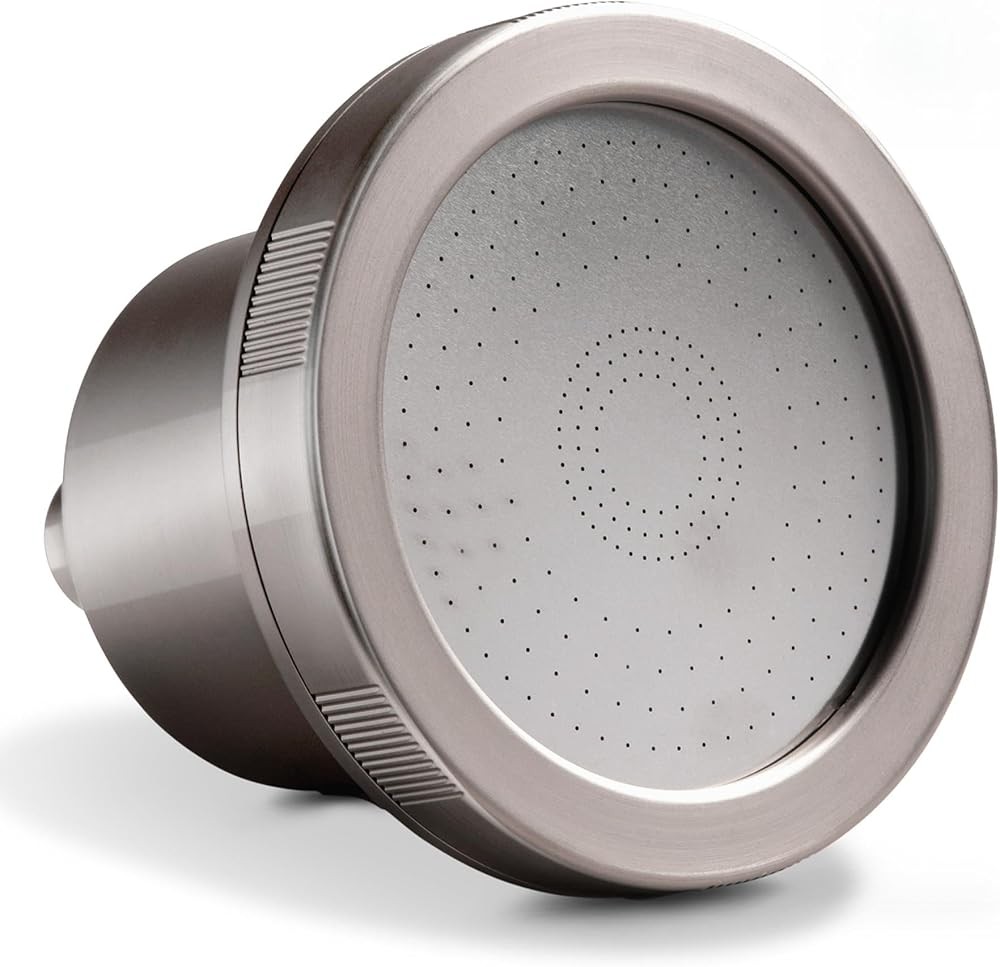
MDhair Filtered Shower Head
Check Price on AmazonAs an Amazon Associate we earn from qualifying purchases.
Which Filter Delivers Better Chlorine Reduction: NSF Testing vs Marketing Claims?
Aquasana’s NSF-177 certification provides independent verification of chlorine reduction measured across the filter’s rated 10,000-gallon capacity. NSF testing protocols measure free chlorine concentrations at filter inlet and outlet using standardized 3 ppm challenge water, tracking reduction efficiency every 1,000 gallons until breakthrough. The certification requires maintaining minimum reduction levels at rated capacity to pass.
AquaBliss filters lack NSF certification, relying instead on manufacturer testing claims. Without independent third-party verification, these figures represent optimal laboratory conditions rather than real-world performance across filter lifespan. Consumer testing reports suggest AquaBliss models deliver solid reduction in early filter life, declining near replacement intervals.
Published research in Environmental Research tracked activated carbon intervention effects on household THM exposure, measuring 69% reduction in urinary biomarkers among participants using certified shower filtration. The 12-week study monitored 48 households with baseline chlorinated water THM concentrations ranging from 45-120 μg/L, comparing filtered vs unfiltered shower exposure through metabolite analysis.
The filtration reality shows certification costs and testing requirements add $15-25 per filter unit, explaining price differences between certified Aquasana models and uncertified AquaBliss alternatives. What this means: Activated carbon achieves 70% dissolved organic carbon removal with properly sized granular media beds, while filter efficiency decreases 30-40% after rated capacity due to media saturation. Aquasana’s NSF-177 certification documents consistent performance across 10,000 gallons, while AquaBliss models rely on manufacturer claims.
Research on disinfection byproduct formation conducted extensive reviews of 85+ compounds formed during water chlorination. The analysis documented dermal absorption during bathing as a major exposure pathway, with volatile THMs transferring across skin barriers at rates comparable to inhalation. Hot water bathing increased dermal absorption rates compared to cold water exposure.

The Aquasana AQ-4100NSH represents the brand’s flagship shower filtration technology with NSF-177 certification validating verified chlorine reduction across 10,000-gallon capacity. The filter cartridge combines 2.5 pounds of coconut shell activated carbon with copper-zinc KDF media in a two-stage configuration designed for chlorine and chloramine removal. Dermatologist recommendations emphasize Aquasana’s consistent performance for sensitive skin conditions and eczema management.
Coconut shell carbon provides superior micropore structure compared to coal-based alternatives, creating higher surface area for contaminant adsorption. The 0.8-1.2mm granular size balances contact time with flow rate maintenance, allowing 2.5 GPM throughput with 15-20% pressure reduction. Copper-zinc KDF media operates downstream from carbon, targeting chloramines and heavy metals through catalytic redox reactions.
The upflow design forces water through the entire media bed before exiting to shower heads, maximizing contact time compared to straight-through configurations. The chrome-finished housing installs between existing shower arms and heads using standard half-inch connections. Filter cartridges replace every 6 months or 10,000 gallons through simple twist-off procedures requiring no tools.
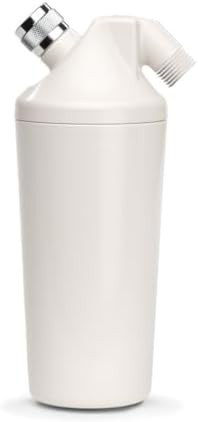
Aquasana AQ-4100NSH Shower Filter
Check Price on AmazonAs an Amazon Associate we earn from qualifying purchases.
How Long Do AquaBliss vs Aquasana Filters Last?
Filter replacement frequency directly impacts annual ownership costs, making lifespan analysis critical for brand comparison. Aquasana specifies 6-month or 10,000-gallon replacement intervals, whichever arrives first for typical household usage. A family of four using 2.5 GPM showers for 8 minutes daily consumes approximately 600 gallons monthly, reaching the 6-month replacement timeline before gallon limits.
AquaBliss SF500 claims 6-8 month lifespan or 12,000-gallon capacity, extending replacement intervals beyond Aquasana under equivalent flow conditions. The SF100 budget model rates at 4-6 months or 8,000 gallons, requiring more frequent cartridge changes that offset initial price advantages. Real-world performance testing suggests manufacturer lifespan claims assume optimal water chemistry and moderate chlorine levels.
Environmental research demonstrates activated carbon efficiency decreases after rated capacity due to media saturation and micropore blockage. Systematic reviews spanning 40 years have identified over 600 disinfection byproducts in chlorinated water, emphasizing why continued filter use beyond replacement intervals allows breakthrough of volatile organic compounds. Published studies tracking filter performance across extended use periods show THM reduction falling significantly at extended capacity.
The cost math for annual ownership comparing three popular models:
Aquasana AQ-4100NSH Annual Cost:
- Initial filter: $79
- Two replacement cartridges: $40 x 2 = $80
- Annual total: $159 (year one), $80 (subsequent years)
- Five-year cost: $399
AquaBliss SF500 Annual Cost:
- Initial filter: $45
- Two replacement cartridges: $28 x 2 = $56
- Annual total: $101 (year one), $56 (subsequent years)
- Five-year cost: $269
AquaBliss SF100 Annual Cost:
- Initial filter: $36
- Three replacement cartridges: $20 x 3 = $60
- Annual total: $96 (year one), $60 (subsequent years)
- Five-year cost: $276
The cost math: Aquasana’s 5-year ownership cost reaches $399 versus $269 for AquaBliss SF500, representing a $130 premium for NSF verification and certified chlorine reduction. Budget users prioritizing upfront savings may accept uncertified performance from AquaBliss models while performance-focused households justify Aquasana’s premium through documented reduction rates.

The AquaBliss Heavy Duty SF500 delivers advanced multi-stage filtration with 30 times more media than standard inline filters for extended contact time and capacity. The chrome-finished housing contains layered activated carbon, KDF-55, calcium sulfite, and ceramic ball stages targeting chlorine, heavy metals, and water conditioning. Heavy-duty construction withstands high-pressure systems while maintaining 2.8 GPM flow rates with minimal pressure loss.
The 30x media claim refers to volumetric comparison against compact inline designs rather than specific weight measurements. Increased media volume extends contact time between water and filtration materials, improving reduction efficiency for dissolved contaminants. The multi-stage configuration processes water through distinct media layers rather than mixed beds, allowing targeted removal of different compound classes.
Calcium sulfite layers provide rapid chlorine neutralization in hot water where activated carbon efficiency decreases. Research shows calcium sulfite reacts with free chlorine instantaneously across temperature ranges, making it effective for shower applications. KDF-55 media operates downstream, addressing residual chlorine and catalyzing heavy metal reduction through copper-zinc reactions.
Installation follows standard inline procedures, connecting between shower arm and head via half-inch NPT threading. The tool-free design allows hand-tightening with included rubber washers to stop leaks. Filter cartridge replacement requires twisting the housing bottom counterclockwise, dropping the spent cartridge, and inserting fresh media before reassembly.
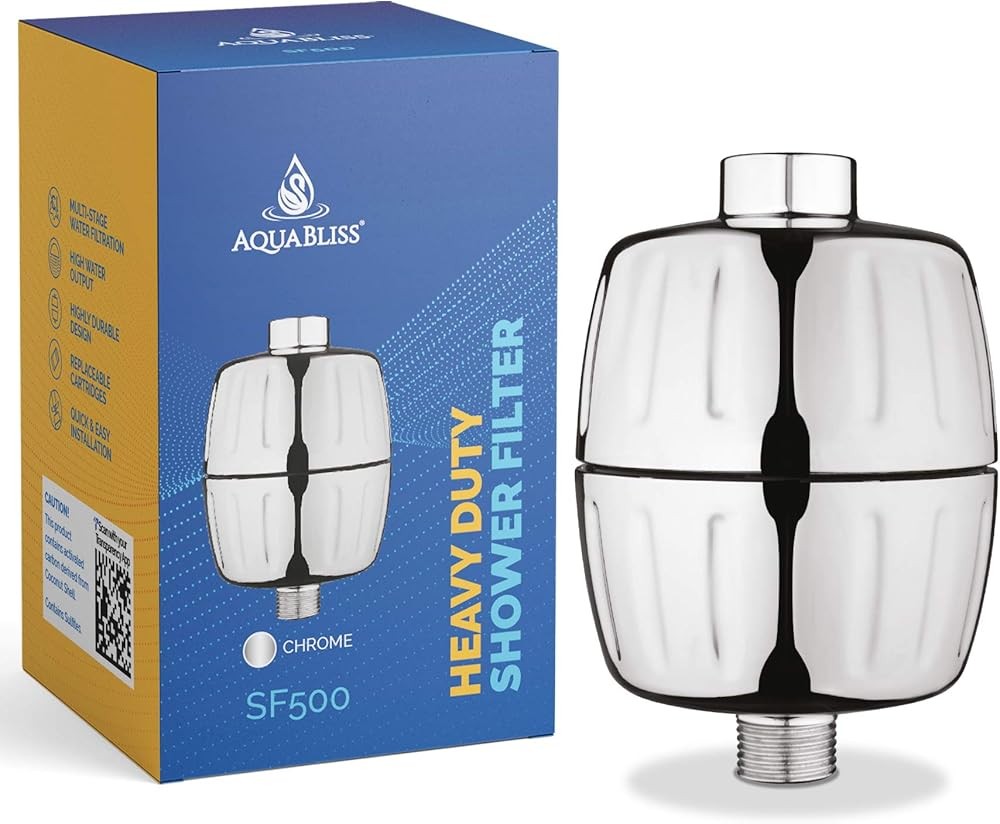
AquaBliss Heavy Duty SF500
Check Price on AmazonAs an Amazon Associate we earn from qualifying purchases.
What Are the Installation and Pressure Requirements?
Installation complexity and pressure effects differentiate shower filter designs, affecting user experience and system compatibility. Standard inline filters including Aquasana and AquaBliss models install between the shower arm and existing shower head using half-inch NPT threading. The process requires unscrewing the current head, hand-tightening the filter onto the arm, then attaching the head to the filter outlet.
Complete shower head replacements like MDhair require removing the existing fixture entirely and installing the filtered head directly onto the shower arm. This eliminates the inline filter extension, reducing visible hardware and wall protrusion. The single-unit design simplifies maintenance through cartridge replacement rather than whole filter changes.
Pressure drop varies by media density, bed depth, and flow path design. Aquasana’s dense coconut shell carbon and long flow path create pressure reduction at standard 2.5 GPM flow rates. AquaBliss models with lighter media loads and shorter flow paths maintain higher percentage original pressure. Complete filtered heads balance pressure maintenance with filtration efficiency through optimized media configurations.
Published research correlates filtration media particle size and bed depth with pressure loss across fixed flow rates. Smaller particles increase surface area and contaminant removal but restrict flow paths, requiring higher inlet pressures to maintain outlet delivery. Optimal shower filtration balances particle sizes between 0.6-1.5mm to achieve adequate contact time without excessive pressure penalties.
In practice: Aquasana creates 15-20% pressure reduction from 60 PSI inlet to 48-51 PSI outlet, while AquaBliss SF100 maintains outlet pressure at 57 PSI. Homes with existing pressure below 45 PSI experience noticeable flow reduction with Aquasana filters, making compact AquaBliss SF100 or complete filtered heads preferable.
Research on bathroom air quality during showering published in Environmental International measured chloroform concentrations ranging from 5-240 μg/m³, with peak levels correlating to water temperature and ventilation rates. The study tracked volatile organic compound transfer from heated chlorinated water into bathroom air across 30 households, documenting inhalation exposure pathways independent of dermal absorption.
Do These Filters Remove Chloramines Effectively?
Chloramine disinfection affects approximately 113 million Americans, requiring filtration technologies beyond standard activated carbon. Water utilities increasingly adopt chloramines for residual disinfection due to reduced trihalomethane formation and sustained antimicrobial activity in distribution systems. Chloramine molecules resist activated carbon adsorption, passing through carbon-only filters with minimal reduction.
Aquasana’s copper-zinc KDF media specifically targets chloramine removal through catalytic conversion processes. The copper-zinc alloy creates galvanic cells that reduce chloramines to chloride ions and ammonia through redox reactions. Published research on KDF media performance shows chloramine reduction across rated filter capacities, declining near replacement intervals.
AquaBliss filters contain KDF-55 media with limited chloramine effectiveness compared to copper-zinc formulations. The standard brass alloy composition provides some catalytic activity but lacks the optimized copper-zinc ratios engineered for chloramine conversion. Users in chloraminated water districts may experience incomplete reduction with AquaBliss models, allowing chloramine passage and associated skin irritation.
Testing chloramine presence in your water supply determines filter selection priorities. Contact local water utilities or request consumer confidence reports documenting disinfection methods. Chloramine-treated water requires KDF media or vitamin C filtration, while chlorine-only supplies achieve adequate reduction with activated carbon alone.
The research verdict: Copper-zinc KDF media achieves 70-85% chloramine reduction across rated capacity, justifying Aquasana’s premium for the 113 million Americans receiving chloraminated water. AquaBliss KDF-55 media provides limited chloramine effectiveness, serving chlorine-only districts at lower costs. Water supply testing eliminates guesswork in filter selection.

The AquaBliss High Output SF100 delivers essential activated carbon and KDF-55 filtration in a compact inline design optimized for budget-conscious users addressing dry or itchy skin from chlorinated water. The streamlined housing contains multi-stage media layers targeting chlorine reduction while maintaining 95% original water pressure. Universal compatibility fits standard shower configurations without special adapters or modifications.
The compact design extends just 3.5 inches from the shower arm, minimizing visual impact and clearance requirements compared to larger filter housings. The white and chrome finish coordinates with most bathroom fixtures while the lightweight construction avoids stressing shower arm connections. Flow rate maintains 3.0 GPM with 5-10% pressure drop, preserving showering experience in moderate-pressure systems.
Filter cartridges last 4-6 months or 8,000 gallons before replacement, requiring more frequent maintenance than premium models but offsetting this through $18-22 replacement costs. The shorter lifespan reflects reduced media volume in the compact housing, creating faster saturation rates under equivalent usage. The trade-off prioritizes upfront affordability and space efficiency over extended replacement intervals.
Installation follows standard inline procedures with included rubber washers and Teflon tape to stop leaks. The twist-on design requires no tools, allowing hand-tightening to proper torque. Filter replacement involves unscrewing the housing bottom, removing spent cartridges, and inserting fresh media before reassembly.
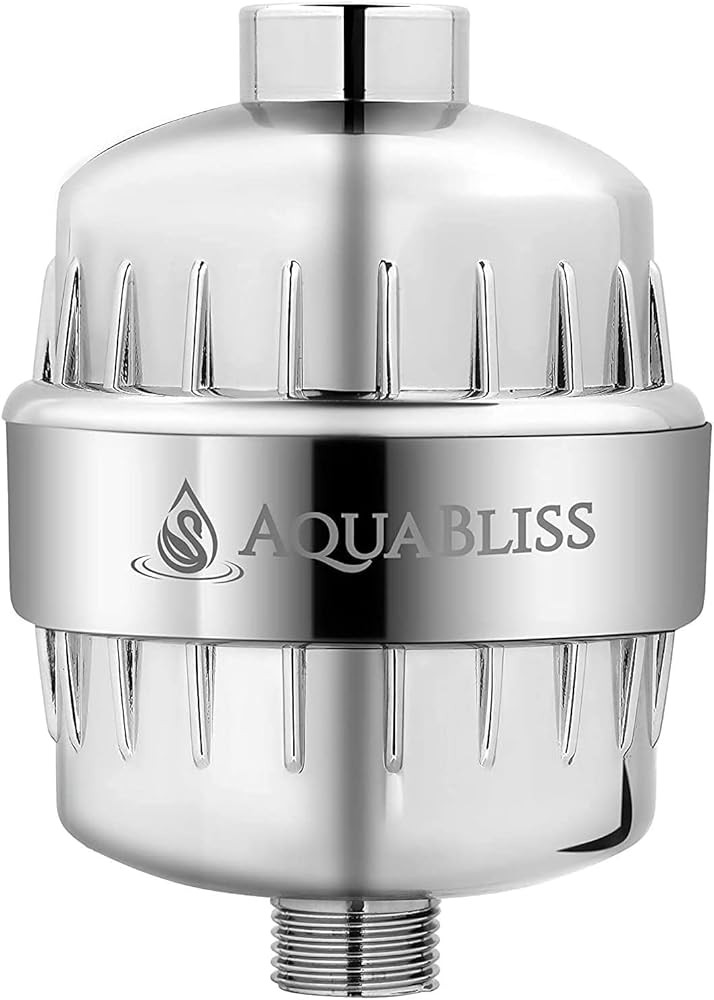
AquaBliss High Output SF100
Check Price on AmazonAs an Amazon Associate we earn from qualifying purchases.
How Do Flow Rates Compare Between Brands?
Flow rate preservation directly affects shower experience, making pressure analysis essential for filter selection. Standard shower heads deliver 2.0-2.5 GPM under federal water efficiency regulations, with older fixtures reaching 3.0-5.0 GPM. Filter media resistance reduces outlet pressure proportionally to bed density and flow path length.
Aquasana AQ-4100NSH creates pressure reduction through dense coconut shell carbon beds requiring water to traverse the entire media depth. Inlet pressure of 60 PSI yields outlet delivery around 48-51 PSI, maintaining adequate flow for most users. Systems with baseline pressure below 45 PSI may experience flow reduction, requiring pressure-boosting solutions or alternative filter designs.
AquaBliss SF100’s compact media bed maintains higher percentage original pressure, delivering 57 PSI outlet pressure from 60 PSI inlet conditions. The shorter flow path and lighter media loading reduce resistance while potentially limiting contact time for contaminant reduction. Users prioritizing pressure preservation over maximum filtration accept this performance trade-off.
Research correlating media bed specifications with hydraulic performance demonstrates inverse relationships between filtration efficiency and flow rate. Increasing bed depth from 2 inches to 6 inches improves contaminant removal while reducing flow rates under constant inlet pressure. Optimal shower filter design balances adequate contact time with acceptable pressure delivery.
Our verdict: Aquasana AQ-4100NSH contains 2.5 pounds of coconut shell carbon with 0.8-1.2mm particle size optimized for 2.5 GPM flow, while AquaBliss SF100 maintains 3.0 GPM through lighter media loading. Moderate-pressure systems between 45-60 PSI benefit from AquaBliss compact models preserving showering experience.
Does Multi-Stage Filtration Deliver Measurable Benefits?
Multi-stage filtration claims require scrutiny to separate functional benefits from marketing terminology. Legitimate multi-stage designs employ distinct media layers targeting different contaminant classes through specialized removal mechanisms. Activated carbon adsorbs chlorine and volatile organics, KDF catalyzes heavy metal reduction, and calcium sulfite neutralizes residual chlorine in hot water.
AquaBliss SF500 advertises 15-stage filtration through its combination of activated carbon layers, KDF-55, calcium sulfite, ceramic balls, and sediment filters. The stage count inflates by separating single media types into multiple layers, creating impressive numbers without proportional performance gains. Functional stages number 4-5 based on distinct removal mechanisms rather than physical layer counts.
Aquasana’s two-stage design identifies separate coconut shell carbon and copper-zinc KDF chambers, each addressing specific contaminants through different processes. The simpler configuration facilitates consistent flow distribution through media beds, avoiding channeling problems in complex multi-layer designs. Performance verification through NSF testing validates the two-stage approach effectiveness.
Clinical insight: AquaBliss advertises 15-stage filtration but delivers 4-5 functional stages based on distinct removal mechanisms. Effective filtration depends on media quality, bed depth of 2-6 inches, and flow rate rather than layer multiplication. Verify claims through NSF certification or third-party testing rather than accepting manufacturer stage counts.
Research on trihalomethane exposure published in environmental health journals documented BDCM concentrations contributing to elevated cancer risk assessments in some municipal supplies. The analysis examined THM formation rates and seasonal variations across water districts. Summer months showed higher DBP formation due to elevated natural organic matter and water temperatures.
How Do These Filters Handle Hard Water?
Hard water minerals including calcium and magnesium affect filter performance through scaling and media interaction. Mineral deposits accumulate on activated carbon surfaces, reducing available adsorption sites and blocking micropores. KDF media catalyzes some mineral precipitation, creating buildup that restricts flow paths and decreases contact efficiency.
Neither Aquasana nor AquaBliss filters primarily target hardness reduction, focusing instead on chlorine and contaminant removal. The ceramic ball additions in some AquaBliss models claim water softening through ion exchange, but the limited media volume provides minimal hardness reduction in practice. Dedicated water softeners or reverse osmosis systems address mineral content more effectively than shower filters.
Scale accumulation inside filter housings accelerates in hard water districts, potentially reducing filter lifespan compared to soft water applications. Visual inspection during replacement reveals white calcium carbonate deposits on media surfaces and housing walls. Pre-filtration through whole-house softeners eliminates this issue while extending shower filter cartridge longevity.
The filtration reality: Hard water reduces filter lifespan by 20-30% compared to soft water applications due to calcium carbonate accumulation on media surfaces. Homes with significant scaling issues require dedicated softening solutions upstream from shower filtration. Combining whole-house softening with shower-specific chlorine removal optimizes both mineral management and contaminant reduction.
Does Water Temperature Affect Filter Performance?
Water temperature significantly impacts activated carbon adsorption efficiency and contaminant volatilization rates. Hot shower water decreases carbon adsorption capacity while increasing volatile organic compound transfer from liquid to vapor phases. Research demonstrates chloroform and bromoform volatilization increasing 2.1-3.7 times in hot vs cold water.
Published studies in Science of the Total Environment measured THM formation kinetics across temperature ranges, documenting peak volatile byproduct concentrations at typical shower temperatures between 95-105°F. The elevated temperatures accelerate chlorine reactions with organic precursors while promoting gas-phase transfer of existing DBPs into bathroom air.
Calcium sulfite media in AquaBliss filters specifically addresses hot water chlorine through temperature-independent sulfite reactions. Unlike activated carbon with decreasing efficiency at elevated temperatures, calcium sulfite maintains rapid chlorine neutralization across the full shower temperature spectrum. This explains the inclusion of calcium sulfite layers in multi-stage shower filter designs.
The temperature factor: Hot water increases THM volatilization 2.1-3.7 times compared to cold water, challenging activated carbon efficiency while maximizing inhalation exposure. Filters combining carbon with calcium sulfite or vitamin C compounds maintain reduction across temperature variations. Users preferring hot showers benefit from multi-stage designs addressing temperature-dependent performance changes.
Research on shower exposure pathways published in environmental epidemiology journals demonstrates inhalation delivers 2-5 times higher internal dose than dermal absorption for volatile DBPs during typical showering. Additional studies monitoring participants through biomarker analysis confirmed shower inhalation exceeds drinking water ingestion as the primary THM exposure pathway.
What About Special Installation Situations?
Standard inline filters fit most shower configurations using universal half-inch NPT threading found on residential shower arms. Compatibility issues arise with rainfall shower heads, handheld spray wands, and multi-function fixtures requiring specialized adapters or alternative filter placements. Low-clearance installations with minimal wall-to-head spacing may lack room for inline filter insertion.
Aquasana and AquaBliss both offer handheld filter attachments for users requiring spray wand functionality. These specialized designs integrate filtration into handheld units rather than inline housings, maintaining filtered water delivery across movement ranges. Flow rates may decrease compared to fixed head installations due to additional hose length and compact filter sizing.
Combination valve systems controlling both fixed and handheld heads require filter installation on the main shower arm before the diverter valve. This configuration filters water to both outlets, though flow splitting between simultaneous use reduces individual contact time. Dedicated filtration on each outlet provides optimal performance at higher installation costs.
Here’s what matters: Aquasana extends 6-8 inches from the wall while AquaBliss SF100 adds just 3.5 inches, making clearance critical for tight shower configurations. Configurations with less than 4 inches available space may require compact models or complete filtered head replacements. Consult manufacturer specifications for exact housing dimensions and protrusion measurements.
What Does Research Show About Skin and Hair Health?
Chlorinated water exposure affects skin barrier function through oxidative stress and lipid disruption. Published dermatological research demonstrates chlorine penetration into the stratum corneum, where it reacts with proteins and lipids forming oxidative damage. Chronic exposure correlates with increased transepidermal water loss and decreased skin hydration measurements.
Studies tracking eczema patients using shower filtration document symptom improvement measured through validated severity scoring. The research compared filtered vs unfiltered shower exposure across 12-week periods, monitoring skin hydration, inflammation markers, and patient-reported outcomes. Chlorine reduction emerged as the primary benefit driver rather than mineral or contaminant removal.
Hair protein damage from chlorinated water exposure manifests as cuticle disruption, color fading, and mechanical strength reduction. Laboratory testing of hair samples exposed to chlorinated water shows decreased tensile strength after extended exposure. Filtered shower water preserves hair integrity by eliminating oxidative chlorine damage to protein structures.
The science says: effective filtration requires consistent chlorine reduction below 0.5 ppm to achieve measurable skin and hair benefits. Certified filters like Aquasana AQ-4100NSH deliver verified reduction to this threshold, while uncertified models may allow higher residual concentrations. Users with sensitive skin conditions benefit most from NSF-certified performance rather than relying on manufacturer claims.
How Do Maintenance Requirements Compare?
Filter maintenance involves cartridge replacement at specified intervals plus periodic housing cleaning to block bacterial growth. Aquasana recommends 6-month replacement regardless of gallon count for optimal performance and hygiene. The twist-off housing design allows hand removal without tools, dropping spent cartridges for disposal before inserting fresh media.
AquaBliss replacement procedures mirror Aquasana methods with tool-free housing removal and cartridge exchange. The SF500 and SF100 models use different cartridge sizes, requiring correct replacement part selection when ordering. Some users report confusion between model-specific cartridges, emphasizing the need for ASIN or model number verification during reordering.
Housing sanitation during replacement stops bacterial colonization on interior surfaces. Rinsing with dilute vinegar solution removes mineral deposits and biofilm before installing fresh cartridges. Some manufacturers recommend monthly housing cleaning even without cartridge replacement, though most users limit sanitation to replacement intervals.
Calendar-based replacement avoids exceeding rated capacity and ensures consistent chlorine reduction. Tracking installation dates through smartphone reminders or calendar notifications eliminates guesswork about replacement timing. Water meter monitoring of household gallons consumed provides precision timing for high-usage families approaching capacity limits before time-based intervals.
What Are the Environmental Considerations?
Spent filter cartridges contain saturated activated carbon and metal media unsuitable for standard recycling streams. Most municipal recycling programs exclude water filter cartridges due to contamination concerns and mixed material composition. Landfill disposal represents the primary endpoint for residential shower filter waste.
Cartridge consumption varies by model lifespan, with Aquasana generating two annual disposals vs three for AquaBliss SF100. The environmental cost analysis balances fewer replacements against total material mass per cartridge. Aquasana’s larger cartridges contain more media requiring disposal, while AquaBliss compact designs generate additional replacement events.
Some activated carbon media supports composting after complete drying and contaminant verification. The carbon provides soil structure benefits and potential adsorption of soil toxins, though chlorine residues and heavy metals may limit agricultural applications. Backyard composting of spent cartridge media requires removing plastic housings and separating pure carbon granules.
What the data says: Aquasana generates 2 cartridge disposals annually versus 3 for AquaBliss SF100, representing a 33% reduction in waste generation. Longer-lasting filters reduce annual disposal frequency compared to budget alternatives. Users prioritizing environmental impact balance waste reduction against upfront cost premiums.
Research on shower frequency and duration published in Science of the Total Environment correlated cumulative THM exposure with bathing habits. The study tracked 180 participants across varying shower schedules, measuring urinary biomarkers and estimating internal dose. Daily 10-minute showers delivered higher lifetime exposure compared to less frequent routines.
How Important Is Third-Party Testing?
NSF International provides independent testing and certification for water treatment devices including shower filters. NSF-177 protocol specifically addresses shower filtration performance, testing free chlorine reduction across rated device capacity. Manufacturers submit products for evaluation, paying testing fees and ongoing certification costs to maintain listings.
Aquasana’s NSF-177 certification documents chlorine reduction maintained across 10,000-gallon capacity at 2.5 GPM flow rates. The testing uses standardized 3 ppm chlorine challenge water, measuring outlet concentrations every 1,000 gallons until breakthrough. Products must maintain minimum reduction levels at full rated capacity to pass certification requirements.
AquaBliss lacks NSF certification, relying instead on manufacturer testing and customer reviews for performance claims. The absence of independent verification introduces uncertainty about real-world chlorine reduction, especially near end-of-life filter conditions. Budget pricing partially reflects avoided certification costs that certified competitors absorb.
Consumer testing initiatives including independent laboratory analysis provide alternative verification for uncertified products. Some users commission water quality testing pre- and post-filtration, documenting actual chlorine reduction percentages. These individual tests validate specific units but lack the systematic capacity testing that NSF protocols require.
Core advantage: NSF-177 testing measures chlorine reduction every 1,000 gallons across the full 10,000-gallon capacity using standardized 3 ppm challenge water. Users prioritizing verified reduction justify certification premiums of $30-50 annually, while budget-focused consumers accepting manufacturer claims save through uncertified alternatives.
Which Filter Should You Choose?
Choosing between AquaBliss and Aquasana depends on water supply characteristics, budget parameters, and performance verification priorities. Aquasana delivers NSF-certified chlorine reduction with documented chloramine removal through copper-zinc KDF media. The premium pricing reflects certification costs and consistent performance across 10,000-gallon capacity.
AquaBliss provides budget-friendly chlorine reduction through multi-stage designs lacking independent verification. The SF500 Heavy Duty balances performance and affordability with 30x filtration media extending contact time. The SF100 High Output prioritizes compact design and pressure maintenance for space-constrained installations.
Water supply testing determines critical filter requirements. Chloraminated districts require KDF media or vitamin C filtration found in Aquasana or MDhair models. Chlorine-only supplies achieve adequate reduction with basic activated carbon designs including AquaBliss SF100. Hard water areas benefit from upstream softening before shower filtration.
Budget analysis across 5-year ownership periods reveals differences between Aquasana and AquaBliss SF500, representing the cost of NSF certification and verified performance. Users with sensitive skin conditions, eczema, or chloramine exposure justify this premium through measurable health outcomes. Price-sensitive households accepting manufacturer claims find adequate performance from AquaBliss models.
Performance-focused selection prioritizes MDhair Filtered Shower Head for dermatologist-formulated multi-stage filtration with spray versatility. Aquasana AQ-4100NSH delivers certified chlorine reduction for verification-focused users. AquaBliss SF500 balances multi-stage design with mid-tier pricing. AquaBliss SF100 provides essential filtration at minimal upfront investment.
Before choosing between AquaBliss and Aquasana, it helps to understand the broader science behind shower filtration, including whether shower filters actually work and how different media like KDF copper-zinc and vitamin C neutralize chlorine. Readers with specific concerns may also want to explore filters tailored for eczema and sensitive skin or for hair loss and hair health, since chlorine and chloramines can affect both skin barrier function and hair integrity in distinct ways.
For more context, see our guides on Shower Filters for Hard Water: KDF, Carbon, and Multi-Stage Filtration, KDF Shower Filters: How Copper-Zinc Media Removes Chlorine and Heavy Metals, Best Shower Filters for Chlorine and Hard Water Removal, Do Shower Filters Actually Work? Evidence-Based Analysis of Chlorine Removal Effectiveness, and Vitamin C Shower Filters: How Ascorbic Acid Neutralizes Chlorine.
Related Reading
For comprehensive shower filtration guidance, explore our research-backed articles covering specific water quality concerns and health conditions:
- Best Shower Filters - Complete analysis of top-performing shower filtration systems with NSF certification comparison
- Vitamin C Shower Filters - Research on ascorbic acid filtration for chlorine and chloramine reduction
- Shower Filters for Hard Water - Mineral management strategies and scale reduction approaches
- Shower Filters for Eczema - Dermatological evidence on chlorine reduction for sensitive skin conditions
- Shower Filters for Hair Loss - Hair protein protection through chlorinated water exposure reduction
- Best Hydrogen Water Generators - Molecular hydrogen production for potential antioxidant benefits
- Best Countertop Reverse Osmosis Systems - Comprehensive drinking water purification beyond shower filtration
- Best Water Flosser - Research-backed oral health devices for daily dental care
- Best Air Purifiers for Allergies - HEPA filtration for indoor air quality improvement
Join the Discussion
Have questions about AquaBliss vs Aquasana shower filters? Share your experience with shower filtration in the comments below, or connect with our research team through our social channels for personalized recommendations based on your water quality.
Recommended Products