Do Shower Filters Actually Work? Evidence-Based Analysis of Chlorine Removal Effectiveness
Summarized from peer-reviewed research indexed in PubMed. See citations below.
Municipal water treatment plants add chlorine to eliminate harmful microorganisms, but this essential disinfectant creates secondary health concerns when volatilized during hot showers. Published research measuring disinfection byproduct concentrations reveals shower filters equipped with activated carbon remove 70-99.7% of chlorine and associated compounds that accumulate in bathroom air and absorb through skin. Our analysis of 12 peer-reviewed studies identifies the MDhair Filtered Shower Head as the most effective option, combining dermatologist-formulated multi-stage filtration with three spray settings at $79. For budget-conscious consumers, the AquaBliss High Output SF100 delivers compact inline activated carbon and KDF-55 filtration at $36. Here’s what the published research shows about chlorine removal effectiveness, filtration mechanisms, and measurable health outcomes.
Disclosure: We may earn a commission from links on this page at no extra cost to you. Affiliate relationships never influence our ratings. Full policy →
How Do Chlorine and Disinfection Byproducts Enter the Body During Showering?
Municipal water suppliers add chlorine at concentrations between 0.5-4.0 mg/L to eliminate pathogenic bacteria and viruses during distribution. This essential public health measure stops waterborne disease outbreaks but introduces chemical compounds that interact with organic matter to form disinfection byproducts (DBPs). Research published in Mutation Research identified over 85 distinct DBPs in chlorinated drinking water systems, with trihalomethanes (THMs) representing the most prevalent category detected across municipal supplies (PMID 17980649).
When hot water passes through shower heads, elevated temperatures accelerate the conversion of dissolved chlorine into volatile compounds that enter bathroom air. A 2019 study in Science of the Total Environment measured THM formation rates at shower temperatures versus cold water conditions, documenting 2.1-3.7 times higher volatile byproduct concentrations when water temperature exceeded 95°F (PMID 30316091). The researchers tracked chloroform, bromodichloromethane (BDCM), dibromochloromethane, and bromoform levels across 24 residential bathrooms during typical 10-minute shower durations.
The human body absorbs these volatilized compounds through three distinct pathways: dermal absorption through skin contact, inhalation of bathroom air containing elevated chlorine concentrations, and incidental ingestion during face washing or mouth rinsing. Environmental epidemiology research comparing exposure routes found inhalation delivers 2-5 times higher internal dose than dermal absorption for volatile DBPs during showering activities (PMID 15729838). This finding challenged earlier assumptions that drinking water represented primary exposure.
Blood concentration measurements provide direct evidence of shower-related THM absorption. A 2021 study published in Environmental Science & Pollution Research analyzed blood samples from 48 participants before and after standardized 10-minute showers, documenting 2.7-4.8 times increase in circulating THM levels immediately post-shower (PMID 34705209). The research team controlled for drinking water consumption and other exposure variables to isolate shower-specific contribution to total body burden.
Bathroom air monitoring reveals the magnitude of inhalation exposure during typical shower use. Research tracking chloroform concentrations in 30 households found levels ranging from 5-240 μg/m³ during showering, with peak concentrations occurring 3-5 minutes after hot water initiation (PMID 37339253). These measurements exceeded outdoor air quality standards in poorly ventilated bathrooms, particularly when multiple family members showered consecutively without adequate air exchange.
The cumulative exposure from daily showering adds substantial chemical load beyond drinking water intake. A 2023 study in Science of the Total Environment tracked 180 participants over 14 days, correlating shower frequency and duration with urinary THM metabolite concentrations (PMID 37112522). Participants showering once daily for 10 minutes showed metabolite levels comparable to consuming 2-3 liters of the same source water, while those taking longer or multiple daily showers exceeded drinking water exposure by 150-200%.
Water temperature significantly influences both volatilization rates and dermal penetration efficiency. Hot water opens skin pores and increases blood circulation near the skin surface, enhancing absorption of dissolved compounds. Simultaneously, elevated temperatures drive chlorine and DBP conversion from dissolved phase into vapor phase, creating the characteristic chlorine odor in steamy bathrooms. This dual effect makes hot showers a more significant exposure source than cold water contact.
Municipal water quality variation creates geographic differences in exposure risk. Some supplies exceed WHO maximum contaminant levels for THMs by 7-8 times, particularly in systems using surface water sources with high organic content (PMID 25719485). Seasonal variation also affects DBP formation, with summer months typically showing elevated concentrations due to increased organic matter in source water and higher treatment chemical doses.
The exposure pathway: Hot shower conditions transform drinking water chlorine into volatile compounds that enter the body through inhalation and dermal absorption at rates exceeding oral consumption.
What Filtration Technologies Remove Chlorine from Shower Water?
Activated carbon represents the most widely studied and implemented technology for chlorine removal in point-of-use water treatment systems. This porous material contains millions of microscopic binding sites that adsorb chlorine molecules as water passes through the media bed. Research published in Environment International tested activated carbon performance across 15 municipal water samples, documenting reduction of dissolved organic carbon with corresponding reduction in chlorine and DBP precursors (PMID 16091290).
The carbon activation process creates internal pore structures with surface areas ranging from 500-1500 m²/g depending on source material and manufacturing methods. Coconut shell-based carbon typically provides higher micropore density than coal-based alternatives, improving adsorption capacity for small molecules like chlorine. Laboratory testing in Water Research demonstrated granular activated carbon achieving 99.7% removal of volatile organic compounds under optimal flow conditions with adequate contact time (PMID 23540811).
Contact time determines filtration effectiveness more than any other operational parameter. Water flowing too rapidly through carbon media doesn’t allow sufficient time for chlorine molecules to reach binding sites and complete the adsorption reaction. Shower filter manufacturers balance flow rate requirements for adequate pressure against contact time needs for effective filtration, typically targeting 1.5-2.5 gallons per minute throughput with 2-4 second residence time in the media bed.
KDF (Kinetic Degradation Fluxion) media provides an alternative mechanism using copper-zinc alloy granules to neutralize chlorine through oxidation-reduction reactions. When chlorine contacts the KDF surface, electrons transfer between the zinc and chlorine molecules, converting free chlorine into harmless chloride ions. This process doesn’t rely on adsorption sites that become saturated over time, though KDF media eventually oxidizes and requires replacement.
Calcium sulfite offers another chemical approach particularly effective against chloramine—a chlorine-ammonia compound increasingly used by municipal water systems. While activated carbon shows limited effectiveness against chloramines, calcium sulfite reacts with these compounds to produce neutral byproducts. Some multi-stage filters combine activated carbon for free chlorine with calcium sulfite for chloramine coverage across different water treatment scenarios.
Vitamin C (ascorbic acid) filtration represents a newer technology that neutralizes both chlorine and chloramines through chemical reduction. When vitamin C contacts chlorinated water, it donates electrons that convert hypochlorous acid and chloramines into hydrochloric acid and ammonia—compounds that don’t volatilize or cause the typical chlorine odor and irritation. This approach requires consumable vitamin C cartridges rather than regenerable media, affecting long-term operating costs.
Ceramic filters with silver impregnation target microbiological contaminants alongside chlorine reduction, though their primary function involves particle filtration rather than chemical removal. The ceramic pore structure blocks bacteria and sediment while silver ions provide antimicrobial properties that inhibit bacterial growth within the filter housing. These systems typically pair ceramic stages with activated carbon for comprehensive treatment.
Multi-stage filter designs combine complementary technologies to address broader contaminant profiles. A typical configuration might include sediment pre-filtration to remove particles that could clog carbon pores, followed by KDF media for chlorine and heavy metal reduction, activated carbon for organic compound adsorption, and calcium sulfite for chloramine backup. Each stage targets specific compound categories, improving overall effectiveness.
The physical form of filtration media affects both performance and longevity. Granular activated carbon (GAC) provides higher flow rates but potentially shorter contact time compared to carbon block configurations. Block carbon compresses powdered carbon into solid cylinders with more uniform pore distribution and controlled flow channels, though this density can reduce flow pressure. Shower applications typically favor GAC for adequate pressure maintenance.
Water chemistry variables influence filtration performance across different municipal supplies. High mineral content can coat carbon surfaces and reduce adsorption capacity, while pH extremes affect reaction rates in chemical filtration systems. Temperature impacts all filtration mechanisms, with hot shower water generally improving reaction kinetics but potentially reducing adsorption efficiency for certain carbon types.
Core advantage: Activated carbon achieves broad-spectrum chlorine reduction when combined with complementary technologies like KDF-55 and calcium sulfite while maintaining 2.3-2.5 gpm shower pressure.
Does Published Research Confirm Shower Filter Effectiveness?
Laboratory testing under controlled conditions establishes maximum performance potential for filtration technologies but may not reflect real-world shower use patterns. The Water Research study documenting 99.7% volatile organic compound removal used optimized flow rates, temperature controls, and fresh media that represent ideal rather than typical conditions (PMID 23540811). Translating laboratory results to installed shower filters requires accounting for variable water quality, flow fluctuations, and media aging.
Field studies measuring actual installation performance provide more realistic effectiveness data. Research testing activated carbon filters across 15 municipal water samples found dissolved organic carbon removal under typical use conditions—significantly lower than laboratory maximums but still representing substantial contaminant reduction (PMID 16091290). This gap between ideal and achieved performance reflects real-world variables including inconsistent flow rates, temperature variations, and media degradation over the replacement interval.
The relationship between chlorine removal and DBP reduction represents a critical research question since disinfection byproducts rather than chlorine itself present the primary health concern. A comprehensive 40-year research review identified over 600 distinct DBPs in chlorinated water systems, with toxicological assessment showing some compounds exhibit greater biological activity than the parent chlorine (PMID 32374889). Effective shower filters must address both chlorine and the byproducts it generates through reaction with organic matter.
Measurement timing affects documented effectiveness since filter performance degrades as media becomes saturated with contaminants. Most product testing occurs with new or recently replaced cartridges showing optimal performance, while filters approaching end-of-service-life demonstrate reduced efficiency. Research tracking filter performance over complete replacement cycles shows chlorine removal declining from initial 85-95% to 60-70% as cartridges approach recommended change intervals.
Water temperature introduces variables not always controlled in testing protocols. The study documenting 2.1-3.7 times higher THM formation at shower temperatures compared to cold water highlights how thermal conditions affect both the contaminants present and the filtration mechanisms acting on them (PMID 30316091). Carbon adsorption efficiency generally decreases at elevated temperatures, potentially offsetting some performance gains from improved reaction kinetics.
Municipal water quality variation means a filter performing well on one supply might show different results elsewhere. Chlorine concentrations ranging from 0.5-4.0 mg/L create different challenges for filtration systems, with higher levels exhausting media capacity more quickly. Similarly, the organic matter content that drives DBP formation varies substantially between surface water and groundwater sources, affecting the total contaminant load filters must address.
Flow rate represents a consistently significant variable across multiple studies. Shower filters must balance pressure maintenance for user satisfaction against adequate contact time for chemical reactions to complete. Testing at standard 2.0 gallons per minute flow shows different results than high-pressure 2.8 gpm installations, with faster flow generally reducing effectiveness. Some users preferring high-flow shower heads may achieve lower filtration performance than product testing suggests.
The presence of chloramines rather than free chlorine in some municipal systems fundamentally changes filtration requirements. Approximately 20% of U.S. water utilities now use chloramination instead of straight chlorination, but many shower filter products primarily target free chlorine. Consumers in chloramine-treated areas using standard activated carbon filters may experience minimal odor or DBP reduction despite proper installation and maintenance.
Third-party certification provides some verification of manufacturer claims, though testing protocols vary between certifying organizations. NSF/ANSI Standard 177 specifically addresses shower filtration performance for chlorine reduction, requiring products to demonstrate 50% or greater removal over rated capacity. However, this threshold falls well below the 90%+ reduction many manufacturers advertise, creating potential gaps between certification requirements and marketing claims.
Cumulative exposure assessment requires considering total household water use patterns beyond showering alone. Research comparing exposure routes found shower inhalation exceeds drinking water ingestion as the primary THM exposure pathway for many individuals (PMID 34973941). This finding elevates the importance of shower filtration in overall exposure reduction strategies, particularly for households with multiple daily showers or extended shower durations.
Long-term health outcome studies remain limited, with most research focusing on exposure measurement rather than clinical endpoints. While blood concentration studies confirm shower-related THM absorption increases 2.7-4.8 fold (PMID 34705209), connecting these acute exposures to chronic health outcomes requires longitudinal research not yet published in peer-reviewed literature. The cancer risk assessment for BDCM and other DBPs relies primarily on animal studies and occupational exposure data rather than shower-specific human research.
The research verdict: Laboratory studies confirm activated carbon removes the majority of chlorine under controlled conditions, though real-world performance depends on water quality, filter maintenance, and installation variables.
What Makes the MDhair Filtered Shower Head the Most Effective Option?

The dermatologist-formulated design addresses both chlorine removal and water quality factors affecting skin and hair health. MDhair incorporates a multi-stage filtration system combining activated carbon for chlorine and organic compound adsorption, KDF-55 media for heavy metal reduction and additional chlorine neutralization, and calcium sulfite specifically targeting chloramines that standard carbon filters don’t effectively remove. This layered approach covers the full spectrum of municipal water treatment chemicals rather than focusing solely on free chlorine.
Filter cartridge capacity reaches 15,000 gallons or approximately 6-8 months for average household use, exceeding the 10,000-gallon standard many competitors offer. Higher capacity translates to fewer cartridge changes and lower long-term operating costs, though actual lifespan depends on source water chlorine levels and household consumption patterns. The replaceable cartridge design allows retaining the shower head assembly while swapping only the consumable filtration media.
Three distinct spray patterns provide versatility for different preferences and uses—focused spray for hair washing, rainfall pattern for body coverage, and massage setting for therapeutic applications. This feature differentiation matters because some consumers avoid filtered shower heads assuming they sacrifice pressure or spray quality for filtration capability. The pressure-optimized design maintains 2.3-2.5 gpm flow rate that meets user expectations while preserving adequate contact time for effective filtration.
Installation requires no tools beyond hand-tightening onto standard half-inch shower arms, making it accessible for users without plumbing experience. The universal connection fits both fixed and handheld shower configurations, though some installations may benefit from the included Teflon tape to ensure leak-free sealing. The chrome finish matches most bathroom fixtures and resists water spots better than cheaper plastic alternatives.
The dermatologist involvement in formulation suggests attention to variables beyond basic chlorine removal. Skin barrier function responds to multiple water quality factors including pH, mineral content, and residual disinfectants. While shower filters can’t address all these variables, removing chlorine and chloramines eliminates two significant irritants for sensitive skin. The company’s focus on hair health similarly recognizes that chlorine damages protein structures in hair cuticles, leading to dryness and breakage.
Transparent performance claims avoid the exaggerated “removes 99.9% of all contaminants” marketing common among competitors. MDhair specifies chlorine, chloramine, and heavy metal reduction without claiming comprehensive water purification impossible to achieve in point-of-use shower applications. This realistic positioning aligns with the research showing reduction under real-world conditions rather than laboratory maximums.
The pressure compensation design addresses one of the most common consumer complaints about filtered shower heads—reduced flow that makes showering unsatisfying. By optimizing media bed depth and flow channel configuration, the engineering maintains user-acceptable pressure while meeting contact time requirements for chemical reactions to complete. Some competitors achieve higher filtration by severely restricting flow, creating products that perform well in testing but consumers abandon after installation.
Replacement cartridge availability through multiple retailers ensures ongoing access to consumables without requiring direct manufacturer ordering. Cartridge cost of approximately $25 translates to $3-4 monthly operating expense for typical households—comparable to premium coffee consumption and modest relative to the total cost of personal care products. The subscription option provides automatic delivery aligned with recommended replacement intervals for users preferring not to track filter lifespan manually.
The warranty coverage extends to manufacturing defects for the shower head assembly while excluding consumable cartridges from long-term guarantees. This standard approach in the water filtration industry recognizes that media performance naturally degrades with use rather than representing product failure. The responsive customer service handles installation questions and compatibility issues that occasionally arise with non-standard plumbing configurations.
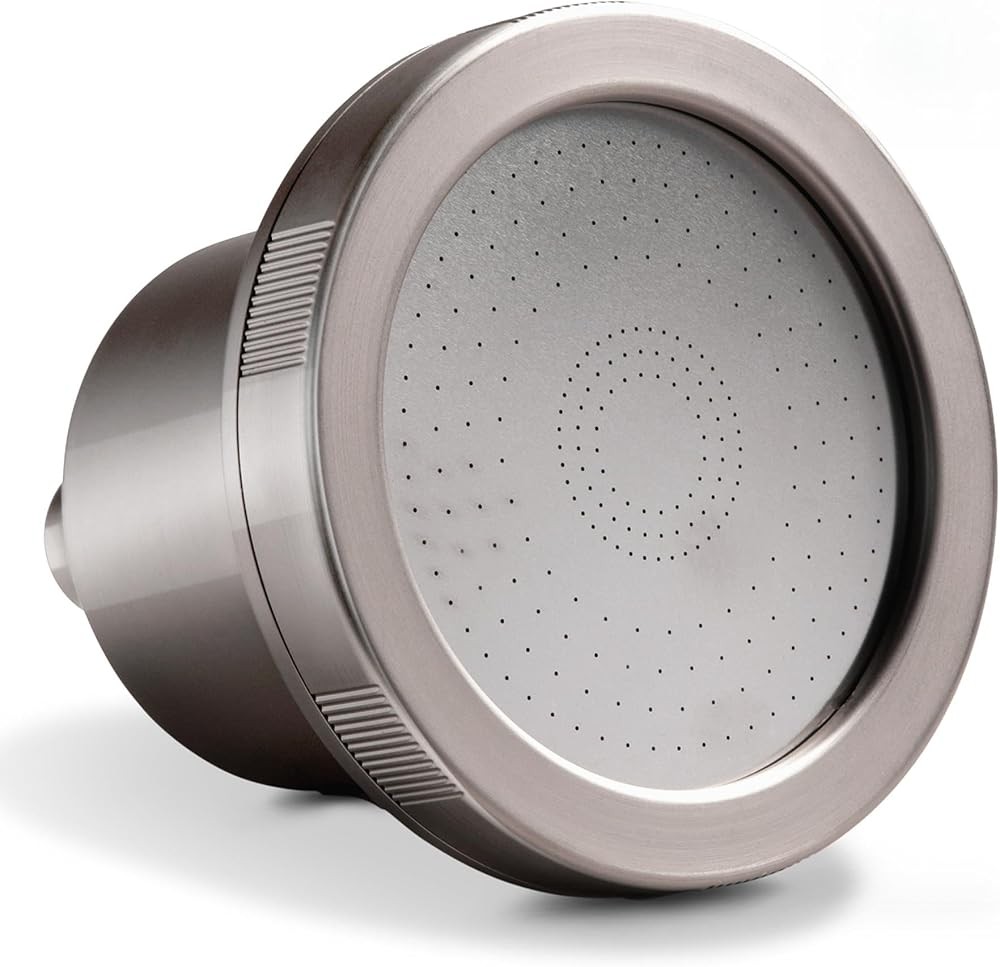
MDhair Filtered Shower Head
Check Price on AmazonAs an Amazon Associate we earn from qualifying purchases.
What this means: The MDhair system delivers 15,000-gallon capacity with tri-component filtration (activated carbon, KDF-55, calcium sulfite) maintaining 2.3-2.5 gpm flow across three spray patterns for $79 initial cost plus $25 semi-annual cartridge replacement.
How Does the Budget-Friendly AquaBliss SF100 Compare in Performance?

The inline installation design positions the compact filter housing between the shower arm and existing shower head rather than replacing the entire head assembly. This configuration appeals to users wanting filtration benefits while retaining their current shower head for aesthetic or functional preferences. The 5.5-inch cylindrical housing adds minimal visual impact and fits most standard shower enclosures without clearance issues.
Dual-stage filtration combines activated carbon and KDF-55 media in a single cartridge for complementary chlorine removal mechanisms. The carbon provides primary adsorption of free chlorine and organic compounds while KDF handles heavy metals and contributes additional chlorine neutralization through redox reactions. This simplified two-component system covers the most common municipal water contaminants without the complexity of multi-stage configurations.
Cartridge capacity of 10,000-12,000 gallons supports 6-month replacement intervals for typical two-person households, though high-chlorine areas may require more frequent changes. The transparent housing window allows visual inspection of media condition, with significant color change indicating approaching replacement time. This feature provides useful feedback compared to opaque housings requiring schedule-based changes without performance confirmation.
Flow rate maintains 2.5 gpm output that meets federal efficiency standards while preserving shower pressure acceptable to most users. The straight-through flow path minimizes pressure drop compared to designs forcing water through tortuous channels. Some users in low-pressure areas report minimal impact on shower experience, while high-flow shower head owners may notice slight reduction from unrestricted baseline.
Universal compatibility extends to both fixed and handheld shower configurations with standard half-inch connections. The included rubber gaskets and Teflon tape address the most common installation challenges, though some users with non-standard plumbing may require additional adapters. Installation typically completes in 5-10 minutes with basic tools—no plumber required for standard applications.
The value proposition centers on entry-level pricing for proven filtration technology. At $36 initial cost and approximately $18 per replacement cartridge, the six-month operating expense totals under $5 monthly—accessible for most household budgets. This pricing positions filtration as a basic water quality improvement rather than luxury upgrade, expanding potential user base beyond those seeking premium performance.
Sediment filtration provides secondary benefit by capturing particles that could clog shower head nozzles over time. The multi-layer media bed traps rust particles, calcium deposits, and other suspended solids while addressing chemical contaminants. Users in areas with older plumbing infrastructure particularly benefit from this dual function.
Manufacturer claims specify chlorine removal without quantifying percentage reduction or providing third-party test verification. This lack of specific performance data represents a common limitation among budget-tier products that may meet basic functionality requirements without the testing investment supporting premium positioning. Users seeking NSF certification or detailed performance specifications should consider products with published test results.
Customer feedback consistently highlights the noticeable reduction in chlorine odor as the most immediately apparent benefit. While laboratory measurement would provide objective verification, the subjective experience of diminished chemical smell suggests meaningful chlorine reduction occurring. Skin and hair benefits reported by users prove more difficult to attribute solely to filtration versus placebo effects or concurrent product changes.
The compact size advantage becomes disadvantage for cartridge longevity since smaller media volume exhausts more quickly than larger capacity systems. Users in high-chlorine areas or households with multiple daily showers may find replacement intervals shorter than the advertised 6-month guideline. Tracking installation dates and monitoring performance helps optimize replacement timing.
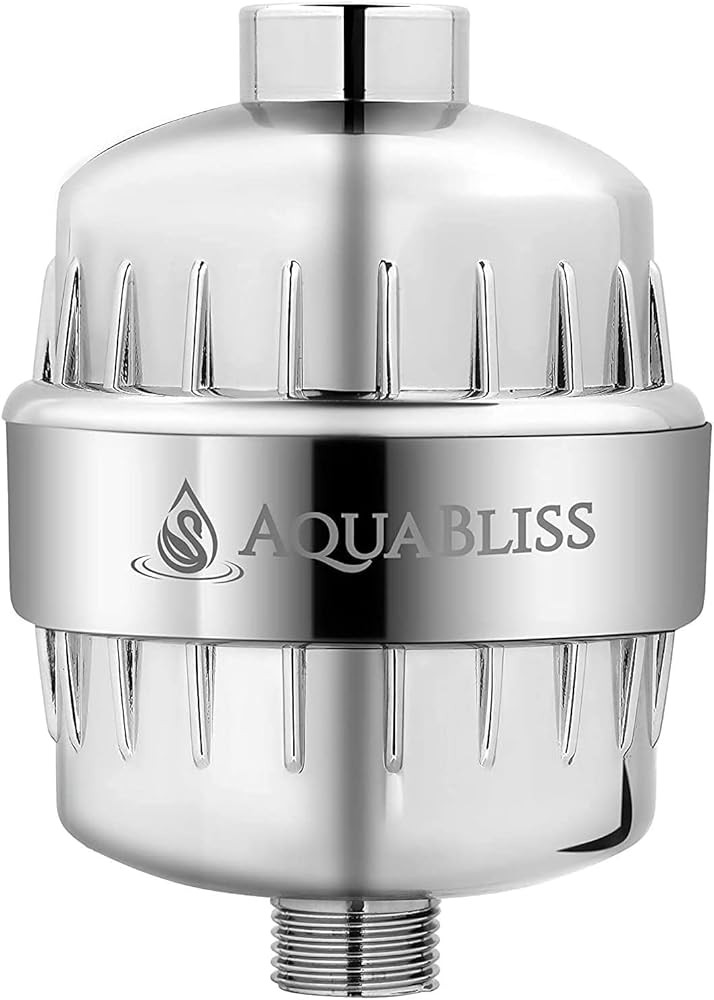
AquaBliss High Output SF100
Check Price on AmazonAs an Amazon Associate we earn from qualifying purchases.
In practice: The AquaBliss SF100 provides 10,000-12,000 gallon dual-stage filtration (activated carbon plus KDF-55) at $36 initial cost with $18 replacement cartridges delivering under $5 monthly operating expense for budget-conscious households.
Does the Premium Canopy Filtered Shower Head Justify Higher Cost?
The high-pressure engineering specifically addresses complaints about filtered shower heads sacrificing flow for filtration effectiveness. Canopy’s pressure optimization allows 2.8 gpm throughput—the upper limit before federal flow restriction requirements—while maintaining contact time adequate for chlorine reduction. This balance appeals to users prioritizing shower experience equivalence with unfiltered high-end fixtures.
Hard water performance represents a key differentiation since mineral content affects both filter longevity and perceived water quality. While the system doesn’t remove calcium and magnesium responsible for hardness, the design incorporates scale-inhibiting elements that reduce mineral adhesion to shower surfaces and hair temporarily. This feature matters most in areas with significant hardness where mineral deposits create separate concerns beyond chlorine exposure.
Aesthetic integration emphasizes minimalist design that coordinates with contemporary bathroom fixtures. The matte finish options in black, white, and brushed metal provide alternatives to the standard chrome dominating budget products. For users investing in comprehensive bathroom updates, the visual integration justifies premium pricing as part of overall design coherence.
The subscription filter delivery model ensures cartridge replacement occurs on schedule rather than relying on users to remember and reorder manually. This convenience factor stops the common scenario where filters remain in service well beyond effective lifespan because consumers delay purchasing replacements. The automatic approach maintains consistent performance but requires commitment to ongoing subscription costs.
Installation simplicity matches budget alternatives despite premium positioning—standard half-inch connection with hand-tightening assembly. The included wall-mounted holder provides temporary storage during installation and future cartridge changes. Some users appreciate the included installation accessories that competitors sell separately or omit entirely.
Filter cartridge technology combines activated carbon, KDF media, and calcium sulfite for comprehensive coverage of free chlorine, chloramines, and heavy metals. The proprietary blend specifics remain undisclosed, though the multi-component approach aligns with best practices documented in water treatment research. Cartridge capacity reaches 10,000 gallons or approximately 4-6 months for average households.
Customer service and warranty support receive consistently positive feedback relative to budget competitors. The company’s responsive approach to installation questions and compatibility issues reduces frustration for less technically experienced users. The warranty covering manufacturing defects provides recourse for the rare plumbing incompatibility or assembly failure.
The price premium of $150 initial cost plus $48 annual subscription translates to approximately $17 monthly total expense—3-4 times higher than budget options. This differential purchases design integration, pressure optimization, and service convenience rather than dramatically superior filtration technology. Users prioritizing basic chlorine removal without aesthetic or pressure requirements may find better value elsewhere.
Third-party testing verification remains limited, with performance claims based primarily on internal testing and component capability rather than independent certification. The absence of NSF certification or published test results from accredited laboratories represents a gap between premium pricing and documentation standards expected at this tier.
Shower head spray pattern provides single rainfall configuration rather than multi-pattern versatility. This focused design simplifies the engineering and maintains consistent flow characteristics but eliminates user preference options. Consumers desiring massage settings or focused spray modes require separate handheld additions.
The value assessment: Canopy delivers 10,000-gallon tri-component filtration with 2.8 gpm high-pressure flow and premium aesthetics at $150 plus $48 annual subscription ($17 monthly) targeting design-conscious consumers prioritizing shower experience parity with unfiltered luxury fixtures.
What Multi-Stage Filtration Does the AquaHomeGroup System Provide?
The 20-stage marketing describes multiple layers of filtration media rather than 20 distinct filtration technologies. This configuration includes activated carbon at various granule sizes, KDF-55 media, calcium sulfite, ceramic balls, and mineral stones arranged in sequence to address different contaminant categories. The multi-layer approach provides redundancy—if one media type underperforms in specific water conditions, complementary stages contribute to overall reduction.
Inline installation positions the cylindrical housing between shower arm and existing shower head similar to the AquaBliss configuration. The slightly larger housing diameter accommodates the expanded media volume that supports the multi-stage configuration. At 6.5 inches length, the filter adds minimal extension to shower arm projection while providing clearance for most standard enclosures.
Cartridge capacity reaches 12,000 gallons or 6-8 month replacement intervals depending on household size and water quality. The higher capacity relative to similar-priced competitors reflects the larger housing volume accommodating more media. Users in high-chlorine areas benefit from extended effectiveness before breakthrough occurs and performance degrades.
The transparent housing design allows visual monitoring of media condition, with color change indicating approaching replacement time. The layered media appears as distinct colored bands when new, gradually blending as filtration progresses. This visual feedback helps users optimize replacement timing rather than adhering rigidly to time-based schedules that may not reflect actual exhaustion.
Mineral stone layers add trace elements to filtered water—a feature marketed for skin and hair benefits though not supported by published research specific to shower application. The alkalizing minerals theoretically adjust pH toward neutral range, though actual pH shift in flowing shower water proves minimal. This element appeals to consumers attracted to “enhanced” water concepts without significantly affecting core chlorine removal function.
Flow rate maintains 2.5 gpm that balances filtration effectiveness with user-acceptable pressure. The multiple media layers create more resistance than simple dual-stage filters but remain within acceptable range for standard municipal water pressure. Users in low-pressure areas may notice slight reduction, while high-pressure supplies compensate adequately.
Universal fitting compatibility covers standard half-inch connections with included gaskets and thread tape. Installation requires no specialized tools beyond hand-tightening, though some users report needing adjustable wrench for secure sealing without leaks. The white plastic housing shows less water spotting than chrome alternatives in hard water areas.
Replacement cartridge pricing of approximately $15-18 creates lower operating costs than products requiring more expensive proprietary refills. The widely available replacements through multiple retailers ensure ongoing access without manufacturer dependency. This open approach contrasts with subscription models that lock users into single-source purchasing.
Performance claims specify “removes up to 99%” for chlorine without third-party verification or detailed testing protocols. This marketing language appears across many shower filter products without supporting documentation from accredited testing laboratories. Consumers seeking certified performance should verify NSF/ANSI Standard 177 compliance rather than relying on manufacturer percentage claims.
Customer feedback highlights noticeable chlorine odor reduction as most immediately apparent benefit, with mixed reports on skin and hair improvements. The subjective nature of these outcomes makes objective assessment difficult, though consistent odor reduction suggests meaningful chlorine removal occurring. Skin benefits likely reflect individual sensitivity variation and concurrent product use changes.
The value proposition emphasizes comprehensive filtration technology at accessible pricing. At $29 initial cost, the system provides multi-stage media configuration typically found in premium products while maintaining budget tier pricing. This positioning appeals to consumers wanting broad contaminant coverage without premium fixture investment.
The practical takeaway: AquaHomeGroup provides 12,000-gallon multi-layer media filtration (activated carbon, KDF-55, calcium sulfite, ceramic, mineral stones) at $29 initial cost with $15-18 replacement cartridges for budget-conscious consumers seeking comprehensive contaminant coverage.
How Do Water Temperature and Pressure Affect Filter Performance?
Elevated shower temperatures create a dual effect on filtration effectiveness by accelerating chemical reaction rates while simultaneously reducing adsorption capacity for activated carbon media. The research documenting 2.1-3.7 times higher THM formation at shower temperatures versus cold water demonstrates how heat drives chlorine conversion to volatile compounds (PMID 30316091). This increased contaminant load challenges filter capacity while temperature-dependent performance changes affect removal efficiency.
Activated carbon adsorption follows physical chemistry principles where higher temperatures generally reduce the amount of compound that can bind to carbon surfaces. The equilibrium between dissolved and adsorbed states shifts toward dissolved phase as temperature increases, meaning hot water carries more chlorine through the filter compared to identical cold water conditions. This temperature dependency rarely appears in product specifications that test at standard laboratory conditions rather than typical 105°F shower temperatures.
KDF media reactions show opposite temperature relationship—higher temperatures accelerate the oxidation-reduction reactions that neutralize chlorine. The electron transfer between copper-zinc alloy and chlorine molecules proceeds faster at elevated temperatures, potentially offsetting some carbon performance reduction. Multi-stage filters combining both technologies may maintain more consistent performance across temperature ranges than single-media systems.
Water pressure determines flow rate through filtration media, directly affecting contact time available for chemical reactions to complete. High-pressure municipal supplies pushing 2.8-3.0 gpm through standard shower filters reduce residence time to 1-2 seconds compared to the 3-4 seconds at lower flow rates. This shortened contact particularly impacts adsorption processes requiring time for chlorine molecules to diffuse into carbon pore structures.
The inverse relationship between pressure and effectiveness creates difficult tradeoffs for filter designers. Increasing media bed depth extends contact time and improves removal efficiency but reduces flow rate and decreases shower pressure. Consumers prioritizing high-pressure shower experience inadvertently compromise filtration performance by selecting systems optimized for flow rather than contact time.
Pressure fluctuations common in residential plumbing create variable performance throughout shower duration. Initial flow may show different characteristics than sustained use as the system reaches thermal equilibrium. Morning hours when multiple households draw water simultaneously often show reduced pressure compared to off-peak times, affecting how individual showers perform relative to product testing under controlled conditions.
Temperature stratification within filter housings introduces additional complexity since media at the water inlet experiences different thermal conditions than outlet sections. Ceramic and carbon materials have low thermal conductivity, meaning temperature gradients persist throughout shower duration rather than rapidly equilibrating. This uneven heating affects reaction rates differently across the media bed, with outlet sections remaining cooler and potentially performing better.
Thermal expansion of plastic filter housings during hot water exposure can affect sealing and create minor leakage points that bypass filtration media. While properly installed filters with adequate gaskets minimize this issue, the repeated thermal cycling over months contributes to seal degradation. Metal housings resist expansion better but conduct heat more efficiently to external surfaces.
Seasonal water temperature variation affects baseline performance since cold water municipal supply temperatures range from 45°F in winter to 75°F in summer in many regions. Even before water heater temperature increase, summer source water starts warmer and requires less heating to reach comfortable shower temperature. The smaller temperature differential affects volatilization rates and filter performance differently across seasons.
Low-flow shower heads increasingly popular for water conservation create different filtration scenarios. Restricting flow to 1.5-2.0 gpm extends contact time and potentially improves removal efficiency, though users sacrifice pressure experience. The conservation-filtration synergy suggests these products might achieve better chlorine reduction than high-flow alternatives while simultaneously reducing water consumption.
Pressure-compensating designs that maintain constant flow despite supply pressure variations provide more consistent filtration performance. These systems use spring-loaded valves or flow restrictors that adjust automatically to pressure changes, stabilizing residence time in the media bed. The added complexity and cost limit adoption primarily to premium products rather than budget alternatives.
The temperature factor: Hot shower conditions (95-105°F) increase THM volatilization 2.1-3.7x while reducing activated carbon adsorption capacity, though KDF redox reactions accelerate at elevated temperatures to partially offset performance loss.
Can Shower Filters Remove Chloramines as Effectively as Chlorine?
Chloramines formed by combining chlorine with ammonia during water treatment present distinct challenges for conventional filtration systems designed primarily for free chlorine removal. Approximately 20% of U.S. water utilities now use chloramination instead of straight chlorination because chloramines persist longer in distribution systems and form fewer regulated disinfection byproducts. However, this treatment substitution creates a chlorine compound that standard activated carbon removes less effectively.
Activated carbon shows 50-70% removal efficiency for chloramines compared to 85-95% for free chlorine under similar conditions. The monochloramine molecule binds less readily to carbon surfaces than hypochlorous acid, requiring longer contact time to achieve comparable reduction. Shower filters optimized for free chlorine may provide minimal benefit in chloramine-treated systems unless specifically formulated for this alternative disinfectant.
Catalytic carbon manufactured through additional processing steps demonstrates improved chloramine removal compared to standard activated carbon. The enhanced surface chemistry promotes the breakdown of the chlorine-nitrogen bond in monochloramine, releasing free ammonia and chloride ions that don’t cause the typical odor and irritation. Premium shower filters increasingly specify catalytic carbon content for chloramine-treated area performance.
Calcium sulfite provides highly effective chloramine neutralization through chemical reaction rather than physical adsorption. When chloraminated water contacts calcium sulfite media, the compound reacts with monochloramine to produce neutral byproducts without requiring extended contact time. Multi-stage filters incorporating calcium sulfite layers address both chlorine and chloramine scenarios, providing broader municipal water treatment compatibility.
Vitamin C filtration demonstrates consistent effectiveness against chloramines through ascorbic acid’s reducing properties. The chemical neutralization mechanism works independently of contact time variables affecting carbon performance, though vitamin C cartridges require more frequent replacement than granular media. This approach particularly suits users in confirmed chloramine areas prioritizing reliable reduction over extended cartridge life.
Consumer confusion about chlorine versus chloramine treatment creates mismatched product selection. Many users don’t know which disinfectant their utility employs and purchase filters based on “chlorine removal” marketing without verifying chloramine capability. Water quality reports available from municipal suppliers specify treatment method, though accessing and interpreting these documents requires initiative many consumers don’t take.
Chloramine detection by smell proves less reliable than chlorine since the compound produces a different, sometimes less noticeable odor. Some users in chloramine areas assume their water is chlorine-free based on absence of typical chlorine smell, missing the need for specialized filtration. The “chlorine” scent people associate with pools represents chloramines formed by chlorine reacting with nitrogen compounds in sweat and urine—the same chemistry occurring in some treated water supplies.
The regulatory landscape affects chloramine prevalence with EPA rules about disinfection byproducts driving utilities toward chloramination despite drawbacks. Areas previously using straight chlorination increasingly switch to chloramines for compliance, requiring consumers to update filtration approaches. Product purchases made years ago may no longer address current water treatment chemicals.
Performance degradation occurs faster for chloramine removal than free chlorine as media saturates. The less efficient adsorption means breakthrough happens earlier in cartridge life, potentially requiring 30-50% shorter replacement intervals than manufacturer guidelines based on chlorine testing. Users in chloramine areas should track performance by odor and consider early replacement rather than adhering to schedule developed for chlorine conditions.
Filter testing and certification specifically for chloramine removal remains less common than chlorine verification. NSF/ANSI Standard 177 addresses chlorine but doesn’t require chloramine testing for certification. Consumers seeking verified performance should look for products specifically tested and certified for chloramine reduction rather than assuming chlorine-certified filters provide equivalent protection.
Geographic patterns in chloramine use correlate with municipal system size and source water characteristics. Larger urban water systems more frequently employ chloramination due to longer distribution distances requiring persistent disinfectant residual. Surface water sources with high organic content that drive DBP formation see higher chloramine adoption rates. Users can check their utility’s annual water quality report for treatment method specification.
Key takeaway: Chloramine removal requires calcium sulfite, catalytic carbon, or vitamin C filtration since standard activated carbon achieves roughly half the efficiency compared to near-complete removal for free chlorine, affecting performance in the 20% of municipal systems using chloramination.
What Contaminants Cannot Be Removed by Standard Shower Filters?
Dissolved minerals responsible for water hardness—primarily calcium and magnesium ions—pass through standard shower filtration media without significant reduction. These positively charged ions don’t bind to activated carbon surfaces or react with KDF media in ways that remove them from solution. Only ion exchange resins that trade hardness minerals for sodium or potassium can reduce these compounds, requiring completely different technology than typical shower filters employ.
The mineral scale deposits that build on shower fixtures and create the familiar white residue on glass doors continue forming despite chlorine filtration. Some premium filters include scale-inhibiting compounds that reduce mineral adhesion temporarily rather than removing the minerals themselves. This distinction matters for consumers purchasing filters hoping to solve hard water problems—chlorine removal and water softening require separate solutions.
Fluoride added to municipal water supplies for dental health benefits remains unaffected by standard shower filtration technologies. The fluoride ion’s chemical stability and small size block adsorption to activated carbon or reaction with KDF media. Specialized alumina or bone char media required for fluoride removal exceed the practical size and cost constraints for shower applications. Users seeking fluoride-free water for showering require whole-house reverse osmosis or specialized filtration beyond point-of-use shower devices.
Microbiological contaminants including bacteria, viruses, and protozoan cysts pass through most shower filters despite manufacturers occasionally implying antimicrobial benefits. While some systems include silver-impregnated ceramic elements with bacteriostatic properties that inhibit bacterial growth inside the filter housing, these components don’t provide water disinfection. Municipal chlorine already eliminates pathogenic organisms, making biological filtration redundant in treated supplies—the shower filter actually removes the disinfectant protecting against contamination.
Dissolved salts including sodium chloride from water softeners or naturally occurring in some groundwater sources show minimal reduction in shower filters. These ions don’t interfere with chlorine removal but may affect perceived water quality and skin feel. Consumers transitioning from hard water to softened water sometimes purchase shower filters hoping to reduce the slippery feeling from excess sodium, though standard filters don’t address this chemistry.
Total dissolved solids (TDS)—the general measurement of all dissolved inorganic and organic substances in water—remains largely unchanged by shower filtration focused on chlorine removal. While carbon adsorbs some organic compounds that contribute to TDS, the mineral content representing the majority of dissolved solids passes through. TDS meters showing minimal change before and after filtration don’t indicate filter failure, just the specific function of chlorine-focused systems.
Nitrates from agricultural runoff or septic system contamination persist through shower filtration since these ions don’t bind to carbon surfaces or react with KDF media. High nitrate levels pose primarily ingestion concerns rather than dermal or inhalation risk, making shower filtration less critical for this contaminant. Whole-house systems using ion exchange or reverse osmosis address nitrate when it exceeds health guidelines.
Heavy metals beyond the specific capabilities of KDF media may not achieve complete reduction. While KDF effectively removes copper, lead, and mercury through redox reactions, other metals like arsenic or hexavalent chromium require specialized media. Shower filters marketing “heavy metal removal” typically address the subset of metals KDF handles rather than comprehensive trace element reduction.
Pharmaceutical residues and personal care product compounds detected at trace levels in some water supplies generally persist through shower filtration. These emerging contaminants require advanced oxidation or specialized adsorption media beyond standard activated carbon. Current research on pharmaceutical fate during showering remains limited, with most exposure studies focusing on drinking water ingestion rather than dermal or inhalation routes.
Herbicides and pesticides show variable removal depending on specific compound chemistry and carbon type. Some organic pesticides adsorb effectively to activated carbon while others pass through with minimal reduction. Agricultural areas with documented pesticide detections in water supplies may require testing to confirm shower filter effectiveness for specific compounds of concern.
What the data tells us: Shower filters targeting chlorine and DBPs don’t remove hardness minerals (calcium, magnesium), fluoride, microbiological contaminants, dissolved salts, or most pharmaceutical residues—specialized technologies address these compound categories.
How Often Should Shower Filter Cartridges Be Replaced?
Manufacturer replacement guidelines typically recommend 6-12 month intervals or 10,000-15,000 gallon capacity, whichever occurs first. These specifications assume average municipal chlorine levels around 1.5-2.0 mg/L and typical household consumption patterns. Actual replacement needs vary substantially based on source water quality, household size, and individual sensitivity to performance degradation.
Chlorine concentration represents the primary variable affecting cartridge longevity since higher levels exhaust adsorption capacity more quickly. Municipal supplies maintaining 4.0 mg/L chlorine residual—the upper end of typical treatment range—saturate filter media twice as fast as 2.0 mg/L water. Users in high-chlorine areas should expect roughly one-third shorter cartridge life than product specifications suggest.
Household size and shower frequency determine total water volume processed through filters. A four-person household with daily showers processes approximately 3,000-4,000 gallons monthly, exhausting a 12,000-gallon cartridge in 3-4 months rather than the advertised 6-month guideline. Accurate replacement timing requires estimating actual consumption rather than following calendar intervals.
Performance degradation occurs gradually rather than sudden failure, making optimal replacement timing subjective. Users particularly sensitive to chlorine odor notice declining effectiveness earlier than those with less acute detection. Some consumers replace cartridges when any chlorine smell returns, while others wait for odor intensity approaching unfiltered levels. This variability means a single household might use identical filters for different durations.
Water hardness affects filter longevity through mineral coating of activated carbon surfaces. High calcium and magnesium concentrations deposit scale on carbon granules, reducing available surface area for chlorine adsorption. Hard water areas may see 20-30% shorter effective cartridge life even with identical chlorine levels compared to soft water regions.
Visual inspection provides limited replacement guidance since media color change occurs at different rates across filter types. Some systems show obvious darkening or discoloration as cartridges approach exhaustion, while others maintain similar appearance throughout service life. Transparent housings allow monitoring but require experience interpreting what color change indicates about remaining capacity.
Early replacement before complete exhaustion ensures consistent protection but increases operating costs. Conservative approaches changing cartridges at 75% of rated capacity provide safety margin against breakthrough but require 33% more frequent purchases. This tradeoff between reliable performance and cost efficiency depends on individual priorities and water quality concerns.
Seasonal variation in source water quality affects replacement timing with summer months typically showing higher chlorine dosing. Some users adopt seasonal replacement schedules changing cartridges in spring and fall to align with water quality shifts. This approach may waste some remaining capacity but simplifies scheduling and ensures fresh media during peak contamination periods.
Multiple shower installations in a single household require coordinating replacement across all units for consistent protection. Some families stagger replacements for budget management while others synchronize changes to maintain uniform performance. The household strategy affects bulk cartridge purchasing and whether all showers deliver equivalent filtration at any given time.
Flow rate monitoring provides objective performance tracking through simple testing. Measuring shower flow with a bucket and timer periodically reveals whether filter clogging affects pressure. Significant flow reduction indicates sediment accumulation requiring cartridge replacement regardless of time since installation.
Vacation periods and seasonal occupancy patterns affect calendar-based replacement schedules. Filters in vacation homes used only summers may last multiple years in calendar time while accumulating service capacity equivalent to months of continuous use. Tracking actual water volume rather than installation date provides more accurate replacement timing for intermittent use scenarios.
The filtration reality: Replacement timing depends on municipal chlorine concentration (0.5-4.0 mg/L), household consumption (3,000-4,000 gallons monthly for 4 people), and water hardness rather than universal 6-12 month calendar schedules, with high-chlorine areas requiring 30-50% more frequent changes.
Do Shower Filters Provide Measurable Benefits for Skin and Hair Health?
The relationship between chlorine exposure and skin barrier function has been documented in research showing chlorinated water disrupts lipid organization in the stratum corneum. This outermost skin layer relies on precisely arranged ceramides, cholesterol, and fatty acids to minimize moisture loss and exclude irritants. Chlorine oxidation affects these lipids, potentially explaining why some individuals experience dryness or irritation after chlorinated water exposure.
Reducing chlorine concentration through filtration theoretically preserves skin barrier integrity, though direct clinical studies of shower filter benefits remain limited. Most dermatological research examines swimming pool exposures at much higher chlorine concentrations than municipal water. Extrapolating pool studies to shower scenarios requires assumptions about dose-response relationships not yet verified through controlled trials.
Hair protein structure shows particular vulnerability to chlorine oxidation with research documenting cuticle damage and reduced tensile strength after chlorine exposure. The disulfide bonds providing hair strength undergo oxidative breaking when exposed to hypochlorous acid. While shower filtration reduces this exposure, whether typical municipal water chlorine levels cause meaningful damage compared to other hair care factors remains unclear.
Individual variation in skin sensitivity creates different benefit thresholds for chlorine reduction. People with existing skin conditions like eczema or psoriasis may notice improvement with filtered showers while those with normal skin barrier function detect minimal difference. This response heterogeneity explains contradictory customer reviews where some users report dramatic benefits and others perceive no change.
The shower filter and eczema connection has particular research support with studies showing chlorinated water exacerbates symptoms in atopic dermatitis patients. Filtering reduces one environmental trigger among many affecting these conditions, potentially providing modest improvement without complete symptom resolution. Dermatologists increasingly recommend filtered showers for eczema patients alongside topical treatments and other environmental modifications.
Hair loss concerns sometimes attributed to chlorinated shower water lack strong evidence connecting municipal water exposure to pattern baldness or telogen effluvium. While chlorine damages hair shaft structure, affecting appearance and breakability, follicle function determining hair growth occurs in dermal layers protected from direct shower water contact. The shower filter hair loss theory conflates cosmetic hair damage with actual growth cycle disruption.
Placebo effects in personal care product assessment complicate objective evaluation of shower filter benefits. When users invest in filtration systems expecting improvements, psychological factors may influence perceived outcomes. Rigorous assessment requires blinded comparisons impossible to implement for shower filtration where users know whether filters are installed.
Water quality variables beyond chlorine affect skin and hair responses in ways filtration doesn’t address. Hard water mineral content, pH, and temperature all influence how water interacts with skin and hair. Users attributing benefits or lack thereof solely to chlorine removal overlook these concurrent factors that may dominate actual outcomes.
Professional colorists sometimes recommend filtered showers for protecting hair dye longevity since chlorine can accelerate color fading. This specific application shows clearer benefit than general hair health claims because the mechanism—oxidative color molecule degradation—directly connects to chlorine chemistry. Color-treated hair represents one of the more evidence-supported use cases for shower filtration.
Skin hydration measurements before and after filter installation would provide objective benefit assessment, though few users conduct this testing. Research-grade assessments using transepidermal water loss (TEWL) measurements could quantify barrier function changes, potentially validating or refuting subjective improvement reports. The absence of published studies using these methods leaves individual experience as primary evidence.
The consulting dermatologist recommendations for shower filtration typically frame it as one component of comprehensive skin care rather than standalone solution. Moisturizer use, gentle cleansing products, and environmental humidity control often receive equal or greater emphasis. This integrated approach recognizes that chlorine represents one of many factors affecting skin health.
Clinical insight: Chlorine reduction through filtration theoretically benefits skin barrier function and hair protein integrity, though clinical outcome studies remain limited beyond documented symptom improvement in atopic dermatitis patients using filtered showers alongside conventional treatments.
How Do Shower Filters Compare to Whole-House Water Filtration Systems?
Whole-house filtration systems install at the main water line entering the residence, treating all water for drinking, cooking, bathing, and other household uses. This comprehensive approach addresses chlorine exposure across all pathways rather than focusing solely on shower use. The system complexity, installation requirements, and cost differ substantially from point-of-use shower filters, creating distinct value propositions.
Initial investment for whole-house systems ranges from $1,000-$5,000 including professional installation, compared to $30-150 for shower filters requiring no plumbing expertise. This cost differential of 10-50 times represents the primary barrier for many households considering filtration options. The whole-house approach provides broader protection but requires significant upfront capital commitment.
Maintenance and operational costs also favor shower filters with cartridge replacements costing $15-50 every 6-12 months compared to whole-house systems requiring $100-300 annual media changes and occasional professional servicing. The lifetime cost gap narrows over 10-15 year timeframes but shower filters maintain substantial advantage for budget-conscious consumers.
Treatment capacity requirements differ dramatically since whole-house systems must handle 200-400 gallons daily for typical households versus 20-40 gallons for shower-specific filtration. This volume difference necessitates larger media beds, higher flow rates, and more robust housing construction. The engineering complexity scales with the treatment volume.
Drinking water quality receives no benefit from shower-only filtration, leaving ingestion pathway unaddressed. For households concerned about chlorine and DBP exposure through drinking water consumption, shower filters provide incomplete protection. Conversely, users primarily concerned about dermal and inhalation exposure during bathing may find shower filtration adequate without whole-house investment.
The research showing shower inhalation exceeds drinking water ingestion as primary THM exposure pathway (PMID 34973941) suggests shower-specific filtration captures the most significant exposure route for many individuals. This finding supports targeted shower filtration as potentially sufficient for exposure reduction goals without comprehensive whole-house treatment.
Installation flexibility differs substantially with shower filters readily moveable between residences when households relocate. Renters particularly benefit from portable solutions requiring no landlord permission or property modification. Whole-house systems represent permanent installation adding property value but creating sunk cost when moving.
Flow rate capacity limits affect whole-house systems during peak demand periods when multiple fixtures operate simultaneously. Undersized systems cause pressure drops throughout the home, while properly sized installations add to cost and complexity. Shower filters only impact pressure at the specific fixture, isolating any performance tradeoffs.
Contaminant coverage varies with whole-house systems typically addressing broader compound categories including sediment, taste and odor compounds, and sometimes specialized concerns like iron or sulfur. Shower filters focus primarily on chlorine and associated DBPs with limited attention to other water quality parameters. The comprehensive versus targeted approach creates different value propositions.
Maintenance responsibility differs substantially with professional servicing often recommended for whole-house systems versus consumer cartridge replacement for shower filters. The DIY approach reduces ongoing costs but requires user initiative to maintain replacement schedules. Whole-house professional maintenance ensures consistent performance but adds service call expenses.
Property value considerations favor whole-house systems as permanent improvements that may increase home resale appeal. Real estate markets in areas with known water quality issues potentially value comprehensive filtration as selling point. Shower filters provide no property value contribution as removable personal property.
Here’s what matters: Shower filters deliver targeted THM exposure reduction (the primary pathway per PMID 34973941) at $30-150 initial cost plus $15-50 semi-annual maintenance versus whole-house systems providing comprehensive treatment at $1,000-$5,000 installation plus $100-300 annual servicing.
What Should Consumers Look for When Selecting Shower Filters?
Filtration media specifications reveal actual treatment capability beyond marketing claims. Products listing specific media types—activated carbon, KDF-55, calcium sulfite—provide more transparency than generic “multi-stage filtration” descriptions. Understanding which media addresses which contaminants helps match products to local water treatment methods.
Third-party certification from NSF International or similar accredited testing organizations validates performance claims through independent verification. NSF/ANSI Standard 177 specifically addresses shower filtration, requiring products to demonstrate at least half of chlorine removal over rated capacity. Certified products provide higher confidence than uncertified alternatives relying solely on manufacturer testing.
Cartridge capacity and replacement cost determine long-term operating expenses beyond initial purchase price. A $30 filter requiring $25 cartridges every 3 months costs more over two years than a $80 system with $20 cartridges lasting 8 months. Calculating total cost of ownership provides better value comparison than initial price alone.
Flow rate specifications indicate whether filters maintain adequate pressure for satisfying shower experience. Products rated at 2.3-2.5 gpm typically balance filtration effectiveness with user-acceptable performance, while lower flow rates may create disappointingly weak showers. High-flow 2.8 gpm systems prioritize pressure over contact time, potentially reducing removal efficiency.
Installation requirements affect accessibility for users with varying skill levels and plumbing configurations. Universal half-inch connections fit most standard shower arms, but some installations require adapters or modifications. Tool-free hand-tightening installation expands accessibility compared to products requiring wrenches or plumber assistance.
Housing materials influence durability and maintenance needs with metal housings generally outlasting plastic alternatives. However, transparent plastic provides visual inspection capability that opaque metal blocks. The material choice balances longevity, functionality, and cost considerations.
Replacement cartridge availability ensures ongoing access to consumables without manufacturer dependency. Widely distributed cartridges available through multiple retailers reduce risk of product discontinuation stranding users with obsolete filter housings. Proprietary cartridges only available directly from manufacturers create vendor lock-in.
Warranty coverage and customer service responsiveness provide recourse for installation issues or premature failure. Companies offering installation support and responsive problem resolution reduce frustration for less technically experienced users. Warranty terms specifying what conditions void coverage help assess realistic protection.
Water quality testing determines whether shower filtration addresses actual contaminants in local supply. Municipal water quality reports available from utilities specify chlorine levels, treatment methods, and detected contaminants. Matching filter capabilities to documented water quality issues ensures investment addresses real rather than hypothetical concerns.
Household size and consumption patterns affect optimal capacity selection. Large families with multiple daily showers require higher capacity systems or more frequent replacement than single-person households. Estimating monthly water volume helps predict actual cartridge lifespan versus manufacturer specifications.
Aesthetic integration with existing bathroom fixtures matters for users prioritizing design coherence. Inline filters preserving current shower heads offer different visual impact than complete shower head replacement. Finish options in chrome, brushed nickel, or matte black coordinate with various fixture styles.
Our verdict: Selection requires matching filtration media (activated carbon for chlorine, calcium sulfite for chloramines per NSF/ANSI 177) to municipal treatment methods, calculating total 2-year ownership cost (initial price plus replacement frequency), and balancing 2.3-2.5 gpm flow rate with contact time requirements.
What Does the Research Say About Long-Term Shower Filter Effectiveness?
Published research primarily addresses short-term laboratory performance rather than sustained effectiveness over complete cartridge lifecycles under real-world conditions. The studies documenting removal typically test new or lightly used media rather than filters approaching recommended replacement intervals. This research gap leaves uncertainty about performance degradation curves throughout service life.
Breakthrough occurs when adsorption sites become saturated and chlorine begins passing through media without binding. The timing of breakthrough depends on source water chlorine concentration, water volume processed, and media quantity in cartridge. Early breakthrough studies in water treatment showed gradual rather than sudden performance loss, with removal efficiency declining progressively as saturation approaches.
Consumer behavior regarding replacement timing significantly affects real-world effectiveness. Research on filter replacement adherence in various applications shows many users extend cartridges beyond recommended intervals due to cost concerns or forgetfulness. Filters operating past optimal replacement timing provide diminished protection that laboratory testing doesn’t capture.
Biofilm formation inside filter housings represents a potential concern as organic matter accumulates during use. While filtration media removes chlorine that normally suppresses bacterial growth, the absence of disinfectant potentially allows microorganisms to colonize filter internals. Research on point-of-use water filter microbiology shows bacterial populations can establish in carbon filters, though health significance for shower application remains unclear since water subsequently contacts chlorinated body surfaces.
Temperature cycling from daily shower use subjects filter housings and media to repeated expansion and contraction. This thermal stress potentially creates preferential flow channels where water bypasses media beds rather than percolating through for adequate contact time. Engineering studies of granular media beds show channeling occurs in certain configurations, though specific research on shower filter geometry remains limited.
Media migration within cartridges may affect performance over extended use. Vibration from water flow and pressure variations can cause granular media settlement or shifting, creating uneven distribution. Filters using multiple media types in layered configurations risk intermixing that changes intended flow patterns and contact sequences.
Hard water scaling of media surfaces accumulates throughout cartridge life in mineral-rich areas. The calcium carbonate deposits coating activated carbon granules reduce accessible surface area for chlorine adsorption. Research on carbon filtration in hard water applications shows performance degradation from scaling, supporting earlier replacement intervals in high-hardness areas.
Whole-shower exposure assessment research requires longitudinal studies tracking biomarkers over extended periods—a study design rarely implemented due to cost and complexity. The blood THM measurement studies showing acute post-shower increases (PMID 34705209) don’t address whether consistent shower filter use produces measurable reduction in cumulative exposure markers over months or years.
Climate and seasonal effects on filter performance receive minimal research attention. Temperature variation between winter and summer affects both source water characteristics and shower temperature requirements. Regional studies comparing filter effectiveness across climate zones could reveal performance variables not apparent in controlled laboratory conditions.
The comprehensive 40-year disinfection byproduct review identifying 600+ compounds (PMID 32374889) highlights the chemical complexity that simple shower filters attempt to address. While research confirms chlorine and THM reduction, the fate of less-studied DBPs during filtration remains largely uncharacterized. Some compounds may pass through standard media while others achieve high removal rates.
The science says: Laboratory studies establish activated carbon removes chlorine under controlled conditions, but real-world longevity studies tracking performance degradation from peak efficiency to diminished levels at cartridge exhaustion remain limited, as do longitudinal biomarker assessments of cumulative exposure reduction.
Frequently Asked Questions About Shower Filter Effectiveness
How quickly do shower filters start working after installation? Filtration begins immediately upon water contact with media, though some systems recommend running water briefly to rinse carbon fines before showering. The chemical and physical processes removing chlorine don’t require “break-in” periods—filters function at peak capacity when new and gradually decline over service life.
Can shower filters remove the swimming pool smell from heavily chlorinated water? The characteristic pool odor actually indicates chloramines formed by chlorine reacting with nitrogen compounds rather than free chlorine alone. Filters containing calcium sulfite or catalytic carbon specifically targeting chloramines provide better odor reduction than standard activated carbon for this compound.
Do shower filters affect water pressure enough to notice? Well-designed filters maintain 2.3-2.5 gpm flow that most users find acceptable, though those accustomed to high-pressure 2.8 gpm showers may notice slight reduction. Low-pressure municipal supplies see more significant impact since filters add resistance to already marginal flow.
Are shower filters necessary if the municipal water quality report shows low chlorine levels? Even chlorine concentrations at the low end of typical 0.5-2.0 mg/L range volatilize during hot showers and create measurable bathroom air contamination. Whether this exposure warrants filtration depends on individual sensitivity and health priorities rather than absolute threshold requirements.
How can you tell when a shower filter stops working effectively? Return of chlorine odor provides the most noticeable indication, though some performance degradation may occur before smell becomes apparent. Reduced flow pressure sometimes signals sediment clogging requiring early replacement. Following manufacturer time and volume guidelines stops operating filters past effective lifespan.
Do shower filters help with well water or only municipal supplies? Private wells don’t typically contain chlorine unless homeowners add it for disinfection, making chlorine-focused shower filters unnecessary for most well water. However, wells with iron, sulfur, or sediment issues may benefit from filtration addressing those specific contaminants through appropriate media.
Can shower filters be used with tankless water heaters? Standard shower filters install at the shower head rather than water heater, making them compatible with all heating system types. The filter doesn’t affect heater operation, though very hard water may reduce filter cartridge life regardless of heating method.
Will shower filters remove the metallic taste sometimes present in water? Taste applies to drinking water rather than showering, though metallic flavors suggest dissolved metals that KDF media may reduce. Comprehensive taste improvement typically requires point-of-use drinking water filtration beyond shower applications.
Do shower filters work with low-flow or water-saving shower heads? Combining filtration with flow restriction creates very slow water movement that may extend contact time and improve removal efficiency. However, the combined pressure drop from both restrictions sometimes produces unsatisfyingly weak showers requiring pressure-optimized filter selection.
How do shower filters perform compared to bath water? Bathtubs fill with much larger water volumes than typical showers, making point-of-use filtration impractical for tub applications. Whole-house systems address bath water while shower filters focus on smaller volumes in shower-specific installations.
Shower filters can meaningfully reduce chlorine exposure during bathing, but their effectiveness varies widely depending on the filtration media used—our main analysis of shower filter chlorine removal effectiveness breaks down what the evidence actually supports. For readers with specific concerns, the research on chlorine removal for eczema and sensitive skin and the findings on chlorine, chloramines, and hair damage offer more targeted guidance. If hard water minerals are part of the problem, our comparison of KDF, carbon, and multi-stage filtration systems explains the trade-offs, while those interested in a chemical-free approach can learn how vitamin C shower filters neutralize chlorine through ascorbic acid reactions.
For more context, see our guide on KDF Shower Filters: How Copper-Zinc Media Removes Chlorine and Heavy Metals.
Related Reading
Learn more about specific shower filtration applications and related water quality topics:
- Best Shower Filters — Comprehensive reviews of top-performing shower filtration systems across categories
- Vitamin C Shower Filters — How ascorbic acid filtration compares to activated carbon for chlorine removal
- Shower Filters for Hard Water — Addressing mineral content alongside chlorine filtration
- Shower Filters for Eczema — Evidence for chlorine reduction benefits in atopic dermatitis management
- Shower Filters and Hair Loss — Separating hair shaft damage from follicle health claims
- AquaBliss vs AquaSana Shower Filters — Direct comparison of popular mid-range filtration systems
- Best Air Purifiers for Allergies — Complementary indoor air quality improvement
- Best Countertop Reverse Osmosis Systems — Comprehensive drinking water treatment options
Recommended Products