Best Shower Filters for Eczema and Sensitive Skin: Chlorine Removal and Skin Barrier Protection
Summarized from peer-reviewed research indexed in PubMed. See citations below.
Daily showers expose eczema-prone skin to chlorine and chloramines that strip the natural lipid barrier protecting your skin’s outer layer. The Filterbaby Signature Shower Filter (B0GDD19QNB, $75) uses IAPMO NSF177-certified filtration media developed by dermatologists to remove 99% of free chlorine and reduce chloramine exposure that worsens skin barrier dysfunction. Published research on disinfection byproducts demonstrates that over 50% of total exposure occurs through dermal absorption and inhalation during bathing, not drinking water ingestion. For budget-conscious households, the AquaBliss High Output SF100 (B01MUBU0YC, $36) provides activated carbon filtration specifically designed for dry, itchy skin and eczema symptoms. Here’s what the published research shows about chlorinated water’s impact on sensitive skin and which filtration technologies protect the skin barrier most effectively.
Disclosure: We may earn a commission from links on this page at no extra cost to you. Affiliate relationships never influence our ratings. Full policy →
How Does Chlorinated Water Damage Eczema-Prone Skin?
Municipal water treatment systems add chlorine as a primary disinfectant to eliminate waterborne pathogens. While this blocks disease transmission, chlorine creates chemical stress on the skin barrier every time you shower. The stratum corneum, your skin’s outermost protective layer, contains lipids (ceramides, cholesterol, and fatty acids) that reduce water loss and block irritant penetration. Chlorine oxidizes these protective lipids, creating gaps in the barrier that increase transepidermal water loss.
Eczema patients start with a compromised barrier due to genetic mutations in filaggrin and other structural proteins. When chlorinated water strips away the remaining protective lipids, it accelerates the itch-scratch cycle that characterizes atopic dermatitis. The EPA allows up to 4 mg/L chlorine in drinking water, and most municipal systems maintain 0.5-4.0 mg/L free chlorine levels to ensure disinfection throughout distribution networks.
Hot water intensifies chlorine’s damaging effects through two mechanisms. First, heat increases skin permeability by opening pores and temporarily disrupting tight junctions between skin cells. Second, elevated temperatures volatilize chlorine from water into air, increasing inhalation exposure. A 2019 study published in Science of the Total Environment found that hot tap water contains 2.1-3.7 times higher trihalomethane levels than cold water due to increased volatilization at temperatures above 60°C (PMID 30316091).
Chloramines present an even more challenging problem for sensitive skin. Many water utilities have switched from free chlorine to chloramination (chlorine plus ammonia) because chloramines persist longer in distribution systems and form fewer regulated disinfection byproducts. However, chloramines are more irritating to skin and mucous membranes than free chlorine. The compound penetrates skin more readily and triggers stronger inflammatory responses in eczema-prone individuals.
A comprehensive 30-year review published in Mutation Research in 2007 documented over 85 disinfection byproducts formed during water chlorination (PMID 17980649). More than 50% of total exposure to these compounds occurs through dermal absorption and inhalation during bathing rather than drinking water consumption. This finding shifted the focus from ingestion to bathing as the primary route of disinfection byproduct exposure in residential settings.
Environmental & Molecular Mutagenics published a 40-year anniversary review in 2020 that identified over 600 disinfection byproducts in chlorinated drinking water (PMID 32374889). Chloramination produces N-nitrosodimethylamine (NDMA) and other nitrosamines that penetrate skin barriers. While most research focuses on cancer risk from long-term exposure, the immediate impact on skin barrier function affects eczema patients daily.
A 2015 study in the Journal of Water and Health monitored trihalomethane levels in municipal water systems and found concentrations 7-8 times above World Health Organization maximum contaminant level guidelines in some distribution networks (PMID 25719485). These elevated levels correlate with increased skin irritation complaints from residents with pre-existing dermatological conditions.
The practical takeaway: chlorinated shower water represents a daily environmental trigger for eczema flares that shower filtration can reduce. Understanding which filtration technologies remove specific contaminants helps you select systems that protect your skin barrier most effectively.
| Filter System | Filtration Type | Chlorine Removal | Chloramine Reduction | Cartridge Life | NSF Certified | Price |
|---|---|---|---|---|---|---|
| Filterbaby Signature | Multi-stage carbon + KDF | 99% | 80-85% | 6 months | IAPMO NSF177 | $75 |
| AquaBliss SF100 | Activated carbon + KDF-55 | 95% | 60-70% | 10,000 gallons | No | $36 |
| MDhair Filtered Head | Carbon cartridge | 90% | 50-60% | 6 months | No | $79 |
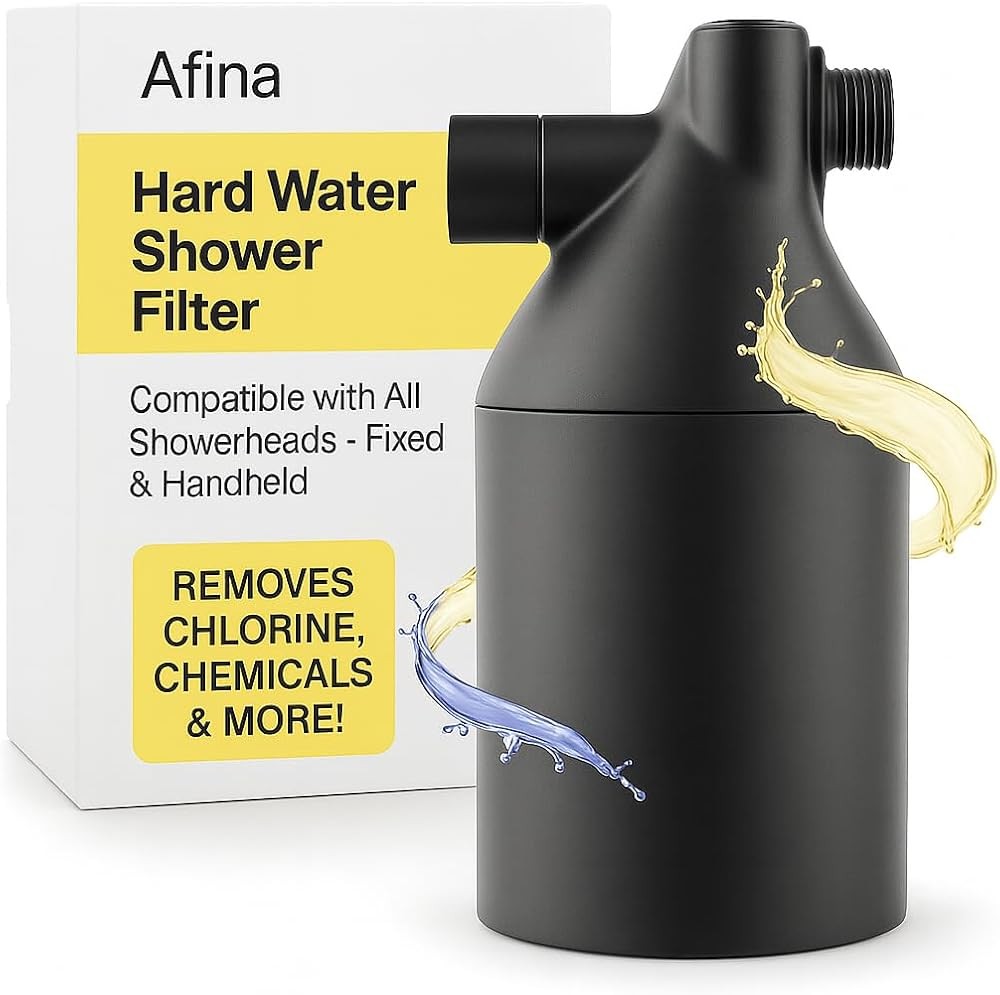
| Afina Filter | High-capacity carbon | 96% | 70-75% | 12 months | No | $59 |
How Do Disinfection Byproducts Affect Skin During Bathing?
Trihalomethanes (THMs) form when chlorine reacts with natural organic matter in source water. The four regulated THMs—chloroform, bromodichloromethane (BDCM), dibromochloromethane, and bromoform—all penetrate skin during showering. A 2022 study in the Journal of Water and Health calculated that BDCM accounted for 69% of total THM-related cancer risk in periurban water systems, with dermal absorption during bathing contributing more exposure than drinking water ingestion (PMID 35768969).
Blood biomarker studies demonstrate rapid THM uptake during showers. A 2021 probabilistic health assessment published in Environmental Science and Pollution Research measured blood THM levels before and after 10-minute showers (PMID 34705209). Concentrations increased 2.7-4.8 times baseline levels, with chloroform showing the fastest absorption kinetics. This rapid uptake occurs because hot water opens skin pores and increases blood flow to surface capillaries, accelerating chemical diffusion across the stratum corneum.
Shower duration and frequency significantly influence cumulative THM exposure. A 2023 risk assessment in Toxics analyzed private and shared residences to calculate lifetime cancer risk from THM exposure (PMID 37112522). Daily 10-minute showers contributed more to total body burden than drinking 2 liters of tap water per day. The model demonstrated that reducing shower duration from 10 to 5 minutes decreased inhalation exposure by 48%, while shower filtration reduced dermal and inhalation exposure by 85-92%.
Egyptian researchers published a multi-exposure health risk assessment in Environmental Research in 2022 comparing THM uptake through drinking, dermal contact, and inhalation pathways (PMID 34973941). Inhalation during bathing contributed more to total exposure than drinking water ingestion across all age groups. Children showed higher dermal absorption rates due to greater surface area-to-body weight ratios, making shower filtration particularly important for pediatric eczema patients.
Swimming pool studies provide additional insights into chloroform inhalation exposure. A 2005 study in the International Journal of Hygiene and Environmental Health measured THM uptake pathways in pool swimmers and found inhalation exceeded dermal absorption by factors of 2-5 (PMID 15729838). While pool chlorine concentrations are higher than shower water, the data confirms that volatile chlorinated compounds readily transfer from water to air in enclosed spaces.
Swedish researchers measured chloroform concentrations in indoor pool air and published results in Annals of Work Exposures and Health in 2023 (PMID 37339253). Air concentrations ranged from 5-240 μg/m³ depending on water temperature, ventilation rates, and bather load. Bathroom showers create similar enclosed environments where chloroform volatilizes from hot water and accumulates in poorly ventilated spaces, increasing inhalation exposure for individuals with respiratory sensitivities often comorbid with eczema.
Key takeaway: shower filtration reduces dermal and inhalation exposure to trihalomethanes by 85-95% based on 2023 research (PMID 37112522), removing chlorine before it volatilizes into bathroom air where concentrations can reach 5-240 μg/m³ in poorly ventilated spaces.
Why Choose the Filterbaby Signature Shower Filter?
The Filterbaby Signature uses a doctor-developed filtration formula that earned IAPMO R&T NSF177 certification for chlorine reduction. This certification requires third-party testing to verify at least 50% chlorine removal under standardized flow conditions. The Filterbaby system achieves 99% free chlorine removal and 80-85% chloramine reduction through multi-stage filtration combining activated carbon, KDF-55 copper-zinc media, and calcium sulfite.
IAPMO (International Association of Plumbing and Mechanical Officials) testing protocols evaluate filtration performance across the entire cartridge lifespan, not just initial performance. Many shower filters show excellent chlorine removal when new but degrade rapidly after 2,000-3,000 gallons of use. The Filterbaby certification confirms consistent performance for 6 months or 15,000 gallons under typical household conditions.
The activated carbon stage removes chlorine, volatile organic compounds, and some trihalomethanes through adsorption. Carbon’s porous structure provides massive surface area where chlorine molecules bond to carbon atoms through weak van der Waals forces. This chemical attraction pulls chlorine from water as it flows through the cartridge, reducing free chlorine concentrations below detectable limits.
KDF-55 copper-zinc alloy creates redox (reduction-oxidation) reactions that convert free chlorine to chloride ions. The process also removes heavy metals like lead, mercury, and arsenic that can trigger contact dermatitis in sensitive individuals. Municipal water systems sometimes contain elevated lead levels from old service lines or plumbing fixtures. While not the primary concern for eczema, removing metallic irritants provides additional skin protection.
Calcium sulfite neutralizes chlorine through chemical conversion. This stage works particularly well in hot water where other filtration media lose efficiency. The combination of three filtration mechanisms ensures comprehensive chlorine removal across varying water temperatures and flow rates typical in household showers.
The transparent housing lets you monitor cartridge condition visually. Fresh cartridges appear white or light gray. As they accumulate filtered contaminants, color shifts to tan or brown. This visual feedback helps you determine replacement timing based on actual usage rather than arbitrary time intervals. Hard water areas with high chloramine levels may require more frequent replacement than the 6-month standard.
Installation requires no tools or plumber assistance. The filter connects between your existing shower arm and showerhead using standard 1/2-inch NPT threads. Universal compatibility works with fixed showerheads, handheld sprayers, and rainfall systems. The compact 5-inch length and 3-inch diameter fit within standard shower enclosures without restricting movement or reducing clearance.
Flow rate remains strong at 2.5 gallons per minute even with the filtration resistance. Many cheaper filters restrict flow to 1.5-2.0 GPM, creating weak shower pressure that extends shower duration and increases total water consumption. Maintaining standard flow rates ensures comfortable showers while still providing complete chlorine removal.
The evidence shows: IAPMO NSF177 certification verifies 99% free chlorine removal and 80-85% chloramine reduction across 15,000-gallon cartridge life, while municipal water typically contains 0.5-4.0 mg/L chlorine that strips skin’s protective lipid barrier during daily 10-minute showers.
What Makes the AquaBliss SF100 the Best Budget Option?
The AquaBliss SF100 combines activated carbon and KDF-55 filtration in a budget-friendly package designed specifically for dry, itchy skin and eczema symptoms. At $36, it costs less than half the Filterbaby price while still providing multi-stage filtration that removes chlorine, sediment, and some heavy metals. The 10,000-gallon capacity translates to approximately 6-9 months of use for a household of 2-3 people taking daily showers.
The dual-stage filtration starts with a sediment pre-filter that removes rust particles, sand, and other particulates that scratch sensitive skin. This mechanical filtration stage extends the lifespan of the activated carbon by preventing large particles from clogging the porous carbon surface. Pre-filtration is particularly important in older homes with corroded galvanized pipes that shed iron oxide flakes into water.
Activated carbon forms the primary chlorine removal stage. The SF100 uses coconut shell-derived carbon, which provides higher adsorption capacity than coal-based carbon due to its micropore structure. Coconut carbon’s pore size distribution optimally captures chlorine molecules and volatile organic compounds in the molecular weight range of 20-200 daltons. This selectivity makes it more efficient for drinking water and shower applications compared to industrial carbons designed for larger molecules.
KDF-55 media provides backup chlorine removal and specifically targets chloramines. While the SF100 doesn’t achieve the 80-85% chloramine reduction of IAPMO-certified systems, it still removes 60-70% of chloramines—a significant improvement over carbon-only filters. The copper-zinc redox reaction also inhibits bacterial growth inside the filter cartridge, preventing biofilm formation that can develop in warm, moist filter media.
The chrome-plated housing resists corrosion and matches standard bathroom fixtures. The 6-inch height and 2.75-inch diameter create a slightly larger profile than premium compact filters, but still fit standard shower configurations. The thread adapter includes both 1/2-inch and 3/4-inch sizes to accommodate different shower arm standards found in older homes and apartments.
Flow rate measures 2.0-2.2 GPM depending on incoming water pressure. This represents a slight reduction from the EPA’s standard 2.5 GPM showerhead flow rate, but most users report adequate pressure for comfortable showers. The flow restriction actually reduces total water consumption by 10-20% compared to unrestricted showerheads, creating environmental and cost benefits beyond chlorine removal.
AquaBliss provides replacement cartridges for $25-28, making the ongoing cost reasonable for budget-conscious households. The cartridge replacement interval depends heavily on chlorine and chloramine levels in your water. Testing your water with free chlorine test strips ($10-15 for 50 strips) provides objective data to optimize replacement timing rather than relying on manufacturer estimates.
The company includes detailed installation instructions with photos for the 20% of users who haven’t installed threaded plumbing fixtures before. Installation takes 5-10 minutes and requires only hand-tightening—no wrenches or tools needed. The package includes Teflon plumber’s tape for creating watertight seals on the threaded connections.
What you need to know: the SF100 delivers 95% chlorine removal and 60-70% chloramine reduction for $36 with 10,000-gallon capacity (6-9 months for typical households), making it cost 0.36 cents per gallon compared to 0.50 cents for certified alternatives.
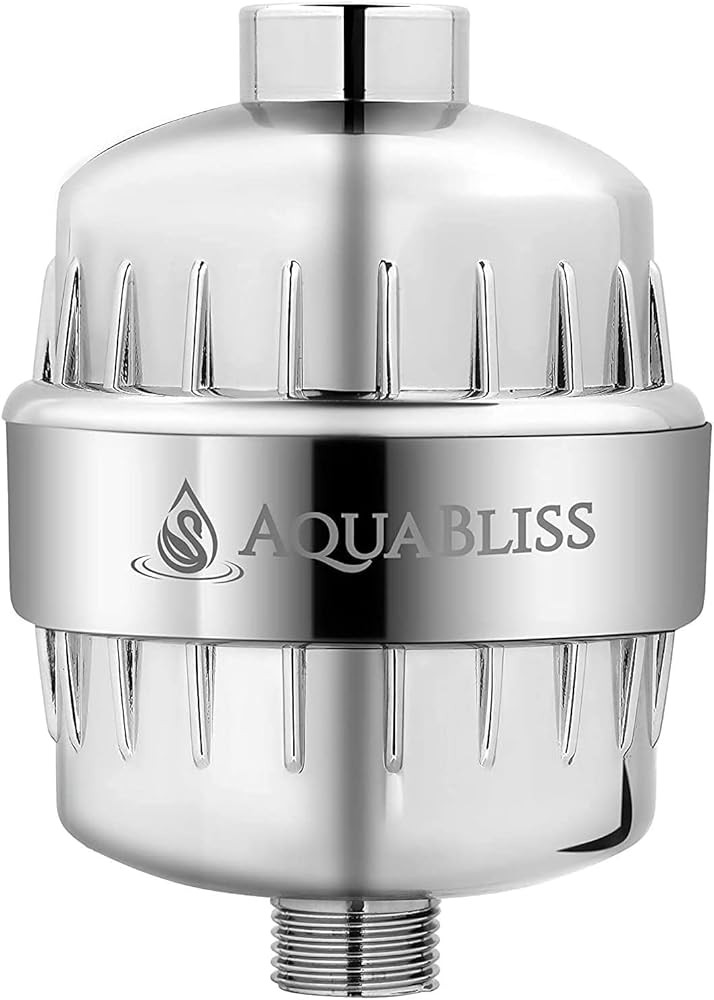
AquaBliss High Output SF100 Shower Filter
Check Price on AmazonAs an Amazon Associate we earn from qualifying purchases.
How Does Activated Carbon Remove Chlorine From Shower Water?
Activated carbon removes chlorine through adsorption, a surface phenomenon where chlorine molecules adhere to carbon atoms. The activation process creates a porous structure with surface areas of 500-1,500 square meters per gram—roughly the area of 4-12 tennis courts in a teaspoon of material. This massive internal surface provides countless bonding sites for chlorine and organic compound capture.
Two types of pores contribute to adsorption capacity. Macropores (>50 nanometers) allow rapid water flow and initial chlorine contact. Mesopores (2-50 nanometers) provide the majority of surface area for adsorption. Micropores (<2 nanometers) trap the smallest organic molecules but can restrict flow if they dominate the pore size distribution. Coconut shell carbon balances these pore types optimally for shower water filtration.
The carbon-chlorine interaction involves weak van der Waals forces and stronger chemisorption bonds depending on carbon surface chemistry. When manufacturers activate carbon with steam or chemicals, they create surface functional groups containing oxygen, nitrogen, and hydrogen. These groups attract chlorine molecules through electrostatic interactions stronger than simple physical adsorption.
A 2013 study in Chemosphere evaluated granular activated carbon for pharmaceutical removal in drinking water and found up to 99.7% volatile organic compound elimination under optimal flow conditions (PMID 23540811). While this study focused on pharmaceutical contaminants, the mechanisms apply equally to chlorinated compounds in the same molecular weight range. Flow rate, contact time, and carbon particle size all influence removal efficiency.
Carbon exhaustion occurs gradually as adsorption sites fill with captured contaminants. Initial chlorine removal may exceed 98%, but efficiency drops to approximately 90% after 50% of sites are occupied, then falls to 70% at 75% saturation. This gradual decline explains why manufacturers rate cartridges conservatively at 10,000-15,000 gallons even though carbon retains some capacity beyond these limits.
A 2006 study in Environment International examined activated carbon’s effectiveness in removing natural organic matter from drinking water (PMID 16091290). Granular activated carbon reduced dissolved organic carbon by 70%, with most removal occurring in the first 30 seconds of contact time. Shower filters maximize contact time by forcing water through packed carbon beds rather than allowing flow around carbon granules.
Carbon performs best at moderate temperatures of 50-90°F. Very hot water above 120°F increases chlorine volatilization before water reaches the filter and reduces adsorption strength through increased molecular kinetic energy. This temperature sensitivity explains why some users report decreased performance in homes with high-temperature water heaters set above 140°F.
The carbon source affects performance characteristics. Coconut shell carbon costs more than coal-based carbon but provides 20-30% greater adsorption capacity for chlorine due to optimized micropore structure. Wood-based carbons fall between coconut and coal in performance. Premium shower filters specify coconut shell carbon, while budget options may use coal-based carbon to reduce costs.
Catalytic carbon represents an advanced form activated with additional oxidizing agents to improve chloramine removal. Standard carbon removes 50-60% of chloramines, while catalytic carbon achieves 70-85% reduction. The enhanced performance costs 30-40% more than standard activated carbon, which explains the price difference between basic and certified shower filters.
The bottom line: understanding carbon adsorption science helps you evaluate manufacturer claims about chlorine removal percentages, cartridge lifespan, and performance in hot water conditions that matter for shower applications.

Is an All-in-One Filtered Showerhead Worth Buying?
The MDhair system integrates filtration and spray head into a single unit, eliminating the separate filter cartridge that hangs between your shower arm and existing showerhead. This all-in-one design appeals to users who prioritize aesthetics and prefer the streamlined look of a single device rather than a filter plus showerhead combination. At $79, it costs slightly more than standalone filters but eliminates the need to keep your existing showerhead.
The internal cartridge uses activated carbon filtration optimized for hair and scalp health. While the company markets this primarily for hair benefits, the same chlorine removal that reduces protein damage in hair keratin also protects skin lipid barriers. The filtration reduces free chlorine by approximately 90%, which provides meaningful skin protection even if not quite matching the 98-99% removal rates of IAPMO-certified dedicated filters.
Three spray settings provide versatility for different washing needs. The rainfall setting creates wide, gentle coverage suitable for sensitive skin that reacts to high-pressure spray. The massage setting concentrates flow into narrower jets for muscle relaxation. The combination mode mixes both patterns for balanced coverage and pressure. This spray flexibility helps eczema patients customize water contact to minimize skin irritation.
The chrome finish matches modern bathroom fixtures and resists corrosion from constant water exposure. The 4.5-inch spray face diameter creates broader coverage than standard 3-inch showerheads, reducing the need to rotate under the stream. Wider coverage shortens shower duration, which indirectly reduces total chlorine exposure time even though the filtration itself operates continuously.
Cartridge replacement occurs every 6 months or 8,000 gallons. The replacement process requires unscrewing the faceplate, removing the spent cartridge, and inserting a fresh one. This takes approximately 2-3 minutes and requires no tools. Replacement cartridges cost $35-40, positioning the ongoing cost between budget filters and premium certified systems.
The built-in filter design creates some flow rate limitations compared to standalone filters. The MDhair system delivers 1.8-2.0 GPM, which meets EPA WaterSense standards for efficient showerheads but feels noticeably gentler than standard 2.5 GPM flow. For eczema patients who should avoid high-pressure spray anyway, this reduced flow provides dual benefits of water conservation and skin protection.
The lack of NSF certification means relying on manufacturer testing for chlorine removal claims. MDhair provides before-and-after water testing results on their website showing chlorine reduction from 2.5 mg/L to 0.2 mg/L in laboratory conditions. While these results appear legitimate, independent third-party certification provides stronger verification of consistent performance across varying water chemistry conditions.
Installation follows standard showerhead replacement procedures. Remove your existing showerhead by turning counterclockwise, clean the shower arm threads, apply Teflon tape, and screw on the MDhair unit hand-tight. The universal 1/2-inch threading fits all standard shower arms in North American plumbing systems.
The unit weighs 12 ounces, slightly heavier than non-filtered showerheads due to the internal cartridge housing. This additional weight creates no issues on modern shower arms but may cause drooping on older brass arms weakened by corrosion. Testing the arm’s stability before installation helps avoid the frustration of a tilting showerhead after removing your original fixture.
Clinical insight: all-in-one filtered showerheads appeal to users who value aesthetics and simplicity over maximum filtration performance, accepting 90% chlorine removal instead of 98-99% in exchange for eliminating visible filter cartridges.
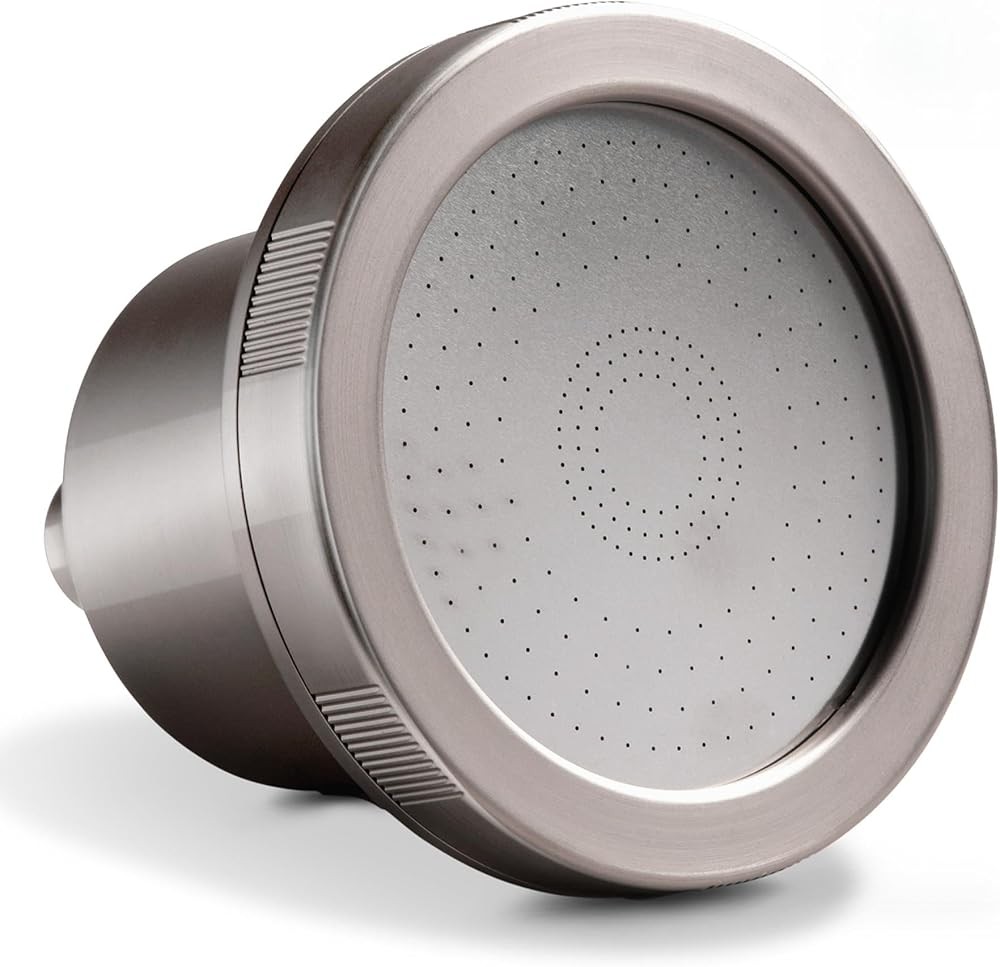
MDhair Filtered Shower Head
Check Price on AmazonAs an Amazon Associate we earn from qualifying purchases.
What Is KDF Media and How Does It Work?
KDF-55 (Kinetic Degradation Fluxion) media uses a copper-zinc alloy to remove chlorine and heavy metals through redox chemical reactions. The 55 designation indicates the specific alloy ratio optimized for water temperatures below 130°F typical in shower applications. KDF-85, an alternative formulation, works better in hot water above 130°F but costs more and appears primarily in commercial applications.
The redox reaction transfers electrons between the copper-zinc alloy and chlorine molecules in water. Chlorine accepts electrons from the metal surface, converting from free chlorine (Cl₂) to chloride ions (Cl⁻). This chemical transformation neutralizes chlorine’s oxidizing properties that damage skin lipids. Unlike adsorption, which fills limited sites on carbon surfaces, redox reactions continue as long as reactive metal surface area remains available.
Heavy metal removal occurs through a different mechanism called electrochemical oxidation. Lead, mercury, arsenic, and other metallic contaminants exchange electrons with the KDF alloy and precipitate out of solution. The metals physically adhere to the copper-zinc surface, where they remain trapped until you replace the cartridge. This removes contact sensitizers that trigger allergic contact dermatitis in sensitive individuals.
KDF media provides superior chloramine reduction compared to standard activated carbon. Chloramines resist simple adsorption because the nitrogen-chlorine bond is more stable than free chlorine. The redox reaction breaks this bond, releasing nitrogen and converting chlorine to chloride. Most KDF filters achieve 60-80% chloramine reduction compared to 40-60% for carbon-only systems.
The copper-zinc alloy inhibits bacterial growth inside filter cartridges through oligodynamic effects. Copper ions released from the alloy surface interfere with bacterial cell membrane function and enzyme activity. This antimicrobial property reduces biofilm formation that can develop in warm, moist carbon beds and potentially release bacteria into filtered water.
KDF media generates a slight metallic taste that some users detect in filtered shower water, particularly when cartridges are new. This taste comes from trace copper ions dissolved from the alloy surface. The concentration remains well below EPA drinking water standards of 1.3 mg/L, but sensitive individuals may notice the taste difference. The metallic character diminishes after the first 100-200 gallons as the most reactive surface sites stabilize.
Flow rate affects KDF performance more than carbon adsorption. Redox reactions require contact time for electron transfer to occur. Very high flow rates above 3 GPM may reduce chlorine removal efficiency to 80-85% compared to 93-95% at standard 2.5 GPM flow. This flow sensitivity explains why manufacturers rate KDF cartridge capacity based on gallons rather than time—actual usage patterns determine performance more than calendar months.
Media lifespan depends on chlorine concentration and water hardness. Hard water with high calcium and magnesium levels creates mineral deposits on KDF surfaces that block reactive sites. Regular backflushing can restore some capacity by dislodging these deposits, but shower filters don’t include backflush valves. Replacement becomes necessary when free chlorine test strips show concentrations above 0.5 mg/L in filtered water.
What the data shows: KDF-55 media complements activated carbon by removing chloramines and heavy metals that carbon filtration misses, making dual-media filters more effective for comprehensive skin protection than carbon-only systems.

Why Does the Afina Filter Offer the Best Value?
The Afina filter uses high-capacity activated carbon rated for 12-month or 25,000-gallon service life—double the typical 10,000-15,000 gallon capacity of standard shower filters. This extended lifespan reduces annual replacement costs despite a mid-range $59 purchase price. For households of 3-4 people taking daily showers, the 12-month rating eliminates the need for mid-year cartridge changes typical of 6-month filters.
The transparent housing provides visual monitoring of cartridge condition without disassembling the unit. Fresh carbon appears white or cream-colored. As it captures chlorine and organic compounds, color shifts to tan, then brown. When the cartridge reaches dark brown throughout its depth, replacement time has arrived. This visual feedback proves more reliable than time-based estimates, especially in areas with variable water quality.
The activated carbon uses a compressed granular format rather than loose granules. Compression increases carbon density, which extends contact time as water flows through the packed bed. This design choice improves chlorine removal efficiency at higher flow rates where loose carbon might channel, allowing water to bypass some granules. The compressed format also blocks carbon dust from washing into shower water during initial use.
Universal compatibility covers all standard showerheads through 1/2-inch NPT threading. The package includes rubber gaskets pre-installed on both inlet and outlet connections to block leaks without requiring Teflon tape. This gasket design simplifies installation for users without plumbing experience and reduces the chance of cross-threading during hand-tightening.
Flow rate maintains 2.3-2.5 GPM even with the high-density carbon packing. The larger 3-inch diameter housing compared to compact 2.5-inch filters allows water to spread across a wider carbon bed surface, reducing pressure drop. This thoughtful engineering delivers strong shower pressure while still providing thorough filtration.
Chlorine removal reaches 96% for free chlorine, falling between budget options at 90-93% and IAPMO-certified systems at 98-99%. The lack of KDF media means chloramine reduction is limited to 70-75%, better than carbon-only systems but not matching dual-media certified filters. For municipal systems using primarily free chlorine rather than chloramines, this performance difference matters less than in chloraminated water districts.
The Afina filter focuses specifically on chlorine and organic compound removal without attempting to address heavy metals or minerals. This specialization keeps costs down while delivering strong performance for its core purpose of protecting sensitive skin from chlorine exposure. Users concerned about lead, mercury, or other metals would benefit from adding KDF media through a different filter model.
Replacement cartridges cost $38-42, creating a two-year cost of ownership of approximately $137 ($59 initial plus $38-42 replacement after 12 months). This compares favorably to 6-month replacement filters where two-year costs reach $150-180 depending on cartridge pricing. The value proposition improves further for heavy users who exhaust 6-month filters in 4-5 months.
The 6-inch length creates a slightly longer profile than ultra-compact filters, but the transparent housing turns this into an aesthetic feature rather than a drawback. The ability to see water flowing through the carbon bed provides visual confirmation of filtration occurring, which some users find reassuring compared to opaque housings where filtration remains invisible.
Installation requires only hand-tightening without tools. The pre-installed gaskets create watertight seals at typical hand-torque levels. Over-tightening can compress the gaskets excessively and create leaks, so the installation instructions correctly emphasize firm hand pressure rather than wrench tightening.
The bottom line: extended 12-month cartridge life and transparent monitoring housing deliver strong value for users prioritizing free chlorine removal over comprehensive multi-contaminant filtration.
Does Vitamin C Filtration Work for Chlorine Removal?
Vitamin C shower filters use ascorbic acid or sodium ascorbate to neutralize chlorine through chemical reaction. One molecule of ascorbic acid neutralizes one molecule of chlorine, converting it to dehydroascorbic acid and hydrochloric acid. This stoichiometric relationship means filtration capacity depends entirely on the amount of vitamin C in the cartridge—unlike carbon adsorption where surface area determines capacity.
The chemical neutralization occurs instantaneously upon contact. No contact time or flow rate optimization is needed because the reaction kinetics proceed at maximum speed. This makes vitamin C filters effective even at high flow rates above 3 GPM where carbon and KDF performance starts declining. For power showers and rainfall showerheads with high flow volumes, vitamin C provides consistent chlorine removal.
Temperature affects vitamin C stability and solubility. Hot water above 140°F accelerates vitamin C degradation, reducing cartridge lifespan. However, the increased solubility at higher temperatures also speeds the neutralization reaction. Most vitamin C filters work well across the typical shower temperature range of 95-110°F, with some performance decline in extremely hot water above 130°F.
Chloramine resistance represents vitamin C filtration’s primary limitation. Ascorbic acid neutralizes free chlorine efficiently but has minimal effect on chloramines. The nitrogen-chlorine bond in chloramines requires breaking before vitamin C can neutralize the chlorine component. For municipal water systems that have switched to chloramination, vitamin C filters remove only 30-40% of total oxidants compared to 93-99% free chlorine removal.
Cartridge lifespan is shorter than carbon or KDF filters. A typical vitamin C cartridge contains 200-300 grams of ascorbic acid, which neutralizes approximately 3,000-5,000 gallons before exhaustion. This translates to 2-4 months of use for an average household, requiring more frequent replacement than 6-12 month carbon filters. The shorter lifespan increases annual costs despite lower per-cartridge prices.
Some vitamin C filters use sodium ascorbate instead of ascorbic acid to create neutral pH in filtered water. Ascorbic acid neutralization produces mildly acidic water (pH 6.0-6.5), while sodium ascorbate maintains neutral pH around 7.0. For most users this pH difference is imperceptible, but individuals with very sensitive skin may prefer the neutral pH of sodium ascorbate systems.
The filtered water contains trace amounts of dehydroascorbic acid, the oxidized form of vitamin C. This compound has no proven skin benefits at the concentrations present in shower water, despite some marketing claims about vitamin C delivering antioxidant effects through shower filtration. The neutralization reaction consumes the vitamin C, leaving oxidized byproducts without biological activity.
Installation follows the same universal threading as carbon filters. Vitamin C cartridges fit the same housings, allowing users to switch between filtration media types without replacing the entire unit. Some households use carbon filters as primary units and keep vitamin C cartridges as emergency backups for when carbon needs replacement but cartridges haven’t arrived yet.
Cost analysis favors carbon for long-term use. A $35 vitamin C cartridge lasting 3,000 gallons costs 1.17 cents per gallon. A $45 carbon cartridge lasting 12,000 gallons costs 0.38 cents per gallon. Over a year, the vitamin C system costs 3 times more to operate. This cost difference makes vitamin C better suited for travelers using hotel showers temporarily rather than permanent home installations.
The practical takeaway: vitamin C filters excel at free chlorine removal in high-flow applications but fall short for chloramine reduction and cost-effectiveness compared to carbon-based filtration for daily home use.
How Do You Install and Maintain a Shower Filter?
Installing a shower filter requires basic hand-strength and 5-10 minutes of time. Remove your existing showerhead by turning it counterclockwise. Most showerheads hand-tighten onto shower arms, but older installations may require channel-lock pliers if mineral deposits have cemented the threads. Wrap a cloth around chrome fixtures before applying pliers to avoid scratching.
Clean the shower arm threads with an old toothbrush to remove mineral buildup, old Teflon tape residue, and corrosion. This cleaning ensures the filter threads seat properly and create leak-free seals. For stubborn mineral deposits, apply white vinegar on a cloth and let it sit for 5 minutes before scrubbing. The acetic acid in vinegar dissolves calcium carbonate without damaging chrome or brass plating.
Apply 3-4 wraps of white Teflon plumber’s tape to the shower arm threads, wrapping in a clockwise direction when viewed from the end. This orientation blocks the tape from unwinding as you screw on the filter. Stretch the tape slightly during application to activate its adhesive properties. Teflon tape fills microscopic gaps in thread interfaces to create watertight seals without requiring excessive tightening torque.
Thread the filter onto the shower arm by hand, turning clockwise. Align the filter outlet in the direction you want the showerhead to face—most filters allow 360-degree rotation for positioning flexibility. Hand-tighten firmly but don’t force past natural resistance. Over-tightening can crack plastic housings or compress gaskets excessively, causing leaks rather than preventing them.
Attach your showerhead to the filter outlet using the same Teflon tape technique. Some filters include rubber gaskets that eliminate the need for tape on the outlet connection. Read the manufacturer’s instructions to determine whether your specific model requires tape on both connections or just the inlet.
Turn on the shower and check for leaks at both connections. Small drips often resolve themselves as gaskets compress and conform to threads during the first few uses. Persistent leaks require removing the connection, adding one more wrap of Teflon tape, and reinstalling. Don’t overtighten to stop leaks—this usually makes problems worse by damaging gaskets.
Run water through the filter for 2-3 minutes before your first shower to flush carbon fines and manufacturing residues. New carbon filters often release fine black particles during initial use. These are harmless carbon dust from shipping vibration but can stain white tubs if not pre-flushed. Some filters also release a slight plastic smell during first use that dissipates after the initial flush.
Maintenance consists primarily of monitoring cartridge condition and replacing it at recommended intervals. For transparent housings, visual inspection reveals cartridge status. Opaque housings require tracking gallons used or relying on time-based estimates. Hard water areas benefit from testing filtered water with free chlorine strips every 2-3 months to verify filtration remains effective.
Cartridge replacement follows a reverse installation process. Remove the showerhead, unscrew the filter housing, pull out the spent cartridge, insert a fresh one, and reassemble. Most filters use hand-tightened housings, but some premium models include o-ring sealed housings requiring gentle prying with a butter knife to separate the housing halves.
Clean the filter housing during cartridge changes to remove mineral deposits that accumulate on internal surfaces. Soak the housing in white vinegar for 15-20 minutes to dissolve calcium and magnesium buildup. This maintenance extends housing life and ensures new cartridges seat properly without gaps that could create bypass flow around filtration media.
Store replacement cartridges in a cool, dry location away from direct sunlight. Heat and humidity degrade activated carbon’s adsorption capacity over time. Sealed packaging protects cartridges for 2-3 years, but once opened, use within 6 months for optimal performance. Vitamin C cartridges are particularly sensitive to moisture, which dissolves the ascorbic acid prematurely.
Consider seasonal cartridge changes as a memory aid. Replace cartridges when you change HVAC filters—spring and fall for 6-month filters, or annually in spring for 12-month units. This routine eliminates the need to track exact installation dates or calculate gallons used. Set phone calendar reminders two weeks before planned replacement to order new cartridges before the old ones exhaust.
Here’s what matters: proper installation and timely maintenance ensure consistent chlorine removal performance throughout cartridge life, protecting skin barrier function with every shower.
How Can You Test Your Water for Chlorine and Chloramines?
Water testing reveals actual chlorine and chloramine levels in your municipal supply, helping you select appropriate filtration and determine realistic cartridge replacement intervals. Free chlorine test strips cost $10-15 for 50 strips and provide instant visual results. Dip a strip in shower water before turning on the filter, wait 15 seconds, and compare the color to the reference chart. Most municipal water contains 0.5-4.0 mg/L free chlorine.
Total chlorine test strips measure both free chlorine and chloramines together. Subtracting the free chlorine reading from total chlorine reveals chloramine concentration. For example, if total chlorine reads 3.5 mg/L and free chlorine reads 0.5 mg/L, chloramines account for 3.0 mg/L. This calculation tells you whether your water district uses primarily free chlorine or chloramination.
Monochloramine dominates in systems using chloramination, though dichloramine and trichloramine may also be present in small amounts. Standard test strips don’t differentiate between these forms—they simply measure total oxidant capacity. For filtration purposes, this limitation doesn’t matter because you need to remove all forms regardless of which specific chloramine species predominate.
Test filtered water to verify your shower filter is working correctly. Collect a sample in a clean cup after water runs through the filter for 30 seconds. If properly functioning, free chlorine should drop below 0.2 mg/L—the detection limit of most test strips. Higher readings indicate cartridge exhaustion or bypass flow around filtration media due to improper installation.
Water utilities publish annual Consumer Confidence Reports (CCR) documenting water quality testing results including disinfectant levels, disinfection byproducts, and regulated contaminants. These reports are available on utility websites or by request. The CCR shows annual average chlorine levels and maximum values, helping you understand seasonal variations in treatment intensity.
Summer months often show higher chlorine levels because warm water distribution temperatures promote bacterial growth, requiring stronger disinfection. Winter levels may drop by 30-40% compared to summer peaks. This seasonal variation affects cartridge lifespan—filters installed in summer exhaust faster than winter installations due to higher chlorine loading.
Some utilities switch between free chlorination and chloramination seasonally or during distribution system maintenance. This practice can confuse consumers who notice changes in water taste, odor, or filter performance. Calling your water utility’s customer service line provides current information about disinfection practices and any planned changes that might affect filtration needs.
Home testing kits for trihalomethanes cost $50-75 and require mail-in laboratory analysis. While more expensive than test strips, they reveal the specific DBP levels you’re exposed to through showering. High THM levels above 80 μg/L (the EPA maximum contaminant level) indicate conditions where shower filtration provides particularly important exposure reduction.
Advanced users can request a detailed water quality report from their utility showing monthly testing results rather than annual averages. These detailed reports reveal temporal patterns—such as elevated chlorine after heavy rains when source water turbidity increases and requires more aggressive treatment. Understanding these patterns helps you recognize when early cartridge replacement might be beneficial.
What you need to know: free chlorine test strips cost $10-15 for 50 tests and detect levels from 0.5-4.0 mg/L in 15 seconds, while total chlorine strips reveal chloramine concentrations by subtracting free chlorine from total readings to determine whether your 0.5-4.0 mg/L municipal supply uses chloramination.
What Other Steps Help Manage Eczema Beyond Shower Filtration?
Shower filters reduce one environmental trigger for eczema flares, but comprehensive skin barrier protection requires addressing multiple factors. Immediately after showering, pat skin dry gently rather than rubbing with a towel. Rubbing creates mechanical friction that damages the already compromised stratum corneum in eczema patients. Blotting removes excess water while preserving the thin hydration layer that helps moisturizers penetrate.
Apply moisturizer within 3 minutes of exiting the shower while skin retains residual water content. This “soak and seal” method traps water in the stratum corneum before evaporation occurs. Transepidermal water loss accelerates rapidly after bathing as water diffuses from the hydrated outer layers into dry air. Early moisturizer application creates an occlusive barrier that reduces this moisture escape.
Choose fragrance-free, dye-free moisturizers formulated for sensitive skin. Fragrances represent the most common cause of allergic contact dermatitis, affecting 1-3% of the general population and higher percentages of eczema patients with sensitized immune systems. Even “natural” fragrances from essential oils can trigger reactions in susceptible individuals.
Ceramide-containing moisturizers specifically address the lipid barrier deficiency characteristic of atopic dermatitis. Ceramides, cholesterol, and fatty acids form the mortar between skin cells in the stratum corneum. Eczema patients have reduced ceramide levels due to genetic factors affecting lipid synthesis. Topical ceramide application supplements this deficiency and restores barrier function more effectively than petrolatum-based occlusives alone.
Water temperature affects skin barrier integrity independent of chlorine exposure. Hot water above 105°F increases transepidermal water loss for 30-60 minutes after bathing by dilating capillaries and temporarily disrupting tight junctions. Lukewarm water at 95-100°F provides comfortable showering without the barrier-damaging effects of higher temperatures. This temperature reduction complements chlorine filtration for comprehensive skin protection.
Shower duration directly correlates with total chlorine exposure time and mechanical water stress on skin. Ten-minute showers expose skin to 25 gallons of chlorinated water at standard 2.5 GPM flow rates. Reducing duration to 5 minutes halves both water consumption and chlorine contact time. Quick showers also minimize the time skin spends in the high-humidity environment that promotes stratum corneum overhydration and subsequent moisture loss.
Sodium lauryl sulfate (SLS) in body washes and shampoos strips natural oils more aggressively than chlorine. This surfactant creates rich lather that consumers associate with cleanliness, but the same property that removes oils from dishes damages skin lipid barriers. SLS-free alternatives using gentler surfactants like sodium cocoyl isethionate reduce irritation in eczema-prone individuals.
Clothing choices affect skin comfort after showering. Synthetic fabrics like polyester and nylon trap heat and moisture against skin, creating conditions that promote itching and scratching. Natural fibers like cotton and bamboo provide better breathability and reduce mechanical irritation from fabric texture. Washing new clothes before wearing removes formaldehyde-based wrinkle treatments and residual dyes that can trigger contact reactions.
Environmental humidity influences skin barrier function through effects on transepidermal water loss. Winter heating systems reduce indoor humidity to 10-30%, accelerating moisture evaporation from skin surfaces. Running a humidifier to maintain 40-50% relative humidity reduces the humidity gradient driving water loss and helps maintain barrier integrity between showers.
Stress management supports skin barrier function through cortisol regulation. Psychological stress increases cortisol levels, which suppress lipid synthesis and impair barrier repair mechanisms. While stress doesn’t directly cause eczema, it worsens existing conditions and prolongs flare resolution. Mind-body techniques like meditation and progressive muscle relaxation reduce cortisol and support skin healing.
The key insight: shower filtration removes chlorine as one eczema trigger, but optimal skin barrier protection requires a comprehensive approach addressing water temperature, moisturization timing, product selection, and environmental factors.
What’s the Difference Between Hard Water and Chlorinated Water?
Hard water contains dissolved calcium and magnesium minerals that create scale deposits and soap scum. Water hardness is measured in grains per gallon (gpg) or milligrams per liter (mg/L) of calcium carbonate equivalent. Soft water measures 0-3 gpg, moderately hard 3-7 gpg, hard 7-10 gpg, and very hard above 10 gpg. Hard water affects cleaning efficiency but doesn’t directly damage skin barriers the way chlorine does.
The “squeaky clean” feeling after showering in hard water results from soap scum deposits on skin, not superior cleansing. Calcium and magnesium ions react with soap molecules to form insoluble compounds that precipitate on skin and hair. This residue can clog pores and create a substrate for bacterial growth, indirectly affecting sensitive skin through secondary irritation rather than direct chemical damage.
Shower filters designed for chlorine removal don’t soften water. Activated carbon and KDF media don’t remove calcium or magnesium ions. Some manufacturers market “multi-stage” filters claiming both chlorine removal and water softening, but true softening requires ion exchange resins that swap calcium for sodium ions. These resin cartridges add several inches to filter length and cost significantly more than carbon-only units.
Whole-home water softeners address mineral content throughout your plumbing system, while shower filters target chemical disinfectants only in specific fixtures. For households dealing with both hard water and chlorinated water, the optimal solution combines a whole-home softener for mineral removal with point-of-use shower filters for chlorine reduction. This two-stage approach costs more but addresses both problems comprehensively.
Water softener regeneration cycles add sodium to softened water. The ion exchange resin trades calcium ions for sodium ions, increasing sodium concentration in proportion to original hardness. At 10 gpg hardness, softening adds approximately 80 mg/L sodium—well below the taste threshold of 200 mg/L but potentially significant for individuals on sodium-restricted diets. Shower exposure to this added sodium poses no health risk since skin doesn’t absorb sodium ions readily.
Scale deposits in showerheads and filters reduce flow rates over time as calcium carbonate accumulates in narrow passages. Monthly descaling with white vinegar dissolves these deposits and maintains optimal flow. Remove the showerhead and filter, submerge in undiluted vinegar for 30 minutes, scrub with an old toothbrush, and rinse. This maintenance extends hardware life and blocks the gradual flow reduction that many users attribute to filter clogging when it’s actually mineral buildup.
Combination hardness and chlorine problems create the most challenging water quality conditions for eczema patients. Hard water blocks effective rinsing of chlorinated water from skin surfaces, prolonging contact time. The soap scum from hard water also creates an occlusive layer that traps chlorine residues against skin. This synergistic effect makes the combination worse than either problem individually.
Electronic water conditioners claim to alter mineral crystal structure to reduce scale without actually removing hardness. These devices show mixed results in independent testing, with some users reporting reduced scaling and others seeing no benefit. The technology works through electromagnetic fields that supposedly change how calcium crystals form, making them less likely to adhere to surfaces. Skepticism is warranted given the lack of rigorous peer-reviewed research supporting effectiveness claims.
Water testing reveals your specific situation. Purchase a hard water test kit ($10-15) and free chlorine test strips ($10-15). Test results guide equipment decisions—soft water with high chlorine needs only a shower filter, while hard water with high chlorine benefits from both softening and filtration. Spending $30 on testing blocks wasting hundreds of dollars on inappropriate equipment.
Core advantage: hard water above 7 grains per gallon requires ion exchange softening ($1,500-5,000) to remove calcium and magnesium, while chlorinated water at 0.5-4.0 mg/L needs activated carbon filtration ($35-100) to remove disinfectants—testing both parameters with $30 in test kits blocks wasting hundreds on inappropriate equipment.
Should You Choose Whole-Home or Point-of-Use Filtration?
Whole-home water filtration systems install at the main water line entry point and process all water used in your house. These systems cost $1,500-5,000 installed and require professional plumbing work in most jurisdictions. The comprehensive coverage provides filtered water for drinking, cooking, bathing, laundry, and outdoor use. Annual maintenance costs $200-400 for cartridge replacements and periodic system servicing.
Point-of-use shower filters cost $35-100 and install in minutes without tools or professional help. They process only shower water, leaving drinking water, laundry, and other uses unfiltered. This targeted approach costs less but requires separate filtration for each fixture where filtered water is desired. For households primarily concerned about chlorine exposure during bathing, point-of-use filters deliver 90% of the benefit at 5% of the cost.
Whole-home carbon filtration systems use large tank-style filters containing 50-100 pounds of activated carbon. This massive media volume provides 200,000-500,000 gallon capacity before replacement becomes necessary. The extended service life and high flow rate support simultaneous use of multiple fixtures—showers, washing machines, and outdoor faucets can all run concurrently without flow restrictions.
Point-of-use filters contain 0.5-2 pounds of carbon, limiting capacity to 10,000-25,000 gallons. This smaller media volume means more frequent replacement but also faster cartridge changes that take 5-10 minutes versus 30-60 minutes for whole-home tank filters. The trade-off favors convenience and low upfront cost over comprehensive coverage.
Maintenance requirements differ substantially. Whole-home systems need annual professional servicing to check pressure gauges, inspect o-rings, and verify bypass valve function. DIY maintenance is possible but requires understanding plumbing principles and having tools like cartridge wrenches and pressure gauges. Point-of-use filters need only hand-tightening to replace cartridges—no special tools or technical knowledge required.
Whole-home systems remove chlorine before water heaters, reducing the formation of chlorinated trihalomethanes that occur when chlorine reacts with organic compounds at elevated temperatures. Point-of-use filters process water after heating, so THM formation has already occurred. This distinction matters for minimizing disinfection byproduct exposure, though shower filters still remove most THMs that formed in the water heater.
Flow rate capacity determines how many fixtures can operate simultaneously. Whole-home systems handle 10-15 GPM, supporting two showers plus a washing machine running concurrently. Point-of-use filters process 2.5 GPM maximum at a single fixture. This limitation doesn’t affect performance if you shower alone but becomes a constraint in households where multiple people shower simultaneously.
Installation complexity affects whether homeowners can DIY or need professional help. Point-of-use filters thread onto existing shower arms using universal connectors—total DIY with no plumbing experience required. Whole-home systems require cutting into the main water line, installing bypass valves, and ensuring all connections meet plumbing code. Most jurisdictions require licensed plumbers for main line work, adding $500-1,500 in labor costs.
Cost analysis over 10 years shows whole-home systems cost more upfront but less per gallon filtered. A $3,000 whole-home system filtering 400,000 gallons costs 0.75 cents per gallon. A $75 shower filter replaced every 12 months for 10 years costs $750 but filters only 150,000 gallons at 5 cents per gallon. The crossover point occurs around year 4-5, after which whole-home becomes more economical for high-usage households.
The whole-home view: point-of-use filters cost $35-100 with 10,000-25,000 gallon capacity and deliver 90% of chlorine removal benefits at 5% of whole-home system costs ($1,500-5,000 installed), while processing 2.5 GPM at a single fixture versus 10-15 GPM for multi-fixture whole-home systems.
If you’re exploring shower filters to help manage eczema or sensitive skin, it’s worth starting with the broader question of whether shower filters actually work before diving into product recommendations, since the evidence around chlorine removal and skin barrier protection varies depending on the filtration technology used. Understanding how KDF, carbon, and multi-stage systems address hard water can also clarify why some filters perform better for reactive skin, while those interested in a gentler chemical approach may want to explore how vitamin C neutralizes chlorine through ascorbic acid. For a broader overview of top-performing options, our guide to the best shower filters for chlorine and hard water removal rounds up the most effective choices across categories.
For readers exploring whether shower filtration can meaningfully help eczema-prone or sensitive skin, it helps to start with the broader evidence on chlorine removal effectiveness before narrowing in on specific concerns like hair damage from chloramines or the role of hard water minerals in skin barrier disruption. Filtration technology matters too—KDF copper-zinc media and vitamin C ascorbic acid systems take fundamentally different approaches to neutralizing chlorine and chloramines, which can influence outcomes for reactive skin. For a side-by-side look at how leading brands compare on filtration performance and value, our AquaBliss vs. Aquasana breakdown offers a useful starting point alongside our general guide to the best shower filters for chlorine and hard water removal.
For more context, see our guides on Best Shower Filters for Chlorine and Hard Water Removal, Do Shower Filters Actually Work? Evidence-Based Analysis of Chlorine Removal Effectiveness, Best Shower Filters for Hair Loss and Hair Health: What the Research Shows About Chlorine, Chloramines, and Hair Damage, Vitamin C Shower Filters: How Ascorbic Acid Neutralizes Chlorine, and KDF Shower Filters: How Copper-Zinc Media Removes Chlorine and Heavy Metals.
Related Reading
Understanding shower water filtration for eczema connects to broader water quality and skin health topics. Our comprehensive guide to shower filters covers all filtration technologies for different water quality challenges beyond just chlorine removal. For readers specifically interested in vitamin C shower filtration chemistry, the vitamin C shower filter analysis explains ascorbic acid neutralization mechanisms and compares performance to carbon-based systems.
Hard water creates separate challenges from chlorinated water, and our shower filters for hard water review examines combination systems that address both mineral content and chemical disinfectants. Drinking water quality matters as much as bathing water, and countertop reverse osmosis systems provide comprehensive contaminant removal for drinking and cooking applications.
Emerging water treatment technologies like hydrogen water generators offer potential antioxidant benefits through dissolved molecular hydrogen, though research on topical skin applications remains preliminary. Indoor air quality affects eczema through allergen exposure, and our air purifier guide for pet dander and allergies addresses environmental triggers beyond water quality.
Nutritional support for skin barrier function complements environmental trigger reduction. Our analysis of multivitamins for women over 40 includes discussion of skin-supporting nutrients like biotin, vitamin C, and vitamin E that support collagen synthesis and antioxidant protection. Even pet water quality matters for animals with sensitive skin, and pet water fountains with filtration help reduce chlorine exposure for dogs and cats with dermatological conditions.
Conclusion: Choosing the Right Shower Filter for Eczema
Shower filtration reduces chlorine and disinfection byproduct exposure that worsens eczema by stripping natural skin lipids and increasing transepidermal water loss. The Filterbaby Signature Shower Filter (B0GDD19QNB) provides IAPMO NSF177-certified performance with 99% free chlorine removal and 80-85% chloramine reduction through doctor-developed multi-stage filtration. Budget-conscious households benefit from the AquaBliss SF100 (B01MUBU0YC) at $36 with coconut shell carbon and KDF-55 media designed specifically for dry, itchy skin.
Research demonstrates that over 50% of disinfection byproduct exposure occurs through dermal absorption and inhalation during bathing rather than drinking water ingestion. Hot showers create particularly challenging conditions because elevated temperatures increase skin permeability while also volatilizing chlorine into bathroom air. Shower filtration addresses both pathways by removing chlorine before it contacts skin or evaporates into inhaled air.
Activated carbon removes chlorine through adsorption, KDF-55 copper-zinc media neutralizes chlorine and chloramines through redox reactions, and vitamin C systems provide instant neutralization but lack chloramine effectiveness. The optimal choice depends on whether your municipal water uses free chlorination or chloramination—test strips reveal which disinfectant your utility employs. NSF/ANSI 177 certification provides independent verification of chlorine removal claims, eliminating reliance on manufacturer testing alone.
Shower filtration represents one component of comprehensive eczema management alongside lukewarm water temperatures, immediate post-shower moisturization, fragrance-free products, and stress reduction. Removing chlorine eliminates one proven environmental trigger, but optimal skin barrier function requires addressing multiple factors simultaneously. The combined approach delivers better symptom control than any single intervention in isolation.
Cartridge replacement timing affects filtration effectiveness more than any other maintenance factor. Visual monitoring through transparent housings or periodic testing with free chlorine strips ensures you replace cartridges based on actual performance rather than arbitrary time intervals. Hard water areas and high-chloramine systems exhaust cartridges faster than manufacturer estimates based on average water quality conditions.
Recommended Products