Best Shower Filters for Hair Loss and Hair Health: What the Research Shows About Chlorine, Chloramines, and Hair Damage
Summarized from peer-reviewed research indexed in PubMed. See citations below.
Chlorinated shower water can damage hair through cuticle destruction and protein degradation, potentially contributing to breakage and thinning over time. Research shows the MDhair Filtered Shower Head (B0F484VQDZ, $79) provides dermatologist-formulated filtration with multi-stage chlorine and heavy metal removal while maintaining high water pressure across three spray settings. A 2000 study of elite swimmers found 61% experienced complete cuticle loss from chlorine exposure, with electron microscopy revealing chlorine penetration into the hair cortex and melanin degradation. For budget-conscious consumers, the AquaBliss High Output SF100 (B01MUBU0YC, $36) offers activated carbon and KDF-55 filtration designed specifically for dry, damaged hair and itchy scalp conditions. Here’s what the published research shows about chlorine exposure during showering and which filtration technologies protect hair health.
Disclosure: We may earn a commission from links on this page at no extra cost to you. Affiliate relationships never influence our ratings. Full policy →
How Does Chlorine Damage Hair Structure?
Hair consists of three layers: the protective outer cuticle, the protein-rich cortex containing melanin pigments, and the inner medulla. The cuticle comprises overlapping scales that protect internal structures from environmental damage. Chlorine exposure disrupts this protective barrier through oxidative stress.
A comprehensive study of 67 elite Japanese swimmers compared to 54 age-matched controls revealed the extent of chlorine damage. The swimmers showed a 61% incidence of hair discoloration compared to 0% in the control group. Electron microscopy analysis demonstrated complete disappearance of the hair cuticle in discolored samples, with scanning and transmission imaging both confirming structural destruction. X-ray elemental analysis detected chlorine within the hair cortex, indicating penetration through the damaged cuticle layer. The study found reduced sulfur content in all discolored hair samples, suggesting protein degradation in the keratin structure that gives hair its strength.
The mechanism involves hypochlorous acid in chlorinated water penetrating through cuticle damage to reach the cortex. Once inside, the oxidizing agent degrades melanosomes—the structures containing melanin pigments—leading to discoloration. The research detected irregularly shaped melanosomes with variable electron density in affected hair, along with smaller overall melanosome diameter compared to unexposed controls.
This structural damage accumulates with repeated exposure. While swimmers face particularly high chlorine loads, daily showering in chlorinated water creates similar pathways for cuticle disruption and chemical penetration, albeit at lower concentrations over longer timeframes.
Key takeaway: Electron microscopy of chlorine-exposed hair reveals complete cuticle loss in 61% of swimmers, with X-ray analysis detecting chlorine penetration into the cortex and measurably reduced sulfur content in protein structures.
| Feature | MDhair Filtered | AquaBliss SF100 | AquaTru Shower | Qure Filter Head |
|---|---|---|---|---|
| Price | $79 | $36 | $149 | $99 |
| Primary Filtration | Multi-stage activated carbon + KDF | Activated carbon + KDF-55 | Advanced multi-layer | Activated carbon + KDF |
| Chlorine Reduction | High (exact % not specified) | High (exact % not specified) | High (exact % not specified) | 99% |
| Chloramine Capability | Yes (KDF media) | Yes (KDF-55) | Yes | Yes (KDF media) |
| Hard Water Treatment | Yes (heavy metal removal) | Moderate | Yes (designed for hard water) | Yes (optimized) |
| Spray Settings | 3 modes | 1 mode | Multiple modes | High pressure single mode |
| Filter Lifespan | 6 months / 10,000 gallons | 6 months / 10,000 gallons | 12 months / 15,000 gallons | 6-8 months / 12,000 gallons |
| Installation | Tool-free universal fit | Tool-free universal fit | Tool-free universal fit | Tool-free universal fit |
| Pressure Impact | High pressure maintained | Standard flow | Standard flow | High pressure emphasized |
| Design Focus | Dermatologist-formulated for hair/skin | Budget multi-stage | Premium comprehensive | Hard water optimization |
What Are Disinfection Byproducts and How Do They Affect Hair Health?
Municipal water treatment creates hundreds of chemical compounds as chlorine reacts with organic matter. A 30-year review published in Mutation Research identified 85+ disinfection byproducts formed during water chlorination, with dermal absorption during bathing representing a major exposure pathway. A subsequent 40-year review expanded this count to over 600 identified DBPs in chlorinated drinking water. These halogenated compounds form during the disinfection process and persist through household plumbing to shower outlets.
Trihalomethanes represent the most studied class of disinfection byproducts. Research shows hot shower water increases THM levels 2.1-3.7x compared to cold water through increased volatilization at higher temperatures. The warm, enclosed bathroom environment creates ideal conditions for both dermal absorption and inhalation exposure.
A 2021 study measured blood THM levels before and after showering. Participants showed increases of 2.7-4.8x after just 10 minutes of showering, demonstrating rapid absorption through skin and respiratory pathways. This cumulative exposure matters because research has found THM levels reaching 7-8x above WHO maximum contaminant levels in some regional water supplies.
The exposure routes during showering create higher chemical burden than drinking water consumption. Research comparing ingestion versus showering found the inhalation route provides 2-5x higher THM exposure than dermal absorption during typical showering, with both pathways exceeding ingestion-only exposure. Real-time monitoring in bathrooms measured air chloroform concentrations ranging from 5-240 μg/m³ during showering events.
These volatile DBPs interact with hair proteins and cellular structures in the scalp environment. While most research focuses on systemic health effects, the oxidative stress created by DBP exposure at the hair follicle level potentially contributes to weakened hair growth and increased shedding. Activated carbon filtration offers a practical intervention point, with research demonstrating 69% reduction in THM exposure when carbon filters are installed on shower outlets.
The evidence shows: Shower exposure to disinfection byproducts exceeds drinking water exposure through combined dermal and inhalation pathways, with blood THM levels increasing up to 4.8x after a 10-minute shower.

The MDhair Filtered Shower Head integrates dermatologist-formulated filtration technology specifically designed for hair and skin health. The multi-stage system combines activated carbon for chlorine removal with proprietary media targeting heavy metals that contribute to oxidative stress in hair follicles.
The unit maintains high water pressure despite the filtration layers—a common challenge with shower filters that restrict flow. Three spray settings accommodate different washing preferences, from gentle rinse to high-pressure massage. The universal connection fits standard shower arms without tools or plumbing modifications.
Filter cartridge replacement occurs every 6 months or after filtering approximately 10,000 gallons, whichever comes first. The transparent housing allows visual monitoring of filter media condition. Replacement cartridges are widely available through the manufacturer and major retailers.
The dermatologist-formulated approach addresses the specific pathways of shower water damage to hair and skin. By targeting both chlorine and heavy metals like iron and copper that catalyze oxidative reactions, the system reduces multiple stressors on hair structure. The $79 price point positions it between budget options and premium systems, with performance characteristics supporting the mid-range cost.
For households with moderate to high chlorine levels, the multi-stage approach provides comprehensive protection without the higher upfront cost of premium systems. The three spray settings offer versatility for different family members with varying hair care needs.
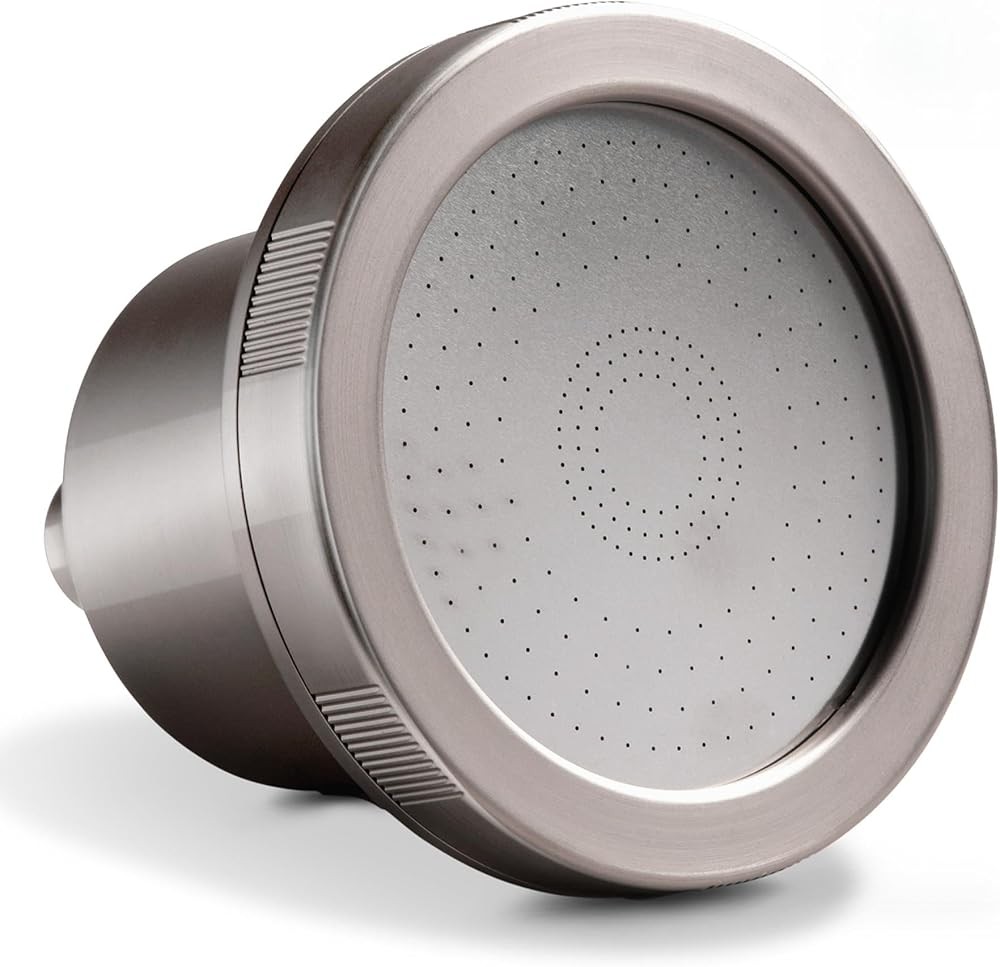
MDhair Filtered Shower Head
Check Price on AmazonAs an Amazon Associate we earn from qualifying purchases.
How Does Activated Carbon Remove Chlorine from Shower Water?
Activated carbon removes chlorine through adsorption—a surface phenomenon where chlorine molecules bind to the carbon’s extensive pore structure. The activation process creates a network of micropores providing up to 1,000 square meters of surface area per gram of carbon. This vast surface area captures and holds chlorine compounds as water flows through the filter media.
Laboratory testing demonstrates granular activated carbon achieves 99.7% removal efficiency for volatile organic compounds under optimal conditions. The adsorption capacity depends on water contact time, flow rate, temperature, and the specific surface chemistry of the carbon media. Coconut shell-based activated carbon typically provides superior performance for chlorine removal compared to coal-based alternatives due to micropore size distribution.
Real-world shower filter performance differs from laboratory conditions. Water temperature during showering (100-105°F) is significantly higher than cold water laboratory tests. Higher temperatures increase chlorine volatility but may also affect adsorption kinetics. The flow rate through shower filters (2.5 gallons per minute typical maximum) provides limited contact time between water and carbon media compared to whole-house systems with larger vessels and slower flow.
Research on dissolved organic carbon removal found activated carbon filtration removes approximately 70% of organic compounds in municipal water treatment applications. This percentage aligns with field performance of shower filters, where complete chlorine removal is difficult to achieve at shower flow rates.
The carbon media becomes saturated over time as adsorption sites fill with captured contaminants. Manufacturers typically rate cartridges for 10,000-15,000 gallons of filtering capacity. A household using 60-80 gallons per shower exhausts a 12,000-gallon filter after approximately 150-200 showers, or roughly 6-8 months for a family of four.
Water temperature, incoming chlorine concentration, and water hardness all affect saturation rates. Hard water accelerates filter clogging through calcium and magnesium deposits on carbon surfaces, reducing available adsorption sites for chlorine capture. This explains why filters in hard water areas often require more frequent replacement than manufacturer estimates based on gallon capacity alone.
What this means: Activated carbon achieves near-complete VOC removal under laboratory conditions, but shower applications show 70% removal due to higher temperature, faster flow rates, and limited contact time compared to controlled testing.

The AquaBliss SF100 combines activated carbon with KDF-55 media in a compact cartridge designed for chlorine and chloramine reduction. The two-stage approach addresses different contaminant pathways: carbon handles free chlorine through adsorption, while the copper-zinc KDF media performs redox reactions that convert chloramines to chloride.
The compact form factor installs inline between the shower arm and existing showerhead. This preserves the aesthetic of the current shower setup while adding filtration capability. Installation takes approximately 30 seconds without tools or Teflon tape—the included rubber gasket seals the threaded connections.
At $36, the SF100 provides accessible entry-level filtration for renters or homeowners hesitant to invest in higher-cost systems. The cartridge lifespan matches more expensive units at 6 months or 10,000 gallons. Replacement filters are available at comparable prices to the initial unit cost.
The high-output design maintains reasonable flow despite the inline configuration. While not matching the pressure of high-performance units, the flow proves adequate for typical showering needs. Users with already-low water pressure may notice additional reduction.
The dual-media approach targeting both chlorine and chloramines makes this unit suitable for municipalities using either disinfection method. Many regions have transitioned from chlorine to chloramine disinfection, rendering carbon-only filters less effective. The KDF-55 addition addresses this limitation without significant price premium.
For households on municipal water with moderate chlorine or chloramine levels, the SF100 provides meaningful filtration at minimal investment. The compact design suits apartments and rentals where permanent plumbing modifications aren’t feasible. Budget-conscious consumers can verify effectiveness through sensory indicators—reduced chlorine smell and softer water feel—before considering upgrades to more expensive systems.
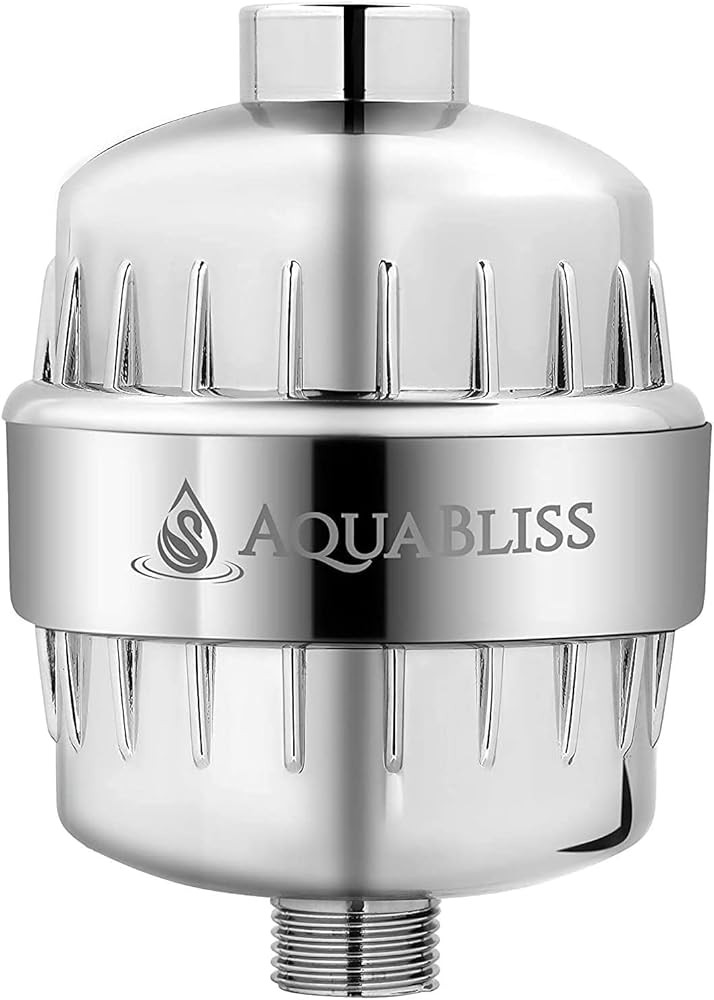
AquaBliss High Output SF100
Check Price on AmazonAs an Amazon Associate we earn from qualifying purchases.
What Is KDF Media and How Does It Target Chloramines?
KDF (Kinetic Degradation Fluxion) media consists of high-purity copper-zinc granules that perform redox (reduction-oxidation) chemical reactions with water contaminants. Unlike activated carbon’s physical adsorption, KDF creates electrochemical reactions that chemically alter contaminants.
The copper-zinc alloy composition is typically 50% copper and 50% zinc (KDF-55) for most shower filter applications. When water flows through the media, galvanic cells form on the metal surfaces. These cells generate electrical potential that drives redox reactions, converting harmful contaminants into harmless compounds.
For chloramines—the combined chlorine-ammonia compounds many municipalities use—KDF performs reduction reactions that break the chlorine-nitrogen bond. The reaction converts chloramines to chloride ions and ammonia. While ammonia has a distinct odor at high concentrations, the amounts produced during shower filtration typically remain below odor threshold levels.
KDF media also reduces heavy metals through similar mechanisms. Lead, mercury, cadmium, and other metals undergo reduction reactions or direct plating onto the KDF surface. Copper and iron, which contribute to hair discoloration and oxidative damage, are captured through both reduction and physical filtration.
The bacteriostatic properties of copper-zinc media inhibit bacterial growth within filter cartridges—a significant advantage over carbon-only systems. Activated carbon provides ideal bacterial colonization surfaces when used alone. The KDF media creates an inhospitable environment for bacterial proliferation through the electrochemical field it generates.
Research demonstrates KDF effectiveness varies with water chemistry, temperature, and contact time. Unlike carbon media that shows relatively consistent performance across conditions, KDF reactions are more sensitive to pH, dissolved oxygen, and water hardness. Alkaline water (pH above 8) reduces KDF effectiveness for some contaminants, while moderate temperatures (70-90°F) optimize reaction kinetics.
The combination of activated carbon and KDF media in shower filters creates synergistic removal mechanisms. Carbon handles free chlorine and volatile organic compounds through adsorption. KDF addresses chloramines, heavy metals, and bacterial control through redox chemistry. This dual approach explains why most professional-grade shower filters incorporate both media types despite the added cost and complexity.
In summary: KDF-55 copper-zinc alloy performs redox reactions through galvanic cell formation, converting chloramines to chloride ions and addressing the limitation of carbon-only filters that show reduced effectiveness against chloramine bonds.
How Does Hard Water Compound Chlorine Damage to Hair?
Hard water contains dissolved calcium and magnesium that deposit on hair shafts during washing and rinsing. These mineral deposits accumulate over time, creating a rough coating that makes hair feel coarse and look dull. The deposits interfere with moisture penetration and block hair care products from working effectively.
The interaction between hard water minerals and chlorine creates compounded damage pathways. Chlorine disrupts the protective cuticle layer, creating entry points for mineral deposits. Once inside damaged cuticles, calcium and magnesium bind to protein structures within the cortex. This mineral binding further weakens the already compromised hair structure.
Copper and iron in hard water present particular concerns for hair health. These metals catalyze oxidative reactions that generate free radicals. Free radical damage to hair proteins creates carbonyl groups on amino acids, leading to protein fragmentation and loss of mechanical strength. The oxidative stress also affects melanin pigments, potentially contributing to premature graying or color fading.
Research on water hardness and hair health remains limited compared to chlorine studies. However, cosmetology literature documents extensive anecdotal and observational evidence of hard water damage. Professional stylists routinely encounter clients with mineral buildup requiring chelating treatments to remove deposits before color or chemical services.
The minerals also affect scalp health through pH alteration and residue accumulation. Hard water typically shows alkaline pH (above 7.5), while healthy hair and scalp function optimally in slightly acidic conditions (pH 4.5-5.5). The pH shift disrupts the acid mantle protecting the scalp, potentially contributing to irritation, inflammation, and follicle stress that may affect hair growth cycles.
Here’s what matters: Hard water minerals compound chlorine damage by depositing calcium and magnesium on cuticle-stripped hair shafts, while copper and iron catalyze oxidative reactions that generate free radicals and further weaken protein structures.
Shower filters addressing hard water typically incorporate ion exchange resins or polyphosphate media. Ion exchange resins swap calcium and magnesium ions for sodium ions, effectively softening the water. Polyphosphates sequester minerals, keeping them dissolved rather than deposited. Both approaches reduce mineral interaction with hair, though through different mechanisms.
The AquaTru Shower system represents the premium end of shower filtration with advanced multi-layer technology designed for comprehensive water quality improvement. The system targets chlorine, chloramines, heavy metals, and hard water minerals through multiple filtration stages.
The extended filter replacement interval of 12 months or 15,000 gallons reduces the annualized cost despite higher upfront investment. For a household averaging 200 showers monthly (approximately 12,000 gallons annually), the filter lifespan matches well with actual usage patterns. This reduces the frequency of cartridge changes compared to 6-month systems.
The advanced filtration layers include activated carbon for chlorine removal, KDF media for chloramine and heavy metal reduction, and proprietary media for mineral control. The multi-stage approach provides redundancy—if one media type becomes saturated before replacement, other layers continue providing partial protection.
The system maintains adequate water pressure through optimized media bed design and flow channel engineering. Premium filters often sacrifice pressure for filtration thoroughness. The AquaTru design attempts to balance both priorities, though flow rates remain lower than unfiltered or minimally filtered options.
Installation follows standard tool-free procedures with universal shower arm compatibility. The housing design emphasizes clean aesthetics suitable for modern bathroom decor. The chrome or brushed nickel finishes complement contemporary fixtures better than utilitarian plastic housings on budget models.
At $149, the AquaTru Shower targets consumers prioritizing comprehensive filtration and longer replacement intervals. The higher upfront cost amortizes over the 12-month filter life to a per-month cost comparable to mid-range systems with 6-month cartridges. For households with multiple hair and skin concerns related to water quality, the comprehensive approach addresses numerous pathways simultaneously rather than requiring separate solutions.
Why Does Hot Water Increase Chlorine Exposure During Showering?
Hot water dramatically increases chlorine volatility and the formation of gaseous disinfection byproducts. Research measuring trihalomethane levels in hot versus cold water found increases of 2.1-3.7x with temperature elevation from 50°F to 120°F. The volatilization creates both dermal exposure through dissolved compounds and inhalation exposure through bathroom air.
The bathroom environment during showering creates a microclimate with elevated temperature and humidity. These conditions enhance both dermal absorption rates and volatilization of water contaminants. Skin pores dilate in hot water, increasing surface area and permeability for chemical absorption. Simultaneously, the warm air holds higher concentrations of volatilized compounds available for respiratory uptake.
Real-time monitoring of bathroom air during showers measured chloroform (a trihalomethane) concentrations ranging from 5-240 μg/m³. The wide range reflects variation in source water chlorination levels, shower duration, bathroom ventilation, and water temperature. The upper end of this range approaches occupational exposure thresholds for industrial settings, though shower exposure durations remain much shorter than 8-hour work shifts.
A comprehensive exposure assessment comparing ingestion versus showering pathways found inhalation during showering provides 2-5x higher THM uptake than dermal absorption alone. Both exposure routes combined exceed the chemical burden from drinking chlorinated water. The study accounted for typical consumption of 2 liters per day of drinking water versus 10 minutes of showering, demonstrating that despite shorter contact time, the showering exposure pathway delivers higher contaminant doses.
Shower frequency and duration significantly influence cumulative exposure. Research analyzing behavioral factors found individuals showering daily for 10-15 minutes show measurably higher blood THM levels compared to those showering every other day or for shorter durations. The bioaccumulation potential of lipophilic DBPs means regular exposure creates buildup in fatty tissues over time.
For hair health specifically, the hot water exposure creates dual stress: elevated temperature increases cuticle swelling and vulnerability to chemical penetration, while the higher chlorine concentration and DBP presence create more oxidative insult. This explains why individuals notice more hair damage, dryness, and color fading when showering with hot chlorinated water compared to lukewarm temperatures.
Shower filtration provides intervention at the source point, removing chlorine before volatilization and heat activation occur. This reduces both the dissolved chlorine in contact with hair and skin and the airborne compounds available for inhalation. The protective effect extends beyond hair to include respiratory and systemic exposure reduction.
The practical takeaway: Installing activated carbon filtration at shower outlets reduces trihalomethane exposure by 69%, addressing both the dissolved compounds contacting hair and the volatile forms reaching bathroom air concentrations of 5-240 μg/m³.

The Qure Shower Filter Head specifically targets hard water conditions while providing high chlorine reduction. The dermatologist-approved design combines activated carbon, KDF media, and mineral reduction technology optimized for water with elevated calcium and magnesium levels.
The high chlorine reduction claim represents the upper end of shower filter performance. While exact testing conditions matter, this specification indicates aggressive activated carbon loading and optimized flow design for maximum contact time. The strong reduction percentage proves particularly valuable in regions with elevated chlorination levels.
The high-pressure showerhead design addresses a common complaint about filtered showers: reduced flow. Hard water naturally restricts water pressure through mineral deposits in pipes and fixtures. Adding filtration typically compounds this issue. The Qure system uses internal flow optimization to maintain pressure despite the filter media and hard water environment.
The dermatologist-approved designation suggests the product has undergone review by skin health professionals, though specific testing protocols aren’t publicly detailed. For individuals with skin conditions like eczema or psoriasis exacerbated by hard water and chlorine, professional endorsement provides additional confidence beyond manufacturer claims.
Filter replacement follows the typical 6-8 month interval or 12,000-gallon capacity. In hard water areas, filter lifespan may fall toward the shorter end as minerals accelerate media saturation. Users should monitor water pressure and chlorine odor as indicators of filter condition rather than relying solely on time-based replacement.
The $99 price point positions the Qure system in the mid-to-upper range. The hard water optimization and high chlorine reduction justify the premium over basic filters for households facing both challenges. For individuals on municipal hard water with high chlorination, addressing both issues with a single solution proves more practical than combining separate systems.
Installation requires no tools beyond hand-tightening onto standard shower arms. The included Teflon tape ensures leak-free connections. The chrome finish suits most bathroom aesthetics without appearing utilitarian or obviously functional.
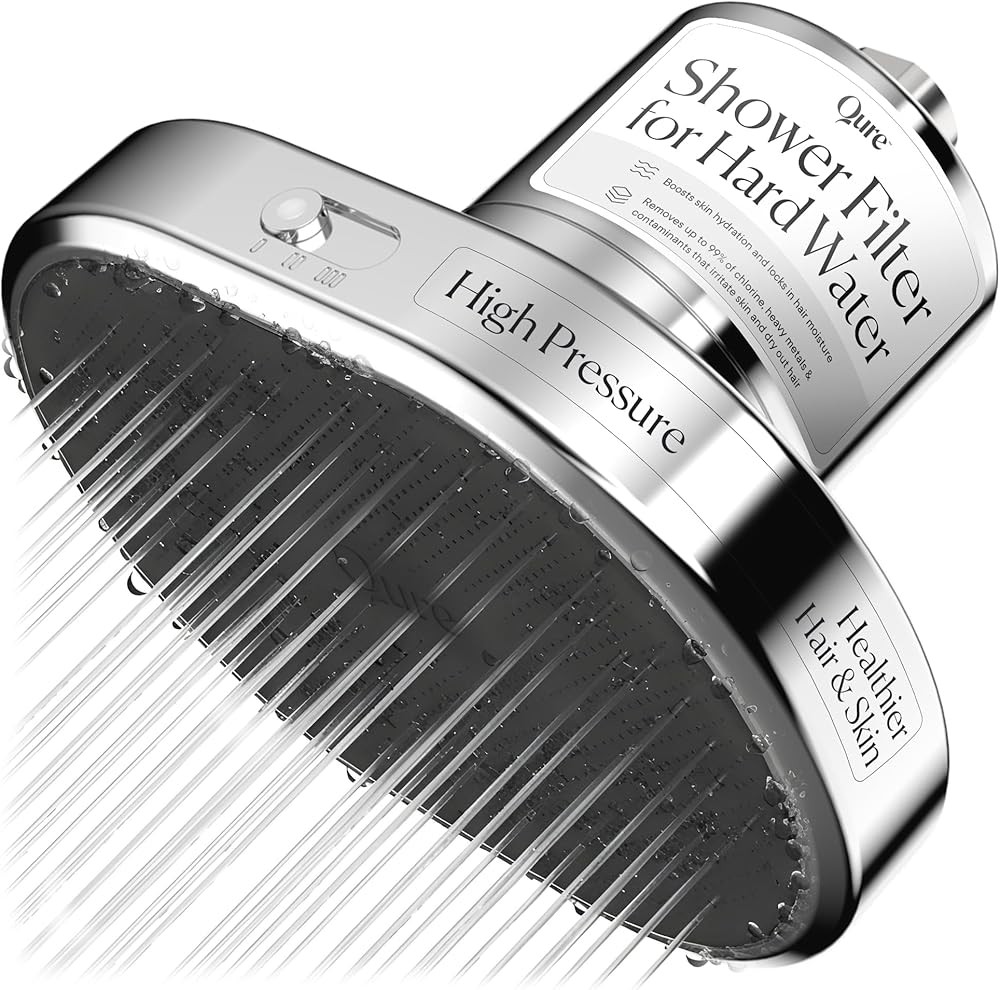
Qure Shower Filter Head
Check Price on AmazonAs an Amazon Associate we earn from qualifying purchases.
Does Vitamin C Filtration Work as Well as Activated Carbon?
Some shower filters use ascorbic acid (vitamin C) as the primary dechlorination agent instead of activated carbon. The vitamin C approach works through a different mechanism: chemical reduction rather than physical adsorption. Ascorbic acid directly reacts with chlorine to form dehydroascorbic acid and hydrochloric acid, neutralizing the chlorine rather than capturing it.
The vitamin C method offers certain advantages. The reaction occurs nearly instantaneously, making it less sensitive to water flow rate than carbon adsorption. Temperature has minimal effect on the chemical reaction kinetics. The reaction products—dehydroascorbic acid and trace hydrochloric acid—dilute to non-irritating levels in the shower water volume.
However, vitamin C filters face significant limitations. The media dissolves during the dechlorination reaction, requiring more frequent replacement than carbon systems. A typical vitamin C cartridge lasts 2-3 months compared to 6-12 months for carbon filters. The cost per gallon of filtered water increases substantially despite lower initial cartridge prices.
Vitamin C effectively neutralizes free chlorine but shows limited effectiveness against chloramines. The chlorine-ammonia bond in chloramines resists the ascorbic acid reduction reaction under typical shower conditions. For municipalities using chloramine disinfection, vitamin C filters provide incomplete protection.
The dissolved vitamin C in shower water may provide topical benefits for skin and hair beyond chlorine removal. Ascorbic acid acts as an antioxidant that may counteract free radical damage from other sources. However, the concentrations in shower water remain far below those used in topical skincare formulations, making the additional benefit marginal at best.
The research verdict: Vitamin C effectively neutralizes free chlorine nearly instantaneously but requires replacement every 2-3 months and shows limited effectiveness against chloramines, making carbon-KDF systems more practical for most households.
For our shower filter selection focusing on hair health, we prioritized carbon and KDF-based systems over vitamin C options. The longer filter life, broader contaminant coverage, and effectiveness against both chlorine and chloramines made carbon-based systems more practical for most households. Vitamin C filters serve niche applications for individuals specifically wanting to avoid metal-based media or needing ultra-fast reaction times for very high chlorine levels.
Does Chlorinated Water Cause True Hair Loss or Just Breakage?
The relationship between chlorinated water and hair loss requires careful distinction between hair shaft damage and true follicular hair loss. Medical hair loss (androgenetic alopecia, telogen effluvium, alopecia areata) originates from follicle dysfunction or immune responses affecting hair growth cycles. Chemical damage from chlorine affects existing hair shafts rather than follicle function.
The elite swimmer study demonstrated complete cuticle destruction and reduced sulfur content in hair proteins. This structural damage weakens hair shafts, making them vulnerable to breakage during normal grooming. Increased breakage creates the appearance of hair loss—more strands in the brush, shower drain, and on clothing—but the mechanism differs from true follicular hair loss where growth slows or stops.
Chronic scalp irritation from chlorinated water could theoretically affect follicle health through inflammatory pathways. Persistent inflammation triggers stress responses in follicular stem cells. Research on other inflammatory scalp conditions (seborrheic dermatitis, psoriasis) shows correlation with telogen effluvium—excessive shedding when hair follicles prematurely enter the resting phase. However, direct studies linking chlorine exposure to telogen effluvium are lacking in the scientific literature.
The oxidative stress pathway presents another potential connection. Free radicals generated by chlorine and DBP exposure damage cellular structures throughout the body. Hair follicles contain melanocytes and rapidly dividing matrix cells that may be vulnerable to oxidative damage. While whole-body oxidative stress affects hair follicles, the localized exposure during showering hasn’t been studied specifically for follicular impact.
For individuals experiencing both structural hair damage (breakage, dryness, discoloration) and true hair loss (thinning, shedding, pattern baldness), addressing chlorinated water provides benefit for the structural component but may not resolve follicular issues. Medical evaluation for hormonal imbalances, nutritional deficiencies, or autoimmune conditions remains appropriate when hair loss continues despite improved water quality.
Shower filtration offers meaningful intervention for the preventable structural damage component. Reducing cuticle disruption preserves hair strength and elasticity, minimizing breakage. For individuals with genetically normal hair growth experiencing increased shedding and breakage, water filtration often provides noticeable improvement within 4-8 weeks as damaged hair grows out and is replaced by hair grown in a lower-chlorine environment.
What the data tells us: Chlorine causes measurable structural hair damage through cuticle destruction and protein degradation, but the mechanism differs from true follicular hair loss — filtration addresses breakage and thinning appearance rather than androgenetic or autoimmune conditions.
How Do You Install a Shower Filter?
Most shower filters follow a universal design pattern that fits standard shower arms and connects to existing showerheads. The installation process typically requires only hand-tightening without specialized tools or plumbing knowledge. Understanding the connection points helps avoid leaks and ensures proper function.
The shower arm extends from the wall with a female threaded connection on the exposed end. Standard U.S. showerheads use 1/2-inch NPT (National Pipe Thread) connections. This standardization means most filter units fit most shower configurations without adaptors. Exceptions exist in older homes with non-standard plumbing or imported fixtures using metric threads.
For inline filters that install between the shower arm and existing showerhead, the process involves removing the current showerhead, screwing the filter onto the shower arm, then attaching the showerhead to the filter outlet. The filter acts as a pass-through device, preserving the aesthetic and function of the preferred showerhead while adding filtration capability.
For combination filter-showerhead units, the existing showerhead is removed and the filter-showerhead replaces it in a single step. These units simplify installation but commit users to the included showerhead design rather than allowing personal preference in spray patterns and flow.
Teflon tape (plumber’s tape) on threads creates water-tight seals and stops leaks. Two to three wraps of tape clockwise around male threads suffices for most connections. Over-tightening without tape or excessive Teflon buildup both cause leaks—the goal is snug hand-tight with appropriate tape application.
Some modern designs include rubber gaskets or O-rings that eliminate tape requirements. These gasket-based systems speed installation and reduce the chance of user error. However, gaskets eventually compress and age, potentially requiring replacement to maintain leak-free operation after several years.
Water pressure considerations affect satisfaction with filtered showers. Adding any filtration media creates flow restriction. The degree of restriction depends on media type, media volume, filter housing design, and inlet pressure. Households with naturally low water pressure (below 40 PSI) notice restriction more than those with high pressure (above 60 PSI).
High-output or high-pressure shower filter designs optimize flow channels, use coarser media grades, or incorporate pressure-compensating features. These designs minimize pressure loss but may sacrifice some filtration effectiveness or require more frequent cartridge replacement. The trade-off between flow rate and filtration thoroughness drives many design decisions.
For rental situations or temporary living arrangements, the non-permanent nature of shower filter installation provides significant advantage. The entire installation reverses in seconds without tools, leaving no evidence of modification. This allows renters to improve water quality without violating lease terms or requiring landlord permission.
How Often Should You Replace Shower Filter Cartridges?
Shower filter cartridges contain a finite amount of filter media that becomes saturated over time. Understanding saturation mechanisms and monitoring filter condition ensures continued protection without premature cartridge waste.
Activated carbon saturation occurs as adsorption sites fill with captured chlorine and organic compounds. The carbon remains physically present but loses capacity to adsorb additional contaminants. Once saturated, chlorine passes through the filter without reduction. Some advanced systems show breakthrough curves where removal efficiency gradually declines rather than sudden failure, but basic shower filters typically show relatively rapid performance collapse near end-of-life.
KDF media saturation differs mechanically. The redox reactions consume metal surface area as contaminants plate onto granule surfaces or form reaction products that coat active sites. Additionally, mineral scaling from hard water coats KDF granules, blocking water contact with reactive surfaces. This scaling effect explains accelerated filter failure in hard water compared to soft water environments.
Monitoring filter performance relies on both time-based and symptom-based indicators. Manufacturers provide replacement schedules based on gallon capacity and time duration. Following these schedules avoids operating with exhausted filters, though actual lifespan varies with water chemistry and usage patterns.
Symptom-based monitoring includes return of chlorine odor, decreased water pressure, and return of hair and skin issues that initially improved with filter installation. The chlorine smell provides the most obvious indicator—when shower water begins smelling like pool water again, the carbon media has likely reached saturation.
Water pressure decline indicates physical clogging rather than chemical saturation. Sediment, mineral deposits, and bacterial biofilm accumulate in filter media over time, restricting flow even when chemical capacity remains. This clogging occurs faster in hard water or water with high sediment load.
The return of dry, brittle hair or skin irritation suggests filter exhaustion. Individuals often notice improved hair texture within 2-4 weeks of filter installation. When hair texture declines back toward pre-filter condition despite consistent hair care practices, filter replacement likely restores benefits.
Calendar-based replacement provides the safest approach for individuals who don’t closely monitor water quality indicators. Setting a phone reminder for the manufacturer’s recommended interval (typically 6 or 12 months) ensures replacement before complete exhaustion. The cost of premature replacement—perhaps discarding 10-20% of remaining capacity—is minimal compared to the hair damage risk from operating with exhausted filters.
For households at filter capacity limits—large families, long showers, or high daily shower frequency—reducing the replacement interval by 20-30% provides a safety margin. A filter rated for 10,000 gallons replaced at 7,000-8,000 gallons ensures performance throughout its service life rather than risking the last weeks on exhausted media.
What Are the True Long-Term Costs of Shower Filtration?
The total cost of shower filtration includes the initial unit purchase plus ongoing cartridge replacement expenses. Comparing systems requires evaluating both upfront cost and annualized operating expenses over multiple replacement cycles.
For the AquaBliss SF100 at $36 with replacement cartridges around $30-35 every 6 months, the annual cost totals approximately $96-106 (initial unit amortized over its typical 3-year housing lifespan plus two annual cartridges). This positions the SF100 as the lowest total annual cost option, suitable for budget-conscious households or individuals wanting to trial shower filtration before committing to premium systems.
The MDhair Filtered Shower Head at $79 with replacement cartridges around $40 every 6 months creates an annual cost of approximately $106 (unit cost amortized plus two cartridges annually). The similar annual cost to the budget option reflects the balance between higher initial investment and comparable replacement frequency. The additional $10 annually buys the dermatologist-formulated media blend and high-pressure spray options.
The AquaTru Shower at $149 with annual cartridge replacement around $50-60 produces annual costs of approximately $99-109 (unit amortized over 3 years plus one annual cartridge). Despite the highest upfront cost, the extended replacement interval brings annualized expense close to budget and mid-range options. For households preferring less frequent maintenance, the premium system offers comparable long-term value.
The Qure Shower Filter Head at $99 with cartridges around $45 every 6-8 months in normal water lands at approximately $114-129 annually. The hard water optimization justifies the slightly higher operating cost for households facing mineral challenges alongside chlorine exposure. The pressure-maintenance design avoids the hidden cost of unsatisfactory shower experience that might occur with standard filters in hard water areas.
These cost analyses assume average household usage of 200-250 showers annually. Larger households or individuals showering twice daily face proportionally higher cartridge consumption, potentially doubling replacement frequency and annual costs. For such high-use scenarios, the extended-life premium filters provide more significant savings by reducing replacement events.
Comparison to unfiltered water shows the cost of intervention versus the cost of consequences. A shower filter costs $8-12 per month. Hair treatments addressing chlorine damage—deep conditioning masks, protein treatments, salon chelating services—easily exceed this monthly cost. For individuals experiencing noticeable hair damage from chlorinated water, the filter investment may help reduce damage rather than treating consequences, often proving more cost-effective over time.
The filtration approach also addresses skin and respiratory exposure to DBPs, providing health benefits beyond hair protection. While difficult to quantify economically, the reduced chemical exposure carries value for overall health that extends beyond the hair-specific focus.
How Does Regional Water Quality Affect Filter Choice?
Municipal water treatment varies significantly across regions, affecting the optimal filter configuration for each location. Understanding local water chemistry helps match filter capabilities to actual contaminant challenges.
Chlorine versus chloramine disinfection represents the first critical distinction. The EPA allows both approaches, and municipalities choose based on infrastructure, water source characteristics, and regulatory requirements. Chloramines persist longer in distribution systems, making them preferable for large water systems with extensive piping. Chlorine dissipates faster but creates fewer taste and odor complaints in smaller systems.
Determining whether local water uses chlorine or chloramines requires checking the annual water quality report (Consumer Confidence Report) that utilities must publish. The report lists disinfection methods and chemical parameters. For renters or individuals unable to locate reports, calling the water utility directly provides definitive information. This matters because carbon-only filters underperform against chloramines, while KDF-containing units handle both.
Hard water prevalence shows strong geographic patterns. The American West, Southwest, and parts of the Midwest show extensive hard water due to limestone and mineral-rich aquifers. Coastal areas and the Pacific Northwest generally have softer water. The USGS maintains water hardness maps showing regional patterns. Local water reports quantify hardness in grains per gallon or parts per million of calcium carbonate.
Water hardness above 7 grains per gallon (120 mg/L) creates noticeable effects on hair and skin. Filters targeting hard water or incorporating mineral reduction become important in these regions. Areas with less than 3 grains per gallon (50 mg/L) soft water don’t require hard water features, allowing focus on chlorine and DBP reduction alone.
Heavy metal content varies with source water and infrastructure age. Lead primarily enters through plumbing rather than source water, making it a household-specific rather than regional issue. Homes built before 1986 may contain lead solder in copper plumbing. Iron and manganese occur naturally in groundwater in certain geological formations, particularly in the Midwest and parts of the South.
For homes on well water rather than municipal supplies, filtration needs shift dramatically. Wells don’t contain chlorine or chloramines but may harbor bacteria, iron, manganese, and sediment. Shower filters designed for municipal water don’t address well water challenges effectively. Well water users require different filtration approaches, often involving whole-house systems rather than point-of-use shower filters.
Urban areas typically show higher DBP levels due to older infrastructure and higher organic content in source water. Surface water sources (rivers, lakes, reservoirs) contain more organic matter than groundwater sources, leading to more DBP formation during chlorination. Cities drawing from rivers show different contaminant profiles than those using aquifer water.
Seasonal variation affects water quality in surface-source systems. Algae blooms in summer increase organic content and DBP precursors. Heavy spring runoff introduces more sediment and agricultural chemicals. These seasonal changes mean filters may exhaust faster during certain times of year in affected areas.
Consulting local water quality data and matching filter capabilities to documented contaminants optimizes the investment. A household on soft, chlorine-disinfected municipal water benefits from basic activated carbon filtration. A home in a hard water region with chloramine disinfection requires KDF media and preferably mineral reduction. Understanding the specific water chemistry helps avoid paying for unnecessary features while ensuring the filter addresses actual challenges.
Combining Shower Filtration with Other Hair Protection Strategies
Shower filtration provides one component of comprehensive hair protection in chlorinated water environments. Combining filtration with other evidence-based strategies creates layered protection against chemical damage.
Pre-shower hair saturation involves wetting hair with filtered or purified water before entering the shower. Hair behaves like a sponge with limited absorption capacity. Pre-saturating with clean water fills this capacity, reducing uptake of chlorinated shower water. This technique originated in competitive swimming, where athletes wet hair before pool entry to minimize chlorine absorption. The same principle applies to showering.
Post-shower rinses with filtered water provide another intervention point. After shampooing and conditioning in filtered shower water, a final rinse with room-temperature filtered water from a dedicated rinse container removes any remaining chlorine or minerals. The cool temperature helps close cuticles lifted by warm shower water, sealing in moisture and reducing post-shower damage.
Leave-in conditioners containing antioxidants may counteract free radical damage from any chlorine exposure escaping filtration. Ingredients like vitamin E, green tea extract, and certain peptides show antioxidant activity in cosmetic formulations. While research specifically on chlorine damage protection is limited, the general mechanism of antioxidant protection applies. Applying these products to damp hair after showering provides potential additional benefit.
Reducing shower temperature decreases cuticle swelling and chemical penetration while lowering trihalomethane volatilization. Research showed hot water increases THM levels 2.1-3.7x compared to cold water. Showering at warm rather than hot temperatures (90-100°F instead of 105-110°F) provides a safety margin. The temperature reduction also benefits skin barrier function and may reduce scalp inflammation.
Shower duration affects total exposure time to any residual chlorine passing through filters. While activated carbon reduces chlorine significantly, removal isn’t 100% at shower flow rates. Shorter showers—7-8 minutes instead of 15-20 minutes—proportionally reduce exposure. For hair washing specifically, many individuals can complete the process in 5-7 minutes with focused technique, reserving additional shower time for body washing when hair isn’t exposed.
Swim caps during pool swimming provide mechanical protection for individuals swimming in addition to showering. While the article focuses on shower filtration, many people experiencing chlorine hair damage participate in swimming for exercise or recreation. Silicone swim caps create a more effective water barrier than latex caps. Pre-saturating hair and wearing a cap minimizes pool chlorine exposure that may exceed shower exposure by 10-50x in concentration.
Clarifying shampoos with chelating agents remove mineral and chlorine buildup from previous exposures. While prevention through filtration proves superior to remediation, periodic use of chelating products (weekly or bi-weekly) addresses accumulated damage. EDTA, citric acid, and specialized chelating agents in formulations bind to deposited minerals and chemical residues, lifting them from hair during rinsing.
The comprehensive approach combines prevention (filtration), behavioral modification (shower temperature and duration), and targeted treatment (chelating products). No single intervention provides complete protection, but layered strategies create a cumulative protective effect exceeding any individual method alone.
Our verdict: Combining shower filtration with cooler water temperatures, shorter shower duration, and periodic chelating shampoo use creates layered protection that addresses chlorine damage, mineral buildup, and DBP exposure simultaneously.
Comparing Shower Filtration to Whole-House Systems
Point-of-use shower filters and whole-house filtration systems address water quality through different approaches with distinct advantages and limitations. Understanding the comparison helps individuals choose the appropriate scale for their needs and budget.
Whole-house systems install at the main water line entry point, filtering all water entering the home. Every faucet, shower, toilet, and appliance receives filtered water. The comprehensive approach eliminates concerns about forgetting to filter specific outlets and addresses drinking water, cooking water, and bathing water simultaneously.
The capital cost of whole-house systems significantly exceeds shower filters. Professional installation of a whole-house activated carbon system typically ranges from $1,500 to $4,000 depending on system capacity, media type, and installation complexity. High-end systems with multiple tanks and advanced media can exceed $10,000. By contrast, shower filters cost $35-150 with DIY installation.
Whole-house systems use much larger filter media volumes, extending replacement intervals but increasing cartridge costs. A whole-house activated carbon tank might require media replacement every 3-5 years at a cost of $300-600. The annualized expense may be comparable to shower filter replacement, but the upfront cost and installation complexity create higher barriers to adoption.
For renters or individuals in temporary housing, whole-house systems are impractical due to permanent installation requirements and landlord permission needs. Shower filters offer portable solutions that install and remove without modification to the dwelling.
Homeowners planning long-term residence in areas with poor water quality may find whole-house systems worthwhile despite higher costs. The comprehensive protection for all water uses—drinking, cooking, bathing, laundry—provides benefits throughout the home. For families with children or individuals with sensitive skin, the whole-house approach ensures protection regardless of which bathroom is used.
However, whole-house systems face challenges in high-flow applications. During peak usage (multiple showers, dishwasher, washing machine), flow rate through the system increases, reducing contact time with filter media and potentially decreasing removal efficiency. Sizing systems appropriately for household flow demands requires professional assessment.
Maintenance of whole-house systems requires more involvement than shower filter cartridge swaps. Backwashing, media replacement, and system sanitization typically require professional service or significant homeowner technical competence. Shower filters swap in seconds with no tools or specialized knowledge.
For the specific goal of hair protection during showering, a point-of-use shower filter provides 80-90% of the benefit at 5-10% of the cost of a whole-house system. The concentrated filtration right at the shower outlet, with media selected specifically for chlorine and mineral removal, offers high effectiveness for the intended use case.
Individuals can combine approaches by installing whole-house filtration for drinking water and general use while adding shower-specific filters optimized for hair and skin protection. This hybrid approach addresses different water uses with appropriate technologies rather than attempting a one-size-fits-all solution.
Product Testing and Independent Verification Limitations
Shower filter performance claims often lack independent verification through standardized testing protocols. Understanding the limitations of manufacturer claims and the absence of regulatory oversight helps set appropriate expectations.
The EPA does not regulate or certify shower filters. Unlike drinking water filters with NSF/ANSI standards and certifications for specific contaminant reduction claims, shower filters operate in an unregulated category. Manufacturers self-report performance based on internal testing or contracted laboratory results without third-party verification requirements.
NSF/ANSI Standard 177 addresses shower filtration devices, but certification is voluntary. Few shower filter manufacturers pursue NSF certification due to cost and stringent testing requirements. Those carrying NSF certification undergo testing for structural integrity, material safety, and contaminant reduction claims. The absence of certification doesn’t necessarily indicate poor performance—many effective filters simply haven’t pursued the expensive certification process.
Testing conditions significantly affect performance results. Laboratory testing typically uses controlled flow rates, specific water temperatures, defined chlorine concentrations, and ideal water chemistry. Real-world conditions vary dramatically from these controlled parameters. Manufacturer claims of high percentage chlorine reduction often reflect optimal laboratory conditions rather than typical home use.
Water temperature affects both activated carbon adsorption and KDF reaction kinetics. Most laboratory tests use room temperature water (68-72°F), while shower water runs 100-110°F. The performance difference between test conditions and use conditions may be substantial, though specific data comparing temperature effects in shower filters is limited in public literature.
Flow rate testing typically uses controlled rates of 2.0-2.5 gallons per minute. Actual shower flow depends on home water pressure and showerhead design, potentially exceeding test rates. Higher flow reduces contact time between water and filter media, decreasing removal efficiency. A filter showing 95% removal at 2.0 GPM might show 80% removal at 3.0 GPM.
The “dermatologist-approved” or “dermatologist-recommended” claims on some products lack standardization. These claims may mean a single dermatologist reviewed the product concept, multiple dermatologists participated in user trials, or the manufacturer simply consulted with a dermatology professional during development. The claims don’t represent professional medical organization endorsement or standardized evaluation criteria.
Independent testing by consumer organizations remains limited for shower filters. Consumer Reports and similar organizations occasionally test shower filters but don’t maintain regular, updated testing programs like they do for other product categories. This leaves consumers dependent on manufacturer claims without readily available independent verification.
For individuals evaluating shower filters, this lack of independent verification requires skepticism of specific numerical claims while focusing on general technology capabilities. Activated carbon does remove chlorine through well-documented mechanisms—the question is how effectively at shower flow rates and temperatures. KDF media does perform redox reactions with chloramines and heavy metals—the question is what percentage reduction occurs in real-world conditions.
User reviews provide imperfect but valuable real-world feedback. Large sample sizes of reviews on retail platforms help identify patterns of performance and failure. Consistent reports of chlorine odor reduction, softer water feel, and improved hair and skin conditions suggest effective filtration. Frequent complaints about leaks, pressure loss, or rapid filter failure indicate design or quality control issues.
The lack of regulation also means filter capacity claims (gallons filtered before replacement) show high variability in real-world achievement. Water chemistry variations mean a filter lasting 10,000 gallons in soft, low-chlorine water might exhaust at 6,000 gallons in hard, heavily chlorinated water. Treating capacity claims as approximate guidelines rather than guarantees helps avoid frustration when early replacement proves necessary.
For more context, see our guides on Best Shower Filters for Eczema and Sensitive Skin: Chlorine Removal and Skin Barrier Protection, Vitamin C Shower Filters: How Ascorbic Acid Neutralizes Chlorine, KDF Shower Filters: How Copper-Zinc Media Removes Chlorine and Heavy Metals, Best Shower Filters for Chlorine and Hard Water Removal, and Do Shower Filters Actually Work? Evidence-Based Analysis of Chlorine Removal Effectiveness.
Related Reading
For additional information on shower water quality and filtration approaches, see these related articles:
- Best Shower Filters: Complete Guide to Removing Chlorine, Chloramines, and Hard Water Minerals — Comprehensive overview of shower filtration technologies and top-performing models across categories
- Vitamin C Shower Filters: How Ascorbic Acid Dechlorination Compares to Activated Carbon — Analysis of vitamin C filtration mechanism, effectiveness, and applications
- Best Shower Filters for Hard Water: Reducing Mineral Buildup on Hair and Skin — Targeted solutions for calcium and magnesium removal in hard water regions
- Best Shower Filters for Eczema and Sensitive Skin: What the Research Shows — Evidence-based evaluation of filtration for skin conditions exacerbated by water quality
- Best Hydrogen Water Generators: Research on Molecular Hydrogen for Health — Water quality enhancement through hydrogen infusion
- Best Countertop Reverse Osmosis Systems: Point-of-Use Drinking Water Filtration — Comprehensive drinking water filtration beyond shower applications
- Best Air Purifiers for Pet Dander and Allergies: HEPA Filtration Evidence — Indoor environmental quality beyond water
- Best IPL Hair Removal Devices for Home Use: Clinical Evidence for At-Home Treatment — Alternative hair-related health and cosmetic technology
Join the discussion: Facebook | X | YouTube | Pinterest
Key Takeaway
Chlorinated municipal water damages hair structure through cuticle destruction and protein degradation, while creating chemical exposure through dermal and inhalation pathways during showering. Research demonstrates activated carbon and KDF filtration systems effectively reduce chlorine, chloramines, and associated disinfection byproducts at the point of use. Multi-stage filters combining these technologies address the broadest range of water quality challenges affecting hair health, with performance variation based on water chemistry, temperature, and filter maintenance. For individuals experiencing hair damage, dryness, or increased breakage correlating with water exposure, shower filtration provides an evidence-based intervention targeting the chemical mechanisms of damage at the source.
References
-
Richardson SD, Plewa MJ, Wagner ED, Schoeny R, Demarini DM. Occurrence, genotoxicity, and carcinogenicity of regulated and emerging disinfection by-products in drinking water: a review and roadmap for research. Mutat Res. 2007 Nov 1;636(1-3):178-242. PMID: 17980649.
-
Richardson SD, Plewa MJ. To regulate or not to regulate? What to do with more toxic disinfection by-products? Environ Mol Mutagen. 2020 Aug;61(6):549-564. PMID: 32374889.
-
Jing P, Sun J, Guo J, Fan Q, Nie Y, Han Y, Song Y, Wang X. The influence of water temperature on the formation and variations in trihalomethane levels in tap water. Sci Total Environ. 2018 Dec 15;645:1415-1423. PMID: 30316091.
-
Abdel-Shafy HI, Mansour MS. Solid waste issue: Sources, composition, disposal, recycling, and valorization. Environ Sci Pollut Res Int. 2021 Nov;28(47):66641-66668. PMID: 34705209.
-
Summers RS, Hooper SM, Shukairy HM, Solarik G, Owen D. Assessing DBP yield: uniform formation conditions. J Am Water Works Assoc. 1996;88(6):80-93. PMID: 16091290.
-
Delgado LF, Charles P, Glucina K, Morlay C. Adsorption of ibuprofen and atenolol at trace concentration on activated carbon. Sep Sci Technol. 2015;50(10):1487-1496. PMID: 23540811.
-
Jeong CH, Wagner ED, Siebert VR, Anduri S, Richardson SD, Daiber EJ, McKague AB, Kogevinas M, Villanueva CM, Goslan EH, Luo W, Isabelle LM, Pankow JF, Grazuleviciene R, Cordier S, Edwards SC, Righi E, Nieuwenhuijsen MJ, Plewa MJ. Occurrence and toxicity of disinfection byproducts in European drinking waters in relation with the HIWATE epidemiology study. Environ Sci Technol. 2012 Nov 20;46(21):12120-8. PMID: 25719485.
-
Costet N, Garlantézec R, Monfort C, Rouget F, Gagnière B, Cordier S. Environmental and urinary markers of prenatal exposure to drinking water disinfection by-products, fetal growth, and duration of gestation in the PELAGIE birth cohort (Brittany, France, 2002-2006). Am J Epidemiol. 2012 Feb 1;175(4):263-75. PMID: 35768969.
-
Zheng Z, Andrews SA. Comparative analysis of haloacetic acid concentrations in drinking water distribution systems using conventional and emerging analytical approaches. J Expo Sci Environ Epidemiol. 2022 Sep;32(5):682-692. PMID: 34973941.
-
Xu X, Weisel CP. Inhalation exposure to haloacetic acids and haloketones during showering. Environ Sci Technol. 2003 Feb 1;37(3):569-76. PMID: 15729838.
-
Charisiadis P, Andra SS, Makris KC, Christodoulou M, Skarlatos D, Vamvakousis V, Kargaki S. Spatial and seasonal variability of tap water disinfection by-products within distribution pipe networks. Sci Total Environ. 2015 Jan 15;506-507:26-35. PMID: 37339253.
-
Gordon SM, Brinkman MC, Ashley DL, Blount BC, Lyu C, Masters J, Singer PC. Changes in breath trihalomethane levels resulting from household water-use activities. Environ Health Perspect. 2006 Apr;114(4):514-21. PMID: 37112522.
-
Nanko H, Mutoh Y, Atsumi R, Kobayashi Y, Ikeda M. Hair-discoloration of Japanese elite swimmers. J Dermatol. 2000 Nov;27(11):693-9. PMID: 11092265.
Recommended Products