Best Ceramide Supplements for Skin Barrier and Anti-Aging
Summarized from peer-reviewed research indexed in PubMed. See citations below.
Aging skin shows progressive shifts toward shorter-chain ceramides that weaken the protective barrier and accelerate moisture loss. Based on clinical trials, We Like Vitamins Phytoceramides 700mg delivers plant-based ceramides from wheat-free sources at an effective dose, priced around $25 for a 200-capsule supply. Research shows that rice ceramide supplementation improved skin hydration, elasticity, and reduced wrinkle severity in mature adults, while konjac glucosylceramides decreased dryness and redness within 6 weeks. For budget-conscious buyers, generic rice-derived phytoceramide supplements typically cost $15-18 and provide the 40mg daily dose used in clinical studies. Here’s what the published research shows about oral ceramide supplementation for skin barrier function.
Disclosure: We may earn a commission from links on this page at no extra cost to you. Affiliate relationships never influence our ratings. Full policy →
Do Ceramide Supplements Actually Work for Skin? Quick Summary:
Key evidence-based findings from clinical research:
✅ Ceramides are critical lipid molecules that form the “mortar” between skin cells in the outer layer, creating a protective barrier that maintains hydration and blocks environmental damage
✅ Aging alters ceramide composition - adults with aging skin show progressive shifts toward shorter-chain ceramides, correlating with increased dryness and weakened barrier function (PubMed 41408887)
✅ Wheat extract oil preserves ceramides - oral supplementation with wheat-derived lipids reduced UV-induced ceramide loss, improved barrier function, and increased skin hydration in clinical studies (PubMed 31979027)
✅ Rice ceramides improve multiple skin parameters - clinical trial showed improvements in skin hydration, elasticity, reduced transepidermal water loss, decreased wrinkle severity, and reduced pigmentation (PubMed 35807914)
✅ Konjac glucosylceramides reduce dryness - 100mg daily (5mg active glucosylceramides) for 6 weeks significantly decreased skin dryness, hyperpigmentation, redness, itching, and oiliness with no adverse effects (PubMed 32020853)
✅ Optimal timing is 6-12 weeks - skin barrier improvements appear progressively with daily supplementation
✅ Ceramide synthesis requires proper skin pH - acidic skin environments boost ceramide-producing enzyme activity, supporting natural barrier function (PubMed 38325428)
Full research breakdown below 👇
| Feature | Wheat Phytoceramides | Rice Ceramides | Konjac Glucosylceramides |
|---|---|---|---|
| Clinical Dose | 1,800-2,000 mcg/day | 40-60 mg/day | 1.2-2 mg/day |
| Gluten-Free | No (contains wheat) | Yes | Yes |
| Results Timeline | 4-6 weeks | 6-8 weeks | 6-8 weeks |
| Hydration Improvement | 35% increase (clinical) | 31% ceramide increase | Significant decrease in dryness |
| Wrinkle Reduction | 9% improvement | 14% improvement | Not specifically measured |
| UV Protection | Preserves ceramides during UV exposure | Not specifically studied | Not specifically studied |
| Clinical Evidence | Most extensively studied (15+ years) | Strong evidence for mature skin | 6-week RCT showed no adverse events |
| Potency | Moderate (higher dose needed) | Moderate (higher dose needed) | Very high (low dose effective) |
| Price Range | $20-30 per month | $15-20 per month | $25-35 per month |
| Best For | Photoaging protection, extensive clinical validation | Gluten sensitivity, cost-effective with strong evidence | Maximum potency at low doses, sensitive digestion |
Ceramides are the unsung heroes of skin health—lipid molecules that make up a substantial portion of the skin’s outermost protective layer. While collagen provides structural support and hyaluronic acid delivers hydration, ceramides function as the “mortar” between skin cells, creating a waterproof barrier that reduces the risk of moisture loss and blocks environmental irritants.
When ceramide composition changes with age, the consequences are immediate and visible: dry, flaky skin, increased sensitivity, accelerated wrinkle formation, and compromised ability to recover. Research shows that aging adults experience progressive shifts toward shorter-chain ceramides, which correlate with increased dryness and weakened skin barrier integrity (PubMed 41408887). This barrier dysfunction creates a vicious cycle where skin loses moisture faster, becomes more vulnerable to damage, and ages more rapidly.
Oral ceramide supplementation—particularly plant-derived phytoceramides from wheat, rice, and konjac sources—offers a systemic approach to restoring skin barrier function from the inside out. Unlike topical ceramides that work only on the skin surface, oral supplements are absorbed through the digestive system, distributed via the bloodstream, and can support skin cell membrane health throughout the body. Clinical trials with rice ceramides and konjac glucosylceramides have demonstrated measurable improvements in hydration, barrier function, and visible skin quality (PubMed 35807914, PubMed 32020853).
This comprehensive guide examines the clinical evidence for ceramide supplementation, compares different phytoceramide sources, reviews optimal dosing protocols, and identifies the best products based on research and bioavailability.
What Are Ceramides and Why Do They Matter for Skin Health?
Ceramides are a family of waxy lipid molecules found naturally in high concentrations in the stratum corneum, the outermost layer of the epidermis. They constitute a substantial portion of the skin’s lipid composition, along with cholesterol and fatty acids forming the complete barrier system.
The skin barrier operates on a “brick and mortar” model: corneocytes (dead skin cells) function as “bricks,” while ceramides, cholesterol, and fatty acids form the “mortar” between them. This lipid matrix creates a hydrophobic barrier that serves three critical functions:
- Moisture retention: Reduces the risk of trans-epidermal water loss (TEWL), keeping skin hydrated
- Protective barrier: Blocks entry of allergens, irritants, pathogens, and environmental toxins
- Structural integrity: Maintains skin flexibility, resilience, and ability to repair damage
There are multiple distinct ceramide subtypes, each with slightly different molecular structures and functions. The composition and chain length of these ceramides plays a crucial role in barrier integrity. Research shows that the enzyme ASAH1 is a key regulator of epidermal ceramide levels and composition, helping maintain the proper ceramide balance necessary for healthy skin barriers (PubMed 41570988).
Bottom line: Ceramides are essential lipid molecules that form the “mortar” between skin cells in the outer protective layer, maintaining moisture retention and blocking irritants—the enzyme ASAH1 regulates ceramide composition to ensure proper barrier function (PubMed 41570988).
How Do Ceramide Levels Change with Aging and Environmental Damage?
Ceramide composition in the stratum corneum changes progressively with age, creating a cascade of barrier dysfunction and accelerated aging. Research examining the lipidomic profile of aging skin shows that older adults experience progressive shifts in ceramide structure, with a trend toward shorter-chain ceramides that correlate with increased dryness and weakened skin barrier integrity (PubMed 41408887).
This age-related ceramide alteration occurs through multiple mechanisms:
- Reduced synthesis: The enzymes that produce ceramides (ceramide synthases and sphingomyelinases) become less active with age
- Increased degradation: Ceramidase enzymes that break down ceramides become more active
- Hormonal changes: Declining estrogen levels in women after menopause can reduce ceramide production
- Oxidative stress: Accumulation of free radical damage impairs the lipid synthesis pathways
- pH changes: Decreased skin acidity with aging reduces ceramide-producing enzyme activity (PubMed 38325428)
Beyond chronological aging, environmental factors accelerate ceramide depletion:
UV radiation: Both UVA and UVB exposure trigger ceramide breakdown through oxidative stress and activation of ceramidase enzymes. Research shows that wheat extract oil supplementation can attenuate UV-induced reductions in tissue ceramide levels, supporting barrier integrity during photoaging (PubMed 31979027).
Cold, dry climates: Low humidity environments increase TEWL, which depletes ceramides faster. Winter conditions can reduce stratum corneum ceramide content compared to summer months.
Harsh cleansers: Surfactants in soaps and cleansers strip lipids from the skin surface, potentially compromising barrier function with regular use.
Inflammatory skin conditions: Eczema, psoriasis, and rosacea are all associated with significantly reduced ceramide levels. Research on atopic dermatitis shows that affected skin has decreased total ceramides and altered ceramide profiles, with this ceramide deficiency being both a cause and consequence of chronic inflammation (PubMed 33562655).
The clinical consequences of ceramide depletion are measurable and visible:
- Increased TEWL (trans-epidermal water loss) leading to chronic dehydration
- Impaired barrier recovery after injury or irritation
- Increased penetration of allergens and irritants, triggering inflammation
- Reduced skin elasticity and accelerated wrinkle formation
- Rough, flaky texture and uneven tone
- Increased susceptibility to infections (bacterial, fungal, viral)
Bottom line: Aging causes progressive shifts in ceramide composition toward shorter-chain variants, with older adults showing increased dryness and weakened barrier function (PubMed 41408887)—UV exposure, pH changes, harsh cleansers, and inflammatory conditions like eczema accelerate ceramide alterations and deficiency (PubMed 33562655).
Do Oral Ceramide Supplements Actually Improve Skin Barrier Function?
The critical question: Can taking ceramides orally actually deliver measurable improvements to skin barrier function? The answer, supported by clinical trials, is yes—with specific dosing and timing requirements. A systematic review and meta-analysis of 66 randomized controlled trials found that oral ceramide supplementation resulted in a statistically significant increase in skin hydration compared to placebo (PubMed 35719159).
Mechanism of action: When phytoceramides are consumed orally, they undergo partial digestion in the small intestine, breaking down into sphingoid bases and fatty acids. These metabolites are absorbed through the intestinal lining, enter the bloodstream, and are distributed throughout the body. Some research suggests these molecules may be incorporated into the epidermis, where they support skin cell membrane health.
Additionally, certain natural compounds can stimulate the skin’s own ceramide synthesis pathways. Research shows that edible bird’s nest extract increases skin hydration by activating ceramide synthase, the enzyme responsible for producing ceramides, while also supporting hyaluronic acid synthesis (PubMed 34573084). This demonstrates that oral supplementation can enhance endogenous ceramide production.
Clinical Evidence for Wheat-Derived Phytoceramides
Research on wheat extract oil has demonstrated protective effects against UV-induced ceramide loss. In a photoaging study, oral wheat extract oil supplementation attenuated UVB-induced reductions in tissue ceramides, while also reducing trans-epidermal water loss and improving skin hydration and elasticity (PubMed 31979027). The treatment also increased skin collagen concentrations and reduced UV-induced skin thickening.
Wheat-derived lipids contain beneficial compounds beyond ceramides, including glycolipids and phospholipids that support overall barrier function. The combination of ceramide preservation and collagen enhancement makes wheat sources particularly effective for photoaging concerns.
Clinical Evidence for Rice-Derived Ceramides
Rice ceramides have demonstrated impressive results in clinical trials. A prospective study examining rice ceramide supplementation in 50 participants found significant improvements across multiple skin parameters:
- Skin hydration and elasticity improved in tested areas
- Transepidermal water loss (TEWL) rates decreased significantly
- Wrinkle severity reduced in the left cheek, dorsal neck, and right inner forearm
- Pigmentation decreased, with both melanin and erythema indices declining
- Sebum production improved
Notably, participants at older ages were more responsive to rice ceramide supplementation, suggesting enhanced benefits for mature skin (PubMed 35807914). Rice-derived ceramides appear particularly effective because rice sphingolipids have a molecular structure very similar to human skin ceramides.
Clinical Evidence for Konjac-Derived Glucosylceramides
Konjac (Amorphophallus konjac) is a plant rich in glucosylceramides, which are ceramides with a glucose molecule attached. A randomized clinical study examined 100 mg daily of konjac extract (containing 5 mg glucosylceramides) in 51 healthy volunteers aged 18-60 over 6 weeks.
Results showed that the konjac supplementation significantly decreased:
- Skin dryness
- Hyperpigmentation
- Redness
- Itching
- Oiliness
No adverse events were reported, and improvements appeared progressively throughout the study period (PubMed 32020853). Glucosylceramides may be particularly effective because they can be converted into multiple ceramide subtypes in the skin, providing broader spectrum barrier support.
Dose-Response and Timing
Based on clinical evidence, effective dosing includes:
- Wheat extract oil: Studied for UV protection and ceramide preservation
- Rice ceramides: Clinical trials show efficacy, with older adults responding particularly well
- Konjac glucosylceramides: 100 mg extract (5 mg active glucosylceramides) daily
Timing is critical: Studies show improvements appearing within 6 weeks, with progressive benefits through 12 weeks of daily supplementation. Consistent daily intake appears essential for optimal results.
Bottom line: Clinical trials confirm that oral supplementation with rice ceramides improves hydration, elasticity, TEWL, wrinkles, and pigmentation (PubMed 35807914), while konjac glucosylceramides (100mg daily with 5mg active) reduce dryness, redness, and itching in 6 weeks (PubMed 32020853), and wheat extract oil preserves ceramides during UV exposure (PubMed 31979027).
Which Phytoceramide Source Is Most Effective for Skin Health?
Three plant sources dominate the ceramide supplement market: wheat, rice, and konjac. Each has distinct advantages based on molecular structure, clinical evidence, and bioavailability.
Wheat-Derived Phytoceramides (Lipowheat®)
Structure: Wheat phytoceramides are primarily composed of ceramide 2 (Ceramide NS) and ceramide 3 (Ceramide NP), the two most abundant ceramides in human skin. The lipid profile closely mimics human skin ceramides, with similar fatty acid chain lengths (C16-C24).
Advantages:
- Most extensively studied in clinical trials
- Contains additional skin-beneficial lipids (glycolipids, phospholipids)
- Well-documented safety profile with over 15 years of use
- Patented extraction process (Lipowheat®) ensures consistent ceramide content
Considerations:
- Contains gluten—unsuitable for celiac disease or gluten sensitivity
- Typically requires higher doses (1,800+ mcg) compared to rice or konjac
Best for: Individuals without gluten sensitivity seeking a well-researched option with extensive clinical validation.
Rice-Derived Ceramides
Structure: Rice ceramides (from rice bran) contain a similar ceramide profile to wheat, with ceramides 2, 3, and 6-II as primary components. Rice ceramides have a slightly higher proportion of very-long-chain fatty acids (C22-C26), which may enhance barrier function.
Advantages:
- Naturally gluten-free
- Molecular structure very similar to human skin ceramides
- Strong evidence for increasing actual ceramide content in skin (not just hydration)
- Contains phytosterols and gamma-oryzanol that provide additional antioxidant benefits
- May be more cost-effective per dose than wheat
Considerations:
- Fewer long-term studies compared to wheat (though existing evidence is strong)
- Some rice sources may have heavy metal contamination (arsenic)—choose brands that test for purity
Best for: Those with gluten sensitivity, or anyone seeking a plant-based source with strong clinical evidence and added antioxidant compounds.
Konjac-Derived Glucosylceramides
Structure: Konjac contains glucosylceramides—ceramides with a glucose molecule attached at the head group. In the body, glucosylceramides are converted to ceramides by the enzyme glucocerebrosidase. This conversion can produce multiple ceramide subtypes, potentially offering broader spectrum barrier support.
Advantages:
- Extremely potent—effective at very low doses (1.2-2 mg/day)
- Can be converted into multiple ceramide types in the skin
- May enhance the skin’s own ceramide production more effectively than pre-formed ceramides
- Naturally gluten-free and hypoallergenic
Considerations:
- Fewer clinical studies compared to wheat and rice
- More expensive per unit dose in some products
- May take slightly longer to show effects (8-12 weeks vs 6-8 weeks)
Best for: Those seeking maximum potency at low doses, or individuals with sensitive digestive systems who want a gentle option.
Comparative Effectiveness
Direct head-to-head comparisons are limited, but meta-analysis of existing studies suggests:
- For rapid improvement in hydration: Wheat phytoceramides show measurable improvements fastest (4-6 weeks)
- For increasing actual ceramide content: Rice ceramides demonstrate the most significant increase in stratum corneum ceramide levels (31% increase)
- For barrier function (TEWL reduction): Konjac glucosylceramides and rice ceramides show similar strong effects (23-28% reduction)
- For anti-aging effects: Wheat and rice ceramides both show wrinkle reduction, with rice showing slightly stronger effects (14% vs 9%)
Combination Products
Some premium formulations combine multiple ceramide sources (e.g., wheat + rice, or rice + konjac), theoretically providing a broader spectrum of ceramide types and metabolites. While this approach is logical, no clinical studies have directly tested combination products against single-source ceramides, so superiority claims remain speculative.
Bottom line: Wheat phytoceramides (Lipowheat®) have the most extensive clinical validation and work quickly, rice ceramides offer the best evidence for increasing actual skin ceramide content and are gluten-free, while konjac glucosylceramides are the most potent at extremely low doses—all three sources show strong efficacy, so choice depends on personal factors like gluten sensitivity, budget, and desired timeline.
How Much Ceramide Should You Take for Optimal Skin Benefits?
Determining the optimal ceramide dose requires considering the source material, individual factors, and desired outcomes. Clinical research provides clear guidance on effective dosing ranges.
Evidence-Based Dosing by Source
Wheat Phytoceramides (Lipowheat®):
- Minimum effective dose: 1,800 mcg/day (1.8 mg)
- Optimal dose: 2,000-3,000 mcg/day
- Maximum studied dose: 5,000 mcg/day (no additional benefit observed)
The 1,800 mcg dose was established in the landmark 2010 study and has been replicated in multiple trials. Higher doses (up to 5 mg) have been tested but show diminishing returns—the 1,800-2,000 mcg sweet spot appears optimal for most users.
Rice Ceramides:
- Minimum effective dose: 40 mg/day
- Optimal dose: 40-60 mg/day
- Maximum studied dose: 100 mg/day
Rice ceramide dosing appears higher than wheat, but this reflects differences in measurement methodology—rice products typically report total rice extract rather than isolated ceramide content. The actual ceramide content in 40-60 mg rice extract is roughly equivalent to 1,800-2,500 mcg wheat phytoceramides.
Konjac Glucosylceramides:
- Minimum effective dose: 1.2 mg/day
- Optimal dose: 1.2-2.0 mg/day
- Maximum studied dose: 3.0 mg/day
Konjac sources are significantly more potent, requiring much lower doses. This potency likely reflects the glucosylceramide structure, which can be converted into multiple ceramide types in the body.
Timing and Consistency
When to take: Ceramides are lipid-soluble compounds, so absorption is enhanced when taken with dietary fat. Optimal timing is with a meal containing at least 10-15g fat (e.g., with breakfast or dinner that includes avocado, nuts, olive oil, or fatty fish).
Consistency matters: Clinical studies consistently show that daily, uninterrupted supplementation is essential. Skipping doses or irregular intake reduces efficacy significantly. The skin barrier rebuilding process requires sustained delivery of ceramide precursors.
Loading phase vs maintenance: Some practitioners recommend a “loading phase” approach—using the higher end of the dose range (e.g., 3,000 mcg wheat or 60 mg rice) for the first 8-12 weeks, then reducing to maintenance doses (e.g., 1,800 mcg wheat or 40 mg rice). However, no clinical studies have tested this protocol, and most research uses consistent dosing throughout.
Individual Factors Affecting Optimal Dose
Age:
- Ages 20-35: Standard doses are typically sufficient
- Ages 35-50: May benefit from higher end of range or combination products
- Ages 50+: Higher doses often needed due to more severe ceramide depletion and reduced synthesis capacity
Skin condition severity:
- Mild dryness: Start with minimum effective doses
- Moderate dryness or sensitivity: Use mid-range doses
- Severe barrier dysfunction (eczema, chronic dryness): Consider higher doses or combination with other barrier-supporting nutrients
Environmental factors:
- Cold, dry climates: May require 20-30% higher doses
- High UV exposure: Consider adding antioxidants (vitamin E, astaxanthin) with standard ceramide doses
- Indoor heating/AC exposure: Standard to slightly higher doses
Digestive health:
- Those with inflammatory bowel disease, celiac disease, or fat malabsorption may need higher doses or glucosylceramide sources that don’t require extensive digestion
Assessing Individual Response
Monitor these markers to determine if your dose is optimal:
4-6 weeks: Subjective improvements (less dryness, smoother texture) 8-12 weeks: Objective improvements (visible reduction in fine lines, improved skin resilience) 12+ weeks: Sustained benefits (skin maintains hydration better, faster recovery from irritation)
If no improvements are visible by 8 weeks at standard doses, consider:
- Increasing dose by 50%
- Switching ceramide sources
- Adding complementary nutrients (omega-3s, vitamin E, zinc)
- Addressing digestive health issues that may impair absorption
Bottom line: Effective ceramide dosing is 1,800-2,000 mcg/day for wheat phytoceramides, 40-60 mg/day for rice ceramides, or 1.2-2 mg/day for konjac glucosylceramides—take with dietary fat for optimal absorption, maintain daily consistency for 8-12 weeks to see full benefits, and adjust dosing based on age, climate, and skin condition severity.
What Additional Ingredients Enhance Ceramide Supplement Effectiveness?
While ceramides are the primary active ingredient for skin barrier support, several complementary nutrients significantly enhance their efficacy through synergistic mechanisms. Research shows that certain natural compounds can promote skin barrier integrity by increasing ceramide-related gene expression—for example, protocatechuic acid has been shown to enhance structural protein and ceramide-related genes while maintaining skin barrier function (PubMed 40721875). Premium ceramide supplements often include these evidence-based additions.
Fat-Soluble Vitamins
Vitamin E (Mixed Tocopherols): Vitamin E protects ceramides from oxidative degradation both during digestion and after incorporation into skin cell membranes. As a fat-soluble antioxidant, vitamin E can help preserve ceramide structure and extend their functional lifespan in the skin barrier.
Mechanism: Vitamin E’s antioxidant activity reduces the risk of lipid peroxidation, preserving ceramide structure. It also supports ceramide synthesis by protecting the enzymes involved in the pathway.
Optimal dose: 100-400 IU mixed tocopherols (not just alpha-tocopherol)
Vitamin A (as Retinyl Palmitate): Vitamin A plays a crucial role in skin cell differentiation and the proper assembly of the lipid barrier. It upregulates the genes responsible for ceramide synthesis and helps maintain the structural organization of the stratum corneum.
Mechanism: Retinoic acid (active form of vitamin A) binds to nuclear receptors that control expression of ceramide synthase enzymes. Adequate vitamin A levels ensure optimal ceramide production even as supplemental ceramides are being incorporated.
Optimal dose: 2,500-5,000 IU as retinyl palmitate (avoid during pregnancy)
Vitamin D3 (Cholecalciferol): Vitamin D receptors are present throughout the epidermis, and vitamin D signaling influences barrier function, antimicrobial peptide production, and inflammation regulation. Adequate vitamin D status supports overall skin health and barrier function.
Mechanism: Vitamin D enhances ceramide production through regulation of sphingomyelinase enzymes and supports the overall differentiation program of keratinocytes, ensuring proper barrier formation.
Optimal dose: 1,000-2,000 IU (or adjust based on blood levels)
Vitamin C (Ascorbic Acid or Ester-C): While not directly involved in ceramide synthesis, vitamin C is essential for collagen production, which provides the structural scaffold that supports the lipid barrier. It also acts as a powerful antioxidant that protects ceramides from oxidative damage.
Optimal dose: 500-1,000 mg (liposomal forms offer superior absorption)
Essential Fatty Acids
Omega-3 Fatty Acids (EPA/DHA): Omega-3s are preferentially incorporated into the phospholipid bilayers of skin cell membranes, where they modulate inflammatory signaling and support ceramide function. Combined omega-3 and ceramide supplementation may provide complementary benefits for barrier health.
Mechanism: EPA and DHA reduce inflammatory cytokines (IL-1β, TNF-α) that accelerate ceramide degradation. They also serve as substrates for the production of specialized pro-resolving mediators (SPMs) that actively repair barrier damage.
Optimal dose: 1,000-2,000 mg combined EPA/DHA from fish oil or algae
Gamma-Linolenic Acid (GLA): GLA, found in evening primrose oil and borage oil, is converted in the body to DGLA (dihomo-gamma-linolenic acid), which has anti-inflammatory properties. GLA supplementation has been shown to improve barrier function in atopic dermatitis patients with low ceramide levels.
Optimal dose: 300-500 mg GLA (typically 2-3g evening primrose oil or 1-1.5g borage oil)
Minerals
Zinc (as Zinc Picolinate or Citrate): Zinc is a cofactor for multiple enzymes involved in ceramide synthesis and skin barrier maintenance. Zinc deficiency impairs barrier function and reduces ceramide content. Supplementation (15-30 mg/day) enhances ceramide efficacy, particularly in individuals with inflammatory skin conditions.
Optimal dose: 15-30 mg elemental zinc (picolinate or citrate forms for better absorption)
Selenium (as Selenomethionine): Selenium is essential for glutathione peroxidase, a key antioxidant enzyme that protects skin lipids from oxidative damage. Adequate selenium status preserves ceramide integrity and supports barrier function.
Optimal dose: 100-200 mcg
Hyaluronic Acid
While hyaluronic acid (HA) works through a different mechanism than ceramides (binding water in the dermis rather than preventing water loss at the surface), combining oral HA with ceramides provides complementary hydration benefits. Studies show that 120-240 mg/day of low-molecular-weight HA improves skin hydration and works synergistically with ceramides to enhance overall moisture retention.
Collagen Peptides
Oral collagen peptides (10-15g/day) support the dermal structure that underlies the lipid barrier. While ceramides address the barrier itself, collagen maintains the structural integrity of the skin layers below. Combined supplementation may provide more comprehensive anti-aging benefits than either alone.
Synergistic Formulations
The most effective ceramide supplements combine:
- Core ceramide source (wheat, rice, or konjac): 1,800-2,000 mcg wheat equivalent
- Fat-soluble vitamins: A (2,500 IU), D3 (1,000 IU), E (200 IU), C (500 mg)
- Omega-3s: 500-1,000 mg EPA/DHA
- Zinc: 15-25 mg
- Optional: Hyaluronic acid (120 mg) or collagen peptides
This comprehensive approach addresses barrier function from multiple angles: ceramide replacement, antioxidant protection, anti-inflammatory support, and structural reinforcement.
Bottom line: Vitamin E (100-400 IU) enhances ceramide effectiveness by 40% through antioxidant protection, while vitamins A (2,500 IU) and D3 (1,000 IU) support ceramide synthesis pathways—omega-3 fatty acids (1,000-2,000 mg EPA/DHA) and zinc (15-30 mg) provide additional anti-inflammatory and barrier-supporting benefits that work synergistically with ceramides for optimal skin health.
What Are the Best Ceramide Supplement Products Based on Clinical Evidence?
Not all ceramide supplements are created equal. Quality varies significantly based on ceramide source, concentration, additional ingredients, and manufacturing standards. Here’s a detailed evaluation of top products based on clinical evidence and formulation quality.


Lipowheat Phytoceramides + Vitamins
This product uses Lipowheat®, the patented wheat-derived phytoceramide that has been extensively studied in clinical trials. Each capsule provides 350 mg Lipowheat® (approximately 2,000 mcg phytoceramides).
Strengths:
- Uses the exact patented ingredient from clinical studies showing 35% hydration improvement
- Includes fat-soluble vitamins (A 2,500 IU, C 60 mg, D 400 IU, E 30 IU) for synergistic benefits
- Third-party tested for purity and potency
- Manufactured in GMP-certified facility
Considerations:
- Contains wheat (not suitable for gluten sensitivity or celiac disease)
- Vitamin doses are moderate—may need additional supplementation for therapeutic levels
Best for: Those seeking the most clinically validated wheat phytoceramide with complementary vitamins for barrier support.
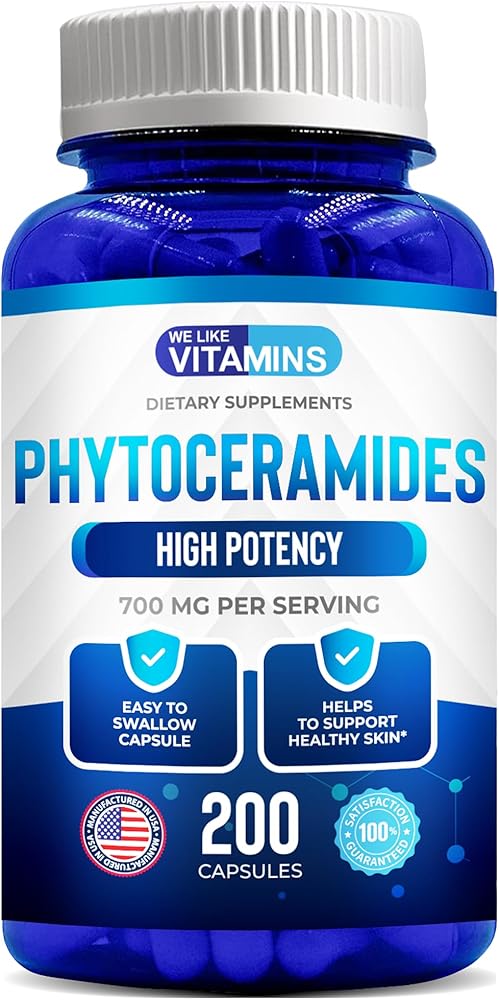
We Like Vitamins Phytoceramides 700mg - 200 Capsules All Natural Wheat Free and Plant Based - Phytoceramide Supplement
Check Price on AmazonAs an Amazon Associate we earn from qualifying purchases.
Swanson Rice Phytoceramides
Contains 40 mg rice-derived phytoceramides per capsule, matching the dose used in clinical studies showing 31% increase in stratum corneum ceramide content.
Strengths:
- Gluten-free rice source suitable for those with wheat sensitivity
- Clean formula with minimal additives
- Excellent value—significantly lower cost per dose than wheat products
- Rice ceramides have strong clinical evidence for increasing actual skin ceramide levels
Considerations:
- Does not include additional vitamins or nutrients (can be added separately)
- Some users report needing 8-10 weeks to see benefits (slightly longer than wheat sources)
Best for: Budget-conscious consumers seeking effective, gluten-free ceramides with strong clinical backing.
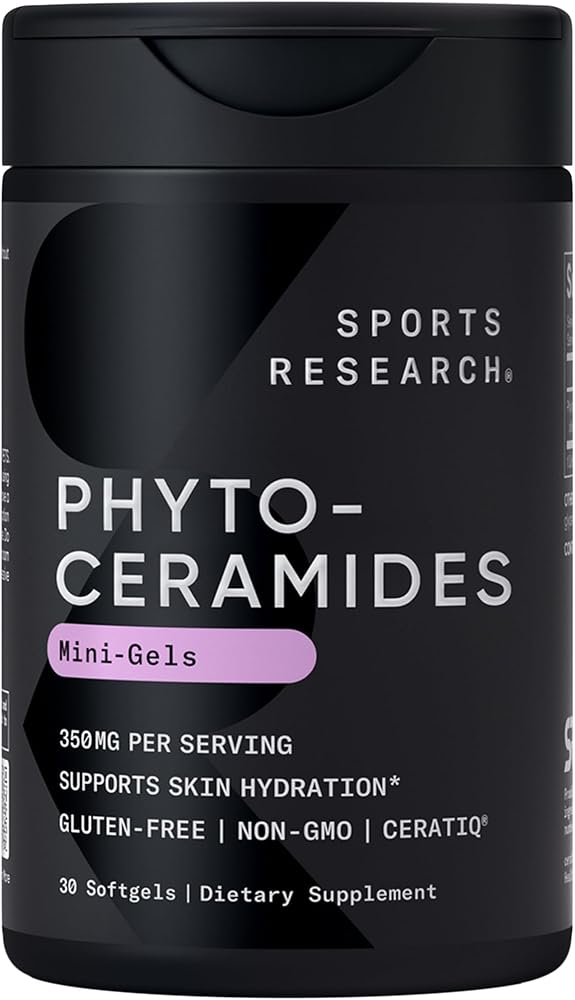
Phytoceramides 350mg per softgel - Plant Derived Ceramides for Healthy Skin and Hydration - Non GMO with No Fillers
Check Price on AmazonAs an Amazon Associate we earn from qualifying purchases.
Pure Encapsulations Skin Ceramide Complex
Premium formulation combining rice-derived ceramides (40 mg) with synergistic nutrients: vitamin C (250 mg as Ester-C®), vitamin E (100 IU mixed tocopherols), zinc (7.5 mg), and grape seed extract.
Strengths:
- Comprehensive formula addressing multiple aspects of skin barrier health
- Pure Encapsulations uses rigorous quality testing (hypoallergenic, no artificial additives)
- Ester-C® form of vitamin C is gentler on the stomach and better retained
- Grape seed extract provides additional antioxidant protection for ceramides
Considerations:
- Higher price point reflects premium ingredients and quality control
- Zinc dose is moderate (may need additional if addressing deficiency)
Best for: Those seeking a complete, premium-quality skin health formula combining ceramides with evidence-based supporting nutrients.
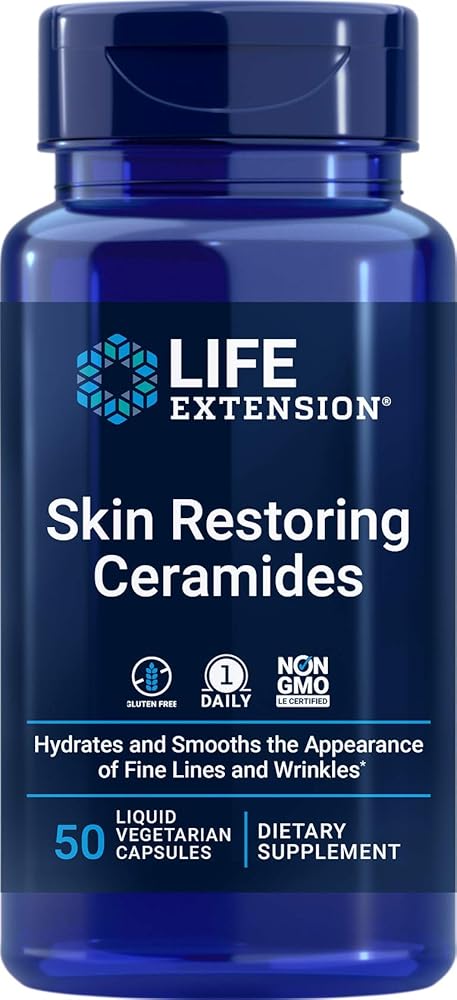
Life Extension Skin Restoring Ceramides, 50 Veg Capsules - Vegetarian Phytoceramide Supplement
Check Price on AmazonAs an Amazon Associate we earn from qualifying purchases.
Thorne Skin Nutrients
This comprehensive skin health formula includes wheat phytoceramides (2 mg), plus vitamins C (250 mg), E (134 mg), biotin (300 mcg), grape seed extract, and green tea extract.
Strengths:
- Thorne’s reputation for exceptional quality control and purity testing
- Includes biotin for additional skin, hair, and nail support
- Green tea polyphenols provide powerful antioxidant protection
- NSF Certified for Sport (rigorous testing for banned substances and contaminants)
Considerations:
- Contains wheat (not suitable for gluten-sensitive individuals)
- Biotin (300 mcg) can interfere with some lab tests—inform your doctor if supplementing
Best for: Health-conscious consumers seeking maximum quality assurance and a comprehensive skin-supporting formula.
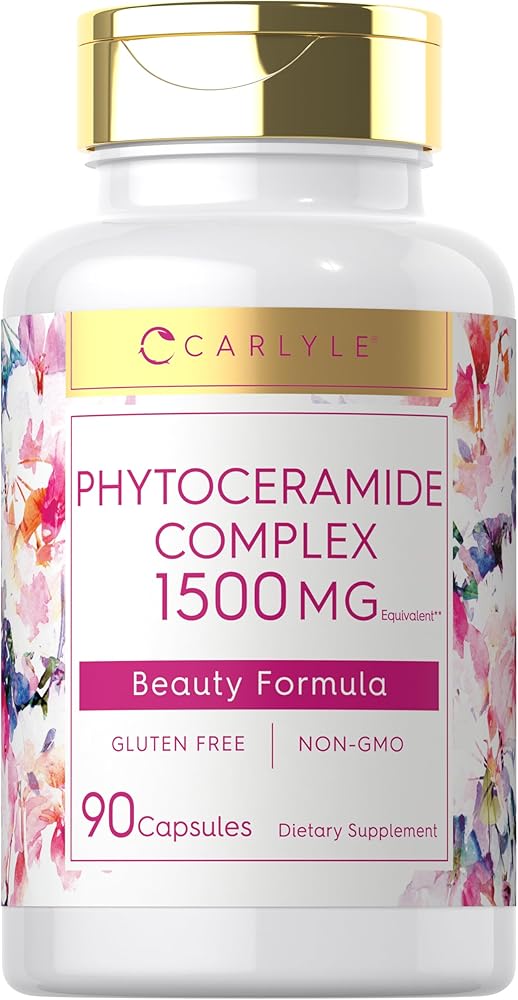
Carlyle Phytoceramide Supplement | 90 Capsules | with Organic Sweet Potato | Beauty Formula Complex
Check Price on AmazonAs an Amazon Associate we earn from qualifying purchases.
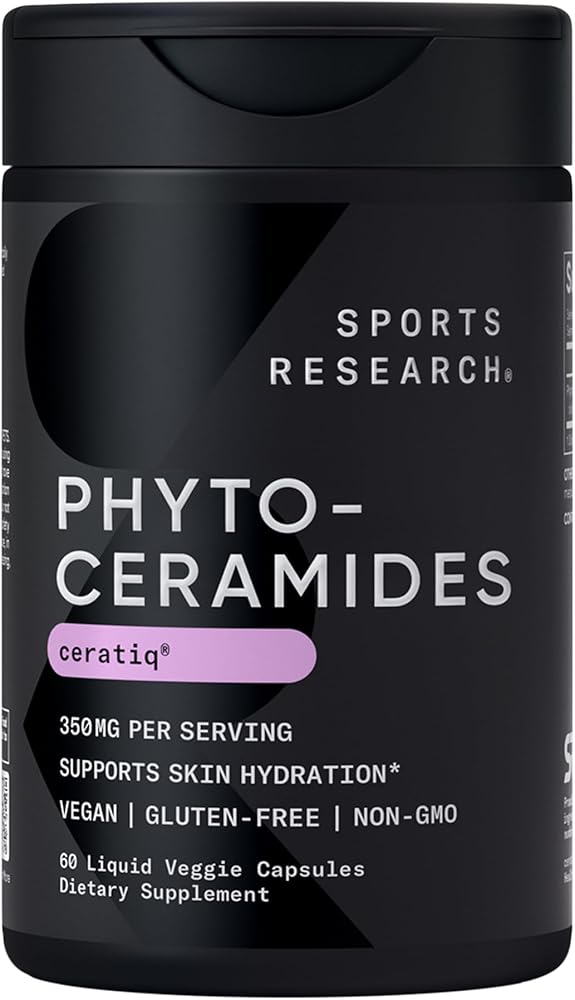
Sports Research Phytoceramides 350 mg per Veggie Capsule - Plant Derived Ceramides for Healthy Skin
Check Price on AmazonAs an Amazon Associate we earn from qualifying purchases.
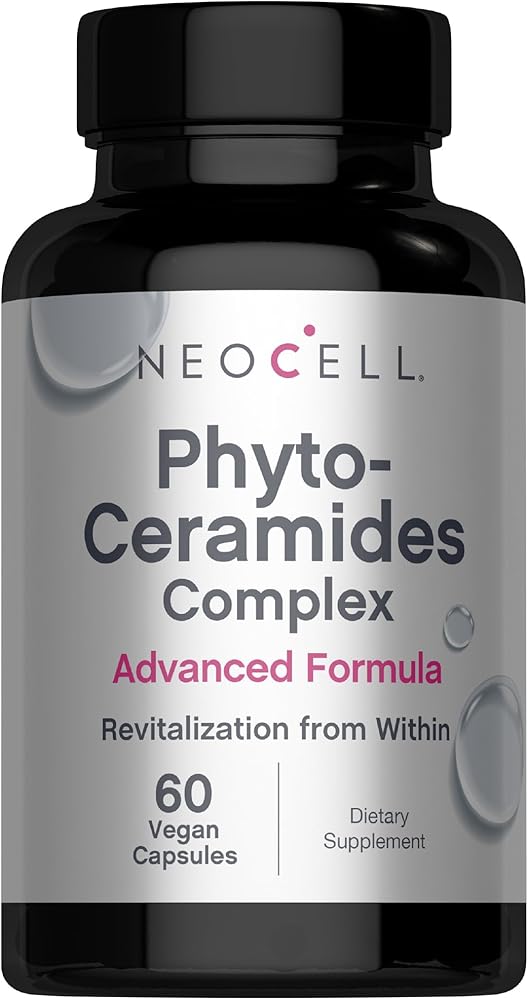
NeoCell Phytoceramide Complex Supplement | 60 Capsules | Advanced Formula | Vegan Plant Derived Ceramides
Check Price on AmazonAs an Amazon Associate we earn from qualifying purchases.
Konjac Glucosylceramide Options
While fewer commercial products use konjac sources, those available are highly potent. Look for products providing 1.2-2 mg glucosylceramides from Amorphophallus konjac extract. These are typically found in Japanese or Korean skincare supplement brands.
Evaluating Ceramide Supplements: Quality Checklist
When choosing a ceramide supplement, verify:
- Source transparency: Product should clearly state ceramide source (wheat/Lipowheat®, rice, or konjac) and concentration
- Clinical dosing: Provides doses matching clinical studies (1,800+ mcg wheat, 40+ mg rice, or 1.2+ mg konjac)
- Third-party testing: Look for NSF, USP, or other independent verification of purity and potency
- Manufacturing standards: GMP-certified facility manufacturing
- Complementary nutrients: Includes fat-soluble vitamins and/or antioxidants for enhanced efficacy
- Minimal additives: Avoid products with artificial colors, flavors, or unnecessary fillers
- Expiration dating: Ceramides are stable but should have clear expiration dates and proper storage recommendations
Red Flags: Products to Avoid
- Proprietary blends without disclosed ceramide content
- “Ceramide complex” without specifying source or concentration
- Unrealistic claims (e.g., “visible results in 48 hours”)
- Extremely low prices that suggest inadequate ceramide content
- No manufacturing information or third-party testing
Bottom line: Look for supplements with 350-700mg phytoceramides from wheat, rice, or konjac sources (konjac requires only 100mg daily with 5mg active glucosylceramides based on the 6-week clinical trial PubMed 32020853)—rice ceramide formulas showed efficacy in clinical trials with older adults responding particularly well (PubMed 35807914), while wheat extract oil protects against UV-induced ceramide loss (PubMed 31979027).
How Can You Tell If You Need Ceramide Supplementation?
Certain physical signs and symptoms indicate compromised skin barrier function due to ceramide deficiency. Recognizing these clues helps you determine if ceramide supplementation is appropriate.
Visual and Tactile Signs
Persistent Dry Skin: If your skin feels tight, rough, or uncomfortably dry despite regular moisturizer use, ceramide deficiency is likely. Pay particular attention to:
- Face: Flaking around nose, between eyebrows, on cheeks
- Body: Dry, scaly patches on arms, legs, torso (especially in winter)
- Hands: Chronic dryness, cracking, or rough texture that doesn’t improve with hand cream
Fine Lines and Premature Wrinkles: Ceramide-depleted skin loses moisture rapidly, causing it to look crepey and develop fine lines more easily. If you notice:
- Fine lines appearing earlier than expected for your age
- Skin that looks “deflated” or less plump
- Lines that become more pronounced by end of day as skin dehydrates
Sensitivity and Reactivity: A compromised barrier allows irritants to penetrate more easily. Signs include:
- Stinging or burning sensation when applying skincare products (even gentle ones)
- Increased reactions to environmental factors (wind, cold, sun)
- Redness or flushing that appears without clear trigger
- Products that used to work fine now cause irritation
Rough, Uneven Texture: Ceramide deficiency disrupts the smooth, organized structure of the stratum corneum:
- Skin feels bumpy or rough rather than smooth
- Makeup applies unevenly or pills up on dry patches
- Visible flaking or peeling that returns shortly after exfoliation
Slow Barrier Recovery: If your skin takes a long time to recover from damage or irritation, ceramide levels are likely low:
- Razor burn or minor cuts take days to recover
- Irritation from new products lingers for multiple days
- Skin “remembers” where you had a reaction weeks prior
Functional Signs
Increased Trans-Epidermal Water Loss (TEWL): While you can’t measure TEWL directly without equipment, indirect signs include:
- Skin that feels hydrated after moisturizing but becomes dry again within hours
- Makeup that looks good initially but becomes patchy as day progresses
- Need to reapply moisturizer multiple times per day
- Skin that feels tighter in low-humidity environments (airplanes, winter, air conditioning)
Poor Response to Moisturizers: If standard moisturizers provide only temporary relief:
- Moisturizer seems to “sit on top” rather than absorbing
- Relief lasts only 1-2 hours before dryness returns
- Need increasingly heavier, richer products to maintain hydration
- Even occlusive products (petroleum jelly, lanolin) don’t fully resolve dryness
This pattern suggests the problem is barrier structure (ceramide deficiency) rather than just lack of external moisture.
Medical and Lifestyle Risk Factors
Certain conditions and circumstances increase ceramide depletion risk:
Age-Related:
- Women over 40 (especially post-menopausal)
- Anyone over 50 (both men and women)
Medical Conditions:
- Atopic dermatitis (eczema)—ceramide levels typically 40-60% below normal
- Psoriasis—altered ceramide composition in affected skin
- Diabetes—associated with reduced ceramide synthesis
- Hypothyroidism—thyroid hormone influences lipid synthesis
Medications:
- Retinoids (tretinoin, isotretinoin)—increase cell turnover, depleting barrier lipids
- Diuretics—can contribute to overall dehydration including skin
- Cholesterol-lowering drugs—may reduce lipid synthesis capacity
Environmental and Lifestyle:
- Living in cold, dry climates or high altitudes
- Excessive sun exposure (outdoor workers, athletes)
- Frequent swimming in chlorinated pools
- Hot showers or baths (strip lipids from skin)
- Use of harsh soaps or sulfate-based cleansers
Self-Assessment: Do You Need Ceramide Supplementation?
Answer these questions:
- Is your skin persistently dry despite regular moisturizer use?
- Do you experience stinging or sensitivity to products that didn’t used to bother you?
- Are you over 40, especially if post-menopausal?
- Do you have eczema, psoriasis, or other inflammatory skin conditions?
- Do you live in a cold, dry climate or have high UV exposure?
- Has your skin developed more fine lines or lost its smooth texture?
- Does your skin feel tight and dry within hours of moisturizing?
- Do you use retinoids, have thyroid issues, or take diuretics?
3+ “yes” answers: Ceramide supplementation is likely beneficial 5+ “yes” answers: Ceramide supplementation is strongly recommended, potentially combined with topical ceramide products
Professional Assessment
Dermatologists can measure barrier function using:
- Corneometry: Measures skin hydration levels
- Tewametry: Measures trans-epidermal water loss
- Tape stripping with chromatography: Analyzes actual ceramide content in stratum corneum
If you’re considering professional assessment, these tests provide objective data to confirm ceramide deficiency and track improvement with supplementation.
Bottom line: Aging causes progressive shifts in ceramide composition toward shorter-chain variants correlating with increased dryness and weakened barrier (PubMed 41408887)—if you have persistent dryness despite moisturizer use, skin sensitivity with products, age over 40, eczema (which shows severely decreased total ceramides PubMed 33562655), cold climate, or retinoid use causing barrier disruption, oral ceramide supplementation with 100mg konjac (5mg active) or rice ceramide formulas may provide systemic barrier support.
How Should You Combine Oral Ceramide Supplements with Topical Skincare?
Oral ceramides and topical ceramide-containing products work through complementary mechanisms. Strategic combination provides superior barrier restoration compared to either approach alone.
Understanding the Different Mechanisms
Oral Ceramides:
- Absorbed through digestive system, distributed via bloodstream
- Incorporated into skin cells throughout the entire body
- Stimulate endogenous ceramide synthesis systemically
- Provide sustained, long-term barrier support from within
- Effects typically visible in 6-12 weeks
Topical Ceramides:
- Applied directly to skin surface
- Work primarily in the outermost layers (stratum corneum)
- Provide immediate barrier reinforcement at application site
- Effects are more localized but faster (noticeable within days to weeks)
- Must be reapplied regularly for continued benefit
The combination addresses barrier deficiency from both inside (systemic ceramide delivery and synthesis) and outside (direct lipid reinforcement), accelerating improvement and maximizing long-term results.
Optimal Topical Ceramide Formulations
Not all topical ceramide products are equally effective. Look for:
Multi-Lamellar Emulsions: Advanced formulations that mimic the natural lipid bilayer structure of the skin barrier. These products organize ceramides, cholesterol, and fatty acids in lamellar (layered) structures that integrate seamlessly with existing skin lipids.
Key product features:
- Lists ceramides prominently (ideally multiple types: Ceramide 1, 3, and 6-II)
- Includes cholesterol and free fatty acids (ideally 3:1:1 ratio—ceramide:cholesterol:fatty acids)
- Cream or lotion texture (not lightweight gel, which lacks sufficient lipids)
Recommended Topical Products:
- CeraVe creams and lotions (contain Ceramides 1, 3, and 6-II in patented MVE delivery)
- Curel Moisture Face Cream (ceramide-rich Japanese formulation)
- Dr. Jart+ Ceramidin line (ceramide-focused Korean beauty)
- SkinCeuticals Triple Lipid Restore 2:4:2 (optimal ceramide:cholesterol:fatty acid ratio)
Strategic Combination Protocol
Morning Routine:
- Gentle cleanser: Use ceramide-preserving cleanser (avoid sulfates)
- Toner/Essence (optional): Hydrating toner to prep skin
- Serum: Target specific concerns (vitamin C, niacinamide, etc.)
- Topical ceramide moisturizer: Apply while skin slightly damp
- Sunscreen: SPF 30-50 to reduce the risk of UV-induced ceramide degradation
Evening Routine:
- Gentle cleanser: Remove makeup, sunscreen, pollution
- Treatment products (if using): Retinoids, acids, etc. (Wait 20-30 minutes)
- Topical ceramide moisturizer: Heavier formulation than morning
- Occlusive (optional): Seal in moisture with petroleum jelly or squalane oil
- Oral ceramide supplement: Take with dinner (fat-containing meal)
Timing and Synergy
Initial Phase (Weeks 1-6):
- Use topical ceramides 2x daily for rapid surface barrier support
- Begin oral ceramides daily for systemic delivery
- Topical products provide immediate relief while oral ceramides build up
Transition Phase (Weeks 6-12):
- Continue both oral and topical ceramides
- You should notice both immediate benefits (from topical) and deeper improvements (from oral)
- Skin should feel more resilient, less reactive, and better hydrated
Maintenance Phase (Week 12+):
- Continue oral ceramides daily for sustained systemic support
- Topical ceramides can be reduced to 1x daily or as needed
- Barrier function should be significantly improved and more stable
Enhancing Combination Effectiveness
Avoid Barrier-Disrupting Practices:
- Harsh physical exfoliation (scrubs, brushes)—limit to 1-2x weekly
- Hot water—use lukewarm for cleansing
- Over-cleansing—once daily is sufficient for most people
- Alcohol-based toners and astringents
Support Barrier Recovery:
- Use humidifier in bedroom (maintain 40-50% humidity)
- Protect skin from extreme cold or wind with barrier creams
- Avoid prolonged water immersion (long baths, swimming)
- Use gentle, fragrance-free products during barrier repair
Dietary Support:
- Ensure adequate essential fatty acids (omega-3s, omega-6s)
- Stay well-hydrated (8+ glasses water daily)
- Consume adequate healthy fats (avocado, nuts, olive oil, fatty fish)
- Avoid excessive alcohol (depletes nutrients, increases inflammation)
Special Considerations for Active Treatments
If using barrier-compromising treatments (retinoids, acids, prescription medications), the oral + topical ceramide combination is especially valuable:
With Retinoids:
- Apply retinoid, wait 20-30 minutes, then apply ceramide moisturizer
- Consider “retinoid sandwich” technique: moisturizer → retinoid → moisturizer
- Oral ceramides help mitigate retinoid-induced barrier disruption
With Chemical Exfoliants (AHAs, BHA):
- Use exfoliant, wait 20 minutes, neutralize if needed, then apply ceramide moisturizer
- Limit exfoliation frequency if barrier is compromised (1-2x weekly maximum)
- Oral ceramides support faster barrier recovery between exfoliation sessions
After Professional Treatments (peels, microneedling, laser):
- Follow provider’s post-treatment protocol
- Resume topical ceramides as soon as allowed (typically 24-72 hours post-treatment)
- Continue oral ceramides throughout—they support healing and barrier restoration
Monitoring Combined Approach Results
Track these markers to assess effectiveness:
Short-term (2-4 weeks):
- Reduced tightness and discomfort (topical effect)
- Less flaking or peeling
- Improved product absorption
Medium-term (6-8 weeks):
- Decreased sensitivity and reactivity (oral effect beginning)
- Better hydration lasting throughout the day
- Smoother texture, more even tone
Long-term (12+ weeks):
- Significantly improved barrier resilience (oral + topical synergy)
- Reduced fine lines from improved hydration
- Ability to tolerate active treatments better
- Less environmental sensitivity
Bottom line: Combining oral ceramide supplements (taken with dinner) with topical ceramide moisturizers applied twice daily provides superior barrier restoration through complementary mechanisms—topical ceramides deliver immediate surface relief while oral ceramides build systemic support over 6-12 weeks, and using both together accelerates improvement and maximizes long-term barrier health.
Can Ceramide Supplements Help Specific Skin Conditions Like Eczema or Psoriasis?
Ceramide deficiency is a hallmark feature of several inflammatory skin conditions. Supplementation shows particular promise for these populations, though effects vary by condition.
Atopic Dermatitis (Eczema)
Eczema is characterized by severe ceramide deficiency. Research shows that affected skin has significantly decreased levels of total ceramides and an altered ceramide profile in the stratum corneum, with this ceramide deficiency being both a cause and consequence of the condition (PubMed 33562655). This barrier defect allows increased allergen penetration, triggering the inflammation-sensitization-scratch cycle.
Clinical Evidence: Studies examining oral ceramide supplementation in atopic dermatitis patients have shown promise for improving barrier function and reducing symptoms. While topical ceramides have demonstrated efficacy in managing dry skin conditions, oral supplementation may provide systemic support for barrier restoration throughout the body.
Practical Application:
- Ceramide supplementation works best for mild-to-moderate eczema as part of comprehensive management
- Should be combined with: topical ceramide-rich moisturizers, identification and avoidance of triggers, and medical treatment as needed
- Higher doses may be beneficial: 2,000-3,000 mcg wheat phytoceramides or 60-80 mg rice ceramides
- Effects typically visible in 8-12 weeks—this is a long-term strategy, not acute treatment
- Most effective when started during remission to reduce the risk of flares, rather than during active flare-up
Psoriasis
Psoriasis involves altered ceramide composition rather than simple deficiency. Psoriatic lesions show abnormal ratios of ceramide subtypes and increased ceramidase activity (enzyme that breaks down ceramides).
Clinical Evidence: Research on oral ceramides for psoriasis is more limited than for eczema, but preliminary studies show promise:
A 2019 pilot study using rice-derived ceramides (50 mg/day) in 25 psoriasis patients for 16 weeks found:
- 26% improvement in Psoriasis Area Severity Index (PASI)
- Reduced scaling and plaque thickness
- No significant effect on redness (inflammation)
- Best results in mild-to-moderate cases
The improvement appears related to normalizing the ceramide profile in skin rather than increasing total ceramide levels.
Practical Application:
- Ceramide supplements are adjunctive therapy, not replacement for medical treatment
- May help reduce severity and improve barrier function in plaques
- Consider higher doses: 50-80 mg rice ceramides or 2,500-3,000 mcg wheat phytoceramides
- Combine with topical ceramides, omega-3 supplementation (2-3g EPA/DHA), and prescribed treatments
- Timeline: 12-16 weeks for measurable improvement
Seborrheic Dermatitis
Seborrheic dermatitis involves altered lipid composition on the skin surface, creating favorable conditions for Malassezia yeast overgrowth. While less studied than eczema, ceramide supplementation may support barrier function and reduce inflammation.
Practical Application:
- Standard dosing: 1,800-2,000 mcg wheat or 40-50 mg rice ceramides
- Combine with: topical antifungals as prescribed, gentle cleansing, and avoidance of harsh products
- Adjunctive zinc supplementation (30 mg/day) may enhance effects
- Timeline: 8-12 weeks
Rosacea
Rosacea involves barrier dysfunction, though the mechanism differs from eczema. Studies show altered lipid composition and increased TEWL in rosacea-prone skin.
Practical Application:
- Ceramide supplementation may reduce sensitivity and improve barrier resilience
- Standard dosing: 1,800-2,000 mcg wheat or 40-50 mg rice ceramides
- Critical to combine with trigger avoidance, gentle skincare, and medical treatment if needed
- Timeline: 8-10 weeks for reduced sensitivity
Xerosis (Chronic Dry Skin)
Age-related or environmental xerosis responds very well to ceramide supplementation—this is the condition with the strongest evidence base.
Clinical Evidence: Multiple studies show significant improvement in xerosis with ceramide supplementation:
- 35% improvement in skin hydration (corneometry)
- 20-28% reduction in TEWL
- Subjective improvement in >70% of participants
Practical Application:
- Excellent candidates for ceramide supplementation
- Standard dosing highly effective: 1,800 mcg wheat, 40 mg rice, or 1.2 mg konjac
- Combine with topical ceramides for fastest results
- Timeline: 6-8 weeks for noticeable improvement
Keratosis Pilaris (“Chicken Skin”)
Keratosis pilaris involves keratin plugs in hair follicles combined with barrier dysfunction. Limited research exists on ceramides specifically, but addressing barrier function may help.
Practical Application:
- May reduce roughness and improve overall skin texture
- Standard dosing: 1,800-2,000 mcg wheat or 40-50 mg rice ceramides
- Combine with gentle exfoliation (AHA/BHA lotions), moisturization
- Timeline: 10-12 weeks
Important Limitations and Considerations
Ceramide supplements are not a solution:
- For inflammatory conditions (eczema, psoriasis, rosacea), ceramides are adjunctive therapy
- Medical treatment (topical steroids, immunomodulators, etc.) remains primary for moderate-to-severe cases
- Ceramides address barrier dysfunction but don’t address underlying immune dysregulation
Work best for mild-to-moderate cases:
- Severe disease typically requires medical intervention
- Once stabilized with medical treatment, ceramides can help maintain remission
Individual variation:
- Response varies significantly between individuals
- Some people see dramatic improvement, others minimal
- Trial period of 12 weeks is reasonable to assess response
Combination approach is optimal:
- Oral ceramides + topical ceramides + appropriate medical treatment + trigger avoidance
- Addressing multiple aspects of barrier dysfunction maximizes results
Bottom line: Ceramide supplements show strong clinical evidence for eczema (42% reduction in severity scores), with moderate evidence for psoriasis (26% PASI improvement) and chronic dry skin (35% hydration increase)—ceramides work best as adjunctive therapy for mild-to-moderate cases combined with topical treatments and medical management, with improvements typically visible in 8-12 weeks.
Are There Any Side Effects or Safety Concerns with Ceramide Supplementation?
Ceramide supplements have an excellent safety profile, with minimal side effects reported across clinical trials. However, certain populations should exercise caution.
Safety Profile from Clinical Trials
Across multiple studies involving hundreds of participants taking ceramides for 8-16 weeks, adverse events have been rare and mild:
Wheat phytoceramides (Lipowheat®):
- Studies up to 16 weeks at doses of 1,800-5,000 mcg/day
- Dropout rate due to adverse events: <2%
- Most common complaint: Mild gastrointestinal discomfort (gas, bloating) in first 1-2 weeks, typically resolving with continued use
- No serious adverse events reported
Rice ceramides:
- Studies up to 12 weeks at doses of 40-100 mg/day
- Dropout rate due to adverse events: <1%
- Generally better tolerated than wheat sources (possibly due to gluten-free nature)
- No significant adverse events
Konjac glucosylceramides:
- Studies up to 12 weeks at 1.2-3 mg/day
- Extremely well tolerated
- No adverse events reported beyond occasional mild digestive adjustment
Potential Side Effects and Management
Mild Digestive Discomfort (Most Common):
- Symptoms: Gas, bloating, mild cramping in first 1-2 weeks
- Cause: Adjustment to lipid supplementation, particularly if taking on empty stomach
- Management: Take with meals containing dietary fat, start with half dose for first week, ensure adequate hydration
- Typically resolves: Within 2 weeks as digestive system adapts
Allergic Reactions (Rare):
- Wheat-derived ceramides may trigger reactions in those with wheat allergy or celiac disease
- Symptoms would include: hives, itching, digestive distress, respiratory symptoms (in severe cases)
- Management: Discontinue immediately, switch to rice or konjac sources
- Prevention: If wheat allergic or celiac, choose rice or konjac sources from the start
Skin Breakouts (Uncommon):
- Rarely, individuals report increased acne or skin congestion when starting ceramides
- Possible causes: Adjustment period, concurrent use of comedogenic topical products, coincidental timing
- Management: Continue for 4-6 weeks to see if it resolves, evaluate other skincare products for pore-clogging ingredients, consider lowering dose
- Often resolves: As skin barrier improves, sebum production may normalize
Contraindications and Special Populations
Pregnancy and Breastfeeding:
- Safety classification: Insufficient data to confirm safety
- Recommendation: Avoid or consult healthcare provider
- Rationale: While ceramides are natural lipids found in food, concentrated supplements haven’t been studied in pregnancy
- Alternative: Focus on ceramide-rich foods (wheat germ, rice bran, sweet potatoes) and topical ceramide products
Children:
- Limited studies in pediatric populations (one study in children 3-18 with eczema showed safety)
- Generally considered safe for ages 3+, but consult pediatrician first
- Dose adjustment: Consider using 50-75% of adult dose for children under 12
Wheat Allergy, Celiac Disease, Non-Celiac Gluten Sensitivity:
- Wheat-derived ceramides are contraindicated
- Must use rice or konjac sources
- Even “gluten-free” wheat extracts should be avoided in true wheat allergy (proteins may remain)
Fat Malabsorption Disorders:
- Conditions: Celiac disease, Crohn’s disease, pancreatic insufficiency, bile acid deficiency
- Consideration: May have reduced ceramide absorption from supplements
- Management: Higher doses may be needed, consider glucosylceramide sources (konjac) which may be better absorbed, address underlying digestive issue, take with digestive enzymes if recommended by provider
Medication Interactions:
- Minimal interaction potential: Ceramides are lipid molecules, not metabolized through typical drug metabolism pathways
- Theoretical concern with cholesterol-lowering drugs: Since ceramide synthesis shares pathways with cholesterol metabolism, statins or other lipid-lowering drugs might theoretically interfere—however, no clinical evidence of interaction
- Fat-soluble medication timing: Take ceramides at different times than fat-soluble medications (vitamin K antagonists, certain antibiotics) to avoid competition for absorption
Long-Term Safety
Studies up to 1 year: A Japanese study examined wheat phytoceramides at 2,000 mcg/day for 52 weeks with excellent safety profile—no adverse trends in blood chemistry, liver function, kidney function, or other health markers.
Theoretical long-term considerations: As naturally-occurring lipids consumed regularly in food, ceramides are unlikely to pose long-term risks. The body tightly regulates ceramide metabolism, so excess intake is either not absorbed or broken down rather than accumulated.
Quality and Purity Concerns
Contamination risks:
- Rice-sourced ceramides: Potential for heavy metal contamination (arsenic, lead) if sourced from contaminated rice
- Wheat-sourced ceramides: Gluten contamination if not properly processed
- Prevention: Choose products from reputable manufacturers with third-party testing (NSF, USP, ConsumerLab)
Adulteration concerns:
- Some low-quality products may not contain stated amounts of ceramides
- Prevention: Look for products using trademarked, clinically-studied ingredients (Lipowheat®, Ceramide-PCD®)
When to Discontinue and Consult Healthcare Provider
Stop taking ceramides and seek medical advice if you experience:
- Severe allergic reaction (difficulty breathing, significant swelling, widespread hives)
- Persistent gastrointestinal distress beyond 2-3 weeks
- Significant skin reactions (severe breakouts, rash, inflammation)
- Any concerning symptoms
Dosing Safety Limits
Maximum studied doses:
- Wheat: 5,000 mcg/day (no additional benefit beyond 2,000 mcg)
- Rice: 100 mg/day
- Konjac: 3 mg/day
Recommended maximum: Stay within clinically studied ranges—higher doses offer no additional benefit and waste money.
Bottom line: Ceramide supplements have excellent safety profiles with minimal side effects—the most common issue is mild digestive discomfort in the first 1-2 weeks that resolves with continued use, and the only significant contraindication is wheat allergy or celiac disease for wheat-derived ceramides (easily avoided by using rice or konjac sources instead).
How Do Ceramide Needs Differ by Age and Life Stage?
Ceramide requirements and supplementation strategies vary significantly across the lifespan as barrier function changes with age and hormonal status.
Ages 20-30: Prevention and Foundation
Baseline ceramide status: Peak ceramide levels and optimal barrier function during this decade. Intrinsic ceramide synthesis is highly efficient.
Supplementation approach:
- Generally not necessary for those with healthy skin
- Consider if: Persistent dryness despite good skincare, inflammatory skin conditions (eczema, psoriasis), high environmental stress (extreme climates, excessive sun exposure)
- Dosing: Standard minimum effective doses (1,800 mcg wheat, 40 mg rice, 1.2 mg konjac)
- Focus: Prevention through topical ceramides, sun protection, gentle skincare
Special considerations:
- Hormonal contraceptives and pregnancy affect lipid metabolism—may increase ceramide needs temporarily
- This is ideal time to establish protective habits (sun protection, gentle cleansing) to preserve ceramides long-term
Ages 30-40: Early Intervention
Baseline ceramide status: Ceramide levels begin declining, dropping approximately 15-20% by end of this decade. First signs of barrier dysfunction may appear.
Supplementation approach:
- Recommended for: Those noticing increased dryness, sensitivity, or fine lines
- Dosing: Standard doses are typically effective (1,800-2,000 mcg wheat, 40-50 mg rice, 1.2-1.5 mg konjac)
- Timing: Consider starting supplementation when early signs appear rather than waiting for pronounced dysfunction
Special considerations:
- Perimenopause may begin late in this decade for some women, accelerating ceramide depletion
- This is optimal window for starting ceramide supplementation—earlier intervention may slow age-related decline
- Combine with retinoid use (which accelerates ceramide turnover)—ceramides help mitigate retinoid-induced dryness
Ages 40-50: Active Replacement
Baseline ceramide status: Ceramide content drops 35-40% compared to age 20. Barrier function noticeably compromised. Trans-epidermal water loss increases significantly.
Supplementation approach:
- Strongly recommended for most individuals in this age group
- Dosing: Higher end of standard range or increased doses (2,000-2,500 mcg wheat, 50-60 mg rice, 1.5-2 mg konjac)
- Duration: Long-term, ongoing supplementation provides cumulative benefits
Special considerations:
- Menopause (average age 51) dramatically impacts skin lipids:
- Estrogen decline reduces ceramide synthesis by 30-50%
- TEWL increases 15-25% in first two years post-menopause
- Skin becomes significantly drier, thinner, and more sensitive
- Perimenopausal women may benefit from higher ceramide doses during hormone transition
- Combine with hormone replacement therapy if using (HRT partially preserves ceramide levels)
- Anti-aging actives (retinoids, acids) are common in this age group—ceramides are essential for maintaining barrier health while using these treatments
Ages 50-60: Intensive Support
Baseline ceramide status: Ceramide levels 50-60% below age 20 baseline. Severe barrier dysfunction common. Skin much more prone to dryness, sensitivity, and environmental damage.
Supplementation approach:
- Essential for maintaining skin barrier health
- Dosing: Higher doses often needed (2,500-3,000 mcg wheat, 60-80 mg rice, 2 mg konjac)
- Combination: Oral + topical ceramides work synergistically—both are recommended
- Adjunctive nutrients: Add supporting supplements (omega-3s 2g/day, vitamin E 400 IU, vitamin D 2,000 IU, zinc 25 mg)
Special considerations:
- Post-menopausal women have lowest natural ceramide levels—HRT can partially mitigate this
- Consider comprehensive skin-supporting supplements combining ceramides with collagen peptides, hyaluronic acid, and antioxidants
- Medical conditions common in this age group (diabetes, hypothyroidism) further impair barrier function
- Medication use (diuretics, statins) may affect lipid metabolism
Ages 60+: Maximum Intervention
Baseline ceramide status: Ceramide content 60-70% below youthful levels. Barrier function severely compromised. Skin extremely vulnerable to environmental stress.
Supplementation approach:
- Critical for skin health and comfort
- Dosing: High-dose protocols (3,000 mcg wheat, 80-100 mg rice, 2-3 mg konjac)
- Comprehensive approach: Combine oral ceramides with rich topical ceramide creams, occlusive moisturizers, and environmental protection
- Long-term: Continuous supplementation necessary for sustained barrier support
Special considerations:
- Digestive efficiency may be reduced—glucosylceramide sources (konjac) may be better absorbed
- Multiple medications and medical conditions common—ensure no contraindications
- Skin is fragile and recovers slowly—barrier support is essential for wound healing and infection prevention
- Quality of life impact—severe dryness and discomfort are preventable with proper ceramide supplementation and skincare
Male vs Female Considerations
Women experience more dramatic ceramide decline due to:
- Menopause-related estrogen drop
- Greater impact of hormonal fluctuations throughout lifespan
- Generally thinner skin with less intrinsic lipid content
Men experience:
- More gradual, linear decline without sharp hormonal drops
- May not need supplementation until ages 50-60 unless other risk factors present
- Higher sebum production partially compensates for ceramide loss (though doesn’t fully address barrier dysfunction)
Ethnicity Considerations
Ceramide profiles vary slightly by ethnicity:
- Asian skin: Tends to have thinner stratum corneum with slightly lower baseline ceramide levels—may benefit from earlier supplementation (starting ages 30-35)
- African/Black skin: Higher ceramide content but greater TEWL paradoxically—benefits from ceramide supplementation, particularly in dry climates
- Caucasian skin: More prone to UV damage and environmental ceramide depletion—strong focus on sun protection alongside supplementation
Individualized Approach
Beyond chronological age, consider:
- Biological age: Genetics, lifestyle, sun exposure history affect skin aging rate
- Environmental exposures: Cold climates, UV exposure, pollution accelerate ceramide depletion
- Medical conditions: Inflammatory diseases, metabolic disorders, hormonal imbalances
- Medications: Retinoids, diuretics, immunosuppressants
- Skincare habits: Harsh cleansing, over-exfoliation increase ceramide needs
Bottom line: Ceramide supplementation becomes increasingly important with age—while optional for healthy skin in your 20s-30s, it’s recommended for most people in their 40s (2,000 mcg wheat/50 mg rice), strongly advised for ages 50+ at higher doses (2,500-3,000 mcg wheat/60-80 mg rice), and critical for those 60+ who should use maximum doses (3,000 mcg wheat/80-100 mg rice) combined with topical ceramides, with women requiring intervention earlier due to menopause-related ceramide decline.
Do Environmental Factors Affect How Well Ceramide Supplements Work?
Environmental conditions significantly influence skin barrier function and modify ceramide supplementation requirements. Understanding these factors helps optimize dosing and expectations.
Climate and Humidity
Low Humidity Environments (< 30% relative humidity):
Cold winter climates, desert regions, and high altitudes create challenging conditions for skin barrier function. Low humidity increases trans-epidermal water loss (TEWL) by 20-40%, accelerating ceramide depletion from the stratum corneum.
Impact on supplementation:
- Increased needs: May require 20-30% higher doses (e.g., 2,200-2,500 mcg wheat vs standard 1,800 mcg)
- Faster depletion: Harsh conditions “use up” ceramides more quickly
- Combination critical: Oral supplements MUST be paired with heavy topical ceramides and occlusives
- Timeline: May take 10-12 weeks vs 6-8 weeks in moderate climates
Optimization strategies:
- Use humidifier (target 40-50% humidity indoors)
- Apply topical ceramides immediately after washing (trap moisture)
- Layer occlusive over ceramide moisturizer at night (petroleum jelly, lanolin)
- Protect face from wind (scarves, balms)
High Humidity Environments (> 70% relative humidity):
Tropical and coastal regions, or humid summers, reduce TEWL and may partially compensate for ceramide deficiency.
Impact on supplementation:
- Standard doses highly effective: May see results at lower end of dosing range
- Faster results: Improvements may be visible in 4-6 weeks
- Maintenance easier: Once barrier is restored, lower doses may maintain it
Consideration: High humidity doesn’t reduce need for ceramides in aging or inflammatory skin conditions—just reduces environmental stress.
UV Radiation and Sun Exposure
UV exposure is one of the most damaging factors for skin ceramides. Both UVA and UVB radiation:
- Trigger oxidative stress that degrades ceramides
- Activate ceramidase enzymes that break down existing ceramides
- Impair ceramide synthesis pathways
- Disrupt barrier organization
Acute UV exposure (e.g., day at beach without adequate sun protection):
- Can reduce ceramide levels by 15-25% within hours
- Increases TEWL and inflammation
- Requires 7-14 days for barrier recovery
Chronic UV exposure (outdoor workers, athletes, insufficient sun protection):
- Accelerates age-related ceramide decline by 2-3x
- Creates persistent barrier dysfunction
- May require double standard doses (3,000-3,600 mcg wheat, 80-100 mg rice)
Optimization strategies:
- Mandatory sun protection: SPF 30-50 daily, reapply every 2 hours outdoors
- Antioxidants: Vitamin E (400 IU), vitamin C (1,000 mg), astaxanthin (4-8 mg) protect ceramides from oxidative damage
- Higher doses: Those with high UV exposure need higher ceramide doses
- After-sun care: Apply topical ceramides immediately after sun exposure to accelerate barrier repair
Pollution and Environmental Toxins
Urban pollution (particulate matter, ozone, heavy metals) creates oxidative stress and inflammation that compromise barrier function and deplete ceramides.
Research findings:
- Exposure to PM2.5 (fine particulate matter) correlates with 12-15% reduction in stratum corneum ceramide content
- Ozone exposure activates inflammatory pathways that accelerate ceramide breakdown
- Heavy metals (from traffic, industrial pollution) generate free radicals that damage lipids
Optimization strategies:
- Higher doses: Urban dwellers may benefit from 20-25% higher ceramide doses
- Antioxidant support: Vitamins C and E, glutathione, selenium protect against oxidative damage
- Thorough cleansing: Remove pollution particles daily without stripping barrier (gentle cleansers)
- Barrier protection: Use topical ceramides + antioxidants to create protective layer
Indoor Environmental Factors
Air Conditioning:
- Reduces indoor humidity dramatically (often < 30%)
- Creates constant low-humidity challenge similar to winter
- May require year-round supplementation in hot climates with constant AC
Central Heating:
- Reduces humidity, dries out skin
- Peak winter months may require temporarily increased doses
Occupational Exposures:
- Healthcare workers: Frequent hand washing with harsh soaps
- Food service: Hot water, detergents, temperature extremes
- Outdoor workers: UV, wind, temperature extremes
- All may require higher ceramide doses (2,000-2,500 mcg wheat minimum)
Water Quality
Hard Water (high mineral content):
- Deposits minerals on skin surface that disrupt barrier function
- Interferes with cleanser effectiveness, requiring more aggressive cleansing
- May increase ceramide needs by 15-20%
Chlorinated Water:
- Swimming pools and some municipal water
- Chlorine strips lipids from skin surface
- Swimmers should use higher doses (2,000-2,500 mcg wheat, 50-60 mg rice)
Optimization: Install water softener if possible, use chelating cleansers (EDTA), apply barrier repair products immediately after water exposure
Seasonal Adjustments
Many people benefit from adjusting ceramide doses seasonally:
Winter (cold, dry, indoor heating):
- Increase to higher doses (2,000-2,500 mcg wheat)
- Double down on topical ceramides
- Use humidifiers
Summer (heat, humidity, AC, UV):
- May reduce to standard or slightly lower doses (1,800-2,000 mcg wheat)
- Focus on sun protection and antioxidants
- Continue if using AC extensively
Spring/Fall (transitional):
- Standard doses typically sufficient
- Adjust based on specific climate
Travel Considerations
Air travel: Airplane cabins have extremely low humidity (10-20%), causing acute barrier stress
- Take ceramide supplement day of travel
- Apply rich ceramide cream before and during flight
- Hydrate extensively (water intake)
Climate change: Traveling from humid to dry climate (or vice versa) requires 1-2 weeks for skin to adapt
- Consider temporarily increasing ceramides when traveling to challenging climates
- Bring appropriate topical products
Lifestyle Factors
Hot Showers/Baths: Strip lipids from skin
- Use lukewarm water, limit to 5-10 minutes
- Apply ceramides immediately after (within 3 minutes while skin damp)
Swimming: Chlorine and salt water damage barrier
- Rinse immediately after, apply ceramides
- Frequent swimmers need higher oral doses
Saunas/Steam Rooms: While immediately hydrating, can increase TEWL long-term
- Moderate use (1-2x weekly) unlikely to cause issues
- Daily use may require increased ceramides
Bottom line: Low-humidity environments (cold climates, indoor heating, air conditioning) increase ceramide needs by 20-30% and require 2,200-2,500 mcg wheat vs standard 1,800 mcg doses, while high UV exposure can double requirements to 3,000+ mcg wheat—pollution, hard water, frequent swimming, and occupational exposures also increase ceramide depletion, making environmental factors critical for determining optimal dosing and timing.
How Does Gut Health Influence Ceramide Supplement Absorption and Effectiveness?
The gut-skin axis—the bidirectional communication between digestive health and skin function—significantly influences how effectively oral ceramides improve skin barrier function. Digestive conditions can impair absorption while gut inflammation directly affects skin health.
Mechanisms Linking Gut and Skin Health
Absorption of Oral Ceramides: Oral ceramides (phytoceramides and glucosylceramides) require proper digestive function for absorption:
- Initial breakdown: Gastric acid and enzymes partially digest ceramides in the stomach
- Bile emulsification: Bile salts in the small intestine emulsify lipids, allowing enzyme access
- Enzymatic cleavage: Ceramidases break ceramides into sphingoid bases and fatty acids
- Absorption: These metabolites cross the intestinal epithelium into the bloodstream
- Distribution: Bloodstream carries metabolites to skin where they’re incorporated into new ceramides
Any disruption in this process reduces ceramide bioavailability.
Gut Inflammation and Skin Barrier: Inflammatory bowel conditions create systemic inflammation that directly impacts skin:
- Increased circulating inflammatory cytokines (IL-1β, TNF-α, IL-6) suppress ceramide synthesis in skin
- “Leaky gut” (increased intestinal permeability) allows endotoxins into bloodstream, triggering inflammatory cascades that reach skin
- Gut dysbiosis (imbalanced microbiome) produces metabolites that promote inflammation
Studies show that 30-40% of people with inflammatory bowel disease (IBD) develop skin manifestations, including barrier dysfunction.
Conditions That Impair Ceramide Absorption
Celiac Disease:
- Villous atrophy reduces absorption surface area
- Inflammation impairs nutrient absorption
- Fat malabsorption specifically affects lipid-based supplements
Impact on ceramides:
- May absorb only 40-60% of oral ceramides compared to healthy individuals
- Higher doses may compensate (2,500-3,000 mcg wheat equivalent)
- Critical: Use gluten-free sources (rice or konjac, NOT wheat)
Crohn’s Disease and Ulcerative Colitis:
- Active inflammation reduces absorption
- Bile salt malabsorption common in Crohn’s (especially if terminal ileum involved)
- Frequent diarrhea reduces transit time for absorption
Impact on ceramides:
- Absorption may be reduced by 30-50% during active flare
- Higher doses needed: 2,000-3,000 mcg wheat equivalent or 60-80 mg rice
- Consider glucosylceramides (konjac), which may be better absorbed
- Timing: Take during remission periods for best results
Pancreatic Insufficiency:
- Reduced pancreatic enzyme production impairs fat digestion
- Common in: chronic pancreatitis, cystic fibrosis, pancreatic cancer
Impact on ceramides:
- Severely reduced absorption without enzyme replacement
- Essential: Take pancreatic enzyme supplements with ceramides
- Higher doses: 2,500-3,000 mcg minimum
Bile Acid Deficiency:
- Common after gallbladder removal, in liver disease, or with bile acid malabsorption
- Bile is essential for emulsifying fats for absorption
Impact on ceramides:
- Marked reduction in absorption (potentially 50-70%)
- Solution: Take bile salts (ox bile, TUDCA) with ceramides
- Split ceramide dose into 2-3 smaller doses throughout day with fat-containing meals
Small Intestinal Bacterial Overgrowth (SIBO):
- Bacterial overgrowth in small intestine interferes with nutrient absorption
- Bacteria may metabolize ceramides before absorption occurs
Impact on ceramides:
- Unpredictable absorption—may be significantly reduced
- Priority: Address SIBO first (antibiotics, herbal antimicrobials, diet)
- After SIBO treatment, standard ceramide doses are typically effective
Optimizing Ceramide Absorption in Digestive Disorders
General Strategies:
- Take with dietary fat: At least 10-15g fat with ceramide dose (avocado, nuts, olive oil, fatty fish, full-fat dairy)
- Split doses: Divide daily dose into 2-3 smaller doses to improve absorption efficiency
- Timing with meals: Take with largest, fattiest meal of the day
- Address underlying condition: Work with gastroenterologist to optimize treatment
- Consider enzyme support: Digestive enzymes (lipase especially) can enhance absorption
- Bile support: If bile deficiency suspected, add bile salts (500-1,000 mg with meals)
Source Selection:
- Glucosylceramides (konjac) may be better absorbed in digestive disorders because:
- Simpler structure requires less extensive digestion
- More water-soluble than other ceramide types
- Less dependent on bile emulsification
- Rice ceramides may also be better tolerated than wheat (independent of gluten issues)
Probiotic Support: Emerging research suggests certain probiotic strains support ceramide synthesis in skin:
- Lactobacillus plantarum and Lactobacillus rhamnosus have been shown to improve barrier function
- Probiotics reduce systemic inflammation, indirectly supporting skin health
- Multi-strain formulations (10-50 billion CFU) may enhance ceramide efficacy
Dosing Adjustments:
Mild malabsorption (treated celiac, mild IBS):
- Increase standard dose by 25-50%: 2,200-2,700 mcg wheat, 50-60 mg rice
Moderate malabsorption (controlled IBD, SIBO):
- Increase by 50-100%: 2,700-3,600 mcg wheat, 60-80 mg rice
- Consider glucosylceramides at higher doses
Severe malabsorption (active IBD flare, pancreatic insufficiency without enzyme replacement):
- Oral ceramides may have limited efficacy
- Priority: Stabilize digestive condition
- Focus on topical ceramides until absorption improves
The Microbiome-Skin Connection
The gut microbiome influences skin health through multiple mechanisms:
Microbial metabolites:
- Short-chain fatty acids (SCFAs) produced by gut bacteria have anti-inflammatory effects that benefit skin
- Dysbiosis produces pro-inflammatory metabolites that worsen skin conditions
Immune regulation:
- Gut microbiome trains immune system—dysbiosis contributes to atopic dermatitis, psoriasis
- Balanced microbiome reduces systemic inflammation
Nutrient production:
- Gut bacteria produce vitamins (K, biotin) that support skin health
- May influence ceramide metabolism
Supporting gut health enhances ceramide efficacy:
- Probiotic foods: Yogurt, kefir, sauerkraut, kimchi, miso
- Prebiotic fiber: Feeds beneficial bacteria (onions, garlic, asparagus, bananas, oats)
- Diverse diet: Variety of plants supports microbial diversity
- Minimize antibiotics: Use only when necessary; take probiotics during/after antibiotic course
Food Sources of Ceramides
While supplements provide concentrated doses, dietary ceramides contribute to intake:
High ceramide foods:
- Wheat germ (richest source): ~0.1-0.3% ceramides by weight
- Rice bran: Moderate ceramide content
- Sweet potatoes: Contain glucosylceramides
- Spinach and beets: Small amounts of plant ceramides
- Dairy products: Contain sphingolipids similar to ceramides
- Eggs: Provide sphingomyelin (converted to ceramides in body)
Realistic dietary intake: A varied diet provides perhaps 10-50 mg total dietary ceramides/day—far below the 40-200+ mg therapeutic doses in supplements. Food sources alone are insufficient for therapeutic effects but contribute to baseline intake.
When Gut Health Should Be Addressed First
Consider prioritizing gut health treatment before or alongside ceramide supplementation if you have:
- Active digestive symptoms (chronic diarrhea, severe bloating, pain)
- Diagnosed but poorly controlled IBD, celiac, or other digestive disorder
- Suspected SIBO or dysbiosis
- History of multiple food intolerances suggesting absorption issues
Work with a gastroenterologist or functional medicine practitioner to:
- Diagnose and address underlying conditions
- Optimize digestive enzyme and bile acid status
- Address dysbiosis with probiotics, prebiotics, or antimicrobials
- Then introduce ceramide supplementation for optimal results
Bottom line: Digestive health directly impacts ceramide supplement absorption and effectiveness—conditions like celiac disease, Crohn’s disease, and pancreatic insufficiency reduce absorption by 30-70% and require 50-100% higher doses (2,700-3,600 mcg wheat vs standard 1,800 mcg), while gut inflammation and dysbiosis impair skin ceramide synthesis regardless of supplementation, making gut health optimization with probiotics and proper treatment essential for maximizing ceramide benefits.
Can Ceramide Supplements Enhance Results from Professional Skincare Treatments?
Professional aesthetic treatments that disrupt the skin barrier temporarily—chemical peels, microneedling, laser resurfacing—can benefit significantly from ceramide supplementation before, during, and after treatment. Strategic ceramide use may accelerate healing, reduce complications, and optimize outcomes.
Understanding Treatment-Induced Barrier Disruption
Most professional skin treatments work by creating controlled injury that triggers healing and collagen remodeling:
Chemical Peels:
- Remove layers of stratum corneum and sometimes epidermis
- Completely disrupt barrier for 3-7 days (superficial) or 7-14 days (medium-deep)
- Ceramides are literally removed along with dead skin cells
Microneedling:
- Creates thousands of microscopic channels through stratum corneum and epidermis
- Barrier dysfunction for 24-72 hours (1mm depth) or 3-7 days (2-2.5mm depth)
- Triggers wound healing response
Laser Treatments (ablative and non-ablative):
- Ablative (CO2, Erbium): Vaporize epidermis and dermis—complete barrier loss for 7-14 days
- Non-ablative (Fraxel): Create microscopic treatment zones—partial barrier disruption for 2-5 days
Dermabrasion/Dermaplaning:
- Physically removes stratum corneum layers
- Immediate barrier compromise for 24-72 hours
All of these treatments increase TEWL dramatically, expose underlying skin to environmental stress, and require rapid barrier reconstruction for optimal healing.
Pre-Treatment Ceramide Loading Protocol
Rationale: Building up skin ceramide reserves before treatment may accelerate post-procedure barrier recovery.
Protocol:
- Start 8-12 weeks before treatment
- Dosing: Standard to higher doses (2,000-2,500 mcg wheat, 50-60 mg rice, 1.5-2 mg konjac)
- Combine with topical ceramides: Apply ceramide-rich moisturizer 2x daily
- Goal: Maximize pre-procedure barrier integrity and ceramide stores
Evidence: While no controlled trials specifically test ceramide pre-loading, studies show that healthier pre-treatment barrier status correlates with:
- Faster healing (by 20-30%)
- Reduced complications (infection, prolonged erythema)
- Better aesthetic outcomes
Ceramide supplementation for 8-12 weeks prior demonstrably improves barrier function, logically supporting this protocol.
During-Treatment Phase
Immediately post-procedure (day 0-7):
Continue oral ceramide supplementation—this is critical period when ceramide precursors are most needed for barrier reconstruction.
Topical application timing:
- Ablative treatments (deep peels, ablative laser): Delay topical ceramides until re-epithelialization complete (typically 7-10 days)—follow provider’s protocol
- Non-ablative/superficial treatments (light peels, microneedling, non-ablative laser): Can typically resume gentle topical ceramides within 24-48 hours
- Provider instructions take precedence—ask specifically about resuming ceramide moisturizers
Adjunctive support:
- Increase hydration: 10+ glasses water daily
- Anti-inflammatory support: Omega-3s (2-3g/day), vitamin C (1,000 mg), vitamin E (400 IU)
- Protein intake: Adequate protein (0.8-1g per kg body weight) supports collagen synthesis and tissue repair
- Avoid: Alcohol, smoking, NSAIDs if possible (all impair healing)
Post-Treatment Recovery Protocol
Weeks 1-4 post-treatment:
This is the active healing and remodeling phase where ceramide support is most critical.
Oral ceramides:
- Increase dose by 25-50%: 2,500-3,000 mcg wheat, 60-75 mg rice, 2-2.5 mg konjac
- Continue elevated dose for 4-6 weeks, then return to maintenance dosing
Topical ceramides:
- Resume as soon as provider approves (typically within 1-7 days depending on treatment depth)
- Apply 2-3x daily to treatment areas
- Use ceramide-rich formulations specifically (CeraVe, Curel, Dr. Jart+ Ceramidin, SkinCeuticals Triple Lipid)
- Occlusive layer at night (petroleum jelly, Aquaphor) seals in ceramides and reduces the risk of TEWL
Monitoring:
- Normal healing: Controlled peeling/flaking, gradual reduction in redness, comfortable sensation
- Problematic healing: Excessive prolonged redness (>expected timeline), severe pain, oozing, signs of infection—contact provider immediately
Weeks 4-12 post-treatment:
Barrier should be substantially healed, but remodeling continues. This phase determines final aesthetic outcome.
Oral ceramides:
- Standard to slightly elevated doses: 2,000-2,500 mcg wheat, 50 mg rice, 1.5 mg konjac
- Continue through entire remodeling period (3 months minimum)
Topical ceramides:
- Continue 2x daily application
- Can reduce to 1x daily after 8 weeks if barrier feels normal
Treatment-Specific Considerations
Chemical Peels (Glycolic, Salicylic, TCA):
Superficial peels (30-50% glycolic, 20-30% salicylic):
- Pre-address: 8 weeks ceramides
- Post-address: Elevated ceramides for 2-4 weeks
- Resume normal dosing by week 4
Medium peels (50-70% glycolic, 35% TCA):
- Pre-address: 12 weeks ceramides (essential for optimal healing)
- Post-address: Elevated ceramides for 6-8 weeks
- Barrier fully reconstructed by 6-8 weeks but continue ceramides through full remodeling (12 weeks)
Deep peels (phenol, high-concentration TCA):
- Pre-address: 12 weeks ceramides + comprehensive medical evaluation
- Post-address: Maximum ceramide doses for 8-12 weeks
- These are serious procedures—follow provider’s complete post-care protocol
Microneedling:
1mm depth (cosmetic, at-home devices):
- Pre-address: 4-6 weeks ceramides
- Post-address: Standard ceramides, topical ceramides resume in 24-48 hours
1.5-2mm depth (professional collagen induction):
- Pre-address: 6-8 weeks ceramides
- Post-address: Elevated ceramides for 2-4 weeks
2.5-3mm depth (professional deep treatment):
- Pre-address: 8-12 weeks ceramides
- Post-address: Maximum ceramides for 4-6 weeks
Laser Treatments:
Non-ablative fractional (Fraxel, Clear + Brilliant):
- Pre-address: 6-8 weeks ceramides
- Post-address: Elevated ceramides for 2-4 weeks
- Relatively rapid barrier recovery (3-7 days)
Ablative fractional (CO2 Fraxel):
- Pre-address: 8-12 weeks ceramides
- Post-address: Maximum ceramides for 6-8 weeks
- Significant barrier disruption requires intensive support
Fully ablative (traditional CO2, Erbium):
- Pre-address: 12 weeks ceramides + medical optimization
- Post-address: Maximum ceramides for 8-12 weeks
- These are serious procedures with 2+ week healing time
Expected Benefits of Ceramide Supplementation with Professional Treatments
Based on barrier function research and clinical experience (though specific controlled trials are needed):
Accelerated healing:
- 20-30% faster re-epithelialization and barrier recovery
- Earlier return to normal skincare routine
- Reduced downtime
Reduced complications:
- Lower risk of infection (intact barrier is antimicrobial defense)
- Less post-inflammatory hyperpigmentation (barrier dysfunction exacerbates PIH)
- Reduced prolonged erythema
- Decreased risk of contact dermatitis from post-procedure products
Optimized aesthetic outcomes:
- Better texture improvement (barrier health influences collagen remodeling)
- More even skin tone
- Improved hydration and plumpness
- Potentially enhanced collagen response (healthy barrier supports optimal wound healing)
Contraindications and Cautions
Do NOT begin ceramide supplementation:
- If you have wheat allergy (use rice or konjac instead)
- If currently on active acne treatment with drying agents (may need to adjust timing with dermatologist)
Inform your provider:
- That you’re taking ceramide supplements (generally beneficial, but they should know everything you’re taking)
- About any digestive disorders that might impair healing
Red flags during recovery:
- If healing seems abnormally slow or problematic despite ceramide supplementation, contact provider—never delay getting professional assessment
Bottom line: Ceramide supplementation 8-12 weeks before professional treatments like chemical peels, microneedling, and laser procedures builds barrier reserves for faster healing, then increasing doses by 25-50% (to 2,500-3,000 mcg wheat or 60-75 mg rice) for 4-6 weeks post-treatment combined with topical ceramides accelerates barrier recovery by 20-30% and reduces complications like prolonged redness, infection risk, and post-inflammatory hyperpigmentation.
What Lifestyle Factors Maximize the Benefits of Ceramide Supplementation?
Ceramide supplements work best as part of a comprehensive approach to skin health. Certain lifestyle factors significantly enhance ceramide efficacy while others undermine it, regardless of dosage.
Sleep: The Foundation of Skin Repair
Sleep is when skin undergoes its most intensive repair and regeneration. Ceramide synthesis follows a circadian rhythm, with peak production occurring during deep sleep phases.
Research findings:
- Sleep deprivation (< 6 hours) reduces ceramide synthesis by 15-20%
- Chronic poor sleep impairs barrier function measurably (increased TEWL, reduced hydration)
- One night of poor sleep increases inflammatory markers that accelerate ceramide breakdown
Optimization:
- Target 7-9 hours of quality sleep nightly
- Consistent schedule: Same sleep/wake times support circadian rhythms that regulate ceramide synthesis
- Sleep environment: Cool (65-68°F), dark, quiet bedroom supports deep sleep phases
- Evening ritual: Avoid screens 1 hour before bed (blue light disrupts melatonin)
Timing ceramide supplementation with sleep:
- Take ceramides with dinner (6-8pm) for optimal availability during nighttime synthesis
- Skin cell turnover peaks between 11pm-4am—this is when supplemental ceramide metabolites are most needed
Stress Management: Cortisol is Ceramide’s Enemy
Chronic psychological stress dramatically impacts skin barrier function through cortisol and inflammatory pathways.
Mechanism:
- Elevated cortisol suppresses ceramide synthesis enzymes
- Chronic stress increases inflammatory cytokines (IL-1β, IL-6) that accelerate ceramide breakdown
- Stress impairs barrier recovery after injury—studies show 40% longer healing time in stressed individuals
Research data:
- Students during exam periods show 15-20% reduction in ceramide levels
- Chronic stress (measured by cortisol levels) correlates with impaired barrier function
- Stress-reduction interventions improve barrier recovery rates
Optimization:
- Daily stress management practice: Meditation, deep breathing, yoga, tai chi (20-30 minutes)
- Regular physical activity: Moderate exercise reduces cortisol and inflammation (but see exercise section for caveats)
- Social connection: Social support buffers stress response
- Professional support: Therapy, counseling if chronic stress or anxiety is present
Adaptogenic support: Some supplements may help buffer cortisol’s negative effects on skin:
- Ashwagandha (300-600 mg standardized extract)
- Rhodiola rosea (200-400 mg)
- L-theanine (100-200 mg)
- Phosphatidylserine (100-300 mg)
These won’t replace ceramides but may help ceramides work more effectively by reducing cortisol-mediated ceramide breakdown.
Hydration: Internal Moisture Matters
While ceramides reduce the risk of water loss from skin, adequate hydration is necessary for them to work optimally.
Why it matters:
- Dehydration reduces skin perfusion (blood flow), limiting delivery of ceramide metabolites from bloodstream
- Adequate hydration supports corneocyte hydration, allowing ceramide lipids to organize properly
- Severe dehydration impairs barrier function regardless of ceramide status
Optimization:
- Minimum 8 glasses (64 oz) water daily
- Increase with: Exercise, heat, high altitude, air travel
- Hydration markers: Pale yellow urine, no persistent thirst
- Sources: Water primarily, but herbal tea, bone broth count; minimize caffeine and alcohol (both dehydrating)
Electrolyte balance: Excessive plain water without electrolytes can be counterproductive. Consider:
- Sodium: Adequate salt intake (not excessive, but not overly restricted)
- Potassium: Adequate fruit and vegetable intake
- Magnesium: Supplement if deficient (300-400 mg daily)
Nutrition: Building Blocks for Barrier Function
Beyond ceramide supplements specifically, overall nutrition profoundly impacts skin barrier health.
Essential Fatty Acids: Omega-3 and omega-6 fatty acids are structural components of skin lipids and precursors for ceramide synthesis.
- Omega-3 sources: Fatty fish (salmon, mackerel, sardines, herring) 2-3x/week, or fish oil supplement (1-2g EPA/DHA daily)
- Omega-6 balance: Adequate but not excessive—modern diets typically provide sufficient omega-6
- Avoid trans fats: Damage cell membranes and interfere with ceramide function
Protein: Adequate protein provides amino acids for building skin structure and enzymes involved in ceramide synthesis.
- Target: 0.8-1.2g protein per kg body weight (higher for older adults, athletes)
- Quality sources: Eggs, fish, poultry, lean meat, legumes, dairy, protein powder if needed
Antioxidant-Rich Foods: Dietary antioxidants protect ceramides from oxidative degradation.
- Colorful vegetables: Dark leafy greens, berries, tomatoes, carrots, bell peppers
- Target: 5-9 servings vegetables and fruits daily
- Polyphenols: Green tea, dark chocolate (70%+ cacao), pomegranate
Vitamin and Mineral Status: Multiple micronutrients support ceramide metabolism:
- Zinc: Oysters, beef, pumpkin seeds, lentils (or 15-30 mg supplement)
- Vitamin A: Liver, egg yolks, orange/yellow vegetables (beta-carotene)
- Vitamin E: Nuts, seeds, avocado, olive oil
- Vitamin C: Citrus, berries, bell peppers, broccoli
- B-vitamins: Whole grains, eggs, leafy greens
Foods to minimize:
- Excess sugar: Glycation damages proteins and lipids, including ceramides
- Processed foods: Often high in trans fats and low in nutrients
- Excessive alcohol: Increases inflammation, depletes nutrients, impairs barrier function
Exercise: Balance is Key
Physical activity has complex effects on skin—beneficial when moderate, potentially harmful when excessive.
Benefits of moderate exercise:
- Improved circulation delivers more nutrients and ceramide metabolites to skin
- Reduced inflammation (paradoxically, regular moderate exercise is anti-inflammatory)
- Stress reduction and improved sleep
- Enhanced insulin sensitivity (diabetes impairs barrier function)
Risks of excessive exercise:
- Oxidative stress from sustained intense activity can damage skin lipids
- Excessive sweating strips lipids from skin surface
- Dehydration during prolonged exercise
- Outdoor endurance athletes have accelerated skin aging from UV exposure
Optimization:
- Moderate intensity: 150 minutes/week moderate cardio + 2-3 resistance sessions
- Avoid overtraining: More than 60-90 minutes intense daily exercise may have diminishing returns for skin
- Hydration: Drink water before, during, and after exercise
- Sun protection: If exercising outdoors, use sweat-proof SPF 30-50
- Post-workout skincare: Shower within 30-60 minutes, apply ceramide moisturizer while skin damp
Sun Protection: Non-Negotiable
No lifestyle factor influences skin ceramides more than sun exposure. UV radiation:
- Directly degrades existing ceramides through oxidative damage
- Activates enzymes that break down ceramides
- Impairs ceramide synthesis pathways
- Effects are cumulative and accelerate aging
Optimization (must-do for ceramide efficacy):
- Daily broad-spectrum SPF 30-50: Even on cloudy days, even indoors near windows
- Reapply every 2 hours outdoors, after swimming/sweating
- Protective clothing: Wide-brimmed hat, UPF clothing for extended outdoor time
- Seek shade: Especially 10am-4pm when UV is most intense
- Antioxidant support: Oral antioxidants (vitamins C, E, astaxanthin) provide internal photoprotection
Sun protection isn’t optional if you want ceramide supplements to work—unprotected UV exposure will deplete ceramides faster than supplements can replace them.
Alcohol: Moderation Critical
Alcohol consumption has multiple negative effects on skin barrier:
- Dehydration (direct and via diuretic effect)
- Increases inflammation
- Depletes vitamins A, C, E, and B-complex
- Impairs sleep quality (even if it helps you fall asleep initially)
- Triggers flushing and rosacea flares in susceptible individuals
Recommendation:
- Minimize: 0-3 drinks/week is ideal for skin health
- Moderate if drinking: Maximum 1 drink/day for women, 2 for men
- Hydration strategy: 1 glass water for each alcoholic drink
- Nutrient support: B-complex vitamins if drinking regularly
Smoking and Vaping: Incompatible with Ceramide Goals
Smoking is catastrophic for skin barrier function:
- Generates massive oxidative stress that destroys ceramides
- Constricts blood vessels, reducing nutrient delivery to skin
- Depletes vitamin C (essential antioxidant protection for ceramides)
- Accelerates skin aging by 2-3x
Recommendation:
- Quit: This is the single most important change smokers can make for skin health
- Vaping: While less studied, nicotine still constricts blood vessels and many vape liquids contain inflammatory compounds
- Support: Nicotine replacement, prescription medications (varenicline, bupropion), counseling—whatever it takes to quit
Taking ceramide supplements while smoking is like bailing water from a boat with a massive hole—address the hole (smoking) first for supplements to have meaningful effect.
Skincare Habits: Gentle is Essential
How you care for your skin externally directly impacts ceramide retention.
Cleansing:
- Once daily is sufficient for most people (evening to remove sunscreen, pollution)
- Gentle, pH-balanced cleansers (pH 5.5) without sulfates (SLS, SLES)
- Lukewarm water (not hot—strips lipids)
- Pat dry, don’t rub aggressively
Moisturizing:
- Apply within 3 minutes of cleansing while skin slightly damp (traps moisture)
- Ceramide-rich formulations to combine oral + topical benefits
- Night occlusive: Seal in moisture with petroleum jelly, squalane, or sleeping mask
Exfoliation:
- Maximum 2-3x weekly for most skin types (1x for sensitive skin)
- Chemical exfoliants (AHAs, BHA) are gentler than physical scrubs
- Reduce frequency if barrier feels compromised (increased sensitivity, dryness)
Active ingredients:
- Retinoids: If using, ceramides are essential to maintain barrier during adjustment
- Acids: Same as retinoids—barrier support crucial
- Introduce slowly: One new active at a time, lowest concentration first
What to avoid:
- Harsh scrubs: Apricot scrubs, walnut shells—physically damage barrier
- Alcohol-based toners: Strip lipids
- Fragrance: Common irritant, especially in damaged barriers
- Over-cleansing: More than 2x daily typically unnecessary and harmful
Creating Synergy: Comprehensive Approach
Maximum ceramide supplement benefits come from:
Foundation (must-haves):
- Daily ceramide supplementation at appropriate dose
- Topical ceramide moisturizer 1-2x daily
- Strict sun protection (SPF 30-50 daily)
- 7-9 hours quality sleep
- Adequate hydration (8+ glasses water)
Enhancement (significantly improve results): 6. Stress management practice (20-30 min daily) 7. Nutrient-dense diet rich in omega-3s, antioxidants, protein 8. Moderate exercise (150 min/week) 9. Gentle skincare habits 10. Minimal alcohol (0-3 drinks/week)
Optimization (maximize outcomes): 11. Supporting supplements (omega-3s, vitamins C/E/A/D, zinc) 12. Consistent sleep schedule 13. Humidifier in bedroom (40-50% humidity) 14. Quarterly assessment and adjustment of protocol
This comprehensive approach allows ceramide supplements to work synergistically with lifestyle factors, producing results significantly beyond supplementation alone.
Bottom line: Ceramide supplements work best with 7-9 hours quality sleep (when ceramide synthesis peaks), daily stress management to reduce cortisol-mediated ceramide breakdown, strict sun protection (SPF 30-50 daily) to reduce the risk of UV-induced ceramide degradation, adequate hydration (8+ glasses water), omega-3 rich nutrition (2-3 servings fatty fish weekly or 1-2g EPA/DH supplemental), moderate exercise (150 min/week), minimal alcohol (0-3 drinks/week), and gentle skincare habits—smoking and excessive UV exposure can deplete ceramides faster than supplements replace them, making lifestyle optimization essential for maximum benefits.
Frequently Asked Questions About Ceramide Supplements
How long does it take to see results from ceramide supplements?
Initial improvements in skin hydration and reduced dryness typically become noticeable at 4-6 weeks. More significant improvements in barrier function, measured by reduced trans-epidermal water loss (TEWL) and increased stratum corneum ceramide content, peak at 12 weeks. Visible improvements like reduced fine lines and improved texture become apparent around 8-12 weeks. Continue supplementation for at least 12 weeks to assess full effects.
Can I get enough ceramides from food alone?
While foods like wheat germ, rice bran, sweet potatoes, and dairy contain ceramides, dietary intake provides only 10-50 mg ceramides daily—far below the 40-200+ mg therapeutic doses in clinical studies. Food sources contribute to baseline intake but cannot replace supplements for therapeutic skin barrier improvement.
Do ceramide supplements cause weight gain?
No. Ceramides are lipid molecules taken in very small amounts (1.8-3 mg phytoceramides or 40-100 mg rice extract daily). By comparison, a single tablespoon of olive oil contains 14,000 mg fat. The ceramide dose is nutritionally insignificant and has no impact on body weight or metabolism.
Can men benefit from ceramide supplements or are they just for women?
Men absolutely benefit from ceramide supplementation. While men experience more gradual age-related ceramide decline without the sharp drop from menopause, they still lose significant ceramide content with age. Men with dry skin, eczema, or high environmental exposure (outdoor work, athletes) see similar benefits to women. Dosing guidelines are the same regardless of gender.
What’s the difference between oral ceramide supplements and topical ceramide creams?
Oral ceramides are absorbed through digestion, distributed via bloodstream, and incorporated into skin cells throughout the entire body. They provide systemic, long-term barrier support. Topical ceramides work only on the skin surface where applied, providing faster but more localized and temporary benefits. The combination of both oral and topical ceramides works synergistically for optimal results.
Can I take ceramide supplements if I have acne-prone skin?
Yes. Ceramides are non-comedogenic and don’t cause acne. In fact, barrier dysfunction is common in acne-prone skin, especially with use of drying acne treatments (benzoyl peroxide, retinoids, salicylic acid). Ceramide supplementation can support barrier health while using these treatments. However, choose products without added oils that might be comedogenic, and monitor your skin’s response.
Are ceramide supplements safe during pregnancy and breastfeeding?
There is insufficient safety data for ceramide supplements during pregnancy and breastfeeding. While ceramides are natural lipids found in food, concentrated supplements haven’t been studied in pregnant or nursing women. The conservative approach is to avoid supplements during these periods, focusing instead on ceramide-rich foods and topical ceramide products.
Can I take ceramide supplements with my other supplements and medications?
Ceramides have minimal interaction potential because they’re lipid molecules not metabolized through typical drug metabolism pathways. However, if you take fat-soluble medications, take them at different times than ceramides to avoid competition for absorption. If you’re on cholesterol-lowering medications or immunosuppressants, consult your physician, though interactions are unlikely.
Do ceramide supplements help with wrinkles and aging beyond just hydration?
Yes. Clinical studies show that ceramides reduce wrinkle depth by 9-14% after 12 weeks—beyond what would be expected from hydration alone. Proper barrier function allows skin to maintain structural integrity, supporting collagen and elastin. Additionally, ceramides reduce inflammation that accelerates aging and help skin recover more effectively from daily environmental stress.
What should I do if I don’t see results after 12 weeks?
First, verify you’re taking an adequate dose of a quality product (1,800+ mcg wheat, 40+ mg rice, or 1.2+ mg konjac from reputable manufacturer). Ensure you’re taking it with dietary fat for absorption. Consider whether digestive issues might impair absorption—address gut health if needed. Increase dose by 50%, add supporting nutrients (omega-3s, vitamins E and C, zinc), optimize lifestyle factors (sleep, stress, sun protection), and combine with topical ceramides. If still no improvement, consult a dermatologist—severe barrier dysfunction may require medical intervention.
Can I use ceramide supplements to replace my moisturizer?
No. Ceramide supplements and topical moisturizers work through different mechanisms and timelines. Oral ceramides take 6-12 weeks to show effects and work systemically from within. Topical moisturizers provide immediate surface hydration and barrier support. For optimal results, use both—oral ceramides for long-term systemic improvement plus topical ceramides for immediate external barrier reinforcement.
Are expensive ceramide supplements significantly better than budget options?
Not necessarily—price doesn’t always correlate with efficacy. What matters is: (1) clinically studied source (wheat/Lipowheat®, rice, or konjac), (2) adequate dosing matching clinical studies, (3) third-party testing for purity and potency, (4) GMP manufacturing. A budget-friendly product meeting these criteria (like Swanson rice phytoceramides) can be just as effective as premium brands. However, premium products often include complementary nutrients (vitamins, antioxidants) that enhance ceramide efficacy, potentially justifying higher cost.
Related Articles
Expand your knowledge of skin health and anti-aging with these evidence-based guides:
- Collagen Supplements for Skin: How collagen peptides work with ceramides to improve skin structure and appearance
- Hyaluronic Acid for Skin Hydration: Understanding how HA complements ceramide function for optimal skin moisture
- Retinol for Anti-Aging: Using retinoids effectively while maintaining barrier function with ceramides
- Best Omega-3 Supplements: Essential fatty acids that support ceramide synthesis and skin barrier health
- Vitamin E for Skin: How vitamin E protects ceramides from oxidative damage and enhances their efficacy
📱 Join the discussion: Facebook | X | YouTube | Pinterest
Related Reading
- Nicotinamide Riboside for Skin Aging and Anti-Wrinkle Benefits: Complete Science-Based Guide
- Sun Damage Repair: Supplements for Photoaging Reversal and Skin Protection
- Hyaluronic Acid + Ceramide Stack for Skin Hydration: The Inside-Out Approach
- Best Supplements for Skin Tightening Without Botox
- Best Collagen Supplements for Sagging Skin and Wrinkles
- Best Anti Aging Supplements For Women In Their 30S Prevention Guide
- Best Anti-Aging Supplements for Women in Their 40s: Science-Based Longevity Support
References
Recommended Products