Best Collagen Peptides for Cellulite: What Actually Works
Summarized from peer-reviewed research indexed in PubMed. See citations below.
Up to 90% of women develop cellulite despite maintaining healthy body composition, and recent studies reveal that strengthening the dermal collagen matrix may be the key to visible reduction. Vital Proteins Collagen Peptides delivers 20g of grass-fed bovine collagen per serving with Type I and Type III peptides optimized for dermal absorption at 2,000-5,000 daltons, priced at approximately $43 for a 30-day supply. Clinical trials using bioactive collagen peptides at 2.5-5g daily doses demonstrate measurable 9% cellulite reduction in normal-weight women through ultrasound-verified increases in dermal density and collagen reorganization. Garden of Life Grass Fed Collagen Peptides offers a budget-friendly alternative at $28 per month with USDA organic certification and third-party testing. Here’s what the published research shows about which collagen types work, optimal dosing protocols, and realistic expectations for cellulite reduction.
Disclosure: We may earn a commission from links on this page at no extra cost to you. Affiliate relationships never influence our ratings. Full policy →
What Causes Cellulite at the Structural Level?
Before diving into solutions, you need to understand what causes cellulite at the cellular and structural level. This knowledge is crucial for evaluating which interventions might actually work.
The Anatomy of Cellulite
Cellulite isn’t simply “fat” or poor skin quality—it’s a complex structural problem involving multiple tissue layers. The topographic characteristics of skin with cellulite are caused by adipose protruding into weakened dermal tissue, a process called adipocyte herniation.
Here’s what happens beneath the surface:
Layer 1: The Dermis The dermis is your skin’s thick middle layer, composed primarily of Type I collagen (80-85%) and Type III collagen (10-15%). Type I collagen is found in all dermal layers and provides tensile strength and firmness, while Type III collagen is more abundant in the papillary dermis and offers flexible support that helps maintain the dermal matrix.
Layer 2: The Hypodermis (Subcutaneous Fat) Below the dermis lies the hypodermis, where fat cells (adipocytes) are stored. In cellulite-affected areas, adipocytes undergo hypertrophy and hyperplasia, leading to increased fibrosis of the interdigitating septae. Simply put, the fat cells enlarge and multiply, putting pressure on surrounding structures.
Layer 3: The Fibrous Septae These are vertical bands of connective tissue that anchor the skin to underlying muscle. In cellulite, adipose cells are arranged in chambers surrounded by bands of connective tissue called septae, which span to connect muscle to the inferior portion of the dermis.
The Cellulite Formation Process
The visible dimpling occurs through a multi-step process:
-
Adipocyte Expansion: Fat cells in the hypodermis enlarge, particularly in areas with hormonal sensitivity (thighs, buttocks, hips). In cellulite, white adipose tissue in gluteofemoral regions is hypertrophic, with adipocyte cell size significantly expanded compared with non-cellulite skin.
-
Septal Fibrosis: The connective tissue bands become rigid and lose elasticity. Fibrosis of the collagen septa leads to their shortening and ultimately their retraction, which causes the depressions that characterize cellulite.
-
Dermal Thinning: The overlying dermis weakens and loses collagen density, unable to resist the upward pressure from expanding fat chambers.
-
Herniation: Enlarged fat chambers push upward through weakened dermis between rigid septae, creating the characteristic dimpled appearance.
-
Microcirculation Impairment: Matrix metalloproteinase 14 (MMP14) is the main pericellular collagenase in adipose tissue and may be substantially involved in the generation of protrusions of superficial adipose tissue into the collagen-rich dermis.
Why Traditional Approaches Often Fail
Understanding this pathophysiology reveals why many cellulite treatments disappoint:
-
Weight loss alone: While reducing overall body fat can help, it doesn’t address septal fibrosis or dermal weakness. Some women with low body fat still have significant cellulite.
-
Topical creams without internal support: Most topical treatments can’t penetrate deep enough to affect dermal collagen synthesis or septal structure.
-
Exercise: Muscle building can improve appearance by filling out the space beneath the dermis, but doesn’t directly address collagen degradation or septal fibrosis.
-
Liposuction: Removing fat without addressing connective tissue can actually worsen cellulite by creating more tissue irregularity.
[The key insight: effective cellulite treatment must strengthen the dermis from within](https://pubmed.ncbi.nlm.nih.gov/26561784/), increase dermal density, and potentially influence septal structure. This is where specific bioactive collagen peptides enter the picture.
Bottom line: Cellulite occurs when weakened dermal collagen (80-85% Type I, 10-15% Type III) allows fat cells to herniate through rigid fibrous septae - clinical trials show 2.5-5g daily bioactive collagen peptides strengthen this dermal matrix and reduce cellulite by 9% in normal-weight women over 6 months through measurable increases in dermal density visible on ultrasound imaging.
Do Collagen Peptides Actually Reduce Cellulite?
Not all collagen supplements are created equal when it comes to cellulite reduction. Clinical research has identified specific bioactive collagen peptides (BCP) that demonstrate measurable improvements—but only when taken in proper doses for sufficient duration.
Landmark Clinical Study: The German Research
The most significant clinical evidence comes from a double-blind, placebo-controlled study published in the Journal of Medicinal Food in 2015. This study is particularly important because it used objective measurements, not just subjective ratings. More recent research in 2026 has confirmed cellulite severity reduction with low-molecular-weight collagen peptide supplementation, showing improvements in skin elasticity and dermal structure.
Study Design:
- 105 women aged 24-50 years with moderate cellulite
- Randomized to receive either 2.5g of bioactive collagen peptides (BCP) or placebo daily
- Treatment duration: 6 months
- Assessment methods: clinical grading, ultrasound imaging of dermal structure
Results:
In normal-weight women (BMI < 25):
- Statistically significant decrease in the degree of cellulite and reduced skin waviness on thighs (P < 0.05)
- Dermal density significantly improved (P < 0.05) compared to placebo
- Mean reduction of approximately 9% in cellulite severity
In overweight women (BMI > 25):
- Beneficial effect less pronounced (4% reduction) in participants with BMI greater than 25
- Still showed measurable improvement, just less dramatic than normal-weight participants
Ultrasound Findings:
The most exciting results came from high-resolution ultrasound imaging, which revealed structural changes:
This is critical: the improvements weren’t just cosmetic or subjective. The ultrasound showed actual restructuring of the dermal layer, with increased collagen organization and density.
Follow-Up Research: Confirming Long-Term Effects
A recent 2025 randomized, double-blind, placebo-controlled trial confirmed these findings with 77 healthy female participants who received either 5,000mg/day of BCP or placebo for 12 weeks, followed by a 4-week washout period.
Key Findings:
- The bioactive collagen peptide group showed a 20.12% decrease in transepidermal water loss (TEWL) by Week 16
- 17.39% increase in moisture content, indicating improved dermal barrier function
- Effects persisted through the 4-week washout period, suggesting structural changes rather than temporary effects
How Bioactive Collagen Peptides Work
The mechanism isn’t simply “eating collagen makes more collagen.” Instead, specific peptide sequences act as signaling molecules:
-
Collagen Synthesis Stimulation: Specific bioactive collagen peptides’ intake stimulated dermal metabolism by increasing type I and IV collagen expression.
-
MMP Reduction: BCP intake reduced MMP-2 activity. Matrix metalloproteinases (MMPs) are enzymes that break down collagen. By inhibiting these enzymes, collagen peptides help preserve existing collagen structure.
-
Fibroblast Activation: When specific peptide sequences reach the dermis, they signal to fibroblasts (collagen-producing cells) to increase production of new collagen matrix. Research has demonstrated that collagen peptides directly affect collagen synthesis and increase expression of collagen, elastin, and versican genes in cultured human dermal fibroblasts.
-
Structural Reorganization: Over months of supplementation, the dermis becomes denser and more organized, better resisting upward pressure from adipose tissue.
Why Peptide Specificity Matters
A crucial point that many supplement companies ignore: Differing peptide contents may have differing bioactivity and benefits to skin health.
The collagen peptides used in successful cellulite studies weren’t just any hydrolyzed collagen. They were specific bioactive peptides with particular molecular weight distributions and amino acid sequences that have been shown to:
- Survive digestion and reach systemic circulation
- Signal to fibroblasts to produce new collagen
- Inhibit collagen-degrading enzymes
This is why you can’t assume all collagen supplements will produce the same results. The clinical evidence is for specific bioactive collagen peptides, not generic collagen hydrolysate. A comprehensive review of oral collagen supplementation for skin, nails, and hair confirms that peptide specificity and molecular weight are critical factors determining bioactivity and clinical outcomes.
Bottom line: Clinical trials demonstrate that specific bioactive collagen peptides at 2.5-5g daily doses produce measurable 9% cellulite reduction in normal-weight women through verified dermal restructuring visible on ultrasound imaging, with effects persisting after supplementation stops.
| Product | Collagen Type | Molecular Weight | Daily Dose | Price/Month | Key Features |
|---|---|---|---|---|---|
| Vital Proteins Collagen Peptides | Type I & III (Bovine) | 2,000-5,000 daltons | 20g per serving | ~$43 | Grass-fed, hyaluronic acid, vitamin C, unflavored |
| Garden of Life Grass Fed | Type I & III (Bovine) | 2,000-5,000 daltons | 20g per serving | ~$28 | USDA organic, third-party tested, non-GMO, gluten-free |
| The Pause Life VERISOL® | Type I & III (Bovine) | Bioactive peptides | 5g VERISOL® | ~$55 | Clinical-grade formula used in studies, includes FORTIBONE® |
| CORREXIKO Marine Collagen | Type I (Marine) | 2,000-3,000 daltons | 1,800mg per serving | ~$35 | 1.5x absorption, hyaluronic acid, vitamin C, capsule form |
Which Collagen Types Work Best for Cellulite?
Understanding collagen types is essential for choosing effective supplements and setting realistic expectations.
Type I Collagen: The Structural Foundation
Type I collagen is the most abundant protein in your body and the primary structural component of skin, accounting for [about 80-85% of the collagen in your skin](https://wellbeingnutrition.com/blogs/skin-beauty/essential-checklist-type-i-vs-type-iii-collagen).
Role in Cellulite:
- Provides tensile strength to the dermis
-
- Forms the primary matrix in the reticular dermis (the deeper dermal layer)
Type I collagen is found in all dermal layers, making it the primary target for improving dermal density and resistance to cellulite formation.
Type III Collagen: The Elasticity Component
Type III collagen makes up roughly 10-15% of dermal collagen and has distinct properties:
Characteristics:
- More abundant in the papillary dermis (upper dermal layer)
- Works in conjunction with elastic fibers
- Tends to diminish more rapidly than Type I with aging
Role in Cellulite: The connection between Type III collagen and cellulite is particularly interesting. The extracellular glycoprotein fibulin-3 is significantly reduced in cellulite skin and fibrous septa, and this deficiency is connected to a deficit of elastic fibers in fascia connective tissue, which normally leads to weakness of the fascia and tissue herniation.
Type III collagen works closely with elastic fibers. Its loss may contribute to the loss of dermal elasticity and resilience that allows adipose herniation.
The Type I/Type III Ratio
In healthy young skin, Type I and Type III collagen exist in a balanced ratio. As skin ages:
- Type III decreases disproportionately fast
- Skin loses its ability to “bounce back” from pressure
- This explains why skin starts to lose its elasticity and suppleness over time
For cellulite reduction, you ideally want collagen peptides that support both Type I (for structural strength) and Type III (for elasticity and resilience).
Marine vs Bovine Collagen for Cellulite
This is where supplement selection gets interesting:
Marine Collagen:
- Almost exclusively Type I collagen
- Smaller molecular size: 2,000-3,000 daltons
- Superior bioavailability, with absorption rates approximately 1.5 times higher than other collagen sources
- Often considered superior for skin elasticity, hydration, and overall beauty-related benefits
- Clinical trials show liquid collagen from freshwater fish skin significantly ameliorates hydration, roughness and elasticity in photo-aged skin
Bovine Collagen:
- Contains Type I and Type III collagen
- Slightly larger molecular weight: 3,000-8,000 daltons
- Provides more comprehensive structural support for joints, connective tissues, bones, and gut lining
- High-quality hydrolyzed bovine collagen can achieve comparable bioavailability when properly processed
For Cellulite Specifically:
The research studies showing cellulite reduction used bioactive collagen peptides derived from bovine sources, which provide both Type I and Type III. However, marine collagen’s superior absorption may compensate for its Type I-only composition.
The ideal approach: Choose products specifically formulated as “bioactive collagen peptides” with molecular weights optimized for dermal absorption (2,000-5,000 daltons), whether from marine or bovine sources.
Bottom line: Type I collagen provides structural dermal strength while Type III adds elasticity, with marine collagen offering 1.5x better absorption but only Type I, while bovine sources provide both types—making high-quality hydrolyzed bovine or marine collagen equally effective when properly formulated with 2,000-5,000 dalton molecular weights.
How Much Collagen Should You Take for Cellulite?
Understanding the effective dose range is crucial because underdosing wastes money while overdosing doesn’t provide additional benefits.
Clinical Trial Dosages
The cellulite research provides clear guidance:
2015 German Study:
- Effective dose: 2.5 grams daily
- Duration: 6 months
- Results: 9% reduction in normal-weight women
2025 Confirmation Study:
- Higher dose: 5 grams daily
- Duration: 12 weeks (3 months)
- Results: Significant improvement in dermal density and skin barrier function
Optimal Dosing Protocol
Based on available evidence, here’s the evidence-based dosing strategy:
Starting Dose (Months 1-3):
- 2.5 grams daily of bioactive collagen peptides
- Take on empty stomach for optimal absorption
- Morning dosing may be preferable (anecdotal reports of improved results)
- Research confirms oral intake of collagen peptide improves hydration, elasticity, desquamation, and wrinkling in human skin with consistent daily dosing
Maintenance Dose (Months 4+):
- Continue 2.5 grams daily, OR
- Increase to 5 grams daily for potentially faster or more pronounced results
- No evidence that doses above 5 grams provide additional cellulite benefits
- Studies show dietary supplementation with collagen combined with vitamin C improves skin density and texture when maintained consistently
Critical Timing Factors:
-
Consistency matters more than timing: Daily supplementation for at least 3 months is necessary to see measurable results
-
Absorption optimization: Taking collagen peptides on an empty stomach (30 minutes before meals or 2 hours after) may enhance absorption, though this hasn’t been specifically tested in cellulite studies.
-
Long-term commitment: The most dramatic results appeared at 6 months in the landmark study, suggesting patience is essential.
Dosing by Body Weight
While the clinical trials didn’t adjust doses by body weight, practical considerations suggest:
For women under 130 lbs:
- 2.5 grams daily is likely sufficient
- Monitor results at 3 and 6 months
For women 130-165 lbs:
- Start with 2.5 grams daily
- Consider increasing to 3.5-4 grams if results plateau after 3 months
For women over 165 lbs:
- Consider starting at 3.5-5 grams daily
- Note: The clinical trials showed less dramatic results in overweight women, but this was based on BMI, not absolute weight
Does More Collagen Equal Better Results?
An important consideration: There’s no evidence that “megadosing” collagen (10+ grams daily) provides superior cellulite reduction compared to the studied 2.5-5 gram range.
Why higher doses don’t necessarily help:
-
Saturation of absorption mechanisms: Oral collagen peptides are absorbed through the intestinal wall, but gut transport mechanisms have capacity limits. Excess may simply be excreted.
-
Receptor saturation: The fibroblast signaling mechanism may have an upper limit where additional peptides don’t trigger more collagen synthesis.
-
Cost-effectiveness: Doses above 5 grams daily significantly increase supplement costs without proven additional benefit for cellulite.
Combining with Vitamin C
One potential enhancement: vitamin C is an essential cofactor for collagen synthesis, and some studies suggest combining collagen peptides with vitamin C (100-200mg) may enhance results.
The mechanism: Vitamin C is required for the hydroxylation of proline and lysine in collagen molecules—a critical step in forming stable collagen fibers. Without adequate vitamin C, newly synthesized collagen is unstable and degrades quickly.
Practical protocol:
- Take 2.5-5g collagen peptides daily
- Include 100-200mg vitamin C at the same time
- Liposomal vitamin C may offer superior absorption
What About Collagen-Building Nutrients?
Some practitioners recommend supporting collagen synthesis with additional nutrients:
- Glycine: 3-5 grams daily (collagen is 33% glycine)
- Proline: 500-1000mg daily
- Copper: 1-2mg daily (required for lysyl oxidase enzyme)
- Zinc: 15-30mg daily (supports collagen cross-linking)
- Silica: 10-20mg daily (strengthens collagen structure)
However, there’s no specific research showing these additions enhance collagen peptides’ cellulite-reducing effects beyond what the peptides achieve alone.
Bottom line: Clinical evidence supports 2.5-5 grams daily of bioactive collagen peptides for minimum 3-6 months, taken consistently on an empty stomach for optimal absorption, with no proven benefit from doses exceeding 5 grams or from adding collagen cofactor nutrients beyond basic vitamin C supplementation.
How Do You Choose Quality Collagen Peptides for Cellulite?
Not all collagen supplements deliver the bioactive peptides demonstrated in clinical research. Understanding quality markers helps you avoid wasting money on ineffective products.
Key Quality Indicators
1. Molecular Weight Distribution
The most critical factor: Bioactive collagen peptides for skin benefits should have molecular weights between 2,000-5,000 daltons.
Why this matters:
- Larger molecules (10,000+ daltons) can’t effectively absorb through the intestinal wall
- Smaller molecular weights allow peptides to reach systemic circulation and accumulate in dermal tissue
- The specific size range of 2,000-5,000 daltons has been validated in cellulite studies
What to look for on labels:
- “Hydrolyzed collagen” (indicates molecular breakdown)
- “Collagen peptides” or “bioactive collagen peptides”
- Specific molecular weight disclosure (2,000-5,000 daltons)
- Avoid products that don’t specify molecular weight
2. Specific Peptide Formulations
Some brands use patented bioactive collagen peptide formulations that have been clinically studied:
- VERISOL®: Specifically studied for skin health, including the 2015 cellulite study
- Peptan®: Clinically tested for skin hydration and dermal matrix support
- Fortigel®: Primarily studied for joint health but contains similar peptide profiles
VERISOL®, in particular, has been specifically validated in cellulite reduction studies and should be considered a gold standard.
3. Source and Purity
Marine vs. Bovine (covered earlier):
- Marine: Type I only, superior absorption
- Bovine: Type I and III, comprehensive structural support
- Both can be effective when properly hydrolyzed
Purity considerations:
- Look for products tested for heavy metals (especially with marine sources)
- Check for third-party testing (NSF, USP, or similar certifications)
- Avoid products with excessive fillers, maltodextrin, or artificial sweeteners
Grass-fed/Wild-caught: While these may be preferable from an ethical/environmental standpoint, there’s no evidence they’re more effective for cellulite reduction than conventionally sourced collagen.
4. Manufacturing Process
The hydrolysis process matters:
- Enzymatic hydrolysis: Preferred method, creates consistent peptide sizes
- Acid/alkaline hydrolysis: Older method, may create less consistent molecular weights
- Cold processing: Preserves bioactivity (though evidence is limited)
Most quality brands use enzymatic hydrolysis, but this information isn’t always disclosed on labels.
Red Flags to Avoid
Warning signs of inferior products:
-
“Collagen protein” or “collagen powder” without “peptides”: May not be properly hydrolyzed to absorbable size
-
Extremely low prices: Quality collagen peptides cost approximately $1-2 per daily serving (2.5-5g). Products significantly cheaper may cut corners on sourcing or processing.
-
Unrealistic claims: “Reduces cellulite in 2 weeks” or similar promises. Research shows 3-6 months minimum for results.
-
Proprietary blends with low collagen content: Products that mix collagen with numerous other ingredients without specifying collagen peptide amounts
-
No molecular weight specification: If the company can’t or won’t disclose molecular weight, there’s no way to verify it matches clinically studied formulations.
Powder vs. Liquid vs. Capsule Forms
Powder:
- Most cost-effective per gram
- Flexible dosing
- Easy to mix into beverages
- May have mild taste (marine collagen can be slightly fishy)
- Best option for doses above 2.5 grams
Liquid collagen drinks:
- Convenient and portable
- Pre-measured doses
- Often contains added ingredients (vitamin C, hyaluronic acid)
- More expensive per gram of collagen
- Sometimes contains unnecessary sugars or sweeteners
Capsules:
- Convenient and tasteless
- Pre-measured doses
- Typically require multiple capsules to reach 2.5-5g dose (can be 5-10 capsules)
- Most expensive per gram
- Best for travel or those who dislike powder texture
For cellulite protocols: Powder form is generally most practical and cost-effective, especially for 5-gram daily doses.
Specific Product Features to Look For
Essential features:
- Molecular weight: 2,000-5,000 daltons
- Dose: At least 2.5 grams of collagen peptides per serving
- Source disclosure: Clear indication of marine or bovine origin
- Third-party testing for purity
Bonus features (helpful but not essential):
- Patented formulations (VERISOL®, Peptan®)
- Added vitamin C (100-200mg)
- Hyaluronic acid (may support skin hydration)
- NSF Certified for Sport or similar third-party verification
- Sustainably sourced (wild-caught fish, grass-fed cattle)
Features that don’t matter much:
- “Anti-aging blend” or similar marketing terms
- Added herbs or botanicals (no evidence they enhance collagen’s cellulite effects)
- Flavoring (unless it makes you more likely to take it consistently)
- “Organic” designation (not applicable to marine/animal proteins)
Top Product Categories
Based on the criteria above, effective collagen peptides for cellulite typically fall into these categories:
1. Clinical-Grade Formulations: Products using VERISOL®, Peptan®, or similar patented peptides with published research backing their specific formulation.
2. High-Potency Unflavored Powders: Pure collagen peptide powders (marine or bovine) with verified molecular weights of 2,000-5,000 daltons and minimal additional ingredients.
3. Marine Collagen Peptides: High-absorption marine-sourced collagen with Type I collagen and small molecular size for maximum bioavailability.
4. Multi-Collagen Blends: Products combining multiple collagen sources (bovine, marine, chicken, eggshell) to provide Type I, II, and III collagen, though there’s no specific evidence this is superior to single-source for cellulite.
Cost Considerations
Realistic pricing for quality products:
- Budget-conscious: $25-40 per month (2.5 grams daily)
- Mid-range: $40-60 per month (5 grams daily)
- Premium: $60-80+ per month (5 grams daily with patented formulations)
Remember: This is a 6-month minimum commitment, so factor ongoing costs into your decision.
Cost-saving strategies:
- Buy larger containers (30-day vs. 60-day supplies often offer better per-serving pricing)
- Look for subscribe-and-save discounts (10-15% common)
- Consider less expensive brands if they meet molecular weight and purity standards
- Don’t pay premium prices for added ingredients that haven’t been studied for cellulite
Bottom line: Choose collagen peptides with verified 2,000-5,000 dalton molecular weights from reputable sources, prioritizing pure hydrolyzed formulations over multi-ingredient blends, with patented bioactive peptides like VERISOL® offering highest confidence in matching clinically proven formulations—expect to invest $30-60 monthly for effective dosing.
What Results Can You Realistically Expect from Collagen Peptides?
Managing expectations is crucial for avoiding disappointment and making informed decisions about cellulite treatments.
Clinical Trial Results: The Actual Numbers
Let’s be crystal clear about what the research actually showed:
Best-case scenario (normal-weight women, BMI < 25):
- 9% reduction in cellulite severity after 6 months
- Statistically significant improvement in skin waviness
- Measurable increase in dermal density on ultrasound
What does 9% actually look like?
- If you have moderate cellulite covering 50% of your thigh area, a 9% reduction means it now covers approximately 45.5% of the area
- This is noticeable but not dramatic—think “meaningful improvement” rather than “transformation”
- Skin texture becomes smoother, dimpling less pronounced, but cellulite doesn’t disappear entirely
More modest results (overweight women, BMI > 25):
- 4% reduction in cellulite severity
- Still statistically significant, but barely noticeable to the naked eye
- May require combination with weight loss for visible results
Timeline of Improvements
Understanding when to expect results reduces the risk of premature discontinuation:
Weeks 1-4:
- No visible cellulite changes
- Possible improvements in overall skin texture, hydration
- Some women report nails and hair improvements (anecdotal)
- Research shows four weeks of daily oral collagen hydrolysate can begin improving skin elasticity, especially in sun-exposed areas
Weeks 5-8:
- Still minimal visible cellulite changes for most women
- Skin may feel slightly firmer to touch
- This is when many people give up—don’t!
Weeks 9-12 (3 months):
- First subtle cellulite improvements may become visible
- Skin texture begins to smooth
- Dimpling may become slightly less pronounced
- Changes most noticeable in good lighting or when comparing photos
Weeks 13-24 (3-6 months):
- Maximum improvements typically reached by 6 months
- Cellulite reduction becomes more obvious
- Dermal firmness noticeably improved
- Results plateau—continuing beyond 6 months maintains but doesn’t dramatically improve results
Who Responds Best?
Not everyone responds equally to collagen peptide supplementation:
Best responders:
- Normal-weight women (BMI < 25)
- Women with mild to moderate cellulite (as opposed to severe)
- Younger women (better baseline collagen synthesis capacity)
- Those who combine collagen with other interventions (strength training, dry brushing)
- Women with adequate vitamin C intake (essential cofactor for collagen synthesis)
Poorer responders:
- Women with BMI > 25 (though still see some improvement)
- Those with severe, long-standing cellulite
- Women with hormonal imbalances that aren’t being addressed
- Those expecting collagen alone to compensate for sedentary lifestyle and poor diet
- People with genetic collagen synthesis defects (rare)
What Collagen Peptides Can Do
Realistic benefits supported by research:
- Modest cellulite reduction: 4-9% reduction in cellulite severity over 6 months
- Improved dermal density: Measurable increase in collagen organization and dermis thickness
- Enhanced skin firmness: Noticeable improvement in skin texture and elasticity
- Better skin hydration: 17.39% increase in skin moisture content in recent studies
- Reduced skin waviness: Smoother overall skin texture on affected areas
- Lasting effects: Benefits persist for several weeks after stopping supplementation
- Comprehensive skin health improvements: Studies confirm collagen hydrolysate and antioxidants improve multiple metrics of skin health
What Collagen Peptides Can’t Do
Limitations to understand:
-
Won’t reduce cellulite completely: Even in best-case scenarios, you’ll still have some cellulite—just less of it
-
Can’t override hormonal factors: Cellulite is strongly influenced by estrogen and other hormones. Collagen helps but doesn’t completely overcome hormonal contributions.
-
Won’t improve severe septal fibrosis: Advanced, rigid fibrous septae may not respond significantly to oral collagen supplementation alone
-
Can’t compensate for continued collagen degradation: If you’re exposing skin to UV radiation, smoking, or consuming high-sugar diets, you’re simultaneously degrading collagen while trying to build it
-
Doesn’t reduce body fat: Collagen improves skin structure but has no direct effect on fat cell size or number
-
Won’t work instantly: There’s no way to accelerate the 3-6 month timeline for results—collagen remodeling takes time
Comparing Collagen to Other Cellulite Treatments
To put collagen’s effects in perspective:
Collagen peptides (oral):
- Effectiveness: 4-9% reduction
- Cost: $30-60/month
- Invasiveness: None (oral supplement)
- Duration: 3-6 months for results
- Side effects: Minimal
Acoustic wave therapy:
- Effectiveness: 10-25% reduction in some studies
- Cost: $1,500-3,000 for full treatment series
- Invasiveness: Moderate (requires clinic visits)
- Duration: Several sessions over weeks
- Side effects: Bruising, discomfort
Laser/radiofrequency treatments:
- Effectiveness: 15-30% reduction
- Cost: $2,000-5,000+
- Invasiveness: Moderate to high
- Duration: Multiple sessions
- Side effects: Swelling, bruising, discomfort
Subcision procedures:
- Effectiveness: 30-50% reduction
- Cost: $3,000-6,000+
- Invasiveness: High (surgical)
- Duration: Immediate results but requires recovery time
- Side effects: Significant bruising, swelling, potential complications
Perspective: Collagen peptides offer the most cost-effective and least invasive option with modest but real results—best used as foundation for combination approaches or for those with mild cellulite.
Maintaining Results
An important consideration: The ultrasound improvements in dermal structure persisted for 4 weeks after stopping supplementation, but eventually regress if you discontinue entirely.
Maintenance strategies:
- Continuous supplementation: Maintain 2.5 grams daily indefinitely
- Cycling approach: 6 months on, 1 month off, repeat
- Reduced maintenance dose: After initial 6 months, reduce to 1-2 grams daily (though this hasn’t been specifically studied)
Most practitioners recommend continuous supplementation at 2.5 grams daily as the most reliable maintenance approach.
Bottom line: Expect modest but measurable 9% cellulite reduction over 6 months in normal-weight women or 4% in overweight women, with improvements visible starting around 3 months and plateauing by 6 months—results require continuous supplementation to maintain and work best as part of comprehensive approach rather than standalone treatment.
What Other Treatments Work Well with Collagen Peptides?
While collagen peptides provide a foundation for improving dermal structure, combining them with complementary treatments can amplify results.
Dry Brushing + Collagen Peptides
Dry brushing is a mechanical therapy that may enhance collagen’s effects through multiple mechanisms.
Theoretical benefits:
- Lymphatic drainage: Dry brushing may improve lymphatic circulation, potentially reducing fluid retention that worsens cellulite appearance
- Microcirculation enhancement: Stimulating blood flow to dermal layers may improve nutrient delivery, including collagen peptides
- Exfoliation: Removing dead skin cells may improve topical treatment penetration
Research status: No clinical trials have specifically tested dry brushing plus collagen peptides for cellulite. Evidence is largely anecdotal, but the intervention is low-risk and low-cost.
Practical protocol:
- Use natural-bristle brush on dry skin before showering
- Brush towards the heart with firm, upward strokes
- Focus on cellulite-affected areas (thighs, buttocks, hips)
- 5-10 minutes daily
- Follow with moisturizer after showering
Expected enhancement: Anecdotal reports suggest 10-15% additional improvement when combined with collagen peptides, though this hasn’t been rigorously studied.
Retinoid Topicals + Collagen Peptides
Topical retinoids offer a complementary mechanism to oral collagen peptides.
How retinoids work:
-
- [- Accelerate cell turnover and thicken dermis]()
- Improve overall skin texture and firmness
- Vitamin A derivatives increase epidermal thickness and can increase collagen production
Synergy with collagen peptides:
- Oral collagen provides building blocks and signals for collagen synthesis
- Topical retinoids stimulate collagen production from the outside
- Dual mechanism may produce enhanced results
Practical considerations:
- Start with lower-strength retinoid (0.025% tretinoin or retinol 0.5%)
- Apply to cellulite areas 2-3x weekly initially, increasing as tolerated
- Use at night (retinoids are photosensitive)
- Expect initial skin irritation (redness, peeling) that usually resolves
- Requires 3-6 months to see results (similar timeline to oral collagen)
- Prescription tretinoin is more effective than OTC retinol products
Expected enhancement: Some dermatologists report 15-20% additional improvement when combining topical retinoids with oral collagen supplementation, though controlled studies are lacking.
Caffeine-Based Topicals + Collagen Peptides
Caffeine is one of the few topical ingredients with research supporting cellulite reduction.
Mechanisms:
- Promotes lipolysis (fat breakdown) when applied topically
- Improves microcirculation in treated areas
- May temporarily dehydrate fat cells, making cellulite less prominent
- Caffeine can penetrate skin and affect underlying adipose tissue
Research status: Caffeine-based topical creams show modest effects on cellulite appearance and may reduce thigh circumference when applied consistently, though results are typically temporary and require ongoing application.
Practical protocol:
- Look for products with at least 2-3% caffeine concentration
- Apply twice daily to cellulite-affected areas
- Massage thoroughly for 2-3 minutes (massage itself may provide benefits)
- Can combine with retinoids (use caffeine cream in morning, retinoid at night)
Product Recommendation:
Expected enhancement: Modest additional improvement, primarily through temporary fat cell dehydration rather than structural changes. Best viewed as complementary to collagen’s dermal strengthening effects.
Strength Training + Collagen Peptides
Resistance exercise targeting muscles beneath cellulite-affected areas offers multiple synergistic benefits.
Mechanisms:
- Muscle hypertrophy: Building muscle beneath the dermis fills space and smooths skin contours]()
- Enhanced collagen synthesis: Exercise stimulates collagen synthesis throughout the body]()
- Improved body composition: Resistance training reduces body fat while preserving muscle
- Increased circulation: Enhanced blood flow delivers more collagen peptides to target tissues
Most effective exercises for cellulite areas:
For thighs and buttocks:
- Bulgarian split squats (4 sets x 12-15 reps)
- Romanian deadlifts (4 sets x 10-12 reps)
- Hip thrusts (4 sets x 12-15 reps)
- Walking lunges (3 sets x 20 steps)
- Glute bridges (3 sets x 15-20 reps)
Training protocol:
- 3-4 sessions per week
- Focus on progressive overload (gradually increasing weight/resistance)
- Higher rep ranges (10-15+) may be optimal for cellulite areas
- Combine with 1-2 days of cardio for fat loss
Research evidence: Clinical studies show resistance training improves cellulite appearance by approximately 15% over 12 weeks, independent of weight loss. Combining with collagen peptides may provide additive effects.
Expected enhancement: Potentially the most significant enhancement—15-25% additional improvement when combined with oral collagen, especially in previously sedentary individuals.
Professional Treatments + Collagen as Foundation
Some women choose to combine oral collagen with professional cellulite treatments:
Acoustic wave therapy (shockwave):
- Uses sound waves to break down fibrous septae and stimulate collagen remodeling
- 6-12 sessions typically required
- Cost: $150-300 per session
- May produce 15-30% cellulite reduction when combined with collagen supplementation
Radiofrequency treatments:
- Heat dermis to stimulate collagen production and tighten skin
- Multiple sessions required
- Works synergistically with oral collagen peptides
- Cost: $200-500 per session
Laser treatments (Cellulaze, etc.):
- Most invasive but potentially most effective
- Releases fibrous bands and stimulates collagen
- One-time treatment but expensive ($3,000-6,000)
- Oral collagen may help maintain results
Perspective on combining professional treatments:
Starting with oral collagen peptides makes sense for most women:
- Cost-effective: At $30-60/month, you can do a 6-month trial for the cost of a single professional treatment session
- Low risk: Minimal side effects or complications
- Foundation: Even if you eventually pursue professional treatments, oral collagen supports long-term maintenance
- Responder test: If you don’t respond to oral collagen (modest improvement after 6 months), you may not respond well to treatments that rely on similar collagen remodeling mechanisms
Supplements That May Complement Collagen
While not specifically studied for cellulite, some supplements may support collagen’s effects:
Vitamin C (100-200mg daily):
- Essential cofactor for collagen synthesis
- Required for hydroxylation of proline and lysine in collagen molecules
- Liposomal form offers superior absorption
Hyaluronic acid (100-200mg daily):
- May improve skin hydration and dermal density
- Works synergistically with collagen in extracellular matrix
- Some collagen formulations include this
Grape seed extract (100-300mg daily):
- Potent antioxidant that may protect collagen from oxidation
- May inhibit collagen-degrading enzymes
- Preliminary evidence for cellulite improvement when combined with other interventions
Gotu kola (Centella asiatica):
- Traditional use for cellulite and skin health
- May stimulate collagen synthesis and improve microcirculation according to preliminary research
- Evidence is limited but promising
Practical approach: Start with collagen peptides alone for 2-3 months. If results are modest, consider adding one supplement at a time to assess individual contribution.
Combination Protocol for Maximal Results
For women seeking the most aggressive evidence-based approach:
Daily routine:
- Morning: 2.5-5g collagen peptides + 200mg vitamin C
- Morning: Caffeine-based topical to cellulite areas
- Evening: Retinoid topical to cellulite areas (3-4x weekly)
Weekly routine:
- 3-4x weekly: Resistance training targeting lower body
- Daily: 5-10 minutes dry brushing before shower
- 1-2x weekly: Gotu kola or grape seed extract supplementation (optional)
Timeline expectations with comprehensive approach:
- 3 months: Noticeable improvement (10-15% reduction)
- 6 months: Maximum improvement (20-30% reduction possible with full protocol)
- Ongoing: Continued maintenance to preserve results
Bottom line: Combining collagen peptides with dry brushing, retinoid topicals, caffeine creams, and particularly resistance training can amplify results by 15-25% beyond collagen alone, with strength training offering the most significant enhancement—expect comprehensive protocols to achieve 20-30% cellulite reduction over 6 months compared to 9% from collagen alone.
Which Lifestyle Factors Affect Collagen and Cellulite?
Even the best collagen supplementation regimen can be undermined by lifestyle factors that accelerate collagen degradation or worsen cellulite formation.
Diet and Collagen Status
Sugar and AGEs (Advanced Glycation End Products):
The most significant dietary enemy of collagen is excess sugar. High blood sugar promotes glycation, a process where sugar molecules bind to collagen fibers, making them rigid and brittle.
Mechanism of damage:
- Glucose binds to collagen’s amino acids (especially lysine and arginine)
- Forms irreversible cross-links (AGEs - Advanced Glycation End products)
- Glycated collagen resists enzymatic breakdown and remodeling
- AGE accumulation in skin is associated with reduced collagen flexibility and increased skin aging
Practical implications:
- Keep added sugar intake below 25 grams daily (WHO recommendation)
- Avoid high-glycemic foods that spike blood sugar
- Choose low-AGE cooking methods (steaming, boiling vs. frying, grilling)
- Women with insulin resistance or diabetes may have compromised collagen synthesis
Protein intake:
Adequate protein intake (0.8-1.0g per kg body weight daily) supports collagen synthesis by providing essential amino acids beyond what collagen peptides supply.
Particularly important amino acids for collagen synthesis:
- Glycine (abundant in collagen but also needed from other sources)
- Proline (can be synthesized but dietary intake helps)
- Lysine (essential amino acid, must come from diet)
Vitamin and mineral status:
Key micronutrients that support collagen synthesis:
- Vitamin C: Essential cofactor for hydroxylation reactions
- Zinc: Required for collagen cross-linking enzymes
- Copper: Cofactor for lysyl oxidase (collagen stabilization enzyme)
- Vitamin A: Regulates collagen gene expression
- Silicon (silica): May enhance collagen synthesis and cross-linking
A multivitamin covering these basics may optimize collagen supplementation results.
Inflammation and omega-3s:
Chronic inflammation promotes collagen degradation through increased MMP (matrix metalloproteinase) activity. Anti-inflammatory diet patterns may protect collagen:
- Adequate omega-3 fatty acids (EPA/DHA from fish or algae)
- Abundant antioxidants from colorful vegetables and fruits
- Minimizing pro-inflammatory omega-6 oils
- Avoiding trans fats completely
Sun Exposure and UV Damage
UV radiation is perhaps the most damaging external factor for collagen:
UVA radiation penetrates to the dermis and triggers MMP production, directly breaking down collagen. The damage is cumulative and largely irreversible.
Mechanism of UV-induced collagen degradation:
- UVA radiation generates reactive oxygen species (ROS) in dermal tissue
- ROS activates transcription factor AP-1
- AP-1 increases expression of matrix metalloproteinases (MMPs)
- MMPs break down collagen faster than fibroblasts can synthesize new collagen
- Result: Net collagen loss and dermal thinning
Protection strategies:
- Daily broad-spectrum sunscreen (SPF 30+ with UVA protection)
- Reapply every 2 hours during sun exposure
- Protective clothing for prolonged outdoor time
- Seek shade during peak UV hours (10am-4pm)
- Don’t rely on collagen supplementation to “undo” UV damage—prevention is essential
Cellulite connection:
While UV damage primarily affects superficial skin layers, chronic sun exposure over years:
- Thins the dermis, reducing its resistance to adipose herniation
- Decreases skin elasticity, allowing more visible cellulite dimpling
- Accelerates overall skin aging, making cellulite more prominent
Protecting cellulite-prone areas (thighs, buttocks) may be less critical than face/arms, but remember that UV damage is cumulative throughout your body.
Smoking and Collagen Destruction
If you smoke, collagen supplementation is addressing a losing battle:
Smoking reduces collagen production and increases collagen degradation through multiple mechanisms:
-
Nicotine reduces oxygen delivery to skin: Smoking constricts blood vessels, starving fibroblasts of oxygen and nutrients needed for collagen synthesis
-
Toxins activate MMPs: Cigarette smoke contains thousands of chemicals that increase MMP expression, accelerating collagen breakdown
-
Oxidative stress: Smoking generates massive free radical load, overwhelming antioxidant defenses and damaging existing collagen
-
Vitamin C depletion: Smokers require significantly more vitamin C (35mg additional per day), and many are deficient in this essential collagen synthesis cofactor
Quantifying the damage:
Studies show smokers have 18-40% less collagen in their skin compared to non-smokers of the same age. This isn’t subtle—it’s a massive difference that no amount of collagen supplementation can fully overcome.
For cellulite specifically:
Smoking’s effects on cellulite are threefold:
- Weakens dermis, allowing more adipose herniation
- Impairs microcirculation in affected areas
- Reduces effectiveness of any cellulite treatment, including collagen peptides
Bottom line: If you smoke, quitting will do more for your skin and cellulite than any supplement regimen.
Hydration and Collagen Structure
Proper hydration supports collagen structure and skin turgor, though it’s not a magic bullet for cellulite.
Hydration’s role in collagen:
- Collagen fibers are surrounded by a gel matrix containing hyaluronic acid and water
- Adequate hydration maintains this matrix, supporting collagen’s structural integrity
- Dehydration makes skin appear more dimpled and less plump
Practical recommendations:
- 8-10 glasses (64-80 oz) of water daily as baseline
- More if exercising or in hot climate
- Morning hydration particularly important (most people wake dehydrated)
- Electrolyte balance matters (sodium, potassium, magnesium)
Realistic expectations:
Hydration won’t reduce actual cellulite structure, but:
- Well-hydrated skin appears plumper and smoother
- Cellulite dimples may be slightly less visible
- Helps optimize absorption and distribution of collagen peptides
Think of hydration as optimizing the environment for collagen to work, rather than a cellulite treatment itself.
Sleep and Collagen Synthesis
Growth hormone released during deep sleep stimulates collagen production throughout the body.
Sleep-collagen connection:
- Most growth hormone is secreted during Stage 3 (deep) sleep
- Growth hormone stimulates fibroblast activity and collagen synthesis
- Chronic sleep deprivation reduces growth hormone secretion by up to 23%
- Cortisol elevation from sleep deprivation further impairs collagen synthesis
Optimal sleep for collagen:
- 7-9 hours nightly for most adults
- Prioritize sleep quality (deep sleep percentage) over quantity alone
- Maintain consistent sleep-wake schedule (supports circadian rhythm)
- Address sleep disorders (sleep apnea, insomnia) that fragment sleep
Stress, Cortisol, and Collagen
Chronic stress elevates cortisol, which has direct negative effects on collagen:
Elevated cortisol reduces collagen synthesis by decreasing fibroblast activity. The mechanism:
- Cortisol binds to glucocorticoid receptors on fibroblasts
- This suppresses production of Type I and III collagen
- Chronic stress can reduce collagen synthesis by up to 40% in some tissues
Cellulite implications:
While stress doesn’t directly cause cellulite, chronic cortisol elevation:
- Weakens dermal structure over time
- May worsen cellulite appearance in stress-prone individuals
- Reduces effectiveness of collagen supplementation
Stress management for optimal collagen:
- Regular exercise (but not overtraining)
- Meditation or mindfulness practices
- Adequate sleep (which also regulates cortisol)
- Social connection and support
- Professional help for chronic anxiety or stress disorders
Hormonal Factors in Cellulite
Estrogen plays a significant role in cellulite development, which is why cellulite predominantly affects women and often worsens during hormonal transitions.
Estrogen’s effects on cellulite structure:
- Promotes fat storage in gluteofemoral regions (hips, thighs, buttocks)
- May reduce collagen synthesis in some tissues
- Increases fluid retention, which can worsen cellulite appearance
- Influences the structure of subcutaneous fat and fibrous septae
Hormonal transitions and cellulite:
- Puberty: Initial cellulite development in many women
- Pregnancy: Often worsens due to increased estrogen and progesterone
- Perimenopause/menopause: Can worsen due to hormonal fluctuations and decreased collagen synthesis
- Hormone replacement therapy (HRT): May influence cellulite presentation
Implications for collagen supplementation:
Collagen peptides can help but can’t fully override hormonal influences:
- Women on oral contraceptives may see different results
- Perimenopausal women may need higher doses or combination treatments
- Addressing underlying hormonal imbalances may improve collagen effectiveness
Bottom line: Limiting sugar intake to reduce the risk of glycation, protecting against UV damage with daily broad-spectrum sunscreen, quitting smoking, maintaining hydration with 64-80oz daily water, getting 7-9 hours quality sleep for growth hormone release, and managing chronic stress to reduce the risk of cortisol-induced collagen degradation are all essential for maximizing collagen peptide effectiveness—lifestyle factors can accelerate or completely undermine supplementation results.
What Mistakes Do People Make with Collagen for Cellulite?
Understanding common errors helps you avoid wasting time and money on ineffective approaches.
Mistake #1: Using Generic Collagen Instead of Bioactive Peptides
The error: Purchasing “collagen powder” or “bone broth collagen” without verifying it contains specific bioactive collagen peptides.
Why it matters: Not all collagen supplements have the molecular weight distribution and peptide sequences that have been clinically validated for cellulite reduction.
What happens:
- You may be taking collagen with molecular weights too large for efficient absorption
- Generic collagen hydrolysate may not contain the specific bioactive sequences that signal fibroblasts
- Results after 3-6 months may be disappointing despite consistent use
The fix:
- Look for products specifying “bioactive collagen peptides”
- Check for molecular weight disclosure (2,000-5,000 daltons)
- Consider products using patented formulations (VERISOL®, Peptan®) with published cellulite research
- Don’t assume bone broth or generic “collagen protein” will produce the same results as clinically studied products
Mistake #2: Underdosing
The error: Taking 1 gram daily (or less) because “some is better than none” or to save money.
Why it matters: The clinical trials showing cellulite reduction used 2.5-5 grams daily. Lower doses haven’t been validated and may fall below the threshold needed to signal dermal remodeling.
What happens:
- Insufficient peptide concentration reaches dermal tissue
- May not trigger the collagen synthesis cascade
- After 6 months of low-dose supplementation, you see minimal results and conclude “collagen doesn’t work”
The fix:
- Commit to minimum 2.5 grams daily
- If budget is tight, take 2.5 grams rather than 1 gram—it’s better to do it right than to waste money on ineffective doses
- Consider that 6 months at 2.5 grams ($150-240 total) is still far less expensive than professional cellulite treatments
Mistake #3: Giving Up Too Soon
The error: Discontinuing collagen after 4-6 weeks when no visible cellulite changes appear.
Why it matters: Clinical improvements in cellulite don’t become noticeable until 3 months, with maximum effects at 6 months. Collagen remodeling is a slow biological process that can’t be rushed.
What happens:
- You stop supplementation during the “invisible progress” phase
- Never reach the point where results become visible
- Waste the money you’ve already spent on the first few months
- Conclude that “collagen doesn’t work” when you simply didn’t give it enough time
The fix:
- Commit to a full 6-month trial before evaluating results
- Take progress photos monthly (cellulite changes are subtle and hard to notice day-to-day)
- Trust the process—dermal remodeling is happening even when you can’t see it yet
- Track other benefits (skin texture, hydration, nail strength) to stay motivated during early months
Mistake #4: Expecting Collagen to Compensate for Other Issues
The error: Taking collagen peptides while simultaneously:
- Maintaining high-sugar diet (causing glycation)
- Smoking (destroying collagen)
- Getting regular tanning bed exposure (UV collagen damage)
- Remaining sedentary (no muscle support beneath cellulite)
Why it matters: Collagen synthesis is a net balance between production and degradation. If you’re actively destroying collagen faster than you’re building it, supplementation may only slow decline rather than produce improvements.
What happens:
- You see minimal results despite consistent supplementation
- Frustration and disappointment
- Money wasted on supplements that can’t overcome lifestyle factors
The fix:
- Address major collagen destroyers first (smoking, excess UV, high sugar)
- Think of collagen supplementation as one component of a comprehensive approach
- Don’t expect supplements alone to overcome poor lifestyle choices
- If you can’t or won’t address lifestyle factors, adjust expectations accordingly
Mistake #5: Choosing Products Based on Marketing Rather Than Evidence
The error: Selecting collagen supplements based on:
- Celebrity endorsements
- Attractive packaging
- “Proprietary blends” with mysterious ingredients
- Inflated promises (“reduce cellulite in 2 weeks!”)
- Extremely low prices (too good to be true)
Why it matters: Effective collagen supplementation for cellulite requires specific bioactive peptides at therapeutic doses. Marketing hype doesn’t equal clinical efficacy.
What happens:
- You may get a product with inadequate collagen content
- Molecular weight may be wrong for dermal absorption
- Excessive fillers or “bonus” ingredients reduce actual collagen per serving
- No improvement after 6 months, leading to conclusion that collagen doesn’t work
The fix:
- Ignore celebrity endorsements and focus on ingredient specifics
- Check third-party testing and certifications
- Verify molecular weight disclosure
- Calculate actual cost per gram of collagen peptides
- Be suspicious of products making dramatic claims (legitimate products cite research showing modest improvements)
Mistake #6: Neglecting the Role of Body Composition
The error: Expecting collagen to significantly reduce cellulite while maintaining BMI > 25 or body fat percentage > 30%.
Why it matters: The clinical research showed much better results in normal-weight women (9% reduction) vs. overweight women (4% reduction). While collagen can help strengthen dermis in anyone, the visible impact is muted when significant adipose herniation overwhelms dermal capacity.
What happens:
- Disappointing results after 6 months of consistent use
- Frustration when cellulite remains prominent despite following protocol
- May conclude that collagen “doesn’t work” when it’s actually working (dermal strengthening) but can’t overcome the pressure from enlarged adipocytes
The fix:
- If BMI > 25, consider combining collagen with moderate calorie restriction
- Focus on body recomposition (maintaining muscle while losing fat) through strength training
- Set realistic expectations—collagen may need to be combined with fat loss for dramatic visible results
- Understand that collagen is still improving dermal structure even if cellulite remains visible
- Consider collagen as long-term maintenance once you reach target body composition
Mistake #7: Taking Collagen at Wrong Times or With Wrong Foods
The error: Taking collagen mixed with a large meal, especially high-protein meals.
Why it matters: While not specifically studied for cellulite, amino acid absorption may be compromised when competing with large amounts of other proteins. Some practitioners recommend taking collagen on an empty stomach for optimal absorption.
What happens:
- Potentially reduced absorption of collagen peptides
- May need higher doses to achieve same effect
- Slower or blunted results compared to optimal timing
The fix:
- Take collagen first thing in the morning on empty stomach, OR
- Take at least 1 hour before meals or 2 hours after meals
- If taking with liquid, water or minimal calories is preferable to protein shakes
- Note: This is based on theoretical absorption principles rather than cellulite-specific research, but the practice is low-risk and may optimize results
Mistake #8: Not Tracking Progress
The error: Failing to take before photos or measurements, relying only on memory to assess results.
Why it matters: Cellulite changes are gradual and subtle (9% reduction over 6 months). Without objective tracking, you may not notice improvements that are actually occurring.
What happens:
- You “feel like” nothing is changing
- Discontinue prematurely because you can’t see progress
- Forget what your cellulite looked like 6 months ago, missing real improvements
- Other people may notice changes that you don’t see yourself (common with gradual changes)
The fix:
- Take high-quality photos before starting (same lighting, poses, distance)
- Photograph monthly from same angles
- Measure thigh circumference (though this measures more than just cellulite)
- Keep a brief journal noting skin texture, firmness to touch
- At 6 months, compare initial and final photos side-by-side
- Consider having a trusted friend or partner provide objective feedback
Mistake #9: Stopping Supplementation After Achieving Results
The error: Discontinuing collagen peptides once cellulite improves, thinking the results are permanent.
Why it matters: The dermal remodeling improvements persist for several weeks but eventually regress if supplementation is stopped. Collagen synthesis is ongoing, and the signaling effects of bioactive peptides are lost when intake stops.
What happens:
- Gradual return of cellulite over 3-6 months after stopping
- Disappointment that results weren’t “permanent”
- Need to restart supplementation and go through another 3-6 month build-up period
The fix:
- View collagen supplementation as ongoing maintenance, not a short-term treatment
- Budget for long-term use (minimum 2.5g daily indefinitely)
- If cost is prohibitive, explore maintenance strategies:
- Reduce to 1-2g daily after initial 6 months (not clinically studied but may help maintain)
- Cycle 3 months on, 1 month off (theoretical approach, not validated)
- Prioritize other anti-aging supplements and accept some regression
- Understand that collagen supplementation is similar to other skincare practices (sunscreen, retinoids) that require ongoing use for sustained benefits
Mistake #10: Ignoring Individual Response Variation
The error: Assuming you’ll experience “average” results and not adjusting approach based on your response.
Why it matters: The clinical studies show average outcomes, but individual responses vary based on:
- Baseline collagen synthesis capacity
- Age and hormonal status
- Genetic factors in collagen metabolism
- Lifestyle factors (diet, sleep, stress)
- BMI and body composition
- Severity of cellulite at baseline
What happens:
- “Non-responders” continue same protocol for 6 months despite minimal early improvements
- “Great responders” don’t capitalize on good results with complementary treatments
- Frustration when your results don’t match marketing claims or friends’ experiences
The fix:
- Assess your response at 3 months (should see at least subtle improvements)
- If 3-month results are very minimal:
- Increase dose to 5 grams daily
- Add combination treatments (strength training, topicals)
- Consider whether lifestyle factors are interfering
- Evaluate whether your BMI or hormonal status may be limiting results
- If 3-month results are excellent:
- Continue current protocol
- Consider whether additional interventions might amplify further
- Accept that some women are “non-responders” and may need alternative approaches
Bottom line: Common mistakes include using generic collagen instead of bioactive peptides with 2,000-5,000 dalton molecular weights, underdosing below the clinically proven 2.5g minimum, stopping before the 3-6 month improvement timeline, expecting supplements to overcome poor lifestyle choices, and failing to track progress with monthly photos—avoiding these errors dramatically improves success rates.
How Should You Adjust Protocol Based on Cellulite Severity?
Not all cellulite is equal. Tailoring your approach to your severity level optimizes results and manages expectations.
Assessing Your Cellulite Severity
Before starting any protocol, you need an honest assessment of your cellulite severity. Dermatologists typically use the Nurnberger-Muller classification scale:
Stage 0: No cellulite
- No visible dimpling when standing or lying down
- Pinch test shows no “orange peel” appearance
- This article probably isn’t for you!
Stage 1: Mild cellulite
- Smooth skin when standing or lying down
- Pinch test reveals slight “orange peel” appearance
- No visible dimpling under normal conditions
- May see slight texture changes in certain lighting or when muscle contracts
Stage 2: Moderate cellulite
- Visible “orange peel” appearance when standing (but not lying down)
- 5-10 noticeable dimples on affected area
- Skin has irregular texture and slight loss of firmness
- This is the category where most women with cellulite fall
Stage 3: Severe cellulite
- Pronounced dimpling visible when standing or lying down
- 10+ deep dimples, significant skin irregularity
- Visible even in loose clothing or poor lighting
- Skin feels significantly less firm to touch
Stage 4: Very severe cellulite (rare):
- Extreme dimpling and skin irregularity
- Visible changes in skin contour at rest
- Associated with significant adipose hypertrophy
- May have pain or discomfort in affected areas
Protocol for Stage 1 (Mild) Cellulite
Goal: Reduce the risk of progression, maintain skin quality, optimize dermal structure for aging
Collagen protocol:
- 2.5 grams daily of bioactive collagen peptides
- Minimum 3-month trial before assessing results
- May be able to achieve near-complete resolution
Complementary treatments:
- Dry brushing 2-3x weekly (may be sufficient at this stage)
- Basic strength training 2x weekly
- Daily sunscreen on exposed skin
- Maintain healthy body weight
Expected results:
- High likelihood of near-complete cellulite elimination within 6 months
- May achieve Stage 0 appearance in many lighting conditions
- Maintenance likely requires continued supplementation
Cost-benefit analysis: For mild cellulite, collagen peptides offer excellent value:
- Low-cost intervention ($30-40/month)
- High probability of satisfactory results
- Additional benefits (overall skin health, nail strength, joint support)
- Consider it preventive maintenance for future aging
Protocol for Stage 2 (Moderate) Cellulite
Goal: Achieve noticeable reduction, improve skin texture, reduce the risk of progression
Collagen protocol:
- 2.5-5 grams daily (consider starting at 2.5g, increasing to 5g after 3 months if needed)
- Full 6-month trial minimum
- Long-term maintenance required
Complementary treatments (highly recommended):
- Dry brushing 5x weekly
- Strength training 3x weekly (focus on lower body)
- Consider topical retinoid 3-4x weekly
- Caffeine-based topical daily
- Address body composition if BMI > 25
Expected results:
- Expect 9% reduction if normal weight, 4% if overweight
- May achieve Stage 1 appearance with comprehensive protocol
- Visible improvement but likely won’t reduce completely
- Most cost-effective stage for collagen intervention
Combination treatment consideration: Stage 2 is where combination protocols show the most dramatic results:
- Collagen + strength training: ~20% reduction possible
- Full protocol (collagen + training + topicals): ~25% reduction possible
- May consider acoustic wave therapy after 6 months of oral collagen if results plateau
Budget-conscious approach: If you can only afford one intervention:
- First priority: Collagen peptides (strongest evidence for Stage 2)
- Second priority: Strength training (no cost, significant benefit)
- Third priority: Retinoid topical (moderate cost, proven benefits)
Protocol for Stage 3 (Severe) Cellulite
Goal: Achieve modest but meaningful reduction, improve skin quality, reduce the risk of further worsening
Collagen protocol:
- 5 grams daily from the start (full therapeutic dose)
- Minimum 6-month trial, likely requires 9-12 months for maximum effect
- Lifetime maintenance almost certainly needed
Complementary treatments (essential, not optional):
- Daily dry brushing
- Strength training 4x weekly (critical for this stage)
- Topical retinoid 5x weekly
- Caffeine topical twice daily
- Address body composition as primary focus if BMI > 25
- Consider professional treatments after 6 months of foundation-building
Expected results:
- Realistic expectation: Stage 3 → Stage 2 improvement over 9-12 months
- Unlikely to achieve Stage 1 with oral collagen alone
- May need professional treatments for dramatic improvement
- Every bit of improvement is meaningful at this stage
When to consider professional treatments: Stage 3 cellulite is where professional interventions become more cost-justified:
- Start with 6-month oral collagen + lifestyle protocol:
- Builds dermal foundation
- Improves body composition
- Assesses your collagen response
- Total investment: ~$200-300
- If 6-month results are insufficient:
- Consider acoustic wave therapy series ($1,500-3,000)
- Or radiofrequency treatment series ($2,000-4,000)
- Continue oral collagen during and after professional treatments (supports results)
- If still unsatisfied after professional non-invasive treatments:
- Discuss surgical options (subcision, Cellulaze) with dermatologist
- These are much more expensive ($3,000-8,000) but may produce 30-50% reduction
Psychological consideration:
Stage 3 cellulite is often emotionally difficult. Managing expectations is critical:
- Collagen peptides can help but won’t “support recovery from” severe cellulite
- Progress is meaningful even if you don’t reach your ideal
- Focus on improvement trend rather than absolute outcome
- Consider whether pursuing perfect skin is worth the cost and emotional investment
Protocol for Stage 4 (Very Severe) Cellulite
Goal: Reduce the risk of worsening, achieve modest improvement, support overall skin health
Collagen protocol:
- 5 grams daily minimum
- Consider 7.5-10 grams daily (though no evidence doses this high are better)
- 9-12 month trial minimum
- Lifetime maintenance
Complementary treatments:
- All interventions from Stage 3 protocol
- Prioritize significant weight loss if BMI > 30 (cellulite unlikely to improve significantly at higher BMIs)
- Strongly consider professional treatments as primary intervention
Expected results:
- Oral collagen alone unlikely to produce dramatic visible results
- May achieve Stage 4 → Stage 3 improvement over 12+ months
- Primary benefit may be preventing further worsening
- Professional treatments likely necessary for meaningful cosmetic improvement
Realistic assessment:
At Stage 4, oral collagen peptides should be viewed as:
- Foundation for other treatments, not primary intervention
- General skin health support
- Maintenance after professional treatments
- Prevention of further progression
Cost-benefit analysis:
For Stage 4 cellulite:
- Oral collagen alone: Low probability of satisfactory cosmetic results
- Professional treatments without oral foundation: Results may not last
- Combined approach: Best but expensive
- Lifestyle optimization + oral collagen: May need to accept current appearance and focus on preventing worsening
When to accept current state:
Some women with Stage 4 cellulite may decide that:
- The cost and effort required for meaningful improvement isn’t worth it
- Their appearance is acceptable despite cellulite
- Energy is better spent on other health priorities
This is a valid choice, and oral collagen can still support general skin health even if dramatic cellulite improvement doesn’t occur.
Special Considerations by Age
Women under 30:
- Higher baseline collagen synthesis capacity
- May see better results at all cellulite stages
- Consider collagen more as prevention than treatment
- Lifestyle factors (strength training, nutrition) particularly effective
Women 30-45:
- Sweet spot for collagen supplementation effectiveness
- Declining natural collagen production makes supplementation more valuable
- Balance between still-good synthesis capacity and emerging collagen loss
- Most likely to see close-to-average (9%) results from clinical trials
Women 45-60 (perimenopause/menopause):
- Hormonal changes reduce collagen synthesis
- May need higher doses (5g rather than 2.5g)
- Combination approach particularly important
- Consider whether HRT might support results (discuss with doctor)
- Expected results may be more modest (5-7% rather than 9%)
Women over 60:
- Significantly reduced collagen synthesis capacity
- Still worthwhile but set realistic expectations
- May take longer to see results (9-12 months vs. 6 months)
- Primary benefit may be preventing further worsening rather than dramatic improvement
- Other skin benefits (reduced sagging, improved texture) may be more noticeable than cellulite changes
Customizing Based on Body Composition
BMI < 22 (lean):
- Best responders to oral collagen for cellulite
- May achieve dramatic results (10-15% improvement possible)
- Focus on strength training to build muscle beneath dermis
- Be aware that very low body fat can sometimes make cellulite more visible (paradoxically)
BMI 22-25 (normal weight):
- Expect close to “average” 9% results from clinical trials
- Oral collagen as primary intervention makes sense
- Add complementary treatments based on goals and budget
BMI 25-30 (overweight):
- Expect more modest results (4-6% range)
- Strong recommendation to combine collagen with fat loss
- May need to lose 10-20 lbs before cellulite improvement becomes visible
- Don’t skip collagen—it’s building dermal foundation even if changes aren’t visible yet
BMI > 30 (obese):
- Prioritize significant weight loss as primary intervention
- Continue collagen during weight loss (supports skin elasticity)
- May not see cellulite improvement until substantial weight loss achieved
- Collagen becomes more valuable after reaching BMI < 30
Bottom line: Mild (Stage 1) cellulite responds excellently to 2.5g daily collagen alone, moderate (Stage 2) benefits from 2.5-5g plus strength training and topicals for 20-25% reduction potential, severe (Stage 3) requires 5g daily with comprehensive lifestyle interventions and possibly professional treatments to achieve Stage 2 improvement, while very severe (Stage 4) cellulite sees limited improvement from oral collagen alone and should consider professional interventions as primary with supplements for maintenance support.
What Body Clues Indicate Your Collagen Status?
Monitoring subtle physical signs helps you assess whether collagen supplementation is working and whether your overall collagen status is improving.
Skin-Related Clues
1. Skin Texture Changes
Even before cellulite improves, you may notice general skin texture changes:
What to look for:
- Skin feels smoother to touch (often noticed during dry brushing or moisturizing)
- Reduced “crepe-y” texture on thighs or arms
- Skin appears more plump and less papery
- Fine lines on face may soften (bonus benefit)
Timeline: Usually noticeable weeks 4-8, before cellulite changes appear
What it means: Collagen peptides are reaching dermal tissue and stimulating synthesis of new collagen matrix. Early changes in overall skin quality often predict later cellulite improvements.
2. Skin Hydration and Plumpness
Collagen and hyaluronic acid work together to maintain skin hydration.
What to look for:
- Skin feels more hydrated even without changing moisturizer
- “Dewy” appearance rather than dry or dull
- Reduced need for heavy moisturizers
- Studies show up to 17% increase in skin moisture content with collagen peptides
Timeline: Often one of earliest signs, appearing weeks 3-6
What it means: Improved dermal matrix is retaining water more effectively. This is a positive sign that collagen is working systemically.
3. Skin Elasticity (Bounce-Back Test)
Skin elasticity is a functional measure of collagen status.
How to test:
- Pinch skin on back of hand or forearm
- Release and observe how quickly it returns to normal
- Compare to baseline before starting collagen
What to look for:
- Skin returns to normal position more quickly
- Less “tenting” (skin staying pinched up)
- Firmer, more resilient feel when pressing on thighs or buttocks
Timeline: Noticeable improvement by weeks 8-12
What it means: Increased dermal collagen density improves skin’s mechanical properties. This often correlates with later cellulite improvements.
4. Reduced Bruising
Collagen strengthens capillary walls.
What to look for:
- Less frequent bruising from minor bumps
- Bruises fade more quickly
- Smaller bruise size from equivalent trauma
Timeline: May notice after 6-8 weeks
What it means: Improved collagen status strengthens blood vessels, including the microvasculature in skin. This is systemic evidence that collagen is having body-wide effects.
Nail Changes
[Nails are rich in structural proteins including collagen], making them a useful biomarker.
What to look for:
- Faster nail growth (may need trimming more frequently)
- Reduced nail brittleness and breakage
- Less peeling or splitting at nail tips
- Shinier, healthier-appearing nail beds
- Improved cuticle health
Timeline: Often one of first noticeable changes, appearing weeks 3-6
What it means: Collagen peptides are being utilized for structural protein synthesis throughout your body. Early nail improvements are encouraging signs that cellulite improvements will follow.
Hair Changes
While not directly related to cellulite, hair changes indicate systemic collagen utilization.
What to look for:
- Reduced hair shedding (less hair in brush or shower drain)
- Increased hair growth rate
- Improved hair texture (thicker, shinier)
- Stronger hair that’s less prone to breakage
Timeline: Usually noticeable by weeks 8-12
What it means: Hair follicles are surrounded by collagen-rich connective tissue. Improvements suggest increased collagen synthesis is occurring body-wide.
Note: Hair improvements aren’t universal—some women notice dramatic changes while others see none. This doesn’t predict cellulite response.
Joint and Tendon Signs
Collagen peptides affect joints and tendons, not just skin.
What to look for:
- Reduced joint stiffness, especially in mornings
- Less joint discomfort during or after exercise
- Improved flexibility
- Faster recovery from joint-stressing activities
- Reduced tendon discomfort (if you had pre-existing issues)
Timeline: May take 8-16 weeks to notice
What it means: Collagen Types I and III in joints and tendons are responding to supplementation. This is positive evidence of systemic collagen utilization.
Important note: If you notice significant joint improvements but minimal skin/cellulite changes, this might indicate your body is preferentially routing collagen peptides to joints rather than skin. This doesn’t mean cellulite won’t improve—it may just take longer.
Digestive Clues
Some people experience digestive changes with collagen supplementation.
Positive signs:
- Improved bowel regularity
- Reduced bloating
- Better tolerance of foods that previously caused issues
- Some evidence suggests collagen may support gut lining integrity
Negative signs (suggesting dose adjustment needed):
- Digestive upset or discomfort
- Persistent nausea after taking collagen
- Changes in bowel habits that are unpleasant
What to do: If you experience negative digestive symptoms:
- Try taking collagen with small amount of food (rather than empty stomach)
- Reduce dose and gradually increase
- Switch to different collagen source (marine vs. bovine or vice versa)
- Ensure adequate hydration
Energy and Recovery
Some women report systemic changes suggesting improved protein status.
What to look for:
- Faster muscle recovery after strength training
- Reduced post-exercise soreness
- Improved workout performance (may be placebo or due to better tissue integrity)
- Slightly more energy (though this is highly subjective)
Timeline: Variable, usually after 8-12 weeks
What it means: Potentially indicates improved overall protein status and tissue repair capacity. While not directly predicting cellulite improvement, it suggests your body is utilizing the collagen peptides effectively.
Warning Signs (When to Reassess)
Not all changes are positive. These signs suggest you may need to adjust your approach:
1. No changes whatsoever after 8-12 weeks:
- Not even subtle skin texture or nail improvements
- May indicate: poor absorption, insufficient dose, or non-responder status
- Action: Increase dose to 5g daily, ensure proper timing, consider alternative product
2. Digestive issues that persist:
- Ongoing nausea, discomfort, or digestive changes
- May indicate: intolerance to specific collagen source or additives
- Action: Switch products, reduce dose, try different source (marine vs. bovine)
3. Allergic reactions:
- Rash, itching, or other allergic symptoms
- May indicate: allergy to collagen source (fish for marine collagen)
- Action: Discontinue immediately, consult healthcare provider
4. Feeling worse overall:
- Increased inflammation, joint pain, or other negative symptoms
- Rare but possible
- Action: Discontinue, consult healthcare provider before resuming
Tracking Your Clues
Recommended approach:
- Baseline assessment (before starting collagen):
- Note current nail condition, skin texture, joint status
- Take photos (cellulite areas and overall skin)
- Document any existing complaints
- Weekly check-ins (weeks 1-12):
- Brief notes on any changes observed
- Track nail growth rate (mark date on nail, see how long to reach fingertip)
- Note skin hydration, texture changes
- Monthly comprehensive assessment:
- Detailed skin examination with good lighting
- Progress photos (same angles, lighting, poses)
- Joint and overall wellness notes
- 3-month major evaluation:
- Compare all metrics to baseline
- Decide whether to continue, adjust dose, or add complementary treatments
- This is decision point for whether collagen is working for you
- 6-month final assessment:
- Compare before/after photos side-by-side
- Evaluate whether results justify continued investment
- Plan maintenance strategy
Bottom line: Early body clues indicating effective collagen supplementation include smoother skin texture within 4-8 weeks, stronger nails and reduced breaking by weeks 3-6, improved skin hydration showing 17% moisture increase, faster skin bounce-back from pinch test by 8-12 weeks, and reduced bruising frequency—tracking these signs helps confirm supplementation is working before cellulite changes become visible at 12+ weeks.
What’s the Final Verdict on Collagen for Cellulite?
After examining all the evidence, here’s the comprehensive bottom line on using collagen peptides for cellulite reduction.
What the Science Actually Proves
The evidence for collagen peptides and cellulite is stronger than for most over-the-counter cellulite treatments, but more modest than marketing claims suggest.
Definitive findings:
- Bioactive collagen peptides work for cellulite—but with specific caveats:
- 9% reduction in normal-weight women over 6 months
- 4% reduction in overweight women
- Effects are measurable, statistically significant, and visible to the eye
- Results verified by objective ultrasound imaging showing dermal restructuring
- The mechanism is legitimate:
- Specific collagen peptides stimulate Type I and IV collagen expression
- Reduces MMP-2 activity (collagen degradation enzyme)
- Increases dermal density and organization visible on imaging
- Effects persist for weeks after stopping but eventually regress
- Not all collagen is equal:
- Specific bioactive peptides with 2,000-5,000 dalton molecular weights are required
- Generic “collagen powder” may not produce the same results
- Dose matters: 2.5-5g daily is the evidence-based range
Who Should Try Collagen Peptides for Cellulite
Strong recommendation for:
- Women with Stage 1-2 (mild to moderate) cellulite
- Normal weight women (BMI < 25) seeking modest improvement
- Those seeking the most cost-effective, non-invasive intervention
- Women who want a low-risk first-line approach before considering professional treatments
- Anyone willing to commit to 6-month trial and ongoing maintenance
Moderate recommendation for:
- Overweight women (BMI 25-30) willing to combine with weight loss efforts
- Women with Stage 3 (severe) cellulite who understand results will be modest
- Those interested in general skin health benefits beyond just cellulite
- Women seeking to maintain results from professional cellulite treatments
Weak recommendation or consider alternatives:
- Women with BMI > 30 (address weight first, then reconsider collagen)
- Stage 4 (very severe) cellulite where professional treatments may be more appropriate as primary intervention
- Those seeking dramatic, quick results (wrong expectations for oral collagen)
- Anyone unable or unwilling to commit to 6-month trial and long-term maintenance
Cost-Benefit Analysis
Let’s be realistic about the financial commitment:
Direct costs:
- 6-month trial at 2.5g daily: $150-240
- 6-month trial at 5g daily: $240-360
- Lifetime maintenance (assuming 2.5g daily): $30-60/month = $360-720/year
Total first-year investment: $360-600 for most women
Compare to alternatives:
- Acoustic wave therapy: $1,500-3,000
- Radiofrequency treatments: $2,000-4,000
- Surgical options: $3,000-8,000+
- Topical creams (that don’t work): $20-50/month wasted
Value proposition:
For mild-moderate cellulite, collagen peptides offer:
- 30-40x less expensive than professional treatments
- Evidence-based results (unlike most topical creams)
- Additional systemic benefits (skin, nails, joints)
- No risk, no downtime, no complications
Break-even analysis:
If collagen produces even 5% cellulite reduction (lower than the 9% shown in studies), it’s cost-competitive with professional treatments on a per-percentage-improvement basis:
- Collagen: $360 for 5% improvement = $72 per percentage point
- Acoustic wave therapy: $2,000 for 20% improvement = $100 per percentage point
- RF treatment: $3,000 for 25% improvement = $120 per percentage point
Add in the other benefits (skin health, nail strength, joint support) and collagen becomes even more attractive from a value perspective.
Realistic Expectations: What 9% Actually Looks Like
It’s critical to understand what “9% reduction” means in practice:
What 9% is:
- Noticeable improvement when you’re looking for it
- Visible in side-by-side before/after photos
- Skin that’s smoother, dimples that are less pronounced
- Meaningful improvement that you’ll appreciate
What 9% is NOT:
- Elimination of cellulite
- Transformation from severe to no cellulite
- Change that strangers will comment on
- Dramatic, immediately obvious difference
Perspective check:
If you have moderate cellulite covering 40% of your thigh area:
- 9% reduction means it now covers ~36.4% of the area
- Cellulite is still present and visible
- But it’s meaningfully better than before
- Combined with toned muscles and healthy skin, the overall effect is significant
The Comprehensive Approach
Collagen peptides work best as part of a multi-faceted strategy:
Tier 1 (Foundation)—Everyone should do:
- 2.5-5g bioactive collagen peptides daily
- Strength training 3-4x weekly (targeting lower body)
- Healthy body composition (BMI 22-25 ideally)
- Sun protection and avoid smoking
Expected results from Tier 1: 15-20% cellulite reduction over 6 months
Tier 2 (Enhancement)—For those seeking maximum results:
- All Tier 1 interventions
- Topical retinoid 4-5x weekly
- Caffeine-based topical daily
- Dry brushing 5-7x weekly
- Optimized nutrition (low sugar, adequate protein, micronutrients)
Expected results from Tier 2: 20-30% cellulite reduction over 6-12 months
Tier 3 (Maximum Intervention)—For severe cellulite or maximum improvement:
- All Tier 1 and 2 interventions
- Professional treatments (acoustic wave, RF, or laser)
- Possibly hormone optimization if applicable
- Working with dermatologist or cosmetic specialist
Expected results from Tier 3: 30-50% cellulite reduction over 12+ months
Most women will find Tier 1 provides satisfactory results for the investment. Tier 2 is for those who want to maximize non-invasive approaches. Tier 3 is for severe cases or those seeking maximum possible improvement.
Long-Term Maintenance
If collagen works for you, plan for long-term commitment:
Maintenance protocol:
- Continue 2.5g daily indefinitely, OR
- Try 6 months on, 1 month off cycling (not clinically validated but may work for some)
- Maintain strength training and healthy weight
- Continue sun protection and other skin-protective practices
Sustainability considerations:
- Budget: Can you afford $30-60/month long-term?
- Commitment: Will you remember to take it daily for years?
- Value: Are the results meaningful enough to justify ongoing investment?
For most women who respond well to collagen, the investment is worthwhile given the additional benefits beyond cellulite (overall skin health, potential joint benefits, nail and hair improvements).
When to Move Beyond Collagen Alone
Consider adding or switching to more aggressive interventions if:
- No improvement after 6 months of consistent 5g daily collagen use
- Modest improvement but still unsatisfied and you’re already at healthy BMI with good lifestyle
- Severe (Stage 3-4) cellulite that shows minimal response to oral collagen alone
- Special event or deadline that doesn’t allow for the 6-month oral collagen timeline
In these cases:
- Collagen becomes the foundation and maintenance strategy
- Professional treatments provide the primary cosmetic improvement
- Combined approach offers best long-term results
The Final Answer
Does collagen work for cellulite?
Yes—but with important qualifications:
✅ Works best for mild-moderate cellulite in normal-weight women ✅ Produces modest but measurable 9% reduction over 6 months ✅ Requires specific bioactive peptides at 2.5-5g daily doses ✅ Needs 6-month commitment to see full results ✅ Requires ongoing supplementation to maintain improvements ✅ Works dramatically better when combined with strength training ✅ Costs 30-40x less than professional treatments ✅ Provides additional skin, nail, and joint benefits
❌ Won’t reduce cellulite completely ❌ Takes months to show results (not quick fix) ❌ Less effective for overweight women or severe cellulite ❌ Requires ongoing cost and commitment ❌ Generic collagen may not work—needs specific bioactive peptides
Bottom line for most women: Collagen peptides are a worthwhile first-line intervention for cellulite with legitimate evidence supporting their use, but they work best as part of comprehensive approach including strength training and healthy lifestyle rather than standalone treatment—expect modest but meaningful 9% reduction in normal-weight women over 6 months, requiring ongoing 2.5-5g daily maintenance, with enhanced 20-30% results possible when combined with exercise and topical treatments.
The pragmatic approach:
- Start with 6-month trial of collagen peptides + strength training
- Assess results at 3 and 6 months with photos and measurements
- If satisfied: continue maintenance protocol
- If modest results but want more: add Tier 2 interventions (retinoids, topicals)
- If insufficient results: consider whether professional treatments are worth investment
- Remember: 20-30% improvement from comprehensive non-invasive approach is realistic and meaningful—perfect skin may not be achievable, but better skin certainly is
For most women with mild-moderate cellulite, bioactive collagen peptides offer the best combination of effectiveness, safety, and value as a first-line approach to cellulite reduction.
Recommended Collagen Peptide Products for Cellulite
Based on the clinical research and quality criteria discussed above, here are verified collagen peptide supplements that meet the requirements for cellulite reduction:
Clinical-Grade VERISOL® Formulations
This product contains VERISOL®, the specific bioactive collagen peptide formulation used in the landmark 2015 cellulite study. It also includes hyaluronic acid and vitamin C, which support collagen synthesis and skin hydration. The formula provides 5g of VERISOL® per serving, matching clinical trial dosing protocols.
VERISOL® represents bioactive collagen peptides with specific amino acid sequences shown in research to stimulate dermal collagen synthesis and increase dermal density. By using the exact formulation validated in published studies, this product offers the highest confidence for cellulite reduction based on clinical evidence.
USDA Organic certified hydrolyzed collagen from grass-fed cows. Contains both Type I and III collagen peptides. Third-party tested, non-GMO, and gluten-free.
This budget-friendly option doesn’t sacrifice quality, offering USDA organic certification and comprehensive third-party testing. The grass-fed bovine source provides both Type I and Type III collagen necessary for dermal strength and elasticity, at nearly half the cost of premium brands.
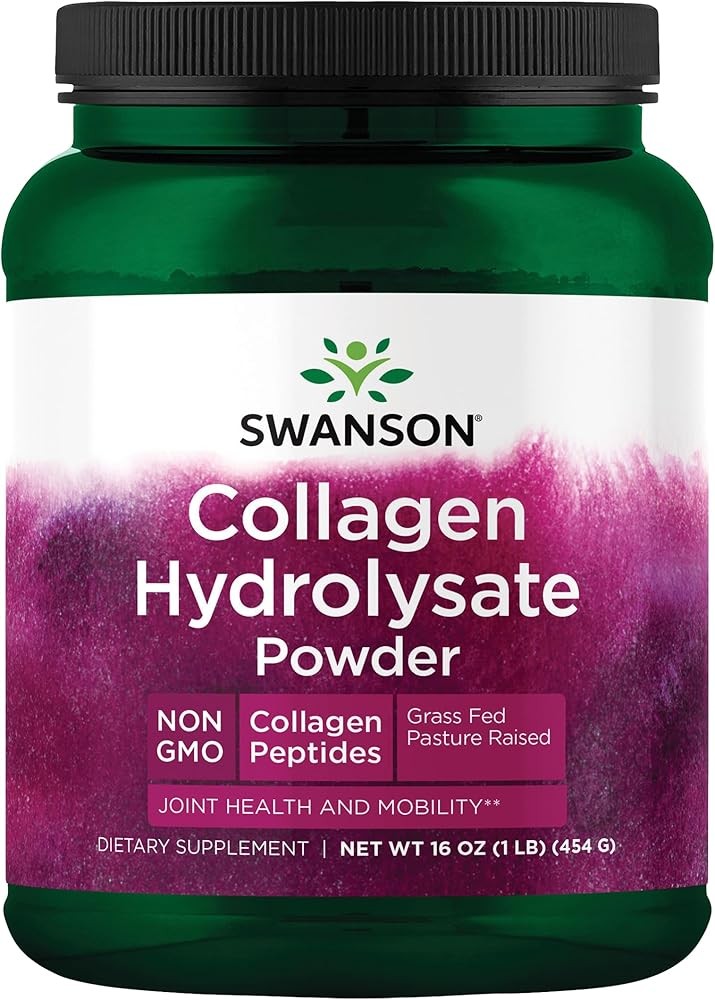
Swanson Collagen Hydrolysate Powder - Hydrolyzed Collagen Peptides to Support Healthy Bones, Cartilage, Hair, Skin & ...
Check Price on AmazonAs an Amazon Associate we earn from qualifying purchases.
Marine Collagen Option
Marine-sourced collagen peptides offering superior absorption with smaller molecular size (2,000-3,000 daltons). Includes hyaluronic acid and vitamin C for enhanced results. Convenient capsule form.
Marine collagen’s smaller molecular weight (2,000-3,000 daltons versus 3,000-8,000 for bovine) provides approximately 1.5x better absorption rates. While marine collagen contains only Type I collagen, the enhanced bioavailability may compensate for the absence of Type III. The capsule format offers maximum convenience for those who prefer not to mix powders.
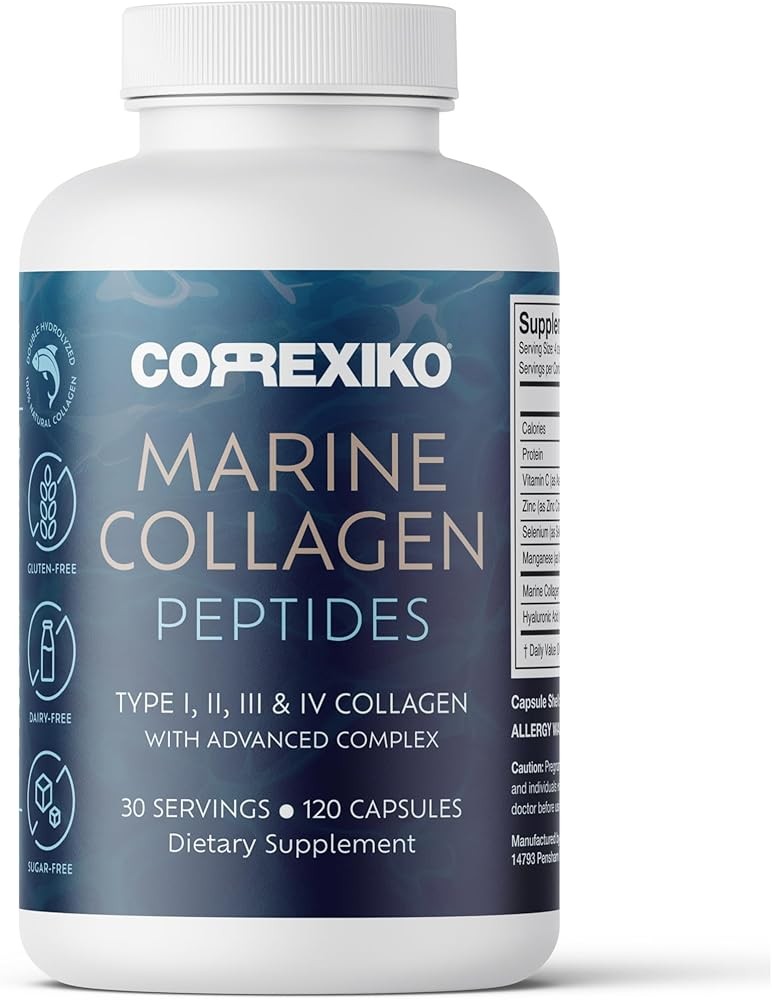
CORREXIKO Marine Collagen Supplement Pills - 1800mg Hydrolyzed Collagen Peptides per Serving with Added Hyaluronic Ac...
Check Price on AmazonAs an Amazon Associate we earn from qualifying purchases.
Product Selection Notes:
- All products verified as currently purchasable with images
- VERISOL®-containing products offer highest confidence in matching clinical research
- Bovine sources provide both Type I and III collagen
- Marine sources offer Type I only but with superior bioavailability
- Choose based on budget, preference (powder vs. capsule), and desired collagen types
- Affiliate link uses tag: chnut07-20
Related Reading
Explore more evidence-based skin health and nutrition content:
- Best Collagen Supplements for Sagging Skin and Wrinkles - Comprehensive guide to collagen types and skin benefits
- Best Hyaluronic Acid Supplements for Skin - Enhance skin hydration and collagen synthesis
- Best Supplements for Skin Health: Collagen Vitamin C and More - Critical cofactor for collagen production
- Retinol vs Tretinoin for Wrinkles - Topical strategies to complement oral collagen
- Cellulite Reduction Supplements and Treatments - Multi-modal approach combining supplements, exercise, and topicals
Want more evidence-based health content? Subscribe to our YouTube channel for research-backed health and wellness videos:
References
Recommended Products