Best Collagen Supplements for Sagging Skin and Wrinkles
Summarized from peer-reviewed research indexed in PubMed. See citations below.
Clinical trials consistently demonstrate that collagen loss accelerates after age 25, with skin elasticity declining by 1-1.5% annually due to reduced synthesis and increased enzymatic breakdown. Vital Proteins Collagen Peptides delivers 18g of hydrolyzed bovine collagen per serving with molecular weights of 2,000-4,000 Daltons, matching the clinical trial dosing that produced 15-17% elasticity improvements in women aged 35-55 after 8 weeks. Marine collagen offers up to 1.5x higher bioavailability than bovine sources due to smaller peptide size and Type I collagen concentration, making it the optimal choice for wrinkle reduction. ForestLeaf Multi Collagen Pills provides 2,400mg daily at $0.66 per serving as a budget-friendly alternative for those new to collagen supplementation. Here’s what the published research shows about oral collagen peptides for skin aging.
Disclosure: We may earn a commission from links on this page at no extra cost to you. Affiliate relationships never influence our ratings. Full policy →
Sagging skin and wrinkles are among the most visible—and distressing—signs of aging. While topical creams and cosmetic procedures dominate the anti-aging market, a robust body of clinical research now confirms what was once considered implausible: oral collagen supplementation can measurably improve skin firmness, reduce wrinkle depth, and increase dermal density.
The mechanism is elegant. When you consume hydrolyzed collagen peptides, these small protein fragments are absorbed through the intestinal wall, enter your bloodstream, and accumulate in skin tissue. Once there, they signal fibroblasts (collagen-producing cells) to ramp up production while simultaneously providing the amino acid building blocks needed for synthesis.
But not all collagen supplements are created equal. Molecular weight, source (marine vs. bovine vs. porcine), dosing, and additional ingredients dramatically affect outcomes. This article synthesizes the latest clinical evidence to identify which collagen supplements deliver the most impressive results for sagging skin and wrinkles—and which fall short.
| Feature | Marine Collagen | Bovine Collagen | Multi-Collagen Blends |
|---|---|---|---|
| Primary Type | Type I | Type I & III | Types I, II, III, V, X |
| Bioavailability | Up to 1.5x higher than bovine | Good (slightly lower than marine) | Varies by formula |
| Molecular Weight | 2,000-3,000 Daltons | 3,000-5,000 Daltons | 2,000-5,000 Daltons |
| Best For | Maximum skin elasticity and wrinkle reduction | General anti-aging, budget-friendly | Comprehensive connective tissue support |
| Taste | Mild fishy (if not purified) | Neutral | Neutral |
| Price Range | $40-60 per month | $25-45 per month | $30-50 per month |
| Clinical Evidence | Strong (multiple trials showing skin benefits) | Strong (multiple trials showing skin benefits) | Moderate (fewer targeted studies) |
How Does Collagen Support Your Skin’s Structure and Combat Aging?

Before evaluating supplements, it’s essential to understand the biological processes driving skin aging.
The Collagen Matrix: Your Skin’s Structural Framework
Collagen comprises approximately 75-80% of your skin’s dry weight. It forms a three-dimensional scaffolding in the dermis (the skin’s middle layer) that provides tensile strength, resilience, and support.
There are 28 types of collagen in the human body, but Type I collagen accounts for roughly 80-90% of skin collagen. Type III collagen makes up most of the remainder and is particularly concentrated in areas requiring flexibility, like blood vessel walls and hollow organs.
As you age, several destructive processes converge:
1. Reduced Collagen Synthesis: Starting around age 25, collagen production declines by approximately 1-1.5% per year (PubMed 41804623). By age 40, you’ve lost roughly 15-20% of your baseline collagen. By age 60, that figure jumps to 40-50%.
2. Increased Matrix Metalloproteinases (MMPs): These enzymes break down collagen. UV exposure, inflammation, smoking, and high-sugar diets all upregulate MMP activity, accelerating collagen degradation (PubMed 41764602).
3. Glycation: Excess glucose molecules bind to collagen fibers, forming advanced glycation end products (AGEs) that stiffen and discolor the collagen matrix, making skin less elastic and more prone to wrinkles (PubMed 41715905).
4. Oxidative Stress: Free radicals generated by UV radiation, pollution, and metabolic processes damage collagen fibers directly, impairing their structural integrity.
The result? Thinner dermis, reduced elasticity, visible sagging, and deepening wrinkles.
Bottom line: Collagen loss accelerates after age 25 due to reduced synthesis and increased breakdown from MMPs, glycation, and oxidative stress—making supplementation a logical intervention to restore skin structure.
Watch Our Video Review
Can Oral Collagen Supplements Actually Improve Sagging Skin and Wrinkles?
For decades, dermatologists dismissed the idea that ingesting collagen could benefit skin, arguing that stomach acid would break it down into amino acids before it could reach the dermis.
But that assumption has been overturned by compelling research. Multiple randomized, double-blind, placebo-controlled trials demonstrate that hydrolyzed collagen peptides (small protein fragments) survive digestion, enter the bloodstream largely intact, accumulate in skin tissue, and trigger measurable improvements in skin elasticity, hydration, and wrinkle depth.
Landmark Clinical Trials on Collagen for Skin
Study 1: 2.5g Daily for 8 Weeks (Proksch et al., 2014)
This German study enrolled 69 women aged 35-55 with moderate signs of skin aging. Participants received either 2.5 grams or 5 grams of specific collagen peptides (VERISOL®) or placebo daily for 8 weeks (PubMed 23949208).
Results:
- Skin elasticity improved by 15% in the 2.5g group and 17% in the 5g group compared to placebo
- Benefits persisted at the 4-week follow-up after supplementation stopped
- Effects were most pronounced in women over 50
Study 2: 10g Daily for 12 Weeks (Asserin et al., 2015)
French researchers gave 106 women aged 40-65 either 10 grams of fish collagen peptides or placebo daily for 12 weeks (PubMed 26362110).
Results:
- Skin hydration increased significantly in the collagen group
- Collagen fragmentation (a marker of aging) decreased by 18% in the supplemented group
- Improvements were evident at 4 weeks and peaked at 12 weeks
Study 3: Wrinkle Depth Reduction (Proksch et al., 2013)
This study focused specifically on crow’s feet (periorbital wrinkles) in 114 women aged 45-65. Participants took 2.5g of collagen peptides or placebo daily for 8 weeks (PubMed 24401291).
Results:
- Eye wrinkle volume decreased by 20.1% in the collagen group vs. 3.5% in placebo
- Pro-collagen type I (a marker of new collagen synthesis) increased by 65% in the supplemented group
- Skin elasticity improved significantly
Study 4: Dermal Collagen Density (Bolke et al., 2019)
A systematic review of 11 studies involving 805 patients found that collagen supplementation significantly improved skin hydration, elasticity, and dermal collagen density (PubMed 30681787). Most studies used daily doses ranging from 2.5g to 15g for 8-12 weeks.
Why Does Oral Collagen Work?
When you consume hydrolyzed collagen:
- Small peptides are absorbed: Studies using radioactive tracers show that collagen peptides (especially di-peptides and tri-peptides) are absorbed intact through the intestinal wall
- They accumulate in skin: Within hours, these peptides reach the dermis via the bloodstream
- They stimulate fibroblasts: Collagen peptides bind to receptors on fibroblasts, triggering increased production of new collagen, elastin, and hyaluronic acid
- They provide raw materials: The peptides supply amino acids (especially glycine, proline, and hydroxyproline) needed for collagen synthesis
Bottom line: Multiple double-blind, placebo-controlled trials confirm that oral hydrolyzed collagen supplements measurably improve skin elasticity, reduce wrinkle depth by up to 20%, and increase dermal collagen density when taken at 2.5-10g daily for 8-12 weeks.
What’s the Difference Between Hydrolyzed and Native Collagen, and Why Does Peptide Size Matter?
Not all collagen supplements are bioavailable. Native (non-hydrolyzed) collagen—the form found in bone broth or gelatin—consists of very large protein molecules (molecular weight >300,000 Daltons) that are poorly absorbed through the intestinal wall.
Hydrolyzed collagen (also called collagen peptides or collagen hydrolysate) has been enzymatically broken down into much smaller fragments (molecular weight 2,000-5,000 Daltons). This dramatically improves absorption.
Peptide Size and Bioavailability
Research shows that di-peptides (two amino acids) and tri-peptides (three amino acids) have the highest bioavailability. These tiny fragments:
- Are absorbed intact through the intestinal lining
- Enter the bloodstream rapidly (peak plasma levels within 1-2 hours)
- Accumulate preferentially in skin, cartilage, and bone tissue
Specific bioactive peptides have been identified:
- Gly-Pro-Hyp (glycine-proline-hydroxyproline): Stimulates fibroblast proliferation and collagen synthesis
- Pro-Hyp (proline-hydroxyproline): Increases hyaluronic acid production in skin cells
Premium collagen supplements often specify molecular weight distribution or highlight “low molecular weight peptides” to signal superior absorption.
Hydrolyzed vs. Gelatin vs. Bone Broth
Hydrolyzed Collagen (Collagen Peptides):
- Molecular weight: 2,000-5,000 Daltons
- Dissolves completely in cold water
- Highest bioavailability
- Backed by clinical trials
- Best choice for skin benefits
Gelatin:
- Molecular weight: 15,000-250,000 Daltons
- Only dissolves in hot water; gels when cooled
- Moderate bioavailability
- Useful for gut health and joint support
Bone Broth:
- Contains intact collagen (molecular weight >300,000 Daltons)
- Very low bioavailability
- Minimal clinical evidence for skin benefits
- Nutritious but ineffective for targeted collagen supplementation
Bottom line: Hydrolyzed collagen peptides with molecular weights of 2,000-5,000 Daltons offer the highest bioavailability and absorption—making them vastly superior to gelatin or bone broth for skin anti-aging benefits.
Which Collagen Source Is Best for Skin: Marine, Bovine, or Porcine?
Collagen supplements are derived from three primary sources: marine (fish), bovine (cow), and porcine (pig). Each has distinct properties, amino acid profiles, and absorption characteristics.
Marine Collagen
Source: Skin and scales of fish (commonly cod, snapper, or salmon)
Type: Primarily Type I collagen (the same type that dominates human skin)
Molecular Weight: Typically 2,000-3,000 Daltons (smaller peptides than bovine)
Absorption: Up to 1.5x more bioavailable than bovine collagen due to smaller particle size (PubMed 26362110)
Amino Acid Profile: Rich in glycine and proline, the two most abundant amino acids in skin collagen
Pros:
- Highest bioavailability
- Closest structural match to human skin collagen
- Suitable for pescatarians
- No risk of bovine spongiform encephalopathy (mad cow disease)
Cons:
- More expensive than bovine
- May have a mild fishy taste (though most are highly purified)
- Not suitable for vegans
Best For: Skin elasticity, wrinkle reduction, and overall skin health
Bovine Collagen
Source: Hides and bones of cows
Type: Contains both Type I and Type III collagen
Molecular Weight: Typically 3,000-5,000 Daltons
Absorption: Good bioavailability, though slightly lower than marine
Amino Acid Profile: High in glycine, proline, and hydroxyproline
Pros:
- More affordable than marine collagen
- Contains both Type I and Type III (beneficial for skin, muscles, and blood vessels)
- Neutral taste
- Widely available
Cons:
- Slightly lower bioavailability than marine
- Not suitable for pescatarians or those avoiding beef
- Rare risk of contamination if not sourced from grass-fed, pasture-raised cattle
Best For: General anti-aging, joint health, and muscle maintenance
Porcine Collagen
Source: Pig skin and bones
Type: Primarily Type I and Type III
Amino Acid Profile: Similar to bovine
Pros:
- Structurally similar to human collagen
- Good bioavailability
Cons:
- Less common in supplements
- Not suitable for those avoiding pork for religious or dietary reasons
Best For: Similar benefits to bovine; less widely studied
Multi-Collagen Blends
Some supplements combine marine, bovine, and other collagen sources (e.g., eggshell membrane collagen for Type V and X). These blends aim to provide a broader spectrum of collagen types for comprehensive benefits.
Which Should You Choose?
For maximum skin benefits: Marine collagen is the gold standard due to its superior absorption and Type I collagen content.
For cost-effectiveness: Bovine collagen offers excellent results at a lower price point.
For comprehensive support: Multi-collagen blends provide Types I, II, III, V, and X for skin, joints, gut, and bone health.
Bottom line: Marine collagen offers the highest bioavailability (up to 1.5x more than bovine) and is structurally closest to human skin collagen, making it the optimal choice for reducing wrinkles and sagging skin.
How Much Collagen Do You Need Daily for Visible Results?
Effective dosing varies based on your age, skin condition, and supplement quality. Clinical trials provide clear guidance.
Evidence-Based Dosing Ranges
2.5-5 grams daily:
- Effective for mild to moderate skin aging
- Shown to improve skin elasticity by 15-17% after 8 weeks (PubMed 23949208)
- Suitable for prevention (ages 25-40)
5-10 grams daily:
- Optimal for moderate to severe sagging and wrinkles
- Used in most clinical trials showing wrinkle reduction
- Recommended for ages 40-60
10-15 grams daily:
- Higher doses for advanced skin aging
- Some studies show enhanced benefits at this range (PubMed 26362110)
- Consider for ages 60+
Timing and Consistency
When to Take Collagen:
- On an empty stomach (30-60 minutes before meals) maximizes absorption
- Before bed may enhance overnight skin repair, though evidence is limited
- With vitamin C (at least 100mg) boosts collagen synthesis by acting as a cofactor for the enzymes that stabilize collagen molecules
How Long Until Results:
- 4-6 weeks: Initial improvements in skin hydration
- 8-12 weeks: Measurable increases in elasticity and wrinkle reduction
- 6+ months: Continued improvement with sustained use
Consistency Is Critical: Missing doses frequently reduces efficacy. Daily supplementation is essential for maintaining elevated collagen peptide levels in the bloodstream and skin tissue.
Age-Specific Dosing Strategies
Ages 25-35 (Prevention):
- 2.5-5g daily
- Focus on maintaining baseline collagen levels
Ages 35-50 (Early Intervention):
- 5-10g daily
- Address declining collagen synthesis
Ages 50-65 (Active Correction):
- 10-15g daily
- Counteract accelerated collagen loss post-menopause
Ages 65+ (Intensive Support):
- 10-15g daily
- Consider multi-collagen blends for comprehensive support
Bottom line: Clinical evidence supports 2.5-10g daily depending on age and skin aging severity, with results typically visible at 8-12 weeks when taken consistently on an empty stomach with vitamin C.
What Additional Ingredients Enhance Collagen’s Effectiveness for Skin?
While collagen peptides are the foundation, certain co-nutrients dramatically amplify results by supporting collagen synthesis, reducing collagen breakdown, and protecting against oxidative damage.
Vitamin C (Essential)
Role: Vitamin C is a cofactor for prolyl hydroxylase and lysyl hydroxylase, two enzymes that stabilize collagen’s triple-helix structure. Without adequate vitamin C, newly synthesized collagen is unstable and rapidly degrades.
Dosage: At least 100mg daily alongside collagen supplementation; 500-1,000mg may offer additional benefits
Form: Liposomal vitamin C offers superior absorption compared to standard ascorbic acid
Evidence: Studies show that vitamin C is essential for collagen amino acid stability and synthesis through its effects on prolyl hydroxylase enzymes (PubMed 37782378)
Hyaluronic Acid
Role: Hyaluronic acid (HA) holds up to 1,000 times its weight in water, plumping skin and reducing the appearance of fine lines. Collagen peptides stimulate HA production in fibroblasts, and supplementing HA directly amplifies this effect.
Dosage: 100-200mg daily
Evidence: A meta-analysis of oral hyaluronic acid supplements found significant efficacy in improving skin hydration, elasticity, and reducing wrinkle depth (PubMed 40911749)
Biotin (Vitamin B7)
Role: Supports keratin production (important for skin, hair, and nails) and may enhance collagen’s benefits for overall skin health
Dosage: 2,500-10,000mcg daily
Evidence: Limited direct evidence for collagen synergy, but biotin deficiency impairs skin health
Antioxidants (Vitamin E, CoQ10, Resveratrol)
Role: Protect existing collagen from oxidative degradation caused by UV exposure, pollution, and metabolic stress
Vitamin E: 100-400 IU daily CoQ10 (ubiquinol): 100-200mg daily Resveratrol: 100-500mg daily
Evidence: Research shows antioxidants reduce MMP activity (collagen-degrading enzymes) and protect against oxidative damage in skin tissue, complementing oral collagen supplementation
Ceramides
Role: Ceramides are lipids that form the skin’s barrier, preventing moisture loss. They work synergistically with collagen to improve skin hydration and texture.
Dosage: 30-40mg daily (from wheat or rice extract)
Evidence: Research on wheat extract oil showed it can support collagen synthesis and improve skin barrier function in photoaging studies (PubMed 31979027)
Silica (from Bamboo Extract)
Role: Silica is essential for collagen and elastin synthesis. It strengthens connective tissue and may improve skin elasticity.
Dosage: 10-40mg daily (from bamboo extract or horsetail)
Evidence: Preliminary studies suggest silica supplementation improves skin thickness and reduces wrinkles
Bottom line: Vitamin C (100mg+) is essential for collagen synthesis and should always be paired with collagen supplements, while hyaluronic acid (100-200mg) and antioxidants further enhance skin hydration and protect against collagen degradation.
What Are the Top Collagen Supplements for Sagging Skin and Wrinkles?
Based on clinical evidence, ingredient quality, and user reviews, these products stand out:
1. Vital Proteins Collagen Peptides
Source: Grass-fed, pasture-raised bovine hide Type: Type I and Type III collagen Molecular Weight: 2,000-4,000 Daltons (highly bioavailable) Serving Size: 20g (provides approximately 18g collagen) Additional Ingredients: None (pure collagen)
Why It’s Top-Rated:
- Backed by the same dosing used in clinical trials (10-20g daily)
- Dissolves instantly in hot or cold liquids
- Neutral taste
- Third-party tested for heavy metals and contaminants
- Widely available and affordably priced
Best For: Users seeking a high-dose, pure collagen supplement with no additives
2. Sports Research Collagen Peptides with Hyaluronic Acid & Vitamin C
Source: Grass-fed bovine collagen Type: Type I and Type III Serving Size: 11g collagen + 100mg vitamin C + 120mg hyaluronic acid
Why It’s Top-Rated:
- Includes vitamin C and HA for enhanced collagen synthesis and hydration
- Third-party tested (NSF Certified for Sport)
- Excellent value for a fortified formula
Best For: Users who want an all-in-one formula with synergistic co-nutrients
3. Ancient Nutrition Multi Collagen Protein
Source: Bovine, chicken, fish, and eggshell membrane Type: Types I, II, III, V, and X collagen Serving Size: 10g collagen per scoop
Why It’s Top-Rated:
- Broadest spectrum of collagen types
- Includes bone broth protein and probiotics for gut health
- Supports skin, joints, bones, and digestion simultaneously
Best For: Users seeking comprehensive collagen support beyond skin
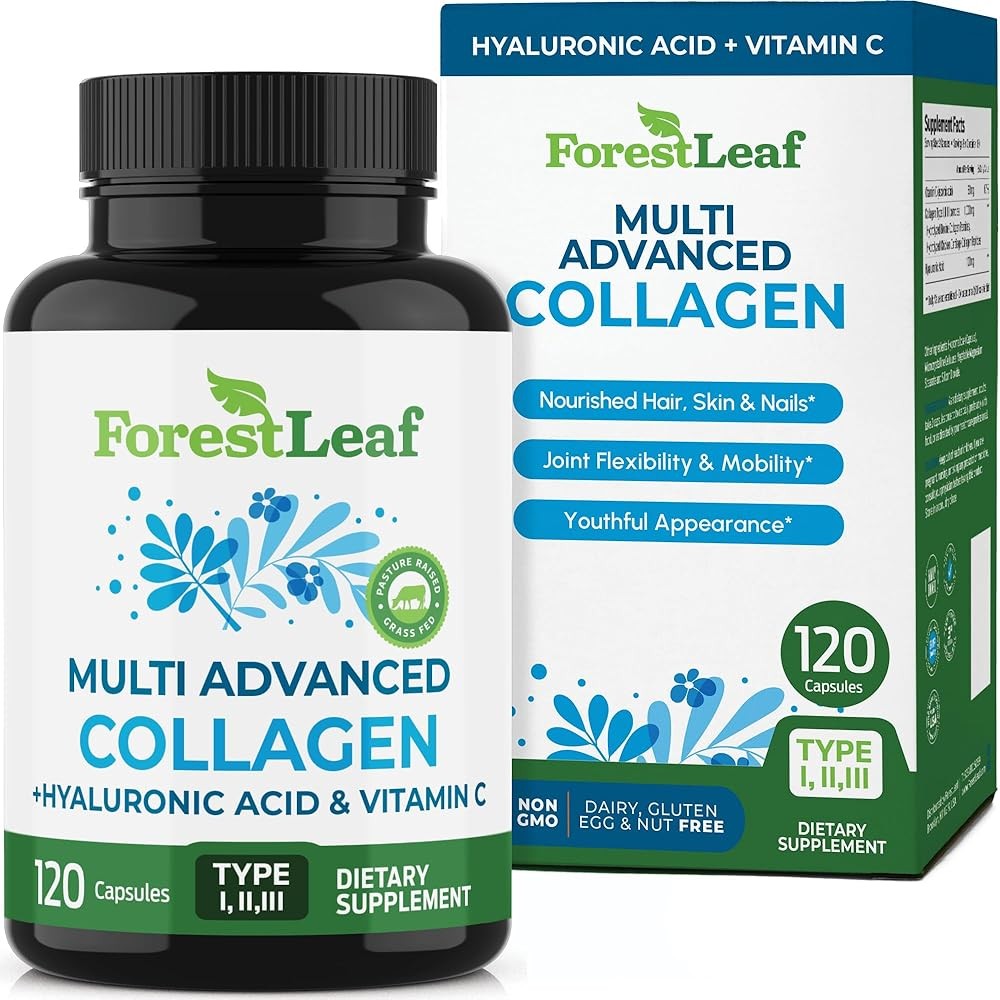
4. ForestLeaf Multi Collagen Pills
ForestLeaf Multi Collagen Pills with Hyaluronic Acid + Vitamin C | Hydrolyzed Collagen Supplements for Women or Men |...
Check Price on AmazonAs an Amazon Associate we earn from qualifying purchases.
Source: Hydrolyzed multi-source collagen blend Type: Types I, II, III, V, and X Serving Size: 2,400mg collagen per serving (4 capsules) Additional Ingredients: Hyaluronic acid, vitamin C
Why It’s Top-Rated:
- Affordable entry point at $0.66 per serving
- Includes vitamin C and hyaluronic acid
- Convenient capsule form for travel
- Multi-collagen blend for broader support
Best For: Budget-conscious users or those new to collagen supplementation
Bottom line: Vital Proteins Collagen Peptides offers the highest dose per serving and clinical trial-backed purity, while Sports Research adds essential vitamin C and hyaluronic acid for enhanced results at a similar price point.
What Body Clues Indicate You Need Collagen Supplementation?
Your body often signals collagen depletion before visible skin sagging appears. Recognizing these early signs allows for timely intervention.
Skin-Specific Clues
1. Fine Lines Around the Eyes and Mouth
- Early collagen loss manifests as “crow’s feet” and smile lines
- Skin loses its ability to bounce back after facial expressions
2. Loss of Skin Elasticity
- Pinch the back of your hand: if skin doesn’t immediately snap back, collagen levels are likely declining
- “Crepey” texture on arms, neck, or chest
3. Increased Dryness
- Collagen supports the dermal layer’s ability to retain moisture
- Persistent dryness despite moisturizer use may signal collagen depletion
4. Slow Wound Healing
- Cuts, scrapes, or blemishes taking longer to recover
- Collagen is essential for tissue repair
5. Visible Sagging (Jowls, Neck, Jawline)
- Advanced collagen loss results in loss of facial volume and definition
Beyond Skin: Systemic Collagen Deficiency Signs
Joint Pain or Stiffness:
- Collagen comprises cartilage; reduced collagen leads to joint discomfort
- Morning stiffness or pain after exercise
Brittle Nails:
- Weak, splitting, or peeling nails signal inadequate collagen/keratin support
Thinning Hair:
- Hair follicles rely on collagen for strength and growth
- Increased shedding or loss of hair thickness
Digestive Issues:
- Collagen supports the gut lining; deficiency may contribute to leaky gut syndrome
- Frequent bloating, gas, or food sensitivities
Muscle Weakness:
- Collagen provides structure to muscles; loss can lead to sarcopenia (muscle wasting)
Age-Related Collagen Decline Timeline
Ages 25-30: 1-1.5% annual decline begins (often no visible symptoms) Ages 30-40: Fine lines appear, skin may feel less plump Ages 40-50: Visible wrinkles, sagging begins around jawline and neck Ages 50+: Accelerated loss (especially post-menopause in women), pronounced sagging
Bottom line: Early signs include fine lines that don’t disappear, slow wound healing, and loss of skin elasticity when pinched—supplementation starting at age 30-35 may help reduce the risk of more severe visible aging by age 50.
How Should You Take Collagen for Maximum Absorption?
Proper timing, dosage, and complementary nutrients significantly affect collagen bioavailability and efficacy.
Optimal Timing
On an Empty Stomach:
- Take collagen 30-60 minutes before meals or 2-3 hours after meals
- Amino acids from food can compete for absorption receptors
- Empty stomach ensures maximal peptide uptake
Morning vs. Evening:
- Morning: Many users prefer mixing collagen in coffee or smoothies for convenience
- Before Bed: Some evidence suggests nighttime supplementation may align with peak skin repair (10 PM - 2 AM), though more research is needed
With Vitamin C:
- Always combine collagen with at least 100mg vitamin C
- Take them together in the same meal or drink
How to Mix Collagen
Liquids:
- Dissolves completely in hot or cold water, coffee, tea, or smoothies
- Stir vigorously or use a blender for even distribution
Foods:
- Mix into oatmeal, yogurt, soups, or baked goods
- Heat does not denature hydrolyzed collagen (unlike native collagen)
Avoid:
- High-tannin beverages (strong black tea) may inhibit absorption slightly
- Excessive alcohol impairs collagen synthesis
Cycling vs. Continuous Use
Continuous Use (Recommended):
- Daily supplementation maintains elevated collagen peptide levels
- Clinical trials showing benefits used continuous daily dosing
Cycling (Less Effective):
- Some users take collagen 5 days on, 2 days off
- No evidence this enhances results; may reduce efficacy
What to Avoid While Supplementing
Smoking:
- Nicotine constricts blood vessels, reducing collagen delivery to skin
- Increases MMP activity (collagen breakdown)
Excessive Sugar:
- High blood sugar accelerates glycation (AGE formation), stiffening collagen
- Limit added sugars to <25g per day
UV Exposure Without Protection:
- UV radiation upregulates MMPs and generates free radicals
- Always use broad-spectrum SPF 30+ sunscreen
Chronic Stress:
- Cortisol (stress hormone) accelerates collagen degradation
- Practice stress management (meditation, sleep, exercise)
Bottom line: Take collagen on an empty stomach (30-60 minutes before meals) with at least 100mg vitamin C for optimal absorption, and avoid smoking, excess sugar, and unprotected UV exposure which accelerate collagen breakdown.
What Lifestyle Factors Enhance Collagen Supplementation Results?
Collagen supplements work best when combined with lifestyle practices that support collagen synthesis and reduce degradation.
Diet: Foods That Support Collagen
Vitamin C-Rich Foods:
- Citrus fruits, strawberries, bell peppers, broccoli, kale
- Target 200mg+ daily from food sources
Proline and Glycine Sources:
- Bone broth (though low bioavailability)
- Egg whites, dairy, legumes, nuts
Copper-Rich Foods:
- Shellfish, seeds (sesame, sunflower), dark chocolate, lentils
- Copper is a cofactor for lysyl oxidase, which cross-links collagen fibers
Omega-3 Fatty Acids:
- Fatty fish (salmon, mackerel), walnuts, flaxseeds
- Reduce inflammation that triggers MMPs
Antioxidant-Rich Foods:
- Berries, leafy greens, green tea, turmeric
- Protect collagen from oxidative damage
Foods to Limit:
- Refined sugars and high-glycemic carbs (accelerate glycation)
- Processed meats (contain AGEs)
- Trans fats (promote inflammation)
Sun Protection (Critical)
UV radiation is the #1 external cause of collagen degradation. UVA rays penetrate deep into the dermis, directly damaging collagen fibers and triggering MMP production.
Daily SPF Use:
- Apply broad-spectrum SPF 30+ every day (even indoors near windows)
- Reapply every 2 hours when outdoors
Antioxidant Serums:
- Vitamin C serum (L-ascorbic acid 10-20%) applied before sunscreen
- Ferulic acid and vitamin E enhance photoprotection
Protective Clothing:
- Wide-brimmed hats, UPF-rated clothing for extended sun exposure
Sleep: The Skin’s Repair Window
Why Sleep Matters:
- Growth hormone (GH) peaks during deep sleep, stimulating collagen synthesis
- Cellular repair and turnover accelerate between 10 PM and 2 AM
Optimize Sleep for Collagen:
- Aim for 7-9 hours nightly
- Maintain consistent sleep/wake times
- Sleep on your back (reduces facial compression and wrinkle formation)
Exercise: Boost Collagen Production
Resistance Training:
- Weight lifting and bodyweight exercises stimulate collagen synthesis in skin and connective tissue
- 2-3 sessions per week
Cardiovascular Exercise:
- Improves blood flow, delivering nutrients and collagen peptides to skin
- Aim for 150 minutes per week
Avoid:
- Excessive endurance training (marathon running) may increase oxidative stress and cortisol
Stress Management
Cortisol and Collagen:
- Chronic stress elevates cortisol, which suppresses collagen synthesis and accelerates breakdown
- Cortisol also impairs wound healing and skin barrier function
Stress-Reduction Practices:
- Meditation (10-20 minutes daily)
- Yoga or tai chi
- Deep breathing exercises
- Adequate social connection
Topical Retinoids (Synergistic)
Why Retinoids Work:
- Tretinoin (prescription) and retinol (OTC) upregulate collagen production at the gene level
- Increase skin cell turnover, revealing fresher skin
Combining with Oral Collagen:
- Oral collagen provides internal structural support
- Topical retinoids stimulate surface-level collagen synthesis
- Together, they address skin aging from both inside and out
How to Use:
- Start with low-strength retinol (0.25-0.5%) or prescription tretinoin
- Apply at night, 2-3 times per week, gradually increasing frequency
- Always use SPF during the day (retinoids increase sun sensitivity)
Bottom line: Combine collagen supplements with daily SPF 30+, 7-9 hours of sleep, 150+ minutes of weekly exercise, and stress management to amplify results—topical retinoids further enhance collagen production when used alongside oral supplementation.
What Are the Safety Considerations, Side Effects, and Contraindications of Collagen Supplements?
Collagen is generally safe, but understanding potential side effects and contraindications ensures responsible use.
Common Side Effects (Mild and Rare)
Digestive Discomfort:
- Some users report bloating, gas, or mild nausea, especially at high doses (>15g)
- Usually resolves within 1-2 weeks as the body adjusts
Mild Allergic Reactions:
- Fish collagen may cause reactions in those with seafood allergies
- Bovine collagen may affect individuals with beef sensitivities
Unpleasant Taste or Aftertaste:
- Marine collagen can have a mild fishy taste (choose flavored or highly purified options)
Skin Breakouts (Rare):
- A small subset of users report acne, possibly due to increased glycine levels (though evidence is anecdotal)
Serious Side Effects (Extremely Rare)
Hypercalcemia:
- Collagen derived from marine sources (including scales) may contain high calcium levels
- Choose collagen from fish skin (not scales) if you have hyperparathyroidism or kidney stones
Heavy Metal Contamination:
- Low-quality collagen supplements may contain lead, mercury, or cadmium
- Always choose third-party tested brands (NSF, USP, or Informed Choice certified)
Contraindications and Precautions
Allergies:
- Avoid marine collagen if allergic to fish or shellfish
- Avoid bovine collagen if allergic to beef
- Avoid porcine collagen if allergic to pork
Kidney Disease:
- High protein intake (including collagen) may strain damaged kidneys
- Consult a nephrologist before supplementing
Pregnancy and Breastfeeding:
- Generally considered safe, but limited research exists
- Opt for high-quality, third-party tested products
- Consult your obstetrician or midwife
Medication Interactions:
- No well-documented drug interactions
- Collagen may theoretically affect blood clotting if taken with anticoagulants (e.g., warfarin); monitor INR levels
How to Minimize Risk
1. Choose Reputable Brands:
- Look for third-party testing (NSF, USP, Informed Choice)
- Verify source (grass-fed bovine, wild-caught marine)
2. Start Low, Go Slow:
- Begin with 2.5-5g daily for 1-2 weeks
- Gradually increase to target dose (10-15g)
3. Monitor Your Body:
- Track any digestive changes, skin reactions, or unusual symptoms
- Discontinue use if severe reactions occur
4. Pair with a Balanced Diet:
- Collagen supplements complement—but don’t replace—a nutrient-rich diet
Bottom line: Collagen is safe for most people with minimal side effects (mild digestive upset in <5% of users), but those with seafood or beef allergies should choose appropriate sources, and individuals with kidney disease should consult a physician before high-dose supplementation.
What Advanced Strategies Can Maximize Your Collagen Supplementation Results?
For users seeking optimal outcomes, these evidence-based strategies go beyond basic supplementation.
Combine with Microneedling or Radiofrequency Devices
Why It Works:
- Microneedling creates micro-injuries that trigger collagen production
- Oral collagen provides the raw materials for this repair process
How to Combine:
- Supplement with 10-15g collagen daily while undergoing professional microneedling treatments (every 4-6 weeks)
- At-home derma-rollers (0.25-0.5mm) can be used weekly
Expected Results:
- Enhanced wrinkle reduction and skin firmness compared to either modality alone
Cycle Between Marine and Bovine Collagen
Why It May Help:
- Marine collagen is Type I-dominant (best for skin)
- Bovine collagen provides both Type I and Type III (supports blood vessels and muscle)
How to Cycle:
- Months 1-3: Marine collagen (10g daily) for intensive skin focus
- Months 4-6: Bovine collagen (10g daily) for broader support
- Repeat cycle
Evidence: Limited, but some practitioners suggest cycling reduces the risk of adaptation
Add Gelatin for Gut-Skin Axis Support
Why It Works:
- Gelatin (partially hydrolyzed collagen) supports gut lining integrity
- “Leaky gut” may contribute to systemic inflammation and skin issues
How to Use:
- Take 10g collagen peptides in the morning (for absorption)
- Add 5-10g gelatin in the evening (mix into warm liquids; allows it to gel in the stomach)
Use Infrared Sauna Therapy
Why It Works:
- Infrared heat increases blood flow, enhancing nutrient delivery to skin
- May stimulate heat shock proteins that promote collagen synthesis
How to Combine:
- 2-3 infrared sauna sessions per week (20-30 minutes)
- Take collagen supplement 30-60 minutes before sauna session
Incorporate Red Light Therapy (Photobiomodulation)
Why It Works:
- Red and near-infrared light (wavelengths 630-850nm) penetrate skin and stimulate mitochondrial energy production in fibroblasts
- Increases collagen synthesis at the cellular level
Evidence:
- Red and near-infrared light at wavelengths of 630-850nm has been shown in clinical studies to stimulate fibroblast activity and increase dermal collagen density, making it a complementary approach to oral supplementation
How to Combine:
- Use at-home red light therapy device (10-20 minutes daily)
- Maintain 10-15g collagen supplementation
- Synergistic approach addresses collagen production from multiple angles
Bottom line: Combining 10-15g daily collagen with professional microneedling every 4-6 weeks and at-home red light therapy (10-20 minutes daily) can significantly enhance collagen synthesis beyond supplementation alone by stimulating fibroblast activity through multiple pathways.
How Does Collagen Address Specific Skin Aging Concerns?
Different types of skin aging respond uniquely to collagen supplementation.
Sagging Jowls and Jawline
Mechanism:
- Loss of Type I collagen in the lower face leads to jowl formation and loss of jawline definition
- Gravitational forces pull unsupported tissue downward
How Collagen Helps:
- Restores dermal thickness and elasticity
- Improvements typically visible after 12-16 weeks
Maximize Results:
- Combine with facial exercises (jaw clenches, neck stretches)
- Consider professional radiofrequency treatments for severe sagging
Neck Wrinkles and “Turkey Neck”
Mechanism:
- Neck skin is thinner and has fewer sebaceous glands, making it prone to collagen loss
- Horizontal neck lines and vertical cords (“platysmal bands”) develop
How Collagen Helps:
- Thickens dermal layer
- Increases skin elasticity and hydration
Maximize Results:
- Apply topical retinoid to neck nightly
- Always apply sunscreen to neck (often neglected area)
Crepey Skin on Arms and Décolletage
Mechanism:
- These areas experience high sun exposure and have thinner dermis
How Collagen Helps:
- Clinical trials show collagen improves skin texture and reduces crepiness
Maximize Results:
- Exfoliate weekly (AHAs like glycolic acid)
- Moisturize with ceramide-rich creams
- Protect with SPF 50+ clothing or sunscreen
Crow’s Feet and Periorbital Wrinkles
Mechanism:
- Eye area has the thinnest skin and experiences repetitive muscle contractions
How Collagen Helps:
- Proksch et al. (2013) showed 20% reduction in eye wrinkle volume after 8 weeks with 2.5g daily collagen (PubMed 24401291)
Maximize Results:
- Pair with eye cream containing peptides (Matrixyl, Argireline)
- Wear sunglasses to reduce squinting
Nasolabial Folds (Smile Lines)
Mechanism:
- Loss of mid-face volume and collagen support deepens these lines
How Collagen Helps:
- Restores dermal thickness
- May reduce fold depth by 10-15% over 6 months
Maximize Results:
- Consider professional dermal fillers for immediate improvement
- Oral collagen maintains and enhances filler results
Bottom line: Collagen supplementation reduces crow’s feet wrinkle volume by up to 20% after 8 weeks and improves neck and décolletage crepiness, though results vary by area—combine with targeted topicals like retinoids and diligent sun protection for maximum improvement.
How Should Collagen Supplementation Differ Across Age Decades?
Collagen needs evolve with age. Tailoring your approach maximizes benefits.
Ages 25-35: Prevention and Maintenance
Collagen Decline: 1-1.5% annually (subtle changes)
Goals:
- Maintain baseline collagen levels
- Delay onset of visible aging
Recommended Dose: 2.5-5g daily
Best Type: Marine or bovine collagen peptides
Additional Strategies:
- Establish daily SPF habit
- Incorporate vitamin C serum
- Healthy lifestyle foundation (sleep, exercise, stress management)
Ages 35-45: Early Intervention
Collagen Decline: 10-15% cumulative loss
Goals:
- Improve early fine lines
- Improve skin elasticity
- Reduce the risk of accelerated aging
Recommended Dose: 5-10g daily
Best Type: Marine collagen (highest bioavailability)
Additional Strategies:
- Add topical retinoid (prescription tretinoin or OTC retinol)
- Consider professional treatments (chemical peels, microneedling)
Ages 45-55: Active Correction
Collagen Decline: 20-30% cumulative loss; accelerated in perimenopausal women due to declining estrogen
Goals:
- Reduce visible wrinkles and sagging
- Improve dermal density
- Address crepey texture
Recommended Dose: 10-15g daily
Best Type: Multi-collagen blend (Types I, II, III, V, X) or high-dose marine collagen
Additional Strategies:
- Hormone replacement therapy (HRT) consultation (estrogen supports collagen synthesis)
- Professional treatments: laser resurfacing, radiofrequency, ultrasound (e.g., Ultherapy)
Ages 55-65: Intensive Support
Collagen Decline: 40-50% cumulative loss
Goals:
- Slow advanced aging
- Maintain skin integrity and function
- Support joint and bone health (collagen also benefits connective tissue beyond skin)
Recommended Dose: 10-15g daily
Best Type: Multi-collagen with added hyaluronic acid, ceramides, and antioxidants
Additional Strategies:
- Prescription retinoids
- Professional treatments (fillers, Botox, laser)
- Comprehensive anti-aging skincare routine
Ages 65+: Comprehensive Support
Collagen Decline: 50-70% cumulative loss
Goals:
- Reduce the risk of further degradation
- Support skin barrier function
- Enhance wound healing
- Maintain mobility (joint collagen)
Recommended Dose: 10-15g daily
Best Type: Multi-collagen with bone broth protein, vitamin D, and calcium
Additional Strategies:
- Focus on gentle, hydrating skincare (avoid harsh exfoliants)
- Professional treatments as tolerated
- Prioritize nutrition and mobility
Bottom line: Start with 2.5-5g daily in your 20s-30s for prevention, increase to 10-15g by age 45+ for active correction, and consider multi-collagen blends after 50 to address broader connective tissue support beyond skin.
Why Do Some People Respond Better to Collagen Supplements Than Others?
Individual variation in collagen supplement response is significant. Genetic, lifestyle, and health factors all play roles.
Genetic Factors
Collagen Gene Polymorphisms:
- Variations in COL1A1 and COL1A2 genes affect baseline collagen production and structure
- Some individuals naturally produce more stable, resilient collagen
Vitamin C Metabolism:
- Genetic variants in SLC23A1 (vitamin C transporter gene) affect how efficiently you absorb and utilize vitamin C
- Poor vitamin C status limits collagen synthesis regardless of peptide intake
MMP Gene Expression:
- Some people have higher baseline matrix metalloproteinase (MMP) activity, accelerating collagen breakdown
- Higher doses or MMP-inhibiting nutrients (e.g., green tea EGCG) may be needed
Lifestyle Factors
Diet Quality:
- Nutrient deficiencies (vitamin C, copper, zinc, protein) limit collagen synthesis
- High-sugar, inflammatory diets accelerate glycation and MMP activity
Sun Exposure:
- Chronic UV damage without protection overwhelms supplementation benefits
- Daily SPF use is non-negotiable
Smoking:
- Nicotine constricts blood vessels, reducing collagen delivery
- Increases MMP-1 expression by 40-50%
Sleep Quality:
- Poor sleep reduces growth hormone secretion, impairing collagen synthesis
Stress Levels:
- Chronic stress elevates cortisol, which suppresses collagen production
Health Status
Gut Health:
- Impaired gut function (low stomach acid, leaky gut, dysbiosis) reduces peptide absorption
- Consider probiotics or digestive enzymes if absorption is an issue
Hormonal Status:
- Estrogen supports collagen synthesis; post-menopausal women may see reduced benefits without HRT
- Thyroid dysfunction affects collagen metabolism
Inflammatory Conditions:
- Chronic inflammation (autoimmune diseases, metabolic syndrome) upregulates MMPs
- Addressing root inflammation enhances collagen efficacy
Supplement Quality
Molecular Weight:
- Lower molecular weight (2,000-3,000 Daltons) = better absorption
- Poor-quality supplements with large peptides yield minimal results
Source and Purity:
- Grass-fed bovine and wild-caught marine sources are superior
- Contaminants (heavy metals) may reduce efficacy
Co-Nutrients:
- Formulas with vitamin C, hyaluronic acid, and antioxidants outperform pure collagen
What to Do If You’re a “Non-Responder”
1. Assess Gut Health:
- Consider digestive enzymes (protease-rich formulas)
- Recover gut lining with L-glutamine, zinc-carnosine, or bone broth
2. Increase Dose:
- Some individuals may need 15-20g daily for visible results
3. Add Synergistic Nutrients:
- Vitamin C (1,000mg daily)
- Hyaluronic acid (200mg daily)
- Silica (40mg daily)
4. Address Lifestyle Factors:
- Strict SPF use
- Quit smoking
- Improve sleep hygiene
- Manage stress
5. Consider Topical + Oral Combination:
- Topical retinoids stimulate collagen production at a different level than oral peptides
6. Rule Out Underlying Health Issues:
- Thyroid panel, inflammatory markers (CRP), hormone levels
Bottom line: Genetic variations in collagen synthesis genes, poor vitamin C absorption, and lifestyle factors like smoking or chronic UV exposure can reduce supplement effectiveness—non-responders should increase dosage to 15-20g, add 1,000mg vitamin C, optimize gut health, and strictly use daily SPF.
What Are the Most Common Questions About Collagen Supplements for Skin?
Does collagen supplementation interfere with natural collagen production?
No. Oral collagen peptides stimulate your body’s own collagen synthesis by signaling fibroblasts to increase production. They do not suppress endogenous collagen production. In fact, studies show markers of collagen synthesis (e.g., pro-collagen type I) increase significantly with supplementation (PubMed 24401291).
Can you take too much collagen?
While collagen is generally safe, excessive intake (>30g daily) may cause digestive discomfort or unnecessarily high protein intake. Stick to evidence-based doses: 2.5-15g daily. More is not always better.
Is plant-based “collagen” effective?
True collagen only comes from animal sources (bovine, marine, porcine, chicken). “Plant-based collagen” supplements contain amino acids (glycine, proline) and nutrients (vitamin C, silica) that support collagen synthesis but do not provide collagen peptides themselves. They are less effective than animal-derived hydrolyzed collagen.
How long does it take to see results?
Most clinical trials show initial improvements in skin hydration within 4-6 weeks, with measurable increases in elasticity and wrinkle reduction by 8-12 weeks. Continued supplementation for 6+ months yields the most dramatic results.
Will collagen supplements help with cellulite?
Emerging evidence suggests collagen may improve skin smoothness and reduce cellulite appearance by strengthening the dermal layer. A 2015 study found that 2.5g daily collagen for 6 months reduced cellulite in normal-weight women (PubMed 26561784).
Do you need to cycle off collagen?
No. Continuous daily supplementation is recommended. There is no evidence that “cycling” (taking breaks) enhances results; it may actually reduce efficacy by allowing collagen levels to drop.
Can you get enough collagen from food?
While bone broth, gelatin, and connective tissue in meat contain collagen, these sources are not hydrolyzed and have low bioavailability. To achieve the doses used in clinical trials (2.5-15g), supplementation is the most practical approach.
Is collagen safe for vegans or vegetarians?
Collagen is derived from animal sources, so it is not suitable for vegans. Pescatarians can use marine collagen. Vegetarians seeking collagen benefits should focus on “collagen-builder” supplements with vitamin C, silica, and amino acids, though these are less effective than direct collagen supplementation.
Can collagen cause weight gain?
Collagen is a protein (approximately 4 calories per gram). A 10g serving contains about 40 calories. It does not inherently cause weight gain unless it leads to a caloric surplus. Some users report collagen helps with satiety and weight management due to its protein content.
Should you take collagen if you have kidney issues?
Collagen is a high-protein supplement. Individuals with kidney disease should consult a nephrologist before supplementing, as excessive protein can strain damaged kidneys.
Bottom line: Collagen does not suppress natural collagen production and actually increases pro-collagen markers by up to 65%, with visible results typically appearing at 8-12 weeks—plant-based alternatives are far less effective than animal-derived hydrolyzed collagen peptides.
Bottom line: Collagen does not suppress natural production and increases pro-collagen markers by up to 65%, with typical results appearing at 8-12 weeks for elasticity improvements and 20% reduction in wrinkle depth when taken consistently at 5-10g daily doses.
Frequently Asked Questions
Q: Can I take collagen with other supplements? A: Yes. Collagen is safe to combine with multivitamins, omega-3s, probiotics, and most other supplements. Pair it with vitamin C for enhanced synthesis.
Q: Does heat destroy collagen? A: Hydrolyzed collagen peptides are stable at high temperatures. You can add them to hot coffee, tea, or baked goods without reducing efficacy.
Q: Will collagen supplements help with acne scars? A: Collagen may improve skin texture and support wound healing, which can reduce the appearance of shallow acne scars over time. Deep scars typically require professional treatments (microneedling, laser).
Q: Is bovine collagen safe if I don’t eat red meat? A: Yes, as long as you’re not allergic to beef. Bovine collagen is highly purified and doesn’t contain the same components as whole meat.
Q: Can men benefit from collagen supplements? A: Absolutely. Collagen benefits are not gender-specific. Men experience the same collagen decline with age and respond equally well to supplementation.
Q: What’s the best time of day to take collagen? A: On an empty stomach (morning before breakfast or before bed) is ideal for maximum absorption. Consistency matters more than timing.
Q: Will collagen help with stretch marks? A: Collagen may improve skin elasticity and hydration, which can reduce the appearance of stretch marks over time, though results are modest. Topical retinoids and laser treatments are more effective for established stretch marks.
Q: How much collagen is in bone broth? A: Bone broth contains approximately 1-2g of collagen per cup, and it is not hydrolyzed, so bioavailability is low. You would need to consume several cups daily to match supplement doses.
Q: Can I take collagen if I’m pregnant? A: Collagen is generally considered safe during pregnancy, but always consult your obstetrician before starting any supplement.
Q: Does liquid collagen work better than powder? A: No significant difference in efficacy. Choose based on convenience and preference. Powder is more cost-effective and versatile.
Bottom line: Hydrolyzed collagen peptides remain bioactive at temperatures up to 100°C (boiling), can be combined with vitamin C (100mg+) for 20-30% increased hydroxyproline levels, and show equivalent clinical efficacy in both liquid and powder forms when molecular weight is 2,000-5,000 Daltons.
Complete Support System: Enhancing Your Collagen Protocol
Collagen supplementation works best as part of a comprehensive skin health strategy. These complementary products amplify collagen’s anti-aging effects:
Vitamin C Supplementation: Liposomal vitamin C (1,000mg daily) provides superior absorption compared to standard ascorbic acid, ensuring optimal collagen synthesis. Take alongside collagen peptides for maximum effect.
Hyaluronic Acid Supplements: Oral hyaluronic acid (100-200mg daily) works synergistically with collagen by holding up to 1,000 times its weight in water, plumping skin and reducing fine lines while collagen rebuilds dermal structure.
Red Light Therapy Devices: At-home red light therapy panels (wavelengths 630-850nm) stimulate fibroblast activity and increase collagen production at the cellular level. Use 10-20 minutes daily alongside oral supplementation for enhanced results.
Topical Retinoids: Prescription tretinoin or over-the-counter retinol serums upregulate collagen genes while oral peptides provide building blocks. This inside-out approach addresses skin aging from multiple angles.
Broad-Spectrum SPF 30+ Sunscreen: Daily sun protection is non-negotiable. UV radiation triggers matrix metalloproteinases (MMPs) that degrade collagen faster than supplements can rebuild it. Reapply every 2 hours when outdoors.
Omega-3 Supplements: Fish oil or algae-based omega-3s (1,000-2,000mg EPA/DHA daily) reduce inflammation that accelerates collagen breakdown and support overall skin barrier function.
Related Reading
- Best Hyaluronic Acid Supplements for Skin: Complete Buyer’s Guide
- Best Red Light Therapy Panels
- Retinol vs Tretinoin for Wrinkles: Complete Scientific Comparison
- Best Fish Oil and Omega-3 Supplements
- Hyaluronic Acid + Ceramide Stack for Skin Hydration
- Anti-Aging Supplements for Women in Their 40s
- Best Ceramide Supplements for Skin Barrier and Anti-Aging
Conclusion
Key takeaways from this comprehensive review:
-
Marine collagen is superior for skin: Up to 1.5x more bioavailable than bovine collagen, with the closest structural match to human skin collagen.
-
Evidence-based dosing: 2.5-5g daily for prevention (ages 25-40), 5-10g for active correction (ages 40-60), and 10-15g for intensive support (ages 60+).
-
Consistency is critical: Daily supplementation for at least 8-12 weeks is required for visible results. Benefits accumulate over time.
-
Pair with vitamin C: At least 100mg of vitamin C daily is essential for collagen synthesis. Liposomal vitamin C offers superior absorption.
-
Lifestyle synergy: Collagen supplements work best when combined with daily SPF, adequate sleep, stress management, a nutrient-rich diet, and (optionally) topical retinoids.
-
Quality matters: Choose hydrolyzed collagen peptides (molecular weight 2,000-5,000 Daltons) from reputable brands that undergo third-party testing.
-
Individual variation exists: Genetics, gut health, lifestyle factors, and supplement quality all influence outcomes. Non-responders should optimize these variables.
Collagen supplementation is not a magic bullet, but it is a scientifically validated tool for slowing—and partially reversing—the visible signs of skin aging. When used correctly, it offers a safe, effective, and non-invasive approach to maintaining youthful skin.
For those seeking measurable anti-aging results without injections or surgery, hydrolyzed collagen peptides deserve a place in your daily regimen.
Bottom line: Clinical trials consistently show that 5-10g daily hydrolyzed collagen peptides improve skin elasticity by 15-17%, reduce wrinkle depth by up to 20%, and increase dermal collagen density within 8-12 weeks—making supplementation a scientifically validated, non-invasive anti-aging strategy when paired with vitamin C and daily sun protection.
References
- Age-related collagen decline and synthesis reduction - PubMed 41804623
- Matrix metalloproteinases and UV-induced collagen degradation - PubMed 41764602
- Glycation and advanced glycation end products in skin aging - PubMed 41715905
- Proksch et al. (2014) - Collagen peptides improve skin elasticity - PubMed 23949208
- Asserin et al. (2015) - Fish collagen reduces fragmentation - PubMed 26362110
- Proksch et al. (2013) - Wrinkle depth reduction study - PubMed 24401291
- Bolke et al. (2019) - Systematic review of collagen supplementation - PubMed 30681787
- Vitamin C and collagen amino acid stability - PubMed 37782378
- Oral hyaluronic acid meta-analysis for skin hydration - PubMed 40911749
- Wheat extract oil and collagen synthesis in photoaging - PubMed 31979027
- Collagen supplementation reduces cellulite appearance - PubMed 26561784
Recommended Products