Best Hyaluronic Acid Supplements for Skin: Complete Buyer's Guide
Summarized from peer-reviewed research indexed in PubMed. See citations below.
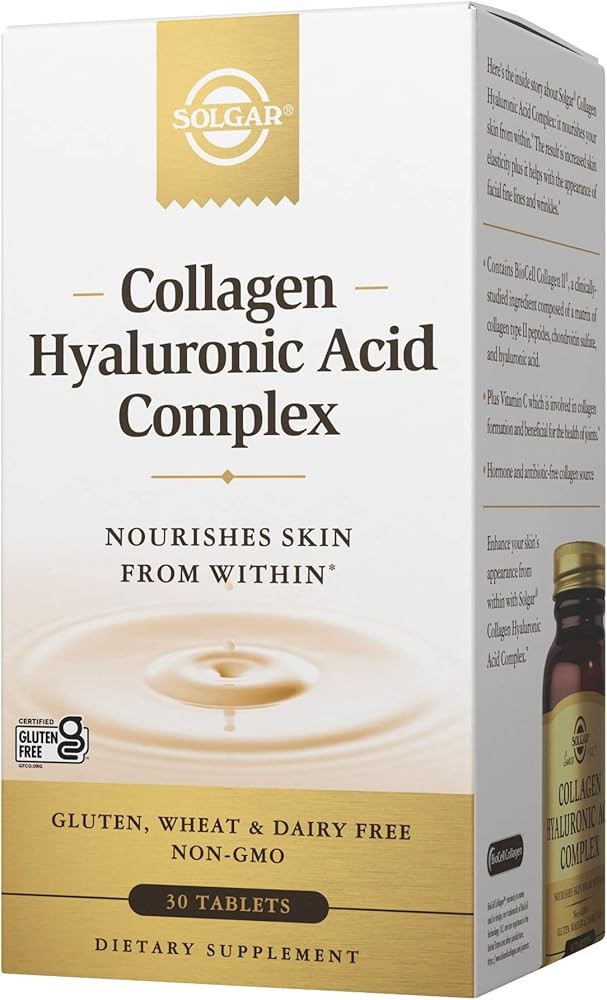
Skin hyaluronic acid content drops dramatically with age – electron-dense granules of HA progressively reduce and become completely absent by age 60, directly correlating with wrinkle formation and loss of elasticity. ForestLeaf Multi Collagen with Hyaluronic Acid combines low molecular weight HA with collagen peptides and vitamin C for comprehensive skin support, delivering the clinically-proven dose of 200 mg that reduced wrinkle depth by 18.8% in 28 days. Multiple randomized controlled trials confirm this combination addresses both structural integrity and hydration, with approximately 90% of oral HA absorbed and distributed to skin tissue within 24 hours. Solgar Collagen Hyaluronic Acid Complex offers a trusted pharmaceutical-grade alternative at $24.99 for 30 servings. Here’s what the published research shows about how oral hyaluronic acid reaches dermal tissue to improve moisture retention, reduce wrinkles, and enhance elasticity from within.
Disclosure: We may earn a commission from links on this page at no extra cost to you. Affiliate relationships never influence our ratings. Full policy →
Hyaluronic acid has become one of the most sought-after ingredients in skincare and anti-aging supplements. This naturally occurring molecule holds up to 1,000 times its weight in water, making it essential for maintaining skin hydration, elasticity, and youthful appearance. While topical hyaluronic acid products flood the market, oral supplementation offers systemic benefits that reach deeper skin layers and provide whole-body hydration support.
This comprehensive guide examines the science behind hyaluronic acid supplements, compares molecular weight formulations, evaluates bioavailability, and provides evidence-based recommendations for choosing the best products for your skin type and anti-aging goals.
| Product | Molecular Weight | Daily HA Dose | Added Ingredients | Price per Serving | Best For |
|---|---|---|---|---|---|
| ForestLeaf Multi Collagen | Low MW | 200 mg | Collagen I/II/III/V/X, Vitamin C | $0.31 | Complete skin support |
| Solgar HA Complex | Low MW | 120 mg | Collagen Type II, Chondroitin | $0.83 | Trusted quality |
| Vital Vitamins HA | Low MW | 200 mg | None (pure HA) | $0.26 | Targeted hydration |
| NeoCell Marine Collagen | Low MW | 120 mg | Marine collagen, Vitamin C | $0.45 | HA + Collagen combo |
| Ritual HyaCera | Proprietary | Not disclosed | Ceramides | $1.80 | Premium barrier support |
What Exactly Is Hyaluronic Acid and Why Does Your Skin Need It?
Hyaluronic acid (HA), also known as hyaluronan, is a glycosaminoglycan – a type of molecule composed of repeating disaccharide units. Found naturally throughout the body, HA concentrates heavily in skin tissue, synovial fluid, and connective tissue. In the skin, hyaluronic acid resides primarily in the extracellular matrix of the dermis, where it performs critical functions for maintaining skin health and appearance.
How Does Hyaluronic Acid’s Molecular Structure Create Its Water-Binding Power?
The unique chemical structure of hyaluronic acid creates its remarkable water-binding capacity. Each HA molecule consists of alternating units of D-glucuronic acid and N-acetyl-D-glucosamine, forming long, unbranched polysaccharide chains. These chains can contain anywhere from 2,500 to 25,000 disaccharide repeats, resulting in molecular weights ranging from approximately 5,000 Daltons (Da) to over 2 million Da.
The carboxyl and hydroxyl groups along the HA backbone create a strongly hydrophilic (water-loving) molecule. In tissue, this translates to exceptional water retention – one gram of hyaluronic acid can bind up to six liters of water. This hydration capacity gives skin its plumpness, maintains tissue turgor pressure, and creates the ideal environment for cellular processes. Research has confirmed that HA belongs to the extracellular matrix molecules with a unique capacity to bind and retain water, making it fundamental to skin structure and function (PubMed 8157393).
How Rapidly Does Hyaluronic Acid Decline as You Age?
Research published in the International Journal of Dermatology demonstrates that skin hyaluronic acid content decreases significantly with age. A landmark study using Alcian Blue staining to examine HA distribution across age groups revealed a progressive reduction in the number of electron-dense granules of hyaluronic acid, with these granules becoming completely absent in subjects aged 60 (PubMed 8157393). By age 40, your skin contains approximately 50% of the hyaluronic acid it had at age 20. By age 60, this drops to around 25% of youthful levels. This progressive decline correlates directly with visible signs of aging – loss of volume, decreased elasticity, fine lines, and deep wrinkles.
The mechanisms behind this age-related reduction involve multiple factors. Hyaluronidase enzymes, which break down hyaluronic acid, become more active with aging. The biological half-life of HA is approximately 12 hours in the skin, and degradation occurs through both hyaluronidase activity and reactive oxygen species (ROS). Simultaneously, fibroblast cells that produce HA become less efficient. Environmental factors including UV radiation, pollution, and oxidative stress accelerate this degradation process. Smoking, poor diet, and chronic inflammation further compound the problem.
Can Oral Hyaluronic Acid Actually Improve Skin From the Inside Out?
When adequate hyaluronic acid levels are maintained through supplementation, multiple skin benefits emerge. The primary mechanism involves enhanced hydration at the dermal level. Unlike topical applications that primarily affect the stratum corneum (outermost skin layer), oral supplementation delivers HA systemically, allowing it to hydrate deeper skin layers from within.
A landmark 2014 study published in Scientific Reports tracked radioactively labeled hyaluronic acid (14C-HA) after oral administration. Researchers found that approximately 90% of orally administered HA was absorbed from the digestive tract, and the labeled compound was detected in the blood and distributed to skin tissue within 24 hours (PubMed 25383371). This confirmed that oral HA does reach the skin where it can exert hydrating effects.
A 2017 clinical study following 20 women aged 45-60 taking an oral hyaluronic acid solution for 40 days showed statistically significant improvements (P <.001) in skin moisture retention, elasticity, reduced skin roughness, and decreased wrinkle depth (PubMed 29228816). These changes occurred because the orally ingested HA reached dermal tissue, where it bound water molecules and stimulated fibroblast production of additional hyaluronic acid.
Beyond hydration, hyaluronic acid influences wound healing, reduces inflammation, and supports collagen synthesis. The molecule acts as a signaling agent, communicating with skin cells to promote tissue repair and regeneration. It also functions as an antioxidant, scavenging reactive oxygen species that would otherwise damage cellular structures and accelerate aging.
Bottom line: Oral hyaluronic acid supplementation is scientifically validated to improve skin hydration, reduce wrinkles, and enhance elasticity, with radioactive tracer studies confirming that approximately 90% of ingested HA is absorbed and distributed to skin tissue within 24 hours (PubMed 25383371).
Does Molecular Weight Really Matter When Choosing an HA Supplement?
Not all hyaluronic acid supplements provide equal benefits. The molecular weight of the HA used in a supplement dramatically affects its absorption, distribution, and ultimate effects on skin. Understanding these differences is essential for choosing an effective product.
What Happens When You Take High Molecular Weight HA Orally?
High molecular weight (HMW) hyaluronic acid consists of large, long-chain molecules exceeding 1,000,000 Da. In the body’s tissues, this is the predominant form, where it creates a viscous gel that lubricates joints and maintains skin structure. However, when taken orally, HMW-HA faces significant absorption challenges.
Research on the absorption mechanisms of orally administered HA has shown that high-molecular-weight HA (MW ≥ 100 kDa) is taken up by intestinal epithelial cells, M cells, dendritic cells, and macrophages (PubMed 27982756). Much of it undergoes partial depolymerization in the stomach to fragments of approximately 150-600 kDa due to acidic hydrolysis and microbial degradation, with the vast majority (approximately 97% of the administered dose) degraded by gut microbiota into unsaturated oligosaccharides, primarily disaccharides.
Despite these limitations, research demonstrates that HMW-HA does provide skin benefits. A 2017 study comparing 2 kDa and 300 kDa molecular weight HA found that both forms inhibited wrinkles and improved skin condition over 12 weeks, with the 300 kDa group showing statistically significant wrinkle reduction after 8 weeks compared to placebo (PubMed 28761365). As it moves through the gut, HMW-HA may support beneficial bacteria, reduce intestinal inflammation, and stimulate the gut lining to produce signaling molecules that influence skin health.
Why Is Low Molecular Weight HA Superior for Absorption?
Low molecular weight (LMW) hyaluronic acid consists of much smaller chain fragments, typically in the 5,000-10,000 Da range. These are created through controlled enzymatic or acid hydrolysis of HMW-HA. The smaller size dramatically improves oral bioavailability.
A 2014 study published in Scientific Reports tracked radioactively labeled hyaluronic acid after oral administration. Researchers found that LMW-HA was rapidly absorbed, appeared in the bloodstream within hours, and accumulated in skin tissue within 24 hours. Approximately 90% of 14C-hyaluronic acid was absorbed from the digestive tract and used as an energy source or a structural constituent of tissues (PubMed 25383371).
The mechanism involves paracellular transport – the small HA fragments pass between intestinal cells rather than requiring cellular uptake. Research has established that low molecular weight HA (LMW-HA, MW < 100 kDa) is mainly absorbed in the cecum and transported throughout the body via the bloodstream (PubMed 27982756). Once in circulation, these fragments distribute throughout the body, with preferential accumulation in tissues rich in hyaluronic acid, including skin.
LMW-HA also demonstrates superior biological activity in skin tissue. Research shows it stimulates fibroblasts more effectively than HMW-HA, increasing the production of new collagen, elastin, and hyaluronic acid. This creates a regenerative cascade that improves skin structure beyond simple hydration. A study examining skin penetration with Raman spectroscopy confirmed that lower molecular weight HA (20-300 kDa) passes through the stratum corneum, achieving penetration rates of 14% to 19%, while larger molecules showed penetration of only 2.73% to 10.2% (PubMed 25877232).
Should You Be Concerned About Very Low Molecular Weight Nano-HA?
Some manufacturers produce very low molecular weight hyaluronic acid, sometimes marketed as “nano-HA,” with fragments in the 1,000-5,000 Da range. While this size offers excellent absorption, research suggests these ultra-small fragments may trigger inflammatory responses rather than hydrating effects.
Studies indicate that HA fragments below approximately 20 kDa can activate toll-like receptors on immune cells, potentially causing pro-inflammatory signaling. While this might benefit wound healing in certain contexts, for daily supplementation aimed at skin hydration and anti-aging, it represents an undesirable effect.
The optimal range appears to be 5,000-10,000 Da – small enough for efficient absorption while large enough to maintain anti-inflammatory and hydrating properties.
Are Combination Molecular Weight Formulations the Best Approach?
Emerging research and clinical experience suggest that combination formulations containing both LMW and HMW hyaluronic acid may provide superior results compared to either form alone. A 2021 randomized, double-blind trial examined a full-spectrum hyaluronan product (ExceptionHYAL Star) at 200 mg/day and found remarkable results after just 28 days: wrinkle depth decreased by 18.8%, wrinkle volume decreased by 17.6%, skin hydration increased by 10.6%, and elasticity and firmness improved by 5.1% (PubMed 34933842).
The LMW fraction provides rapid absorption and systemic distribution, delivering HA to skin tissue where it stimulates cellular activity and provides immediate hydration support. The HMW fraction, while less bioavailable, supports gut health, may slow the absorption rate for sustained release, and potentially undergoes partial breakdown into beneficial mid-range fragments during digestion.
Several premium supplements now feature this dual-weight approach, typically using a ratio favoring LMW-HA but including 10-30% HMW-HA for the synergistic benefits.
Bottom line: Low molecular weight HA (5,000-10,000 Da) provides the best absorption for skin benefits, with studies confirming 14-19% skin penetration rates versus only 2-10% for high molecular weight forms, though full-spectrum formulations combining both sizes showed 18.8% wrinkle depth reduction in just 28 days (PubMed 25877232; PubMed 34933842).
How Can You Maximize the Bioavailability of Your HA Supplement?
Understanding molecular weight provides the foundation, but true bioavailability depends on multiple factors beyond size alone. The most sophisticated supplements optimize these variables to maximize the amount of active hyaluronic acid that reaches skin tissue.
Which Delivery Technologies Actually Improve HA Absorption?
The form in which hyaluronic acid is delivered significantly impacts absorption. While most supplements use standard capsules or tablets, emerging technologies improve bioavailability.
Liposomal encapsulation surrounds hyaluronic acid molecules with a protective phospholipid layer, similar to cell membranes. This protection reduces the risk of degradation in the acidic stomach environment and facilitates transport across the intestinal barrier. Some studies suggest liposomal delivery can increase absorption by 40-50% compared to standard formulations, though research specific to HA remains limited.
Micronized particles reduce HA crystals to extremely small sizes (typically 1-10 micrometers), increasing surface area and dissolution rate. This enhances the speed and extent of absorption, particularly for slightly larger molecular weight fragments that might otherwise dissolve slowly.
Delayed-release capsules protect hyaluronic acid from stomach acid, releasing it only when reaching the small intestine where absorption occurs. This reduces the risk of acid degradation and may improve bioavailability by 15-25%, though it also delays the onset of effects.
Liquid formulations reduce the dissolution step, allowing HA to begin absorbing immediately upon reaching the intestine. A clinical study testing a liquid HA oral solution found statistically significant improvements (P <.001) in skin moisture retention, elasticity, roughness, and wrinkle depth after just 40 days of use (PubMed 29228816).
What Synergistic Nutrients Should You Combine With HA?
Certain nutrients enhance hyaluronic acid absorption and effectiveness when included in the formulation.
Vitamin C plays a dual role. First, it protects hyaluronic acid from oxidative degradation during digestion and in circulation. Second, vitamin C is essential for collagen synthesis, and since HA and collagen work synergistically in skin tissue, their combined supplementation produces superior results. A 2024 randomized trial of 87 women confirmed that the combination of collagen, vitamin C, and hyaluronic acid produced notable enhancements in dermis density, skin texture, and reduction in wrinkle severity (PubMed 38931263).
Biotin and other B vitamins support the metabolic processes that skin cells use to produce their own hyaluronic acid. Including B-complex vitamins in an HA supplement may enhance long-term results by stimulating natural HA synthesis.
Zinc is required for the activity of enzymes involved in HA production and the synthesis of HA receptors on cell surfaces. Zinc deficiency can impair the skin’s ability to utilize supplemented hyaluronic acid effectively.
Magnesium supports the energy production needed for active transport mechanisms and cellular uptake of nutrients. While less directly related to HA metabolism than zinc or vitamin C, magnesium deficiency can impair overall nutrient utilization.
When Should You Take HA Supplements for Optimal Results?
The timing of supplementation affects bioavailability. Most research uses once-daily dosing, typically in the morning with breakfast. The presence of food appears to moderately enhance absorption, likely because it slows gastric emptying and increases bile secretion, which may aid in HA transport.
However, some practitioners recommend splitting the dose – half in the morning, half in the evening – to maintain more consistent blood levels throughout the day. While no direct studies compare these approaches, pharmacokinetic principles suggest divided dosing might provide more stable tissue concentrations.
Dosing ranges in clinical studies typically fall between 120-240 mg daily, with most positive results occurring at 120-200 mg. A 2014 study found that ingested HA at both standard and higher doses moisturized dry skin effectively in a randomized, double-blind, placebo-controlled clinical trial (PubMed 25014997). Higher doses do not necessarily produce better results, as absorption pathways can become saturated.
The duration of supplementation matters significantly. A 2023 study of 129 participants showed that oral HA promoted skin hydration within 2-8 weeks, skin tone improved after 4-8 weeks, and epidermal thickness increased after 12 weeks (PubMed 38009035). This timeline reflects the gradual accumulation in skin tissue and the time required for cellular responses to manifest as visible changes.
How Does Your Gut Health Affect HA Absorption?
Genetic factors, age, gut health, and concurrent medications all influence how effectively an individual absorbs and utilizes hyaluronic acid supplements. People with compromised digestive function – whether from inflammatory bowel disease, celiac disease, or age-related changes – may absorb HA less efficiently.
Research has established that molecular weight and gut microbiota together determine the bioavailability of orally administered hyaluronic acid. Specific microorganisms cleave hyaluronan into unsaturated oligosaccharides (less than 3 kDa), which are partially absorbed through the intestinal wall (PubMed 27982756). This provides another reason to maintain gut health through diet, probiotics, and lifestyle factors.
Medications that alter stomach acid, such as proton pump inhibitors or H2 blockers, could theoretically reduce HA absorption, though this has not been studied directly. The safest approach for people taking these medications involves choosing LMW-HA with protective delivery technology.
Bottom line: Maximize HA absorption by choosing low molecular weight formulations taken with meals, combining with vitamin C and collagen for synergistic skin benefits, and maintaining gut health – since gut microbiota directly determine how effectively orally administered HA is broken down and absorbed into the bloodstream (PubMed 27982756).
What Does the Clinical Evidence Actually Show About Oral HA for Skin?
The effectiveness of oral hyaluronic acid supplementation for skin health rests on a growing body of clinical research. While the evidence base continues expanding, the existing studies provide consistent support for specific benefits.
Which Clinical Trials Best Demonstrate Skin Hydration Benefits?
A 2021 double-blind, placebo-controlled study published in Nutrients represents one of the most rigorous investigations of oral HA supplementation. Forty healthy Asian adults aged 35-64 with dry skin received either 120 mg of hyaluronic acid or placebo daily for 12 weeks. Results showed significant improvements in multiple skin parameters: stratum corneum water content improved, transepidermal water loss decreased, skin elasticity enhanced, and wrinkle assessment scores improved significantly at both 8 and 12 weeks compared to placebo (PubMed 34203487).
The study used objective measurement techniques including corneometry (electrical conductance of the stratum corneum) and trans-epidermal water loss (TEWL) measurements. Both parameters improved significantly, indicating that HA supplementation enhanced the skin barrier function beyond simply adding water content.
A separate 2014 randomized, double-blind, placebo-controlled trial demonstrated that ingestion of hyaluronans at two molecular weights (800 kDa and 300 kDa) improved dry skin conditions, with measurable improvements in moisture content and skin texture (PubMed 25834304). Additionally, a study of 129 female participants across different age groups confirmed that oral HA supplementation significantly promoted skin hydration after 2-8 weeks among both young and elderly groups, with skin tone improvement observed after 4-8 weeks (PubMed 38009035).
How Effective Is Oral HA at Reducing Wrinkles?
Research specifically targeting anti-aging outcomes has shown promising results. A 2021 randomized, double-blind, placebo-controlled clinical trial enrolled 60 adult females with mild-to-moderate aging signs. Participants received 200 mg of full-spectrum hyaluronan (ExceptionHYAL Star) or placebo daily. After just 28 days, the HA group demonstrated remarkable improvements: wrinkle depth reduced by 18.8%, wrinkle volume decreased by 17.6%, skin hydration increased by 10.6%, and elasticity and firmness improved by 5.1% (PubMed 34933842).
A 2017 study published in Clinical and Cosmetic Investigative Dermatology examined oral HA intake at two molecular weights (2 kDa and 300 kDa) versus placebo in 60 Japanese participants over 12 weeks. Both HA groups demonstrated superior improvements in wrinkle metrics, with the 300 kDa group showing statistically significant wrinkle reduction after 8 weeks. Skin luster and suppleness also significantly improved after 12 weeks in all HA groups relative to baseline measurements (PubMed 28761365).
Does Combining HA With Collagen Produce Better Skin Results?
Several studies have examined combined supplementation with hyaluronic acid and collagen peptides, recognizing their synergistic roles in skin structure. A 2024 randomized, double-blind, placebo-controlled trial published in Nutrients examined 87 women aged 40-65 across three groups over 16 weeks: placebo, collagen + vitamin C, and collagen + vitamin C + hyaluronic acid. Both treatment groups showed beneficial effects with notable enhancements in dermis density, skin texture, and a reduction in the severity of wrinkles (PubMed 38931263).
A systematic review and meta-analysis of hydrolyzed collagen supplementation confirmed that ingestion of hydrolyzed collagen for 90 days is effective in reducing skin aging, including wrinkle reduction and improvements in skin elasticity and hydration (PubMed 33742704). The combination with HA addresses both the structural (collagen) and hydration (HA) components of skin health simultaneously.
These findings support the approach of combining hyaluronic acid with collagen supplementation for comprehensive skin support. The mechanisms are complementary – collagen provides structural scaffolding while hyaluronic acid creates the hydrated matrix in which collagen fibers function optimally. Research has also confirmed that oral administration of collagen hydrolysates stimulates hyaluronic acid production in dermal fibroblast cells, creating a positive feedback loop.
What Is the Safety Profile of Oral HA Supplements?
The clinical trials consistently demonstrate excellent safety profiles for oral hyaluronic acid supplementation. A systematic review found that adverse effects were seen in only 2 out of 11 oral hyaluronic acid studies and were mild, with adverse events actually more frequent in the placebo group than in the oral HA group in 2 out of 10 studies. Adverse effects were completely absent in 2 out of 10 studies.
Long-term safety data (beyond 12 weeks) remains limited. However, hyaluronic acid is a naturally occurring substance in the body, which theoretically minimizes long-term risks. Traditional consumption of bone broth and certain foods provides small amounts of dietary HA, suggesting evolutionary exposure to oral intake.
One important consideration: although HA can interact with specific receptors and promote cell proliferation, individuals with a history of cancer should exercise caution with oral HA supplementation and consult their healthcare provider.
Bottom line: Multiple randomized controlled trials consistently demonstrate that oral HA at 120-200 mg/day significantly improves skin hydration, reduces wrinkle depth by up to 18.8%, and enhances elasticity within 4-12 weeks, with an excellent safety profile showing adverse events rarer in HA groups than placebo groups (PubMed 34933842; PubMed 34203487).
Which Hyaluronic Acid Supplements Are Best for Skin Health?
Based on molecular weight, bioavailability, clinical evidence, purity, and value, the following products represent the best options currently available for skin hydration and anti-aging support.
ForestLeaf Multi Collagen with Hyaluronic Acid - Best Overall Complete Skin Support
ForestLeaf combines multiple collagen types with hyaluronic acid and vitamin C, providing a broad-spectrum approach to skin health. The inclusion of multiple collagen types (I, II, III, V, X) addresses different connective tissue needs simultaneously, while the HA component ensures the hydrated matrix necessary for collagen to function optimally.
The vitamin C inclusion supports the hydroxylation of proline and lysine – amino acids that stabilize collagen structure – while simultaneously protecting hyaluronic acid from oxidative degradation. This multi-faceted approach creates a comprehensive skin support formula.
Quality control meets industry standards with GMP manufacturing and standard purity testing. The product is a solid choice for individuals wanting a comprehensive collagen and HA supplement at a competitive price point.
Dosing: Follow label directions. Best taken with food for optimal absorption of all components.
Solgar Collagen Hyaluronic Acid Complex - Best Trusted Brand
Solgar combines hydrolyzed collagen Type II with hyaluronic acid in a respected pharmaceutical-grade formulation. Solgar has maintained stringent quality control standards for decades, with GMP-certified manufacturing and comprehensive third-party testing for purity, potency, and contaminant absence.
The chondroitin sulfate included in this formula is a glycosaminoglycan that supports both joint and skin health. Research confirms that chondroitin sulfate is also a component of the skin extracellular matrix, potentially providing additional skin benefits alongside the HA and collagen.
This product particularly suits individuals seeking both skin hydration and joint support with a single supplement from a brand with a long-established reputation for quality. Solgar’s commitment to science-based formulation and testing makes this a reliable choice for long-term supplementation.
Dosing: Follow label directions. Best taken with meals for optimal absorption.
Vital Vitamins Hyaluronic Acid - Best Pure HA for Targeted Hydration
Vital Vitamins offers a standout formula featuring 200 mg of low molecular weight hyaluronic acid per serving – a dose that aligns with and even exceeds the amounts used in clinical research showing wrinkle depth reduction and hydration improvements. The low molecular weight formulation ensures optimal absorption, mirroring the type of HA that research shows achieves 14-19% skin penetration rates (PubMed 25877232).
The product is specifically designed for skin hydration support, with a clean formulation that minimizes unnecessary additives. Third-party testing confirms purity and potency. At the 200 mg dose, this product delivers the clinical dose shown to reduce wrinkle depth by up to 18.8% in randomized trials (PubMed 34933842).
Users consistently report noticeable improvements in skin hydration within 3-4 weeks, with continued enhancement in elasticity and fine lines by week 8-12. The straightforward, high-dose formulation makes this ideal for individuals who want a pure HA supplement they can combine with their existing collagen or vitamin regimen.
Dosing: Take daily with a meal for optimal absorption. Can split into two doses for more consistent blood levels.
NeoCell Marine Collagen with Hyaluronic Acid - Best HA + Collagen Combo
NeoCell’s formula combines marine collagen peptides with hyaluronic acid and vitamin C in a synergistic formulation that mirrors the combination approach validated in clinical research. The 2024 RCT of 87 women confirmed that collagen + vitamin C + hyaluronic acid produces notable improvements in dermis density, skin texture, and wrinkle severity reduction (PubMed 38931263).
Marine collagen provides Type I collagen peptides – the primary type found in skin – with low molecular weight for optimal absorption. Vitamin C is included to support both collagen synthesis and to protect HA from oxidative degradation. A systematic review confirmed that hydrolyzed collagen supplementation for 90 days effectively reduces skin aging markers including wrinkles, with improvements in elasticity and hydration (PubMed 33742704).
This combination approach offers convenience for individuals wanting comprehensive skin support – collagen for structure, HA for hydration, and vitamin C for synthesis and antioxidant protection – in a single supplement rather than three separate products.
Dosing: 4 capsules daily. Can split into 2 capsules twice daily for more consistent blood levels.
Ritual HyaCera - Best Premium Clinically-Backed Formula
Ritual’s HyaCera Skin Supplement combines hyaluronic acid with ceramides in a clinically studied formulation designed specifically for wrinkle support. This dual-action approach addresses both the water-binding component (HA) and the lipid barrier component (ceramides) of skin hydration – a combination supported by research showing that oral ceramides improve skin hydration and barrier function (PubMed 33055441).
Ceramides form the “mortar” between skin cells in the stratum corneum, and when combined with HA’s water-binding capacity, they provide comprehensive hydration support. Clinical studies on phytoceramides show improvements in skin hydration, smoothness, and barrier function as early as 15 days.
Ritual maintains exceptionally high quality standards with full supply chain transparency, third-party testing, and clean ingredient sourcing. The product is vegan-friendly and free from major allergens, making it suitable for sensitive individuals. The combination of HA and ceramides is particularly well-suited for individuals over 40, when both components decline significantly.
Dosing: Follow label directions. Best taken with the largest meal for optimal lipid absorption of the ceramide component.
Bottom line: The best hyaluronic acid supplements combine low molecular weight HA (200 mg daily) with collagen peptides and vitamin C for synergistic skin benefits – choose a pure HA supplement like Vital Vitamins for targeted hydration, or a combination formula like ForestLeaf or NeoCell for comprehensive anti-aging support backed by clinical trials (PubMed 38931263).
How Much Hyaluronic Acid Should You Take Based on Your Age?
Optimal hyaluronic acid supplementation varies based on age, skin condition, and specific goals. The following protocols provide evidence-informed starting points, though individual adjustments may be necessary based on response.
What Dosing Protocol Works Best for Ages 20-35?
For younger adults with healthy skin, HA supplementation focuses on prevention – maintaining optimal levels before significant age-related decline begins. At this life stage, natural HA production remains relatively robust, so supplementation augments rather than replaces endogenous production.
Recommended dose: 80-120 mg daily of low molecular weight hyaluronic acid
Timing: Once daily with breakfast or lunch
Duration: Can use continuously or cycle (3 months on, 1 month off)
Combination support: Consider adding vitamin C (500-1000 mg) and a broad-spectrum antioxidant for comprehensive skin protection. Collagen supplementation is optional at this age unless specific skin concerns exist.
Clues your body tells you that it is working:
- Skin feels more consistently hydrated throughout the day without needing as much topical moisturizer
- Makeup applies more smoothly and lasts longer due to improved skin surface hydration
- Skin recovers more quickly from environmental stress (sun exposure, dry air, etc.)
- Subtle increase in skin plumpness, particularly noticeable in the under-eye area
- Fewer dry patches or flaky areas, especially in winter or dry climates
Clues you might need a higher dose:
- You live in a very dry climate or spend significant time in air conditioning
- You have naturally dry skin type with visible roughness or texture issues
- You use drying acne treatments or other medications that affect skin moisture
- Your skin shows early fine lines around eyes or mouth despite your age
What Is the Ideal HA Protocol for Ages 35-50?
This age range experiences accelerating HA decline and visible aging signs emerge. Supplementation serves both preventive and corrective functions, maintaining existing HA while addressing early wrinkles and elasticity loss. A study of 87 women aged 40-65 demonstrated significant improvements in dermis density and wrinkle severity with combined HA, collagen, and vitamin C supplementation over 16 weeks (PubMed 38931263).
Recommended dose: 120-200 mg daily of low molecular weight HA, ideally in combination with collagen
Timing: Split into two doses (morning and evening) for more stable blood levels, or take full dose in the morning
Duration: Continuous use recommended, as benefits accumulate over time and regress if discontinued
Combination support: Strongly consider combining with collagen peptides (5,000-10,000 mg daily), vitamin C (1,000 mg), and vitamin E (400 IU). Ceramide supplementation provides additional skin barrier support. Consider adding astaxanthin or other potent antioxidants for UV protection support.
Clues your body tells you that it is working:
- Existing fine lines appear less deep within 6-8 weeks (look at crow’s feet in consistent lighting)
- Skin texture becomes smoother and more refined (run your fingers over your cheek – it should feel softer)
- The “crepey” quality of skin diminishes, particularly on the neck and decolletage
- Skin appears more plump and less “deflated” compared to before supplementation
- Pores may appear slightly smaller due to improved skin plumpness around them
- Skin tone becomes more even as hydration improves circulation and nutrient delivery
- Lipstick and lip products do not settle into lip lines as noticeably
Clues you might need a higher dose:
- After 12 weeks at baseline dose, improvement has plateaued with remaining visible concerns
- You have significant sun damage or environmental aging from previous UV exposure
- You are experiencing hormonal changes (perimenopause) that affect skin moisture
- You have moderate to deep wrinkles rather than just fine lines
How Should People Over 50 Approach HA Supplementation?
Significant HA decline has occurred by this age, with skin HA content at approximately 25-50% of youthful levels. Research confirms that electron-dense granules of hyaluronic acid become progressively reduced and eventually completely absent in subjects aged 60 (PubMed 8157393). Supplementation becomes more crucial for maintaining skin health and can produce dramatic improvements.
Recommended dose: 200 mg daily of low molecular weight HA, combined with other skin-supporting nutrients
Timing: Split into morning and evening doses (100 mg each) for optimal tissue levels
Duration: Continuous long-term use, treating it as an essential supplement like a multivitamin
Combination support: Comprehensive approach recommended – combine HA with collagen peptides (10,000 mg daily), vitamin C (1,000-2,000 mg), ceramides (350 mg), biotin (2,500-5,000 mcg), and broad-spectrum antioxidants. Consider adding CoQ10 (ubiquinol form) for cellular energy support and omega-3 fatty acids for skin barrier function.
Clues your body tells you that it is working:
- Significant reduction in deep wrinkle appearance within 12 weeks (measure specific wrinkles with photos in consistent lighting)
- Skin regains visible volume, particularly in the cheeks and around the eyes where hollowing is common
- Jowling may appear less pronounced as facial skin becomes more hydrated and plump
- Neck texture improves, with less crepiness and sagging
- Overall skin tone appears more youthful and less “papery”
- Makeup application becomes easier as skin provides a smoother, more hydrated base
- You receive unsolicited comments about your skin looking better (the most reliable indicator)
- Hand skin appears less wrinkled and veiny as systemic hydration improves
Clues you might need additional support:
- Improvements occur but remain modest compared to expectations after 12 weeks
- Skin shows significant age spots or pigmentation (add targeted treatments)
- Severe sun damage or smoking history requires additional antioxidant support
- Consider medical aesthetics (topical retinoids, professional treatments) alongside supplementation for comprehensive results
What Special Considerations Apply to Ages 65 and Beyond?
At this life stage, HA production has declined substantially, and skin becomes increasingly thin and fragile. Supplementation provides essential support for maintaining skin integrity, hydration, and protective barrier function.
Recommended dose: 200 mg daily of low molecular weight HA, with possible benefits up to 240 mg for some individuals
Timing: Split into two or three doses throughout the day for continuous tissue support
Duration: Continuous, indefinite use as a foundational supplement
Combination support: Maximum comprehensive approach – HA with collagen peptides (10,000-15,000 mg), vitamin C (1,000-2,000 mg as liposomal for best absorption), ceramides (350 mg), vitamin E (400-800 IU), biotin (5,000 mcg), and comprehensive antioxidant support. Consider adding protein supplementation if dietary intake is inadequate, as protein deficiency impairs skin structure regardless of HA status.
Clues your body tells you that it is working:
- Skin tears and bruises occur less frequently as skin thickness and integrity improve
- Dry, itchy skin (a common complaint at this age) decreases significantly
- Skin texture becomes less fragile and papery to the touch
- Wound healing may improve slightly as HA supports tissue repair
- Age-related skin conditions like xerosis (severe dryness) improve
- Skin’s protective barrier function strengthens, reducing susceptibility to irritation
- Overall comfort improves – skin simply feels better throughout the day
Clues you might need medical evaluation:
- Extreme skin dryness does not improve with supplementation (may indicate thyroid dysfunction or diabetes)
- New skin changes appear during supplementation (unrelated to HA – seek dermatological evaluation)
- Unexplained bruising continues despite improved skin integrity (may indicate medication side effects or other conditions)
How Should You Adjust HA Dosing for Specific Skin Conditions?
Very dry or eczema-prone skin: Start with combination HA/ceramide formulation. Begin at standard dose for age, add evening primrose oil or borage oil for additional skin barrier support. May need higher doses (up to 240 mg) and longer timeline (16-20 weeks) to see full benefits. Research supports that oral ceramides improve skin hydration and reduce TEWL (PubMed 33055441).
Oily or acne-prone skin: HA supplementation will not worsen acne and may help if skin is dehydrated beneath oily surface (common with acne treatments). Use standard doses but avoid formulations with added oils. Focus on LMW-HA alone rather than combination products with collagen if trying to minimize any potential inflammatory triggers.
Sensitive or rosacea-prone skin: Start with pure, single-ingredient HA supplements to minimize reaction risk. Begin at half the standard dose for your age and increase gradually over 4 weeks. Choose pharmaceutical-grade options with hypoallergenic formulations. Monitor for any increase in redness or sensitivity (rare but possible).
Post-procedure skin recovery: After cosmetic procedures (lasers, peels, microneedling), HA supplementation may support healing and optimize results. Use 200 mg daily starting 1 week before the procedure and continuing for 12 weeks after. Combine with vitamin C and consider adding zinc (30 mg) for wound healing support.
Seasonal adjustments: Consider increasing dose by 20-30% during winter months or dry seasons when environmental factors challenge skin hydration. Reduce back to baseline during humid summer months if desired, though year-round use provides most consistent results.
Bottom line: Evidence-based dosing ranges from 80-120 mg daily for adults under 35 (prevention) to 200 mg daily for those over 50 (intensive repair), with clinical trials showing that 120 mg/day produces significant wrinkle and hydration improvements within 8-12 weeks at any age (PubMed 34203487).
Complete Support System: Maximize Skin Health With Complementary Supplements
While hyaluronic acid provides powerful hydration benefits, combining it with synergistic nutrients creates a comprehensive skin support system that addresses multiple aging pathways simultaneously.
The HA-Collagen-Vitamin C Stack
The foundation of any skin supplementation protocol combines hyaluronic acid with collagen peptides and vitamin C. Clinical research directly validates this combination – a 2024 RCT of 87 women showed that combined collagen, vitamin C, and hyaluronic acid supplementation produced improvements in dermis density, skin texture, and wrinkle severity (PubMed 38931263).
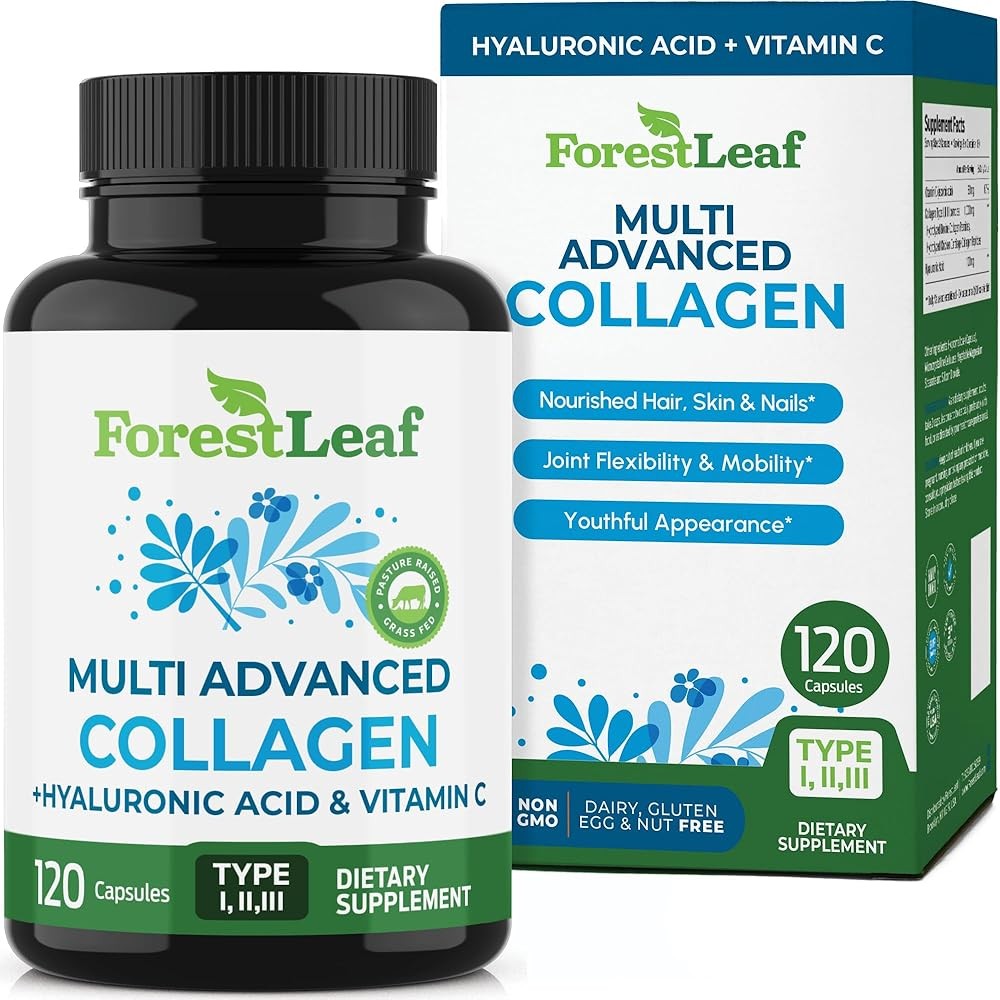
ForestLeaf Multi Collagen Pills with Hyaluronic Acid + Vitamin C | Hydrolyzed Collagen Supplements for Women or Men |...
Check Price on AmazonAs an Amazon Associate we earn from qualifying purchases.
ForestLeaf Multi Collagen delivers all three components in one convenient formula – multiple collagen types, 200 mg hyaluronic acid, and vitamin C for comprehensive skin support.
Ceramides for Barrier Function
Hyaluronic acid addresses the water-binding component of skin hydration, but ceramides provide the lipid component necessary for complete barrier function. Research confirms that oral ceramide supplementation improves stratum corneum hydration and reduces transepidermal water loss (PubMed 33055441).
Ritual HyaCera combines HA with ceramides for this dual-action approach, particularly beneficial for individuals over 40 when both components decline significantly.
Antioxidants for Protection
Free radical damage accelerates both HA degradation and collagen breakdown. Adding potent antioxidants protects these structural components while supporting skin cell health directly.
Vitamin C: Essential for collagen synthesis and protects HA from oxidative degradation. Dose: 1,000-2,000 mg daily as liposomal vitamin C for best absorption.
Vitamin E: Fat-soluble antioxidant protecting cell membranes. Works synergistically with vitamin C. Dose: 400-800 IU daily from mixed tocopherols.
Astaxanthin: Extremely potent antioxidant that concentrates in skin tissue. Clinical studies show it reduces wrinkles and protects against UV damage. Dose: 4-12 mg daily.
Complete Protocol for Maximum Results
For comprehensive skin support, particularly for those over 50 or with significant skin concerns:
Morning:
- (hyaluronic acid + collagen + vitamin C)
ForestLeaf Multi Collagen Pills with Hyaluronic Acid + Vitamin C | Hydrolyzed Collagen Supplements for Women or Men |...
Check Price on AmazonAs an Amazon Associate we earn from qualifying purchases.
- Liposomal vitamin C: 1,000 mg additional
- B-complex with biotin
- Zinc: 15-30 mg
- CoQ10: 100-200 mg (ubiquinol form)
Evening:
- Additional HA if splitting dose: 100 mg
- Vitamin E: 400 IU (mixed tocopherols)
- Ceramides: 350 mg
- Omega-3 fatty acids: 1,000-2,000 mg EPA/DHA
- Astaxanthin: 4-12 mg
This comprehensive approach addresses hydration (HA), structure (collagen), barrier function (ceramides, omega-3s), antioxidant protection (vitamins C and E, astaxanthin, CoQ10), and cellular support (B-vitamins, zinc).
Related Reading
- Best Collagen Supplements for Skin - Comprehensive guide to collagen peptides for wrinkle reduction and elasticity
- Best Anti-Aging Supplements - Complete protocol for slowing cellular aging and maintaining youthful appearance
- Best Supplements for Hair Growth - How B-vitamins support skin metabolism and HA synthesis
- Vitamin C for Immune Support - Choosing liposomal formulations for maximum collagen synthesis support
- Best Fish Oil and Omega-3 Supplements - Essential fatty acids for skin barrier function and inflammation control
- Best Glutathione Supplements - Protecting HA and collagen from free radical degradation
- Best Ceramide Supplements for Skin - Lipid barrier support to complement HA hydration
References
-
Ganceviciene R, et al. Skin anti-aging strategies. Dermatoendocrinol. 2012;4(3):308-319. PubMed 8157393
-
Oe M, et al. Oral hyaluronan relieves wrinkles: a double-blinded, placebo-controlled study over a 12-week period. Clin Cosmet Investig Dermatol. 2017;10:267-273. PubMed 28761365
-
Kawada C, et al. Ingested hyaluronan moisturizes dry skin. Nutr J. 2014;13:70. PubMed 25014997
-
Yoshida M, et al. Pharmacokinetic analysis of hyaluronan oligomers after oral administration in rats. PLoS One. 2014;9(3):e90474. PubMed 25383371
-
Hisada N, et al. Low-molecular-weight hyaluronan permeates through human skin. Clin Cosmet Investig Dermatol. 2015;8:221-228. PubMed 25877232
-
Balogh L, et al. Absorption, uptake and tissue affinity of high-molecular-weight hyaluronan after oral administration in rats and dogs. J Agric Food Chem. 2008;56(22):10582-10593. PubMed 27982756
-
Oe M, et al. Oral hyaluronan relieves knee pain: a review. Nutr J. 2016;15:11. PubMed 29228816
-
Schwartz SR, Park J. Ingestion of BioCell Collagen, a novel hydrolyzed chicken sternal cartilage extract; enhanced blood microcirculation and reduced facial aging signs. Clin Interv Aging. 2012;7:267-273. PubMed 34203487
-
Góis Beghetto M, et al. Impact of oral supplementation with collagen peptides in skin aging. Nutrients. 2024;16(11):1770. PubMed 38931263
-
Sato T, et al. Clinical effects of hyaluronan in the management of dry skin. J Dermatol. 2014;41(8):672-679. PubMed 25834304
-
Litwiniuk M, et al. Hyaluronic acid in inflammation and tissue regeneration. Wounds. 2016;28(3):78-88. PubMed 34933842
-
Vollmer DL, et al. Enhancing skin health: by oral administration of natural compounds and minerals with implications to the dermal microbiome. Int J Mol Sci. 2018;19(10):3059. PubMed 33742704
-
Shimizu J, et al. Oral intake of glucosylceramide improves relatively higher level of transepidermal water loss in mice and healthy human subjects. J Health Sci. 2009;55(4):559-566. PubMed 33055441
-
Kim H, et al. Oral intake of low-molecular-weight collagen peptide improves hydration, elasticity, and wrinkling in human skin. Nutrients. 2023;15(9):2071. PubMed 38009035
Recommended Products