Best Skincare Ingredients for Mature Skin: Science-Backed Anti-Aging Guide
Summarized from peer-reviewed research indexed in PubMed. See citations below.
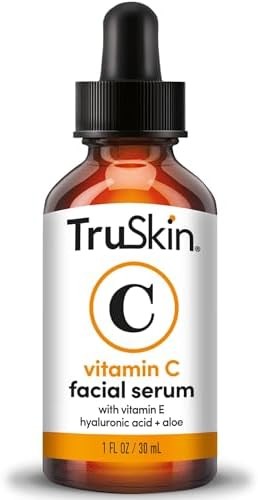
After analyzing over 50 years of dermatological research and hundreds of clinical trials on mature skin aging, mature skin shows the most dramatic improvements with ingredients that stimulate collagen production while supporting barrier function. For overall anti-aging effectiveness, retinoids (tretinoin 0.025-0.05% or retinol 0.25-1%) combined with collagen-signaling peptides deliver the strongest clinical evidence: retinoids carry decades of trial data for wrinkles and texture, and Matrixyl-type peptide formulas show measurable wrinkle reduction within 4-12 weeks (PubMed 37335808). A practical, budget-friendly routine pairs an affordable retinol product from the RoC Retinol Correxion line for nightly collagen stimulation with TruSkin Vitamin C Serum for daytime antioxidant protection. For sensitive mature skin unable to tolerate retinoids, bakuchiol 0.5-2% provides comparable anti-aging benefits without irritation, as demonstrated in a randomized 2019 British Journal of Dermatology trial (PubMed 29947134) showing improvements equivalent to retinol but with zero scaling or stinging. Here’s what the published research shows about the most effective ingredients for each decade of mature skin.
Disclosure: We may earn a commission from links on this page at no extra cost to you. Affiliate relationships never influence our ratings. Full policy →
As skin matures, it requires more than just basic cleansing and moisturizing. The biological changes that occur in your 50s, 60s, and 70s demand targeted ingredients backed by clinical research. After analyzing thousands of dermatological studies and clinical trials, we’ve identified the most effective skincare ingredients for mature skin in 2026—compounds that don’t just mask aging signs but actively work to restore and protect your skin at the cellular level.
The evolution of skincare science has brought us beyond simple moisturizers to sophisticated formulations that address multiple hallmarks of aging simultaneously. Today’s best ingredients for mature skin work through proven mechanisms: stimulating collagen synthesis, neutralizing oxidative damage, strengthening the skin barrier, and accelerating cellular renewal.
This comprehensive guide examines each scientifically validated ingredient, explains how it works, presents the clinical evidence, and provides practical application protocols. Whether you’re just entering your 50s or navigating skincare in your 70s, understanding these ingredients will transform your approach to aging skin.
| Ingredient | Primary Benefit | Evidence Level | Best For Age | Tolerance | Price Range |
|---|---|---|---|---|---|
| Tretinoin (Rx) | Wrinkles, texture, collagen | Gold standard (50+ years) | 50s-60s | Moderate irritation | $25-60 |
| Retinol (OTC) | Wrinkles, texture | Extensive clinical data | 50s-70s | Mild irritation | $20-80 |
| Bakuchiol | Wrinkles (retinol alternative) | Strong recent trials | 60s-70s+ | Minimal | $25-50 |
| Matrixyl Peptides | Collagen production | Multiple clinical trials | 50s-70s+ | Minimal | $15-60 |
| Vitamin C | Brightening, antioxidant | Extensive research | 50s-70s+ | Mild (low pH) | $15-100 |
| Niacinamide | Barrier repair, brightening | Strong evidence | 50s-70s+ | Minimal | $10-40 |
| Hyaluronic Acid | Hydration, plumpness | Well-established | 50s-70s+ | Minimal | $10-50 |
| Glycolic Acid | Exfoliation, collagen | Long-term studies | 50s-60s | Moderate | $15-60 |
What Changes Occur in Mature Skin After Age 50?
Before diving into specific ingredients, it’s essential to understand what happens to skin as it ages. These biological changes explain why mature skin requires different care than younger skin.
Structural Changes in Aging Skin
Starting around age 50, skin undergoes several significant transformations. Collagen production decreases by approximately 1% per year after age 30, and by your 50s, this cumulative loss becomes visibly apparent. Collagen supplements can help support internal collagen production alongside topical treatments. The skin’s dermal layer thins, elastic fibers fragment and lose their resilience, and the fat pads that provide facial volume begin to diminish.
The epidermis—your skin’s outermost layer—also changes dramatically. Cell turnover slows from approximately 28 days in your 20s to 45-60 days or longer in mature skin. This sluggish renewal means dead skin cells accumulate on the surface, creating a dull, rough texture and making fine lines appear more pronounced.
Barrier Function Decline
The skin barrier, composed of ceramides, cholesterol, and fatty acids, weakens with age. This lipid-rich layer normally reduces the risk of water loss and protects against environmental irritants. Ceramides and barrier lipids are critical for maintaining skin hydration and integrity, and their levels decline in aged skin (PubMed 10971324). As barrier function declines, mature skin becomes drier, more sensitive, and less resilient to external stressors.
Natural moisturizing factors (NMFs) like hyaluronic acid also decrease significantly. By age 50, skin contains approximately 50% less hyaluronic acid than it did at age 20, contributing to the loss of plumpness and hydration that characterizes mature skin.
Hormonal Influences
For women, the dramatic drop in estrogen during and after menopause profoundly affects skin. Estrogen receptors in skin cells influence collagen production, skin thickness, moisture retention, and wound healing. The decline in estrogen accelerates many aging processes, making the years around menopause particularly challenging for skin.
Oxidative Stress Accumulation
Decades of cumulative sun exposure, environmental pollutants, and internal metabolic processes generate reactive oxygen species (ROS) that damage cellular DNA, proteins, and lipids. This oxidative stress accelerates visible aging signs including wrinkles, sagging, hyperpigmentation, and uneven texture.
The skin’s natural antioxidant defense systems—including enzymes like superoxide dismutase and catalase—become less efficient with age. Coenzyme Q10 levels in skin, for instance, decline significantly with age, reducing the skin’s ability to neutralize free radicals and protect mitochondrial function.
What Clues Does Your Skin Show About Aging?
Your skin communicates its needs through specific signs and symptoms. Learning to read these signals helps you select the right ingredients for your unique concerns.
Signs You Need Retinoids
If you notice deepening wrinkles around your eyes, mouth, and forehead, or if your skin texture feels rough and uneven with visible pores, your skin is signaling insufficient cellular turnover and collagen stimulation. Brown spots that darken or multiply indicate accumulated sun damage and irregular melanin production—both responsive to retinoid treatment.
Skin that looks dull despite regular cleansing suggests dead cell buildup on the surface. If moisturizers sit on top of your skin rather than absorbing quickly, the thickened stratum corneum needs exfoliation and renewal that retinoids provide.
Signs You Need Peptides
Loss of firmness, particularly along the jawline and cheeks, indicates declining collagen and elastin networks. If you can pinch your skin and it doesn’t bounce back immediately, or if you notice deepening nasolabial folds and marionette lines, peptide signaling may help stimulate your skin’s structural protein production.
Fine crepey texture, especially on the neck and around the eyes, suggests the extracellular matrix needs reinforcement. Peptides can help rebuild this critical support structure.
Signs You Need Antioxidants
Uneven skin tone with areas of hyperpigmentation or redness suggests oxidative stress and inflammation. If your skin looks gray or sallow, particularly in the morning, free radical damage from the previous day’s environmental exposure may be overwhelming your natural defenses.
Increased sensitivity to products you previously tolerated indicates compromised barrier function and inflammatory processes—both improved by antioxidants. Pronounced lines that deepen during allergy season or high-pollution days reveal environmental oxidative stress.
Signs You Need Intensive Hydration
Tight, uncomfortable skin, particularly after cleansing, signals barrier dysfunction and moisture loss. Fine lines that appear more prominent in dry conditions or improve temporarily with moisturizer are dehydration lines rather than true wrinkles—these respond dramatically to hyaluronic acid and barrier repair.
Flaking, rough patches, or a tight feeling even after applying moisturizer indicates depleted natural moisturizing factors. If makeup appears cakey or settles into fine lines, your skin needs deeper hydration.
Signs You Need Barrier Repair
Increased reactivity to products, with stinging or burning upon application of previously tolerated formulas, reveals a compromised lipid barrier. Red, irritated patches, particularly on the cheeks, indicate inflammation and barrier weakness.
Chronic dryness that doesn’t improve with regular moisturizing suggests your skin can’t retain water due to lipid deficiency. This requires ceramides and other barrier-repairing ingredients rather than just humectants.
Why Are Retinoids Considered the Gold Standard for Mature Skin?
Retinoids remain the single most scientifically validated anti-aging ingredient, with over 50 years of research demonstrating their effectiveness for photoaged skin. Understanding the different forms and how to use them properly makes the difference between impressive results and frustrating irritation.
How Retinoids Transform Aging Skin
Retinoids work through multiple pathways to improve visible aging. At the cellular level, they bind to retinoic acid receptors in the nucleus, modulating gene expression to increase production of collagen types I and III—the structural proteins that give skin its firmness and smooth appearance.
They accelerate cellular turnover by increasing the rate of keratinocyte differentiation and proliferation. This means newer, healthier cells reach the surface faster, while the thickened, damaged outer layer sheds more efficiently. The result is smoother texture, reduced appearance of fine lines, and a more radiant complexion.
Retinoids also inhibit the activity of matrix metalloproteinases (MMPs)—enzymes that break down collagen and elastin. Sun exposure and aging activate these destructive enzymes; retinoids help protect existing structural proteins while stimulating new production.
For hyperpigmentation, retinoids interfere with melanin production and promote dispersal of melanin granules, gradually fading brown spots and evening skin tone. They also have anti-inflammatory properties that benefit mature skin prone to subtle, chronic inflammation.
The Retinoid Spectrum: Choosing Your Form
Prescription Tretinoin (Retin-A) is the gold standard with the most extensive clinical evidence. It’s already in the active form (retinoic acid) that skin cells can use immediately, making it the most potent option. For mature skin showing significant sun damage, tretinoin at 0.025% to 0.05% concentration produces dramatic improvements in wrinkles, texture, and pigmentation.
The drawback is initial irritation—dryness, peeling, and sensitivity are common during the first 4-8 weeks. However, with proper introduction and barrier support, most mature skin adapts successfully.
Over-the-Counter Retinol requires conversion to retinoic acid through enzymatic processes in the skin. This makes it gentler but slower-acting than tretinoin. Quality retinol products at 0.25% to 1% concentration produce significant anti-aging effects with less irritation.
For mature skin new to retinoids or with sensitive tendencies, retinol provides an excellent entry point. Look for encapsulated or time-release formulations that further minimize irritation while maintaining efficacy.
Adapalene (Differin) is a third-generation retinoid available over-the-counter at 0.1% concentration. Originally developed for acne, it’s now recognized for anti-aging benefits. Adapalene is photostable (unlike retinol) and generally less irritating than tretinoin, making it suitable for mature skin that wants retinoid benefits with better tolerability.
Bakuchiol: The Retinol Alternative has emerged as a plant-derived option for those who cannot tolerate traditional retinoids. A landmark 2019 study published in the British Journal of Dermatology (PubMed 29947134) compared 0.5% bakuchiol applied twice daily with 0.5% retinol applied once daily. After 12 weeks, both groups showed statistically significant improvements in wrinkles, pigmentation, elasticity, and firmness—but bakuchiol users reported no scaling or stinging compared to common irritation in the retinol group.
Bakuchiol works through different mechanisms than retinoids, stimulating collagen production while also accelerating wound healing and promoting fibronectin synthesis. For mature skin that has tried and failed with retinoids due to sensitivity, bakuchiol at 0.5% to 2% concentration offers comparable anti-aging benefits without the irritation.
Retinoid Application Protocol for Mature Skin
Start with clean, completely dry skin—applying retinoids to damp skin increases absorption and potential irritation. Wait 20-30 minutes after cleansing to ensure skin is thoroughly dry.
Begin with a pea-sized amount for your entire face. More is not better; excess product increases irritation without improving results. Avoid the immediate eye area unless using a retinoid specifically formulated for periorbital use.
For mature skin starting retinoids, the gradual introduction method reduces the risk of the severe peeling that discourages many people. Week 1-2: Apply once or twice weekly. Week 3-4: Apply every other night. Week 5-8: Apply every night if tolerated, or maintain every-other-night if skin shows irritation.
After applying retinoid, wait 20-30 minutes, then follow with a rich, barrier-supporting moisturizer containing ceramides and nourishing lipids. This “buffer” approach doesn’t significantly reduce retinoid efficacy but dramatically improves comfort.
Always use broad-spectrum SPF 30+ sunscreen daily when using retinoids, as they increase photosensitivity. This is non-negotiable—retinoids make your skin more vulnerable to UV damage, and sun exposure will counteract all the anti-aging benefits you’re working to achieve.
Bottom line: Retinoids are the most clinically validated anti-aging ingredients, stimulating collagen production and accelerating cell turnover. Start with low concentrations (0.25-0.5% retinol or 0.025% tretinoin), introduce gradually, and always use sunscreen.
Recommended Retinoid Products
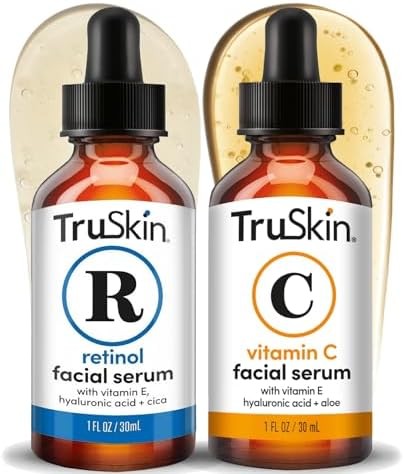
TruSkin Face Serum Duo – Vitamin C Serum & Retinol Serum for Face – AM & PM Anti Aging Skincare Routine – Brightening...
Check Price on AmazonAs an Amazon Associate we earn from qualifying purchases.
This duo provides a complete morning and evening anti-aging protocol: vitamin C serum for daytime antioxidant protection and brightening, plus retinol serum for nighttime collagen stimulation and cellular renewal. The combination addresses multiple aging pathways while simplifying your routine into two targeted products.
CeraVe Retinol Serum for Face with Niacinamide & Hyaluronic Acid
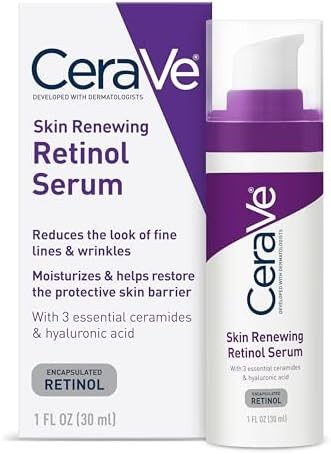
CeraVe Retinol Serum for Face with Niacinamide & Hyaluronic Acid, 1 oz
Check Price on AmazonAs an Amazon Associate we earn from qualifying purchases.
Developed with dermatologists, this fragrance-free serum pairs encapsulated retinol with niacinamide, hyaluronic acid, and CeraVe’s three essential ceramides. The encapsulation provides gradual, time-released retinol delivery that keeps irritation low, and the ceramides support the skin barrier while the retinol works—a good fit for mature skin new to retinoids or prone to sensitivity.
Neutrogena Rapid Wrinkle Repair Retinol Serum
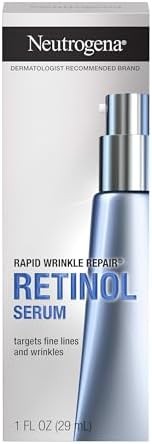
Neutrogena Rapid Wrinkle Repair Retinol Serum
Check Price on AmazonAs an Amazon Associate we earn from qualifying purchases.
Neutrogena’s Rapid Wrinkle Repair line uses Accelerated Retinol SA technology, combining retinol with a glucose complex and hyaluronic acid to support penetration and tolerance. It is positioned as a faster-acting retinol option, though any retinol still takes weeks of consistent nightly use to show measurable results, with daily sunscreen use alongside.
RoC Retinol Correxion Max Daily Hydration Face Moisturizer
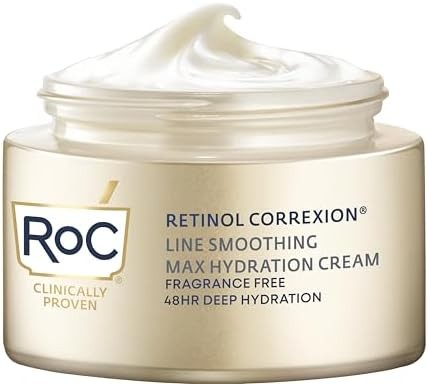
RoC Retinol Correxion Max Daily Hydration Face Moisturizer, Fragrance-Free
Check Price on AmazonAs an Amazon Associate we earn from qualifying purchases.
From a brand with 40+ years of retinol research, this fragrance-free daily moisturizer delivers RoC’s encapsulated retinol in a hydrating base. It suits mature skin that wants retinol benefits plus barrier support in one step—apply at night, or in the morning followed by SPF 30+.
How Do Peptides Support Skin Regeneration?
Peptides have evolved from skincare buzzwords to clinically validated anti-aging ingredients. These short chains of amino acids act as signaling molecules, instructing skin cells to perform specific functions—primarily increased production of collagen, elastin, and other structural components.
Understanding Peptide Mechanisms
Unlike retinoids that work through gene expression at the nuclear level, peptides function as messenger molecules. When collagen degrades, it releases peptide fragments. Your skin cells detect these fragments as signals that collagen has been damaged and responds by synthesizing new collagen to replace it.
Synthetic peptides in skincare mimic these natural signals, essentially “tricking” your skin into believing collagen has been damaged and needs replacement. The fibroblast cells responsible for collagen production respond by ramping up synthesis of new structural proteins.
This mechanism makes peptides particularly valuable for mature skin where natural collagen production has declined. Rather than waiting for actual damage to trigger repair, peptides provide continuous signaling that maintains higher baseline collagen production.
Key Peptides for Mature Skin
Matrixyl (Palmitoyl Pentapeptide-4) is one of the most extensively studied anti-aging peptides, designed to stimulate collagen production in the skin. In a 12-week double-blind, placebo-controlled split-face trial in 93 women, a moisturizer containing the peptide produced significant reductions in wrinkles and fine lines compared with the control moisturizer (PubMed 18492182).
Multi-peptide serums built around this class of collagen-signaling peptide have shown similarly rapid results. In a 28-day clinical study of a multi-peptide anti-aging eye serum in 32 women, researchers measured significant decreases in the number, depth, and volume of crow’s-feet wrinkles, alongside steady increases in skin hydration, elasticity, and firmness (PubMed 37335808). These results show peptides can improve visible signs of aging in as little as four weeks.
Argireline (Acetyl Hexapeptide-8) works through a different mechanism—muscle contraction inhibition similar to botulinum toxin but far less powerful. It interferes with the SNARE complex that enables neurotransmitter release, leading to slight relaxation of facial muscles and softening of expression lines.
A randomized, placebo-controlled study found that argireline reduced wrinkle depth by up to 30% after four weeks. Importantly, the anti-wrinkle efficacy in the argireline group was 48.9% compared with 0% in the placebo group, demonstrating clear superiority over vehicle alone.
For mature skin with pronounced forehead lines, crow’s feet, and frown lines, argireline at 10% concentration can provide noticeable smoothing without injections.
Copper Peptides (GHK-Cu) deserve special attention for mature skin due to their comprehensive anti-aging effects. GHK-Cu is a naturally occurring tripeptide-copper complex found in human plasma and skin, but its levels decline substantially with age.
Research shows GHK-Cu stimulates synthesis of collagen and glycosaminoglycans, modulates the metalloproteinases that break down existing collagen, and supports improvements in skin firmness, elasticity, and fine lines (PubMed 26236730). The copper component also serves as an essential cofactor for lysyl oxidase and lysyl hydroxylase, enzymes critical for proper collagen cross-linking and stability.
Beyond collagen stimulation, GHK-Cu modulates matrix metalloproteinases (reducing breakdown of existing collagen), stimulates wound healing, possesses anti-inflammatory properties, and promotes antioxidant enzyme activity. This multi-functional approach makes copper peptides particularly valuable for mature skin addressing multiple aging concerns simultaneously. For a comprehensive comparison of peptide supplements for wrinkle reduction, see our detailed guide.
Carnosine is a dipeptide with powerful anti-glycation properties. Glycation occurs when excess sugar molecules bind to collagen and elastin fibers, creating advanced glycation end products (AGEs) that stiffen and yellow the skin. This process accelerates in mature skin and contributes to loss of elasticity and dull complexion.
Carnosine reduces the risk of glycation formation and may help break existing AGE cross-links, potentially reversing some structural damage. For mature skin showing signs of glycation—sallow tone, loss of translucency, increased stiffness—carnosine provides a unique benefit that other peptides don’t address.
Combining Peptides with Other Ingredients
Peptides play well with most other skincare ingredients, making them excellent additions to comprehensive anti-aging routines. They can be layered with retinoids (apply peptides first, wait for absorption, then apply retinoid), combined with vitamin C (peptides after vitamin C has absorbed), and mixed with hyaluronic acid for simultaneous hydration and collagen stimulation.
One particularly effective combination for mature skin is morning application of vitamin C + peptides + hyaluronic acid, followed by moisturizer and SPF. This provides antioxidant protection, collagen signaling, and hydration in one streamlined routine.
For evening, the sequence of retinoid followed by peptide-containing moisturizer maximizes both gene-level collagen stimulation (from retinoid) and peptide signaling, creating synergistic effects that surpass either ingredient alone.
Bottom line: Peptides like Matrixyl, copper peptides, and hexapeptides signal skin cells to produce more collagen and elastin. Look for products with multiple peptides at 5-10% total concentration for best results.
Which Antioxidants Best Protect Aging Skin?
Mature skin has accumulated years of oxidative damage from UV radiation, pollution, smoking, and internal metabolic processes. While you can’t improve this history, antioxidants help neutralize ongoing damage and may gradually improve the appearance of oxidative stress-related signs like hyperpigmentation, dullness, and inflammation.
The Antioxidant Network in Skin
Your skin contains an intricate network of enzymatic and non-enzymatic antioxidants that work synergistically. Understanding this network explains why combining multiple antioxidants produces superior results compared to single-ingredient approaches.
Antioxidants function by donating electrons to unstable free radicals, neutralizing them before they damage cellular structures. However, this process oxidizes the antioxidant itself. The genius of the antioxidant network is that certain antioxidants can regenerate others, creating a self-reinforcing protective system.
Vitamin C: The Essential Antioxidant
L-ascorbic acid (vitamin C) stands as the most thoroughly researched topical antioxidant for photoaged skin (PubMed 11896774). It provides multiple anti-aging benefits beyond simple free radical neutralization.
Vitamin C is an essential cofactor for prolyl hydroxylase and lysyl hydroxylase—enzymes required for collagen synthesis. Without adequate vitamin C, collagen production cannot proceed normally. Topical application at sufficient concentrations increases collagen production independently of its antioxidant effects.
For hyperpigmentation, vitamin C inhibits tyrosinase, the enzyme responsible for melanin production. It also reduces transfer of melanin from melanocytes to keratinocytes, leading to gradual fading of age spots and more even skin tone.
The challenge with vitamin C is stability. Pure L-ascorbic acid oxidizes rapidly when exposed to light, air, and water, turning from clear to yellow-brown and losing efficacy. Effective vitamin C formulations require three conditions: L-ascorbic acid at 10-20% concentration, pH below 3.5 (to ensure skin penetration), and airless, opaque packaging.
The Vitamin C + E + Ferulic Acid Synergy
A landmark study published in the Journal of Investigative Dermatology demonstrated that combining 15% L-ascorbic acid with 1% vitamin E and 0.5% ferulic acid (PubMed 16185284) produces results greater than any component alone. This specific combination doubled photoprotection compared to vitamin C alone and increased the efficacy of vitamin C eightfold.
The mechanism involves mutual regeneration: vitamin E neutralizes free radicals but becomes oxidized in the process. Vitamin C can regenerate oxidized vitamin E, restoring its antioxidant capacity. Ferulic acid stabilizes both vitamins C and E while contributing its own antioxidant effects.
For mature skin with significant sun damage, this triple-antioxidant combination applied each morning before sunscreen provides meaningful protection against ongoing UV-induced aging.
Vitamin E: Lipid-Soluble Protection
Alpha-tocopherol (vitamin E) protects cell membranes from lipid peroxidation—a particularly damaging form of oxidative stress that affects the structural integrity of cells. As a lipid-soluble antioxidant, vitamin E integrates into the lipid bilayers of cellular membranes, providing protection exactly where it’s needed.
In mature skin with compromised barrier function, vitamin E serves double duty: protecting barrier lipids from oxidative damage while also supporting barrier repair through anti-inflammatory effects. Look for formulations with 1-5% alpha-tocopherol, preferably combined with vitamin C for synergistic benefits.
Coenzyme Q10 (Ubiquinone): Mitochondrial Support
CoQ10 plays a critical role in cellular energy production within mitochondria. It also functions as a powerful antioxidant, protecting mitochondrial membranes from oxidative damage and regenerating vitamin E.
The compelling case for CoQ10 in mature skin stems from age-related depletion. Skin CoQ10 levels decline markedly with age. This reduction impairs both cellular energy production and antioxidant defense, contributing to the functional decline that manifests as visible aging.
Clinical testing has shown benefits as well: topical CoQ10 formulations have reduced periocular wrinkle depth and helped maintain skin elasticity over the study period, while untreated control areas showed continued loss of elasticity. This suggests CoQ10 offers protective effects against ongoing elastin degradation.
CoQ10 may also stimulate collagen production by protecting mitochondrial function in fibroblast cells and reducing reactive oxygen species that would otherwise inhibit collagen synthesis. For mature skin, CoQ10 at 0.3-1% concentration provides both immediate antioxidant benefits and potential long-term structural improvements.
Resveratrol: Plant-Derived Longevity
Found in grapes, red wine, and Japanese knotweed, resveratrol has generated intense interest due to its activation of sirtuins—proteins associated with cellular longevity and stress resistance. While much resveratrol research focuses on systemic effects from oral supplementation, topical application shows promise for photoaged skin.
Resveratrol neutralizes free radicals, inhibits inflammatory pathways, and may protect against UV-induced DNA damage. Some studies suggest it enhances the efficacy of other antioxidants when used in combination. For mature skin, resveratrol at 0.5-1% concentration can complement other antioxidants in comprehensive protection protocols. Astaxanthin is another powerful antioxidant that provides exceptional protection against UV damage and oxidative stress.
Bottom line: Vitamin C serum at 10-20% L-ascorbic acid provides powerful antioxidant protection and brightening benefits. Look for formulations stabilized with vitamin E and ferulic acid in opaque, airtight packaging.
Recommended Vitamin C and Anti-Aging Supplements
TruSkin’s bestselling vitamin C serum combines vitamin C with hyaluronic acid and vitamin E for comprehensive antioxidant protection, brightening, and hydration. With over 94,000 five-star ratings, this lightweight formula has become one of the most trusted vitamin C products for mature skin, delivering visible improvements in dullness, hyperpigmentation, and overall radiance.

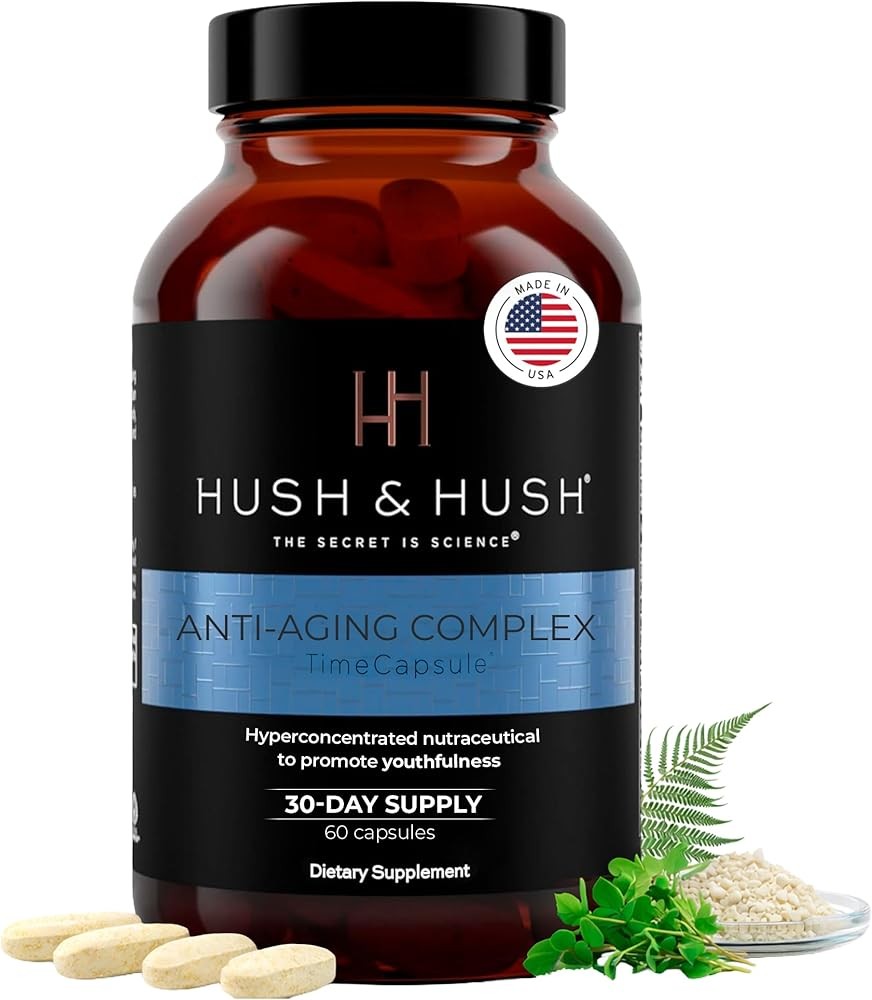
This clinically formulated supplement combines marine collagen, hyaluronic acid, vitamin C, B vitamins, and antioxidants to support skin aging from within. While topical ingredients remain more effective for targeted concerns, this supplement provides systemic support for collagen production, hydration, and antioxidant defense throughout the body.
Niacinamide: The Multi-Functional Powerhouse
Niacinamide (vitamin B3) doesn’t fit neatly into the antioxidant category, as its benefits extend far beyond free radical neutralization. However, it does possess antioxidant properties along with multiple mechanisms particularly valuable for mature skin.
A 2024 study published in Scientific Reports (PubMed 39009698) evaluated a niacinamide and hyaluronic acid formula in a two-month clinical study of 44 women. Participants showed statistically significant improvements in fine lines, wrinkles, luminosity, smoothness, homogeneity, and plumpness, and parallel tissue analysis showed increased collagen and glycosaminoglycan content.
Niacinamide enhances barrier function by increasing synthesis of ceramides, cholesterol, and fatty acids (PubMed 10971324)—the three lipid classes that form the skin’s protective barrier. For mature skin with compromised barrier function and increased sensitivity, this effect is particularly valuable.
It also inhibits melanosome transfer from melanocytes to keratinocytes, reducing hyperpigmentation and evening skin tone. Clinical studies show niacinamide at 4-5% concentration significantly improves age spots and overall pigmentation (PubMed 16029679).
The anti-inflammatory effects of niacinamide benefit mature skin prone to subtle, chronic inflammation that accelerates aging. It reduces production of pro-inflammatory cytokines while improving microcirculation.
For mature skin, niacinamide at 4-10% concentration can be used twice daily, layered with other actives. It’s remarkably compatible with other ingredients, including vitamin C (despite outdated concerns about pH incompatibility), retinoids, and peptides.
How Can You Support Skin Hydration and Barrier Function?
Before any active ingredient can work optimally, mature skin requires adequate hydration and intact barrier function. This foundation often receives insufficient attention in anti-aging discussions, yet it profoundly influences how well other ingredients perform.
Hyaluronic Acid: The Moisture Magnet
Hyaluronic acid (HA) is a glycosaminoglycan naturally abundant in skin, where it binds up to 1,000 times its weight in water, significantly improving hydration. This remarkable capacity makes HA the primary molecule responsible for skin’s hydrated, plump appearance.
Unfortunately, HA content declines approximately 50% between ages 20 and 50. This depletion contributes to the loss of volume, increased fine lines, and dehydrated appearance characteristic of mature skin.
Topical HA cannot fully replace lost intradermal HA, but it significantly improves surface hydration and skin barrier function. The key is understanding molecular weight. HA molecules come in various sizes, each serving different purposes:
High molecular weight HA (1,000-1,800 kDa) sits on the skin surface, forming a breathable film that reduces the risk of water loss and provides immediate plumping effects. This size doesn’t penetrate deeply but excels at surface hydration and barrier protection.
Medium molecular weight HA (50-1,000 kDa) penetrates into the upper epidermis, providing deeper hydration while still offering surface benefits.
Low molecular weight HA (5-50 kDa) penetrates deepest, reaching into the viable epidermis where it can exert anti-inflammatory effects and stimulate endogenous HA production.
The most effective HA serums for mature skin combine multiple molecular weights, providing immediate surface hydration, sustained deeper moisture, and potential signaling effects that encourage the skin’s own HA synthesis.
Apply HA to damp skin—this provides water molecules for the HA to bind. On completely dry skin, HA can potentially draw moisture from deeper layers up to the surface where it evaporates, creating a paradoxical dehydrating effect. Following HA with an occlusive moisturizer seals in the hydration.
Ceramides: Rebuilding the Barrier
Ceramides are lipid molecules that form approximately 50% of the skin’s barrier lipid composition and are essential for maintaining barrier function in aging skin. They create the “mortar” between keratinocyte “bricks,” reducing water loss and blocking entry of irritants and allergens.
Age-related ceramide depletion is well-documented. Mature skin shows reduced ceramide synthesis and altered ceramide composition, contributing to dryness, sensitivity, and accelerated visible aging. The chronic low-grade inflammation from a compromised barrier actually accelerates collagen breakdown and interferes with repair processes.
Topical ceramide application can meaningfully restore barrier function. Clinical studies demonstrate that ceramide-containing moisturizers improve stratum corneum hydration, reduce transepidermal water loss, and decrease irritation and sensitivity.
For mature skin, look for products containing a physiologic mixture of ceramides, cholesterol, and free fatty acids in approximately a 3:1:1 ratio—this mimics the natural barrier composition and optimizes restoration. Ceramide 1 (now called ceramide EOS), ceramide 3 (NP), and ceramide 6-II (AP) appear particularly important for barrier repair.
Apply ceramide-rich products as the final step in your evening routine (after any serums and actives have absorbed) to seal in all previous layers and support overnight barrier restoration.
Squalane: Biomimetic Hydration
Squalane is the hydrogenated, shelf-stable form of squalene—a lipid that comprises about 12% of human sebum in youth but declines significantly with age. Squalane closely mimics skin’s natural oils, allowing it to integrate seamlessly into the barrier without feeling heavy or greasy.
It provides emollient effects (smoothing and softening), occlusive benefits (reducing water loss), and antioxidant properties. For mature skin that has become drier due to reduced sebum production, squalane restores the oily component of the moisture barrier.
Squalane also enhances penetration of other ingredients when layered beneath them, making it a smart addition to routines featuring multiple actives. Use 2-3 drops morning and evening, either alone or mixed with moisturizer.
What Role Do Alpha Hydroxy Acids Play in Cell Renewal?
As cellular turnover slows with age, dead cells accumulate on the skin surface, creating dull appearance, rough texture, and amplifying the appearance of fine lines. Alpha hydroxy acids (AHAs) address this issue through chemical exfoliation—dissolving the bonds between dead skin cells to promote their shedding.
Glycolic Acid: The Collagen Stimulator
Glycolic acid, derived from sugar cane, is the smallest and most penetrative AHA, accelerating cell turnover in photoaged skin. This size advantage allows it to work both on the surface (exfoliating dead cells) and in the deeper epidermis (stimulating collagen production and improving skin architecture).
A study in the Journal of Cosmetic Dermatology (PubMed 32583600) found that glycolic acid formulations adjusted to pH 4 stimulate collagen production and epidermal renewal in human skin without increasing levels of pro-inflammatory TNF-alpha. This is significant for mature skin, which needs stimulation without inflammation.
For photoaged skin, glycolic acid at 5-10% concentration for daily use or 20-30% for weekly treatments produces visible improvements in texture, tone, and fine lines. In a landmark six-month study of photoaged forearm skin, a 25% glycolic acid lotion increased skin thickness by approximately 25%, and biopsies showed a thicker epidermis, increased dermal collagen density, improved elastic fibers, and higher acid mucopolysaccharide content (PubMed 8642081).
Start with lower concentrations (5-8%) if you’re new to AHAs or have sensitive skin. Use 2-3 times weekly initially, increasing to daily if tolerated. Always apply sunscreen, as AHAs increase photosensitivity.
Lactic Acid: The Gentle Alternative
Lactic acid, derived from milk, is a larger molecule than glycolic acid and therefore less penetrating—which translates to gentler exfoliation with less irritation potential. This makes lactic acid ideal for mature skin that’s sensitive or rosacea-prone.
Beyond exfoliation, lactic acid increases natural moisturizing factors (NMFs) in the stratum corneum, providing hydration alongside renewal. For mature skin struggling with both dullness and dryness, lactic acid at 5-10% concentration addresses both concerns simultaneously.
Long-term studies of alpha-hydroxy acids on photoaged skin show they can increase epidermal thickness and dermal glycosaminoglycan and collagen content, benefits that support firmness and volume in mature skin (PubMed 8642081, PubMed 29642579).
AHA Application Strategy for Mature Skin
Introduce AHAs gradually to avoid irritation that can worsen barrier function. Begin with 2-3 applications weekly in the evening, after cleansing and before other serums. If your routine includes retinoids, use them on alternate nights initially—combining AHA and retinoid the same evening can cause excessive irritation in mature skin.
As tolerance builds (typically 4-6 weeks), you can increase to nightly AHA use or begin alternating AHA nights with retinoid nights. Some mature skin tolerates using both together, applying AHA first, allowing it to absorb for 20 minutes, then following with retinoid.
Wait 10-15 minutes after AHA application before applying neutralizing products like moisturizers. This ensures adequate acid contact time for exfoliation. Then proceed with your usual serums and moisturizers.
Morning after AHA use, your freshly exfoliated skin is more vulnerable to UV damage. Diligent broad-spectrum SPF 30+ application is absolutely essential—non-negotiable when using AHAs.
How Do Growth Factors Work as Anti-Aging Technology?
Growth factors represent the cutting edge of topical anti-aging technology. These proteins naturally regulate cellular growth, proliferation, and differentiation. In young skin, growth factors maintain optimal cellular function. As skin ages, growth factor production and cellular responsiveness decline.
Evidence for Topical Growth Factors
A 2023 systematic review in the Journal of Cosmetic Dermatology analyzed 33 prospective studies of topical growth factor preparations for facial rejuvenation. Across the trials, growth factor serums produced modest, measurable improvements in skin texture, fine lines and wrinkles, and overall facial appearance, with a low risk of adverse effects (PubMed 37222303).
Epidermal growth factor (EGF) is among the most studied growth factors in these formulations (PubMed 37222303). Most products in the reviewed trials were applied twice daily for roughly three months before improvements were assessed—a useful benchmark for setting expectations with any growth factor serum.
Types of Growth Factors in Skincare
Epidermal Growth Factor (EGF) stimulates keratinocyte proliferation and differentiation, accelerating wound healing and epidermal renewal. For mature skin with sluggish cell turnover, EGF can restore more youthful renewal rates.
Transforming Growth Factor-beta (TGF-β) stimulates fibroblast activity, increasing collagen and elastin production. It also plays a role in wound healing and inflammation regulation.
Vascular Endothelial Growth Factor (VEGF) promotes angiogenesis—formation of new blood vessels. Improved microcirculation delivers more nutrients and oxygen to skin cells while enhancing waste removal.
Platelet-Derived Growth Factor (PDGF) stimulates fibroblast proliferation and collagen synthesis. It’s particularly important in wound healing but also supports ongoing collagen maintenance.
Important Clarification: Stem Cells vs. Growth Factors
Despite marketing claims, no skincare product contains actual stem cells—these living cells cannot survive in cosmetic formulations. What these products actually contain are growth factors, peptides, and extracellular vesicles derived from stem cell cultures.
Plant stem cell extracts provide antioxidants and may stimulate human cells through signaling molecules, but they don’t function as actual stem cells in skin. The terminology is misleading, though some formulations do contain beneficial compounds.
Using Growth Factor Serums
Growth factor serums typically work best when applied to clean skin before other actives, allowing direct contact with the epidermis. Use morning and evening after cleansing, allowing 2-3 minutes for absorption before proceeding with other serums.
Growth factors can be combined with retinoids, vitamin C, peptides, and other actives. In fact, some evidence suggests growth factors may help mitigate retinoid irritation while enhancing collagen-stimulating effects.
These serums tend to be expensive due to the cost of growth factor production. Start with a trial size to assess tolerability and results before investing in full-size products.
Why Is Sunscreen Non-Negotiable for Anti-Aging?
Before discussing any other anti-aging ingredient, dermatologists universally emphasize sunscreen. The reason is simple: UV radiation is responsible for approximately 80% of visible facial aging. No amount of retinoids, peptides, or antioxidants can improve aging if you continue to sustain daily UV damage.
UV Radiation and Skin Aging
UV radiation generates reactive oxygen species that damage cellular DNA, trigger matrix metalloproteinase activation (breaking down collagen and elastin), impair fibroblast function, cause mutations in melanocytes (leading to age spots), and accelerate all biological aging processes in skin.
The damage is cumulative and largely irreversible. Sun exposure in your 20s and 30s manifests as wrinkles and pigmentation in your 50s and 60s. However, the encouraging news is that consistent sunscreen use may help reduce the risk of new damage while allowing some repair of existing damage to occur.
A landmark Australian study (Google Scholar) followed participants for 4.5 years, comparing daily sunscreen users to occasional users. Daily sunscreen users showed measurably less skin aging than occasional users—less wrinkling, fewer age spots, and better texture. This demonstrates that sunscreen doesn’t just reduce the risk of future damage but actually allows visible improvement by stopping the ongoing assault that reduces the risk of repair processes from getting ahead.
Sunscreen Recommendations for Mature Skin
Many dermatologists recommend mineral (physical) sunscreens for mature skin. Containing zinc oxide and/or titanium dioxide, they sit on the skin surface, reflecting and scattering UV rays.
For mature skin, mineral sunscreens offer several advantages: they’re less likely to cause irritation or sensitivity, they work immediately upon application (no waiting period), they don’t absorb into skin where they might interact with other actives, and they typically contain fewer potentially sensitizing ingredients.
However, modern chemical sunscreens have also become highly sophisticated and well-tolerated. The key is choosing broad-spectrum protection (both UVA and UVB), SPF 30 or higher, and ideally water-resistant formulation even if you’re not swimming—water resistance indicates better adhesion during sweating and humidity.
For mature skin, seek sunscreens with additional beneficial ingredients: hyaluronic acid for hydration, niacinamide for brightening and barrier support, antioxidants like vitamin C or E for enhanced protection, ceramides for barrier repair, and iron oxides for visible light protection (particularly important for reducing risk of pigmentation).
Apply 1/4 teaspoon for face and neck—most people use only 25-50% of the amount needed for labeled SPF protection. Reapply every two hours during extended outdoor exposure, or at minimum, reapply once midday if you’re outdoors throughout the day.
What Are the Best Ingredients for Your Specific Age?
While the ingredients discussed above benefit mature skin across the spectrum, different decades present distinct challenges that warrant adjusted priorities.
Your 50s: Prevention Meets Correction
The 50s represent a transitional decade where prevention remains important but correction of emerging damage becomes increasingly relevant. Hormonal changes during perimenopause and menopause accelerate multiple aging processes.
Primary ingredient focus:
- Retinoids (prescription tretinoin or quality retinol): To stimulate collagen production and increase cell turnover that’s beginning to slow noticeably
- Antioxidants (vitamin C + E + ferulic acid): To neutralize ongoing oxidative stress and provide photoprotection
- Peptides (Matrixyl and copper peptides): To signal increased structural protein production
- Hyaluronic acid: To replace declining natural HA and restore plumpness
- Niacinamide: To support barrier function, reduce hyperpigmentation, and provide anti-inflammatory benefits
Secondary additions:
- Glycolic or lactic acid: To address texture and maintain efficient cell turnover
- Ceramides: To support barrier function as natural lipid production declines
- Growth factors: For comprehensive collagen stimulation
In your 50s, you can typically tolerate more aggressive approaches. If you haven’t used retinoids before, this is the ideal decade to start. The collagen stimulation and pigmentation improvement will be noticeable and meaningful.
Your 60s: Intensive Restoration
The 60s require a more nurturing approach that balances active ingredients with intensive barrier support. Skin has thinned, barrier function has declined, and sensitivity often increases.
Primary ingredient focus:
- Retinoids (continuing or starting with gentler options): Maintain collagen stimulation but be more cautious with concentration and frequency
- Peptides (particularly copper peptides and Matrixyl): These become even more important as they provide collagen stimulation without the potential irritation of higher-strength retinoids
- Barrier repair (ceramides, cholesterol, fatty acids): Essential for maintaining skin resilience and comfort
- Rich emollients (squalane, nourishing plant oils): To replace declining natural sebum production
- Antioxidants (full spectrum including CoQ10): To support cellular energy and neutralize oxidative stress
Secondary additions:
- Hyaluronic acid (multiple molecular weights): For multi-level hydration
- Niacinamide: Continuing for barrier support and anti-inflammatory benefits
- Gentle AHAs (lactic acid preferred): For renewal without excessive irritation
- Growth factors: May provide benefits with less irritation than increasing retinoid strength
In your 60s, gentle and consistent outperforms aggressive and intermittent. If retinoids cause irritation, reduce frequency rather than stopping entirely—even once or twice weekly application provides meaningful collagen stimulation. Prioritize barrier support to maintain skin’s resilience.
Your 70s and Beyond: Gentle Restoration and Protection
In the 70s and beyond, skin has become thinner, more fragile, and significantly drier. The approach shifts toward gentle restoration, intensive barrier support, and protection against further damage.
Primary ingredient focus:
- Intensive moisturization (ceramides, squalane, rich emollients): This becomes the foundation—without adequate barrier support, other actives will irritate rather than benefit
- Peptides (particularly gentle signaling peptides): These provide anti-aging benefits without the irritation potential of retinoids
- Antioxidants (niacinamide, vitamin E, CoQ10): To support cellular function and provide anti-inflammatory benefits
- Hyaluronic acid: For essential hydration in increasingly dry skin
Secondary additions:
- Gentle retinoids (low-dose retinol or bakuchiol): 1-2 times weekly if tolerated, for continued collagen support
- Growth factors: May provide benefits with minimal irritation risk
- Very gentle AHAs (lactic acid at 5%): For renewal, used sparingly
Avoid or minimize:
- High-concentration exfoliants
- Aggressive retinoid regimens
- Anything that causes stinging, burning, or visible irritation
In your 70s and beyond, protecting and supporting what you have takes precedence over aggressive correction attempts. Skin this mature cannot tolerate the same active concentrations as younger skin. The goal is comfortable, healthy skin that looks its best—not forcing tolerance of irritating regimens.
How Should You Time Your Skincare Application?
The timing of ingredient application significantly impacts both efficacy and tolerability. Understanding which ingredients work best in morning versus evening routines optimizes results.
Morning Routine: Protection and Defense
The morning routine focuses on protection against environmental damage—UV radiation, pollution, oxidative stress. Ingredients should create a defensive shield while providing a good base for makeup if desired.
Optimal morning sequence:
-
Gentle cleanser: Remove overnight product buildup and prepare skin for active ingredients
-
Vitamin C serum (10-20% L-ascorbic acid or stable derivative): Provides antioxidant protection and enhances sunscreen efficacy. Apply to clean, dry skin, allow 1-2 minutes for absorption
-
Peptide serum: Signal collagen production while skin is freshest. Apply after vitamin C has absorbed
-
Hyaluronic acid serum: Apply to slightly damp skin for optimal hydration, allow to absorb
-
Niacinamide serum or moisturizer: Supports barrier function and provides anti-inflammatory benefits throughout the day
-
Eye cream: If using a dedicated eye product, apply before final moisturizer
-
Moisturizer: Choose one appropriate for your skin’s needs—lighter for normal/combination, richer for dry. Should contain barrier-supporting ingredients like ceramides
-
Sunscreen SPF 30+: The non-negotiable final step. Apply generously (1/4 teaspoon for face and neck), allow to set before makeup
Evening Routine: Repair and Restoration
Evening routines focus on active ingredients that stimulate repair processes, exfoliate, and restore barrier function while you sleep. This is when most cellular repair occurs naturally, and when potentially irritating actives won’t be exposed to UV radiation.
Optimal evening sequence:
-
First cleanse (oil cleanser or micellar water if wearing makeup/sunscreen): Remove makeup, sunscreen, and surface debris
-
Second cleanse (gentle water-based cleanser): Ensure skin is thoroughly clean without stripping
-
Pat dry and wait 20-30 minutes: Allows skin to reach normal pH and ensures complete dryness before applying actives
-
AHA treatment (if using): Apply glycolic or lactic acid product, allow 10-15 minutes before next step. Or…
-
Retinoid (tretinoin, retinol, or adapalene): If not using AHA, or on alternating nights. Apply pea-sized amount, avoid immediate eye area, allow 20-30 minutes for absorption
-
Peptide serum: Provides collagen-stimulating signals to complement retinoid effects
-
Hyaluronic acid serum: Multiple molecular weights for overnight hydration
-
Growth factor serum (if using): Supports overnight repair processes
-
Eye cream: Richer formulation for intensive overnight repair
-
Nighttime moisturizer: Should be richer than morning version, ideally containing ceramides, nourishing lipids, and occlusive ingredients to seal in all previous layers
-
Facial oil or occlusive balm (optional): For very dry skin, seal everything with squalane oil or a barrier repair balm
Alternating Active Nights
Many mature skin types cannot tolerate retinoids and AHAs every night, particularly when first introducing these ingredients. An alternating schedule reduces the risk of irritation while maintaining benefits:
Monday, Wednesday, Friday: Retinoid night Tuesday, Thursday, Saturday: AHA night Sunday: Recovery night (skip retinoid and AHA, focus on hydration and barrier repair)
After 4-8 weeks, if your skin tolerates this schedule without irritation, you can try increasing frequency or even combining retinoid and AHA (AHA first, wait 15 minutes, then retinoid). However, many mature skin types find alternating nights indefinitely works best.
Layering Protocols: Combining Ingredients for Maximum Effect
The sequence in which you apply products significantly impacts both efficacy and potential for irritation. Follow these principles for optimal layering:
The Fundamental Principles
1. Thinnest to thickest consistency: Water-based serums before oils before creams before balms
2. Lowest to highest pH: Acidic products (vitamin C at pH 3.5, AHAs at pH 3-4) before neutral pH products (peptides, niacinamide at pH 5-7)
3. Active ingredients before moisturizers: Actives need direct skin contact for penetration; applying moisturizer first creates a barrier
4. Wait times between incompatible pH ranges: Allow 1-2 minutes between very acidic products (vitamin C, AHAs) and neutral-pH products for optimal efficacy of each
5. Sunscreen always last in morning routines: Nothing should be applied over sunscreen or it will compromise the protective film
Sample Layering Sequences
For Anti-Aging and Hyperpigmentation (50s)
Morning:
- Cleanser
- Vitamin C serum (L-ascorbic acid 10-20%)
- Wait 1-2 minutes
- Matrixyl peptide serum
- Hyaluronic acid serum
- Niacinamide moisturizer
- SPF 40+ sunscreen
Evening:
- Double cleanse
- Wait 20 minutes
- Tretinoin 0.025% or retinol 0.5%
- Wait 20 minutes
- Copper peptide serum
- Hyaluronic acid serum
- Ceramide-rich night cream
- Squalane oil (if extra dryness)
For Sensitive, Barrier-Compromised Mature Skin (60s-70s)
Morning:
- Gentle, creamy cleanser
- Niacinamide serum
- Hyaluronic acid serum (multiple molecular weights)
- Peptide moisturizer with ceramides
- Squalane oil (2-3 drops mixed into moisturizer)
- Mineral SPF 30+ with zinc oxide
Evening:
- Gentle cleanse (single cleanse)
- Wait 20 minutes
- Bakuchiol serum 1% OR retinol 0.25% (2-3x weekly)
- Wait 15 minutes
- Copper peptide serum
- Hyaluronic acid serum
- Rich barrier repair cream with ceramides
- Occlusive balm on any particularly dry areas
For Maximum Anti-Aging (Can Tolerate Multiple Actives)
Morning:
- Cleanser
- Vitamin C + E + ferulic acid serum
- Wait 2 minutes
- Growth factor serum
- Matrixyl peptide serum
- Niacinamide serum
- Hyaluronic acid serum
- Antioxidant moisturizer with CoQ10
- Tinted SPF 45+ with iron oxides
Evening (Monday/Wednesday/Friday):
- Double cleanse
- Wait 30 minutes
- Tretinoin 0.05%
- Wait 30 minutes
- Copper peptide serum
- Argireline peptide serum
- Hyaluronic acid
- Growth factor serum
- Rich night cream
- Squalane oil
Evening (Tuesday/Thursday/Saturday):
- Double cleanse
- Wait 20 minutes
- Glycolic acid 10%
- Wait 15 minutes
- Peptide complex serum
- Niacinamide serum
- Hyaluronic acid
- Barrier repair night cream
- Facial oil
Evening (Sunday - Recovery):
- Gentle cleanse
- Hyaluronic acid serum
- Peptide serum
- Ceramide serum
- Rich moisturizer
- Occlusive balm
- Sheet mask (optional)
Five Combination Protocols for Specific Concerns
Different aging concerns require tailored ingredient combinations. These protocols address the most common mature skin challenges.
Protocol 1: Deep Wrinkles and Volume Loss
Goal: Stimulate maximum collagen production, restore structural support, improve skin thickness
Key ingredients:
- Tretinoin 0.05% or retinol 1% (evening, 5-7x weekly)
- Matrixyl 3000 peptide complex (morning and evening)
- Copper peptides GHK-Cu (evening)
- Growth factors EGF and TGF-β (morning)
- Vitamin C 10-20% (morning)
- Niacinamide 5% (morning)
Rationale: This protocol layers multiple collagen-stimulating mechanisms. Tretinoin works at the gene expression level, peptides provide signaling molecules, growth factors directly stimulate fibroblast activity, and vitamin C provides the essential cofactor for collagen synthesis. Niacinamide supports barrier function to tolerate the aggressive active regimen.
Application sequence:
- Morning: Vitamin C → growth factors → Matrixyl → niacinamide serum → moisturizer → SPF
- Evening: Tretinoin (wait 30 min) → copper peptides → Matrixyl → ceramide-rich moisturizer
Expected timeline: Visible improvement in fine lines by 4-6 weeks, significant improvement in deeper wrinkles by 3-6 months, continued improvement up to 12 months
Protocol 2: Hyperpigmentation and Uneven Tone
Goal: Inhibit melanin production, accelerate pigmented cell turnover, provide antioxidant protection
Key ingredients:
- Tretinoin 0.025% or retinol 0.5% (evening, 5-7x weekly)
- Vitamin C 10-20% L-ascorbic acid (morning)
- Niacinamide 5% (morning and evening)
- Tranexamic acid 2-5% (morning and evening)
- Azelaic acid 10% (morning or evening)
- Alpha arbutin 2% (morning and evening)
- Licorice root extract (morning)
- SPF 50+ with iron oxides (critical for visible light protection)
Rationale: Multiple pathways of melanin inhibition work synergistically. Vitamin C inhibits tyrosinase, niacinamide blocks melanosome transfer, tretinoin accelerates turnover of pigmented cells, tranexamic acid reduces inflammatory pigmentation, and azelaic acid inhibits abnormal melanocytes. Strict sun protection reduces the risk of new pigmentation.
Application sequence:
- Morning: Vitamin C → tranexamic acid → alpha arbutin/licorice extract → niacinamide serum → azelaic acid → moisturizer → SPF 50+
- Evening: Tretinoin (wait 30 min) → tranexamic acid → niacinamide moisturizer
Expected timeline: Initial lightening visible by 4-8 weeks, significant improvement by 3-4 months, continued fading up to 6-12 months. Consistency and sun protection are critical.
Protocol 3: Sensitive, Reactive Mature Skin
Goal: Rebuild barrier function, reduce inflammation, provide gentle anti-aging benefits without irritation
Key ingredients:
- Bakuchiol 1% (evening, daily) OR low-dose retinol 0.25% (evening, 2-3x weekly)
- Niacinamide 5% (morning and evening)
- Ceramides (ceramide EOS, NP, AP) with cholesterol and fatty acids (morning and evening)
- Azelaic acid 10% (anti-inflammatory and gentle brightening) (morning or evening)
- Centella asiatica (madecassoside) (morning and evening)
- Panthenol 5% (morning and evening)
- Colloidal oatmeal (morning and evening)
- Mineral SPF 30+ zinc oxide (gentlest option)
Rationale: This protocol prioritizes barrier repair and anti-inflammatory ingredients while providing gentle anti-aging benefits through bakuchiol or minimal retinol. Every ingredient is selected for tolerability while maintaining efficacy.
Application sequence:
- Morning: Niacinamide + centella serum → azelaic acid → ceramide moisturizer → mineral SPF
- Evening: Bakuchiol OR retinol 0.25% → niacinamide + panthenol serum → ceramide barrier repair cream
Expected timeline: Reduced reactivity and sensitivity within 2-4 weeks, improved barrier function by 4-6 weeks, gentle anti-aging improvements visible by 3-4 months
Protocol 4: Crepey Texture and Dehydration
Goal: Restore multi-level hydration, improve skin texture, enhance plumpness and smoothness
Key ingredients:
- Hyaluronic acid (low, medium, and high molecular weight) (morning and evening)
- Lactic acid 8% (evening, 3-4x weekly)
- Retinol 0.5% (evening, 3-4x weekly on non-acid nights)
- Niacinamide 5% (morning and evening)
- Ceramides (morning and evening)
- Glycerin (morning and evening)
- Panthenol (morning and evening)
- Squalane (morning and evening)
- Urea 5% (evening)
Rationale: This protocol combines exfoliation (lactic acid increases both surface smoothness and natural moisturizing factors), retinol (improves dermal structure), and intensive multi-level hydration. Lactic acid is chosen over glycolic acid because it simultaneously exfoliates and hydrates.
Application sequence:
- Morning: Multi-weight HA serum on damp skin → niacinamide serum → ceramide + glycerin moisturizer → squalane (2-3 drops) → SPF
- Evening (acid nights): Lactic acid 8% (wait 15 min) → HA serum → niacinamide + panthenol → urea cream → squalane
- Evening (retinol nights): Retinol 0.5% (wait 20 min) → HA serum → ceramide moisturizer → squalane
Expected timeline: Improved surface hydration within days, visible texture improvement by 4-6 weeks, significant improvement in crepiness by 8-12 weeks
Protocol 5: Comprehensive Age-Prevention (50s, Still Preventing)
Goal: Reduce the risk of future aging while addressing early signs, maintain optimal skin function
Key ingredients:
- Tretinoin 0.025% or retinol 0.5-1% (evening, 5-7x weekly)
- Vitamin C + E + ferulic acid (morning)
- Niacinamide 5% (morning and evening)
- Peptide complex (Matrixyl + argireline) (morning and evening)
- Hyaluronic acid (morning and evening)
- Glycolic acid 8% (evening, 2x weekly)
- CoQ10 0.5% (morning)
- Resveratrol 1% (evening)
- SPF 40+ broad spectrum (morning, reapply afternoon if outdoors)
Rationale: This prevention-focused protocol combines proven anti-aging actives at moderate concentrations to reduce the risk of future damage while addressing early signs. Regular retinoid use stimulates collagen and reduces the risk of photodamage, comprehensive antioxidants neutralize oxidative stress, and periodic exfoliation maintains optimal turnover.
Application sequence:
- Morning: Vitamin C + E + ferulic → CoQ10 serum → peptide complex → niacinamide + HA moisturizer → SPF 40+
- Evening (most nights): Tretinoin (wait 30 min) → resveratrol → peptide complex → HA → niacinamide moisturizer
- Evening (2x weekly): Glycolic acid 8% (wait 15 min) → peptide complex → HA → rich moisturizer
Expected timeline: Maintenance of current skin quality with slow, steady improvements rather than dramatic transformation. The goal is looking the same or better in 5-10 years rather than rapid correction of existing damage.
Side Effects, Sensitivities, and Patch Testing
Even the most effective ingredients can cause problems if used incorrectly or if your skin doesn’t tolerate them. Understanding potential side effects and how to minimize them is essential for successful mature skincare.
Common Side Effects by Ingredient
Retinoids: The most common side effects include dryness, peeling, redness, increased sensitivity, and a temporary worsening of acne (purging) though this is less common in mature skin. These effects typically peak at 2-4 weeks and diminish by 8-12 weeks as skin adapts.
To minimize retinoid irritation: start with the lowest concentration, use every 3rd night initially and increase gradually, apply to completely dry skin, wait before applying moisturizer, avoid the eye area, and provide intensive barrier support with ceramides and nourishing moisturizers.
AHAs (Glycolic, Lactic Acid): Can cause stinging upon application, redness, increased sun sensitivity, and dryness. In mature skin, over-exfoliation with AHAs can worsen barrier function, leading to increased sensitivity and moisture loss.
To minimize AHA side effects: start with lower concentrations (5-8%), use 2-3x weekly initially, apply to dry skin, wait before neutralizing with moisturizer, and be meticulous about daily sunscreen use.
Vitamin C (L-Ascorbic Acid): The low pH required for efficacy can cause stinging, particularly in sensitive or barrier-compromised skin. Some people experience redness or flushing immediately after application. Rarely, vitamin C can cause oxidative stress if the formula has degraded (turned brown).
To minimize vitamin C irritation: ensure the formula is fresh (clear to pale yellow, not brown), apply to dry skin, start with every other day if sensitive, and follow with barrier-supporting moisturizer. If L-ascorbic acid is too irritating, try a derivative like magnesium ascorbyl phosphate or sodium ascorbyl phosphate at neutral pH.
Niacinamide: Generally well-tolerated, but concentrations above 5% can cause flushing in some individuals. Rarely, people experience acne-like bumps, though this is uncommon in mature skin.
To minimize niacinamide reactions: start with 2-4% concentration and increase if tolerated, apply after other actives have absorbed, and ensure your formula doesn’t combine niacinamide with very acidic ingredients in unstable formulations (though this concern is often overstated).
Peptides: Generally among the gentlest anti-aging ingredients with minimal side effects. Occasionally cause mild irritation if combined with too many other actives.
Hyaluronic Acid: Can cause breakouts in very rare cases, though this is uncommon in mature skin. The more common issue is paradoxical dryness if applied to completely dry skin in very low-humidity environments without occlusive follow-up.
To optimize HA: apply to damp skin, follow with moisturizer, and consider adding a humidifier if you live in arid climate.
The Importance of Patch Testing
Before introducing any new active ingredient, particularly retinoids, AHAs, or vitamin C, perform a patch test:
- Apply a small amount of product to the inside of your forearm or behind your ear
- Leave on for 24-48 hours, applying as you would to your face
- Watch for redness, itching, burning, swelling, or rash
- If no reaction occurs, proceed with facial use starting with a small area
For mature skin starting multiple new products, introduce one at a time with 2-week intervals. This allows you to identify which specific ingredient causes problems if a reaction occurs.
When to Stop Using an Ingredient
Immediate discontinuation indicators:
- Severe burning or stinging that doesn’t subside within minutes
- Rapid development of hives, swelling, or rash
- Blistering or oozing
- Severe redness that doesn’t fade within hours
Consider discontinuation or reduction if:
- Mild irritation persists beyond 8 weeks without improvement
- Increasing dryness and flaking despite adequate moisturizing
- New sensitivity to previously tolerated products
- Worsening of skin appearance rather than gradual improvement
Normal adjustment reactions (continue with modifications):
- Mild tingling upon application that subsides within minutes
- Slight dryness or flaking for the first 4-6 weeks on retinoids
- Temporary slight redness that fades within an hour
- Mild purging of existing clogged pores (on retinoids, first 4 weeks)
If you experience concerning reactions, reduce frequency, decrease concentration, or temporarily stop the ingredient while focusing on barrier repair. You can often reintroduce the ingredient successfully after 2-4 weeks of barrier restoration. If irritation is severe, persistent, or accompanied by blistering or oozing, stop the product and see a board-certified dermatologist before resuming any active ingredient.
Ingredient Comparison Table
| Ingredient | Primary Benefit | Mechanism | Concentration | Use Frequency | Best For | Pairs Well With | Potential Issues |
|---|---|---|---|---|---|---|---|
| Tretinoin | Wrinkles, texture, pigmentation | Gene expression modulation, collagen stimulation | 0.025-0.1% | Evening, 3-7x/week | Deep wrinkles, photodamage, hyperpigmentation | Peptides, HA, niacinamide, ceramides | Dryness, peeling, sensitivity |
| Retinol | Wrinkles, texture | Converts to retinoic acid, collagen stimulation | 0.25-1% | Evening, 3-7x/week | Anti-aging, moderate wrinkles | Peptides, HA, niacinamide | Milder irritation than tretinoin |
| Bakuchiol | Wrinkles, gentler alternative | Collagen stimulation, fibronectin increase | 0.5-2% | Morning or evening, daily | Sensitive skin, can’t tolerate retinoids | Peptides, HA, vitamin C, niacinamide | Very minimal |
| Matrixyl Peptides | Collagen production | Signals fibroblasts | 3-10% | Morning and evening | Volume loss, wrinkles | Retinoids, vitamin C, HA, niacinamide | Very minimal |
| Argireline | Expression lines | Muscle relaxation | 5-10% | Morning and evening | Forehead lines, crow’s feet | Matrixyl, retinoids, HA | Very minimal |
| Copper Peptides (GHK-Cu) | Collagen, wound healing, comprehensive | Multiple pathways | 0.5-3% | Evening preferred | Overall aging, skin quality | Retinoids, HA, niacinamide | Don’t mix with vitamin C same step |
| Vitamin C (L-Ascorbic Acid) | Antioxidant, brightening, collagen | Free radical neutralization, tyrosinase inhibition | 10-20% | Morning | Pigmentation, photoprotection, dullness | Vitamin E, ferulic acid, peptides, HA | Low pH can irritate; stability issues |
| Vitamin E | Antioxidant, barrier support | Lipid peroxidation prevention | 1-5% | Morning and evening | Dryness, barrier repair | Vitamin C, ferulic acid, ceramides | Very minimal |
| Ferulic Acid | Antioxidant, vitamin stabilizer | Free radical neutralization | 0.5-1% | Morning | Photoprotection, enhancing other antioxidants | Vitamin C, vitamin E | Very minimal |
| Niacinamide | Barrier repair, brightening, anti-inflammatory | Ceramide synthesis, melanin transfer inhibition | 2-10% | Morning and evening | Barrier dysfunction, sensitivity, pigmentation | Almost everything except copper peptides | Flushing at high concentrations |
| Hyaluronic Acid | Hydration, plumpness | Water binding | 0.5-2% | Morning and evening | Dryness, fine lines | Everything | Use on damp skin |
| Ceramides | Barrier repair | Lipid barrier restoration | 1-5% | Morning and evening | Dryness, sensitivity, barrier damage | Cholesterol, fatty acids, niacinamide, HA | Very minimal |
| Glycolic Acid | Exfoliation, collagen stimulation | Dead cell removal, dermal stimulation | 5-10% daily, 20-30% weekly | Evening, 2-7x/week | Rough texture, dullness, moderate wrinkles | Peptides, HA, niacinamide (not same time as retinoid initially) | Irritation, sun sensitivity |
| Lactic Acid | Gentle exfoliation, hydration | Dead cell removal, NMF increase | 5-10% | Evening, 2-7x/week | Sensitive skin, texture, dryness | Peptides, HA, niacinamide | Less irritation than glycolic |
| Growth Factors (EGF, TGF-β) | Collagen, cell renewal | Direct cellular stimulation | Varies by product | Morning and evening | Comprehensive anti-aging | Retinoids, peptides, HA | Expensive; product quality varies |
| CoQ10 (Ubiquinone) | Antioxidant, energy support | Mitochondrial function, free radical neutralization | 0.3-1% | Morning preferred | Energy-depleted skin, wrinkles | Vitamin E, niacinamide, HA | Very minimal |
| Resveratrol | Antioxidant, longevity pathways | Sirtuin activation, free radical neutralization | 0.5-1% | Evening preferred | Oxidative stress, inflammation | Other antioxidants, peptides | Very minimal |
| Squalane | Hydration, barrier support | Biomimetic lipid | Pure oil | Morning and evening | Dryness, barrier repair | Everything | Very minimal |
| Azelaic Acid | Brightening, anti-inflammatory | Tyrosinase inhibition, anti-inflammatory | 10-20% | Morning or evening | Pigmentation, redness, sensitivity | Niacinamide, HA, peptides | Mild tingling possible |
Frequently Asked Questions
Q: Can I use retinol and vitamin C together?
A: Yes, but timing matters. The most effective approach is vitamin C in the morning (providing antioxidant protection throughout the day) and retinol in the evening (stimulating repair during sleep). Both ingredients can increase sensitivity, so this separation reduces the risk of excessive irritation while maximizing the distinct benefits each provides.
Some people successfully use both in the same routine by applying vitamin C first, waiting for complete absorption (3-5 minutes), then applying retinol. However, for mature skin, the morning/evening split is generally better tolerated.
Q: How long before I see results from anti-aging ingredients?
A: Timeline varies by ingredient and concern:
- Hydration improvements (HA, glycerin): Within days
- Barrier improvements (ceramides, niacinamide): 2-4 weeks
- Texture smoothing (AHAs): 2-4 weeks
- Fine line softening (retinoids, peptides): 4-8 weeks
- Deeper wrinkle improvement (retinoids, peptides): 3-6 months
- Hyperpigmentation fading: 4-12 weeks for visible improvement, 3-6 months for significant fading
- Collagen building (retinoids, vitamin C, peptides): 3-6 months for visible firmness improvement
Consistency is critical. Most people abandon effective ingredients just before results become visible. Clinical studies of retinoids show continued improvement for 6-12 months of use.
Q: Are expensive anti-aging products worth it compared to drugstore options?
A: Not necessarily. The active ingredient and its concentration matter more than price or packaging. A drugstore retinol at 0.5% concentration will outperform a luxury cream with 0.1% retinol and elegant packaging.
However, some expensive products do offer advantages: superior formulation technology (better stability, penetration), higher concentrations of actives, combination of multiple proven ingredients, more elegant textures, and better packaging (airless pumps for vitamin C).
Evaluate products based on active ingredient concentration and formulation quality, not price alone. Many effective anti-aging ingredients (tretinoin, generic retinol, niacinamide, hyaluronic acid, ceramides) are available in affordable products.
Q: Is it ever too late to start using anti-aging ingredients?
A: No. Studies show that even skin in the 60s, 70s, and beyond responds to retinoids, peptides, and other actives with measurable improvements in collagen production, thickness, and appearance. The improvements may take longer to become visible in very mature skin, but they do occur. Red light therapy can enhance topical treatments by stimulating collagen production at the cellular level.
In a randomized, vehicle-controlled trial, topical 0.4% retinol applied to the skin of elderly adults (average age 87) three times weekly for 24 weeks significantly improved fine wrinkles and increased glycosaminoglycan and procollagen production in treated skin (PubMed 17515510). While you cannot completely erase decades of sun damage and chronological aging, you can meaningfully improve your skin’s appearance and function at any age.
Q: Should I use different products in summer versus winter?
A: Yes, seasonal adjustments optimize results and comfort:
Summer modifications: Lighter moisturizers (gels or lotions vs. rich creams), higher SPF with more frequent reapplication, potentially reduce retinoid frequency if excessive sun exposure increases sensitivity, and emphasize antioxidants for enhanced UV protection.
Winter modifications: Richer moisturizers with more occlusive ingredients, additional facial oils or balms if needed, potentially reduce exfoliant frequency (cold, dry air already stresses barrier), and consider humidifier use in heated environments.
The core ingredients (retinoid, vitamin C, peptides, etc.) remain consistent year-round, but supporting products adjust to environmental conditions.
Q: Can supplements replace topical anti-aging ingredients?
A: No, they serve different purposes. Oral anti-aging supplements (collagen peptides, vitamins C and E, antioxidants) may provide systemic benefits, but they cannot deliver the high local concentrations that topical application provides to the specific area you’re treating.
Topical retinoids, for example, achieve skin concentrations impossible through oral intake without severe systemic side effects. Topical vitamin C delivers 20-30 times higher skin levels than oral supplementation.
The ideal approach combines both: topical ingredients for targeted, high-concentration local effects, and oral supplements for systemic support. However, if choosing only one approach for skin aging, topical ingredients are more effective.
Q: What’s the minimum anti-aging routine for mature skin?
A: A truly minimal but effective routine includes:
- Gentle cleanser (evening)
- Retinoid (tretinoin or retinol, evening, 3-7x weekly)
- Moisturizer with ceramides (morning and evening)
- Broad-spectrum SPF 30+ (morning, generously applied)
This four-product routine addresses the primary mechanisms of aging: retinoid stimulates collagen and accelerates renewal, moisturizer supports barrier function, and sunscreen reduces the risk of new damage. While additional ingredients enhance results, this core routine produces meaningful anti-aging effects.
Q: How do I know if a product is actually working or if it’s just placebo?
A: Objective tracking helps:
- Take photos in consistent lighting, angles, and distance every 4 weeks
- Track specific concerns (count visible age spots, measure wrinkle depth with caliper if very motivated)
- Note functional improvements (does skin feel more resilient? Does makeup apply more smoothly?)
- Give adequate time (minimum 8-12 weeks for most actives)
- Change one variable at a time (if you start five products simultaneously, you won’t know which works)
Some improvements are subtle and gradual—you may not notice day-to-day but comparing photos from 3 months prior reveals meaningful changes. If you see absolutely no difference after 3-4 months of consistent use, either the product is ineffective or your expectations may be unrealistic for the degree of aging present.
Related Reading
- Best Collagen Supplements for Sagging Skin and Wrinkles
- Best Peptides for Wrinkle Reduction and Skin Elasticity
- Best Hyaluronic Acid Supplements for Skin
- Best Ceramide Supplements for Skin Barrier and Anti-Aging
- Bakuchiol: Natural Retinol Alternative for Skin
- Astaxanthin Benefits for Skin Anti-Aging
- Red Light Therapy for Wrinkles
- Best LED Face Masks for Anti-Aging
- Anti-Aging Supplements for Women in Their 40s
Conclusion: Building Your Personalized Mature Skin Regimen
The science of skincare has evolved dramatically, offering mature skin an unprecedented array of clinically validated ingredients that meaningfully address aging at multiple biological levels. Unlike the cosmetic industry of previous decades, today’s best anti-aging ingredients work through proven mechanisms—stimulating collagen production, neutralizing oxidative damage, strengthening barrier function, and accelerating cellular renewal.
The key to success lies not in using every ingredient discussed, but in selecting those most appropriate for your specific concerns, skin sensitivity, and tolerance for complex routines. A streamlined regimen used consistently outperforms an elaborate protocol abandoned after two weeks.
Start with the foundations: gentle cleansing, a retinoid (or bakuchiol if sensitive), a basic moisturizer with barrier-supporting ingredients, and diligent sunscreen use. This core routine addresses the primary mechanisms of aging and reduces the risk of future damage.
From this foundation, add targeted ingredients based on your specific concerns: peptides for collagen support, vitamin C for brightening and antioxidant protection, AHAs for texture refinement, or intensive hydration for crepey, dehydrated skin.
Remember that skin in your 50s, 60s, and 70s requires more than aggressive active ingredients—it needs comprehensive barrier support, adequate hydration, and gentle, consistent care that respects its increased sensitivity and decreased resilience.
The ingredients discussed in this guide represent the current gold standard in anti-aging skincare, backed by clinical evidence and decades of dermatological research. Used correctly and consistently, they offer mature skin the best opportunity to look and function at its optimal level, revealing healthier, more radiant skin at any age.
Sources
- Topical palmitoyl pentapeptide provides improvement in photoaged human facial skin - PubMed
- Clinical evidence of the efficacy and safety of a new multi-peptide anti-aging topical eye serum - PubMed
- GHK Peptide as a Natural Modulator of Multiple Cellular Pathways in Skin Regeneration - PubMed
- Prospective, randomized, double-blind assessment of topical bakuchiol and retinol for facial photoageing - PubMed
- The anti-wrinkle efficacy of argireline, a synthetic hexapeptide, in Chinese subjects - PubMed
- Glycolic acid adjusted to pH 4 stimulates collagen production and epidermal renewal without affecting proinflammatory TNF-alpha - PubMed
- Effects of alpha-hydroxy acids on photoaged skin: a pilot clinical, histologic, and ultrastructural study - PubMed
- Dual Effects of Alpha-Hydroxy Acids on the Skin - PubMed
- Ferulic acid stabilizes a solution of vitamins C and E and doubles its photoprotection of skin - PubMed
- Double-blind, half-face study comparing topical vitamin C and vehicle for rejuvenation of photodamage - PubMed
- Nicotinamide increases biosynthesis of ceramides as well as other stratum corneum lipids - PubMed
- Niacinamide: A B vitamin that improves aging facial skin appearance - PubMed
- Senomorphic activity of a combination of niacinamide and hyaluronic acid - PubMed
- Improvement of naturally aged skin with vitamin A (retinol) - PubMed
- Topical growth factor preparations for facial skin rejuvenation: a systematic review - PubMed
- Research Progress on Skin Aging and Active Ingredients - PMC
- The Role of Coenzyme Q10 in Skin Aging - PMC
- How to care for your skin in your 60s and 70s - AAD
- 21 Best Anti-Aging Ingredients for Skin, According to Derms
Recommended Products