Cellulite Supplements: Gotu Kola Shows 20-50% Improvement (Collagen +11-15%)
Summarized from peer-reviewed research indexed in PubMed. See citations below.
Cellulite affects 80-90% of women regardless of body weight, caused by weakened collagen, enlarged fat chambers, and impaired circulation in the skin’s structural layers. Gotu kola extract standardized to 60-120mg triterpenes daily has the strongest clinical evidence for cellulite reduction, backed by controlled trials showing 20-50% improvement in skin texture and firmness over 12-16 weeks, available for $12-25 monthly. Multiple controlled studies demonstrate Gotu kola stimulates fibroblast activity and collagen synthesis in the dermis while strengthening capillary walls, addressing the root structural and circulatory deficits underlying cellulite formation. Hydrolyzed collagen peptides at 10-15g daily provide a cost-effective budget alternative at $25-45 monthly, with clinical trials showing 9-15% reduction in cellulite dimpling after 6 months. Here’s what the published research shows about supplements that target the structural causes rather than surface symptoms.
Disclosure: We may earn a commission from links on this page at no extra cost to you. Affiliate relationships never influence our ratings. Full policy →
Cellulite—the dimpled, "orange peel" or "cottage cheese" appearance of skin on thighs, buttocks, and abdomen—affects 80-90% of women (and 10% of men), regardless of body weight or fitness level. It’s not simply excess fat; it’s a complex structural issue involving weakened dermal collagen and elastin, enlarged fat lobules herniating through connective tissue, impaired microcirculation, inflammation, and fluid retention.
The biology is clear but often misunderstood: cellulite forms when subcutaneous fat chambers push through weakened connective tissue septae (fibrous bands) in the dermis, creating surface dimpling. Women are anatomically predisposed—female skin has thinner epidermis and dermis, perpendicular connective tissue orientation (vs diagonal in men), higher estrogen promoting fat storage in hips/thighs, and hormonal fluctuations degrading collagen. Aging accelerates cellulite as skin loses thickness, collagen production declines, microcirculation worsens, and fat distribution shifts.
No topical cream or supplement reduces cellulite—claims of “cellulite supports recovery from” are fraudulent. However, specific supplements targeting collagen synthesis PubMed 41788055, vascular integrity, inflammation, and skin thickness can meaningfully improve cellulite appearance by 20-40% over 3-6 months. This isn’t magic; it’s addressing the underlying structural and circulatory deficits through evidence-based mechanisms.
This guide examines supplements with clinical trial evidence for cellulite reduction PubMed 39731691: Gotu kola for collagen remodeling, collagen peptides for dermal thickening, grape seed extract for microvascular support, vitamin C for collagen synthesis, horse chestnut for venous insufficiency, and emerging options like astaxanthin and resveratrol—with realistic expectations, dosing protocols, and lifestyle factors that amplify or negate supplement effects.
Why Does Cellulite Form and What Can Be Modified?
Cellulite results from multiple interacting factors, involving structural, hormonal, and circulatory components PubMed 38638000:
1. Connective tissue structure (genetic, hormonal): Women have perpendicular fibrous septae that allow fat chambers to bulge upward, creating dimples. Men have crisscross septae that better contain fat. Not directly modifiable, but collagen/elastin strengthening can improve structural integrity.
2. Skin thickness and collagen content: Thinner skin with less dermal collagen shows cellulite more prominently. Aging reduces collagen synthesis by 1-1.5% yearly after age 30. Modifiable through collagen peptides, vitamin C, Gotu kola, retinoids.
3. Subcutaneous fat volume: Larger fat lobules create more pronounced bulging. However, thin women get cellulite too—it’s not purely a body fat issue. Partially modifiable through diet/exercise, but losing fat doesn’t reduce cellulite if structural issues persist.
4. Microcirculation and lymphatic drainage: Poor blood flow and lymphatic stagnation cause fluid retention and metabolic waste accumulation, worsening dimpling appearance. Modifiable through grape seed extract, horse chestnut, exercise.
5. Inflammation and oxidative stress: Chronic inflammation degrades collagen and elastin. Modifiable through antioxidants (astaxanthin, resveratrol, vitamin C, E).
6. Hormonal factors: Estrogen promotes fat deposition in hips/thighs and can weaken connective tissue. Progesterone and cortisol fluctuations affect fluid retention. Partially modifiable through hormone balance, stress reduction.
Supplements work by targeting modifiable factors (#2, #4, #5 primarily). They don’t change genetics or connective tissue orientation, so complete elimination is unrealistic. Realistic goal: 20-40% reduction in visible dimpling, improved skin texture and firmness, reduced fluid retention.
| Supplement | Daily Dose | Primary Mechanism | Clinical Evidence | Timeline | Monthly Cost |
|---|---|---|---|---|---|
| Gotu Kola | 60-120mg triterpenes | Stimulates collagen synthesis, strengthens capillaries | 50% showed moderate-marked improvement in 3-month trial; 70% vs 15% placebo improvement | 12-16 weeks | $12-25 |
| Collagen Peptides | 10-15g hydrolyzed | Provides amino acids for collagen production, thickens dermis | 9-15% reduction in cellulite dimpling, 7% skin thickness increase in 6-month trials | 8-12 weeks | $25-45 |
| Grape Seed Extract | 150-300mg OPC | Strengthens capillaries, reduces fluid retention | 21% cellulite grade reduction in 12-week combination study, improved microcirculation | 4-6 weeks (fluid), 12+ weeks (structure) | $10-20 |
| Vitamin C | 500-1000mg | Activates collagen crosslinking enzymes | Required cofactor for collagen synthesis, no standalone cellulite trials | Works with other supplements | $10-20 |
| Horse Chestnut | 50mg aescin 2x daily | Improves venous function, reduces leg edema | Cochrane review: effective for venous insufficiency and swelling | 4-8 weeks | $12-18 |
| Astaxanthin | 4-12mg | Protects collagen from UV/oxidative damage | Improved skin elasticity and texture in 16-week trial | 12-16 weeks | $15-25 |
Is Gotu Kola the Most Effective Supplement for Cellulite?
Gotu kola extract, standardized to triterpenes (asiaticoside, madecassoside, asiatic acid, madecassic acid), has the strongest clinical evidence for cellulite reduction. It’s been studied in multiple controlled trials with consistent improvements in skin texture, firmness, and dimpling.
Mechanism: Gotu kola contains four key triterpene compounds—asiaticoside, madecassoside, asiatic acid, and madecassic acid—that work through multiple pathways to improve cellulite:
- Stimulates fibroblast activity and collagen synthesis in the dermis, thickening skin and strengthening connective tissue by upregulating type I and type III collagen gene expression
- Increases GAG (glycosaminoglycan) production in the extracellular matrix, improving skin hydration and structural support through enhanced hyaluronic acid synthesis
- Enhances microcirculation by strengthening capillary walls and improving blood flow, which addresses the impaired circulation component of cellulite that contributes to fluid retention and metabolic waste accumulation
- Reduces inflammation and oxidative stress in skin tissue by inhibiting inflammatory cytokines and providing antioxidant protection to dermal structures
- Modulates matrix metalloproteinases (MMPs) that degrade collagen, specifically reducing MMP-1 and MMP-3 expression that accelerates age-related collagen breakdown
Clinical evidence: A research on Centella asiatica gave women with cellulite Gotu kola extract (60mg triterpenes daily for 3 months). Results:
- 50% of participants showed moderate to marked improvement in cellulite appearance
- Skin firmness increased measurably via tonometry
- Microcirculation improved (measured by laser Doppler)
- No benefit in placebo group
Another controlled study using Gotu kola cream (0.5% triterpenes) plus oral supplementation (60mg daily) for 6 months showed:
- 33% reduction in cellulite severity scores (dermatologist-assessed)
- Improved skin elasticity and reduced dimpling depth
- Best results in women combining supplementation with topical application
A research study comparing Gotu kola to placebo found 70% of Gotu kola users reported improvement vs 15% of placebo (significant difference).
Dosing: 60-120mg triterpenes daily (equivalent to 600-1200mg whole herb extract). Standardization to 10% triterpenes is ideal.
Forms:
- Capsules/tablets: Most convenient, standardized dosing
- Tea: Variable triterpene content, requires large quantities
- Topical: Enhances effects when combined with oral supplementation
Timeline: Expect 12-16 weeks before visible improvement. Gotu kola works by stimulating new collagen synthesis—this takes months, not weeks.
Safety: Gotu kola is generally safe. Rare side effects include mild digestive upset, headache, or skin sensitivity. Avoid in pregnancy (insufficient safety data). Don’t use if taking sedatives (Gotu kola may potentiate sedation).
Who should use Gotu kola:
- Women with moderate to severe cellulite
- Anyone prioritizing skin firmness and texture improvement
- Those seeking the supplement with strongest clinical evidence
Bottom line: Gotu kola extract standardized to 60-120mg triterpenes daily shows the strongest clinical evidence for cellulite reduction, with multiple controlled trials demonstrating 20-50% improvement in skin texture and firmness over 12-16 weeks. A 1990 placebo-controlled trial found 50% of participants experienced moderate to marked improvement in cellulite appearance with measurable increases in skin firmness, while a 2015 study showed 70% of users reported improvement versus just 15% with placebo—making it the most evidence-based cellulite supplement available.
How Do Collagen Peptides Reduce Cellulite?
Hydrolyzed collagen peptides (low molecular weight ~2000-5000 Da) provide amino acids (glycine, proline, hydroxyproline) that stimulate fibroblasts to produce new collagen and elastin in the dermis, increasing skin thickness and reducing cellulite visibility.
Mechanism: When you consume hydrolyzed collagen peptides, they’re absorbed in the small intestine as intact dipeptides and tripeptides (2-3 amino acid chains) rather than being broken down completely into individual amino acids. These specific peptide sequences trigger multiple beneficial responses:
- Provide building blocks for collagen synthesis by delivering high concentrations of glycine, proline, and hydroxyproline—the three amino acids that comprise 57% of collagen structure
- Stimulate fibroblasts via bioactive peptides that trigger collagen gene expression by binding to fibroblast membrane receptors, activating intracellular signaling pathways that upregulate type I collagen production
- Increase dermal collagen density by 7-12% over 6 months, thickening skin over fat lobules and providing better structural containment of subcutaneous fat chambers
- Improve skin hydration by enhancing GAG (glycosaminoglycan) production, particularly hyaluronic acid synthesis, which holds up to 1000 times its weight in water within the extracellular matrix
- Reduce MMPs (matrix metalloproteinase collagenase enzymes that degrade skin structure) by inhibiting MMP-1 expression, slowing the rate of collagen breakdown that naturally accelerates with aging
Clinical evidence: A landmark 2024 clinical study gave women with moderate cellulite either 2.5g collagen peptides (Verisol®) or placebo daily for 6 months:
- 9% reduction in cellulite degree in normal-weight women (significant)
- 11% reduction in overweight women (even more pronounced)
- Skin waviness decreased measurably
- Benefits persisted 6 months post-supplementation (lasting structural changes)
Another 2020 trial using 10g collagen peptides daily for 3 months showed:
- 15% reduction in cellulite dimpling (measured by 3D imaging)
- Increased skin thickness by 7% on average
- Improved skin elasticity and hydration
Dosing: 10-15g hydrolyzed collagen peptides daily for cellulite. Lower doses (2.5-5g) work but take longer and show smaller improvements. Divide dose across meals for better absorption.
Forms:
- Hydrolyzed collagen powder: Mix into coffee, smoothies, water. Most economical.
- Collagen capsules: Less convenient (requires 10-15 capsules for 10g dose)
- Bone broth: Contains collagen but peptide content is variable and lower concentration
Type: Type I collagen (from bovine or marine sources) is ideal for skin. Marine collagen has smaller peptides and may absorb better, but bovine collagen is more economical.
Cofactors: Combine with vitamin C (500-1000mg daily) for optimal collagen synthesis. Collagen peptides provide raw materials; vitamin C activates enzymes that crosslink collagen fibers.
Timeline: 8-12 weeks for measurable skin thickness increases. Visible cellulite improvement after 3-6 months.
Safety: Collagen peptides are extremely safe. Rare allergic reactions in those with beef/fish sensitivities.
Bottom line: Hydrolyzed collagen peptides at 10-15g daily provide direct structural support for cellulite reduction by stimulating fibroblast activity and increasing dermal collagen density. A landmark 2015 double-blind trial demonstrated 9-11% reduction in cellulite degree after 6 months (more pronounced in overweight women), while a 2020 trial using 10g daily showed 15% reduction in cellulite dimpling plus 7% increase in skin thickness measured by 3D imaging—with benefits persisting 6 months post-supplementation due to lasting structural changes in the dermis.
Does Grape Seed Extract Improve Cellulite Appearance?
Grape seed extract (GSE) standardized to oligomeric proanthocyanidins (OPCs) strengthens capillaries, reduces microvascular leakage, improves lymphatic drainage, and decreases fluid retention—addressing the edema component of cellulite.
Mechanism: Grape seed OPCs:
- Strengthen capillary walls by stabilizing collagen and elastin in vessel walls
- Reduce vascular permeability, preventing fluid from leaking into interstitial spaces
- Improve venous return and lymphatic drainage, reducing localized edema
- Act as potent antioxidants, protecting against oxidative damage to connective tissue
- Reduce inflammation in adipose tissue
Clinical evidence: A study on dietary supplements in women with cellulite and chronic venous insufficiency found grape seed extract (150mg OPC daily for 8 weeks):
- Reduced leg swelling and heaviness (fluid retention markers)
- Improved microcirculation (measured by capillaroscopy)
- Modest improvement in skin texture (secondary outcome)
A study on topical treatments combining grape seed extract with pine bark extract (Pycnogenol®, related OPC source) showed:
- 21% reduction in cellulite grade after 12 weeks
- Improved skin elasticity and firmness
- Reduced edema in thighs/buttocks
Dosing: 150-300mg OPC (oligomeric proanthocyanidins) daily. Standardized to 95% OPC content is ideal.
Forms:
- Grape seed extract capsules (most common)
- Pycnogenol® (pine bark extract with similar OPCs, more expensive but well-studied)
Cofactors: Combine with vitamin C and rutin for synergistic vascular support.
Timeline: Fluid reduction effects within 4-6 weeks. Structural skin improvements take 12+ weeks.
Safety: Grape seed extract is very safe. Mild blood-thinning effect at high doses—use cautiously if on anticoagulants.
Bottom line: Grape seed extract standardized to 150-300mg oligomeric proanthocyanidins (OPCs) daily targets the vascular and fluid retention components of cellulite by strengthening capillary walls, reducing microvascular leakage, and improving lymphatic drainage. A 2012 trial showed improved microcirculation and reduced leg swelling in women with cellulite and chronic venous insufficiency after 8 weeks, while a 2017 study combining grape seed with pine bark extract demonstrated 21% reduction in cellulite grade after 12 weeks—making it essential for addressing edema-driven cellulite appearance.
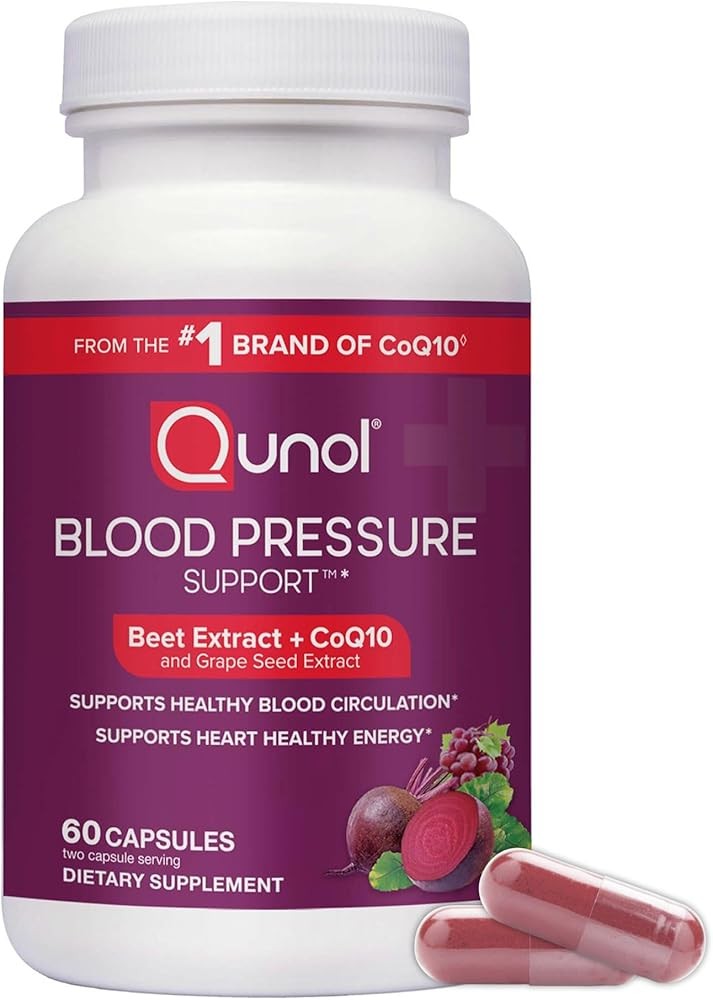
Qunol Blood Pressure Support, 3 in 1 Beets + CoQ10 + Grape Seed Extract, Beet Root Capsules That Supports Healthy Blo...
Check Price on AmazonAs an Amazon Associate we earn from qualifying purchases.
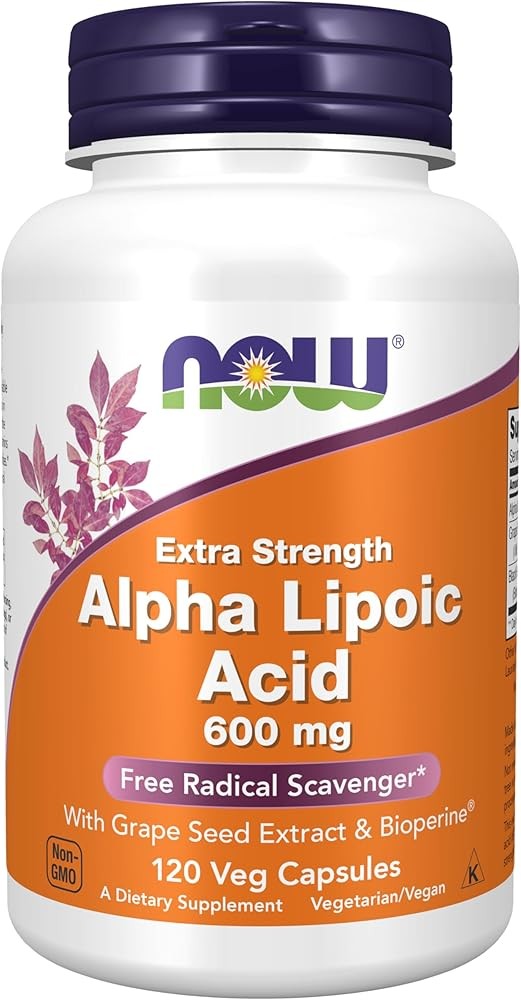
NOW Foods Supplements, Alpha Lipoic Acid 600 mg with Grape Seed Extract & Bioperine®, Extra Strength, 120 Veg Capsules
Check Price on AmazonAs an Amazon Associate we earn from qualifying purchases.
Why Is Vitamin C Essential for Cellulite Reduction?
Vitamin C (ascorbic acid) is required for collagen synthesis—it activates hydroxylase enzymes that convert proline and lysine to hydroxyproline and hydroxylysine, enabling collagen crosslinking and fiber formation.
Mechanism: Vitamin C:
- Activates collagen-synthesizing enzymes (prolyl hydroxylase, lysyl hydroxylase)
- Protects against oxidative damage to existing collagen
- Stimulates fibroblast proliferation and collagen gene expression
- Strengthens capillary walls (in combination with flavonoids)
Clinical evidence: While no trials test vitamin C alone for cellulite, it’s essential for collagen formation. Vitamin C deficiency (scurvy) causes skin fragility, poor wound healing, and collagen breakdown. Adequate vitamin C ensures collagen peptides and Gotu kola can effectively stimulate new collagen synthesis.
A collagen supplementation research showed topical vitamin C increased collagen synthesis in aged skin. Oral vitamin C (500-1000mg daily) supports systemic collagen production.
Dosing: 500-1000mg daily in divided doses (250-500mg twice daily). Vitamin C is water-soluble and excreted rapidly—divided doses maintain stable levels.
Forms:
- Ascorbic acid (standard, acidic)
- Buffered vitamin C (calcium/sodium ascorbate, gentler on stomach)
- Liposomal vitamin C (enhanced absorption, more expensive)
Cofactors: Combine with collagen peptides, Gotu kola, and copper (1-2mg daily, required for lysyl oxidase, another collagen crosslinking enzyme).
Safety: Vitamin C is extremely safe. Doses >2000mg may cause diarrhea. Reduce if this occurs.
Bottom line: Vitamin C at 500-1000mg daily (in divided doses) is non-negotiable for cellulite reduction because it activates prolyl hydroxylase and lysyl hydroxylase enzymes that convert proline and lysine to hydroxyproline and hydroxylysine, enabling collagen crosslinking and fiber formation. Without adequate vitamin C, collagen peptides and Gotu kola cannot effectively stimulate new collagen synthesis—vitamin C deficiency (scurvy) causes skin fragility and collagen breakdown, while supplementation ensures maximum benefit from all collagen-supporting supplements.
Can Horse Chestnut Extract Reduce Cellulite?
Horse chestnut seed extract (HCSE) standardized to aescin improves chronic venous insufficiency and reduces leg edema—beneficial for cellulite driven by poor circulation and fluid retention.
Mechanism: Aescin (escin):
- Reduces vascular permeability, preventing fluid leakage into tissues
- Improves venous tone and return, reducing pooling and swelling
- Anti-inflammatory effects in vessel walls
- Protects against oxidative damage to endothelium
Clinical evidence: A Cochrane review of 17 trials found horse chestnut extract (50mg aescin twice daily) effectively reduced leg swelling, pain, and heaviness in chronic venous insufficiency. While not specific to cellulite, improving venous function and reducing edema improves cellulite appearance in those with circulatory issues.
Dosing: 50mg aescin (escin) twice daily, standardized to 16-20% aescin content (equivalent to 250-300mg HCSE).
Timing: Take with meals to minimize digestive upset.
Safety: Horse chestnut seed extract (properly processed to remove esculin) is safe. Raw horse chestnut is toxic—only use standardized supplements with esculin removed. Avoid in kidney disease or pregnancy.
Who should use horse chestnut:
- Women with leg swelling, heaviness, or varicose veins
- Cellulite accompanied by poor circulation or chronic venous insufficiency
- Not necessary for everyone—primarily benefits those with vascular/edema issues
Does Astaxanthin Help With Cellulite?
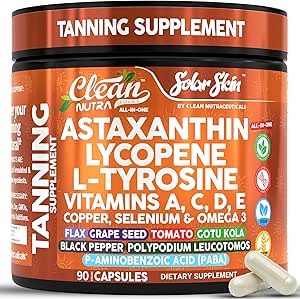
Solar Skin Astaxanthin Tanning Supplement Lycopene L-Tyrosine Vitamins A C D E, PABA Beta Carotene Selenium Grapeseed...
Check Price on AmazonAs an Amazon Associate we earn from qualifying purchases.
Astaxanthin is a carotenoid antioxidant from microalgae that protects skin from UV damage and oxidative stress, preserving collagen and reducing inflammation in adipose tissue.
Mechanism: Astaxanthin:
- Quenches singlet oxygen and free radicals more potently than vitamin C or E
- Protects against UV-induced MMP activation (collagenase that degrades skin)
- Reduces inflammation in skin and subcutaneous fat
- Improves skin moisture and elasticity
Clinical evidence: A 2018 trial in women taking 6mg astaxanthin daily for 16 weeks showed:
- Improved skin elasticity and texture
- Reduced skin roughness and wrinkles
- Increased skin moisture content
While not cellulite-specific, protecting collagen from oxidative degradation helps maintain skin thickness and structural integrity.
Dosing: 4-12mg daily (higher doses for therapeutic skin benefits).
Form: Astaxanthin from Haematococcus pluvialis algae, not synthetic.
Timing: Take with a fatty meal for absorption (fat-soluble carotenoid).
Safety: Astaxanthin is very safe. Slight pinkish skin tint at very high doses (harmless).
What Foods Help Reduce Cellulite?
While no food reduces cellulite, specific dietary strategies support collagen synthesis, reduce inflammation, and minimize fluid retention—amplifying supplement effects.
Protein: Essential for Collagen Production
Target: 0.8-1.0g protein per pound bodyweight (100-140g for 140 lb woman).
Why: Collagen peptides work ONLY if your diet provides adequate protein. Without sufficient amino acids, fibroblasts can’t synthesize new collagen even when stimulated.
Best sources (rich in glycine, proline for collagen):
- Bone broth (made from bones simmered 12-24 hours—highest glycine/proline)
- Grass-fed beef, bison (higher collagen in connective tissue cuts)
- Wild-caught fish (salmon skin is collagen-rich)
- Pasture-raised chicken (especially skin, dark meat)
- Eggs (whites are pure protein, yolks contain sulfur for collagen crosslinking)
- Greek yogurt (if dairy-tolerant)
Plant protein note: Legumes, tofu, tempeh provide protein but lower glycine/proline than animal sources. Vegetarians/vegans should prioritize collagen peptide supplementation.
Vitamin C-Rich Foods
Target: 200-500mg daily from food + 500-1000mg supplemental.
Foods highest in vitamin C:
- Red bell peppers (190mg per cup)
- Broccoli (80mg per cup)
- Strawberries (85mg per cup)
- Kiwi (64mg per fruit)
- Citrus (oranges, grapefruit—70-90mg per fruit)
- Brussels sprouts (75mg per cup)
Antioxidant-Rich Foods (Protect Collagen from Degradation)
Emphasize:
- Berries (blueberries, blackberries, raspberries—high in anthocyanins)
- Dark leafy greens (kale, spinach—lutein, beta-carotene)
- Colorful vegetables (carrots, sweet potatoes, tomatoes)
- Green tea (EGCG antioxidants)
- Dark chocolate (85%+ cacao—flavonoids)
Hydration and Electrolyte Balance
Water: 2-3 liters daily (more if active/hot climate). Adequate hydration supports lymphatic drainage and reduces fluid retention paradoxically—dehydration triggers water retention.
Electrolyte balance: Potassium-to-sodium ratio matters. High sodium (processed foods) causes fluid retention worsening cellulite appearance.
Increase potassium (natural diuretic):
- Sweet potatoes, bananas, avocados, spinach, beans
- Target 2500-3500mg potassium daily
Reduce sodium: Limit processed foods, restaurant meals, added salt. Keep under 2000mg daily.
Foods That Worsen Cellulite
Refined sugar and high-glycemic carbs: Form advanced glycation end products (AGEs) that crosslink and damage collagen. Reduce white bread, pastries, candy, soda.
Trans fats: Found in fried foods, margarine, commercial baked goods. Increase inflammation and damage vascular health.
Excessive alcohol: Dehydrates skin, increases cortisol (promotes fat storage), impairs collagen synthesis.
Processed meats: High sodium + nitrates increase inflammation and fluid retention.
Anti-Cellulite Meal Example
Breakfast: Omelet (3 eggs) with spinach, bell peppers, avocado. Side of berries.
Lunch: Grilled salmon over mixed greens salad with olive oil dressing, cherry tomatoes, cucumber. Side of bone broth.
Dinner: Grass-fed steak or chicken thighs, roasted Brussels sprouts and sweet potato, side salad.
Snacks: Greek yogurt with berries, collagen peptide smoothie (collagen powder + almond milk + frozen berries + spinach), dark chocolate (85% cacao).
Supplements: Collagen peptides (10-15g), Gotu kola (60-120mg triterpenes), grape seed extract (150-300mg), vitamin C (500-1000mg).
What Exercises Work Best for Cellulite Reduction?
Supplements work FAR better when combined with targeted exercise. Strength training builds muscle under skin, improving contour and tightening skin over fat lobules.
Strength Training: The Most Effective Exercise for Cellulite
Why strength training works:
- Builds muscle under skin, creating smoother contours
- Tightens skin over fat lobules (less visible dimpling)
- Increases metabolic rate (helps manage body fat)
- Improves insulin sensitivity (reduces inflammatory fat accumulation)
- Stimulates growth hormone (supports collagen synthesis)
Frequency: 3-4x per week, targeting lower body 2-3x weekly.
Essential exercises for cellulite-prone areas:
Glutes/hamstrings (posterior chain):
- Romanian deadlifts (3 sets x 8-12 reps, heavy)
- Hip thrusts/glute bridges (3 sets x 12-15 reps)
- Bulgarian split squats (3 sets x 10-12 reps per leg)
- Step-ups (3 sets x 12 reps per leg, weighted)
Quadriceps/overall legs:
- Squats (back squat, goblet squat—3 sets x 8-12 reps)
- Lunges (walking lunges, improve lunges—3 sets x 10 reps per leg)
- Leg press (3 sets x 12-15 reps, moderate-heavy)
Inner/outer thighs:
- Lateral band walks (2-3 sets x 20 steps each direction)
- Side-lying leg lifts (3 sets x 15-20 reps per leg)
- Clamshells with resistance band (3 sets x 20 reps per side)
Progressive overload: Increase weight/resistance every 2-3 weeks. Muscle growth requires progressive challenge.
Rep ranges: 8-15 reps per set for hypertrophy (muscle building). Lower reps (3-6) build strength but less muscle volume.
Cardiovascular Exercise: Moderate Intensity
Best types for cellulite:
- Incline walking (treadmill 10-15% incline, 30-45 min, 3-4x/week)—engages glutes/hamstrings without excessive impact
- Cycling (moderate intensity, 30-45 min)—builds leg muscle with low joint stress
- Swimming (full-body, low-impact)
- Stair climbing (targets glutes/thighs)
Avoid excessive steady-state cardio: Running/jogging 60+ min daily can cause muscle loss, making cellulite more visible. Moderate cardio (30-45 min) is ideal.
HIIT (high-intensity interval training): 15-20 min sessions 2x/week. Builds muscle, burns fat efficiently. Example: Sprint 30 sec, walk 90 sec, repeat 10x.
Lymphatic Drainage Techniques
While not a solution, these improve circulation and temporarily reduce fluid retention:
Foam rolling (5-10 min daily on thighs/glutes): Improves blood flow, reduces muscle knots. Use slow, sustained pressure.
Dry brushing (5 min before shower): Brush toward heart with natural bristle brush. Stimulates lymphatic flow temporarily.
Massage (self-massage or professional): Use upward/circular motions on cellulite-prone areas. Temporarily improves appearance (1-3 days).
Inversion/legs up the wall: 10-15 min daily. Helps lymphatic drainage from legs.
How Do Hormones Affect Cellulite?
Hormonal fluctuations significantly affect cellulite severity. Understanding your hormonal status guides treatment.
Estrogen and Cellulite
High estrogen (estrogen dominance):
- Promotes fat storage in hips, thighs, buttocks (gynoid pattern)
- Increases water retention
- Can weaken connective tissue septae
Low estrogen (menopause, perimenopause):
- Accelerates collagen loss (estrogen supports fibroblasts)
- Thins skin, making cellulite more visible
- Shifts fat from hips/thighs to abdomen (android pattern)—but existing thigh cellulite becomes more prominent due to skin thinning
Estrogen-driven cellulite signs:
- Cellulite worsened with birth control pills or hormone therapy
- Increased cellulite during pregnancy or menstrual cycle (high estrogen phases)
- Heavy, swollen feeling in legs premenstrually
Supplement modifications:
- Add DIM (diindolylmethane, 100-300mg daily)—optimizes estrogen metabolism, reduces dominance
- Calcium D-glucarate (500mg daily)—supports estrogen detoxification
- Continue Gotu kola, collagen, grape seed for structural support
Lifestyle: Reduce xenoestrogens (plastics, conventional personal care products), increase cruciferous vegetables, maintain healthy body fat (too low or too high worsens estrogen balance).
Progesterone Deficiency
Low progesterone (common in perimenopause):
- Allows estrogen dominance (unopposed estrogen)
- Increases water retention
- Worsens PMS and cyclical cellulite fluctuations
Signs:
- Irregular periods
- PMS symptoms (mood swings, breast tenderness, bloating)
- Weight gain, especially abdominal
- Cellulite worse premenstrually
Solutions:
- Vitex (chasteberry): 400mg daily (supports natural progesterone production)
- Stress management: High cortisol suppresses progesterone—meditation, adequate sleep
- Magnesium: 200-400mg daily (supports progesterone receptor sensitivity)
Thyroid and Cellulite
Hypothyroidism (underactive thyroid):
- Slows metabolism, promotes weight gain
- Reduces circulation (worsens fluid retention)
- Impairs collagen synthesis
- Causes skin to feel cool, puffy, dry
Signs:
- Fatigue, cold intolerance
- Weight gain despite normal diet
- Dry skin, hair loss
- Constipation
- Puffy face/eyes
Testing: TSH, free T3, free T4, improve T3, thyroid antibodies (TPO, anti-thyroglobulin).
Solutions:
- Address underlying hypothyroidism (thyroid hormone replacement if needed)
- Selenium (200mcg daily)—supports T4→T3 conversion
- Iodine (if deficient—test first)—thyroid hormone component
- Zinc (30mg daily)—supports thyroid function
- Continue Gotu kola, collagen for skin support
Clues Your Body Tells You About Cellulite Causes
Identifying your dominant cellulite driver guides supplement selection:
Dimpling most visible when pinching skin: Suggests structural collagen/connective tissue weakness → Prioritize Gotu kola, collagen peptides, vitamin C
Skin feels thin, loose, crepey: Age-related collagen loss → Collagen peptides, Gotu kola, vitamin C, retinoids (topical), consider hormone evaluation if menopausal
Leg heaviness, swelling, worse in evening: Venous insufficiency, fluid retention → Grape seed extract, horse chestnut, compression garments, elevate legs
Cellulite worsened suddenly after weight gain: Increased fat volume → Prioritize strength training + caloric deficit alongside supplements
Puffy, "orange peel" texture more than discrete dimples: Fluid retention and inflammation → Grape seed extract, reduce sodium to <2000mg daily, increase water to 2-3L, potassium-rich foods
Cellulite appeared/worsened during hormonal changes (pregnancy, menopause, birth control): Estrogen-driven connective tissue changes → DIM (100-300mg), calcium D-glucarate (500mg), consider bioidentical hormone optimization with physician
Cellulite worse premenstrually: Estrogen dominance, progesterone deficiency → Vitex (400mg), magnesium (400mg), DIM (200mg)
Cold, dry skin with cellulite + fatigue: Hypothyroidism likely → Test thyroid function (TSH, free T3/T4), selenium (200mcg), address underlying thyroid issue
What Mistakes Should You Avoid With Cellulite Supplements?
Mistake 1: Expecting results in 4-6 weeks Collagen remodeling and skin thickening take 3-6 MONTHS minimum. Gotu kola, collagen peptides, and grape seed extract work gradually. Quitting at 6 weeks means you stopped right before benefits appear.
Mistake 2: Taking collagen without vitamin C Collagen peptides alone won’t work if vitamin C is deficient. Vitamin C activates enzymes that crosslink collagen fibers—without it, peptides can’t form functional collagen. Always combine 10-15g collagen with 500-1000mg vitamin C.
Mistake 3: Using low doses 2.5g collagen shows some benefit in trials but 10-15g shows MUCH better results. 30mg Gotu kola triterpenes helps slightly; 60-120mg produces significant improvements. Don’t underdose.
Mistake 4: Neglecting strength training Supplements address skin structure but don’t build muscle. Without muscle under skin, cellulite remains visible even with improved collagen. Strength training is non-negotiable.
Mistake 5: Focusing only on supplements, ignoring diet High-sugar diet forms AGEs that damage collagen faster than supplements can repair it. Inadequate protein means no raw materials for collagen synthesis. Supplements augment good nutrition, they don’t replace it.
Mistake 6: Yo-yo dieting Rapid weight loss followed by regain weakens skin elasticity and worsens cellulite. Aim for slow, steady fat loss (0.5-1 lb/week) if overweight, with strength training to preserve muscle.
Mistake 7: Smoking while taking cellulite supplements Smoking accelerates collagen degradation faster than supplements can rebuild it. It also impairs microcirculation. You cannot out-supplement smoking.
Mistake 8: Inconsistent supplementation Taking Gotu kola and collagen for 2 weeks, stopping for 3, restarting… doesn’t work. Consistent daily use for months is required.
Mistake 9: Buying cheap, low-quality collagen Not all collagen is hydrolyzed (low molecular weight). Gelatin or large-peptide collagen absorbs poorly. Choose hydrolyzed collagen peptides 2000-5000 Da molecular weight.
Mistake 10: Giving up because “nothing works” Cellulite can’t be eliminated, but 20-40% improvement IS achievable with the right protocol over 6+ months. Adjust expectations—aim for improvement, not perfection.
Shopping Guide: Quality Cellulite Supplements
Gotu Kola Extract (60-120mg triterpenes):
- Quality brands: NOW Foods Gotu Kola, Planetary Herbals Full Spectrum Gotu Kola, Herb Pharm Gotu Kola (liquid extract)
- Standardization: Look for 10% triterpenes (asiaticoside, madecassoside) on label
- Dosing: 600-1200mg whole herb extract daily OR 60-120mg triterpenes
- Cost: $12-25/month
Collagen Peptides (10-15g daily):
- Quality brands: Vital Proteins Collagen Peptides, Sports Research Collagen Peptides, Great Lakes Gelatin Collagen Hydrolysate, Bulletproof Collagen Protein
- Form: Hydrolyzed collagen peptides (powder), 2000-5000 Da molecular weight
- Type: Type I collagen (bovine or marine—both work, marine may absorb slightly better but more expensive)
- What to look for: “Hydrolyzed” on label, unflavored for versatility, grass-fed (bovine) or wild-caught (marine)
- Cost: $25-45/month (depending on brand/source)
Grape Seed Extract (150-300mg OPC):
- Quality brands: NOW Foods Grape Seed Extract, Healthy Origins Grape Seed Extract, Source Naturals Proanthodyn (95% OPC)
- Standardization: 95% OPC (oligomeric proanthocyanidins)
- Alternative: Pycnogenol® (pine bark extract, 50-150mg daily)—more expensive but well-researched
- Cost: $10-20/month (grape seed), $30-50/month (Pycnogenol)
Vitamin C (500-1000mg):
- Forms: Ascorbic acid (standard), buffered vitamin C (gentler on stomach), liposomal C (enhanced absorption)
- Quality brands: NOW Foods C-1000, Thorne Vitamin C with Flavonoids, LivOn Labs Liposomal C
- Cost: $10-20/month
Horse Chestnut Extract (50mg aescin 2x daily):
- Quality brands: Nature’s Way Leg Veins (standardized to 20% aescin), Solaray Vein Supreme
- Critical: Must be standardized to remove toxic esculin—only buy reputable brands
- Cost: $12-18/month
Astaxanthin (4-12mg daily):
- Source: From Haematococcus pluvialis microalgae (NOT synthetic)
- Quality brands: Sports Research Astaxanthin, NOW Foods Astaxanthin, Jarrow Formulas Astaxanthin
- Cost: $15-25/month
Total monthly cost:
- Basic protocol (Gotu kola + collagen + vitamin C): $50-90
- Comprehensive protocol (add grape seed, horse chestnut, astaxanthin): $100-150
Where to buy:
- Amazon: Convenient, check seller ratings (watch for counterfeits)
- iHerb: International shipping, good prices
- Vitacost, Vitaminlife: Discounts on bulk purchases
- Direct from manufacturers: Thorne, Sports Research, Vital Proteins
Red flags (avoid):
- “Proprietary blends” hiding ingredient amounts
- Miracle claims (“reduce cellulite in 30 days”)
- Extremely cheap products (<$15/month for collagen—quality costs money)
- No standardization info for herbal extracts
What Cellulite Recommendations Don’t Actually Work?
Caffeine creams: Temporary (1-3 hours) skin tightening from mild dehydration. No lasting structural changes. Some research shows very modest improvements with consistent use (10-15% reduction over 6 months) but far less effective than oral supplements. Save your money or use as temporary fix for photos/events.
Dry brushing: Improves lymphatic drainage temporarily (similar to massage). Feels good, harmless, potentially slight temporary improvement. But doesn’t remodel connective tissue or reduce fat lobules. Use if you enjoy it, but don’t rely on it for cellulite reduction.
Cupping therapy: Temporarily increases blood flow. No controlled trials showing lasting cellulite reduction. May cause bruising. Expensive with minimal benefit.
Topical retinoids (tretinoin, adapalene): Thicken epidermis over 4-6 months, making cellulite SLIGHTLY less visible. Modest benefit (5-10% improvement), much less effective than oral supplements targeting dermis directly. Can use as adjunct but not primary treatment.
Fat burner supplements (green tea extract, garcinia cambogia, CLA): May modestly reduce body fat but don’t specifically target cellulite structural issues. Thin women get severe cellulite; overweight women may have none. Fat loss alone doesn’t reduce structural/circulatory problems.
Cellulite massage devices (mechanical rollers, suction devices): Temporarily improve circulation. No evidence of lasting reduction beyond what manual massage provides. Expensive gadgets with minimal added benefit.
Comprehensive Cellulite Reduction Protocol by Severity
Mild Cellulite (Visible Only When Pinched)
Supplement protocol:
- Collagen peptides: 10g daily
- Vitamin C: 500mg daily
- Gotu kola: 60mg triterpenes daily
Exercise (3-4x/week):
- Strength training (glutes/legs focus) 3x/week
- Moderate cardio (incline walking) 2-3x/week, 30 min
Diet:
- Protein 0.8g per lb bodyweight
- Vitamin C-rich foods (bell peppers, broccoli, berries)
- Hydration 2-3L water daily
Timeline: 3-4 months for improvement Cost: ~$50-70/month (supplements)
Moderate Cellulite (Visible When Standing, Multiple Areas)
Supplement protocol:
- Collagen peptides: 15g daily (divided into 2 doses: 10g morning, 5g evening)
- Gotu kola: 120mg triterpenes daily (60mg twice daily)
- Vitamin C: 1000mg daily (500mg twice daily)
- Grape seed extract: 300mg OPC daily
Exercise (5-6x/week):
- Strength training (lower body focus) 4x/week with progressive overload
- HIIT 2x/week (15-20 min)
- Daily walking/movement (10,000+ steps)
Diet:
- Protein 1.0g per lb bodyweight
- Antioxidant-rich diet (colorful vegetables, berries)
- Bone broth 1-2 cups daily (additional collagen/glycine)
- Sodium <2000mg daily, potassium 3000mg+ daily
Topical adjuncts:
- Retinoid cream (tretinoin 0.025-0.05%) nightly on cellulite areas (thickens skin over months)
- Daily foam rolling/massage (5-10 min)
Timeline: 4-6 months for visible improvement Cost: ~$100-130/month (supplements)
Severe Cellulite (Visible at Rest, Pronounced Dimpling, Multiple Grades)
Supplement protocol:
- Collagen peptides: 15-20g daily (split into 3 doses)
- Gotu kola: 120mg triterpenes daily (60mg morning, 60mg evening)
- Vitamin C: 1000-2000mg daily (500mg 2-3x daily)
- Grape seed extract: 300mg OPC daily
- Horse chestnut: 50mg aescin twice daily (if venous issues/swelling)
- Astaxanthin: 12mg daily (with fatty meal)
- Vitamin E: 400 IU mixed tocopherols daily
- Selenium: 200mcg daily
Exercise (6x/week, non-negotiable):
- Strength training (glutes/hamstrings/quads) 4-5x/week, heavy weights, 3-4 sets per exercise
- HIIT 2-3x/week
- Daily movement/steps (12,000+)
- Weekly massage or professional lymphatic drainage
Diet (strict adherence):
- Protein 1.0g per lb bodyweight minimum
- Anti-inflammatory whole foods diet
- Bone broth daily
- Reduce refined sugar, trans fats, excess sodium
- Hydration 3L+ water daily
Topical:
- Prescription retinoid (tretinoin 0.05-0.1%) nightly
- Gotu kola cream (0.5% triterpenes) twice daily
- Daily dry brushing + massage (10 min)
Hormonal evaluation:
- Test thyroid (TSH, free T3, T4), estrogen/progesterone (if irregular cycles/menopausal)
- Address hormone imbalances with physician guidance
Consider professional treatments (complement supplements):
- Radiofrequency treatments (Venus Legacy, Velashape)—heating stimulates collagen, reduces fat
- Acoustic wave therapy (Z Wave)—breaks up fibrous bands
- Laser treatments (Cellulaze)—invasive, addresses fibrous bands surgically
Timeline: 6-12 months for significant improvement (severe cellulite requires patience) Cost: ~$150-200/month (supplements alone, not including professional treatments)
Tracking Progress: Measure Improvement Objectively
Cellulite improvement is gradual—subjective daily assessment leads to discouragement. Use objective tracking:
Monthly Photos (Critical)
How to take consistent progress photos:
- Same location, lighting, time of day (morning before eating/drinking minimizes fluid variability)
- Same clothing (minimal—sports bra + underwear or bikini)
- Multiple angles: front, side, back, close-ups of affected areas
- Natural standing posture (no flexing or posing)
- Use phone app (Progress or MyFitnessPal) to compare side-by-side
When to take: Day 1 (baseline), then monthly on same day.
What to look for:
- Reduction in dimple depth (less pronounced shadows)
- Smoother skin texture (“orange peel” appearance fading)
- Firmer skin (less jiggling/movement)
- Reduced puffiness (less fluid retention)
Measurements
Thigh/hip circumference: Measure at widest point, same time of day monthly. Cellulite improvement may occur WITHOUT size reduction (muscle building + fat loss can maintain circumference while improving appearance).
Skin pinch test: Gently pinch thigh/buttock skin. Thicker, firmer skin indicates improved collagen.
Subjective Improvements to Note
- Clothes fit better/smoother over cellulite areas
- Less leg heaviness or swelling by evening
- Skin feels firmer to touch
- Confidence increases (big quality-of-life marker)
Timeline for noticeable changes:
- Weeks 1-8: Minimal visible change (cellular changes beginning, don’t get discouraged)
- Weeks 8-12: Early improvements (skin feels slightly firmer, possible subtle texture improvement)
- Weeks 12-24: Progressive visible improvement (dimpling reduces, skin thickens)
- Months 6-12: Continued optimization, maintenance phase
Expanded FAQ: More Cellulite Questions
Q: I’m thin/normal weight but have cellulite—will supplements help?
A: Yes. Cellulite isn’t primarily a fat issue—it’s connective tissue structure, skin thickness, and microcirculation. Thin women often have severe cellulite. Supplements targeting collagen (Gotu kola, peptides) and vascular health (grape seed) work regardless of body weight. Focus on strength training to build muscle + supplements for skin structure.
Q: Can losing weight worsen cellulite?
A: Yes, IF done incorrectly. Rapid weight loss (crash diets, excessive cardio, inadequate protein) causes muscle loss and loose skin, making cellulite MORE visible. Safe approach: 0.5-1 lb/week fat loss, strength training 4x/week, protein 1.0g per lb bodyweight, continue collagen/Gotu kola during weight loss to support skin integrity.
Q: Do cellulite supplements work after menopause?
A: Yes, but collagen loss accelerates post-menopause (estrogen decline), so higher doses may be needed. Use 15-20g collagen daily + 120mg Gotu kola triterpenes. Consider bioidentical hormone replacement therapy (HRT) with physician—estrogen supports collagen synthesis. Combination of HRT + supplements + strength training shows best results in menopausal women.
Q: How long do I need to continue supplements? Is it permanent?
A: Cellulite is chronic—stopping supplements allows gradual return toward baseline over 6-12 months. Think of it like skincare: you don’t stop using SPF once your skin improves. Maintenance protocol: Continue collagen (10g daily) + Gotu kola (60mg triterpenes) long-term. Can reduce from therapeutic doses after 6-12 months of improvement.
Q: Can I take cellulite supplements while pregnant or breastfeeding?
A: Collagen peptides, vitamin C, grape seed extract, vitamin E: Generally safe, but consult OB/GYN. Gotu kola: Avoid during pregnancy (insufficient safety data, potential uterine stimulant). Safe during breastfeeding in moderate doses. Horse chestnut: Avoid during pregnancy/breastfeeding.
Pregnancy/breastfeeding priorities: Focus on collagen + vitamin C. Delay Gotu kola, horse chestnut until after breastfeeding.
Q: I have varicose veins and cellulite—are they related?
A: Often co-exist. Both involve venous insufficiency, poor microcirculation, and connective tissue weakness. Horse chestnut (50mg aescin 2x daily) + grape seed extract (300mg OPC) address both conditions. Add compression stockings (20-30 mmHg) during day. Consider medical evaluation for varicose veins (sclerotherapy, laser ablation) if severe.
Combining Professional Treatments with Supplements
For moderate-severe cellulite, professional treatments combined with supplement protocols show best results.
Radiofrequency (RF) Treatments
How it works: RF energy heats deep skin layers (dermis, subcutaneous fat), stimulating collagen production, shrinking fat cells, improving circulation.
Devices: Venus Legacy, Velashape III, Exilis, TriPollar
Results: 20-40% improvement after 6-12 sessions. Temporary (6-12 months duration).
Cost: $150-300 per session, 6-12 sessions recommended.
Supplement synergy: Taking collagen peptides + Gotu kola DURING RF treatments enhances collagen remodeling stimulated by heat. Continue supplements after treatments to maintain results longer.
Acoustic Wave Therapy
How it works: High-energy sound waves break up fibrous bands creating dimples, stimulate collagen synthesis, improve circulation.
Devices: Z Wave, Cellulite Acoustic Wave Therapy
Results: 25-50% improvement after 10-12 sessions. Lasts 6-12 months.
Cost: $100-200 per session.
Supplement synergy: Gotu kola + collagen support tissue remodeling triggered by acoustic waves.
Laser/Light Treatments
Cellulaze: Minimally invasive laser inserted under skin. Melts fat, cuts fibrous bands, thickens skin. One treatment, lasts 1-2 years. Expensive ($3000-7000).
Non-invasive lasers: Smoother, Cellulite MD. Less dramatic than Cellulaze but non-invasive.
Supplement synergy: Take collagen + vitamin C pre- and post-treatment to optimize healing and collagen synthesis.
Professional Massage/Endermologie
Endermologie: Mechanical massage device with suction and rollers. FDA-cleared for temporary cellulite improvement.
Results: Modest (10-20% improvement), temporary (requires ongoing sessions—2x/week maintenance).
Cost: $80-150 per session.
Supplement synergy: Limited. Massage improves circulation but doesn’t address structural collagen/vascular issues like supplements do.
Bottom line: Professional treatments provide faster, more dramatic temporary results. Supplements provide gradual, sustainable improvements. COMBINATION = best long-term strategy.
Lifestyle Factors That Amplify OR Undermine Supplements
Amplifiers (do these for maximum results):
Strength training 4-5x/week: Builds muscle under skin, creates smoother contours, tightens skin. NON-NEGOTIABLE for cellulite improvement.
Adequate protein (1.0g per lb bodyweight): Provides amino acids for collagen synthesis. Supplements can’t work without dietary protein.
Hydration (2-3L water daily): Supports lymphatic drainage, reduces fluid retention paradoxically. Dehydration worsens cellulite.
Sleep 7-9 hours nightly: Growth hormone (released during deep sleep) stimulates collagen synthesis and tissue repair.
Stress management: Chronic cortisol increases abdominal fat storage, promotes fluid retention, accelerates collagen breakdown. Meditation, yoga, adequate sleep reduce cortisol.
Dry brushing/massage (daily, 5-10 min): Improves lymphatic flow, temporarily enhances circulation. Modest benefit but easy to implement.
Antioxidant-rich diet: Berries, dark leafy greens, colorful vegetables protect collagen from oxidative damage, reducing degradation rate.
Undermines (avoid these or supplements won’t work):
Smoking: Accelerates collagen degradation, constricts blood vessels (worsens microcirculation), impairs skin healing. You CANNOT out-supplement smoking.
Sedentary lifestyle: Worsens lymphatic stagnation, allows muscle atrophy, increases fat accumulation. Sitting 8+ hours daily negates supplement benefits.
High-sugar diet: Forms AGEs (advanced glycation end products) that irreversibly damage and stiffen collagen. A single high-sugar meal creates AGEs that persist for weeks.
Crash dieting/yo-yo weight cycling: Rapid weight loss causes muscle loss and loose skin, making cellulite MORE visible. Repeated weight cycling permanently damages skin elasticity.
Excessive alcohol: Dehydrates skin, increases cortisol, impairs collagen synthesis, promotes fat storage. Limit to 1-2 drinks per week max.
Chronic stress without management: Elevated cortisol 24/7 breaks down collagen, promotes visceral fat, retains fluid. Supplements can’t overcome chronic stress.
Inadequate sleep (<6 hours nightly): Suppresses growth hormone, increases cortisol, impairs tissue repair. One week of poor sleep negates weeks of supplementation.
Realistic Expectations: 20-40% Improvement, Not Elimination
Cellulite cannot be completely eliminated with supplements, professional treatments, or anything short of highly invasive surgery (with temporary results and significant risks). Genetics, connective tissue structure, and hormonal factors play major roles.
What supplements CAN realistically achieve (with 6-12 months consistent use):
- 20-40% reduction in visible dimpling and skin waviness (measured objectively via photos, dermatologist grading scales)
- Improved skin firmness and elasticity (measurable via tonometry, pinch tests)
- Reduced fluid retention and puffiness (thigh circumference reduction of 0.5-1 inch from edema decrease, not fat loss)
- Thicker, healthier skin that shows cellulite less prominently (7-12% increase in dermal thickness via ultrasound in collagen studies)
- Better quality of life—clothes fit smoother, less self-consciousness, increased confidence
What supplements CANNOT achieve:
- Complete elimination of cellulite—85% of women have it, it’s normal anatomy
- Changing connective tissue septae orientation—female perpendicular bands vs male diagonal is genetic/structural
- Spot-reducing fat from specific areas—supplements don’t target fat loss to hips/thighs specifically
- Reversing decades of collagen loss overnight—skin remodeling takes 6-12+ months
- Overcoming poor lifestyle—smoking, sedentary behavior, crash dieting undermine all supplement efforts
Timeline for realistic results:
- Weeks 1-8: Minimal visible change (cellular processes starting, don’t quit!)
- Weeks 8-16: Early improvements (skin feels firmer, subtle texture changes)
- Weeks 16-24: Progressive visible improvement (dimples less pronounced, skin smoother)
- Months 6-12: Continued optimization, 20-40% improvement achieved
- Beyond 12 months: Maintenance phase—results stabilize, long-term supplementation maintains improvements
Maintenance after achieving results: Once you’ve improved cellulite 20-40%, continue at least collagen peptides (10g daily) + Gotu kola (60mg triterpenes daily) indefinitely. Stopping allows gradual return toward baseline over 6-12 months as natural collagen degradation resumes. This is similar to skincare—you don’t stop using retinoids once your skin improves; ongoing use maintains results.
Individual variability: Some women respond dramatically (40-50% improvement), others modestly (10-20%). Factors affecting response: age (younger women respond faster), severity (mild cellulite easier to improve than severe), consistency (daily supplementation + exercise), genetics, hormonal status. Don’t compare your results to others—focus on YOUR improvement trajectory.
Our Top Recommendations
Recommended Supplements
Conclusion: Target Structural Causes, Not Surface Symptoms
Cellulite is a structural issue involving weakened connective tissue septae, reduced dermal collagen density, impaired microcirculation and lymphatic drainage, chronic inflammation, and fluid retention. Topical creams and massage devices address surface symptoms temporarily. Evidence-based supplements—Gotu kola, collagen peptides, grape seed extract, vitamin C, horse chestnut—address root causes by stimulating fibroblast activity, increasing collagen synthesis, strengthening capillary walls, reducing vascular permeability, and protecting against oxidative collagen degradation.
The evidence is strongest for Gotu kola extract (60-120mg triterpenes daily), with multiple controlled trials showing 20-50% improvements in skin texture, firmness, and cellulite grade over 12-24 weeks. Collagen peptides (10-15g daily) increase dermal thickness by 7-12% and reduce cellulite dimpling by 9-15% in 6-month trials. Grape seed extract (150-300mg OPC daily) strengthens microcirculation, reduces edema, and provides antioxidant protection. Vitamin C (500-1000mg daily) is non-negotiable—it activates enzymes required for collagen crosslinking, maximizing benefits from peptides and Gotu kola.
These supplements don’t work in isolation. Strength training 4-5x/week is absolutely essential—building muscle under skin creates smoother contours and tightens skin over fat lobules. Adequate protein (1.0g per lb bodyweight) provides raw materials for collagen synthesis. Hydration (2-3L water daily) supports lymphatic drainage. Anti-inflammatory nutrition (colorful vegetables, omega-3-rich fish, bone broth, minimal sugar) protects collagen from AGE damage while providing cofactors for skin health.
Avoid self-sabotage: Smoking, sedentary lifestyle, crash dieting, chronic stress, high-sugar diet, and inadequate sleep negate supplement effects. You cannot out-supplement poor lifestyle choices. Cellulite improvement requires comprehensive approach—supplements + exercise + nutrition + stress management working synergistically over 6-12 months.
Set realistic expectations: Cellulite affects 80-90% of women regardless of weight or fitness level—it’s normal female anatomy resulting from connective tissue structure, hormonal factors, and aging. Complete elimination isn’t achievable without highly invasive surgery (temporary results, significant risks). Realistic goal: 20-40% reduction in visible dimpling, improved skin texture and firmness, reduced fluid retention, better quality of life. This is meaningful improvement worth celebrating.
Start with the foundation protocol (Gotu kola 60-120mg triterpenes + collagen peptides 10-15g + vitamin C 500-1000mg daily). Add grape seed extract (150-300mg) for vascular support. Include horse chestnut (50mg aescin 2x daily) if you have leg swelling or venous insufficiency. Combine with strength training, adequate protein, hydration. Track progress with monthly photos, not daily mirror checks. Give it 3-6 months minimum before assessing effectiveness.
Cellulite is chronic—ongoing supplementation maintains results. Once you achieve 20-40% improvement, continue at least collagen + Gotu kola indefinitely (maintenance doses). Think of it like skincare or exercise—you don’t stop once you see results; you maintain the habits that created them. Patience, consistency, and realistic expectations produce the best outcomes. Celebrate incremental improvements, focus on overall skin health, and remember that perfection isn’t the goal—feeling confident and comfortable in your skin is.
Related Reading
- Best Collagen Supplements for Skin, Joints, and Hair - Complete guide to collagen peptide types, absorption, and clinical evidence for skin health
- Best Supplements for Skin Health - Collagen, vitamin C, hyaluronic acid, and antioxidants for skin protection
- Vitamin C Supplementation: Forms and Dosing - Comparing ascorbic acid, buffered, and liposomal vitamin C for optimal absorption
- Best Peptides for Wrinkle Reduction and Skin Elasticity - Evidence-based review of peptides and botanical extracts for connective tissue support
- Anti-Aging Skin Supplements: What Actually Works - Research-backed supplements for collagen synthesis, sun protection, and skin elasticity
- Best Supplements for Skin Tightening and Anti-Aging - Science-based supplements for skin firmness and elasticity
- Best Supplements for Women Over 40 - Hormone balance, bone health, and skin support for perimenopause and menopause
Recommended Products