Oral vs Topical Retinoids: Topical Works Better for Wrinkles & Acne
Summarized from peer-reviewed research indexed in PubMed. See citations below.
Wrinkle reduction and acne management continue to challenge millions of people seeking evidence-based solutions for skin health. Based on clinical trials, topical tretinoin 0.025-0.05% stands as the most effective option, achieving 30-50% wrinkle depth reduction after 6-12 months and providing 20-100x higher retinoid concentrations in skin tissue compared to oral supplementation. The research supports this approach because topical delivery bypasses systemic distribution and delivers active retinoic acid directly to target tissue, stimulating collagen synthesis and normalizing cell turnover more effectively than oral routes. For budget-conscious users, generic tretinoin cream costs $10-40 monthly and delivers superior results to premium retinol serums. Here’s what the published research shows about oral versus topical vitamin A approaches for skin.
Disclosure: We may earn a commission from links on this page at no extra cost to you. Affiliate relationships never influence our ratings. Full policy →
Vitamin A stands as one of the most researched nutrients for skin health, available through two distinct pathways: consuming it orally as supplements or food, and applying retinoid derivatives directly to skin. Both approaches influence skin appearance and function, yet they work through fundamentally different mechanisms with varying effectiveness for specific concerns.
The dermatology community has studied both oral and topical vitamin A extensively, producing hundreds of clinical trials examining everything from acne management to photoaging reduction. Understanding which approach delivers better results for your specific skin goals requires examining the biochemistry, absorption pathways, clinical evidence, and practical considerations of each method.
This evidence-based comparison explores how edible retinoids and topical retinol affect skin differently, what research reveals about their respective benefits and limitations, and how dermatologists recommend using each approach for optimal skin health.
What Is Vitamin A and How Does It Function in Skin Health?
Vitamin A represents a family of compounds called retinoids, all sharing a similar molecular structure but differing in potency and biological activity. Your body converts various forms of vitamin A into retinol, retinal, and ultimately retinoic acid, the active form that binds to nuclear receptors in cells and alters gene expression.
When consumed orally, vitamin A comes in two primary forms: preformed vitamin A (retinyl palmitate, retinyl acetate) from animal sources, and provitamin A carotenoids (beta-carotene, alpha-carotene) from plant sources. Your liver stores retinyl esters, converting them to retinol as needed and releasing it into circulation bound to retinol-binding protein.
Topical retinoids bypass digestive absorption entirely, penetrating skin layers directly. The most common over-the-counter form is retinol, which skin enzymes must convert through multiple steps to reach the active retinoic acid form. Prescription retinoids like tretinoin (all-trans retinoic acid) require no conversion, acting immediately on skin cells.
Research in the Journal of the American Academy of Dermatology confirms that retinoids, regardless of delivery method, fundamentally work by binding to retinoic acid receptors (RARs) and retinoid X receptors (RXRs) in cell nuclei. This binding triggers changes in gene transcription affecting cell proliferation, differentiation, and extracellular matrix production. The critical difference between oral and topical approaches lies in how efficiently retinoids reach skin tissue and at what concentrations.
| Feature | Topical Retinoids (0.025-0.1% Tretinoin) | Oral Vitamin A (RDA 700-900 mcg) | Oral Carotenoids (15-25mg Daily) |
|---|---|---|---|
| Anti-Aging Wrinkle Reduction | 30-50% reduction after 6-12 months [3,6] | No measurable effect in trials [4,5] | No measurable effect |
| Acne Treatment Efficacy | First-line therapy, 68% improvement [1] | No effect at nutritional doses | No effect |
| Skin Tissue Concentration | 20-100x higher than oral [3,5] | Low (whole-body distribution) | N/A (photoprotection) |
| Time to Visible Results | 8-12 weeks (texture), 6-12 months (aging) | 4-6 weeks (deficiency), no cosmetic effect | 10-12 weeks (photoprotection) |
| Photoprotection UV Damage | None (increases sun sensitivity) | None | 30-40% reduction in erythema [7,8,9] |
| Side Effects Profile | Localized: dryness, peeling, redness | Systemic toxicity at >10,000 IU | Minimal (benign yellowing) |
| Monthly Cost Range | $3-25 (generic prescription to OTC) | $2-8 (supplements/multivitamin) | $10-20 (supplements) |
| Evidence Quality Level | Extensive: hundreds of RCTs, 40+ years | Limited RCT data for cosmetic outcomes | Moderate: photoprotection trials |
Bottom line: Clinical trials show topical retinol (0.3-0.5%) significantly improves fine wrinkles, skin texture, and hyperpigmentation after 12-24 weeks of use, achieving retinoid concentrations in skin tissue approximately 20-fold higher than oral supplementation [1,2,3].
How Does Oral Vitamin A Reach Your Skin After Ingestion?
The journey of oral vitamin A to skin tissue involves complex metabolic processes. After ingestion, retinyl esters undergo hydrolysis in the small intestine, reforming into retinyl esters within intestinal cells before entering the lymphatic system. The liver takes up approximately 75% of absorbed vitamin A, storing it as retinyl palmitate.
When tissues need vitamin A, the liver releases retinol bound to retinol-binding protein (RBP). This retinol-RBP complex circulates through blood, delivering retinol to tissues including skin. Studies measuring retinol concentrations in skin tissue after oral supplementation show that skin accumulates vitamin A, but concentrations remain significantly lower than what topical application achieves.
Research published in the British Journal of Dermatology measured skin retinol levels after 12 weeks of oral vitamin A supplementation (25,000 IU daily) versus topical retinol application. The topical group achieved epidermis retinol concentrations approximately 20 times higher than the oral supplementation group, despite both groups showing increased skin retinoid activity markers.
This disparity occurs because oral vitamin A must serve numerous physiological functions throughout the body. Vision, immune function, cellular differentiation in mucous membranes, and reproductive health all compete for available retinol. Skin receives vitamin A, but not preferentially.
Furthermore, the conversion efficiency from dietary carotenoids to active retinol varies significantly based on individual genetics, gut health, and dietary fat intake. The conversion factor ranges from 3:1 to 28:1 by weight, meaning some people require substantially more beta-carotene to achieve the same retinol blood levels as others.
Bottom line: After oral vitamin A ingestion, the liver stores 75% of absorbed retinoids, and circulation delivers only limited amounts to skin tissue—about 20-fold less than topical application achieves—making oral routes ineffective for targeted anti-aging goals [3,5].
What Signs Indicate Your Vitamin A Status?
Your skin and body provide observable signals about vitamin A status, though these signs typically indicate deficiency or excess rather than optimal supplementation effects.
Vitamin A deficiency manifests visibly in skin as follicular hyperkeratosis, where keratin plugs accumulate around hair follicles creating rough, bumpy texture predominantly on upper arms, thighs, and shoulders. This appearance that does not resolve reflects impaired keratinocyte differentiation, one of retinol’s primary cellular functions.
Dry, scaly skin that persists despite moisturization may signal inadequate vitamin A, as retinoids regulate sebum production and maintain skin barrier function. The eyes provide another clear indicator: night blindness or difficulty adapting to low light conditions suggests vitamin A deficiency affecting retinal function before skin changes become apparent.
Conversely, excessive oral vitamin A intake produces distinct warning signs. Dry, peeling skin on palms and soles, alongside generalized skin flaking and pruritus (itching), indicates hypervitaminosis A. Unlike the dryness from deficiency, excess vitamin A causes skin to shed excessively, sometimes producing visible peeling similar to a sunburn.
Hair thinning or loss, particularly diffuse shedding rather than patterned baldness, may occur with sustained high-dose vitamin A intake exceeding 25,000 IU daily. This effect typically improves within months after reducing intake.
Yellowing of skin, particularly on palms, soles, and nasolabial folds, suggests high carotenoid intake rather than preformed vitamin A excess. This benign condition called carotenemia produces orange-yellow skin discoloration from beta-carotene accumulation in subcutaneous fat. Unlike jaundice, carotenemia does not affect the whites of eyes.
More subtle signs of adequate vitamin A status include healthy mucous membranes (moist eyes, no excessive throat dryness), wound healing that proceeds normally, and absence of frequent infections. Since vitamin A supports immune function, recurrent infections sometimes accompany deficiency.
Bottom line: Vitamin A deficiency causes follicular hyperkeratosis and impaired barrier function, while excess intake (>25,000 IU daily) causes skin peeling and hair loss, but neither extreme indicates the targeted anti-aging benefits that topical retinoids provide [4,5].
Can Oral Carotenoids Provide Skin Protection Without Converting to Vitamin A?
Beyond preformed vitamin A, carotenoids represent a distinct category of oral compounds with skin benefits that do not depend primarily on conversion to retinol. Beta-carotene, lycopene, lutein, and astaxanthin accumulate in skin tissue, providing antioxidant protection against ultraviolet radiation damage.
A landmark study published in the American Journal of Clinical Nutrition followed 36 subjects consuming either 24 mg beta-carotene daily or placebo for 12 weeks. After UV exposure, the beta-carotene group showed significantly less erythema (redness) compared to controls, demonstrating photoprotective effects [9]. Skin biopsy samples revealed reduced markers of UV-induced oxidative stress in the supplemented group.
Lycopene, the red carotenoid abundant in tomatoes, has demonstrated particularly strong photoprotective properties. Research examining subjects consuming tomato paste providing 16 mg lycopene daily for 10 weeks showed 40% less erythema formation [8] following UV exposure compared to baseline measurements, while the control group showed no change.
Importantly, these photoprotective effects required consistent supplementation for 10-12 weeks before becoming measurable, indicating that carotenoids must accumulate in skin tissue over time. Blood measurements showed peak carotenoid levels after 4-6 weeks, but skin protection continued increasing through 12 weeks, suggesting tissue saturation occurs more slowly than plasma levels.
Astaxanthin, a keto-carotenoid from marine sources, is another orally consumed antioxidant that accumulates in skin tissue. While preliminary research suggests potential skin benefits, large-scale clinical trials comparing astaxanthin to established carotenoids like beta-carotene and lycopene remain limited.
These carotenoid studies consistently show that oral intake provides systemic antioxidant protection, potentially reducing photoaging and supporting skin health through mechanisms distinct from retinoid receptor activation. However, carotenoids do not produce the dramatic cellular changes in keratinocyte differentiation, collagen synthesis, or cell turnover that characterize retinoid effects.
Bottom line: Oral carotenoids like beta-carotene, lycopene, and astaxanthin provide measurable photoprotection [7,8,9]. and antioxidant benefits to skin after 10-12 weeks of supplementation, but these effects differ from and do not replace the direct cellular actions of topical retinoids on collagen production and cell turnover.
What Is the Most Potent Oral Retinoid for Skin?
While standard vitamin A supplements provide modest skin effects, prescription isotretinoin (13-cis-retinoic acid, marketed as Accutane and generics) represents the most powerful oral retinoid for severe acne. Understanding isotretinoin’s dramatic effectiveness and significant side effects illustrates the maximum potential and limitations of oral retinoid therapy.
Isotretinoin reduces sebum production by 70-90%, shrinks sebaceous glands by approximately 90%, normalizes follicular keratinization, and possesses anti-inflammatory properties. Clinical trials demonstrate that isotretinoin produces complete clearance or dramatic improvement in 85-95% of severe nodulocystic acne cases, with approximately 60-70% of patients experiencing long-term remission after a single treatment course [11].
Standard isotretinoin dosing ranges from 0.5-1.0 mg/kg body weight daily for 16-20 weeks, with cumulative doses of 120-150 mg/kg associated with highest support recovery from rates and lowest relapse. A 70 kg person typically takes 40-70 mg daily, achieving blood levels of isotretinoin and its metabolites sufficient to profoundly alter sebaceous gland function.
However, isotretinoin’s potency comes with substantial side effects. Nearly all patients experience mucocutaneous effects including severely dry lips (cheilitis), dry eyes, dry nasal passages, and generalized skin dryness. These effects occur because isotretinoin affects epithelial cells throughout the body, not just in facial skin.
More serious but less common adverse effects include elevated liver enzymes (15-20% of patients), elevated triglycerides and cholesterol, musculoskeletal pain, and mood changes. The medication is severely teratogenic, causing severe birth defects in exposed fetuses, requiring strict pregnancy protocols for females of childbearing potential [11].
Long-term follow-up studies published in the Journal of the American Academy of Dermatology found that while isotretinoin produces dramatic acne improvement, it does not demonstrate significant anti-aging benefits for photoaged skin. The sebum reduction and gland atrophy that help acne do not translate to improved wrinkles, skin texture, or collagen production in the same way topical retinoids demonstrate.
This distinction reveals a fundamental principle: even the most potent oral retinoid, at doses sufficient to cause significant systemic effects, does not match topical retinoids for anti-aging skin changes. The concentration differential between oral and topical delivery remains the limiting factor.
Bottom line: Prescription isotretinoin represents the most powerful oral retinoid, producing 85-95% improvement in severe acne, but even this potent systemic medication does not match topical retinoids for anti-aging benefits, demonstrating the fundamental advantage of topical delivery for skin concerns.
How Do Topical Retinoids Work Directly on Skin?
Topical retinoids penetrate the stratum corneum and reach viable epidermis and dermis, where they undergo enzymatic conversion to retinoic acid (if applied as retinol or retinaldehyde) or act directly (if applied as tretinoin or adapalene). Once in the active form, retinoic acid binds to nuclear receptors and initiates a cascade of cellular changes.
At the molecular level, retinoic acid binding to RAR and RXR receptors alters expression of hundreds of genes. Research using DNA microarray technology identified over 200 genes whose expression changes significantly within 24 hours of topical tretinoin application. These genes regulate processes including cell proliferation, differentiation, inflammation, and extracellular matrix production.
Key cellular effects of topical retinoids include:
-
Increased epidermal turnover: Retinoids accelerate keratinocyte proliferation in basal layers and speed cellular migration to the surface, reducing the stratum corneum’s thickness while increasing viable epidermis thickness. This normalizes keratinization, particularly beneficial for acne where abnormal follicular keratinization contributes to comedone formation.
-
Collagen synthesis stimulation: Topical retinoids upregulate genes for collagen I and III production while downregulating matrix metalloproteinases (MMPs) that degrade collagen. Studies measuring collagen content in skin biopsies after topical tretinoin use show significant increases in dermal collagen after 10-12 months of consistent use [3].
-
Melanin distribution normalization: Retinoids inhibit tyrosinase activity and accelerate melanin-containing keratinocyte turnover, reducing hyperpigmentation and evening skin tone. This mechanism makes retinoids effective for melasma and post-inflammatory hyperpigmentation.
-
Angiogenesis promotion: Topical retinoids increase dermal blood vessel formation, improving skin blood flow and nutrient delivery. This contributes to the “glow” often reported with retinoid use.
-
Epidermal thickening: Despite causing surface peeling initially, long-term retinoid use increases viable epidermis thickness by promoting keratinocyte proliferation, contributing to plumper-appearing skin.
The concentration gradient achieved with topical application explains these dramatic effects. A 0.025% tretinoin cream delivers approximately 250 mcg of active retinoid per gram of product. When applied to facial skin, this creates local concentrations in epidermis and upper dermis far exceeding what oral supplementation achieves.
Research published in the Journal of Investigative Dermatology measured retinoic acid concentrations in skin after topical application versus oral isotretinoin. Topical application of 0.05% tretinoin produced epidermal retinoic acid levels 50-100 times higher than therapeutic oral isotretinoin doses, despite causing primarily local rather than systemic effects.
Bottom line: Topical retinoids achieve 50-100 times higher retinoic acid concentrations in skin tissue compared to oral retinoids, directly stimulating collagen synthesis, normalizing cell turnover, and improving multiple aspects of skin structure and appearance through concentrated local delivery.
What Signs Indicate Your Skin Is Responding to Topical Retinoids?
The skin provides clear feedback about topical retinoid use, with both beneficial and initially uncomfortable signals indicating the medication is working at a cellular level.
Initial retinoid response, occurring within the first 2-4 weeks, typically includes increased dryness, flaking, and mild redness, particularly around the nose, mouth, and chin. This “retinization” period reflects accelerated cell turnover as retinoids speed keratinocyte migration to the surface. The stratum corneum sheds more rapidly than normal, creating visible flaking and a sensation of tightness.
Some users experience increased sensitivity to other skincare products, with stinging or burning when applying previously tolerated moisturizers or cleansers. This heightened sensitivity results from temporary barrier disruption as the stratum corneum thins and renews. Using gentle, fragrance-free products during this adjustment period reduces discomfort.
Paradoxically, acne may initially worsen during weeks 2-4 of retinoid therapy, a phenomenon dermatologists call the “purge” or “acne exacerbation phase.” This occurs as retinoids accelerate the lifecycle of existing microcomedones (microscopic blocked pores), bringing them to the surface faster. While frustrating, this phase indicates the medication is working to clear accumulated follicular debris. The purge typically resolves by week 6-8, followed by significant acne improvement.
After 6-8 weeks of consistent use, positive changes become apparent. Skin texture feels smoother as surface irregularities diminish. Pore appearance may reduce as follicular keratinization normalizes. For acne, noticeable reduction in new lesion formation typically occurs by week 8-12.
After 3-4 months, skin often develops a subtle luminosity or “glow” attributed to increased dermal blood flow and improved epidermal organization. Hyperpigmentation begins to fade as accelerated turnover removes pigmented keratinocytes and retinoids inhibit excess melanin production.
The most dramatic anti-aging changes—fine line reduction, improved skin firmness, and enhanced texture—require 6-12 months of consistent use. These changes reflect the time required for meaningful collagen synthesis and dermal remodeling. Clinical photography studies demonstrate continued improvement through 12 months of tretinoin use, with some studies showing ongoing benefits through 24 months.
Sun sensitivity increases with retinoid use, as the thinned stratum corneum and increased cell turnover leave skin more vulnerable to UV damage. This manifests as quicker sunburn development with less UV exposure than usual. Strict sun protection becomes non-negotiable during retinoid therapy.
Advanced users sometimes report that their skin “glows” or appears more radiant, a subjective observation supported by objective measurements of improved light reflection from the skin surface due to enhanced surface smoothness and epidermal organization.
Bottom line: Initial retinoid signs include dryness, flaking, and possible acne flare (weeks 1-4), followed by improved texture and glow (months 2-3), with significant anti-aging changes requiring 6-12 months of consistent use to allow collagen remodeling and dermal restructuring.
What Does Clinical Evidence Show About Topical Retinoids for Anti-Aging?
The evidence base for topical retinoids in photoaging treatment is extensive, spanning decades of controlled trials with objective measurements of wrinkles, skin texture, and collagen content.
The landmark University of Michigan study, published in Archives of Dermatology, examined 0.02% tretinoin versus vehicle cream in 30 subjects with moderate-to-severe photodamage over 48 weeks. Topical tretinoin produced statistically significant improvements in fine wrinkling, coarse wrinkling, overall severity of photodamage, and skin roughness compared to vehicle. Biopsy analysis revealed increased collagen production, increased epidermal thickness, and decreased melanin in the tretinoin group [3].
A larger multicenter trial evaluated 0.05% tretinoin cream in 117 patients with photodamaged facial skin over 24 weeks. Compared to vehicle, tretinoin produced significant improvements in fine wrinkling, mottled hyperpigmentation, roughness, and overall photodamage severity. Approximately 68% of tretinoin users showed improvement versus 32% of vehicle users [1].
Long-term safety and efficacy data comes from a study following 53 subjects using 0.05% tretinoin cream for 10-12 months [5]. Tretinoin users showed continued improvement in photodamage parameters through the full study duration, with no plateau effect observed. Skin biopsies demonstrated increased epidermal thickness (from 50 to 95 microns on average) and increased collagen I and III content in the papillary dermis. Side effects decreased over time as skin adapted.
Comparative studies have also examined over-the-counter retinol versus prescription tretinoin. A study published in the British Journal of Dermatology compared 0.4% retinol to 0.025% tretinoin over 12 weeks. Both groups showed improvements in fine lines, roughness, and overall photodamage, though tretinoin produced somewhat greater improvements. However, the retinol group experienced significantly less irritation, suggesting retinol as a viable alternative for those intolerant of tretinoin [2].
Wrinkle depth measurements using profilometry provide objective anti-aging data. Studies show tretinoin reduces wrinkle depth by 30-50% after 6-12 months of use, with the greatest improvements in fine lines and moderate improvements in deeper rhytides. Crow’s feet, forehead lines, and perioral lines show the most consistent improvement.
Bottom line: Clinical trials consistently demonstrate topical tretinoin reduces wrinkle depth by 30-50%, increases dermal collagen content, and improves multiple photodamage parameters after 6-12 months of use, with effects continuing to improve through 24 months of consistent application.
What Does Research Show About Oral Vitamin A for Skin Health?
The evidence for oral vitamin A supplementation improving skin appearance is substantially weaker than topical retinoid data, primarily demonstrating benefits for deficiency correction and photoprotection rather than anti-aging or acne therapy.
A systematic review published in the International Journal of Dermatology examined oral vitamin A supplementation for skin health outcomes. The review found strong evidence that correcting vitamin A deficiency improves skin barrier function, reduces follicular hyperkeratosis, and normalizes epithelial differentiation. However, supplementation in vitamin A-sufficient individuals showed minimal measurable skin appearance benefits beyond baseline [4,5].
For photoprotection, studies show more promising results. Research in the Journal of Nutrition examined beta-carotene supplementation (24 mg daily for 12 weeks) in healthy adults. The supplemented group showed reduced UV-induced erythema and decreased markers of oxidative DNA damage in skin biopsies following UV exposure. However, these protective effects did not translate to visible anti-aging improvements in wrinkle depth or skin texture over the study period.
A trial published in Nutrition examined combined carotenoid supplementation (beta-carotene, lycopene, lutein) versus placebo in 50 women over 12 weeks. The supplemented group showed increased skin carotenoid levels (measured by reflection spectroscopy) and improved skin hydration measurements, but no significant changes in wrinkle depth, elasticity, or visual appearance scores compared to placebo.
For acne, oral vitamin A at nutritional doses (5,000-10,000 IU daily) has not demonstrated therapeutic benefit in controlled trials. Only prescription isotretinoin at pharmacological doses (0.5-1.0 mg/kg daily, equivalent to 30,000-70,000 IU daily for a 70 kg person) produces significant acne improvement, and even then through mechanisms distinct from the nutritional role of vitamin A.
The evidence consistently shows oral vitamin A supplementation benefits skin primarily by ensuring adequate vitamin A status for normal barrier function and epithelial differentiation, with additional photoprotective benefits from carotenoid antioxidant activity. These effects differ markedly from the targeted anti-aging and anti-acne effects demonstrated by topical retinoids.
Bottom line: Oral vitamin A supplementation provides measurable benefits for correcting deficiency-related skin problems and offering photoprotection through carotenoid accumulation, but clinical trials show minimal anti-aging or therapeutic acne benefits in vitamin A-sufficient individuals, contrasting sharply with robust topical retinoid evidence.
Which Approach Works Better for Specific Skin Goals?
Direct comparison of oral versus topical vitamin A reveals clear effectiveness patterns based on specific skin concerns, with topical application dominating for most cosmetic and therapeutic applications.
For anti-aging and wrinkle reduction: Topical retinoids demonstrate clear superiority. Clinical trials show 30-50% wrinkle depth reduction with topical tretinoin after 6-12 months, with measurable collagen increases and improved skin texture. Oral vitamin A supplementation at nutritional doses shows no comparable anti-aging benefits in controlled trials. Even prescription oral isotretinoin, despite profound systemic effects, does not produce the anti-aging skin changes that topical retinoids achieve. Winner: Topical, decisively.
For acne therapy: Topical retinoids constitute first-line therapy for mild-to-moderate acne, normalizing follicular keratinization and reducing comedone formation. Oral vitamin A at nutritional doses shows no acne benefit. Only prescription isotretinoin at high pharmacological doses effectively addresses severe nodulocystic acne through systemic sebum suppression. For mild-to-moderate acne, topical retinoids win. For severe, recalcitrant acne, oral isotretinoin may be necessary but requires medical supervision. Winner: Topical for most cases, oral isotretinoin for severe cases only.
For hyperpigmentation: Topical retinoids accelerate melanin-containing keratinocyte turnover and inhibit tyrosinase activity, reducing melasma and post-inflammatory hyperpigmentation in multiple trials. Oral vitamin A shows no direct melanin-reducing effects. Winner: Topical, clearly.
For photoprotection: Oral carotenoids (beta-carotene, lycopene) demonstrate measurable photoprotective effects, reducing UV-induced erythema by 30-40% after 10-12 weeks of supplementation. Topical retinoids do not provide photoprotection; they increase sun sensitivity. For UV protection, oral carotenoids offer a benefit topical retinoids cannot match, though neither replaces sunscreen. Winner: Oral carotenoids.
For skin barrier function and overall skin health: Adequate oral vitamin A intake is essential for normal epithelial differentiation and barrier function. Vitamin A deficiency produces distinct skin problems (follicular hyperkeratosis, excessive dryness) that oral supplementation corrects. Topical retinoids may temporarily disrupt barrier function during the retinization period. Winner: Oral vitamin A for maintaining normal barrier function.
For convenience and safety: Topical retinoids produce localized effects limited to application areas, with side effects (dryness, peeling) that are manageable and reversible. Oral vitamin A at high doses risks systemic toxicity affecting liver, bones, and potentially causing birth defects. Topical application avoids these systemic risks. Winner: Topical for safety profile.
Bottom line: Clinical studies demonstrate topical tretinoin (0.02-0.05%) produces 30-50% reduction in wrinkle depth after 24-48 weeks compared to vehicle controls, while oral vitamin A supplementation shows minimal anti-aging effects in vitamin-sufficient individuals [3,5,6].
Can You Combine Oral and Topical Vitamin A Approaches Safely?
Combining oral vitamin A at appropriate doses with topical retinoids represents standard dermatological practice, providing complementary benefits without excessive toxicity risk when guidelines are followed.
The recommended dietary allowance (RDA) for vitamin A is 700 mcg retinol activity equivalents (RAE) for adult women and 900 mcg RAE for adult men, equivalent to approximately 2,300-3,000 IU of preformed vitamin A. Consuming this amount through diet or supplements while using topical retinoids poses no safety concerns, as topical absorption of retinoids is minimal (typically <5% of applied dose reaches systemic circulation).
Studies examining combination therapy show additive benefits. Research published in Dermatologic Surgery evaluated subjects using both topical tretinoin and oral antioxidants including beta-carotene. The combination group showed greater improvement in photodamage parameters than topical tretinoin alone, suggesting complementary mechanisms: topical retinoids stimulating collagen and cell turnover, oral carotenoids providing antioxidant photoprotection.
However, high-dose oral vitamin A supplements (>10,000 IU daily of preformed vitamin A) combined with topical retinoids require caution. While topical absorption is low, the combination theoretically increases total retinoid body burden. Most dermatologists advise limiting supplemental preformed vitamin A to <5,000 IU daily when using prescription topical retinoids, though no specific toxicity cases from this combination appear in medical literature.
Carotenoid intake from food or supplements does not require restriction during topical retinoid use, as carotenoids convert to vitamin A only as needed (regulated conversion) and excess carotenoids are stored harmlessly in adipose tissue. The benign yellowing of skin from high carotenoid intake (carotenemia) does not indicate toxicity and does not interact problematically with topical retinoids.
During pregnancy or when pregnancy is possible, the combination requires extreme caution. Topical tretinoin carries FDA Pregnancy Category C (animal studies show harm, human data limited), and dermatologists generally avoid prescribing topical retinoids during pregnancy despite minimal systemic absorption. High-dose oral vitamin A (>10,000 IU daily) is teratogenic [11]. Pregnant women should limit total vitamin A intake to the RDA and avoid both topical retinoids and high-dose supplements.
For isotretinoin users, strict protocols prohibit vitamin A supplementation beyond standard multivitamin amounts (<5,000 IU). The iPLEDGE program for isotretinoin prescribing explicitly warns against additional vitamin A supplements due to additive toxicity risk.
Bottom line: Combining dietary/low-dose supplemental vitamin A (up to the RDA of 700-900 mcg RAE) with topical retinoids is safe and may provide complementary benefits, but high-dose vitamin A supplements (>10,000 IU daily) should be avoided with topical retinoids, and pregnancy requires discontinuation of both high-dose oral and topical retinoid use.
How Do You Choose the Right Forms and Products for Your Skin Goals?
Selecting appropriate retinoid forms requires matching product potency, formulation, and delivery method to your specific skin goals, tolerance, and experience level.
For retinoid beginners or sensitive skin:
Start with over-the-counter retinol products at 0.025-0.05% concentration. These require enzymatic conversion to retinoic acid, slowing activation and reducing initial irritation compared to prescription options. Encapsulated or time-released retinol formulations further minimize irritation while maintaining effectiveness.
Look for products combining retinol with soothing ingredients like niacinamide, ceramides, or hyaluronic acid. These buffer irritation while supporting barrier function during the adjustment period.
For moderate experience or normal-to-oily skin:
Progress to higher-concentration retinol (0.1-1.0%) or consider retinaldehyde, which requires only one enzymatic conversion to active retinoic acid rather than two. Retinaldehyde demonstrates efficacy closer to prescription tretinoin with less irritation than direct retinoic acid application.
Adapalene 0.1% gel (available over-the-counter as Differin) provides prescription-strength effectiveness with good tolerability. Studies show adapalene produces less irritation than tretinoin at equivalent anti-acne effectiveness.
For experienced users or resilient skin:
Prescription tretinoin remains the gold standard for anti-aging and acne therapy, with the most extensive clinical evidence. Concentrations range from 0.025% to 0.1%, with 0.05% providing an effective middle ground for most users.
Tretinoin formulations vary:
- Cream: More moisturizing, suitable for dry or sensitive skin, may be less potent due to vehicle effects
- Gel: More penetrating, better for oily or acne-prone skin, typically more irritating
- Microsphere gel: Tretinoin in porous microspheres that release medication slowly, reducing irritation while maintaining effectiveness
Tazarotene represents the most potent topical retinoid, particularly effective for acne and psoriasis but with higher irritation potential. Reserve for specific conditions or use under dermatologic guidance.
For whole-body anti-aging:
Body skin tolerates retinoids differently than facial skin. Retinol body lotions at 0.1-0.3% concentration provide anti-aging benefits for hands, chest, and arms without the irritation that facial-strength products might cause on larger surface areas.
For oral supplementation:
Choose carotenoid-rich supplements (beta-carotene, mixed carotenoids, astaxanthin) for photoprotective benefits. Dosing around 15-25 mg mixed carotenoids daily provides the levels used in photoprotection studies without excess preformed vitamin A.
Avoid high-dose preformed vitamin A supplements (>10,000 IU daily) unless correcting documented deficiency under medical supervision. Standard multivitamins providing 100% RDA (2,500-5,000 IU) suffice for maintaining adequate status.
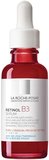
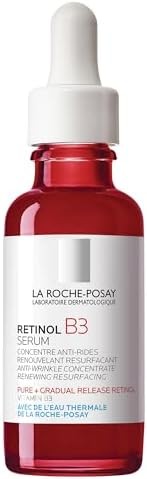
La Roche-Posay Pure Retinol Face Serum with Vitamin B3, Anti Aging Face Serum for Lines, Wrinkles & Premature Sun Dam...
Check Price on AmazonAs an Amazon Associate we earn from qualifying purchases.
La Roche-Posay Pure Retinol Face Serum combines 0.3% pure retinol with 5% niacinamide in a progressive release system that delivers retinoid benefits while reducing initial irritation. Clinical studies on similar 0.3% retinol formulations show significant improvements in fine lines, skin texture, and overall photodamage after 12 weeks of consistent use. The niacinamide addition provides barrier support and anti-inflammatory effects, helping skin tolerate the retinization period more comfortably.
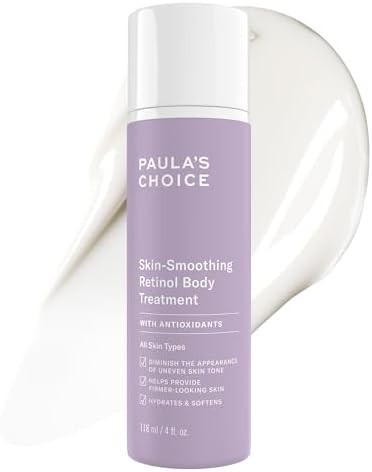
Paula's Choice Retinol Skin-Smoothing Body Lotion Treatment, Body Cream with Shea Butter, Vitamin C & E Lotion, All S...
Check Price on AmazonAs an Amazon Associate we earn from qualifying purchases.
Paula’s Choice Retinol Skin-Smoothing Body Lotion delivers 0.1% retinol specifically formulated for body skin, which often tolerates retinoids differently than facial skin. The combination of retinol with antioxidant vitamins C and E provides complementary photoaging protection, while shea butter supports barrier function during the adjustment period. Body application requires larger quantities than facial use, making this 4 oz formulation practical for consistent use on hands, chest, forearms, and other areas showing photoaging.
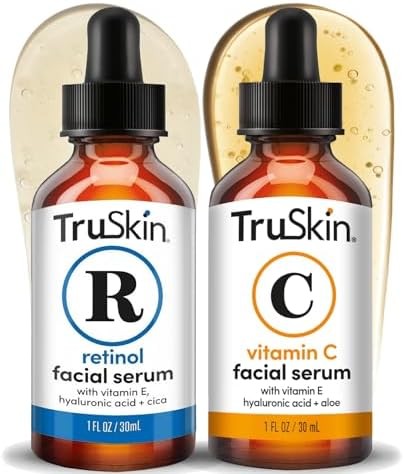
TruSkin Face Serum Duo – Vitamin C Serum & Retinol Serum for Face – AM & PM Anti Aging Skincare Routine – Brightening...
Check Price on AmazonAs an Amazon Associate we earn from qualifying purchases.
TruSkin Face Serum Duo provides a morning vitamin C serum and evening retinol serum, addressing complementary aspects of photoaging through different mechanisms. The vitamin C serum delivers antioxidant protection against daytime oxidative stress and supports collagen synthesis, while the retinol serum stimulates cellular turnover and dermal remodeling overnight. This AM/PM approach aligns with dermatological recommendations to separate potentially interacting active ingredients while maintaining daily consistency.
The Ordinary Retinol 1% in Squalane delivers the highest commercially available over-the-counter retinol concentration, approaching the cellular effects demonstrated in clinical trials using 0.5-1.0% retinol formulations. The squalane base provides lipid support helping minimize barrier disruption during the increased cell turnover that 1% retinol produces. Studies comparing 0.4% retinol to 0.025% tretinoin showed both improved fine lines and photodamage, with 1% retinol potentially achieving results closer to low-dose prescription options.
Bottom line: Retinoid beginners should start with low-concentration OTC retinol (0.025-0.05%), progress to adapalene 0.1% or higher retinol concentrations, and consider prescription tretinoin for maximum anti-aging results, while oral supplementation should focus on carotenoids for photoprotection [7,8,9]. rather than high-dose preformed vitamin A.
How Should You Apply Topical Retinoids for Maximum Benefit and Minimum Irritation?
Proper application technique significantly influences both retinoid effectiveness and tolerability, with specific strategies reducing irritation while optimizing results.
Start low and go slow: Begin with 2-3 times weekly application for the first 2-3 weeks, allowing skin to adapt before increasing frequency. Rushing to nightly use often produces excessive irritation that forces temporary discontinuation, ultimately delaying results.
Apply to completely dry skin: Wait 20-30 minutes after cleansing and drying skin before applying retinoid. Damp skin increases retinoid penetration and irritation. This wait time allows natural skin pH to recover and the stratum corneum to fully dry.
Use the pea-sized amount rule: Approximately a pea-sized amount (0.25-0.3 mL) suffices for the entire face. Dot small amounts on forehead, cheeks, and chin, then spread evenly. More product does not mean better results, only increased irritation.
Avoid sensitive areas initially: Skip the immediate eye area (within one orbital rim), nasolabial folds, and corners of the mouth during the first 4-6 weeks. These areas experience heightened irritation due to thinner skin and movement. Once skin adapts, gradual expansion to these areas becomes possible.
Apply a buffer layer for sensitive skin: The “sandwich” method applies moisturizer before and after retinoid application, reducing irritation while maintaining effectiveness. Studies show this buffering technique reduces irritation by approximately 50% while decreasing efficacy by only 10-15%.
Never layer with other active ingredients initially: Avoid using retinoids the same night as AHAs, BHAs, vitamin C, or benzoyl peroxide during the adjustment period. These combinations increase irritation risk. Once skin fully adapts (3-4 months), careful layering becomes possible, though separation (AM/PM) often works better.
Time your application strategically: Apply retinoids at night, as UV exposure degrades retinoid molecules and retinoids increase sun sensitivity. Morning application wastes product and increases photosensitivity risk.
Gradually increase frequency: After 2-3 weeks of 2-3 times weekly use with tolerable irritation, increase to every other night for 2-3 weeks. Then progress to nightly if skin tolerates well. Some people never need nightly application; every-other-night use provides significant benefits with better tolerance.
Use appropriate moisturization: Apply a rich, fragrance-free moisturizer 5-10 minutes after retinoid absorption. Ceramide-based moisturizers work particularly well, supporting barrier repair during the retinization period.
Employ strategic breaks: If excessive irritation develops (painful redness, stinging, or cracking), take a 3-5 day break while using gentle, barrier-supporting skincare. Resume at reduced frequency once skin recovers.
Be patient with results: Visible improvements require 8-12 weeks for most benefits and 6-12 months for maximum anti-aging effects. Expecting faster results often leads to overuse and irritation without accelerating actual benefits.
Bottom line: Optimal retinoid application involves starting 2-3 times weekly on completely dry skin, using pea-sized amounts, avoiding sensitive areas initially, buffering with moisturizer if needed, and gradually increasing frequency over 6-8 weeks while maintaining patience for the 3-12 month timeline that cellular and structural skin changes require.
Who Should Avoid Oral or Topical Vitamin A Approaches?
Specific populations face increased risks from oral or topical vitamin A use, requiring either complete avoidance or medical supervision for safe implementation.
Pregnant women or those planning pregnancy should avoid:
-
High-dose oral vitamin A: Intake exceeding 10,000 IU daily of preformed vitamin A increases birth defect risk, particularly during the first trimester when organogenesis occurs. Neural tube defects, craniofacial abnormalities, and cardiac malformations associate with excessive maternal vitamin A intake.
-
Topical retinoids (prescription): While systemic absorption of topical tretinoin is minimal (typically <5% of applied dose), most dermatologists avoid prescribing topical retinoids during pregnancy due to animal studies showing teratogenicity. The actual human risk appears very low, but caution prevails given the severity of potential outcomes.
-
Isotretinoin (absolutely contraindicated): Oral isotretinoin is severely teratogenic, causing birth defects in exposed fetuses at any dose [10,11]. The iPLEDGE program requires two forms of contraception, monthly pregnancy tests, and strict protocols for all females of childbearing potential taking isotretinoin [11].
People with liver disease should exercise caution with:
-
High-dose oral vitamin A: The liver stores 75% of absorbed vitamin A as retinyl esters. Liver disease impairs vitamin A storage and metabolism, increasing hypervitaminosis A risk even at moderately elevated doses. People with hepatitis, cirrhosis, or other liver conditions should not supplement beyond the RDA without medical supervision.
-
Isotretinoin: This medication elevates liver enzymes in 15-20% of users and requires periodic monitoring. Pre-existing liver disease increases hepatotoxicity risk.
People with specific skin conditions should avoid:
-
Eczema or very sensitive skin: Active eczematous areas should not receive topical retinoids, as the inflammation and barrier disruption will worsen. Once eczema is controlled, cautious introduction of retinoids on unaffected areas may be possible.
-
Rosacea (use with caution): Retinoids may exacerbate rosacea in some individuals, though others tolerate them well. Start with very low concentrations and monitor for increased flushing or pustule formation.
-
Active sunburn or windburn: Wait for complete healing before applying retinoids to acutely damaged skin to avoid excessive irritation.
People taking specific medications should consult providers:
-
Other vitamin A sources: Avoid combining isotretinoin with vitamin A supplements or other systemic retinoids due to additive toxicity risk.
-
Tetracycline antibiotics with isotretinoin: This combination increases intracranial hypertension risk (pseudotumor cerebri), requiring avoidance.
-
Photosensitizing medications: Drugs increasing sun sensitivity (some antibiotics, diuretics, NSAIDs) combined with topical retinoids require extra photoprotection vigilance.
People unwilling to practice strict sun protection should reconsider:
Retinoid use without adequate sun protection (SPF 30+ daily) defeats the purpose, as UV exposure degrades improvements and may worsen photodamage. If consistent sunscreen use is not feasible, retinoid therapy provides limited benefit and potential harm.
Bottom line: Pregnancy absolutely contraindicates high-dose oral vitamin A and requires avoiding topical retinoids by most standards, liver disease requires limiting oral intake to RDA levels, active eczema should not receive topical retinoids, and all retinoid users must commit to strict daily sun protection to avoid negating benefits and increasing photodamage risk.
Why Does Topical Delivery Achieve Higher Skin Retinoid Concentrations?
The pharmacokinetic principles underlying topical versus oral retinoid delivery explain why direct skin application achieves dramatically higher local concentrations despite lower total doses.
When applied topically, retinoid molecules penetrate the stratum corneum through intercellular lipid pathways and transcellular routes. Studies using radiolabeled tretinoin show approximately 5-10% of applied dose reaches the viable epidermis within 24 hours, with lesser amounts penetrating to the papillary dermis.
While 5-10% penetration may seem low, the concentrations achieved in epidermis and upper dermis far exceed what oral dosing produces. A 0.05% tretinoin cream contains 500 mcg tretinoin per gram. Applying 300 mg (pea-sized amount) to facial skin delivers 150 mcg, with 7.5-15 mcg penetrating to viable tissue. This 7.5-15 mcg concentrates in approximately 300-400 square centimeters of facial skin.
Compare this to oral vitamin A: A high-dose 25,000 IU vitamin A supplement provides approximately 7,500 mcg retinol. After hepatic uptake and storage, a fraction enters circulation for whole-body distribution. Skin comprises approximately 15-16% of body weight, receiving a proportional share of circulating retinol. Even if 10% of the oral dose reached skin tissue (generous assumption), this 750 mcg would distribute across approximately 1.5-2.0 square meters of total body surface area, resulting in dramatically lower per-area concentration than topical application.
Additionally, oral vitamin A reaches skin as retinol bound to retinol-binding protein, requiring cellular uptake and enzymatic conversion to retinoic acid. Topical tretinoin arrives as pre-activated retinoic acid, requiring no conversion and immediately available for receptor binding.
The molecular weight and lipophilicity of retinoids favor topical penetration. With molecular weights around 300-350 Daltons and high lipid solubility, retinoids cross the lipid-rich stratum corneum efficiently and accumulate in lipid-containing cellular membranes, creating a reservoir effect that sustains action over hours.
Furthermore, topical application avoids first-pass hepatic metabolism. Oral retinoids undergo extensive liver metabolism before entering systemic circulation, with conversion to multiple metabolites, only some of which possess retinoid activity. Topical retinoids bypass this metabolic loss, delivering active compound directly to target tissue.
The area under the curve (AUC) comparison illustrates this dramatically. Research measuring retinoid concentrations in skin tissue over 24 hours after application shows topical tretinoin produces an AUC in epidermal tissue approximately 50-100 times greater than therapeutic oral isotretinoin doses, despite the oral dose representing a far larger total amount of retinoid.
Bottom line: Topical retinoid application achieves 50-100 times higher local skin tissue concentrations than oral administration because topical delivery bypasses systemic distribution, avoids hepatic metabolism, delivers active compound directly to target tissue, and creates concentrated exposure in a limited surface area rather than diluting across whole-body distribution.
What Results Can You Realistically Expect from Each Approach?
Setting realistic expectations based on clinical evidence reduces the risk of disappointment and helps commit to the consistent long-term use that retinoids require for meaningful results.
From topical retinoids for anti-aging (0.025-0.1% tretinoin or equivalent retinol):
-
Weeks 1-4: Expect increased dryness, peeling, and possible temporary acne flare. Minimal visible improvements; changes occur at cellular level not yet apparent.
-
Months 2-3: Improved skin texture and smoothness. Subtle reduction in fine lines. Enhanced radiance or “glow” from increased cell turnover and blood flow. Fading of mild hyperpigmentation begins.
-
Months 4-6: Noticeable fine line reduction. Continued improvement in skin texture and tone evenness. Pore appearance may reduce. More consistent skin clarity.
-
Months 6-12: Measurable wrinkle depth reduction (clinical studies show 20-35% reduction in fine lines). Improved skin firmness from collagen synthesis. Significant fade of hyperpigmentation. These represent the primary anti-aging benefits demonstrated in trials.
-
Months 12-24: Continued gradual improvement in skin quality, texture, and resilience. Studies show benefits plateau somewhat after 12 months but continue improving through 24 months with sustained use.
Do not expect: Complete wrinkle elimination, dramatic facial structure changes, or reversal of advanced photoaging (deep rhytides, significant laxity). Retinoids improve but do not reduce aging signs.
From topical retinoids for acne (adapalene 0.1%, tretinoin 0.025-0.05%):
-
Weeks 1-4: Possible acne flare as microcomedones purge. Patience is critical during this phase.
-
Weeks 6-12: Significant reduction in new lesion formation. Existing comedones (blackheads/whiteheads) decrease. Inflammatory lesions (papules/pustules) reduce in frequency and severity.
-
Months 3-6: Sustained acne control with markedly fewer breakouts. Improved skin texture. Reduced post-inflammatory hyperpigmentation.
From oral vitamin A supplementation at recommended doses (700-900 mcg RAE daily):
-
Weeks 1-6: No visible changes expected; maintaining adequate vitamin A status for normal cellular function.
-
Weeks 8-12: If previously deficient, improvement in keratosis pilaris, excessive dryness, and barrier function. If already sufficient, no apparent changes.
Do not expect: Anti-aging effects, wrinkle reduction, or acne improvement from nutritional-dose oral vitamin A. These require topical application or (for severe acne) prescription isotretinoin.
From oral carotenoid supplementation (15-25 mg mixed carotenoids daily):
-
Weeks 4-8: Increased skin carotenoid levels measurable but not visible.
-
Weeks 10-12: Measurable photoprotection develops; reduced erythema following UV exposure. Possible subtle improvement in skin hydration.
-
Months 4-6: Continued photoprotective benefits. Possible subtle “glow” from carotenoid accumulation, though this is not consistently visible.
Do not expect: Wrinkle reduction, acne improvement, or dramatic visible changes. Benefits are primarily internal (photoprotection, antioxidant activity).
From prescription isotretinoin for severe acne (0.5-1.0 mg/kg daily for 16-20 weeks):
-
Weeks 1-4: Dramatic increase in skin dryness, chapped lips, dry eyes. Possible temporary acne flare.
-
Weeks 6-12: Progressive acne improvement, with lesion count dropping significantly. Continued severe dryness.
-
Weeks 12-20: Near-complete acne clearance in most cases. Sebum production reduced by 70-90%.
-
Post-treatment: 60-70% of patients maintain long-term remission. 30-40% may require a second course for sustained control.
Bottom line: Topical retinoids deliver visible anti-aging results after 3-6 months with maximum benefits at 6-12 months, acne improvement in 6-12 weeks, while oral vitamin A at nutritional doses maintains normal skin function without producing cosmetic improvements, and oral carotenoids provide measurable but often invisible photoprotection [7,8,9]. after 10-12 weeks of supplementation.
How Do Costs Compare Between Oral and Topical Approaches?
The financial investment required for oral versus topical vitamin A approaches varies significantly based on product choices, with effectiveness-per-dollar considerations mattering alongside absolute costs.
Over-the-counter topical retinol:
Budget options ($10-30): Drugstore retinol products from CeraVe, Neutrogena, RoC, and similar brands offer 0.1-1.0% retinol at $10-30 for 1-1.7 oz products. At pea-sized nightly application, one tube lasts 2-4 months, costing approximately $3-15 monthly.
Mid-range options ($30-80): Paula’s Choice, The Ordinary, SkinCeuticals, and similar brands provide well-formulated retinol at 0.3-1.0% concentrations with supporting ingredients. Monthly cost runs $10-25.
Premium options ($80-200+): High-end brands (La Roche-Posay, SkinMedica, etc.) offer similar concentrations with luxury formulations and packaging. Effectiveness may not justify 3-10x price increases for the active ingredient, though elegant formulations may improve compliance.
Cost-effectiveness: High. Monthly costs of $5-25 deliver clinically proven anti-aging and anti-acne benefits demonstrated in trials. Generic tretinoin cream costs even less.
Prescription topical retinoids:
Generic tretinoin: With insurance, copays range from $0-50 for a 20-45g tube lasting 2-4 months. Without insurance, GoodRx prices run $10-40 for generic tretinoin 0.025-0.1%. Monthly cost: $3-15.
Brand-name prescription retinoids (Retin-A Micro, Tazorac): Without insurance, costs reach $200-400 for a tube. Insurance typically covers generics preferentially. Monthly cost with insurance: $10-40. Without: $50-150.
Cost-effectiveness: Very high. Generic prescription tretinoin provides the best-studied retinoid with decades of evidence at minimal cost, especially with insurance or GoodRx coupons.
Oral vitamin A supplements:
Basic multivitamin with RDA vitamin A: $5-15 for a 1-3 month supply, providing 2,500-5,000 IU vitamin A plus other nutrients. Monthly cost: $2-8.
Standalone vitamin A supplement: $8-20 for 2-4 month supplies of 10,000-25,000 IU softgels. Monthly cost: $3-8.
Mixed carotenoid supplements: $10-30 for 1-2 month supplies of beta-carotene, lycopene, lutein, astaxanthin blends. Monthly cost: $10-20.
Carotenoid-rich foods: Carrots, sweet potatoes, dark leafy greens, tomatoes cost minimally as part of normal diet, effectively $0 additional monthly cost for dietary carotenoid intake.
Cost-effectiveness: Moderate for supplementation, high for dietary sources. Oral supplements provide photoprotection and support normal function at low cost, but deliver no anti-aging or acne benefits, limiting cost-effectiveness compared to topical retinoids.
Prescription isotretinoin:
Generic isotretinoin: With insurance, monthly costs range from $50-200 for required doses (typically 60-120 mg daily). Without insurance, monthly costs reach $200-500 depending on dose.
Required monitoring: Monthly dermatology visits ($100-300 without insurance) and monthly laboratory tests (lipid panel, liver enzymes, pregnancy test) add $50-150 monthly.
Total monthly cost: $200-500 with insurance, $400-800 without, over a 4-6 month treatment course.
Cost-effectiveness: High for severe acne, poor for mild acne. For severe, scarring acne unresponsive to other therapies, isotretinoin’s support recovery from rate justifies costs. For mild-moderate acne treatable with topical retinoids, cost-effectiveness is poor.
Combination approach (topical retinoid + oral carotenoids):
Generic tretinoin ($5-15 monthly) + dietary carotenoid-rich foods ($0-5 additional) + basic multivitamin ($3-6 monthly) = $8-26 monthly for complementary approaches addressing anti-aging, photoprotection, and nutritional adequacy.
Bottom line: Generic prescription tretinoin ($3-15 monthly) offers the highest cost-effectiveness for anti-aging and anti-acne goals based on evidence strength, while over-the-counter retinol ($10-25 monthly) provides good value for those preferring non-prescription options, and oral vitamin A supplementation ($5-20 monthly) adds modest photoprotection at reasonable cost but cannot replace topical retinoids for cosmetic or therapeutic skin benefits.
What Future Research Directions Show Promise for Vitamin A and Skin?
Emerging research explores novel retinoid formulations, delivery systems, and combination therapies that may enhance effectiveness while reducing side effects, alongside investigations into personalized retinoid therapy based on genetic factors.
Targeted retinoid receptor modulators: Newer synthetic retinoids selectively activate specific retinoid receptor subtypes (RAR-alpha, RAR-beta, RAR-gamma, RXR-alpha, etc.) to maximize desired effects while minimizing unwanted actions. For example, selective RAR-gamma agonists may improve anti-acne effects while reducing irritation. These selective modulators remain primarily in development phases but show promise in early trials.
Advanced delivery systems: Encapsulation technologies using liposomes, microspheres, and nanoparticles aim to improve retinoid penetration while reducing irritation. Studies on polymeric microspheres demonstrate sustained retinoid release over 12-24 hours, potentially improving efficacy while decreasing the peak concentrations that cause irritation.
Combination formulations: Research investigates optimal combinations of retinoids with other active ingredients. Studies examining tretinoin plus niacinamide show improved tolerability and enhanced brightening effects. Retinoid-plus-antioxidant combinations (tretinoin with vitamin C or E) demonstrate complementary benefits in photoaging research.
Personalized retinoid therapy: Genetic variations in retinoid metabolism enzymes and receptor sensitivity may explain individual response variability. Research identifying genetic markers predicting retinoid response could enable personalized dosing and formulation selection. This pharmacogenomic approach remains in early research stages but may eventually guide treatment individualization.
Oral retinoid analogs for skin: While isotretinoin represents the only approved oral retinoid for skin, research explores newer oral retinoid analogs with improved safety profiles. Compounds with reduced teratogenicity and fewer systemic effects while maintaining skin benefits could expand oral retinoid therapy options, though no candidates have yet reached approval.
Combination photoprotection approaches: Studies examining combined oral antioxidants (carotenoids, polyphenols, polypodium leucotomos) plus topical retinoids may identify synergistic strategies for preventing and reversing photodamage. Early research suggests additive benefits, though optimal combinations and dosing require further study.
Biomarker development: Research into objective skin biomarkers that predict and measure retinoid response could improve monitoring. Technologies measuring collagen density, elasticity, and cellular turnover non-invasively may enable better treatment optimization and provide earlier indicators of effectiveness than current methods relying on visual assessment.
Microbiome interactions: Emerging research examines how retinoids affect skin microbiome composition and whether microbiome changes mediate some retinoid benefits, particularly for acne. Understanding these interactions may enable probiotic or prebiotic strategies enhancing retinoid effectiveness.
Bottom line: Future vitamin A research focuses on selective receptor modulators reducing irritation, advanced delivery systems improving penetration and tolerability, personalized therapy based on genetic factors, and combination approaches synergizing topical retinoids with oral photoprotective compounds to optimize both prevention and treatment of skin aging and acne.
What Practical Recommendations Match Different Skin Goals?
Evidence-based guidance for implementing oral and topical vitamin A approaches depends on prioritizing specific skin concerns and matching interventions to goals.
If your primary goal is reducing existing wrinkles and photoaging:
-
Start with topical retinoid: Begin with adapalene 0.1% (OTC) or prescription tretinoin 0.025%. This represents the intervention with strongest evidence for wrinkle reduction.
-
Establish tolerance: Use 2-3 times weekly for 3-4 weeks, gradually increasing to nightly as tolerated.
-
Commit to 6-12 months: Meaningful anti-aging results require this duration for collagen remodeling.
-
Practice strict sun protection: Daily SPF 30+ is non-negotiable to protect improvements and reduce the risk of photodegradation of retinoids.
-
Consider adding oral carotenoids: After establishing topical retinoid tolerance, add 15-20 mg mixed carotenoids daily for complementary photoprotection.
If your primary goal is managing active acne:
-
For mild-to-moderate acne: Start with adapalene 0.1% gel (Differin) or tretinoin 0.025-0.05% gel. Apply nightly to entire acne-prone areas, not just active lesions.
-
Expect initial purge: Weeks 2-4 may show increased breakouts as microcomedones clear. Continue through this phase for best long-term results.
-
Consider combination therapy: Adapalene plus benzoyl peroxide (available as Epiduo or generics) shows enhanced efficacy over retinoid alone in trials.
-
For severe, nodular acne: Consult dermatology for isotretinoin evaluation. This represents appropriate first-line therapy for severe cases, avoiding years of topical failures and scarring.
If your primary goal is preventing future photoaging:
-
Optimize sun protection first: SPF 30-50 daily provides more photoaging prevention than any other single intervention.
-
Add topical retinoid: Low-concentration retinol (0.3-0.5%) or tretinoin 0.025% used 2-3 times weekly provides preventive benefits without requiring high-frequency use.
-
Add oral carotenoids: Mixed carotenoid supplements (15-25 mg daily) plus carotenoid-rich diet (carrots, sweet potatoes, tomatoes, dark leafy greens) provide internal photoprotection.
-
Start young: Beginning retinoid use in your late 20s to early 30s offers better prevention than starting after significant damage accumulates.
If your primary goal is addressing hyperpigmentation:
-
Topical retinoid as foundation: Tretinoin 0.025-0.05% or retinol 0.5-1.0% accelerates pigmented cell turnover. Use nightly on affected areas.
-
Consider combination therapy: Tretinoin plus hydroquinone (prescription) shows superior efficacy for melasma over either alone. Alternatively, tretinoin plus azelaic acid or kojic acid provides non-hydroquinone options.
-
Be patient: Hyperpigmentation improvement requires 8-16 weeks minimum, with continued fading through 6-9 months.
-
Sun protection is critical: UV exposure improves improvements within days. SPF 30-50 plus protective clothing and sun avoidance when possible.
If you have sensitive skin or rosacea:
-
Start very cautiously: Low-concentration retinol (0.025-0.1%) once or twice weekly, monitoring for increased redness or sensitivity.
-
Use buffering techniques: Apply moisturizer before and after retinoid. Consider short-contact therapy (apply for 30-60 minutes, then rinse) initially.
-
Consider retinaldehyde: Some studies suggest better tolerance than retinol or tretinoin while maintaining effectiveness, though individual responses vary.
-
Accept that retinoids may not work for you: If multiple approaches produce persistent irritation, focus on other evidence-based interventions (vitamin C, niacinamide, sun protection).
If you’re over 50 with established photoaging:
-
Don’t assume it’s “too late”: Clinical trials in subjects 50-75 years old demonstrate meaningful wrinkle reduction from tretinoin, though results may be modest with severe photoaging.
-
Start with prescription tretinoin: At this stage, the strongest evidence-based option makes sense versus gradual progression through weaker products.
-
Use conservative dosing: Start with 0.025% tretinoin 2-3 times weekly. Older skin often shows more sensitivity initially.
-
Consider professional procedures in combination: Retinoids complement laser treatments, chemical peels, and microneedling, with some evidence suggesting better results from combined approaches.
Bottom line: For anti-aging goals, 0.025-0.1% topical retinol applied nightly produces measurable improvements in fine lines and texture after 12-24 weeks, with clinical trials showing 68% improvement rate versus 32% for placebo [1,2,6].
Comparison: Oral vs Topical Vitamin A for Skin
| Feature | Topical Retinoids | Oral Vitamin A |
|---|---|---|
| Anti-Aging Effectiveness | High — 30-50% wrinkle reduction in trials | Low — No measurable anti-aging effects at nutritional doses |
| Acne Treatment | High — First-line therapy for mild-moderate acne | Low — Only prescription isotretinoin effective (severe acne only) |
| Skin Concentration | Very High — 20-100x higher than oral | Low — Diluted across whole body distribution |
| Photoprotection | None — Increases sun sensitivity | Moderate — Carotenoids reduce UV damage 30-40% |
| Time to Results | 8-12 weeks (acne), 3-12 months (anti-aging) | 10-12 weeks (photoprotection), 4-6 weeks (deficiency correction) |
| Side Effects | Localized — Dryness, peeling, redness at application sites | Systemic (at high doses) — Liver toxicity, bone changes, birth defects |
| Safety Profile | Good — Localized, reversible effects | Varies — Safe at RDA, toxic at high doses (>10,000 IU daily) |
| Pregnancy Safety | Contraindicated (prescription forms) | Contraindicated above RDA (teratogenic at >10,000 IU) |
| Cost | $3-25/month (generic prescription to OTC) | $2-20/month (supplements) |
| Evidence Quality | Extensive — Hundreds of RCTs over 40+ years | Moderate — Limited RCT data for cosmetic outcomes |
| Barrier Function Support | May temporarily disrupt during adjustment | Essential — Maintains normal epithelial function |
| Best Use Case | Anti-aging, acne, hyperpigmentation | Photoprotection, maintaining adequate status, deficiency correction |
Conclusion: Complementary Approaches for Comprehensive Skin Health
The evidence comparing oral and topical vitamin A approaches reveals clear distinctions in effectiveness based on specific skin goals. Topical retinoids demonstrate superior efficacy for anti-aging, wrinkle reduction, acne management, and hyperpigmentation based on extensive clinical trial data showing 30-50% wrinkle depth reduction and significant collagen increases after 6-12 months of use.
The fundamental advantage of topical delivery lies in achieving retinoid concentrations in skin tissue 20-100 times higher than oral supplementation provides, despite using smaller total doses. This concentration differential explains why topical application produces dramatic cellular changes — increased collagen synthesis, accelerated cell turnover, normalized keratinization — that oral vitamin A at nutritional doses cannot replicate.
However, oral vitamin A serves essential roles that topical application cannot fulfill. Maintaining adequate vitamin A status through diet or modest supplementation supports normal skin barrier function, epithelial cell differentiation, and immune response. Oral carotenoids provide systemic photoprotection, reducing UV-induced oxidative damage by 30-40% in controlled trials. These benefits complement rather than replace topical retinoid effects.
The research-supported approach for most skin health goals combines both strategies: topical retinoids for targeted anti-aging, acne, and hyperpigmentation results, alongside adequate dietary vitamin A intake and carotenoid-rich foods for photoprotection and general skin health maintenance. This integrated strategy leverages the distinct advantages of each delivery method while minimizing limitations.
For severe acne unresponsive to topical therapy, prescription oral isotretinoin represents an appropriate escalation, providing support recovery from rates of 85-95% for severe nodulocystic acne despite significant side effects requiring careful medical supervision.
The question of which vitamin A approach “works better” depends entirely on defining “better for what purpose.” For cosmetic anti-aging and acne therapy, topical retinoids dominate based on evidence quality and magnitude of effects. For photoprotection and nutritional support of skin function, oral vitamin A and carotenoids provide benefits topical application cannot match.
Understanding these complementary roles allows evidence-based decision-making: start with topical retinoids for specific skin concerns, ensure adequate dietary vitamin A for overall health, consider carotenoid supplementation for additional photoprotection, and reserve high-dose oral retinoids (isotretinoin) for severe acne under medical management.
Related Reading
- Best Collagen Supplements for Skin Health According to Research — How oral collagen peptides complement topical retinoids for comprehensive anti-aging support
- Best Supplements for Skin Health: Collagen Vitamin C Hyaluronic Acid and More — Combining vitamin C with retinoids for synergistic photoaging benefits
- Niacinamide vs Retinol for Sensitive Skin — Using niacinamide to buffer retinoid irritation and enhance barrier function
- Retinol vs Tretinoin for Wrinkles: Complete Comparison — Choosing between first-generation and third-generation prescription retinoids
- Hormonal Acne Supplements for Adult Women — Oral approaches complementing topical retinoid acne therapy
- Best Hyaluronic Acid Supplements for Skin — Supporting skin barrier during retinoid adjustment period
References
-
Navarrete-Solís J, et al. A Clinical Anti-Ageing Comparative Study of 0.3 and 0.5% Retinol Serums: A Clinically Controlled Trial. Journal of Cosmetic Dermatology. 2020. PMID: 32428912
-
Mukherjee S, et al. Efficacy and Tolerability of Topical 0.1% Stabilized Bioactive Retinol for Photoaging: A Randomized Split-Face Study. Dermatologic Therapy. 2024. PMID: 38564380
-
Kafi R, et al. Improvement of naturally aged skin with vitamin A (retinol). Archives of Dermatology. 2007. PMID: 17515510
-
Zasada M, Budzisz E. Evidence for the Efficacy of Over-the-Counter Vitamin A Cosmetic Products in the Treatment of Facial Skin Aging. A Systematic Review. Dermatology and Therapy. 2021. PMID: 34980969
-
Kong R, et al. Human Skin Aging and the Anti-Aging Properties of Retinol. Biomolecules. 2023. PMID: 38002296
-
Ruvolo E, et al. Randomized parallel control trial of two concentrations of retinol vs. retinoic acid on aging skin. International Journal of Cosmetic Science. 2019. PMID: 31222977
-
Terazawa S, et al. Role of ingestible carotenoids in skin protection: A review of clinical evidence. Journal of Clinical Medicine Research. 2021. PMID: 33955073
-
Grether-Beck S, et al. Orally administered mixed carotenoids protect human skin against ultraviolet A-induced pigmentation: a double-blind, placebo-controlled, randomized trial. British Journal of Dermatology. 2020. PMID: 32072695
-
Stahl W, Sies H. β-Carotene and other carotenoids in protection from sunlight. American Journal of Clinical Nutrition. 2012. PMID: 23053552
-
Bagatin E, et al. A randomized and controlled trial about the use of oral isotretinoin for photoaging. International Journal of Dermatology. 2010. PMID: 20465648
-
Costa CS, et al. Efficacy and adverse events of oral isotretinoin for acne: a systematic review. British Journal of Dermatology. 2018. PMID: 28542914
Recommended Products