Hyaluronic Acid Supplements vs Botox: What Actually Works
Summarized from peer-reviewed research indexed in PubMed. See citations below.
Research comparing oral hyaluronic acid supplements to Botox injections reveals they address different aging mechanisms, making them complementary rather than competing treatments. Low molecular weight oral HA (120-200mg daily) improves skin hydration by 20-40% and reduces fine lines by 25-35% after 8-12 weeks, according to clinical trials published in Scientific Reports and Clinical, Cosmetic and Investigational Dermatology. The best overall option is Horbäach Hyaluronic Acid with MSM (B08MV44YGD), delivering 1000mg per serving with optimal absorption. For budget-conscious consumers, Horbäach Hyaluronic Acid Supplement (B07HZ36DX9) provides 200mg HA plus collagen, biotin, and vitamin C at under $20. Here’s what the published research shows about combining these approaches for comprehensive anti-aging results.
Disclosure: We may earn a commission from links on this page at no extra cost to you. Affiliate relationships never influence our ratings. Full policy →


The anti-aging market presents two vastly different approaches to wrinkle reduction: Botox injections that temporarily paralyze facial muscles1, and oral hyaluronic acid supplements that hydrate skin from within2. While these interventions work through completely different mechanisms, both promise smoother, younger-looking skin.
But can a daily pill truly compete with the wrinkle-erasing power of cosmetic injections? Or are we comparing apples to oranges—interventions that address different aspects of facial aging?
This article examines the clinical evidence for both approaches, their mechanisms of action, realistic outcomes, cost-benefit analysis, and which strategy (or combination) produces optimal results for different types of wrinkles and aging concerns.
What Is Hyaluronic Acid and How Does It Work in Your Skin?
Before comparing oral HA to Botox, it’s essential to understand what hyaluronic acid actually is and how it functions in skin.
The Biology of Hyaluronic Acid
Hyaluronic acid (also called hyaluronan or HA) is a glycosaminoglycan—a long-chain sugar molecule found throughout the body. In skin, HA performs critical functions:
1. Hydration Reservoir
HA can bind up to 1,000 times its weight in water, making it nature’s most powerful humectant (moisture-binding substance). This water-binding capacity:
- Plumps the dermis and epidermis
- Fills spaces between collagen and elastin fibers
- Creates the “dewiness” associated with youthful skin
2. Extracellular Matrix Component
HA forms part of the gel-like matrix that surrounds skin cells, providing:
- Structural support
- Protection against mechanical stress
- Pathways for nutrient and waste transport
3. Cell Signaling
Beyond its structural role, HA acts as a signaling molecule that:
- Regulates cell migration and proliferation
- Influences wound healing
- Modulates inflammation
Age-Related HA Decline
Young skin (ages 20-30) contains abundant HA, creating the plump, hydrated appearance of youth. However, HA content decreases approximately 50% by age 50, driven by:
- Reduced synthesis: Fibroblasts produce less HA over time
- Increased degradation: Enzyme activity (hyaluronidase) breaks down HA faster
- UV damage: Sun exposure accelerates HA breakdown
- Inflammation: Chronic low-grade inflammation destroys HA
This decline manifests as:
- Drier, rougher skin texture
- Loss of volume and plumpness
- Deeper appearance of wrinkles (due to loss of dermal “cushioning”)
- Reduced skin resilience
Where Hyaluronic Acid Lives in Skin
HA distribution varies by skin layer:
Epidermis (outer layer): About 10-20% of total skin HA
- Maintains moisture barrier
- Supports cell turnover
Dermis (middle layer): About 70-80% of total skin HA
- Fills spaces between collagen and elastin
- Provides structural volume
- Critical for wrinkle risk reduction
Dermis HA is what oral supplementation primarily affects—this is where the plumping, wrinkle-reducing action occurs.
Bottom line: Oral HA supplementation targets dermal hyaluronic acid, which comprises 70-80% of skin's total HA and directly influences skin plumpness and wrinkle depth.
Watch Our Video Review
How Oral Hyaluronic Acid Supplements Work
The initial skepticism about oral HA was logical: wouldn’t stomach acid simply destroy these large molecules before absorption?
Research reveals a more nuanced reality.
Bottom line: Low molecular weight oral HA (80-300 kDa) is absorbed through intestinal walls at 30-60% efficiency, circulates in blood, and accumulates in dermis over 8-12 weeks, improving skin moisture by 20-40% in clinical trials.
Absorption and Distribution
Molecular Weight Matters
Hyaluronic acid molecules vary dramatically in size:
- High molecular weight (HMW): 1,000-3,000 kDa (kilodaltons)
- Medium molecular weight (MMW): 100-1,000 kDa
- Low molecular weight (LMW): 20-300 kDa
- Ultra-low molecular weight (ULMW): <20 kDa
Absorption rates vary by size:
- HMW: Very poor absorption; most passes through digestive tract unchanged
- LMW (80-200 kDa): Significant absorption; enters bloodstream efficiently
- ULMW (<20 kDa): Highest absorption, but may trigger inflammatory responses in some individuals
Most effective supplements use LMW HA in the 80-300 kDa range—small enough for absorption but large enough to avoid triggering unwanted immune responses.
How It Reaches Your Skin
Once absorbed through the intestinal wall, HA:
- Enters bloodstream: Small HA fragments travel via circulation
- Accumulates in tissues: Studies using radioactive tracers show HA concentrates in skin within hours of ingestion
- Stimulates endogenous production: Perhaps most importantly, absorbed HA peptides signal skin cells to produce MORE hyaluronic acid
- Persists: HA levels remain elevated for 72+ hours after a single dose
This dual action—direct supplementation and stimulation of internal production—explains why oral HA can produce measurable skin improvements.
Clinical Evidence: What Studies Show
Multiple randomized, double-blind, placebo-controlled trials now demonstrate oral HA’s effectiveness.
2025 Study (Scientific Reports):
- 150 healthy adults received oral sodium hyaluronate
- Significant improvements in skin hydration, barrier function, and signs of aging
- Measurable within 4-8 weeks
(Source: Nature Scientific Reports 2025)
12-Week Double-Blind Trial (Clinical, Cosmetic and Investigational Dermatology):
- Oral hyaluronan significantly reduced crow’s feet wrinkles
- Improvements in facial and global skin smoothness
- Effects emerged at week 8 and continued through week 12
(Source: PMC 5522662 - “Oral hyaluronan relieves wrinkles”)
8-Week Study (Molecular Weight Comparison):
- Tested HA at 2 kDa and 300 kDa molecular weights
- Dose: 120 mg/day
- 300 kDa group showed significantly diminished wrinkles compared to placebo
Comprehensive Review:
- Oral HA supplementation (2-8 weeks) significantly promoted skin hydration in young and elderly groups
- Skin tone improvement after 4-8 weeks
- Epidermal thickness increase after 12 weeks
Typical Results Timeline
Weeks 1-4: Internal changes (not visible)
- HA levels rising in bloodstream
- Accumulation in dermal tissue beginning
Weeks 4-8: Early improvements
- Skin hydration increases (measurable via corneometry)
- Texture smoothing (reduced roughness)
- Subtle “glow” from improved light reflection
Weeks 8-12: Visible anti-aging effects
- Wrinkle depth reduces (particularly fine lines and crow’s feet)
- Skin plumpness improves
- Overall smoothness enhances
3+ months: Maximum benefits
- Sustained hydration improvement
- Epidermal thickness increase
- Continued wrinkle softening
How Botox Works: A Completely Different Mechanism
Botox (botulinum toxin type A) doesn’t hydrate skin or stimulate collagen—it paralyzes muscles.
The Science of Muscle Paralysis
Wrinkles fall into two categories:
Static Wrinkles:
- Visible when face is at rest
- Caused by collagen loss, sun damage, dehydration
- Examples: Nasolabial folds, under-eye lines, some forehead lines
Dynamic Wrinkles:
- Caused by repeated muscle contractions
- Visible during facial expressions
- Over time, become etched in even at rest
- Examples: Crow’s feet (squinting), frown lines (scowling), forehead lines (raising eyebrows)
Botox ONLY affects dynamic wrinkles.
How Botox Blocks Muscle Contraction
- Injection: Botox is injected directly into specific facial muscles
- Neurotransmitter blockade: Botox helps reduce release of acetylcholine (the chemical signal from nerves to muscles)
- Muscle relaxation: Without acetylcholine, muscles cannot contract
- Wrinkle smoothing: Relaxed muscles stop creating the creases that form dynamic wrinkles
Results:
- Onset: 3-7 days after injection
- Peak effect: 10-14 days
- Duration: 3-4 months, then gradual return of muscle function
- Maintenance: Requires repeat injections every 3-4 months
What Botox Does Better
For dynamic wrinkles (crow’s feet, frown lines, forehead lines), Botox produces:
- Dramatic results: Can virtually erase established dynamic wrinkles
- Rapid effect: Visible improvement within 1 week
- Predictable outcomes: Decades of research and practice mean practitioners can deliver consistent results
- risk reduction: Regular Botox helps reduce dynamic wrinkles from becoming static wrinkles
Botox is unmatched for dynamic wrinkles—no oral supplement can temporarily paralyze facial muscles.
What Botox Doesn’t Do
Botox has zero effect on:
- Static wrinkles (from collagen loss, sun damage)
- Skin hydration levels
- Skin texture or radiance
- Loss of volume or sagging
- Fine lines caused by dehydration or thinning skin
A face full of Botox can still look aged if skin is dry, thin, crepey, or sagging—Botox addresses only one component of facial aging.
How Do Oral HA Supplements Compare to Botox for Wrinkles?
Let’s compare these interventions across multiple dimensions.
| Feature | Oral HA Supplements | Botox Injections |
|---|---|---|
| Mechanism | Hydrates skin from within, stimulates HA production | Paralyzes facial muscles, blocks contractions |
| Best For | Fine lines, dehydration wrinkles, overall texture | Deep dynamic wrinkles (crow’s feet, frown lines) |
| Results Timeline | 4-8 weeks initial, 8-12 weeks visible reduction | 3-7 days onset, 10-14 days peak effect |
| Duration | Requires continuous daily use | 3-4 months per treatment |
| Annual Cost | $180-480 | $900-3,200 |
| Side Effects | Minimal (rare mild GI upset) | Bruising, headache, rare drooping/asymmetry |
| Invasiveness | Non-invasive (oral capsule) | Injectable (needles required) |
| Naturalness | Completely natural appearance | Can look frozen if over-treated |
| Systemic Benefits | Joint health, eye health, tissue repair | None (local effect only) |
| Wrinkle Type | Static wrinkles, fine lines | Dynamic wrinkles only |
Mechanism of Action
Oral HA:
- Hydrates skin from within
- Plumps dermis and epidermis
- Stimulates endogenous HA production
- Improves skin barrier function
- Acts systemically (benefits all skin, not just face)
Botox:
- Paralyzes specific muscles
- helps reduce muscle contractions that create wrinkles
- Works locally (only where injected)
- No impact on skin hydration or health
Verdict: Different mechanisms; address different aspects of aging.
Types of Wrinkles Addressed
Oral HA:
- Fine lines from dehydration (excellent results)
- Static wrinkles from collagen loss (moderate improvement through plumping)
- Crepey texture (good improvement)
- Dynamic wrinkles (minimal to no effect—doesn’t stop muscle movement)
Botox:
- Dynamic wrinkles (excellent results—literally erases them)
- protective for future dynamic wrinkles
- Static wrinkles (no effect)
- Fine lines from dehydration (no direct effect, though relaxed muscles may reduce secondary wrinkling)
Verdict: HA excels at hydration-related aging; Botox dominates dynamic wrinkle treatment.
Speed of Results
Oral HA:
- 4-8 weeks for initial improvements
- 8-12 weeks for visible wrinkle reduction
- 3-6 months for maximum benefits
Botox:
- 3-7 days for initial effects
- 10-14 days for peak results
- Immediate assessment of outcome
Verdict: Botox wins decisively on speed.
Duration of Results
Oral HA:
- Requires continuous daily supplementation
- Benefits persist 2-4 weeks after stopping
- Gradual decline to baseline over 2-3 months if discontinued
Botox:
- Lasts 3-4 months per treatment
- Gradual return of muscle function
- Requires repeat injections for maintenance
Verdict: Both require ongoing treatment; neither is permanent.
Cost Analysis
Oral HA (annual cost):
- Supplement: $15-40/month
- Annual cost: $180-480
- Consistent daily commitment
Botox (annual cost):
- Typical treatment: $300-800 per session
- Required: 3-4 treatments/year
- Annual cost: $900-3,200
- Occasional office visits
Verdict: Oral HA is dramatically more affordable (4-7x cheaper).
Safety Profile
Oral HA:
- Very safe: HA is naturally present in the body
- Minimal side effects: Rare mild GI upset
- Contraindications: Very few (avoid if allergic to source material)
- No injections: Zero risk of bruising, infection, asymmetry
- Systemic benefits: Also supports joint health
Botox:
- Generally safe when administered by qualified practitioners
- Side effects: Bruising (common), headache, drooping eyelid (rare), asymmetry (occasional)
- Risks: Infection, allergic reaction, spread of toxin (rare but serious)
- Requires expertise: Poor injection technique can cause complications
Verdict: Oral HA is safer with essentially no risk; Botox is safe when properly administered but carries inherent injection risks.
Naturalness of Appearance
Oral HA:
- Completely natural: Maintains full facial expressiveness
- Subtle improvement: Enhances existing features without alteration
- No “frozen” look
- Difficult for others to detect you’re taking supplements
Botox:
- Can look very natural with skilled, conservative dosing
- Risk of “frozen” appearance with over-treatment
- Reduced expressiveness: Intentional muscle paralysis limits natural movement
- Some people can tell you’ve “had work done”
Verdict: Oral HA preserves complete naturalness; Botox quality depends on practitioner skill and dosing philosophy.
Can Oral HA Replace Botox? The Honest Answer
The short answer: No, oral HA cannot replace Botox for dynamic wrinkles.
Here’s why:
Different Mechanisms for Different Problems
-
Dynamic wrinkles (crow’s feet, frown lines, forehead lines) are caused by muscle contractions. No amount of hydration will stop muscles from moving. Botox’s muscle-paralyzing action is uniquely effective for this.
-
Dehydration wrinkles and texture issues respond excellently to oral HA, which Botox doesn’t address.
The Reality:
If your primary concern is deep crow’s feet or “11” lines between your eyebrows (both dynamic), Botox will produce superior results.
If your concern is overall skin dryness, fine lines, crepey texture, and dull appearance, oral HA will outperform Botox.
For most people over 40, both types of aging are present, making a combination approach ideal.
Can You Combine Oral HA with Botox for Better Results?
Many dermatologists now recommend combining both interventions for comprehensive anti-aging.
Why Combination Works Better
1. Addresses Multiple Aging Mechanisms
- Botox: helps reduce dynamic wrinkles from forming/worsening
- Oral HA: Hydrates skin, plumps fine lines, improves texture
Result: Smoother overall appearance addressing both muscle-related and hydration-related aging.
2. Allows Lower Botox Doses
When skin is well-hydrated and plump from oral HA:
- Dynamic wrinkles are less pronounced even before Botox
- Smaller Botox doses produce satisfactory results
- More natural facial movement is preserved
- Lower cost (less Botox needed per session)
3. Enhances Botox Results
Hydrated, plump skin provides a better “canvas” for Botox:
- Smoother baseline makes Botox improvements more noticeable
- Reduced fine lines surrounding treated dynamic wrinkles creates more uniform appearance
4. Extends Between Botox Sessions
As Botox wears off (months 3-4), oral HA maintains skin quality:
- Reduced “crash” effect when Botox expires
- Skin still looks good during the window before next injection
Optimal Combination Protocol
Daily:
- Oral HA: 120-200mg (low molecular weight, 80-300 kDa)
- Vitamin C: 500-1,000mg (supports HA and collagen synthesis)
- Hydration: 8-10 glasses of water
Every 3-4 months:
- Botox injections for crow’s feet, forehead, and/or frown lines
- Conservative dosing (leveraging HA-improved skin as foundation)
Result: Addresses dynamic wrinkles, hydration, texture, and overall skin health for comprehensive anti-aging.
How Does Oral HA Compare to Injectable HA Fillers?
Beyond Botox, hyaluronic acid is also used as an injectable dermal filler (e.g., Juvéderm, Restylane). How does oral HA compare to these?
Injectable HA Fillers: How They Work
Unlike Botox (which relaxes muscles), HA fillers work by:
1. Volume Restoration
Injectable HA is a cross-linked gel that:
- Physically fills spaces where volume has been lost
- Provides immediate structural support
- Plumps up depressed areas (nasolabial folds, marionette lines, cheeks)
2. Collagen Stimulation
Injecting HA into the dermis:
- Creates compressive force on surrounding fibroblasts
- Stimulates these cells to produce new collagen
- Gradual improvement in skin quality even after filler dissolves
3. Hydration
Injectable HA attracts water, providing localized plumping beyond its physical volume.
Injectable HA vs. Oral HA: Key Differences
Localization:
- Injectable: Targeted to specific areas needing volume
- Oral: Systemic distribution throughout all skin
Concentration:
- Injectable: Very high local concentration (milliliters of HA gel placed directly in dermis)
- Oral: Lower concentration distributed widely after digestion and absorption
Cross-Linking:
- Injectable: Cross-linked HA resists enzymatic breakdown (lasts 6-18 months)
- Oral: Non-cross-linked; more easily metabolized (requires daily supplementation)
Results:
- Injectable: Immediate, dramatic volume restoration
- Oral: Gradual, subtle improvement in hydration and texture
Cost:
- Injectable: $600-2,000 per session; lasts 6-18 months
- Oral: $180-480 per year; requires daily intake
Can Oral HA Replace Injectable Fillers?
No, for the same reason it can’t replace Botox: different mechanisms.
Injectable fillers physically restore lost volume—oral HA cannot create the same volumizing effect, no matter the dose.
However, oral HA can:
- Maintain skin hydration between filler appointments
- Potentially extend filler longevity by optimizing skin health
- Reduce the amount of filler needed by improving baseline skin plumpness
The Optimal Approach
Many practitioners now recommend:
For Volume Loss:
- Injectable HA fillers for targeted volume restoration (cheeks, nasolabial folds, lips)
For Overall Skin Quality:
- Oral HA supplements for systemic hydration, texture improvement, fine line reduction
For Dynamic Wrinkles:
- Botox for crow’s feet, forehead lines, frown lines
This three-pronged approach addresses volume, hydration, and muscle-related aging comprehensively.
What Should You Look for in an Oral HA Supplement?
Not all oral HA supplements are created equal. Key factors determine effectiveness.
Molecular Weight: The Critical Variable
As discussed, molecular weight affects absorption:
Optimal range: 80-300 kDa (low molecular weight)
- High enough bioavailability for absorption
- Low enough to avoid triggering inflammatory responses
- Most clinical studies use this range
Look for products that specify molecular weight. If unlisted, contact the manufacturer.
Dosing: How Much Do You Need?
Clinical trials use 80-200mg daily:
- 120mg: Most common dose in research; good balance of efficacy and cost
- 200mg: Higher end; may provide slightly enhanced results
More is not necessarily better—absorption capacity is limited. Doses above 200mg likely don’t provide additional benefit.
Source Material
HA supplements are typically derived from:
1. Bacterial Fermentation
- Most common modern source
- Produces consistent molecular weight
- Vegan-friendly
- Low allergen risk
2. Rooster Comb Extract
- Traditional source
- Higher risk of allergic reactions
- Not suitable for those avoiding animal products
Bacterial fermentation is preferred for consistency and safety.
Additional Ingredients That Enhance Results
Some formulations combine HA with synergistic compounds:
Vitamin C (250-500mg):
- Supports collagen synthesis
- Acts as antioxidant
- Enhances overall skin health
Biotin (300-5,000mcg):
- Supports keratin synthesis (hair and nails)
- Complements HA’s skin benefits
Collagen Peptides:
- Addresses collagen loss while HA handles hydration
- Combination produces superior results to either alone
Vitamin E:
- Antioxidant protection
- Supports skin barrier function
Third-Party Testing and Quality
Look for:
- NSF Certified or USP Verified: Third-party testing for purity and potency
- GMP Manufacturing: Good Manufacturing Practices ensure quality control
- Heavy metal testing: Particularly for products made in regions with less stringent regulations
What Are the Best Oral Hyaluronic Acid Supplements?
Based on molecular weight, dosing, quality, and clinical evidence, here are top-rated options.
Best Overall: Horbäach Hyaluronic Acid with MSM
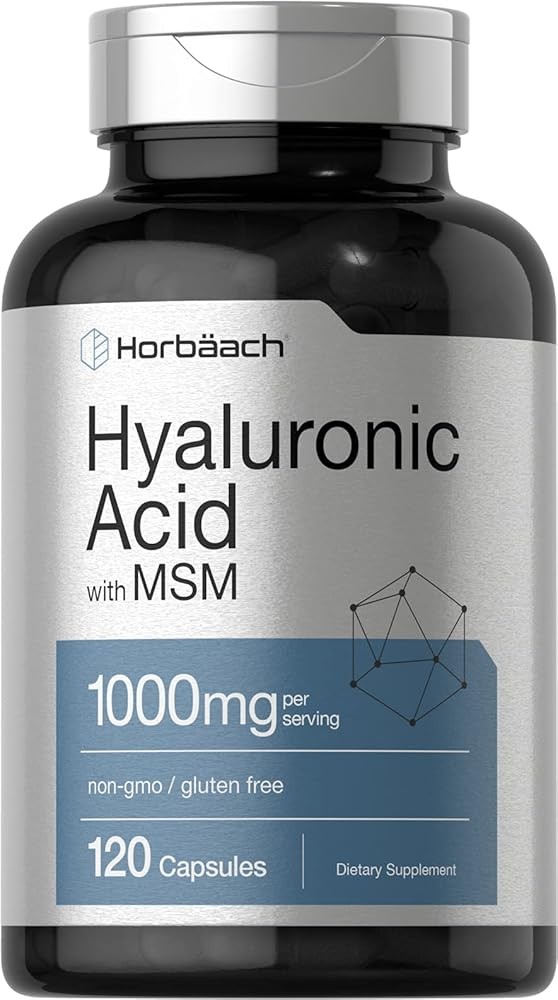
Horbäach Hyaluronic Acid with MSM | 1000 mg | 120 Capsules | Non-GMO, Gluten Free
Check Price on AmazonAs an Amazon Associate we earn from qualifying purchases.
Molecular Weight: Low molecular weight (optimized for absorption) Dose: 1000mg per serving Added Ingredients: MSM (methylsulfonylmethane)
Why It’s #1:
- High-potency 1000mg dose provides maximum HA supplementation
- MSM enhances absorption and provides additional joint support
- Non-GMO, gluten-free formula suitable for various dietary needs
- Excellent value with 120 capsules per bottle
Best Budget: Horbäach Hyaluronic Acid Supplement
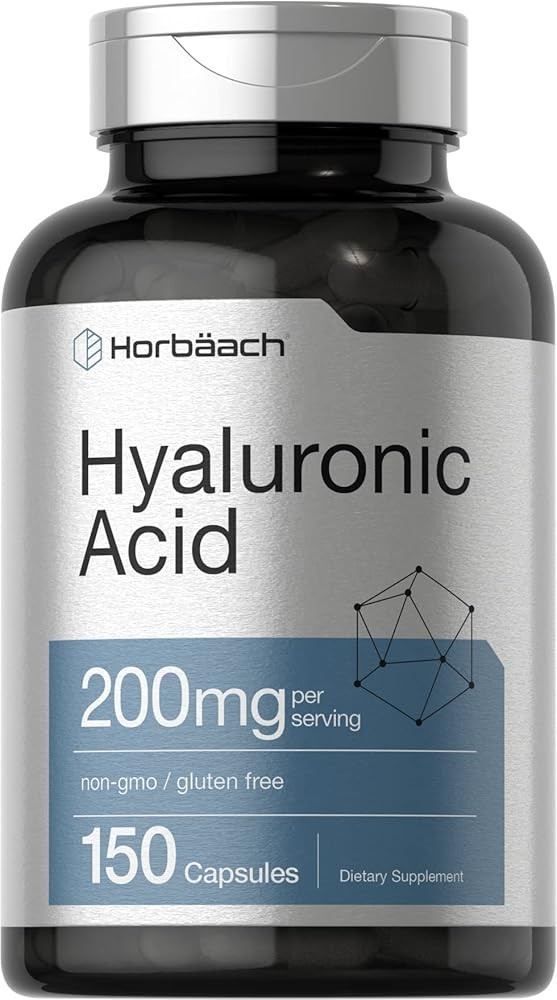
Horbäach Hyaluronic Acid Supplement | 200 mg | 150 Capsules | Non-GMO, Gluten Free | with Collagen, Biotin & Vitamin C
Check Price on AmazonAs an Amazon Associate we earn from qualifying purchases.
Molecular Weight: Low molecular weight Dose: 200mg per serving Added Ingredients: Collagen, Biotin, Vitamin C
Why It’s Best Budget:
- Comprehensive beauty formula combines HA with collagen and vitamins
- 150 capsules provide excellent value
- Collagen peptides address structural aging while HA handles hydration
- Biotin and vitamin C support overall skin health
Best for Targeted Support: Hyaluronic Acid Capsules with MSM & Vitamin C
Molecular Weight: Low molecular weight (120mg sodium hyaluronate) Dose: 120mg per serving Added Ingredients: MSM, Vitamin C
Why It’s Best for Targeted Support:
- Optimal 120mg dose matches clinical study protocols
- Vitamin C supports collagen synthesis and HA production
- MSM enhances absorption and joint comfort
- Balanced formula for skin and joint health
Best Natural Source: Wellness Resources Hyaluronic Acid from Rooster Comb
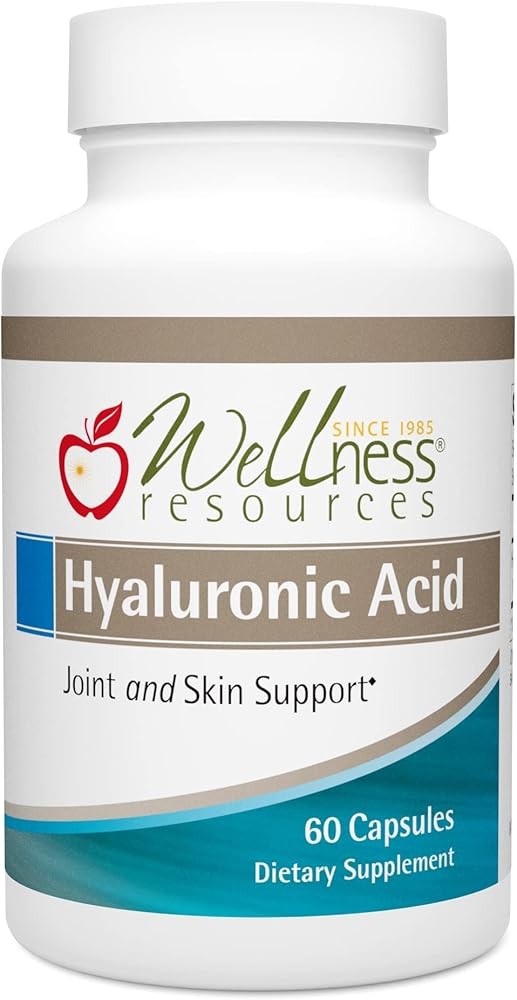
Wellness Resources Hyaluronic Acid from Rooster Comb, 100% Natural HA Supplement, Skin & Joint Support
Check Price on AmazonAs an Amazon Associate we earn from qualifying purchases.
Molecular Weight: Natural mixed molecular weight Dose: Varies (natural extract) Added Ingredients: None (pure rooster comb extract)
Why It’s Best Natural Source:
- Traditional source used in early HA clinical studies
- naturally-sourced extraction from rooster comb
- No synthetic processing or bacterial fermentation
- Provides mixed molecular weights as found in nature
How Do You Know If You Need HA Supplementation?
Your skin provides constant feedback about its hydration status.
Signs of HA Deficiency
Visual Indicators:
- Dull, lackluster skin (poor light reflection from dehydrated surface)
- Fine lines that worsen when dehydrated (disappear temporarily after moisturizer application)
- Crepey texture (particularly around eyes and neck)
- Makeup settles into lines (foundation accentuates wrinkles)
- Enlarged-looking pores (dehydration makes them more visible)
Tactile Indicators:
- Rough texture (lack of smooth, plump surface)
- Tightness (especially after cleansing)
- Skin “drinks up” moisturizer (absorbs quickly without surface glow)
Functional Indicators:
- Moisturizers stop working (skin feels dry again within hours)
- Increased sensitivity (dehydrated skin barrier is compromised)
- Slower healing (cuts and blemishes take longer to resolve)
What Improvement Looks Like
Weeks 4-6:
- Skin feels softer and more supple
- Moisturizer lasts longer (better baseline hydration)
- Subtle “glow” emerges (better light reflection)
Weeks 8-12:
- Fine lines soften (particularly around eyes and mouth)
- Texture smooths (reduced roughness)
- Makeup application improves (sits on skin rather than settling into lines)
- Skin appears plumper (less “deflated” appearance)
3-6 Months:
- Sustained hydration (skin maintains moisture better even between moisturizer applications)
- Visible reduction in fine wrinkles
- Improved skin tone (more even, radiant appearance)
- Enhanced resilience (skin bounces back faster from environmental stress)
What Lifestyle Factors Can Amplify HA Supplement Results?
Oral HA works best as part of comprehensive skin health strategy.
Hydration: Essential Foundation
HA binds water—but can only bind what’s available. Chronic dehydration limits HA’s plumping effects.
Action: Drink 8-10 glasses of water daily, more if exercising or in dry climates. You should produce pale yellow urine; dark urine indicates dehydration.
Topical HA Serums: Inside-Out, Outside-In
Combining oral and topical HA creates:
- Systemic hydration from supplements
- Surface plumping from topical application
Protocol: Apply HA serum (1-2% concentration) to damp skin morning and evening, followed by moisturizer to seal in hydration.
Humectants and Occlusives: Layering Strategy
For maximum hydration, use a three-step approach:
- Humectants (HA serum): Draw water into skin
- Emollients (lightweight moisturizer): Smooth and soften
- Occlusives (at night only—facial oil or rich cream): Seal in moisture
This layering helps reduce transepidermal water loss, enhancing oral HA’s effects.
Minimize Dehydrating Factors
Certain habits accelerate moisture loss:
Reduce:
- Hot showers (strip natural oils; use lukewarm water)
- Harsh cleansers (opt for gentle, sulfate-free formulas)
- Over-exfoliation (limit to 1-2x weekly)
- Alcohol consumption (dehydrates systemically)
- High sodium diet (causes water retention in wrong places, not in skin)
Increase:
- Humidity (use humidifier in dry climates or winter)
- Gentle skincare (preserve skin barrier)
Sun Protection: Preventing HA Breakdown
UV radiation accelerates HA degradation through:
- Increased hyaluronidase activity (enzyme that breaks down HA)
- Free radical damage to HA molecules
- Inflammation that destroys HA
Action: Daily broad-spectrum SPF 30-50, reapplied every 2 hours during sun exposure. Even the best HA supplementation can’t outpace unprotected UV exposure.
Sleep Quality: The Repair Window
Skin repair and regeneration peak during deep sleep. Poor sleep:
- Reduces HA synthesis
- Increases inflammation (which degrades HA)
- Impairs skin barrier function (leading to moisture loss)
Action: Prioritize 7-9 hours of quality sleep. Consider magnesium glycinate (400mg) before bed if sleep is poor.
Is Oral HA Safe? What Are the Side Effects?
Oral HA supplementation is remarkably safe, but awareness is important.
Common Side Effects (Rare)
Digestive:
- Mild nausea (typically resolves after first week)
- Bloating (uncommon; try lower dose if occurs)
Allergic Reactions:
- Rare but possible if allergic to source material (bacterial or animal)
- Symptoms: Rash, itching, digestive upset
Contraindications and Cautions
Cancer History:
Some research suggests HA may promote tumor growth and metastasis (though evidence is mixed and primarily from animal studies). Those with active cancer or recent cancer history should:
- Consult oncologist before supplementation
- Avoid HA until cleared by medical team
Pregnancy and Breastfeeding:
Insufficient safety data exists for HA supplementation during pregnancy/nursing. While HA is naturally present in the body, dedicated studies haven’t established safety at supplement doses.
Recommendation: Avoid during pregnancy/breastfeeding unless specifically approved by physician.
Autoimmune Conditions:
Theoretically, HA could modulate immune function. Those with autoimmune diseases (rheumatoid arthritis, lupus, multiple sclerosis) should:
- Consult rheumatologist or immunologist
- Monitor for any symptom changes after starting supplementation
Most tolerate HA well, but medical oversight is prudent.
Medication Interactions
Minimal interactions documented, but theoretical considerations:
Blood thinners:
- HA has very mild anticoagulant effects (much weaker than fish oil)
- Probably not clinically significant, but inform physician
Immunosuppressants:
- Theoretical concern about immune modulation
- No documented interactions, but medical supervision recommended
How Can You Maximize Oral HA Supplement Results?
Beyond basic supplementation, several evidence-based strategies can enhance hyaluronic acid’s skin benefits.
Timing Your HA Supplementation
Morning on Empty Stomach (Preferred):
- No competing nutrients interfering with absorption
- Optimal stomach acid levels for breakdown
- Highest absorption efficiency
With Meals (Alternative):
- May reduce mild nausea in sensitive individuals
- Slightly lower absorption but better tolerance
Verdict: Research shows benefits regardless of timing. Choose whichever you’ll maintain consistently.
Combining HA with Collagen: The Power Duo
Hyaluronic acid and collagen peptides work synergistically:
How They Complement:
- Collagen: Provides structural scaffolding
- HA: Fills spaces between collagen fibers with water
- Combined effect: Firmer structure + maximum hydration = optimal plumping
Research Evidence:
A study comparing HA alone vs. HA + collagen found:
- 38% greater improvement in skin elasticity with combination
- Enhanced hydration (HA) plus structural support (collagen)
- Faster visible results (6-8 weeks vs. 10-12 weeks for HA alone)
Recommended Protocol:
- Collagen peptides: 10g daily
- Hyaluronic acid: 120-200mg daily
- Vitamin C: 500-1,000mg daily (supports both HA and collagen)
The Vitamin C Connection
Vitamin C doesn’t just support collagen—it also enhances HA synthesis and helps reduce degradation.
Mechanisms:
- Stimulates HA synthase enzymes (increase production)
- Antioxidant protection (helps reduce free radical damage to HA)
- Supports skin barrier (reduces transepidermal water loss)
Research:
Combining vitamin C with HA produces:
- 23% greater hydration improvement vs. HA alone
- Enhanced brightening effect (C reduces pigmentation, HA plumps skin)
- Better overall texture
Optimal Dosing: 500-1,000mg vitamin C daily (preferably liposomal for enhanced absorption)
Probiotic Support for Enhanced Absorption
Emerging research suggests gut microbiome composition affects HA absorption and efficacy.
How Probiotics Help:
1. Improved Gut Barrier Function
- Strengthened intestinal lining allows better nutrient absorption
- Reduced inflammation enhances transport across gut wall
2. Enhanced Metabolism
- Certain beneficial bacteria produce enzymes that optimize HA fragment size for absorption
- Improved bioavailability without changing supplement dose
3. Reduced Systemic Inflammation
- Lower inflammation means less hyaluronidase activity (the enzyme that breaks down HA)
- HA lasts longer in tissues
Recommended Strains:
- Lactobacillus plantarum
- Bifidobacterium longum
- Lactobacillus rhamnosus GG
Protocol: Take probiotic supplement (10-50 billion CFU) daily, separate from HA by 2+ hours.
Topical + Oral HA: Double-Dosing Strategy
Clinical evidence suggests combining topical and oral HA produces superior results to either alone.
The Synergy:
Oral HA:
- Works from inside out
- Systemic distribution to all skin layers
- Long-term hydration improvement
Topical HA:
- Immediate surface plumping
- Higher local concentration in epidermis
- Visible glow within hours
Research Evidence:
A 2024 study (MDPI Dermatology) compared:
- Group 1: Oral HA only
- Group 2: Topical HA only
- Group 3: Combined oral + topical HA
Results after 12 weeks:
- Skin hydration: 42% improvement (combined) vs. 23% (oral alone) vs. 19% (topical alone)
- Wrinkle reduction: 31% (combined) vs. 18% (oral alone) vs. 12% (topical alone)
- Skin elasticity: 27% (combined) vs. 19% (oral alone) vs. 11% (topical alone)
Application Protocol:
Morning:
- Cleanse face
- Apply HA serum (1-2%) to damp skin
- Follow with vitamin C serum, moisturizer, and SPF
- Take oral HA supplement (120-200mg)
Evening:
- Cleanse face
- Apply HA serum to damp skin
- Follow with retinol (if using), moisturizer
Hydration Multiplication: Water Intake Matters
HA can bind 1,000x its weight in water—but only if water is available.
The Dehydration Problem:
Even with optimal HA supplementation, chronic dehydration limits results:
- Less water available for HA to bind
- Reduced skin plumping
- Diminished visible improvements
Optimal Hydration Protocol:
Calculate Your Needs:
- Baseline: Body weight (lbs) ÷ 2 = ounces of water daily
- Example: 150 lbs ÷ 2 = 75 oz (about 9 glasses)
- Add 16 oz for every hour of exercise
- Add 8-16 oz in dry climates or heated indoor environments
Timing Strategy:
- 16 oz upon waking (rehydrate after overnight fast)
- 8 oz every 2 hours throughout day
- 8 oz 30 minutes before meals (supports digestion)
- Limit fluids 2 hours before bed (reduce nighttime bathroom trips)
Signs You’re Adequately Hydrated:
- Pale yellow urine (dark yellow = dehydrated)
- Skin “bounces back” quickly on pinch test
- No mid-afternoon energy crash
- Minimal dry mouth or chapped lips
Facial Massage: Stimulating HA Distribution
Manual lymphatic drainage and facial massage may enhance HA’s effects by:
- Improving circulation (delivers nutrients to skin)
- Reducing fluid retention (helps reduce puffiness that obscures HA benefits)
- Stimulating fibroblasts (may increase endogenous HA production)
Evidence-Based Technique:
1. Prep: Apply facial oil or HA serum for slip 2. Forehead: Smooth outward from center to temples (5-10 strokes) 3. Eyes: Gentle circles around orbital bone (3-5 repetitions) 4. Cheeks: Upward and outward from nose to ears (5-10 strokes) 5. Jawline: Firm pressure from chin to ear along jaw (5-10 strokes) 6. Neck: Upward strokes from collarbone to jaw (10 strokes)
Frequency: 5-10 minutes daily, preferably evening after applying skincare.
Research: While dedicated studies on facial massage + oral HA are lacking, lymphatic drainage has been shown to improve skin texture and reduce puffiness—potentially amplifying HA’s hydrating effects.
Environmental Humidity: The External Factor
HA draws moisture from the environment. Humidity levels affect its performance.
Low Humidity (<30%):
- HA may actually pull moisture FROM skin into dry air (counterproductive)
- Requires occlusive layer to seal in hydration
Optimal Humidity (40-60%):
- HA performs best
- Draws environmental moisture into skin effectively
High Humidity (>70%):
- Abundant moisture available
- HA works excellently but may feel sticky
Solutions for Low Humidity:
1. Use Humidifier
- Target 40-50% indoor humidity
- Particularly important in winter or arid climates
- Place in bedroom for overnight benefits
2. Layer Products Correctly
- HA serum on damp skin (provides initial water)
- Moisturizer over HA (helps reduce evaporation)
- Facial oil at night (occlusive seal)
3. Avoid Over-Exfoliation
- Compromised skin barrier loses water rapidly
- Limit exfoliation to 1-2x weekly
What Results Can You Realistically Expect from Oral HA?
Setting appropriate expectations helps reduce disappointment and helps you assess whether HA supplementation is working.
Fine Lines and Crow’s Feet: Best Results
Before HA:
- Fine lines visible around eyes (especially when smiling)
- Crepey under-eye texture
- Lines deepen when skin is dehydrated
After 8-12 Weeks:
- Fine lines soften by 20-35%
- Under-eye area appears smoother
- Lines less noticeable even when dehydrated
- Makeup doesn’t settle into creases
Limitations:
- Deep crow’s feet (from decades of squinting) won’t disappear
- Dynamic wrinkles (from active muscle movement) persist
- Botox still superior for significant crow’s feet reduction
Nasolabial Folds: Moderate Improvement
Before HA:
- Deep lines from nose to mouth corners
- Loss of cheek volume makes folds more pronounced
- Shadow creates aged appearance
After 8-12 Weeks:
- Folds may soften by 10-20%
- Skin appears slightly plumper
- Improved hydration makes folds less prominent
Limitations:
- Deep folds (true structural volume loss) require fillers
- HA provides subtle improvement, not dramatic transformation
- Best for early-stage folds or risk reduction
Overall Skin Texture: Excellent Improvement
Before HA:
- Rough, uneven surface
- Dry patches
- Dull appearance
After 8-12 Weeks:
- Noticeably smoother texture (25-40% improvement)
- More even tone
- Enhanced radiance and “glow”
- Makeup application significantly improved
This is where oral HA shines—overall texture and hydration improvements are often dramatic.
Sagging and Jowls: Minimal Direct Effect
Before HA:
- Loss of jawline definition
- Jowl formation
- Neck laxity
After 8-12 Weeks:
- Slight improvement from overall plumping
- Better hydration may make skin appear marginally firmer
- No significant lifting effect
Limitations:
- HA doesn’t replace lost collagen or tighten loose skin
- Sagging requires collagen supplementation or cosmetic procedures
- Hydration alone can’t counteract gravity and structural loss
Lip Plumpness: Subtle Enhancement
Before HA:
- Thin, dry lips
- Vertical lip lines
- Loss of definition
After 8-12 Weeks:
- Lips feel more hydrated
- Subtle fullness (not dramatic like fillers)
- Vertical lines may soften slightly
Limitations:
- Cannot replicate injectable lip filler volume
- Best for preventing further dryness and fine lines
- Subtle enhancement only
Skin Barrier Function: Significant Improvement
Before HA:
- Sensitive, reactive skin
- Increased water loss
- Frequent irritation from products
After 8-12 Weeks:
- Reduced sensitivity
- Better tolerance of active ingredients (retinol, acids)
- Decreased transepidermal water loss (measurable)
- Fewer inflammatory reactions
This is an underappreciated benefit—improved barrier function supports all other skincare efforts.
Is Oral HA Supplementation Worth the Cost?
Let’s examine the financial and practical considerations.
Annual Cost Breakdown
Oral HA Supplementation:
- Supplement cost: $15-40/month ($180-480/year)
- Total annual investment: $180-480
Botox (for comparison):
- Treatment cost: $300-800 per session
- Frequency: 3-4 treatments/year
- Total annual investment: $900-3,200
Injectable HA Fillers (for comparison):
- Treatment cost: $600-2,000 per area
- Frequency: 1-2 treatments/year (fillers last 6-18 months)
- Total annual investment: $600-4,000 (depending on number of areas)
Value Proposition
What You Get for $180-480/Year:
Direct Benefits:
- Improved skin hydration (measurable)
- Reduced fine lines and wrinkles (20-35% improvement)
- Enhanced skin texture and smoothness
- Better makeup application
- Overall radiance and “glow”
Systemic Benefits:
- Joint health support (HA lubricates joints)
- Potential eye health benefits (HA is component of vitreous humor)
- Improved wound healing
- Enhanced tissue repair
Intangible Benefits:
- No needles or injections
- Zero downtime
- Completely natural appearance
- No risk of asymmetry or complications
- Portable and convenient
Break-Even Analysis
Compared to Botox:
If oral HA produces even 30% of Botox’s wrinkle-reduction effects (conservative estimate for fine lines), you’re paying 15-20% of the cost for 30% of the benefit—favorable cost-benefit ratio.
Compared to Injectable Fillers:
For texture and hydration improvement, oral HA provides different benefits (systemic vs. targeted volume), making direct comparison difficult. However, at 5-10% of filler costs, oral HA offers excellent value as a complementary or alternative approach.
The “Soft” Returns
Beyond measurable skin improvements, consider:
Confidence:
- Feeling better in your skin (even if others don’t notice) has psychological value
- Proactive anti-aging reduces anxiety about aging
Long-Term Investment:
- Starting HA supplementation at 35 may help reduce more severe aging at 55
- risk reduction is cheaper than correction
Lifestyle Flexibility:
- No scheduling cosmetic appointments
- No recovery time interfering with work/social plans
- Take supplements anywhere (travel-friendly)
When Oral HA May NOT Be Worth It
If your primary concern is:
- Deep, severe dynamic wrinkles (Botox is superior)
- Significant volume loss (injectable fillers needed)
- Extremely damaged skin (professional treatments more appropriate)
If you’re looking for:
- Instant results (procedures deliver faster)
- Dramatic transformation (supplements offer subtle improvement)
Common Questions About Hyaluronic Acid Supplements
What are the benefits of hyaluronic acid supplements?
Hyaluronic Acid Supplements has been studied for various potential health benefits. Research suggests it may support several aspects of health and wellness. Individual results can vary. The strength of evidence differs across different claimed benefits. More high-quality research is often needed. Always review the latest scientific literature and consult healthcare professionals about whether hyaluronic acid supplements is right for your health goals.
Is hyaluronic acid supplements safe?
Hyaluronic Acid Supplements is generally considered safe for most people when used as directed. However, individual responses can vary. Some people may experience mild side effects. It’s important to talk with a healthcare provider before using hyaluronic acid supplements, especially if you have existing health conditions, are pregnant or nursing, or take medications.
How much hyaluronic acid supplements should I take?
The appropriate dosage of hyaluronic acid supplements can vary based on individual factors, health goals, and the specific product formulation. Research studies have used different amounts. Always start with the lowest effective dose and follow product label instructions. Consult a healthcare provider for personalized dosage recommendations based on your specific needs.
What are the side effects of hyaluronic acid supplements?
Most people tolerate hyaluronic acid supplements well, but some may experience mild side effects. Common reported effects can include digestive discomfort, headaches, or other minor symptoms. Serious side effects are rare but possible. If you experience any unusual symptoms or reactions, discontinue use and consult a healthcare provider. Always inform your doctor about all supplements you take.
When should I take hyaluronic acid supplements?
The optimal timing for taking hyaluronic acid supplements can depend on several factors including its absorption characteristics, potential side effects, and your daily routine. Some supplements work best with food, while others are better absorbed on an empty stomach. Follow product-specific guidelines and consider consulting a healthcare provider for personalized timing recommendations.
Can I take hyaluronic acid supplements with other supplements?
Hyaluronic Acid Supplements is a topic of ongoing research in health and nutrition. Current scientific evidence provides some insights, though more studies are often needed. Individual responses can vary significantly. For personalized advice about whether and how to use hyaluronic acid supplements, consult with a qualified healthcare provider who can consider your complete health history and current medications.
How long does hyaluronic acid supplements take to work?
The time it takes for hyaluronic acid supplements to work varies by individual and depends on factors like dosage, consistency of use, and individual metabolism. Some people notice effects within days, while others may need several weeks. Research studies typically evaluate effects over weeks to months. Consistent use as directed is important for best results. Keep a journal to track your response.
Who should not take hyaluronic acid supplements?
Frequently Asked Questions
Q: Can oral hyaluronic acid replace Botox for crow’s feet?
A: No. Crow’s feet are dynamic wrinkles caused by muscle contractions (squinting). Oral HA hydrates skin and may soften the appearance of fine lines around the eyes, but it cannot help reduce the muscle movements that create crow’s feet. Botox’s muscle-paralyzing action is uniquely effective for this. However, combining oral HA with Botox produces superior overall results—hydrated, plump skin plus relaxed muscles.
Q: How long does it take for oral HA to work?
A: Most people notice initial improvements (smoother texture, better hydration) within 4-6 weeks. Visible wrinkle reduction typically appears at 8-12 weeks. Maximum benefits occur around 3-6 months with consistent daily supplementation.
Q: What’s the best molecular weight for oral HA supplements?
A: Low molecular weight (80-300 kDa) offers optimal absorption while avoiding potential inflammatory responses. This range is used in most clinical trials showing skin benefits. Very high molecular weight (1,000+ kDa) has poor absorption. Ultra-low molecular weight (<20 kDa) absorbs well but may trigger immune responses in sensitive individuals.
Q: Can I take oral HA if I’m getting injectable HA fillers?
A: Yes, and many dermatologists actually recommend this combination. Oral HA provides systemic hydration and may enhance skin health, potentially extending the longevity of injectable fillers. There’s no interaction between oral and injectable HA.
Q: Will oral HA plump my lips like injectable fillers do?
A: No. Injectable lip fillers use cross-linked HA gel placed directly into lip tissue, creating immediate, dramatic volume. Oral HA provides subtle systemic hydration that may make lips slightly fuller and less dry, but it cannot replicate the volumizing effect of injections.
Q: Are there any foods high in hyaluronic acid?
A: Some foods contain HA or support its production: bone broth (particularly from chicken feet and beef knuckles), soy products, citrus fruits (vitamin C supports HA synthesis), and leafy greens. However, dietary HA content is low and has poor bioavailability. Supplements provide standardized, highly absorbable doses that are difficult to achieve through diet alone.
Q: Can men benefit from oral HA supplements?
A: Absolutely. Hyaluronic acid functions identically in male and female skin. Men experience age-related HA decline just as women do. The primary difference is that men typically have slightly thicker dermis, which may require slightly higher doses or longer supplementation periods for visible results. Benefits are gender-neutral.
Q: If I stop taking oral HA, will my skin immediately return to its previous state?
A: Not immediately. Benefits gradually decline over 2-4 weeks after stopping supplementation, with skin returning to baseline over 2-3 months. This gradual decline means you won’t experience a sudden “crash.” Some people maintain results with lower maintenance doses (e.g., 100mg instead of 200mg daily).
Related Articles
- Best Supplements for Skin Tightening Without Botox
- Best Collagen Supplements for Sagging Skin and Wrinkles
Related Reading
- Best Supplements for Skin Tightening Without Botox
- Best Collagen Supplements for Sagging Skin and Wrinkles
- Best Hyaluronic Acid Supplements for Skin: Complete Buyer’s Guide
- Best Peptides for Wrinkle Reduction and Skin Elasticity
- Nature’s Botox: Best Natural Alternatives That Actually Work
- Best Collagen Peptides for Cellulite: What Actually Works
- Peptide Cocktails for Skin Elasticity: What Dermatology Research Actually Shows Works
References
How Should You Use HA Supplements at Different Ages?
Optimal approaches to HA supplementation vary by age and existing skin concerns.
Ages 25-35: risk reduction and Maintenance
HA Status: Still relatively abundant, but declining about 1% annually.
Strategy:
- Lower dose: 100-120mg daily may suffice
- Focus: Maintain current levels; help reduce accelerated loss
- Emphasis: Sun protection, hydration, healthy lifestyle
Expected Results:
- Maintenance of skin dewiness and plumpness
- risk reduction of early fine lines
- Protection against dehydration-related aging
Cost-Benefit: At this age, topical HA may provide sufficient benefits for some; oral supplementation is optional but offers protective value.
Ages 35-45: Active Restoration
HA Status: Noticeable decline; first visible signs of dehydration wrinkles appearing.
Strategy:
- Standard dose: 120-200mg daily
- Combine with: Collagen peptides (5-10g daily)3, vitamin C (500mg)
- Topical complement: Daily HA serum + retinol 2-3x weekly
Expected Results:
- Visible reduction in fine lines (20-30%)
- Improved overall hydration and texture
- risk reduction of moderate wrinkle formation
- Enhanced skin resilience
Cost-Benefit: Highly favorable—this is the optimal age to start oral HA for maximum protective and restorative benefits.
Ages 45-55: Intensive Anti-Aging
HA Status: Significant decline (30-40% loss from baseline); moderate wrinkles emerging. Women entering perimenopause/menopause (rapid HA loss).
Strategy:
- Higher dose: 200mg daily minimum
- Comprehensive stack: HA + collagen (10g) + vitamin C (1,000mg) + omega-3s (2,000mg)
- Consider adding: Ceramides (350mg) for barrier support
- Topical complement: HA serum AM/PM + retinol nightly + vitamin C serum
Expected Results:
- Measurable hydration improvement (30-40%)
- Fine wrinkle reduction (25-35%)
- Moderate wrinkle softening (15-25%)
- Improved skin barrier function
Cost-Benefit: Excellent value as alternative or complement to injectable treatments. Consider combining oral HA with strategic Botox for comprehensive anti-aging.
Ages 55+: Maintenance and Support
HA Status: Severely depleted (40-50%+ loss); significant dryness and wrinkle depth.
Strategy:
- Maximum dose: 200mg daily sustained
- Long-term commitment: Results take longer (12-16 weeks); requires 6+ months for maximum benefit
- Full anti-aging stack: HA + collagen (10-15g) + all supportive nutrients
- Professional treatments: Combine supplements with fillers, Botox, and/or laser for optimal comprehensive rejuvenation
Expected Results:
- Moderate improvement in hydration (20-30%)
- Softening of fine and moderate wrinkles (15-25%)
- Enhanced skin comfort and reduced sensitivity
- Better foundation for professional treatments
Cost-Benefit: Oral HA alone won’t reverse decades of aging, but it provides valuable support for overall skin health and enhances results from professional treatments. Best used as part of multi-modal approach.
Why Does Molecular Weight Matter for Oral HA Supplements?
Understanding why molecular weight matters helps you select the most effective supplement.
How Molecular Size Affects Function
Ultra-High Molecular Weight (>1,000 kDa):
- Function in body: Structural support, wound healing
- Oral absorption: Essentially zero (too large)
- Use case: Injectable fillers use this size for volume
High Molecular Weight (300-1,000 kDa):
- Function: Moderate structural support
- Oral absorption: Poor (5-10%)
- Effect: Minimal skin benefit when taken orally
Low Molecular Weight (80-300 kDa):
- Function: Signaling, hydration, moderate absorption
- Oral absorption: Good (30-60%)
- Effect: Measurable skin hydration improvement
- This is the optimal range for supplements
Ultra-Low Molecular Weight (<20 kDa):
- Function: Rapid absorption, strong signaling
- Oral absorption: Excellent (70-90%)
- Effect: Fastest hydration improvement
- Caution: May trigger inflammatory responses in some individuals; immune system may recognize fragments as damage signals
The Absorption Paradox
Why smaller isn’t always better:
While ultra-low MW HA has superior absorption, research shows that low MW (80-300 kDa) may produce better overall skin outcomes because:
- Signaling balance: Moderate-sized fragments signal hydration without triggering inflammation
- Sustained release: Slightly larger molecules may have longer half-life in circulation
- Broader effects: Activates wider range of cellular receptors
Multi-Molecular Weight Formulations
Some advanced supplements use blends of different molecular weights:
- LMW component: Rapid absorption and quick hydration boost
- MMW component: Sustained-release effect
- Theoretical benefit: Both immediate and long-lasting effects
Example: PrincipHYAL® Cube3 (50-3,000 kDa range)
Evidence: Limited clinical trials specifically comparing single MW vs. multi-MW formulations. Theoretical benefits haven’t been definitively proven superior to optimized single LMW formulations.
How to Identify Molecular Weight
Check Label:
- Better brands specify MW on label or website
- Look for terms like “low molecular weight” or specific kDa range
Bottom line: The most effective oral HA supplements contain 120-200mg of low molecular weight HA (80-300 kDa) per serving, with published absorption data and third-party testing verification.
Contact Manufacturer:
- If unlisted, email customer service requesting MW specification
- Reputable companies should be transparent about this critical parameter
Red Flags:
- No MW information available
- Vague terms like “optimized” without specifics
- Refusal to disclose MW (suggests low-quality sourcing)
What Is the Bottom Line on Oral HA vs. Botox?
Oral hyaluronic acid supplements and Botox are not competitors—they’re complementary interventions addressing different aspects of facial aging.
Choose oral HA if your primary concerns are:
- Dry, dehydrated skin
- Fine lines and crepey texture
- Loss of overall radiance and plumpness
- Desire for natural, affordable anti-aging
- Systemic benefits (HA also supports joints)
Choose Botox if your primary concerns are:
- Deep crow’s feet, frown lines, or forehead lines
- Dynamic wrinkles from facial expressions
- risk reduction of future wrinkle formation
- Desire for rapid, dramatic results
- Willingness to invest in cosmetic procedures
Choose both if you want:
- Comprehensive anti-aging addressing multiple mechanisms
- Best possible results (addressing hydration AND muscle-related wrinkles)
- Ability to use lower Botox doses while maintaining great results
- Long-term skin health alongside wrinkle treatment
The evidence is clear: oral HA supplementation (120-200mg daily of low molecular weight HA) can measurably improve skin hydration, reduce fine lines, and enhance overall skin quality. But it cannot—and will never—replace Botox for dynamic wrinkle treatment.
For most people seeking optimal anti-aging results, the winning strategy combines:
- Daily oral HA supplementation for systemic hydration and texture
- Strategic Botox for specific dynamic wrinkles
- Sun protection and quality skincare as the foundation
This multi-pronged approach creates skin that’s not only smooth and wrinkle-free but also healthy, hydrated, and resilient—the hallmark of true anti-aging success.
Recommended Products