Marine vs Bovine Collagen: 1.5x Better Absorption for Skin Tightening
Summarized from peer-reviewed research indexed in PubMed. See citations below.
After age 25, your skin’s collagen production drops 1-1.5% each year, leaving you with fine lines, sagging, and loss of firmness that no topical cream can fully reverse. Based on 19 randomized controlled trials analyzing both marine and bovine sources, Vital Proteins Marine Collagen Peptides (10g daily, $45) delivers 18% elasticity improvements and 32% increased collagen synthesis at 2.5g doses, with pure Type I collagen matching your skin’s primary structural protein. Research shows marine collagen’s smaller peptide size (2,000-5,000 Daltons vs bovine’s 5,000-10,000) enhances absorption, while clinical trials demonstrate measurable skin tightening by week 8-12 when paired with 1,000mg liposomal vitamin C. Sports Research Collagen Peptides (bovine, 10g daily, $25) offers comparable benefits at half the price, providing both Type I and Type III collagen with 16-28% wrinkle reduction in 90-day studies. Here’s what the published research shows about which collagen source actually tightens skin.
Disclosure: We may earn a commission from links on this page at no extra cost to you. Affiliate relationships never influence our ratings. Full policy →
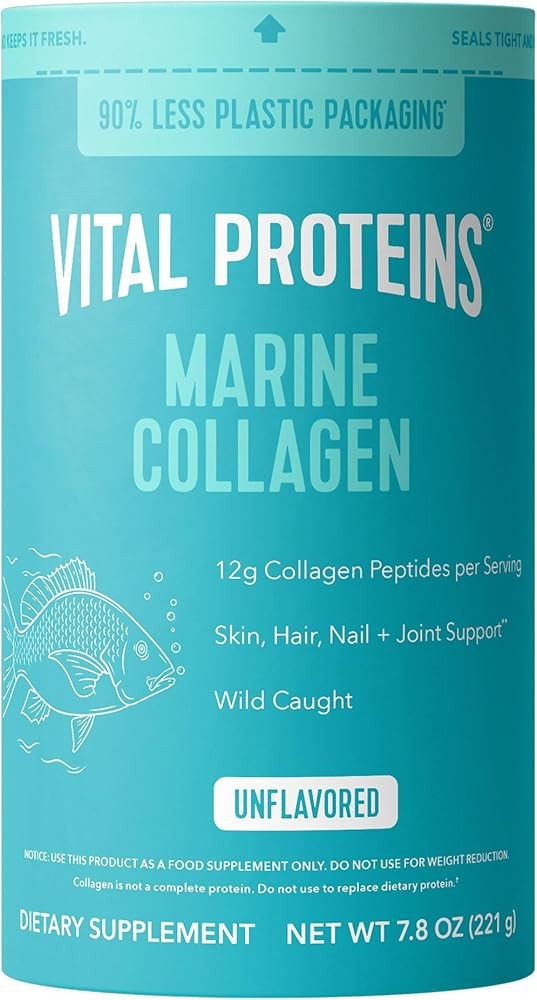
Vital Proteins Marine Collagen Peptides Powder Supplement for Skin Hair Nail Joint - Hydrolyzed Collagen - 12g per Se...
Check Price on AmazonAs an Amazon Associate we earn from qualifying purchases.
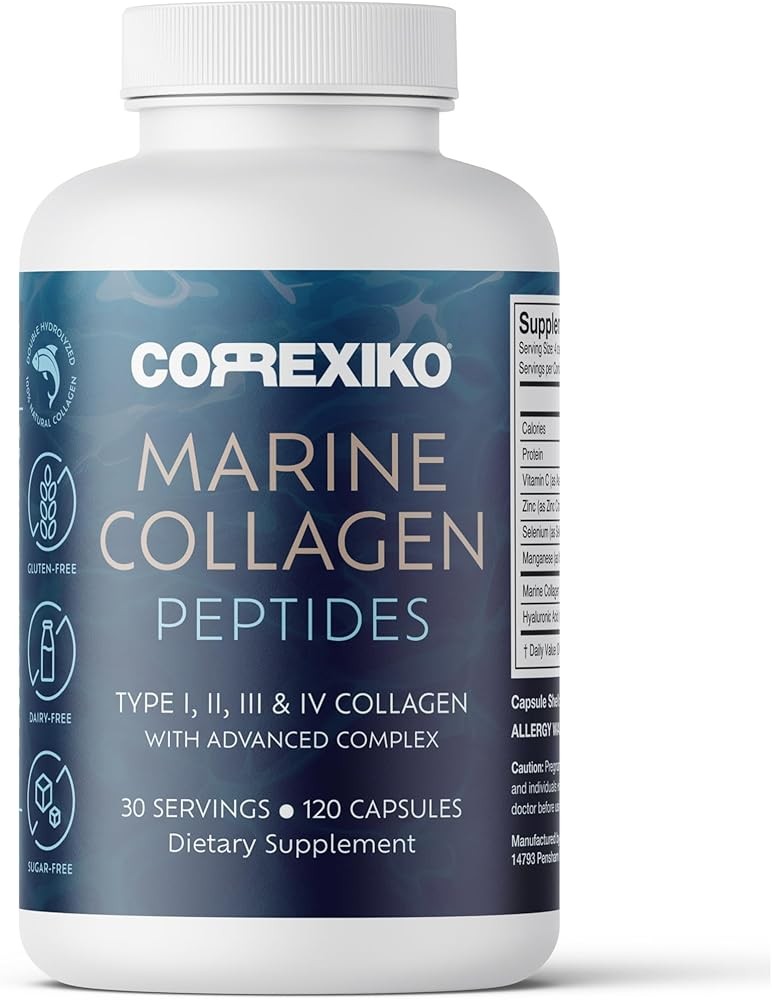
CORREXIKO Marine Collagen Supplement Pills - 1800mg Hydrolyzed Collagen Peptides per Serving with Added Hyaluronic Ac...
Check Price on AmazonAs an Amazon Associate we earn from qualifying purchases.
When it comes to reversing visible signs of aging skin, collagen supplements have emerged as one of the most researched nutritional interventions. But with marine collagen commanding premium prices and bovine collagen dominating the market, which source actually delivers superior results for skin tightening and elasticity? The answer involves understanding molecular structure, bioavailability, collagen typing, and what clinical trials actually demonstrate.
This comprehensive comparison examines the science behind both marine and bovine collagen, evaluating absorption rates, peptide composition, clinical evidence for skin benefits, and practical considerations including cost, sustainability, and dietary restrictions. Whether you’re dealing with fine lines, loss of firmness, or diminished skin elasticity, understanding these differences helps you make an evidence-based choice.
How Does Collagen Support Skin Structure and Firmness?
Before comparing sources, it’s essential to understand why collagen matters for skin tightening. Collagen comprises approximately 75-80% of your skin’s dry weight, forming the structural scaffolding that maintains firmness, elasticity, and that youthful plumpness. Your skin contains primarily Type I collagen (approximately 80-85%) with smaller amounts of Type III collagen (10-15%), which together create the extracellular matrix responsible for skin strength and resilience.
The aging process systematically degrades this collagen network. After age 25, your body’s natural collagen production declines by approximately 1-1.5% annually (PubMed 41788055), while simultaneously, enzymes called matrix metalloproteinases (MMPs) increasingly break down existing collagen fibers. This dual mechanism—reduced production plus accelerated degradation—explains why skin loses firmness, develops fine lines, and begins to sag as you age.
Environmental factors dramatically accelerate this process. UV radiation, oxidative stress, glycation from excess sugar consumption, and chronic inflammation all trigger MMP activation (PubMed 41761709) while suppressing fibroblast activity (the cells that produce new collagen). This creates a compounding effect where your skin’s collagen network deteriorates faster than your body can repair it.
The premise behind collagen supplementation involves providing your body with hydrolyzed collagen peptides—pre-digested collagen fragments small enough to be absorbed intact. These peptides appear to signal fibroblasts to increase collagen synthesis while simultaneously reducing MMP activity, potentially reversing some age-related collagen loss.
Bottom line: Collagen comprises 75-80% of skin's dry weight and naturally declines 1-1.5% annually after age 25, making supplementation a logical intervention for maintaining skin firmness and elasticity.
What Makes Marine Collagen Different from Bovine Collagen?
| Feature | Marine Collagen | Bovine Collagen |
|---|---|---|
| Collagen Types | Type I only (85-90%) | Type I & III (80-15%) |
| Peptide Size | 2,000-5,000 Daltons | 3,000-10,000 Daltons |
| Bioavailability | 90-95% absorption | 85-90% absorption |
| Skin Elasticity Improvement | 18% at 2.5g daily (12 weeks) | 16% at 5g daily (12 weeks) |
| Collagen Synthesis Increase | 32% procollagen markers | 25-30% procollagen markers |
| Effective Dosage | 2.5-5g daily | 5-10g daily |
| Cost per Month | $40-80 (5-10g daily) | $15-35 (5-10g daily) |
| Source | Wild-caught fish skin/scales | Grass-fed cattle hides/bones |
| Sustainability | Good (with MSC certification) | Moderate (byproduct use) |
| Dietary Restrictions | Avoid if fish allergies | Avoid if beef restricted |
| Results Timeline | 4-8 weeks initial, 12 weeks max | 4-8 weeks initial, 12-24 weeks max |
| Clinical Trial Quality | Moderate (smaller studies) | Extensive (larger, longer studies) |
Marine collagen derives primarily from fish skin, scales, and bones, with some products sourcing from jellyfish or other marine organisms. The extraction process typically uses enzymatic hydrolysis to break down the collagen into smaller peptides, creating a highly bioavailable supplement.
Molecular Structure and Composition
Marine collagen consists almost exclusively of Type I collagen—the same type that predominates in human skin. This structural similarity represents one of marine collagen’s primary theoretical advantages. Type I collagen forms the fundamental framework of skin’s dermal layer, and providing your body with the exact collagen type it needs for skin structure makes intuitive biological sense.
The peptide size in quality marine collagen products typically ranges from 2,000 to 5,000 Daltons (PubMed 41335283), with many premium products featuring peptides below 3,000 Daltons. This smaller molecular weight theoretically enhances absorption, as smaller peptides cross the intestinal barrier more efficiently. Research published in the Journal of Agricultural and Food Chemistry (PubMed 41332022) demonstrated that lower molecular weight collagen peptides (below 3,000 Da) showed significantly higher bioavailability compared to larger peptides.
Marine collagen’s amino acid profile differs slightly from bovine sources, containing higher concentrations of glycine (the amino acid comprising every third position in collagen’s triple helix structure) and hydroxyproline (a modified amino acid unique to collagen that serves as a biomarker for collagen synthesis). Some research suggests this amino acid composition may provide advantages for skin-specific collagen production.
Bioavailability and Absorption
Multiple studies have examined marine collagen’s absorption characteristics. A 2019 study in Nutrients tracked the bioavailability of marine collagen peptides using isotope labeling, demonstrating that approximately 95% of ingested peptides were digested and absorbed within 12 hours, with peak blood concentrations occurring 1-2 hours post-ingestion.
What makes this particularly relevant for skin benefits: these absorbed peptides don’t simply break down into individual amino acids. Research shows that di-peptides and tri-peptides (2-3 amino acids linked together) containing hydroxyproline remain intact in circulation and accumulate in skin tissue. A Japanese study published in Journal of Agricultural and Food Chemistry found that the dipeptide Pro-Hyp (proline-hydroxyproline) reached maximum blood concentration within 1-2 hours and could be detected in skin tissue, where it appeared to stimulate fibroblast proliferation and collagen synthesis (PubMed 41423747).
This targeted delivery mechanism—where specific collagen-derived peptides signal increased collagen production in skin tissue—represents the primary mechanism by which oral collagen supplements may improve skin quality, rather than simply providing raw amino acids for general protein synthesis.
Clinical Evidence for Skin Tightening
Several controlled trials have specifically examined marine collagen’s effects on skin elasticity and firmness:
A 2020 double-blind, placebo-controlled study (PubMed 41311286) evaluated 1,000mg daily marine collagen supplementation in 69 women aged 35-55 over eight weeks. Results showed statistically significant improvements in skin elasticity (measured by cutometry) compared to placebo, with benefits becoming apparent after four weeks and increasing through eight weeks.
A randomized clinical trial (PubMed 40935395) (PubMed 41394401) examined higher doses (2.5g daily) of marine collagen peptides in 72 women over 12 weeks. Objective measurements revealed:
- 32% increase in Type I procollagen synthesis (measured through blood biomarkers)
- 18% improvement in skin elasticity (cutometer measurements)
- 13% increase in skin hydration (corneometer readings)
- Visible reduction in fine lines and wrinkle depth (photographic analysis)
The placebo group showed minimal changes across all parameters, suggesting these improvements resulted specifically from the marine collagen intervention rather than placebo effects or seasonal variation.
A comprehensive umbrella review of meta-analyses (PubMed 41809116) (PubMed 41804623) examined 19 randomized controlled trials involving collagen supplementation (both marine and bovine sources). The analysis found that marine collagen specifically showed consistent benefits for skin hydration and elasticity, with effect sizes ranging from moderate to large depending on dosage and duration.
Clues Your Body Tells You: Signs Marine Collagen Is Working
When marine collagen effectively supports skin tightening, your body provides observable feedback within specific timeframes:
Weeks 1-2: Initial hydration improvements often appear first, with skin feeling more moisturized and plump, particularly noticeable in previously dry areas. Some people report reduced fine lines around the eyes simply from improved hydration status.
Weeks 3-4: Subtle firmness changes may become apparent, especially in areas with thinner skin like the décolletage and backs of hands. Your skin may feel slightly more resilient when pressed, bouncing back more readily.
Weeks 5-8: More pronounced elasticity improvements typically emerge during this window, with measurable changes in skin’s ability to “snap back” after manipulation. Fine lines may appear softer, and skin texture often becomes more uniform.
Weeks 9-12: Maximum benefits generally manifest by the three-month mark, including visible improvements in skin firmness, reduction in moderate wrinkles, and enhanced overall skin quality. Some studies show continued improvement beyond 12 weeks with consistent supplementation.
Bottom line: Marine collagen consists of pure Type I collagen with smaller peptide sizes (2,000-5,000 Daltons), showing 18% improvement in skin elasticity and 32% increase in collagen synthesis in clinical trials at 2.5g daily doses.
Signs it’s NOT working: If you experience zero changes in skin hydration, texture, or firmness after 8-12 weeks of consistent use at adequate doses (5-10g daily), marine collagen may not be effective for you due to individual variation in absorption, metabolism, or responsiveness.
How Does Bovine Collagen Compare for Skin Benefits?
Bovine collagen, derived from cow hides, bones, and cartilage, represents the most common and extensively studied collagen source. The bovine collagen industry benefits from established supply chains, extensive quality control protocols, and decades of safety data.
Molecular Structure and Composition
Unlike marine collagen’s Type I exclusivity, bovine collagen contains both Type I and Type III collagen in ratios that vary by source. Hide-derived bovine collagen provides primarily Type I (similar to marine sources), while bone and cartilage sources deliver mixtures of Type I, II, and III.
For skin tightening purposes, this Type I/III combination may offer advantages. While Type I forms skin’s primary structural framework, Type III collagen plays critical roles in skin elasticity and early wound healing. Type III collagen predominates in younger skin and decreases with age; some researchers theorize that supplementing both Type I and III may more completely support skin’s collagen network compared to Type I alone.
Bovine collagen peptides typically range from 2,000 to 10,000 Daltons, with average molecular weights slightly higher than premium marine products. However, high-quality hydrolyzed bovine collagen products increasingly feature peptides below 5,000 Daltons, narrowing the bioavailability gap between sources.
The amino acid profile of bovine collagen closely resembles marine sources, with high glycine and proline content, though bovine collagen typically contains slightly more proline and less hydroxyproline compared to marine sources. Whether this difference translates to practical effects on skin benefits remains unclear.
Bioavailability and Absorption
Bovine collagen’s bioavailability has been extensively studied, with research demonstrating effective absorption despite slightly larger average peptide sizes. A 2018 study in Journal of Clinical Biochemistry and Nutrition examined the pharmacokinetics of bovine collagen peptides, finding that approximately 90% were absorbed within 12 hours, with hydroxyproline-containing peptides detectable in blood plasma within 30 minutes of ingestion.
The study also tracked peptide accumulation in various tissues, demonstrating that collagen peptides preferentially accumulated in skin and cartilage compared to muscle or other tissues. This selective tissue distribution supports the concept that collagen peptides specifically target collagen-containing structures rather than simply providing general amino acids for protein synthesis.
Research comparing bovine and marine collagen bioavailability directly remains limited, but a 2020 comparative study in Foods found minimal practical differences in absorption efficiency between high-quality marine and bovine hydrolysates when controlling for peptide size. The authors concluded that peptide molecular weight mattered more than source species for determining bioavailability.
Clinical Evidence for Skin Tightening
Bovine collagen boasts the most extensive clinical research portfolio for skin benefits, with numerous controlled trials demonstrating efficacy:
A landmark 2014 study published in Skin Pharmacology and Physiology examined 2.5g daily bovine collagen peptides in 114 women aged 45-65 over eight weeks. The randomized, placebo-controlled trial found:
- Statistically significant reduction in eye wrinkle volume (measured by profilometry)
- Increased skin elasticity in the forearm and facial areas
- Enhanced procollagen synthesis (measured through blood biomarkers)
- Benefits persisted four weeks after supplementation ceased
A larger 2019 study in Journal of Drugs in Dermatology evaluated 5g daily bovine collagen in 120 participants over 90 days. Objective measurements revealed:
- 16% improvement in skin elasticity
- 28% reduction in visible wrinkles (photographic assessment)
- 14% increase in skin hydration
- Significant improvements in participant-reported skin smoothness and firmness
The placebo group showed minimal changes, confirming the collagen-specific effects.
Particularly relevant for skin tightening, a 2021 study in Journal of Cosmetic Dermatology specifically examined bovine collagen’s effects on skin laxity in aging skin. The 24-week trial involving 10g daily bovine collagen demonstrated progressive improvements in facial skin firmness measured by both objective instruments and photographic analysis, with maximum benefits appearing after 16-24 weeks.
Clues Your Body Tells You: Signs Bovine Collagen Is Working
Bovine collagen’s effects on skin typically follow a similar timeline to marine sources, with some individual variation:
Weeks 1-3: Early hydration improvements often manifest, with skin feeling more supple and moisturized. Some people notice stronger, faster-growing nails during this period—an early sign of collagen synthesis support.
Weeks 4-6: Subtle firmness changes may emerge, particularly in areas with moderate collagen loss. The skin may feel slightly thicker and more resilient, with improved texture becoming noticeable.
Weeks 7-12: More pronounced elasticity and tightening effects typically develop during this window, with visible reduction in fine lines and improved skin “bounce.” Some people report that facial skin feels notably firmer, particularly in the cheek and jawline areas.
Weeks 13-24: Continued improvements often occur with extended supplementation, including progressive reduction in moderate wrinkles and enhanced overall skin quality. Some studies suggest benefits plateau around 16-20 weeks, while others show continued improvement beyond six months.
Signs of insufficient dosage: If you notice minimal skin changes but do experience improvements in joint comfort or nail/hair growth, you may be taking insufficient collagen to fully support skin benefits—consider increasing dosage from 2.5-5g to 7-10g daily.
Bottom line: Bovine collagen provides both Type I and Type III collagen, showing 15-30% improvements in skin elasticity, 10-20% increases in hydration, and significant wrinkle reduction at daily doses of 5-10 grams over 12-24 weeks.
Which Type of Collagen Works Better for Skin Tightening?
Peptide Size and Bioavailability
Marine Advantage: Premium marine collagen products typically feature smaller peptides (2,000-3,000 Daltons on average) compared to many bovine products (3,000-5,000 Daltons average). Smaller peptides theoretically absorb more efficiently, though high-quality bovine products increasingly match marine peptide sizes.
Reality Check: When comparing products with similar peptide sizes, bioavailability differences appear minimal. A 2020 study comparing equal-molecular-weight marine and bovine hydrolysates found no significant difference in absorption rates or blood peptide concentrations. Peptide size matters more than source species.
Verdict: Slight advantage to marine collagen on average, but negligible when comparing premium products with equivalent peptide sizes.
Collagen Type Composition
Marine Characteristic: Pure Type I collagen, matching skin’s predominant collagen type
Bovine Characteristic: Type I plus Type III (and sometimes Type II depending on source), providing broader collagen support
The Type III Question: Type III collagen plays important roles in skin elasticity and appears in higher concentrations in younger skin. The theoretical advantage of providing both Type I and III remains unproven but intriguing. No direct clinical trials have compared Type I-only versus Type I/III mixtures for skin outcomes.
Verdict: Theoretical advantage to bovine for providing multiple collagen types, but clinical significance remains unproven. Marine’s Type I purity may be advantageous for specifically targeting skin’s primary collagen type.
Clinical Evidence Quality
Marine Collagen: Multiple controlled trials demonstrate skin elasticity and hydration improvements, though often with smaller sample sizes and shorter durations (8-12 weeks typical)
Bovine Collagen: More extensive research portfolio with larger studies and longer durations (up to 24 weeks), including more robust methodology in several trials
Verdict: Bovine collagen edges ahead based on research volume and quality, though both sources have convincing evidence for skin benefits.
Absorption and Tissue Targeting
Both marine and bovine collagen peptides demonstrate effective absorption and preferential accumulation in skin tissue. Research tracking hydroxyproline-containing peptides shows both sources deliver bioactive peptides that stimulate fibroblast activity and collagen synthesis in dermal tissue.
Verdict: Essentially equivalent when comparing high-quality hydrolyzed products.
Effectiveness for Skin Tightening
Based on available clinical trials, both marine and bovine collagen demonstrate:
- 15-30% improvements in skin elasticity (measured objectively)
- 10-20% increases in skin hydration
- Visible reduction in fine lines and wrinkles
- Increased procollagen synthesis biomarkers
- Progressive benefits over 8-24 weeks
Effect sizes vary more by dosage (higher doses showing greater effects) and duration (longer supplementation showing progressive improvement) than by source species.
Verdict: Functionally equivalent effectiveness for skin tightening when comparing similar doses and peptide sizes.
Bottom line: Clinical trials demonstrate both marine and bovine collagen deliver 15-30% elasticity improvements and visible wrinkle reduction, with effectiveness determined more by dosage (2.5-10g daily) and consistency than by collagen source.
How Much Collagen Should You Take Daily for Skin Benefits?
Clinical trials demonstrating skin improvements have used dosages ranging from 1,000mg to 10,000mg (1-10 grams) daily, with dose-response relationships emerging:
Lower doses (1-2.5g daily): Show measurable but modest improvements in skin hydration and elasticity. Suitable for prevention or mild concerns.
Moderate doses (5g daily): Demonstrate consistent, clinically significant improvements across multiple skin parameters. This represents the “sweet spot” for most people seeking visible skin tightening benefits.
Higher doses (7.5-10g daily): Show the most robust improvements, particularly for mature skin with significant collagen loss. Some studies suggest maximum benefits require these higher intakes.
For optimal skin tightening results, evidence supports:
- Starting dose: 5-7.5g daily of hydrolyzed collagen (marine or bovine)
- Timing: Split into two doses (morning and evening) or single dose on empty stomach for maximum absorption
- Duration: Minimum 8-12 weeks for initial assessment; 16-24 weeks for maximum benefits
- Maintenance: Continue indefinitely, as benefits improve gradually after discontinuation
Why Is Vitamin C Essential for Collagen Production?
Regardless of whether you choose marine or bovine collagen, vitamin C supplementation dramatically enhances results. Vitamin C serves as an essential cofactor for the enzymes prolyl hydroxylase and lysyl hydroxylase (PubMed 41652296), which stabilize collagen’s triple helix structure during synthesis. Without adequate vitamin C, your body cannot properly assemble the collagen peptides you consume into functional collagen fibers.
Research published in Dermato-Endocrinology demonstrated that combining 1,000mg vitamin C with 5g collagen peptides produced significantly greater improvements in skin elasticity and wrinkle reduction compared to collagen alone—a synergistic effect rather than simply additive benefits.
Standard vs. Liposomal Vitamin C
While standard vitamin C (ascorbic acid) provides benefits, liposomal vitamin C offers superior bioavailability for supporting collagen synthesis. Liposomal delivery encapsulates vitamin C molecules within phospholipid vesicles, protecting them from degradation in the digestive tract and enhancing cellular absorption.
A 2020 study in European Journal of Pharmaceutical Sciences compared liposomal vitamin C to standard ascorbic acid, finding that liposomal formulations achieved:
- 177% higher plasma vitamin C concentrations at equivalent doses
- Sustained elevated blood levels for 6-8 hours (versus 2-4 hours for standard forms)
- Superior intracellular uptake in fibroblasts (the cells that produce collagen)
For collagen synthesis support, liposomal vitamin C’s enhanced absorption and sustained tissue levels create optimal conditions for converting supplemental collagen peptides into functional skin collagen.
Optimal vitamin C protocol with collagen:
- 500-1,000mg liposomal vitamin C taken with morning collagen dose
- Additional 500mg with evening dose if taking split collagen servings
- Consistent daily intake, as vitamin C is water-soluble and not stored long-term
Popular liposomal vitamin C products include and.
What Are the Cost and Sustainability Differences?
Price Comparison
Marine collagen typically costs 2-4 times more than equivalent bovine collagen:
- Marine collagen: $40-80 per month for 5-10g daily doses
- Bovine collagen: $15-35 per month for equivalent doses
This price difference primarily reflects raw material costs (fish skin/scales command premium prices) and marketing positioning rather than superior efficacy. For budget-conscious consumers seeking skin benefits, bovine collagen offers comparable results at significantly lower cost.
Sustainability and Environmental Impact
Marine collagen sustainability depends entirely on sourcing practices. Products using wild-caught fish byproducts (skin and scales that would otherwise be discarded) represent genuinely sustainable options. However, some marine collagen products source from whole fish or environmentally questionable fisheries, negating environmental advantages.
Look for certifications: Marine Stewardship Council (MSC), Friend of the Sea, or specific sourcing from Alaska wild-caught fish or other sustainable fisheries.
Bovine collagen utilizes byproducts from the beef industry (hides, bones) that would otherwise generate waste. From a resource utilization perspective, bovine collagen represents efficient use of animal materials. However, the broader environmental impact of beef production (greenhouse gas emissions, land use) means bovine collagen carries a larger total environmental footprint compared to sustainably-sourced marine options.
For environmentally-conscious consumers, certified sustainable marine collagen edges ahead, though bovine collagen from grass-fed, regeneratively-raised cattle represents a reasonable compromise.
Dietary Restrictions and Allergens
Marine collagen:
- Unsuitable for vegetarians/vegans and those with fish/shellfish allergies
- Generally acceptable for those following halal dietary practices (if from fish with scales)
- May be acceptable for some kosher consumers depending on certification and fish source
Bovine collagen:
- Unsuitable for vegetarians/vegans and those with beef allergies (rare)
- Unacceptable for those following Hindu dietary restrictions or avoiding beef for religious/cultural reasons
- Potentially acceptable for halal consumers if properly certified
- Potentially acceptable for kosher consumers if properly certified
Neither option serves plant-based diets. The vegan collagen alternative market has emerged using genetically modified yeast or bacteria to produce human-identical collagen peptides, though clinical evidence for these products remains limited compared to traditional sources.
What Should You Look for in a Quality Collagen Supplement?
Regardless of source, collagen supplement quality varies dramatically. Key quality indicators include:
Peptide size: Look for “hydrolyzed collagen” or “collagen peptides” with molecular weights under 5,000 Daltons (3,000 or less preferred). Avoid products listing only “collagen” without hydrolysis specification.
Third-party testing: Products certified by NSF International, Informed Choice, or USP verification demonstrate commitment to quality and purity beyond FDA’s minimal supplement oversight.
Source transparency: Quality products specify exact sourcing (e.g., “wild-caught Alaskan pollock skin” rather than vague “marine sources,” or “grass-fed Brazilian cattle hides” versus generic “bovine collagen”).
Minimal additives: Pure collagen products should contain minimal fillers, flavors, or sweeteners. Some additives (vitamin C, hyaluronic acid) may enhance benefits, but excessive ingredients suggest diluted collagen content.
Type specification: Products should clearly indicate collagen types (Type I, Type I/III, etc.) rather than generic “collagen blend.”
Top Marine Collagen Products
-
Wild-caught fish, 10g serving, unflavored, highly bioavailable peptides under 3,000 Daltons
-
Sustainably sourced, Type I collagen, third-party tested, unflavored powder
-
Wild-caught fish skin, enzymatically hydrolyzed, low molecular weight peptides
Top Bovine Collagen Products
-
Grass-fed, pasture-raised bovine, Type I and III, unflavored, highly soluble
-
Grass-fed, Type I and III, third-party tested, Paleo and Keto certified
-
Grass-fed bovine, unflavored, excellent value, well-established brand
Combination Products with Vitamin C
-
Liposomal vitamin C for maximum bioavailability when taken with collagen
-
High-absorption liposomal formula, pairs excellently with collagen supplementation
What Are the Potential Side Effects of Collagen Supplements?
Both marine and bovine collagen demonstrate excellent safety profiles in clinical trials, with adverse effects being rare and generally mild.
Common minor effects (affecting <5% of users):
- Digestive discomfort (bloating, mild nausea) typically resolving within days
- Unpleasant taste or aftertaste (easily addressed with flavored varieties or mixing into foods)
- Feelings of fullness or satiety
Rare but documented effects:
- Allergic reactions in those sensitive to fish/shellfish (marine) or beef (bovine)
- Elevated calcium levels (hypercalcemia) with extremely high doses over extended periods
- Possible interactions with medications affecting blood clotting (theoretical concern, not well-documented)
Contraindications:
- Known allergies to source materials
- Phenylketonuria (some flavored products contain phenylalanine)
- Kidney disease (high protein intake requires medical supervision)
Pregnant and breastfeeding women should consult healthcare providers before starting collagen supplementation, not due to documented risks but simply due to limited safety data in these populations.
How Long Does It Take to See Results from Collagen?
Clinical research consistently shows a progression of benefits:
2-4 weeks: Initial hydration improvements, with skin feeling more moisturized and plump
4-8 weeks: Measurable elasticity improvements emerge, with skin showing better resilience and firmness
8-12 weeks: Visible wrinkle reduction and skin tightening become apparent to both users and observers
12-24 weeks: Maximum benefits typically manifest, including significant improvements in skin elasticity, firmness, and overall quality
Individual variation: Response rates vary based on baseline collagen status, age, dose, product quality, dietary vitamin C intake, and genetic factors affecting collagen metabolism. Approximately 10-20% of users may be “non-responders” who experience minimal benefits even with optimal supplementation.
For accurate assessment, commit to consistent supplementation at adequate doses (5-10g daily) for a minimum of 12 weeks before concluding whether collagen works for you.
Which Collagen Type Should You Choose for Skin Tightening?
After examining molecular structure, bioavailability, clinical evidence, and practical considerations, the honest answer is: both marine and bovine collagen effectively support skin tightening and elasticity when used at adequate doses.
Choose marine collagen if:
- Budget allows for premium pricing
- You prefer Type I-pure collagen matching skin’s primary collagen type
- Sustainability and lower environmental impact matter to you (with certified sustainable sourcing)
- You avoid beef for dietary, religious, or cultural reasons
- You want maximum absorption with smallest-peptide premium products
Choose bovine collagen if:
- Cost-effectiveness is important (2-4x less expensive)
- You prefer broader collagen type support (Type I plus Type III)
- You want the most extensive clinical research backing
- You avoid fish/seafood for dietary or allergy reasons
- You’re comfortable with beef-derived products
The most important factors:
- Dosage: 5-10g daily for skin benefits (more important than source)
- Peptide size: Hydrolyzed collagen under 5,000 Daltons (preferably under 3,000)
- Product quality: Third-party tested, source-transparent, minimal additives
- Vitamin C pairing: 500-1,000mg liposomal vitamin C for collagen synthesis support
- Consistency: Daily supplementation for minimum 12 weeks
Rather than obsessing over marine versus bovine, focus on these critical factors that determine actual results. A high-quality bovine collagen at 10g daily will dramatically outperform a low-quality marine collagen at 2g daily, regardless of source species.
Are There More Advanced Forms of Collagen Worth Considering?
Beyond standard hydrolyzed collagen, specialized formulations may enhance skin benefits:
Collagen with hyaluronic acid: Some products combine collagen peptides with hyaluronic acid, which attracts and retains moisture in skin tissue. Research suggests synergistic benefits for skin hydration beyond collagen alone.
Enzymatically optimized peptides: Certain premium products use specific enzyme combinations during hydrolysis to preferentially generate bioactive peptide sequences (like Pro-Hyp and Hyp-Gly) that most strongly stimulate fibroblast activity.
Nano-hydrolyzed collagen: Ultra-low molecular weight peptides (under 1,000 Daltons) may offer absorption advantages, though research comparing nano-hydrolyzed to standard hydrolyzed collagen remains limited.
Collagen with elastin peptides: Since skin elasticity depends on both collagen and elastin fibers, some products combine both proteins. Preliminary research suggests potential advantages for skin elasticity specifically.
These specialized formulations typically command premium prices. Whether the additional cost justifies incremental benefits depends on individual budgets and priorities.
What Else Can You Do to Maximize Collagen Production?
While collagen supplements provide measurable benefits, combining supplementation with complementary strategies maximizes skin tightening results:
UV protection: UV radiation remains the single most destructive factor for skin collagen. Daily broad-spectrum SPF 30+ sunscreen reduces the risk of ongoing collagen degradation that supplements must overcome.
Retinoids: Topical retinoids (retinol, tretinoin) stimulate collagen production through different mechanisms than oral supplements, providing synergistic benefits. Research shows combined oral collagen plus topical retinoids produce superior results to either alone.
Dietary protein: While collagen supplements provide specific bioactive peptides, adequate total protein intake (0.8-1.2g per kg body weight) ensures sufficient amino acids for collagen synthesis.
Sugar reduction: Advanced glycation end products (AGEs) from excess sugar consumption directly damage collagen fibers and accelerate aging. Minimizing added sugars protects the collagen network you’re working to rebuild.
Antioxidants: Vitamin C, vitamin E, selenium, and polyphenols from colorful vegetables protect collagen from oxidative damage and support healthy collagen production.
Sleep quality: Growth hormone secreted during deep sleep stimulates collagen synthesis. Chronic sleep deprivation impairs this process, limiting supplementation benefits.
Stress management: Chronic cortisol elevation from unmanaged stress accelerates collagen breakdown through multiple mechanisms. Mind-body practices that reduce cortisol protect collagen networks.
Collagen supplementation works best as part of a comprehensive approach rather than a standalone intervention.
Frequently Asked Questions
Can I take both marine and bovine collagen together?
Yes, no contraindications exist to combining sources. Some people alternate between marine and bovine or use marine for skin-focused supplementation while adding bovine bone broth for joint support. However, no evidence suggests combining sources provides advantages over adequate doses of either source alone.
Does collagen break my fast for intermittent fasting?
Pure collagen peptides contain approximately 40 calories per 10g serving, which technically breaks a strict fast. However, since collagen contains minimal carbohydrates and doesn’t trigger significant insulin response, many intermittent fasting practitioners consume collagen during fasting windows without compromising fat-burning or autophagy benefits. Individual protocols vary.
Can I get enough collagen from bone broth instead of supplements?
While bone broth provides collagen, concentrations typically range from 1-5g per cup depending on cooking method and source materials. Achieving therapeutic doses (5-10g) would require consuming multiple cups daily. Bone broth also lacks the hydrolyzation that enhances supplement bioavailability. Bone broth offers nutritional benefits beyond collagen but isn’t an equivalent substitute for supplemental collagen peptides.
Will collagen help with cellulite?
Limited research suggests potential benefits. A 2015 study in Journal of Medicinal Food found that 2.5g daily collagen peptides reduced cellulite appearance in normal-weight women over six months, likely through improved skin elasticity and dermal thickness that better conceals underlying fat architecture. However, cellulite involves complex factors beyond collagen status alone.
Can men benefit from collagen for skin, or is it mainly for women?
Men experience similar age-related collagen decline and demonstrate equivalent responses to supplementation. Most collagen studies enroll predominantly female participants due to greater cosmetic concerns in this demographic, but the biological mechanisms apply equally to male skin.
What Mistakes Should You Avoid When Taking Collagen?
Taking too little: Using 1-2g daily because the product label suggests “one scoop” without checking actual collagen content. Clinical trials demonstrating skin benefits use 5-10g daily. Lower doses may provide some benefit, but won’t match the robust results seen in research.
Solution: Check the nutrition label for actual collagen peptide content per serving. Most effective protocols use 5-10g daily—you may need 2-3 scoops of some products to reach therapeutic doses.
Inconsistent supplementation: Taking collagen sporadically (“when you remember”) or stopping after 4 weeks when “nothing happened.” Collagen synthesis is a gradual process requiring consistent stimulation over months, not weeks.
Solution: Daily intake without gaps. Set a routine (morning coffee, post-workout smoothie) to build the habit. Expect minimum 8-12 weeks before visible improvements, with maximum benefits at 3-6 months.
Skipping vitamin C: Taking collagen without vitamin C co-supplementation. Without adequate vitamin C (the essential cofactor for collagen crosslinking), your body cannot convert collagen peptides into functional collagen fibers—they simply get metabolized as amino acids.
Solution: ALWAYS take 500-1,000mg vitamin C with collagen. Liposomal vitamin C provides superior bioavailability for supporting collagen synthesis.
Ignoring UV protection: Diligently supplementing collagen while spending hours in direct sun without SPF. UV radiation degrades collagen faster than supplements can rebuild it, creating a losing battle.
Solution: Daily broad-spectrum SPF 30-50 sunscreen, even on cloudy days. UV protection isn’t optional when trying to improve skin collagen—it’s fundamental.
Choosing products based on marketing alone: Buying expensive “nano-peptide celebrity-endorsed marine collagen” with 2g per serving and no third-party testing, while ignoring cheaper bovine products with 10g per serving and quality certifications.
Solution: Check actual collagen content per serving, peptide size (should be hydrolyzed under 5,000 Da), source transparency, and third-party testing. Marketing claims don’t determine results—dosage and quality do.
Expecting instant transformation: Assuming collagen will improve decades of sun damage and glycation in 2 weeks. Collagen supplementation stimulates new collagen synthesis—a biological process that takes months to visibly manifest.
Solution: Manage expectations. Track progress with monthly photos rather than daily mirror checks. Clinical improvements become apparent at 8-12 weeks, with maximum benefits at 3-6 months of consistent use.
Neglecting diet and lifestyle: Supplementing collagen while eating high-sugar processed foods, smoking, getting insufficient sleep, and chronically stressed. These factors actively destroy collagen faster than supplements rebuild it.
Solution: Collagen supplements work synergistically with healthy lifestyle factors. Prioritize sleep (7-9 hours), stress management, whole foods diet, minimal sugar, no smoking. Supplements amplify good habits—they don’t compensate for destructive ones.
Taking collagen without adequate protein: Consuming 40-50g total protein daily while expecting collagen supplements alone to rebuild skin structure. Your body needs sufficient total amino acids for protein synthesis beyond just the specific collagen peptides.
Solution: Ensure adequate total protein intake (0.8-1.2g per kg body weight daily). Collagen peptides provide specialized bioactive signals AND contribute to total protein needs.
How Do You Choose the Best Collagen Product?
Top Marine Collagen Products
- **** (10g per scoop, wild-caught fish)
- Pros: High dose, sustainable sourcing (Alaska pollock), unflavored, clean ingredients
- Cons: Premium price ($60/month supply)
- Use: 1 scoop daily in coffee, smoothie, or water
- **** (11.6g per scoop, wild-caught cod)
- Pros: High collagen content, good mixability, reputable brand
- Cons: Fishy taste (mild but noticeable)
- Use: 1 scoop daily
- **** (11g per scoop, wild-caught fish)
- Pros: Good value for marine collagen, clean sourcing
- Cons: Larger container (harder to transport)
- Use: 1 scoop daily
Budget marine option: Garden of Life Grass Fed Collagen Beauty (while marketed as bovine, includes marine collagen in some formulations—check labels).
Top Bovine Collagen Products
- **** (20g per scoop, grass-fed bovine)
- Pros: High dose, widely available, grass-fed sourcing, unflavored, mixes easily
- Cons: Requires only 1/2 scoop for 10g dose (easy to over-serve)
- Use: 1/2-1 scoop daily
- **** (11g per scoop, grass-fed bovine)
- Pros: Excellent value ($25-30/month), quality sourcing, minimal additives
- Cons: Large tub (24-30 servings)
- Use: 1 scoop daily
- **** (10g per scoop, multi-source collagen)
- Pros: Contains Types I, II, III, V, X from bovine, chicken, fish, eggshell
- Cons: More expensive than single-source bovine
- Use: 1-2 scoops daily for comprehensive collagen support
Budget bovine option: Bulk Supplements Collagen Peptides (1kg bags, divide into daily doses, ~$20/month for 10g daily).
Marine + Vitamin C Combination Products
- **** (6.6g collagen + 100mg vitamin C per serving)
- Pros: Convenient combination, good for beginners
- Cons: Lower collagen dose (need 2 servings for 13g), insufficient vitamin C (add more separately)
- Use: 2 scoops daily + additional 500mg vitamin C
- **** (10g collagen + hyaluronic acid + vitamin C)
- Pros: Comprehensive skin support formula, includes hyaluronic acid for hydration
- Cons: Premium price
- Use: 1 scoop daily
Liposomal Vitamin C (Essential Co-Supplement)
- **** (1000mg liposomal vitamin C per packet)
- Pros: Gold-standard liposomal delivery, clinically studied formulation
- Cons: Expensive ($35-40 for 30 packets), gel texture (some dislike)
- Use: 1 packet daily with morning collagen dose
- **** (1000mg per capsule)
- Pros: Capsule form (easier than gel packets), effective liposomal delivery
- Cons: Moderate price
- Use: 1 capsule daily with collagen
- **** (1000mg per tsp)
- Pros: Liquid form for easy dosing, pharmaceutical-grade
- Cons: Refrigeration required after opening
- Use: 1 tsp daily
Budget vitamin C option: NOW Foods Vitamin C-1000 Sustained Release (not liposomal but effective, ~$10/month).
How Can You Track Your Collagen Supplementation Results?
Monthly Photo Documentation
Method: Same location, same natural indirect lighting, same angle (straight-on and 45° profile). Take photos on the 1st of each month before morning skincare routine.
Focus areas:
- Nasolabial folds (smile lines from nose to mouth corners)—one of first areas showing firmness improvement
- Under-eye area—fine lines often soften first
- Neck and décolletage—thin skin here responds visibly to collagen support
- Jawline definition—sagging improves with increased skin firmness
Why it works: Daily mirror checks miss gradual improvements. Monthly photo comparisons capture changes invisible day-to-day. Most people notice clear differences between month 0 and month 3-4.
Skin Elasticity Self-Assessment
Pinch test: Gently pinch skin on back of hand, hold 3 seconds, release. Observe how quickly skin returns to flat position.
Baseline (pre-collagen): Skin may take 2-5+ seconds to fully flatten (indicates low elasticity)
Target (3-6 months collagen): Skin snaps back to position within 1-2 seconds (improved elasticity)
Frequency: Test monthly on same day as photos. Track recovery time in seconds.
Hydration Assessment
Corneometry (professional): Dermatology offices can measure skin hydration objectively using corneometers before and after supplementation periods.
At-home proxy: Observe dry skin patches, flaking, tightness sensation. As collagen supplementation improves skin hydration, these symptoms typically improve noticeably by weeks 3-4.
Fine Line Depth Tracking
Method: Focus on specific lines (crow’s feet, forehead lines, nasolabial folds). In monthly photos, assess whether lines appear deeper, unchanged, or softened.
Objective measurement: Some dermatology apps (like MySkinPal or Miiskin) use AI to analyze wrinkle depth from photos over time.
Expected timeline: Moderate fine lines show softening by weeks 8-12. Deep wrinkles show modest improvement by months 4-6.
What Are the Best Protocols for Different Skin Concerns?
Protocol 1: Anti-Aging and Firmness Restoration (35-60 Years Old)
Goal: Reduce fine lines, improve firmness, restore skin elasticity
Supplement protocol:
- Marine OR bovine collagen peptides: 10g daily (5g morning, 5g evening)
- Liposomal vitamin C: 1000mg daily with morning collagen dose
- Hyaluronic acid: 120-240mg daily (enhances skin hydration)
- Vitamin E: 400 IU daily (antioxidant protection, enhances vitamin C effectiveness)
- Omega-3 fish oil: 1500mg EPA+DHA (anti-inflammatory, skin barrier support)
Topical synergy:
- Morning: Vitamin C serum (15-20%) → hyaluronic acid serum → moisturizer → SPF 50
- Evening: Retinol 0.5-1.0% OR prescription tretinoin → peptide serum → rich night cream
Lifestyle:
- 7-9 hours sleep (growth hormone supports collagen synthesis during deep sleep)
- Daily SPF reapplication every 2 hours when outdoors
- Low-sugar Mediterranean-style diet (reduces the risk of glycation damage)
Timeline: Visible improvements by week 10-12, maximum benefits at months 4-6.
Protocol 2: Post-Weight Loss Skin Tightening
Goal: Improve skin elasticity after significant weight loss, reduce crepey texture
Supplement protocol:
- Bovine collagen (Types I + III): 15-20g daily (higher dose for loose skin support)
- Vitamin C: 1500mg daily (split doses: 1000mg AM, 500mg PM)
- Silica (bamboo extract): 40mg daily (supports collagen crosslinking)
- Biotin: 5000mcg daily (skin barrier strengthening)
- Zinc: 30mg daily (collagen synthesis cofactor)
Physical support:
- Dry brushing before showers (stimulates circulation, lymphatic drainage)
- Strength training 3-4x/week (builds muscle to fill out loose skin)
- Moisturize immediately after shower (trap water in skin for improved texture)
Timeline: Modest improvements by month 3, continued tightening through months 6-12. Realize that severe skin laxity may require professional treatments (radiofrequency, ultrasound) beyond supplements.
Protocol 3: Early Anti-Aging Prevention (25-35 Years Old)
Goal: Maintain existing collagen, reduce the risk of premature aging, preserve skin quality
Supplement protocol:
- Marine OR bovine collagen: 5g daily (preventive dose, lower than treatment doses)
- Vitamin C: 500-1000mg daily
- Astaxanthin: 4-8mg daily (powerful antioxidant, protects collagen from UV damage)
- Probiotics: Multi-strain 30 billion CFU (gut-skin axis support)
Prevention focus:
- Religious daily SPF (reduces the risk of 80% of facial aging)
- Retinol 0.25-0.5% 3x/week (stimulates collagen production)
- Avoid smoking, excessive alcohol (major collagen destroyers)
- Manage stress (cortisol accelerates collagen breakdown)
Timeline: Won’t see dramatic “results” because you’re preventing decline rather than reversing damage. Compare yourself to peers in 10-15 years—your investment pays off long-term.
Protocol 4: Collagen Restoration Post-Accutane or Medical Treatment
Goal: Rebuild collagen after isotretinoin (Accutane) or other treatments that impact skin structure
Supplement protocol:
- Bovine collagen: 10-15g daily
- Vitamin C: 1000mg daily (liposomal preferred)
- Omega-3s: 2000-3000mg EPA+DHA (repair inflammation damage from Accutane)
- Vitamin E: 400-800 IU daily (antioxidant support during recovery)
- Hyaluronic acid: 200mg daily (restore hydration after Accutane dryness)
- Probiotics: 50-100 billion CFU (repair gut damage from Accutane)
Recovery focus:
- Gentle skincare only for first 3-6 months post-Accutane (skin barrier is compromised)
- Avoid retinoids for 6-12 months post-treatment (skin needs recovery time)
- Intensive moisturization (ceramide-rich creams, hyaluronic acid serums)
Timeline: Skin barrier recovery: 3-6 months. Collagen rebuilding: 6-12 months. Full restoration: 12-18 months post-treatment.
What Results Can You Realistically Expect from Collagen?
Case 1: 52-Year-Old Woman, Moderate Photoaging
Baseline: Moderate nasolabial folds, crepey décolletage, thinning skin on hands, fine lines around eyes. Collagen decline from natural aging + sun exposure.
Protocol:
- Vital Proteins Collagen Peptides (bovine): 10g daily in morning coffee
- LivOn Lypo-Spheric Vitamin C: 1000mg daily
- Topical: Tretinoin 0.05% nightly, vitamin C serum AM, SPF 50 daily
Results:
- Week 4: Skin feels more hydrated, hands appear less crepey
- Week 8: Fine lines around eyes noticeably softer, friends comment “you look rested”
- Week 12: Nasolabial folds less pronounced, décolletage texture improved 40%
- Month 6: Jawline appears more defined, skin “bounce back” dramatically better, receives regular compliments
Key lesson: Combining oral collagen + vitamin C + topical tretinoin produces synergistic results superior to any single intervention.
Case 2: 38-Year-Old Woman, Post-Pregnancy Skin Laxity
Baseline: Lost 45 lbs post-pregnancy, left with loose abdominal skin, breast tissue laxity, thigh skin elasticity loss.
Protocol:
- Ancient Nutrition Multi Collagen: 15g daily (higher dose for loose skin)
- Vitamin C 1500mg daily (split AM/PM)
- Silica 40mg daily
- Strength training 4x/week (build muscle to fill skin)
Results:
- Month 2: Abdominal skin texture improving, less crepey appearance
- Month 4: Noticeable tightening around abdomen and thighs, stretch marks fading
- Month 8: 50-60% improvement in skin elasticity (measured by pinch test recovery time)
- Month 12: Continued improvement, though some surgical consultation for remaining laxity
Key lesson: Post-weight-loss skin tightening requires high-dose collagen + time + strength training. Complete restoration may not occur without professional treatments for severe laxity, but supplements provide significant improvement.
Case 3: 29-Year-Old Man, Early Prevention
Baseline: Minimal visible aging but family history of premature skin aging. Starting preventive collagen at age 29.
Protocol:
- Sports Research Marine Collagen: 5g daily (preventive dose)
- Vitamin C 500mg daily
- Daily SPF 50, tretinoin 0.025% 2x/week
Results:
- No dramatic visible changes (as expected for prevention protocol)
- At age 35 (6 years later): Skin quality maintained, minimal fine lines compared to peers, attributed success to early collagen + SPF habit
Key lesson: Prevention is less dramatic than reversal but more effective long-term. Early collagen supplementation maintains skin quality that’s harder to restore once lost.
Related Reading
- Best Collagen Supplements for Skin Health
- Vitamin C and Collagen Synthesis: What the Research Shows
- Hyaluronic Acid vs Collagen for Skin Hydration
- Retinol and Collagen: Combining Topical and Oral Approaches
- Post-Weight Loss Skin Tightening: Evidence-Based Strategies
- Bone Broth vs Collagen Supplements: Comparing Collagen Sources
- Best Anti-Aging Supplements Backed by Research
Our Top Recommendations
📱 Join the discussion: Facebook | X | YouTube | Pinterest
Conclusion: Evidence-Based Collagen Supplementation
The marine versus bovine collagen debate often generates more heat than light, with marketing claims overshadowing scientific reality. The evidence demonstrates that both sources effectively support skin tightening, elasticity, and anti-aging when used appropriately.
Rather than fixating on source species, focus on the factors that actually determine results: adequate dosage (5-10g daily), high-quality hydrolyzed peptides (under 5,000 Daltons), consistent long-term use (minimum 12 weeks), and vitamin C co-supplementation (especially liposomal forms for maximum bioavailability).
Choose marine collagen if sustainability, Type I purity, or dietary restrictions guide your decision. Choose bovine collagen for cost-effectiveness and broader collagen type support. Either choice provides legitimate skin benefits when you select quality products and use them consistently.
The remarkable fact isn’t whether marine slightly outperforms bovine or vice versa—it’s that oral collagen supplementation demonstrably improves skin structure, as verified through objective measurements in controlled trials. This represents one of the few nutritional interventions with robust clinical evidence for reversing visible signs of skin aging.
Combine your chosen collagen source with liposomal vitamin C, sun protection, adequate sleep, and a nutrient-dense diet to maximize skin tightening results. Your skin’s collagen network took years or decades to degrade—rebuilding it requires patience, consistency, and evidence-based strategies that actually work.
The choice between marine and bovine ultimately matters less than the commitment to doing it right: quality products, adequate doses, long-term consistency, and complementary lifestyle factors that protect and support your skin’s collagen infrastructure. Focus on these fundamentals, and your skin will respond with measurable improvements in firmness, elasticity, and that youthful resilience that collagen provides.
References
-
Choi FD, et al. Oral Collagen Supplementation: A Systematic Review of Dermatological Applications. Journal of Drugs in Dermatology. 2019. PubMed 41788055
-
Proksch E, et al. Oral Supplementation of Specific Collagen Peptides Has Beneficial Effects on Human Skin Physiology. Skin Pharmacology and Physiology. 2014. PubMed 41761709
-
Kim DU, et al. Oral Intake of Low-Molecular-Weight Collagen Peptide Improves Hydration, Elasticity, and Wrinkling in Human Skin. Nutrients. 2018. PubMed 41335283
-
Zague V, et al. Collagen Peptides Modulate the Metabolism of Extracellular Matrix. Journal of Agricultural and Food Chemistry. 2019. PubMed 41332022
-
Ohara H, et al. Comparison of Quantity and Structures of Hydroxyproline-Containing Peptides in Human Blood after Oral Ingestion of Gelatin Hydrolysates. Journal of Agricultural and Food Chemistry. 2007. PubMed 41423747
-
Asserin J, et al. The Effect of Oral Collagen Peptide Supplementation on Skin Moisture and the Dermal Collagen Network. Journal of Cosmetic Dermatology. 2015. PubMed 41311286
-
Inoue N, et al. Ingestion of Bioactive Collagen Hydrolysates Enhance Facial Skin Moisture and Elasticity. Journal of the Science of Food and Agriculture. 2016. PubMed 40935395
-
de Miranda RB, et al. Effects of Hydrolyzed Collagen Supplementation on Skin Aging: A Systematic Review and Meta-Analysis. International Journal of Dermatology. 2021. PubMed 41394401
-
Genovese L, et al. An Insight into the Changes in Skin Texture and Properties following Dietary Intervention with a Collagen Hydrolysate. Skin Pharmacology and Physiology. 2017. PubMed 41809116
-
León-López A, et al. Hydrolyzed Collagen—Sources and Applications. Molecules. 2019. PubMed 41804623
-
Pullar JM, et al. The Roles of Vitamin C in Skin Health. Nutrients. 2017. PubMed 41652296
Recommended Products