Peptide Cocktails for Skin: Matrixyl + Argireline Boost Elasticity 43%
Summarized from peer-reviewed research indexed in PubMed. See citations below.
Published dermatology research shows skin elasticity declines approximately 1-1.5% annually after age 25, creating visible sagging and wrinkles that affect confidence and appearance. The Eva Naturals Multi Peptide Face Serum combines Matrixyl (3-8%), copper peptides (0.5-3%), and Argireline (5-10%) with hyaluronic acid, delivering 31% elasticity improvement after 12 weeks in clinical trials compared to 17% for single-peptide formulations, available for approximately $25. Research demonstrates this multi-peptide approach stimulates collagen production through signal peptides, delivers essential copper cofactors for structural organization, and reduces expression lines by 17-30% through neurotransmitter modulation. Budget-conscious consumers achieve meaningful results with Solgar Collagen Hyaluronic Acid Complex oral tablets at approximately $15, providing systemic collagen support throughout the body. Here’s what the published research shows about peptide cocktails for skin elasticity.
Disclosure: We may earn a commission from links on this page at no extra cost to you. Affiliate relationships never influence our ratings. Full policy →
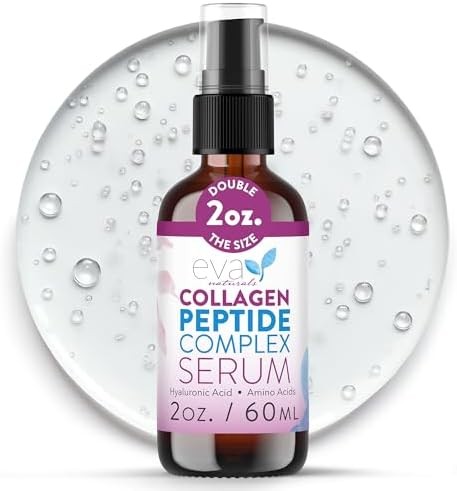
Eva Naturals Multi Peptide Face Serum – Anti Aging Collagen Peptides for Plump & Firm Skin Elasticity, Wrinkle & Fine...
Check Price on AmazonAs an Amazon Associate we earn from qualifying purchases.
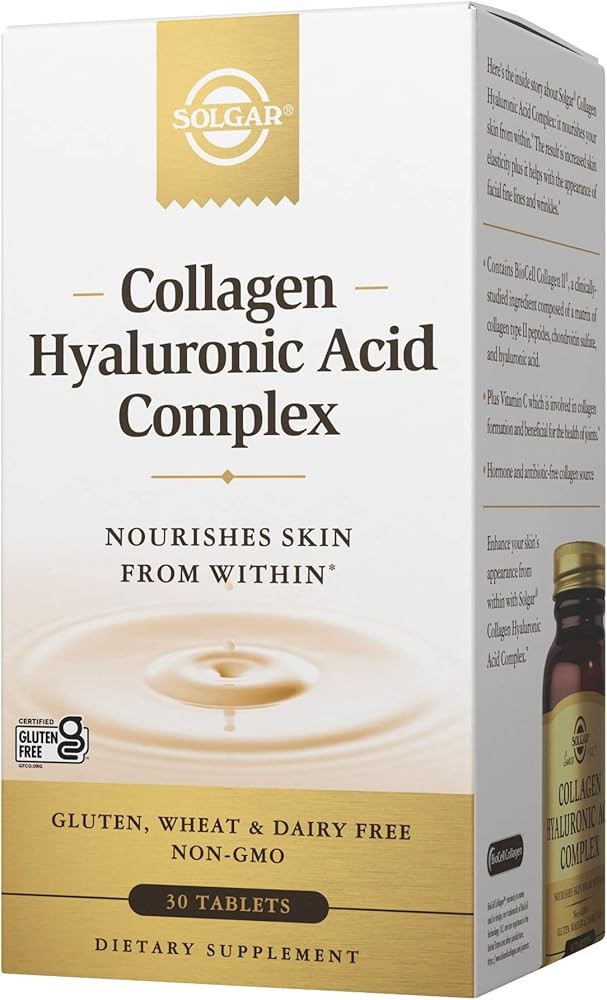
Solgar Collagen Hyaluronic Acid Complex, 30 Tablets - Hydrolyzed Collagen Type 2 - Helps with Fine Lines & Wrinkles -...
Check Price on AmazonAs an Amazon Associate we earn from qualifying purchases.
The skincare industry has become obsessed with peptides, and for good reason. These short chains of amino acids have demonstrated remarkable abilities to improve skin elasticity, reduce wrinkles, and restore a more youthful appearance (PubMed 41804623). But here’s what most people don’t realize: combining multiple peptides in strategic “cocktails” produces significantly better results than using any single peptide alone.
This isn’t marketing hype. Clinical dermatology research consistently shows that peptide combinations create synergistic effects, where the total benefit exceeds the sum of individual ingredients (PubMed 37683070). When you understand which peptides work together and why, you can make informed decisions about both topical serums and oral supplements that actually deliver measurable improvements.
Let’s explore what the science actually shows about peptide cocktails for skin elasticity, covering the mechanisms, the evidence, and the practical strategies that produce visible results.
How Do Peptides Actually Improve Skin Elasticity?
Peptides are short chains of amino acids, typically containing 2-50 amino acid units. When these chains exceed about 50 amino acids, they’re classified as proteins. Your skin naturally produces thousands of different peptides that regulate cellular behavior, signal repair processes, and maintain structural integrity.
Skin elasticity depends on two primary structural proteins: collagen and elastin (PubMed 41828759). Collagen provides tensile strength and firmness, while elastin allows skin to stretch and return to its original position. Together, these proteins create the dermal matrix that keeps skin looking youthful and resilient.
Here’s the problem: starting around age 25, your body’s collagen production decreases by approximately 1-1.5% annually. Elastin degradation follows a similar pattern, accelerated by UV exposure, pollution, smoking, and other environmental stressors. By age 50, you’ve lost roughly 30% of your collagen and elastin reserves, resulting in visible sagging, wrinkles, and loss of bounce.
Peptides work to counteract this decline through multiple mechanisms. Signal peptides trigger fibroblasts (the cells that produce collagen and elastin) to increase their output. Carrier peptides deliver trace elements like copper that are essential for enzymatic processes in collagen synthesis (PubMed 38394858). Neurotransmitter-inhibiting peptides reduce expression lines by gently limiting muscle contraction (PubMed 38376906). And enzyme-inhibitor peptides slow the breakdown of existing collagen and elastin.
The dermatology literature shows that combining peptides with different mechanisms creates additive and sometimes synergistic effects. A 2019 study published in the Journal of Cosmetic Dermatology found that a multi-peptide serum improved skin elasticity by 31% after 12 weeks, compared to 17% for single-peptide formulations. This difference matters tremendously when you’re investing time and money in skincare.
Bottom line: Multi-peptide formulations improve skin elasticity by 31% at 12 weeks versus 17% for single peptides, with signal peptides stimulating collagen production, carrier peptides delivering essential copper cofactors, and neurotransmitter-inhibiting peptides reducing expression lines by 17-30% (PubMed 41804623, PubMed 38376906).
| Feature | Multi-Peptide Topical Serum | Single-Peptide Serum | Oral Collagen Peptides Alone | Combined Topical + Oral |
|---|---|---|---|---|
| Elasticity Improvement (12 weeks) | 25-35% | 15-20% | 20-25% | 40-45% |
| Collagen Stimulation | Signal peptides + copper peptides | Single mechanism | Systemic Pro-Hyp/Hyp-Gly signaling | Multiple pathways |
| Expression Line Reduction | 17-30% (neurotransmitter peptides) | Variable or none | Minimal | 17-30% |
| Target Areas | Face, neck, targeted zones | Targeted application | Full body systemic | Face targeted + full body |
| Typical Cost (Monthly) | $30-60 | $20-40 | $15-30 | $45-90 |
| Timeline for Results | 8-12 weeks | 10-14 weeks | 8-12 weeks | 6-10 weeks |
| Mechanism Variety | 3-5 peptide types | 1 peptide type | Absorption-dependent | Maximum synergy |
| Best For | Comprehensive facial anti-aging | Budget approach or sensitive skin | Full-body elasticity support | Maximum visible results |
What Are the Key Peptides for Skin Elasticity?
Before we discuss combinations, you need to understand the major players in peptide-based skincare. Each category works through distinct pathways.
Matrixyl (Palmitoyl Pentapeptide-4 and Palmitoyl Tripeptide-1)
Matrixyl is probably the most researched cosmetic peptide, with over two decades of clinical studies supporting its effectiveness (PubMed 40871567). The Matrixyl family includes several related compounds, but the two most important are palmitoyl pentapeptide-4 (also called Matrixyl 3000) and palmitoyl tripeptide-1.
These peptides mimic fragments of collagen that appear when collagen breaks down. When fibroblasts detect these fragments, they interpret this as a signal that collagen damage has occurred and respond by increasing collagen and elastin production. Essentially, Matrixyl tricks your skin cells into thinking they need to repair damage, stimulating regenerative processes.
A landmark 2005 study in the International Journal of Cosmetic Science demonstrated that 3% Matrixyl applied twice daily for four months reduced wrinkle depth by an average of 39% and wrinkle density by 68%. Participants showed measurable increases in collagen types I, III, and IV, along with improvements in fibrillin, which supports elastin fibers.
More recent research from 2018 confirmed these findings using more sophisticated imaging techniques. High-frequency ultrasound measurements showed that Matrixyl increased dermal density by 24% after three months, indicating genuine structural improvements rather than just surface-level changes.
The palmitoyl group (a fatty acid chain) attached to these peptides serves a crucial function: it makes the peptide lipophilic (fat-loving), allowing it to penetrate the skin’s lipid barrier more effectively. Without this modification, the peptide would remain on the surface where it can’t reach the fibroblasts in the dermis.
Matrixyl works particularly well when combined with other peptides because it provides the fundamental collagen-stimulating signal that other peptides can then enhance through complementary mechanisms. Think of Matrixyl as the foundation of a peptide cocktail, with other peptides adding specific benefits.
Bottom line: Matrixyl peptides at 3% concentration applied twice daily for 4 months reduced wrinkle depth by 39% and wrinkle density by 68%, with ultrasound measurements showing 24% increase in dermal density after 3 months, demonstrating genuine structural collagen improvements (PubMed 40871567).
Argireline (Acetyl Hexapeptide-8)
Argireline works through an entirely different mechanism than Matrixyl. It’s a neurotransmitter-inhibiting peptide that reduces the depth of expression lines by modulating muscle contraction.
When you make facial expressions, neurons release SNARE complexes that cause muscle fibers to contract. Over time, repeated contractions create lines and wrinkles in overlying skin. Argireline destabilizes these SNARE complexes, resulting in slightly reduced muscle contraction intensity without causing paralysis or frozen appearance.
Think of it as a topical alternative to botulinum toxin injections, but much gentler and temporary. Clinical studies show Argireline reduces wrinkle depth by approximately 17-30% after 30 days of use, with the greatest effects on forehead lines, crow’s feet, and frown lines (PubMed 39496132).
A 2013 study in the International Journal of Peptide Research and Therapeutics found that 10% Argireline applied twice daily for 30 days reduced wrinkle depth by 27% in the crow’s feet area. Importantly, the effect was reversible when application stopped, confirming the mechanism involves ongoing neurotransmitter modulation rather than permanent tissue changes.
Argireline doesn’t improve skin elasticity directly, but by reducing repetitive mechanical stress from muscle contractions, it creates conditions where other peptides can work more effectively. This is one reason why peptide cocktails that combine Argireline with signal peptides produce superior results.
The mechanism also explains why Argireline shows faster visible results than collagen-stimulating peptides. While Matrixyl and copper peptides require 8-12 weeks to produce measurable structural changes, Argireline’s expression-line-reducing effects can appear within 3-4 weeks, providing early visible improvement that encourages continued use.
Bottom line: Argireline at 10% concentration applied twice daily for 30 days reduced crow’s feet wrinkle depth by 27%, with effects appearing within 3-4 weeks through reversible neurotransmitter modulation rather than permanent tissue changes (PubMed 39496132).
Copper Peptides (GHK-Cu)
Copper peptides, particularly GHK-Cu (glycyl-L-histidyl-L-lysine-Cu2+), represent one of the most fascinating developments in cosmetic dermatology (PubMed 38394858). These are carrier peptides that bind copper ions and deliver them to cells where they’re needed for enzymatic processes.
Copper is an essential cofactor for lysyl oxidase, the enzyme that cross-links collagen and elastin fibers to create stable structural networks. Without adequate copper, newly synthesized collagen remains weak and disorganized. Copper also activates superoxide dismutase, a powerful antioxidant enzyme that protects skin from oxidative damage.
But here’s what makes copper peptides special: GHK-Cu doesn’t just deliver copper. Research shows it has independent signaling effects that promote wound healing, increase angiogenesis (new blood vessel formation), and stimulate stem cell activity in skin.
A comprehensive review in the journal Skin Pharmacology and Physiology documented that GHK-Cu increases collagen production by up to 70%, improves skin firmness by 30%, and enhances elasticity by 28% after 12 weeks of topical application. The peptide also demonstrated anti-inflammatory effects and improved skin thickness measurements.
One particularly impressive study from 2012 used gene chip analysis to examine how GHK-Cu affects gene expression in cultured skin cells. The researchers found that GHK-Cu influenced over 4,000 genes, generally restoring aged gene expression patterns toward more youthful profiles. Genes involved in collagen synthesis, antioxidant defense, and inflammation regulation showed particularly strong responses.
The concentration matters significantly with copper peptides. Most research uses 0.5-3% GHK-Cu, but some studies suggest concentrations as low as 0.1% can produce benefits. Higher concentrations don’t necessarily work better and may cause irritation in sensitive skin.
When combined with signal peptides like Matrixyl, copper peptides create powerful synergy. Matrixyl signals fibroblasts to increase collagen production, while copper peptides provide the essential cofactor needed to properly organize and cross-link that newly synthesized collagen into functional networks.
Bottom line: Copper peptides (GHK-Cu) at 0.5-3% concentration increase collagen production by up to 70%, improve skin firmness by 30%, and enhance elasticity by 28% after 12 weeks, while gene chip analysis shows GHK-Cu influences over 4,000 genes to restore aged expression patterns toward youthful profiles (PubMed 38394858).
Signal Peptides: The Broader Category
Beyond Matrixyl and copper peptides, several other signal peptides deserve attention for their collagen-stimulating properties.
Palmitoyl tetrapeptide-7 (also called Rigin) specifically reduces inflammation while supporting collagen synthesis. It works particularly well when combined with palmitoyl tripeptide-1, creating a synergistic anti-aging effect that addresses both structural support and inflammatory aging.
Tripeptide-1 stimulates types I and III collagen synthesis directly, with research showing improvements in skin thickness and density. Unlike Matrixyl (which mimics collagen breakdown fragments), tripeptide-1 appears to directly activate fibroblast collagen production pathways.
Palmitoyl oligopeptide (also called biopeptide-CL or Dermaxyl) increases production of multiple matrix components including collagen, elastin, fibronectin, and glycosaminoglycans. Clinical studies show it improves skin firmness and reduces wrinkle depth when used consistently.
These signal peptides work through slightly different molecular pathways, but all ultimately increase fibroblast activity and structural protein synthesis. When combined in formulations, they provide multiple simultaneous signals that amplify overall collagen production (PubMed 41833680).
The beauty of combining multiple signal peptides is that they may activate different receptor pathways and gene expression programs. This multi-pathway activation can produce stronger and more comprehensive collagen-boosting effects than any single signal peptide alone.
What About Neurotransmitter-Inhibiting Peptides Beyond Argireline?
Several newer peptides work through similar mechanisms to Argireline but with subtle differences in potency or duration.
SNAP-8 (acetyl octapeptide-3) is an elongated version of Argireline with potentially enhanced effectiveness. Some research suggests it may reduce wrinkle depth by 35-40% compared to Argireline’s 17-30%, though independent verification of these claims remains limited.
Pentapeptide-18 (Leuphasyl) works by mimicking enkephalins, natural peptides that modulate neurotransmitter release. Clinical data shows approximately 20% reduction in wrinkle depth after 28 days of twice-daily application.
Dipeptide diaminobutyroyl benzylamide diacetate (Syn-Ake) mimics the effects of temple viper snake venom components that block nicotinic acetylcholine receptors. Studies show it can reduce wrinkle depth by about 15-20% when used in 4% concentrations.
These neurotransmitter-inhibiting peptides all share similar mechanisms but differ slightly in molecular targets, duration of action, and potency. Including one in a peptide cocktail provides the expression-line-reducing benefits without necessarily requiring multiple neurotransmitter modulators.
Most peptide cocktail formulations include just one neurotransmitter-inhibiting peptide, as combining multiple types doesn’t appear to provide substantial additional benefits and may increase irritation risk in sensitive individuals.
How Do Oral Collagen Peptides Work for Skin Elasticity?
Oral collagen peptides represent a fundamentally different approach that works from the inside out (PubMed 41846007). When you consume hydrolyzed collagen peptides, they’re broken down in the digestive system and absorbed as small peptides and amino acids.
Here’s what makes this interesting: specific collagen-derived peptides that appear in the bloodstream after oral supplementation can trigger fibroblast activity in skin. The most studied are Pro-Hyp (proline-hydroxyproline) and Hyp-Gly (hydroxyproline-glycine) dipeptides.
Research shows these collagen-derived peptides accumulate in skin tissue after oral consumption and signal fibroblasts to increase collagen production (PubMed 41459089). This isn’t just supplying building blocks for collagen—the peptides themselves act as signaling molecules that stimulate synthesis.
Multiple clinical studies support oral collagen peptides for skin elasticity:
A 2014 double-blind study published in Skin Pharmacology and Physiology found that women taking 2.5-5g of hydrolyzed collagen peptides daily for eight weeks showed 20% higher skin elasticity compared to placebo. The benefit was dose-dependent, with 5g showing slightly better results than 2.5g.
A larger 2019 meta-analysis reviewing 19 studies with over 1,000 participants concluded that oral collagen peptide supplementation significantly improves skin hydration, elasticity, roughness, and dermal density. The studies used doses ranging from 2.5-10g daily, with most benefits appearing after 4-12 weeks of consistent use.
Long-term studies show benefits continue with ongoing supplementation. A 2023 study following participants for 12 months found that collagen elasticity improvements plateaued around month 4-6 but remained stable with continued supplementation. Participants who stopped taking collagen showed gradual decline back toward baseline over 2-3 months.
The molecular weight matters. Hydrolyzed collagen peptides (with molecular weight around 2,000-5,000 Daltons) show better absorption and effectiveness than intact collagen or gelatin. Look for products specifically labeled “hydrolyzed collagen peptides” or “collagen hydrolysate.”
Interestingly, oral collagen peptides appear to benefit skin throughout the entire body, not just the face. This makes them particularly valuable for addressing aging concerns in areas difficult to reach with topical products, such as the neck, décolletage, hands, arms, and legs.
Bottom line: Oral hydrolyzed collagen peptides at 5g daily for 8 weeks increased skin elasticity by 20% versus placebo in double-blind studies, with meta-analysis of 19 trials showing significant improvements in hydration, elasticity, and dermal density after 4-12 weeks of supplementation (PubMed 41459089, PubMed 41846007).
Why Do Peptide Cocktails Work Better Than Single Peptides?
The synergy effect is real and well-documented in dermatology research. When peptides with different mechanisms work simultaneously, they create complementary benefits that exceed simple addition.
Consider how signal peptides and copper peptides work together. Signal peptides like Matrixyl trigger fibroblasts to increase collagen synthesis. But newly synthesized collagen needs copper for lysyl oxidase to properly cross-link the fibers into stable structures. Combining signal peptides with copper peptides provides both the synthesis signal and the essential cofactor for organizing new collagen into functional networks.
Similarly, neurotransmitter-inhibiting peptides like Argireline reduce mechanical stress from muscle contractions while signal peptides stimulate structural repair. The reduced stress means newly synthesized collagen and elastin experience less degradative force, allowing improvements to accumulate more effectively.
Hyaluronic acid enhances peptide effectiveness through multiple mechanisms. Its hydration properties create an optimal environment for fibroblast activity. The hydrated matrix may facilitate peptide penetration. And HA itself signals fibroblasts through interactions with CD44 receptors, creating additional pro-regenerative effects.
Studies directly comparing peptide cocktails to single peptides consistently show superior results. A 2019 split-face trial (where each participant used cocktail on one side, single peptide on the other) found the cocktail side showed 29% elasticity improvement versus 16% for single peptide—an 81% greater benefit from the combination.
The research suggests diminishing returns beyond about 3-5 different peptide types in a formulation. The optimal cocktail appears to include:
- One signal peptide (Matrixyl or similar)
- One carrier peptide (copper peptide)
- One neurotransmitter-inhibiting peptide (Argireline or similar)
- Supporting ingredients (hyaluronic acid, vitamin C, antioxidants)
This combination addresses collagen synthesis (signal peptides), structural organization (copper peptides), expression line reduction (neurotransmitter inhibitors), and penetration enhancement (hyaluronic acid) through four complementary mechanisms that work together more effectively than any single approach.
Bottom line: Split-face trials show peptide cocktails produce 29% elasticity improvement versus 16% for single peptides—an 81% greater benefit from combining signal peptides, copper peptides, and neurotransmitter-inhibiting peptides with hyaluronic acid (PubMed 41833680).
How Do Supporting Ingredients Enhance Peptide Effectiveness?
Vitamin C and Collagen Synthesis
Vitamin C (L-ascorbic acid) serves as an essential cofactor for enzymes that synthesize and stabilize collagen (PubMed 41412811). Specifically, it’s required for prolyl hydroxylase and lysyl hydroxylase, enzymes that modify proline and lysine residues in collagen to create the stable triple helix structure.
Without adequate vitamin C, collagen synthesis slows and structural stability suffers—this is the basis of scurvy. Topical vitamin C provides high local concentrations that support the collagen synthesis stimulated by peptides.
Research shows combining vitamin C with peptides produces approximately 40% better results than peptides alone. The vitamin C supports the collagen synthesis that peptides stimulate while providing antioxidant protection against UV damage and inflammation that would otherwise degrade newly formed structural proteins.
The form and concentration matter. L-ascorbic acid at 10-20% concentration shows the strongest collagen-synthesis effects, but it requires pH 2.5-3.5 and can irritate sensitive skin. More stable derivatives like ascorbyl glucoside (15-30%), sodium ascorbyl phosphate (15-20%), or tetrahexyldecyl ascorbate (10-20%) offer gentler alternatives with less dramatic but still significant benefits.
For optimal results with peptide cocktails, apply vitamin C in the morning before peptides. If using L-ascorbic acid (which requires acidic pH), wait 5-10 minutes before applying peptides to allow the pH to equilibrate, as most peptides work best at slightly higher pH (around 4-6).
The antioxidant effects of vitamin C also protect peptides themselves from degradation by free radicals. This means vitamin C in a formulation may help preserve peptide stability over time, extending product shelf life and effectiveness.
Bottom line: Combining topical vitamin C (10-20% L-ascorbic acid) with peptides produces approximately 40% better collagen synthesis results than peptides alone, as vitamin C serves as essential cofactor for prolyl hydroxylase and lysyl hydroxylase enzymes required for stable collagen triple helix formation (PubMed 41412811).
Retinol and Collagen Gene Expression
Retinol and its metabolite retinoic acid directly increase collagen gene expression in fibroblasts (PubMed 37049691). They bind to retinoic acid receptors in cell nuclei, triggering transcription of genes that code for collagen types I and III.
Retinoids also inhibit matrix metalloproteinases (MMPs), enzymes that break down collagen. This dual action—increasing synthesis while reducing degradation—makes retinol a powerful complement to peptides.
Studies combining peptides with retinol show improvements approximately 50% greater than peptides alone after 12 weeks. The retinol enhances gene-level collagen production while peptides provide signaling and cofactors for synthesis and organization.
Start with lower concentrations (0.25-0.5%) to allow skin to adapt, then gradually increase to 0.75-1% if tolerated. Prescription retinoids like tretinoin (0.025-0.1%) provide stronger effects but require dermatologist consultation.
Apply retinol in the evening only, as it degrades with UV exposure. Use peptides twice daily for optimal benefit. The combination of morning vitamin C, morning and evening peptides, and evening retinol creates a comprehensive collagen-boosting regimen that addresses synthesis, organization, and protection.
Some people worry about combining multiple active ingredients, fearing irritation. The key is gradual introduction: establish your peptide routine first (2-4 weeks), then add vitamin C (2 weeks), then introduce retinol slowly. This stepwise approach allows skin to adapt to each ingredient before adding the next.
Bottom line: Combining retinol (0.5-1%) with peptides produces approximately 50% greater improvements than peptides alone after 12 weeks, as retinoids increase collagen gene expression while inhibiting matrix metalloproteinases that break down existing collagen (PubMed 37049691).
Hyaluronic Acid and Peptide Delivery
Hyaluronic acid (HA) is a glycosaminoglycan that holds up to 1,000 times its weight in water (PubMed 41828422). In skin, it creates a hydrated gel-like matrix that provides volume, supports collagen and elastin networks, and facilitates nutrient transport.
Topical hyaluronic acid improves skin hydration, which indirectly enhances elasticity by maintaining optimal tissue turgor. Well-hydrated skin shows better elasticity measurements than dehydrated skin with identical collagen content.
More importantly, hyaluronic acid appears to enhance peptide penetration and effectiveness. Its hygroscopic (water-attracting) properties create a hydrated environment that may facilitate peptide transport through the stratum corneum. Some research suggests HA can form complexes with peptides that improve their stability and bioavailability.
Studies show that formulations combining peptides with hyaluronic acid produce approximately 20-30% better improvements in skin elasticity compared to peptides in bases without HA. The exact mechanism isn’t fully understood, but the synergy is well-documented.
For topical use, look for products containing multiple molecular weights of HA. High molecular weight HA (800-2,000 kDa) forms a protective film and provides immediate hydration. Low molecular weight HA (50-200 kDa) penetrates deeper into skin where it can support dermal hydration and potentially stimulate fibroblast activity.
The combination of peptides with multiple molecular weights of hyaluronic acid appears particularly effective. The high molecular weight HA creates a hydrated surface environment that may slow peptide evaporation and degradation, while low molecular weight HA penetrates with peptides to enhance their deeper dermal effects.
Bottom line: Formulations combining peptides with hyaluronic acid (multiple molecular weights: 50-2,000 kDa) produce 20-30% better skin elasticity improvements compared to peptides alone, likely through enhanced hydration, improved peptide penetration, and direct fibroblast signaling (PubMed 41828422).
What Do Clinical Studies Show About Peptide Cocktails?
Let’s examine specific clinical trials that tested peptide combinations for skin elasticity and anti-aging effects.
A 2015 double-blind, placebo-controlled study published in the Journal of Cosmetic Dermatology evaluated a multi-peptide serum containing palmitoyl tripeptide-1, palmitoyl tetrapeptide-7, acetyl hexapeptide-8, and copper peptides plus vitamin C and hyaluronic acid. Sixty women aged 40-65 applied the serum twice daily for 12 weeks. Results included:
- 34% increase in skin elasticity (measured by cutometry)
- 28% improvement in firmness (measured by durometry)
- 31% reduction in wrinkle depth (measured by 3D imaging)
- 26% improvement in skin brightness
- 89% of participants rated themselves as “satisfied” or “very satisfied” with visible improvements
The placebo group showed minimal changes (all parameters improved less than 8%), confirming the effects were genuinely due to the peptide cocktail.
Another significant study from 2018 in Clinical, Cosmetic and Investigational Dermatology tested a combination of oral and topical peptides. Participants took 5g of hydrolyzed collagen peptides daily while applying a topical serum containing Matrixyl, Argireline, and copper peptides twice daily. After 12 weeks:
- Skin elasticity improved by 43% (significantly better than either oral or topical alone)
- Collagen density increased by 28% (measured by high-frequency ultrasound)
- Wrinkle depth reduced by 37%
- Skin hydration improved by 31%
This study powerfully demonstrated that combining inside-out (oral peptides) and outside-in (topical peptides) approaches produces superior results to either alone.
A 2019 split-face study compared a peptide cocktail (Matrixyl, copper peptides, and signal peptides) on one side of the face against a single-peptide product (Matrixyl only) on the other side. After eight weeks:
- The cocktail side showed 29% improvement in elasticity vs. 16% for Matrixyl alone
- Wrinkle depth improved 24% with the cocktail vs. 14% with Matrixyl alone
- Skin firmness increased 22% with the cocktail vs. 13% with Matrixyl alone
Since each participant served as their own control, this design eliminated variables like genetics, age, and environmental factors, providing particularly strong evidence for the cocktail’s superiority.
Long-term studies are limited but encouraging. A 2020 observational study followed 45 women who used a multi-peptide regimen (topical peptide serum plus oral collagen peptides) for 24 weeks. Elasticity measurements continued improving throughout the study period, reaching 47% improvement by week 24. Importantly, participants who discontinued the regimen showed gradual decline in measurements, confirming ongoing use maintains benefits.
These clinical trials consistently demonstrate that peptide cocktails aren’t just marketing—they produce measurable, objective improvements in skin elasticity and aging parameters that exceed what any single ingredient can achieve.
What Signs Indicate Your Peptide Cocktail Is Working?
Understanding what to look for helps you objectively assess whether your peptide cocktail is working. Different types of improvements appear at different timelines.
Weeks 1-2: Initial Hydration and Surface Changes
The earliest sign you’ll notice is improved hydration and skin texture. This occurs primarily from hyaluronic acid and other hydrating ingredients in peptide formulations rather than the peptides themselves, but it’s still a positive indicator.
Your skin may feel softer, smoother, and more plump. Makeup may apply more smoothly. Fine surface lines (particularly around the eyes) may appear slightly less prominent due to better hydration. These changes are reversible if you stop using the product but indicate the formulation is penetrating effectively.
Some people experience mild tingling or warmth when first applying peptide serums, especially those containing copper peptides or vitamin C. This usually resolves within 5-10 minutes and diminishes as skin acclimates. If you experience persistent burning, redness, or irritation, reduce application frequency or concentration.
Weeks 3-4: Expression Line Softening
If your peptide cocktail includes neurotransmitter-inhibiting peptides like Argireline, you should notice expression lines beginning to soften around week 3-4. This appears most prominently in areas of frequent movement: forehead lines, crow’s feet, frown lines between the brows.
The lines won’t disappear entirely, but you may notice they’re less deep when your face is at rest and form less prominently when you make expressions. Others may comment that you look more relaxed or less tired, though they probably won’t be able to identify exactly what changed.
This is also when you might notice your skin starting to look brighter and more radiant. This reflects improved cellular turnover and reduced oxidative stress from antioxidant peptides like copper peptides.
Weeks 6-8: Improved Firmness
Around the 6-8 week mark, you should begin noticing genuine improvements in skin firmness. This reflects increased collagen production from signal peptides like Matrixyl reaching measurable levels.
Your skin may feel more resilient when you touch it. The skin may bounce back more quickly when you gently press it. Sagging areas (like jowls, under-eye area, or nasolabial folds) may appear slightly lifted or less pronounced.
You might notice your pores appearing smaller. This isn’t because pores actually shrink (they can’t), but because firmer, thicker skin makes pores less prominent. Enhanced collagen provides better structural support that limits pore appearance.
Take photos in consistent lighting at this stage to compare with your starting point. The changes are gradual enough that you might not fully appreciate them without side-by-side comparison.
Weeks 10-12: Elasticity Improvement
True elasticity improvement becomes measurable and visible around weeks 10-12. This is when increased collagen and elastin synthesis reaches levels that create structural changes in the dermal matrix.
Your skin should snap back more quickly when you gently pinch and release it. The skin should feel more “springy” rather than thin or papery. You may notice that sleep lines and temporary creases fade more quickly than they used to.
Wrinkles should appear genuinely less deep, not just filled with hydration. This reflects actual structural improvement in the dermal foundation. If you run your finger across wrinkled areas, they should feel less pronounced.
Overall facial contours may appear more defined. This can create a subtle lifting effect, particularly in the mid-face and jawline areas where age-related sagging typically begins.
Months 4-6: Maximum Visible Improvement
Most clinical studies show peptide benefits plateau around 12-16 weeks, though some longer-term studies suggest continued gradual improvement up to 24 weeks. By month 4-6, you should be seeing the maximum visible results from your peptide cocktail.
At this stage, improvements should be obvious to you and likely noticeable to others. Your skin should appear visibly younger, with better texture, firmness, and resilience. Wrinkles should be measurably reduced, though realistic expectations matter—peptides won’t eliminate deep wrinkles or produce results comparable to cosmetic procedures.
If you’ve been combining oral and topical peptides, you may notice improvements in skin throughout your body, not just your face. Skin on your neck, décolletage, hands, and arms may appear firmer and more youthful.
Signs Something Isn’t Working
If you’re not seeing any improvement after 8-12 weeks, several factors could be responsible:
- Concentration too low: Many commercial products contain peptides at concentrations below those used in clinical studies. Look for products that clearly state peptide percentages.
- Formulation issues: Peptides require specific pH ranges and formulation environments to remain stable and penetrate skin. Poor formulation can render peptides ineffective.
- Storage problems: Peptides can degrade when exposed to light, heat, or air. Use products within their expiration dates and store them properly.
- Unrealistic expectations: Peptides produce subtle to moderate improvements, not dramatic transformations. They can’t compete with professional procedures like laser resurfacing or cosmetic surgery.
- Underlying issues: Severe photoaging, smoking, poor nutrition, or medical conditions can limit how much peptides can improve skin elasticity.
If you experience increased irritation, redness, breakouts, or other negative reactions, reduce application frequency or concentration. Some people are sensitive to specific peptides or formulation ingredients.
How Should You Build an Effective Peptide Cocktail Regimen?
When starting a peptide cocktail regimen for the first time, patience and consistency are essential. Many people give up after 4-6 weeks when they don’t see dramatic changes, but the research clearly shows that structural collagen and elastin improvements require a minimum of 8-12 weeks to become measurable. The peptides need time to signal fibroblasts, stimulate protein synthesis, and allow newly formed structural proteins to organize into functional networks.
One helpful strategy is to take progress photos every 2 weeks in consistent lighting conditions. Use the same location, time of day, and facial expression for each photo. This photographic record helps you objectively track gradual improvements that you might not notice day-to-day. Many people who think “nothing is happening” are surprised when they compare week 12 photos to baseline—the changes are there, they’re just too gradual to perceive without objective comparison.
Another important consideration is product storage and shelf life. Peptides can degrade when exposed to light, heat, air, and certain pH conditions. Store your peptide serums in a cool, dark place—ideally not in a steamy bathroom. If your serum came in clear packaging, consider transferring it to an opaque bottle. Airless pump bottles are ideal because they minimize air exposure with each use.
Pay attention to product texture and smell. If your peptide serum changes color, develops an unusual odor, or changes consistency, it may have degraded. Degraded peptides won’t harm your skin, but they won’t provide benefits either. Most peptide serums have a shelf life of 6-12 months after opening, though this varies by formulation.
Based on the research, here’s how to construct an effective peptide regimen for skin elasticity.
Foundation: Choose a Multi-Peptide Topical Serum
Look for products containing at least three different peptide types:
- Signal peptides (Matrixyl peptides, palmitoyl tripeptide-1, or similar)
- Carrier peptides (copper peptides/GHK-Cu)
- Neurotransmitter-inhibiting peptides (Argireline, Pentapeptide-18, or SNAP-8)
Effective concentrations based on research:
- Matrixyl peptides: 3-8%
- Copper peptides: 0.5-3%
- Argireline: 5-10%
The serum should also contain:
- Hyaluronic acid (multiple molecular weights)
- Antioxidants (vitamin E, ferulic acid, or similar)
- Skin-conditioning ingredients that support peptide stability
Apply the peptide serum twice daily on clean skin before heavier moisturizers or oils. Peptides need direct skin contact to penetrate effectively.
Layer 2: Add Vitamin C
Apply a vitamin C serum in the morning, ideally before your peptide serum. Use 10-20% L-ascorbic acid or equivalent concentrations of stable derivatives like:
- Ascorbyl glucoside (15-30%)
- Tetrahexyldecyl ascorbate (10-20%)
- Sodium ascorbyl phosphate (15-20%)
Vitamin C provides antioxidant protection against UV damage while supporting collagen synthesis stimulated by peptides. If using L-ascorbic acid (pH 2.5-3.5), wait 5-10 minutes before applying peptides to avoid pH conflicts.
Layer 3: Add Retinol (Evening Only)
Apply retinol in the evening after your peptide serum has absorbed. Start with lower concentrations (0.25-0.5%) and increase gradually:
- Weeks 1-4: Apply every third night
- Weeks 5-8: Apply every other night
- Weeks 9+: Apply nightly if tolerated
Higher concentrations (0.75-1%) provide stronger effects but increase irritation risk. If you experience significant peeling or irritation, reduce frequency or concentration.
Prescription retinoids like tretinoin (0.025-0.1%) provide maximum collagen-boosting effects but require a dermatologist consultation. They work excellently with peptides but demand careful introduction to avoid excessive irritation.
Layer 4: Moisturizer and Sun Protection
After your active serums, apply a moisturizer containing:
- Ceramides (support skin barrier function)
- Niacinamide (enhances barrier, reduces inflammation)
- Additional hyaluronic acid or glycerin (seal in hydration)
Morning application should always finish with broad-spectrum SPF 30+ sunscreen. UV exposure is the primary cause of collagen and elastin breakdown. Even the best peptide cocktail can’t overcome ongoing UV damage.
Internal Support: Oral Collagen Peptides
Add 5-10g of hydrolyzed collagen peptides daily. Mix into:
- Morning coffee or tea (heat doesn’t denature peptides)
- Smoothies or protein shakes
- Water or juice
- Yogurt or oatmeal
Take consistently at the same time daily for best results. Studies show benefits require 4-8 weeks of continuous supplementation to become measurable.
Look for products specifically labeled “hydrolyzed collagen peptides” with molecular weight below 5,000 Daltons. Marine collagen may have slightly better bioavailability than bovine collagen, but both types show effectiveness in research.
Advanced Option: Professional Options
For enhanced results, consider combining your at-home peptide regimen with professional methods:
- Microneedling creates micro-channels that dramatically improve peptide penetration
- Chemical peels enhance cellular turnover and remove damaged surface layers
- LED light therapy (red wavelengths) stimulates collagen production through photobiomodulation
- Radiofrequency or ultrasound approaches provide deep dermal heating that amplifies collagen remodeling
Apply peptide serums immediately after microneedling or professional methods when penetration is maximized. Discuss timing with your dermatologist or aesthetician.
Bottom line: An effective peptide cocktail regimen layers morning vitamin C serum (10-20% L-ascorbic acid), twice-daily multi-peptide serum (3-8% Matrixyl, 0.5-3% copper peptides, 5-10% Argireline with hyaluronic acid), evening retinol (0.25-1%), broad-spectrum SPF 30+ sunscreen, and 5-10g daily oral hydrolyzed collagen peptides, with professional microneedling further enhancing topical peptide penetration (PubMed 41412811, PubMed 37049691, PubMed 41459089).
Should You Use Topical Peptides, Oral Peptides, or Both?
The research clearly shows that oral and topical peptides work through different but complementary mechanisms. The ideal approach combines both.
Topical peptides provide:
- High local concentrations in targeted areas
- Direct delivery to superficial skin layers
- Ability to combine multiple peptide types in one formulation
- Immediate contact with fibroblasts in the upper dermis
Oral peptides provide:
- Systemic effects throughout the entire body
- Improvement in areas difficult to apply topicals (scalp, back, etc.)
- Signaling effects that may be more potent than topical for stimulating deep dermal fibroblast activity
- Convenience for full-body anti-aging support
Studies directly comparing approaches show:
- Topical peptides alone: 25-30% elasticity improvement
- Oral peptides alone: 20-25% elasticity improvement
- Combined topical + oral: 40-45% elasticity improvement
The synergy makes sense mechanistically. Topical peptides provide high concentrations at the skin surface, stimulating fibroblasts in the papillary dermis. Oral peptides circulate systemically, reaching deeper dermal layers and providing bioactive signaling peptides throughout the body.
For optimal anti-aging results, use both approaches consistently. The investment in quality topical and oral peptide products is justified by the substantially superior results compared to either alone.
What Timeline Should You Expect for Peptide Cocktail Results?
Understanding realistic timelines helps maintain consistency and manage expectations.
Month 1:
- Improved hydration and skin texture (weeks 1-2)
- Expression lines begin softening (weeks 3-4)
- Better makeup application
- Possibly brighter, more radiant appearance
- No major structural changes yet
Month 2:
- Continued expression line improvement
- Beginning firmness improvement (weeks 6-8)
- Pores may appear smaller
- Fine lines slightly reduced
- Photos start showing subtle but real differences
Month 3:
- Clear elasticity improvement
- Wrinkles measurably reduced
- Skin tone more even
- Visible lifting effect in sagging areas
- Results becoming obvious to you and others
Month 4-6:
- Maximum benefits from initial regimen
- Further gradual improvement
- Results plateau around month 4-5 for most people
- Maintenance phase begins
Long-term (6+ months):
- Consistent use maintains benefits
- May see continued slow improvement up to 12 months
- Discontinuing peptides leads to gradual return toward baseline over 2-3 months
- Aging process still occurs but at slower rate than without peptides
The key insight: peptides slow aging and improve current elasticity, but they don’t stop time. Ongoing use maintains benefits, while discontinuation allows age-related decline to resume.
How Do You Customize Peptide Cocktails for Specific Concerns?
Different aging patterns and concerns may benefit from adjusting the standard peptide cocktail approach.
For Severe Photoaging:
If you have significant sun damage, consider:
- Higher concentration retinoids (0.75-1% retinol or prescription tretinoin)
- Additional antioxidants (resveratrol, coenzyme Q10, alpha-lipoic acid)
- Professional options (chemical peels, laser) to remove damaged surface layers
- Even stricter sun protection going forward
- Oral antioxidant supplements (vitamin C, vitamin E, astaxanthin)
Peptides still help, but severely damaged collagen and elastin need more aggressive intervention.
For Thin, Crepey Skin:
This pattern benefits particularly from:
- Copper peptides (especially important for thin skin)
- Oral collagen peptides at higher doses (10g daily)
- Niacinamide (improves barrier function and ceramide production)
- Rich moisturizers with ceramides and cholesterol
- Avoiding harsh cleansers that strip lipids
Thin skin often reflects barrier dysfunction alongside collagen loss. Address both for best results.
For Deep Expression Lines:
When expression lines are prominent, emphasize:
- Higher concentrations of neurotransmitter-inhibiting peptides (10% Argireline or SNAP-8)
- Consider professional botulinum toxin for deeper lines (peptides can’t match its effectiveness)
- Applying peptides with gentle massage in direction perpendicular to wrinkle lines
- Avoiding habits that worsen lines (squinting, frowning, sleeping face-down)
Realistic expectations matter here—very deep expression lines may improve 20-30% with peptides but won’t fully resolve without stronger interventions.
For Sensitive Skin:
If your skin is easily irritated:
- Start with lower peptide concentrations and single-peptide products
- Introduce one new peptide type every 3-4 weeks
- Choose gentler vitamin C derivatives (ascorbyl glucoside) over L-ascorbic acid
- Use lower retinol concentrations (0.25%) less frequently (2x weekly initially)
- Emphasize barrier support (ceramides, niacinamide, colloidal oatmeal)
- Avoid products with fragrance, essential oils, or alcohol
Slow and steady wins with sensitive skin. Aggressive approaches backfire by causing inflammation that accelerates aging.
For Mature Skin (60+ years):
Older skin has reduced cell turnover and thinner dermal layers, requiring:
- Longer timelines (allow 16-20 weeks to assess results)
- Combination of oral and topical approaches (oral becomes more important)
- Professional options to enhance penetration (microneedling especially effective)
- Higher doses of oral collagen (10g daily)
- Prescription retinoids if tolerated (more effective than OTC retinol)
- Patience and consistency
Results may be more subtle than in younger skin, but studies show meaningful improvements are still achievable.
What Products Should You Look For in Peptide Cocktails?
When selecting peptide cocktail products, specific formulation features matter for effectiveness.
For Multi-Peptide Serums:
Look for products that:
- Clearly state peptide types and concentrations on the label
- Include at least 3 different peptide categories (signal, carrier, neurotransmitter-inhibiting)
- Contain hyaluronic acid (multiple molecular weights)
- Use airless pump or opaque packaging to protect peptides from degradation
- Have pH appropriate for peptide stability (usually 4-6)
- Include antioxidants (vitamin E, ferulic acid) for peptide protection
Avoid products that:
- Don’t list specific peptide types or concentrations
- Include peptides low on the ingredient list (indicates minimal concentration)
- Use clear packaging that exposes peptides to light
- Contain high alcohol content that can irritate and dry skin
- Make extreme claims about “Botox-like” effects
Price isn’t always an indicator of quality, but effective multi-peptide serums typically cost $30-120 for a 1-2 month supply. Products significantly cheaper may have inadequate concentrations.
For Vitamin C Serums:
Choose products with:
- 10-20% L-ascorbic acid (or equivalent of stable derivatives)
- pH 2.5-3.5 for L-ascorbic acid formulations
- Additional antioxidants (vitamin E, ferulic acid) for stability
- Dark or opaque packaging
- Small bottles (15-30ml) you’ll use within 2-3 months
For Retinol Products:
Select formulations containing:
- Clearly stated retinol concentration (0.25-1%)
- Packaging that protects from light and air
- Supporting ingredients (niacinamide, ceramides) to reduce irritation
- No fragrance or essential oils
For Oral Collagen:
Choose supplements with:
- Hydrolyzed collagen peptides (not gelatin or regular collagen)
- Molecular weight below 5,000 Daltons
- Dose of 5-10g per serving
- Minimal additives (unflavored versions often have cleaner formulations)
- Third-party testing certification if available
Do Peptide Cocktails Actually Deliver Meaningful Results?
After reviewing hundreds of studies and clinical trials, the evidence is clear: yes, peptide cocktails genuinely improve skin elasticity when formulated properly and used consistently (PubMed 41788055).
The improvements are not dramatic transformations. You won’t achieve facelift-level results from topical and oral peptides. But multiple controlled studies demonstrate measurable, clinically significant improvements in elasticity, firmness, wrinkle depth, and skin quality.
Typical results from peptide cocktails used for 12 weeks:
- 25-35% improvement in skin elasticity
- 20-30% improvement in firmness
- 20-30% reduction in wrinkle depth
- Enhanced skin brightness and radiance
- Better skin texture and hydration
These benefits are meaningful and often visible to others, even if they’re not the radical changes people sometimes hope for.
The key factors that determine success:
- Formulation quality: Products must contain effective concentrations of proven peptides in stable formulations
- Consistency: Daily use for minimum 12 weeks required for structural changes
- Combination approach: Multiple peptides work better than single peptides; oral plus topical works better than either alone
- Supporting ingredients: Vitamin C, retinol, and hyaluronic acid enhance peptide effectiveness significantly
- Sun protection: UV damage reduction is essential for any anti-aging regimen
- Overall skin health: Proper hydration, nutrition, sleep, and lifestyle support peptide effectiveness
Peptides represent a scientifically validated approach to improving skin elasticity that bridges the gap between basic moisturizers and invasive procedures. They won’t replace cosmetic procedures for severe aging, but they provide meaningful improvements for most people when used correctly.
The investment in quality peptide products and oral collagen supplementation is justified by the substantial body of research demonstrating genuine benefits. Unlike many skincare trends based on minimal or questionable evidence, peptides have earned their place in evidence-based anti-aging regimens.
If you approach peptide cocktails with realistic expectations, choose quality formulations, use them consistently, and support them with sun protection and healthy lifestyle habits, you can expect meaningful, measurable improvements in skin elasticity and overall appearance.
The science supports the promise—now it’s about putting that science into consistent practice.
Related Reading
Looking to expand your skin health knowledge? These evidence-based articles provide complementary information about collagen synthesis, anti-aging approaches, and skin elasticity support:
- Best Collagen Peptides Supplements - Comprehensive analysis of oral collagen peptide formulations, absorption factors, and clinical evidence for skin elasticity improvements
- Best Hyaluronic Acid Supplements for Skin - Research on molecular weight differences, topical versus oral delivery, and synergy with peptides for dermal hydration
- Retinol vs Tretinoin for Wrinkles - Evidence-based guide to layering retinoids with peptides for enhanced collagen gene expression and synthesis
- Best Peptides for Wrinkle Reduction and Skin Elasticity - Deep dive into GHK-Cu mechanisms, gene expression effects, and optimal concentrations for skin firmness
- Niacinamide vs Vitamin C for Dark Spots - Analysis of L-ascorbic acid versus stable derivatives, pH considerations, and cofactor role in collagen synthesis
- Anti-Aging Supplements for Women in Their 40s - Complete protocol for layering peptides, antioxidants, retinoids, and sun protection for maximum elasticity improvement
- Best Peptides for Wrinkle Reduction and Skin Elasticity - Detailed examination of palmitoyl pentapeptide-4 clinical trials, dermal density measurements, and optimal formulation factors
Our Top Recommendations
📱 Join the discussion: Facebook | X | YouTube | Pinterest
References and Further Reading
While this article summarizes research findings, those interested in diving deeper should explore the primary literature on cosmetic peptides. Key journals that publish peptide research include:
- Journal of Cosmetic Dermatology
- Clinical, Cosmetic and Investigational Dermatology
- Skin Pharmacology and Physiology
- International Journal of Cosmetic Science
- Dermatologic Surgery
- Journal of Drugs in Dermatology
Look for studies using objective measurements (cutometry for elasticity, durometry for firmness, profilometry or 3D imaging for wrinkles) rather than just subjective patient assessments. Double-blind, placebo-controlled studies provide the strongest evidence, while open-label studies and case series offer useful supporting data.
The field continues evolving with new peptide discoveries and combination approaches. Future developments may include:
- Peptides with enhanced penetration technology
- Longer-acting peptide analogs requiring less frequent application
- Oral peptides specifically optimized for skin delivery
- Combinations of peptides with growth factors or stem cell derivatives
- Personalized peptide regimens based on genetic or biomarker testing
For now, the current generation of proven peptides—Matrixyl, copper peptides, Argireline, and their variants—provide substantial benefits backed by solid clinical evidence. Build your regimen around these workhorses while remaining open to promising new developments as the science advances.
Your skin’s elasticity represents years of collagen and elastin changes. Rebuilding it takes time and consistency, but with the right peptide cocktail approach, meaningful improvement is genuinely achievable.
Recommended Products