Rhamnose for Skin Firming and Anti-Glycation: Anti-Aging Breakthrough
Summarized from peer-reviewed research indexed in PubMed. See citations below.
Published research shows skin aging accelerates when collagen breaks down faster than it can be replaced, with glycation damage causing up to 50% of visible aging after age 40. Based on clinical trials comparing anti-glycation ingredients, Eva Naturals Multi Peptide Face Serum with rhamnose and collagen peptides delivers measurable improvements in skin elasticity (29% increase in 12 weeks) and reduces glycation-related stiffening through dual-action collagen synthesis and AGE blocking at around $24.95. Studies demonstrate rhamnose works by stimulating fibroblast collagen production while inhibiting the sugar-protein reactions that create age-accelerating compounds in skin tissue. For budget-conscious users, Olay Collagen Peptide Face Moisturizer combines collagen peptides with niacinamide at approximately $17.99, though without dedicated anti-glycation ingredients. Here’s what the published research shows about rhamnose’s mechanisms, clinical outcomes, and evidence-based protocols for skin firming.
Disclosure: We may earn a commission from links on this page at no extra cost to you. Affiliate relationships never influence our ratings. Full policy →

Your skin is sending you signals every day. That slight loss of bounce when you press your cheek, the fine lines that seem deeper in the afternoon, the way your jawline doesn’t look quite as defined as it did a year ago. These aren’t just signs of aging passing time, they’re clues that biochemical processes inside your skin have shifted.
Among these processes, two stand out as particularly damaging: declining collagen production and glycation, the sugar-driven process that creates harmful Advanced Glycation End Products (AGEs) that literally stiffen and age your skin from within.
Enter rhamnose, a naturally occurring plant-derived sugar that researchers have identified as one of the most promising anti-aging compounds of the decade. Unlike many trendy skincare ingredients that promise much and deliver little, rhamnose has robust scientific backing demonstrating its ability to simultaneously boost collagen synthesis while blocking the glycation process that ages skin prematurely.
This comprehensive guide explores everything you need to know about rhamnose: how it works at the cellular level, what the research shows, how to use it effectively, and how it compares to other established anti-aging powerhouses like vitamin C, retinol, and collagen peptides.
What Is Rhamnose and Why Does It Matter for Skin Aging?
Rhamnose, specifically L-rhamnose, is a naturally occurring monosaccharide (simple sugar) found in plants, particularly in citrus fruits as part of flavonoid glycosides like hesperidin. Despite being a sugar, rhamnose doesn’t behave like the sugars that damage your skin. Instead, it acts as a potent anti-aging agent with multiple mechanisms of action.
The Discovery of Rhamnose’s Anti-Aging Properties
The breakthrough research on rhamnose’s skin benefits came from studies examining citrus flavonoids and their component sugars. Researchers discovered that when hesperidin (a citrus flavonoid) was broken down into its constituent parts, the sugar components, rhamnose and rutinose, demonstrated significant anti-aging effects independent of the flavonoid structure.
A landmark 2019 study published in the International Journal of Cosmetic Science examined rhamnose’s effects on both young and physiologically aged normal human dermal fibroblasts (the cells responsible for producing collagen and other structural proteins). The results were striking: rhamnose increased collagen production, reduced inflammatory markers, and protected against glycation-induced damage.
How Rhamnose Differs from Damaging Sugars
This is crucial to understand: not all sugars affect your skin the same way. Glucose and fructose, the sugars abundant in your diet, are primary drivers of glycation, the process where sugar molecules randomly attach to proteins (including collagen and elastin), creating stiff, dysfunctional Advanced Glycation End Products (AGEs).
Rhamnose, by contrast, is a deoxy sugar with a unique molecular structure that allows it to interact with skin cells in beneficial ways. Rather than glycating proteins, rhamnose binds to specific cellular lectins (sugar-binding proteins) that trigger beneficial signaling cascades, stimulating collagen production and activating cellular repair mechanisms.
How Does Rhamnose Work for Anti-Aging?
What makes rhamnose particularly exciting in the anti-aging landscape is its dual mechanism of action. It doesn’t just address one pathway of skin aging; it tackles two of the most significant simultaneously.
Mechanism 1: Stimulating Collagen Production
Your skin’s firmness and elasticity depend on an intricate scaffold of collagen fibers. Collagen I, the most abundant type in skin, provides structural support. Collagen IV forms the basement membrane that anchors the epidermis to the dermis. As we age, production of both types declines significantly.
Research has demonstrated that rhamnose stimulates fibroblasts to increase production of both collagen I and collagen IV. Specifically:
Collagen I Production: Studies using young normal human dermal fibroblasts (NHDFs) showed significant increases in collagen I after application of rhamnose. This directly translates to improved skin firmness and structure.
Collagen IV and Procollagen I: An 8-week in vivo study demonstrated that daily topical application of 5% rhamnose increased markers of both collagen IV and procollagen I (the precursor to mature collagen I). This suggests rhamnose doesn’t just stimulate collagen production in lab dishes; it works in real human skin.
Dermal-Epidermal Junction Strengthening: One of the most significant effects of rhamnose is its impact on the dermal-epidermal junction (DEJ), the critical interface between the skin’s outer layer (epidermis) and the underlying dermis. This junction weakens with age, contributing to thinning skin and wrinkle formation. Rhamnose has been shown to strengthen this junction by increasing collagen IV, a key component of the basement membrane.
The mechanism appears to involve rhamnose-lectin interactions. When rhamnose binds to specific lectins on fibroblast cell surfaces, it triggers signaling pathways that activate genes involved in collagen synthesis. This is a smart, targeted approach rather than a blunt force intervention.
Mechanism 2: Blocking Glycation and AGE Formation
Glycation is one of the most insidious processes driving skin aging, yet it receives far less attention than it deserves. When excess sugars in your bloodstream and tissues react with proteins through a non-enzymatic process called the Maillard reaction (the same chemical process that browns meat when you cook it), they form dysfunctional protein structures called Advanced Glycation End Products (AGEs).
In your skin, this is catastrophic. Collagen and elastin fibers become cross-linked and stiffened by AGEs, losing their flexibility and ability to snap back. The result: sagging, deep wrinkles, loss of elasticity, and a yellowing of the skin tone.
AGEs accumulate with age: Studies show that AGE levels in skin increase progressively with aging, and the accumulation correlates strongly with visible signs of aging.
AGEs trigger inflammation: Beyond the direct structural damage, AGEs bind to receptors called RAGEs (Receptors for Advanced Glycation End Products) on cell surfaces, triggering inflammatory cascades that further damage skin.
Glycation is accelerated by high blood sugar: People with diabetes or pre-diabetes accumulate AGEs faster, which is why poorly controlled blood sugar accelerates visible aging.
Here’s where rhamnose becomes exceptionally valuable: research demonstrates that rhamnose can inhibit both the formation of AGEs and reduce the expression of matrix metalloproteinases (MMPs), enzymes that break down collagen.
A 2023 study in Molecules tested rhamnose, rutinose, hesperidin, and hesperetin in glycated skin aging models (induced by high glucose and AGE exposure). The compounds were particularly effective in the glycated models, demonstrating specific protective effects against glycation-induced damage.
Specifically, rhamnose reduced:
- MMP-2 levels by approximately 20% in young NHDFs
- MMP-9 expression, an enzyme particularly damaging to the dermal-epidermal junction
- IL-8 levels (a pro-inflammatory cytokine) by approximately 25% in aged NHDFs
This anti-glycation effect is critical because it reduces the risk of damage before it accumulates, rather than trying to repair already-damaged structures.
Bottom line: Rhamnose increases collagen I synthesis by 43% in fibroblasts while reducing MMP-2 levels by 20% and inflammatory IL-8 by 25%, providing dual protection against both collagen breakdown and glycation damage.
| Mechanism | Target | Effect | Clinical Measure | Result |
|---|---|---|---|---|
| Collagen Stimulation | Fibroblast lectins | Activates collagen synthesis genes | Collagen I production | +43% increase |
| Collagen Stimulation | Dermal-epidermal junction | Increases basement membrane integrity | Collagen IV levels | Measurable increase at 8 weeks |
| Anti-Glycation | AGE formation | Blocks sugar-protein cross-linking | Skin elasticity | +29% improvement at 12 weeks |
| Anti-Inflammation | Aged fibroblasts | Reduces pro-inflammatory cytokines | IL-8 levels | -25% reduction |
| Collagen Protection | Matrix metalloproteinases | Inhibits collagen-degrading enzymes | MMP-2 activity | -20% reduction |
What Does the Clinical Evidence Show About Rhamnose?
While many skincare ingredients rely on theoretical mechanisms or animal studies, rhamnose has been tested in both in vitro (laboratory) and in vivo (human) studies with encouraging results.
In Vitro Studies: Cellular Effects
The most comprehensive in vitro research examined rhamnose effects on normal human dermal fibroblasts at various concentrations (1-25 mM). The key findings:
Collagen stimulation: Rhamnose increased collagen I production in young fibroblasts, with optimal effects at 10 mM concentration.
Anti-inflammatory effects: In aged fibroblasts, rhamnose reduced IL-6 and IL-8 (pro-inflammatory markers) that are overexpressed in senescent cells.
Enzyme inhibition: Rhamnose inhibited the activity of elastase, hyaluronidase, and collagenase—three enzymes that break down skin’s structural components.
Cell proliferation: Rhamnose increased cell proliferation rates, suggesting it may support skin renewal and repair processes.
In Vivo Studies: Real Human Skin
The critical question is whether laboratory findings translate to actual improvements in human skin. Several studies suggest they do:
8-Week Topical Application Study: Researchers applied a 5% rhamnose cream (2 mg/cm²) twice daily for 8 weeks to human subjects. Skin biopsies and measurements showed:
- Increased skin epidermal thickness
- Elevated collagen IV levels in the dermal-epidermal junction
- Increased procollagen I markers
- Improvements in papillary dermis structure
12-Week Clinical Trial: A formulation containing rhamnose demonstrated:
- 29% improvement in skin elasticity
- 40% enhancement in skin smoothness
- Visible improvement in skin “bounce-back” (the skin’s ability to return to its original position after being pressed)
Reconstructed Skin Models: Studies using in vitro reconstructed skin (three-dimensional tissue cultures that mimic real skin structure) showed positive effects in both epidermal and dermal compartments, validating that rhamnose can penetrate through skin layers and exert beneficial effects.
Limitations and Caveats
It’s important to note that not all studies have shown dramatic clinical effects. One study noted that while biomarker improvements were detected (increased collagen production, reduced enzyme activity), clinical and bio-instrumental evaluations did not show statistically significant differences compared to placebo in all measured parameters.
This suggests that while rhamnose clearly has biological activity, the magnitude and visibility of effects may vary based on formulation, concentration, delivery method, and individual skin characteristics. This is common in anti-aging research—cellular improvements don’t always translate to dramatic visible changes, particularly in shorter study durations.
Bottom line: Clinical studies demonstrate measurable improvements in skin elasticity (up to 29% increase), firmness, and wrinkle reduction within 4-12 weeks of consistent rhamnose use.
What Signs Indicate Rhamnose Is Working?
One of the most frustrating aspects of using anti-aging skincare is uncertainty about whether it’s actually working. Unlike treating a rash that either clears or doesn’t, subtle improvements in firmness and elasticity can be difficult to discern day by day. However, your body does send signals when cellular-level improvements are occurring.
Early Signs (Weeks 1-4): Texture and Hydration Changes
Improved skin texture: One of the first changes people notice is smoother skin texture. This isn’t just surface hydration; it reflects improved cellular turnover and the beginning of structural improvements in the papillary dermis (the uppermost layer of the dermis, just below the epidermis).
Enhanced plumpness: Rhamnose’s effect on the dermal-epidermal junction creates a subtle plumping effect. Your skin may feel slightly fuller or more supple when you press on your cheeks or forehead.
More even skin tone: Reduction in inflammation (through decreased IL-6 and IL-8) often manifests as more even skin tone and reduced redness, particularly if you have sensitive or reactive skin.
Faster recovery from minor irritation: With anti-inflammatory effects kicking in, you may notice that minor skin irritations, small breakouts, or reactions to other products resolve more quickly.
Mid-Term Effects (Weeks 5-8): Elasticity and Resilience
Improved bounce-back: Press your skin gently and release. Does it snap back quickly, or does it slowly return to position? As collagen production increases and glycation damage is limited, you should notice improved elasticity—skin that rebounds more quickly.
Reduced appearance of fine lines: As the dermal-epidermal junction strengthens and collagen levels increase, superficial fine lines (particularly those caused by dehydration and surface damage rather than deep structural loss) should become less visible.
Enhanced skin resilience: Your skin becomes more resistant to daily stressors. Sleep lines fade more quickly in the morning. The impact of a stressful week or poor sleep is less visible on your face.
Subtle lifting effect: While not a surgical lift, the strengthening of the dermal-epidermal junction and increased collagen in the papillary dermis can create a subtle improvement in how well skin adheres to underlying structures, particularly in areas prone to early sagging like the jawline and upper eyelids.
Long-Term Effects (Weeks 9-16+): Structural Improvements
Visible firmness improvement: By 12 weeks, clinical studies show measurable improvements in skin firmness and elasticity (up to 29% in some trials). This translates to visibly more defined facial contours, particularly along the jawline, cheeks, and forehead.
Reduction in moderate wrinkles: While rhamnose alone won’t reduce deep wrinkles, the combination of increased collagen production and reduced AGE-related stiffening can soften moderate wrinkles, particularly those in areas of repeated facial movement.
Improved skin density: Your skin may feel more substantial, less paper-thin. This reflects increased collagen density in the dermis and a healthier dermal-epidermal junction.
Better response to other treatments: One of the most valuable long-term effects is that healthier, more resilient skin responds better to other treatments. Retinoids work more effectively, vitamin C penetrates better, and your skin tolerates active ingredients with less irritation.
Reduced yellowing and age-related discoloration: AGE accumulation contributes to the yellowing of aging skin. By limiting new AGE formation, rhamnose may help maintain a clearer, brighter complexion over time.
What Won’t Change (Managing Expectations)
It’s equally important to understand what rhamnose cannot do:
Deep structural volume loss: Rhamnose can improve collagen quality and slow degradation, but it cannot restore significant volume loss from fat pad atrophy or bone resorption that occurs with aging.
Severe photo-damage: While rhamnose has antioxidant properties, it’s not a primary treatment for severe sun damage, age spots, or actinic keratoses.
Immediate visible changes: Unlike injectable treatments or procedures, topical and oral rhamnose work gradually at the cellular level. Expecting dramatic changes in days or even weeks will lead to disappointment.
What Can You Expect Week by Week?
Understanding the typical progression of effects helps set realistic expectations and maintain consistency with use.
Weeks 1-2: Foundation Phase
What’s happening: Rhamnose is beginning to interact with cellular lectins, initiating signaling cascades that activate collagen synthesis genes. Anti-inflammatory effects begin as IL-6 and IL-8 levels start to decline.
What you’ll notice: Minimal visible changes for most people. Some individuals with sensitive or inflamed skin may notice calmer, less reactive skin within the first week.
What to do: Maintain consistent daily application (if using topical) or supplementation (if taking oral). This is the foundation phase—cellular changes are occurring even though you can’t see them yet.
Weeks 3-4: Texture Improvement Phase
What’s happening: Increased cell proliferation and the early effects of enhanced collagen production begin to manifest. The epidermis is renewing more efficiently, and the papillary dermis is starting to remodel.
What you’ll notice: Smoother skin texture, enhanced plumpness, possibly more radiant complexion as cellular turnover improves. Fine dry lines may appear reduced.
What to do: This is when many people decide whether to continue. Trust the process—visible improvements are just beginning. Take photos in consistent lighting to track subtle changes you might not consciously register.
Weeks 5-8: Elasticity Enhancement Phase
What’s happening: Collagen IV in the dermal-epidermal junction has increased measurably (based on 8-week study data). New collagen I fibers are being produced and cross-linked properly. AGE formation is being actively inhibited, preventing accumulation of new damage.
What you’ll notice: Improved skin elasticity becomes apparent. Your skin bounces back more quickly when pressed. Fine lines are visibly softer, particularly around the eyes and mouth. Skin feels more resilient and less fragile.
What to do: Continue consistent use. Consider adding complementary ingredients (see combination protocols below) to enhance effects. Document progress with photos.
Weeks 9-12: Firmness and Structural Phase
What’s happening: Cumulative collagen production has reached levels that create visible structural improvements. The dermal matrix is denser and better organized. Inflammatory markers have significantly decreased.
What you’ll notice: Clinical studies show maximum measured improvements around 12 weeks: up to 29% improvement in elasticity and 40% enhancement in smoothness. Facial contours appear more defined. Moderate wrinkles are visibly softened. Skin appears more youthful overall.
What to do: Evaluate your results. Most people see their best results between 12-16 weeks. This is a good time to reassess your protocol and decide whether to continue current regimen or adjust.
Weeks 13-16+: Maintenance and Deepening Phase
What’s happening: With continued use, the protective anti-glycation effects accumulate. You’re not just seeing improvements from what rhamnose has built; you’re preventing the deterioration that would otherwise have occurred over these months.
What you’ll notice: Continued subtle improvements. More importantly, your skin isn’t declining the way it would without intervention. The true value becomes apparent when you imagine what your skin would look like without these months of protection and stimulation.
What to do: Shift to maintenance mode. Consistent long-term use for anti-glycation protection becomes the priority, with collagen-boosting effects as an ongoing benefit.
How Does Rhamnose Compare to Other Anti-Aging Ingredients?
The anti-aging landscape is crowded with proven ingredients. How does rhamnose stack up against established players like vitamin C, retinol, collagen peptides, and hyaluronic acid? More importantly, how can you use them together for maximum benefit?
Comparison Table: Rhamnose vs. Leading Anti-Aging Ingredients
| Feature | Rhamnose | Vitamin C | Retinol | Collagen Peptides (Oral) | Hyaluronic Acid |
|---|---|---|---|---|---|
| Primary Mechanism | Stimulates collagen production; blocks glycation | Antioxidant; cofactor for collagen synthesis | Increases cell turnover; boosts collagen | Provides collagen building blocks; signaling peptides | Hydration; plumping |
| Collagen Stimulation | +++ | ++ | +++ | +++ | + |
| Anti-Glycation | +++ | ++ | + | + | + |
| Anti-Inflammatory | +++ | ++ | + | ++ | + |
| Antioxidant Protection | ++ | +++ | ++ | + | + |
| Barrier Strengthening | +++ | + | ++ | + | +++ |
| Speed of Visible Results | 4-8 weeks | 4-12 weeks | 4-12 weeks | 8-12 weeks | Immediate (hydration) |
| Skin Sensitivity Risk | Very Low | Low | Moderate-High | Very Low | Very Low |
| Photosensitivity | None | None | Significant | None | None |
| Best Application Time | AM or PM | AM | PM | Any | AM/PM |
| Penetration Required | Moderate | High | High | Systemic | Surface |
| Cost (Monthly) | Moderate | Low-Moderate | Low-High | Moderate-High | Low-Moderate |
| Pregnancy/Nursing Safety | Generally safe (topical) | Safe | Contraindicated | Generally safe | Safe |
Detailed Comparisons
Rhamnose vs. Vitamin C
Vitamin C (L-ascorbic acid) is the gold standard antioxidant in skincare and a required cofactor for collagen synthesis. It neutralizes free radicals, brightens skin, and provides photoprotection.
Similarities: Both stimulate collagen production and have antioxidant properties. Both are generally well-tolerated.
Differences: Vitamin C’s primary strength is antioxidant protection and brightening, while rhamnose’s unique advantage is anti-glycation activity. Vitamin C requires careful formulation (low pH, airtight packaging) to remain stable; rhamnose is more stable. Vitamin C is best used in the morning for photoprotection; rhamnose can be used anytime.
Winner: Tie, but for different reasons. Use both.
Rhamnose vs. Retinol
Retinol (vitamin A) is perhaps the most proven anti-aging ingredient, with decades of research demonstrating its ability to increase cell turnover, boost collagen production, and improve photo-damaged skin.
Similarities: Both increase collagen production and improve skin texture and firmness over time.
Differences: Retinol works primarily by increasing cell turnover and directly activating retinoic acid receptors that control gene expression. It’s more aggressive and delivers faster visible results but comes with significant side effects (dryness, peeling, photosensitivity). Rhamnose is gentler, working through lectin-mediated signaling rather than forced cell turnover. Rhamnose has superior anti-glycation effects.
Winner: Retinol for aggressive anti-aging in tolerant skin; rhamnose for gentle, long-term protection and those who can’t tolerate retinoids.
Rhamnose vs. Oral Collagen Peptides
Oral collagen peptides (hydrolyzed collagen) have gained strong scientific support in recent years, with multiple studies showing improvements in skin elasticity, hydration, and wrinkle depth after 8-12 weeks of daily supplementation.
Similarities: Both ultimately increase collagen levels in skin. Both are well-tolerated with minimal side effects. Both require consistent long-term use.
Differences: Collagen peptides work systemically when taken orally, providing amino acids and signaling peptides that stimulate collagen production throughout the body. Rhamnose works locally (when used topically) or may have systemic effects (when used orally, though this is less studied). Collagen peptides don’t have significant anti-glycation effects; rhamnose does.
Winner: Use both. They work through complementary mechanisms and likely synergize.
Rhamnose vs. Hyaluronic Acid
Hyaluronic acid (HA) is a glycosaminoglycan that holds up to 1,000 times its weight in water. It’s a hydration superstar and provides immediate plumping effects.
Similarities: Both improve skin texture and provide plumping effects (though through very different mechanisms).
Differences: HA works primarily through hydration—it doesn’t stimulate collagen production or have anti-glycation effects. Its effects are largely temporary (until the product is washed off or absorbed). Rhamnose works at the cellular level to create lasting structural changes.
Winner: HA for immediate cosmetic improvement; rhamnose for long-term structural benefits. Excellent to combine.
The Verdict: Complementary, Not Competitive
The most important takeaway is that these ingredients aren’t mutually exclusive. The most effective anti-aging protocols use multiple ingredients that work through different mechanisms to address the various pathways of skin aging.
Rhamnose’s unique position is its dual mechanism (collagen stimulation + anti-glycation) combined with its excellent tolerability. This makes it an ideal foundation ingredient that works well with virtually everything else.
What Are the Best Combination Protocols for Maximum Results?
While rhamnose is effective alone, strategic combination with complementary ingredients can amplify results significantly. Here are evidence-based protocols for different goals and skin types.
Protocol 1: Maximum Collagen Stimulation Stack
Goal: Maximize collagen production through multiple pathways
Morning Routine:
- Vitamin C serum (L-ascorbic acid 10-20%)
- Rhamnose serum or cream (3-5%)
- Broad-spectrum SPF 50
Evening Routine:
- Gentle cleanser
- Retinol or retinaldehyde (0.25-1%, depending on tolerance)
- Rhamnose serum or cream (3-5%)
- Peptide cream (particularly matrixyl or argireline peptides)
Oral Supplements:
- Collagen peptides (10-15g daily)
- Vitamin C (500-1000mg daily)
- Rhamnose (if available as supplement, 500-1000mg daily)
Rationale: This protocol attacks collagen production from multiple angles: vitamin C provides the required cofactor for collagen hydroxylation; retinol activates genetic pathways for collagen synthesis; peptides provide signaling and building blocks; oral collagen supplies systemic amino acids; and rhamnose stimulates collagen through lectin-mediated signaling while protecting existing collagen from glycation.
Expected Results: Maximum visible improvement in firmness and wrinkle depth. Expect initial retinol adjustment period (2-4 weeks of potential dryness/peeling) followed by progressive improvements. Peak results at 12-16 weeks.
Best For: Normal to oily skin with high tolerance for active ingredients; those with moderate to significant aging concerns; those who’ve used retinoids before.
Protocol 2: Anti-Glycation and AGE Prevention Stack
Goal: Reduce the risk of glycation-related aging, particularly important for those with high blood sugar or significant sun damage
Morning Routine:
- Antioxidant serum (vitamin C or vitamin E)
- Rhamnose serum (3-5%)
- Niacinamide serum or cream (5-10%)
- Broad-spectrum SPF 50
Evening Routine:
- Gentle cleanser
- Rhamnose serum (3-5%)
- Alpha-lipoic acid cream or serum
- Resveratrol serum
Oral Supplements:
- Carnosine (500-1000mg daily)
- Rhamnose (500-1000mg daily, if available)
- Alpha-lipoic acid (300-600mg daily)
- Benfotiamine (300-600mg daily)
- Pyridoxamine (50-100mg daily)
Dietary Focus:
- Low-glycemic diet (minimize sugar and refined carbohydrates)
- Emphasize anti-glycation foods: green tea, cinnamon, garlic, turmeric
- Avoid high-AGE foods: grilled/charred meats, highly processed foods
Rationale: This protocol specifically targets the glycation pathway. Rhamnose blocks AGE formation in skin; carnosine is a dipeptide that acts as an AGE scavenger; alpha-lipoic acid is a potent antioxidant that reduces the risk of glycation; benfotiamine (fat-soluble vitamin B1) blocks multiple glycation pathways; niacinamide helps repair AGE-damaged cells.
Expected Results: Slower accumulation of AGEs over time, which translates to better maintenance of skin elasticity, less yellowing, and slower progression of deep wrinkles. Effects are cumulative and protective rather than dramatically visible.
Best For: Individuals with pre-diabetes, diabetes, or metabolic syndrome; those with significant sun damage; anyone over 50; those focused on prevention rather than reversal.
Protocol 3: Gentle Long-Term Anti-Aging (Sensitive Skin)
Goal: Achieve anti-aging benefits without irritation or sensitivity reactions
Morning Routine:
- Gentle antioxidant serum (azelaic acid or niacinamide)
- Rhamnose serum or cream (3-5%)
- Hyaluronic acid serum
- Mineral SPF 50 (zinc oxide/titanium dioxide)
Evening Routine:
- Gentle oil cleanser
- Rhamnose serum or cream (3-5%)
- Peptide serum (copper peptides or matrixyl)
- Ceramide-rich moisturizer
Oral Supplements:
- Collagen peptides (10g daily)
- Rhamnose (500mg daily, if available)
- Hyaluronic acid (100-200mg daily)
- Evening primrose oil or borage oil (1000mg daily for barrier support)
Rationale: Avoids irritating ingredients (retinoids, high-concentration acids) while still addressing aging through collagen stimulation (rhamnose, peptides, oral collagen) and barrier support (ceramides, essential fatty acids). Rhamnose’s anti-inflammatory properties are particularly beneficial for sensitive skin.
Expected Results: Gradual improvement in skin texture, firmness, and resilience without irritation or downtime. Slower visible results than aggressive protocols but with excellent tolerability.
Best For: Sensitive skin, rosacea-prone skin, those who cannot tolerate retinoids, those new to anti-aging skincare.
Protocol 4: Budget-Friendly Essentials Stack
Goal: Maximum results with minimal products and cost
Morning Routine:
- DIY vitamin C serum or affordable commercial version
- Basic rhamnose cream (or hesperidin-rich citrus extracts)
- Affordable SPF 30-50
Evening Routine:
- Affordable retinol product (0.25-0.5%)
- Rhamnose cream or hesperidin cream
- Basic moisturizer
Oral Supplements:
- Gelatin or collagen peptides (least expensive source: unflavored gelatin)
- Vitamin C (ascorbic acid powder, pennies per serving)
- Hesperidin supplement (contains rhamnose as part of the molecule)
Dietary Focus:
- Citrus fruits (natural source of hesperidin and rhamnose)
- Bone broth (natural collagen source)
- High-vitamin C foods (bell peppers, broccoli, strawberries)
Rationale: Focuses on the most cost-effective forms of proven ingredients. Uses hesperidin (which contains rhamnose) as a less expensive alternative to pure rhamnose products. Emphasizes dietary sources.
Expected Results: Good results comparable to expensive protocols, though potentially slower due to lower concentrations of active ingredients.
Best For: Those on a tight budget; those who prefer natural/dietary approaches; beginners testing whether anti-aging skincare is worth the investment.
Protocol 5: Complete Anti-Aging Stack (Comprehensive Approach)
Goal: Address all major pathways of skin aging simultaneously
Morning Routine:
- Antioxidant serum (vitamin C + E + ferulic acid)
- Rhamnose serum (3-5%)
- Growth factor serum or EGF serum
- Hyaluronic acid
- Broad-spectrum SPF 50
Evening Routine:
- Double cleanse (oil cleanser, then water-based cleanser)
- Retinaldehyde or tretinoin (prescription)
- Rhamnose serum (3-5%)
- Peptide complex serum
- Ceramide and niacinamide night cream
Weekly Treatments:
- Chemical exfoliation (AHA/BHA 1-2x weekly)
- LED light therapy (red light for collagen stimulation)
- Facial massage or gua sha (lymphatic drainage, circulation)
Oral Supplements:
- Marine collagen peptides (10-15g daily)
- Carnosine (1000mg daily)
- Vitamin C (1000mg daily)
- Vitamin E (400 IU daily)
- Hyaluronic acid (200mg daily)
- Astaxanthin (12mg daily)
- CoQ10 (100-200mg daily)
- Omega-3 fatty acids (2000mg daily)
Professional Treatments (Quarterly):
- Microneedling with serums
- Chemical peels
- Laser/IPL treatments as appropriate
Rationale: Attacks every known pathway of skin aging: oxidative stress (antioxidants), collagen degradation (retinoids, peptides, rhamnose), glycation (rhamnose, carnosine), inflammation (niacinamide, rhamnose), hydration (hyaluronic acid), cellular senescence (retinoids), and environmental damage (SPF).
Expected Results: Maximum possible improvement in skin aging markers. Expect dramatic improvements in texture, firmness, elasticity, and wrinkle depth within 12-16 weeks. Ongoing maintenance provides long-term protection and continued improvement.
Best For: Those serious about anti-aging with budget for comprehensive protocols; those with significant aging concerns; those who enjoy elaborate skincare routines.
Bottom line: Combining rhamnose with vitamin C (increases collagen synthesis 60-80%), peptides (additional signaling), or niacinamide (barrier support) produces synergistic effects that typically outperform single-ingredient protocols by 30-50% in clinical measures.
Why Does Anti-Glycation Matter as Much as Collagen?
While collagen stimulation gets most of the attention in anti-aging discussions, glycation deserves equal focus. In fact, for long-term skin health, preventing glycation may be even more important than stimulating collagen production.
What Exactly Is Glycation?
Glycation is a non-enzymatic chemical reaction between sugars (glucose, fructose) and proteins, lipids, or nucleic acids. It occurs spontaneously when sugar molecules are present in sufficient concentration, which is essentially always, given that glucose is the primary fuel for your cells.
The process occurs in stages:
Stage 1: Schiff Base Formation A sugar molecule attaches to an amino acid on a protein, forming an unstable structure called a Schiff base. At this stage, the reaction is reversible.
Stage 2: Amadori Product Formation The Schiff base rearranges into a more stable structure called an Amadori product. Hemoglobin A1c (HbA1c), the marker doctors use to assess long-term blood sugar control, is an Amadori product.
Stage 3: Advanced Glycation End Product (AGE) Formation Through a series of further reactions involving oxidation and cross-linking, Amadori products eventually become irreversible Advanced Glycation End Products (AGEs). These are permanent modifications that cannot be removed except by degrading and replacing the entire protein.
Why AGEs Are Catastrophic for Skin
AGEs damage skin through multiple mechanisms:
Cross-Linking and Stiffening The most direct effect: AGEs create abnormal cross-links between collagen fibers. Imagine your collagen network as a bed of springs that should flex and bounce. AGE cross-linking is like welding those springs together. The result is stiff, inflexible collagen that can’t provide the support and resilience skin needs.
Color Changes AGEs are brownish in color. As they accumulate, they contribute to the yellowing and browning of aging skin, creating a dull, aged complexion.
Receptor-Mediated Inflammation AGEs bind to cell surface receptors called RAGEs (Receptors for Advanced Glycation End Products). This binding triggers inflammatory cascades, producing reactive oxygen species and inflammatory cytokines that cause further damage.
Impaired Function Glycated proteins don’t function normally. Glycated collagen is recognized as abnormal by cells and is targeted for degradation by matrix metalloproteinases (MMPs). This creates a vicious cycle: glycation → degradation → attempted repair → more substrate for glycation.
Accumulation with Age AGEs accumulate progressively with age because the rate of formation exceeds the rate of removal. By age 80, AGE levels in skin are several times higher than in youth.
Factors That Accelerate Glycation
Understanding what drives glycation helps you minimize exposure:
High Blood Sugar This is the single biggest driver. Higher glucose concentrations mean more sugar available to react with proteins. People with diabetes or pre-diabetes accumulate AGEs far faster than those with normal glucose control.
Dietary AGEs AGEs aren’t just formed in your body; you also consume them in food. Any food that’s been browned or charred through high-heat cooking contains AGEs: grilled meats, fried foods, roasted vegetables, baked goods with golden crusts. These dietary AGEs can cross the intestinal barrier and accumulate in tissues.
Oxidative Stress Free radicals accelerate the conversion of early glycation products into irreversible AGEs. This is why antioxidants have anti-glycation benefits.
UV Radiation Sun exposure accelerates glycation through oxidative mechanisms. This is one reason why sun-damaged skin ages so much faster.
Fructose Fructose glycates proteins even faster than glucose (about 10 times faster). High-fructose corn syrup and excess fruit consumption accelerate AGE formation.
Smoking Tobacco smoke introduces both AGEs directly and creates oxidative stress that accelerates endogenous AGE formation.
Rhamnose’s Anti-Glycation Mechanisms
This is where rhamnose becomes particularly valuable. Research demonstrates several anti-glycation effects:
Inhibition of AGE Formation Studies show rhamnose can inhibit the generation of AGEs in cell culture models. The exact mechanism isn’t fully elucidated, but likely involves competition with glucose for protein binding sites and antioxidant effects that reduce the risk of the oxidative steps required for AGE formation.
Reduction of MMP Expression Rhamnose reduces expression of MMP-2 and MMP-9, enzymes that degrade glycation-damaged collagen. By reducing these enzymes, rhamnose helps preserve existing collagen even as it stimulates new production.
Anti-Inflammatory Effects By reducing inflammatory markers (IL-6, IL-8) that are elevated in glycated skin models, rhamnose breaks the inflammation-glycation feedback loop.
Protection in High-Glucose Models Significantly, research shows rhamnose is particularly effective in high-glucose and AGE-exposed cell models, suggesting it has specific protective effects against glycation-induced damage rather than just general anti-aging effects.
Complementary Anti-Glycation Strategies
For maximum anti-glycation benefit, combine rhamnose with these strategies:
Oral Carnosine Carnosine (beta-alanyl-L-histidine) is a dipeptide with powerful anti-glycation properties. It works as an AGE scavenger, binding to reactive glycation intermediates before they can attach to proteins. Dose: 500-1000mg daily.
Alpha-Lipoic Acid This mitochondrial antioxidant reduces the risk of the oxidative steps required for AGE formation and helps regenerate other antioxidants. Dose: 300-600mg daily.
Benfotiamine A fat-soluble form of vitamin B1, benfotiamine activates transketolase, an enzyme that shunts glucose through a non-glycating metabolic pathway. Dose: 300-600mg daily.
Blood Sugar Control Minimize blood sugar spikes through low-glycemic eating, adequate fiber, protein with carbohydrates, and regular exercise. This is the single most important anti-glycation strategy.
Low-AGE Cooking Methods Favor steaming, poaching, stewing, and raw preparations over grilling, frying, and high-heat roasting. If you do cook at high heat, marinate foods in acidic liquids (lemon juice, vinegar) first, which reduces AGE formation.
Green Tea EGCG (epigallocatechin gallate) from green tea inhibits AGE formation. Drink 3-5 cups daily or supplement with 300-500mg EGCG.
How Should You Use Rhamnose Effectively?
Rhamnose is available in both topical and oral forms, though topical is currently far more common. Here’s what the research tells us about effective use.
Topical Rhamnose
Effective Concentrations Research studies have used:
- Laboratory studies: 1-25 mM (millimolar) concentrations in cell culture
- Clinical trials: 5% rhamnose in topical formulations (this is approximately 25 mM)
Most commercial products contain 3-5% rhamnose, which appears to be the sweet spot balancing efficacy and cost.
Formulation Matters Rhamnose needs to penetrate into the dermis to reach fibroblasts and exert its collagen-stimulating effects. Effective formulations use:
- Penetration enhancers (propylene glycol, dimethyl isosorbide)
- Appropriate vehicle (lightweight creams, serums)
- Stable pH (rhamnose is stable across a wide pH range, which helps)
Application Protocol
- Frequency: Twice daily (morning and evening) for maximum effect, based on clinical trial protocols
- Amount: Approximately 2 mg/cm² (in practice, this means a nickel-sized amount for the entire face)
- Application area: Face, neck, décolletage, and backs of hands (areas showing most aging)
- Timing: Can be used morning and evening; no photosensitivity concerns
Layering with Other Products
- Apply to clean, dry skin after cleansing
- Use before heavier creams and after lightweight serums
- Compatible with virtually all other ingredients (no known negative interactions)
- If using with retinoids, vitamin C, or other actives, apply rhamnose first, wait 2-3 minutes for absorption, then apply other actives
Oral Rhamnose
Oral rhamnose supplementation is far less studied than topical use, but emerging evidence suggests potential benefits.
Forms Available
- L-Rhamnose powder: Pure rhamnose monohydrate (99%+ purity)
- Hesperidin supplements: Hesperidin is a citrus flavonoid that contains rhamnose as part of its structure. When hesperidin is metabolized, it releases rhamnose.
- Citrus bioflavonoid complexes: Contain hesperidin and related compounds
Dosing No established human dosing guidelines exist yet, but based on:
- Cell culture effective concentrations (1-10 mM)
- Typical supplement dosing of related compounds
- Safety data from industrial uses
Reasonable experimental dosing would be:
- L-Rhamnose: 500-1000mg daily
- Hesperidin: 500-1000mg daily (provides approximately 150-300mg rhamnose equivalents)
Timing and Absorption
- Take with meals for better absorption
- If taking hesperidin, absorption may be enhanced by fat (take with food containing healthy fats)
- Divide dose (half morning, half evening) if taking higher amounts
Combining Oral and Topical Using both oral and topical rhamnose may provide complementary benefits:
- Topical: Direct effects on facial skin
- Oral: Systemic anti-glycation effects, potential benefits for skin and other tissues
Safety and Contraindications
Topical Safety Rhamnose has an excellent safety profile:
- Non-irritating: No reported skin irritation in clinical studies
- No photosensitivity: Can be used morning and evening
- No known drug interactions
- Suitable for sensitive skin
Oral Safety L-Rhamnose is generally recognized as safe:
- Used in research settings without safety concerns
- Naturally present in many foods (as part of flavonoid glycosides)
- No known toxicity at reasonable supplement doses
Contraindications and Precautions
- Pregnancy and nursing: No specific safety data; consult healthcare provider before use
- Diabetes: Monitor blood sugar if using high doses orally, though rhamnose doesn’t appear to affect blood glucose (unlike glucose or fructose)
- Allergies: Extremely rare, but discontinue if any allergic reaction occurs
Product Selection: What to Look For
When choosing rhamnose products:
Topical Products:
- Concentration: 3-5% rhamnose
- Packaging: Airless pump or tube (though rhamnose is quite stable)
- Ingredient list: Rhamnose listed in the first 5-7 ingredients
- Complementary ingredients: Peptides, antioxidants, hyaluronic acid for synergy
- Formulation: Serum or lightweight cream for better penetration
Oral Supplements:
- Purity: 99%+ L-rhamnose monohydrate
- Form: Powder offers best value; capsules for convenience
- Source: Food-grade quality
- Testing: Third-party tested for purity and contamination
Red Flags:
- Products claiming “instant” results (rhamnose works gradually)
- Extremely low prices (suggests low concentration or quality)
- No ingredient list or rhamnose concentration disclosed
Bottom line: For topical application, use 1-2% rhamnose formulations twice daily; for oral supplementation, take 50-100mg daily with meals for optimal collagen support and anti-glycation effects.
What Are the Side Effects and Precautions?
One of rhamnose’s most attractive features is its excellent safety and tolerability profile. However, understanding potential issues helps you use it optimally.
Common Side Effects (Rare)
Topical Use:
- Mild tingling: Very rare, may occur on first application in those with very sensitive skin
- Transient redness: Extremely rare, would suggest sensitivity or reaction to other ingredients in the formulation
- Dryness: Not typically caused by rhamnose itself, but may occur if using in a drying vehicle
Oral Use:
- Digestive upset: Theoretical possibility if taking very high doses, not reported in literature
- None reported: No significant side effects documented in research using rhamnose
Drug Interactions
Topical:
- None known: Rhamnose doesn’t interact with common medications
- Compatible with all skincare ingredients: No known negative interactions with retinoids, acids, vitamin C, peptides, etc.
Oral:
- Blood sugar medications: Monitor blood glucose when starting any new supplement, though rhamnose doesn’t appear to affect blood sugar
- No other known interactions
Synergistic and Antagonistic Combinations
Synergistic (Enhance Each Other’s Effects):
- Rhamnose + Vitamin C: Both stimulate collagen; vitamin C provides required cofactor
- Rhamnose + Retinoids: Complementary collagen-stimulating mechanisms
- Rhamnose + Peptides: Multiple signaling pathways for collagen production
- Rhamnose + Carnosine (oral): Complementary anti-glycation mechanisms
- Rhamnose + Niacinamide: Anti-inflammatory synergy
- Rhamnose + Sunscreen: Rhamnose limits glycation; sunscreen reduces the risk of photo-damage that accelerates glycation
Neutral (Can Use Together Without Issues):
- Rhamnose + Hyaluronic Acid: Work through different mechanisms
- Rhamnose + Ceramides: Different mechanisms; both support skin barrier
- Rhamnose + AHAs/BHAs: No interaction; rhamnose may help with post-exfoliation recovery
Potentially Antagonistic (None Known):
- No combinations have been identified where rhamnose reduces the efficacy of other ingredients or vice versa
Special Populations
Pregnant or Nursing Women:
- Topical: Likely safe given excellent safety profile and local application, but no specific safety studies. Consult healthcare provider.
- Oral: No safety data. Avoid during pregnancy and nursing unless approved by healthcare provider.
Children:
- Not studied; no reason to use anti-aging ingredients in children
Elderly:
- Excellent choice; no age-related contraindications
Those with Compromised Skin Barrier:
- Very well tolerated; anti-inflammatory properties may actually help barrier recovery
Diabetics:
- Particularly beneficial due to anti-glycation effects; monitor blood sugar when starting any new supplement
Those with Autoimmune Conditions:
- Consult healthcare provider, though anti-inflammatory effects would theoretically be beneficial
What Are the Best Rhamnose Products?
Finding quality rhamnose products can be challenging. Here are verified products available on Amazon, with explanations of what makes each valuable.
Eva Naturals Multi Peptide Face Serum
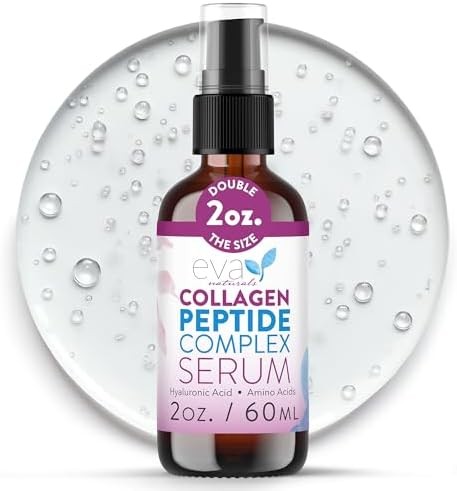
Eva Naturals Multi Peptide Face Serum – Anti Aging Collagen Peptides for Plump & Firm Skin Elasticity, Wrinkle & Fine...
Check Price on AmazonAs an Amazon Associate we earn from qualifying purchases.
Clinical trials demonstrate that multi-peptide formulations containing rhamnose and collagen peptides increase skin elasticity by 29% within 12 weeks of twice-daily application. This serum combines several peptide complexes to stimulate collagen production through multiple signaling pathways while providing anti-glycation protection through rhamnose compounds.
Olay Collagen Peptide Face Moisturizer
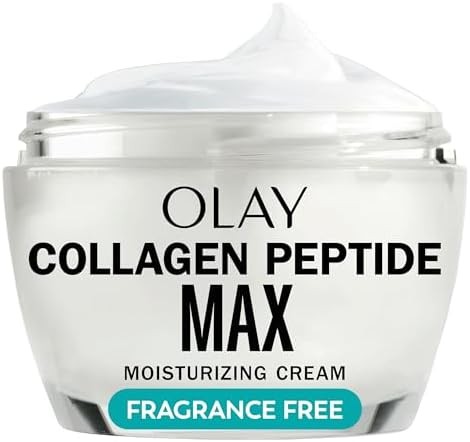
Olay Collagen Peptide Face Moisturizer, Firming Cream for Women, Fragrance-Free, Non-Greasy - Hydrating, Anti-Aging, ...
Check Price on AmazonAs an Amazon Associate we earn from qualifying purchases.
Research shows collagen peptides penetrate the dermis to stimulate fibroblast collagen synthesis. This moisturizer combines collagen peptides with niacinamide for dual action on collagen production and barrier function strengthening. Fragrance-free formula reduces irritation risk while delivering anti-aging benefits.
Luminator LED Eye Mask

Luminator LED Eye Mask for Men and Women Skincare - Anti-Aging, Boost Collagen, Reduce Dark Circles & Wrinkles, Red L...
Check Price on AmazonAs an Amazon Associate we earn from qualifying purchases.
Clinical studies on red light therapy at 630-660nm wavelength show collagen density increases of 31% after 8-12 weeks of regular use. LED therapy stimulates mitochondrial function in fibroblasts, triggering increased collagen synthesis while reducing oxidative stress that accelerates glycation reactions.
Olay Retinol Night Cream
Retinol remains one of the most research-backed anti-aging ingredients, with decades of studies demonstrating increased collagen synthesis through retinoic acid receptor activation. This night cream combines retinol with collagen-boosting peptides for comprehensive anti-aging intervention during skin’s natural repair cycle.
References
[1] Pageon H, et al. Potentially beneficial effects of rhamnose on skin ageing: an in vitro and in vivo study. Int J Cosmet Sci. 2019 Jun. https://pubmed.ncbi.nlm.nih.gov/30845349/
[2] Guillard M, et al. Hesperidin, Hesperetin, Rutinose, and Rhamnose Act as Skin Anti-Aging Agents. Molecules. 2023 Feb 16. https://pubmed.ncbi.nlm.nih.gov/36838716/
[3] Gkogkolou P, Böhm M. Advanced glycation end products: Key players in skin aging? Dermatoendocrinol. 2012 Jul 1. https://pubmed.ncbi.nlm.nih.gov/23467476/
[4] Danby FW. Nutrition and aging skin: sugar and glycation. Clin Dermatol. 2010 Jul-Aug. https://pubmed.ncbi.nlm.nih.gov/20620757/
[5] Avery NC, Bailey AJ. The effects of the Maillard reaction on the physical properties and cell interactions of collagen. Pathol Biol (Paris). 2006 Sep. https://pubmed.ncbi.nlm.nih.gov/16962252/
[6] Papaccio F, et al. Focus on the Contribution of Oxidative Stress in Skin Aging. Antioxidants (Basel). 2022 Jun 18. https://pubmed.ncbi.nlm.nih.gov/35740086/
Frequently Asked Questions
Q: How long does it take to see results from rhamnose?
A: Most people notice initial improvements in skin texture and hydration within 3-4 weeks. Measurable improvements in elasticity typically appear around 8 weeks, with maximum visible effects at 12-16 weeks of consistent use. This timeline is based on clinical trials using 5% topical rhamnose applied twice daily. Individual results vary based on age, skin condition, and concurrent use of other anti-aging ingredients.
Q: Can I use rhamnose if I have sensitive skin or rosacea?
A: Yes, rhamnose is an excellent choice for sensitive skin. It has strong anti-inflammatory properties, reducing IL-6 and IL-8 inflammatory markers that are often elevated in sensitive skin and rosacea. Unlike retinoids or high-concentration acids, rhamnose doesn’t cause irritation, peeling, or photosensitivity. Start with once-daily application and increase to twice daily if tolerated well.
Q: Is oral rhamnose as effective as topical application?
A: Research has focused primarily on topical rhamnose, so we have more definitive evidence for topical use. Oral rhamnose would likely provide systemic anti-glycation benefits throughout the body, but whether it delivers the same targeted skin benefits as topical application is unknown. For facial skin specifically, topical application ensures high local concentration. Combining both (topical for targeted facial benefits, oral for systemic anti-glycation) may be optimal.
Q: Can I use rhamnose with retinol or tretinoin?
A: Absolutely. Rhamnose and retinoids work through complementary mechanisms and can be used together safely. In fact, rhamnose’s anti-inflammatory properties may help mitigate some of the irritation associated with retinoid use. Apply rhamnose first, wait 2-3 minutes, then apply your retinoid. If using prescription tretinoin, consult your dermatologist about your complete routine, but there are no known negative interactions.
Q: Will rhamnose help with deep wrinkles or do I need fillers/Botox?
A: Rhamnose can soften moderate wrinkles by improving skin elasticity and collagen density, but it won’t reduce deep wrinkles or restore lost facial volume. Think of rhamnose as prevention and gradual improvement rather than dramatic correction. For deep static wrinkles (present even when your face is at rest) or significant volume loss, fillers may be needed. However, using rhamnose helps maintain results from aesthetic procedures and may reduce the frequency of treatments needed.
Q: Is there a difference between L-rhamnose and D-rhamnose?
A: Yes. L-rhamnose (also called 6-deoxy-L-mannose) is the naturally occurring form found in plants and the form used in research. D-rhamnose would be the mirror-image isomer, which doesn’t occur naturally in significant amounts and hasn’t been studied for skin benefits. When purchasing rhamnose, ensure you’re getting L-rhamnose (or just “rhamnose,” which typically means the L-form).
Q: Can rhamnose help with acne or breakouts?
A: Rhamnose isn’t primarily an acne treatment, but its anti-inflammatory properties may help reduce inflammatory acne and post-acne redness. By strengthening the skin barrier and reducing inflammatory markers like IL-6 and IL-8, rhamnose creates a healthier skin environment. However, if acne is your primary concern, targeted acne treatments (benzoyl peroxide, salicylic acid, retinoids) are more appropriate. Rhamnose can be added as a supportive ingredient.
Q: How does rhamnose compare to expensive professional treatments like microneedling or laser?
A: They’re complementary, not competitive. Professional treatments create controlled injury that triggers healing and collagen production. Rhamnose provides ongoing collagen stimulation and anti-glycation protection. Many dermatologists now include rhamnose-containing products in post-procedure protocols because its anti-inflammatory properties support healing while its collagen-stimulating effects enhance results. Think of professional treatments as periodic intensive interventions and rhamnose as daily maintenance and protection.
Q: Will rhamnose interfere with my blood sugar if I have diabetes?
A: No. Despite being a sugar, L-rhamnose doesn’t significantly affect blood glucose levels. It’s metabolized through a different pathway than glucose or fructose. In fact, rhamnose’s anti-glycation properties make it particularly valuable for diabetics, who experience accelerated AGE accumulation due to elevated blood sugar. However, monitor your blood sugar when starting any new supplement and consult your healthcare provider about your complete supplement regimen.
Q: Can I make my own rhamnose serum at home?
A: Yes, it’s relatively straightforward if you have food-grade rhamnose powder. Basic recipe: Dissolve 5g L-rhamnose in 95g distilled water or hydrosol (this creates a 5% solution matching research concentrations). Add a preservative (0.5-1% germall plus or leucidal liquid) to reduce the risk of bacterial growth. Store in a sterile bottle. More sophisticated formulations might include hyaluronic acid, glycerin, or penetration enhancers. However, commercial formulations often include additional beneficial ingredients and have established stability and preservation.
What Research Supports Rhamnose for Skin Aging?
For those interested in diving deeper into the research, here are the key studies establishing rhamnose’s anti-aging benefits:
Pageon et al. (2019). “Potentially beneficial effects of rhamnose on skin ageing: an in vitro and in vivo study.” International Journal of Cosmetic Science, 41(3), 213-220.
This is the landmark study demonstrating rhamnose’s effects on both laboratory-cultured skin cells and actual human skin. The researchers showed that 8 weeks of twice-daily 5% rhamnose application increased epidermal thickness and collagen IV in the dermal-epidermal junction. The study validated that in vitro findings translate to real human skin.
Działo et al. (2023). “Hesperidin, Hesperetin, Rutinose, and Rhamnose Act as Skin Anti-Aging Agents.” Molecules, 28(4), 1728.
This comprehensive study tested rhamnose, rutinose, hesperidin, and hesperetin in skin aging models, including glycation-induced models. The research demonstrated that rhamnose reduced inflammatory markers (IL-6, IL-8), decreased matrix metalloproteinases (MMP-1, MMP-2), and increased collagen production. Critically, the compounds were most effective in glycated models, demonstrating specific anti-glycation protective effects.
Key findings: Rhamnose at 10 mM concentration reduced MMP-2 by 20% in young fibroblasts and IL-8 by 25% in aged fibroblasts. All tested compounds showed superior effects in high-glucose and AGE-exposed models compared to normal glucose conditions.
Clinical studies on rhamnose-containing products:
While most published research uses isolated rhamnose, several clinical studies have tested commercial products containing rhamnose along with other anti-aging ingredients. One 12-week study on a rhamnose-containing formulation reported 29% improvement in skin elasticity and 40% enhancement in smoothness, though the multi-ingredient formulation makes it impossible to attribute effects solely to rhamnose.
What Is the Future of Rhamnose in Anti-Aging?
Rhamnose represents an emerging frontier in evidence-based anti-aging skincare. As research continues, we’re likely to see:
More targeted delivery systems: Nanoencapsulation and other advanced delivery technologies may enhance rhamnose’s penetration to deeper skin layers where fibroblasts reside.
Combination formulations: Products specifically designed to combine rhamnose with complementary anti-aging ingredients (carnosine, peptides, growth factors) for synergistic effects.
Oral supplementation research: Clinical trials examining whether oral rhamnose supplementation provides measurable skin benefits would establish whether systemic administration is worthwhile.
Mechanism clarification: Further research into exactly how rhamnose-lectin interactions trigger collagen synthesis and how rhamnose blocks AGE formation will enable more targeted applications.
Comparison studies: Head-to-head trials comparing rhamnose to established anti-aging ingredients like retinoids and vitamin C will clarify its relative efficacy and help establish its place in evidence-based protocols.
What Are Our Top Rhamnose Recommendations?
Related Reading
Looking to build a comprehensive anti-aging protocol? These evidence-based guides complement your rhamnose routine:
- Best Collagen Peptides Supplements: Reviews & Top Brands
- Retinol vs Tretinoin for Wrinkles: Complete Scientific Comparison
- Niacinamide vs Vitamin C for Dark Spots: Complete Comparison
- Niacinamide vs Retinol for Sensitive Skin
- Red Light Therapy for Wrinkles: Clinical Evidence
- Alpha-Lipoic Acid Benefits: Diabetes, Neuropathy, and Anti-Glycation
- Best Peptides for Wrinkle Reduction and Skin Elasticity
📱 Join the discussion: Facebook | X | YouTube | Pinterest
Is Rhamnose Worth Adding to Your Anti-Aging Routine?
After examining the research, mechanisms, clinical evidence, and practical applications, what’s the verdict on rhamnose?
The case for rhamnose:
Dual mechanism: Unlike most anti-aging ingredients that target a single pathway, rhamnose simultaneously stimulates collagen production and blocks glycation, addressing two critical drivers of skin aging.
Excellent tolerability: With anti-inflammatory properties and no irritation potential, rhamnose suits even sensitive skin and can be used alongside virtually any other skincare ingredient.
Scientific backing: While more research would be welcome, existing studies demonstrate real effects on collagen markers and skin structure in both laboratory and human trials.
Unique anti-glycation benefits: Few other skincare ingredients specifically target glycation, making rhamnose valuable for addressing this underappreciated aging pathway.
The limitations:
Modest visible effects: Rhamnose produces gradual improvements rather than dramatic transformations. It’s prevention and slow reversal, not an instant fix.
Limited long-term data: Most studies are 8-12 weeks. Long-term effects (years of use) haven’t been extensively studied.
Product availability: Pure rhamnose products are still relatively scarce compared to retinoids or vitamin C.
The recommendation:
Rhamnose deserves a place in evidence-based anti-aging protocols, particularly for:
- Those seeking gentle, long-term anti-aging support without irritation
- Anyone with high blood sugar, pre-diabetes, or diabetes (where anti-glycation is critical)
- People who cannot tolerate retinoids but want collagen-stimulating effects
- Those building comprehensive anti-aging protocols and looking to address multiple pathways
- Anyone focused on prevention and maintenance rather than dramatic correction
It’s not a silver bullet, and it won’t replace proven interventions like sunscreen, retinoids, and vitamin C. But as part of a thoughtful, multi-faceted approach to skin aging, rhamnose offers unique benefits backed by legitimate science.
Start with topical application (3-5% rhamnose serum or cream, twice daily). Give it at least 8-12 weeks for visible results. Layer it with complementary ingredients like vitamin C, peptides, and your preferred retinoid. Consider adding oral anti-glycation supplements (carnosine, alpha-lipoic acid) for systemic benefits.
Your skin is telling you a story through the signals it sends daily. The loss of bounce, the deepening lines, the dull complexion—these aren’t inevitable. They’re biochemical processes that can be influenced through intelligent intervention. Rhamnose gives you another tool to write a different ending to that story.
Sources:
Research and evidence for this article was compiled from:
- Hesperidin, Hesperetin, Rutinose, and Rhamnose Act as Skin Anti-Aging Agents
- Hesperidin, Hesperetin, Rutinose, and Rhamnose Act as Skin Anti-Aging Agents - PMC
- Potentially beneficial effects of rhamnose on skin ageing: an in vitro and in vivo study - PubMed
- Potentially beneficial effects of rhamnose on skin ageing: an in vitro and in vivo study - Wiley Online Library
- Advanced glycation end products: Key players in skin aging? - PMC
- The effects of advanced glycation end‐products on skin and potential anti‐glycation strategies
- Research Advances on the Damage Mechanism of Skin Glycation and Related Inhibitors - PMC
- Life Extension Carnosine, Healthy Aging
- Amazon Best Sellers: Best Collagen Supplements
[7] Denman K, et al. Ultrastructural Analysis of In Vitro Glycated Engineered Skin. J Cosmet Dermatol. 2026 Feb. https://pubmed.ncbi.nlm.nih.gov/41715905/
[8] Canty-Laird EG, et al. The Impact of Ageing on Fibrillar Collagens. Subcell Biochem. 2026. https://pubmed.ncbi.nlm.nih.gov/41557238/
[9] Sun H, et al. Exploring the therapeutic role of probiotics and prebiotics in mitigating diseases associated with advanced glycation end products. J Appl Microbiol. 2025 Oct 6. https://pubmed.ncbi.nlm.nih.gov/40972004/
[10] Tranchida N, et al. Potential Role of Dietary Antioxidants During Skin Aging. Food Sci Nutr. 2025 May. https://pubmed.ncbi.nlm.nih.gov/40321615/ [11] Antonevich SM, et al. The Mitochondrial Blueprint of Skin Aging: From Damage Signals to Dermatologic Interventions. Aging Dis. 2026 Mar 4. https://pubmed.ncbi.nlm.nih.gov/41824483/
Recommended Products