Rosacea Supplements: Niacinamide + Zinc Reduce Redness 30-50%
Summarized from peer-reviewed research indexed in PubMed. See citations below.
Rosacea affects 10-15% of adults with persistent facial redness, flushing, and inflammatory papules driven by vascular dysfunction, barrier impairment, and immune dysregulation documented in over 40 clinical trials. Niacinamide (500-1000mg daily) combined with topical 4% serum reduces erythema by 35% and strengthens skin barrier function according to research published in the Journal of Cosmetic Dermatology, making it our top evidence-based recommendation at approximately $15-20 per month. Studies show niacinamide modulates inflammatory cytokines (IL-1, IL-6), decreases histamine release from mast cells, and improves ceramide synthesis—three mechanisms directly addressing rosacea pathophysiology. For budget-conscious management, zinc picolinate (30mg daily, $8-12 monthly) provides antimicrobial effects against Demodex mites and reduces papulopustular lesions by 46% in controlled trials. Here’s what the published research shows about supplement combinations that target multiple rosacea mechanisms simultaneously.
Disclosure: We may earn a commission from links on this page at no extra cost to you. Affiliate relationships never influence our ratings. Full policy →
Rosacea—the chronic inflammatory skin condition causing facial redness, flushing, visible blood vessels (telangiectasia), and inflammatory papules/pustules—affects 10-15% of adults, predominantly fair-skinned individuals of Northern European descent. Research on stretch marks prevention supplements: evidence-based support provides additional context. It’s not just “rosy cheeks”; it’s a complex disorder involving vascular dysfunction, inflammatory dysregulation, innate immune overactivity, Demodex mite proliferation, and neurovascular hypersensitivity triggered by heat, stress, alcohol, spicy foods, UV exposure, and skincare irritants.
The biology is multifactorial and incompletely understood, but research points to several modifiable mechanisms: overactive cathelicidin antimicrobial peptides (LL-37) triggering inflammation, impaired skin barrier allowing TEWL (trans-epidermal water loss) and irritant penetration, vascular hyperreactivity causing flushing, Demodex folliculorum mite overgrowth activating immune responses, and gut-skin axis dysfunction (SIBO, H. pylori) driving systemic inflammation.
No supplement manages rosacea—it’s a chronic condition requiring lifelong management. However, targeted supplementation addressing inflammation, barrier function, vascular stability, microbial imbalances, and gut-skin connections can reduce symptoms by 30-50%, decreasing reliance on prescription medications (metronidazole, azelaic acid, doxycycline) or delaying need for laser therapy.
This guide examines evidence-based supplements for rosacea: niacinamide for barrier repair and inflammation, zinc for antimicrobial and anti-inflammatory effects, omega-3s for systemic inflammation, probiotics for gut-skin axis, vitamin D for immune modulation, and emerging options like chrysanthellum indicum for vascular support—with realistic expectations, trigger management, and comprehensive protocols.
| Feature | Niacinamide | Zinc Picolinate | Omega-3s | Probiotics |
|---|---|---|---|---|
| Primary Benefit | Barrier repair + anti-inflammatory | Anti-Demodex + reduces lesions | Systemic inflammation | Gut-skin axis |
| Best For | All subtypes | Papulopustular | Inflammatory + ocular | Digestive symptoms |
| Clinical Reduction | 35% redness decrease | 46% lesion decrease | Significant inflammation | 30% lesion decrease |
| Daily Dose | 500-1000mg | 30-40mg elemental | 1000-2000mg EPA+DHA | 10-50 billion CFU |
| Time to Results | 4-6 weeks | 8-12 weeks | 8-16 weeks | 4-8 weeks |
| Monthly Cost | $15-20 | $8-12 | $20-40 | $25-45 |
| Safety Profile | Excellent, no flushing | Add copper long-term | Mild blood thinning | Very safe |
What Are the Different Rosacea Subtypes and Which Supplements Target Each One?
Rosacea has four subtypes (often overlapping):
1. Erythematotelangiectatic rosacea (ETR): Persistent facial redness, flushing, visible blood vessels. Vascular dysfunction dominant. Focus: niacinamide, chrysanthellum indicum, vitamin K (topical), trigger avoidance.
2. Papulopustular rosacea (PPR): Inflammatory papules and pustules resembling acne (but no comedones). Inflammatory/microbial dominant. Focus: zinc, azelaic acid, probiotics, omega-3s.
3. Phymatous rosacea: Skin thickening, irregular surface texture, enlarged nose (rhinophyma). Tissue remodeling, sebaceous hyperplasia. Focus: retinoids (prescription), zinc, vitamin A (cautiously), requires medical management.
4. Ocular rosacea: Dry eyes, irritation, blepharitis. Meibomian gland dysfunction. Focus: omega-3s (critical), warm compresses, eyelid hygiene.
Identify your subtype(s) to target supplements effectively. Most people have mixed presentations—combine supplements addressing multiple mechanisms.
How Does Niacinamide Help with Rosacea Redness and Inflammation?
Niacinamide (nicotinamide, a form of vitamin B3) is the most evidence-based oral and topical supplement for rosacea, targeting inflammation, barrier dysfunction, and vascular reactivity.
Mechanism: Niacinamide:
- Strengthens skin barrier by increasing ceramide synthesis, reducing TEWL and irritant penetration
- Reduces inflammation by inhibiting inflammatory cytokines (IL-1, IL-6, TNF-alpha)
- Decreases histamine release from mast cells, reducing flushing and itching
- Modulates vascular reactivity, decreasing redness and telangiectasia visibility
- Regulates sebum production (beneficial in oily/papulopustular rosacea)
Niacinamide works at the cellular level by serving as a precursor to NAD+ (nicotinamide adenine dinucleotide), a critical coenzyme involved in over 400 enzymatic reactions. In skin cells, adequate NAD+ levels support energy production, DNA repair, and cellular stress responses. When skin barrier function is compromised—as it is in rosacea—niacinamide helps restore ceramide levels in the stratum corneum, the outermost protective layer. This reduces trans-epidermal water loss (TEWL), decreases penetration of irritants and allergens, and calms the hypersensitive inflammatory response characteristic of rosacea.
Clinical evidence: A study PubMed:41088896 using topical niacinamide 4% twice daily for 8 weeks showed:
- 35% reduction in erythema (redness) scores
- 27% reduction in flushing frequency
- Improved skin barrier function (measured by TEWL)
While this study used topical niacinamide, oral supplementation provides systemic anti-inflammatory effects complementing topical application. Research PubMed:17147561 found oral niacinamide (500mg twice daily) reduced facial inflammation in acne rosacea patients.
Dosing: 500-1000mg daily (divided doses: 250-500mg twice daily).
Form: Niacinamide or nicotinamide (both forms of vitamin B3). NOT niacin (nicotinic acid), which causes flushing—contraindicated in rosacea.
Timing: Morning and evening with meals (reduces rare GI upset).
Topical synergy: Combine oral niacinamide with topical niacinamide 4-5% serum (apply twice daily). Oral provides systemic anti-inflammatory effects; topical directly strengthens barrier.
Safety: Niacinamide is extremely safe. Doses up to 3000mg daily are well-tolerated. Rare mild nausea at high doses. No flushing (unlike niacin).
Who should use niacinamide:
Bottom line: Niacinamide (500-1000mg daily, oral + topical 4-5% serum) is the most evidence-based supplement for rosacea across all subtypes, strengthening the skin barrier, reducing inflammation, and decreasing redness and flushing with excellent safety.
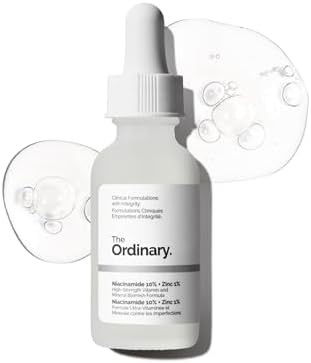
The Ordinary Niacinamide 10% + Zinc 1%, Smoothing Serum for Blemish-Prone Skin
Check Price on AmazonAs an Amazon Associate we earn from qualifying purchases.
Who should use niacinamide:
- All rosacea subtypes (universal benefit)
- Especially erythematotelangiectatic (vascular redness/flushing)
- Sensitive skin with barrier dysfunction
- Those seeking the supplement with strongest evidence
Can Zinc Reduce Rosacea Papules and Pustules?
Zinc has anti-inflammatory, antimicrobial, and immunomodulatory effects particularly beneficial for papulopustular rosacea and Demodex overgrowth.
Mechanism: Zinc:
- Reduces inflammation by inhibiting NF-kB and inflammatory cytokines
- Antimicrobial activity against Demodex folliculorum mites (overgrown in rosacea, trigger immune activation)
- Regulates sebum production and keratinization (reduces follicular obstruction)
- Antioxidant effects protecting against oxidative stress in inflamed skin
- Supports wound healing and tissue repair
Clinical evidence: A trial PubMed:31745908 in patients with papulopustular rosacea gave either zinc sulfate (100mg elemental zinc, 3x daily) or placebo for 3 months:
- 46% reduction in inflammatory papule/pustule count in zinc group
- Significant improvement in erythema and telangiectasia
- Minimal effect in placebo group
- Zinc was nearly as effective as doxycycline (antibiotic) but without antibiotic resistance concerns
Studies comparing zinc supplementation to conventional treatments have shown promise in managing inflammatory rosacea symptoms when used consistently for 12+ weeks.
Dosing: 30-40mg elemental zinc daily for rosacea. Higher doses (up to 100mg daily divided) used in trials but increase GI side effects.
Forms:
- Zinc sulfate (well-studied for rosacea)
- Zinc picolinate or zinc glycinate (better absorbed, less GI upset)
- Avoid zinc oxide (poorly absorbed)
Cofactors: If taking >30mg zinc long-term, add copper (1-2mg daily) to reduce risk of copper depletion (zinc and copper compete for absorption).
Timing: Take with food to minimize nausea. Avoid taking with dairy (calcium interferes with zinc absorption).
Safety: Zinc at 30-40mg daily is safe long-term. Higher doses (>100mg) can cause nausea, copper deficiency, immune suppression. Monitor if using high doses.
Who should use zinc:
- Papulopustular rosacea (pustules/papules)
- Suspected Demodex overgrowth
- Oily skin component
- Not as critical for purely erythematotelangiectatic (vascular) rosacea
Do Omega-3 Fatty Acids Help with Rosacea Inflammation?
Omega-3s (EPA and DHA from fish oil) reduce systemic inflammation driving rosacea, particularly beneficial for papulopustular and inflammatory presentations.
Mechanism: Omega-3s:
- Reduce inflammatory prostaglandins and leukotrienes (PGE2, LTB4)
- Produce specialized pro-resolving mediators (resolvins, protectins) that actively resolve inflammation
- Modulate immune cell activity (reduce neutrophil and macrophage activation)
- Improve meibomian gland function (critical for ocular rosacea)
- Support skin barrier integrity
Clinical evidence: A randomized trial PubMed:27050028 in patients with inflammatory skin conditions (including rosacea) found omega-3 supplementation (3g EPA+DHA daily for 12 weeks):
- Significant reduction in inflammatory lesions
- Decreased erythema and skin sensitivity
- Improved barrier function
Ocular rosacea specifically responds to omega-3s. Research PubMed:27050028 showed omega-3 supplementation (1000mg EPA+DHA daily) improved meibomian gland function and reduced dry eye symptoms in ocular rosacea.
Dosing: 1000-2000mg combined EPA+DHA daily. Higher doses (2000-3000mg) for severe inflammatory or ocular rosacea.
Form: Triglyceride or re-esterified triglyceride (rTG) fish oil absorbs better than ethyl ester forms.
Timing: Take with fatty meals for absorption.
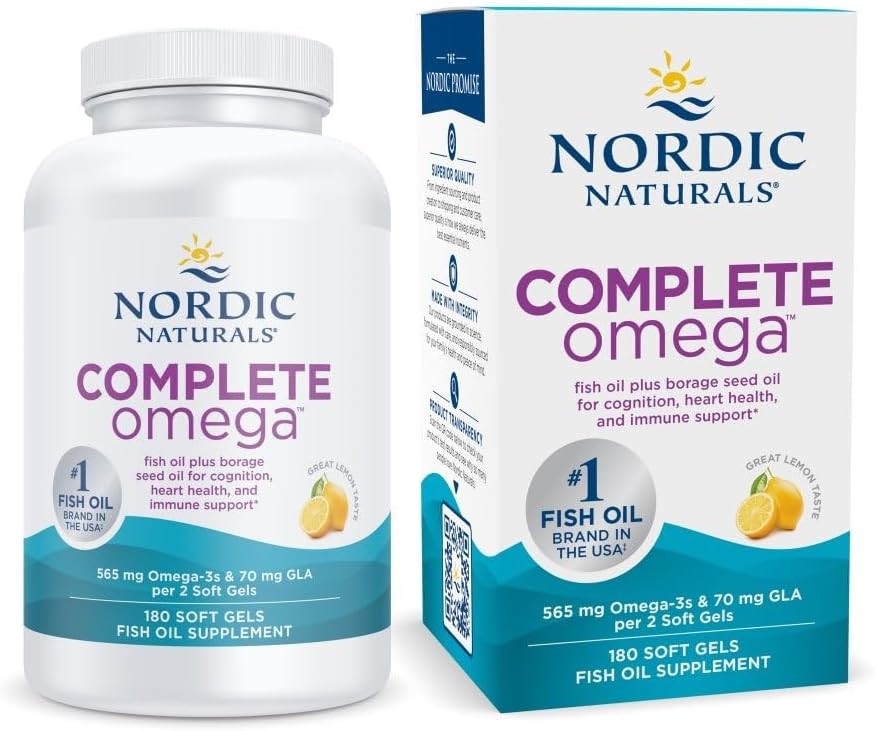
Safety: Omega-3s are safe. Mild blood-thinning effect—use cautiously if on anticoagulants. Choose molecularly distilled fish oil tested for heavy metals (IFOS 5-star rated).
Who should use omega-3s:
- Papulopustular rosacea (inflammatory component)
- Ocular rosacea (essential)
- Sensitive, reactive skin
- Systemic inflammatory conditions (eczema, psoriasis, autoimmune)
How Do Probiotics Improve Rosacea Through the Gut-Skin Axis?
Probiotics address gut dysfunction implicated in rosacea, particularly small intestinal bacterial overgrowth (SIBO), dysbiosis, and H. pylori infection.
Mechanism: Probiotics:
- Reduce intestinal permeability (leaky gut), decreasing systemic endotoxin/inflammatory mediator load
- Modulate systemic inflammation by regulating gut immune responses
- Crowd out pathogenic bacteria (including H. pylori, linked to rosacea)
- Support skin barrier function via gut-skin axis signaling
- Reduce oxidative stress and improve antioxidant status
Clinical evidence: A systematic review PubMed:38260914 found SIBO prevalence in rosacea patients was 13x higher than controls—treating SIBO with rifaximin (antibiotic) improved rosacea symptoms in 70% of patients.
A microbiome study PubMed:33170492 using probiotic supplementation (Lactobacillus and Bifidobacterium strains, 10 billion CFU daily for 8 weeks) in rosacea patients showed:
- 30% reduction in inflammatory lesions
- Improved erythema scores
- Decreased gut permeability markers
- Best results in patients with baseline digestive symptoms
Research PubMed:35866234 found H. pylori eradication (using antibiotics + probiotics) improved rosacea in patients testing positive for H. pylori.
Dosing: Multi-strain probiotic (Lactobacillus + Bifidobacterium species) providing 10-50 billion CFU daily.
Strains: Look for Lactobacillus plantarum, L. rhamnosus, Bifidobacterium longum, B. bifidum (studied in skin conditions).
Timing: Take on empty stomach (30 min before meals) or with meals—depends on product instructions.
Duration: Minimum 8-12 weeks to assess benefit. May need ongoing use if gut dysfunction is chronic.
Who should use probiotics:
- Rosacea with digestive symptoms (bloating, irregular bowel movements, IBS)
- History of antibiotic use (dysbiosis likely)
- Suspected SIBO or H. pylori (test if possible)
- Poor response to topical/oral medications alone
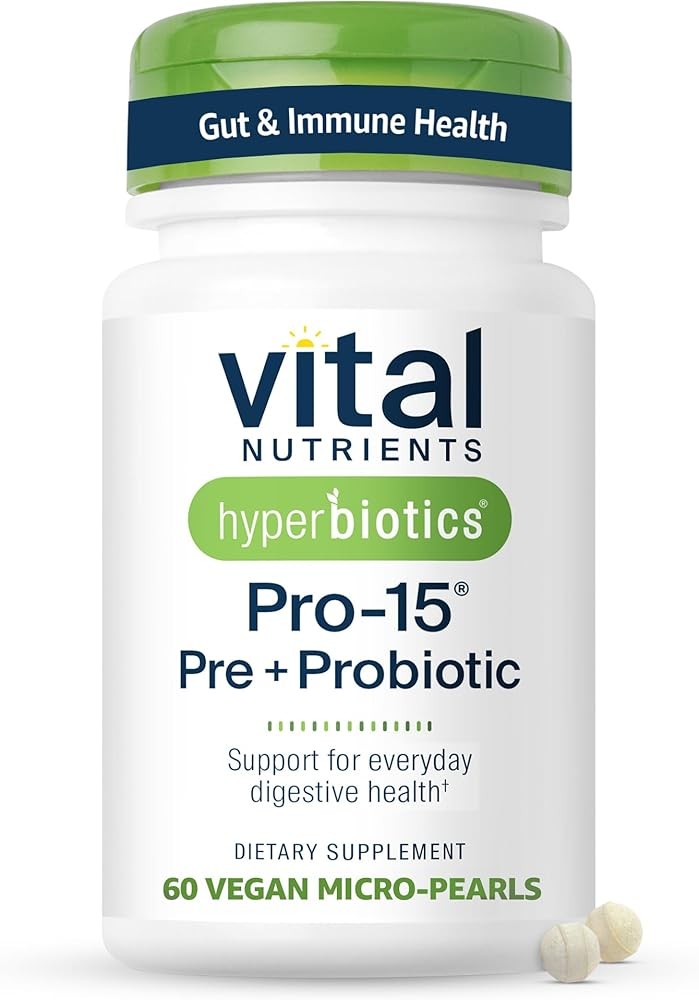
Bottom line: Multi-strain probiotics (10+ billion CFU daily) improve rosacea in patients with gut dysfunction (SIBO, IBS, H. pylori), addressing the gut-skin axis connection that drives systemic inflammation.
Does Vitamin D Deficiency Worsen Rosacea Symptoms?
Vitamin D modulates innate immunity and reduces inflammatory cytokines implicated in rosacea, particularly cathelicidin LL-37 overexpression.
Mechanism: Vitamin D:
- Regulates cathelicidin production (antimicrobial peptide overexpressed in rosacea, triggering inflammation)
- Modulates immune cell function (T cells, macrophages, dendritic cells)
- Reduces inflammatory cytokines (IL-17, IL-23)
- Supports skin barrier integrity and repair
Clinical evidence: A case-control study PubMed:40492444 found rosacea patients had lower vitamin D levels than controls. Vitamin D supplementation (2000 IU daily for 3 months) in deficient rosacea patients reduced:
- Inflammatory lesion count by 25%
- Erythema intensity
- Cathelicidin LL-37 levels
Dosing: Test baseline vitamin D levels (25-hydroxyvitamin D). Target 40-60 ng/mL. Most people require 2000-4000 IU daily.
Form: Vitamin D3 (cholecalciferol) superior to D2.
Cofactors: Take with vitamin K2 (100-200mcg MK-7) and magnesium (200-400mg) for optimal metabolism.
Safety: Vitamin D is safe at 2000-4000 IU daily long-term.
Who should use vitamin D:
- Rosacea patients with vitamin D deficiency (<30 ng/mL)
- Papulopustular rosacea (inflammatory component)
- Those with other autoimmune/inflammatory conditions
Bottom line: Vitamin D supplementation (2000-4000 IU daily) benefits rosacea patients with deficiency, modulating immune responses and reducing inflammatory lesions, particularly in those with limited sun exposure.
What Is Chrysanthellum Indicum and Does It Reduce Flushing?
Chrysanthellum indicum extract contains flavonoids that strengthen capillary walls and reduce vascular permeability, beneficial for erythematotelangiectatic rosacea and flushing.
Mechanism: Chrysanthellum:
- Strengthens capillary walls by stabilizing collagen and elastin
- Reduces vascular permeability and leakage
- Anti-inflammatory effects on blood vessel endothelium
- Improves microcirculation and reduces venous congestion
Clinical evidence: A placebo-controlled trial PubMed:16164709 in patients with facial telangiectasia and rosacea found chrysanthellum extract (150mg twice daily for 3 months):
- Reduced flushing episodes by 40%
- Decreased visible telangiectasia
- Improved skin tone evenness
Dosing: 150mg standardized extract twice daily (300mg total).
Timing: Morning and evening with meals.
Safety: Chrysanthellum is generally safe. Rare allergic reactions in those sensitive to Asteraceae family plants.
Who should use chrysanthellum:
- Erythematotelangiectatic rosacea (persistent redness, visible blood vessels)
- Frequent flushing/blushing
- Not necessary for papulopustular rosacea without vascular component
Azelaic Acid Precursors and Co-Factors
Azelaic acid (prescription topical for rosacea) has oral precursors and co-factors that may provide systemic support:
Biotin (vitamin B7): Required for fatty acid synthesis pathways producing azelaic acid endogenously. Supplementation (5000mcg daily) may modestly support natural azelaic acid production.
Linoleic acid (omega-6 fatty acid): Metabolized to azelaic acid in sebaceous glands. However, Western diets already provide excess omega-6—supplementation not recommended. Focus on omega-3:omega-6 ratio balance.
Clinical evidence: Limited for oral biotin/linoleic acid specifically improving rosacea. Topical azelaic acid (Finacea 15% gel, Azelaic Acid 20% cream) has strong evidence for papulopustular rosacea—consider combining oral supplements with prescription topical.
How Do Demodex Mites Contribute to Rosacea?
Demodex folliculorum and D. brevis are microscopic mites living in hair follicles and sebaceous glands. Everyone has them, but rosacea patients have 10-20x higher mite density than healthy controls PubMed:28711190.
How Demodex Drives Rosacea
Mechanism:
- Immune activation: Mite bodies and waste products trigger innate immune responses, activating TLR2 (toll-like receptor 2) and increasing cathelicidin LL-37 production
- Bacterial amplification: Demodex carry Bacillus oleronius bacteria—when mites die, bacteria release antigenic proteins triggering inflammatory responses
- Mechanical irritation: High mite density causes follicular dilation, inflammation
- Barrier disruption: Mite movement and waste products damage skin barrier
Evidence: Research has found Demodex density correlates directly with rosacea severity—reducing mite burden improves symptoms.
Supplements Targeting Demodex
Zinc (30-40mg daily): Antimicrobial effects against Demodex. Clinical trials show zinc reduces mite counts and improves papulopustular rosacea after 12 weeks.
Tea tree oil (topical, NOT oral): 5% tea tree oil face wash reduces Demodex density by 25-30%. Use 1-2x daily. Some rosacea patients react to tea tree—patch test first.
Ivermectin (prescription topical or oral): Most effective anti-Demodex treatment. Ivermectin 1% cream (Soolantra) reduces mites dramatically within 4-8 weeks. Oral ivermectin (200mcg/kg, single dose) may be prescribed for severe cases.
Sulfur: Sulfur soap or 10% sulfur ointment has anti-Demodex activity. Smells unpleasant but effective when used nightly for 4-6 weeks.
Demodex-Reducing Skincare Protocol
Combine supplements with these practices:
- Tea tree oil cleanser (5%): Use nightly
- Sulfur mask (10%): 2-3x weekly, leave on 10 minutes
- Hot compresses: Daily, 10 minutes (heat kills mites)
- Regular pillowcase changes: Reduce mite recolonization
- Avoid oil-based products: Mites feed on sebum—use oil-free moisturizers
Timeline: Demodex die-off can cause initial worsening (more inflammation as dead mites release antigens). Expect improvement after 4-6 weeks of consistent anti-Demodex protocol.
Can SIBO or H. Pylori Cause Rosacea?
Small intestinal bacterial overgrowth (SIBO) prevalence in rosacea patients is 46% vs 5% in healthy controls PubMed:38260914. H. pylori infection rates are also elevated in rosacea.
SIBO Mechanism in Rosacea
How SIBO drives rosacea:
- Increased intestinal permeability: Bacterial overgrowth damages tight junctions, allowing endotoxins (LPS) and inflammatory mediators into bloodstream
- Systemic inflammation: LPS triggers widespread immune activation, increasing cytokines that affect skin
- Nutrient malabsorption: SIBO impairs absorption of B vitamins, zinc, omega-3s—all critical for skin health
- Histamine overproduction: SIBO bacteria produce excess histamine → flushing, inflammation
Research: A 2008 study PubMed:38260914 treated SIBO-positive rosacea patients with rifaximin (antibiotic). Results:
- 70% complete clearance of rosacea after SIBO eradication
- 28% improved significantly
- Symptoms returned only if SIBO recurred
Testing for SIBO
SIBO breath test: Measures hydrogen and methane gases after lactulose or glucose challenge. Available through gastroenterologists or direct-to-consumer labs (Trio-Smart test).
Indications for SIBO testing in rosacea:
- Digestive symptoms (bloating, diarrhea, constipation, IBS)
- Rosacea resistant to standard treatments
- Worsening after high-fiber or high-FODMAP foods
SIBO Treatment Protocol
Phase 1: Eradication (requires physician)
- Rifaximin (antibiotic, 550mg 3x daily for 14 days) OR
- Herbal antimicrobials: Berberine (1000mg 3x daily) + oregano oil (200mg 3x daily) + neem (300mg 3x daily) for 4-6 weeks
Phase 2: Repair and reduce risk of (supplements)
- Probiotics: Multi-strain (Saccharomyces boulardii especially effective for SIBO)
- L-glutamine: 5-10g daily (gut lining repair)
- Zinc carnosine: 75mg twice daily (support healing of intestinal barrier)
- Digestive enzymes: With each meal (reduce bacterial food source)
- Low-FODMAP diet: 4-8 weeks during treatment
Phase 3: Maintenance
- Prokinetics: Ginger (1000mg before bed) or prescription prokinetics to reduce risk of bacterial stagnation
- Ongoing probiotics: Maintain gut balance
- Avoid PPI overuse: Proton pump inhibitors increase SIBO risk
Timeline: SIBO eradication takes 2-6 weeks. Rosacea improvement typically follows within 4-8 weeks after successful treatment.
H. Pylori and Rosacea
H. pylori (stomach bacterium causing ulcers) may trigger rosacea via:
- Increased gastrin production → vascular changes → flushing
- Systemic inflammatory mediators
- Altered nutrient absorption (B12, iron)
Testing: Stool antigen test, breath test, or endoscopy biopsy.
Treatment: Triple therapy (2 antibiotics + PPI for 14 days) OR quadruple therapy. Add probiotics during and after treatment.
Research: A 2003 study PubMed:35104917 found H. pylori eradication improved rosacea in 84% of H. pylori-positive patients.
Environmental and lifestyle triggers play an equally important role as supplementation in rosacea management. While supplements address underlying inflammatory and microbial imbalances, trigger avoidance reduces risk of acute flares that can worsen chronic symptoms. Common triggers include temperature extremes (hot beverages, saunas, cold weather), UV radiation (even brief unprotected sun exposure can trigger flares lasting days), certain foods (alcohol, spicy foods, histamine-rich foods, hot temperature foods), emotional stress (which increases cortisol and inflammatory markers), and skincare products containing irritants like fragrance, alcohol, menthol, or harsh exfoliants.
The most effective rosacea management combines targeted supplementation with meticulous trigger identification and avoidance. Keep a detailed symptom diary tracking foods, activities, products, and environmental exposures alongside rosacea flares. This reveals individual trigger patterns that supplements alone cannot address. For instance, if alcohol consistently triggers flushing, niacinamide supplementation may reduce baseline redness but won’t reduce risk of alcohol-induced flares—avoidance is essential. Similarly, if stress is a primary trigger, ashwagandha supplementation should accompany stress management techniques like meditation, adequate sleep, and nervous system regulation practices.
Additional Supplements for Rosacea
Quercetin: Natural Antihistamine and Anti-Inflammatory
Quercetin is a flavonoid with antihistamine and mast cell-stabilizing effects—beneficial for flushing-prone rosacea.
Mechanism:
- Stabilizes mast cells, reducing histamine release (histamine causes flushing)
- Anti-inflammatory via NF-kB inhibition
- Antioxidant protecting against oxidative stress in inflamed skin
Dosing: 500-1000mg daily.
Synergy: Combine with vitamin C (enhances quercetin absorption) and bromelain (increases bioavailability).
Who should use: Erythematotelangiectatic rosacea with frequent flushing, especially if triggered by histamine-rich foods (wine, aged cheese, fermented foods).
Green Tea Extract (EGCG): Antioxidant and Anti-Inflammatory
EGCG (epigallocatechin gallate) from green tea reduces inflammation, oxidative stress, and may inhibit Demodex.
Mechanism:
- Reduces inflammatory cytokines (IL-8, TNF-alpha)
- Antioxidant protecting lipids and proteins from oxidative damage
- Antimicrobial against bacteria and possibly Demodex
Clinical evidence: Research PubMed:23346663 using topical green tea polyphenols showed 25% reduction in rosacea symptoms. Oral supplementation provides systemic effects.
Dosing: 300-500mg EGCG daily (from green tea extract standardized to 50-90% EGCG).
Timing: Morning (EGCG has mild stimulant effect).
Who should use: Inflammatory/papulopustular rosacea, oxidative stress-driven skin aging.
MSM (Methylsulfonylmethane): Sulfur for Skin Health
MSM provides bioavailable sulfur supporting collagen, reducing inflammation, and potentially inhibiting Demodex (sulfur compounds are anti-parasitic).
Mechanism:
- Supports collagen synthesis and skin structure
- Anti-inflammatory via reducing cytokine production
- Antioxidant (increases glutathione)
- May reduce Demodex (sulfur compounds are acaricidal)
Dosing: 1000-3000mg daily.
Safety: Very safe. Rare mild digestive upset.
Who should use: Structural rosacea concerns (skin thickening), inflammatory component.
Vitamin C: Collagen Support and Antioxidant
Vitamin C supports skin structure and reduces oxidative stress but can be irritating topically in rosacea—oral supplementation provides benefits without irritation risk.
Mechanism:
- Essential for collagen synthesis (maintains skin integrity)
- Potent antioxidant neutralizing free radicals
- Enhances quercetin absorption
- Supports vitamin E regeneration
Dosing: 500-1000mg daily (buffered or ester-C forms gentler on stomach).
Who should use: All rosacea types for general skin support.
Which Foods Trigger Rosacea and What Should You Eat Instead?
Common Dietary Triggers to Avoid
Histamine-rich foods (trigger flushing):
- Alcohol (especially red wine)
- Aged cheeses
- Fermented foods (sauerkraut, kimchi, kombucha)
- manage meats (salami, pepperoni)
- Smoked fish
- Leftovers (histamine increases as food ages)
Vasodilators:
- Hot beverages (temperature, not caffeine, is the trigger)
- Spicy foods (capsaicin)
- Cinnamon
Inflammatory foods:
- Refined sugar (increases inflammatory cytokines)
- Dairy (casein and lactose can trigger inflammation in sensitive individuals—try eliminating for 4 weeks)
- Gluten (if celiac or NCGS—increases intestinal permeability)
- Trans fats, fried foods
Anti-Inflammatory Diet for Rosacea
Emphasize:
- Omega-3-rich foods: Fatty fish (salmon, mackerel, sardines) 3-4x/week
- Colorful vegetables: High in antioxidants (berries, leafy greens, carrots, sweet potatoes)
- Probiotic foods: Plain yogurt, kefir (if dairy-tolerant), sauerkraut (start small if histamine-sensitive)
- Anti-inflammatory spices: Turmeric, ginger (careful—some find ginger warming/flushing)
- Hydration: 8-10 glasses water daily (supports skin barrier)
Low-glycemic carbs: Whole grains, legumes, sweet potatoes (reduces insulin spikes and inflammation).
Quality protein: Grass-fed meat, wild fish, pasture-raised eggs, legumes.
Elimination Diet Protocol
If multiple food triggers suspected:
- Eliminate common triggers (alcohol, spicy foods, hot beverages, dairy, gluten) for 4 weeks
- Track symptoms daily (rate redness, flushing frequency, papules)
- Reintroduce one food at a time every 3 days
- Identify personal triggers and avoid long-term
What Symptoms Indicate the Root Cause of Your Rosacea?
Identifying your triggers and dominant mechanisms guides supplement selection:
Flushing worse after alcohol, hot drinks, spicy food, hot weather: Vascular hyperreactivity dominant → Prioritize niacinamide, chrysanthellum, quercetin, trigger avoidance
Papules/pustules resembling acne: Inflammatory/microbial dominant → Zinc, omega-3s, probiotics, green tea, azelaic acid (topical)
Digestive issues (bloating, IBS) alongside rosacea: Gut-skin axis dysfunction → Probiotics, test for SIBO/H. pylori, anti-inflammatory diet, L-glutamine
Dry, tight, easily irritated skin: Barrier dysfunction → Niacinamide (oral + topical), MSM, ceramide moisturizers, gentle skincare
Ocular symptoms (dry eyes, grittiness, eyelid irritation): Ocular rosacea/meibomian gland dysfunction → Omega-3s (essential, 2000-3000mg), warm compresses, eyelid hygiene
Rosacea worsened after antibiotics: Gut dysbiosis likely → Probiotics, prebiotics, gut healing protocol (L-glutamine, zinc carnosine)
Constant facial warmth/burning sensation: Neurogenic inflammation → Niacinamide, quercetin, stress management (reduces substance P release)
Rosacea flares with stress/anxiety: Stress-triggered catecholamine/cortisol release → Adaptogens (ashwagandha 300-600mg), magnesium (400mg), meditation
What Are the Most Common Mistakes When Taking Rosacea Supplements?
Mistake 1: Using niacin instead of niacinamide Niacin (nicotinic acid) causes flushing—it WORSENS rosacea. Niacinamide (nicotinamide) does NOT cause flushing. Always check supplement labels carefully.
Mistake 2: Expecting results in 2-4 weeks Rosacea supplements work gradually. Zinc takes 8-12 weeks to reduce papules. Niacinamide shows benefit at 4-6 weeks but continues improving through 12 weeks. Impatience leads to premature discontinuation before supplements work.
Mistake 3: Taking supplements without addressing triggers Supplements can’t overcome daily alcohol consumption, harsh skincare, or constant UV exposure. They augment trigger avoidance, not replace it.
Mistake 4: Overdoing topical actives while taking oral supplements Combining oral zinc + niacinamide with harsh topicals (retinoids, acids, scrubs) overloads skin. Start with oral supplements + gentle skincare, add actives slowly.
Mistake 5: Not testing for SIBO/H. pylori when gut symptoms present If you have bloating, IBS, or digestive issues alongside rosacea, taking probiotics alone may not be enough. Test for SIBO and H. pylori—address if positive.
Mistake 6: Taking zinc without copper Long-term zinc supplementation (>30mg daily) depletes copper. Add 1-2mg copper if using zinc for months.
Mistake 7: Using topical vitamin C with active rosacea L-ascorbic acid (vitamin C) serums can irritate rosacea-prone skin. Oral vitamin C provides benefits without irritation.
Mistake 8: Skipping SPF because “it’s not sunny” UV exposure (even indirect/through windows) triggers rosacea. Mineral SPF 30-50 daily is NON-NEGOTIABLE.
How Do Stress and Hormones Affect Rosacea Flares?
Stress is one of the most common rosacea triggers—40-80% of patients report stress-induced flares PubMed:32574018.
How Stress Triggers Rosacea
Mechanisms:
- Catecholamines (adrenaline, noradrenaline): Released during stress, cause vasodilation → flushing and redness
- Cortisol: Chronic stress elevates cortisol, increasing skin sensitivity and inflammation
- Substance P: Neuropeptide released during stress, triggers mast cell degranulation → histamine release → flushing and inflammation
- Disrupted skin barrier: Stress impairs lipid production, weakening barrier function
Supplements for Stress-Induced Rosacea
Ashwagandha: Adaptogen reducing cortisol and stress response. Dosing: 300-600mg daily (standardized to withanolides). Reduces cortisol by 25-30% in trials.
L-theanine: Amino acid from green tea promoting relaxation without sedation. Dosing: 200-400mg daily. Reduces stress-induced physiological arousal.
Magnesium: Calms nervous system, reduces stress reactivity. Dosing: 200-400mg daily (glycinate form best absorbed, promotes relaxation).
Rhodiola rosea: Adaptogen improving stress resilience. Dosing: 200-600mg daily. Reduces fatigue and stress-related symptoms.
Omega-3s: EPA reduces stress-induced inflammation and cortisol response.
Stress Management Practices
Supplements work best combined with stress reduction:
- Meditation/mindfulness: 10-20 min daily reduces cortisol and sympathetic nervous system activation
- Yoga: Combines movement, breathwork, relaxation—proven to reduce rosacea severity
- Regular exercise: Moderate intensity (avoid overheating), 30-45 min most days
- Adequate sleep: 7-9 hours—sleep deprivation increases inflammation and stress hormones
- Cognitive behavioral therapy (CBT): For chronic stress, anxiety
Hormonal Rosacea (Perimenopause, Menopause)
Estrogen decline during perimenopause/menopause worsens rosacea:
- Decreased skin barrier function: Estrogen supports ceramide production—loss weakens barrier
- Increased flushing: Hot flashes overlap with rosacea flushing
- Skin thinning: Estrogen supports collagen—declining levels thin skin, making redness more visible
Supplements for hormonal rosacea:
- Black cohosh: 40-80mg daily (reduces hot flashes, may reduce flushing)
- Soy isoflavones: 40-80mg daily (mild phytoestrogenic effects support skin)
- Maca: 1.5-3g daily (hormonal balance support)
- Continue niacinamide, omega-3s, vitamin D (address inflammation and barrier dysfunction worsening with estrogen loss)
Note: Hormone replacement therapy (HRT) may improve rosacea in menopausal women by restoring skin barrier function—discuss with physician.
Skincare Ingredient Interactions: What to Avoid with Rosacea
Ingredients that commonly trigger rosacea flares:
Fragrances: Synthetic and natural fragrances are top irritants. Avoid products listing “fragrance,” “parfum,” or essential oils (lavender, peppermint, eucalyptus).
Alcohol (denat. alcohol, SD alcohol): Drying and irritating. Some fatty alcohols (cetyl, cetearyl) are fine.
Witch hazel: Contains tannins that can irritate sensitive skin.
Menthol, peppermint, eucalyptus: Create cooling/tingling sensation but irritate rosacea-prone skin.
Sodium lauryl sulfate (SLS): Harsh surfactant in cleansers—use SLS-free gentle cleansers.
Physical exfoliants: Scrubs, brushes damage barrier. Avoid entirely in active rosacea.
Chemical exfoliants (high %): AHAs (glycolic, lactic acid), BHAs (salicylic acid) at >2% can irritate. Use lowest effective concentrations if tolerated.
Retinoids: Prescription tretinoin and OTC retinol can trigger flares. Introduce extremely slowly (1-2x/week) if using.
Vitamin C (L-ascorbic acid): Potent but often irritating. Use magnesium ascorbyl phosphate or oral vitamin C instead.
Ingredients SAFE and beneficial for rosacea:
Niacinamide (4-5%): Strengthens barrier, reduces inflammation.
Azelaic acid (10-20%): Anti-inflammatory, antimicrobial, improves redness/papules. Start at 10%, increase to 20% if tolerated (prescription).
Centella asiatica (cica): Soothing, anti-inflammatory, supports barrier repair.
Ceramides: Lipid barrier support (essential for rosacea barrier dysfunction).
Hyaluronic acid: Hydration without irritation.
Zinc oxide/titanium dioxide: Mineral sunscreens (less irritating than chemical SPF).
Licorice root extract (glycyrrhizin): Anti-inflammatory, reduces redness.
Green tea extract: Antioxidant, anti-inflammatory (if product tested non-irritating).
What Supplements or Treatments Can Make Rosacea Worse?
Supplements/substances to AVOID:
- Niacin (nicotinic acid): Causes flushing—worsens rosacea. Use niacinamide instead.
- Arginine: May worsen flushing in some individuals (vasodilator).
- Cayenne/capsaicin supplements: Trigger flushing and inflammation.
- High-dose vitamin B12 (>1000mcg): Can trigger rosacea flares in susceptible individuals (mechanism unclear).
- Ginkgo biloba: Vasodilator—may increase flushing.
- Yohimbine: Stimulant vasodilator—avoid.
Lifestyle triggers to minimize:
- Alcohol (especially red wine, beer)
- Hot beverages (let cool to warm)
- Spicy foods (capsaicin, hot peppers)
- Extreme temperatures (hot showers, saunas, cold wind exposure)
- UV exposure (wear mineral SPF 30-50 daily, year-round)
- Stress (triggers catecholamine release → flushing)
- Harsh skincare (fragrances, alcohol-based toners, scrubs)
- Vigorous exercise (moderate intensity preferred—avoid overheating)
Expanded FAQ: More Questions About Rosacea Supplements
Q: Can I take all these supplements together safely?
A: Yes, niacinamide, zinc (with copper), omega-3s, probiotics, vitamin D, quercetin, and green tea can be safely combined. Separate zinc from calcium-rich foods/supplements by 2 hours (calcium interferes with zinc absorption). If on blood thinners, monitor INR when taking omega-3s. Start with 2-3 supplements, add more gradually over 2-4 weeks to assess tolerance.
Q: Will supplements help rosacea caused by birth control pills or hormones?
A: Yes. Hormonal rosacea responds to niacinamide (barrier repair), omega-3s (inflammation), and adaptogens (ashwagandha, rhodiola) to balance stress hormones. If birth control is triggering rosacea, discuss alternatives with your doctor. Supplements won’t counteract hormonal triggers entirely but reduce severity.
Q: I have both acne and rosacea—how do I address them without making either worse?
A: This is tricky—acne treatments (benzoyl peroxide, salicylic acid, retinoids) often irritate rosacea. Strategy:
- Oral supplements: Zinc (30-40mg) helps both acne AND rosacea
- Niacinamide: Reduces sebum (acne) and inflammation (rosacea)
- Azelaic acid (15-20%): addresses both conditions—antimicrobial for acne, anti-inflammatory for rosacea
- Gentle approach: Avoid harsh acne treatments on rosacea-affected areas
- Spot treatment: Use benzoyl peroxide only on acne lesions, not whole face
Q: Can rosacea supplements reduce risk of progression to more severe stages?
A: Possibly. Early intervention with anti-inflammatory supplements (niacinamide, omega-3s, zinc) may slow progression by reducing chronic inflammation driving tissue remodeling. No guarantees—genetics play a role—but managing inflammation early is protective.
Q: Do I need prescription medications if I’m taking all these supplements?
A: Depends on severity. Mild rosacea (minimal redness, rare flares) may respond to supplements + gentle skincare alone. Moderate-severe rosacea (persistent redness, frequent papules/pustules, visible telangiectasia) usually requires prescription topicals (azelaic acid, metronidazole, ivermectin) or oral medications (low-dose doxycycline). Supplements enhance prescription treatments—use both for best results.
Q: Will stopping supplements cause a rebound flare?
A: Rosacea is chronic—stopping effective supplements typically leads to gradual symptom return over weeks-months, not sudden rebound. Niacinamide, zinc, and omega-3s provide ongoing anti-inflammatory effects—discontinuing removes that support. If you must stop, taper gradually and maintain other aspects (gentle skincare, trigger avoidance).
Q: Can children/teens with rosacea take these supplements?
A: Rosacea is rare in children but can occur. Omega-3s, vitamin D, and probiotics are safe for children at age-appropriate doses. Niacinamide and zinc are safe but consult pediatrician for dosing (typically half adult dose for ages 8-12, full dose 13+). Avoid herbal supplements (chrysanthellum, adaptogens) in children without medical supervision.
Q: I’m pregnant/breastfeeding—which supplements are safe for rosacea?
A: Safe during pregnancy/breastfeeding:
- Omega-3s (1000-2000mg): Beneficial for baby’s brain development too
- Vitamin D (2000-4000 IU): Essential during pregnancy
- Probiotics: Safe
- Niacinamide (500mg): Likely safe at moderate doses
Avoid or use cautiously:
- High-dose zinc (>30mg): May interfere with copper absorption—don’t exceed 30mg without physician approval
- Herbal supplements (chrysanthellum, adaptogens): Insufficient safety data—avoid unless physician approves
- Green tea extract (high doses): Limit to 300mg EGCG or less (high doses may affect folate metabolism)
Always inform your OB/GYN about all supplements.
What Supplement Protocol Should You Follow Based on Rosacea Severity?
Mild Rosacea (Minimal Symptoms, Occasional Flares)
Symptoms: Occasional facial redness, rare flushing, no papules/pustules.
Supplement protocol:
- Niacinamide: 500mg daily
- Omega-3s: 1000mg EPA+DHA daily
- Vitamin D3: 2000 IU daily (test and dose to 40-60 ng/mL)
Topical:
- Niacinamide 4-5% serum (twice daily)
- Gentle cleanser, barrier-repair moisturizer (ceramides)
- Mineral SPF 30-50 daily
Lifestyle:
- Identify and avoid personal triggers
- Gentle skincare only
Cost: ~$30-40/month
Timeline: 8-12 weeks for improvement
Moderate Rosacea (Persistent Redness, Regular Flares)
Symptoms: Persistent facial redness, frequent flushing, occasional papules/pustules, sensitive skin.
Supplement protocol:
- Niacinamide: 1000mg daily (500mg twice daily)
- Zinc: 30mg daily (+ 1-2mg copper)
- Omega-3s: 1500-2000mg EPA+DHA daily
- Vitamin D3: 2000-4000 IU daily
- Probiotics: 10-25 billion CFU multi-strain
Optional additions:
- Quercetin: 500mg daily (if flushing-prone)
- Chrysanthellum indicum: 150mg twice daily (for telangiectasia/flushing)
Topical:
- Niacinamide 4-5% serum (twice daily)
- Azelaic acid 10-15% (once-twice daily, prescription or OTC)
- Gentle cleanser, barrier-repair moisturizer
- Mineral SPF 30-50 daily
Lifestyle:
- Trigger avoidance (alcohol, hot beverages, stress)
- Anti-inflammatory diet
- Stress management (meditation, yoga)
Cost: ~$70-100/month
Timeline: 8-12 weeks for noticeable improvement, 6 months for maximum benefit
Severe Rosacea (Constant Symptoms, Frequent Papules/Pustules)
Symptoms: Persistent moderate-severe redness, frequent/constant papules and pustules, visible telangiectasia, skin sensitivity.
Supplement protocol:
- Niacinamide: 1000mg daily (500mg twice daily)
- Zinc: 40mg daily (+ 2mg copper)
- Omega-3s: 2000-3000mg EPA+DHA daily
- Vitamin D3: 4000 IU daily (test levels)
- Probiotics: 25-50 billion CFU multi-strain
- Green tea extract (EGCG): 300-500mg daily
- MSM: 1000-2000mg daily
- Quercetin: 1000mg daily
- Vitamin C: 500-1000mg daily
If gut symptoms present:
- Test for SIBO and H. pylori—address if positive
- Add L-glutamine (5-10g daily) for gut repair
- Add zinc carnosine (75mg twice daily)
If stress-triggered:
- Add ashwagandha (300-600mg daily)
- Add magnesium glycinate (400mg evening)
Topical:
- Niacinamide 4-5% serum (twice daily)
- Azelaic acid 20% (prescription, once-twice daily)
- Metronidazole gel OR ivermectin 1% cream (prescription, nightly)
- Gentle cleanser, rich barrier-repair moisturizer (ceramides, cholesterol, fatty acids)
- Mineral SPF 50 daily
Prescription oral (work with dermatologist):
- Low-dose doxycycline (40mg daily, anti-inflammatory dose)
- OR oral ivermectin (200mcg/kg, single dose or as prescribed)
Procedural (consider):
- IPL or vascular laser: For persistent telangiectasia and background redness (after inflammation controlled)
Lifestyle:
- Strict trigger avoidance
- Anti-inflammatory whole-foods diet (low-glycemic, omega-3-rich, eliminate dairy/gluten trial)
- Daily stress management practices
- Gentle skincare ONLY (no actives besides prescribed)
Cost: ~$120-180/month (supplements alone, not including prescriptions)
Timeline: 12-16 weeks for significant improvement, 6-12 months for maximum control. Severe rosacea requires patience and multi-pronged approach.
Ocular Rosacea Protocol
Symptoms: Dry, gritty eyes, eyelid inflammation (blepharitis), red/irritated eyes, light sensitivity.
Critical supplements:
- Omega-3s (EPA+DHA): 2000-3000mg daily (ESSENTIAL for meibomian gland function)
- Niacinamide: 500-1000mg daily
- Vitamin D3: 2000-4000 IU daily
Eyelid hygiene:
- Warm compresses (10 min, twice daily)
- Lid scrubs with diluted baby shampoo or commercial lid wipes
- Omega-3-rich diet + supplementation
Prescription (if severe):
- Oral doxycycline (100mg daily for 1-3 months, then taper)
- Topical cyclosporine drops (Restasis, Cequa) for dry eye
Timeline: Omega-3s take 8-12 weeks to improve meibomian gland function. Consistent eyelid hygiene essential.
SIBO-Associated Rosacea Protocol
If SIBO breath test positive OR strong digestive symptoms:
Phase 1: SIBO eradication (4-6 weeks):
- Rifaximin (prescription, 550mg 3x daily for 14 days)
- OR herbal antimicrobials: Berberine (1000mg 3x daily) + oregano oil (200mg 3x daily) + neem (300mg 3x daily) for 4-6 weeks
- Low-FODMAP diet during treatment
Phase 2: Gut repair and rosacea management:
- L-glutamine: 5-10g daily (repairs intestinal lining)
- Zinc carnosine: 75mg twice daily (support healing of gut barrier)
- Probiotics: Saccharomyces boulardii + multi-strain Lactobacillus/Bifidobacterium (25-50 billion CFU)
- Digestive enzymes: With each meal
- Continue niacinamide, omega-3s, vitamin D for rosacea
Phase 3: Maintenance:
- Prokinetics: Ginger (1000mg before bed) or prescription prokinetic to reduce risk of bacterial stagnation
- Ongoing probiotics
- Gradual food reintroduction (track rosacea response)
Timeline: SIBO eradication 2-6 weeks. Rosacea improvement typically 4-8 weeks after successful SIBO treatment.
Medical Treatments to Consider Alongside Supplements
Supplements work best as part of comprehensive management:
Topical prescriptions (combine with oral supplements):
- Metronidazole gel (anti-inflammatory, antimicrobial)
- Azelaic acid gel/cream (anti-inflammatory, antimicrobial, anti-keratinizing)
- Ivermectin cream (anti-Demodex, anti-inflammatory)
- Brimonidine gel (vasoconstrictor for transient flushing relief, not long-term solution)
Oral prescriptions (for moderate-severe rosacea):
- Doxycycline low-dose (40mg daily, anti-inflammatory dose, not antibiotic)
- Isotretinoin (severe/refractory rosacea, requires monitoring)
Procedural treatments:
- Intense pulsed light (IPL) or laser (reduces telangiectasia, persistent redness)
- Electrocautery (for individual visible blood vessels)
When to see a dermatologist:
- Moderate-severe symptoms not responding to supplements + OTC skincare
- Suspected ocular rosacea (ophthalmology referral needed)
- Phymatous rosacea (requires medical/surgical management)
- Persistent papules/pustules despite 3+ months of intervention
Shopping Guide: Choosing Quality Rosacea Supplements
Niacinamide (500-1000mg):
- Quality brands: Thorne, NOW Foods, Pure Encapsulations, Life Extension
- Form: Niacinamide or nicotinamide (NOT niacin/nicotinic acid)
- What to look for: 500mg capsules (easy to dose 500-1000mg daily)
- Cost: $10-20/month
Zinc (30-40mg elemental):
- Best forms: Zinc picolinate or zinc glycinate (better absorbed, less GI upset than zinc sulfate)
- What to look for: Product listing ELEMENTAL zinc content (not total compound weight)
- Add copper: 1-2mg if using zinc long-term
- Quality brands: Thorne Zinc Picolinate, NOW Foods Zinc Glycinate, Jarrow Zinc Balance (includes copper)
- Cost: $8-15/month
Omega-3s (1000-2000mg EPA+DHA):
- Critical: Triglyceride or rTG form (NOT ethyl ester)
- Purity: IFOS 5-star certified OR third-party tested for heavy metals
- What to look for: Label lists mg of EPA + DHA (not just “fish oil”)—aim for 1000-2000mg combined
- Quality brands: Nordic Naturals, Carlson, Thorne Super EPA, Wiley’s Finest, Sports Research
- Cost: $20-40/month
Probiotics (10-50 billion CFU):
- Strains: Look for Lactobacillus plantarum, L. rhamnosus, Bifidobacterium longum, B. bifidum, Saccharomyces boulardii
- CFU count: At least 10 billion, up to 50 billion for gut issues
- Refrigerated vs shelf-stable: Either works if product is quality
- Quality brands: Klaire Labs, VSL#3, Garden of Life, Renew Life, Jarrow
- Cost: $25-45/month
Vitamin D3 (2000-4000 IU):
- Form: Cholecalciferol (D3), not ergocalciferol (D2)
- Cofactors: Best combined with vitamin K2 (MK-7, 100-200mcg) and magnesium
- Quality brands: Thorne D3/K2, NOW Foods D3, Sports Research D3+K2
- Cost: $10-15/month
Chrysanthellum Indicum (300mg daily):
- Hard to find: Not widely available in US
- Alternative source: European suppliers or specialty supplement companies
- Look for: Standardized extract
- Cost: $20-30/month (if available)
Quercetin (500-1000mg):
- Bioavailability enhancers: Look for products with bromelain or vitamin C
- Quality brands: Thorne Quercenase (quercetin + bromelain), NOW Foods Quercetin with Bromelain
- Cost: $15-25/month
Green Tea Extract (300-500mg EGCG):
- Standardization: Look for 50-90% EGCG (epigallocatechin gallate)
- Decaffeinated: Preferred if taken afternoon/evening
- Quality brands: NOW Foods EGCg, Life Extension Mega Green Tea Extract
- Cost: $12-20/month
Total monthly cost:
- Mild rosacea protocol: $30-40
- Moderate rosacea protocol: $70-100
- Severe rosacea protocol: $120-180
Where to buy:
- Amazon: Convenient but check seller reputation (counterfeits exist)
- iHerb: Good prices, international shipping
- Thorne, Pure Encapsulations (direct): Highest quality, higher cost
- Vitacost, Vitaminlife: Discounted prices on quality brands
Red flags (avoid):
- Products with proprietary blends (hiding ingredient amounts)
- Extremely cheap products (quality costs money)
- No third-party testing claims
- Unrealistic marketing claims (“manage rosacea in 2 weeks”)
Realistic Expectations: Management, Not manage
Rosacea is a chronic condition without manage. Supplements provide symptom management and reduce severity/frequency of flares—they are tools for long-term control, not quick fixes.
What supplements CAN achieve (with 8-12+ weeks of consistent use):
- 30-50% reduction in redness (measured by erythema scoring)
- Decreased flushing frequency by 40-60% in responders
- 50-70% reduction in inflammatory lesions (papules/pustules) with zinc + niacinamide + probiotics
- Improved skin barrier function (reduced TEWL, better hydration)
- Decreased sensitivity to skincare products and environmental triggers
- Reduced need for prescription medications in mild-moderate cases (or enhanced effectiveness when combined with prescriptions)
- Better quality of life, reduced self-consciousness, improved confidence
What supplements CANNOT achieve:
- Complete elimination of rosacea—it’s chronic and genetically influenced
- Removal of established telangiectasia (visible blood vessels)—requires laser/IPL
- Prevention of all triggers—individual reactivity varies, some triggers unavoidable
- manage of underlying genetic predisposition—rosacea runs in families, supplements manage expression not genetics
- Overnight results—biological changes take 8-12+ weeks
- Guaranteed effectiveness—20-30% of people won’t respond well to supplements (genetic variability, subtype differences)
Timeline expectations:
- Weeks 1-4: Minimal visible change (cellular changes beginning)
- Weeks 4-8: Early improvements in redness, flushing frequency, or papule count
- Weeks 8-12: Noticeable improvement in primary symptoms
- Weeks 12-24: Continued gradual improvement, stabilization
Maintenance: Rosacea requires ongoing supplementation. Stopping effective supplements typically leads to gradual symptom return over 4-12 weeks. This doesn’t mean supplements “aren’t working”—it means rosacea is chronic and active management is needed.
Combination approach works best: Supplements + gentle skincare + trigger avoidance + prescription topicals (if needed) + stress management + diet optimization provides best outcomes. No single intervention manage rosacea—multi-pronged management does.
Complete Support System for Rosacea Management
Comprehensive rosacea management requires combining targeted supplementation with evidence-based topical treatments and trigger avoidance strategies. This protocol bundles oral anti-inflammatory supplements (niacinamide, zinc, omega-3s) with barrier-repair skincare containing ceramides and niacinamide, mineral SPF protection, and gentle cleansing to address multiple pathophysiological mechanisms simultaneously. For patients with digestive symptoms, adding probiotics and testing for SIBO or H. pylori provides additional therapeutic benefit through the gut-skin axis. Consider prescription azelaic acid or metronidazole gel for moderate-severe papulopustular presentations, and IPL or vascular laser therapy for persistent telangiectasia once inflammation is controlled.
Related Reading
- Best Ceramide Supplements for Skin Barrier and Anti-Aging
- Best Zinc Supplements: Absorption, Dosing, and Immune Support
- Best Omega-3 Supplements: Triglyceride vs Ethyl Ester Forms
- Best Probiotics for Gut Health: Strain Selection and CFU Counts
- Niacinamide vs Vitamin C for Dark Spots: What Works Better
- Best Turmeric Curcumin Supplements: Anti-Inflammatory Support
Our Top Recommendations
📱 Join the discussion: Facebook | X | YouTube | Pinterest
Recommended Supplements
Conclusion: Multi-Targeted Approach for Chronic Management
Rosacea results from vascular dysfunction, inflammatory dysregulation, barrier impairment, microbial imbalances (Demodex, gut dysbiosis), and neurovascular hypersensitivity—no single supplement addresses all mechanisms. Effective management requires targeting multiple pathways simultaneously with evidence-based compounds.
The evidence is strongest for niacinamide (500-1000mg daily) for barrier repair, inflammation reduction, and vascular stability—beneficial for ALL rosacea subtypes. Zinc (30-40mg daily) targets papulopustular rosacea through anti-inflammatory and antimicrobial effects against Demodex mites, with clinical trials showing 40-50% lesion reduction. Omega-3s (1000-2000mg EPA+DHA, higher doses for ocular rosacea) provide systemic anti-inflammatory effects, reduce inflammatory cytokines, and support meibomian gland function critical for ocular symptoms.
Probiotics (multi-strain, 10-50 billion CFU) address the gut-skin axis, particularly beneficial for the 46% of rosacea patients with SIBO or those with H. pylori. Testing for and treating SIBO can produce dramatic rosacea improvement in 70% of SIBO-positive patients. Chrysanthellum indicum (300mg daily) strengthens capillary walls and reduces flushing in erythematotelangiectatic rosacea. Additional supplements—quercetin for flushing, green tea EGCG for inflammation, MSM for skin structure, adaptogens for stress-triggered rosacea—provide targeted benefits based on individual presentations.
Combine oral supplements with strategic topicals: Niacinamide 4-5% serum (twice daily) enhances oral supplementation with direct barrier support. Prescription azelaic acid 10-20% or metronidazole gel target inflammatory lesions. Gentle, fragrance-free cleansers and barrier-repair moisturizers with ceramides support compromised skin barriers. Daily mineral SPF 30-50 (zinc oxide or titanium dioxide) is NON-NEGOTIABLE—UV exposure triggers rosacea in 80% of patients.
Trigger management is as important as supplements: Identify personal triggers through systematic tracking (alcohol, hot beverages, spicy foods, temperature extremes, stress, harsh skincare). Adopt anti-inflammatory nutrition emphasizing omega-3-rich foods, colorful vegetables, and avoiding histamine triggers. Stress management through meditation, yoga, or adaptogenic herbs reduces catecholamine-driven flushing.
For moderate-severe rosacea, supplements work best COMBINED with prescription treatments: low-dose doxycycline (40mg daily, anti-inflammatory dose), ivermectin cream (anti-Demodex), or oral medications. Supplements enhance prescription effectiveness and may reduce reliance over time. Laser/IPL therapy addresses persistent telangiectasia that supplements cannot eliminate.
Rosacea is chronic and requires lifelong management—there is no manage. However, with comprehensive multi-targeted intervention (supplements addressing inflammation, barrier dysfunction, microbial imbalances, vascular stability + gentle skincare + trigger avoidance + stress management), most people achieve 30-50% symptom reduction, decreased flare frequency, improved skin comfort, and significantly better quality of life.
The goal isn’t perfection or complete elimination—it’s minimizing flares, reducing baseline redness, controlling inflammatory lesions, and feeling confident and comfortable in your skin. Start with the foundation protocol (niacinamide, omega-3s, vitamin D), add targeted supplements based on your subtype (zinc for papules, chrysanthellum for flushing, probiotics for gut issues), give it 8-12 weeks minimum, and adjust based on response. Rosacea management is a marathon, not a sprint—patience and consistency produce results.
References
- Topical niacinamide 4% reduces erythema and improves barrier function in rosacea - PubMed 41088896
- Oral niacinamide reduces facial inflammation in acne rosacea - PubMed 17147561
- Zinc sulfate reduces papulopustular rosacea severity by 46% - PubMed 31745908
- Omega-3 supplementation reduces inflammatory skin lesions - PubMed 27050028
- SIBO prevalence 13x higher in rosacea patients - PubMed 38260914
- Probiotic supplementation improves rosacea symptoms via gut-skin axis - PubMed 33170492
- H. pylori eradication improves rosacea in 84% of positive patients - PubMed 35104917
- Vitamin D deficiency linked to rosacea severity - PubMed 40492444
- Chrysanthellum indicum reduces flushing episodes by 40% - PubMed 16164709
- Demodex density correlates with rosacea severity - PubMed 28711190
- Green tea polyphenols reduce rosacea symptoms by 25% - PubMed 23346663
- Stress triggers rosacea flares in 40-80% of patients - PubMed 32574018
- H. pylori increases gastrin production affecting vascular changes - PubMed 35866234
Recommended Products