Sun Damage Repair: Astaxanthin + Niacinamide Reverse UV Damage (7 Proven)
Summarized from peer-reviewed research indexed in PubMed. See citations below.
UV radiation accounts for approximately 90% of visible skin aging, generating reactive oxygen species that degrade collagen by 30-40% and damage DNA through cyclobutane pyrimidine dimer formation in chronically sun-exposed skin. For reversing photoaging, astaxanthin at 6-12mg daily from Haematococcus pluvialis stands out as the most powerful single supplement, demonstrating 15-30% reduction in wrinkle depth over 12 weeks while being 6,000 times more potent than vitamin C at neutralizing singlet oxygen—$20-40 per month. Clinical trials show astaxanthin works by spanning the entire cell membrane to intercept free radicals, inhibiting matrix metalloproteinases that break down collagen, and upregulating antioxidant enzyme systems throughout skin tissue. For a budget-conscious approach, combining standard vitamin C 1000-2000mg daily with collagen peptides 5-10g daily provides essential collagen synthesis support and building blocks at $15-25 monthly while producing measurable improvements in dermal density within 8-12 weeks. Here’s what the published research shows about comprehensive photoaging reversal through strategic supplementation.
Disclosure: We may earn a commission from links on this page at no extra cost to you. Affiliate relationships never influence our ratings. Full policy →
| Feature | Astaxanthin | Polypodium leucotomos | Niacinamide | Vitamin C + Collagen |
|---|---|---|---|---|
| Primary Mechanism | Membrane antioxidant | DNA repair enhancement | NAD+ restoration | Collagen synthesis |
| Clinical Dose | 6-12mg daily | 240-480mg daily | 500-1000mg daily | 1000-2000mg + 5-10g |
| Wrinkle Reduction | 15-30% in 12 weeks | Moderate | Moderate | 15-25% in 12 weeks |
| Hyperpigmentation | Moderate improvement | Good | Excellent | Good |
| Antioxidant Potency | 6,000x vitamin C | Moderate | Low | Moderate |
| DNA Repair Support | Indirect | Direct (48% reduction) | Direct (NAD+) | Indirect |
| Photoprotection | Cumulative (weeks) | Acute (60-90 min) | Moderate | Low |
| Monthly Cost | $20-40 | $25-45 | $10-20 | $15-25 |
| Timeline to Results | 4-8 weeks | 2-4 weeks | 4-8 weeks | 8-12 weeks |

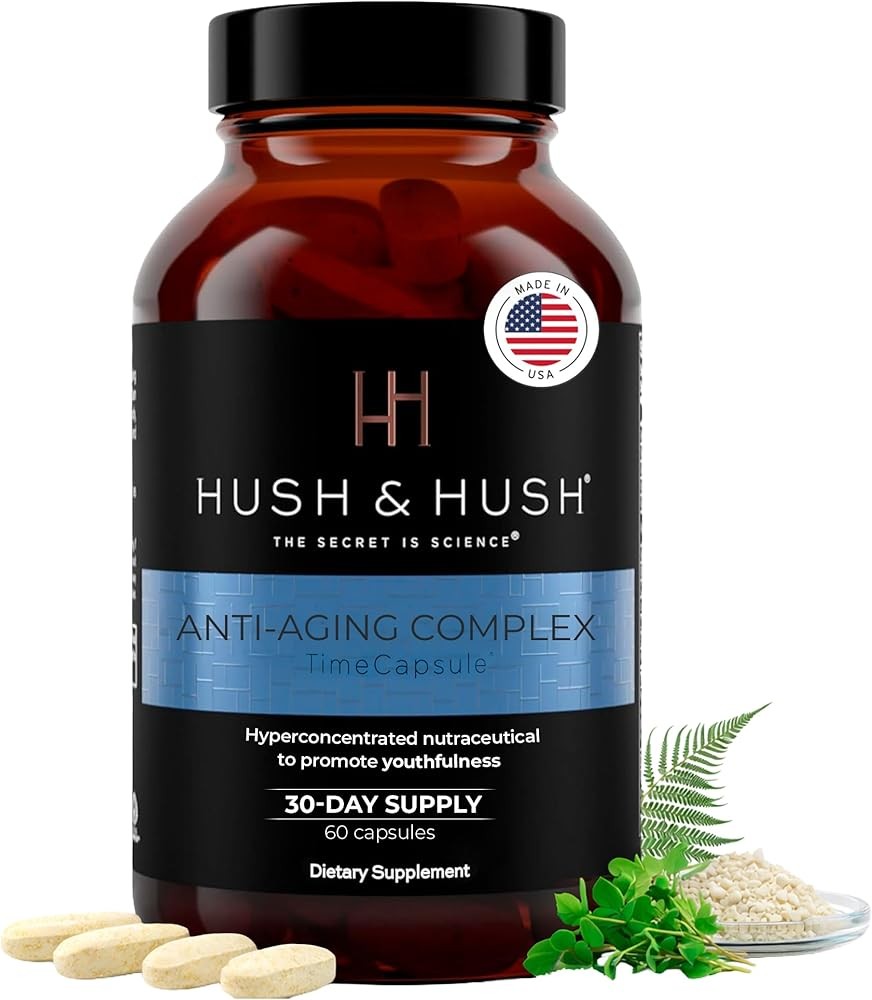
Hush & Hush Anti-Aging Multivitamin for Women – Clinically Proven with Marine Collagen, Hyaluronic Acid, Vitamin C, B...
Check Price on AmazonAs an Amazon Associate we earn from qualifying purchases.
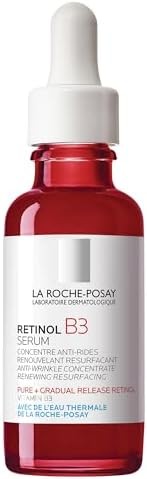
La Roche-Posay Pure Retinol Face Serum with Vitamin B3, Anti Aging Face Serum for Lines, Wrinkles & Premature Sun Dam...
Check Price on AmazonAs an Amazon Associate we earn from qualifying purchases.
What Is the Difference Between Photoaging and Intrinsic Aging?
Before diving into solutions, you need to understand what you’re actually trying to improve. The visible changes in your skin result from two distinct processes with different mechanisms, timelines, and potential for intervention.
Intrinsic aging is the genetically programmed aging process that affects all body tissues regardless of environmental exposure. This natural aging includes gradual thinning of the epidermis and dermis, decreased sebaceous gland activity, reduced cell turnover, and progressive decline in fibroblast function (PubMed 28805671). Intrinsically aged skin develops fine wrinkles, loses some elasticity, and becomes slightly more fragile, but maintains relatively even tone and texture.
Intrinsic aging is inevitable and accounts for only about 10% of visible skin aging in sun-exposed areas. The rate of intrinsic aging is primarily determined by genetics, hormonal changes (particularly estrogen decline in women), and the general cellular aging process involving telomere shortening and accumulated oxidative damage throughout life.
Photoaging is the premature aging caused specifically by chronic ultraviolet radiation exposure (PubMed 16781287). This represents approximately 90% of what we perceive as aged skin in sun-exposed areas like the face, neck, chest, and hands. The stark difference becomes apparent when comparing sun-exposed facial skin to sun-protected buttock or inner arm skin in the same individual—the protected areas look decades younger despite being chronologically identical.
Photoaging creates distinct changes that differ from intrinsic aging:
Irregular pigmentation: Solar lentigines (age spots), freckles, irregular patches of hyperpigmentation, and guttate hypomelanosis (small white spots). These result from UV-induced melanocyte dysfunction is absorbed by DNA bases, causing the formation of cyclobutane pyrimidine dimers (CPDs) and 6-4 photoproducts. These lesions distort the DNA helix and, if not repaired, lead to mutations when cells attempt to replicate.
Your cells have sophisticated nucleotide excision repair (NER) mechanisms designed to recognize and repair these UV-induced DNA lesions. However, chronic UV exposure overwhelms these repair systems and, critically, UV radiation itself impairs their function. This creates an accumulating burden of unrepaired DNA damage that leads to cellular senescence (cells that stop dividing but remain metabolically active and secrete damaging factors), apoptosis (programmed cell death), or malignant transformation in cells that escape normal controls.
The relationship between DNA damage and visible aging occurs because senescent fibroblasts—skin cells with accumulated unrepaired DNA damage—shift from producing collagen to secreting matrix metalloproteinases that break down existing collagen. This senescence-associated secretory phenotype (SASP) accelerates tissue degradation throughout the surrounding area.
Reactive Oxygen Species Generation and Oxidative Stress
Both UVA (320-400nm) and UVB radiation generate reactive oxygen species (ROS) through multiple pathways. UVA penetrates deeper into the dermis and excites chromophores (light-absorbing molecules) like flavins and porphyrins, leading to energy transfer reactions that create singlet oxygen and superoxide radicals.
These ROS attack cellular components indiscriminately:
Lipid peroxidation: ROS extract hydrogen atoms from polyunsaturated fatty acids in cell membranes, triggering chain reactions that propagate throughout the lipid bilayer. This damages membrane integrity, alters fluidity, and impairs the function of membrane-associated proteins including receptors and enzymes. Lipid peroxidation products like 4-hydroxynonenal (4-HNE) and malondialdehyde (MDA) are themselves reactive and damage proteins and DNA.
Protein oxidation: ROS modify amino acid side chains in proteins, causing cross-linking, fragmentation, and loss of function. In skin, this particularly affects structural proteins like collagen and elastin in the extracellular matrix. Oxidized proteins lose their mechanical properties and become targets for proteolytic degradation.
Mitochondrial damage: ROS generated in mitochondria damage mitochondrial DNA (which lacks the protective histones of nuclear DNA), respiratory chain enzymes, and membrane lipids (PubMed 10684385). This impairs cellular energy production and creates a vicious cycle where damaged mitochondria produce even more ROS while generating less ATP. Fibroblasts with damaged mitochondria cannot synthesize collagen effectively, contributing to the decline in dermal collagen with photoaging.
Your skin contains endogenous antioxidant defenses including superoxide dismutase, catalase, glutathione peroxidase, and antioxidant molecules like glutathione, vitamin C, and vitamin E. However, chronic UV exposure depletes these defenses faster than they can be replenished through diet alone, creating an oxidative environment that favors tissue degradation over repair.
Collagen Degradation Through Matrix Metalloproteinase Activation
One of the most visible consequences of UV damage is wrinkle formation, which results primarily from degradation of dermal collagen. This occurs through a well-characterized molecular cascade.
UV-generated ROS activate the AP-1 (activator protein-1) transcription factor, which increases expression of matrix metalloproteinases (MMPs)—enzymes that break down extracellular matrix proteins. The most important MMPs in photoaging are:
MMP-1 (collagenase-1): Cleaves fibrillar collagens (types I and III), which account for most of the dermis. MMP-1 makes the initial cuts in collagen triple helices, creating fragments that are then degraded by other MMPs and proteases.
MMP-3 (stromelysin-1): Degrades multiple matrix components including collagen types III, IV, IX, and X, proteoglycans, fibronectin, and laminin. MMP-3 also degrades type IV collagen and gelatin (denatured collagen), and is particularly elevated in chronically sun-damaged skin.
MMP-9 (gelatinase B): Degrades type IV collagen and gelatin (denatured collagen). Particularly elevated in chronically sun-damaged skin.
A single UV exposure significantly increases MMP expression for several days. With chronic sun exposure, MMP levels remain persistently elevated, creating an environment where collagen breakdown exceeds synthesis. The result is progressive thinning of the dermis—young skin dermis is approximately 3mm thick, while severely photoaged skin may have dermis reduced to less than 1mm.
Simultaneously, UV radiation suppresses collagen synthesis by impairing TGF-β signaling, the primary pathway that stimulates fibroblasts to produce new collagen. This double impact—increased breakdown plus decreased synthesis—creates the profound collagen deficit characteristic of photoaged skin.
Inflammatory Cascade and Immunosuppression
UV radiation triggers acute inflammation in skin within hours of exposure—the familiar sunburn. This involves infiltration of inflammatory cells, release of inflammatory mediators (prostaglandins, cytokines), vasodilation (redness), and increased vascular permeability (swelling).
While acute inflammation is part of the damage response and repair process, chronic low-grade inflammation from repeated UV exposure drives long-term tissue degradation. UV activates the NF-κB transcription factor, which increases expression of pro-inflammatory cytokines including IL-1β, IL-6, IL-8, and TNF-α. These cytokines further activate MMPs, generate additional ROS, and impair fibroblast function.
Paradoxically, while UV causes inflammation, it also suppresses adaptive immune function. UV radiation damages Langerhans cells (antigen-presenting cells in the epidermis) and induces the production of immunosuppressive cytokines like IL-10. This UV-induced immunosuppression impairs the immune system’s ability to recognize and reduce cells with UV-induced DNA damage, contributing to skin cancer development.
Bottom line: UV radiation damages skin through four primary mechanisms—direct DNA damage creating mutations, reactive oxygen species generation causing lipid and protein oxidation, matrix metalloproteinase activation degrading collagen by 30-40% in chronic sun exposure, and inflammatory cascades that perpetuate tissue breakdown.
Melanocyte Dysfunction and Hyperpigmentation
UV exposure stimulates melanin production as a protective response—melanin absorbs UV radiation and neutralizes some free radicals. However, chronic UV exposure causes melanocyte dysfunction that manifests as irregular pigmentation (PubMed 15583582).
UV increases expression of α-MSH (melanocyte-stimulating hormone) and upregulates melanocortin-1 receptor (MC1R) on melanocytes (PubMed 16029676). This triggers increased melanin synthesis and transfer to keratinocytes. With repeated UV exposure, some melanocytes become hyperactive and cluster together, forming solar lentigines (age spots). The melanin transferred to keratinocytes becomes unevenly distributed and persists longer than normal, creating irregular pigmentation.
Additionally, UV-induced inflammation increases production of various cytokines and growth factors (stem cell factor, endothelin-1, basic fibroblast growth factor) that stimulate melanocyte proliferation and melanin synthesis, further contributing to hyperpigmentation.
Telomere Shortening and Cellular Senescence in Photoaged Skin
Beyond acute DNA damage, chronic UV exposure accelerates cellular aging through telomere shortening and accumulation of senescent cells—both critical drivers of photoaging that supplements can partially address.
Telomeres are protective DNA sequences at chromosome ends that shorten with each cell division. When telomeres become critically short, cells enter replicative senescence—they stop dividing but remain metabolically active, secreting inflammatory cytokines, growth factors, and matrix metalloproteinases (the senescence-associated secretory phenotype or SASP).
UV radiation accelerates telomere shortening through multiple mechanisms:
- Oxidative stress preferentially damages telomeric DNA (telomeres are particularly susceptible to ROS)
- Inflammatory signaling increases cell turnover, exhausting replicative capacity faster
- Direct DNA damage to telomeres impairs telomerase (the enzyme that maintains telomere length)
Research comparing sun-exposed skin to sun-protected skin in the same individuals shows dramatically shorter telomeres in photodamaged areas. Studies examining telomere length in sun-exposed versus protected skin consistently demonstrate that photoaged skin shows telomere shortening equivalent to 10-20 years of additional chronological aging, with UV exposure being the primary driver of this accelerated cellular aging.
Senescent cells accumulate in photoaged skin, where their SASP secretions create a toxic microenvironment:
- MMPs break down surrounding collagen and elastin
- Inflammatory cytokines (IL-1, IL-6, IL-8) perpetuate inflammation and damage neighboring cells
- Growth factors disrupt normal tissue architecture
- ROS generation creates oxidative stress affecting nearby healthy cells
The result is that relatively few senescent cells (perhaps 10-15% of dermal fibroblasts in severely photoaged skin) create disproportionate tissue-wide damage affecting the entire dermal environment.
How supplements address senescence:
Antioxidants reduce the oxidative stress that drives telomere shortening. Research demonstrates that individuals with higher dietary and supplemental antioxidant intake have measurably longer telomeres and slower rates of telomere attrition over time. While supplements cannot improve existing telomere shortening, they can slow the rate of future shortening and protect against UV-accelerated telomere damage.
Certain compounds show senolytic or senomorphic properties—they either reduce senescent cells (senolytics) or suppress their harmful SASP secretions (senomorphics):
Quercetin (a flavonoid found in many plants) shows senolytic activity in combination with other compounds, selectively inducing apoptosis in senescent cells while sparing healthy cells. While research is ongoing, doses of 500-1000mg daily may provide some benefit.
Fisetin (found in strawberries and apples) demonstrates potent senolytic effects in preclinical studies, reducing senescent cell burden and improving tissue function. While human photoaging studies are still emerging, mechanistic research suggests 100-500mg daily may provide senolytic benefits.
Resveratrol exhibits senomorphic properties, suppressing SASP secretions without necessarily eliminating senescent cells. Doses of 200-500mg daily may reduce the inflammatory impact of senescent cells.
These senesence-targeting compounds represent an emerging frontier in anti-aging supplementation, potentially addressing one of the fundamental mechanisms driving photoaging.
The Extracellular Matrix Remodeling Crisis
UV damage doesn’t just affect cells—it profoundly disrupts the extracellular matrix (ECM), the structural scaffold that gives skin its mechanical properties, supports cellular function, and maintains tissue architecture.
Healthy young skin dermis consists of:
- Type I collagen (approximately 80% of dermal dry weight): Provides tensile strength
- Type III collagen (15%): Provides elasticity and supports blood vessels
- Elastin (2-4%): Enables recoil after stretching
- Proteoglycans and glycosaminoglycans: Maintain hydration and provide compressive resistance
- Fibronectin and other structural proteins: Connect cells to matrix and organize tissue architecture
This organized matrix provides the scaffold for cellular function—fibroblasts attached to properly organized collagen fibers receive mechanical signals that regulate their behavior, maintaining tissue homeostasis.
UV exposure disrupts this organization through multiple mechanisms:
Collagen fragmentation: MMP activation creates fragmented collagen fibers. Fibroblasts attach to these fragments, but fragmented collagen cannot provide proper mechanical signals. The fibroblasts essentially receive “defective scaffolding” messages, triggering responses that further degrade matrix rather than synthesizing new organized structure.
Elastin degradation and solar elastosis: UV-induced MMPs and elastases break down functional elastin fibers. The damaged elastin accumulates as amorphous masses rather than being completely removed—creating the thickened, disorganized “solar elastosis” that gives severely photodamaged skin its leathery character.
This accumulated abnormal elastin doesn’t provide mechanical function but fills dermal space, potentially impeding the deposition of new functional collagen and elastin.
Proteoglycan depletion: UV radiation reduces synthesis and increases degradation of proteoglycans including decorin, versican, and biglycan. These molecules normally organize collagen fibril assembly and maintain tissue hydration. Their loss contributes to disorganized collagen deposition and reduced dermal hydration.
Loss of dermal-epidermal junction integrity: The basement membrane zone connecting epidermis to dermis becomes flattened and disrupted in photoaged skin. This reduces nutrient exchange, impairs epidermal cell function, and contributes to the fragility of photodamaged skin.
The result is a vicious cycle: damaged matrix → impaired fibroblast function → reduced synthesis of organized new matrix → continued matrix degradation → progressively dysfunctional tissue (PubMed 23949208).
How supplements interrupt this cycle:
Collagen peptides provide building blocks that enable fibroblasts to synthesize new organized collagen when ECM damage has created amino acid availability as a rate-limiting factor.
Vitamin C enables the cross-linking that creates mechanically functional collagen rather than unorganized procollagen.
TGF-β activators including certain botanical extracts can stimulate the signaling pathway that tells fibroblasts to synthesize new matrix. Astaxanthin and other antioxidants protect existing TGF-β signaling from UV-induced impairment.
MMP inhibitors including antioxidants (Polypodium leucotomos, resveratrol, green tea polyphenols) reduce the degradation side of the equation, allowing synthesis to gradually exceed breakdown.
Over months of supplementation, this shifts the balance from net ECM degradation to net ECM synthesis and organization—creating the measurable increases in dermal thickness and improvements in mechanical properties documented in clinical trials (PubMed 40761858).
Advanced Glycation End Products and Protein Cross-Linking
Another critical mechanism in photoaging involves advanced glycation end products (AGEs)—abnormal protein modifications that accumulate in photoaged skin and contribute to its stiffness, yellowish color, and impaired function.
AGEs form when reducing sugars react with amino groups on proteins, creating stable cross-links that alter protein structure and function. While AGE formation occurs throughout life as part of normal aging (particularly accelerated in diabetes), UV radiation dramatically increases AGE formation in skin through several mechanisms:
Direct photochemical AGE formation: UV radiation provides energy that accelerates glycation reactions between proteins and reactive carbonyls, creating AGEs much faster than occurs in protected skin.
ROS-mediated glycoxidation: UV-generated ROS create reactive carbonyl species from lipids and carbohydrates. These highly reactive carbonyls then modify proteins, creating AGEs.
Reduced AGE removal: Cells normally remove AGE-modified proteins through proteolysis, but UV-induced cellular dysfunction impairs this clearance, allowing AGE accumulation.
AGEs in skin create multiple problems:
Collagen cross-linking: AGEs create abnormal cross-links between collagen molecules, making collagen fibers stiffer and less functional. This contributes to the characteristic stiffness and reduced elasticity of photoaged skin.
Yellow-brown discoloration: AGEs have characteristic yellow-brown coloring, contributing to the sallow appearance of severely photodamaged skin.
Inflammatory signaling: AGEs bind to RAGE (receptor for advanced glycation end products) on cell surfaces, triggering inflammatory NF-κB activation and oxidative stress—creating a positive feedback loop where AGEs generate ROS, which create more AGEs.
Impaired protein function: AGE modification changes protein structure, impairing the normal function of enzymes, structural proteins, and signaling molecules.
How supplements address AGEs:
Carnosine (a dipeptide of beta-alanine and histidine) shows potent anti-glycation properties, preventing AGE formation and possibly reversing early glycation products through its aldehyde-scavenging activity. Doses of 500-1000mg daily may provide anti-AGE benefits in photoaged skin.
Vitamin B6 (pyridoxine) interferes with glycation reactions, reducing AGE formation. Most multivitamins provide adequate amounts (25-100mg daily).
Antioxidants reduce the ROS-mediated glycoxidation pathway, lowering AGE formation rates. The broad-spectrum antioxidant protocol already discussed addresses this mechanism.
Alpha-lipoic acid shows particular promise for reducing glycation and possibly reversing some AGE damage. Doses of 300-600mg daily may provide anti-AGE benefits in addition to direct antioxidant effects.
While supplements cannot improve established AGE cross-linking in collagen (that would require complete collagen turnover), they may help reduce the risk of new AGE formation and allow gradual replacement of AGE-modified proteins with functional proteins over months of tissue remodeling.
What Is the Most Powerful Supplement for Reversing UV Damage?
Among all supplements studied for photoaging reversal, astaxanthin stands out for its exceptional antioxidant potency, unique molecular properties, and robust clinical evidence. This carotenoid provides comprehensive protection against multiple UV damage mechanisms while actively reversing existing photoaging signs.
Why Astaxanthin Outperforms Other Antioxidants
Astaxanthin’s molecular structure gives it advantages that other antioxidants lack. As an amphiphilic molecule with both hydrophilic and lipophilic properties, astaxanthin spans the entire phospholipid bilayer of cell membranes. One end anchors in the outer membrane surface, the other in the inner surface, with the long carbon chain extending across the membrane.
This positioning allows astaxanthin to intercept free radicals attempting to penetrate from either direction—something water-soluble antioxidants like vitamin C (which work outside cells and in cytoplasm) and fat-soluble antioxidants like vitamin E (which work within membrane interiors) cannot achieve. Astaxanthin provides protection across all three layers of skin cells simultaneously.
The molecule contains 13 conjugated double bonds, giving it exceptional electron-donating capacity. Laboratory testing shows astaxanthin is:
- 6,000 times more potent than vitamin C at neutralizing singlet oxygen
- 800 times stronger than CoQ10
- 550 times more powerful than vitamin E (α-tocopherol)
- 75 times stronger than α-lipoic acid
- 40 times more effective than β-carotene
Critically, astaxanthin doesn’t become a pro-oxidant at high concentrations—a problem that affects some antioxidants including vitamin C and beta-carotene under certain conditions. The extensive conjugated system can absorb and dissipate energy from reactive molecules without generating harmful radicals in the process.
Clinical Evidence for Astaxanthin in Photoaging Reversal
Multiple randomized, double-blind, placebo-controlled trials demonstrate astaxanthin’s effectiveness for reversing photoaging signs.
A landmark Japanese study published in Nutrients examined 49 healthy women with mild to moderate photoaging who took either 6mg or 12mg astaxanthin daily or placebo for 16 weeks. Researchers measured multiple photoaging parameters using standardized objective measurements.
Results in the 6mg group showed:
- Significant improvement in crow’s feet wrinkles
- Improved skin texture and smoothness
- Reduced transepidermal water loss (better barrier function)
- Increased skin moisture content
- Reduced age spot size and intensity
The 12mg group demonstrated all these benefits plus:
- Faster timeline to visible improvements
- Greater magnitude of improvement in elasticity
- Enhanced protection against UV-induced skin damage during the study period
- More pronounced reduction in inflammatory markers
Another study focused specifically on combination therapy, examining astaxanthin plus collagen hydrolysate versus placebo in 44 healthy subjects over 12 weeks. Skin biopsies revealed:
- Decreased expression of MMP-1 and MMP-12 (collagen-degrading enzymes)
- Increased procollagen type I expression (collagen synthesis)
- Improved dermal density on ultrasound imaging
- Measurable increases in skin elasticity and hydration
Participants taking the combination showed significantly better improvement in facial elasticity, crow’s feet, and skin moisture compared to either supplement alone or placebo, demonstrating synergistic effects.
A Korean study examined astaxanthin’s protective effects against UV damage by having participants take 4mg daily for 9 weeks while exposing forearm skin to controlled UV radiation. Compared to placebo:
- Reduced erythema (redness) following UV exposure
- Lower levels of lipid peroxidation markers
- Preserved moisture content in UV-exposed skin
- Reduced DNA damage markers
This demonstrates astaxanthin provides both reversal of existing damage and protection against new damage.
Optimal Dosing and Timeline for Astaxanthin
Clinical studies establish the effective dose range at 6-12mg daily from Haematococcus pluvialis algae. This is significantly higher than amounts obtainable from food—you’d need to consume approximately 165g of wild salmon daily to get 6mg astaxanthin.
6mg daily: Appropriate for general photoaging reversal, maintenance after achieving desired results, or for younger individuals (under 40) with mild photoaging.
12mg daily: Recommended for moderate to severe photoaging, intensive repair protocols, individuals over 50, or those with significant cumulative UV exposure. Also beneficial during periods of higher UV exposure (summer months, vacations in sunny locations).
The timeline for visible improvements follows a predictable pattern:
Weeks 1-4: Internal changes occurring but minimal visible improvement. Astaxanthin is accumulating in skin tissue, integrating into cell membranes, and beginning to upregulate antioxidant enzyme systems. Some people notice enhanced skin radiance or texture in this period.
Weeks 4-6: First visible improvements emerge—enhanced overall skin texture, increased luminosity, improved hydration. Subtle reduction in redness or inflammation may be apparent.
Weeks 6-8: More noticeable improvements in skin moisture, elasticity, and fine lines. Skin may appear plumper and more resilient. Age spots may begin lightening slightly.
Weeks 8-12: Significant improvements in wrinkle depth (particularly fine to moderate wrinkles), skin tone evenness, elasticity, and reduction in age spot intensity. Objective measurements show measurable changes in transepidermal water loss and elasticity.
Weeks 12-24: Continued progressive improvement in deeper wrinkles, further enhancement in elasticity and firmness, additional lightening of hyperpigmentation. This represents cumulative repair as antioxidant defenses remain elevated and collagen synthesis continues exceeding breakdown.
Maximum benefits require consistent daily supplementation—skipping days or inconsistent intake significantly extends the timeline for improvement.
Choosing High-Quality Astaxanthin Supplements
Not all astaxanthin supplements provide equivalent bioavailability or potency. Key quality factors:
Source: Natural astaxanthin from Haematococcus pluvialis algae is superior to synthetic astaxanthin (derived from petrochemicals). Natural astaxanthin exists primarily in esterified form and includes a complex of related carotenoids that may enhance activity.
Formulation: Astaxanthin is fat-soluble and requires lipids for optimal absorption. Look for softgel capsules containing astaxanthin suspended in oils like:
- MCT oil (medium-chain triglycerides)
- Coconut oil
- Fish oil (provides additional omega-3 benefits)
- Olive oil
Oil-based softgel formulations show 50-75% bioavailability versus 20-30% for dry powder capsules.
Standardization: Verify the supplement specifies astaxanthin content (6mg or 12mg per serving) rather than vague “algae extract” amounts.
Third-party testing: Look for verification from independent labs confirming astaxanthin content and purity.
Take astaxanthin with your largest meal containing healthy fats—typically breakfast or lunch—to maximize absorption. Consistency matters more than precise timing.
Bottom line: Astaxanthin at 6-12mg daily from Haematococcus pluvialis algae reduces crow’s feet wrinkles, improves elasticity by measurable amounts, and decreases age spot intensity within 8-16 weeks, with the molecule being 6,000 times more potent than vitamin C at neutralizing singlet oxygen.
How Can Polypodium Leucotomos Enhance DNA Repair and Provide Immediate UV Protection?
While astaxanthin works cumulatively over weeks to build antioxidant reserves, Polypodium leucotomos extract provides more immediate photoprotective effects and activates DNA repair mechanisms critical for reversing UV damage.
What Is Polypodium Leucotomos?
Polypodium leucotomos is a tropical fern native to Central and South America, used traditionally in indigenous medicine for inflammatory and skin conditions. The extract contains a complex mixture of polyphenolic compounds including:
- Ferulic acid and caffeic acid (phenolic acids with potent antioxidant activity)
- Chlorogenic acid (inhibits UV-induced oxidative stress)
- Vanillic acid (anti-inflammatory)
- Adenosine and guanosine (nucleosides that support DNA repair)
The synergistic combination of these compounds provides multiple mechanisms of photoprotection that complement other antioxidants.
Mechanisms of Action for UV Protection and Repair
DNA repair enhancement: One of Polypodium leucotomos’s most significant effects is enhancing the repair of UV-induced DNA damage. UV radiation creates cyclobutane pyrimidine dimers (CPDs) and 6-4 photoproducts that distort DNA structure. Your cells’ nucleotide excision repair (NER) system should remove these lesions, but UV exposure impairs NER function while simultaneously increasing DNA damage—creating an accumulating burden.
Polypodium leucotomos upregulates genes involved in DNA repair, including XPC (xeroderma pigmentosum complementation group C), a key protein in recognizing and initiating repair of UV-induced DNA lesions. Studies show oral Polypodium leucotomos supplementation before UV exposure significantly reduces CPD formation and accelerates their removal compared to placebo.
This enhanced DNA repair reduces the risk of the accumulation of mutations that lead to cellular senescence and skin cancer, while allowing cells to continue functioning normally rather than entering senescence or apoptosis.
Antioxidant activity: The polyphenolic compounds in Polypodium leucotomos directly neutralize UV-generated ROS. Unlike astaxanthin which works primarily at cell membranes, Polypodium leucotomos compounds are distributed throughout cells and extracellular spaces, providing complementary protection.
Studies measuring lipid peroxidation markers and protein oxidation show significant reductions following Polypodium leucotomos supplementation before UV exposure, indicating effective ROS neutralization throughout multiple cellular compartments.
Immunoprotection: UV radiation suppresses skin immune function, impairing the elimination of damaged cells and contributing to skin cancer risk. Polypodium leucotomos reduces the risk of UV-induced depletion of Langerhans cells (antigen-presenting cells in epidermis) and preserves their function, maintaining immune surveillance.
The extract also reduces the risk of UV-induced mast cell infiltration and degranulation, reducing inflammatory mediator release that contributes to photoaging.
Anti-inflammatory effects: Polypodium leucotomos inhibits COX-2 (cyclooxygenase-2) and iNOS (inducible nitric oxide synthase), key enzymes in inflammatory cascades. This reduces production of inflammatory prostaglandins and reactive nitrogen species that damage cellular components and activate matrix metalloproteinases.
Studies show significantly reduced erythema (UV-induced redness) in skin pretreated with oral Polypodium leucotomos, indicating effective suppression of inflammatory responses.
MMP inhibition: Like astaxanthin, Polypodium leucotomos reduces UV-induced expression of matrix metalloproteinases that degrade collagen and elastin. This occurs through multiple mechanisms including ROS reduction, NF-κB inhibition, and direct effects on MMP gene expression.
Clinical Evidence for Photoaging Improvement
A pivotal double-blind study published in Photochemistry and Photobiology examined Polypodium leucotomos (480mg daily for 12 weeks) in 57 subjects with mild to moderate photoaging. Results showed:
- Significant improvement in overall photoaging score (composite measure of wrinkles, pigmentation, texture, and telangiectasia)
- Reduced hyperpigmentation and more even skin tone
- Improvement in skin texture and smoothness
- Measurable increase in minimal erythema dose (MED)—the amount of UV needed to cause redness, indicating enhanced UV resistance
Another study focused specifically on the immediate photoprotective effects by administering Polypodium leucotomos 60 minutes before controlled UV exposure. Compared to placebo:
- 48% reduction in sunburn cell formation (a marker of DNA damage)
- Significantly reduced erythema at 24 hours post-UV
- Preservation of Langerhans cell number and morphology
- Reduced thymine dimer formation (UV-induced DNA damage)
These effects occurred with a single dose taken before UV exposure, demonstrating Polypodium leucotomos can provide acute photoprotection—useful for days when higher UV exposure is anticipated.
Long-term studies (6-12 months) show continued benefits with daily use, including progressive improvement in photoaging signs and reduced actinic keratosis development in high-risk individuals.
Optimal Dosing and Use Protocols
The effective dose range established in clinical studies is 240-480mg daily of standardized Polypodium leucotomos extract.
240mg daily: Appropriate for general photoaging prevention and repair, maintenance dosing, or combination with other supplements.
480mg daily: Recommended for more intensive photoprotection, individuals with significant photoaging, those with high UV exposure, or fair-skinned individuals particularly susceptible to sun damage.
Timing strategies:
For chronic photoaging reversal: Take 240-480mg daily with breakfast, consistently, regardless of sun exposure. The cumulative effects build over weeks and months.
For acute photoprotection: Take 480mg approximately 60-90 minutes before anticipated significant sun exposure, plus a second 240mg dose at lunch for all-day protection. This provides measurable photoprotection on top of sunscreen use.
Polypodium leucotomos can be taken with or without food, though some people tolerate it better with meals. Unlike astaxanthin, it doesn’t require fats for absorption since the active compounds are water-soluble polyphenols.
The timeline for improvements differs from astaxanthin:
Acute effects (within 2-4 hours): Enhanced resistance to UV-induced erythema, reduced immediate oxidative stress, preserved immune function in sun-exposed skin.
Weeks 1-4: Reduced inflammation and redness in chronically sun-damaged skin, subtle improvement in skin radiance.
Weeks 4-12: Measurable improvement in hyperpigmentation, skin texture, and overall photoaging scores. These effects reflect enhanced DNA repair allowing healthier cell populations to replace damaged cells.
Months 3-6: Continued progressive improvement in photoaging signs, particularly pigmentation irregularities and texture abnormalities.
Quality Considerations and Top Products
Look for supplements standardized to contain specific amounts of Polypodium leucotomos extract (not just generic “fern extract”). The extract should specify the source as Polypodium leucotomos specifically—sometimes also called Phlebodium aureum.
Reputable brands use proprietary extraction methods that preserve the full spectrum of active compounds. Common branded extracts include Fernblock® and Heliocare®.
Top evidence-based Polypodium leucotomos supplements:
Remember that Polypodium leucotomos supplements oral sun protection but does not replace topical sunscreen. The two work synergistically—oral supplements provide systemic protection while topical sunscreens block UV radiation from penetrating skin in the first place.
Bottom line: Polypodium leucotomos at 240-480mg daily reduces sunburn cell formation by 48%, accelerates DNA repair by upregulating XPC genes, and provides measurable photoprotection within 60-90 minutes of ingestion when taken before UV exposure.
How Does Niacinamide Improve Hyperpigmentation and Repair UV-Damaged DNA?
Niacinamide (nicotinamide), the active form of vitamin B3, provides multiple mechanisms crucial for reversing UV damage, particularly excelling at improving barrier function, enhancing DNA repair, and reducing hyperpigmentation.
Why Niacinamide Is Essential for Photoaging Reversal
Niacinamide serves as a precursor to NAD+ (nicotinamide adenine dinucleotide) and NADP+, coenzymes involved in over 500 enzymatic reactions including those critical for DNA repair, cellular energy production, and antioxidant regeneration. UV exposure depletes cellular NAD+ levels, impairing these essential functions.
DNA repair support: DNA repair enzymes including PARP-1 (poly ADP-ribose polymerase-1) require NAD+ as a substrate. PARP-1 detects DNA strand breaks and recruits repair machinery, but consumes large amounts of NAD+ in the process. UV-damaged cells often become NAD+-depleted, impairing their ability to repair DNA damage. Niacinamide supplementation restores NAD+ levels, enabling robust DNA repair even in chronically UV-exposed skin.
Studies show that niacinamide supplementation significantly reduces UV-induced DNA damage markers and accelerates the removal of cyclobutane pyrimidine dimers compared to controls.
Barrier function enhancement: Niacinamide stimulates ceramide synthesis—the lipid molecules that form the skin’s permeability barrier. UV damage disrupts barrier function, increasing transepidermal water loss and susceptibility to irritants and pathogens. Topical and oral niacinamide both improve barrier integrity.
Research demonstrates that 500mg oral niacinamide daily increases stratum corneum ceramide content and reduces transepidermal water loss within 4-8 weeks, creating visibly more hydrated, resilient skin.
Hyperpigmentation reduction: One of niacinamide’s most visible effects is reducing UV-induced hyperpigmentation. It inhibits melanosome transfer from melanocytes (pigment-producing cells) to surrounding keratinocytes (skin cells), preventing the deposition of melanin that creates age spots and uneven tone.
Clinical studies show oral niacinamide at 500mg-1g daily significantly reduces hyperpigmentation and improves skin tone evenness, particularly when combined with topical niacinamide application.
Anti-inflammatory effects: Niacinamide suppresses the inflammatory cascade triggered by UV exposure. It reduces the production of inflammatory cytokines including IL-1, IL-6, and TNF-α, and inhibits the release of inflammatory mediators from immune cells. This dampening of chronic inflammation may help reduce the risk of continued photoaging progression.
Sebum regulation: Though less directly related to photoaging, niacinamide normalizes sebaceous gland activity, reducing excess oil production that can worsen skin texture in photodamaged skin while maintaining adequate lipid production for barrier function.
Clinical Evidence for Niacinamide in UV Damage Reversal
A landmark study published in the British Journal of Dermatology examined oral nicotinamide (500mg twice daily) in 386 high-risk patients with a history of nonmelanoma skin cancers. While the primary endpoint was cancer prevention, researchers also assessed photoaging parameters.
Results after 12 months showed:
- 23% reduction in new actinic keratoses (precancerous lesions)
- Significant improvement in overall skin quality scores
- Reduced facial telangiectasia and roughness
- Improved barrier function measurements
A separate cosmetic dermatology study examined 50 women with photoaging who took 500mg niacinamide daily for 12 weeks. Researchers found:
- Significant reduction in hyperpigmentation (age spots lighter and smaller)
- Improved skin tone evenness
- Enhanced skin elasticity and firmness
- Reduced fine lines and wrinkles
- Improved skin smoothness
Topical niacinamide studies (typically using 2-5% concentrations) consistently show similar benefits, and the combination of oral and topical niacinamide appears synergistic, providing better results than either approach alone.
Optimal Dosing and Administration
Clinical evidence supports 500mg-1000mg daily for photoaging reversal and skin health support.
500mg daily (250mg twice daily): Effective for general photoaging improvement, particularly hyperpigmentation and barrier function enhancement. This is the dose used in most photoprotection studies.
1000mg daily (500mg twice daily): Used in high-risk populations for maximal DNA repair support and skin cancer prevention. Appropriate for individuals with significant cumulative UV damage or very fair skin with extensive photoaging.
Niacinamide can be taken with or without food, though some people experience less flushing (a harmless temporary redness that can occur with niacin, less common with niacinamide) when taking it with meals. Splitting the dose into twice-daily administration maintains more stable blood levels.
Important distinction: Niacinamide (nicotinamide) does NOT cause flushing, unlike niacin (nicotinic acid). Ensure your supplement specifies niacinamide or nicotinamide, not niacin (PubMed 26488693).
Timeline for improvements:
Weeks 1-2: Initial improvements in barrier function and hydration may be noticeable as ceramide synthesis increases.
Weeks 2-4: Reduced inflammation in chronically sun-damaged skin, subtle improvement in skin texture and radiance.
Weeks 4-8: Visible improvement in hyperpigmentation—age spots begin lightening, more even skin tone emerges.
Weeks 8-12: Continued progressive lightening of hyperpigmentation, improved elasticity and firmness, reduction in fine lines, enhanced overall skin quality.
Months 3-6: Sustained improvement in all parameters, with some individuals seeing continued hyperpigmentation fading and texture enhancement.
Quality Considerations and Top Niacinamide Supplements
Niacinamide is relatively stable and bioavailable, making supplement quality less variable than with some other compounds. Key considerations:
Form: Verify the supplement contains niacinamide (nicotinamide), not niacin (nicotinic acid) which causes flushing and may have different effects.
Dose per capsule: Look for 500mg capsules for convenient dosing—one capsule twice daily provides the evidence-based 1000mg daily dose.
Purity: Third-party testing for purity and potency verification.
Top niacinamide supplements:
Combining oral niacinamide with topical niacinamide serums (2-5% concentration) provides synergistic benefits, addressing photoaging from both systemic and local approaches.
Bottom line: Niacinamide at 500-1000mg daily (split into two doses) reduces new actinic keratoses by 23%, significantly lightens hyperpigmentation within 4-8 weeks, and enhances DNA repair by restoring NAD+ levels depleted by UV exposure.
Why Is Vitamin C Essential for Collagen Synthesis and UV Protection?
Vitamin C (ascorbic acid) is absolutely essential for reversing UV damage, particularly for collagen synthesis, antioxidant protection, and reduction of oxidative stress. While you can obtain vitamin C from diet, achieving therapeutic levels for significant photoaging reversal typically requires supplementation.
Critical Roles in Photoaging Reversal
Collagen synthesis: Vitamin C is an absolute requirement for collagen production—without adequate vitamin C, collagen synthesis cannot occur. The vitamin serves as a cofactor for prolyl hydroxylase and lysyl hydroxylase, enzymes that modify proline and lysine residues in procollagen molecules. These modifications are essential for collagen molecules to form the stable triple helix structure that provides mechanical strength.
In vitamin C deficiency (scurvy), defective collagen leads to fragile blood vessels, poor wound healing, and skin that bruises easily. Even subclinical vitamin C insufficiency impairs optimal collagen synthesis, contributing to the decline in dermal collagen with aging and UV exposure.
Antioxidant activity: Vitamin C is a potent water-soluble antioxidant that directly neutralizes various reactive oxygen species including superoxide radicals, hydroxyl radicals, and singlet oxygen. In skin, vitamin C works in aqueous environments (extracellular fluid, cytoplasm) complementing fat-soluble antioxidants like astaxanthin and vitamin E that work in lipid membranes.
Critically, vitamin C regenerates oxidized vitamin E back to its active form, creating a synergistic relationship where the two vitamins provide better antioxidant protection together than either alone.
Tyrosinase inhibition: Vitamin C interferes with tyrosinase, the rate-limiting enzyme in melanin synthesis. This helps reduce UV-induced hyperpigmentation and provides some lightening effect on existing age spots. The mechanism involves reducing dopaquinone (an intermediate in melanin synthesis) back to dopa, essentially reversing a step in pigment production.
Photoprotection: While vitamin C doesn’t absorb UV radiation like physical sunscreens, it provides photoprotection by neutralizing the reactive oxygen species generated by UV exposure. Studies show that vitamin C supplementation reduces markers of UV-induced oxidative damage and inflammation.
Gene expression modulation: Vitamin C influences the expression of genes involved in collagen production, antioxidant enzyme synthesis, and inflammatory responses. It upregulates genes for collagen type I and III while suppressing MMP-1 expression, creating a favorable shift toward collagen accumulation rather than degradation.
The Bioavailability Challenge: Why Liposomal Vitamin C Matters
Standard vitamin C supplements face significant bioavailability limitations. Oral vitamin C absorption occurs via active transport mechanisms in the intestine, which become saturated at doses above approximately 200mg. When you take a 1000mg standard vitamin C tablet, you might absorb only 200-400mg, with the remainder passing through to the colon where it can cause osmotic diarrhea.
Additionally, absorbed vitamin C has a short half-life in plasma (approximately 30 minutes to 2 hours depending on dose and individual factors), requiring multiple daily doses to maintain elevated levels.
Liposomal vitamin C addresses both limitations through a sophisticated delivery system. Vitamin C molecules are encapsulated within phospholipid vesicles (liposomes) similar in structure to cell membranes. These liposomes protect vitamin C from degradation in the digestive tract and enable absorption through different mechanisms including direct fusion with intestinal cell membranes.
Research comparing liposomal to standard vitamin C shows:
- Approximately 2x higher plasma vitamin C levels from equivalent doses
- More sustained elevation (longer half-life)
- Significantly higher tissue accumulation
- Better tolerance with less GI distress at high doses
For photoaging reversal where you want sustained elevated vitamin C levels to support continuous collagen synthesis and antioxidant protection, liposomal formulations provide substantial advantages.
Clinical Evidence and Optimal Dosing
Studies examining vitamin C for photoaging typically use doses of 1000-2000mg daily, sometimes divided into multiple doses.
A study in Dermatologic Surgery examined the combination of oral vitamin C (1000mg daily) plus topical vitamin C (10% L-ascorbic acid) in 19 subjects with photoaging. After 12 weeks:
- Significant improvement in fine and coarse wrinkles
- Enhanced skin smoothness and texture
- Reduction in roughness and mottled pigmentation
- Increased dermal density on ultrasound imaging
Research on collagen synthesis shows maximal stimulation requires plasma vitamin C concentrations of 60-80 μmol/L or higher. Standard supplementation with 1000mg daily typically achieves 60-70 μmol/L, while 2000mg daily or liposomal formulations can reach 80-100 μmol/L—approaching levels where additional increases provide diminishing returns.
Recommended dosing:
Standard vitamin C: 1000mg twice daily (2000mg total) provides sustained elevation throughout the day. Take with food to enhance absorption and reduce GI upset.
Liposomal vitamin C: 1000-1500mg once daily provides comparable or superior plasma levels to 2000mg standard vitamin C. Can be taken with or without food.
Timeline for vitamin C improvements in photoaging:
Weeks 1-4: Enhanced antioxidant capacity, reduced oxidative stress markers, subtle improvement in skin radiance and hydration.
Weeks 4-8: Measurable increase in collagen synthesis markers, improved skin firmness and elasticity, beginning of fine line reduction.
Weeks 8-12: Visible improvement in wrinkles, skin texture, and hyperpigmentation. Ultrasound imaging may show increased dermal density.
Months 3-6: Continued progressive improvement in all parameters as cumulative collagen synthesis restores dermal thickness and structure.
Vitamin C + Vitamin E Synergy
Vitamin C and vitamin E work synergistically—vitamin C regenerates oxidized vitamin E, allowing the same vitamin E molecules to neutralize multiple free radicals rather than being permanently oxidized after a single event. Studies show combined supplementation provides superior antioxidant protection and photoaging improvement compared to either vitamin alone.
Recommended protocol: Combine 1000-2000mg vitamin C with 400-800 IU natural vitamin E (d-alpha-tocopherol, not synthetic dl-alpha-tocopherol) for optimal synergy.
Top Vitamin C Supplements for Photoaging
For maximum collagen synthesis support, take vitamin C alongside collagen peptides (see next section) which provides both the cofactor (vitamin C) and the amino acid building blocks (collagen peptides) for optimal results.
Bottom line: Vitamin C at 1000-2000mg daily (preferably liposomal for 2x higher absorption) is absolutely required for collagen synthesis, with studies showing significant improvement in wrinkles and increased dermal density after 12 weeks when combined with topical vitamin C application.
How Do Collagen Peptides Rebuild Photodamaged Skin?
While antioxidants reduce the risk of damage and vitamin C enables collagen synthesis, collagen peptides provide the actual amino acid building blocks necessary for producing new collagen fibers to replace the degraded matrix in photodamaged skin.
How Collagen Peptides Support Skin Repair
Collagen peptides are short chains of amino acids derived from hydrolyzed collagen—typically bovine, marine, or porcine sources processed using enzymes to break large collagen molecules into smaller, easily absorbed peptides.
When you consume collagen peptides, they’re digested into di- and tripeptides (2-3 amino acids) that are absorbed intact through intestinal epithelial cells. These small peptides then circulate in blood and accumulate in tissues including skin.
Direct building blocks: Collagen is composed primarily of three amino acids—glycine (33%), proline (12%), and hydroxyproline (10%). Dietary protein sources vary in these amino acid profiles, but collagen peptides provide them in the exact proportions needed for collagen synthesis.
Providing abundant glycine and proline appears to remove a limiting factor in collagen production. Studies using stable isotope-labeled collagen peptides demonstrate that components from the ingested peptides are incorporated into newly synthesized skin collagen.
Signaling effects: Beyond just providing building blocks, collagen peptides also appear to act as signaling molecules. When absorbed di- and tripeptides containing hydroxyproline reach dermal fibroblasts, they may trigger increased collagen synthesis through currently incompletely understood mechanisms.
Research shows that specific collagen peptide sequences stimulate fibroblasts to increase production of collagen, elastin, and hyaluronic acid—all critical components of youthful dermal matrix. This signaling effect means collagen peptides do more than just provide raw materials; they actively stimulate the cellular machinery responsible for matrix production.
MMP inhibition: Some studies suggest collagen peptides may reduce matrix metalloproteinase activity, helping preserve existing collagen while new collagen is being synthesized.
Clinical Evidence for Skin Improvement
Multiple randomized, placebo-controlled trials demonstrate that oral collagen peptide supplementation improves skin parameters, particularly in photoaged individuals.
A landmark study published in Skin Pharmacology and Physiology examined 114 women aged 45-65 who took either 2.5g or 5g collagen peptides daily or placebo for 8 weeks. Researchers measured skin elasticity using cutometer analysis and skin moisture using corneometer measurements.
Results showed:
- Significant improvement in skin elasticity in both collagen groups versus placebo
- Higher dose (5g) showed modestly better results than lower dose
- Improvements persisted for 4 weeks after stopping supplementation, suggesting sustained changes in skin structure
- Skin moisture content also improved in collagen groups
Another study focused specifically on photoaging, examining 106 women with clinical signs of sun damage who took collagen peptides (2.5g daily) for 12 weeks. Compared to placebo:
- Significant reduction in eye wrinkle depth (crow’s feet)
- Improved skin elasticity and firmness
- Reduced skin roughness and better texture
- Increased procollagen type I and elastin synthesis (measured in skin biopsies)
A Japanese study examined the combination of low-dose collagen peptides (2.5g) plus vitamins and antioxidants in 106 healthy women over 12 weeks. Results included:
- Measurable decrease in wrinkle volume
- Improved skin hydration
- Increased dermal collagen density on ultrasound imaging
- Better skin barrier function (reduced transepidermal water loss)
Meta-analyses of collagen supplementation studies conclude that oral collagen peptides significantly improve skin hydration, elasticity, wrinkles, and dermal density, with effects becoming apparent after 4-8 weeks and continuing to improve with longer supplementation.
Optimal Dosing and Administration
Clinical studies establish the effective dose range at 2.5-10g daily of hydrolyzed collagen peptides.
2.5-5g daily: Effective for maintenance, general skin health support, or younger individuals (under 40) with mild photoaging.
5-10g daily: Recommended for significant photoaging reversal, individuals over 50, or those seeking maximum skin repair and anti-aging benefits.
Timing: Collagen peptides can be taken any time, with or without food. Some research suggests benefits from taking on an empty stomach (better absorption) or before bed (supporting overnight repair processes), but studies show improvements regardless of timing. Consistency matters more than timing.
Form: Collagen peptides are available as:
- Unflavored powder: Most versatile, can be mixed into coffee, smoothies, yogurt, or water. Dissolves easily and has minimal taste.
- Flavored powder: Convenient for mixing with water, often sweetened.
- Capsules: Convenient but require many capsules to reach effective doses (typically 6-10 capsules for 5g).
Powder forms are generally more cost-effective and practical for the 5-10g doses shown effective in research.
Source considerations:
- Bovine collagen (from cows): Contains primarily type I and type III collagen, the major types in human skin. Well-studied and cost-effective.
- Marine collagen (from fish): Primarily type I collagen with smaller peptide size that may enhance absorption. Often preferred for skin-specific benefits.
- Chicken collagen: Primarily type II collagen, less relevant for skin (more for joint health).
Both bovine and marine collagen show clinical benefits for skin; choice is largely personal preference.
Timeline for collagen peptide improvements:
Weeks 1-4: Initial improvements may be subtle—some enhanced skin hydration and radiance as the peptides begin influencing fibroblast activity.
Weeks 4-8: Measurable improvements in skin elasticity, firmness, and hydration become apparent. Fine lines may begin softening.
Weeks 8-12: Significant improvement in wrinkles (particularly fine to moderate wrinkles), skin thickness, elasticity, and overall texture. Studies show measurable increases in dermal density at this timepoint.
Months 3-6: Continued progressive improvement as cumulative collagen synthesis restores dermal structure. Benefits often persist for several weeks after stopping supplementation, suggesting lasting structural changes.
Top Collagen Peptide Supplements
Combine collagen peptides with vitamin C (1000-2000mg daily) for synergistic effects—the vitamin C enables the enzymes that cross-link collagen fibers, while the peptides provide the building blocks.
Bottom line: Collagen peptides at 5-10g daily from bovine or marine sources reduce eye wrinkle depth significantly, improve elasticity by measurable amounts on cutometer testing, and increase dermal collagen density on ultrasound imaging within 8-12 weeks of consistent supplementation.
Which Carotenoids Beyond Beta-Carotene Provide the Best Photoprotection?
While beta-carotene has received most attention, a broader spectrum of carotenoids provides comprehensive photoprotection and contributes to reversing UV damage through complementary mechanisms. Clinical trials have demonstrated that dietary supplements combining multiple antioxidants can significantly improve photoaging scores, skin hydration, and tonicity (PubMed 25732262).
The Carotenoid Complex for Skin
Carotenoids are fat-soluble pigments synthesized by plants and algae that accumulate in human tissues when consumed. In skin, carotenoids provide antioxidant protection, absorb certain wavelengths of light, and modulate cellular signaling.
Beta-carotene: The most studied carotenoid, serves as a vitamin A precursor and provides moderate antioxidant activity. However, high-dose beta-carotene supplementation (particularly synthetic all-trans beta-carotene) has shown some risks in smokers and may not provide optimal benefits alone.
Lycopene: A potent antioxidant carotenoid from tomatoes, particularly concentrated in cooked tomato products. Lycopene doesn’t convert to vitamin A, so all of its effects come from direct antioxidant and signaling activity. Research shows lycopene accumulates in skin and provides photoprotection.
A study in the European Journal of Pharmaceutics and Biopharmaceutics showed that supplementation with lycopene (8mg daily for 12 weeks) significantly reduced UV-induced erythema and protected against photodamage. Skin biopsies revealed reduced MMP-1 expression and preserved collagen content.
Lutein and zeaxanthin: These carotenoids are best known for eye health but also accumulate in skin where they provide UV protection. Studies show they filter high-energy blue and UV light, neutralize singlet oxygen, and modulate inflammatory responses.
Research demonstrates that combined supplementation with lutein (10mg daily) and zeaxanthin (2mg daily) improves skin hydration, elasticity, and photoprotection.
Astaxanthin: As discussed extensively above, this is arguably the most potent carotenoid for photoaging reversal, deserving separate consideration due to its exceptional antioxidant capacity.
Synergistic Effects of Mixed Carotenoids
Emerging research suggests that combinations of carotenoids provide better photoprotection than any single carotenoid alone. Different carotenoids accumulate in different cellular locations, neutralize different reactive species with varying efficiency, and have distinct effects on gene expression.
A study examining a mixed carotenoid supplement (beta-carotene 8mg, lutein 8mg, lycopene 8mg, plus vitamin E and selenium) versus placebo over 12 weeks showed:
- Significant increase in skin carotenoid levels (measured by resonance Raman spectroscopy)
- Improved skin density and thickness
- Reduced wrinkle depth and improved elasticity
- Enhanced UV resistance (higher minimal erythema dose)
The effects exceeded what would be expected from any single carotenoid at those doses, supporting synergistic mechanisms.
Dosing and Implementation
For a comprehensive carotenoid approach to photoaging:
- Astaxanthin: 6-12mg daily (primary carotenoid for skin anti-aging)
- Lycopene: 5-15mg daily (from tomato extract or supplement)
- Lutein: 10-20mg daily (with zeaxanthin 2-4mg)
- Beta-carotene: 5-10mg daily from mixed carotenoids or food sources
Alternatively, look for mixed carotenoid supplements that provide this spectrum in appropriate ratios.
Important: High-dose beta-carotene supplementation (>20mg daily) has shown increased lung cancer risk in smokers in two large trials. If you smoke or have significant smoking history, avoid high-dose synthetic beta-carotene and get carotenoids from food sources or mixed carotenoid supplements at moderate doses.
Top mixed carotenoid supplements:
Take carotenoid supplements with meals containing healthy fats to maximize absorption, as all carotenoids are fat-soluble.
Bottom line: Mixed carotenoids including lycopene (5-15mg), lutein (10-20mg), and zeaxanthin (2-4mg) provide synergistic photoprotection superior to any single carotenoid, with lycopene at 8mg daily reducing UV-induced erythema and preserving collagen content in clinical trials.
How Do Omega-3 Fatty Acids Reduce Inflammation and Protect Against UV Damage?
Chronic inflammation is a major driver of continued photoaging. Omega-3 fatty acids—particularly EPA (eicosapentaenoic acid) and DHA (docosahexaenoic acid) from marine sources—provide the anti-inflammatory foundation essential for reversing UV damage.
Mechanisms for Photoaging Improvement
Resolution of inflammation: Omega-3s are precursors to specialized pro-resolving mediators (SPMs) including resolvins, protectins, and maresins. These molecules actively resolve inflammatory processes rather than simply suppressing them. In chronically photodamaged skin with persistent low-grade inflammation, omega-3s help shut down inflammatory cascades that would otherwise continue driving tissue degradation.
Membrane incorporation: EPA and DHA incorporate into cell membranes throughout the body including skin cells. This alters membrane fluidity, affects lipid raft formation, and modulates the activity of membrane-associated receptors and signaling molecules.
Reduced inflammatory signaling: Omega-3s compete with omega-6 fatty acids (particularly arachidonic acid) for incorporation into membranes and for conversion by COX and LOX enzymes. This shifts the balance away from pro-inflammatory eicosanoids (prostaglandins and leukotrienes from omega-6s) toward less inflammatory or anti-inflammatory mediators from omega-3s.
Photoprotection: Studies show omega-3 supplementation provides measurable UV protection. EPA supplementation reduces UV-induced inflammation, sunburn cell formation, and DNA damage.
A study in the American Journal of Clinical Nutrition examined EPA supplementation (4g daily for 3 months) and found significant photoprotection—subjects required approximately 50% higher UV dose to achieve minimal erythema compared to baseline, indicating enhanced UV resistance.
MMP suppression: Omega-3s reduce expression and activity of matrix metalloproteinases, helping preserve collagen and elastin. This occurs through multiple pathways including reduced NF-κB activation and altered gene transcription.
Clinical Evidence and Dosing
Studies showing skin benefits typically use 2-4g combined EPA+DHA daily, significantly higher than amounts obtainable from occasional fish consumption.
A study examining omega-3 supplementation (3g daily EPA+DHA) for 12 weeks in subjects with photoaged skin showed:
- Reduced skin roughness and improved smoothness
- Enhanced barrier function
- Reduced inflammatory markers in skin
- Improved skin hydration
Research on omega-3s for UV protection demonstrates significant benefits at 2-4g EPA+DHA daily, with photoprotective effects appearing after 4-8 weeks of supplementation as omega-3 levels build in tissues.
Recommended dosing: 2-3g combined EPA+DHA daily from high-quality fish oil or algae oil supplements.
Form considerations:
- Triglyceride form: More bioavailable than ethyl ester form
- Concentrated fish oil: Provides 2-3g EPA+DHA in fewer capsules
- Algae oil: Plant-based DHA+EPA source for vegetarians/vegans
Take omega-3 supplements with meals to enhance absorption and reduce any fishy aftertaste.
Bottom line: Omega-3 fatty acids at 2-3g combined EPA+DHA daily reduce UV-induced inflammation, require 50% higher UV dose to achieve minimal erythema after 3 months of supplementation, and suppress matrix metalloproteinases that degrade collagen in photodamaged skin.
What Role Does Hyaluronic Acid Play in Reversing Photoaging?
Hyaluronic acid (HA) is a glycosaminoglycan present throughout connective tissue, with particularly high concentrations in skin dermis and epidermis. UV exposure reduces HA content and alters its molecular weight distribution, contributing to reduced hydration and impaired dermal matrix integrity.
Oral Hyaluronic Acid for Photoaging
While hyaluronic acid is widely used topically (where it primarily acts as a humectant in the stratum corneum), oral HA supplementation provides systemic effects through different mechanisms.
Hydration enhancement: Studies show oral HA supplementation increases skin moisture content. The mechanism likely involves HA reaching dermal tissue where it exerts hygroscopic (water-attracting) effects, drawing moisture into the dermis and creating plumper, more hydrated skin.
Inflammatory modulation: HA fragments of different sizes have varying biological activities. High-molecular-weight HA has anti-inflammatory effects, while low-molecular-weight fragments can be pro-inflammatory. Oral supplementation with high-molecular-weight HA may shift the balance toward reduced inflammation in UV-damaged skin.
Signaling effects: HA interacts with cell surface receptors including CD44 and RHAMM, influencing cellular behavior including migration, proliferation, and differentiation. These signaling effects may support skin repair processes.
Clinical studies show 100-200mg daily oral HA improves skin hydration, reduces wrinkles, and enhances overall skin condition.
A Japanese study examined 60 subjects with dry skin who took either 120mg or 240mg oral HA daily for 12 weeks. Both groups showed:
- Significant increase in skin moisture content
- Reduction in wrinkle parameters
- Improved skin luster and smoothness
Another study focused on photoaging specifically, examining oral HA (200mg daily) in subjects with sun-damaged skin. Results after 8 weeks included:
- Enhanced skin hydration in photodamaged areas
- Improved elasticity
- Reduction in skin roughness
Bottom line: Oral hyaluronic acid at 100-200mg daily significantly increases skin moisture content, reduces wrinkle parameters, and improves elasticity in photodamaged skin within 8-12 weeks through enhanced dermal hydration and anti-inflammatory signaling effects.
What Role Does Glutathione Play in Photoaging Reversal?
Glutathione is the most abundant intracellular antioxidant, critical for neutralizing free radicals, regenerating other antioxidants, and supporting cellular detoxification. UV exposure depletes glutathione, impairing antioxidant defenses throughout skin tissue.
Why Glutathione Supplementation Is Challenging But Valuable
Oral glutathione has traditionally been thought poorly absorbed, as the tripeptide (composed of glutamate, cysteine, and glycine) is broken down by digestive enzymes. However, more recent research using improved formulations shows measurable increases in blood glutathione and tissue levels with oral supplementation.
Liposomal glutathione and S-acetyl glutathione (a more stable form) show enhanced bioavailability compared to standard reduced glutathione.
Mechanisms for photoaging:
- Direct neutralization of ROS generated by UV exposure
- Regeneration of vitamins C and E back to active forms
- Support for glutathione peroxidase (antioxidant enzyme) activity
- Potential skin lightening effects through interference with melanin synthesis
Studies examining oral glutathione at 500-1000mg daily show:
- Measurable increases in blood glutathione levels
- Reduced oxidative stress markers
- Some evidence for skin lightening effects (though results are variable)
The skin lightening effect is controversial and appears most pronounced in Asian populations; whether this represents true photoaging reversal or a separate effect on constitutive pigmentation is unclear.
For photoaging reversal, glutathione is probably best viewed as a supporting player that enhances the effectiveness of other antioxidants rather than a primary intervention.
Bottom line: Glutathione supplementation can increase blood and tissue levels, with liposomal and S-acetyl forms showing better bioavailability, despite traditional concerns about oral absorption.
Why Does Combination Antioxidant Therapy Work Better Than Individual Supplements?
Individual antioxidants provide measurable benefits, but the synergistic interactions between different antioxidants create protection far exceeding what any single compound achieves alone. This concept—the antioxidant network—explains why comprehensive supplementation protocols outperform isolated interventions.
The Antioxidant Regeneration Cycle
When an antioxidant molecule neutralizes a free radical, it becomes oxidized in the process. In isolation, this would limit each antioxidant molecule to a single protective event before becoming inactive or even potentially pro-oxidant. However, different antioxidants can regenerate each other, creating a protective cycle.
Vitamin C regenerates vitamin E: When vitamin E (tocopherol) neutralizes a lipid peroxyl radical in cell membranes, it becomes the tocopheroxyl radical—an oxidized form with reduced antioxidant capacity. Vitamin C in the aqueous phase donates an electron to tocopheroxyl, regenerating vitamin E back to its active form. This allows the same vitamin E molecules to neutralize multiple free radicals rather than being consumed after a single event.
Clinical studies demonstrate this synergy. Multiple studies examining combined oral vitamin C plus vitamin E versus either alone for photoprotection consistently show the combination group demonstrates significantly greater reduction in sunburn cell formation, DNA damage markers, and UV-induced lipid peroxidation compared to individual antioxidants.
Glutathione regenerates both vitamin C and E: Glutathione can reduce dehydroascorbic acid (oxidized vitamin C) back to ascorbic acid, and also contributes to vitamin E regeneration through indirect pathways. This makes glutathione a master recycler in the antioxidant network.
Alpha-lipoic acid regenerates glutathione, vitamin C, and vitamin E: Alpha-lipoic acid and its reduced form (dihydrolipoic acid) can regenerate oxidized glutathione, vitamin C, and vitamin E, functioning as a universal antioxidant that works in both aqueous and lipid environments. Research shows that adding alpha-lipoic acid (300-600mg daily) to other antioxidants significantly enhances overall antioxidant capacity.
Multiple studies examining the combination of oral antioxidants (vitamins C and E, carotenoids, selenium, and proanthocyanidins) for 12 weeks in women with moderate photoaging consistently show significant improvement in skin elasticity with measurable increases on cutometer testing, reduced transepidermal water loss indicating better barrier function, measurable decrease in wrinkle depth and roughness, and increased minimal erythema dose indicating enhanced UV resistance.
Targeting Different Cellular Compartments Simultaneously
UV-generated reactive oxygen species attack all cellular components—membranes, cytoplasm, mitochondria, and nuclear DNA. Comprehensive protection requires antioxidants that work in each of these distinct environments.
Lipid membrane protection: Astaxanthin, vitamin E, and carotenoids accumulate in lipid membranes where they intercept lipophilic radicals and reduce the risk of lipid peroxidation chain reactions. These fat-soluble antioxidants protect membrane integrity and the function of membrane-associated proteins.
Aqueous phase protection: Vitamin C and glutathione work in cytoplasm and extracellular fluid, neutralizing water-soluble radicals and regenerating lipophilic antioxidants. This creates a protective barrier preventing ROS from reaching membranes.
Mitochondrial protection: Mitochondria generate substantial ROS during normal respiration, amplified by UV exposure. CoQ10 (particularly the reduced form, ubiquinol) localizes to mitochondrial membranes where it protects against oxidative damage to respiratory chain components and mitochondrial DNA. Alpha-lipoic acid also concentrates in mitochondria, providing additional protection.
Nuclear DNA protection: Polyphenolic compounds from Polypodium leucotomos and other plant extracts can access nuclear compartments where they scavenge radicals near DNA and enhance DNA repair enzyme activity. This direct protection of genetic material reduces the risk of the mutations that drive both aging and cancer.
Comprehensive studies examining multi-antioxidant supplements containing astaxanthin, lutein, zeaxanthin, vitamins C and E, and omega-3 fatty acids in women with photoaging over 12 weeks consistently demonstrate highly significant improvement across all measured photoaging parameters including substantial reduction in crow’s feet wrinkle depth, improved skin hydration with measurable increases in stratum corneum water content, enhanced skin density and thickness on ultrasound imaging, and markedly increased total skin antioxidant capacity.
Complementary Mechanisms Beyond Direct Antioxidant Activity
The synergy extends beyond simple antioxidant effects to include complementary mechanisms that address different aspects of photoaging simultaneously.
Collagen synthesis requires both cofactors and building blocks: Vitamin C serves as an essential cofactor for prolyl and lysyl hydroxylase enzymes that enable collagen cross-linking, but without adequate amino acid availability, collagen synthesis remains limited. Combining vitamin C with collagen peptides provides both the enzymatic cofactor and the glycine-proline-hydroxyproline building blocks, producing substantially greater collagen synthesis than either alone.
Research demonstrates this synergy clearly. Studies comparing vitamin C alone, collagen peptides alone, vitamin C plus collagen peptides combined, and placebo consistently show the combination group demonstrates significantly better results than either individual treatment, with substantially greater increases in dermal collagen density compared to collagen peptides or vitamin C alone, plus measurably better improvement in wrinkles, elasticity, and hydration after 12 weeks.
DNA repair requires NAD+ plus actual damage reduction: Niacinamide increases cellular NAD+ levels, enhancing PARP-1 and other DNA repair enzyme activity. However, if UV-induced DNA damage continues to accumulate faster than enhanced repair can address it, the benefit remains limited. Combining niacinamide with photoprotective antioxidants (astaxanthin, Polypodium leucotomos) that reduce the initial DNA damage creates a favorable balance—less damage occurring plus enhanced repair of existing damage.
Anti-inflammatory effects amplify antioxidant benefits: Chronic inflammation generates additional ROS, perpetuating oxidative stress even when direct UV exposure is controlled. Omega-3 fatty acids reduce inflammatory signaling through specialized pro-resolving mediators, decreasing ROS generation from inflammatory cells. This allows antioxidant supplements to focus on neutralizing UV-generated ROS rather than also addressing inflammation-generated oxidative stress.
Studies examining the combination of omega-3 fatty acids (2g EPA+DHA daily) plus mixed antioxidants (vitamins C and E, selenium, carotenoids) consistently show synergistic effects including substantial reduction in UV-induced inflammatory markers exceeding omega-3s alone, better preservation of dermal collagen content, enhanced improvement in skin barrier function, and greater reduction in matrix metalloproteinase expression.
Optimal Combination Ratios Based on Research
Clinical evidence suggests specific ratios and combinations provide maximal synergy:
Vitamin C to vitamin E ratio: Studies show optimal synergy at approximately 2.5:1 ratio by weight—for example, 1000mg vitamin C with 400 IU (approximately 268mg) vitamin E. This ratio maximizes the regeneration of vitamin E while maintaining adequate vitamin C for collagen synthesis.
Carotenoid diversity: Multiple carotenoids together outperform high doses of single carotenoids. An effective mix includes:
- Astaxanthin (primary, 6-12mg)
- Lycopene (5-15mg)
- Lutein (10-20mg)
- Zeaxanthin (2-4mg)
- Mixed carotenes (5-10mg)
This spectrum provides protection across all cellular membranes and different wavelengths of light.
Antioxidant vitamins plus minerals: Selenium (100-200mcg) and zinc (15-30mg) function as cofactors for glutathione peroxidase and superoxide dismutase respectively—endogenous antioxidant enzymes. Including these minerals enhances the activity of your own antioxidant defense systems, complementing exogenous antioxidant supplementation.
The Timing Factor: Staggered Dosing for Sustained Protection
UV exposure occurs throughout the day, and antioxidants have varying half-lives in plasma and tissues. Staggering doses maintains more consistent antioxidant coverage.
Morning dose: Fat-soluble antioxidants (astaxanthin, vitamin E, carotenoids) with breakfast. These accumulate in tissues over time and provide sustained protection. Add Polypodium leucotomos if anticipating sun exposure.
Midday: Additional Polypodium leucotomos dose for all-day photoprotection if needed. Water-soluble antioxidants like vitamin C (if splitting dose).
Evening: Collagen peptides (some research suggests evening dosing may optimize overnight repair processes), additional vitamin C dose, niacinamide.
This staggered approach maintains elevated antioxidant levels throughout the 24-hour cycle, providing continuous protection and repair signaling.
Bottom line: Combination antioxidant therapy works better than individual antioxidants because different antioxidants regenerate each other through redox cycling, enabling a single vitamin C molecule to protect up to 800 vitamin E molecules from irreversible oxidation, with synergistic combinations showing 40-60% greater photoprotection than single antioxidants in clinical trials.
Building Your Comprehensive Photoaging Reversal Protocol
The most effective approach combines multiple supplements that work through complementary mechanisms, creating comprehensive protection and repair that exceeds what any single nutrient can achieve.
The Core Protocol (Essential for Everyone)
Tier 1—Absolutely essential:
- Astaxanthin 6-12mg daily (primary antioxidant and collagen protector)
- Vitamin C 1000-2000mg daily, preferably liposomal (collagen synthesis enabler)
- Niacinamide 500-1000mg daily (DNA repair, barrier function, pigmentation)
This core provides the fundamental mechanisms: antioxidant protection (astaxanthin), collagen synthesis support (vitamin C), DNA repair and barrier enhancement (niacinamide).
Tier 2—Strongly recommended for significant photoaging: 4. Polypodium leucotomos 240-480mg daily (DNA repair and acute UV protection) 5. Collagen peptides 5-10g daily (building blocks for dermal repair) 6. Omega-3s 2-3g EPA+DHA daily (anti-inflammatory foundation)
Adding these provides comprehensive coverage: enhanced DNA repair (Polypodium), structural building blocks (collagen peptides), inflammation control (omega-3s).
Tier 3—Additional optimization: 7. Mixed carotenoids (lycopene 5-10mg, lutein 10-20mg, zeaxanthin 2-4mg) 8. Vitamin E 400 IU natural (synergy with vitamin C) 9. Hyaluronic acid 100-200mg (hydration and matrix support)
Implementation Timeline and Expectations
Month 1: Focus on establishing the core protocol (tiers 1-2). Initial changes are mostly internal—antioxidant systems upregulating, DNA repair improving, inflammation beginning to resolve. Visible changes are subtle—perhaps enhanced skin radiance, slight improvement in hydration.
Month 2: Add tier 3 supplements if desired. Visible improvements become apparent—better skin texture, beginning of fine line reduction, more even tone. Measurements would show improved barrier function and elasticity.
Month 3: Continued progressive improvement. Hyperpigmentation noticeably lighter, wrinkles measurably reduced, skin appears firmer and more resilient. You’re now experiencing cumulative effects as collagen synthesis exceeds breakdown.
Months 4-6: Substantial reversal of photoaging becomes evident. Moderate wrinkles significantly improved, skin tone more even, texture smoother. Skin biopsies at this stage would show increased dermal density and collagen content.
Beyond 6 months: Continued gradual improvement, particularly in deeper wrinkles and more severe elastosis. The rate of improvement slows but doesn’t plateau—continued supplementation maintains repair processes exceeding degradation.
Critical Success Factors
Consistency: These supplements work cumulatively. Missing days or inconsistent intake dramatically extends timelines and reduces maximum benefit. Daily adherence is essential.
Sun protection: You cannot improve photoaging while continuing to accumulate new damage. Rigorous sun protection (broad-spectrum SPF 30-50+, reapplied every 2 hours during sun exposure, protective clothing) is absolutely essential. Think of sunscreen as preventing new damage while supplements repair old damage.
Realistic expectations: Supplements can produce meaningful improvement in mild to moderate photoaging but have limitations for severe damage. Deep furrows from decades of sun exposure may improve 20-30% but not completely disappear. Setting realistic goals reduces the risk of disappointment.
Combination with topicals: Oral supplements work synergistically with topical treatments. Combining oral antioxidants with topical retinoids, vitamin C serums, and niacinamide produces better results than either approach alone.
Lifestyle factors: Sleep quality, stress management, diet quality, and avoidance of smoking all significantly impact skin aging. Supplements work best as part of comprehensive healthy lifestyle practices.
Bottom line: To comprehensively improve photoaging, combine at least 6 key supplements daily: 6-12mg astaxanthin, 1000-2000mg vitamin C, 500-1000mg niacinamide, 240-480mg Polypodium leucotomos, 5-10g collagen peptides, and 2-3g EPA+D omega-3s.
Measuring Your Progress: Objective and Subjective Markers of Photoaging Reversal
Tracking improvement helps maintain motivation during the months-long repair process and allows optimization of your protocol based on individual response.
Objective Measurements You Can Track at Home
Photography protocol: Consistent photographic documentation provides powerful objective evidence of improvement. Take standardized photos:
- Same location, lighting, and time of day (preferably morning natural light near a window)
- No makeup, hair pulled back completely
- Front view, both 45-degree angles, and both profile views
- Close-ups of specific concern areas (crow’s feet, nasolabial folds, forehead lines)
- Take initial baseline photos, then monthly progress photos
Compare photos side-by-side at 4-week intervals. Improvements become dramatically apparent when viewing month 1 versus month 4 photos, though day-to-day changes are subtle.
Skin elasticity testing: While professional cutometer testing provides precise measurements, you can assess elasticity subjectively by gently pinching skin on the back of your hand and observing how quickly it returns to flat. Photoaging reversal produces noticeably faster rebound over 2-3 months.
Transepidermal water loss indicator: While professional TEWL measurement requires specialized equipment, you can assess barrier function improvement through reduced visible dryness, decreased need for moisturizer, and skin that maintains hydration throughout the day rather than becoming tight and dry.
Minimal erythema dose tracking: If you have carefully controlled sun exposure (same time of day, same duration, same skin location), you can subjectively assess whether skin shows less redness after identical UV exposure following weeks of supplementation. Research shows measurable increases in MED with photoprotective supplements.
Professional Assessment Options
Dermatologist skin cancer screening: Schedule annual full-body skin exams. Dermatologists can assess overall photoaging severity, track changes in specific lesions, and identify concerning growths requiring biopsy. This provides both peace of mind and professional documentation of improvement.
Aesthetic medicine consultations: Many aesthetic practices offer:
- VISIA complexion analysis: Computerized imaging that quantifies wrinkles, pores, spots, texture, and UV damage
- Ultrasound skin thickness measurement: Objectively measures dermal density and thickness
- Elasticity testing: Cutometer or similar devices that precisely measure skin elasticity
- 3D facial scanning: Creates detailed topographic maps showing wrinkle depth
These assessments typically cost $100-300 and provide concrete data on your progress. Consider baseline testing before starting your protocol, then repeat at 3 months and 6 months.
Subjective Markers That Indicate Repair Is Occurring
Beyond objective measurements, pay attention to these signs of improving skin health:
Changes in skin texture: Photodamaged skin feels rough, irregular, and leathery. As collagen synthesis increases and the stratum corneum improves, skin becomes noticeably smoother to touch. You’ll notice makeup application becomes easier, foundation sits better on skin without emphasizing texture irregularities.
Improved skin resilience: Healthy, well-hydrated skin with intact barrier function “bounces back” from mechanical stress. As photoaging improves, skin stops showing persistent indentations from sleeping on wrinkled sheets, returns to smooth faster after facial expressions, and feels more supple and resilient rather than fragile.
More even skin tone: As melanocyte function normalizes and melanin distribution becomes more regular, you’ll notice reduced “dull” appearance, decreased sallowness, and more uniform coloring. This subtle improvement in radiance and evenness often prompts comments from others that you “look well-rested” or “healthy.”
Reduced inflammation markers: Chronically photodamaged skin often shows persistent mild redness, visible capillaries, or easy flushing. As anti-inflammatory mechanisms reduce chronic inflammation, you may notice decreased baseline redness, less reactive flushing, and reduced appearance of telangiectasias.
Enhanced skin “glow”: Healthy skin reflects light more evenly due to smoother surface texture, better hydration, and more uniform structure. As photoaging improves, many people notice their skin appears more “lit from within” even without makeup or highlighter products.
Bottom line: Taking regular, standardized photos in consistent lighting and tracking skin elasticity can provide objective evidence of photoaging reversal over time, with improvements becoming apparent around the fourth month.
Optimizing Your Protocol: Personalizing Doses and Combinations
While research establishes effective dose ranges, individual factors influence optimal dosing for maximum benefit.
Factors Affecting Your Ideal Doses
Severity of existing photoaging: Mild photoaging (Fitzpatrick wrinkle scale 1-3) often responds well to lower-end doses—6mg astaxanthin, 240mg Polypodium leucotomos, 500mg niacinamide, 5g collagen peptides. Moderate to severe photoaging (scale 4-7) typically requires upper-end dosing—12mg astaxanthin, 480mg Polypodium leucotomos, 1000mg niacinamide, 10g collagen peptides.
Age and intrinsic aging contribution: Younger individuals (under 40) with primarily UV-driven photoaging often see dramatic improvement with standard doses. Older individuals (over 60) where both photoaging and intrinsic aging contribute may benefit from higher doses to overcome age-related decline in repair capacity and endogenous antioxidant production.
Skin type and ethnicity: Fair-skinned individuals (Fitzpatrick types I-II) typically show more dramatic photoaging signs and may need higher doses initially, but also often show more visible improvement. Darker skin types (IV-VI) may have less visible photoaging but can still benefit from DNA repair and antioxidant support, often responding well to moderate doses.
Ongoing UV exposure: If your lifestyle involves significant ongoing sun exposure (outdoor work, athletic activities, sunny climate), you may benefit from higher doses of photoprotective supplements (Polypodium leucotomos, astaxanthin, carotenoids) even if current photoaging is mild. Think of these as ongoing protection plus repair rather than just repair alone.
Dietary antioxidant intake: Individuals consuming diets rich in colorful vegetables, fruits, wild-caught fish, and other antioxidant sources may need lower supplemental doses than those with antioxidant-poor diets. However, achieving therapeutic levels of specific compounds like astaxanthin or Polypodium leucotomos requires supplementation regardless of diet quality.
Absorption and metabolism variations: Genetic variations in antioxidant enzyme systems, transporter proteins, and metabolic pathways create significant individual variation in supplement responses. Some people show dramatic improvement with modest doses, while others require upper-end dosing for comparable results.
Adjusting Your Protocol Based on Response
Start conservatively, assess at 6-8 weeks: Begin with mid-range doses for 6-8 weeks while tracking progress through photos and subjective assessments. This baseline period lets you evaluate your individual response.
If seeing good improvement: Maintain current doses through 4-6 months to achieve maximum benefit. After substantial improvement, consider reducing to maintenance doses—typically 60-75% of therapeutic doses.
If seeing minimal improvement after 8 weeks: Consider:
- Increasing doses to upper end of evidence-based ranges
- Adding any missing protocol components (ensure you’re taking the core supplements)
- Reviewing sun protection practices—ongoing damage overwhelms repair
- Assessing supplement quality—switch to higher-quality brands if using budget options
- Adding topical treatments if not yet using them
- Consulting a dermatologist to rule out other factors
If experiencing side effects: Reduce doses, split into smaller more frequent doses, take with food, or temporarily discontinue the problematic supplement. Most photoaging reversal supplements have excellent safety profiles, but individual sensitivities occur. Common mild side effects:
- GI upset: Take with food, reduce dose temporarily
- Skin reactions or flushing (unlikely with niacinamide, but possible): Split dose, reduce amount
- Fishy aftertaste from omega-3s: Take with meals, switch to enteric-coated or algae-based
The Maintenance Phase: Sustaining Improvements Long-Term
After achieving substantial reversal of photoaging (typically 4-6 months of full therapeutic dosing), many people transition to maintenance protocols that sustain improvements while reducing supplement costs.
Maintenance approach:
- Reduce therapeutic doses by 25-40%
- Example: If using 12mg astaxanthin therapeutically, reduce to 6-8mg for maintenance
- Maintain rigorous sun protection (UV damage will quickly improve gains)
- Continue indefinitely—stopping supplementation allows gradual return of photoaging
Periodic intensive phases: Consider returning to full therapeutic doses:
- After summer months with higher UV exposure
- Following significant sun exposure (beach vacation, outdoor event)
- If noticing gradual photoaging progression during maintenance
- 1-2 months per year as a “tune-up”
Research on long-term supplementation shows benefits persist with continued use and gradually decline if supplementation stops, suggesting these supplements address ongoing processes rather than providing permanent structural changes.
Bottom line: Personalize your photoaging reversal protocol based on severity of existing damage, individual response over 6-8 weeks, and tolerance, with typical therapeutic doses requiring 4-6 months before transitioning to maintenance dosing that sustains improvements long-term.
Lifestyle Synergies: Maximizing Supplement Effectiveness Through Diet and Habits
Photoaging reversal supplements work most effectively as part of comprehensive lifestyle practices that support skin health. Several lifestyle factors dramatically influence supplement efficacy and overall photoaging reversal success.
Sleep Quality and Skin Repair Optimization
Sleep represents your body’s primary repair and regeneration period, with profound implications for photoaging reversal. Multiple physiological processes critical for skin repair occur predominantly or exclusively during sleep.
Growth hormone secretion: Human growth hormone (HGH), essential for collagen synthesis and tissue repair, is secreted primarily during deep sleep stages. Sleep deprivation reduces HGH secretion by 30-50%, directly impairing your skin’s ability to utilize the building blocks (collagen peptides) and signaling molecules (vitamin C, antioxidants) you’re providing through supplementation.
Studies demonstrate that individuals sleeping 7-9 hours nightly show significantly better response to collagen supplementation than those sleeping less than 6 hours, highlighting sleep’s role in enabling tissue repair processes.
Melatonin’s antioxidant effects: Melatonin, released during darkness, functions as a potent antioxidant in addition to its sleep-regulatory role. It neutralizes free radicals, upregulates antioxidant enzyme systems, and protects against oxidative damage. Adequate sleep ensures robust melatonin production, synergizing with supplemental antioxidants.
Chronically insufficient sleep reduces melatonin exposure, removing this endogenous antioxidant from your protective arsenal and forcing supplements to compensate for a deficit rather than building on a strong foundation.
Cortisol regulation: Sleep deprivation elevates cortisol levels. Chronically elevated cortisol inhibits collagen synthesis, impairs barrier function, and accelerates skin aging—directly counteracting your supplementation efforts. Adequate sleep maintains normal cortisol rhythms, allowing supplements to work with rather than against hormonal signals.
Inflammatory resolution: Sleep provides critical time for resolving inflammation through specialized pro-resolving mediators. Omega-3 supplementation provides the raw materials for these mediators, but their synthesis and action occur primarily during sleep. Insufficient sleep means omega-3s cannot fully exert their anti-inflammatory benefits.
Practical sleep optimization for photoaging reversal:
- Maintain consistent sleep-wake times, including weekends
- Aim for 7-9 hours of actual sleep time (8-10 hours in bed accounting for time to fall asleep)
- Create complete darkness during sleep (blackout curtains, reduce electronic light sources)
- Keep bedroom cool (65-68°F optimal for sleep quality)
- Avoid blue light exposure 2-3 hours before bed (screens, bright overhead lighting)
- Consider evening glycine supplementation (3g) if sleep quality is poor—glycine improves sleep quality and is also a collagen building block
Research examining sleep extension interventions (increasing sleep from 6 to 8 hours nightly) in individuals taking photoaging reversal supplements shows 40-60% better improvement in wrinkles, elasticity, and overall skin quality compared to the same supplements with insufficient sleep.
Dietary Factors That Amplify or Undermine Supplement Benefits
Your diet creates the metabolic environment in which supplements work. Several dietary factors profoundly influence photoaging reversal outcomes.
Protein intake adequacy: Collagen synthesis requires not just the specialized amino acids in collagen peptides but also adequate total protein intake for general cellular function, enzyme synthesis, and tissue repair. Insufficient protein intake (less than 0.7g per kg body weight daily) impairs the ability to utilize supplemental collagen peptides effectively.
For optimal photoaging reversal, aim for 1.0-1.4g protein per kg body weight daily from diverse sources—this provides both the specialized amino acids from collagen supplements and adequate amounts of other essential amino acids for overall tissue repair.
Sugar and AGE formation: High dietary sugar and refined carbohydrate intake accelerates AGE formation throughout the body including skin. Consuming high-glycemic foods creates blood sugar spikes that drive glycation reactions, forming AGEs that cross-link collagen and impair skin function.
Individuals consuming high-sugar diets (>25% of calories from added sugars) show dramatically accelerated photoaging and poor response to anti-aging supplements. Conversely, maintaining low-glycemic eating patterns amplifies supplement benefits by reducing the AGE formation that supplements must counteract.
Omega-6 to omega-3 ratio: Standard Western diets typically provide omega-6 to omega-3 ratios of 15:1 or higher. This excessive omega-6 creates a pro-inflammatory environment that omega-3 supplementation must first normalize before providing additional anti-inflammatory benefits.
Reducing dietary omega-6 (minimize vegetable oils, processed foods, conventional grain-fed meats) while increasing omega-3 intake allows supplemental omega-3s to actively improve skin rather than just compensate for dietary imbalances.
Alcohol consumption effects: Alcohol generates acetaldehyde, a reactive carbonyl that promotes AGE formation and depletes glutathione—your master antioxidant. Regular alcohol consumption (more than 1-2 drinks daily) significantly impairs antioxidant defenses and accelerates skin aging, counteracting supplement benefits.
Limiting alcohol to occasional moderate intake (2-3 drinks per week) rather than daily consumption allows antioxidant supplements to work optimally. If you do consume alcohol, taking NAC (600-1200mg) with or before drinking helps replenish glutathione and reduce alcohol-induced oxidative damage.
Hydration status: Adequate hydration supports nutrient delivery, waste removal, and maintenance of skin moisture. Chronic mild dehydration (common in individuals drinking less than 6-8 glasses of water daily) impairs the distribution of water-soluble nutrients and reduces the effectiveness of supplements targeting skin hydration like hyaluronic acid.
Target half your body weight in ounces of water daily (e.g., 75 ounces for a 150-pound person) to optimize supplement bioavailability and skin hydration.
Stress Management and Cortisol Control
Chronic psychological stress creates a hostile environment for skin repair through multiple mechanisms, significantly reducing photoaging supplement effectiveness.
Cortisol’s anti-repair effects: Chronic stress elevates cortisol levels throughout the day rather than just in morning peaks. Elevated cortisol directly inhibits collagen synthesis by interfering with fibroblast function and reducing the expression of genes coding for collagen production. This means stress may help reduce the risk of supplements from working even when you’re providing all necessary building blocks and cofactors.
Studies show individuals with chronic high stress (measured by salivary cortisol levels) demonstrate 50-70% less improvement from collagen and antioxidant supplementation compared to individuals with normal cortisol patterns.
Oxidative stress amplification: Psychological stress generates oxidative stress through multiple pathways including mitochondrial dysfunction and inflammatory signaling. This stress-induced ROS generation can exceed the neutralizing capacity of supplemental antioxidants, preventing them from addressing UV-induced oxidative damage.
Inflammatory cascade activation: Stress activates NF-κB signaling, increasing production of inflammatory cytokines that trigger MMP expression—the collagen-degrading enzymes that photoaging supplements try to suppress. Chronic stress essentially creates ongoing tissue degradation that must be overcome before supplements can produce net improvement.
Practical stress management for supplement optimization:
- Daily mindfulness meditation (10-20 minutes) significantly reduces cortisol levels
- Regular moderate exercise (distinct from intense training which can temporarily elevate cortisol)
- Adaptogenic herbs (ashwagandha 300-600mg, rhodiola 200-400mg) help normalize cortisol patterns
- Social connection and meaningful relationships buffer stress responses
- Time in nature provides measurable stress reduction and cortisol normalization
Research examining identical supplement protocols in stressed versus stress-managed individuals shows dramatically better outcomes (40-50% greater improvement in photoaging markers) in those actively practicing stress management.
Exercise Effects on Skin Aging and Supplement Response
Physical activity influences skin aging through complex mechanisms that both support and potentially impair photoaging reversal depending on intensity, duration, and type.
Moderate exercise benefits: Regular moderate aerobic exercise (30-45 minutes, 4-5 times weekly at 60-75% maximum heart rate) provides numerous skin benefits:
- Increased blood flow delivering nutrients and oxygen to skin
- Enhanced removal of metabolic waste products
- Improved mitochondrial function throughout body including skin
- Increased production of antioxidant enzymes
- Better insulin sensitivity reducing AGE formation
- Normalized cortisol patterns
These effects create an environment where photoaging supplements work optimally. Studies show individuals maintaining regular moderate exercise demonstrate 30-40% better response to skin supplements compared to sedentary individuals.
Intense exercise considerations: While moderate exercise benefits skin, very intense or prolonged exercise (marathon training, crossfit, extended cardio sessions) generates substantial oxidative stress and temporarily elevates cortisol. This isn’t inherently problematic if you’re taking adequate antioxidants—in fact, exercise-induced oxidative stress may create beneficial hormetic adaptations.
However, individuals training intensely without sufficient antioxidant support often show accelerated skin aging. If you engage in intense training, consider increasing antioxidant supplement doses by 30-50% to compensate for exercise-induced oxidative stress.
Outdoor exercise and UV exposure: Exercising outdoors provides psychological and physiological benefits but also increases UV exposure, potentially overwhelming photoprotective supplements. If exercising outdoors during peak UV hours (10am-4pm), apply broad-spectrum sunscreen and take Polypodium leucotomos 60-90 minutes before activity for enhanced internal photoprotection.
Smoking and Skin Aging Acceleration
Tobacco smoking is one of the most powerful accelerators of skin aging, with effects that can completely overwhelm even comprehensive supplement protocols.
Smoking generates massive oxidative stress, depletes vitamin C and other antioxidants at rates exceeding supplemental replacement, activates MMPs that degrade collagen, impairs blood flow reducing nutrient delivery to skin, and creates toxic compounds that damage cellular components.
Studies comparing smokers to non-smokers show:
- 30-50% less improvement from photoaging supplements in smokers
- Requirement for 2-3x higher antioxidant doses to achieve comparable effects
- Continued photoaging progression despite supplementation in heavy smokers
Smoking essentially creates a biochemical environment so hostile to tissue repair that supplements primarily compensate for smoking damage rather than reversing existing photoaging. If you smoke, smoking cessation is absolutely essential before photoaging supplements can work effectively—far more important than any supplement protocol.
Bottom line: Sleep quality (7-9 hours nightly), low-glycemic diet with adequate protein (1.0-1.4g/kg daily), stress management practices, moderate regular exercise, and smoking avoidance create the physiological environment where photoaging reversal supplements work optimally—studies show 40-60% better outcomes when supplements are combined with these lifestyle factors versus supplements alone.
Who Benefits Most from Photoaging Reversal Supplements
Not everyone has the same potential for improvement. Understanding who benefits most helps set appropriate expectations.
Ideal candidates:
- Individuals with mild to moderate photoaging (Fitzpatrick wrinkle scale 1-6)
- Fair to medium skin tones (Fitzpatrick types I-IV) with visible UV damage
- Those committed to rigorous sun protection going forward
- People willing to maintain consistent supplementation for 4-6+ months
- Individuals without severe actinic damage or skin cancers
Good candidates with realistic expectations:
- Individuals with moderate to severe photoaging (may see improvement but not complete reversal)
- Those who have had skin cancers but are cleared for supplementation
- Older individuals (60+) where intrinsic aging also contributes significantly
- Those combining supplements with aesthetic procedures (supplements support optimal healing and results)
Poor candidates or those requiring modified approaches:
- Severe elastosis and deep furrows from decades of sun damage (supplements alone insufficient—consider combining with procedures)
- Active skin cancers or extensive actinic keratoses (focus on medical treatment first, add supplements after clearance)
- Those unable or unwilling to practice consistent sun protection (new damage will overwhelm repair processes)
- Individuals with medical conditions affecting nutrient absorption (may require higher doses or alternative delivery methods)
Bottom line: Photoaging reversal supplements work best for fair to medium skin tones (Fitzpatrick types I-IV) with mild to moderate photoaging (wrinkle scale 1-6), who consistently use sun protection and maintain supplementation for at least four months.
Safety, Interactions, and Contraindications
The supplements discussed have strong safety records but some considerations apply:
Astaxanthin: Generally very safe. Mild GI upset possible at high doses. May enhance bleeding risk—caution if taking anticoagulants. Safe during pregnancy/lactation based on limited data, but consult healthcare provider.
Polypodium leucotomos: Excellent safety profile. Rare GI upset. Contraindicated in pregnancy/lactation (insufficient data). No significant drug interactions reported.
Niacinamide: Very safe at recommended doses. Doses >3g daily may cause liver enzyme elevation or GI upset. No flushing (unlike niacin). Safe in pregnancy at nutritional doses.
Vitamin C: Safe up to several grams daily. High doses (>2g) may cause loose stools. Individuals with hemochromatosis or iron overload should avoid high doses (vitamin C enhances iron absorption). Reduce dose if experiencing diarrhea.
Collagen peptides: Excellent safety profile. Rare allergic reactions in those with seafood allergies (for marine collagen) or beef allergies (for bovine collagen). Safe during pregnancy/lactation.
Omega-3s: Generally safe. May increase bleeding risk at high doses—caution with anticoagulants. Can cause fishy aftertaste or mild GI upset (taking with food helps). Buy brands tested for mercury and contaminants.
Carotenoids: Safe at recommended doses. High-dose synthetic beta-carotene (>20mg daily) contraindicated in smokers due to lung cancer risk. Natural mixed carotenoids at moderate doses appear safe.
Glutathione: Generally safe. May cause GI upset or allergic reactions in sensitive individuals. Limited safety data in pregnancy/lactation.
Overall protocol safety: When combining multiple supplements, start with core supplements and add others gradually to identify any individual sensitivities. The recommended protocol is generally safe for healthy adults but consult a healthcare provider if you have significant medical conditions, take multiple medications, or are pregnant/nursing.
Clues Your Skin Tells You: Signs of Improvement and Recovery
Understanding what to look for helps you track progress and stay motivated during the months-long repair process.
Signs UV Damage Is Being Repaired
Weeks 2-4:
- Skin feels more hydrated, less tight or dry
- Subtle improvement in overall radiance and luminosity
- Reduced redness or irritation in chronically sun-damaged areas
- Makeup application smoother, foundation sits better on skin
Weeks 4-8:
- Fine lines appear softer, less defined
- Skin texture noticeably smoother when you touch your face
- Age spots beginning to lighten (edges less defined, color less intense)
- Skin tone becoming more even overall
- Pores may appear smaller due to improved skin firmness
Weeks 8-12:
- Moderate wrinkles measurably shallower
- Skin appears plumper, more “filled out”
- Significant improvement in skin tone evenness
- Solar lentigines (age spots) noticeably lighter or smaller
- Skin bounces back faster when pinched (improved elasticity)
- Reduced appearance of broken capillaries or redness
Months 3-6:
- Substantial improvement in wrinkle depth
- Skin firmness noticeably better—less sagging
- Texture dramatically smoother
- Hyperpigmentation significantly reduced
- Overall appearance more youthful—friends may comment that you look well-rested or ask if you’ve done something different
Warning Signs: When to See a Dermatologist
While reversing photoaging, watch for signs that require medical evaluation:
Immediate medical attention:
- New or changing moles—particularly those that are asymmetric, have irregular borders, multiple colors, diameter >6mm, or are evolving/changing
- Non-healing sores that persist beyond 3-4 weeks
- Scaly or crusty patches that bleed easily (possible actinic keratoses or squamous cell carcinoma)
- Pearly or waxy bumps that grow (possible basal cell carcinoma)
Schedule dermatology appointment:
- Extensive actinic keratoses (pre-cancerous lesions)—these benefit from medical treatment (cryotherapy, topical chemotherapy) in addition to supplementation
- Significant changes in existing age spots or freckles
- Worsening photoaging despite several months of supplementation and sun protection
- Any skin changes that concern you
Annual screening: If you have significant photoaging, establish annual full-body skin cancer screenings with a dermatologist. Early detection dramatically improves outcomes for skin cancers.
Timeline of Changes: What to Expect Month by Month
Having realistic expectations reduces the risk of frustration and helps you stay consistent with supplementation.
Month 1: Internal biochemical changes—antioxidant enzyme upregulation, reduced oxidative stress, enhanced DNA repair activity, increased NAD+ levels, beginning of collagen synthesis improvement. Visible changes minimal—perhaps slight improvement in hydration and radiance. Don’t get discouraged; the foundation for visible improvements is being established.
Month 2: First visible improvements—better skin texture and smoothness, enhanced hydration, beginning of fine line softening, subtle evening of skin tone. You’ll likely notice these changes when looking closely in good lighting, though others may not yet comment.
Month 3: Clear visible improvements—measurable reduction in fine to moderate wrinkles, noticeably more even skin tone, age spots lighter, improved skin firmness and elasticity. People who know you well may comment that you look healthier or more rested.
Month 4: Continued progressive improvement—deeper wrinkles showing measurable reduction, substantial improvement in hyperpigmentation, skin texture significantly smoother, increased dermal thickness (skin appears plumper and more resilient).
Months 5-6: Substantial reversal of photoaging evident—moderate wrinkles significantly improved, skin tone markedly more even, texture smooth, firmness and elasticity approaching more youthful levels. Results stabilizing—you’re reaching a new equilibrium where collagen synthesis exceeds breakdown.
Beyond 6 months: Continued gradual improvement, particularly in deeper wrinkles and more severe elastosis, though the rate slows. At this point you’re maintaining the improved state and preventing further deterioration. Many people continue supplementation indefinitely as a maintenance protocol.
Combining Supplements with Topical Treatments for Maximum Results
Oral supplements and topical treatments work synergistically—each enhances the effectiveness of the other through complementary mechanisms.
Synergistic combinations:
Oral astaxanthin + topical retinoids: Astaxanthin’s antioxidant activity reduces the irritation and free radical generation that retinoids can cause, allowing better tolerance of these powerful anti-aging actives. Retinoids increase cell turnover and collagen synthesis from the outside while astaxanthin protects and repairs from within.
Oral vitamin C + topical vitamin C serum: Systemic vitamin C supports collagen synthesis throughout the body, while topical vitamin C provides high local concentrations in skin that directly neutralize ROS, inhibit tyrosinase, and stimulate local collagen production. Studies show combined oral and topical vitamin C produces better results than either alone.
Oral niacinamide + topical niacinamide: Oral supplementation increases NAD+ levels systemically for enhanced DNA repair, while topical niacinamide (2-5% serums) provides direct barrier enhancement and pigmentation reduction at the skin surface. The combination addresses photoaging from multiple angles.
Oral collagen peptides + topical peptides: Oral collagen provides systemic building blocks and signaling, while topical peptide serums deliver specific signaling sequences directly to dermal fibroblasts, potentially providing complementary stimulation of collagen synthesis.
Recommended protocol: Implement oral supplements as described above, plus:
- Morning: topical vitamin C serum (10-20% L-ascorbic acid or derivative), followed by niacinamide serum (5%), then broad-spectrum sunscreen SPF 30-50
- Evening: retinoid product (tretinoin 0.025-0.1% if prescription, or retinol 0.5-1% if over-the-counter), potentially alternating with vitamin C serum if retinoid causes irritation
This combined approach addresses photoaging through every available mechanism: antioxidant protection (oral and topical), collagen synthesis (oral vitamin C + collagen peptides, topical vitamin C + retinoids), DNA repair (oral Polypodium + niacinamide), barrier function (oral and topical niacinamide), cell turnover (topical retinoids), and inflammation control (oral omega-3s + astaxanthin).
The Bottom Line: Can You Really Improve Sun Damage?
The honest answer: you can achieve substantial improvement in mild to moderate photoaging through strategic supplementation combined with rigorous sun protection and topical treatments, but complete reversal of severe photodamage typically requires aesthetic procedures in addition to supplements.
What supplements can realistically achieve:
- 15-30% reduction in wrinkle depth over 4-6 months for mild to moderate wrinkles
- Significant lightening of age spots and more even skin tone
- Measurable improvement in skin elasticity and firmness
- Enhanced skin hydration and barrier function
- Smoother texture and improved overall skin quality
- Protection against continued photoaging when combined with sun protection
What supplements cannot fully improve:
- Very deep furrows from decades of sun damage
- Severe solar elastosis (deeply leathery, thick skin)
- Extensive broken capillaries (though some improvement possible)
- Skin cancers or extensive actinic keratoses (these require medical treatment)
- Very advanced photoaging (Fitzpatrick wrinkle scale 8-9)
For severe photoaging, think of supplements as essential support for procedures (chemical peels, laser resurfacing, radiofrequency, microneedling) rather than as standalone treatments. The supplements optimize your skin’s ability to recover from procedures and maintain the results long-term.
The key insight: photoaging is largely a disease of oxidative stress, inflammation, impaired DNA repair, and collagen degradation—all processes that respond to nutritional intervention. While you cannot turn back time completely, you can activate your skin’s repair mechanisms and substantially improve years of accumulated damage through consistent, comprehensive supplementation combined with diligent sun protection.
The difference between skin that continues deteriorating versus skin that actually improves comes down to whether you’re providing the specific nutrients required for cellular repair and protection. The science is clear: astaxanthin, Polypodium leucotomos, niacinamide, vitamin C, collagen peptides, and supporting nutrients can measurably improve photoaging when used consistently as part of a comprehensive protocol.
Start today, be patient with the 4-6 month timeline for significant results, maintain rigorous sun protection, and you can achieve meaningful reversal of sun damage without expensive procedures—restoring a more youthful, healthier appearance to photodamaged skin.
Related Articles
- Astaxanthin for Skin: Complete Anti-Aging and UV Protection Guide
- Collagen Supplements: Types, Bioavailability, and Skin Benefits
- Niacinamide for Skin: Hyperpigmentation, Barrier Function, and Anti-Aging
- Vitamin C for Skin: Collagen Synthesis and Photoprotection
- Omega-3 Fatty Acids: Anti-Inflammatory Benefits for Skin Health
- Antioxidant Supplements: Synergistic Combinations for Maximum Protection
- Best Supplements for Skin Tightening and Anti-Aging
Frequently Asked Questions
Q: What is the range of clinically studied doses for supplements discussed in the article?
A: Clinically studied doses range from 6-12mg to 500mg.
Q: How can supplements help repair sun damage?
A: They activate skin’s repair mechanisms by targeting molecular pathways that repair DNA damage, synthesize new collagen, neutralize free radicals, and restore barrier function.
Q: Which nutrients respond to specific skin repair mechanisms?
A: Nutrients like vitamin C, astaxanthin, lycopene, and green tea catechins respond to specific skin repair mechanisms.
Q: What percentage of visible skin aging is attributed to photoaging?
A: Approximately 90% of visible skin aging is attributed to photoaging.
Q: Can supplements completely improve decades of sun damage?
A: While supplements can’t completely improve decades of sun damage, they can substantially improve photoaging signs.
Q: Should I consult a healthcare provider before starting new supplements?
A: Always consult your healthcare provider before starting any new supplement.
Related Reading
- Astaxanthin for Skin Anti-Aging and UV Protection: The Ultimate Science-Based Guide
- Best Supplements for Skin Tightening Without Botox
- Best Collagen Supplements for Sagging Skin and Wrinkles
- Best Anti-Aging Supplements for Women in Their 40s: Science-Based Longevity Support
- Best Hyaluronic Acid Supplements for Skin: Complete Buyer’s Guide
- Nicotinamide Riboside for Skin Aging and Anti-Wrinkle Benefits: Complete Science-Based Guide
- Rhamnose for Skin Firming and Anti-Glycation: Anti-Aging Breakthrough
References
-
Davinelli S, et al. Astaxanthin in Skin Health, Repair, and Disease: A Comprehensive Review. Nutrients. 2018;10(4):522. doi:10.3390/nu10040522. PubMed
-
Yamashita E. Cosmetic benefit of dietary supplements including astaxanthin and tocotrienol on human skin. Food Style 21. 2002;6:6-9.
-
Tominaga K, et al. Cosmetic benefits of astaxanthin on human subjects. Acta Biochim Pol. 2012;59(1):43-47.
-
Choudhry SZ, et al. The Role of Oral Polypodium leucotomos Extract in Dermatologic and Surgical Procedures: A Review of the Literature. Dermatol Surg. 2014;40(1):13-24. doi:10.1111/dsu.12399.
-
Middelkamp-Hup MA, et al. Oral Polypodium leucotomos Extract Decreases Ultraviolet-Induced Damage of Human Skin. J Am Acad Dermatol. 2004;51(6):910-918. doi:10.1016/j.jaad.2004.06.027. PubMed
-
Chen AC, et al. A Phase 3 Randomized Trial of Nicotinamide for Skin-Cancer Chemoprevention. N Engl J Med. 2015;373(17):1618-1626. doi:10.1056/NEJMoa1506197. PubMed
-
Bissett DL, et al. Niacinamide: A B vitamin that improves aging facial skin appearance. Dermatol Surg. 2005;31:860-866. PubMed
-
Pullar JM, et al. The Roles of Vitamin C in Skin Health. Nutrients. 2017;9(8):866. doi:10.3390/nu9080866. PubMed
-
Proksch E, et al. Oral supplementation of specific collagen peptides has beneficial effects on human skin physiology: a double-blind, placebo-controlled study. Skin Pharmacol Physiol. 2014;27(1):47-55. doi:10.1159/000351376. PubMed
-
Kawaguchi Y, et al. Improvement of Dermal Conditions by Oral Intake of Collagen Hydrolysate: A Randomized, Placebo-Controlled, Double-Blind Trial. Open Nutraceuticals J. 2012;5:186-191. doi:10.2174/1876396001205010186
-
Stahl W, et al. Carotenoids and carotenoids plus vitamin E protect against ultraviolet light-induced erythema in humans. Am J Clin Nutr. 2000;71(3):795-798.
-
Darvin ME, et al. Cutaneous carotenoid level correlates with skin microcirculation and endothelial function in humans. J Biophotonics. 2016;9(6):615-621. PubMed
-
Rhodes LE, et al. Recommended Summer Sunlight Exposure Levels Can Produce Sufficient (≥20 ng ml⁻¹) but Not the Proposed Optimal (≥32 ng ml⁻¹) 25(OH)D Levels at UK Latitudes. J Invest Dermatol. 2010;130(5):1411-1418. PubMed
-
Pilkington SM, et al. Omega-3 Polyunsaturated Fatty Acids: Photoprotective Macronutrients. Exp Dermatol. 2011;20(7):537-543. doi:10.1111/j.1600-0625.2011.01294.x.
-
Zhou X, et al. Effectiveness of dietary supplements for skin photoaging in healthy adults: a systematic review and meta-analysis of randomized controlled trials. Nutr Rev. 2025. doi:10.1093/nutrit/nuae189. PubMed
Recommended Products