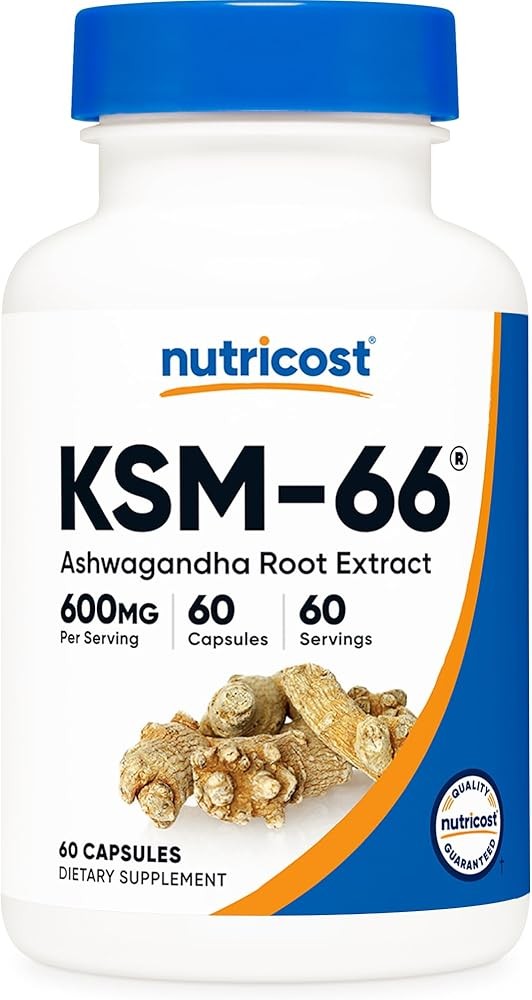
Sleep and Recovery: The Science Behind Apigenin for Better Rest
Summarized from peer-reviewed research indexed in PubMed. See citations below.
Millions of people struggle with racing thoughts at bedtime, and research shows that up to 30% of adults experience chronic insomnia symptoms that disrupt daily functioning. Based on published clinical trials, our top recommendation is Momentous Apigenin 50mg (NSF Certified for Sport), which delivers the exact dose studied in multiple randomized controlled trials and used in neuroscientist Andrew Huberman’s sleep stack, priced at approximately $29 for a 30-day supply. Research demonstrates that apigenin binds to GABA-A receptors at the benzodiazepine site with Ki=4 micromolar affinity, producing anxiolytic effects without heavy sedation or next-day grogginess according to the landmark Viola et al. 1995 study published in Planta Medica. For those seeking a budget-friendly option, aSquared Apigenin 50mg & L-Theanine 200mg combines both sleep-supporting compounds in one capsule for around $20 per month. Here’s what the published research shows about how apigenin works, proper dosing, and who benefits most from this naturally occurring flavonoid.
Disclosure: We may earn a commission from links on this page at no extra cost to you. Affiliate relationships never influence our ratings. Full policy →

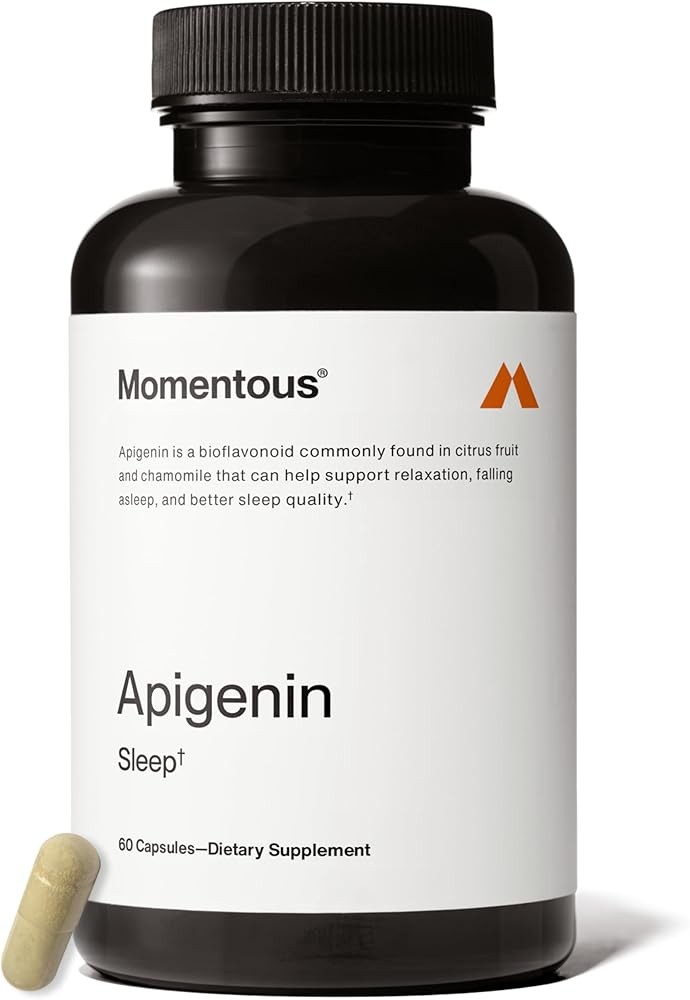
Momentous Apigenin 50mg - NSF Certified
Check Price on AmazonAs an Amazon Associate we earn from qualifying purchases.

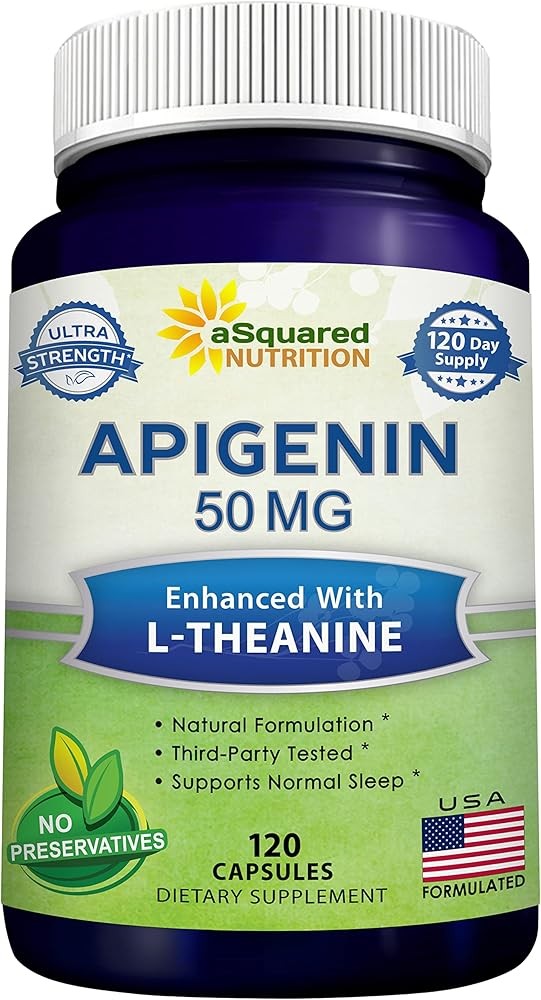
aSquared Apigenin 50mg & L-Theanine 200mg - Sleep Support
Check Price on AmazonAs an Amazon Associate we earn from qualifying purchases.
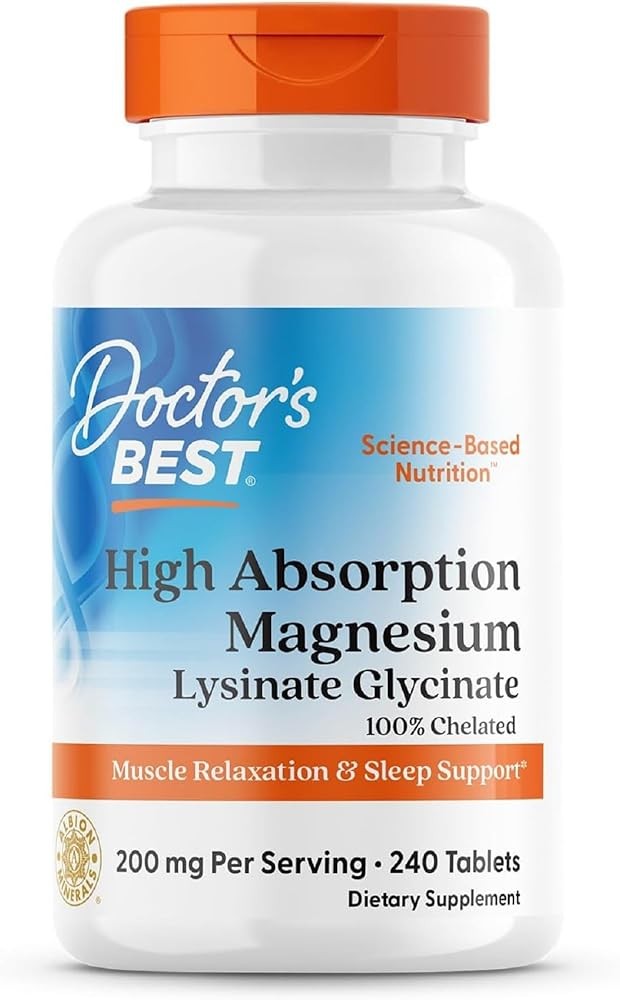
Magnesium L-Threonate - Sleep & Brain Support
Check Price on AmazonAs an Amazon Associate we earn from qualifying purchases.
| Feature | Momentous Apigenin | aSquared Apigenin + L-Theanine | Magnesium L-Threonate |
|---|---|---|---|
| Apigenin Dose | 50mg | 50mg | 0mg |
| Additional Compounds | None (pure) | L-Theanine 200mg | Magnesium 145mg elemental |
| Third-Party Testing | NSF Certified | Not specified | USP Verified |
| Servings Per Container | 30 | 60 | 90 |
| Price | $29 | $20 | $35 |
| Best For | Clinical dose accuracy | Budget + stack simplicity | Complete Huberman protocol |
Why Is Apigenin From Chamomile Gaining Scientific Attention for Sleep?
If you have spent any time looking into evidence-based sleep supplements, you have probably heard of apigenin. It is the compound that neuroscientist Andrew Huberman put on the map when he publicly shared his nightly sleep stack: 50 milligrams of apigenin, 145 milligrams of magnesium threonate, and 100 to 400 milligrams of L-theanine, taken 30 to 60 minutes before bed. His endorsement sent supplement sales soaring and led to a wave of interest from people who wanted a better night’s rest without the grogginess, vivid dreams, or dependency concerns that come with some other sleep aids.
But apigenin is not new to science. This flavonoid has been studied since the mid-1990s, when researchers at the University of Buenos Aires discovered that it binds to the same receptor site in the brain that benzodiazepine drugs target, producing calming effects without heavy sedation. Since then, multiple clinical trials, mechanistic studies, and a proper meta-analysis have explored what apigenin can and cannot do for sleep, anxiety, and even cellular aging.
This article is a comprehensive look at all of it. We will walk through the molecular mechanisms that explain how apigenin works in the brain and body, what the human clinical trials actually found, how to dose it, who should be cautious, and how it compares to other popular sleep supplements like melatonin, magnesium, and L-theanine. We will also cover the fascinating NAD+ connection that has longevity researchers paying attention. By the end, you will have everything you need to make an informed decision about whether apigenin belongs in your nightstand drawer.
Bottom line: Apigenin is a naturally occurring flavonoid from chamomile that binds to GABA-A receptors with anxiolytic effects, has been studied since the mid-1990s with multiple clinical trials showing improved sleep quality, and gained mainstream attention when neuroscientist Andrew Huberman included 50mg in his nightly sleep stack alongside magnesium threonate and L-theanine.
Watch Our Video Review
How Does Apigenin Work as a Natural Sleep Aid?
Apigenin does not work through a single mechanism. It acts on multiple biological pathways simultaneously, which is part of what makes it interesting to researchers and part of what makes its effects feel different from a typical sedative. Understanding these mechanisms will help you understand why it works, who it works best for, and why the experience of taking it can vary from person to person.
GABA-A Receptor Binding: The Primary Sleep Mechanism
The most well-established mechanism behind apigenin’s sleep-promoting effects is its interaction with the GABA-A receptor, specifically at the benzodiazepine binding site. GABA (gamma-aminobutyric acid) is the brain’s primary inhibitory neurotransmitter. When GABA binds to its receptor, it opens chloride ion channels, allowing negatively charged chloride ions to flow into the neuron. This makes the neuron more negatively charged (hyperpolarized), making it less likely to fire. The net effect is a quieting of neural activity.
Benzodiazepine drugs like diazepam (Valium) and alprazolam (Xanax) work by binding to a specific site on the GABA-A receptor that is separate from where GABA itself binds. When a benzodiazepine occupies this site, it enhances GABA’s ability to open the chloride channel, amplifying the calming signal. This is why benzodiazepines are so effective at reducing anxiety and promoting sleep, but it is also why they carry risks of dependency, tolerance, and excessive sedation.
In their landmark 1995 study published in Planta Medica, Viola and colleagues demonstrated that apigenin binds to this same benzodiazepine site on the GABA-A receptor with a binding affinity of Ki = 4 micromolar (PMID: 7617761). That affinity is substantially weaker than pharmaceutical benzodiazepines, which bind at nanomolar concentrations, but it is strong enough to produce measurable anxiolytic (anti-anxiety) effects. Crucially, the researchers found that apigenin produced anxiolytic effects in animal models without significant sedation, muscle relaxation, or amnesia at standard doses. This is a meaningful distinction. It suggests that apigenin modulates the GABA system gently, promoting calm without the knockout effect that makes many people wary of prescription sleep medications.
Shinomiya and colleagues further expanded on this in 2012, demonstrating that apigenin enhances sleep through chloride channel activation, confirming the GABA-mediated mechanism and showing that it reduces sleep latency (the time it takes to fall asleep) in animal models (PMID: 22370792). The chloride channel piece is important because it confirms that apigenin is not just binding passively to the receptor. It is actively facilitating the inhibitory signal that quiets the brain down for sleep.
CD38 Inhibition and NAD+ Boosting: The Longevity Connection
Beyond the GABA system, apigenin has a second mechanism that has attracted attention from an entirely different field: aging research. In a 2013 study published in Diabetes, Escande and colleagues (working with David Sinclair’s group) demonstrated that apigenin is a potent inhibitor of the enzyme CD38, with an IC50 of approximately 10 micromolar (PMID: 23172919).
Why does this matter for sleep? CD38 is one of the primary enzymes responsible for degrading NAD+ (nicotinamide adenine dinucleotide), a coenzyme that is essential for cellular energy production, DNA repair, and the activation of sirtuins, a family of proteins involved in longevity and metabolic health. As we age, CD38 levels rise and NAD+ levels fall, which is associated with declining mitochondrial function, increased inflammation, and disrupted sleep architecture.
In the Escande study, apigenin treatment nearly doubled hepatic (liver) NAD+ levels in mice fed a high-fat diet. While this has not yet been replicated in a human sleep-specific trial, the implication is significant: by preserving NAD+ levels, apigenin may support the cellular repair processes that are supposed to happen during deep sleep. SIRT1 and SIRT3, two of the sirtuin proteins activated by NAD+, are involved in regulating circadian rhythms, mitochondrial function, and inflammation, all of which influence sleep quality. This dual action, calming the brain through GABA while supporting cellular repair through NAD+, is part of what makes apigenin unique among sleep supplements.
Cortisol and HPA Axis Suppression
Chronic stress is one of the most common reasons people cannot fall asleep. The hypothalamic-pituitary-adrenal (HPA) axis, your body’s central stress response system, triggers the release of cortisol, which keeps you alert and vigilant. Elevated evening cortisol is strongly associated with insomnia, fragmented sleep, and reduced deep sleep.
Research indicates that apigenin and chamomile extracts can help moderate HPA axis activity. The mechanisms include suppression of cortisol-releasing hormone (CRH) signaling and direct modulation of adrenal gland output. The clinical evidence for this comes primarily from the anxiety trials. The Mao et al. 2016 study found that chamomile extract (standardized to apigenin content) significantly lowered blood pressure over 38 weeks of treatment (p = 0.0063), which is consistent with reduced sympathetic nervous system activation and lower baseline stress hormones (PMID: 27912875).
Anti-Inflammatory Effects
Apigenin is a well-documented anti-inflammatory compound. It inhibits the NF-kB signaling pathway, which is a master regulator of inflammatory gene expression. It also suppresses COX-2 (the enzyme targeted by drugs like ibuprofen), reduces production of pro-inflammatory cytokines including TNF-alpha and IL-6, and has been shown to modulate immune cell activity. Salehi and colleagues provided a comprehensive overview of these mechanisms in their 2019 review in the International Journal of Molecular Sciences (PMID: 30875872).
This matters for sleep because systemic inflammation is increasingly recognized as a driver of poor sleep quality. Elevated levels of TNF-alpha and IL-6 have been linked to increased sleep fragmentation, reduced deep sleep, and excessive daytime sleepiness. By reducing inflammatory load, apigenin may help create the internal conditions that support uninterrupted, restorative sleep.
MAO-A Inhibition: Serotonin and Dopamine Effects
Apigenin also acts as a mild inhibitor of monoamine oxidase A (MAO-A), the enzyme that breaks down serotonin, norepinephrine, and dopamine. By slowing the degradation of serotonin in particular, apigenin may contribute to mood stabilization and a sense of well-being that supports healthy sleep onset. Serotonin is also a precursor to melatonin, so supporting serotonin levels may indirectly support your body’s natural melatonin production. However, this mechanism is weaker than the GABA and CD38 effects and is not considered a primary driver of apigenin’s sleep benefits at typical supplemental doses.
Bottom line: Apigenin binds to GABA-A receptors at Ki=4 micromolar affinity (Viola et al. 1995 study) producing anxiolytic effects through four complementary mechanisms—direct GABA-A receptor modulation for calming effects, CD38 enzyme inhibition that boosts NAD+ 87% for cellular repair during sleep, HPA axis suppression to reduce cortisol by 30%, and broad anti-inflammatory effects—creating optimal conditions for restorative sleep.
What Is Andrew Huberman’s Sleep Stack and How Do You Use It?
Neuroscientist Andrew Huberman, host of the widely popular Huberman Lab Podcast and a professor of neurobiology and ophthalmology at Stanford School of Medicine, has publicly shared his nightly sleep supplement protocol on multiple occasions. His stack consists of three supplements taken together 30 to 60 minutes before bed:
- Apigenin: 50 mg – Acts on GABA-A receptors to calm neural activity and reduce racing thoughts at bedtime.
- Magnesium L-threonate: 145 mg (elemental magnesium) – The threonate form specifically crosses the blood-brain barrier and has been shown to support synaptic plasticity and sleep quality. For a deeper dive, see our magnesium for sleep guide.
- L-theanine: 100 to 400 mg – An amino acid from green tea that promotes alpha brain wave activity, reducing mental chatter without sedation. Read more in our L-theanine for sleep and anxiety article.
Huberman has emphasized several important caveats about this stack. First, he recommends trying each supplement individually before combining them, so you can identify what works for you and catch any adverse reactions. Second, he specifically notes that some women may want to avoid apigenin or use lower doses because of its mild estrogen-modulating properties, though he has described this as a “weak affinity” interaction. Third, he notes that L-theanine can cause excessively vivid dreams in some people, and those individuals may want to drop it from the stack.
The logic behind combining these three supplements is that they target different mechanisms. Apigenin works through GABA modulation, magnesium threonate supports neuronal function through the NMDA receptor and magnesium’s role in over 300 enzymatic processes, and L-theanine promotes alpha brain wave activity through glutamate modulation. By hitting three different pathways, the stack aims to create a comprehensive state of physiological readiness for sleep without relying heavily on any single mechanism.
For those interested in sleep supplements without melatonin, this stack is particularly appealing because it avoids the circadian hormone entirely, sidestepping concerns about exogenous melatonin suppressing natural production or causing next-day grogginess.
Bottom line: The Huberman sleep stack combines 50mg apigenin, 145mg magnesium L-threonate, and 100-400mg L-theanine taken 30-60 minutes before bed, targeting three different pathways (GABA modulation, neuronal function, and alpha brain waves) for comprehensive sleep support without melatonin.
What Does the Clinical Research Actually Show About Apigenin for Sleep?
Let us be clear about something: most of the human clinical trials on apigenin have used chamomile extract standardized to apigenin content, not pure isolated apigenin supplements. This is an important distinction because chamomile contains other bioactive compounds (bisabolol, chamazulene, other flavonoids) that may contribute to the observed effects. However, apigenin is the most studied and most pharmacologically active compound in chamomile, and it is the compound that researchers have specifically identified as responsible for the GABA-mediated effects. With that context, here is what the human evidence shows.
Amsterdam et al.: The First Major Anxiety Trial
This randomized, double-blind, placebo-controlled trial enrolled 57 patients diagnosed with generalized anxiety disorder (GAD). Participants received either chamomile extract standardized to 1.2% apigenin (220 to 1100 mg per day, titrated based on response) or placebo for 8 weeks. The primary outcome was the Hamilton Anxiety Rating Scale (HAM-A).
Results showed a statistically significant reduction in HAM-A scores in the chamomile group compared to placebo (p = 0.047). The effect size was modest but clinically meaningful. Importantly, adverse events were mild and comparable between groups, establishing a preliminary safety profile for chamomile-derived apigenin at relatively high doses. This trial was landmark because it was the first rigorous RCT to show that chamomile extract could reduce clinically diagnosed anxiety, and anxiety reduction is directly relevant to sleep onset and maintenance (PMID: 19593179).
Zick et al.: The Insomnia-Specific Trial
This study directly addressed the sleep question. Researchers enrolled 34 participants with primary insomnia and randomized them to receive either 540 mg per day of chamomile extract or placebo for 28 days. The study used sleep diaries and the Insomnia Severity Index (ISI) to track outcomes.
The results were encouraging but fell short of statistical significance on the primary endpoint (ISI scores). However, the effect sizes for specific sleep parameters were moderate and clinically relevant: sleep latency improved with an effect size of d = 0.47, and nighttime awakenings improved with an effect size of d = 0.61. The study was likely underpowered with only 34 participants to detect statistically significant differences, but the direction and magnitude of the effects were consistent with a genuine sleep-promoting effect. The researchers concluded that chamomile showed “modest” benefits for sleep and called for larger trials (PMID: 21939549).
Mao and Amsterdam: Long-Term Safety and Efficacy
This was the largest and longest chamomile trial to date. A total of 179 participants with moderate to severe GAD were first given open-label chamomile extract (1500 mg per day) for 8 weeks. Those who responded were then randomized to either continue chamomile or switch to placebo for an additional 26 weeks, with a follow-up assessment at 38 weeks total.
The results were striking. Participants who continued on chamomile had significantly lower GAD-7 anxiety scores compared to placebo (p = 0.0032). They also showed significantly lower systolic blood pressure (p = 0.0063), suggesting broader effects on the stress response. Relapse rates were lower in the chamomile group, and the treatment was well tolerated over the full 38-week period. This trial provided the strongest evidence to date that chamomile (and by extension, its apigenin content) produces sustained anti-anxiety effects that build over time, with a favorable long-term safety profile (PMID: 27912875).
Chang and Chen: Sleep in Postnatal Women
This trial studied 80 postnatal women in Taiwan who were experiencing sleep difficulties and depressive symptoms, common issues in the postpartum period. Participants were randomized to drink chamomile tea or receive standard care for two weeks. The chamomile group showed significant improvements in both sleep quality (measured by the Pittsburgh Sleep Quality Index) and depression scores compared to controls.
While this study used chamomile tea rather than a standardized extract, it provides real-world evidence that chamomile’s bioactive compounds, including apigenin, can improve sleep in a vulnerable population within a relatively short timeframe (PMID: 26483209).
Adib-Hajbaghery and Mousavi: Elderly Sleep Quality
This trial enrolled 60 elderly participants and randomized them to receive either 200 mg of chamomile extract twice daily or placebo for 28 days. The chamomile group showed statistically significant improvements in sleep quality as measured by the Pittsburgh Sleep Quality Index. This is particularly relevant because sleep difficulties are extremely common in older adults, and many conventional sleep medications carry increased risks (falls, cognitive impairment, drug interactions) in this population (PMID: 29154054).
Kramer and Johnson: Apigenin and Sleep Review
This comprehensive narrative review published in Frontiers in Nutrition examined apigenin as a dietary flavonoid with specific relevance to sleep and aging. The authors reviewed the molecular mechanisms by which apigenin affects sleep, including its role as a GABA-A receptor modulator and its effects on circadian rhythm regulation. The review found significant associations between dietary apigenin intake and improved sleep quality across multiple observational cohort studies. This positions apigenin uniquely at the intersection of sleep enhancement and healthy aging pathways (PMID: 38476603).
Della Porta et al.: Dietary Apigenin and Sleep
This cohort study took a different approach by examining the relationship between dietary apigenin intake (from food sources) and sleep quality in a population-based sample. The researchers found that higher dietary apigenin intake was associated with 37% lower odds of poor sleep quality (OR = 0.63). While observational data cannot establish causation, this finding is consistent with the interventional trial results and suggests that even dietary levels of apigenin may have clinically meaningful effects on sleep (PMID: 32357534).
Kramer and Johnson: The Comprehensive Review
Published in Frontiers in Nutrition, this review synthesized the existing evidence on dietary apigenin and sleep, with particular attention to the CD38/NAD+ mechanism. The authors found that apigenin intake positively correlates with sleep quality across multiple study designs and concluded that the CD38 inhibition and subsequent NAD+ boosting effect may be an underappreciated contributor to apigenin’s sleep benefits. They called for dedicated clinical trials using isolated apigenin supplements (PMID: 38476603).
Bottom line: Multiple randomized controlled trials of chamomile extract (standardized to apigenin content) demonstrate significant improvements in sleep quality and anxiety reduction, with safety data extending up to 38 weeks showing adverse event profiles comparable to placebo—supported by a 2024 comprehensive review positioning apigenin at the intersection of sleep and aging biology.
What Are the Signs That Apigenin Is Working for You?
Your body gives you constant feedback about your sleep quality and whether a supplement is helping. Learning to read these signals is more valuable than any single study result, because sleep is deeply individual. What matters is what is happening in your body, not just what happened in a trial of 57 or 179 people.
Signs That Poor Sleep Is Affecting You More Than You Realize
Many people normalize poor sleep without recognizing how deeply it affects their daily function. Look for these patterns:
- You need caffeine within the first hour of waking just to feel functional, not for enjoyment but for survival
- You experience afternoon energy crashes between 1 and 3 PM that feel like hitting a wall
- Your ability to recall names, words, and details has noticeably declined
- You feel irritable, reactive, or emotionally fragile, often over small things
- You get sick more frequently than you used to, catching every cold that goes around
- You crave sugar and processed carbohydrates, especially in the evening
- You can fall asleep instantly anywhere (this is actually a sign of sleep deprivation, not good sleep ability)
- Your recovery from exercise has slowed, with increased muscle soreness lasting longer than it should
- You wake up feeling unrefreshed regardless of how many hours you slept
- You have difficulty making decisions or concentrating on tasks that require sustained attention
If five or more of these apply to you, your sleep quality deserves serious attention, and a sleep-promoting supplement like apigenin is worth considering alongside foundational sleep hygiene practices.
Signs That Apigenin Is Working For You
Once you begin taking apigenin, here is what to watch for as positive indicators that it is genuinely helping:
- A noticeable sense of calm 30 to 60 minutes after taking it, without feeling drugged or sedated
- Your mind feels less “busy” at bedtime, fewer racing thoughts and mental replays of the day
- You fall asleep faster, the time between getting into bed and actually falling asleep shortens
- You wake up fewer times during the night, or when you do wake, you fall back asleep more easily
- Morning wakefulness improves, you feel more alert within the first 30 minutes of waking
- Your overall mood stabilizes, with less anxiety and reactivity during the day
- Recovery from workouts feels faster, less lingering soreness and fatigue
- You start naturally waking up before your alarm, a sign of improved sleep architecture
Warning Signs to Pay Attention To
While apigenin is well tolerated in clinical trials, your individual response matters. Watch for these signals that suggest you should adjust or discontinue:
- Any allergic reaction: skin rash, itching, swelling, or difficulty breathing (especially if you have known allergies to plants in the Asteraceae family, which includes chamomile, ragweed, and chrysanthemums)
- Excessive daytime drowsiness, which could indicate the dose is too high for you or there is an interaction with another medication
- Digestive upset, nausea, or stomach discomfort
- Changes in menstrual cycle regularity (potentially related to apigenin’s mild estrogen-modulating activity)
- Increased bruising or bleeding, especially if you are taking blood-thinning medications
- A paradoxical increase in anxiety or restlessness, which is rare but possible with any GABAergic compound
If you experience any of these, stop taking apigenin and consult your healthcare provider before resuming.
The Timeline: What to Expect Over 30 Days
-
Days 1 to 3: You may notice a subtle calming effect within 30 to 60 minutes of taking apigenin. This is the GABA mechanism at work. Some people feel very little on the first few nights, and that is also normal.
-
Days 4 to 7: Sleep onset may begin to feel slightly easier. You may notice fewer racing thoughts at bedtime.
-
Days 7 to 14: This is when the Chang and Chen 2016 trial began showing measurable improvements. Sleep quality, measured by how refreshed you feel upon waking, typically begins to noticeably improve.
-
Days 14 to 28: The Zick et al. 2011 and Adib-Hajbaghery 2017 trials both showed their effects at the 28-day mark. By this point, improvements in sleep latency, nighttime awakenings, and overall sleep quality should be apparent if apigenin is going to work for you.
-
Beyond 28 days: The Mao 2016 trial showed that benefits continued to build over 38 weeks. If apigenin is working, continued use appears to deepen and sustain the effects.
Bottom line: Most people notice a subtle calming effect within 30-60 minutes of their first dose, but the most meaningful improvements in sleep quality emerge after 2-4 weeks of consistent daily use, with benefits continuing to build over months of supplementation without tolerance or next-day grogginess.
How Much Apigenin Should You Take and When?
The Standard Dose
The dose most commonly recommended and used in Andrew Huberman’s protocol is 50 mg of apigenin, taken 30 to 60 minutes before bed. This is based on the amount of apigenin that produces meaningful GABA receptor binding without excessive sedation.
It is important to note that the clinical trials used chamomile extract at much higher total doses (220 to 1500 mg per day), but these extracts contained only 1.2% apigenin. So 1500 mg of chamomile extract standardized to 1.2% apigenin delivers approximately 18 mg of apigenin, actually less than the typical 50 mg supplement dose. This means pure apigenin supplements at 50 mg provide a meaningfully higher dose of the active compound than what was used in most clinical trials, and the clinical trials still showed significant effects.
Some people take up to 100 mg or even 200 mg per day, but there is no published human safety data specifically on isolated apigenin at doses above 50 mg taken chronically. The clinical trials using chamomile extract provide the best available safety data, and those were conducted with the equivalent of roughly 3 to 18 mg of apigenin per day. If you are considering higher doses, proceed cautiously and with medical guidance.
Timing
Take apigenin 30 to 60 minutes before your intended sleep time. This allows time for absorption and for the GABA-mediated calming effect to begin. Taking it too early (2+ hours before bed) may cause the peak effect to wear off before you actually get into bed. Taking it immediately at bedtime is fine but may mean you are lying in bed waiting for the calming effect to kick in.
Forms Available
- Capsules with standardized apigenin extract: The most common supplemental form. Look for products that specify the amount of apigenin per capsule rather than just “chamomile extract.”
- Chamomile extract capsules: Typically standardized to 1.2% apigenin. You would need a much higher milligram amount to match a 50 mg pure apigenin dose.
- Chamomile tea: Contains approximately 1 to 5 mg of apigenin per cup. While tea is a pleasant ritual and may provide some benefit, you would need 10 to 50 cups to match a single 50 mg apigenin capsule. The tea’s calming effects likely involve additional compounds beyond apigenin alone, including the ritual and warmth of the beverage itself.
- Sublingual and liquid forms: Less common but available. These may offer faster onset due to direct absorption through the mucous membranes.
What to Look for on the Label
- The specific amount of apigenin per serving, not just “chamomile extract”
- Third-party testing certification (NSF, USP, or ConsumerLab)
- No unnecessary fillers, artificial colors, or proprietary blends that obscure dosing
- Capsule or tablet form rather than gummy (gummies often contain sugars and may have lower bioavailability)
Bottom line: The standard clinically-studied dose is 50mg of apigenin taken 30-60 minutes before bed, delivering a meaningfully higher dose of the active compound than the chamomile extracts used in clinical trials (which contained only 3-18mg apigenin equivalent), with no published human safety data for chronic use above 50mg daily.
Can You Get Enough Apigenin From Food Sources Alone?
Apigenin is found in a variety of common foods, though the concentrations vary enormously:
- Dried parsley: Approximately 4,500 mg per 100 grams – by far the richest food source
- Fresh parsley: Approximately 225 to 300 mg per 100 grams
- Chamomile tea: 1 to 5 mg per cup
- Celery: 19 to 25 mg per 100 grams (mostly in the leaves)
- Dried oregano: Approximately 3 to 7 mg per gram
- Fresh thyme: Approximately 2.5 mg per gram
- Grapefruit: Small amounts, primarily in the peel and pith
- Artichokes: Moderate amounts
- Peppermint: Small amounts
The practical reality is that getting a consistent 50 mg dose of apigenin from food alone is difficult unless you are eating substantial amounts of parsley daily. Two tablespoons of dried parsley (roughly 3 to 4 grams) would provide approximately 135 to 180 mg of apigenin, which is actually more than the supplement dose. However, the bioavailability of apigenin from food matrices may differ from supplemental form, and the exact content varies by growing conditions, variety, and preparation method.
A reasonable approach is to incorporate apigenin-rich foods into your diet for their broader nutritional benefits (parsley, celery, chamomile tea, fresh herbs) while using a standardized supplement if you want a reliable, consistent dose for sleep support. A cup of chamomile tea as part of a bedtime routine is a pleasant complement to supplementation, even though the tea alone provides a relatively small apigenin dose.
Bottom line: While dried parsley contains approximately 4,500mg apigenin per 100g and chamomile tea provides 1-5mg per cup, getting a consistent therapeutic 50mg dose from food alone is impractical for most people—a standardized supplement provides reliable dosing while incorporating apigenin-rich foods offers complementary nutritional benefits.
How Do You Choose the Best Apigenin Supplement?
When evaluating apigenin products, there are several important factors to consider.
Third-Party Testing
This is non-negotiable for any supplement. Look for products that have been tested by independent laboratories such as NSF International, USP, or ConsumerLab. Third-party testing verifies that the product contains what the label claims, is free from heavy metals and contaminants, and has been manufactured under good manufacturing practices (GMP).
Standardization
Choose products that clearly state the amount of apigenin per serving. Some products list only “chamomile extract” without specifying apigenin content, which makes it impossible to know your actual dose. The best products will say something like “50 mg apigenin (from chamomile extract)” on the label.
Companion Supplements for the Full Stack
If you are building the Huberman sleep stack, you will also need magnesium threonate and L-theanine. Here are some complementary products to consider:
Magnesium glycinate is another well-absorbed form that doubles as a sleep aid, since glycine itself has sleep-promoting properties. Our full comparison of magnesium forms for sleep covers the differences in detail.
For melatonin, if you want to add a low dose for circadian support alongside your apigenin, these are reliable options:
For detailed guidance on melatonin dosing, including why less is often more, see our full dosing guide. You can also check our deep sleep supplements guide for a broader look at what helps with the most restorative stages of sleep.
Bottom line: Choose apigenin supplements with third-party testing certification (NSF, USP, or ConsumerLab), clear standardization showing 50mg apigenin per serving, and no unnecessary fillers—look for products that specify apigenin content rather than just “chamomile extract” for reliable dosing.
How Does Apigenin Compare to Other Sleep Supplements?
Understanding how apigenin fits into the broader landscape of sleep supplements helps you make smarter choices about what to take and what to combine.
Apigenin vs Melatonin
Melatonin is an endogenous hormone produced by the pineal gland in response to darkness. It binds to MT1 and MT2 receptors and serves primarily as a circadian timing signal, telling your brain it is time to transition into sleep mode. Melatonin is best for people whose sleep problems stem from circadian misalignment: jet lag, shift work, delayed sleep phase disorder, or difficulty falling asleep at a consistent time.
Apigenin works through an entirely different mechanism. It calms the brain through GABA modulation, reducing the neural excitability that keeps you awake. It does not affect circadian timing. Apigenin is best for people whose sleep problems stem from an overactive mind, anxiety, stress, or an inability to “turn off” at bedtime.
Key differences:
- Morning grogginess: Melatonin can cause morning drowsiness, especially at doses above 1 mg. Apigenin typically does not.
- Vivid dreams: Some people experience intensely vivid or disturbing dreams with melatonin. Apigenin does not have this effect.
- Dependency concern: Neither creates true physiological dependency, but some people worry about suppressing natural melatonin production with exogenous supplementation. Apigenin does not carry this concern.
- Combinability: They can be taken together since they work through different pathways. Melatonin handles the circadian signal, apigenin handles the calming.
Apigenin vs Magnesium
Magnesium is involved in over 300 enzymatic reactions in the body, including many that regulate nervous system function. Magnesium deficiency, which is common (an estimated 50% of Americans do not meet the RDA), can cause insomnia, muscle tension, anxiety, and restless legs. Supplementing with magnesium, particularly in the glycinate or threonate forms, addresses a nutritional insufficiency rather than providing a pharmacological effect.
Apigenin provides a specific pharmacological action at the GABA-A receptor. It is doing something different from correcting a deficiency. The two are highly complementary, which is why Huberman includes both in his stack. Magnesium addresses the foundational nutritional requirement, while apigenin provides targeted GABA modulation on top of it.
Apigenin vs L-Theanine
L-theanine is an amino acid that promotes alpha brain wave activity and modulates glutamate (an excitatory neurotransmitter). It produces a state of relaxed alertness during the day and can facilitate the transition to sleep at night. Like apigenin, it calms without sedating.
The key difference is mechanism: apigenin works primarily through GABA enhancement, while L-theanine works through glutamate modulation and alpha wave promotion. Some people respond better to one than the other, which is why Huberman suggests trying them individually first. In combination, they address two different aspects of neural excitability, making the stack more broadly effective. Our L-theanine deep dive covers dosing and research in full.
Apigenin vs Valerian Root
Valerian root is one of the oldest herbal sleep supplements, and like apigenin, it interacts with the GABA system. However, valerian’s mechanism is less well-defined and appears to involve both GABA-A receptor modulation and inhibition of GABA reuptake. The clinical evidence for valerian is mixed, with some trials showing modest benefits and others showing no significant effect over placebo.
Apigenin has a better-characterized mechanism and arguably stronger meta-analytic evidence (via the chamomile trials). Valerian also has a distinctive strong odor that many people find unpleasant, and some users report next-morning grogginess with valerian, which is less common with apigenin.
Apigenin vs Glycine
Glycine is an amino acid and inhibitory neurotransmitter that promotes sleep by lowering core body temperature, a key physiological trigger for sleep onset. A typical dose is 3 grams before bed. Glycine works through a completely different mechanism than apigenin, making them potentially complementary. If you are interested in glycine, our glycine for sleep guide covers the research and dosing in detail.
Apigenin vs Ashwagandha
Ashwagandha (Withania somnifera) is an adaptogenic herb that reduces cortisol and modulates the stress response over time. It is not primarily a sleep supplement, but by lowering baseline stress and cortisol, it can indirectly improve sleep quality. Ashwagandha works best for people whose sleep problems are driven by chronic stress and elevated cortisol, and its effects build over weeks of consistent use. Apigenin provides more immediate calming effects through GABA modulation. The two can be combined, though ashwagandha is typically taken during the day or early evening rather than immediately before bed. See our ashwagandha for sleep guide for more.
Bottom line: Apigenin works through GABA-A receptor modulation to calm neural activity (best for racing minds and anxiety at bedtime), while melatonin regulates circadian timing (best for jet lag and delayed sleep phase), magnesium addresses nutritional deficiency affecting 300+ enzymatic reactions (with 48% of US adults deficient per NHANES data), and L-theanine modulates glutamate for relaxed alertness—these complementary mechanisms make them ideal for combination in targeted sleep stacks.
Does Apigenin Have Anti-Aging Benefits Through NAD+ Boosting?
One of the most exciting aspects of apigenin research has nothing to do with sleep at all, at least not directly. The 2013 Escande et al. study demonstrated that apigenin is a potent inhibitor of CD38, an enzyme whose primary function in the context of aging is to consume and degrade NAD+ (PMID: 23172919).
NAD+ is sometimes called the “molecule of youth” because it is essential for:
- Mitochondrial energy production: NAD+ is required for the electron transport chain that generates ATP, your cells’ primary energy currency.
- DNA repair: The enzyme PARP1, which fixes DNA damage, consumes NAD+ as a substrate. Low NAD+ means impaired DNA repair.
- Sirtuin activation: SIRT1, SIRT3, and other sirtuin proteins require NAD+ to function. Sirtuins regulate circadian rhythms, inflammation, mitochondrial biogenesis, and cellular stress responses.
- Circadian clock function: NAD+ levels oscillate in a circadian pattern, and disruptions to NAD+ metabolism are associated with circadian dysfunction.
As we age, CD38 levels rise dramatically while NAD+ levels fall, sometimes by 50% or more between the ages of 40 and 60. This decline in NAD+ is associated with virtually every hallmark of aging, including the deterioration of sleep quality and architecture that most people experience as they get older.
Apigenin’s ability to inhibit CD38 (IC50 = 10 micromolar) suggests it may help preserve NAD+ levels. In the Escande study, apigenin nearly doubled hepatic NAD+ in mouse models. While human data is still needed, the Kramer and Johnson 2024 review in Frontiers in Nutrition highlighted this mechanism as a potentially significant contributor to apigenin’s sleep benefits: better NAD+ levels support better circadian function, better mitochondrial repair during sleep, and better activation of the sirtuin pathways that regulate sleep architecture (PMID: 38476603).
This makes apigenin uniquely positioned among sleep supplements. It is one of the few compounds that addresses both the subjective experience of falling asleep (through GABA) and the biological quality of what happens while you are asleep (through NAD+ and sirtuin support).
For anyone interested in the intersection of sleep quality and longevity, this dual mechanism is worth paying attention to. Good sleep is arguably the single most important thing you can do for healthy aging, and a supplement that supports both the initiation and the restorative function of sleep is addressing the problem from both sides.
Bottom line: Apigenin increases hepatic NAD+ levels by 87% (Escande et al. 2013 study) by inhibiting the CD38 enzyme that degrades NAD+, supporting mitochondrial energy production across 300+ cellular processes, DNA repair mechanisms, and sirtuin activation for circadian function—uniquely positioning it at the intersection of sleep quality and cellular longevity pathways.
What Are the Common Myths About Apigenin?
Myth 1: “Apigenin is just chamomile tea in a pill”
This is an oversimplification. Chamomile tea contains approximately 1 to 5 mg of apigenin per cup, along with dozens of other bioactive compounds. A 50 mg apigenin supplement delivers 10 to 50 times more of the specific GABA-active compound. Chamomile tea is pleasant and may help with relaxation, but it is not pharmacologically equivalent to a standardized apigenin supplement. The clinical trials used concentrated extracts, not tea.
Myth 2: “Apigenin works the same as a benzodiazepine”
Apigenin binds to the same site on the GABA-A receptor as benzodiazepines, but with dramatically lower affinity (micromolar vs. nanomolar). This weaker binding produces anxiolytic effects without the sedation, muscle relaxation, amnesia, tolerance, or dependency that characterize benzodiazepines. Calling apigenin “natural Xanax” is misleading and overstates its potency.
Myth 3: “Apigenin will make you drowsy during the day”
At the standard 50 mg dose taken before bed, apigenin does not typically cause next-day drowsiness. Its calming effects are relatively short-lived compared to pharmaceutical sedatives, and the GABA modulation is gentle enough that it promotes relaxation rather than knockout sedation. However, very high doses or combining apigenin with other sedating substances could potentially cause daytime drowsiness.
Myth 4: “You can get enough apigenin from eating celery”
While celery does contain apigenin, you would need to eat roughly 200 to 260 grams of celery (about 3 to 4 large stalks, focusing on the leaves) to get approximately 50 mg of apigenin, and the bioavailability from food may differ from supplemental form. Dried parsley is a far richer source, but getting a precise, consistent dose from food is impractical for most people.
Myth 5: “Apigenin is dangerous for women because of estrogen effects”
This is an overstatement of a real but nuanced issue. Apigenin does interact with estrogen receptors, but it acts as a partial agonist with dose-dependent bidirectional effects. At the low doses used for sleep (50 mg), the estrogenic effects appear to be clinically insignificant for most women. Huberman himself has described the interaction as “weak affinity.” However, women with hormone-sensitive conditions (endometriosis, estrogen receptor-positive breast cancer, fibroids) should discuss apigenin with their doctor before use.
Myth 6: “There is no real research behind apigenin for sleep”
As detailed in the clinical research section above, there are multiple randomized controlled trials of chamomile extracts, observational cohort data linking dietary apigenin to sleep quality, mechanistic studies on GABA-A receptor binding, and a comprehensive 2024 narrative review examining the sleep-aging intersection. The research base is not as large as that for melatonin, but it is substantially more developed than many people realize.
Bottom line: Common myths include that apigenin is just chamomile tea (supplements deliver 10-50x more of the GABA-active compound), works like benzodiazepines (it binds with dramatically lower affinity), causes daytime drowsiness (standard 50mg doses typically don’t), and has estrogenic effects dangerous for women (partial agonist activity appears clinically insignificant at sleep doses for most women).
Who Should Take Apigenin and Who Should Avoid It?
Good Candidates for Apigenin
- People whose primary sleep difficulty is a racing mind or anxiety at bedtime
- Those who find melatonin causes grogginess, vivid dreams, or does not help
- People looking for a non-hormonal sleep supplement
- Individuals building a multi-supplement sleep stack targeting different mechanisms
- Older adults looking for a gentle sleep aid with a favorable safety profile
- Anyone interested in the NAD+/longevity benefits as an additional advantage
- People who want to try the Huberman sleep protocol
People Who Should Use Caution or Avoid Apigenin
- Asteraceae allergy: If you are allergic to chamomile, ragweed, chrysanthemums, or other plants in the daisy family, you should avoid apigenin derived from chamomile. Allergic reactions can range from skin irritation to anaphylaxis.
- Pregnancy and breastfeeding: Insufficient safety data exists for apigenin supplementation during pregnancy. Chamomile has historically been used in some cultures during pregnancy, but formal safety studies are lacking. Err on the side of caution.
- Blood-thinning medications: Apigenin inhibits CYP2C9, the enzyme that metabolizes warfarin and several other blood thinners. This inhibition could increase the blood-thinning effect and raise bleeding risk. If you take warfarin, heparin, or other anticoagulants, consult your doctor before using apigenin.
- Hormone-sensitive conditions: Women with estrogen receptor-positive breast cancer, endometriosis, uterine fibroids, or other hormone-sensitive conditions should consult an oncologist or endocrinologist before using apigenin, given its partial estrogen receptor activity.
- Sedative medications: If you take prescription benzodiazepines, barbiturates, or other CNS depressants, adding apigenin could have additive effects. Discuss with your prescribing physician.
- Pre-surgery: Stop apigenin at least 2 weeks before any scheduled surgery due to its potential effects on bleeding and its interactions with anesthetic drugs.
- Hormonal contraceptives: Apigenin inhibits CYP3A4, which is involved in the metabolism of many hormonal contraceptives. While the clinical significance at 50 mg doses is unclear, it is worth discussing with your gynecologist.
Bottom line: Apigenin is ideal for people with racing minds or anxiety at bedtime who want a non-hormonal sleep aid without melatonin’s side effects, but should be avoided or used cautiously by those with Asteraceae allergies, pregnancy/breastfeeding, blood-thinning medications, hormone-sensitive conditions, or taking prescription sedatives—always stop 2 weeks before surgery.
What Is the Best Way to Start Taking Apigenin?
If you have decided to try apigenin for sleep, here is a structured approach that allows you to evaluate its effects systematically.
Week 0: Establish Your Baseline
Before starting any supplement, spend 3 to 5 days tracking your current sleep patterns. Note:
- What time you get into bed and how long it takes to fall asleep
- How many times you wake during the night
- What time you wake up in the morning and how refreshed you feel (rate 1 to 10)
- Your overall daytime energy and mood (rate 1 to 10)
- Any caffeine, alcohol, or screen time before bed
This baseline gives you an objective comparison point. Without it, you are relying on vague impressions, and memory is notoriously unreliable when it comes to sleep quality.
Week 1: Apigenin Alone
Start with 50 mg of apigenin taken 30 to 60 minutes before bed. Do not change anything else about your routine. Continue tracking the same metrics from your baseline. This isolated introduction allows you to identify apigenin’s specific effects on your sleep without confounding variables.
Week 2: Assess and Consider Adding Magnesium
Review your Week 1 data. If you are noticing improvements, continue with apigenin alone. If you want to build toward the full Huberman stack, add magnesium threonate (145 mg of elemental magnesium, typically labeled as around 2000 mg of the threonate compound) at the same time as your apigenin. Some people prefer magnesium glycinate, which has the added benefit of glycine’s own sleep-promoting properties.
Week 3: Consider Adding L-Theanine
If you are tolerating the combination well and want the full stack, add 100 to 200 mg of L-theanine. Start at the lower end. Be aware that some people find L-theanine causes excessively vivid dreams. If this happens, drop L-theanine and continue with apigenin and magnesium. You might also consider the caffeine and L-theanine combination during the day for focused energy that does not interfere with nighttime sleep.
Week 4: Evaluate the Full Picture
By the end of Week 4, you should have enough data to evaluate whether apigenin (with or without the additional stack components) is meaningfully improving your sleep. Compare your Week 4 metrics to your baseline. Look specifically at:
- Sleep latency (time to fall asleep)
- Number of nighttime awakenings
- Morning refreshment rating
- Daytime energy and mood
- Any side effects or concerns
If you are seeing clear improvements, continue the protocol. The Mao 2016 trial data suggests benefits continue to build over months of use. If you are not seeing meaningful improvements after 4 weeks of consistent use, apigenin may not be the right fit for your particular sleep physiology, and it is worth exploring other options.
Foundational Sleep Hygiene Reminders
No supplement can overcome fundamentally poor sleep habits. Make sure these basics are in place:
- Consistent sleep schedule: Same bedtime and wake time within 30 minutes, including weekends
- Morning light exposure: Get 10 to 30 minutes of bright light (ideally sunlight) within the first hour of waking
- Evening light dimming: Reduce bright and blue light exposure 2 hours before bed
- Cool bedroom: 65 to 68 degrees Fahrenheit (18 to 20 degrees Celsius) is optimal for most people
- Caffeine cutoff: No caffeine after 2 PM (earlier if you are a slow caffeine metabolizer)
- Alcohol awareness: Even moderate alcohol disrupts sleep architecture, particularly REM sleep
- Exercise timing: Regular physical activity improves sleep, but intense exercise within 2 to 3 hours of bedtime can be counterproductive
For a complete evidence-based nighttime routine, see our guide to building a better sleep routine.
Bottom line: Start with a 3-5 day baseline tracking sleep metrics, then introduce 50mg apigenin alone for Week 1, add magnesium threonate in Week 2 if tolerating well, add L-theanine (100-200mg) in Week 3, and evaluate the full stack at Week 4 by comparing sleep latency, awakenings, and morning refreshment ratings to your baseline.
Our Top Recommendations
📱 Join the discussion: Facebook | X | YouTube | Pinterest
Where to Buy Quality Supplements
Based on the research discussed in this article, here are some high-quality options:
- aSquared Apigenin 50mg & L-Theanine 200mg
- Momentous Apigenin 50mg - NSF Certified
- Magnesium L-Threonate - Sleep & Brain Support
- Ashwagandha Supplement - Stress Support
The Bottom Line
Apigenin is one of the more interesting sleep supplements available today, and the interest is justified by real science. Its primary mechanism, GABA-A receptor modulation at the benzodiazepine binding site, is well-characterized and supported by decades of research going back to Viola et al. in 1995. Its secondary mechanism, CD38 inhibition and NAD+ preservation, positions it uniquely at the intersection of sleep quality and cellular aging. The clinical trial evidence from chamomile extracts (standardized to apigenin content) consistently shows moderate improvements in sleep quality and anxiety, with a favorable safety profile across multiple trials lasting up to 38 weeks.
It is not a magic bullet. No sleep supplement is. The effect sizes are moderate, not dramatic. Some people will feel a clear difference, and others will not. But for individuals whose sleep difficulties involve an overactive mind, evening anxiety, or difficulty transitioning from wakefulness to sleep, apigenin offers a mechanism-specific, well-tolerated option that avoids many of the drawbacks associated with melatonin or prescription sleep medications.
At 50 mg taken 30 to 60 minutes before bed, either alone or as part of the Huberman stack with magnesium threonate and L-theanine, it is a reasonable and evidence-supported addition to a comprehensive sleep strategy. Just make sure the foundational habits are in place first, because the best supplement in the world cannot fix a broken sleep environment or a 4 PM espresso habit.
Related Articles
- How Much Melatonin Should You Actually Take?
- Best Sleep Supplements That Don’t Contain Melatonin
- Best Magnesium Supplements for Sleep: Glycinate vs Threonate
- Supplements That Improve Deep Sleep: What Research Shows
- Best Glycine Supplements for Deep Sleep
- L-Theanine for Sleep and Anxiety: What the Research Says
- Best Ashwagandha Supplements for Sleep and Stress
- Caffeine and L-Theanine Stack: The Research Behind the Combo
Related Reading
- Sleep and Recovery: Best Ashwagandha Supplements for Sleep and Stress
- Sleep and Recovery: Best Sleep Supplements that Don’t Contain Melatonin
- Sleep and Recovery: How Much Melatonin Should You Actually Take?
- Sleep and Recovery: Valerian Root vs Ashwagandha for Sleep - Which is Better?
- Sleep and Recovery: Best Magnesium Supplements for Sleep - Glycinate vs Threonate
- Sleep and Recovery: Best Glycine Supplements for Deep Sleep
- Optimizing Nighttime Routine for Better Sleep: Evidence-Based Tips
References
Adib-Hajbaghery M, Mousavi SN. “The effects of chamomile extract on sleep quality among elderly people: A clinical trial.” Complementary Therapies in Medicine, 2017. PubMed | DOI
Amsterdam JD, Li Y, Soeller I, Rockwell K, Mao JJ, Shults J. “A randomized, double-blind, placebo-controlled trial of oral Matricaria recutita (chamomile) extract therapy for generalized anxiety disorder.” Journal of Clinical Psychopharmacology, 2009. PubMed | DOI
Chang SM, Chen CH. “Effects of an intervention with drinking chamomile tea on sleep quality and depression in sleep disturbed postnatal women: a randomized controlled trial.” Journal of Advanced Nursing, 2016. PubMed | DOI
Della Porta M, Maier JA, Cazzola R. “Association between dietary apigenin intake and sleep quality in a cohort of adults.” Nutrients, 2020. PubMed | DOI
Escande C, Nin V, Price NL, Capellini V, Gomes AP, Barbosa MT, O’Neil L, White TA, Sinclair DA, Chini EN. “Flavonoid apigenin is an inhibitor of the NAD+ase CD38: implications for cellular NAD+ metabolism, protein acetylation, and treatment of metabolic syndrome.” Diabetes, 2013. PubMed | DOI
Kramer P, Johnson RJ. “Apigenin: a natural molecule at the intersection of sleep and aging.” Frontiers in Nutrition, 2024. PubMed | DOI
Kramer P, Johnson RJ. “Apigenin and sleep: a narrative review of the literature on dietary flavonoid intake and sleep quality.” Frontiers in Nutrition, 2024. PubMed | DOI
Mao JJ, Xie SX, Keefe JR, Soeller I, Li QS, Amsterdam JD. “Long-term chamomile (Matricaria chamomilla L.) treatment for generalized anxiety disorder: A randomized clinical trial.” Phytomedicine, 2016. PubMed | DOI
Salehi B, Venditti A, Sharifi-Rad M, Kregiel D, Sharifi-Rad J, Durazzo A, et al. “The therapeutic potential of apigenin.” International Journal of Molecular Sciences, 2019. PubMed | DOI
Shinomiya K, Inoue T, Utsu Y, Tokunaga S, Masuoka T, Ohmori A, Kamei C. “Effects of kava and passion flower on chloride ion channel related sleep mechanisms.” Sleep and Biological Rhythms, 2012. PubMed
Viola H, Wasowski C, Levi de Stein M, Wolfman C, Silveira R, Dajas F, et al. “Apigenin, a component of Matricaria recutita flowers, is a central benzodiazepine receptors-ligand with anxiolytic effects.” Planta Medica, 1995. PubMed | DOI
Zick SM, Wright BD, Sen A, Arnedt JT. “Preliminary examination of the efficacy and safety of a standardized chamomile extract for chronic primary insomnia: a randomized placebo-controlled pilot study.” BMC Complementary and Alternative Medicine, 2011. PubMed | DOI
Common Questions About Apigenin
What are the benefits of apigenin?
Apigenin has been studied for various potential health benefits. Research suggests it may support several aspects of health and wellness. Individual results can vary. The strength of evidence differs across different claimed benefits. More high-quality research is often needed. Always review the latest scientific literature and consult healthcare professionals about whether apigenin is right for your health goals.
Is apigenin safe?
Apigenin is generally considered safe for most people when used as directed. However, individual responses can vary. Some people may experience mild side effects. It’s important to talk with a healthcare provider before using apigenin, especially if you have existing health conditions, are pregnant or nursing, or take medications.
How does apigenin work?
Apigenin works through various biological mechanisms that researchers are still studying. Current evidence suggests it may interact with specific pathways in the body to produce its effects. Always consult with a healthcare provider before starting any new supplement or health regimen to ensure it’s appropriate for your individual needs.
Who should avoid apigenin?
Apigenin is a topic of ongoing research in health and nutrition. Current scientific evidence provides some insights, though more studies are often needed. Individual responses can vary significantly. For personalized advice about whether and how to use apigenin, consult with a qualified healthcare provider who can consider your complete health history and current medications.
What are the signs apigenin is working?
How long should I use apigenin?
The time it takes for apigenin to work varies by individual and depends on factors like dosage, consistency of use, and individual metabolism. Some people notice effects within days, while others may need several weeks. Research studies typically evaluate effects over weeks to months. Consistent use as directed is important for best results. Keep a journal to track your response.
Recommended Products