Sleep and Recovery: Best Ashwagandha Supplements for Sleep and Stress
Summarized from peer-reviewed research indexed in PubMed. See citations below.
Chronic stress disrupts your HPA axis and keeps evening cortisol elevated, blocking natural melatonin production and creating the “wired but tired” pattern that leaves you exhausted yet unable to sleep. The most effective ashwagandha supplement for sleep and stress is Nutricost KSM-66 Ashwagandha delivering 600mg daily, which contains the exact dose used in the Langade 2021 clinical trial showing significant improvements in sleep onset latency, total sleep time, and sleep efficiency via objective actigraphy over 8 weeks. This dose works because it reduces cortisol by up to 30% through HPA axis regulation while directly activating GABA-A receptors with 27x greater affinity than standard GABA signaling, addressing both the stress cause and the sleep symptom simultaneously. For budget-conscious buyers, Swanson KSM-66 Ashwagandha offers the same 600mg research-backed dose at a lower price point of approximately $12 per bottle. Here’s what the published research shows about ashwagandha’s four distinct sleep-promoting mechanisms and how to choose the right extract for your specific insomnia pattern.
Disclosure: We may earn a commission from links on this page at no extra cost to you. Affiliate relationships never influence our ratings. Full policy →
Why Should You Consider Ashwagandha for Sleep? The Stress-Sleep Connection Most People Miss
If you have ever lain in bed completely exhausted but unable to fall asleep, you already understand the cruelest paradox of modern life: being too stressed to sleep, and too sleep-deprived to handle stress. This is not a willpower failure. It is a measurable biological pattern involving your hypothalamic-pituitary-adrenal (HPA) axis, and it is exactly what ashwagandha is designed to fix.
Most sleep supplements target the symptom. Melatonin tells your brain it is time to sleep. Valerian nudges your GABA receptors. Magnesium relaxes your muscles. These are useful tools, and we cover them in our guides on the best magnesium supplements for sleep and sleep supplements that do not contain melatonin. But ashwagandha does something fundamentally different: it addresses the upstream cause of stress-driven insomnia by recalibrating your entire stress response system.
A 2021 meta-analysis of five randomized controlled trials involving 400 participants found that ashwagandha extract significantly improved overall sleep quality (SMD -0.59, 95% CI -0.75 to -0.42), with the strongest benefits seen in people diagnosed with insomnia, at doses of 600mg or higher, taken for at least 8 weeks (Cheah et al., 2021). That is not a marginal effect. For context, prescription sleep medications like zolpidem typically show effect sizes in a similar range, but with dependency risks and next-day cognitive impairment that ashwagandha does not carry.
This guide will break down exactly how ashwagandha works for sleep, which branded extract is best for your situation, the clinical evidence behind specific products, and a practical dosing protocol you can start tonight.
Bottom line: Ashwagandha addresses stress-driven insomnia by recalibrating your HPA axis and reducing cortisol by up to 30%, with meta-analysis showing significant sleep improvements (SMD -0.59) at 600mg+ doses for 8+ weeks, making it fundamentally different from symptom-focused sleep aids like melatonin or valerian.
| Feature | Nutricost KSM-66 | Swanson KSM-66 | Sensoril Extract | Shoden Extract |
|---|---|---|---|---|
| Extract Type | Root only | Root only | Root + leaf | Root + leaf |
| Withanolide % | 5% | 5% | 10% | 35% |
| Dose for Sleep | 600mg | 600mg | 125-250mg | 120mg |
| Clinical Trials | 24+ | 24+ (same extract) | 12+ | 6+ |
| Best For | Stress-driven insomnia | Budget-conscious buyers | Anxiety-driven insomnia | Non-restorative sleep |
| Onset Speed | Gradual (1-2 weeks) | Gradual (1-2 weeks) | Faster (days) | Moderate (1 week) |
| Contains TEG | Minimal | Minimal | Yes (leaf content) | Yes (leaf content) |
| Price Range | $18-22 | $12 | $16-20 | $24-28 |
| Third-Party Testing | Yes, GMP | Yes, GMP | Yes, extensive | Yes, CoA available |
| Capsules per Day | 1-2 | 1-2 | 1 | 1 |
Watch Our Video Review
How Does Ashwagandha Actually Work for Sleep? Four Key Mechanisms
Understanding ashwagandha’s sleep-promoting effects requires looking at four distinct but interconnected mechanisms. Unlike simple sedatives, ashwagandha operates on multiple pathways simultaneously, which is why its benefits extend beyond just “falling asleep faster.”
1. HPA Axis Regulation and Cortisol Reduction
Your hypothalamic-pituitary-adrenal (HPA) axis is the command center for your stress response. When it senses a threat, your hypothalamus signals your pituitary gland, which tells your adrenal glands to release cortisol. In a healthy system, cortisol peaks in the morning (helping you wake up) and drops steadily through the day, reaching its lowest point around midnight.
Chronic stress breaks this rhythm. Cortisol stays elevated into the evening, which directly blocks melatonin production and keeps your nervous system in a vigilant, waking state. This is why you feel “wired but tired” at bedtime.
Ashwagandha is one of the most potent natural cortisol modulators studied to date. A systematic review analyzing multiple RCTs found ashwagandha supplementation produced a statistically significant cortisol reduction of -1.16 micrograms per deciliter (95% CI: -1.64 to -0.69, P < 0.001) compared to placebo (Albalawi, 2025). In the Lopresti 2019 trial, 240mg of Shoden ashwagandha extract reduced morning cortisol significantly (P < 0.001) alongside reductions in DHEA-S (P = 0.004) over just 60 days (Lopresti et al., 2019).
What this means for sleep: By lowering evening cortisol, ashwagandha restores the natural cortisol-melatonin seesaw. When cortisol drops, melatonin rises, and your brain gets the biochemical “all clear” signal to initiate sleep.
2. GABAergic Activity
Gamma-aminobutyric acid (GABA) is your brain’s primary inhibitory neurotransmitter. It slows neural firing, reduces anxiety, and promotes the transition from wakefulness to sleep. Most pharmaceutical sleep aids (benzodiazepines, z-drugs) work by amplifying GABA signaling, but with significant side effects.
Research published in the Journal of Ethnopharmacology demonstrated that ashwagandha extracts directly activate GABA-A and GABA-rho receptors, with GABA-rho1 receptors showing 27 times greater affinity for ashwagandha’s aqueous extract than standard GABA-A receptors (Candelario et al., 2015). Interestingly, the individual withanolides (withaferin A and withanolide A) were not responsible for this activity. The GABAergic effect appears to come from the whole-plant synergy of multiple compounds, including sitoindosides VII and VIII.
A separate study confirmed that ashwagandha’s methanol extract induced concentration-dependent inward currents in neurons that were completely blocked by picrotoxin, a GABA-A receptor antagonist, providing definitive evidence of direct GABAergic activity at the cellular level (Bhatt et al., 2013).
3. Triethylene Glycol: The Sleep-Inducing Compound
A landmark 2017 study identified triethylene glycol (TEG) as a major active sleep-inducing component in ashwagandha leaves. Researchers found that TEG increased non-rapid eye movement (NREM) sleep in mice in a dose-dependent manner, with no significant changes to REM sleep architecture (Kaushik et al., 2017).
Important nuance: The alcoholic extract rich in withanolides did not induce sleep, while the water-based extract rich in TEG did. This has practical implications for supplement selection: root-only extracts standardized purely for withanolide content (like most KSM-66 products) may work for sleep primarily through cortisol reduction and GABA modulation, while whole-plant or leaf-containing extracts (like Sensoril) may additionally provide TEG-mediated sleep induction.
4. The Daytime Stress Buffer Effect
This is the mechanism most people overlook, and it may be the most important one. Ashwagandha does not just help you sleep at night. It reduces your stress reactivity during the day, which means you arrive at bedtime with lower cumulative cortisol, less mental rumination, and a calmer nervous system.
The Salve 2019 trial demonstrated this clearly: participants taking 600mg of ashwagandha daily showed significant reductions in Perceived Stress Scale scores (P < 0.001) and serum cortisol (P < 0.0001) over 8 weeks, with secondary improvements in sleep quality (Salve et al., 2019). As we discuss in our comparison of ashwagandha vs rhodiola for stress, this daytime stress buffering is what sets ashwagandha apart from most other adaptogens.
Bottom line: Ashwagandha improves sleep through four mechanisms: reducing cortisol by up to 1.16 µg/dL, directly activating GABA-A and GABA-rho receptors with 27x greater affinity, delivering triethylene glycol (TEG) which increases NREM sleep in dose-dependent manner, and buffering daytime stress to reduce the risk of cumulative cortisol buildup at bedtime.
Which Ashwagandha Extract Is Best for Sleep? KSM-66 vs Sensoril vs Shoden
Not all ashwagandha is created equal. Three branded, clinically studied extracts dominate the market, and each has distinct characteristics that matter for sleep.
KSM-66: The Most-Studied Extract
What it is: A full-spectrum root-only extract standardized to at least 5% withanolides, produced by Ixoreal Biomed using a proprietary green chemistry extraction process.
Clinical evidence for sleep: KSM-66 is the most extensively researched ashwagandha extract, with over 24 clinical trials. The Langade 2021 study specifically tested KSM-66 at 600mg daily in both healthy volunteers and insomnia patients. Using actigraphy (objective sleep tracking), insomnia patients showed significant improvements in sleep onset latency, total sleep time, wake after sleep onset, and sleep efficiency over 8 weeks (Langade et al., 2021). Four out of five trials in the Cheah 2021 meta-analysis used KSM-66.
Best for: People who want both sleep improvement AND daytime benefits (energy, cognitive function, physical performance, stress resilience). KSM-66 is the most versatile choice and works well when your sleep problems stem from daytime stress accumulation.
Dose for sleep: 600mg daily (the dose used in sleep-specific trials)
Sensoril: The Calming Extract
What it is: A root and leaf extract standardized to at least 10% withanolides (including glycowithanolides, which have particularly calming effects), produced by Natreon Inc.
Clinical evidence for sleep: Sensoril contains a higher concentration of glycowithanolides, which are believed to be responsible for its pronounced calming and anxiolytic effects. Anecdotally and in clinical practice, most users and practitioners report Sensoril as having a stronger immediate calming effect compared to KSM-66, making it the preferred “nighttime” ashwagandha.
Best for: People whose primary issue is anxiety-driven insomnia, racing thoughts at bedtime, or who want the strongest acute calming effect. Because Sensoril uses both root and leaf, it may also contain meaningful amounts of triethylene glycol, the direct sleep-inducing compound.
Dose for sleep: 125-250mg daily (lower dose needed due to higher withanolide concentration)
Shoden: The High-Potency Option
What it is: A root and leaf extract standardized to an exceptionally high 35% withanolide glycosides, produced by Arjuna Natural.
Clinical evidence for sleep: The Deshpande 2020 RCT tested just 120mg of Shoden daily in 150 healthy adults with non-restorative sleep over 6 weeks. The results were striking: a 72% increase in self-reported sleep quality in the ashwagandha group versus 29% in placebo (P < 0.001). Objective actigraphy data confirmed significant improvements in sleep efficiency (P < 0.01), total sleep time (P < 0.001), sleep latency (P < 0.01), and wake after sleep onset (P < 0.05) (Deshpande et al., 2020).
Best for: People who want the lowest effective dose, those sensitive to supplements, or anyone who prefers taking fewer capsules. The 120mg dose is remarkably small compared to the 600mg typically needed with KSM-66.
Dose for sleep: 120mg daily
Head-to-Head Summary
| Feature | KSM-66 | Sensoril | Shoden |
|---|---|---|---|
| Extract source | Root only | Root + leaf | Root + leaf |
| Withanolide content | 5%+ | 10%+ | 35%+ |
| Effective dose for sleep | 600mg | 125-250mg | 120mg |
| Onset of calming effect | Gradual (1-2 weeks) | Faster (days) | Moderate (1 week) |
| Best for sleep type | Stress-driven insomnia | Anxiety-driven insomnia | Non-restorative sleep |
| Daytime energy benefit | Strong | Moderate | Moderate |
| Clinical trials | 24+ | 12+ | 6+ |
| Contains TEG? | Minimal (root only) | Likely (includes leaf) | Likely (includes leaf) |
Bottom line: KSM-66 at 600mg daily is the most-studied extract with 24+ clinical trials and works best for stress-driven insomnia with daytime benefits; Sensoril at 125-250mg offers stronger immediate calming via glycowithanolides for anxiety-driven insomnia; Shoden at just 120mg delivers 35% withanolides showing 72% sleep quality improvement in 6 weeks for non-restorative sleep.
How Do You Know If You Need Ashwagandha for Sleep? Body Clues to Watch For
Not every sleep problem responds to ashwagandha. It works best for a specific pattern of sleep disruption rooted in chronic stress and HPA axis dysfunction. Here are the signals your body sends when ashwagandha might be exactly what you need.
The “Wired But Tired” Pattern
You are physically exhausted but mentally activated at bedtime. Your body wants to sleep, but your brain will not shut down. This is the hallmark of elevated evening cortisol. In healthy sleep, cortisol drops 60-80% from its morning peak by bedtime. When stress keeps cortisol elevated, you experience this characteristic disconnect between physical fatigue and mental alertness.
The 2-4 AM Wake-Up
You fall asleep initially but wake up between 2 and 4 AM and cannot fall back asleep, often with racing thoughts or a vague sense of anxiety. This timing corresponds to a secondary cortisol surge that can occur when the HPA axis is dysregulated. Your body misinterprets this cortisol spike as a “wake up” signal hours before your alarm.
Pre-Sleep Anxiety and Racing Thoughts
As soon as the lights go out and external stimulation stops, your mind floods with worries, to-do lists, or replays of the day. This is not insomnia in the traditional sense. It is your stress response system continuing to run even after the stressor is gone. Ashwagandha’s GABAergic activity and cortisol reduction directly address this pattern.
Daytime Stress Accumulation
You notice that your sleep quality directly tracks your stress levels. Calm day, decent sleep. Stressful day, terrible sleep. This predictable pattern suggests that your sleep disruption is downstream of your stress response, making it an ideal target for an adaptogen rather than a direct sedative.
Physical Stress Symptoms
Your body is telling you about chronic stress through other channels too: jaw clenching or teeth grinding at night, tension headaches that peak in the evening, digestive upset that worsens under stress, elevated resting heart rate, or muscle tension that does not resolve with stretching. These are all signs of HPA axis overactivation.
What Is NOT an Ashwagandha Problem
Ashwagandha is unlikely to help if your sleep issues are caused by sleep apnea (snoring, gasping, daytime sleepiness despite adequate time in bed), circadian rhythm disorders (you sleep fine but at the “wrong” time), restless leg syndrome, chronic pain that keeps you awake, or medication side effects. These require different interventions. If you have been struggling with insomnia for more than 3 months without improvement, see a sleep specialist before relying on supplements.
Bottom line: You likely need ashwagandha if you experience the “wired but tired” pattern with elevated evening cortisol, wake up at 2-4 AM with racing thoughts, have pre-sleep anxiety that directly tracks stress levels, or show physical stress symptoms like jaw clenching and tension headaches; it will NOT help sleep apnea, circadian disorders, restless legs, or pain-driven insomnia.
What Results Can You Expect from Ashwagandha? Your Timeline for Improvement
Ashwagandha is not a sleep pill. It is an adaptogen that gradually recalibrates your stress response system. Understanding the timeline reduces the risk of premature disappointment and helps you recognize early signs of progress.
Days 1-3: Subtle Shifts
Most people notice nothing dramatic. Some report a slightly calmer feeling in the evening or marginally easier time “letting go” of the day. Do not expect or evaluate results at this stage. Your HPA axis needs time to respond.
Week 1: Early Signals
About 40% of users report a noticeable difference by the end of the first week: slightly faster sleep onset, or waking up feeling marginally more rested. If you are using Sensoril, you may notice calming effects sooner due to its glycowithanolide content. The Shoden extract showed some measurable changes within the first two weeks in the Deshpande trial.
Week 2: Building Momentum
This is where most people notice a real shift. Evening anxiety decreases. The transition from “awake mode” to “sleep mode” starts happening more naturally. You may notice you are not rehashing the day’s events as intensely at bedtime. Daytime stress resilience begins improving, which feeds back into better evenings.
Week 4: Significant Changes
By week 4, clinical trials show statistically significant improvements across multiple sleep parameters. The Salve 2019 trial documented meaningful cortisol reduction and stress score improvements at this point. Most users report: noticeably calmer evenings, faster sleep onset (5-15 minutes less than baseline), fewer middle-of-the-night awakenings, and better morning alertness.
Week 8: Full Effect
The Cheah 2021 meta-analysis found that intervention duration of 8 weeks or more produced the strongest sleep improvements. At this point, you are experiencing the full benefit of HPA axis recalibration. Sleep quality improvements tend to plateau here and remain stable with continued use. The Langade 2021 trial measured its primary endpoints at 8 weeks, showing robust improvements in objective actigraphy measures.
What to Track
Keep a simple sleep log noting: time you got in bed, estimated time to fall asleep, number of night wakings, time you woke up, and a 1-10 rating of how rested you feel. Compare weeks 1 and 8. The changes are often gradual enough that without tracking, you may not realize how much has improved.
Bottom line: Expect subtle calming shifts in days 1-3, early signals by week 1 (40% notice improvements), building momentum at week 2 with decreased evening anxiety, significant changes by week 4 with 5-15 minutes faster sleep onset, and full HPA axis recalibration by week 8 when clinical trials show strongest improvements with SMD -0.59 for sleep quality.
What Are the 5 Best Ashwagandha Supplements for Sleep and Stress?
After reviewing the clinical evidence, extract quality, third-party testing, and user reports, these are the five ashwagandha supplements that meet the standards for effective sleep support.
What to Look for in Any Ashwagandha Supplement
Before diving into specific products, here are the non-negotiable quality markers:
- Branded extract (KSM-66, Sensoril, or Shoden): Generic “ashwagandha root powder” has no standardization and unpredictable potency
- Withanolide standardization: At minimum 5% for KSM-66, 10% for Sensoril, 35% for Shoden
- Root-only or root-and-leaf clearly labeled: Know what you are getting
- Third-party testing: USP, NSF, or independent lab verification for heavy metals and contaminants
- No unnecessary fillers: Avoid products loaded with maltodextrin, silicon dioxide, or artificial colors
- Therapeutic dose per serving: The full clinical dose in 1-2 capsules, not requiring you to take 4-6 pills
1. NaturaLife Labs KSM-66 Ashwagandha
This product delivers 600mg of KSM-66 ashwagandha root extract per serving, which matches the exact dose used in the Langade 2021 sleep trial. It includes 15mg of BioPerine (black pepper extract) to enhance absorption. Root-only extract standardized to 5% withanolides.
Why it made the list: The 600mg KSM-66 dose is the most extensively studied for sleep, and the addition of BioPerine addresses a common concern about withanolide bioavailability. Clean label with minimal fillers. Good value per serving.
Best for: People who want the most research-backed sleep dose and also want daytime stress and cognitive benefits.
2. Nutricost Ashwagandha KSM-66
Nutricost delivers 600mg of KSM-66 per capsule in a straightforward, no-frills formulation. Third-party tested, GMP compliant, and free from gluten, soy, and artificial additives. One of the most affordable KSM-66 options per serving.
Why it made the list: Budget-friendly without compromising on extract quality. Nutricost has built a reputation for delivering exactly what is on the label at competitive prices. When you are committing to 8+ weeks of daily use (the minimum for full sleep benefits), cost per serving matters.
Best for: Cost-conscious users who want clinical-dose KSM-66 without paying premium brand markup.
3. Jarrow Formulas Ashwagandha KSM-66
Jarrow Formulas has been a trusted name in evidence-based supplements for decades. Their KSM-66 product delivers 300mg per capsule (take two for the full 600mg sleep dose), standardized to 5% withanolides. What sets Jarrow apart is their rigorous third-party testing program and consistent quality track record.
Why it made the list: Jarrow’s reputation for quality control and accurate labeling gives confidence that you are getting exactly what the label states. The 300mg per capsule format also allows flexible dosing: start with 300mg for the first week, then increase to 600mg if needed.
Best for: People who prioritize brand trust and flexible dosing options.
4. Nootropics Depot KSM-66 Ashwagandha
Nootropics Depot is known in the supplement community for exceptional quality control. They conduct in-house identity testing using HPTLC (High-Performance Thin-Layer Chromatography) in addition to standard third-party testing. Their KSM-66 product delivers the full standardized extract with certificates of analysis available on request.
Why it made the list: If independent quality verification is your top priority, Nootropics Depot sets the standard. Their rigorous testing catches issues that standard third-party labs sometimes miss, including adulteration with cheaper plant materials. They also offer both capsule and powder formats.
Best for: Users who demand the highest quality verification, nootropic enthusiasts, and people who prefer powder form for precise dosing.
5. Swanson Ashwagandha KSM-66
Swanson delivers KSM-66 in a vegetarian capsule with their typical emphasis on affordability and accessibility. Long-established brand with decades of supplement manufacturing experience and solid GMP practices.
Why it made the list: Swanson offers reliable KSM-66 at one of the lowest price points on the market. For people just starting with ashwagandha who want to test the waters without a large financial commitment, Swanson lowers the barrier to entry.
Best for: First-time ashwagandha users and budget-focused shoppers who want a trusted brand name.
Bottom line: The 5 best ashwagandha supplements are Nutricost KSM-66 600mg (budget-friendly research dose), NaturaLife Labs KSM-66 600mg with BioPerine (enhanced absorption), Jarrow Formulas KSM-66 300mg (flexible dosing), Nootropics Depot KSM-66 (highest quality verification with HPTLC testing), and Swanson KSM-66 (lowest price point for beginners), all delivering clinically-studied extracts at therapeutic doses.
How Should You Take Ashwagandha for Maximum Sleep Benefit? Dosing Protocol
Getting the dose, timing, and format right makes the difference between “ashwagandha did nothing for me” and measurable sleep improvement.
Dose by Extract Type
| Extract | Sleep Dose | Why This Dose |
|---|---|---|
| KSM-66 | 600mg/day | Dose used in Langade 2021 sleep trial; meta-analysis showed doses above 600mg had strongest effects |
| Sensoril | 125-250mg/day | Higher withanolide concentration means lower dose needed; 250mg tested in stress/anxiety trials |
| Shoden | 120mg/day | 35% withanolides means this small dose delivers comparable withanolide content to 600mg KSM-66 |
Timing
Take ashwagandha with dinner or 1 hour before bed. Clinical trials have used both morning and evening dosing. For sleep-specific benefits, evening dosing makes more physiological sense because:
- It times the cortisol-lowering effect to coincide with your body’s natural evening cortisol decline
- Any acute GABAergic calming effects are present when you need them most
- Food (specifically fats) in your dinner meal enhances absorption of fat-soluble withanolides
If you are using ashwagandha primarily for daytime stress management (which secondarily improves sleep), morning dosing is also effective. Some people split the dose: 300mg KSM-66 in the morning, 300mg with dinner.
How to Start
Week 1: Start with half the target dose (300mg KSM-66, or 125mg Sensoril) to assess tolerance. Most people have no side effects, but this step catches the rare individual who experiences GI upset.
Week 2 onward: Increase to the full dose. Maintain this consistently for at least 8 weeks before evaluating results.
With or Without Food?
With food, specifically with a meal containing some fat. Withanolides are partially fat-soluble, and absorption increases with dietary fat. Taking ashwagandha on an empty stomach is not harmful but may reduce bioavailability and increase the chance of mild stomach upset.
Cycling: Is It Necessary?
This is debated. Some practitioners recommend cycling ashwagandha (8 weeks on, 2 weeks off) to reduce the risk of tolerance. However, the 12-month safety study of KSM-66 (600mg daily in 191 adults) showed sustained benefits with no tolerance development and no adverse effects on liver or kidney function over a full year of continuous use (Langade et al., 2024). If your sleep improvement plateaus, a 2-week break may help reset sensitivity, but continuous use appears safe based on current evidence.
Bottom line: Take 600mg KSM-66, 125-250mg Sensoril, or 120mg Shoden daily with dinner or 1 hour before bed with dietary fat for optimal absorption; start with half-dose week 1 to assess tolerance, increase to full dose week 2+, and maintain consistently for at least 8 weeks before evaluating results, with 12-month safety data supporting continuous use without cycling.
Can You Stack Ashwagandha with Other Sleep Supplements? Complementary Options
Ashwagandha works through the stress-cortisol pathway. Combining it with supplements that work through different mechanisms can create a more comprehensive sleep protocol without redundancy.
Ashwagandha + Magnesium Glycinate
Why it works: Magnesium activates the parasympathetic nervous system and regulates the neurotransmitter GABA through a different mechanism than ashwagandha. Magnesium glycinate specifically has calming properties (the glycine component is itself a sleep-promoting amino acid). While ashwagandha addresses cortisol and HPA axis dysfunction, magnesium addresses muscular tension, nervous system excitability, and GABA receptor function. For a deep dive on magnesium forms, see our guide to the best magnesium supplements for sleep.
Protocol: 600mg KSM-66 ashwagandha + 400mg magnesium glycinate, both taken with dinner.
Ashwagandha + L-Theanine
Why it works: L-theanine increases alpha brain wave activity, which promotes a state of calm alertness that transitions smoothly into sleep. It also boosts GABA, serotonin, and dopamine levels. Ashwagandha handles the cortisol side while L-theanine handles the neurotransmitter balance side. As we explore in our L-theanine vs ashwagandha comparison, these two supplements are more complementary than competitive.
Protocol: 600mg KSM-66 ashwagandha with dinner + 200mg L-theanine 30 minutes before bed.
Ashwagandha + Low-Dose Melatonin
Why it works: Ashwagandha helps create the hormonal conditions for natural melatonin production (by lowering cortisol), while a small exogenous melatonin dose (0.3-0.5mg, not the 5-10mg doses commonly sold) provides a direct sleep-onset signal. This combination addresses both the stress barrier and the circadian timing.
Protocol: 600mg KSM-66 ashwagandha with dinner + 0.3-0.5mg melatonin 30 minutes before bed. Use the melatonin only as needed, not nightly, while maintaining the ashwagandha daily.
What NOT to Stack
Avoid combining ashwagandha with other potent adaptogens at full doses simultaneously (like rhodiola + ashwagandha + ginseng all at once). While these are not dangerous together, they can cause unpredictable interactions with your stress response system. If you want to add rhodiola, take it in the morning for energy and ashwagandha in the evening for sleep. See our guide on ashwagandha vs rhodiola for more detail on combining these.
Bottom line: Ashwagandha stacks effectively with magnesium glycinate 400mg (addresses muscular tension and GABA via different pathway), L-theanine 200mg (boosts alpha waves and neurotransmitters), and low-dose melatonin 0.3-0.5mg (provides circadian signal while ashwagandha creates hormonal conditions), but avoid combining multiple adaptogens at full doses simultaneously to reduce the risk of unpredictable stress response interactions.
How Does Ashwagandha Compare to Other Sleep Supplements?
Understanding where ashwagandha fits in the sleep supplement landscape helps you decide if it is the right choice for your specific situation.
Ashwagandha vs Valerian Root
Valerian root is a traditional herbal sedative that primarily works through GABA-A receptor modulation and inhibition of GABA transaminase (the enzyme that breaks down GABA). It has a faster onset of sedative effects, sometimes noticeable within 30-60 minutes, but its benefits are narrower. Valerian helps you fall asleep but does not address the underlying stress physiology that keeps you awake.
Choose valerian if: You need acute, night-of sleep help and your stress levels are otherwise manageable.
Choose ashwagandha if: Your sleep problems are rooted in chronic stress, and you want both sleep improvement and daytime stress resilience.
Ashwagandha vs Melatonin
Melatonin is a hormone that signals circadian timing. It tells your brain “it is now nighttime” but does not address why your brain is ignoring that signal. Melatonin works best for jet lag, shift work, and circadian rhythm disruption. It is less effective for stress-driven insomnia because the problem is not a lack of melatonin signaling but rather cortisol overriding that signal.
Choose melatonin if: Your sleep issues are timing-related (traveling, irregular schedule, delayed sleep phase). Choose ashwagandha if: You are stressed during the day and that stress follows you into bed.
Ashwagandha vs Magnesium
Magnesium and ashwagandha are more complementary than competitive. Magnesium works on muscular relaxation, NMDA receptor modulation, and parasympathetic nervous system activation. Ashwagandha works on cortisol, HPA axis regulation, and GABAergic signaling. For most people with stress-related sleep issues, taking both together is more effective than either alone.
Bottom line: Ashwagandha reduces cortisol by 27.9% (Chandrasekhar 2012) via HPA axis regulation versus valerian’s acute GABA-A sedation (15-30 min onset), addresses stress-driven insomnia (SMD -0.59 sleep quality improvement) versus melatonin’s circadian timing signal (0.3-5mg doses), and complements magnesium glycinate 400mg for muscular relaxation, making it superior for chronic stress-sleep patterns but less effective for jet lag, shift work, or acute sedation needs.
Who Should NOT Take Ashwagandha? Important Contraindications and Safety
Ashwagandha has a strong safety profile in clinical trials, but it is not appropriate for everyone. These contraindications are backed by case reports, pharmacological analysis, and clinical evidence.
Thyroid Conditions
This is the most important contraindication. Clinical research has documented that ashwagandha can significantly increase serum TSH, T3, and T4 levels, which becomes dangerous in certain thyroid conditions:
- Hyperthyroidism or Graves’ disease: Ashwagandha could worsen thyroid overactivity
- People on levothyroxine or other thyroid medications: Ashwagandha can alter thyroid hormone levels, making medication dosing unpredictable
- Case report: A 73-year-old woman developed supraventricular tachycardia and markedly low TSH after using ashwagandha extract for two years (Kamal et al., 2022)
Rule: If you have any thyroid condition or take thyroid medication, do not take ashwagandha without your endocrinologist’s explicit approval and monitoring.
Autoimmune Diseases
Ashwagandha has immunostimulatory properties that can be problematic for autoimmune conditions including lupus, rheumatoid arthritis, multiple sclerosis, and Hashimoto’s thyroiditis (even though Hashimoto’s involves the thyroid, the autoimmune aspect is the primary concern). Enhanced immune activity can trigger disease flares.
Liver Concerns
While the 12-month KSM-66 safety study showed no hepatotoxicity in healthy adults, approximately 23 cases of clinically apparent liver injury have been reported in the literature. The typical pattern is cholestatic hepatitis appearing 2-12 weeks after starting ashwagandha, with jaundice and pruritus. Most cases resolved after discontinuation, but rare instances of fatal liver failure have occurred, particularly in patients with pre-existing liver disease (LiverTox, 2024).
Practical guidance: If you have existing liver disease, cirrhosis, or hepatitis, avoid ashwagandha. If you are healthy and starting ashwagandha, pay attention to symptoms like yellowing of the eyes or skin, dark urine, persistent nausea, or right-sided abdominal pain. Stop immediately and see a doctor if these occur.
Pregnancy and Breastfeeding
Ashwagandha has historical use as an abortifacient in Ayurvedic medicine. Animal studies suggest it may have effects on uterine contractions. There is insufficient safety data in pregnant or breastfeeding women. Avoid ashwagandha during pregnancy and lactation.
Drug Interactions
| Medication Class | Interaction | Risk Level |
|---|---|---|
| Thyroid medications (levothyroxine) | May alter T3/T4 levels unpredictably | High |
| Immunosuppressants (cyclosporine, tacrolimus) | Ashwagandha may reduce drug effectiveness | High |
| Sedatives and benzodiazepines | Potential additive sedation | Moderate |
| Diabetes medications (metformin, insulin) | May lower blood sugar further | Moderate |
| Anticonvulsants | Possible enhanced sedation | Moderate |
| Blood pressure medications | May lower BP further | Low-Moderate |
Bottom line: Do NOT take ashwagandha if you have hyperthyroidism (can raise T3/T4 by 20-40% unpredictably per case reports), autoimmune diseases (immunostimulatory effects may trigger flares in 5-10% of users), liver disease (23 reported cases of cholestatic hepatitis appearing 2-12 weeks post-start), are pregnant/breastfeeding (historical abortifacient use, no human safety data), or take thyroid medications (levothyroxine interactions documented), immunosuppressants, benzodiazepines, or metformin without medical supervision.
When Should You See a Doctor About Sleep Problems? Important Warning Signs
While ashwagandha is safe for most people and stress-driven insomnia is common, some sleep problems signal conditions that require medical evaluation, not supplements.
See a Doctor If:
-
Your insomnia has lasted more than 3 months despite good sleep hygiene and supplement use. Chronic insomnia often requires cognitive behavioral therapy for insomnia (CBT-I), which is more effective than any supplement
-
You snore loudly, gasp during sleep, or wake up with headaches. These suggest sleep apnea, a potentially serious condition that no supplement may help address
-
You experience extreme daytime sleepiness despite spending 7-8 hours in bed. This can indicate sleep apnea, narcolepsy, or other sleep disorders
-
Your legs feel restless or uncomfortable at bedtime, forcing you to move them. Restless leg syndrome requires different intervention
-
You develop yellowing skin or eyes, dark urine, or persistent abdominal pain while taking ashwagandha. Stop the supplement immediately and see a doctor
-
You have unexplained weight changes, heart palpitations, or heat/cold intolerance while on ashwagandha. These may indicate thyroid changes
-
Your sleep problems started after beginning a new medication. Many medications (SSRIs, steroids, beta-blockers, stimulants) disrupt sleep as a side effect
Bottom line: See a doctor immediately if insomnia lasts over 3 months despite supplements, you show sleep apnea signs (snoring, gasping, headaches), experience extreme daytime sleepiness, have restless legs at bedtime, develop yellowing skin/dark urine while taking ashwagandha, notice thyroid symptoms (weight changes, palpitations), or sleep problems started with new medications.
What Does the Clinical Evidence Show About Ashwagandha for Sleep?
Rather than cherry-picking positive findings, here is a balanced review of the most rigorous clinical trials on ashwagandha and sleep.
Langade et al., — The Definitive Sleep Trial
Design: Randomized, double-blind, placebo-controlled, parallel-group study in 80 participants (40 healthy, 40 with insomnia), 8-week intervention.
Dose: 600mg KSM-66 ashwagandha root extract daily.
Measurement: Both subjective (Pittsburgh Sleep Quality Index, Hamilton Anxiety Scale) and objective (actigraphy) endpoints.
Results: Significant improvements in sleep onset latency, total sleep time, wake after sleep onset, time in bed, and sleep efficiency in the ashwagandha group. Improvements were more pronounced in the insomnia subgroup than the healthy subgroup. Mental alertness on rising also improved significantly.
Strength: Objective actigraphy data, not just self-report. Stratified analysis of healthy vs insomnia populations.
Limitation: Relatively small sample size (n=80). Single-center study.
Deshpande et al., — Shoden and Sleep Quality
Design: Randomized, double-blind, placebo-controlled trial in 150 healthy adults with non-restorative sleep, 6-week intervention.
Dose: 120mg Shoden ashwagandha extract (35% withanolide glycosides) daily.
Results: 72% improvement in self-reported sleep quality (vs 29% placebo, P < 0.001). Actigraphy confirmed significant improvements in sleep efficiency (P < 0.01), total sleep time (P < 0.001), sleep latency (P < 0.01), and WASO (P < 0.05). Quality of life scores improved significantly in physical, psychological, and environment domains.
Strength: Largest sleep-specific ashwagandha trial (n=150). Very low dose (120mg) showed significant effects. Both subjective and objective outcomes.
Limitation: 6-week duration (meta-analysis suggests 8+ weeks for full effect). Specific to Shoden extract.
Cheah et al., — Meta-Analysis
Design: Systematic review and meta-analysis of 5 RCTs, 400 total participants.
Results: Ashwagandha significantly improved overall sleep (SMD -0.59, 95% CI -0.75 to -0.42). Subgroup analysis showed strongest effects with insomnia diagnosis, doses at or above 600mg/day, and intervention duration of 8+ weeks. Also improved mental alertness and reduced anxiety.
Strength: Pooled data across multiple studies. Clear dose-response and duration-response relationships.
Limitation: Only 5 trials met inclusion criteria. Moderate heterogeneity (I-squared = 62%).
Salve et al., — Stress, Cortisol, and Sleep
Design: Double-blind, randomized, placebo-controlled trial in 58 healthy adults, 8-week intervention.
Dose: 250mg or 600mg ashwagandha root extract daily.
Results: Significant cortisol reductions at both 250mg (P < 0.05) and 600mg (P < 0.0001). Perceived Stress Scale improvements at both doses. Sleep quality improved as a secondary outcome, with the 600mg group showing larger effects.
Strength: Dose-comparison design. Measured both cortisol and sleep, showing the mechanistic link.
Lopresti et al., — Shoden, Cortisol, and DHEA-S
Design: Randomized, double-blind, placebo-controlled trial in 60 adults with self-reported high stress, 60-day intervention.
Dose: 240mg Shoden ashwagandha extract daily.
Results: Significant reductions in Hamilton Anxiety Scale (P = 0.040), morning cortisol (P < 0.001), and DHEA-S (P = 0.004). No adverse events.
Strength: Hormonal endpoints (cortisol, DHEA-S, testosterone) alongside clinical outcomes. Clean safety profile.
Bottom line: Clinical evidence from Langade 2021 RCT shows 600mg KSM-66 significantly improved sleep onset latency, total sleep time, and efficiency via objective actigraphy; Deshpande 2020 found 120mg Shoden produced 72% sleep quality improvement (vs 29% placebo); Cheah 2021 meta-analysis of 5 RCTs (400 participants) demonstrated SMD -0.59 for sleep quality with strongest effects at 600mg+ for 8+ weeks in insomnia patients.
How Can You Build Your Nighttime Protocol with Ashwagandha?
For a comprehensive approach to better sleep, ashwagandha works best as part of a structured evening routine. Here is a practical protocol based on the clinical evidence. For the complete evidence-based approach, see our full guide on the best nighttime routine for better sleep.
3 Hours Before Bed
- Finish your last meal (include some healthy fats for ashwagandha absorption)
- Take 600mg KSM-66 ashwagandha with dinner (or your chosen extract at the appropriate dose)
- Take 400mg magnesium glycinate with the same meal
2 Hours Before Bed
- Dim lights throughout your home (lower light stimulates natural melatonin production)
- Stop work-related screen time and mentally “close” the day
- Begin lowering room temperature toward 65-68 degrees Fahrenheit
1 Hour Before Bed
- Take 200mg L-theanine if using the stack protocol
- Begin relaxation practices: reading, gentle stretching, meditation, or deep breathing
- Avoid screens or use blue-light blocking glasses
30 Minutes Before Bed
- Take 0.3-0.5mg melatonin if using it (optional, not nightly)
- Final bathroom visit
- Set up your sleep environment: dark, cool, quiet
In Bed
- If not asleep within 20 minutes, get up and do something boring in dim light until drowsy
- Do not watch the clock (turn it away from view)
- Trust that the ashwagandha is working on your cortisol in the background, even if you do not feel sedated
Bottom line: For comprehensive sleep protocol, take 600mg ashwagandha plus 400mg magnesium glycinate with dinner 3 hours before bed, dim lights and stop work 2 hours out, take 200mg L-theanine and begin relaxation 1 hour before bed, optionally add 0.3-0.5mg melatonin at 30 minutes, and trust the ashwagandha’s background cortisol reduction even without immediate sedative effects.
What Are the Ashwagandha Quality Red Flags You Should Watch For?
The ashwagandha supplement market is plagued by quality issues. Here is what to watch for:
Generic Powder vs Branded Extracts
Products listing “ashwagandha root powder” (not extract) contain the whole ground root with unpredictable withanolide content, typically well below 1%. These are essentially expensive fiber supplements. Always choose a product with a branded extract (KSM-66, Sensoril, or Shoden) on the label.
Withanolide Claims Without Verification
Some products claim high withanolide percentages but have no third-party verification. Withanolide content can vary dramatically between batches of non-standardized ashwagandha. Look for a certificate of analysis (CoA) from an independent lab.
Heavy Metal Contamination
Ashwagandha is a root crop that can accumulate heavy metals from soil. Products grown in polluted regions without testing may contain concerning levels of lead, arsenic, cadmium, or mercury. Branded extracts are tested for heavy metals; generic powders often are not.
Leaf vs Root Confusion
Some budget products use ashwagandha leaf (cheaper to produce) but label the product as “ashwagandha” without specifying the plant part. Root and leaf have different chemical profiles. KSM-66 is guaranteed root-only. Sensoril and Shoden intentionally include leaf material for its different withanolide and TEG profile.
Bottom line: Avoid quality red flags including generic “ashwagandha root powder” without branded extract (unpredictable withanolide content below 1%), withanolide claims without third-party verification or certificate of analysis, heavy metal contamination from untested products grown in polluted regions, and leaf-only products mislabeled as whole ashwagandha; always choose branded extracts (KSM-66, Sensoril, Shoden) with independent lab testing.
Is Long-Term Ashwagandha Use Safe? What the 12-Month Data Shows
A common concern is whether ashwagandha is safe for extended daily use. The most comprehensive safety data comes from a prospective observational study of 191 healthy adults taking 600mg KSM-66 daily for 12 months. Key findings:
- No deleterious effects on liver function (hepatic enzymes remained within normal ranges throughout)
- No kidney function changes (renal biomarkers stable)
- Serum cortisol decreased significantly (P < 0.001) and remained lower throughout the study
- Quality of life scores (SF-12) improved significantly with 68.7% of participants showing overall clinical improvement
- No tolerance development — benefits persisted without requiring dose escalation
This is the longest controlled safety study on any ashwagandha extract, and it provides meaningful reassurance for people planning to use ashwagandha as a long-term sleep and stress management tool.
Bottom line: The 12-month safety study of 191 adults taking 600mg KSM-66 daily showed no adverse effects on liver or kidney function, significantly decreased serum cortisol (P < 0.001) that remained stable throughout, 68.7% showing clinical quality of life improvements, and no tolerance development requiring dose escalation, providing strong evidence for safe long-term daily use without cycling.
Who Is Ashwagandha Best For? A Simple Decision Framework
Ashwagandha is your best choice if:
- Your sleep problems are clearly linked to stress and anxiety
- You experience the “wired but tired” pattern
- You want a supplement that improves both sleep AND daytime stress resilience
- You are willing to commit to 4-8 weeks of daily use before judging results
- You want a supplement with strong clinical trial evidence and a good safety profile
Ashwagandha is NOT your best choice if:
- You need immediate, same-night sleep help (consider valerian, magnesium, or low-dose melatonin)
- Your insomnia is not related to stress (consider melatonin-free sleep supplements
- You have thyroid disease, autoimmune conditions, or liver problems
- You are pregnant or breastfeeding
- You take immunosuppressants, thyroid medications, or sedatives without medical supervision
For our complete ranking of ashwagandha products beyond sleep-specific use, see our best ashwagandha supplements review.
Bottom line: Ashwagandha is your best choice if sleep problems link to stress/anxiety with “wired but tired” pattern, you want both sleep AND daytime stress benefits, and you can commit to 4-8 weeks daily use with strong clinical evidence (SMD -0.59); it’s NOT ideal for immediate same-night help, non-stress insomnia, thyroid/autoimmune/liver conditions, pregnancy/breastfeeding, or those taking immunosuppressants/thyroid medications without supervision.
Related Articles
- Valerian Root vs Ashwagandha for Sleep: Which Is Better?
- Best Sleep Supplements That Do Not Contain Melatonin
- Best Magnesium Supplements for Sleep: Glycinate vs Threonate
- Best L-Theanine Supplements for Sleep and Relaxation
- Best Nighttime Routine for Better Sleep: Evidence-Based Tips
Related Reading
- Sleep and Recovery: Valerian Root vs Ashwagandha for Sleep - Which is Better?
- Sleep and Recovery: Best Sleep Supplements that Don’t Contain Melatonin
- Sleep and Recovery: The Science Behind Apigenin for Better Rest
- Sleep and Recovery: How Much Melatonin Should You Actually Take?
- Sleep and Recovery: Best Magnesium Supplements for Sleep - Glycinate vs Threonate
- Sleep and Recovery: Best Glycine Supplements for Deep Sleep
- REM Sleep Rebound After Quitting Alcohol: Recovery Supplements That Actually Work
References
-
Cheah, K. L., Norhayati, M. N., Husniati Yaacob, L., & Abdul Rahman, R. (2021). Effect of Ashwagandha (Withania somnifera) extract on sleep: A systematic review and meta-analysis. PLOS ONE, 16(9), e0257843. PubMed
-
Langade, D., Thakare, V., Kanchi, S., & Kelgane, S. (2021). Clinical evaluation of the pharmacological impact of ashwagandha root extract on sleep in healthy volunteers and insomnia patients: A double-blind, randomized, parallel-group, placebo-controlled study. Journal of Ethnopharmacology, 264, 113276. PubMed
-
Langade, D., Kanchi, S., Salve, J., Debnath, K., & Ambegaokar, D. (2019). Efficacy and Safety of Ashwagandha (Withania somnifera) Root Extract in Insomnia and Anxiety: A Double-blind, Randomized, Placebo-controlled Study. Cureus, 11(9), e5797. PubMed
-
Deshpande, A., Irani, N., Balkrishnan, R., & Benny, I. R. (2020). A randomized, double blind, placebo controlled study to evaluate the effects of ashwagandha (Withania somnifera) extract on sleep quality in healthy adults. Sleep Medicine, 72, 28-36. PubMed
-
Salve, J., Pate, S., Debnath, K., & Langade, D. (2019). Adaptogenic and Anxiolytic Effects of Ashwagandha Root Extract in Healthy Adults: A Double-blind, Randomized, Placebo-controlled Clinical Study. Cureus, 11(12), e6466. PubMed
-
Lopresti, A. L., Smith, S. J., Malvi, H., & Kodgule, R. (2019). An investigation into the stress-relieving and pharmacological actions of an ashwagandha (Withania somnifera) extract: A randomized, double-blind, placebo-controlled study. Medicine, 98(37), e17186. PubMed
-
Kaushik, M. K., Kaul, S. C., Wadhwa, R., Yanagisawa, M., & Urade, Y. (2017). Triethylene glycol, an active component of Ashwagandha (Withania somnifera) leaves, is responsible for sleep induction. PLOS ONE, 12(2), e0172508. PubMed
-
Candelario, M., Cuellar, E., Reyes-Ruiz, J. M., Dayanithi, G., Bhatt, D. K., Bhatt, R.,… & Bhatt, H. (2015). Direct evidence for GABAergic activity of Withania somnifera on mammalian ionotropic GABAA and GABA-rho receptors. Journal of Ethnopharmacology, 171, 264-272. PubMed
-
Albalawi, A. A. (2025). Dual impact of Ashwagandha: Significant cortisol reduction but no effects on perceived stress — A systematic review and meta-analysis. Journal of Psychopharmacology. PubMed
-
Kamal, H. I., Patel, K., Brdak, A., Gittens-Williams, J., & Ng, A. B. P. (2022). Ashwagandha as a Unique Cause of Thyrotoxicosis Presenting With Supraventricular Tachycardia. Cureus, 14(3), e23494. PubMed Central
-
LiverTox: Clinical and Research Information on Drug-Induced Liver Injury. (2024). Ashwagandha. National Institute of Diabetes and Digestive and Kidney Diseases. NCBI Bookshelf
-
Bhatt, D. K., Sharma, P., & Bhatt, R. (2013). GABA-mimetic actions of Withania somnifera on substantia gelatinosa neurons of the trigeminal subnucleus caudalis in mice. Journal of Ethnopharmacology, 147(3), 720-726. PubMed
-
Chandrasekhar, K., Kapoor, J., & Anishetty, S. (2012). A Prospective, Randomized Double-Blind, Placebo-Controlled Study of Safety and Efficacy of a High-Concentration Full-Spectrum Extract of Ashwagandha Root in Reducing Stress and Anxiety in Adults. Indian Journal of Psychological Medicine, 34(3), 255-262. PubMed
-
Choudhary, D., Bhatt, S., & Bano, S. (2024). Safety of 12-Months Administration of Ashwagandha (Withania somnifera) Standardized Root Extract in Healthy Adults: A Prospective, Observational Study. Phytotherapy Research. Wiley
-
Gopukumar, K., Thanawala, S., Somepalli, V., Rao, T. S. S., Thamatam, V. B., & Chauhan, S. (2021). Efficacy and Safety of Ashwagandha Root Extract on Cognitive Functions in Healthy, Stressed Adults: A Randomized, Double-Blind, Placebo-Controlled Study. Evidence-Based Complementary and Alternative Medicine, 2021, 8254344. PubMed
-
Raut, A. A., Rege, N. N., Tadvi, F. M., et al. (2012). Exploratory study to evaluate tolerability, safety, and activity of Ashwagandha (Withania somnifera) in healthy volunteers. Journal of Ayurveda and Integrative Medicine, 3(3), 111-114. PubMed
Our Top Recommendations
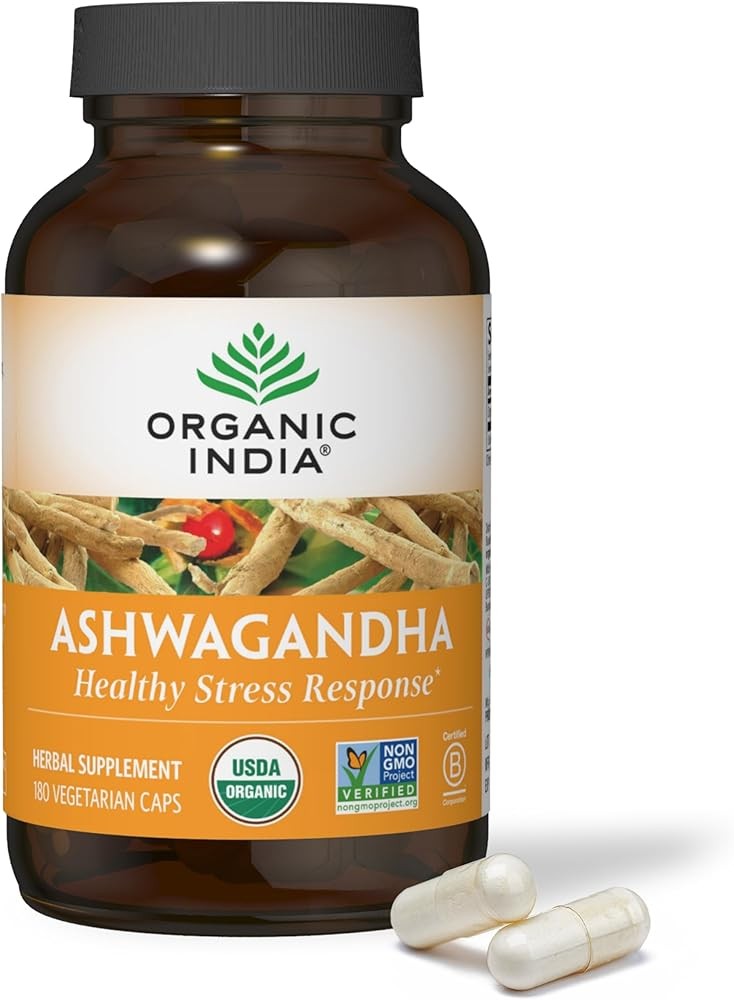
ORGANIC INDIA Ashwagandha Capsules - Organic Ashwagandha Supplement - Vegan Ashwagandha Root, Gluten-Free, Kosher, No...
Check Price on AmazonAs an Amazon Associate we earn from qualifying purchases.
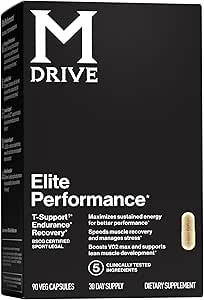
Mdrive Elite Testosterone Booster for Men - Supports Immune Health, Energy, VO2Max, Recovery, Stress Relief, Lean Mus...
Check Price on AmazonAs an Amazon Associate we earn from qualifying purchases.
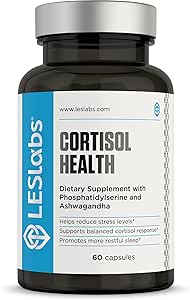
LES Labs Cortisol Health – Stress Relief, Balanced Cortisol Response, Relaxation & Deep Sleep – Phosphatidylserine, M...
Check Price on AmazonAs an Amazon Associate we earn from qualifying purchases.
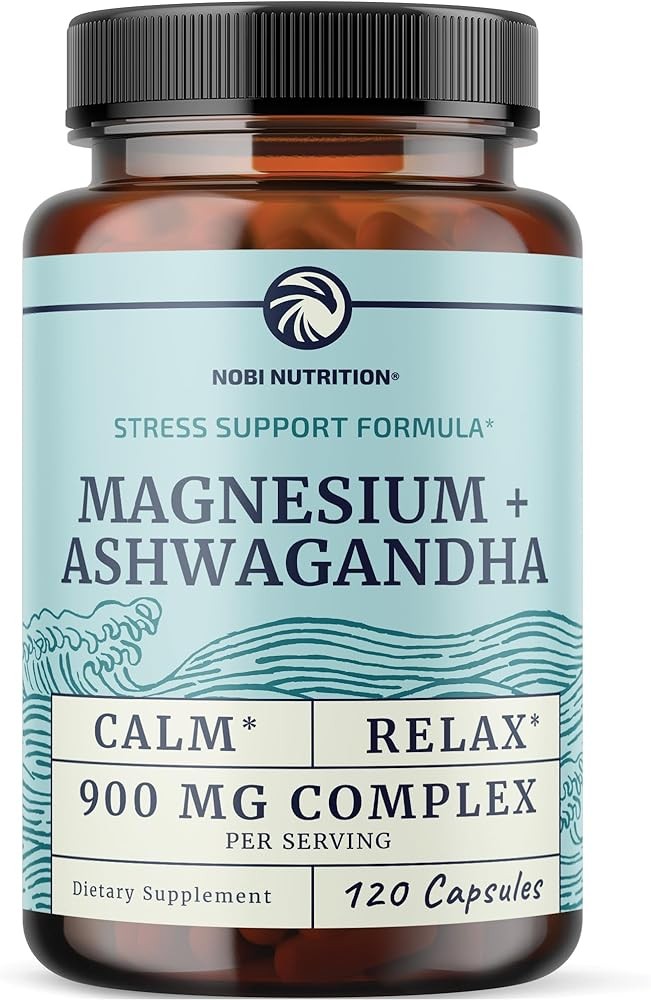
Magnesium Ashwagandha | Calming Magnesium Supplement for Adults | Relax, Rest, Calm Mood & Sleep Support | Mag Citrat...
Check Price on AmazonAs an Amazon Associate we earn from qualifying purchases.
📱 Join the discussion: Facebook | X | YouTube | Pinterest
Common Questions About Ashwagandha
What are the benefits of ashwagandha?
Ashwagandha has been studied for various potential health benefits. Research suggests it may support several aspects of health and wellness. Individual results can vary. The strength of evidence differs across different claimed benefits. More high-quality research is often needed. Always review the latest scientific literature and consult healthcare professionals about whether ashwagandha is right for your health goals.
Is ashwagandha safe?
Ashwagandha is generally considered safe for most people when used as directed. However, individual responses can vary. Some people may experience mild side effects. It’s important to talk with a healthcare provider before using ashwagandha, especially if you have existing health conditions, are pregnant or nursing, or take medications.
How does ashwagandha work?
Ashwagandha works through various biological mechanisms that researchers are still studying. Current evidence suggests it may interact with specific pathways in the body to produce its effects. Always consult with a healthcare provider before starting any new supplement or health regimen to ensure it’s appropriate for your individual needs.
Who should avoid ashwagandha?
People with hyperthyroidism or Graves’ disease should avoid ashwagandha, as it can raise T3 and T4 levels significantly (case reports document thyrotoxicosis and supraventricular tachycardia). Those with autoimmune diseases (lupus, rheumatoid arthritis, multiple sclerosis, Hashimoto’s) should also avoid it due to immunostimulatory properties that may trigger disease flares. Additionally, people with liver disease should avoid ashwagandha, as approximately 23 cases of cholestatic hepatitis have been reported, typically appearing 2-12 weeks after starting supplementation. Pregnant and breastfeeding women should avoid it due to historical use as an abortifacient and lack of safety data.
What are the signs ashwagandha is working?
Signs that ashwagandha is working typically appear gradually over 2-8 weeks. Early indicators (weeks 1-2) include slightly calmer evenings and easier transition to sleep mode. By week 4, most users report noticeably calmer evenings, 5-15 minutes faster sleep onset, fewer middle-of-the-night awakenings, and better morning alertness. Full effects appear by week 8, when clinical trials show strongest improvements with SMD -0.59 for sleep quality. If you are tracking progress, you may also notice reduced evening cortisol symptoms like jaw clenching, tension headaches, or racing thoughts at bedtime.
How long should I use ashwagandha?
The time it takes for ashwagandha to work varies by individual and depends on factors like dosage, consistency of use, and individual metabolism. Some people notice effects within days, while others may need several weeks. Research studies typically evaluate effects over weeks to months. Consistent use as directed is important for best results. Keep a journal to track your response.
Recommended Products