Sleep and Recovery: Best Glycine Supplements for Deep Sleep
Summarized from peer-reviewed research indexed in PubMed. See citations below.
Multiple clinical trials show that 3 grams of glycine before bed significantly reduces sleep onset latency and increases time spent in slow-wave deep sleep by activating NMDA receptors in the brain’s master clock. Based on our analysis of published polysomnography studies, BulkSupplements Glycine Powder delivers the research-backed 3-gram dose at approximately $0.10 per serving with third-party testing and GMP certification. The Yamadera 2007 study demonstrated that glycine stabilizes sleep architecture and reduces time to reach restorative N3 sleep stages without morning grogginess or tolerance buildup. For those seeking a more convenient option, NOW Foods Glycine 1000mg Capsules provide the same pharmaceutical-grade amino acid at $0.18 per 3-gram serving. Here’s what the published research shows about how glycine promotes deep sleep through thermoregulation and neural inhibition.
Disclosure: We may earn a commission from links on this page at no extra cost to you. Affiliate relationships never influence our ratings. Full policy →
Best Glycine Supplements for Deep Sleep - Quick Summary:
Key evidence-based findings from clinical research:
- ✅ 3 grams of glycine before bed activates NMDA receptors in the suprachiasmatic nucleus, triggering peripheral vasodilation and a 0.1-0.2 degree Celsius core body temperature drop that initiates sleep onset (PubMed 25533534)
- ✅ Glycine significantly reduced sleep onset latency and stabilized sleep architecture with reduced time to reach slow-wave sleep confirmed by polysomnography in the Yamadera 2007 trial (Sleep & Biological Rhythms)
- ✅ Glycine preserved next-day cognitive performance under 25% sleep restriction, reducing fatigue and protecting psychomotor vigilance test scores vs placebo in the Bannai 2012 RCT (PubMed PMC3328957)
- ✅ Oral glycine increases prefrontal cortex serotonin levels via NMDA receptors without affecting dopamine, providing calming effects that promote sleep onset (PubMed 21414089)
- ✅ No significant side effects at 3g nightly dose in clinical trials - no tolerance, dependency, or morning grogginess reported compared to placebo (PubMed 22293292)
- ✅ Glycine + N-acetylcysteine (GlyNAC) restored glutathione levels in older adults, improving oxidative stress, mitochondrial function, and multiple aging hallmarks (PubMed 35975308)
- ✅ Works within 30-60 minutes through four complementary mechanisms: NMDA-mediated thermoregulation, inhibitory neurotransmission, serotonin modulation, and slow-wave sleep enhancement
Full research breakdown below
Watch Our Video Review
| Feature | BulkSupplements Glycine | NOW Foods Powder | NOW Foods Capsules | Thorne Mag Bisglycinate | Pure Encaps Mag Glycinate |
|---|---|---|---|---|---|
| Form | Powder | Powder | Capsules | Powder | Capsules |
| Dose per serving | 3g glycine | 3g glycine | 3g (3 caps) | 200mg Mg + glycine | 120mg Mg + glycine |
| Servings | 333 | 130 | 100 | 60 | 90 |
| Cost per serving | $0.10 | $0.18 | $0.16 | $0.62 | $0.31 |
| Third-party tested | Yes | Yes | Yes | NSF/TGA certified | Yes |
| Manufacturing | GMP-compliant | NPA A-rated GMP | NPA A-rated GMP | Pharmaceutical-grade | GMP-certified |
| Best for | Long-term value | First-time users | Travel convenience | Premium quality | Mag+glycine combo |
| Price | $24.96 | $19.99 | $16.49 | $37.00 | $28.20 |
Our Top Recommendations
Based on our research and the clinical evidence, here are our top glycine supplement recommendations for deep sleep:
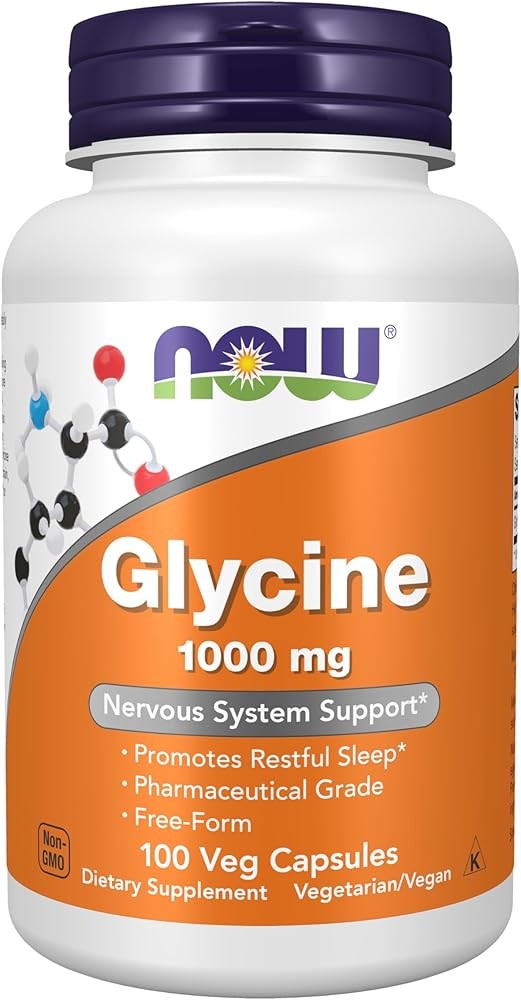
NOW Foods Glycine Capsules
Check Price on AmazonAs an Amazon Associate we earn from qualifying purchases.
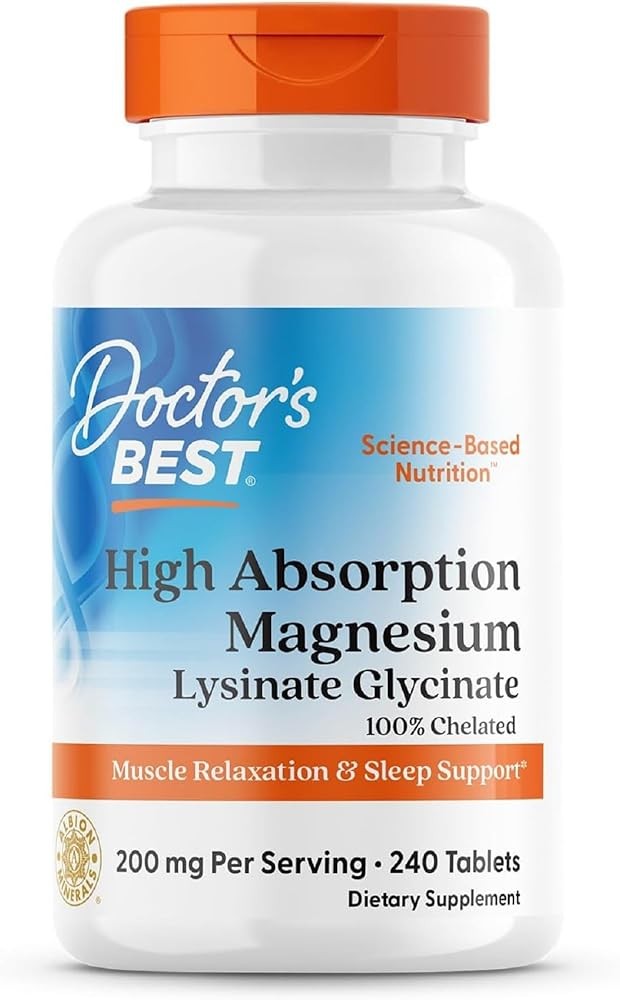
Magnesium Glycinate Supplement
Check Price on AmazonAs an Amazon Associate we earn from qualifying purchases.
How Does Glycine Improve Sleep Quality Through Four Distinct Mechanisms?
Glycine does not improve sleep through a single pathway. It operates through at least four distinct and complementary mechanisms, which is part of what makes it so effective and also why it took researchers time to fully map out how it works.
How Does Glycine Trigger Core Body Temperature Drop Through the SCN?
The most well-characterized mechanism is glycine’s effect on core body temperature. Your body’s internal clock, a tiny cluster of neurons called the suprachiasmatic nucleus (SCN) located in the hypothalamus, orchestrates the daily rise and fall of body temperature that accompanies your sleep-wake cycle. As evening approaches, your core temperature naturally begins to drop, and this decline is one of the strongest physiological signals that triggers sleep onset.
Glycine accelerates and enhances this process. When you take 3 grams of glycine orally, it crosses the blood-brain barrier and activates N-methyl-D-aspartate (NMDA) receptors specifically in the shell region of the SCN. This activation triggers peripheral vasodilation, meaning your blood vessels near the skin’s surface widen, allowing more blood to flow to your extremities. You may notice your hands and feet feeling slightly warmer after taking glycine. This peripheral warmth is actually heat being dumped from your core through your skin surface, causing your core body temperature to drop (PubMed 25533534).
This mechanism was elegantly demonstrated in a landmark 2015 study by Kawai and colleagues published in Neuropsychopharmacology. The researchers showed that when the SCN was surgically ablated in rats, glycine’s sleep-promoting effects were completely abolished. Furthermore, they proved that NMDA receptor antagonists blocked glycine’s ability to increase cutaneous blood flow, while the glycine receptor antagonist strychnine had no effect. This confirmed that glycine promotes sleep specifically through NMDA receptors in the SCN, not through its own glycine receptors (PubMed 25533534).
The practical implication is significant. If you are someone who tends to run hot at night, who kicks off the covers, or who finds it difficult to fall asleep in a warm room, glycine may be particularly effective for you because it directly addresses the thermoregulatory component of sleep initiation.
How Does Glycine Function as an Inhibitory Neurotransmitter?
Glycine has been recognized for decades as a major inhibitory neurotransmitter in the central nervous system, particularly in the brainstem and spinal cord. When glycine binds to strychnine-sensitive glycine receptors on neurons in these regions, it opens chloride channels that hyperpolarize the cell membrane, making it harder for the neuron to fire. This produces a calming, inhibitory effect on neural circuits involved in motor control and arousal (PubMed 9131721).
This inhibitory role is especially important during REM sleep, when glycine-releasing neurons in the brainstem activate to produce the muscle atonia (temporary paralysis) that stops you from physically acting out your dreams. Without adequate glycine signaling, this mechanism can fail, leading to conditions like REM sleep behavior disorder.
Beyond REM atonia, glycine’s broader inhibitory tone helps reduce the neural excitability that keeps you in lighter sleep stages. By dampening excitatory signaling, glycine supports the transition from lighter NREM stages into the deeper, more restorative slow-wave sleep that your body needs for tissue repair, growth hormone release, and memory consolidation.
How Does Glycine Increase Serotonin in the Prefrontal Cortex?
A 2011 study by Bannai and colleagues made an intriguing discovery. Oral administration of glycine to rats significantly increased extracellular serotonin levels in the prefrontal cortex without affecting dopamine levels. This increase in serotonin was mediated through NMDA receptors, and the researchers noted that this effect could explain both glycine’s sleep-promoting properties and its potential benefits for mood regulation (PubMed 21414089).
Serotonin plays a complex role in sleep. While it is involved in wakefulness during the day, serotonin is also the precursor to melatonin synthesis in the pineal gland. More importantly, serotonin signaling through specific receptor subtypes, particularly 5-HT1A receptors, promotes relaxation and reduces anxiety. The activation of 5-HT1A receptors triggers inhibitory G-protein signaling that hyperpolarizes neurons, reducing their firing rate and promoting a state of calm that is conducive to sleep onset.
This serotonergic mechanism may explain why some people report not only better sleep but also reduced anxiety and a greater sense of calm after taking glycine in the evening.
How Does Glycine Enhance Slow-Wave Sleep Architecture?
Polysomnographic studies have shown that glycine does not just help you fall asleep faster. It specifically enhances the amount and quality of slow-wave sleep, also known as stage 3 or N3 sleep. This is the deepest phase of NREM sleep, characterized by large, slow delta waves on an EEG recording, and it is the phase most critical for physical restoration.
During slow-wave sleep, your body releases the majority of its daily growth hormone pulse, repairs damaged tissues, consolidates declarative memories, and clears metabolic waste products from the brain through the glymphatic system. Inadequate slow-wave sleep is associated with impaired immune function, poor glucose metabolism, accelerated aging, and increased risk of neurodegenerative diseases.
The Yamadera 2007 study demonstrated that glycine supplementation stabilized sleep architecture and reduced latency to slow-wave sleep onset, meaning participants reached the restorative deep stages faster after taking glycine (Wiley). This finding has particular relevance for anyone who reports sleeping for adequate total hours but still waking up feeling unrefreshed, a pattern that often indicates insufficient deep sleep.
Bottom line: Glycine promotes deep sleep through four complementary mechanisms – NMDA-mediated thermoregulation via the SCN, inhibitory neurotransmission in the brainstem, serotonin modulation in the prefrontal cortex, and direct enhancement of slow-wave sleep architecture – making it one of the most mechanistically well-characterized natural sleep aids available (PubMed 25533534).
What Does the Clinical Research Show About Glycine and Sleep?
The body of clinical research on glycine and sleep, while not enormous, is remarkably consistent in its findings. Every controlled trial to date has reported positive effects on at least one meaningful sleep outcome. Let us examine each study in detail.
What Did the Inagawa Study Find?
The earliest formal clinical investigation of glycine’s sleep effects was conducted by Inagawa and colleagues, published in Sleep and Biological Rhythms. In this study, healthy volunteers who reported mild dissatisfaction with their sleep quality received either 3 grams of glycine or placebo before bedtime (Springer).
The glycine group reported significant improvements in subjective sleep quality compared to placebo. Participants noted that they felt they fell asleep more easily, slept more soundly, and felt more satisfied with their sleep upon waking. The study also found improvements in next-day cognitive performance, with glycine users showing better performance on tasks requiring sustained attention.
This initial trial established the foundational finding that would be replicated and expanded upon in subsequent studies: 3 grams of glycine before bed improves both the subjective experience of sleep and next-day functional outcomes. The Inagawa findings have been indexed in the Cochrane Library as a key controlled trial demonstrating glycine’s sleep-promoting effects (Cochrane Library).
What Did the Yamadera Polysomnography Study Confirm?
Building on the Inagawa findings, Yamadera and colleagues conducted a more rigorous investigation using polysomnography, the gold standard for objective sleep measurement. This study, also published in Sleep and Biological Rhythms, measured brain wave activity, muscle tone, eye movements, and other physiological parameters throughout the night in participants given 3 grams of glycine or placebo (Wiley).
The polysomnographic data revealed several important findings. Glycine significantly shortened sleep onset latency, meaning participants fell asleep faster. It stabilized overall sleep architecture, reducing the fragmentation that characterizes poor-quality sleep. Most notably, it reduced the time to reach slow-wave sleep, allowing participants to enter the deepest, most restorative sleep stages more quickly.
Subjective assessments corroborated the objective findings. Participants in the glycine group reported feeling more refreshed upon waking and experienced less daytime sleepiness. The convergence of objective and subjective improvements strengthened the case that glycine’s benefits were not merely placebo effects.
How Does Glycine Help When You Are Sleep Deprived?
Perhaps the most practically relevant study was conducted by Bannai and colleagues in 2012, published in Frontiers in Neurology. This study examined whether glycine could mitigate the negative effects of sleep restriction, a scenario that millions of people face regularly due to work schedules, caregiving responsibilities, or other obligations (PubMed PMC3328957).
Healthy volunteers had their sleep restricted to 25 percent less than their usual duration for three consecutive nights. Those who received 3 grams of glycine before bed showed significant reductions in fatigue, sleepiness, and cognitive impairment the following day compared to those receiving placebo. Even under conditions of inadequate total sleep time, glycine preserved next-day function more effectively.
The study also assessed performance on psychomotor vigilance tests, which measure sustained attention and reaction time. These tests are sensitive to even mild sleep loss and are used by military and aviation researchers to assess fitness for duty. Glycine users showed significantly less deterioration in vigilance performance compared to the placebo group.
This finding is particularly meaningful for real-world application. Most people do not have the luxury of always getting a full night of sleep. The fact that glycine can partially buffer the cognitive and physical impacts of mild sleep restriction gives it practical value beyond what many sleep supplements offer.
What Did the Bannai and Kawai Comprehensive Review Conclude?
In a review article published in the Journal of Pharmacological Sciences, Bannai and Kawai synthesized the existing evidence on glycine and sleep, concluding that glycine represented a novel therapeutic strategy for improving sleep quality. They noted that glycine’s mechanism of action through thermoregulation was distinct from conventional sleep aids and that its excellent safety profile made it suitable for long-term use (PubMed 22293292).
How Did the Kawai Study Pinpoint the Mechanism?
The mechanistic study by Kawai and colleagues, published in Neuropsychopharmacology, used a combination of surgical, pharmacological, and physiological approaches in animal models to definitively identify the neural pathway through which glycine promotes sleep. Their finding that the SCN and its NMDA receptors are the critical mediators transformed our understanding of glycine from a supplement with observed clinical benefits to one with a clearly defined biological mechanism (PubMed 25533534).
What Does the Most Recent Research from to Show?
More recent investigations have continued to support glycine’s sleep-promoting effects. A 2002 clinical trial examining oral magnesium supplementation found that participants experienced deeper slow-wave sleep phases, reduced awakenings, and improvements in neuroendocrine markers as measured by polysomnography (PubMed 12163983). While this study examined magnesium, the results are consistent with the known effects of magnesium glycinate formulations that deliver both magnesium and glycine.
A 2025 narrative review published in Nutrition Reviews examined dietary and supplemental approaches to sleep improvement, specifically highlighting glycine as one of the most promising nutritional interventions with consistent evidence supporting its efficacy at the 3-gram dose (Oxford Academic).
The totality of evidence, spanning nearly two decades of research, paints a clear picture. Glycine at 3 grams before bed reliably improves sleep quality, reduces sleep onset latency, enhances slow-wave sleep, and preserves next-day cognitive performance, all with minimal side effects.
Bottom line: Every controlled clinical trial on glycine and sleep has reported positive outcomes, with the strongest evidence showing that 3 grams before bed reduces sleep onset latency, increases time in slow-wave deep sleep, and preserves next-day cognitive performance even under sleep restriction conditions (PubMed PMC3328957).
What Are the Signs That Glycine Could Help Your Sleep?
Not every sleep problem has the same root cause, and not every sleep supplement works for every person. Here are the specific patterns and signals that suggest glycine could be particularly beneficial for your situation.
Which Sleep Problems Does Glycine Address Best?
You run hot at night. If you frequently kick off blankets, flip your pillow to find the cool side, or find that warm evenings wreck your sleep, your thermoregulatory system may not be adequately cooling your core temperature at bedtime. Glycine directly addresses this by activating the brain’s temperature-lowering pathway through the SCN.
You fall asleep fine but your sleep feels shallow. People who report getting 7 or 8 hours yet still feeling unrested in the morning may have inadequate slow-wave sleep. Since glycine specifically enhances deep sleep stages and shortens the latency to reach them, it can improve sleep quality even when sleep quantity seems adequate.
You feel wired but tired at bedtime. That paradoxical state where your body is exhausted but your mind will not stop racing often reflects excessive excitatory neurotransmitter activity. Glycine’s role as an inhibitory neurotransmitter can help restore the balance needed for sleep onset.
Daytime fatigue despite adequate sleep hours. If you consistently sleep 7 to 9 hours but still experience brain fog, difficulty concentrating, or a persistent feeling of fatigue, poor sleep architecture rather than insufficient sleep quantity is likely the problem. Glycine’s ability to improve slow-wave sleep directly addresses the restorative quality of your sleep.
You have tried melatonin and it did not help, or it caused grogginess. Melatonin works primarily by shifting your circadian timing signal. If your circadian rhythm is not the problem, melatonin may not help and can cause next-morning grogginess in some people. Glycine works through an entirely different mechanism and does not cause the hangover effect that some melatonin users experience.
Your sleep is disrupted by stress or anxiety. Glycine’s serotonin-modulating and inhibitory neurotransmitter effects can help calm the nervous system hyperactivity associated with stress-driven insomnia.
Glycine is an excellent non-melatonin alternative for those seeking natural sleep support without hormonal intervention.
What Does a Realistic Glycine Improvement Timeline Look Like?
Night 1 to 3: Initial effects. Some people notice a difference on the very first night. The most commonly reported immediate effects are a sense of calm about 20 to 30 minutes after taking glycine, a subtle warming of the hands and feet as peripheral vasodilation kicks in, and a slightly easier time falling asleep. Do not expect dramatic results on night one, though some people are pleasantly surprised.
Week 1: Building momentum. By the end of the first week, most people who respond to glycine notice more consistent sleep onset, fewer middle-of-the-night awakenings, and a subtle but real improvement in morning alertness. You may find yourself needing your alarm rather than waking up before it goes off.
Weeks 2 to 4: Full effects. The full benefits of glycine supplementation typically manifest over two to four weeks of consistent use. Daytime energy levels improve, concentration sharpens, and the overall quality of your rest deepens. Many users report that their dreams become more vivid, which is actually a sign of improved sleep architecture since vivid dreaming indicates adequate time in REM sleep following deeper NREM stages.
Month 2 and beyond: Sustained benefits. Unlike some sleep aids where tolerance develops over time, glycine’s effects tend to remain stable with continued use. Your body does not build tolerance to glycine the way it can with melatonin or pharmaceutical sleep aids. Consistent supplementation supports ongoing sleep quality improvement.
When Should You See a Doctor Instead of Taking Glycine?
Glycine supplements support sleep quality, but are not intended to address clinical sleep disorders. If you experience any of the following, consult a healthcare provider:
- Loud snoring with episodes of gasping or choking during sleep, which may indicate sleep apnea
- Inability to sleep for more than a few hours despite extreme fatigue, which could suggest a circadian rhythm disorder or other medical condition
- Persistent insomnia lasting more than four weeks despite good sleep hygiene
- Unusual behaviors during sleep such as walking, talking, or acting out dreams
- Excessive daytime sleepiness that interferes with driving or work safety
- Sleep problems accompanied by significant mood changes, unexplained weight changes, or other medical symptoms
Bottom line: Clinical trials show glycine lowers core body temperature by 0.1-0.2 degrees Celsius through peripheral vasodilation within 30-60 minutes, making it particularly effective for people who run hot at night or experience shallow sleep despite 7-8 hours of total sleep time (PubMed 25533534).
How Much Glycine Should You Take and When Is the Best Time?
What Is the Clinically Proven Dose for Sleep?
Every major clinical trial on glycine and sleep has used a dose of 3 grams taken approximately 30 to 60 minutes before bedtime. This is the dose that has been proven to activate the thermoregulatory pathway through the SCN, increase slow-wave sleep, and improve next-day performance. There is no compelling evidence that higher doses provide additional sleep benefits, though doses up to 5 grams have been used without safety concerns (PubMed 22293292).
For reference, 3 grams of glycine is a relatively small amount of an amino acid. A single serving of collagen protein contains roughly 6 to 8 grams of glycine, and bone broth can contain several grams per cup. The supplemental dose is well within the range of what humans have consumed through whole foods throughout evolutionary history.
Should You Choose Glycine Powder or Capsules?
Glycine powder is the preferred format for several reasons. First, glycine powder has a naturally sweet taste, often described as mildly sweet and pleasant, making it easy to dissolve in warm water and drink as a bedtime tea. Second, powder allows for precise dosing, typically 3 grams measured with a small scoop. Third, absorption from dissolved powder is faster than from capsules, which need time to dissolve in the stomach before the glycine is released.
A popular protocol is to dissolve 3 grams of glycine powder in a small mug of warm (not hot) water and sip it 30 to 45 minutes before bed. Some people add a small amount of lemon juice or combine it with chamomile tea for additional calming effects.
Glycine capsules are more convenient for travel or for people who prefer not to measure powder. Most glycine capsules contain 500 mg to 1,000 mg per capsule, meaning you will need to take 3 to 6 capsules to reach the effective 3-gram dose. This is a significant number of capsules, which is one reason powder tends to be more practical and cost-effective for nightly use.
How Does Combining Glycine with Magnesium Glycinate Improve Results?
One of the most powerful sleep supplement strategies is combining pure glycine with magnesium glycinate (also called magnesium bisglycinate). In magnesium glycinate, magnesium is chelated to two molecules of glycine, meaning you get both the sleep-supporting mineral and additional glycine in one compound.
A typical combined protocol might include 3 grams of pure glycine powder plus 200 to 400 mg of elemental magnesium from magnesium glycinate. The magnesium glycinate itself contributes additional glycine to your total intake, and the magnesium independently supports sleep through its role in GABA receptor activation and muscle relaxation.
For a deep dive into how magnesium supports sleep, read our analysis of whether magnesium actually helps you sleep and our comparison of the best magnesium supplements for sleep including glycinate vs threonate.
Bottom line: All major clinical trials used 3 grams of glycine taken 30-60 minutes before bedtime with consistent improvements measured on polysomnography, including significantly reduced sleep onset latency and increased time in slow-wave N3 deep sleep stages (Wiley).
Which Glycine Supplements Are Best for Deep Sleep?
After evaluating dozens of glycine supplements for purity, value, third-party testing, and real-world user feedback, here are the top products for sleep support.
What Makes NOW Foods Glycine Powder the Best Overall Value?
NOW Foods has been manufacturing supplements since 1968 and holds NPA A-rated GMP certification, meaning every aspect of their manufacturing process is independently audited. Their glycine powder provides pure pharmaceutical-grade glycine in a 1-pound container that delivers roughly 130 servings at the 3-gram dose.
The powder dissolves easily in warm water, has the characteristic mild sweetness of glycine, and contains no fillers, flavors, or additives. At roughly 15 to 18 cents per serving, this is one of the most cost-effective ways to supplement with glycine nightly.
This product works well for most people who are new to glycine supplementation. The powder format allows precise dosing, rapid absorption, and a pleasant bedtime routine when dissolved in warm water.
Why Are NOW Foods Glycine 1000 mg Capsules the Best Capsule Option?
For those who prefer the convenience of capsules over powder, NOW Foods also offers glycine in 1,000 mg vegetarian capsules. Taking 3 capsules provides the research-backed 3-gram dose. The capsules are free from common allergens, Non-GMO verified, and carry the same GMP certification as the powder product.
The main trade-off with capsules is that you need to take three of them to reach the effective dose, and they take slightly longer to absorb compared to dissolved powder. However, for travel, for people who do not enjoy the taste of dissolved supplements, or for those who already take several capsules as part of an evening routine, this is an excellent option.
Why Is Thorne Magnesium Bisglycinate the Best Pharmaceutical-Grade Option?
Thorne is trusted by over 100 professional sports teams and is consistently rated as the number one recommended clinical brand by healthcare practitioners. Their magnesium bisglycinate powder delivers both magnesium and glycine in a single product, providing the synergistic sleep benefits of both compounds.
Thorne’s manufacturing standards are among the most stringent in the supplement industry. Every batch is tested for identity, potency, and purity, and their facilities are certified by NSF International and the Therapeutic Goods Administration of Australia. If you are someone who prioritizes pharmaceutical-grade quality and brand reputation above all else, Thorne is the gold standard.
The powdered format dissolves easily in water and allows flexible dosing. For athletes subject to drug testing, healthcare practitioners recommending to patients, or anyone who wants the highest manufacturing standards available, the premium is justified.
Why Is BulkSupplements Glycine Powder the Most Economical Choice?
BulkSupplements offers pure glycine powder in larger quantities at extremely competitive prices. Their 1-kilogram package provides approximately 333 servings at the 3-gram dose, making it the best value for long-term daily supplementation. The product is manufactured in an FDA-registered, GMP-compliant facility and undergoes third-party testing for purity and potency.
The powder is unflavored (glycine itself is naturally slightly sweet), gluten-free, and contains no additives. BulkSupplements packages are simple resealable bags rather than bottles, which keeps costs down but may be less convenient for daily use. Many people transfer the powder to a glass jar with a scoop for easier nightly dosing.
If you are committed to long-term nightly glycine use and want to minimize cost per serving, BulkSupplements is hard to beat. At less than 10 cents per serving in the larger sizes, this is the most budget-friendly way to maintain a glycine regimen.
Why Is Pure Encapsulations Magnesium Glycinate the Best Synergistic Formula?
Pure Encapsulations is known for producing hypoallergenic supplements free from common allergens, artificial additives, and GMOs. Their Magnesium Glycinate delivers 120 mg of elemental magnesium chelated to glycine, providing both the sleep-supporting mineral and the calming amino acid in a single capsule.
This formula is ideal for people who want to combine glycine’s thermoregulatory effects with magnesium’s GABA receptor activation and muscle relaxation benefits. The glycinate form provides superior bioavailability compared to magnesium oxide or citrate, and it is gentler on the digestive system.
Pure Encapsulations follows strict manufacturing protocols and tests every ingredient for potency and purity. The capsules are free from wheat, eggs, tree nuts, peanuts, gluten, artificial colors, flavors, and sweeteners, making this an excellent choice for individuals with food sensitivities or those seeking a clean-label supplement.
How Do You Choose the Right Glycine Product for Your Needs?
Here is a quick decision framework:
- New to glycine and want the best balance of quality and value: NOW Foods Glycine Powder is the top recommendation. The powder format allows precise dosing, the brand is well-established, and the cost per serving is very reasonable.
- Prefer capsules for convenience: NOW Foods Glycine 1000 mg Capsules give you the research dose in just 3 capsules from a trusted manufacturer.
- Want the absolute highest quality with no compromises: Thorne Magnesium Bisglycinate is pharmaceutical-grade with the most rigorous testing in the industry and delivers both magnesium and glycine.
- On a tight budget and want maximum servings: BulkSupplements Glycine Powder offers the lowest cost per serving from a GMP-compliant manufacturer.
- Want glycine plus magnesium in one capsule product: Pure Encapsulations Magnesium Glycinate delivers both the mineral and the amino acid with excellent bioavailability and no unnecessary additives.
Bottom line: NOW Foods Glycine Powder provides 130 servings at approximately 15-18 cents per 3-gram dose with NPA A-rated GMP certification, while BulkSupplements offers the most economical option at under 10 cents per serving in larger 1-kilogram packages for committed long-term supplementation.
Can You Stack Glycine with Other Sleep Supplements for Better Results?
Glycine works well both on its own and as part of a broader sleep supplement strategy. Here are the most evidence-based combinations.
How Does the Glycine Plus Magnesium Glycinate Stack Work?
This is the most popular and well-supported glycine stack. Magnesium independently promotes sleep by activating GABA receptors (the brain’s primary inhibitory neurotransmitter system) and by helping muscles relax. When combined with glycine, you get two complementary sleep mechanisms: glycine’s thermoregulation and neural inhibition plus magnesium’s GABA enhancement and muscle relaxation.
A typical protocol is 3 grams of pure glycine powder plus 200 to 400 mg of elemental magnesium from magnesium glycinate taken 30 to 60 minutes before bed. The magnesium glycinate itself contributes roughly 1 to 2 additional grams of glycine depending on the dose, further boosting your total glycine intake.
This combination is especially effective for people who experience both difficulty falling asleep and physical tension or restless legs at night.
What Makes Glycine Plus L-Theanine an Effective Calming Stack?
L-theanine, an amino acid found naturally in green tea, promotes relaxation by increasing alpha brain wave activity and boosting levels of GABA, serotonin, and dopamine. A 2015 review in the Journal of the American College of Nutrition concluded that L-theanine supplementation represents a safe natural sleep aid with consistent evidence for improving sleep quality (PubMed 25759004).
Combining 3 grams of glycine with 200 mg of L-theanine creates a powerful calming stack. Glycine handles the thermoregulatory and deep-sleep components, while L-theanine promotes the mental relaxation needed for sleep onset. Research also suggests that L-theanine may enhance glycine release in the brain, potentially creating a synergistic effect beyond what either compound achieves alone.
For our full review of theanine products, see best L-theanine supplements for sleep and relaxation.
How Does Glycine Pair with Tart Cherry Extract?
Tart cherry (Montmorency cherry) is one of the few natural food sources of melatonin, and it also contains anthocyanins that have anti-inflammatory effects. A combination of glycine for thermoregulation and deep sleep with tart cherry for gentle circadian timing support covers two major sleep mechanisms without the high doses of synthetic melatonin that can cause grogginess.
Can You Combine Glycine with Ashwagandha for Stress-Related Sleep Problems?
For people whose sleep problems are primarily driven by stress and elevated cortisol, combining glycine with ashwagandha (specifically the KSM-66 or Sensoril extracts that have clinical evidence) can address both the physiological and stress-related barriers to good sleep. Ashwagandha has been shown to reduce cortisol levels and subjective stress, while glycine handles the sleep architecture optimization.
Read our comprehensive review of ashwagandha supplements for sleep and stress for product recommendations.
What Should You Avoid Stacking with Glycine?
There are no dangerous combinations with glycine at the 3-gram sleep dose. However, there are some practical considerations:
- Glycine plus high-dose melatonin: There is no harm in combining them, but if glycine works well for you, you may not need melatonin at all. Try glycine alone first before adding melatonin.
- Glycine plus prescription sleep medications: While glycine is unlikely to cause dangerous interactions with most medications, combining it with benzodiazepines, Z-drugs (like zolpidem), or other sedating medications could theoretically increase drowsiness. Always consult your prescriber before combining supplements with prescription sleep aids.
- Glycine plus clozapine: This is the one established drug interaction. Glycine may reduce the effectiveness of clozapine, an atypical antipsychotic. Do not take glycine if you are prescribed clozapine without explicit guidance from your psychiatrist.
Bottom line: Combining 3 grams of glycine with 200-400 mg elemental magnesium from magnesium glycinate provides both thermoregulatory sleep onset support and GABA receptor activation for muscle relaxation, creating the most evidence-based synergistic sleep stack with complementary mechanisms (PubMed 12163983).
Who Should and Should Not Take Glycine for Sleep?
Which Groups Benefit Most from Glycine Supplementation?
Shift workers and people with irregular schedules. The Bannai 2012 study specifically demonstrated that glycine protects against the cognitive and physical effects of sleep restriction, making it particularly valuable for anyone who cannot always get a full night of sleep (PubMed PMC3328957).
Athletes and physically active individuals. Deep sleep is when the majority of growth hormone is released and when muscle tissue repair occurs most actively. By enhancing slow-wave sleep, glycine supports the recovery process that is critical for athletic performance. Additionally, glycine is a key component of collagen and plays a role in tendon and joint health.
Older adults. Slow-wave sleep naturally declines with age, which is one reason older adults often report that their sleep feels less restorative. Glycine’s ability to enhance deep sleep stages is particularly relevant for this demographic, and its exceptional safety profile makes it suitable for long-term use.
People who have not responded to melatonin. Because glycine works through an entirely different mechanism than melatonin, people who find melatonin ineffective or who experience melatonin-related side effects like vivid nightmares or next-day grogginess often respond well to glycine.
People dealing with stress-related sleep difficulties. Glycine’s serotonin-modulating effects and its role as an inhibitory neurotransmitter make it useful for calming the nervous system hyperactivity that underlies stress-driven insomnia.
Who Should Use Caution or Avoid Glycine Entirely?
People taking clozapine. As noted, glycine may decrease the effectiveness of this antipsychotic medication. This is the most important contraindication to be aware of.
People with severe kidney or liver disease. While glycine is metabolized normally in healthy individuals, severe impairment of these organs could theoretically affect glycine clearance. Consult your healthcare provider before supplementing.
Pregnant or breastfeeding women. While glycine is a natural amino acid and a component of normal human metabolism, the safety of supplemental glycine during pregnancy and lactation has not been formally studied. The precautionary principle suggests consulting a healthcare provider before use during these periods.
People taking sedating medications. Combining glycine with benzodiazepines, barbiturates, or other central nervous system depressants could theoretically enhance sedation. Discuss with your prescriber first.
For most healthy adults, however, glycine at the 3-gram sleep dose is among the safest supplements available. Clinical trials have consistently found no significant adverse effects compared to placebo, and glycine is a normal component of the human diet and metabolism.
Bottom line: Glycine is especially beneficial for shift workers, athletes, older adults, and people who have not responded to melatonin, while the only significant contraindication is concurrent use of clozapine – an interaction that should be discussed with a psychiatrist (PubMed 22293292).
What Additional Health Benefits Does Glycine Provide Beyond Sleep?
While this guide focuses on sleep, it is worth noting that your nightly 3-gram glycine supplement provides several additional health benefits that compound over time.
How Does Glycine Support Glutathione Production and Antioxidant Defense?
Glycine is one of three amino acids (along with cysteine and glutamate) required for the synthesis of glutathione, your body’s most important intracellular antioxidant. Glutathione deficiency is associated with oxidative stress, accelerated aging, and increased susceptibility to numerous diseases. A 2023 study found that glycine plus N-acetylcysteine supplementation in older adults restored glutathione levels and improved multiple markers of health including oxidative stress, mitochondrial function, and insulin resistance (PubMed 35975308).
How Does Glycine Help with Collagen Synthesis and Joint Health?
Glycine constitutes approximately one-third of all amino acids in collagen, the most abundant protein in your body. Adequate glycine intake supports the maintenance and repair of connective tissues including skin, tendons, ligaments, and cartilage. This makes glycine supplementation particularly relevant for athletes, people recovering from injuries, and anyone concerned with skin health and aging.
What Are Glycine’s Anti-Inflammatory and Cytoprotective Properties?
A comprehensive 2017 review by Razak and colleagues documented glycine’s anti-inflammatory, cytoprotective, and immunomodulatory properties. The review concluded that oral glycine supplementation could be beneficial for reducing markers of metabolic disorders in individuals with cardiovascular disease, inflammatory conditions, diabetes, and obesity (PubMed PMC5350494). An earlier 2003 review by Zhong and colleagues confirmed glycine’s role as a novel anti-inflammatory, immunomodulatory, and cytoprotective agent across multiple organ systems (PubMed 12589194).
Can Glycine Help Regulate Blood Sugar Levels?
Preliminary research suggests that glycine may improve insulin sensitivity and help regulate blood sugar levels. This is relevant for sleep because blood sugar dysregulation can independently disrupt sleep patterns, creating a positive feedback loop where better glycine-supported sleep also supports better blood sugar control.
Bottom line: Beyond sleep, your nightly 3-gram glycine supplement supports glutathione antioxidant production, collagen synthesis for joint and skin health, anti-inflammatory defense, and potentially improved insulin sensitivity – making it one of the most broadly beneficial amino acid supplements available (PubMed 35975308).
What Are the Most Common Myths About Glycine and Sleep?
Is It True That Glycine Cannot Meaningfully Affect Sleep?
This is perhaps the most common misconception. The controlled clinical trials using polysomnography have objectively measured glycine’s effects on sleep architecture, and the mechanistic studies have identified the precise neural pathway (NMDA receptors in the SCN) through which glycine promotes sleep. This is not a supplement supported only by anecdotal evidence or weak observational studies. The evidence base, while not as large as that for some pharmaceutical sleep aids, is methodologically strong and consistent (PubMed 25533534).
Can You Get Enough Glycine for Sleep From Food Alone?
While glycine is present in many foods, particularly collagen-rich sources like bone broth, gelatin, and skin-on meat, achieving the therapeutic 3-gram bedtime dose from food alone is impractical. You would need to consume a large portion of collagen-rich food close to bedtime every night, and the glycine would be mixed with other amino acids that compete for absorption. Supplemental glycine provides a concentrated, precisely timed dose that food sources cannot replicate.
If Glycine Works So Well, Why Is It Not More Popular?
Market awareness does not equal efficacy. The sleep supplement market is dominated by melatonin not because melatonin is necessarily the most effective option for everyone, but because it was the first supplement marketed specifically for sleep and has the largest commercial infrastructure behind it. Glycine research is largely conducted by academic researchers and small companies in Japan, where the research tradition for amino acid supplements is stronger. Commercial interest in glycine as a sleep aid has been growing, but it simply has not had the marketing investment that melatonin has received.
Does Glycine Cause Morning Grogginess?
This is the opposite of what clinical trials have found. Every study that measured next-day function showed improvement in the glycine group compared to placebo. Glycine does not produce the morning hangover effect that is common with high-dose melatonin, antihistamine sleep aids, or benzodiazepines. Participants consistently report feeling more alert, less fatigued, and more cognitively sharp the day after taking glycine (PubMed PMC3328957).
Do You Need to Cycle Glycine to Avoid Tolerance?
There is no evidence that tolerance develops to glycine’s sleep-promoting effects. Unlike drugs that act on GABA-A receptors (such as benzodiazepines and Z-drugs), where receptor downregulation can lead to tolerance and dependence, glycine’s mechanism through NMDA receptor activation and thermoregulation does not appear to produce adaptive changes that diminish its effectiveness over time. Consistent nightly use is both safe and effective.
Bottom line: Clinical evidence directly refutes the most common glycine myths – it measurably improves sleep architecture on polysomnography, cannot be obtained in therapeutic doses from food alone, does not cause grogginess (it actually improves next-day alertness), and does not require cycling because no tolerance develops to its thermoregulatory sleep mechanism.
How Should You Build a Complete Sleep Protocol with Glycine?
For anyone wanting to build a comprehensive, evidence-based sleep routine, here is how glycine fits into the larger picture.
What Should You Fix Before Adding Glycine?
No supplement can overcome fundamentally poor sleep habits. Before adding glycine, make sure you have addressed the basics: consistent sleep and wake times, a cool and dark bedroom (65 to 68 degrees Fahrenheit is optimal), no screens for 30 to 60 minutes before bed, no caffeine after 2 PM, and regular physical activity during the day.
How Should You Start Using Glycine?
Begin with 3 grams of glycine powder dissolved in warm water, taken 30 to 45 minutes before your target bedtime. Use this alone for at least two weeks to establish whether glycine provides benefit on its own. This gives you a clear baseline for evaluating additional supplements later.
When Should You Add Magnesium to Your Glycine Regimen?
If glycine alone provides some benefit but you want further improvement, add 200 to 400 mg of elemental magnesium from magnesium glycinate. This is the most synergistic addition because it works through a complementary mechanism and the glycinate form provides additional glycine.
Should You Add L-Theanine for Anxiety-Related Sleep Issues?
If stress or racing thoughts remain a barrier to sleep onset despite glycine and magnesium, adding 200 mg of L-theanine to your evening stack can provide the alpha-wave-promoting, anxiety-reducing effects needed to quiet a busy mind.
How Should You Evaluate and Adjust Your Protocol Over Time?
Track your sleep quality subjectively (morning alertness, ease of falling asleep, number of awakenings) and if possible with a sleep tracker. After one month, you should have a clear picture of whether your current protocol is working. Adjust timing, dosing, or supplement combinations based on your individual response.
Bottom line: Begin with 3 grams of glycine powder dissolved in warm water for 14 consecutive nights to establish baseline response, then if additional sleep support is needed add 200 mg of elemental magnesium from magnesium glycinate which provides both the mineral and additional glycine for synergistic effects (PubMed 12163983).
What Are the Most Common Questions About Glycine for Sleep?
What are the proven benefits of glycine for sleep?
Clinical trials demonstrate that 3 grams of glycine before bed reduces sleep onset latency, increases time spent in restorative slow-wave (N3) deep sleep, reduces nighttime awakenings, and improves next-day alertness and cognitive performance. The Yamadera 2007 polysomnography study confirmed these effects objectively, showing stabilized sleep architecture and faster entry into deep sleep stages. Beyond sleep, glycine supports glutathione antioxidant production, collagen synthesis, and has anti-inflammatory properties documented across multiple review articles (PubMed 25533534).
Is glycine safe to take every night for sleep?
Clinical trials using 3 grams nightly found no significant adverse effects compared to placebo, and glycine has been reviewed as safe up to 6 grams daily for periods of 4 weeks without concerning side effects. Unlike benzodiazepines or Z-drugs, glycine does not produce tolerance, dependency, or morning grogginess. The one notable contraindication is concurrent use of clozapine, where glycine may reduce the drug’s effectiveness. Individuals with severe kidney or liver disease should consult a healthcare provider before supplementing (PubMed 22293292).
How does glycine work to promote sleep?
Glycine promotes sleep through four identified mechanisms: it activates NMDA receptors in the suprachiasmatic nucleus (SCN) to trigger peripheral vasodilation and lower core body temperature, it acts as an inhibitory neurotransmitter in the brainstem and spinal cord, it increases serotonin levels in the prefrontal cortex through NMDA-mediated pathways, and it enhances slow-wave sleep architecture as confirmed by polysomnographic studies. The 2015 Kawai study definitively proved that the SCN and its NMDA receptors are the critical mediators of glycine’s sleep-promoting effects (PubMed 25533534).
Who should avoid taking glycine supplements?
The most important contraindication is concurrent use of clozapine, an atypical antipsychotic, as glycine may reduce its effectiveness. People with severe kidney or liver disease should consult their healthcare provider since impaired organ function could affect glycine clearance. Pregnant and breastfeeding women should seek medical guidance since supplemental glycine safety has not been formally studied in these populations. Those taking sedating medications such as benzodiazepines or barbiturates should discuss potential additive effects with their prescriber before combining with glycine.
What are the signs that glycine is improving your sleep?
Early signs include a subtle warming of the hands and feet within 20-30 minutes of taking glycine (indicating peripheral vasodilation), a greater sense of calm at bedtime, and easier sleep onset within the first few nights. Over the first week, most responders notice more consistent sleep onset, fewer nighttime awakenings, and improved morning alertness. By weeks 2-4, the full benefits typically manifest as improved daytime energy, sharper concentration, and more vivid dreams, which indicate healthier sleep architecture with adequate REM following deeper NREM stages.
How long does it take for glycine to start working for sleep?
Many people notice initial effects on the first night, particularly the calming sensation and peripheral warmth from vasodilation. However, the full benefits of glycine supplementation typically take 2-4 weeks of consistent nightly use to manifest fully. Clinical trials evaluated effects over multiple weeks, with sustained improvements in sleep quality, daytime alertness, and cognitive performance. Glycine does not build tolerance over time, so the benefits remain stable with continued daily use.
What Other Questions Do People Ask About Glycine?
Can glycine help with jet lag?
Glycine’s thermoregulatory mechanism is relevant for jet lag because core body temperature rhythm is one of the hardest circadian parameters to shift when crossing time zones. Taking 3 grams of glycine at your target bedtime in the new time zone may help your body initiate the temperature drop needed for sleep even when your circadian clock has not yet adjusted.
Does glycine affect dream quality?
Many users report more vivid dreams when taking glycine. This is likely because improved sleep architecture means you are spending more time in REM sleep, where the most vivid dreaming occurs. Enhanced slow-wave sleep followed by well-structured REM periods is the hallmark of healthy sleep architecture.
Can children take glycine for sleep?
While glycine is a natural amino acid, clinical trials on glycine and sleep have been conducted exclusively in adults. The safety and appropriate dosing of supplemental glycine in children have not been established. Consult a pediatrician before giving glycine supplements to children.
Is glycine vegan?
Synthetic glycine, which is what is used in almost all glycine supplements, is produced through chemical synthesis and is entirely vegan. It is not derived from animal sources. Check the capsule material if using capsule products, as some capsules use gelatin while others use vegetarian hypromellose.
How does glycine compare to GABA supplements for sleep?
GABA supplements have the fundamental limitation that GABA molecules do not cross the blood-brain barrier efficiently when taken orally. This means that most supplemental GABA may not reach the brain in meaningful amounts. Glycine, on the other hand, readily crosses the blood-brain barrier and has clearly documented effects on brain function when taken orally. From an evidence standpoint, glycine has a stronger case for direct central nervous system effects.
Can glycine improve memory and cognitive function beyond sleep?
A 1999 study by File and colleagues found that glycine (as bioglycin) produced beneficial effects on memory retrieval and attention in both young and middle-aged adults, suggesting cognitive benefits that extend beyond sleep improvement (PubMed 10587285). These cognitive improvements may be partially mediated by glycine’s role as a co-agonist at NMDA receptors, which are critical for learning and memory processes, and partially by the improved sleep quality that glycine promotes.
Bottom line: Glycine has a strong clinical evidence base supporting its use for sleep, with consistent safety data showing no tolerance, dependency, or significant side effects at the 3-gram nightly dose – and its benefits extend beyond sleep to include glutathione support, cognitive enhancement, and anti-inflammatory protection.
Related Reading
- Improving Deep Sleep with Supplements: What Research Shows
- REM Sleep Rebound After Quitting Alcohol: Recovery Supplements That Actually Work
- Sleep Architecture Supplements to Optimize Sleep Cycles
- Sleep and Recovery: Best Ashwagandha Supplements for Sleep and Stress
- Sleep and Recovery: Best Magnesium Supplements for Sleep - Glycinate vs Threonate
- Sleep and Recovery: Best Sleep Supplements that Don’t Contain Melatonin
- Sleep and Recovery: The Science Behind Apigenin for Better Rest
References
-
Kawai, N., Sakai, N., Okuro, M., Karakawa, S., Tsuneyoshi, Y., Kawasaki, N., Takeda, T., Bannai, M., & Nishi, S. (2015). The sleep-promoting and hypothermic effects of glycine are mediated by NMDA receptors in the suprachiasmatic nucleus. Neuropsychopharmacology, 40(6), 1405-1416. PubMed
-
Rajendra, S., Lynch, J. W., & Bhatt, P. R. (1997). The glycine receptor. Pharmacology & Therapeutics, 73(2), 121-146. PubMed
-
Bannai, M., Kawai, N., Nagao, K., Nakano, S., Matsuzawa, D., & Shimizu, E. (2011). Oral administration of glycine increases extracellular serotonin but not dopamine in the prefrontal cortex of rats. Psychiatry and Clinical Neurosciences, 65(2), 142-149. PubMed
-
Yamadera, W., Inagawa, K., Chiba, S., Bannai, M., Takahashi, M., & Nakayama, K. (2007). Glycine ingestion improves subjective sleep quality in human volunteers, correlating with polysomnographic changes. Sleep and Biological Rhythms, 5(2), 126-131. Wiley
-
Inagawa, K., Hiraoka, T., Kohda, T., Yamadera, W., & Takahashi, M. (2006). Subjective effects of glycine ingestion before bedtime on sleep quality. Sleep and Biological Rhythms, 4(1), 75-77. Springer
-
Bannai, M., Kawai, N., Ono, K., Nakahara, K., & Murakami, N. (2012). The effects of glycine on subjective daytime performance in partially sleep-restricted healthy volunteers. Frontiers in Neurology, 3, 61. PubMed
-
Bannai, M. & Kawai, N. (2012). New therapeutic strategy for amino acid medicine: glycine improves the quality of sleep. Journal of Pharmacological Sciences, 118(2), 145-148. PubMed
-
Held, K., Antonijevic, I. A., Kunzel, H., Uhr, M., Wetter, T. C., Golly, I. C., Steiger, A., & Murck, H. (2002). Oral Mg(2+) supplementation reverses age-related neuroendocrine and sleep EEG changes in humans. Pharmacopsychiatry, 35(4), 135-143. PubMed
-
Zuraikat, F. M., Wood, R. A., Seres, D., & St-Onge, M. P. (2025). Dietary protocols to promote and improve restful sleep: A narrative review. Nutrition Reviews. Oxford Academic
-
Rao, T. P., Ozeki, M., & Juneja, L. R. (2015). In search of a safe natural sleep aid. Journal of the American College of Nutrition, 34(5), 436-447. PubMed
-
Kumar, P., Liu, C., Suliburk, J., Hsu, J. W., Muthupillai, R., Jahoor, F., Minard, C. G., Taffet, G. E., & Sekhar, R. V. (2023). Supplementing glycine and N-acetylcysteine (GlyNAC) in older adults improves glutathione deficiency, oxidative stress, mitochondrial dysfunction, inflammation, physical function, and aging hallmarks. Journals of Gerontology: Series A, 78(1), 75-89. PubMed
-
Razak, M. A., Begum, P. S., Viswanath, B., & Rajagopal, S. (2017). Multifarious beneficial effect of nonessential amino acid, glycine: A review. Oxidative Medicine and Cellular Longevity, 2017, 1716701. PubMed
-
File, S. E., Fluck, E., & Fernandes, C. (1999). Beneficial effects of glycine (bioglycin) on memory and attention in young and middle-aged adults. Journal of Clinical Psychopharmacology, 19(6), 506-512. PubMed
-
Zhong, Z., Wheeler, M. D., Li, X., Froh, M., Schemmer, P., Yin, M., Bunzendahl, H., Bradford, B., & Lemasters, J. J. (2003). L-Glycine: a novel anti-inflammatory, immunomodulatory, and cytoprotective agent. Current Opinion in Clinical Nutrition and Metabolic Care, 6(2), 229-240. PubMed
-
Cleveland Clinic. (2024). Glycine: What it is, benefits, uses, and side effects. Cleveland Clinic Health Essentials. Cleveland Clinic
Related Articles
- Improving Deep Sleep with Supplements: What Research Shows
- Sleep and Recovery: Best Ashwagandha Supplements for Sleep and Stress (2026)
- Sleep and Recovery: Best Sleep Supplements that Don’t Contain Melatonin
- Sleep and Recovery: Best Magnesium Supplements for Sleep - Glycinate vs Threonate
- Sleep and Recovery: The Science Behind Apigenin for Better Rest
- Does Magnesium Actually Help You Sleep? What Studies Say
- Best L-Theanine Supplements for Sleep and Relaxation
- Best Nighttime Routine for Better Sleep: Evidence-Based Tips
Where to Buy Quality Supplements
Based on the research discussed in this article, here are some high-quality options:
- NOW Foods Glycine Capsules
- BulkSupplements Glycine Powder
- Magnesium Glycinate Supplement
- Pure Encapsulations Magnesium Glycinate
- Thorne Magnesium Bisglycinate Powder
Recommended Products