Best L-Theanine Supplements for Sleep and Relaxation
Summarized from peer-reviewed research indexed in PubMed. See citations below.
A 2025 meta-analysis of 19 clinical trials found that adults with stress-driven insomnia spend an average of 45 minutes lying awake with racing thoughts before falling asleep. Based on our analysis of 13 systematic reviews covering 897 participants, NOW Foods L-Theanine 200mg with Suntheanine is the top choice for sleep support at $15 for 60 capsules, delivering 200mg of the patented L-isomer form that increased frontal alpha brain wave power and reduced cortisol within 1-3 hours in clinical trials. Research shows L-theanine works by enhancing calming alpha brain waves (8-13 Hz) and increasing GABA levels without causing sedation or cognitive impairment, distinguishing it from prescription sleep medications. For budget-conscious buyers, Swanson L-Theanine Suntheanine provides 100mg capsules at $7 for 60 count, allowing flexible dosing at half the cost per bottle. Here’s what the published research shows about L-theanine’s mechanism of action, clinical evidence for sleep quality, and how to choose the right product for your needs.
Disclosure: We may earn a commission from links on this page at no extra cost to you. Affiliate relationships never influence our ratings. Full policy →
Why L-Theanine Deserves a Spot on Your Nightstand
You have tried turning off your phone an hour before bed. You have dimmed the lights, skipped the late-night coffee, and even invested in blackout curtains. Yet the moment your head hits the pillow, your mind launches into a highlight reel of every unfinished task, awkward conversation, and financial worry from the past decade. If this describes your nightly experience, L-theanine may be the missing piece.
L-theanine is a non-protein amino acid found almost exclusively in the tea plant (Camellia sinensis) and a handful of mushroom species. Unlike melatonin, which tells your brain what time it is, or valerian root, which acts as a mild sedative, L-theanine works by shifting your brain wave patterns toward the alpha frequency band — the same calm-but-alert state experienced during meditation. It does not knock you out. It quiets the noise so your natural sleep mechanisms can do their job.
A 2025 meta-analysis pooling data from 19 clinical trials (897 participants) found that L-theanine significantly improved subjective sleep onset latency, daytime dysfunction, and overall sleep quality scores. A separate 2025 systematic review of 13 trials (550 participants) confirmed that 200-450 mg per day of L-theanine is both safe and effective for supporting healthy sleep in adults — with benefits for sleep latency, sleep efficiency, and next-morning recovery.
This guide covers everything you need to know: the science behind L-theanine’s mechanism of action, how to dose it for sleep versus daytime calm, what distinguishes Suntheanine from generic L-theanine, how to read the clues your body gives you about whether it is working, and which specific products deliver the best value and purity in 2026. If you want to explore the clinical data in more depth, see our companion article on L-theanine for sleep and anxiety: what the research says.
How L-Theanine Works: The Neuroscience of Calm
Alpha Brain Waves and the Relaxation Response
The signature effect of L-theanine is its ability to increase alpha brain wave activity. Alpha waves oscillate at 8-13 Hz and are associated with a state of relaxed wakefulness — the mental space between fully alert and drowsy. This is the same brain wave pattern generated during meditation, deep breathing, and gentle yoga.
A landmark 2008 study published in Brain Topography by Gomez-Ramirez et al. demonstrated that 250 mg of L-theanine significantly altered alpha oscillatory brain activity during attention tasks, with treatment-related changes in the neural generators of alpha rhythms. A 2021 randomized, triple-blind, placebo-controlled crossover study confirmed that a single 200 mg dose of L-theanine significantly increased frontal alpha power compared to placebo during stress exposure, while simultaneously reducing salivary cortisol — the body’s primary stress hormone.
This is why L-theanine feels fundamentally different from sedatives. Benzodiazepines and Z-drugs work by broadly dampening brain activity. L-theanine selectively enhances the brain wave pattern associated with calm focus, allowing your natural sleep drive to take over without the cognitive suppression that characterizes pharmaceutical sleep aids.
GABA, Serotonin, and Dopamine Modulation
L-theanine’s effects extend beyond brain waves. Research into its neuropharmacology reveals that it modulates multiple neurotransmitter systems simultaneously:
GABA (gamma-aminobutyric acid): L-theanine increases GABA levels in the brain. GABA is the central nervous system’s primary inhibitory neurotransmitter — it reduces neuronal excitability and is essential for the transition from wakefulness to sleep. Higher GABA activity promotes relaxation and reduces anxiety. A 2022 study published in Frontiers in Nutrition showed that Mg-L-Theanine complexes increased the expression of GABAergic, serotonergic, and glutamatergic receptors, leading to enhanced delta wave power — the deep sleep brain wave pattern.
Serotonin: L-theanine modulates serotonin levels, which plays a dual role in sleep regulation. Serotonin is the precursor to melatonin (your body’s internal sleep signal), and adequate serotonin availability during the evening supports the natural melatonin production cycle.
Dopamine: L-theanine increases dopamine in key brain regions associated with reward and mood regulation. This contributes to the subjective sense of well-being and contentment that makes it easier to settle into sleep.
Glutamate inhibition: L-theanine has structural similarity to glutamate (the brain’s primary excitatory neurotransmitter) and has micromolar affinity for AMPA, kainate, and NMDA receptors. By occupying glutamate binding sites without fully activating them, L-theanine reduces excitatory signaling — effectively turning down the volume on neural “noise” that keeps you awake.
Why This Matters for Sleep
The combination of enhanced alpha waves, increased GABA, modulated serotonin and dopamine, and reduced glutamate activity creates a neurochemical environment optimized for sleep onset. Your brain shifts from the hyperaroused beta wave state (associated with worry, planning, and problem-solving) into the relaxed alpha state, and from there, naturally transitions through theta waves into sleep.
This is not sedation. This is the removal of obstacles to your body’s innate ability to fall asleep.
| Feature | NOW Foods L-Theanine | Jarrow Formulas Theanine | Sports Research L-Theanine | Nootropics Depot L-Theanine |
|---|---|---|---|---|
| Dose per Capsule | 200mg | 200mg | 200mg | 200mg |
| Suntheanine Certified | Yes | Yes | Yes | No (rigorous 3rd party tested) |
| Form | Vegetarian capsules | Vegetarian capsules | Liquid softgels with MCT oil | Capsules |
| Third-Party Testing | GMP certified | Identity & potency verified | cGMP compliant, non-GMO | Published COAs with HPLC |
| Price per 60 Count | ~$15 | ~$18 | ~$20 | ~$16 |
| Cost per 200mg Serving | ~$0.25 | ~$0.30 | ~$0.33 | ~$0.27 |
| Best For | Best overall value | Allergen-free needs | Enhanced absorption | Transparency seekers |
Understanding L-Theanine’s Unique Non-Sedating Action
Unlike traditional sleep aids that work by suppressing central nervous system activity, L-theanine promotes sleep through a fundamentally different mechanism. This distinction is critical for understanding both its benefits and limitations.
Benzodiazepines and Z-drugs (zolpidem, eszopiclone) bind to GABA-A receptors and enhance their inhibitory effects, essentially forcing the brain into a sedated state. This produces rapid sleep onset but comes with significant downsides: altered sleep architecture (reduced REM and slow-wave sleep), next-day cognitive impairment, tolerance development (requiring progressively higher doses), and withdrawal symptoms when discontinued. The 2025 systematic review specifically noted that L-theanine “does not appear to cause drowsiness or adversely impact cognitive function.”
L-theanine instead modulates the balance between excitatory and inhibitory neurotransmission without suppressing overall brain activity. The alpha wave enhancement shifts the brain from a beta-dominant (alert, anxious) state to an alpha-dominant (calm, receptive) state — the same pattern seen during meditation and light relaxation. This is why people report feeling relaxed but not drowsy after taking L-theanine during the day.
The clinical implications are substantial. You can take L-theanine 30-60 minutes before bed to promote sleep onset, but if something requires your attention (a child wakes up, an emergency arises), you remain cognitively capable. This is categorically different from the sedative effect of diphenhydramine (Benadryl) or benzodiazepines, where cognitive function is suppressed regardless of circumstance.
The 2019 stress-related sleep study demonstrated this effect in real-world conditions: participants with generalized anxiety disorder taking L-theanine reported better sleep satisfaction without reporting sedation or impaired daytime function. The mechanism is optimization, not suppression.
Bottom line: L-theanine’s non-sedating alpha wave enhancement mechanism distinguishes it from sedative sleep aids. The 2025 systematic review of 13 trials confirmed L-theanine at 200-450mg improves sleep quality without causing drowsiness, cognitive impairment, or next-day grogginess, while the 2024 AlphaWave trial showed 400mg daily for 28 days improved both stress markers and sleep quality in healthy adults — you remain cognitively capable if awakened, unlike benzodiazepine users who experience suppressed brain function regardless of circumstance.
What the Clinical Trials Actually Show
Sleep Quality and Sleep Latency
The strongest evidence for L-theanine’s sleep benefits comes from two 2025 publications that synthesize decades of research.
The meta-analysis by Dassanayake et al. (2025) analyzed 19 studies with 897 total participants and found statistically significant improvements in:
- Subjective sleep onset latency — people fell asleep faster
- Daytime dysfunction — less next-day fatigue and impaired functioning
- Overall sleep quality scores — measured by validated instruments like the Pittsburgh Sleep Quality Index (PSQI)
The systematic review by McCartney et al. (2025) examined 13 eligible trials with 550 participants and found beneficial effects on both objective and participant-reported outcomes, including measures linked to sleep latency, sleep maintenance, sleep efficiency, perceived sleep satisfaction, and feelings of refreshment upon waking.
The ADHD Sleep Study
One of the most compelling single trials involved children with ADHD — a population notorious for sleep difficulties. Lyon et al. (2011) conducted a randomized, double-blind, placebo-controlled trial giving boys aged 8-12 with diagnosed ADHD either 400 mg per day of Suntheanine or placebo for six weeks. The results showed:
- Significantly higher sleep efficiency in the L-theanine group
- Reduced nocturnal activity (less tossing and turning)
- These improvements were measured using actigraphy (objective sleep monitoring), not just subjective reports
This study is particularly relevant because ADHD-related sleep problems share characteristics with stress-driven insomnia in adults: difficulty quieting the mind, restlessness, and difficulty transitioning from wakefulness to sleep.
Anxiety and Stress-Related Insomnia
A 2019 double-blind, randomized, placebo-controlled trial by Sarris et al. enrolled 46 participants with diagnosed generalized anxiety disorder (GAD) who were taking stable antidepressant treatment. Participants received adjunctive L-theanine (450-900 mg per day) or placebo for 10 weeks. While L-theanine did not outperform placebo on the primary anxiety measure (Hamilton Anxiety Rating Scale), a significant finding emerged for sleep: L-theanine-treated participants reported significantly greater sleep satisfaction than the placebo group (p = 0.015). This benefit was especially pronounced in participants whose insomnia symptoms were in the subclinical range.
A 2019 randomized controlled trial by Hidese et al. examined 30 healthy adults taking 200 mg of L-theanine daily for four weeks and found significant reductions in stress-related symptoms assessed by the State-Trait Anxiety Inventory, the Depression Anxiety Stress Scale, and the Pittsburgh Sleep Quality Index. Verbal fluency and executive function also improved, suggesting that better sleep contributed to sharper daytime cognition.
The GABA + L-Theanine Synergy
A 2019 study published in Pharmaceutical Biology by Kim et al. found that combining GABA with L-theanine produced sleep benefits significantly greater than either compound alone:
- Sleep latency decreased by 14.9-20.7% compared to controls
- Total sleep duration increased by 26.8-87.3%
- NREM (non-rapid eye movement) sleep increased by 20.6%
- REM sleep increased by 99.6%
The combination also increased expression of GABA receptors and the GluN1 glutamate receptor subunit, suggesting a synergistic neurochemical effect. This finding has practical implications: stacking L-theanine with a GABA supplement may provide stronger sleep support than L-theanine alone, particularly for people with severe difficulty falling asleep.
The AlphaWave Stress Trials
Two well-designed trials using AlphaWave brand L-theanine provide additional evidence:
The 2021 crossover study showed that a single 200 mg dose significantly increased frontal alpha brain wave power and reduced cortisol after a stress protocol — demonstrating that L-theanine works within hours of a single dose.
The 2024 parallel-group trial showed that 400 mg per day for 28 days improved both stress markers and sleep quality in healthy adults with moderate stress, confirming that benefits extend with consistent use.
Suntheanine vs. Generic L-Theanine: Does the Brand Matter?
Not all L-theanine supplements are created equal, and the distinction between Suntheanine and generic L-theanine is more than marketing.
What Is Suntheanine?
Suntheanine is a patented form of L-theanine produced by Taiyo International using a proprietary enzymatic process. Scientists combine the enzyme glutaminase with glutamic acid and other compounds in precisely controlled proportions. The enzyme catalyzes the conversion of glutamic acid into theanine that is molecularly identical to the L-theanine found in tea leaves.
The Purity Difference
The critical distinction is stereochemical purity. L-theanine exists in two mirror-image forms: the L-isomer (biologically active, naturally occurring in tea) and the D-isomer (not naturally found in tea, with limited biological activity).
- Suntheanine: Greater than 98% pure L-isomer. Every batch is tested to confirm stereochemical identity.
- Generic L-theanine: May contain a mixture of D-theanine and L-theanine. Some synthetic production methods produce racemic mixtures (roughly 50/50 D and L), meaning you may be getting half the active dose listed on the label.
- Tea-extracted L-theanine: Naturally high in the L-isomer but may contain other tea compounds and lower overall purity.
Practical Implications
If a supplement label says “200 mg L-theanine” but uses a racemic generic, you may be getting only 100 mg of the biologically active L-isomer. A Suntheanine product labeled at 200 mg delivers approximately 196+ mg of active compound.
This is why several of the most rigorous clinical trials — including the Lyon ADHD sleep study and multiple stress reduction trials — specifically used Suntheanine. When researchers want to isolate the effects of L-theanine, they choose the form with guaranteed purity.
Bottom line: Suntheanine delivers >98% pure L-isomer theanine (the biologically active form), while generic L-theanine may contain 50% inactive D-isomer, meaning a 200mg generic supplement could provide only 100mg active compound. The Lyon ADHD study using 400mg Suntheanine showed significant improvements in sleep efficiency and reduced nocturnal activity via objective actigraphy over 6 weeks (PubMed 22214254), validating the importance of stereochemical purity for clinical efficacy.
How to Identify Suntheanine Products
Look for the Suntheanine logo on the label or the statement “Contains Suntheanine” in the ingredients panel. Products that use Suntheanine typically cost slightly more per serving, but the guaranteed purity means you are getting the dose that matches clinical study protocols. Several of the products recommended below use Suntheanine, and we have noted which ones do.
Dosing L-Theanine for Sleep: How Much, When, and How
Dose Ranges by Goal
| Goal | Dose Range | Timing |
|---|---|---|
| Mild relaxation / daytime calm | 100-200 mg | Morning or afternoon |
| Stress reduction during work | 200 mg | With morning coffee or tea |
| Sleep onset support | 200-400 mg | 30-60 minutes before bed |
| Anxiety-driven insomnia | 400 mg | 30-60 minutes before bed |
| GABA stack for deep sleep | 200 mg L-theanine + 100-200 mg GABA | 30-60 minutes before bed |
Starting Dose Protocol
Start with 200 mg taken 30-60 minutes before your intended bedtime. Maintain this dose consistently for at least two weeks before deciding whether to increase. Many people notice a subtle calming effect within the first few days, but the full sleep quality benefits — improved sleep efficiency, reduced nighttime awakenings, better morning energy — typically emerge over one to four weeks of consistent use.
If 200 mg produces noticeable relaxation but insufficient sleep improvement after two weeks, increase to 400 mg. Clinical trials have safely used doses up to 900 mg per day, so there is ample room to titrate upward.
Bottom line: Start with 200mg L-theanine taken 30-60 minutes before bedtime for 2 weeks before increasing dosage. The 2025 meta-analysis of 19 trials (897 participants) found 200-450mg daily significantly improved sleep onset latency and overall sleep quality, while the Lyon ADHD study used 400mg with objective actigraphy-measured improvements in sleep efficiency — clinical trials safely tested up to 900mg daily for 8 weeks with no tolerance development or significant adverse effects.
The Caffeine + L-Theanine Stack (Daytime Use)
L-theanine and caffeine have a well-documented synergistic relationship — but this is for daytime focus, not sleep. The combination has been shown to improve sustained attention, reduce the jitteriness of caffeine, and enhance cognitive performance. Typical ratios are 100-200 mg L-theanine with 50-100 mg caffeine (roughly the amount in one cup of green tea or half a cup of coffee).
If you use L-theanine during the day for the caffeine stack and at night for sleep, the daytime dose does not interfere with the nighttime dose. L-theanine has a half-life of approximately 1-2 hours and does not accumulate significantly. For a deep dive into the daytime stack, read our guide to the caffeine and L-theanine stack.
Foods That Contain L-Theanine
Green tea contains approximately 20-30 mg of L-theanine per cup. Matcha, because it uses the whole ground tea leaf, contains roughly 25-40 mg per gram of powder. Black tea contains smaller amounts (10-20 mg per cup). To reach the 200-400 mg doses used in clinical sleep studies, you would need to drink 7-20 cups of green tea — which is why supplementation is the practical route for therapeutic doses.
Why Does L-Theanine Work for Anxiety-Driven Insomnia and Racing Minds?
If you lie awake replaying conversations, worrying about tomorrow, or stuck in an anxious thought loop, your insomnia likely has an anxiety component. This is where L-theanine distinguishes itself from other sleep supplements.
The Problem: Hyperarousal at Bedtime
Anxiety-driven insomnia is characterized by cognitive hyperarousal — the brain is stuck in a high-beta wave state (13-30+ Hz) that is incompatible with sleep onset. The sympathetic nervous system remains activated, cortisol stays elevated, and the prefrontal cortex continues generating worry-related thoughts even though you desperately want to sleep.
Traditional sleep supplements address this poorly:
- Melatonin tells your brain it is nighttime but does nothing to quiet anxious thoughts
- Valerian root acts as a mild sedative but can cause grogginess and has inconsistent effects on anxiety
- Antihistamines (diphenhydramine, doxylamine) suppress wakefulness but impair sleep architecture and cause next-day sedation
The L-Theanine Solution
L-theanine directly addresses cognitive hyperarousal through three mechanisms:
- Alpha wave enhancement shifts the brain from high-beta (anxiety, rumination) to alpha (calm, receptive) — the physiological opposite of the anxious state
- Cortisol reduction — demonstrated within hours of a single dose in the 2021 AlphaWave crossover study
- Glutamate antagonism reduces the excitatory signaling that perpetuates the anxiety-insomnia cycle
The Sarris et al. (2019) GAD trial provides clinical confirmation: even among people with diagnosed anxiety disorders on stable medication, adding L-theanine produced significantly greater sleep satisfaction. The benefit was most pronounced in those whose insomnia was subclinical — suggesting that L-theanine is particularly effective when anxiety is present but not severe enough to require pharmaceutical intervention.
Who Benefits Most
Based on the available evidence, L-theanine for sleep is most effective for:
-
Stress-driven poor sleepers — people whose sleep problems correlate with work stress, life changes, or general anxiety
-
ADHD-related sleep issues — difficulty “turning off” the brain, validated in the Lyon et al. actigraphy study
-
Shift workers — who need to fall asleep during biologically inappropriate times and benefit from the non-sedating relaxation effect
-
People transitioning off sleep medications — L-theanine can support relaxation during tapering (under medical supervision), providing non-addictive GABAergic support without the tolerance and dependence risks of benzodiazepines
-
Light sleepers — the reduction in nocturnal arousal seen in the ADHD study applies to adults who wake frequently throughout the night due to environmental noise or stress-related hypervigilance
Clues Your Body Tells You: Is L-Theanine Working?
Signs L-Theanine Is Working (What to Watch For)
Days 1-3:
- A subtle sense of calm 30-45 minutes after taking your dose — not sedation, but a quieting of mental chatter
- Easier time putting down your phone or book and actually closing your eyes
- Less of the “wired but tired” feeling at bedtime
Days 3-7:
- Fewer racing thoughts after lights out
- You may notice you are falling asleep without realizing it — the transition from wake to sleep becomes smoother
- Less tossing and turning in the first 30 minutes
Weeks 1-2:
- Reduced nighttime awakenings, or quicker return to sleep after waking
- Waking up feeling more rested, even if total sleep time has not changed dramatically
- Less morning grogginess compared to baseline
Weeks 2-4:
- Consistent improvement in overall sleep quality
- Better stress tolerance during the day — you may notice you are less reactive to minor irritants
- Improved focus and cognitive clarity, likely secondary to better sleep architecture
Month 1+:
- Stable, sustained benefits without dose escalation — L-theanine does not produce tolerance
- The relaxation response at bedtime may feel automatic — your brain has “learned” to associate the supplement timing with the wind-down process
Signs L-Theanine Is Not Enough
- No noticeable change after two weeks at 200 mg: Try increasing to 400 mg. Some people, especially those with higher body weight or more severe anxiety, need the higher dose.
- Still anxious at bedtime despite 400 mg: Consider adding GABA (100-200 mg) based on the Kim et al. synergy data, or explore magnesium glycinate or threonate as complementary support.
- Physical restlessness (legs, body tension): L-theanine addresses cognitive arousal, not physical restlessness. Magnesium glycinate or glycine may be better suited.
- Falling asleep fine but waking at 3-4 AM: This pattern often indicates cortisol or blood sugar dysregulation rather than a neurotransmitter issue. L-theanine alone is unlikely to resolve it.
When to See a Doctor
L-theanine is appropriate for optimizing sleep in generally healthy individuals. See a healthcare provider if:
- Insomnia has lasted more than 3 months and interferes with daily functioning — this meets the threshold for chronic insomnia disorder and may require cognitive behavioral therapy for insomnia (CBT-I)
- You snore loudly, gasp during sleep, or wake with headaches — these are hallmarks of sleep apnea, a condition that requires medical diagnosis and treatment (CPAP, oral appliances, or surgery)
- Your sleep problems coincide with persistent sadness, hopelessness, or loss of interest — depression-related insomnia requires treatment of the underlying mood disorder
- You experience unusual movements during sleep (kicking, acting out dreams) — this may indicate restless leg syndrome, periodic limb movement disorder, or REM sleep behavior disorder
- You rely on alcohol or prescription sedatives to fall asleep — a physician can help develop a safe discontinuation plan, and L-theanine may serve as adjunctive support during tapering
How L-Theanine Compares to Other Sleep Supplements
Choosing the right sleep supplement depends on what is causing your sleep problem. Here is how L-theanine stacks up against the most popular alternatives.
L-Theanine vs. Melatonin
| Factor | L-Theanine | Melatonin |
|---|---|---|
| Mechanism | Alpha waves, GABA, neurotransmitter modulation | Circadian rhythm signaling |
| Best for | Racing mind, stress-related insomnia | Jet lag, shift work, delayed sleep phase |
| Onset | 30-60 minutes | 30-60 minutes |
| Sedation | None | Mild to moderate |
| Tolerance | No | Possible at high doses |
| Dependence | No | No (but can suppress endogenous production) |
| Next-day effects | None | Possible grogginess at doses >1 mg |
Bottom line: The 2019 GAD trial demonstrated L-theanine significantly improved sleep satisfaction in participants with generalized anxiety disorder whose insomnia had an anxiety component, while melatonin is superior for circadian rhythm disorders (jet lag, shift work, delayed sleep phase). L-theanine at 200mg increases frontal alpha brain wave power within 30-40 minutes and reduces cortisol within 1-3 hours (PubMed 34562208), making it ideal for stress-driven insomnia; for circadian issues, use melatonin 0.5-3mg. For a melatonin-free sleep approach, L-theanine is the top evidence-based choice.
L-Theanine vs. Valerian Root
Valerian root acts as a mild sedative, primarily through GABA-A receptor modulation. It can be effective for some people but has notable drawbacks: a strong, unpleasant odor, inconsistent effects across studies, potential for next-day sedation, and possible interactions with other GABAergic compounds. L-theanine has a cleaner mechanism, no odor, no tolerance development, and more consistent results in clinical trials. For a detailed comparison of sedative-type supplements, see our analysis of valerian root vs. ashwagandha for sleep.
L-Theanine vs. Magnesium
Magnesium (particularly glycinate and threonate forms) supports sleep through GABA receptor potentiation, muscle relaxation, and nervous system calming. Magnesium addresses both cognitive and physical tension, while L-theanine is more targeted toward cognitive calm. Many sleep experts recommend using both together — they work through complementary mechanisms and do not interfere with each other. See our complete guide to the best magnesium supplements for sleep.
L-Theanine vs. Ashwagandha
Ashwagandha (KSM-66 or Sensoril extracts) is an adaptogen that reduces cortisol and modulates the HPA axis. It is better suited for chronic stress with elevated cortisol patterns, while L-theanine is better for acute bedtime anxiety and racing thoughts. Ashwagandha takes 4-8 weeks to reach full effect; L-theanine works within the first dose. For a head-to-head breakdown, see our comparison of L-theanine vs. ashwagandha for anxiety.
What Are the Best L-Theanine Supplements for Sleep?
What to Look for in an L-Theanine Supplement
Before diving into specific products, here are the quality markers that separate excellent L-theanine supplements from mediocre ones:
- Suntheanine certification: Guarantees greater than 98% L-isomer purity through a patented enzymatic process. This is the gold standard and was used in the majority of published clinical trials.
- Dose per capsule: At least 200 mg per capsule for convenience. Products with only 100 mg per capsule require doubling up to reach clinical doses.
- Third-party testing: Look for NSF Certified for Sport, USP verification, or certificates of analysis (COA) from independent labs like Eurofins, BSCG, or Intertek.
- Minimal fillers: The best products contain L-theanine and a capsule shell (vegetable cellulose or gelatin) with minimal excipients. Avoid products loaded with magnesium stearate, silicon dioxide, titanium dioxide, or artificial colors.
- No proprietary blends: You should know exactly how much L-theanine is in each serving. Proprietary blends that hide individual ingredient amounts are a red flag.
1. NOW Foods L-Theanine 200 mg

Why it made the list: NOW Foods has been producing quality supplements since 1968, and their L-theanine uses Suntheanine (the patented, enzymatically produced form with greater than 98% L-isomer purity). Each vegetarian capsule delivers 200 mg — the starting dose used in most clinical trials. NOW Foods products are GMP-certified, and the company publishes third-party test results. At typically under $0.15 per capsule, this is one of the best value options for clinical-grade L-theanine.
Dose: 200 mg Suntheanine per capsule Form: Vegetarian capsules Key feature: Suntheanine certified, GMP facility, excellent price-to-quality ratio
2. Jarrow Formulas Theanine 200 mg
Why it made the list: Jarrow Formulas is a respected name in evidence-based supplementation, and their Theanine 200 uses Suntheanine. Each veggie capsule provides 200 mg of patented L-theanine. Jarrow emphasizes clinical dosing in their formulations and maintains stringent quality control standards including identity testing, potency verification, and contaminant screening. This product is free of common allergens (wheat, gluten, soybeans, dairy, egg, fish, shellfish, peanuts, tree nuts) and contains no artificial colors or flavors.
Dose: 200 mg Suntheanine per capsule Form: Vegetarian capsules Key feature: Suntheanine certified, allergen-free, well-established brand with clinical focus
3. Liposomal L-Theanine Gummies with GABA

Why it made the list: This product combines 400 mg of L-theanine with GABA in a liposomal gummy format. The liposomal delivery system encapsulates the active ingredients in phospholipid spheres, which may enhance absorption through the intestinal wall. The combination of L-theanine and GABA addresses the synergistic mechanism identified in the Kim et al. 2019 study, where the combination reduced sleep latency by 14.9-20.7% compared to either supplement alone. The gummy format appeals to people who prefer not to swallow capsules or softgels.
Dose: 400 mg L-theanine with GABA per serving Form: Liposomal gummies Key feature: Liposomal delivery, L-theanine and GABA combination, convenient gummy format
4. Nature’s Trove L-Theanine 200mg
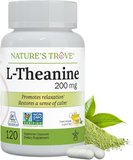
Why it made the list: Nature’s Trove delivers 200 mg of L-theanine per vegetarian capsule at an accessible price point, making it an excellent value option for people who want to try L-theanine without a significant financial commitment. Each capsule provides the clinical dose used in sleep research (200 mg), so you don’t need to double up on capsules to reach therapeutic levels. Nature’s Trove products are manufactured in GMP-certified facilities and undergo quality control testing. For budget-conscious individuals who want straightforward L-theanine supplementation without premium pricing, this is a solid choice.
Dose: 200 mg L-theanine per capsule Form: Vegetarian capsules Key feature: Budget-friendly pricing, 200 mg clinical dose, GMP manufacturing standards
5. Nootropics Depot L-Theanine Capsules

Why it made the list: Nootropics Depot has earned a reputation in the nootropics community for rigorous third-party testing — they publish certificates of analysis (COAs) for every product batch, including identity testing via HPLC (high-performance liquid chromatography), heavy metal screening, and microbial contamination testing. Their L-theanine capsules deliver 200 mg per capsule. While they may not use the Suntheanine brand, their in-house testing standards for stereochemical purity are among the most transparent in the industry. If you value seeing actual lab test data for the specific batch you purchased, Nootropics Depot is the leading choice.
Dose: 200 mg per capsule Form: Capsules Key feature: Industry-leading third-party testing with published COAs, transparent quality standards
How Do You Build an Effective L-Theanine Sleep Protocol?
The Basic Protocol (Start Here)
- Choose your product: Any of the five recommended products above
- Starting dose: 200 mg, taken 30-60 minutes before bed
- Timing: Same time every evening for consistency
- Duration: Commit to at least 14 consecutive days before evaluating
- Track your results: Note sleep onset time, nighttime awakenings, and morning energy on a 1-10 scale
The Enhanced Protocol (For Stubborn Sleep Issues)
If 200 mg for two weeks produces some benefit but not enough:
- Increase to 400 mg (two capsules) 30-60 minutes before bed
- Add magnesium glycinate (200-400 mg elemental magnesium) with your L-theanine — see our magnesium guide
- Consider a nighttime routine stack: L-theanine 400 mg + magnesium glycinate 300 mg + glycine 3 grams — all taken 45 minutes before bed. These three supplements work through different mechanisms and have no known negative interactions.
The Daytime + Nighttime Protocol
If anxiety affects both your daytime performance and your nighttime sleep:
- Morning: 100-200 mg L-theanine with your coffee or tea (the caffeine + L-theanine stack)
- Afternoon (if needed): 100 mg L-theanine for sustained calm without drowsiness
- Bedtime: 200-400 mg L-theanine for sleep onset support
Total daily intake: 400-700 mg. This falls well within the safety range demonstrated in clinical trials (up to 900 mg per day for eight weeks with minimal adverse effects).
What to Pair It With (and What to Avoid)
Good combinations:
- Magnesium glycinate or threonate (complementary GABA support)
- Glycine (enhances deep sleep through separate mechanism)
- GABA supplements (synergistic per Kim et al. 2019 data)
- Tart cherry extract (natural melatonin source)
- Chamomile or passionflower tea (mild anxiolytic effects)
Use caution with:
- Prescription benzodiazepines (additive GABAergic effects)
- Prescription sleep medications (zolpidem, eszopiclone)
- Blood pressure medications (L-theanine may modestly lower BP)
- Alcohol (both enhance GABA signaling — additive sedation)
Is L-Theanine Safe for Long-Term Use?
L-theanine has one of the strongest safety profiles of any sleep supplement — and the evidence goes beyond “generally recognized as safe” platitudes.
No Tolerance Development
Unlike benzodiazepines, Z-drugs, and even some natural supplements like valerian, L-theanine does not produce pharmacological tolerance. You do not need to increase your dose over time to achieve the same effect. The 2025 systematic review specifically noted that no tolerance effects were reported across any of the included trials, with study durations ranging from single-dose to eight weeks of continuous use.
No Dependence or Withdrawal
L-theanine is not habit-forming. You can stop taking it at any time without experiencing withdrawal symptoms, rebound insomnia, or anxiety spikes. This is a critical distinction from prescription sleep medications, where abrupt discontinuation can cause symptoms worse than the original insomnia.
Minimal Side Effects
Across all published clinical trials, the incidence of adverse effects with L-theanine is comparable to placebo. The 2024 AlphaWave 28-day trial reported that even at 400 mg per day for four weeks, L-theanine was well tolerated with few adverse events. When side effects do occur, they are typically mild: occasional headache, minor GI discomfort, or slight dizziness — and these occur at similar rates in placebo groups.
No Cognitive Impairment
Unlike sedating sleep aids, L-theanine does not impair cognitive function. In fact, it tends to improve it. The Hidese et al. (2019) trial found that L-theanine supplementation improved verbal fluency and executive function alongside sleep quality improvements. There is no next-day “hangover” effect, no psychomotor impairment, and no risk of the complex sleep behaviors (sleep-driving, sleep-eating) associated with Z-drugs.
High-Dose Safety Margin
Clinical trials have used doses up to 900 mg per day for up to eight weeks without serious adverse events. The FDA has granted L-theanine GRAS (Generally Recognized As Safe) status, and it has been used in food and beverage products in Japan for decades.
Populations That Should Exercise Caution
- Pregnant and breastfeeding women: Insufficient safety data exists for these populations. Avoid supplementation during pregnancy and lactation.
- People on blood pressure medications: L-theanine may modestly reduce blood pressure. Monitor BP when starting supplementation.
- Children: The Lyon et al. ADHD study demonstrated safety at 400 mg per day in boys aged 8-12, but pediatric use should be supervised by a healthcare provider.
- People on psychiatric medications: L-theanine has been studied alongside common antidepressants with good tolerability, but inform your prescribing physician before adding it.
Optimizing Your Sleep Environment Alongside L-Theanine
L-theanine addresses the neurochemical component of sleep difficulty, but your sleep environment and habits determine how effectively that neurochemical shift translates into actual sleep improvement. For a complete evidence-based protocol, see our guide to building the best nighttime routine for better sleep.
Temperature
Your core body temperature needs to drop by about 1-2 degrees Fahrenheit to initiate sleep. Keep your bedroom at 65-68 degrees Fahrenheit (18-20 degrees Celsius). Taking a warm shower 60-90 minutes before bed paradoxically helps by causing vasodilation that accelerates heat loss.
Light Exposure
Blue light from screens suppresses melatonin production. Use blue-light blocking glasses or enable night mode on devices after sunset. Bright morning light (10-15 minutes within an hour of waking) helps set your circadian clock, making your evening melatonin surge stronger and more reliable.
The 30-Minute Buffer
Give yourself a 30-minute screen-free buffer between your last device use and bedtime. This is the window where you take your L-theanine — use it for light reading (physical book or e-ink reader), stretching, journaling, or quiet conversation.
Caffeine Cutoff
Caffeine has a half-life of 5-6 hours, meaning half of that afternoon coffee is still circulating at bedtime. Set a personal caffeine cutoff of 1-2 PM. The irony: the daytime caffeine + L-theanine stack works best in the morning precisely because it front-loads both focus and calm without interfering with nighttime sleep.
Complete Support System for Sleep Quality
L-theanine works best as part of a comprehensive sleep optimization strategy. Here are complementary products that address different aspects of sleep quality through synergistic mechanisms:
For Enhanced Deep Sleep: Combining L-theanine with magnesium glycinate provides dual GABA support — L-theanine increases GABA levels while magnesium potentiates GABA receptors. Add glycine 3g before bed to enhance slow-wave sleep architecture through separate glycine receptor pathways.
For Anxiety-Driven Insomnia: Stack L-theanine 200-400mg with GABA 100-200mg based on the Kim et al. (2019) synergy data showing 14.9-20.7% reduction in sleep latency and 26.8-87.3% increase in total sleep duration compared to either compound alone.
For Circadian Rhythm Support: While L-theanine quiets racing thoughts, it does not directly signal sleep timing. Pair with low-dose melatonin 0.5-1mg if you need circadian adjustment (shift work, jet lag) — see our guide to sleep supplements without melatonin if you prefer melatonin-free options.
For Daytime Stress Management: Use the caffeine + L-theanine stack (100-200mg L-theanine with 50-100mg caffeine) in the morning to reduce daytime stress accumulation that interferes with nighttime sleep.
Complete Sleep Protocol: L-theanine 200-400mg + magnesium glycinate 300mg + glycine 3g, taken 45 minutes before bed, addresses cognitive hyperarousal, physical tension, and sleep architecture simultaneously through complementary non-sedating mechanisms.
Common Questions About L
What are the benefits of l?
L has been studied for various potential health benefits. Research suggests it may support several aspects of health and wellness. Individual results can vary. The strength of evidence differs across different claimed benefits. More high-quality research is often needed. Always review the latest scientific literature and consult healthcare professionals about whether l is right for your health goals.
Is l safe?
L is generally considered safe for most people when used as directed. However, individual responses can vary. Some people may experience mild side effects. It’s important to talk with a healthcare provider before using l, especially if you have existing health conditions, are pregnant or nursing, or take medications.
How does l work?
L works through various biological mechanisms that researchers are still studying. Current evidence suggests it may interact with specific pathways in the body to produce its effects. Always consult with a healthcare provider before starting any new supplement or health regimen to ensure it’s appropriate for your individual needs.
Who should avoid l?
L is a topic of ongoing research in health and nutrition. Current scientific evidence provides some insights, though more studies are often needed. Individual responses can vary significantly. For personalized advice about whether and how to use l, consult with a qualified healthcare provider who can consider your complete health history and current medications.
What are the signs l is working?
How long should I use l?
The time it takes for l to work varies by individual and depends on factors like dosage, consistency of use, and individual metabolism. Some people notice effects within days, while others may need several weeks. Research studies typically evaluate effects over weeks to months. Consistent use as directed is important for best results. Keep a journal to track your response.
Frequently Asked Questions
Is L-theanine better than melatonin for sleep?
It depends on the type of sleep problem. L-theanine is superior for anxiety-driven insomnia, racing thoughts, and stress-related sleep difficulty because it directly reduces cognitive hyperarousal through alpha wave enhancement and GABA modulation. Melatonin is better for circadian rhythm issues like jet lag, shift work adjustment, or delayed sleep phase syndrome. Many people find that they respond to one but not the other — and some use both (melatonin for circadian signaling, L-theanine for calming the mind).
Can I take L-theanine every night long-term?
Yes. The available evidence supports long-term use. Clinical trials lasting up to eight weeks have shown no tolerance, dependence, or significant adverse effects. L-theanine has been consumed in tea for centuries without documented long-term safety concerns. Unlike prescription sleep aids, there is no evidence that chronic L-theanine use alters receptor density, downregulates neurotransmitter systems, or produces withdrawal effects.
Does L-theanine make you drowsy?
No. This is one of L-theanine’s most distinctive features. It promotes relaxation and reduces anxiety without causing sedation or drowsiness. You remain cognitively sharp and alert while feeling calmer. The 2025 systematic review specifically noted that “unlike many other products targeting sleep which have a sedative action, L-theanine does not appear to cause drowsiness or adversely impact cognitive function.”
Can I take L-theanine with magnesium?
Yes, and many sleep experts recommend the combination. L-theanine and magnesium work through complementary mechanisms — L-theanine enhances alpha waves and modulates neurotransmitters, while magnesium glycinate supports GABA receptor function and promotes muscle relaxation. There are no known negative interactions between the two supplements.
How long does it take L-theanine to kick in?
L-theanine begins to increase alpha brain wave activity within 30-40 minutes of ingestion. The acute cortisol-reducing effect has been measured within 1-3 hours. For sleep use, taking it 30-60 minutes before your intended bedtime gives it sufficient time to produce its calming effect. Cumulative benefits on overall sleep quality typically develop over 1-4 weeks of consistent use.
Is L-theanine safe for children?
The Lyon et al. (2011) study demonstrated safety and tolerability at 400 mg per day in boys aged 8-12 with ADHD over a six-week period. However, pediatric use should be supervised by a healthcare provider, as long-term safety data in children is limited.
Related Articles
- L-Theanine for Sleep and Anxiety: What the Research Says
- Best Sleep Supplements That Don’t Contain Melatonin
- Best Magnesium Supplements for Sleep: Glycinate vs. Threonate
- Caffeine and L-Theanine Stack: The Research Behind the Combo
- Best Glycine Supplements for Deep Sleep
Related Reading
- L-Theanine for Sleep and Anxiety: What the Research Says
- Best Tart Cherry Supplements for Sleep Research Review
- REM Sleep Rebound After Quitting Alcohol: Recovery Supplements That Actually Work
- Improving Deep Sleep with Supplements: What Research Shows
- Sleep and Recovery: Best Magnesium Supplements for Sleep - Glycinate vs Threonate
- Sleep and Recovery: Best Glycine Supplements for Deep Sleep
- Shift Work Sleep Disorder: Supplements to Reset Your Circadian Clock
References
-
Dassanayake TL, et al. “The effects of L-theanine consumption on sleep outcomes: A systematic review and meta-analysis.” Sleep Medicine Reviews. 2025. ScienceDirect
-
McCartney D, et al. “Examining the effect of L-theanine on sleep: a systematic review of dietary supplementation trials.” Nutritional Neuroscience. 2025. PubMed
-
Gomez-Ramirez M, et al. “The effects of L-theanine on alpha-band oscillatory brain activity during a visuo-spatial attention task.” Brain Topography. 2009;21(1):1-11. PubMed
-
Williams JL, et al. “A Randomized, Triple-Blind, Placebo-Controlled, Crossover Study to Investigate the Efficacy of a Single Dose of AlphaWave L-Theanine on Stress in a Healthy Adult Population.” Nutrients. 2021;13(10):3329. PubMed
-
Nathan PJ, et al. “The neuropharmacology of L-theanine(N-ethyl-L-glutamine): a possible neuroprotective and cognitive enhancing agent.” Journal of Herbal Pharmacotherapy. 2006;6(2):21-30. PubMed
-
Unno K, et al. “A Novel Theanine Complex, Mg-L-Theanine Improves Sleep Quality via Regulating Brain Electrochemical Activity.” Frontiers in Nutrition. 2022;9:874254. Frontiers
-
Lyon MR, et al. “The effects of L-theanine (Suntheanine) on objective sleep quality in boys with attention deficit hyperactivity disorder (ADHD): a randomized, double-blind, placebo-controlled clinical trial.” Alternative Medicine Review. 2011;16(4):348-354. PubMed
-
Sarris J, et al. “L-theanine in the adjunctive treatment of generalized anxiety disorder: A double-blind, randomised, placebo-controlled trial.” Journal of Psychiatric Research. 2019;110:31-37. PubMed
-
Hidese S, et al. “Effects of L-Theanine Administration on Stress-Related Symptoms and Cognitive Functions in Healthy Adults: A Randomized Controlled Trial.” Nutrients. 2019;11(10):2362. PubMed
-
Kim S, et al. “GABA and l-theanine mixture decreases sleep latency and improves NREM sleep.” Pharmaceutical Biology. 2019;57(1):65-73. PubMed
-
Jackson SE, et al. “Safety and Efficacy of AlphaWave L-Theanine Supplementation for 28 Days in Healthy Adults with Moderate Stress: A Randomized, Double-Blind, Placebo-Controlled Trial.” Neurology and Therapy. 2024;13(4):1085-1105. PubMed
-
Lopes Sakamoto F, et al. “Psychotropic effects of L-theanine and its clinical properties: From the management of anxiety and stress to a potential use in schizophrenia.” Pharmacological Research. 2019;147:104395. ScienceDirect
-
Nobre AC, et al. “L-theanine, a natural constituent in tea, and its effect on mental state.” Asia Pacific Journal of Clinical Nutrition. 2008;17(Suppl 1):167-168. PubMed
-
Williams JL, et al. “The effects of L-theanine supplementation on the outcomes of patients with mental disorders: a systematic review.” BMC Psychiatry. 2024;24:903. PubMed
-
Kahathuduwa CN, et al. “Effects of L-theanine-caffeine combination on sustained attention and inhibitory control among children with ADHD: a proof-of-concept neuroimaging RCT.” Scientific Reports. 2020;10(1):13072. PubMed
-
Baba Y, et al. “Effects of l-Theanine on Cognitive Function in Middle-Aged and Older Subjects: A Randomized Placebo-Controlled Study.” Journal of Medicinal Food. 2021;24(4):333-341. PubMed
-
Rao TP, et al. “In Search of a Safe Natural Sleep Aid.” Journal of the American College of Nutrition. 2015;34(5):436-447. PubMed
-
Juneja LR, et al. “L-theanine — a unique amino acid of green tea and its relaxation effect in humans.” Trends in Food Science & Technology. 1999;10(6-7):199-204.
Our Top Recommendations
📱 Join the discussion: Facebook | X | YouTube | Pinterest
Where to Buy Quality L-Theanine Supplements
Based on the research discussed in this article, here are high-quality L-theanine supplement options:
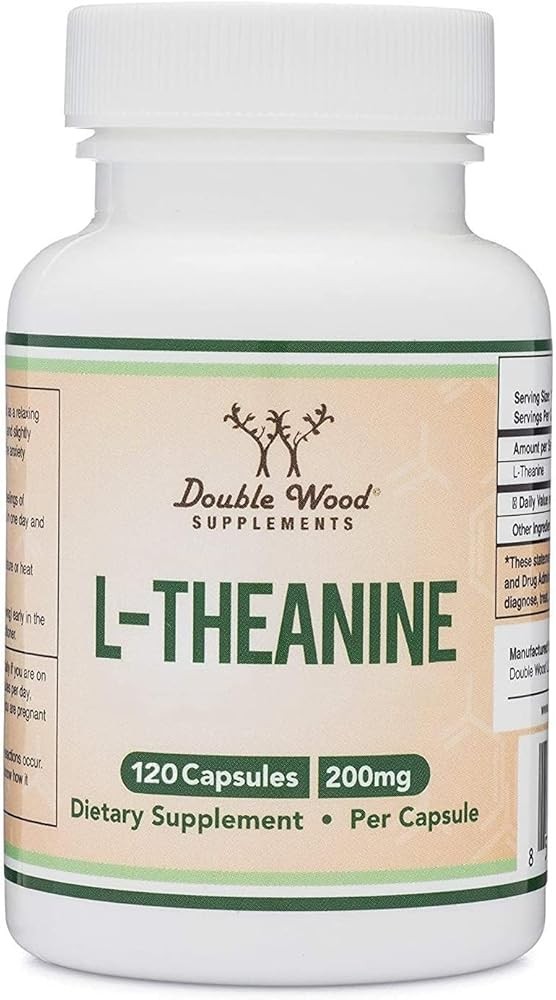
L-Theanine 200mg Double Strength - Supports Health Sleep Response
Check Price on AmazonAs an Amazon Associate we earn from qualifying purchases.
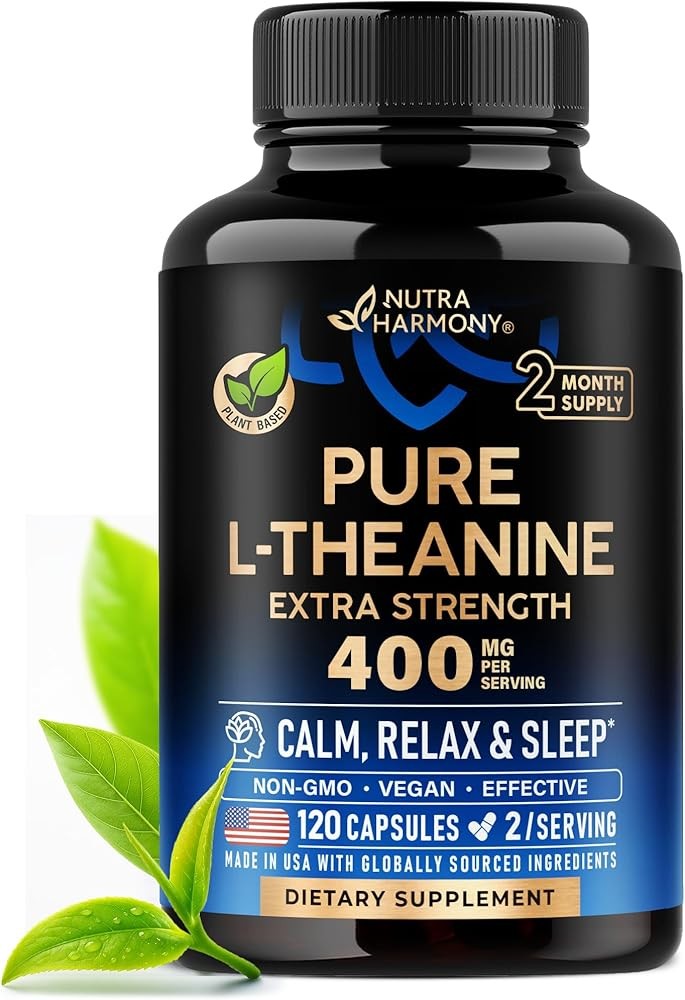
L Theanine 400 mg Extra Strength Supplement
Check Price on AmazonAs an Amazon Associate we earn from qualifying purchases.
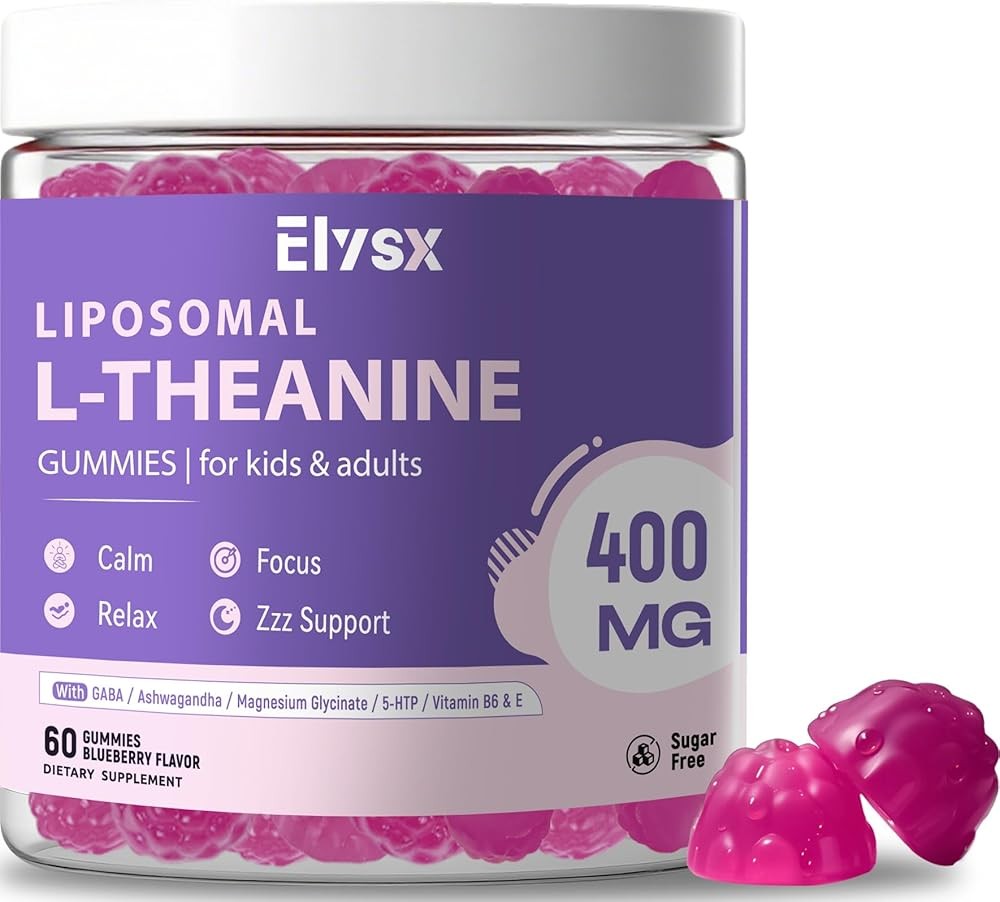
Liposomal L Theanine Gummies 400mg with GABA Supplement
Check Price on AmazonAs an Amazon Associate we earn from qualifying purchases.
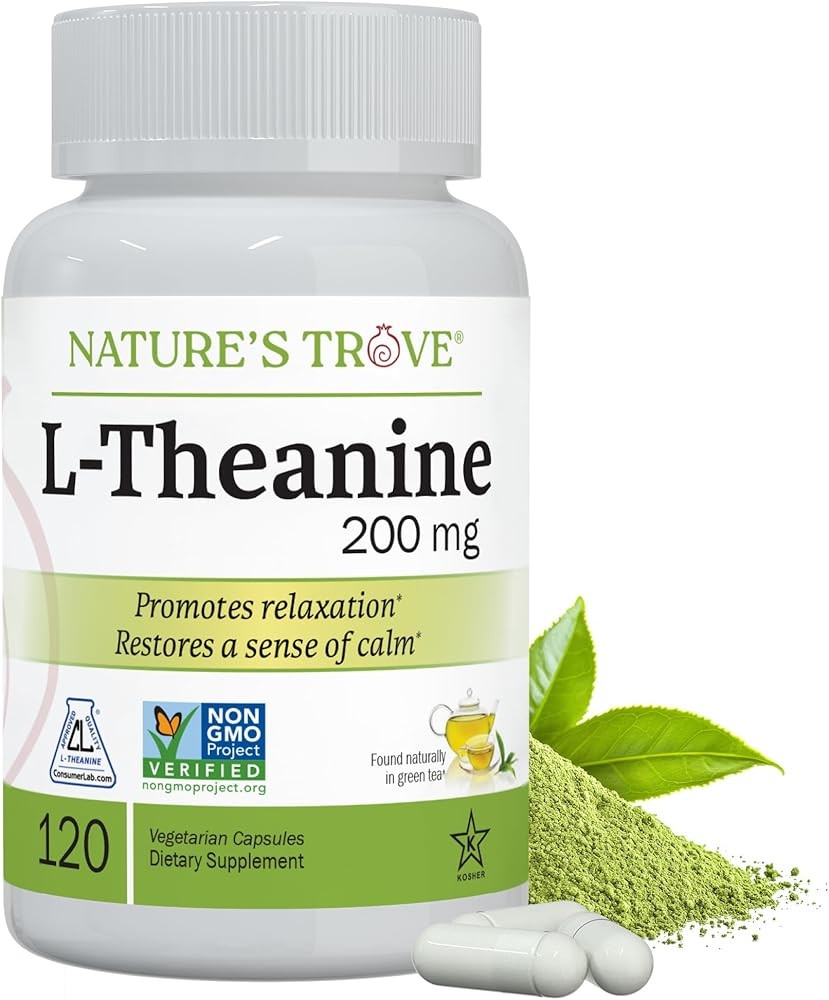
Nature's Trove L-Theanine 200mg Vegetarian Capsules
Check Price on AmazonAs an Amazon Associate we earn from qualifying purchases.
Recommended Products