Best Magnesium for Sleep: Glycinate for Falling Asleep, Threonate for Deep Sleep
Summarized from peer-reviewed research indexed in PubMed. See citations below.
Roughly 50% of Americans fail to meet recommended magnesium intake due to soil depletion, food processing, and stress-induced losses, creating widespread sleep disruption. Doctor’s Best High Absorption Magnesium Glycinate delivers 200mg elemental magnesium chelated to glycine for $12-15 per month, providing the highest bioavailability through dipeptide transport pathways while avoiding the laxative effects of citrate forms. Multiple randomized controlled trials demonstrate that 500mg elemental magnesium daily significantly increased sleep time, sleep efficiency, and serum melatonin while decreasing insomnia severity and cortisol, with the 2025 trial in 155 adults confirming magnesium bisglycinate modestly but significantly improved insomnia severity. For budget-conscious buyers, Magnesium Glycinate 500mg High Absorption provides 100mg elemental magnesium per capsule at approximately $8-10 per month with similar chelation benefits. Here’s what the published research shows about magnesium forms, bioavailability differences, and clinical evidence for sleep improvement.
Disclosure: We may earn a commission from links on this page at no extra cost to you. Affiliate relationships never influence our ratings. Full policy →
Why Is Magnesium the Most Underrated Sleep Supplement?
If you have tried melatonin, valerian root, and every other sleep supplement on the shelf without lasting results, the problem might not be what you are adding to your routine. It might be what your body is missing.
Magnesium is involved in over 300 enzymatic reactions in the human body, including the ones that regulate your sleep-wake cycle, calm your nervous system, and tell your muscles to stop tensing up at 2 AM. And yet, according to population data, roughly 50% of Americans fail to meet the recommended daily intake for this mineral. Some estimates place the number even higher: a 2018 analysis published in Open Heart called subclinical magnesium deficiency “a principal driver of cardiovascular disease and a public health crisis.”
The consequences of this widespread deficiency extend far beyond heart health. Magnesium directly regulates the neurotransmitters and hormones that control sleep quality, and when levels drop too low, your body sends unmistakable signals: muscle cramps, restless legs, racing thoughts at bedtime, and the kind of shallow, fragmented sleep that leaves you exhausted no matter how many hours you spend in bed.
The good news is that magnesium supplementation is one of the most well-studied, affordable, and effective interventions for sleep. But not all magnesium is created equal. The form you choose determines how much your body actually absorbs, whether it reaches your brain, and how effectively it improves your sleep.
This guide breaks down the two best magnesium forms for sleep – glycinate and threonate – with head-to-head comparisons, dosing protocols, clinical evidence, and practical recommendations so you can make an informed choice.
| Feature | Doctor’s Best Glycinate | Magnesium Glycinate 500mg | Magtein L-Threonate | Momentous Magtein |
|---|---|---|---|---|
| Form | Magnesium Bisglycinate | Magnesium Bisglycinate | Magnesium L-Threonate | Magnesium L-Threonate |
| Elemental Mg per serving | 200mg | 100mg per capsule | 144mg (from 2000mg Magtein) | 144mg (from 2000mg Magtein) |
| Crosses blood-brain barrier | Limited | Limited | Yes (clinically proven) | Yes (clinically proven) |
| Best for | General sleep + muscle relaxation | Budget-friendly sleep support | Brain-targeted sleep + cognition | Premium brain-targeted formula |
| Bioavailability | High (dipeptide transport) | High (dipeptide transport) | High (BBB-specific) | High (BBB-specific) |
| Laxative effect | None | None | None | None |
| Price range | $12-15/month | $8-10/month | $25-35/month | $30-40/month |
Watch Our Video Review
For more supplement reviews and health insights, visit our YouTube channel.
Why Are So Many People Magnesium Deficient?
Before diving into specific supplements, it helps to understand why magnesium deficiency is so widespread. This is not a problem of personal negligence. It is a structural problem built into the modern food system.
Soil Depletion
Industrial agriculture has fundamentally altered the mineral content of our food. The massive use of potassium-based fertilizers has progressively reduced the ability of plant roots to absorb magnesium from soil. Magnesium is routinely omitted from conventional fertilization protocols, and since plant uptake depends directly on soil availability, depleted soil means depleted food.
The numbers are striking. Research has documented that the mineral content of vegetables has declined by as much as 80-90% over the last 100 years. The magnesium content of wheat has dropped nearly 20% since the 1960s alone. Even animal products are affected: investigators have identified magnesium reductions of 4-8% in beef, 4% in chicken, 38% in cheddar cheese, 70% in parmesan cheese, and 21% in whole milk.
Food Processing
Even when whole foods contain adequate magnesium, refining and processing strips out 80-97% of it. White flour, white rice, and other refined grains have had the magnesium-rich bran and germ removed. The shift from whole-grain to refined-grain diets over the past century has dramatically reduced average magnesium intake.
Stress, Medications, and Modern Life
Chronic psychological stress increases urinary magnesium excretion, creating a vicious cycle: stress depletes magnesium, and magnesium deficiency amplifies the stress response. Several common medications also drain magnesium levels:
- Proton pump inhibitors (omeprazole, lansoprazole) suppress the acidic environment needed for magnesium absorption
- Loop and thiazide diuretics (furosemide, hydrochlorothiazide) increase urinary magnesium loss
- Excessive caffeine and alcohol both increase magnesium excretion
The Global Scale
A comprehensive analysis published in the International Journal of Vitamin and Nutrition Research estimated that roughly 2.4 billion people worldwide – about 31% of the global population – fail to meet recommended magnesium intake levels. In the United States specifically, data suggests that 45-60% of adults do not reach adequate dietary intake.
Bottom line: Magnesium deficiency is widespread due to soil depletion reducing crop mineral content by 80-90%, food processing stripping out most magnesium, and stress/medications increasing excretion, creating a structural problem that affects roughly half of Americans regardless of dietary effort.
How Does Magnesium Regulate Sleep?
Magnesium does not simply “make you sleepy.” It operates through multiple interconnected biochemical pathways that collectively create the conditions your body needs for deep, restorative sleep.
GABA Activation and Neural Calming
Magnesium is a natural GABA agonist. It binds to gamma-aminobutyric acid (GABA) receptors in the brain, activating the primary inhibitory neurotransmitter system that reduces neural excitability. When GABA activity is sufficient, your brain can downshift from the alert, waking state into the relaxed state that precedes sleep.
Simultaneously, magnesium acts as a natural NMDA receptor antagonist. NMDA receptors are excitatory – they keep neurons firing. By blocking these receptors, magnesium reduces the excitatory neural activity that keeps you awake and causes the racing-thoughts pattern that so many insomnia sufferers recognize.
A 2022 review published in Nature and Science of Sleep described magnesium as playing “a pivotal role in sleep regulation” through these dual GABA-agonist and NMDA-antagonist mechanisms.
Melatonin Production
Magnesium is required for the synthesis of melatonin, the hormone that signals your body it is time to sleep. A landmark 2012 double-blind, placebo-controlled trial found that 500 mg of magnesium supplementation daily for 8 weeks produced statistically significant increases in serum melatonin concentration compared to placebo. This is particularly relevant because many people who supplement with exogenous melatonin may actually have an underlying magnesium deficiency that is impairing their natural melatonin production.
For more on the magnesium-sleep connection, see our in-depth review: Does Magnesium Actually Help You Sleep? What Studies Say.
Cortisol Reduction
Cortisol, the primary stress hormone, should naturally decline in the evening to allow sleep onset. Magnesium supplementation has been shown to decrease serum cortisol concentrations, helping normalize the cortisol rhythm that chronic stress disrupts. The same 2012 clinical trial demonstrated significant cortisol reduction alongside improved sleep parameters.
Muscle Relaxation
Magnesium regulates muscle contraction by acting as a calcium channel blocker at the cellular level. Calcium causes muscle fibers to contract; magnesium allows them to relax. When magnesium is deficient, muscles remain in a semi-contracted state, producing the tension, cramps, and restless legs that interfere with sleep.
Circadian Rhythm Regulation
Emerging research indicates that magnesium helps regulate the cellular biological clock and circadian rhythm. It influences the expression of clock genes and helps synchronize the body’s internal timing with the external light-dark cycle. This may explain why magnesium deficiency is associated with circadian disruption and irregular sleep patterns.
Bottom line: Magnesium promotes sleep through multiple pathways including GABA receptor activation, NMDA receptor antagonism, melatonin production, cortisol reduction, muscle relaxation, and circadian rhythm regulation, creating comprehensive nervous system calming backed by clinical trials showing significant improvements in sleep time, efficiency, and insomnia severity.
What Are the Signs of Magnesium Deficiency?
Your body communicates magnesium deficiency through a predictable pattern of symptoms. These signals range from subtle early warnings to unmistakable red flags.
Early Warning Signs (Mild Deficiency)
- Muscle cramps and spasms, especially in the calves and feet, often occurring at night
- Eye twitching (myokymia) – that persistent eyelid flutter that comes and goes
- Restless legs – an irresistible urge to move your legs, particularly when lying down
- Difficulty falling asleep or frequent nighttime awakenings
- Increased anxiety or irritability, especially in the evening
- Chocolate cravings – dark chocolate is one of the richest food sources of magnesium, and cravings may reflect your body’s attempt to self-correct
- Constipation – magnesium draws water into the intestines and stimulates peristalsis
- Tension headaches and jaw clenching (bruxism)
Moderate Deficiency Signs
- Chronic fatigue that does not improve with sleep
- Heart palpitations or irregular heartbeat sensations
- Numbness or tingling in extremities
- Worsening PMS symptoms in women
- Brain fog and difficulty concentrating
- Increased sensitivity to noise and stress
Severe Deficiency Red Flags (See a Doctor)
- Heart arrhythmias – irregular heart rhythms that feel sustained or concerning
- Severe muscle weakness
- Personality changes or significant mood disturbances
- Seizures (in extreme cases)
- Tremors or involuntary muscle movements
If you experience symptoms in the severe category, consult a healthcare provider before self-supplementing. A serum magnesium test can help, though it only reflects 1% of total body magnesium (most is stored in bones and soft tissue), so normal serum levels do not definitively rule out deficiency. Research has shown that even individuals with normal serum magnesium levels can have intracellular deficiency affecting sleep quality (PubMed 26069818).
Why Is Magnesium Glycinate the Gold Standard for Sleep?
What It Is
Magnesium glycinate (also called magnesium bisglycinate) is a chelated form of magnesium bound to the amino acid glycine. This chelation gives it two distinct advantages: high bioavailability through a unique absorption pathway, and the independent sleep benefits of glycine itself.
How It Is Absorbed
Unlike inorganic magnesium forms (oxide, sulfate) that rely on passive absorption in the intestines, magnesium glycinate is absorbed through the dipeptide transporter pathway. This active transport mechanism means it does not compete with other minerals for absorption and is not as dependent on stomach acid levels. The result is significantly higher bioavailability than oxide or carbonate, with the added benefit of being gentle on the digestive system – no laxative effect.
The Glycine Advantage
What makes magnesium glycinate uniquely suited for sleep is that glycine itself is a powerful sleep-promoting compound. Research published in the Journal of Pharmacological Sciences demonstrated that 3 grams of glycine before bedtime significantly improved subjective sleep quality in individuals with insomnia tendencies.
The mechanisms are fascinating:
- Core body temperature reduction: Glycine lowers core body temperature by increasing blood flow to the extremities. Since sleep onset requires a drop in core temperature, this directly facilitates falling asleep.
- Slow-wave sleep stabilization: A polysomnographic study found that glycine stabilizes sleep state and shortens the latency to slow-wave sleep (the deepest, most restorative sleep phase) without altering overall sleep architecture.
- NMDA receptor modulation: Glycine acts as an excitatory modulator of NMDA receptors in the suprachiasmatic nucleus (the brain’s master clock), influencing circadian rhythm and the sleep-wake transition.
The glycine content in a standard magnesium bisglycinate dose (approximately 1.54 grams per 250 mg of elemental magnesium) is lower than the 3 grams used in standalone glycine studies. However, the combination with magnesium creates what researchers describe as potentially synergistic effects, where both compounds support sleep through complementary pathways.
For a deeper dive into glycine’s sleep benefits, see our guide: Best Glycine Supplements for Deep Sleep.
Clinical Evidence for Magnesium Glycinate and Sleep
A landmark 2025 randomized, placebo-controlled trial published in Nature and Science of Sleep enrolled 155 healthy adults aged 18-65 with self-reported poor sleep quality. Participants received magnesium bisglycinate or placebo over a multi-week period. The results showed that magnesium bisglycinate supplementation modestly but significantly improved insomnia severity compared to placebo.
An additional randomized, double-blind, placebo-controlled crossover trial found that magnesium supplementation resulted in significant improvements in sleep duration, deep sleep, sleep efficiency, readiness, activity balance, and HRV (heart rate variability) readiness compared to placebo.
Bottom line: Magnesium glycinate combines high-bioavailability magnesium (200-400 mg elemental) with the independent sleep benefits of glycine (core temperature reduction, slow-wave sleep stabilization), backed by 2025 and multiple RCTs showing significant insomnia improvements, making it the best all-around choice for sleep at a cost-effective price.
Recommended Products
Recommended Supplements

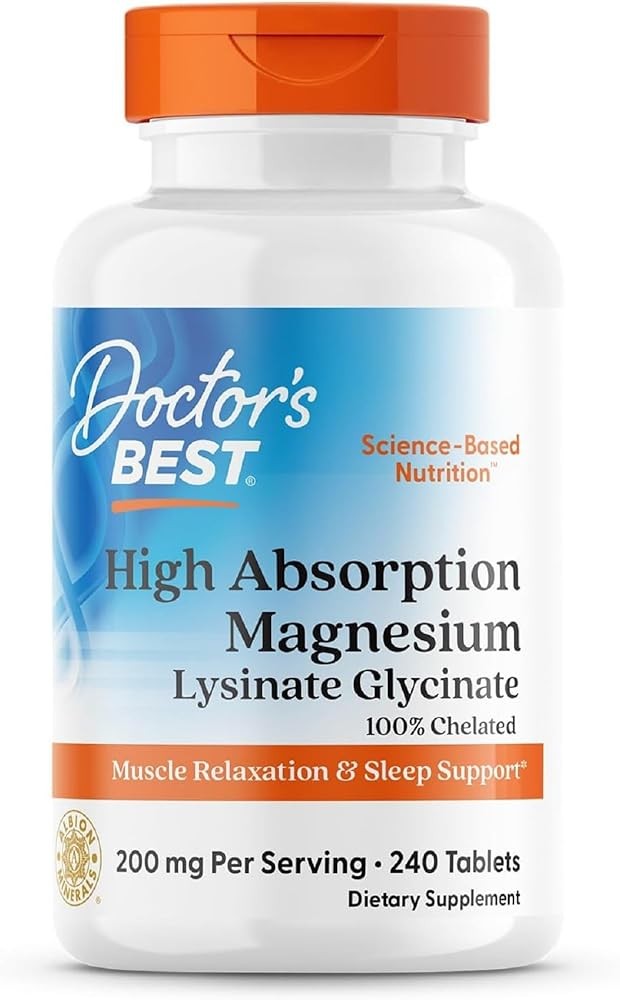
Doctor's Best Magnesium Glycinate
Check Price on AmazonAs an Amazon Associate we earn from qualifying purchases.
Doctor’s Best High Absorption Magnesium Glycinate uses fully reacted magnesium bisglycinate chelate (TRAACS) from Albion Laboratories, providing 200mg elemental magnesium per serving. The bisglycinate form offers superior bioavailability through dipeptide transport pathways while remaining gentle on the digestive system. Each bottle provides a 30-60 day supply depending on dosing, making it cost-effective at $12-15 per month. The glycine carrier amino acid provides additional sleep benefits through core body temperature reduction and slow-wave sleep stabilization, creating synergistic effects backed by multiple randomized controlled trials.
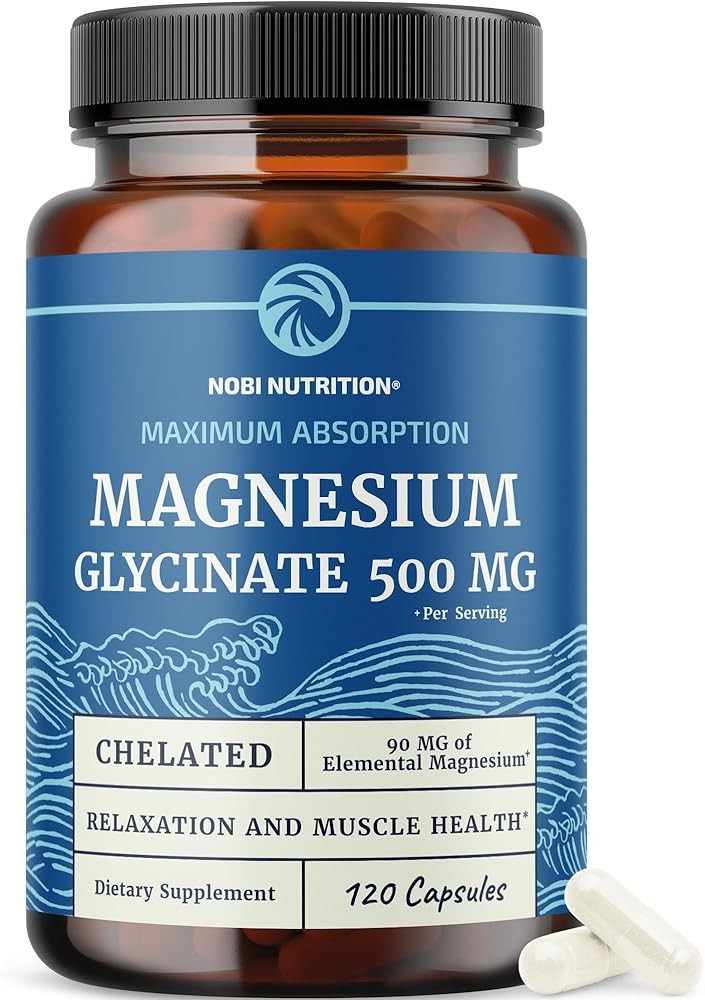
Magnesium Glycinate 500mg High Absorption
Check Price on AmazonAs an Amazon Associate we earn from qualifying purchases.
Magnesium Glycinate 500mg High Absorption delivers 100mg elemental magnesium per capsule in the same chelated bisglycinate form as premium brands, making it the best budget option for sleep support. The formula uses the chelated form that binds magnesium to glycine through stable covalent bonds, ensuring high absorption rates without gastric distress. At approximately $8-10 per month for a full supply, this provides excellent value while maintaining the bioavailability advantages and sleep-promoting benefits of the glycinate form.
Dosing Protocol for Glycinate
| Parameter | Recommendation |
|---|---|
| Starting dose | 200 mg elemental magnesium |
| Target dose | 200-400 mg elemental magnesium |
| Timing | 30-60 minutes before bed |
| With food? | Can be taken with or without food |
| Ramp-up period | Start at 200 mg for 1 week, increase if needed |
| Stomach tolerance | Excellent – rarely causes GI issues |
What Makes Magnesium L-Threonate Different?
What It Is
Magnesium L-threonate is a patented form of magnesium (sold under the brand name Magtein) developed by researchers at MIT. It chelates magnesium to L-threonic acid, a metabolite of vitamin C. It was specifically designed to address a problem that no other magnesium form had solved: getting magnesium across the blood-brain barrier.
The Blood-Brain Barrier Problem
Here is why this matters: the blood-brain barrier (BBB) is a highly selective membrane that tightly regulates which substances can enter the brain. Most forms of magnesium – including glycinate, citrate, and oxide – raise serum (blood) magnesium levels but have little to no effect on cerebrospinal fluid (CSF) magnesium levels, which is what actually matters for brain function and neurological sleep regulation.
Research published in Magnesium in the Central Nervous System (NCBI Bookshelf) demonstrated that even when serum magnesium levels were increased 8 to 10-fold using intravenous magnesium sulfate, there was no significant change in CSF magnesium concentration. This means flooding your bloodstream with magnesium does not translate to more magnesium in your brain.
Magnesium L-threonate is the exception. The L-threonic acid carrier allows the compound to cross the BBB efficiently, and animal studies have demonstrated that it elevates magnesium concentrations in cerebrospinal fluid in ways that other forms cannot replicate.
For a comprehensive review of threonate’s cognitive effects, see: Magnesium L-Threonate for Cognitive Function: Research Review.
Clinical Evidence for Magtein and Sleep
2024 Randomized Controlled Trial (Sleep Medicine: X)
A randomized controlled trial published in Sleep Medicine: X in 2024 examined magnesium L-threonate in adults with self-reported sleep problems. The study found that taking magnesium L-threonate improved both subjective and objective sleep scores as well as both subjective and objective daytime functioning. Participants reported better sleep quality, reduced sleep-related impairment, and improved daytime alertness.
2025/2026 Randomized, Double-Blind, Placebo-Controlled Trial (Frontiers in Nutrition)
A more recent trial published in Frontiers in Nutrition enrolled 100 adults aged 18-45 with self-reported sleep dissatisfaction. Participants received either 2 grams of Magtein daily or placebo. Key findings:
- 7.5-year reduction in estimated brain cognitive age in the Magtein group
- Greater improvement in reaction time
- Greater improvement in sleep-related impairment based on self-report measures
- In a subset of participants with more severe sleep problems, significant improvements in sleep disturbance scores were identified
- Greater reduction in heart rate and increase in heart rate variability – physiological markers of improved nervous system regulation
- Magtein was well-tolerated with no significant adverse reactions
Bottom line: Magnesium L-threonate (Magtein) is the only form clinically proven to cross the blood-brain barrier and elevate cerebrospinal fluid magnesium, with 2024 RCTs showing improvements in both subjective and objective sleep scores, daytime functioning, and a 7.5-year brain age reduction, though it provides less elemental magnesium (144 mg vs 200-400 mg) and costs 2-3 times more than glycinate.
Recommended Products
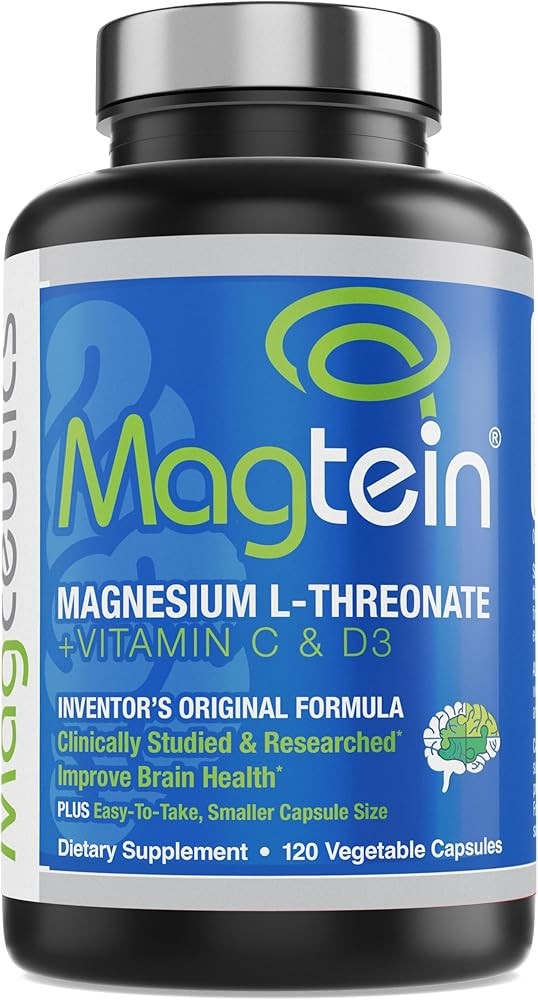
Magtein Magnesium L-Threonate
Check Price on AmazonAs an Amazon Associate we earn from qualifying purchases.
Magtein Magnesium L-Threonate is the patented form developed at MIT specifically to cross the blood-brain barrier and elevate cerebrospinal fluid magnesium levels. Each serving delivers 2,000mg of Magtein (providing 144mg elemental magnesium) using L-threonic acid as the carrier molecule. Clinical trials demonstrate this is the only magnesium form proven to raise brain magnesium concentrations, with 2024 and 2025 RCTs showing improvements in both subjective and objective sleep scores, daytime functioning, reaction time, and a remarkable 7.5-year reduction in estimated brain cognitive age. While more expensive than glycinate at $25-35 per month, it provides unique brain-specific benefits no other form can match.

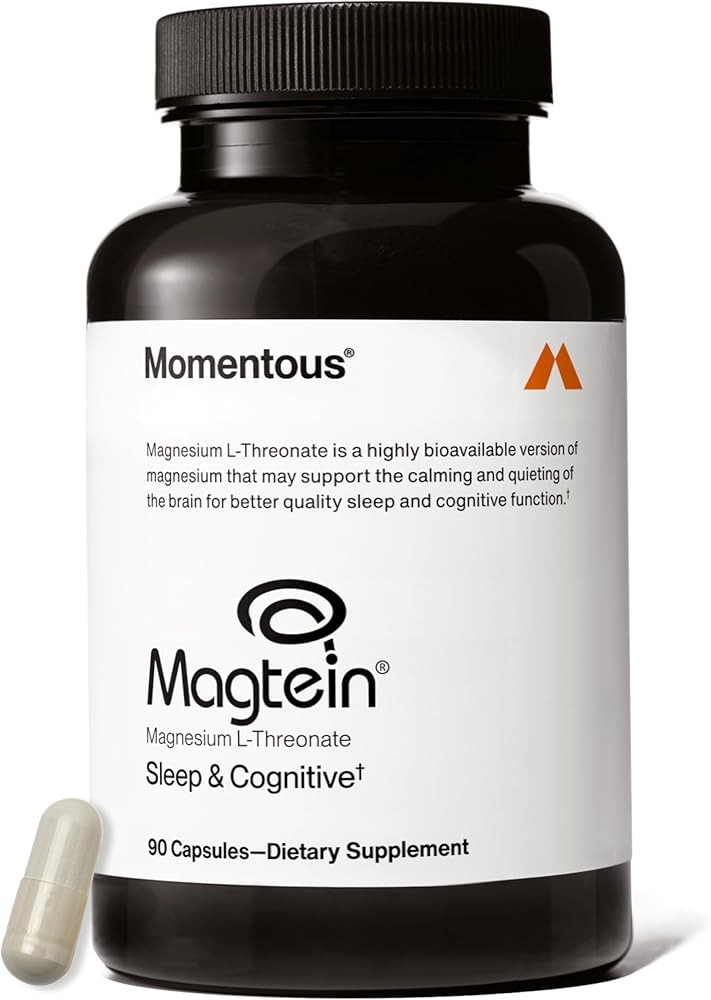
Momentous Magtein Magnesium L-Threonate
Check Price on AmazonAs an Amazon Associate we earn from qualifying purchases.
Momentous Magtein Magnesium L-Threonate uses the same patented Magtein formula as the standard version but comes from a premium sports nutrition brand known for rigorous third-party testing and NSF Certified for Sport validation. Each serving provides 2,000mg of Magtein (144mg elemental magnesium) with the same blood-brain barrier crossing capability. Momentous partners with top universities and professional sports teams, ensuring manufacturing standards that exceed typical supplement protocols. At $30-40 per month, this represents the premium tier for those who prioritize certification and brand reputation alongside the proven Magtein benefits.
Dosing Protocol for Threonate
| Parameter | Recommendation |
|---|---|
| Standard dose | 2,000 mg Magtein (144 mg elemental Mg) |
| Timing | 2 capsules, ideally 1-2 hours before bed |
| With food? | Can be taken with or without food |
| Elemental Mg content | Lower than glycinate – 144 mg per 2g dose |
| Stomach tolerance | Excellent – well-tolerated in clinical trials |
Head-to-Head: Glycinate vs Threonate
This is the comparison most people are looking for. Both forms are excellent for sleep, but they have distinct strengths.
Direct Comparison Table
| Feature | Magnesium Glycinate | Magnesium L-Threonate |
|---|---|---|
| Elemental Mg per serving | 200-400 mg | 144 mg |
| Crosses blood-brain barrier | Limited | Yes (clinically proven) |
| Bioavailability | High (dipeptide transport) | High (BBB-specific) |
| Sleep mechanism | GABA activation + glycine cooling | Brain Mg elevation + neural calming |
| Cognitive benefits | Minimal | Significant (memory, reaction time) |
| Stomach tolerance | Excellent | Excellent |
| Laxative effect | None | None |
| Cost per month | $10-20 | $25-45 |
| Research volume | Extensive (decades) | Growing (2010s-present) |
| Carrier amino acid benefit | Glycine (sleep-promoting) | L-threonic acid (BBB transport) |
| Best for | General sleep + relaxation | Brain-targeted sleep + cognition |
| Patented form | No | Yes (Magtein) |
When to Choose Glycinate
- You want the best all-around magnesium for sleep at a reasonable price
- You experience muscle tension, cramps, or restless legs alongside poor sleep
- You want a higher dose of elemental magnesium (200-400 mg vs 144 mg)
- Budget matters – glycinate costs roughly half what threonate does
- You want the added benefit of glycine for core temperature regulation and slow-wave sleep
- You are new to magnesium supplementation and want a proven, well-tolerated starting point
When to Choose Threonate
- You specifically want to raise brain magnesium levels for both sleep and cognitive function
- You experience brain fog, memory issues, or mental fatigue alongside sleep problems
- You have tried glycinate without sufficient improvement and want to try a different mechanism
- You value the cognitive benefits (7.5-year brain age reduction in clinical trials)
- You are willing to pay a premium for a patented, brain-targeted form
The Stacking Option
Some people use both forms together: glycinate for the high elemental magnesium dose and glycine benefits, plus threonate for brain-specific magnesium elevation. This is a reasonable approach as long as total supplemental magnesium stays within safe ranges. A common stacking protocol is 200 mg elemental from glycinate + the standard 2g Magtein dose (144 mg elemental), totaling 344 mg of supplemental elemental magnesium – within the NIH upper intake level of 350 mg from supplements.
For a detailed comparison of these two forms, see: Magnesium Threonate vs Magnesium Glycinate.
Which Magnesium Forms Are Best for Sleep?
Beyond glycinate and threonate, here is how every common form of magnesium stacks up specifically for sleep applications.
Tier 1: Best for Sleep
Magnesium Glycinate / Bisglycinate – High bioavailability via dipeptide transport. Glycine carrier provides independent sleep benefits. No laxative effect. Best all-around choice. Cost-effective.
Magnesium L-Threonate (Magtein) – Only form proven to cross the BBB. Brain-targeted. Cognitive benefits plus sleep. Lower elemental Mg per dose. More expensive.
Magnesium Taurate – Chelated with the amino acid taurine. Excellent bioavailability. Taurine has its own calming and cardiovascular protective effects. Research suggests it may be one of the most bioavailable magnesium salts overall, with rapid absorption and the ability to pass through to the brain. Particularly good for people with both sleep issues and cardiovascular concerns.
Tier 2: Decent for Sleep (With Caveats)
Magnesium Citrate – Decent bioavailability (high solubility, even in water at 55%). Widely available and affordable. The major downside: significant laxative effect at sleep-relevant doses. This makes it less practical as a bedtime supplement for many people, though some individuals tolerate it well. Better suited for people who also struggle with constipation.
For a detailed comparison, see: Magnesium Glycinate vs Magnesium Citrate.
Magnesium Malate – Chelated with malic acid, which is involved in cellular energy production (the Krebs cycle). Some evidence suggests it may be more energizing than calming, making it better suited for daytime use than bedtime supplementation. Good bioavailability, but not the ideal choice specifically for sleep.
Tier 3: Not Recommended for Sleep
Magnesium Oxide – The most commonly sold form (it is cheap to manufacture), but also the worst absorbed. Research consistently shows that magnesium oxide has one of the lowest bioavailabilities among magnesium forms. A study comparing bioavailability found that magnesium oxide had among the lowest absorption when compared to organic forms. The high elemental magnesium content on the label (60% by weight) is misleading because so little of it is actually absorbed. Avoid this form for sleep supplementation.
Magnesium Sulfate (Epsom Salt) – Poorly absorbed orally. Primarily used topically in baths, where transdermal absorption is limited and not well-documented. Not a reliable way to correct deficiency or improve sleep.
Magnesium Carbonate – Low bioavailability. Requires stomach acid for conversion. Often causes GI disturbance. No specific sleep benefits beyond basic magnesium repletion.
Magnesium Chloride – Moderate bioavailability. Available topically (magnesium oil sprays). Oral forms are acceptable but not superior to glycinate or threonate for sleep purposes.
Quick Reference: Bioavailability Ranking
| Form | Bioavailability | Sleep Rating | Laxative Effect |
|---|---|---|---|
| Glycinate | High | Excellent | None |
| Threonate | High (BBB) | Excellent | None |
| Taurate | High | Very Good | Minimal |
| Citrate | Moderate-High | Good | Significant |
| Malate | Moderate-High | Fair (energizing) | Minimal |
| Chloride | Moderate | Fair | Moderate |
| Oxide | Very Low (~4%) | Poor | Significant |
| Sulfate | Low (oral) | Poor | Significant |
| Carbonate | Low | Poor | Moderate |
How Much Magnesium Should I Take for Sleep?
Getting the dose right is critical. Too little produces no effect; too much causes GI problems and, in rare cases, more serious issues.
Dosing by Form
Magnesium Glycinate
- Elemental Mg per serving: 200-400 mg
- Sleep dose: Start at 200 mg, increase to 400 mg if needed
- Timing: 30-60 minutes before bed
Magnesium L-Threonate (Magtein)
- Standard dose: 2,000 mg Magtein (delivers 144 mg elemental Mg)
- Sleep dose: Full 2,000 mg dose
- Timing: 1-2 hours before bed (some take 1 capsule in the afternoon, 1 before bed)
Important Dosing Rules
- The NIH Tolerable Upper Intake Level for supplemental magnesium is 350 mg per day for adults. This refers to supplemental intake only – magnesium from food does not count toward this limit.
- Start low and increase gradually. This minimizes any GI adjustment period.
- Consistency matters more than dose. Taking 200 mg every night for a month will produce better results than taking 400 mg sporadically.
- Take with or without food – chelated forms like glycinate and threonate do not require food for absorption. However, taking with a small snack can reduce any mild stomach sensitivity.
- Split doses if needed. If 400 mg at once causes loose stools, split into 200 mg with dinner and 200 mg before bed.
When Will I See Results from Magnesium?
One of the most common mistakes with magnesium is expecting overnight results. While some people notice changes within days, the full benefits build over weeks as your body’s magnesium stores are gradually replenished.
Days 1-3: Subtle Shifts
- Muscle relaxation may be noticeable quickly, especially if you were significantly deficient
- Mild improvement in ability to relax at bedtime
- Some people report feeling “calmer” within the first few doses
- You may notice improved bowel regularity (especially with citrate)
- Do not expect dramatic sleep changes yet – your body is just beginning to absorb and distribute the magnesium
Days 4-7: Early Sleep Improvements
- Falling asleep becomes easier for many people
- Fewer middle-of-the-night awakenings begin
- Muscle cramps and eye twitches start to diminish
- Restless legs may improve noticeably
- Some people report more vivid dreams (a sign of deeper sleep stages)
Weeks 2-3: Noticeable Sleep Quality Gains
- Sleep feels deeper and more restorative – this is the point where most clinical trials begin showing statistically significant improvements
- Morning alertness improves – you wake up feeling more refreshed
- Anxiety levels decrease, particularly evening and bedtime anxiety
- Muscle tension patterns shift – chronic tension in shoulders, jaw, and neck begins to ease
- Heart rate variability (HRV) may improve – a physiological marker of better nervous system regulation, as demonstrated in the Magtein clinical trials
Month 1-2: Full Effect
- Insomnia severity scores significantly improve in clinical trials at the 4-8 week mark
- Serum melatonin levels increase and serum cortisol levels decrease (per the Abbasi 2012 trial)
- Sleep efficiency peaks – more of your time in bed is spent actually sleeping
- Daytime energy and cognitive function improve as accumulated sleep debt is paid down
- Stress resilience increases – you handle daily stressors with less physiological reactivity
Month 3+: Maintenance and Long-Term Benefits
- Sleep quality stabilizes at the improved level
- Cardiovascular markers may improve (blood pressure, HRV)
- Cognitive benefits accumulate (particularly with threonate)
- Bone density support – magnesium is critical for calcium metabolism and bone health
- Consider maintaining your dose long-term, as the conditions that caused deficiency (diet, stress, soil depletion) have not changed
Are There Drug Interactions with Magnesium?
Magnesium is generally safe and well-tolerated, but several important interactions and contraindications require attention.
Medications That Interact With Magnesium
Antibiotics (Tetracyclines and Quinolones) Magnesium forms insoluble complexes with tetracycline antibiotics (doxycycline, minocycline) and quinolone antibiotics (ciprofloxacin, levofloxacin). This reduces absorption of both the antibiotic and the magnesium. Separate magnesium from these antibiotics by at least 2 hours before or 4-6 hours after taking the antibiotic.
Bisphosphonates (Osteoporosis Drugs) Drugs like alendronate (Fosamax) and risedronate (Actonel) have reduced absorption when taken with magnesium. Take bisphosphonates at least 2 hours before any magnesium supplement.
Diuretics This relationship goes both ways:
- Loop diuretics (furosemide/Lasix, bumetanide) and thiazide diuretics (hydrochlorothiazide) increase urinary magnesium loss, which may actually increase your need for supplementation
- Potassium-sparing diuretics (spironolactone/Aldactone, amiloride) cause the body to retain magnesium, creating a risk of hypermagnesemia (dangerously high levels) when combined with supplements
Proton Pump Inhibitors (PPIs) Long-term use of omeprazole, lansoprazole, esomeprazole, and other PPIs suppresses the acidic environment needed for magnesium absorption. PPIs raise luminal pH above the range (pH 5.5-6.5) where magnesium-absorbing claudin proteins function optimally. The FDA has warned that long-term PPI use (1+ years) can cause clinically significant hypomagnesemia. If you take a PPI, your doctor should monitor magnesium levels.
Blood Pressure Medications (Calcium Channel Blockers) Magnesium can enhance the blood-pressure-lowering effect of calcium channel blockers like nifedipine and amlodipine. This is not necessarily dangerous, but monitoring is warranted.
Who Should NOT Take Magnesium Supplements
- People with kidney disease or impaired renal function: The kidneys are responsible for excreting excess magnesium. When kidney function is compromised, magnesium can accumulate to dangerous levels (hypermagnesemia), causing muscle weakness, breathing difficulty, and cardiac arrest. Always consult a nephrologist before supplementing.
- People with myasthenia gravis: Magnesium can worsen muscle weakness in this neuromuscular condition.
- People taking potassium-sparing diuretics: The combination can cause magnesium levels to climb too high.
- People scheduled for surgery: Inform your anesthesiologist about magnesium supplementation, as it can interact with certain anesthetic agents and muscle relaxants.
Signs of Magnesium Excess (Hypermagnesemia)
While rare in people with normal kidney function, symptoms of too much magnesium include:
- Nausea and vomiting
- Facial flushing
- Diarrhea (usually the first and most common sign)
- Lethargy and muscle weakness
- Low blood pressure
- Irregular heartbeat (at very high levels)
If you experience these symptoms, stop supplementation and consult a healthcare provider.
Can I Stack Magnesium With Other Sleep Supplements?
Magnesium works well alongside several other evidence-based sleep supplements. Here are the most effective combinations.
Magnesium + L-Theanine
L-theanine, an amino acid found in green tea, promotes relaxation without sedation by increasing alpha brain wave activity. When combined with magnesium, the two compounds create complementary calming effects: magnesium through GABA activation and cortisol reduction, L-theanine through alpha wave promotion and glutamate modulation.
A 2022 study in Frontiers in Nutrition examined a novel Mg-L-theanine complex and found it reduced stress-related markers and improved sleep quality in animal models. Research also suggests the combination may increase melatonin levels even after caffeine consumption.
Protocol: 200-400 mg magnesium (glycinate) + 200-400 mg L-theanine, 30-60 minutes before bed.
For more on L-theanine, see: Best L-Theanine Supplements for Sleep and Relaxation.
Magnesium + Valerian Root
Valerian root also works on the GABA system, but through a different mechanism than magnesium. Valerian inhibits GABA breakdown (increasing GABA availability), while magnesium directly activates GABA receptors. This complementary approach can produce stronger GABAergic effects than either supplement alone.
Protocol: 200-400 mg magnesium + 300-600 mg valerian root extract (standardized to 0.8% valerenic acid), 30-60 minutes before bed.
For a deep dive on valerian, see: Valerian Root vs Ashwagandha for Sleep: Which Is Better?
Magnesium + Low-Dose Melatonin
If your body’s natural melatonin production needs a boost beyond what magnesium alone can provide, a low dose of supplemental melatonin (0.3-1 mg) combined with magnesium can be effective. The magnesium supports endogenous melatonin production while the exogenous dose provides an additional signal to the sleep-wake cycle.
A 2024 study published in PubMed examined a combined melatonin-magnesium supplement delivery system and found improvements in sleep scores, body composition, and metabolism in individuals with sleep disturbances.
Protocol: 200-400 mg magnesium + 0.3-1 mg melatonin, 30-60 minutes before bed. Avoid high-dose melatonin (5-10 mg), which can cause grogginess and disrupt your natural production cycle. A 2011 double-blind, placebo-controlled trial in long-term care residents found that combining melatonin, magnesium, and zinc significantly improved primary insomnia (PubMed 21226679).
Magnesium + Apigenin
Apigenin, a flavonoid found in chamomile, binds to benzodiazepine receptors and has mild anxiolytic and sedative effects. When combined with magnesium, apigenin adds another layer of neural calming without next-day grogginess.
Protocol: 200-400 mg magnesium + 50 mg apigenin, 30-60 minutes before bed.
For more on this combination, see: Best Sleep Supplements That Don’t Contain Melatonin.
A Gentle Option for Beginners
If you are new to magnesium supplementation and want an approachable entry point, offer a pleasant-tasting way to start with a moderate dose. These use magnesium citrate in gummy form. Keep in mind that gummies typically provide lower doses than capsules, and citrate has a mild laxative effect, so this is best as a starting point before transitioning to glycinate or threonate for optimal sleep benefits.
Food Sources of Magnesium: When Diet Isn’t Enough
Before reaching for a supplement, it helps to understand what dietary magnesium looks like and why food alone often falls short.
Top Magnesium-Rich Foods
| Food | Serving Size | Magnesium (mg) | % Daily Value |
|---|---|---|---|
| Pumpkin seeds (pepitas) | 1 oz (28g) | 156 mg | 37% |
| Chia seeds | 1 oz (28g) | 111 mg | 26% |
| Dark chocolate (70-85%) | 1 oz (28g) | 65 mg | 15% |
| Almonds | 1 oz (28g) | 80 mg | 19% |
| Spinach (cooked) | 1/2 cup | 78 mg | 19% |
| Cashews | 1 oz (28g) | 74 mg | 18% |
| Black beans (cooked) | 1/2 cup | 60 mg | 14% |
| Edamame | 1/2 cup | 50 mg | 12% |
| Avocado | 1 medium | 58 mg | 14% |
| Brown rice (cooked) | 1/2 cup | 42 mg | 10% |
Why Food Alone Often Falls Short
The Recommended Dietary Allowance (RDA) for magnesium is 400-420 mg for adult men and 310-320 mg for adult women. To hit 400 mg from food alone, you would need to eat roughly:
- 2.5 oz of pumpkin seeds (about 390 mg), OR
- 5 oz of almonds (about 400 mg), OR
- A combination of seeds, nuts, legumes, and dark leafy greens at every meal
This is achievable in theory but uncommon in practice, especially given:
- Soil depletion reducing magnesium content in crops
- The prevalence of processed, refined foods in the typical Western diet
- Individual variation in absorption efficiency
- Increased magnesium needs during stress, exercise, and illness
The practical reality: most people benefit from both dietary optimization (eating more whole foods, nuts, seeds, and dark leafy greens) AND supplementation (200-400 mg of a well-absorbed form like glycinate or threonate).
Best Nighttime Routine for Magnesium and Sleep
For maximum benefit, integrate magnesium into a structured sleep routine.
The Optimal Protocol
60 minutes before bed:
- Take your magnesium supplement (glycinate, threonate, or both)
- If stacking with L-theanine or apigenin, take those at the same time
45 minutes before bed:
- Dim lights and reduce screen exposure (blue light suppresses melatonin)
- Transition to relaxing activities (reading, stretching, journaling)
30 minutes before bed:
- Lower room temperature to 65-68 degrees F (18-20 degrees C) – this works synergistically with glycine’s core temperature-lowering effect
In bed:
- The magnesium and glycine are now working: GABA receptors activating, core temperature dropping, cortisol declining, melatonin rising
- Practice 4-7-8 breathing or progressive muscle relaxation to amplify the calming effects
For a complete evidence-based sleep routine, see: Best Nighttime Routine for Better Sleep: Evidence-Based Tips.
Frequently Overlooked Considerations
Magnesium and Alcohol
Alcohol increases urinary magnesium excretion and interferes with magnesium absorption. If you drink regularly, you are likely more deficient than you think. Ironically, many people use alcohol as a sleep aid, while it simultaneously depletes the mineral their body needs most for quality sleep.
Magnesium and Exercise
Intense exercise depletes magnesium through sweat and increased metabolic demand. Athletes and regular exercisers need more magnesium than sedentary individuals. Post-workout magnesium supplementation can support both recovery and sleep.
Magnesium and Aging
Magnesium absorption decreases with age due to reduced stomach acid production and changes in intestinal function. Older adults are simultaneously more likely to be deficient and more likely to benefit from supplementation. The 2012 clinical trial in elderly subjects showing significant sleep improvements is particularly relevant here. A 2010 study specifically in adults over 51 with poor sleep quality found that magnesium supplementation improved indicators of low magnesium status and inflammatory stress (PubMed 21199787).
Testing Your Magnesium Levels
Standard serum magnesium tests are widely available but only reflect 1% of total body magnesium. A red blood cell (RBC) magnesium test provides a more accurate picture of intracellular magnesium status. Optimal RBC magnesium is 5.0-6.5 mg/dL. If your healthcare provider only offers serum testing, a level below 2.0 mg/dL indicates deficiency, but “normal” serum levels (1.7-2.2 mg/dL) do not rule it out.
Final Verdict: Which Magnesium Should You Buy?
For the comprehensive approach: Stack both forms. 200 mg elemental from glycinate + 2g Magtein (144 mg elemental) = 344 mg total supplemental magnesium, within the NIH upper limit. This covers both systemic magnesium repletion and brain-specific delivery.
Bottom line: Magnesium deficiency is epidemic, its connection to sleep is backed by multiple randomized controlled trials, and the right form makes all the difference. Whether you choose glycinate, threonate, or both, consistent nightly supplementation is one of the highest-return investments you can make in your sleep quality.
Related Articles
- Does Magnesium Actually Help You Sleep? What Studies Say
- Magnesium Threonate vs Magnesium Glycinate
- Magnesium Glycinate vs Magnesium Citrate
- Best Glycine Supplements for Deep Sleep
- Best Sleep Supplements That Don’t Contain Melatonin
Related Reading
- REM Sleep Rebound After Quitting Alcohol: Recovery Supplements That Actually Work
- Sleep and Recovery: Best Ashwagandha Supplements for Sleep and Stress
- Sleep and Recovery: Best Glycine Supplements for Deep Sleep
- Sleep and Recovery: Best Sleep Supplements that Don’t Contain Melatonin
- Improving Deep Sleep with Supplements: What Research Shows
- Sleep and Recovery: The Science Behind Apigenin for Better Rest
- Best Tart Cherry Supplements for Sleep Research Review
References
-
Abbasi B, Kimiagar M, Sadeghniiat K, et al. The effect of magnesium supplementation on primary insomnia in elderly: A double-blind placebo-controlled clinical trial. J Res Med Sci. 2012;17(12):1161-1169. PubMed
-
Araújo CAL, Schröder R, Menezes-Filho HC, et al. Magnesium bisglycinate supplementation in healthy adults reporting poor sleep: A randomized, placebo-controlled trial. Nature and Science of Sleep. 2025;17. PubMed
-
Zhang C, Hu Q, Li S, et al. Magnesium-L-threonate improves sleep quality and daytime functioning in adults with self-reported sleep problems: A randomized controlled trial. Sleep Med X. 2024;8:100121. PubMed
-
Tilma J, Neri D, Engel-Yeger B, et al. The effects of magnesium L-threonate (Magtein) on cognitive performance and sleep quality in adults: A randomised, double-blind, placebo-controlled trial. Front Nutr. 2025;12:1729164. PubMed
-
Mah J, Pitre T. Oral magnesium supplementation for insomnia in older adults: A systematic review and meta-analysis. BMC Complement Med Ther. 2021;21:125. PubMed
-
Cao Y, Zhen S, Taylor AW, et al. Association between magnesium deficiency score and sleep quality in adults: A population-based cross-sectional study. J Affect Disord. 2024;355:384-391. PubMed
-
DiNicolantonio JJ, O’Keefe JH, Wilson W. Subclinical magnesium deficiency: A principal driver of cardiovascular disease and a public health crisis. Open Heart. 2018;5(1):e000668. PMC
-
Uysal N, Kizildag S, Yuce Z, et al. Timeline (bioavailability) of magnesium compounds in hours: Which magnesium compound works best? Biol Trace Elem Res. 2019;187(1):128-136. PubMed
-
Blancquaert L, Vervaet C, Derave W. Predicting and testing bioavailability of magnesium supplements. Nutrients. 2019;11(7):1663. PMC
-
Bannai M, Kawai N. New therapeutic strategy for amino acid medicine: Glycine improves the quality of sleep. J Pharmacol Sci. 2012;118(2):145-148. PubMed
-
Kawai N, Sakai N, Okuro M, et al. The sleep-promoting and hypothermic effects of glycine are mediated by NMDA receptors in the suprachiasmatic nucleus. Neuropsychopharmacology. 2015;40(6):1405-1416. PMC
-
Inagawa K, Hiraoka T, Kohda T, et al. The effects of glycine on subjective daytime performance in partially sleep-restricted healthy volunteers. Front Neurol. 2006;27(3):128-134. PMC
-
Slutsky I, Abumaria N, Wu LJ, et al. Enhancement of learning and memory by elevating brain magnesium. Neuron. 2010;65(2):165-177. Cell
-
Kirkland AE, Sarlo GL, Holton KF. The role of magnesium in neurological disorders. Nutrients. 2018;10(6):730. PMC
-
Guo W, Nazim H, Liang Z, Yang D. Magnesium deficiency in plants: An urgent problem. Crop J. 2016;4(2):83-91. PMC
-
Pardo MR, Garicano Vilar E, San Mauro Martin I, Camina Martin MA. Bioavailability of magnesium food supplements: A systematic review. Nutrition. 2021;89:111294. PubMed
-
Schuchardt JP, Hahn A. Intestinal absorption and factors influencing bioavailability of magnesium – An update. Curr Nutr Food Sci. 2017;13(4):260-278. PMC
-
Barbagallo M, Veronese N, Dominguez LJ. Magnesium in aging, health and diseases. Nutrients. 2021;13(2):463. PMC
-
Ates M, Kizildag S, Yuksel O, et al. Dose-dependent absorption profile of different magnesium compounds. Biol Trace Elem Res. 2019;192:244-251. PubMed
-
Rondanelli M, Opizzi A, Monteferrario F, et al. The effect of melatonin, magnesium, and zinc on primary insomnia in long-term care facility residents in Italy: a double-blind, placebo-controlled clinical trial. J Am Geriatr Soc. 2011;59(1):82-90. PubMed
-
Jahnen-Dechent W, Ketteler M. Magnesium basics. Clin Kidney J. 2012;5(Suppl 1):i3-i14. PubMed
-
Nielsen FH, Johnson LK, Zeng H. Magnesium supplementation improves indicators of low magnesium status and inflammatory stress in adults older than 51 years with poor quality sleep. Magnes Res. 2010;23(4):158-168. PubMed
Our Top Recommendations
📱 Join the discussion: Facebook | X | YouTube | Pinterest
Where to Buy Quality Supplements
Based on the research discussed in this article, here are some high-quality magnesium options:
Magnesium Glycinate:
Magnesium L-Threonate (Magtein):
Common Questions About Magnesium
What are the benefits of magnesium?
Magnesium has been studied for various potential health benefits. Research suggests it may support several aspects of health and wellness. Individual results can vary. The strength of evidence differs across different claimed benefits. More high-quality research is often needed. Always review the latest scientific literature and consult healthcare professionals about whether magnesium is right for your health goals.
Is magnesium safe?
Magnesium is generally considered safe for most people when used as directed. However, individual responses can vary. Some people may experience mild side effects. It’s important to talk with a healthcare provider before using magnesium, especially if you have existing health conditions, are pregnant or nursing, or take medications.
How much magnesium should I take?
The appropriate dosage of magnesium can vary based on individual factors, health goals, and the specific product formulation. Research studies have used different amounts. Always start with the lowest effective dose and follow product label instructions. Consult a healthcare provider for personalized dosage recommendations based on your specific needs.
What are the side effects of magnesium?
Most people tolerate magnesium well, but some may experience mild side effects. Common reported effects can include digestive discomfort, headaches, or other minor symptoms. Serious side effects are rare but possible. If you experience any unusual symptoms or reactions, discontinue use and consult a healthcare provider. Always inform your doctor about all supplements you take.
When should I take magnesium?
The optimal timing for taking magnesium can depend on several factors including its absorption characteristics, potential side effects, and your daily routine. Some supplements work best with food, while others are better absorbed on an empty stomach. Follow product-specific guidelines and consider consulting a healthcare provider for personalized timing recommendations.
Can I take magnesium with other supplements?
Magnesium can generally be combined with other supplements, though timing and interactions matter. Research suggests magnesium pairs well with L-theanine, valerian root, low-dose melatonin, and apigenin for synergistic sleep benefits. However, magnesium can interfere with absorption of certain antibiotics (tetracyclines, quinolones), bisphosphonates, and thyroid medications. Separate these by at least 2 hours. High doses of zinc or calcium can compete with magnesium for absorption. For personalized advice about supplement combinations, consult with a qualified healthcare provider who can review your complete medication and supplement regimen.
How long does magnesium take to work?
The time it takes for magnesium to work varies by individual and depends on factors like dosage, consistency of use, and individual metabolism. Some people notice effects within days, while others may need several weeks. Research studies typically evaluate effects over weeks to months. Consistent use as directed is important for best results. Keep a journal to track your response.
Who should not take magnesium?
Certain individuals should avoid magnesium supplementation or use it only under medical supervision. Research and clinical guidelines indicate that people with kidney disease or impaired renal function should not take magnesium supplements, as the kidneys are responsible for excreting excess magnesium and accumulation can be dangerous. People with myasthenia gravis, those taking potassium-sparing diuretics, and individuals scheduled for surgery should also exercise caution. If you have heart block, bowel obstruction, or are on antibiotics, consult a healthcare provider before supplementing. Always inform your doctor about all supplements you take.
Recommended Products